Logo

Under covert command system: Mojtaba Khamenei using secret human chain and handwritten messages to evade digital trail

Mojtaba Khamenei has not appeared publicly since taking over after the death of his father, Ali Khamenei, who was killed in a joint US-Israel strike on February 28. Since then, there have been growing questions over the new leader’s health condition and whereabouts.

Statesman News Service | New Delhi |

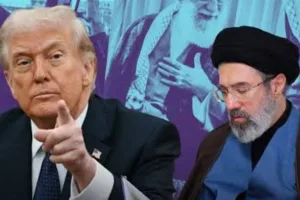
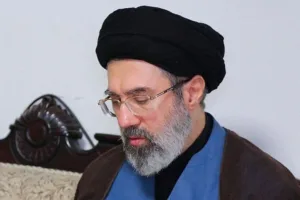
In a striking revelation, Iran’s Supreme Leader, Mojtaba Khamenei, is reportedly commanding the country through a clandestine “human chain” and handwritten letters, a method designed to evade surveillance by foreign intelligence agencies, according to a report by The New York Times.

The report claims that messages intended for Khamenei are written by hand, sealed, and passed between trusted couriers travelling discreetly across highways and rural routes. These messengers, using motorcycles and cars, reportedly deliver communications to an undisclosed location where the leader is believed to be in hiding. Responses are said to follow the same secure route, forming a low-tech but difficult-to-track communication system.

Highest security protocol in place

Security arrangements around the Supreme Leader are said to have reached unprecedented levels. Senior officials, including commanders of the Islamic Revolutionary Guard Corps, are reportedly avoiding in-person meetings to prevent any possibility of his location being traced.

The report suggests that even high-level movements could expose him to targeted attacks, prompting an extreme level of isolation.

Leader missing from public view

Khamenei has not appeared publicly since taking over after the death of his father, Ali Khamenei, who was killed in a joint US-Israel strike on February 28. Since then, there have been growing questions over the new leader’s condition and whereabouts.

According to the report, Khamenei has avoided all direct public communication. His directives are allegedly issued through written statements posted online or read out on state television, with no video or audio recordings released so far.

Serious injuries, limited mobility

Citing an Iranian official, the report states that Khamenei was “gravely” injured in the strike that killed his father. While he is said to be mentally alert, his physical condition appears severe.

He has reportedly undergone multiple surgeries on one leg and may require a prosthetic. Injuries to his hand are said to be healing gradually, while damage to his face and lips has made speaking difficult. The report also claims he may need “plastic surgery.”

The report suggested that Mojtaba is acting “consciously as he does not want to appear vulnerable or sound weak in his first public address.”

Iranian President Masoud Pezeshkian, who is a trained heart surgeon, along with the country’s health minister, is said to be directly involved in his treatment. Khamenei is believed to be under constant medical supervision at a secret location.

What social media is saying about Raghav Chadha’s AAP exit: Backlash, memes and sudden drop in followers

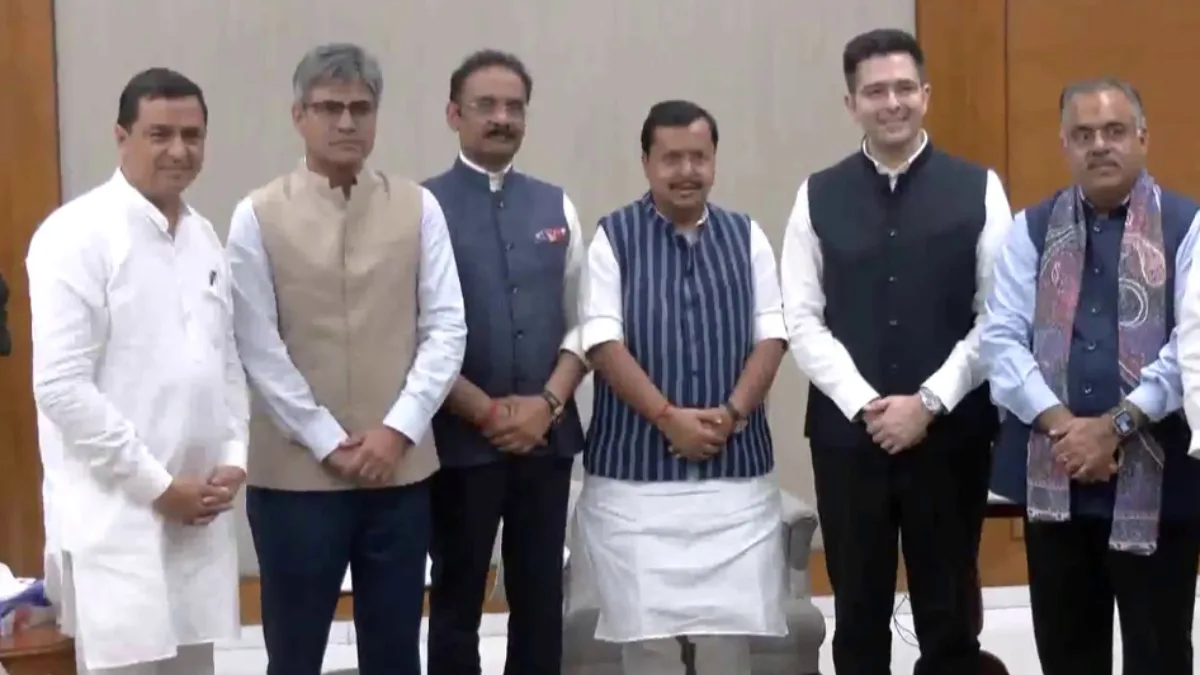
Chadha, along with six other AAP Rajya Sabha MPs – Swati Maliwal, Ashok Mittal, Sandeep Pathak, Harbhajan Singh, Rajinder Gupta and Vikram Sahney – merged with the BJP, citing differences with the Arvind Kejriwal-led party.

Statesman News Service | New Delhi |

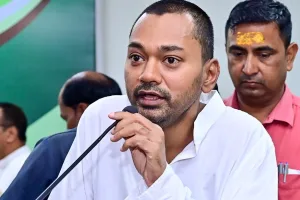
“We all feel fortunate that, under the leadership of Prime Minister Narendra Modi and with the determination and resolve of Amit Shah, we will continue working tirelessly and relentlessly for the nation,” said Aam Aadmi Party (AAP) turncoat and Rajya Sabha MP Raghav Chadha as he announced the merger of two-thirds of AAP parliamentarians with the BJP, a party he once called “goondo ki party” or a party of goons.

Chadha, along with six other AAP Rajya Sabha MPs – Swati Maliwal, Ashok Mittal, Sandeep Pathak, Harbhajan Singh, Rajinder Gupta and Vikram Sahney – merged with the BJP, citing differences with the Arvind Kejriwal-led party.

The move by Chadha, who was one of the most trusted lieutenants of Arvind Kejriwal until he wasn’t, has sparked hilarious reactions on social media, with many users mocking the Rajya Sabha MP for taking the saffron plunge – an ideology he has been vehemently opposed to throughout his career.

“Congratulations Raghav Chadha for becoming Raghav Chaddi,” wrote ChekrishnaCk on X along with a picture of the MP in what appears to be an old RSS uniform, the BJP’s ideological parent organisation.

Another X user questioned his ethics and accused him of hypocrisy. “Raghav Chadha used to lecture on ‘Operation Lotus’, today he has himself become a part of that same muck. What a massive hypocrite he turned out to be!”

Many users shared an old podcast video of Chadha where he purportedly called BJP a “party of goons”.

Some also shared another old video where Chadha is heard boasting about the honesty of him and his former boss Kejriwal. “Aaj tak vo rakam nahi bani hai, aur vo shaksh paida nahi hua jo Raghav Chadha ko, Aam Aadmi Party ko ya Arvind Kejriwal ko kharid sake. (No money or man can buy Raghav Chadha, AAP and Arvind Kejriwal.),” says Chadha in the purported video.

https://twitter.com/gautamhere_/status/2047665311466615092

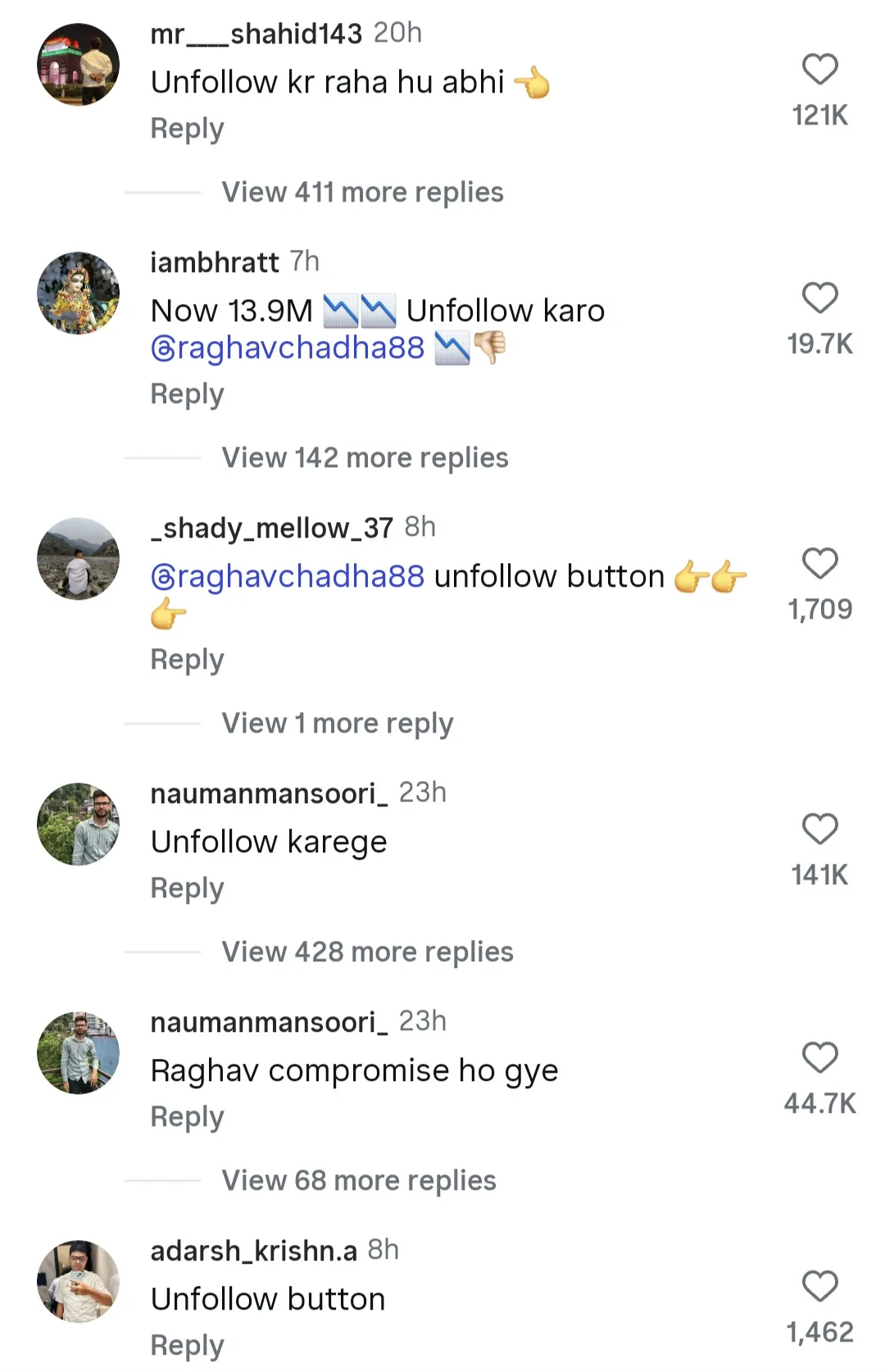
Reports also claimed that Chadha lost over one million followers within hours of his BJP switch.

The 37-year-old Rajya Sabha MP reportedly had 14.6 million Instagram followers on Friday morning which came down to 13.3 million on Saturday.

His comment section on Instagram was filled with nasty jibes and unfollow requests.

Several X users also said that they have unfollowed Chadha after his BJP switch. “He has betrayed the youth of this country. I have unfollowed him on X,” wrote a user on X.

‘Ganja-lover’ to ‘Ghoos-khor’: Indian rats becoming evidence eaters

Top court raises questions over missing bribe cash in Bihar case, granting interim relief to convicted officer while scrutinising evidence handling and High Court findings.

Statesman News Service | New Delhi |

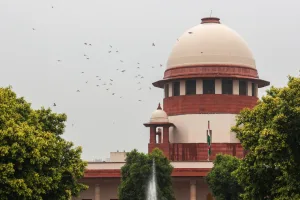
The Supreme Court on Saturday granted bail to a woman convicted in a corruption case and stayed her sentence, while sharply questioning an unusual finding that seized bribe money had been destroyed by rodents.

In doing so, the court signalled concern over how evidence was handled in the case, after the Patna High Court had relied on records despite the physical currency not being produced.

A bench of Justices JB Pardiwala and KV Viswanathan remarked, “We are taken by surprise that the currency notes got destroyed…,” reacting to the High Court’s observation about the missing bribe amount.

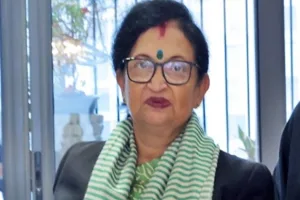
The case relates to Aruna Kumari, a Child Development Programme Officer (CDPO) in Bihar, who was accused of demanding a bribe of ₹10,000. She was booked under Sections 7 and 13(2) of the Prevention of Corruption Act, 1988.

Trial court acquittal overturned by High Court

The trial court had earlier cleared her of all charges, but the Patna High Court later overturned that decision, holding her guilty and handing down separate jail terms of four years and three years under different sections of the law.

A major point of contention before the High Court was the missing bribe money. The prosecution told the court that the seized cash could not be produced because it had allegedly been destroyed by rodents while kept in storage. Still, official entries in the malkhana register confirmed that the amount had been deposited, and the court chose to rely on those records.

The High Court held that the non-production of the currency notes did not weaken the case, relying on documentary evidence to uphold the conviction.

Supreme Court flags concern over missing evidence

Hearing the matter on Saturday, the Supreme Court took note of this aspect and expressed surprise at the explanation offered regarding the missing money. While granting bail to Kumari, the court also suspended her sentence pending further proceedings.

The order gives the accused some breathing room for now, even as the court’s sharp questions keep the spotlight firmly on how the evidence was handled and assessed.

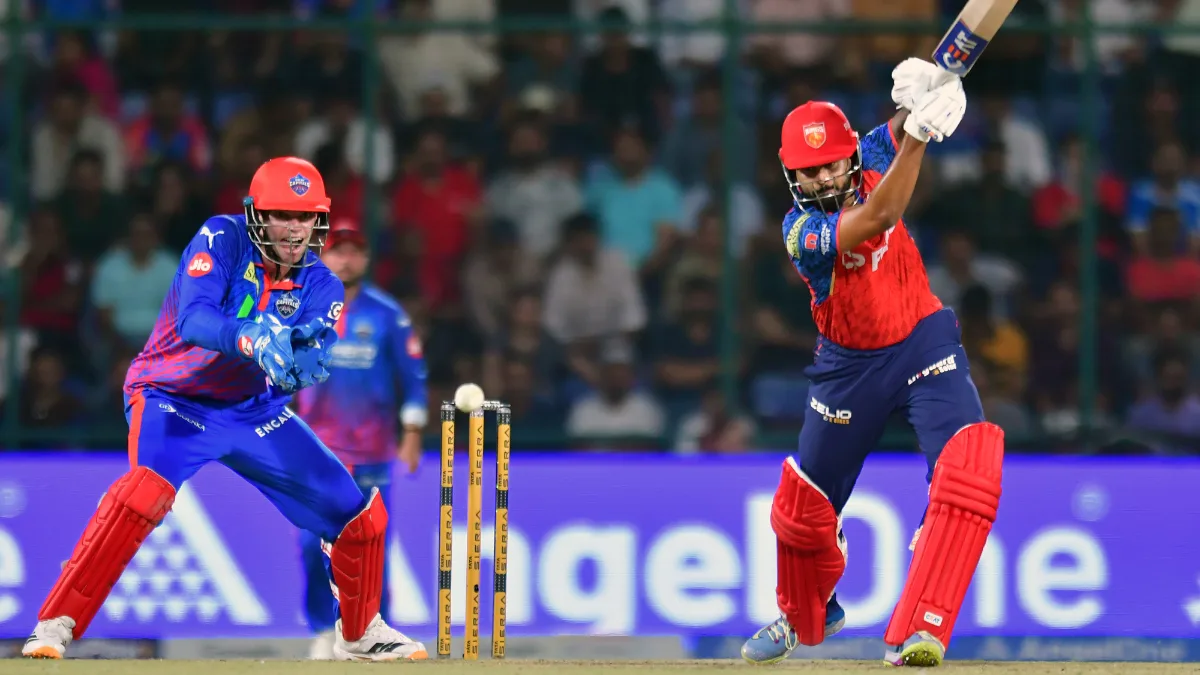
IPL 2026: 264 falls short as Punjab Kings script record chase against Delhi Capitals

Punjab Kings chase down 265 to beat Delhi Capitals in IPL 2026, pulling off a record win despite KL Rahul’s unbeaten 152 in Delhi.

Statesman News Service | New Delhi |

In a night that redefined T20 limits, Punjab Kings pulled off the highest successful run chase in IPL history, hunting down 265 to beat Delhi Capitals by six wickets in Match 35 of Indian Premier League 2026 at the Arun Jaitley Stadium on Saturday.

Chasing a daunting 265, PBKS showed fearless intent from ball one, riding on blistering knocks from Prabhsimran Singh and skipper Shreyas Iyer to get over the line with seven balls to spare.

The chase was built on a breathtaking powerplay assault as Prabhsimran (76 off 26 balls) and Priyansh Arya (43 off 17) tore into the DC attack, plundering 116 runs in the first six overs, one of the most explosive starts in IPL history. Prabhsimran reached his fifty in just 18 balls, peppering the boundary with nine fours and five sixes.

Despite a brief slowdown when Kuldeep Yadav struck twice in quick succession, removing Prabhsimran and Cooper Connolly, PBKS never lost control of the chase.

Iyer anchored the innings with a composed, unbeaten 71 off 36 balls, blending power with calm, while Shashank Singh (19*) provided steady support as PBKS sealed a famous win.

Earlier, it had all been about KL Rahul.

The DC opener produced a historic unbeaten 152 off 67 balls, the highest score by an Indian in IPL history, to power his side to a colossal 264/2. His innings, studded with 16 fours and nine sixes, came at a staggering strike rate of 226 and included a 47-ball century, the fastest for the franchise.

Rahul found a perfect ally in Nitish Rana, who smashed 91 off 44 balls as the pair stitched a massive 220-run stand, DC’s highest-ever partnership. The hosts raced to 68/1 in the powerplay and never let up, piling on runs on a flat deck.

PBKS, however, had their chances early, most notably when Shashank dropped Rahul on 12, a miss that proved extremely costly as the batter went on to produce a once-in-a-lifetime knock.

Their bowlers endured a torrid outing, with Xavier Bartlett conceding 69 runs in four overs, while Arshdeep Singh gave away 49.

The match also saw a worrying moment when Lungi Ngidi suffered a head injury while attempting a catch and had to be stretchered off, briefly halting play.

In the end, though, the night belonged to PBKS. Their audacious chase not only maintained their unbeaten run but also underlined the evolving nature of T20 cricket, where even 260-plus totals are no longer safe.

DC vs PBKS IPL 2026: Playing XIs

Delhi Capitals: KL Rahul (wk), Pathum Nissanka, Sameer Rizvi, Axar Patel (captain), Nitish Rana, Tristan Stubbs, David Miller, Lungi Ngidi, Kuldeep Yadav, T Natarajan, and Mukesh Kumar

Impact Substitutes: Vipraj Nigam, Karun Nair, Dushmantha Chameera, Ashutosh Sharma, and Auqib Nabi Dar

Punjab Kings: Prabhsimran Singh (wk), Priyansh Arya, Cooper Connolly, Shreyas Iyer (captain), Shashank Singh, Marcus Stoinis, Marco Jansen, Xavier Bartlett, Vijaykumar Vyshak, Arshdeep Singh, and Yuzvendra Chahal

Impact Substitutes: Nehal Wadhera, Harpreet Brar, Suryansh Shedge, Yash Thakur, and Vishnu Vinod

BJP gives ‘bhadralok’ a big push ahead of 2nd phase of West Bengal polls

New leadership at India’s policy think tank blends economic depth and scientific expertise, with key appointments highlighting Bengal’s continued influence in national governance and institution-building.

Statesman News Service | New Delhi |

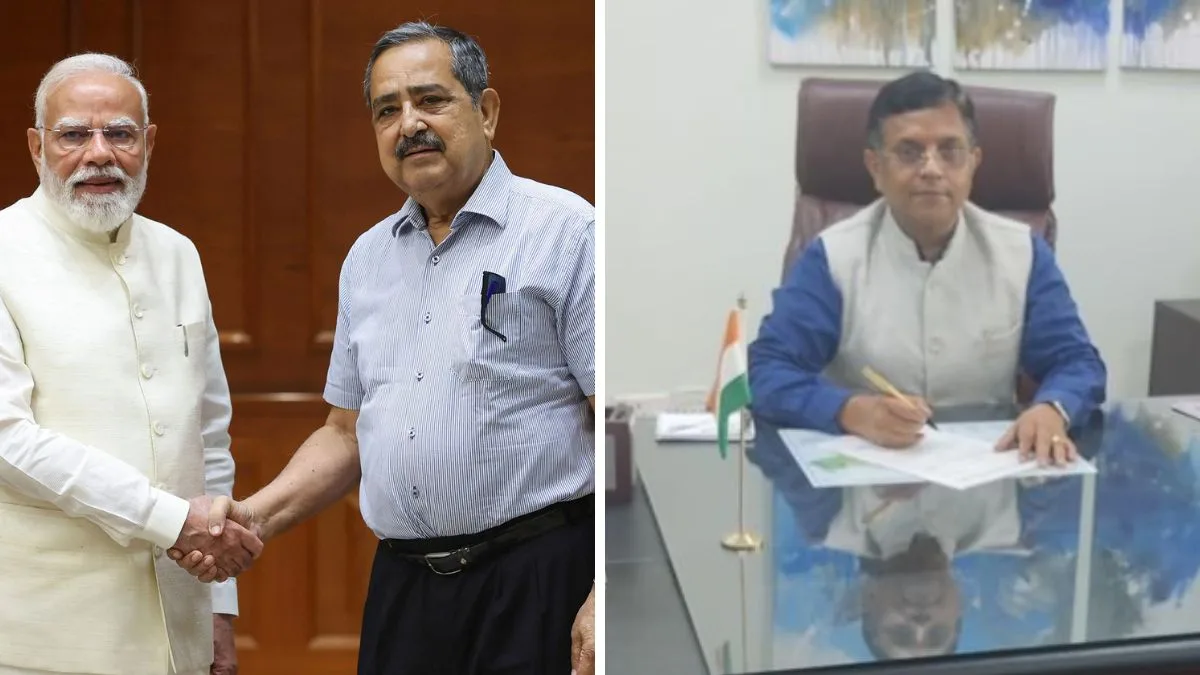
India’s apex policy think tank has a distinctly Bengali imprint in its new line-up, with senior economist Dr Ashok Lahiri appointed as Vice Chairperson and scientist Dr Gobardhan Das joining as Member.

The twin appointments place two West Bengal-born experts at the centre of national policymaking once again, underlining the state’s long-standing contribution to scholarship and governance. The development also comes at a time when Prime Minister Narendra Modi’s vision of a ‘Viksit Bharat’ is shaping policy direction, with the reconstituted NITI Aayog expected to play a pivotal role.

Lahiri meets PM Modi, begins tenure at the helm

A day after assuming charge, Lahiri met Prime Minister Modi in New Delhi on Saturday in his first official engagement as Vice Chairperson. While details of the meeting were not disclosed, the interaction signals the beginning of his tenure at a time when India faces a complex global economic landscape.

With more than four decades in public policy and academia, Lahiri has held key positions across institutions, including Chief Economic Adviser and member of the Finance Commission, apart from stints with the Asian Development Bank, World Bank and the IMF.

An alumnus of Delhi School of Economics and Presidency University, Lahiri has often been described as “a proud Kolkatan, and leading Bengali Bhodrolok luminary” advocating Bengal’s development.

Senior Advisor in the Ministry of Information and Broadcasting, Dilip Mandal, also congratulated Lahiri, saying, “India’s top economist, the die-hard Bengali Dr. Ashok Lahiri… will now be a key figure at NITI Aayog… He will guide how the country’s policies are shaped. This is a good selection by Prime Minister @narendramodi.”

Scientist Gobardhan Das brings global research experience

Joining Lahiri in the top ranks is Gobardhan Das, a molecular science expert with nearly three decades of work in immunology, infectious diseases and cell biology.

Das is internationally recognised for his research on tuberculosis and has led research projects at institutions such as Yale University, Houston Methodist Hospital, KwaZulu-Natal University and South Africa’s National Research Foundation before returning to India.

An alumnus of Viswa-Bharati University, he later became a professor at Jawaharlal Nehru University and currently serves as Director of IISER Bhopal.

A journey shaped by hardship and resilience

Beyond his academic achievements, Das’s personal journey stands out. Born to Hindu Dalit refugees from Bangladesh, he grew up in difficult circumstances in West Bengal. With his father working as a farmer, Das reportedly studied under streetlights as a student.

He also endured the loss of 17 family members in riots in the state. He has carried those experiences with him, but not as baggage. Instead, they seem to have quietly shaped his work, a career rooted in science, and a steady focus on contributing to the country.

What NITI Aayog’s new line-up signals

NITI Aayog, which replaced the Planning Commission, remains the government’s central policy body, working closely with states while shaping economic direction.

With Lahiri and Das now part of its top structure, the institution brings together experience from two very different worlds – economics and scientific research – at a time when both are increasingly intersecting in policymaking.

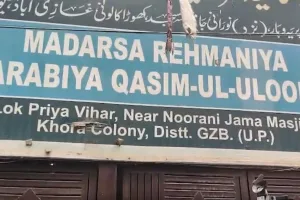
31 years later, Delhi Police arrest YouTuber Salim Wastik in 1995 boy’s kidnap and murder case

Crime Branch tracked and arrested Salim Wastik from Ghaziabad after years of evasion, reopening details of a 1995 kidnapping case that led to conviction and life sentence.

Statesman News Service | New Delhi |

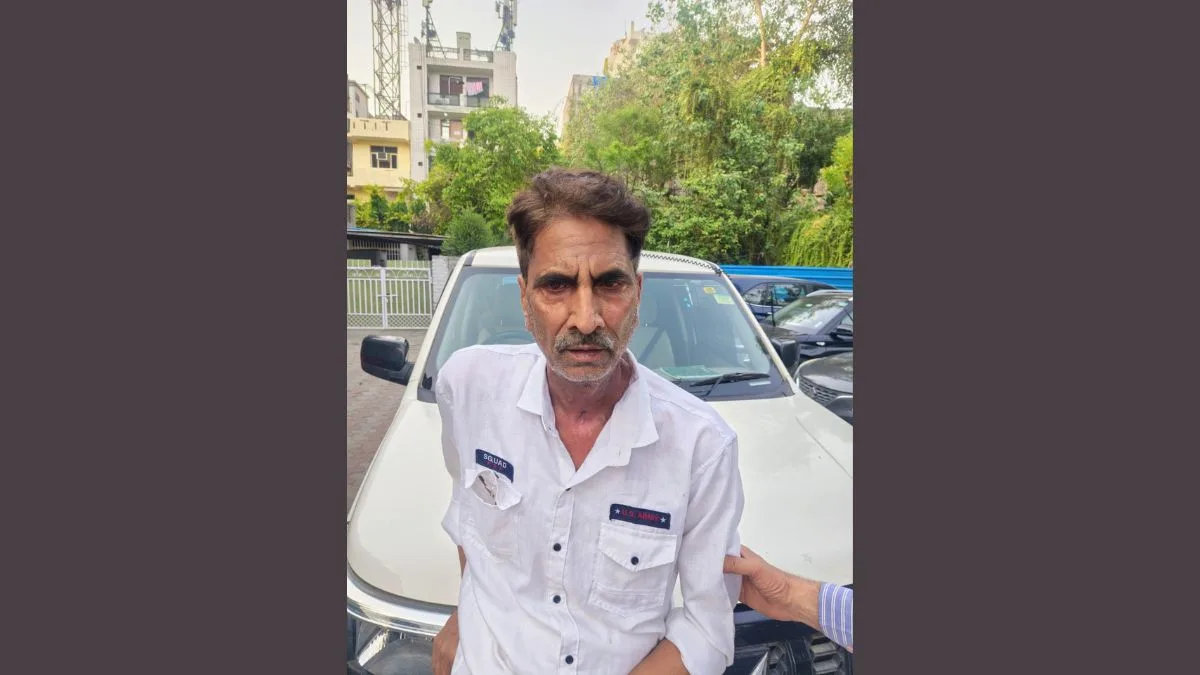
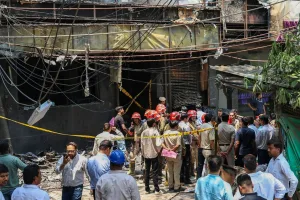
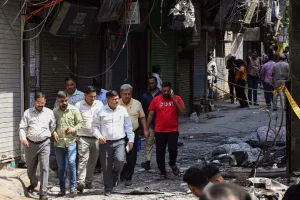
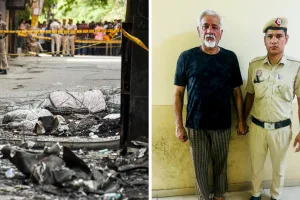
More than three decades after a 13-year-old boy was abducted and killed in northeast Delhi, the Crime Branch of Delhi Police has arrested social activist and YouTuber Salim Wastik, who had allegedly been evading law enforcement after jumping bail in the case.

The arrest revives a 1995 case that had shaken the capital, involving the kidnapping of a schoolboy for ransom and his murder. Police said the accused had managed to stay off the radar for years by changing identities and frequently shifting locations.

According to officials, the accused, also known as Salim Ahmed and earlier as Salim Khan, was apprehended from Loni in Ghaziabad, Uttar Pradesh. His identity was confirmed after sustained surveillance and verification of old records, including fingerprints.

How the 1995 kidnapping case unfolded

Police records show that on January 20, 1995, Sandeep Bansal, a 13-year-old student and son of a local businessman, left home for school but did not return. The next day, his family received a call claiming he had been kidnapped.

Soon after, another call was allegedly made demanding a ransom of Rs 30,000. The caller instructed the family to place the money inside a bus near the Loni Flyover and warned them against informing the police.

During the investigation, suspicion fell on Salim Khan, who was then working as a martial arts instructor at Ramjas School in Daryaganj, where the victim studied. A witness had told police that the boy was last seen leaving in a rickshaw with a tall man referred to as “Masterji”.

Police detained Salim, who allegedly led them to a drain near Mustafabad, where the child’s body was recovered and later identified by his father.

Further investigation led to the identification of a co-accused, Anil, who later surrendered in court in February 1995. Police also recovered the victim’s belongings, including a watch, a school bag and a tiffin box.

Conviction, bail and years of absconding

Both accused were charged under relevant sections of the IPC and were convicted in 1997. They were sentenced to life imprisonment.

However, Salim was granted interim bail by the Delhi High Court in 2000 and allegedly did not surrender thereafter. His conviction was later upheld in 2011.

Police said that in the years that followed, he changed his identity and moved across states, including Haryana and Uttar Pradesh, before settling in Loni where he ran a small business.

Acting on a tip-off received by Head Constable Mintu Yadav, a team led by Inspector Robin Tyagi tracked him down. During questioning, he allegedly admitted to living under a false identity after jumping bail.

Public profile and recent controversies

In recent years, Wastik had come into the public eye as a social activist and YouTuber, known for his controversial statements and critical views on Islam.

He had drawn attention after the Pahalgam terror attack, where he publicly condemned terrorism and blamed Pakistan for cross-border activities. Police sources said he had also been approached for a biographical film project based on his life, and the matter is under verification.

Earlier this year, he was also attacked at his residence and sustained multiple stab injuries. He survived after treatment. The two accused in that case were later killed in separate encounters by Uttar Pradesh Police.

Officials confirmed that Salim Wastik has been sent to judicial custody and lodged in Tihar Jail after completion of legal formalities. Further investigation is underway.

‘Torn pants to ₹100-crore house’: Swati Maliwal’s sharpest attack on ‘biggest traitor’ Arvind Kejriwal after BJP switch

Rajya Sabha MP Swati Maliwal exits AAP citing ideological differences, lack of space within the party, and serious allegations against its leadership, as she formally joins the BJP.

Statesman News Service | New Delhi |

A day after formally joining the Bharatiya Janata Party (BJP), Rajya Sabha MP Swati Maliwal on Saturday intensified her attack on Aam Aadmi Party (AAP) chief Arvind Kejriwal, alleging that he is “anti-women” and involved in “corruption and gundagardi.”

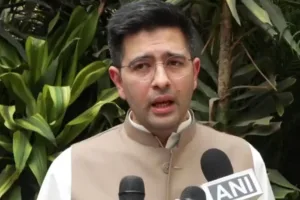
Maliwal, who quit the AAP on Friday after nearly two decades of association, elaborated on her decision in an interaction with ANI, combining personal allegations, ideological differences, and sharp criticism of the party’s leadership. Her remarks also come amid signs of churn within AAP’s Rajya Sabha ranks, with multiple MPs parting ways with the party.

Maliwal cites ideology behind BJP move

“I joined the BJP not under any compulsion, but because I believe in the leadership of PM Modi. I urge all those who want to do constructive politics to join the BJP,” Maliwal said.

She said her decision was shaped by deep ideological differences with the AAP, particularly on key legislative issues.

“I’ve made this decision after careful consideration. Even when the Women’s Reservation Bill was being introduced, the party’s stance was that they wouldn’t support it. I think that’s the limit for me. I’ve worked for women all my life… I’m joining the BJP because I’ve always been impressed by the BJP’s values and Prime Minister Modi’s leadership,” she said.

Referring to Article 370, she added, “Even when Article 370 was passed, the entire party opposed it. I stood in support of Article 370. I’ve always worked ideologically… I have no problem sacrificing my seat. Now, I am a BJP worker, and I will work as a BJP worker.”

Assault allegations and internal rift

Recalling her long association with Kejriwal since 2006, Maliwal said she had supported him through every agitation but later faced “harassment and pressure” within the party.

“I have left the AAP and joined the BJP. Since 2006, I have been working with Arvind Kejriwal and supported him during every agitation. However, Arvind Kejriwal had me beaten up by a goon in my own house. I was threatened when I raised my voice against it, and he put immense pressure on me to withdraw the FIR I lodged regarding this incident. I was denied any opportunity by the party to speak in Parliament for two years; this is very shameful. Arvind Kejriwal is anti-women,” she said.

Maliwal has repeatedly alleged that she was assaulted at Kejriwal’s residence in 2024, a charge she reiterated on Saturday.

‘Party is breaking from within’

Maliwal also claimed that discontent within the AAP is widespread.

“Be it Prashant Bhushan, Shanti Bhushan, Kumar Vishwas, and countless thousands and millions of volunteers have left the party under Arvind Kejriwal’s leadership. I believe that no good person can work with Arvind Kejriwal for long… The party is breaking from within… I am in touch with everyone. No one is happy with Arvind Kejriwal,” she said.

Targets AAP’s Punjab governance

Escalating her criticism, Maliwal accused the AAP leadership of misusing power in Punjab.

“Now, they have entered Punjab, and the state government is being remotely controlled, turning Punjab into their personal ATM. Sand mining and drug usage are at a peak in Punjab. FIRs are registered against all those leaders who raise their voices against them. Arvind Kejriwal is known for corruption and ‘gundagardi’,” she said.

She added, “If anyone is a traitor, it’s Arvind Kejriwal. When he started his movement, he wore torn pants, used a two-rupee pen, and drove around in a completely dilapidated car. We were all inspired, thinking that this man would bring change to the country. During the movement, he showed the entire country so many big, sweet dreams, and the country was impressed. But what did he do? As soon as he came to power, he built a house worth a hundred crores. He added a bar, installed carpets worth crores, and bought a refrigerator costing lakhs and crores. His sofa is so luxurious.”

“And now, after the people of Delhi defeated him, he has moved to Punjab. They’re using Punjab like an ATM. The man they had me beaten up by was given Z-plus security. Today, he’s been appointed Bhagwant Mann’s chief advisor…The man who used to speak out against VIP protocol, when his convoy moves out, we’re counting fifty cars, but it goes above fifty. So, what constitutes treason? I call acting against one’s core principles treason. And there’s no bigger traitor than Arvind Kejriwal…”

Praises PM Modi, contrasts leadership

Contrasting AAP with the BJP, Maliwal praised Prime Minister Narendra Modi and Union Home Minister Amit Shah.

“On the other hand, we have PM Modi, who is the most popular leader in the world… PM Modi and Union Home Minister Amit Shah have taken historic decisions for the development of the nation,” she said.

AAP faces fresh turmoil as MPs break away

The political developments come alongside a broader shake-up within the AAP.

On Friday, Rajya Sabha MPs Raghav Chadha, Sandeep Pathak and Ashok Mittal parted ways with the party and joined the BJP. Chadha said that he, along with six AAP MPs, had informed the Rajya Sabha Chairman of their decision, indicating that two-thirds of the party’s Upper House members would merge with the BJP.

The AAP is now deliberating its next course of action. Senior leader Manish Sisodia met party convenor Arvind Kejriwal late Friday night after returning from Gujarat, as internal discussions continue.

Earlier statement after quitting AAP

In a post on X on Friday, Maliwal traced her journey from the RTI and Anna movements to the formation of the AAP, saying she had worked with “complete honesty and devotion.”

“With great sorrow today, I must say that the principles, values, and resolve for honest politics with which we began this journey have been abandoned by Arvind Kejriwal ji and… the entire Aam Aadmi Party,” she wrote.

She reiterated allegations of assault and intimidation, claiming that the individual involved was protected and rewarded, and that she faced threats after raising the issue.


Bengal assembly elections: EC purge continues to ensure free and fair polls in second phase

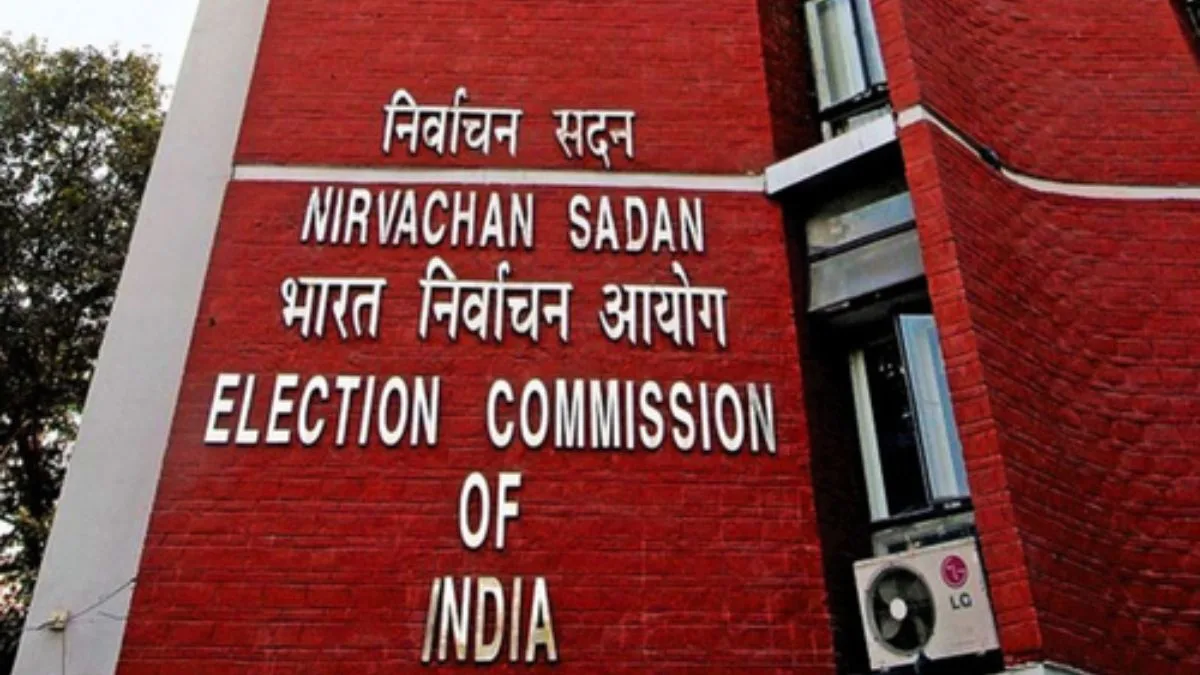
The Election Commission of India has intensified its crackdown in West Bengal as part of its drive to ensure free and fair elections, suspending five police officers in the Diamond Harbour district and ordering disciplinary proceedings over “serious misconduct and failure to maintain neutrality” during the ongoing 2026 Assembly elections.

Statesman News Service | New Delhi |

The Election Commission of India has intensified its crackdown in West Bengal as part of its drive to ensure free and fair elections, suspending five police officers in the Diamond Harbour district and ordering disciplinary proceedings over “serious misconduct and failure to maintain neutrality” during the ongoing 2026 Assembly elections.

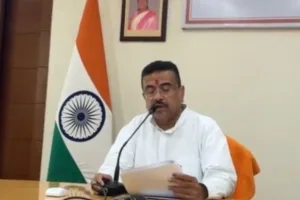
Acting on complaints and internal assessment, the poll body directed the immediate suspension of Sandip Garai, Additional Superintendent of Police, Diamond Harbour; Sajal Mondal, Sub-Divisional Police Officer, Diamond Harbour; Mausam Chakraborty, Inspector-in-Charge, Diamond Harbour Police Station; Ajay Bag, Inspector-in-Charge, Falta Police Station; and Subhechha Bag, Officer-in-Charge, Usthi Police Station.

In a parallel action, the Commission issued a warning to Diamond Harbour Superintendent of Police Ishani Pal, citing alleged failure to ensure discipline and fairness among subordinate officers in sensitive election-related matters.

The poll panel has directed that the orders be implemented with immediate effect and a compliance report be submitted by 11 am on Saturday.

The action comes at a crucial time as West Bengal moves deeper into the election process. Phase one polling concluded on Thursday evening, recording a high voter turnout of 91.91 per cent, according to Election Commission data. Earlier, Chief Election Commissioner Gyanesh Kumar noted the unprecedented participation, stating that West Bengal and Tamil Nadu witnessed their highest ever polling percentages since Independence, and praised voters for their participation.

With the second phase approaching, the Election Commission’s strict enforcement signals continued vigilance on law and order and administrative neutrality. Polling in the remaining 142 constituencies in West Bengal is scheduled for May 29, while counting of votes will take place on May 4.


Raids from yesterday through today, from Anant Raj Limited to Raheja Developers

The twin action, both under the Prevention of Money Laundering Act (PMLA), signals a broader crackdown on alleged financial irregularities and homebuyer-linked fraud cases.

Statesman News Service | New Delhi |

The Enforcement Directorate (ED) has stepped up its scrutiny of the real estate sector, carrying out consecutive search operations over two days – first at Anant Raj Limited’s office in Delhi on Friday and then at multiple locations linked to Raheja Developers across the National Capital Region (NCR) on Saturday. The twin action, both under the Prevention of Money Laundering Act (PMLA), signals a broader crackdown on alleged financial irregularities and homebuyer-linked fraud cases.

Officials said the searches at Anant Raj began early Friday and continued through the day as part of an ongoing money laundering investigation. While the agency has not disclosed specific details of the case, sources indicated that documents and financial records are being examined.

Within 24 hours, the ED radar included Raheja Developers, where search teams fanned out across seven premises in Delhi-NCR. The searches are linked to allegations of cheating homebuyers and failure to deliver flats in the company’s Raheja Revanta project.

Raheja case: Allegations rooted in earlier FIRs and ED action

The latest searches are part of a continuing investigation that dates back to multiple FIRs filed by the Economic Offences Wing (EOW) of Delhi Police against Raheja Developers, its Managing Director Naveen Raheja, and others.

According to the ED’s July 1, 2025 press release, the agency had earlier conducted searches at 13 locations across Delhi, NCR and Mohali on June 27 under the PMLA. The probe was initiated after FIRs alleged that the company collected substantial funds from investors and homebuyers on the promise of delivering residential flats in various group housing projects but failed to hand over possession.

During those earlier raids, the ED said it seized incriminating documents, digital devices, and records related to movable and immovable assets. The findings pointed to suspected diversion and misuse of funds collected from buyers, forming the basis for the ongoing money laundering investigation.

The current round of searches seems to be a continuation of that probe, with a sharper focus on the Raheja Revanta project, where buyers have alleged prolonged delays and non-delivery of flats despite payments.

Anant Raj shares dip after ED action

The Enforcement Directorate action at Anant Raj’s Delhi office triggered a sharp sell-off in Anant Raj Limited shares, which fell over 7 per cent during Friday’s trade amid heightened investor concerns. The stock was trading at Rs. 472.45, down 7.38 per cent.

The counter has remained under pressure in recent days as well, losing over 7 per cent in the past week and more than 13 per cent on a year-to-date basis.

Probe intensifies across sector

The back-to-back searches underscore the ED’s increasing focus on alleged irregularities in real estate projects, particularly those involving large-scale fund collection from homebuyers. With investigations into both Anant Raj and Raheja Developers ongoing, more disclosures are expected in the coming days as authorities analyse seized material and financial trails.


BJP ally or solo fight? Athawale puts 25-seat condition for 2027 UP Assembly polls

RPI(A) has staked claim to 25 seats in Uttar Pradesh, signalling tougher alliance negotiations with the BJP as smaller NDA partners begin early positioning for the 2027 Assembly polls.

Statesman News Service | New Delhi |

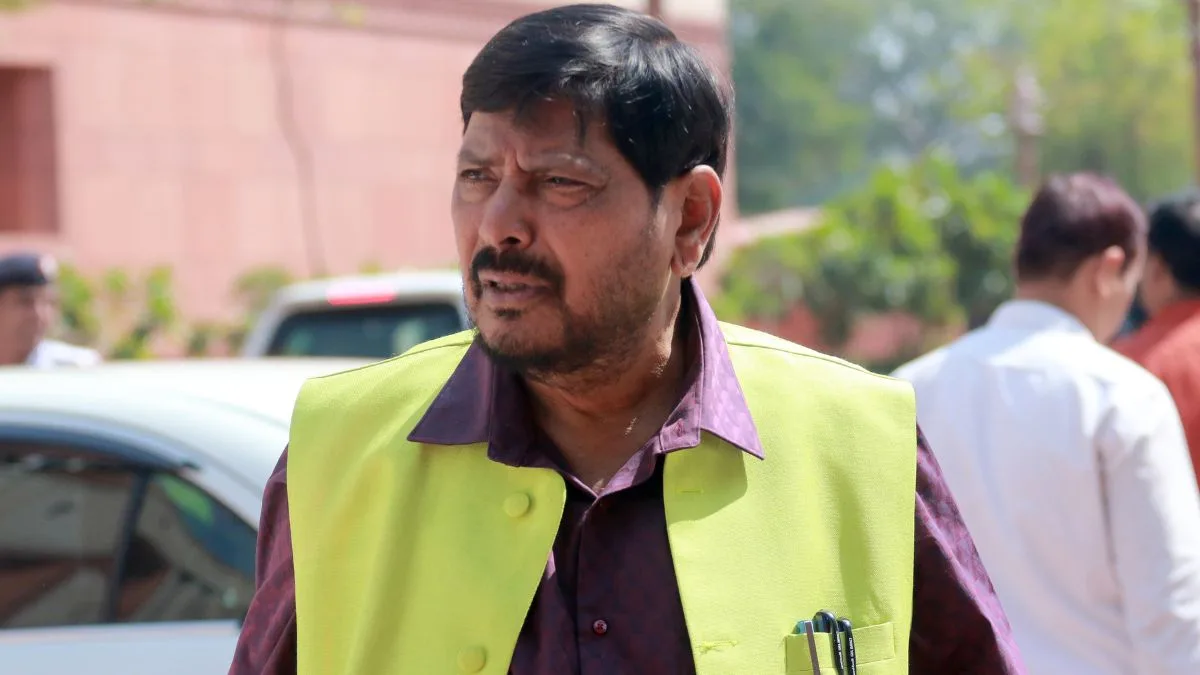
The Republican Party of India (Athawale) on Saturday drew a clear line for its role in Uttar Pradesh, with Union Minister and party chief Ramdas Athawale saying the party will contest 25 Assembly seats with the BJP or go solo if that demand is not met.

The statement, issued through a press release ahead of the 2027 Uttar Pradesh Assembly elections, shows early signs of seat-sharing pressure within the NDA, even though formal talks are yet to begin.

Athawale sets terms for BJP alliance

According to the release, Athawale said, “In Uttar Pradesh, the party will contest 25 seats as an ally of the BJP. If this demand is not met, the party will contest the assembly elections alone.”

The remark signals a firm stand by the RPI(A), which is looking for a defined space in the state’s electoral map as preparations for 2027 slowly pick up.

The party also made it clear that it sees itself as a relevant partner in Uttar Pradesh politics, especially within the NDA setup, where smaller allies often negotiate their share based on social base and regional presence.
Image

Organisation push ahead of 2027 elections

The press release said the party is focusing on strengthening its organisation in Uttar Pradesh at the grassroots level. Athawale noted that the effort is aimed at giving the party a stronger voice in the upcoming elections.
He also pointed out that the RPI(A) is an important partner in the NDA at the Centre and expects similar weight in Uttar Pradesh.

Opposition in the line of fire

In the same statement, Athawale targeted the Congress and the Samajwadi Party, accusing them of working against the interests of women and marginalised communities.

He said the RPI(A) represents Dalits, backward classes and other deprived sections, and claimed that these groups have not seen real development despite being politically courted by other parties.

State unit backs demand

RPI(A) Uttar Pradesh president Pawan Kumar Gupta backed the national leadership’s position, saying party workers have already begun preparing for the 2027 elections.

He also appealed to the media to give space to the party’s programmes, signalling an attempt to build visibility in the state.

West Bengal PDS scam probe deepens; ED raids homes of men close to TMC’s jailed-and-bailed leader Jyotipriya Mallick

ED teams searched multiple premises across Bengal, including Habra, as part of a PDS wheat diversion probe involving suppliers, distributors and alleged smuggling networks ahead of Assembly polling.

Statesman News Service | New Delhi |

The Enforcement Directorate (ED) on Saturday carried out coordinated search operations at multiple locations in West Bengal’s North 24 Parganas district, intensifying its probe into an alleged Public Distribution System (PDS) scam days before the second phase of Assembly elections.

The timing of the raids, just four days before polling for 142 constituencies on April 29, has pushed the ration diversion case back into the political spotlight, particularly in Habra where key individuals linked to the investigation are based.

According to IANS, ED teams, accompanied by Central Armed Police Force (CAPF) personnel, fanned out from the agency’s Salt Lake office early in the morning and reached Habra to conduct searches at residences linked to rice traders and mill owners. The locations include the residence of Sagar Saha at Srinagar in Habra, and the homes of Rajib Saha and Partha Saha at Subhash Road near Deshbandhu Park.

Searches linked to alleged diversion of PDS wheat

The ongoing searches are part of a wider investigation under the Prevention of Money Laundering Act (PMLA). The ED initiated its probe based on an FIR registered by West Bengal Police at Basirhat Police Station following a complaint by the Deputy Commissioner of Customs at Ghojadanga Land Customs Station in October 2020, alleging large-scale diversion of Public Distribution System (PDS) wheat meant for welfare schemes.

The ED is examining premises linked to suppliers and exporters across Kolkata, Burdwan and Habra.

The probe has indicated a structured network involving suppliers, licensed distributors, dealers and middlemen, who allegedly procured PDS wheat through unauthorised channels at low prices. The diverted stock was then aggregated at multiple locations before being routed into the open market or export chains.

To mask its origin, the accused are suspected to have removed or reversed markings on gunny bags belonging to the Food Corporation of India (FCI) and the state government, repackaging the wheat as legitimate stock.

2021 seizure, political links under scanner

Sources indicated that Saturday’s searches are also connected to an earlier seizure by Border Security Force personnel, when 175 vehicles loaded with rice and wheat were intercepted near the Ghojadanga border in Basirhat ahead of the 2021 Assembly elections.

The case has previously drawn political attention. The three individuals whose premises were searched are known to be close to Trinamool Congress legislator Jyotipriya Mallick, a former state Food & Supplies Minister. Mallick was arrested earlier by the ED in connection with the same case and spent a considerable period in custody. He is currently out on bail and is contesting again from the Habra constituency, which goes to polls on April 29.

The ED has also questioned actress-turned-politician Nusrat Jahan, a former Trinamool Congress MP from Basirhat, in connection with the investigation.

Officials confirmed that searches are being carried out at nine premises in total, spanning Kolkata, Burdwan and Habra, as part of the ongoing probe into the alleged diversion racket and the generation of proceeds of crime.

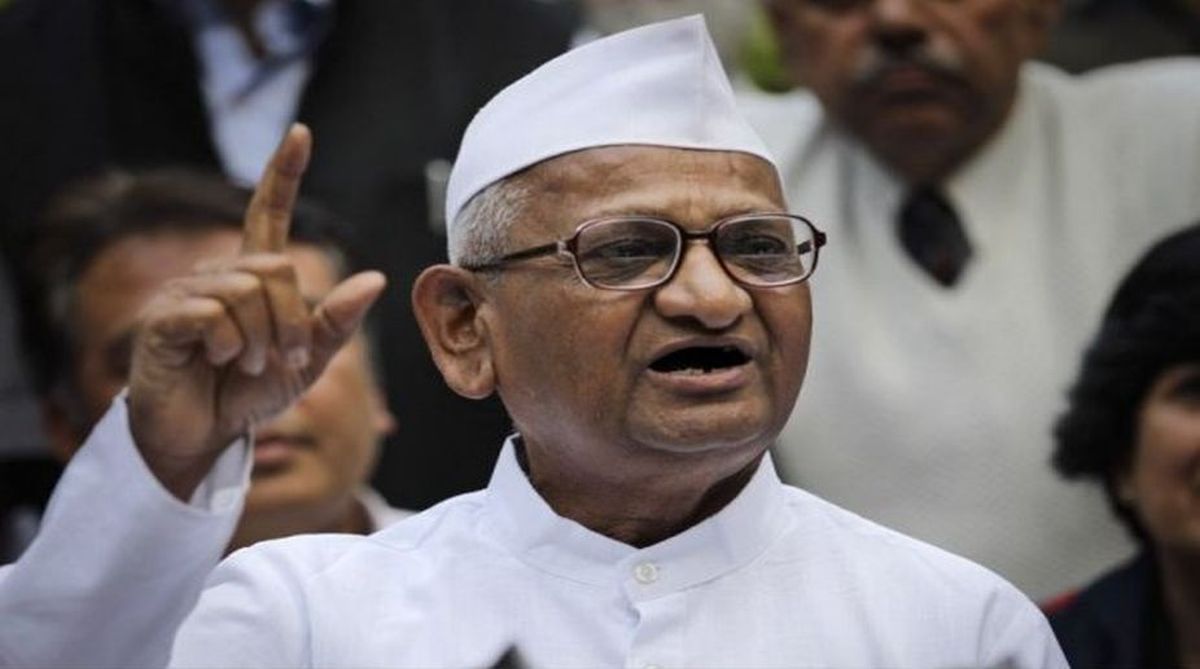
‘Party-hopping for selfish needs is against constitutional spirit’: Anna Hazare on Raghav Chadha’s break-up with AAP

Hazare said shifting political allegiance for personal interests is “not right” and goes against the spirit of public service. He added, “Leaving one party and joining another is not right. Changing political parties for selfish needs is not the right thing.

Statesman News Service | New Delhi |

Amid a major political churn triggered by Raghav Chadha and several other MPs joining the Bharatiya Janata Party (BJP), social activist Anna Hazare on Saturday criticised the move, calling it a departure from democratic values.

Speaking on the development, Hazare said shifting political allegiance for personal interests is “not right” and goes against the spirit of public service. “Leaving one party and joining another is not right. Changing political parties for selfish needs is not the right thing. This is not mentioned in our Constitution. Our Constitution is supreme, and the country runs according to it,” he said.

He stressed that elected representatives must act in line with constitutional principles and avoid decisions driven by individual gain.

Hazare’s remarks come at a time when the Aam Aadmi Party (AAP) is grappling with one of its biggest internal crises. His comments carry weight given his early association with AAP’s origins. He was the face of the 2011 anti-corruption movement that led to the party’s formation, though he later distanced himself from electoral politics and from AAP leadership led by Arvind Kejriwal.

Chadha, other 6MPs split with AAP

The criticism follows a dramatic political move on Friday when Raghav Chadha, along with Sandeep Pathak and Ashok Mittal, announced their exit from AAP and joined the BJP.

Chadha said that he and six other Rajya Sabha MPs had formally informed the Chairman of the House about leaving the party, in line with procedural rules. The move effectively signals a merger of a significant section of AAP’s Upper House strength with the BJP.

The latest developments have intensified the political battle, with AAP preparing to challenge the defections legally while the BJP welcomes the incoming leaders. Hazare’s intervention adds a moral dimension to the debate, questioning the ethics of political realignments in the middle of a parliamentary term.


Netherlands Ambassador says moving ahead to elevate bilateral ties to “Strategic Partnership with India”

Gerards said both countries are preparing to expand cooperation across a wide range of sectors, including trade, artificial intelligence (AI), semiconductors and innovation.”We will strategically strengthen our relationship. Very soon, there will be a big visit, which we will formally announce,” she said, underscoring the importance of trusted international partnerships.

Arti Bali | New Delhi |

The Ambassador of the Netherlands to India, Marisa Gerards, has signalled that a significant high-level visit from the Netherlands is imminent, one that is expected to further elevate bilateral ties between the two nations to a “strategic partnership”.

Speaking at the King’s Day 2026 celebrations hosted by the Dutch Embassy, Gerards said both countries are preparing to expand cooperation across a wide range of sectors, including trade, artificial intelligence (AI), semiconductors and innovation.”We will strategically strengthen our relationship. Very soon, there will be a big visit, which we will formally announce,” she said, underscoring the importance of trusted international partnerships. She added that India and the Netherlands are set to deepen collaboration not only in high-tech industries but also in agriculture, water management, energy, and shipping.

On the broader strategic vision, the Ambassador said, “Our countries are moving vigorously towards a strategic partnership. In this day and age, we need trusted friends to withstand the geopolitical and geo-economic challenges the world is facing. This strategic partnership will function as a cornerstone of national resilience, enabling us to better counter disruptions in supply chains across critical sectors — such as semiconductors, medicines, and energy — that would otherwise cripple our economies.”

“Our two nations represent a powerful partnership rooted in innovation. India brings energy, talent and a rapidly growing economy; the Netherlands brings cutting-edge expertise in water management, agriculture, and high-tech industries — together shaping solutions for a changing world, from climate change to sustainable agriculture.”The strength of the India–Netherlands relationship is not merely diplomatic; it is firmly anchored in robust economic engagement. Bilateral investment between the two countries stands at an impressive $90 billion, a figure that reflects the depth of commercial confidence each nation places in the other.

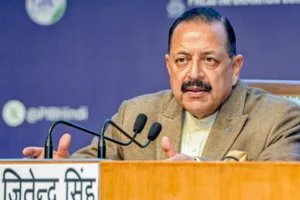
Union Minister Jitendra Singh, who attended the event at the Ambassador’s residence, captured the spirit of this partnership succinctly.”We are in the age of biotechnology. We have bilateral investment of $90 billion, which means we are actively engaged by business considerations. We have a mutual bond, an ease of working with each other,” Singh said. The Minister highlighted the deep and enduring ties between the two countries, noting that despite evolving geopolitical challenges, bilateral relations have remained steady and continue to grow.”These are two countries that have shared a deep bond over centuries. In today’s rapidly changing global environment, it is significant that our relationship continues to progress,” he said.

Singh also pointed to ongoing cooperation in water management, agriculture and high technology, and praised the Indian diaspora in the Netherlands for its active engagement despite its relatively modest size.

Drawing on his background as a physician, the Minister further highlighted India’s diverse health landscape — noting that the country offers wide-ranging opportunities for medical research, biotechnology, and collaboration, owing to its varied epidemiological patterns across regions. He underlined that this positions India as a uniquely valuable partner in the global life sciences and healthcare space.

The forthcoming high-level visit is expected to cement strategic ties further, particularly in emerging technologies, biotechnology, and innovation-driven sectors — reflecting both nations’ shared commitment to building a resilient, future-ready and mutually prosperous partnership.

‘AAP lives like kings’: Parvesh Verma targets Kejriwal over ‘Sheesh Mahal 2’; AAP calls visuals ‘fake’

Political rhetoric sharpens in Delhi as BJP questions consistency between AAP’s founding ideals and current leadership choices, turning housing into a key flashpoint.

Statesman News Service | New Delhi |

BJP leader and Delhi Minister Parvesh Verma on Saturday sharpened his attack on former chief minister Arvind Kejriwal, accusing him of abandoning his claims of a simple lifestyle and embracing luxury, citing his new official residence in the national capital.

The remarks come amid a renewed political flashpoint over Kejriwal’s housing choices, with the BJP seeking to frame the issue as one of alleged hypocrisy ahead of a broader political contest in Delhi.

‘They live like kings,’ says Verma

Addressing a press conference, Verma questioned Kejriwal’s image as a leader of austerity, pointing to his residence at 95 Lodhi Estate. He alleged that the Aam Aadmi Party (AAP), which rose to power on promises of clean governance and modest living, has drifted from its founding ideals.

“Those who call themselves the Aam Aadmi Party today, they live like kings. There is nothing wrong with that. Let them live, but then don’t call yourself the Aam Aadmi Party,” Verma said.

He went on to describe the residence as “Sheesh Mahal 2”, alleging that it follows an earlier controversy around Kejriwal’s official accommodation.

Questions raised over funding and past claims

Verma also raised questions about the source of funds used for developing the property. “Why does the person who promised a two-room flat repeatedly feel the need to build such a Sheesh Mahal? BJP wants to ask: In this new Sheesh Mahal, whose money has been invested? Which companies’ money has been used? Where did this money come from?” he asked.

Referring to Kejriwal’s political journey, Verma said the AAP leader had earlier invoked figures like Mahatma Gandhi, Bhagat Singh and BR Ambedkar during the anti-corruption movement while promising a life of simplicity.

“Today, in front of you once again, those who have been deceiving the people of Delhi, taking the help of the Anna movement… giving an affidavit on a one-rupee stamp paper that ‘I will not take a government house, will not take a bungalow, will not take a car’…” he said.

‘Seven-star hotel’ comparison, sharp jibes

During the press briefing, Verma referred to visuals of the residence and claimed it resembled a luxury property. “Looking at this house, does it seem like an ordinary person’s house? This is Kejriwal’s bedroom. It looks like a seven-star hotel suite in Goa… 95 Lodhi Estate, their new Sheesh Mahal. Each penny invested in this house is private,” he alleged.

In a series of political jibes, Verma said, “In the history of independent India, if anyone has the most extravagant hobbies, his name is Arvind Kejriwal… His party’s name should not be ‘Aam Aadmi Party’, it should be ‘Aalishan Aadmi Party’.”

He also remarked, “Sheesh Mahal has surrounded Kejriwal so much that today he cannot see the pain of the people of the country, the people of Delhi, and the people of Punjab…”

AAP rejects claims, calls images ‘fake’

Responding to the allegations, AAP leaders Atishi and Sanjay Singh dismissed the visuals cited by Verma as fabricated and challenged BJP leaders to make their own residences public.

“All the pictures released by Pravesh Verma are fake. They are not pictures of Kejriwal ji’s house. To find out whose house is how luxurious, Rekha Gupta ji and LG sahib should open their own houses, and Kejriwal ji will open his house. The public will decide for itself,” Atishi said in a post on X.

Sanjay Singh issued a sharper warning, stating that the claims could invite legal action. “The picture of Arvind Kejriwal ji’s house released by Parvesh Verma is completely fake. Parvesh Verma and the TV channels showing the pictures released by him should prepare to face a defamation case,” he said.

He further added, “I challenge Rekha Gupta ji, Lt Gov Delhi sir, and Parvesh Verma to open their respective houses to the public. Arvind Kejriwal ji will open his house, and the public will get to know whose house is how luxurious?”

With both sides digging in, the controversy over Kejriwal’s residence is set to escalate further, emerging as a key political flashpoint in Delhi.

Defections ahead of Punjab polls—who will benefit: BJP, Congress, Akali Dal or AAP

Sources say the development opens opportunities for the BJP in a state where the party has traditionally struggled to establish a strong foothold independently. By inducting leaders with established local networks—someone like Raghav Chadha, who was seen as a de facto CM in the Bhagwant Mann government in Punjab before things went awry—it is a smart, calculated expansion strategy ahead of the polls.

VIBHA SHARMA | New Delhi |

Coming ahead of the Punjab Assembly elections early next year, the political apocalypse in the Arvind Kejriwal-led AAP on Thursday poses a major challenge to the ruling party in the state, giving rise to questions on its political beneficiary. Will these seven Rajya Sabha MPs—the majority being from Punjab—help the BJP, a relatively minor force in the state? Will this defection help the Congress, the primary challenger of AAP? Will it benefit the Akali Dal, an important force in the state? Or will Arvind Kejriwal gain sympathy from voters due to this “betrayal by traitors,” as AAP leaders are describing it?

Notably, six of the seven MPs who joined the BJP on Thursday are from Punjab, with Swati Maliwal being the only one from Delhi. Addressing media persons on Friday, AAP MP Sanjay Singh accused the BJP leadership, including Prime Minister Narendra Modi and Home Minister Amit Shah, of orchestrating “Operation Lotus” to destabilise the Mann government.

Sources say the development opens opportunities for the BJP in a state where the party has traditionally struggled to establish a strong foothold independently. By inducting leaders with established local networks—someone like Raghav Chadha, who was seen as a de facto CM in the Bhagwant Mann government in Punjab before things went awry—it is a smart, calculated expansion strategy ahead of the polls.

For AAP, which swept to power in Punjab, the defections create a perception of internal instability at a critical juncture. Such optics could erode voter confidence, particularly if the opposition successfully frames the narrative as one of leadership issues. But can it gain from a sympathy factor in Punjab’s distinct political dynamics, shaped by regional identity, agrarian concerns, and lingering distrust following the farm law protests?

Observers say that while the BJP strengthens its organisational presence and uses the networks of the new inductees, converting that into votes is a complex task. Besides, people in Punjab are seen as voting to defeat a party rather than making a party win. This is where the Congress could emerge as a key beneficiary.

Despite recent electoral setbacks, the party retains a legacy base across rural and semi-urban Punjab. Any erosion in AAP’s support may benefit Congress, especially among voters reluctant to back the BJP. If the party manages internal cohesion and presents a credible leadership face, it could reclaim lost ground, sources say. The evolving scenario also leaves room for the Shiromani Akali Dal to regain relevance by appealing to sections disillusioned with both AAP and Congress. And if the BJP and the Akali Dal come together, the scenario may be completely different.

So, can the fragmentation of AAP have multiple effects?

AAP leaders have reacted sharply, calling the move a “gaddari” (betrayal) that the people of Punjab who sent them to the Rajya Sabha will never forget. In a post on X, Kejriwal said, “BJP ne phir kiya Punjabiyon ke saath dhakka.” “People of Punjab will never forgive this betrayal,” Mann said on Friday, describing the seven MPs as “traitors” who would gain nothing in the BJP. Whether voters in Punjab will also buy this argument remains to be seen.

Iran unity message vs reality: Report points to growing internal rift

A US think tank flags a shift within Iran’s leadership, with hardliners gaining influence just as diplomatic engagement with Washington gathers pace through mediated talks in Islamabad.

Statesman News Service | New Delhi |

A fresh assessment by a US-based think tank suggests that hardline voices within Iran’s power structure may now be steering the country’s negotiating stance, with Islamic Revolutionary Guards Corps (IRGC) Commander Brigadier General Ahmad Vahidi emerging as a dominant figure.

The findings come at a critical moment, just as Tehran and Washington prepare for indirect engagement through mediators, raising questions over whether diplomatic flexibility is shrinking within Iran’s leadership.

According to the Institute for the Study of War (ISW), Vahidi and his close aides have consistently pushed back against efforts by Parliament Speaker Mohammad Bagher Ghalibaf and other “pragmatist” figures who were advocating a more adaptable position in negotiations. The report indicates that this internal contest has, for now, been settled in favour of the hardliners.

The ISW assessment notes that Vahidi appears to have “prevailed in this internal power struggle” and is likely to influence Iran’s approach with a “maximalist and uncompromising stance.” It adds that Ghalibaf “likely lacks the leverage to alter this trajectory in a meaningful way at this time.”

Signs of strain within Iran’s leadership

Reports about Ghalibaf’s possible exit from the negotiating team have added to the sense of friction at the top. The ISW said such developments are “consistent with ISW-CTP’s assessment that Vahidi has emerged as the winner of the intra-regime rivalry.”

Citing Western media reports, the think tank noted that Ghalibaf has “grown frustrated with internal divisions” and has considered stepping aside. Some accounts have even suggested that he may have “already resigned from the negotiating team due to disagreements over nuclear concessions.”

Even as voices within the system continue to argue for a more flexible line, the ISW believes their influence is limited for now. It said such efforts are “unlikely to meaningfully shape regime decision-making in the near term.”

Implications for US-Iran engagement

The report underlines that Vahidi’s ascendancy could have a direct bearing on future engagement with Washington. It describes him as more willing than pragmatist leaders to accept the risks of renewed confrontation with the United States, a position that may complicate ongoing diplomatic efforts.

This internal churn is unfolding alongside preparations for talks in Islamabad, where both sides are expected to engage through intermediaries. Iranian Foreign Minister Abbas Araghchi reached Pakistan on April 24, while US Special Envoy Steve Witkoff and Jared Kushner are scheduled to arrive a day later.

Sources cited by Axios indicated that a “trilateral meeting” involving Araghchi, Witkoff and Kushner may take place after separate bilateral discussions.

Public messaging stresses unity

Despite the indications of discord, Iran’s leadership has projected a united front. On Friday, official messaging featured a joint image of President Masoud Pezeshkian, Speaker Ghalibaf, and Judiciary Chief Gholam-Hossein Mohseni-Ejei, asserting national cohesion in the face of external claims.

Ghalibaf himself echoed that line, stating, “In Iran, there are no radicals or moderates; we are all ‘Iranian’ and ‘revolutionary,’ and with the iron unity of the nation and government, with complete obedience to the Supreme Leader of the Revolution, we will make the aggressor criminal regret his actions.”

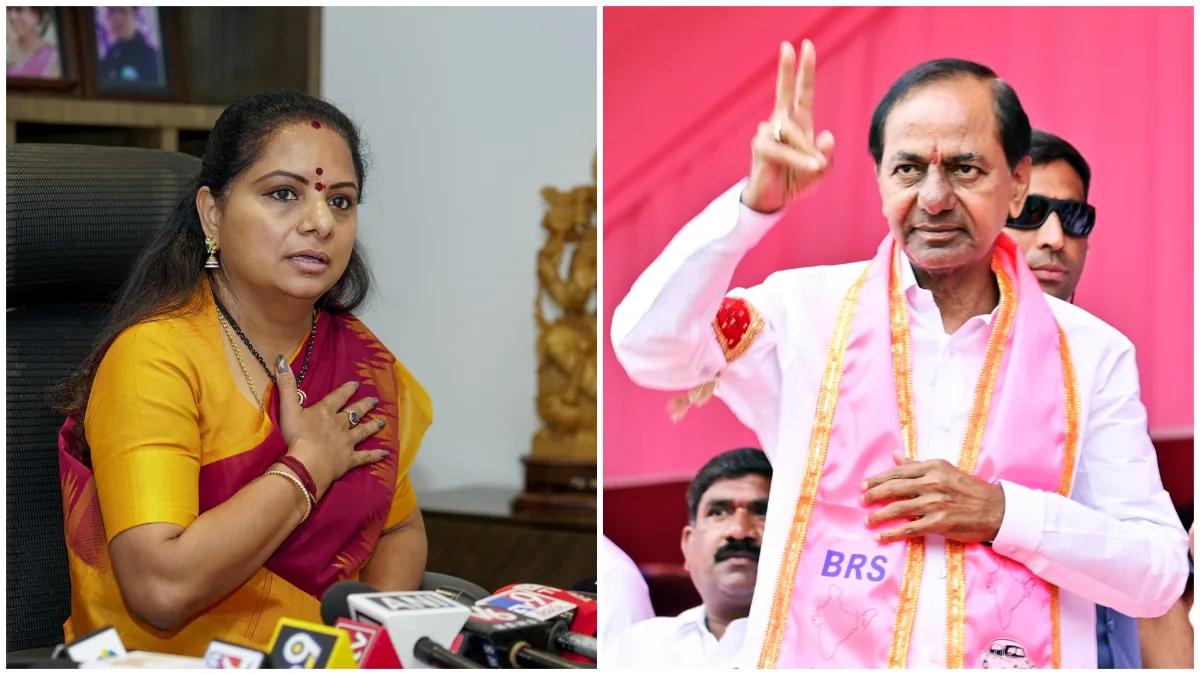
Daughter vs father: K Kavitha launches new party ‘TRS’ after bitter fallout with KCR-led BRS

Kavitha said the BRS was created to fulfil the aspirations of Telangana but had since “changed its name, work and soul,” leading to a disconnect with the public.

Statesman News Service | New Delhi |

In a dramatic escalation of a father-daughter political rift, former Bharat Rashtra Samithi (BRS) leader K Kavitha on Saturday launched her own party, marking a sharp break from the outfit headed by her father, K. Chandrashekar Rao.

The move comes months after Kavitha’s controversial suspension from the BRS, turning what began as internal differences into a full-blown political split within one of Telangana’s most influential families.


New party, old name: Telangana Rashtra Sena announced

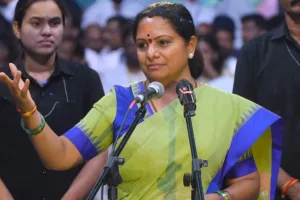
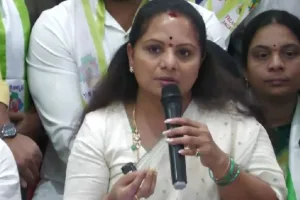
At a launch event in Hyderabad, Kavitha unveiled her new political outfit, Telangana Rashtra Sena (TRS), reviving the name originally used by her father when he founded the regional party before it was rebranded as BRS.

Positioning her party as a return to core regional politics, Kavitha said the original vision of the movement had been diluted. She argued that the shift away from Telangana-centric issues had weakened the party’s connect with people.

‘Original vision lost’: Kavitha targets BRS shift

Kavitha said the BRS was created to fulfil the aspirations of Telangana but had since “changed its name, work and soul,” leading to a disconnect with the public.

“When a party drifts away from its core agenda, it cannot survive. Telangana still needs a strong regional force to address its unfinished agenda, and that is what our party aims to do,” she said.

Suspension triggered ugly split

The political break traces back to September 2025, when Kavitha was suspended from the BRS over alleged “anti-party activities.” The episode marked a turning point, with relations between her and the party leadership deteriorating rapidly.

Kavitha has maintained that she did not quit the party voluntarily but was expelled. Underlining the bitterness surrounding the split, she added, “The BRS party, of which my father is the president, has expelled us. We haven’t left them, neither the family nor the party. We have been expelled.”

Following her suspension, Kavitha had publicly accused senior leaders, including Harish Rao and Santosh Rao, of conspiring against her and weakening both the party and the family. She had also resigned from her position as an MLC.

Tribute to Telangana movement martyrs

Earlier in the day, Kavitha paid floral tributes at Amaraveerula Stupam in Hyderabad, honouring those who lost their lives during the 1969 Telangana agitation, a symbolic gesture reinforcing her regional pitch.

With Kavitha floating a separate party and invoking the original identity of the TRS, Telangana’s political landscape could see a fresh churn. The split not only reshapes regional politics but also underscores a rare and sharp political confrontation within a powerful political family.

Emotional pitch: ‘People of Telangana are my family’

Framing her political journey as rooted in the Telangana movement, Kavitha struck a personal note, saying her commitment to the state goes beyond party or family lines.

She said that regardless of political affiliations, her focus remains on fulfilling the aspirations tied to the decades-long struggle for statehood.

She said, “But I am a daughter of Telangana. I have the blood of Telangana, the grit of it. We are very stubborn, very committed to our goal. We have spent 20 years of our lives in the Telangana agitation. To develop Telangana, to fulfil its aspirations, whether we have our old party or not, whether our family is with us or not, I believe the people of Telangana are my family. The fragrance of Telangana’s soil will drive us.”