Logo

TRAI to examine viability of public Wi-Fi infra, releases consultation paper

The Telecom Regulatory Authority of India (TRAI) has released a consultation paper on the “Proliferation of Public Wi-Fi Networks in India”, inviting stakeholder comments on measures to accelerate deployment and improve the viability of public Wi-Fi infrastructure across the country.

Statesman News Service | New Delhi |

The Telecom Regulatory Authority of India (TRAI) has released a consultation paper on the “Proliferation of Public Wi-Fi Networks in India”, inviting stakeholder comments on measures to accelerate deployment and improve the viability of public Wi-Fi infrastructure across the country.

The paper undertakes a comprehensive review of the existing regulatory framework governing public Wi-Fi and flags key bottlenecks that have constrained large-scale expansion, despite rising data demand and the government’s broader digital inclusion push.

The Consultation Paper covers key areas including the overview of the Public Wi-Fi ecosystem in other countries and key takeaways from international experiences and global best practices, as well as the assessment of the current status of Public Wi-Fi in India, including deployment trends and demand patterns.

It also works on the identification of key issues and challenges affecting Public Wi-Fi proliferation in the country, an examining the roles of key stakeholders such as Central and State Governments, local bodies, TSPs/ISPs, and private entities for developing viable Public Wi-Fi models across rural areas, urban centres, and high-footfall locations.

Through the consultation paper, the authority also aims to examine issues relating to authorisation, authentication, roaming, and billing systems within the Indian Public Wi-Fi ecosystem.

Analysis of potential direct and indirect revenue models suitable for ensuring the sustainability of Public Wi-Fi in the Indian context.

The consultation paper examines the roles of multiple stakeholders—including central and state governments, urban local bodies, telecom service providers (TSPs), internet service providers (ISPs), and private players—in building scalable and sustainable public Wi-Fi ecosystems.

It seeks views on how coordinated policy support, infrastructure sharing, and public-private partnerships can drive deployment across high-footfall areas such as transport hubs, markets, and public institutions, as well as underserved rural regions.

Written comments on the consultation paper are invited from stakeholders by 25th May 2026 and counter-comments, if any, by 8th June 2026.

Congress walks out of MP Assembly over women’s reservation resolution row

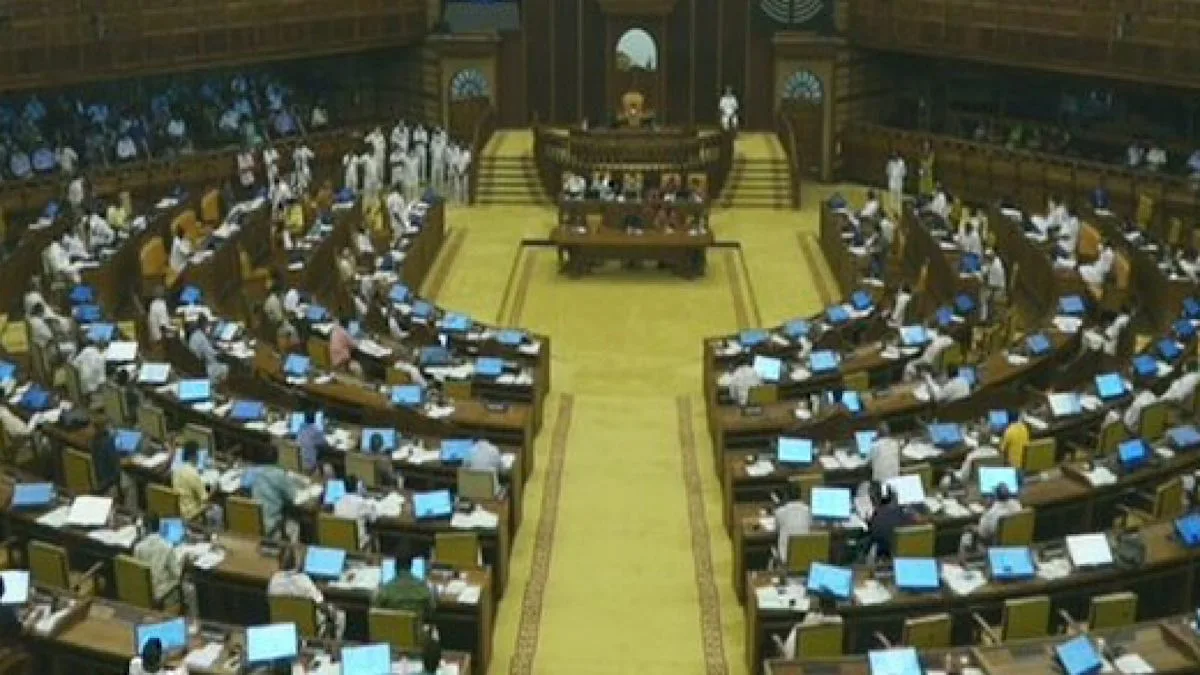
Upset over not being granted permission to present a private resolution seeking the immediate enforcement of 33 per cent reservation for women, the opposition Congress staged a walkout from the Madhya Pradesh State Assembly during a one-day special session held in Bhopal on Monday.

Statesman News Service | Bhopal |

Upset over not being granted permission to present a private resolution seeking the immediate enforcement of 33 per cent reservation for women, the opposition Congress staged a walkout from the Madhya Pradesh State Assembly during a one-day special session held in Bhopal on Monday.

After Congress MLAs demanded that their private bill be tabled, Speaker Narendra Singh Tomar declined to entertain it. He reasoned that a government resolution on the same issue had already been presented by Chief Minister Dr. Mohan Yadav and had been listed as the only business of the day.

As Chief Minister Dr. Mohan Yadav rose to move the government resolution on implementing women’s reservation after delimitation, Leader of Opposition Umang Singhar raised a point of order.

Singhar stated that the Congress wanted an immediate discussion and enforcement of the Women’s Reservation Act passed by Parliament in 2023. The Speaker, however, asked him to allow the Leader of the House to present the proposal, adding that a ruling would follow.

Congress members insisted that their private bill be taken up, claiming it had been submitted on time. Legislative Affairs Minister Kailash Vijayvargiya and senior BJP MLA and former Speaker Sitasaran Sharma argued that, under established rules and conventions, a government proposal takes precedence over a private bill.

On the other hand, senior Congress MLA and former Leader of Opposition Bala Bachchan supported Singhar, leading to heated exchanges between the treasury and opposition benches.

After order was restored, the Speaker ruled in favour of taking up the government resolution, following which Congress members staged a walkout. The opposition later raised slogans in the Assembly premises.

The BJP-led state government had convened the special session to pass a resolution tabled by Chief Minister Dr. Yadav, seeking the immediate implementation of 33 per cent reservation for women in the Lok Sabha and State Legislative Assemblies following delimitation.

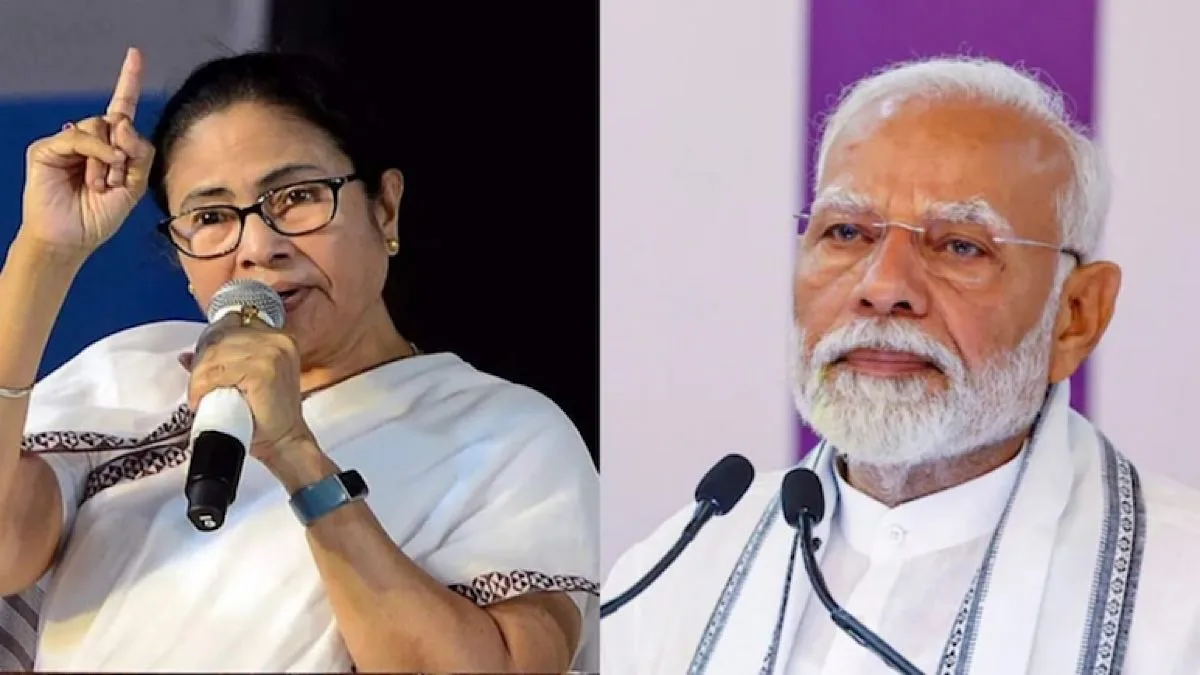
‘Change has become the resolve of every person’: PM Modi releases audio message to Bengal as poll campaign ends

“A wonderful opportunity has come to hoist the flag of victory. Together, we will build a developed Bengal. And this is Modi’s guarantee,” he concluded.

Statesman News Service | New Delhi |

With campaigning for the second phase of Assembly elections in West Bengal coming to an end, Prime Minister Narendra Modi on Monday shared a message for the people of the state, saying that Bengal has filled him with “new energy” and reaffirming his commitment to “serving Bengal and ensuring its security”.

Calling the elections a “sacred festival of democracy”, Prime Minister Modi said that he didn’t feel even the slightest fatigue during the election campaign despite the intense summer heat.

“I want to express my gratitude to every family in Bengal. Despite the intense heat during the elections, I did not feel even the slightest fatigue during the campaign. These rallies and roadshows were like pilgrimages for me. Whenever I was among the devotees of Maa Kali, she continuously filled me with energy,” Modi said in the audio message shared on X.

The Prime Minister also invoked the consecration ceremony of Ram Lalla Temple in Ayodhya, saying that before the ceremony, he had observed an 11-day fast. “At that time, Lord Shri Ram filled me with immense energy.”

During these elections too, Modi said, he experienced the same feeling. “Just as one feels renewed energy after visiting temples of deities, Bengal too has infused me with new energy.”

He asserted that Bengal’s youth, women, and farmers are eager for development and that change (in power) has become their resolve.

“I want to say that Bengal’s youth, women and farmers — all are eager for the development of Bengal. The youth want opportunities. Daughters want an open sky and security. Every citizen of Bengal is moving ahead with one resolve — that now change must happen. Change has become the resolve of every person,” Modi said.

He further added that Bengal has had enough with fear and the people of the state now want trust not fear. “Now Bengal wants the BJP,” he claimed.

The Prime Minister stated that serving Bengal and ensuring its security is both his “destiny and responsibility”.

“Turning every challenge before the state into an opportunity is both my destiny and my responsibility. I will not step back from my responsibility,” he vowed.

PM Modi expressed confidence that the swearing-in ceremony of Bengal’s first BJP chief minister will be celebrated after May 4 as he urged people to come out and vote in record numbers during the second phase on April 29.

“A wonderful opportunity has come to hoist the flag of victory. Together, we will build a developed Bengal. And this is Modi’s guarantee,” he concluded.

In Bengal polls what works better – fear factor or developmental promises

This year’s Assembly election in West Bengal is probably one of the most intensely contested one. The ruling Trinamul Congress is pitted against the Bharatiya Janata Party, which is putting in all resources to win over the state.

Ashok Chatterjee | Kolkata |

This year’s Assembly election in West Bengal is probably one of the most intensely contested one. The ruling Trinamul Congress is pitted against the Bharatiya Janata Party, which is putting in all resources to win over the state.

One of the issues, which both the ruling and its principal opposition party is harping on is social security, security for women and promise to drive out fear.

The BJP is assuring “Bhoy Out Bhorosa In”, while the TMC is telling the voters that if the BJP comes to power in the state, they will stop welfare schemes like Lakshmir Bhandar and will dictate them what to eat and what not. On one hand TMC is highlighting how the “Bangla-Birodhi BJP” will dismantle the Bengali Asmita (pride), the BJP, on the other, is reminding how the Bengal’s demography is fast changing due to infiltration and that the Hindus will be in minority in the years to come.

The TMC is showcasing the economic distress to the people due to Centre’s blocking of funds for the state, While the BJP focusses on state’s misuse of Central funds. Both the political parties are dwelling on identity politics.

Issues of fear dominate development in this election.

Presidency University political science professor Zaad Mahmood believes both the issues work as both the parties are trying to do ‘affected politics’ — trying to build on people’s emotions. One emotion is hope, aspiration and betterment. The other is deterioration, a worse kind of a situation. Both of them have been sending both the messages. “The politics is transactional ~ if we are here, no fear. In its appeal and rhetoric, it is polarising, which both parties are indulging in. The BJP is setting the narrative as they are more powerful and the opposition has to respond to it,” said Prof Mahmood.

Dr Ambar Kumar Ghosh, a non-resident Fellow, European Partnership for Democracy, Brussels, and who has been studying Indian democracy, feels the political narrative is pandering to the deep ethnic insecurities, social prejudices, already there in people. They are just amplifying them. “This might look as a very potent and successful strategy but it also has its own limitations. A time would come when people would start asking real questions (of development). In the post 2024 Lok Sabha poll analysis we found that there was a lot of disenchantment with real developmental concerns. So, xenophobia, social insecurity might work in the short term, but it might turn into a Frankenstein and cause its own harm later,” said Dr Ghosh.

He gives the example of Rahul Gandhi, who first coined the word ‘vote chori’ and later did a Voter Adhikar Yatra in Bihar before the state went for elections. “But he could not market it properly. Whereas Mamata has used SIR as a weapon very successfully to build up the fear narrative. She has ensured that SIR plays a dominant role in this poll, so much so that the issues of governance took a backseat,” clarifies Dr Ghosh.

The Trinamul Congress justifies the fear. They cite instances, where Bengalis and Bengal have been aggrieved. Instances of Bengali-speaking migrant workers in BJP-ruled states being harassed are talked about by the party, leading to the narrative. TMC spokesperson Dr Santanu Sen says TMC chief Mamata Banerjee doesn’t only promise, she delivers. Just before the 2021 election, she promised to start the Lakshmir Bhandar scheme. She kept her promise after coming to power. “On the contrary, in Delhi nearly one and a half years back, the Prime Minister announced that if they come into power in Delhi, they will be giving Rs 2,500 to each and every woman. Not a single penny has been given. In Bihar, before the election, violating the model code of conduct, everyone was given Rs 10,000. After the election, they are asking for the money back. In Odisha, they launched a project called Subhadra Yojana, which promised to give Rs 5,000. Not a single woman in Orissa has received ₹5000. So, all these prove that whatever the BJP promises before the election, they never, never follow the same. That’s why we have been saying that if the BJP, by chance, comes to power, they will stop all these social projects,” said Dr Sen.

He added that the BJP has openly come out with a policy that they will be doing NRC, unconstitutionally they have deleted names of nearly 91 lakh voters, especially 27 lakh in the name of logical discrepancy, just to own Bengal. “So, people are scared that if they don’t exercise their voting rights, the Central government might bar them from being a citizen of India,” said Dr Sen.

He says in Maharashtra, in the name of Majhi Ladki Bahin Yojana, the BJP promised to give Rs 1,500 to each and every woman. “But, in the name of logical discrepancy or statistical discrepancy, they deleted names of nearly 90 lakh women voters,” he adds.

The TMC spokesperson says only the BJP is responsible for this fear in the people that the Lakshmir Bhandar scheme will stop, if they come to power. “That’s why women are voting in such large numbers against the BJP this election,” he said.

Dr Sen says Chief Minister Mamata Banerjee and the party have been consistently telling the people that the state government has done so much developmental work despite the Centre’s step-motherly treatment and the Centre holding back nearly Rs 2 lakh crore which the state govt deserves.

The BJP too defends its “Bhoy Out, Bhorosa In” tagline, adding that people want development and a good life. State party president and MP Samik Bhattacharya said: “The BJP means development. Voters would ultimately prioritise development over the politics of fear. This time the politics of fear peddled by the TMC is not working. BJP stands for development and we have already announced in our manifesto that we will provide Rs 3,000 to women as part of a direct cash incentive scheme.”

Moreover, we want to focus on big industries that can generate jobs and create employment for the thousands of unemployed here.


Rajya Sabha power shift: Seven AAP rebels join BJP, NDA moves closer to majority

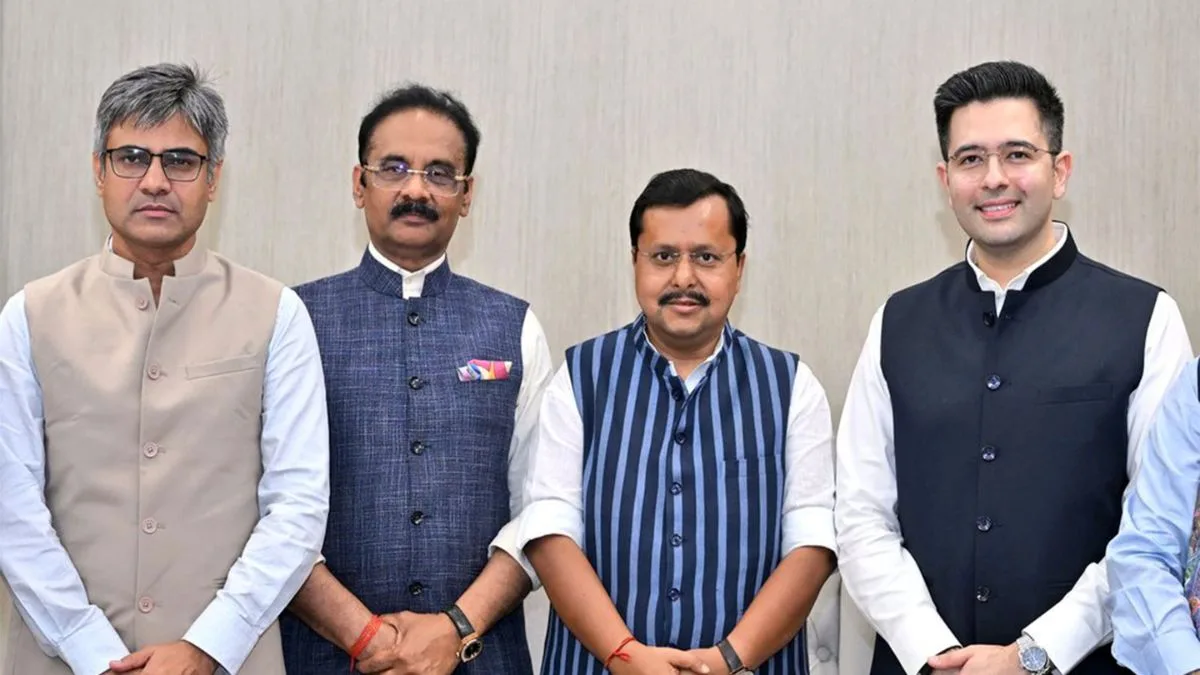
In a significant realignment in Parliament’s Upper House, seven rebel MPs from the Aam Aadmi Party (AAP) have formally joined the Bharatiya Janata Party (BJP), reshaping the numerical balance in the Rajya Sabha and strengthening the ruling coalition’s legislative position.

Statesman News Service | New Delhi |

In a significant realignment in Parliament’s Upper House, seven rebel MPs from the Aam Aadmi Party (AAP) have formally joined the Bharatiya Janata Party (BJP), reshaping the numerical balance in the Rajya Sabha and strengthening the ruling coalition’s legislative position.

The updated party-wise position on the Rajya Sabha website on Monday reflected the induction, days after Raghav Chadha and six other MPs broke ranks with AAP and opted to merge with the BJP.

The development followed Chadha’s removal from the post of Deputy Leader in the Upper House last month, a move that had signalled deepening fissures within the party’s parliamentary wing.

Sources said the Rajya Sabha Chairman has accepted the merger of the seven MPs with the BJP, triggering an immediate shift in party strength. The BJP’s tally has now risen to 113 members in the 245-member House, up from 106, while AAP’s presence has shrunk sharply to just three MPs.

The broader National Democratic Alliance (NDA) has also gained from the switch, with its combined strength increasing from 141 to 148, including nominated members. The surge brings the ruling bloc closer to a commanding position in the Upper House, where numbers often dictate the fate of key legislation.

“This is a decisive moment in consolidating support for the government’s reform agenda in the Rajya Sabha,” a senior BJP leader said, adding that the party remains “optimistic about further gains as vacancies arise later this year.”

Over 30 seats are expected to fall vacant by the end of the year, and BJP strategists believe the party could secure at least five more seats, inching closer to the two-thirds majority mark of 163.

For the AAP, the development marks a steep setback in its national parliamentary representation. Party insiders, however, maintained that the departures were “not reflective of the organisation’s grassroots strength” and reiterated their focus on governance in the states where they are in power.

The reshaped House now presents a clearer picture of political alignments. The Indian National Congress holds 29 seats, followed by the All India Trinamool Congress with 13. Several regional parties, including the Rashtriya Janata Dal, Bharat Rashtra Samithi, and the Communist Party of India (Marxist), have three members each, underscoring the fragmented opposition landscape.

A cluster of smaller parties and regional outfits, ranging from the Jharkhand Mukti Morcha to the Telugu Desam Party and the Shiv Sena, hold two seats apiece, while a long tail of parties, including factions of the Shiv Sena, the Nationalist Congress Party, and others, are represented by a single MP each. The House also includes three Independents, one vacancy from Jharkhand, and seven nominated members.

With the BJP-led NDA tightening its numerical grip, the latest shift is expected to influence legislative negotiations and the passage of contentious bills, especially in a House where the government has historically relied on issue-based support from regional players.

Crude oil prices surge by 2% as US-Iran ceasefire reaches standstill

The spike comes as ceasefire negotiations between the US and Iran reached a standstill, raising concerns over supply disruptions through the Strait of Hormuz.

Statesman News Service | New Delhi |

The global crude oil prices on Monday surged by 2% amid renewed tensions between the US and Iran. The benchmark ICE Brent crude futures contract rose nearly 2% to $107.28 per barrel, while WTI intermediate crude gained 1.5 per cent to $95.78 per barrel.

The spike comes as ceasefire negotiations between the US and Iran reached a standstill, raising concerns over supply disruptions through the Strait of Hormuz.

Goldman Sachs has raised its oil price forecasts for the fourth ⁠quarter to $90 a barrel for Brent crude and $83 for WTI citing reduced output from the Middle East.

The uncertainty over the US and Iran talks intensified after the US President Donald Trump cancelled his trip to Pakistan by his envoys, Steve Witkoff and Jared Kushner, after Iranian Minister of Foreign Affairs Abbas Araghchi departed Islamabad before any direct engagement could take place between the sides.

Araghchi has travelled between Oman, Pakistan and Russia to sustain dialogue and explore de-escalation pathways.

IEA has noted that global oil supply plummeted by over 10 million barrels per day (mb/d) last month as a result of the ongoing naval blockade and infrastructure damage in the region.

Goldman Sachs projected that Brent crude, the international benchmark, will trade at about $90 a barrel in the last three months of this year, up from an earlier projection of $80.

It expected US oil to trade at about $83 a barrel in the fourth quarter, up from its previous $75 forecast. Brent was up more than 1 per cent on Monday, exceeding $106 a barrel.

Goldman further noted there would be long-term “scarring” of Gulf production capacity of about 500,000 barrels a day, primarily due to losses in Iraq.

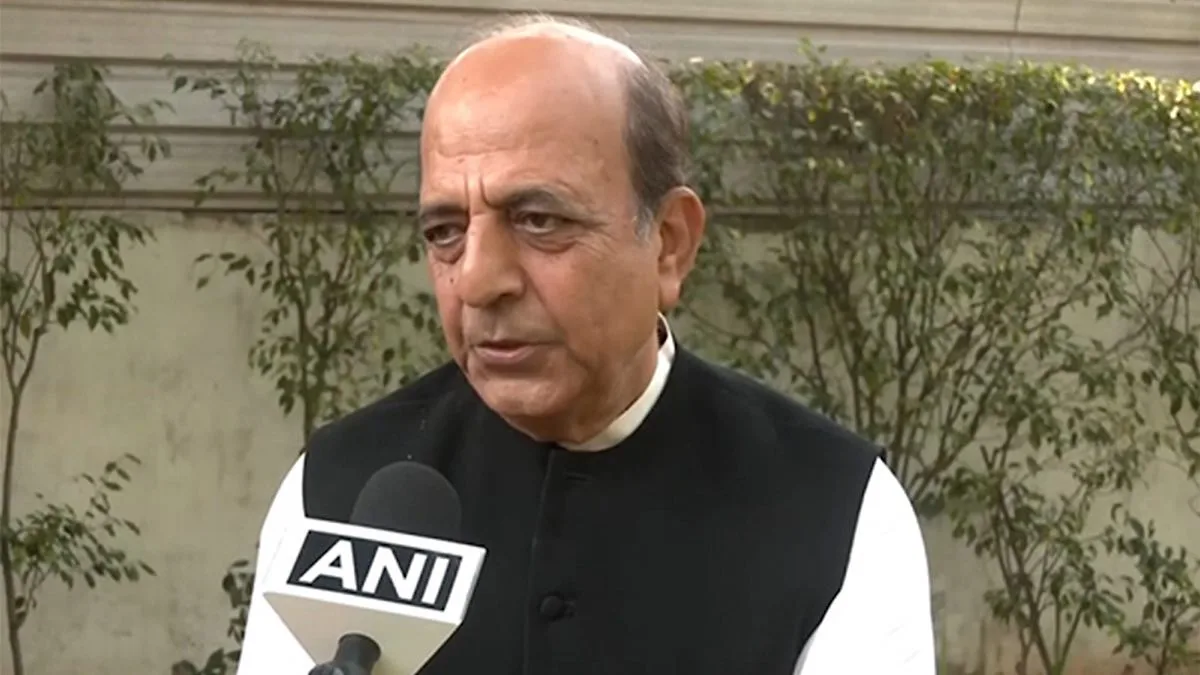
Dinesh Trivedi named as envoy to Bangladesh

In a clear signal to Dhaka about its desire to reset bilateral ties, India on Monday named former Union Minister and BJP leader Dinesh Trivedi as its next Ambassador to Bangladesh.

Statesman News Service | New Delhi |

In a clear signal to Dhaka about its desire to reset bilateral ties, India on Monday named former Union Minister and BJP leader Dinesh Trivedi as its next Ambassador to Bangladesh.

The Ministry of External Affairs said Trivedi is expected to take up the assignment shortly. He will replace Pranay Verma, who was recently appointed as India’s Ambassador to Belgium and the European Union (EU).

Tripathi, 75, is the first political appointee to a major neighbouring nation, relations with whom had suffered a major setback after the ouster of the Sheikh Hasina Government in August 2024.

The appointment comes at a time when Bangladesh, under a new dispensation led by BNP Tarique Rahman, has also given firm indications of its desire to stabilise ties with New Delhi, notwithstanding differences over certain key issues.

A suave politician, Trivedi has been a votary of strong India-Bangladesh ties. He has been associated with the BJP since 2021 after he quit the Trinamool Congress. Prior to this, he also served in the Janata Dal and the Congress during his over three-decade political career.

Trivedi also represented the Trinamool Congress in the Manmohan Singh Government, serving as Minister of State for Health and Family Welfare and later as Railways Minister. Trivedi has been a member of both Houses of Parliament. He is also a recipient of the Outstanding Parliament Award for 2016-17. @⁨Mitali Gautam⁩ publish pls

TMC MP Mitali Bag injured in alleged car attack in Hooghly; BJP calls it ‘drama’

Meanwhile, the Election Commission has sought a detailed report from the district administration.

Statesman News Service | New Delhi |

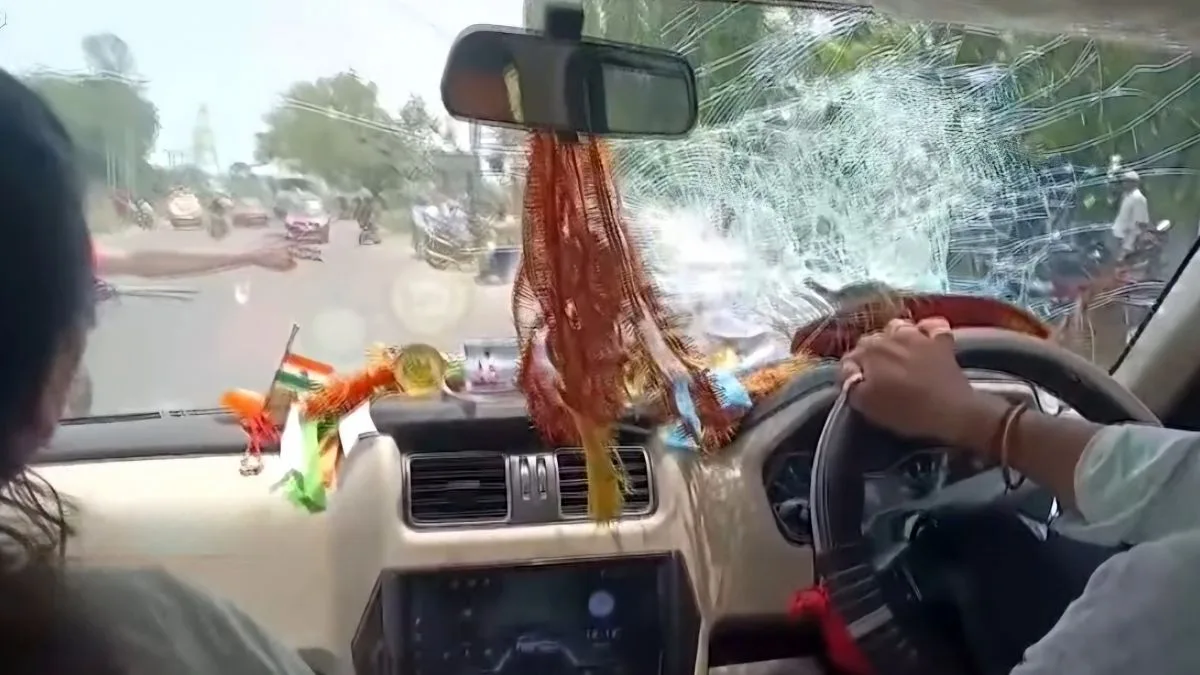
Trinamool Congress MP Mitali Bag’s car was allegedly attacked in West Bengal’s Hooghly. The TMC MP was injured in the incident and admitted to a local hospital.

The attack left the windscreen of her car broken, with the TMC accusing the Opposition BJP of orchestrating the alleged attack.

The alleged incident took place in Hooghly district’s Goghat on Monday afternoon when Bag was reportedly headed to Arambagh to attend an election rally of party national General Secretary Abhishek Banerjee.

The TMC MP said that “BJP miscreants” were behind the attack and that the attackers intended to kill her.

“Look how the BJP miscreants have vandalised the car. Voting has not started yet. Look how a woman’s voice is being suppressed,” the parliamentarian said, alleging that the attackers tried to kill her.

The Trinamool Congress MP later went live on social media, alleging that women are being tortured by the BJP.

“I want to tell the people of Goghat and Arambagh that you can see how they are trying to suppress my voice. The way women are being tortured, I request mothers and sisters to unite and cast their vote. The BJP does not know how to accept defeat,” Bag said.

BJP calls attack a ‘drama’as ECI seeks detailed report

However, the BJP accused Bag of creating a “drama” to cover up the attacks on BJP supporters in Ghoghat.

BJP candidate from Pursurah, Biman Ghosh, said, “Campaigning was going on here in support of candidate Prashant Digar. At that time, some miscreants led by Trinamool leader Sanjay Khan from Goghat attacked our workers with sticks, bricks, rods and guns. About 20 people have been admitted to the hospital, while around 50 people were injured. The BJP candidate’s car was vandalised. Mitali Bag is doing drama to cover up the incident.”

Meanwhile, the Election Commission has sought a detailed report from the district administration.

In last campaign rally in Bengal, PM Modi says serving people of state in his destiny this time

Modi asserted that serving the people of the state and ensuring their safety and security is written in his destiny.

Shashikant Sharma | New Delhi |

As campaigning for the second round of Assembly elections in West Bengal draws to a close on Monday, Prime Minister Narendra Modi addressed his last poll rally at Jagatdal in North 24 Parganas district.

Expressing full confidence in the victory of the Bharatiya Janata Party (BJP) in the West Bengal Assembly elections 2026, Prime Minister Modi asserted that serving the people of the state and ensuring their safety and security is written in his destiny.

“To serve the people of West Bengal and ensure their safety and security is written in my destiny this time. Hence, this is my responsibility also. I will not walk away from this responsibility,” Modi said.

Modi said that the Assembly election in West Bengal this time is also critical in “changing the destiny of the entire eastern India.”

He explained that the Anga (Bihar), Banga (Bengal) and Kalinga (Odisha) are the three pillars for a prosperous India, and if any one of the three pillars becomes weak, then the entire India gets affected.

“In the past, lotus has bloomed in Bihar and Odisha and now it’s Bengal’s…The atmosphere I’m seeing here, the lotus blooming in Bengal too is certain. Anga-Banga-Kalinga… the trust of Trishakti is on the BJP,” Modi said.

The Prime Minister reiterated that the atmosphere in the state is pro-BJP, saying that he will return to the state after May 4 to attend the swearing-in ceremony of the BJP.

“This is my last campaign rally in West Bengal this time. The kind of public enthusiasm that I have witnessed this time in my campaign rallies, I am sure that I will have to come to West Bengal again after May 4, to be a witness to the oath ceremony of the new cabinet,” the Prime Minister said.

The second phase of Assembly elections in West Bengal is scheduled to be held across 142 Assembly constituencies on April 29. The counting of votes will take place on May 4.

India, New Zealand seal FTA in 9 months: 100% duty-free access, 5,000 work visas, student work rights, $20 bn push

India’s new trade pact with New Zealand combines tariff-free access, visa pathways and investment commitments, reshaping bilateral ties across trade, education and skilled workforce mobility.

Statesman News Service | New Delhi |

India and New Zealand on Monday signed a Free Trade Agreement that promises full tariff elimination on Indian exports and wide-ranging access for professionals and students, marking a significant reset in bilateral economic ties.

The agreement, concluded in just nine months since talks began in March last year, comes with a mix of trade liberalisation, investment commitments and mobility provisions – a combination officials say could deepen engagement beyond goods trade.

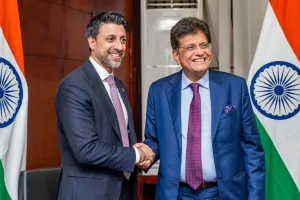
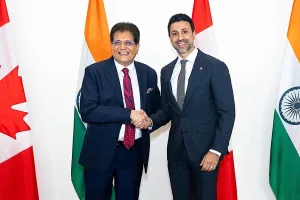
Signed in the presence of Commerce Minister Piyush Goyal and New Zealand Trade Minister Todd McClay, the deal gives Indian exporters immediate duty-free access across all tariff lines in the New Zealand market. Currently, a 10 per cent tariff applies to several categories, including textiles, leather goods, carpets and auto components.

What the India-New Zealand FTA changes for trade

Under the pact, New Zealand will either eliminate or significantly reduce tariffs on 95 per cent of imports from India, while India has retained protections for sensitive sectors such as dairy and certain agricultural products.

The agreement is also backed by an investment commitment, with New Zealand expected to channel $20 billion into India over the next 15 years, echoing similar pledges seen in recent trade agreements with European partners.

Mobility boost: Visas, students and skilled workers

A notable feature of the deal is its focus on mobility. For the first time, New Zealand has signed a dedicated annex on student mobility with another country. Indian students will now be allowed to work up to 20 hours a week during their studies, along with access to longer post-study work visas.

The agreement also sets aside 5,000 visas annually for skilled Indian professionals across sectors such as IT, healthcare, engineering, education and construction, along with specialised roles like yoga instructors, chefs and AYUSH practitioners.

Additionally, 1,000 young Indians will be eligible each year under a Working Holiday Visa programme, allowing multiple entries and a stay of up to 12 months.

Leather, pharma sectors set to gain

Officials highlighted strong gains for India’s leather industry, with tariffs on leather and footwear dropping from 5 per cent to zero. The sector, which is targeting a $50 billion size by 2030, is expected to benefit from better access to raw materials from New Zealand and expanded export opportunities.

“New Zealand’s rich raw leather resources, combined with India’s manufacturing capabilities, offer a strong complementarity,” the Commerce Ministry said, adding that both sides see potential in positioning Agra as a global sourcing hub.

Agra, which produces nearly 75 per cent of India’s leather footwear and holds a GI tag, is expected to be a key beneficiary.

The pharmaceutical and medical devices sectors are also set for easier entry into the New Zealand market, with provisions for faster regulatory approvals through acceptance of international inspection reports. The agreement also includes a dedicated chapter on health and traditional medicine, formally recognising AYUSH systems.

‘₹21,000 aid, 33% job quota for women’: PM Modi slams TMC’s ‘jungle raj’, seeks ‘double engine’ mandate in West Bengal

From welfare promises to sharp attacks on TMC, PM Modi’s Barrackpore rally set the tone for Phase 2 polling, framing Bengal’s vote as key to eastern India’s future.
Statesman News Service | New Delhi |

Prime Minister Narendra Modi on Monday sharpened the BJP’s campaign pitch in West Bengal, urging voters to “make the BJP’s Chief Minister here” and promising faster development under a “double-engine government”, while launching a direct attack on the ruling Trinamool Congress (TMC).

In a rally marked by welfare promises, political messaging and sharp criticism of the state government, PM Modi framed the election as decisive not just for Bengal but for eastern India’s future, saying, “India’s rise is incomplete without the rise of the East.”

PM Modi ties Bengal vote to ‘double-engine’ development

Addressing a Vijay Sankalp Sabha in Barrackpore, the Prime Minister said a BJP government would accelerate projects such as the expansion of the Kolkata Metro and roll out a new network of electric buses across the state. He also called on voters, especially women, to back the BJP, alleging that the TMC had “not respected your votes.”
“Make the BJP’s Chief Minister here and reap the double benefits of a double-engine government,” PM Modi said, adding that a BJP dispensation would ensure better infrastructure, employment opportunities and improved security.

Welfare push: ₹21,000 aid, 33% job quota for women

Listing out welfare measures, the Prime Minister said a BJP government would provide ₹21,000 assistance to women during pregnancy and ensure 33 per cent reservation for daughters in government jobs.

He also promised that the Ayushman Bharat scheme would be implemented in the first cabinet meeting, offering free treatment up to ₹5 lakh for the elderly. Referring to existing central schemes, he said the government had already provided free treatment and food grains to women from poor families.

‘Jungle raj’, ‘no roadmap’: PM Modi targets TMC

The Prime Minister accused the TMC of lacking a clear vision for the state and alleged that “syndicates” were expanding under its rule. “This is TMC’s great jungle raj. TMC must be defeated. BJP will bring the rule of the people here,” he said.

He also criticised the party for abandoning its founding slogan. “In this election, TMC leaders haven’t even once mentioned ‘Maa, Maati, Manush’. The slogan with which they formed the government, they have forgotten it,” Modi said, alleging that the party had failed on women’s safety and farmers’ welfare.

‘Vande Mataram’ as development mantra

Invoking history and symbolism, PM Modi said “Vande Mataram”, which guided India’s freedom struggle, should now become the mantra for Bengal’s reconstruction. “In the 21st century, we must make Vande Mataram the mantra for the reconstruction of Bengal,” he said.

He also outlined a broader vision, promising prosperity, employment and justice. “We will make ‘sujalam sufalam’ our policy… transform Durga’s power into the guarantee of security and justice,” he added.

The Prime Minister said a BJP government would ensure no discrimination based on caste or community, while vowing strict action against illegal infiltrators. He also reiterated that members of the Matua community would be granted citizenship benefits.

‘Ang, Bang, Kalinga’: linking past to present

Placing Bengal’s election in a larger national context, PM Modi referred to “Ang, Bang and Kalinga” — Bihar, West Bengal and Odisha — as historic pillars of India’s prosperity. He said their development was crucial for India’s goal of becoming a developed nation.

“Bharat ka Bhagyoday, Purvoday ke bina adhura hai,” he said.

The rally comes ahead of the second phase of polling on April 29. The first phase on April 23 recorded a voter turnout of 92.35 per cent, reflecting intense electoral participation.

PM Modi said the Barrackpore rally was his final campaign event in the state and expressed confidence that he would return after May 4 for the swearing-in of a BJP government.

West Bengal’s Jagatdal turns volatile: Bombs, gunfire during TMC-BJP clash; EC orders swift arrests

Violence in Jagatdal days before polling prompts ECI to demand swift arrests, as security is stepped up across key constituencies in North 24 Parganas and Kolkata.

Statesman News Service | New Delhi |

Violence flared in West Bengal’s Jagatdal late Sunday night as supporters of the Trinamool Congress and the BJP clashed, leaving several people injured, including a Central Armed Police Forces (CAPF) jawan. The Election Commission of India (ECI) on Monday stepped in, directing the state police to identify and arrest all those involved without delay.

The development comes just two days ahead of the second phase of Assembly polls in the state, with voting scheduled across 142 constituencies on April 29. The Commission’s intervention underlines rising tensions in key districts, including North 24 Parganas, which have witnessed intense political contestation.

What happened at Jagatdal

The confrontation began around 11 pm on Sunday, when a face-off broke out between supporters of rival parties in Jagatdal. What began as a confrontation soon spiralled, with crude bombs reportedly thrown and gunfire breaking out during the clash.

A CAPF jawan deployed in the area sustained injuries amid the violence.

Earlier in the night, BJP leader and former Barrackpore MP Arjun Singh had reached the Jagatdal police station to lodge a complaint. Around the same time, a large group of Trinamool Congress supporters, estimated to be over 200, had gathered outside the police station. What began as a verbal altercation soon spiralled into a full-blown clash between the two sides.

Police action and arrests

Security forces later moved in to bring the situation under control. CAPF personnel and Barrackpore Police rushed in together, pushing back the crowd and gradually bringing things under control.

So far, four individuals – identified as Kaushik Das, Sikandar Prasad, Gopal Raut and Shyamdev Shaw – have been arrested in connection with the incident.

However, several others accused of involvement are still untraceable. The ECI has directed the police to track them down and ensure their immediate arrest. It has also instructed both the state police and CAPF to maintain continuous patrolling in the area to prevent further flare-ups.

Tightened security ahead of polling

With the second phase of polling imminent, the Commission has already put in place what officials describe as an “unprecedented” security arrangement. The deployment is expected to be significantly more extensive and stringent compared to the first phase held on April 23.

Counting of votes for all phases is scheduled for May 4.

Bhagyathara BT-51 draw today: Kerala Lottery results are here; check winning numbers now!

The Bhagyathara BT-51 results are out after the 3 PM draw in Thiruvananthapuram. Ticket holders can now verify their numbers on the official Kerala Lottery website and Gazette.

Statesman News Service | New Delhi |

Kerala’s lottery scene is once again filled with excitement. Bhagyathara BT-51 draw is being held today on Monday, April 27, 2026. People across the state are waiting with their tickets in hand, hoping luck smiles on them this afternoon.

Official draw takes place at 3:00 pm sharp at Gorky Bhavan in Thiruvananthapuram.

Also Read: Shillong Teer result today (April 27, 2026): Shillong, Juwai, Khanapara results roll out in high-stakes lottery

Independent panel of judges will oversee entire draw process. Their role is to ensure that selection of winning numbers is completely unbiased and follows all official rules.

Once the draw is completed, winning numbers for all prize categories will be officially announced. These results will then be made available for the public in a structured and verified format.

Where and when to check Bhagyathara BT-51 results

After the 3:00 pm draw, participants will not have to wait long to find out if luck is on their side. The Kerala Lottery Department will publish the complete list of winning numbers through official channels.

The results will be available on the official Kerala Lottery website. A downloadable PDF of the Bhagyathara BT-51 results will be uploaded after the draw is completed.

Participants are advised to carefully match their full ticket numbers with the published list for each prize category.

In addition to the website, the winning numbers will also be published in the Kerala Government Gazette, ensuring official record and public access.

Kerala Lottery winners (April 27, 2026)


No immediate probe into Vijay’s wealth declaration: Madras HC rejects petition over actor-politician’s election affidavit

Petitioner MP Venkatesh had raised questions over Vijay’s declared loan to his spouse and a large transfer to a trust in his election affidavit. The court, however, refused to order a fresh investigation.

Statesman News Service | New Delhi |

The Madras High Court on Monday, April 27, turned down a fresh request that sought an official investigation into the wealth and assets declared by actor and Tamilaga Vettri Kazhagam (TVK) leader Joseph Vijay for the upcoming 2026 Tamil Nadu Assembly Elections. The case added another twist to the ongoing scrutiny around the political entry and financial declarations of the popular actor-turned-politician.

The bench, headed by Chief Justice SA Dharmadhikari along with Justice G Arul Murugan, dismissed the petition in court. However, the judges also made it clear that a detailed written order on the matter would be released later in the day.

This means the court’s full reasoning for rejecting the plea will be known once the order is officially uploaded.

Also Read: Vijay net worth bombshell: TVK chief reveals massive wealth, gold, and luxury cars in election affidavit

At the same time, it is important to note that this is not the first time Vijay’s asset declaration has come under legal attention. A separate petition had already been filed earlier, asking for an income tax investigation into alleged irregularities in his financial disclosures.

In that earlier case, the High Court had issued notice and even sought a response from the Income Tax Department, keeping the matter open for review.

Allegations raised on loan and trust transfer details

The fresh petition was filed by MP Venkatesh, a resident of Chennai. In his complaint, he raised questions over certain figures mentioned in Vijay’s election affidavit. According to Venkatesh, Vijay declared a loan of Rs 12.6 crore given to his spouse and also showed a transfer of Rs 20 crore to a trust.

The petitioner argued that these transactions were listed without any proper explanation about their nature, source of money, or whether they were genuine.

He further claimed that when all the disclosures are read together, they show what he described as a pattern of unclear financial reporting.

According to him, this includes alleged misrepresentation, lack of clarity, and hiding of key details. He said this goes against legal requirement of full and honest disclosure under Form 26 which candidates must follow during elections.

Legal grounds and voter rights argument

Petitioner also argued that such incomplete or unclear financial statements are not just technical mistakes but amount to non-disclosure under law.

He said this may violate Section 33A of the Representation of the People Act, 1951. He further claimed that it could also attract punishment under Section 125A of the same law.

Most importantly, he argued that voters have a fundamental right to know complete and correct details about candidates. According to him, unclear financial declarations directly affect voter’s ability to make informed choice during elections.

Sarat Uday’s Bengaluru stand-up show disrupted; TDP supporters storm stage over jokes on Chandrababu Naidu and Nara Lokesh

A stand-up show by Sarat Uday in Bengaluru was interrupted when a group objected to his earlier political jokes on Andhra Pradesh leaders. The situation escalated on stage with demands for apology.

Statesman News Service | New Delhi |

A comedy night in Bengaluru meant for laughs, jokes, open mic fun suddenly turned into a tense political flashpoint when a group of men walked onto the stage and turned the spotlight away from punchlines and onto protests.

The incident took place on April 25 at a venue in Koramangala, Bengaluru, where Sarat Uday was performing a stand-up set. The audience was settling into the rhythm of humour when, unexpectedly, a few men from the crowd climbed onto the stage.

They introduced themselves as supporters of the Telugu Desam Party (TDP) and immediately raised objections to earlier jokes made by the comedian. According to reports, they claimed Sarat had “insulted” Andhra Pradesh Chief Minister N Chandrababu Naidu and minister Nara Lokesh in a previous performance.

Also Read: In ‘Still Alive’, Samay Raina addresses Latent backlash and ‘victimhood’, but avoids questions on misogynistic and incel-style comedy

The group demanded an on-the-spot apology to Naidu, Lokesh, and TDP workers. They also raised slogans like “Jai Telugu Desam Party,” and insisted the comedian repeat chants such as “Jai TDP,” “Jai Lokesh Anna,” and “Jai Chandrababu Naidu.” Sarat Uday refused to comply with the slogans.

Old YouTube video sparks fresh backlash

The trigger for disruption was YouTube video titled “Andhra Politics” uploaded by Sarat Uday in December 2024. In that video, the comedian had made satirical remarks about several political parties in Andhra Pradesh including YSR Congress Party, Jana Sena Party, and the TDP.

While the video was meant as political satire, it had already created controversy at the time of its release. Sarat had reportedly received abusive messages and threats following its upload. In response to that earlier backlash, he had issued a public apology in 2024 and said he would stay away from political comedy going forward.

Speaking later about the Bengaluru incident, Sarat pointed out that the controversy was not new. He said he had already apologised months earlier and that the issue had settled long ago. He also mentioned that if critics had checked properly, they would know the apology was in place since 2024.

Apology on stage, slogans in return

During the disruption, Sarat Uday again addressed the concerns raised in front of the audience. He apologised to Chandrababu Naidu, Nara Lokesh, and TDP cadres while the group continued to speak over him.

However, the apology did not end the confrontation. One of the men reportedly questioned Sarat over his remarks related to the 2003 assassination attempt on Naidu, while another objected to jokes referencing the Tirupati laddu controversy, claiming they had hurt religious sentiments.

Even after the apology, the group continued raising slogans inside the venue.

Eventually, the group left the venue. Before exiting, they allegedly demanded refunds and, in a final act of anger, threw a couple of empty chairs.

Comedian calls for legal route

Sarat Uday said that anyone who has issues with a comedian’s content should use legal and formal processes instead of entering performances and disrupting them.

He also referred to earlier incidents involving stage interruptions in comedy shows, saying such behaviour was becoming normalised. According to him, allowing such disruptions creates an unsafe environment for both performers and audiences.

Sarat stressed that if any artist crosses legal or constitutional limits, the law should take its course. But he added that performances should not be stopped midway through confrontation on stage.

Shillong Teer result today (April 27, 2026): Shillong, Juwai, Khanapara results roll out in high-stakes lottery

Meghalaya’s daily archery-based lottery continues to draw attention as players track results from Shillong, Juwai, and Khanapara throughout the day. From morning rounds to late-night draws, the numbers keep changing hopes across the state.

Statesman News Service | New Delhi |

On April 27, 2026, the famous Shillong Teer lottery once again took over conversations from tea stalls to mobile screens, as people waited for numbers that could change their day.

Held at the historic Polo Ground in Shillong, this unusual lottery is not based on machines or digital spins. Instead, it is powered by real archers and real arrows.

The game is organised by the Khasi Hills Archery Sports Association (KHASA), which keeps the traditional sport of archery alive while also turning it into a daily excitement for thousands.

Also Read: Shillong Teer results OUT! April 24, 2026 complete winning numbers revealed; check now!

Morning games start the day with early suspense

The day began with the Shillong Morning Teer. In the first round, the winning number was 46.

In nearby Jowai, the Juwai Morning Teer added its own layer of anticipation. The first round result is still not out.

Afternoon draws

As the day moves forward, attention shifts to Juwai Teer. The first round result will come at 2:15 pm, followed by the second round at 3 pm.

Shillong Teer itself, the most talked-about of all, will announce its first round result at 3:58 pm, followed by the second round at 4:55 pm. Around the same time, Khanapara Teer also joins the action, with its first round result at 4 pm and second round at 4:35 pm.

Night draw brings the final results

Shillong Night Teer extends the game into the evening, with its first round result at 8:15 pm and second round closing the day at 9 pm.

How The Shillong Teer actually works

Unlike most lotteries, Shillong Teer is rooted in sport. Archers shoot arrows in two short rounds. The first round usually has 30 arrows, followed by 20 arrows in the second round.

Each round lasts only about two minutes but suspense lasts much longer.

Players bet on number between 0 and 99 and predict how many arrows will hit target. Once rounds end, total count decides winning number.

Tickets are available at licensed counters and come in small denominations like ₹1, ₹5, ₹10, ₹20, ₹50.

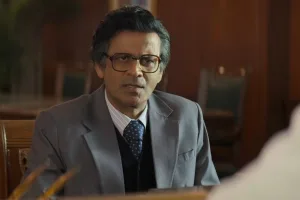
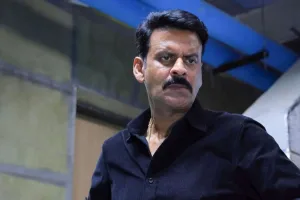
‘Governor: The Silent Saviour’ first look drops; Manoj Bajpayee and Adah Sharma in a story of a nation on edge

The makers have unveiled fresh posters introducing Manoj Bajpayee and Adah Sharma in key roles, hinting at a tense story shaped by national-level crisis and power struggles. The film builds its world around an India facing economic distress.

Statesman News Service | New Delhi |

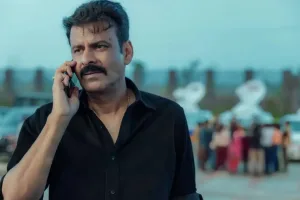
The chatter around ‘Governor: The Silent Saviour’ just got louder after its makers dropped a fresh set of character posters. The new visuals, featuring Manoj Bajpayee and Adah Sharma, have pulled attention back to a project that is still months away from release but already building a serious buzz.

The film is scheduled to arrive in cinemas on June 12, 2026.

The title itself was announced earlier on Manoj Bajpayee’s birthday, along with an initial poster, and now this latest batch has expanded the world of the film, hinting at conflict, urgency, and a tense national backdrop.

First look posters place Manoj Bajpayee at the centre of crisis

The newly released character posters are designed to establish the mood of the story and its main players. Manoj Bajpayee’s character is placed right at the centre by suggesting he drives the core narrative. Adah Sharma also appears in the new promotional material.

One of the lines featured across the posters reads, “This was a war. There were no armies. Just one man who refused to let a nation fall.” Along with this, the makers have used several taglines that sharpen the tension further: “Ab Bari Meri Hai”, “I Will Not Let India Fail”, and “India Is On The Verge Of Bankruptcy, He Saw It Coming.”

Together, these lines point towards a story shaped around a national-level financial and political emergency.

Makers, music team, creative line-up

‘Governor: The Silent Saviour’ is produced under Vipul Amrutlal Shah’s banner and is presented by Sunshine Pictures. Vipul Amrutlal Shah is also producing the film, while Chinmay Mandlekar is directing it. The co-production is handled by Aashin A Shah.

The writing team behind the film includes Suvendu Bhattacharyee, Saurabh Bharat, Ravi Asrani, and Vipul Amrutlal Shah himself.

On the music side, the score is composed by Amit Trivedi, while lyrics are written by Javed Akhtar.

Also Read: Watch: Aamir Khan breaks down in tears watching son Junaid in ‘Ek Din’; emotional scene stuns entire crowd