Logo

‘Teerth yatra…not political events’: PM Modi’s emotional West Bengal finale in Barrackpore as BJP eyes May 4 win

Barrackpore emerges as a key battleground in Phase 2, with PM Modi highlighting spiritual ties to Bengal and BJP banking on strong turnout in a triangular contest.

Statesman News Service | New Delhi |

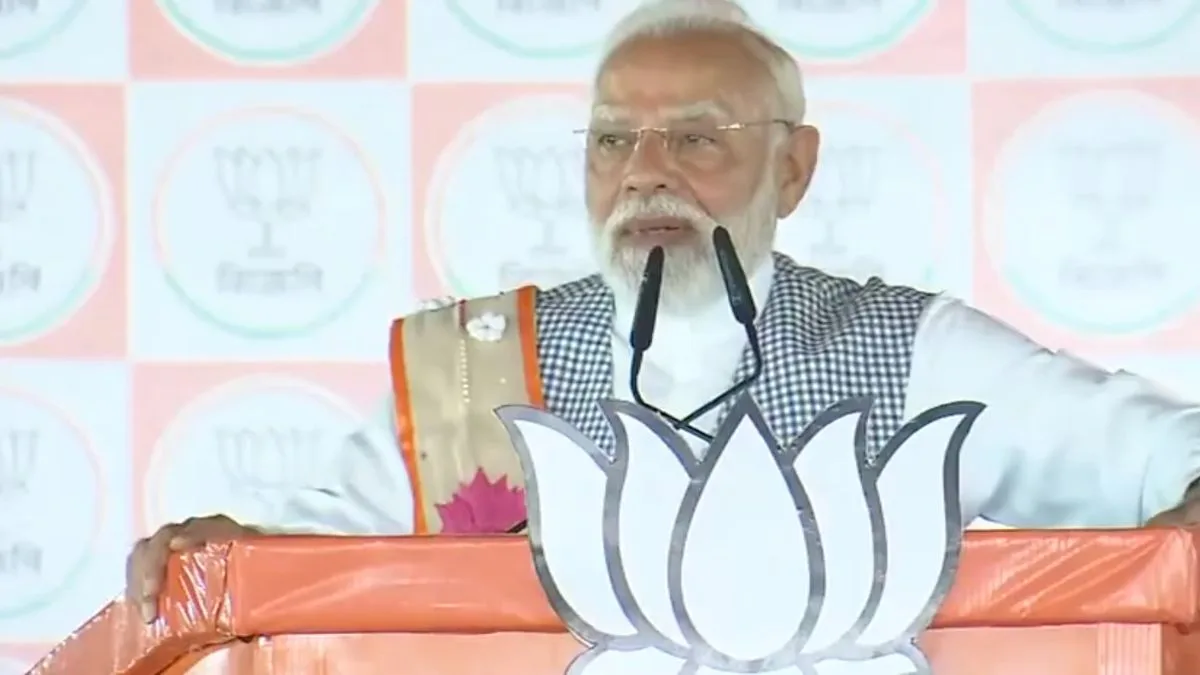
Prime Minister Narendra Modi on Monday struck a deeply personal and spiritual note at a Vijay Sankalp rally in Barrackpore, describing his campaign journey in West Bengal as akin to a “teerth yatra” and expressing confidence that he would return for the BJP’s swearing-in ceremony after the May 4 results.

With the second phase of polling approaching, the rally marked a key moment in the Bharatiya Janata Party’s final push in the state. Barrackpore, an urban constituency in North 24 Parganas, is headed for a triangular contest between the BJP, the ruling Trinamool Congress, and the CPI(M), making it one of the closely watched seats in this phase.

Addressing supporters, PM Modi underlined his long-standing emotional and spiritual connect with Bengal, calling it central to his personal journey. “The attachment I have had towards Bengal has been a devotion to Shakti… I consider the experiences I have had on this land a great blessing,” he said.

Calling the Barrackpore rally his last public meeting in the ongoing campaign, the Prime Minister said the response across the state had strengthened his confidence. “Wherever I have gone in West Bengal, I have seen the mood of the people… I am returning with the confidence that after the results on May 4, I will have to come back to attend the BJP’s oath-taking ceremony,” he said.

‘Teerth yatra’ remark and spiritual pitch in Bengal campaign

Reiterating a theme he has struck through the campaign, PM Modi described his roadshows in Bengal as more than political outreach. “These road shows were not a political event for me. They were like ‘Teerth Yatra’… perhaps that was why Goddess Kali was constantly infusing me with new energy,” he said, linking the experience to his earlier temple visits and rituals during the Ram temple consecration in Ayodhya in January 2024.

“You may remember that when the consecration ceremony of Ram Lalla was held in Ayodhya in January 2024, I performed an eleven-day ritual and fasted. I visited numerous temples in South India, seeking blessings from the deities. In this election, I felt the same emotion as when visiting a Goddess temple. Behind this is my attachment to Bengal…”

A day earlier, he had offered prayers at the historic Thanthania Kalibari temple in Kolkata, a site with over 300 years of history, where Goddess Kali is worshipped as Maa Siddheshwari.

‘I read your messages’: PM Modi on connect with supporters

The Prime Minister also spoke about the personal interactions he has had during the campaign, saying he values the messages and artwork he receives from people. “During the rallies and roadshows in Bengal, I received such heartfelt messages and portraits that I will never forget… I take time at night to look at each portrait and read your letters. In some, I find your pain. In others, I sense your blessings,” he said.

Reflecting on his political journey, PM Modi said he has spent decades travelling across the country as a BJP worker. “I do not consider day or night, nor do I look at the weather; I keep moving… since I left my home, I have found comfort and peace among all of you, and you are my family,” he added.

Barrackpore contest and election context

The Barrackpore seat will see BJP candidate Kaustav Bagchi take on Trinamool Congress MLA Raj (Raju) Chakraborty, who is seeking a second term, while CPI(M)’s Suman Ranjan Bandyopadhyay has also been campaigning aggressively, targeting both sides.

Polling for the first phase of the Assembly elections concluded earlier with a turnout of 91.78 per cent, according to the Election Commission of India, reflecting strong voter participation. The second phase is scheduled for April 29, with counting of votes on May 4.
Dawood Ibrahim network hit in Turkey: ₹5,000 crore drug kingpin Salim Dola arrested, India pushes extradition via UAE

Salim Dola’s arrest in Turkey has triggered a major international push to dismantle a long-running drug trafficking network linked to Dawood Ibrahim. Indian agencies are now working through extradition channels.

Statesman News Service | New Delhi |

The arrest of Salim Dola has sent a fresh jolt through the underworld-linked drug trade network long associated with Dawood Ibrahim. Dola, who is believed to have controlled a drug empire worth nearly ₹5,000 crore, was detained in Turkey in a coordinated operation involving the country’s National Intelligence Organisation and local police units.

His name has long been on the radar of Indian security agencies, especially because of his alleged role in a transnational narcotics pipeline. Officials say his arrest is being seen as a major breakthrough in the ongoing efforts to weaken the wider Dawood syndicate, which has been under pressure from multiple international crackdowns.

Also Read: Rajya Sabha numbers tilt as 7 AAP MPs merge with BJP; Rijiju hails ‘no abuse, no indiscipline’ conduct

Dola was detained after an Interpol Red Corner Notice was issued against him. This notice came at the request of India’s Central Bureau of Investigation (CBI). The Mumbai police had also been pursuing him for years in several narcotics smuggling cases.

Security officials describe the arrest as not just a capture of one man, but a disruption of a deeper network that stretches across several countries.

Extradition puzzle: Turkey arrest, UAE link, India’s strategy

Even as celebrations began in security circles, the real challenge now is bringing Salim Dola back to India. India does not have an extradition treaty with Turkey, which makes the legal process complicated and slow.

Officials say the first step will likely involve moving him to the United Arab Emirates (UAE). This is because Dola holds a UAE passport, which gives Indian agencies a more workable legal path. Once he is in UAE custody, India will coordinate with UAE authorities to secure his extradition to India.

Officials involved in the case have expressed confidence that the process will succeed. They point to earlier operations where key members of the same network were brought back through UAE cooperation.

Dola’s family connections also play into this extradition strategy. His son, Taher Dola, was detained in the UAE during a joint operation by local authorities and Interpol. He was later extradited to India in June 2025.

In another related case, Salim Mohammed Sohail Shaikh, described as a close aide of Dola, was arrested in Dubai and also sent back to India.

Drug cartels, terror funding, and wider global network

The arrest of Salim Dola is not being viewed in isolation. Across India, agencies are currently running a large-scale crackdown on drug cartels operating at an international level. These include networks linked to Pakistan, Myanmar, Mexico.

Officials say that the Dawood-linked syndicate is of special concern because of its financial connection to terror activities. Intelligence inputs suggest that money earned through narcotics smuggling is used to fund extremist groups operating from Pakistan.

One official explained that the ISI allegedly receives nearly 40% of the earnings from each transaction handled by the syndicate. This money flow, they say, is a critical part of how drug profits are converted into terror financing.

The Intelligence Bureau has also warned that weakening Dola’s network will directly impact operations in major Indian cities such as Mumbai, Gujarat, and Delhi. His role in managing funds and coordinating transnational shipments made him a key figure in the structure.

Officials also highlight a wider pattern: drug cartels in Myanmar are linked to insurgent groups in India’s northeast, while Pakistan-based networks support terror activities elsewhere. According to them, narcotics trafficking and terrorism are deeply connected systems that fuel each other.

The rise of Salim Dola

Salim Dola’s journey into underworld began in Mumbai where he was born in 1966. Over time, he became closely associated with Dawood Ibrahim’s network and worked alongside Chhota Shakeel, one of Dawood’s most trusted aides.

His early criminal activities were relatively small starting with supply of gutkha and later moving into marijuana trafficking. Over the years, his operations expanded into synthetic drugs and large-scale international smuggling.

In 2012, Dola was arrested by the Narcotics Control Bureau (NCB) after 80 grams of marijuana were found with him. He spent five years in jail but was later acquitted.

After his release, his activities reportedly became more dangerous. He is said to have built a manufacturing setup for a synthetic drug known as “Button,” which is linked to fentanyl production. In 2018, he was arrested again in Mumbai’s Santa Cruz area after authorities seized 100 kg of fentanyl.

However, that case weakened when forensic reports later showed negative results for the tested samples. He was released on bail after four months, and during this period, he left India and fled to the UAE.

Officials now say that Dola, along with his son and close associates, helped run a synthetic drug network spread across multiple countries. Several laboratories and production units were allegedly set up in India as part of this system.

Rajya Sabha numbers tilt as 7 AAP MPs merge with BJP; Rijiju hails ‘no abuse, no indiscipline’ conduct

A major shift in the Rajya Sabha sees BJP’s numbers climb after seven AAP MPs switch sides, triggering both political welcome and a legal challenge over the merger’s validity.

Statesman News Service | New Delhi |

The Bharatiya Janata Party’s strength in the Rajya Sabha rose sharply on Monday after seven MPs from the Aam Aadmi Party formally merged with it, a move Union Parliamentary Affairs Minister Kiren Rijiju welcomed while praising the defectors’ conduct in the House.

The development, cleared by Rajya Sabha Chairman CP Radhakrishnan, has altered the balance in the Upper House, pushing the BJP’s tally from 107 to 113 and reducing the AAP to just three members, a significant setback for the party.

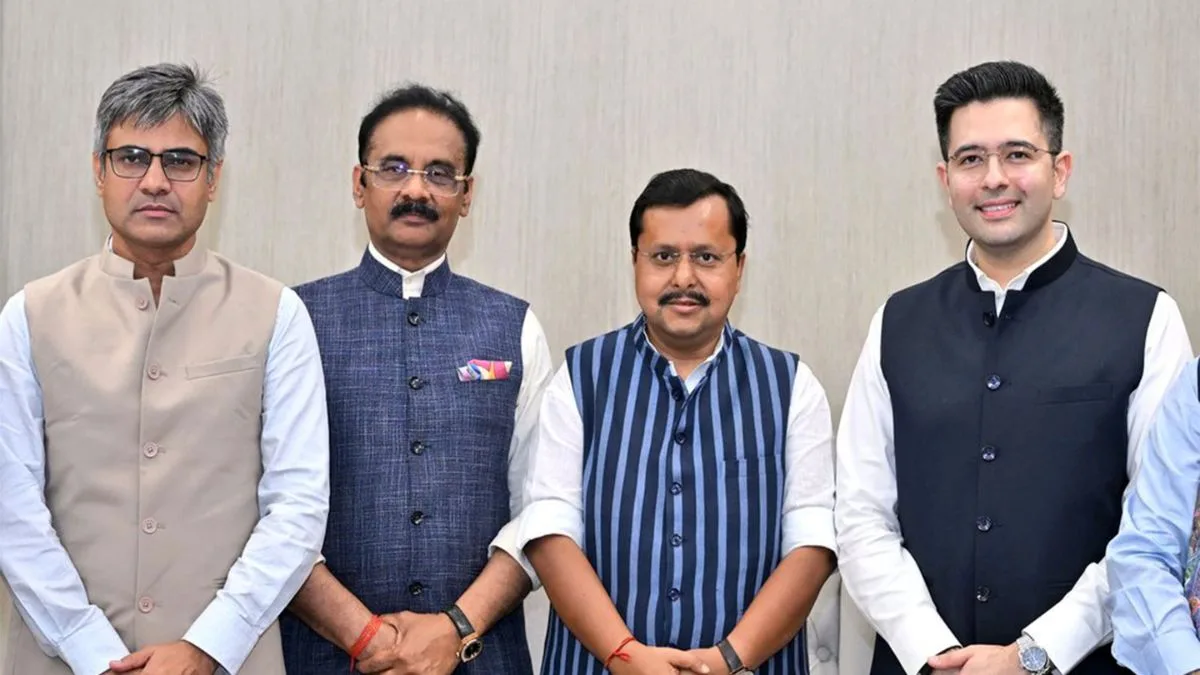
The MPs who switched sides include Raghav Chadha, Ashok Mittal, Sandeep Pathak, Swati Maliwal, Harbhajan Singh, Rajinder Gupta and Vikramjit Singh Sahney. They had announced their exit from the AAP last week before joining the BJP.

Taking to X, Rijiju confirmed the merger and said the MPs are now part of the BJP Parliamentary Party. He also commended their behaviour in Parliament, stating, “For a long time I’ve observed that these 7 Hon’ble MPs have not resorted to abusive language and never created any indiscipline and unparliamentary conduct.”

Welcoming them, he added, “Welcome to nation building NDA under the visionary leadership of Prime Minister Narendra Modi ji and goodbye to Tukde-Tukde INDI Alliance.”

What the merger means for Rajya Sabha numbers

The shift significantly strengthens the BJP-led NDA in the Upper House. With the new entrants, the BJP’s presence has risen to 113 members, while the AAP is left with only three – Sanjay Singh, Narain Dass Gupta and Sant Balbir Singh.

The seven MPs together accounted for more than two-thirds of AAP’s strength in the Rajya Sabha, a crucial threshold under anti-defection rules.

Legal backing and AAP’s challenge

The merger hinges on provisions of the Tenth Schedule of the Constitution of India, introduced through the 52nd Amendment in 1985. While the law bars defection, it allows an exception if two-thirds of a party’s legislators agree to merge with another party, protecting them from disqualification.

Citing this clause, the seven MPs justified their move.

However, the development has not gone uncontested. AAP MP Sanjay Singh has petitioned the Rajya Sabha Chairman, seeking the disqualification of the seven members and challenging what he termed a “purported merger” under the same constitutional provisions.

The petition invokes Paragraph 2(1)(a) of the Tenth Schedule, which deals with disqualification for voluntarily giving up party membership. AAP leaders have also reacted sharply, calling the move a “betrayal,” even as the BJP rolled out a warm welcome.

ED storms 11 locations in Punjab-Chandigarh in massive money laundering crackdown linked to ex-DIG Bhullar case

The investigation is focused on tracing hidden wealth, alleged illegal transactions, and assets linked to former senior police officer Harcharan Singh Bhullar. The Enforcement Directorate expanded its probe into suspected financial irregularities.

Statesman News Service | New Delhi |

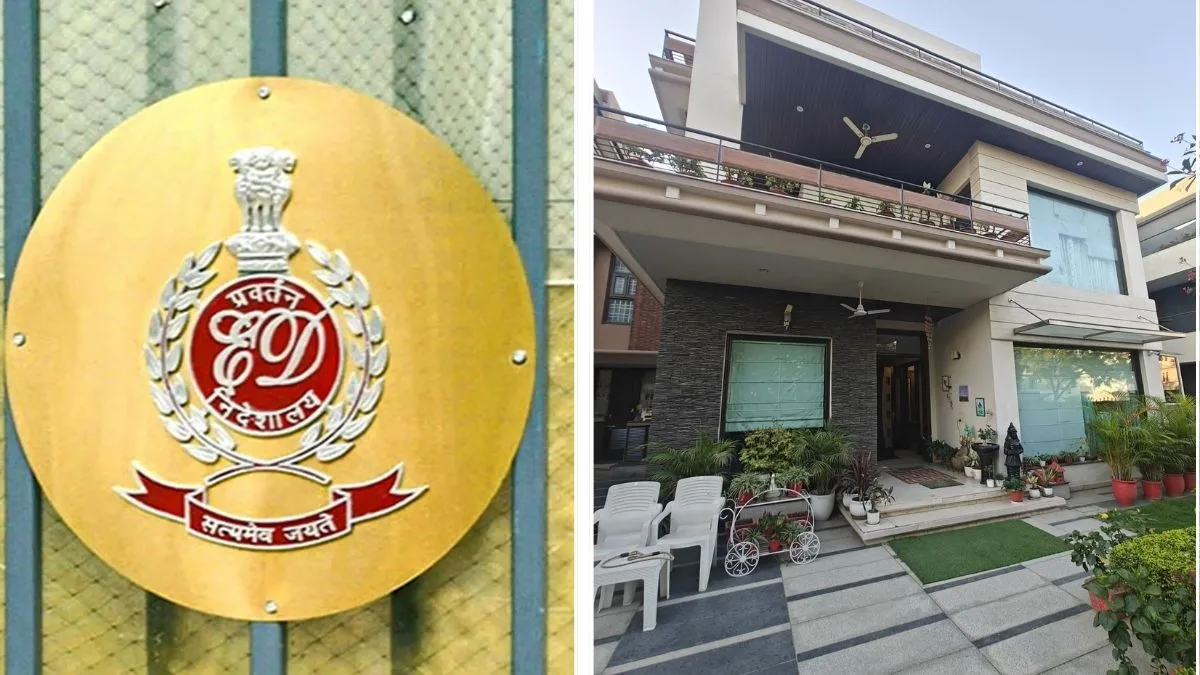
The Enforcement Directorate (ED) carried out a wide search operation on Monday across 11 places in Punjab and nearby regions, including Chandigarh, Ludhiana, Patiala, Nabha and Jalandhar.

The action was taken under the Prevention of Money Laundering Act, 2002, in connection with cases linked to former Punjab Police Deputy Inspector General (DIG) Harcharan Singh Bhullar and others, officials said.

Also Read: Kejriwal’s ‘Satyagraha’ against Justice Swarana Kanta Sharma: ‘Is judiciary British? Don’t insult Gandhi ji; you did liquor scam,’ quips BJP

According to officials, the searches were aimed at people accused in the case, their close associates, and suspected benami holders of assets.

The ED said the main goal was to trace the proceeds of crime, identify properties held in fake names, and collect evidence related to money laundering activities.

ED moves to trace money trail and hidden assets

The investigation by the central agency is based on earlier criminal cases registered by the Central Bureau of Investigation (CBI), Chandigarh unit. These cases involve allegations that illegal payments were demanded through a middleman in exchange for settling a criminal case.

The probe also includes findings of assets that are believed to be far beyond known sources of income.

Officials said the ED action is directly connected to these predicate offences. The focus is on tracking how alleged illegal money was generated, where it was moved, and how it may have been converted into property and luxury assets through benami arrangements.

CBI probe, arrest, and massive recovery of assets

The case first came under investigation last year in October when the CBI registered a fresh case of disproportionate assets against Harcharan Singh Bhullar. The case relates to officials allegedly owning wealth that does not match their declared income.

Bhullar, a 2009-batch IPS officer, was arrested by the CBI at his office in Chandigarh on October 11. The arrest came after a complaint that he had demanded a bribe through a middleman to help settle an FIR registered against the complainant.

He was allegedly caught while accepting a bribe of ₹5 lakh.

Following his arrest, CBI searches led to recovery of large unaccounted assets. These included ₹7.5 crore in cash, 2.5 kg of gold jewellery, 26 luxury watches, high-end cars, documents related to immovable properties.

The investigation is still ongoing. Agencies are now working to map full network of money flow and property holdings connected to the case.

Inside Ranveer-Deepika’s fun-filled Sunday: Daughter Dua Padukone Singh watches her first musical live

A quiet Sunday turned into a colourful memory as Ranveer Singh and Deepika Padukone took their daughter Dua to her first live musical performance. The actor later called it a special family moment filled with joy.

Statesman News Service | New Delhi |

A Sunday morning in Mumbai turned into a small celebrity story of family, music, and first-time excitement, as Ranveer Singh gave fans a rare peek into his private world with Deepika Padukone and their baby daughter Dua.

The actor described a much quieter but colourful moment spent inside a children’s musical show, where even the smallest member of the family took her first step into live entertainment.

First show for baby Dua at a musical

Ranveer Singh revealed that he, Deepika Padukone, and their daughter Dua spent their Sunday morning at the Nita Mukesh Ambani Cultural Centre (NMACC) attending the Cocomelon Live musical.

According to him, the theatre was filled with children, parents, and grandparents all reacting together to songs and performances designed for young audiences.

In a video shared by the official NMACC handle, Ranveer spoke about the atmosphere inside the hall. He said the energy was lively, with families singing, clapping, and dancing along during the show.

Also Read: Karan Johar blasts Bollywood’s ‘alpha male’ obsession, calls out beard-smoking heroes and mindless slow-mo swagger

The experience, he noted, felt bright, cheerful, and full of shared joy among the audience.

But for the couple, the visit carried an extra meaning. Ranveer pointed out that this was their daughter Dua’s very first live musical performance. He called it a special family memory and expressed gratitude toward the organisers for bringing such global children’s experiences to India.

Pregnancy news, baby Dua’s birth, and their journey together

The family update also comes shortly after Ranveer Singh and Deepika Padukone announced that they are expecting their second child.

The announcement was made on Instagram, where the couple shared a post featuring their daughter Dua holding a pregnancy test that showed a positive result.

Dua was born on September 8, 2024. Ranveer and Deepika married on November 14, 2018, in Lake Como, Italy. Before marriage, they had been in a relationship for six years.

Their story began on film sets, first crossing paths while working on Sanjay Leela Bhansali’s “Goliyon Ki Raasleela Ram-Leela.” They later appeared together in other Bhansali films like “Bajirao Mastani” and “Padmaavat,” which kept them in the public eye as an on-screen pair as well.

‘Right man, wrong party’: Raghav Chadha cites ‘toxic work environment’ in first broadside at AAP after BJP switch

Seven MPs shifting sides has redrawn Rajya Sabha numbers, boosting BJP’s tally while leaving AAP with just three members amid a legal challenge over defection rules.

Statesman News Service | New Delhi |

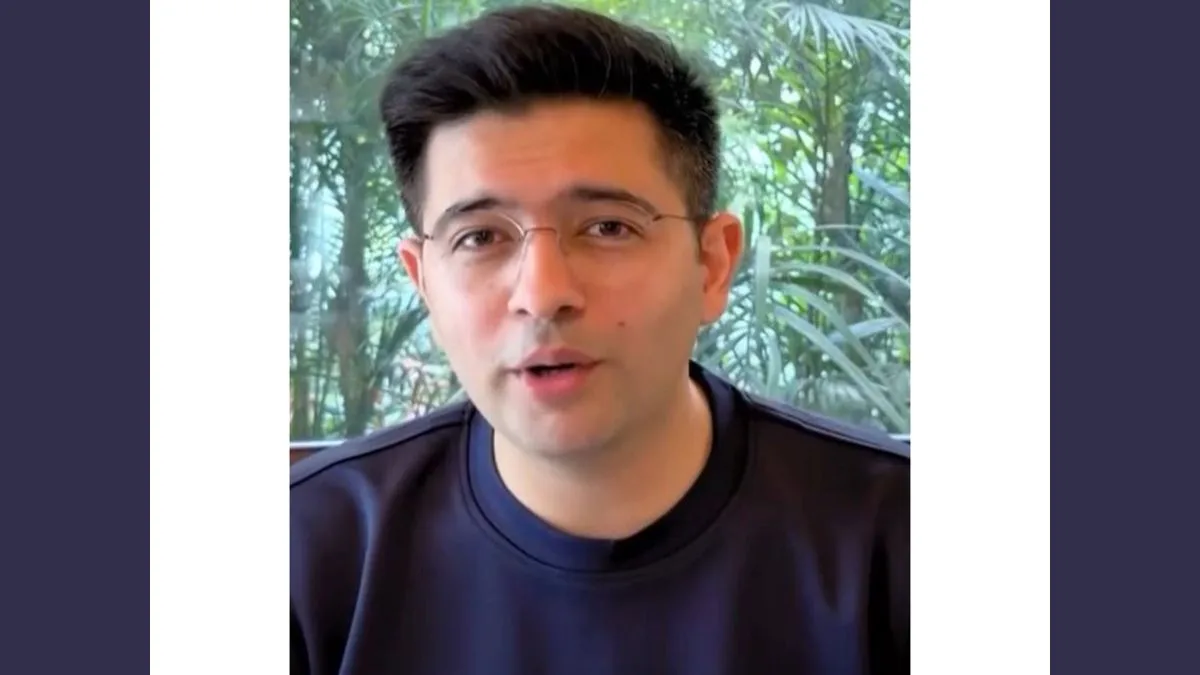
In a sharp political turn, BJP MP Raghav Chadha on Monday said he was walking away from the party he helped build (Aam Aadmi Party), accusing it of turning into a space where “you are stopped from working” and even speaking in Parliament.

The announcement came through a self-recorded video in which Chadha traced his journey from leaving a Chartered Accountant career to spending “fifteen years of my prime youth” in politics, only to now conclude that the organisation had strayed from its founding ideals.

The development comes against the backdrop of a major churn in the Rajya Sabha, where the BJP’s strength has climbed to 113 after Chairman CP Radhakrishnan cleared the merger of Chadha and six other MPs who had quit the AAP. The shift has reduced AAP to just three members in the Upper House, marking a significant setback.

In his statement, Chadha did not hold back. “I didn’t come into politics to build a career. I became a founding member of a political party. I gave fifteen years of my prime youth to this party,” he said, before adding that things had changed over time.

“But today, this party is no longer the same old party. Today, there’s a toxic work environment in this party. You are stopped from working. You are stopped from speaking in Parliament,” he said.

He went further, alleging that decision-making was now in the hands of “a few corrupt and compromised people” driven by personal interests. Reflecting on his own position, Chadha said, “For the last few years, I felt that perhaps I’m the right man but in the wrong party.”

Why Chadha says he chose to leave

Chadha outlined that he had weighed three possible paths before taking the call. These included stepping away from politics entirely, staying back to push for internal reform, or moving to another platform to continue what he described as “constructive politics.”

He indicated that his decision was not an isolated one. “One man can be wrong, two people can be wrong, but seven people cannot be wrong,” he said, referring to the group of MPs who exited together.

Even as he announced his departure, Chadha said he would continue to raise public issues with “greater energy and commitment”.

Meanwhile, the political fallout spilled onto the streets in Mumbai, where Aam Aadmi Party workers staged a protest outside Chadha’s residence. Demonstrators raised slogans such as “Traitor Raghav Chadha”, reflecting anger within party ranks over his exit and subsequent move.

Police intervened as the protest intensified, with personnel from Khar Police Station detaining several participants. Officials later said notices were issued and those detained were released.

An FIR has been registered against more than eight AAP leaders and workers, including Mumbai Working President Reuben Mascarenhas, under Sections 189(2), 189(3), and 223 of the Bharatiya Nyaya Sanhita, along with provisions of the Maharashtra Police Act. Police said the case pertains to alleged unlawful assembly and protest activities linked to the merger of Chadha and six other MPs with the BJP in the Rajya Sabha.

Who was Sheikh Yusuf Afridi? Close associate of Hafiz Saeed and Lashkar-e-Taiba regional head killed in gun attack

A senior Lashkar-e-Taiba commander has been killed in a close-range shooting attack in Pakistan’s Khyber Pakhtunkhwa region. The incident has added to a series of unexplained killings targeting figures linked to banned militant groups across the country.

Statesman News Service | New Delhi |

It was supposed to be just another ordinary evening in Pakistan’s rugged Khyber Pakhtunkhwa region. But in a matter of seconds, the silence was broken by gunfire and a name that has long floated in security reports suddenly became front-page news in the most violent way possible.

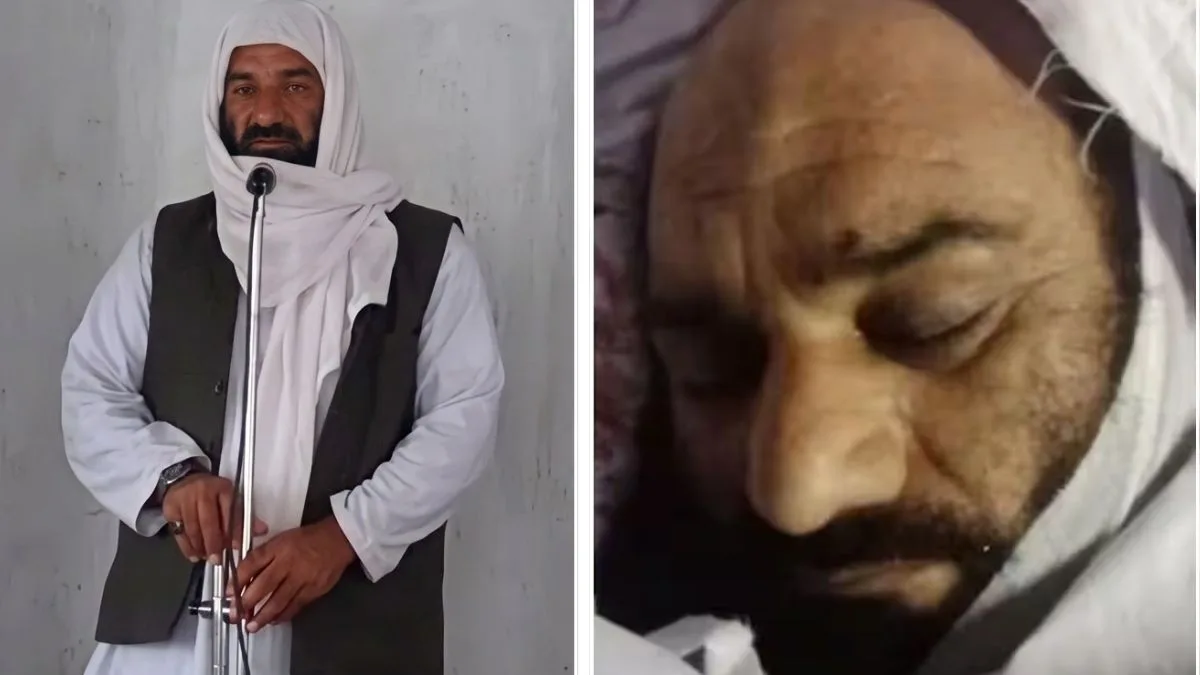
Sheikh Yusuf Afridi, a senior commander of the proscribed Lashkar-e-Taiba (LeT), was shot dead by unidentified attackers in what officials are calling a possible targeted assassination. The attackers reportedly came close, opened fire at point-blank range, and vanished almost instantly into the chaos of the region. Afridi had no chance to escape. His body was left with multiple bullet injuries, and by the time help could arrive, it was already over.

No group has stepped forward to claim responsibility yet. This has added another layer of mystery to an already shadowy case.

Who was Sheikh Yusuf Afridi?

Sheikh Yusuf Afridi was not a new or low-level name in security circles. He was considered a senior figure in Lashkar-e-Taiba’s regional setup in Pakistan’s Khyber Pakhtunkhwa.

Belonging to Afridi tribe of the Khyber region, he was believed to have deep local connections that eventually helped him maintain influence in that very area.

Also Read: ‘Pedophile, rapist, traitor’: Inside suspect’s manifesto sent minutes before White House Correspondents’ dinner attack | 10 points

According to security officials, Afridi played key role in recruitment and ideological outreach for the group. He was also reportedly involved in coordinating operations and facilitating movement and training of operatives.

Authorities had long suspected his involvement in activities linked to operations targeting Jammu and Kashmir.

He was also believed to be closely associated with LeT chief Hafiz Saeed that made him part of the group’s inner regional network. Over time, Afridi had developed a reputation as a key organiser rather than just an on-ground operative.

A killing that fits a growing pattern

Afridi’s death does not appear to be an isolated case. Over past several years, Pakistan has seen string of similar killings targeting individuals linked to banned outfits. Those include Lashkar-e-Taiba and Hizbul Mujahideen.

Reports suggest that since early 2026 alone, more than 30 such figures have been attacked by unknown gunmen across multiple regions.

These incidents have been reported from cities and provinces including Lahore, Karachi, Punjab, Sindh, Balochistan, Khyber Pakhtunkhwa. In many of these cases, attackers struck and disappeared without leaving clear evidence behind.

‘Pedophile, rapist, traitor’: Inside suspect’s manifesto sent minutes before White House Correspondents’ dinner attack | 10 points

Cole Tomas Allen, 31, allegedly sent a manifesto before the attack, outlining targets, justification and claims about security at the high-profile event.

Statesman News Service | New Delhi |

A 1,052-word manifesto allegedly sent minutes before the White House correspondents’ dinner attack offers a stark, often disturbing account of the accused gunman’s intent, targets and mindset.

The document, accessed by The New York Post, was reportedly shared by suspect Cole Tomas Allen with family members shortly before the incident. Investigators are now examining it closely as they try to establish motive and planning.

Who is Cole Tomas Allen?

Cole Tomas Allen, 31, from Torrance, California, has been identified by law enforcement officials as the suspect behind the shooting near the White House Correspondents’ Association dinner, according to IANS and reporting cited by The New York Times.

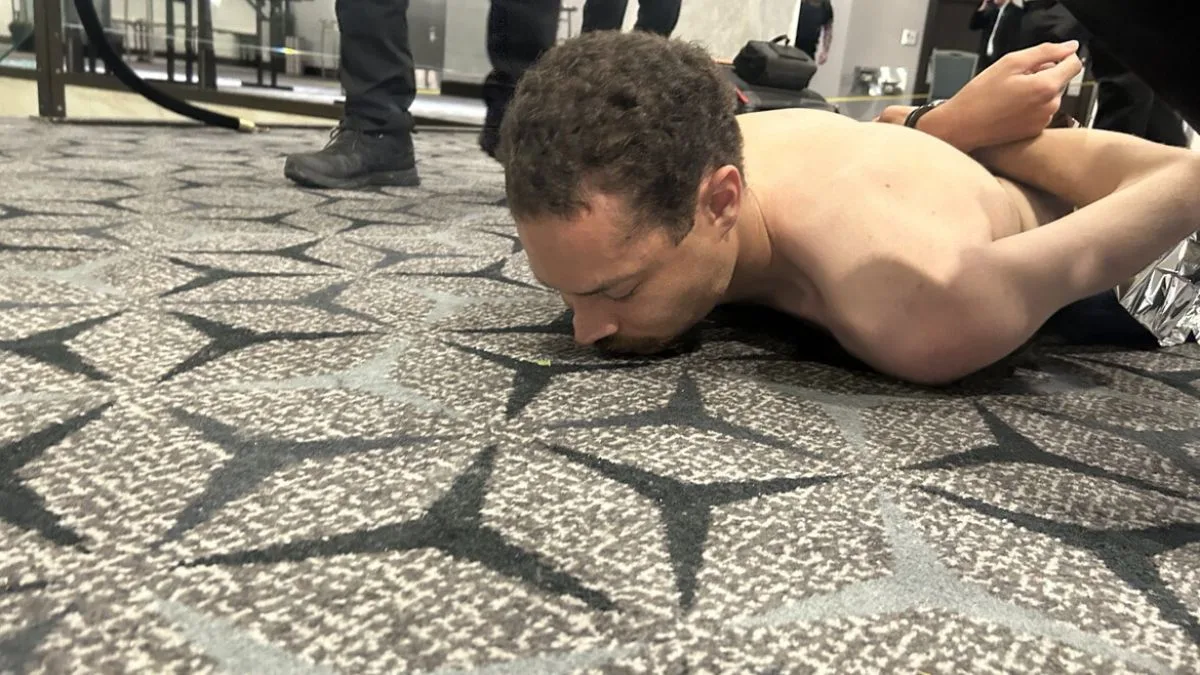
Authorities say Allen attempted to breach a security checkpoint at the Washington Hilton, where the event was being held, but “did not make it inside the large hotel ballroom” where Donald Trump and hundreds of guests were present.

He was armed with multiple weapons and allegedly tried to push past security before being tackled. Officials said he fired several rounds inside the hotel complex, just metres from the ballroom, before being subdued.

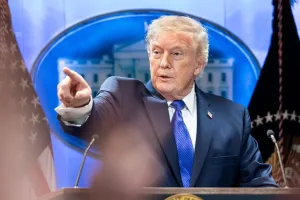
Trump described the suspect as “a sick person” and indicated early assessments pointed to a lone actor. “They seemed to think he’s a lone wolf, and I feel that too,” he said, while adding that the investigation was still unfolding.

Acting Attorney General Todd Blanche said multiple charges were being prepared, including those related to firearms possession and the shooting. FBI Director Kash Patel confirmed that agents were examining “all the ballistics” and collecting witness accounts.

One Secret Service officer was injured after being struck in a bullet-resistant vest, though officials said he is expected to recover. No other injuries have been reported.

Also Read: Manifesto, Epstein claims, gunfire: Trump breaks silence on the night Washington’s press dinner went dark

10 key lines and takeaways from the manifesto

Here are 10 key lines and takeaways from the manifesto:

1. Sent just before the attack

The note was allegedly sent about 10 minutes before the shooting. It is signed: Cole “coldForce” “Friendly Federal Assassin” Allen.

2. Opens with sweeping apologies

“I don’t expect forgiveness… my sincere apologies,” the manifesto says, addressing family, colleagues and even strangers he may have endangered.

3. Frames motive as civic responsibility

“I am a citizen of the United States of America. What my representatives do reflects on me.”

4. Targets anger at the administration

Without naming Donald Trump, the note says: “I am no longer willing to permit a pedophile, rapist, and traitor to coat my hands with his crimes.”

5. Declares ‘rules of engagement’
The suspect writes he will outline “my expected rules of engagement (probably in a terrible format, but I’m not military so too bad.)”

6. Names administration officials as primary targets

“Administration officials (not including Mr. Patel): they are targets, prioritized from highest-ranking to lowest.”

7. Limits targeting of security forces

“Secret Service: they are targets only if necessary,” the note says, adding others like hotel security and Capitol Police are “not targets if at all possible.”

8. Explicitly spares civilians

“Hotel Employees: not targets at all” and “Guests: not targets at all,” the manifesto states.

9. Claims intent to reduce casualties

“In order to minimize casualties I will also be using buckshot rather than slugs,” the suspect writes, adding it would mean “less penetration through walls.”

10. Justifies violence with religious argument

“Turning the other cheek when someone else is oppressed is not Christian behavior; it is complicity in the oppressor’s crimes.”

Claims ‘no damn security’ at venue

In a striking section, the manifesto alleges major lapses at the venue.

“What I got (who knows, maybe they’re pranking me!) is nothing. No damn security. Not in transport. Not in the hotel. Not in the event,” the note says, calling the situation “insane”.

The suspect also claims he walked in with weapons without being stopped, though authorities have not independently confirmed these assertions.

Mix of remorse, anger and defiance

The document shifts repeatedly in tone, combining apology with anger and self-awareness.

“It’s awful. I want to throw up; I want to cry…” the suspect writes, before ending with a jarring line: “Can’t really recommend it! Stay in school, kids.”

Investigators are continuing to verify the contents and context of the manifesto.

Also Read: ‘Horrible people’: Trump livid as ‘rapist, traitor’ line is read from manifesto that does not name him

Trinamool, BJP workers clash in Bengal’s Jagatdal; CAPF jawan among injured

A violent clash broke out between workers of the Trinamool Congress and the Bharatiya Janata Party (BJP) in Jagatdal in North 24 Parganas, leaving several people injured, officials said.

IANS | Kolkata |

A violent clash broke out between workers of the Trinamool Congress and the Bharatiya Janata Party (BJP) in Jagatdal in North 24 Parganas, leaving several people injured, officials said.

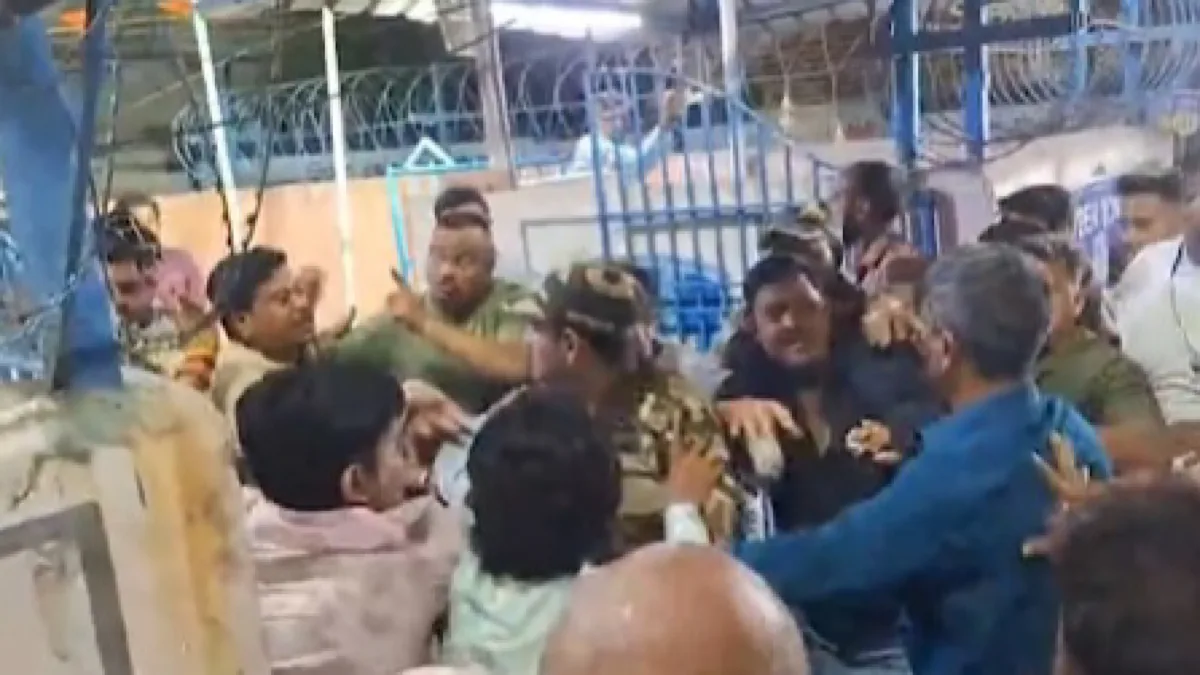
The incident occurred on Sunday night and involved stone-pelting, firing and the use of crude bombs. At least three persons sustained injuries in the violence, while a jawan of the Central Armed Police Forces (CAPF) also suffered a bullet injury to his leg.

According to officials, the clash took place near a police station after BJP workers alleged that posters and flags put up for Prime Minister Narendra Modi’s rally at Jalebi Math Maidan had been removed.

When BJP workers reached the police station to lodge a complaint, Trinamool supporters also gathered at the spot, leading to an argument that soon escalated into violence.

Visuals from the scene showed chaotic scenes late at night, with large crowds pushing and shouting as police and security personnel wearing helmets attempted to control the situation. Damaged vehicles and scattered debris were also seen in the aftermath of the clash.

BJP candidate from Jagatdal, Rajesh Singh, filed a complaint at the local police station late in the night. BJP leaders said that Rajesh Singh and Noapara candidate Arjun Singh were present at the police station when the situation turned violent.

On the other hand, Trinamool candidate from Bhatpara, Amit Gupta, alleged that BJP workers attacked their cadre, tore party flags and vandalised a party office.

BJP candidate from Bhatpara, Pawan Singh, blamed the Trinamool Congress for disrupting a street meeting and creating unrest.

Speaking to reporters, Pawan Singh said, “The problem started yesterday. Yesterday, we were having a street corner meeting. The TMC people came. Manoj Pandey, the councillor of ward 17, came. He came with a few boys and started creating a ruckus there. After that, we went to the IC and filed a complaint.”

“However, the same people tried to create disruption when we were putting PM Modi’s posters around here… The problem was solved when we went to the police station. However, when we came back home, they started pelting stones and bombs inside our homes. Many were injured during this, including a CISF jawan,” he added.

However, Amit Gupta narrated a different story. Speaking to reporters, he said, “Bittu, one of our workers, was putting up a banner and flags. We also have a party office there. Our people were beaten up. Our flags were torn, our party office was demolished. We then filed a complaint with the police. When we came here, at that time, Arjun Singh came with his CISF security and attacked us in front of the police inside the station.”

“We were filing the complaint, but Arjun Singh came with CISF and started behaving like goons. This will happen everywhere if these people come to power. If they can do this in a police station, then it can happen everywhere. We have filed a complaint and will also file a complaint with the ECI,” he added.

Silent death chamber: Three workers die one after another inside toxic drainage tank in Pune

A routine cleaning job turned into a deadly tragedy when three workers entered a closed drainage tank and never came back alive. Preliminary findings point to possible toxic gas build-up inside the tank, with police now probing safety lapses at the site.

Statesman News Service | New Delhi |

A tragic workplace accident has shocked Belesar village in Purandar taluka of Pune district after three workers died while cleaning a drainage tank at a mushroom processing unit on Saturday evening.

The workers reportedly entered a closed drainage tank at Wada Agro Mushroom Company and never came out alive.

Chain reaction inside the tank leads to tragedy

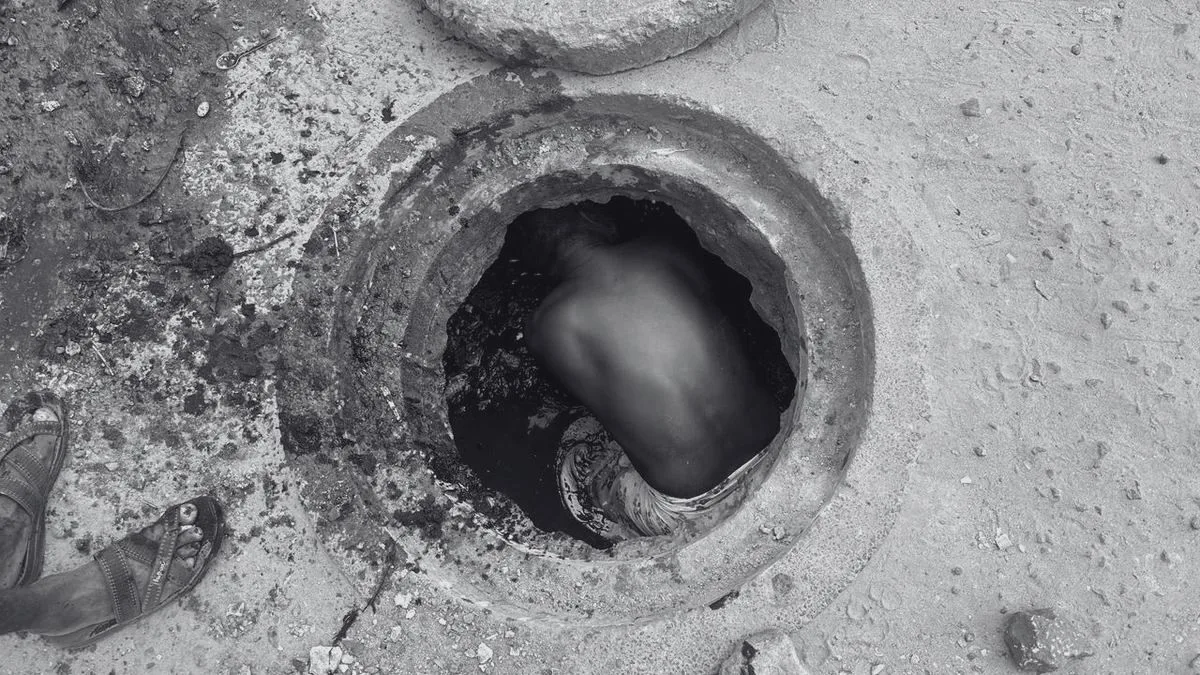
According to Jejuri police, the incident took place around 4:30 pm. One worker entered the drainage tank for cleaning work but did not respond after some time. When he failed to come out, a second worker went inside to check on him.

Moments later, a third worker also entered the tank in an attempt to rescue the others. Unfortunately, none of the three managed to return.

The deceased have been identified as Pintu Rajesh Prasa, 23, and Vyas Oham Kumar, 22, both from Khoraram and Navtam villages in Deoria district, Uttar Pradesh. The third victim is Gautam Ramsuran Kushwah, 36, from Mednapur in Devrai district, Uttar Pradesh.

Rescue efforts, suspected toxic gas and police probe

When the workers did not respond, panic spread among others present at the site. Local workers and villagers rushed to help and used JCB machine to break open concrete slab covering the drainage tank.

All three men were pulled out and immediately taken to Jejuri Rural Hospital. Doctors declared them dead on arrival.

Preliminary findings suggest that toxic gas may have accumulated inside closed tank. Police believe poor ventilation and heat could have led to suffocation causing the workers to lose consciousness and die inside.

Assistant police inspector Deepak Waghchaoure of Jejuri police station confirmed that an accidental death case has been registered. He said the bodies have been sent for post-mortem examination to determine the exact cause of death.

He also added that a detailed investigation is underway to check whether proper safety measures were followed at the mushroom processing unit and if any negligence occurred.

Also Read: Surat horror: Husband kills dietician wife, stuffs body in trunk, then tries to fool police with missing report

Bengal polls: ECI orders CCTV installations at approach roads for sensitive booths

With the second phase of the Assembly polls in West Bengal scheduled for April 29, the Election Commission of India (ECI) has decided to further strengthen the surveillance mechanism by bringing the approach roads to critical or hypersensitive polling stations under CCTV coverage.

Statesman News Service | Kolkata |

With the second phase of the Assembly polls in West Bengal scheduled for April 29, the Election Commission of India (ECI) has decided to further strengthen the surveillance mechanism by bringing the approach roads to critical or hypersensitive polling stations under CCTV coverage.

“In the first phase of polls, there were two CCTVs within the polling station premises, one within the polling room and the other just outside the polling room, to ensure elimination of electoral malpractices within the polling station premises. But there were some reports in the first phase of polls of voter intimidation outside the polling stations. So, this time, the ECI has decided to install CCTV machines outside the polling stations to keep the different approach roads to the polling stations under strict surveillance,” an insider from the office of the Chief Electoral Officer said.

The number of CCTV installations to monitor activities at the approach roads will depend on the sensitivity of the polling stations concerned, he said.

There will be entry restrictions for non-voters or even voters who have already cast their votes within a 100-metre radius of the polling stations. Even people carrying food or water for the electoral officers deputed at the polling booths will require special requisitions from the district electoral officer (DEO) concerned to enter the polling booth with those items.

Both the carriers of such items and the items they are carrying will be thoroughly frisked.

Meanwhile, the CEO of West Bengal has issued an appeal for the voters in the second phase of polling on April 29 to come to the polling booths and cast their votes in large numbers.

“I assure you of your safety. So cast your own votes in large numbers. Ensure that the voting rate is more than 90 per cent, as it was in the first phase. This is your constitutional right. Actions will be taken if anyone obstructs voting. All political parties have been informed about this,” the CEO said.

Earlier on Sunday, the ECI had directed the central forces deputed for the second phase of the two-phase West Bengal Assembly elections on April 29 to conduct a special crackdown on crude bomb makers across the state ahead of polling.

The Commission, at the same time, instructed the force personnel to immediately step up their activity in defusing bombs and ensure that no explosions occur on the polling day.

The direction to the central forces by the ECI on this count came on the same day the National Investigation Agency (NIA) arrested the prime accused in connection with an explosion at Bijoyganj Bazar area in South 24 Parganas district.

Gujarat local body polls: Official turnout at 49.02 pc in municipal corporations, re-poll ordered in Surendranagar

Voter turnout in Gujarat’s local body elections remained varied across different tiers, with polling conducted across the state, according to official data released by the State Election Commission.

IANS | New Delhi |

Voter turnout in Gujarat’s local body elections remained varied across different tiers, with polling conducted across the state, according to official data released by the State Election Commission.

The Commission said on Sunday that the voter turnout stood at 49.02 per cent in municipal corporations, 59.50 per cent in municipalities, 61.69 per cent in district panchayats and 62.38 per cent in taluka panchayats.

In by-elections to certain seats in municipalities, voter turnout was recorded at 55.38 per cent.

Polling was held from 7 a.m. to 6 p.m. across 15 municipal corporations, 84 municipalities, 34 district panchayats and 260 taluka panchayats, forming part of one of the largest grassroots electoral exercises in the state.

The elections covered more than 9,000 seats across urban and rural local bodies, with more than four crore eligible voters participating in the process.

The elections were conducted using electronic voting machines (EVMs), with extensive administrative and security arrangements in place, including the deployment of more than one lakh police personnel across Gujarat to ensure orderly polling.

Re-polling has been scheduled for Monday at polling station numbers 4 and 5 in Jepar village of Chuda taluka in Surendranagar district after an EVM malfunction was reported.

Voting at these stations will again take place between 7 a.m. and 6 p.m., in line with the Commission’s guidelines.

The by-elections covered 13 seats across 11 municipalities, where polling concluded within the stipulated time.

The electoral contest involved candidates from major political parties, including the Bharatiya Janata Party (BJP), Congress and Aam Aadmi Party (AAP) along with independents.

More than 32,000 nominations were filed for more than 10,000 seats, indicating a wide contest across local bodies.

Earlier, 736 seats were decided uncontested ahead of polling, with the Commission reporting hundreds of such outcomes across different tiers.

In Ahmedabad, voting took place for 190 seats of the municipal corporation across 48 wards, with more than 38 lakh registered voters and hundreds of candidates in the fray, reflecting the scale of the urban contest.

Kejriwal’s ‘Satyagraha’ against Justice Swarana Kanta Sharma: ‘Is judiciary British? Don’t insult Gandhi ji; you did liquor scam,’ quips BJP

The Delhi excise policy case sees a new twist as Arvind Kejriwal refuses court appearance, signalling a legal escalation and possible move to the Supreme Court.

Statesman News Service | New Delhi |

Aam Aadmi Party national convenor Arvind Kejriwal on Monday informed the Delhi High Court that he will not appear before Justice Swarana Kanta Sharma in the excise policy case, declaring that his “hope of getting justice” from the judge stands “shattered”.

The development comes days after the High Court rejected a plea by Kejriwal and others seeking the judge’s recusal, marking a sharp escalation in the ongoing legal and political battle linked to the controversial excise policy case.

In a letter addressed to Justice Sharma, Kejriwal said he would neither appear in person nor be represented through legal counsel. “My hope of getting justice from Justice Swarana Kanta is shattered. Therefore, I have decided to follow Gandhiji’s Satyagraha. I have made a decision based on the voice of my conscience,” he wrote, according to party sources.

Seeking to clarify his stance, Kejriwal said the letter was not an act of defiance. “This letter is not written in anger, nor in disrespect… it is written with pain, humility, and abiding faith in the role of the judiciary,” he stated, adding that the issue at hand touches “upon a larger and more enduring question — the faith of ordinary citizens in the impartiality of the judicial process”.

He, however, expressed serious doubts about the fairness of further proceedings. “This understanding itself now makes it impossible for me to believe that I can receive a hearing which appears impartial in this Court,” he said.

Kejriwal added that he would retain the option of challenging any decision before the Supreme Court. “I will reserve the right to appeal Justice Swarn Kanta’s decision in the Supreme Court,” the letter stated.

Image

Image

BJP hits back, accuses Kejriwal of ‘insulting Constitution and Gandhi’

Reacting sharply, BJP spokesperson Shehzad Poonawalla accused the Aam Aadmi Party of undermining constitutional institutions and misusing Mahatma Gandhi’s legacy.

“This is an insult to the Constitution, an insult to the judiciary — this has become the identity of the Aam Aadmi Party. AAP now stands for ‘more and more propaganda’,” Poonawalla said.

He alleged that Kejriwal had earlier run a “hit-and-run propaganda” campaign against Justice Swarana Kanta Sharma and questioned his refusal to appear after the plea was dismissed.

“When the judiciary did not bow before him, he now says he will follow Mahatma Gandhi’s Satyagraha and not appear because he has no faith in the judiciary,” he said.

Poonawalla also took objection to invoking Gandhi in the present context. “First of all, do not insult Mahatma Gandhi. Gandhi was against liquor, and you carried out a liquor scam,” he remarked.

Drawing a comparison with India’s freedom struggle, he added, “Mahatma Gandhi’s non-cooperation and civil disobedience movements were against the British. Does India’s judiciary look British to you? This is also an insult to the Constitution and to Dr BR Ambedkar.”

He further alleged that such reactions reflect a pattern. “Whenever a constitutional institution does not act according to their wishes or gives a verdict against them — be it elections or the judiciary — they question it, cast doubts, and try to create mistrust. This has become their standard operating procedure,” he said.

HC had dismissed recusal plea with sharp remarks

On April 20, the Delhi High Court dismissed petitions filed by Kejriwal, Manish Sisodia and others seeking the recusal of Justice Sharma from hearing matters related to the excise policy case.

The plea had argued that the empanelment of the judge’s children as Central Government counsel created a perceived conflict of interest and a reasonable apprehension of bias.

Rejecting the contention, the court held that the allegations were speculative and did not meet the legal threshold required to establish bias. It made strong observations against attempts to question judicial impartiality without evidence.

“The courtroom cannot become a theatre of perception,” the court said, cautioning that even influential political figures cannot level allegations against a sitting judge without material proof.

‘Insinuations cannot guide recusal’: Court

Justice Sharma observed that the arguments were based on “insinuations and aspersions” rather than verifiable facts, and warned that accepting such claims would set a damaging precedent.

The court stressed that a judge cannot be asked to step aside merely on the basis of a litigant’s apprehension of an unfavourable outcome, noting that “justice cannot be managed through perception.”

In a related direction, the High Court also ordered the removal of social media links carrying details of the April 13 proceedings in the recusal matter.

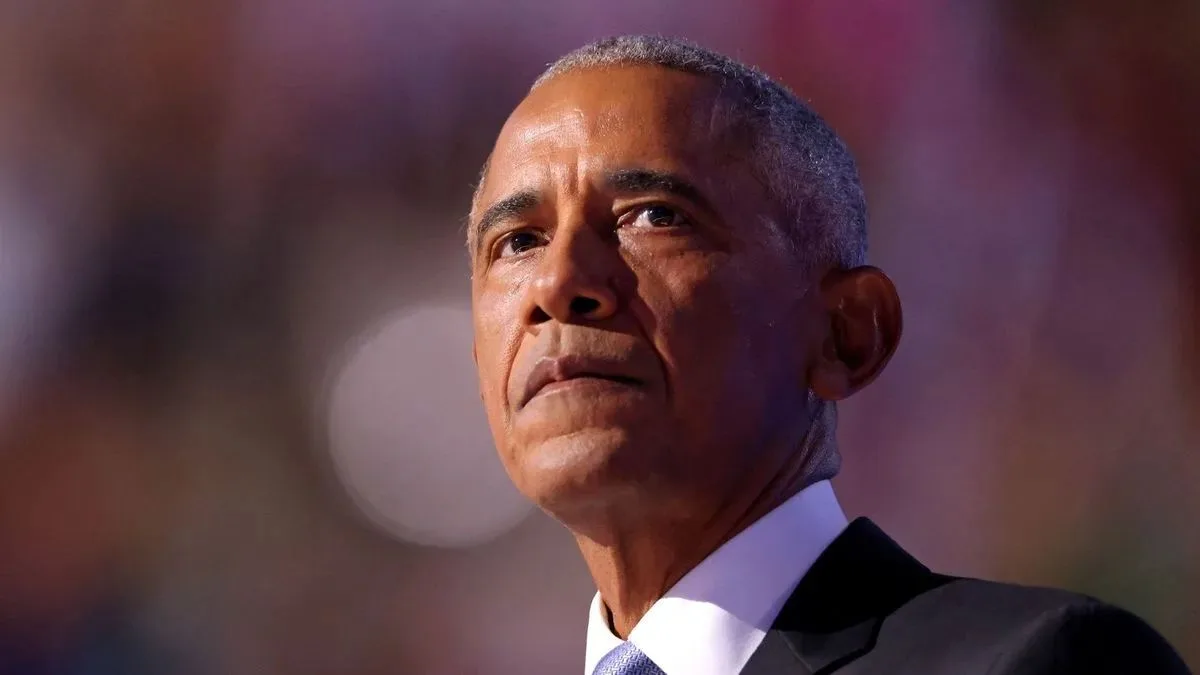
‘Violence has no place in democracy’: Barack Obama reacts to armed attack at White House dinner

A security scare during a high-profile Washington event has triggered strong reactions from top US leaders. The incident has once again raised concerns about growing political tensions and threats in the country.

Statesman News Service | New Delhi |

Former US President Barack Obama has reacted strongly after a shocking shooting incident that took place during the White House Correspondents’ Dinner last night. According to reports, an armed attacker tried to reach President Donald Trump and several senior administration officials during the event.

In a public statement released today, Obama asked Americans to firmly reject violence in politics. He said that no disagreement in a democracy should ever turn into physical harm or armed attacks.

He stressed that violence has no place in the democratic system and urged people across the country to stand against such actions in every form.

Obama also praised the US Secret Service, calling the incident a “sobering reminder” of their daily duty. He highlighted the courage and sacrifice shown by security agents who protect national leaders under constant risk.

Trump praises law enforcement and calls for national unity

After the incident, President Donald Trump addressed the media in a press conference last night, where he first thanked law enforcement agencies for their quick and effective response. In his prepared remarks, he said the “great work done by law enforcement” helped control the situation.

Trump also used the moment to appeal for unity among Americans. He urged citizens to recommit themselves to solving political and social differences peacefully. He said that regardless of political identity of Republicans, Democrats, independents, conservatives, liberals, or progressives, there was still a sense of togetherness in the room during the event.

Also Read: ‘Horrible people’: Trump livid as ‘rapist, traitor’ line is read from manifesto that does not name him

He spoke about the atmosphere at the White House Correspondents’ Dinner, saying it was meant to celebrate freedom of speech and bring together members of the press and political leaders from both sides.

According to him, despite political divisions, the gathering showed a rare moment of unity and mutual respect. He said he observed people coming together in a way that deeply impressed him.

Trump calls attack “shocking,” reflects on repeated threats

After his formal remarks, Trump spoke more informally about the incident, describing it as “shocking.” He also referred to the attacker in strong language, calling him a “nutjob.” The president suggested that such incidents often happen when someone is influential, saying that those who make an impact tend to attract more threats.

He added that past assassination attempts and the recent shooting highlight the risks associated with holding high office. According to him, public leadership is a “dangerous profession,” where visibility and influence can sometimes lead to extreme reactions from individuals.

Unravelling of 22 minutes, then their command collapsed: Indian Army on Op Sindoor

The Indian Army on Monday shared a post on social media highlighting how Operation Sindoor disrupted the command structure of the terrorists in just 22 minutes.

IANS | New Delhi |

The Indian Army on Monday shared a post on social media highlighting how Operation Sindoor disrupted the command structure of the terrorists in just 22 minutes.

“Resolve. Clarity. Mission Focus. Justice Served — Swift and Precise. Evidence doesn’t argue – It settles,” the Army wrote on X.

This post comes just days before the first anniversary of the Indian Army’s decisive military action — Operation Sindoor.

The post also included a photo with the caption, “The unravelling of 22 minutes and then their command collapsed.”

Earlier on Sunday, the Indian Army shared another social media post highlighting the precision strikes that destroyed nine terror camps linked to outfits such as Lashkar-e-Taiba and Jaish-e-Mohammed in Pakistan and Pakistan-occupied Kashmir (PoK).

“Precision driven. Terror Targeting. Outcomes that Endure,” the Army said in a post on X.

The post was accompanied by an image captioned “9 terror camps destroyed” and “India does not forget”, depicting a command centre during the strikes carried out as part of Operation Sindoor.

Last week, the Army had shared another post underlining ‘Atmanirbhar Bharat’ preparedness, signalling continued readiness and deterrence following the operation.

“A new normal. A new posture. Recalibrated. Reinforced. Ready. Atmanirbhar Bharat Stands Prepared,” the post read.

The visual highlighted post-operation enhancements, including 50 new mission-ready units, four additional agile formations, more than five lakh latest weapons, over two lakh new equipment items, and eight anti-terror operational frameworks.

On April 22, as India marked one year since the deadly Pahalgam terror attack, in which Pakistan-backed terrorists killed 26 tourists after identifying their religion, the Army reiterated its commitment to respond firmly to acts of terror.

The Indian Army took to social media and warned that any misdeeds against the nation will be met by a response.

In a post on X, the Army said, “For acts against India, the response is assured. Justice will be served. Always.”

It also shared a photo showcasing Operation Mahadev, with the tagline “It was only a matter of time” in red colour. This refers to the intense manhunt and neutralisation of the terrorists involved in the attack.

Operation Mahadev was launched immediately after the April 22 attack. It involved extensive searches in difficult Himalayan terrain near Dachigam/Mahadev Ridge, culminating in the elimination of the three main perpetrators.

The Indian armed forces scanned over 300 sq kilometres of treacherous terrain for 93 days and eventually neutralised the terrorists.

A day ahead of the Pahalgam anniversary, the Indian Army reiterated its firm commitment to justice and issued a strong warning that any breach of the “boundaries of humanity” would invite a decisive response.

In a strongly-worded post on its X handle, the Indian Army said, “When boundaries of humanity are crossed, the response is decisive. Justice is served. India stands united.”

The post was accompanied by a visual message stating “Some boundaries should never be crossed”, featuring a map of India marked with red ‘sindoor’ powder, symbolising the Army’s decisive action against terrorists under ‘Operation Sindoor’.

The image also carried the message “India does not forget”, underlining the country’s resolve and unity.

The Pahalgam terror attack took place on April 22, 2025, when 26 people were killed in a brutal massacre targeting tourists. The attack was carried out by The Resistance Front, an offshoot of the Pakistan-based Lashkar-e-Taiba.

The attackers singled out victims after asking about their religion, forcing them to recite the Islamic ‘kalima’ to identify non-Muslims. Among those killed were 25 tourists and one local pony ride operator who tried to save the tourists.

Several victims were newly married, and many were shot at close range in front of their families.

In response to the attack, Indian armed forces launched ‘Operation Sindoor’ on May 6 and 7, carrying out what officials described as a focused, measured and non-escalatory military action targeting high-value terror bases in Pakistan and Pakistan-occupied-Kashmir.

‘Operation Sindoor’ was a significant demonstration of India’s military and strategic capability, combining both military and non-military measures.

The operation successfully neutralised terrorist threats, deterred further aggression and reinforced India’s zero-tolerance policy towards terrorism while maintaining strategic restraint.

HM Amit Shah says ‘Didi is leaving’, intensifies attack on Trinamool in Bengal rally

Union Home Minister Amit Shah intensified his attack on the ruling Trinamool Congress in West Bengal, claiming that Chief Minister Mamata Banerjee, whom he referred to as “Didi”, is on her way out of power.

IANS | New Delhi |

Union Home Minister Amit Shah intensified his attack on the ruling Trinamool Congress in West Bengal, claiming that Chief Minister Mamata Banerjee, whom he referred to as “Didi”, is on her way out of power.

Speaking to IANS during an election rally, he said, “I don’t believe that the goons will trust Didi and take their risk. Didi is going, and no one trusts those who are leaving. The police will deal with the goons.”

The remarks came during a rally in West Bengal, where HM Shah continued his criticism of the state government over law and order and political violence, while also positioning the BJP as a stronger alternative in the state.

Earlier on Sunday, the Union Home Minister praised Prime Minister Narendra Modi for his government’s tough stance against terrorism, stating that since 2014, India has responded decisively to terror attacks through military operations, including surgical strikes and air strikes.

Addressing an election rally at Tehatta in Nadia district of West Bengal, HM Shah accused CM Mamata Banerjee and the Congress party of being soft on terrorism. He said, “When Mamata Banerjee and the Congress government were in power, they used to feed biryani to terrorists. In 2014, when the PM Modi government came to power, an attack happened in Uri, we carried out a surgical strike; an attack happened in Pulwama, we conducted an airstrike, and an attack happened in Pahalgam, we carried out Operation Sindoor and wiped out the terrorists. PM Modi has freed this country from terrorism.”

HM Shah further asserted that a future BJP government in West Bengal would take strict action against infiltration and illegal immigration. He said that all infiltrators would be identified and removed from the state, and warned that the BJP would not only clean up electoral rolls but also ensure their removal from Bengal entirely once in power.

He also claimed that the BJP government, if elected, would create a special squad to protect cattle and curb cow smuggling in the state.

Reiterating his broader political message, HM Shah said the BJP has already “freed the country from Naxalism” and would bring similar changes in West Bengal once voted to power, signalling a strong push ahead of the upcoming elections.

Heatwave in Rajasthan: Barmer, Jaisalmer record 46 degrees

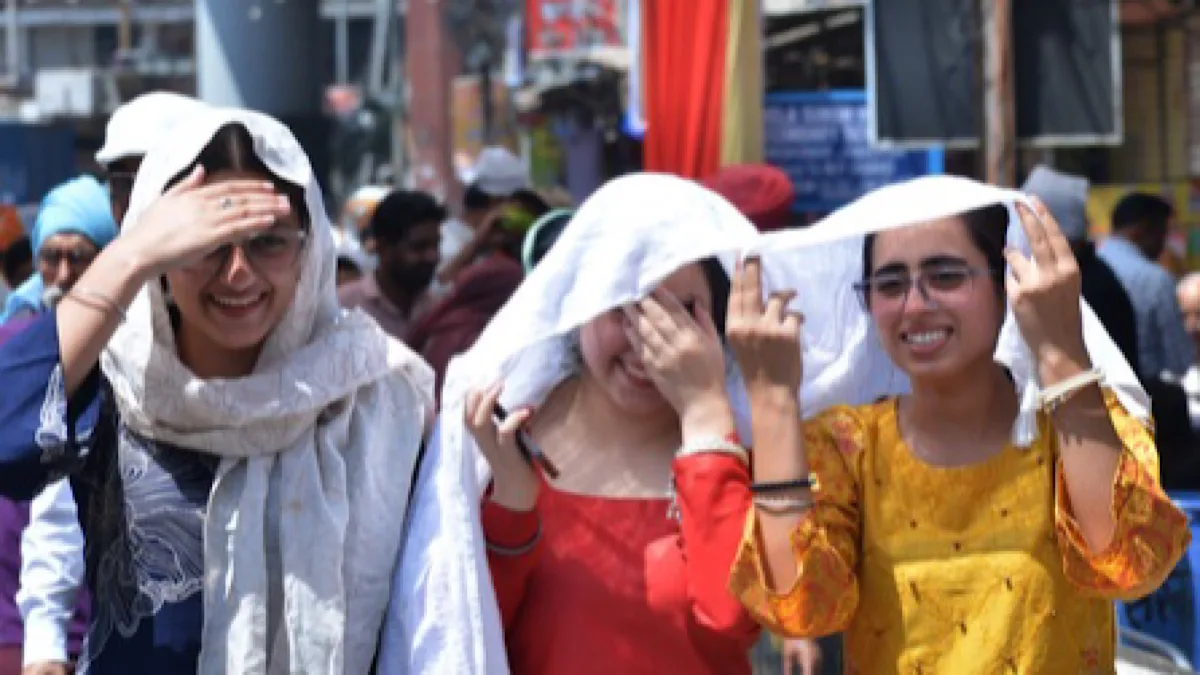
At a time when Rajasthan continues to reel under intense heat, the Meteorological Department on Monday issued an alert for strong winds and light rains in Jaipur, Alwar, and adjoining areas, offering some relief to residents battling scorching conditions.

IANS | New Delhi |

At a time when Rajasthan continues to reel under intense heat, the Meteorological Department on Monday issued an alert for strong winds and light rains in Jaipur, Alwar, and adjoining areas, offering some relief to residents battling scorching conditions.

The weather officials said that a heat wave has gripped most parts of the state, with the maximum temperatures across most regions currently ranging between 44 degrees Celsius and 46 degrees Celsius, remaining above normal.

Barmer was the hottest in the state in the last 24 hours, recording a high of 46.4 degrees Celsius, while the lowest minimum temperature of 22.8 degrees was observed at Jawai Dam (Pali). In the past 24 hours, the highest rainfall in the state — 6.0 mm — was recorded in Gangapur City (Sawai Madhopur).

Heatwave conditions and warm nights have been reported in several districts. However, some areas also witnessed light rain or drizzle accompanied by thunderstorms and strong gusty winds. With the highest maximum temperature of the day recorded in Barmer, Jaisalmer was not far behind. The city, also known as the ‘Golden City of India’, followed closely at 46 degrees Celsius, while Kota and Chittorgarh registered 45.2 degrees each.

After a day of intense heat on Sunday, the weather conditions shifted in parts of the state. Cloud cover developed over districts such as Jaisalmer, Bikaner, Ajmer, Bhilwara, and Chittorgarh after 4.00 p.m., followed by light rainfall and dusty winds in some areas.

The Meteorological forecast said that the heatwave is expected to persist, with temperatures likely to remain above normal. However, partial relief may occur during afternoon hours, with chances of cloud cover, light rain, and isolated dusty winds in some districts.

A more noticeable respite is expected between April 28 and April 30, when several parts of the state may experience thunderstorms, rainfall, and even isolated hailstorm activity, said the weather department.