Logo

AAP workers burn effigies of defectors in Betul, allege ‘Operation Lotus’

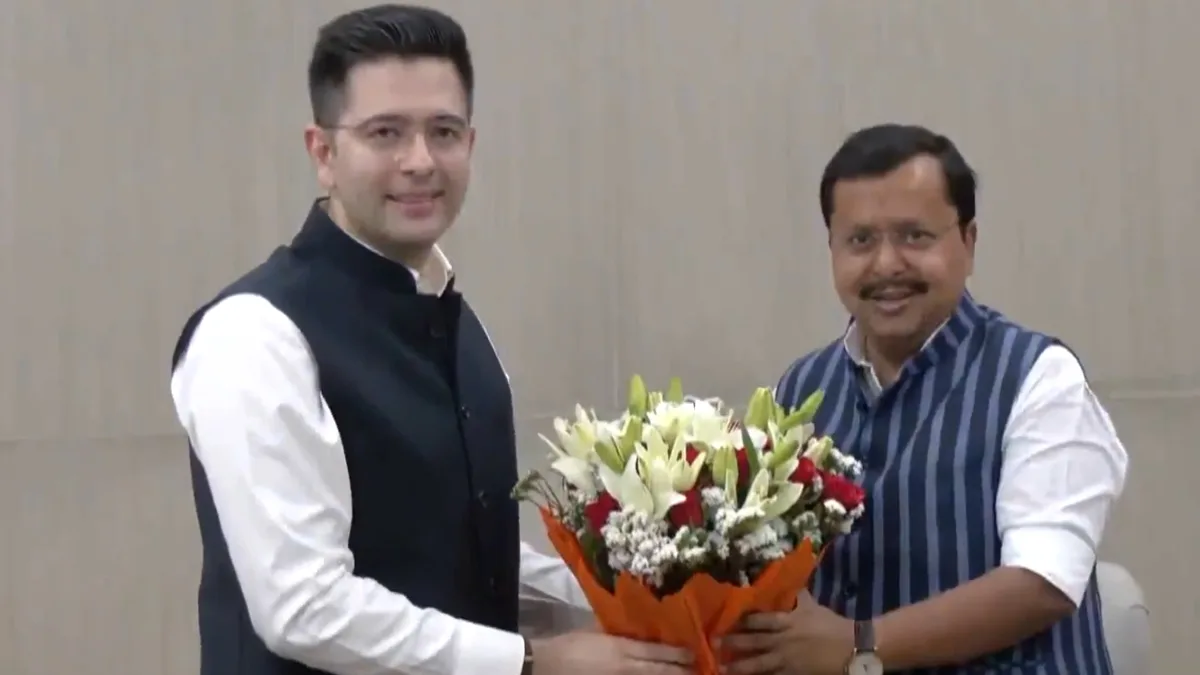
Several workers and local leaders of the Aam Aadmi Party (AAP) in Betul, Madhya Pradesh, on Monday burned effigies of party leaders including Raghav Chadha, who recently quit the party and joined the Bharatiya Janata Party (BJP).

Statesman News Service | Bhopal |

Several workers and local leaders of the Aam Aadmi Party (AAP) in Betul, Madhya Pradesh, on Monday burned effigies of party leaders including Raghav Chadha, who recently quit the party and joined the Bharatiya Janata Party (BJP).

AAP members raised slogans against the defecting leaders as well as the BJP.

The protesters alleged that the BJP is carrying out ‘Operation Lotus’ with the aim of weakening democracy and democratic values in the country.

They also strongly criticised the former AAP leaders who recently joined the BJP.

Langer defends decision to send Pooran despite Super Over failure

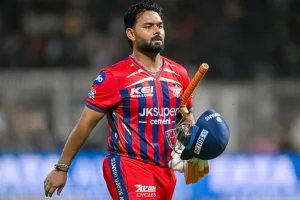
Lucknow Super Giants head coach Justin Langer defended the decision to send Nicholas Pooran in Sunday’s Super Over against Kolkata Knight Riders, despite the batter’s poor form, after the move backfired in their fifth straight defeat in Indian Premier League 2026.

Statesman News Service | New Delhi |

Lucknow Super Giants head coach Justin Langer defended the decision to send Nicholas Pooran in Sunday’s Super Over against Kolkata Knight Riders, despite the batter’s poor form, after the move backfired in their fifth straight defeat in Indian Premier League 2026.

Pooran was chosen to face Sunil Narine, but the gamble failed immediately as he was dismissed off the first ball, attempting an aggressive shot against a sharply turning delivery. His struggles in Super Overs are well documented, having scored just one run off nine balls in previous attempts.

Explaining the call, Langer said the team relied on Pooran’s familiarity with Narine, built through years of playing together for the West Indies. “We knew Narine was bowling, and Nicky has faced him more than anyone in world cricket. We felt he was still our best option. You back your best players,” Langer said, admitting the decision did not pay off.

Earlier in the match, Pooran had also failed to make an impact, scoring 9 off 12 balls before falling to Varun Chakaravarthy. While his overall T20 record against Narine remains strong, his Super Over performances continue to be a concern.

Despite the dip in form, his strike rate dropping from 196.25 last season to 81.18 this year, Langer maintained that Pooran remains one of the most dangerous T20 batters. He acknowledged, however, that the player is currently low on confidence.

“He’s working very hard. It just shows he’s human. You can’t fake confidence, it comes from getting your processes right,” Langer said.

The former Aussie opener also pointed to the team’s inability to adapt to changing pitch conditions at the Bharat Ratna Shri Atal Bihari Vajpayee Ekana Cricket Stadium in Lucknow. The surface shifted from a fast, bouncy red-soil track in the previous game to a slower black-soil wicket that offered more turn.

“We didn’t adapt well. It’s frustrating because for 18 overs we felt in control, but we let it slip,” he said.

Among the positives, Mohsin Khan impressed with figures of 5 for 23, providing early breakthroughs. Langer praised his work ethic and suggested he could soon be in contention for national selection. He also credited Mohammed Shami and Prince Yadav for their contributions with the ball.

However, LSG lost momentum in the final overs, conceding 43 runs in the last two overs on a difficult pitch, which proved costly. “They’ve got world-class spinners in Narine and Varun, so they always had a chance. We were ahead for most of the game but just fell behind at the end,” Langer admitted.

The defeat leaves Lucknow at the bottom of the points table, while eighth-ranked Kolkata registered only their second win of the season.

Haryana passes Clerical Services (Recruitment and Conditions of Service) Bill 2026

Prime Minister Narendra Modi on Monday underscored the economic and strategic significance of the India-New Zealand Free Trade Agreement (FTA), stating that the pact would eliminate tariffs on Indian exports, strengthen labour-intensive sectors, and create new avenues for students and skilled professionals while ensuring robust protection for sensitive domestic industries such as agriculture and dairy.

Statesman News Service | Chandigarh |

Prime Minister Narendra Modi on Monday underscored the economic and strategic significance of the India-New Zealand Free Trade Agreement (FTA), stating that the pact would eliminate tariffs on Indian exports, strengthen labour-intensive sectors, and create new avenues for students and skilled professionals while ensuring robust protection for sensitive domestic industries such as agriculture and dairy.

In a statement shared on X, Modi highlighted Union Commerce and Industry Minister Piyush Goyal’s detailed explanation of the agreement’s benefits, noting that the FTA is designed to bolster India’s micro, small and medium enterprises (MSMEs) and enhance the competitiveness of Indian goods in global markets. “Union Minister Shri Piyush Goyal elaborates how the India–New Zealand FTA removes tariffs on Indian exports, boosting labour-intensive sectors and strengthening MSMEs, while ensuring that sectors like agriculture and dairy remain fully protected,” the Prime Minister said.

India and New Zealand on Monday signed the agreement to enhance bilateral trade and investment, providing duty-free access for all Indian exports. According to the government, the pact is expected to give a major push to sectors such as textiles, leather, engineering goods and other labour-intensive industries by improving market access and reducing trade barriers. Officials believe this will translate into higher exports, increased production, and job creation, particularly benefiting small businesses and rural economies.

At the same time, the government has sought to address long-standing concerns from farmers and dairy stakeholders by ensuring that these sensitive sectors remain insulated from import surges. “The interests of our farmers and dairy industry are fully safeguarded,” Goyal has emphasised in his outreach on the agreement, reiterating that no compromise has been made on India’s core agricultural priorities.

Beyond trade in goods, the FTA is expected to deepen cooperation in services, education, and investment. The Prime Minister noted that the agreement would expand opportunities for Indian students and skilled professionals seeking to work or study in New Zealand, reflecting a broader push to integrate India’s talent pool with global markets. “The FTA also expands opportunities for students and skilled professionals, alongside support for agricultural productivity and investment commitments,” Modi said.

The pact is also seen as a step towards attracting greater investment flows and fostering collaboration in areas such as agri-technology, food processing, and innovation. Government sources indicate that provisions related to investment commitments and technology sharing could help enhance agricultural productivity in India, aligning with the broader goal of modernising the farm sector.

The India-New Zealand FTA came amid New Delhi’s renewed focus on bilateral trade agreements as part of its strategy to diversify export markets and reduce dependence on any single region. In recent years, India has pursued similar agreements with countries including Australia and the UAE, signalling a shift towards more proactive trade diplomacy.

Experts say the balancing act between export promotion and domestic protection will be key to the agreement’s success. While industry bodies have welcomed the tariff reductions and expanded access to overseas markets, farmer groups have consistently demanded strong safeguards—a concern the government has sought to address through carefully negotiated exclusions and protections.

With the agreement now in place, the government has projected the FTA as a “win-win” framework that aligns economic growth with social safeguards. As Modi’s remarks suggest, the pact is being positioned not just as a trade deal, but as a broader platform for economic collaboration, skill mobility, and sustainable development between India and New Zealand.

Fleming explains Dhoni’s injury setback and return delay

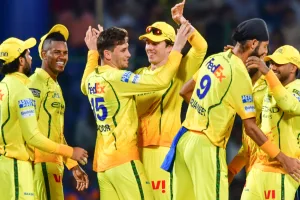
Five-time IPL title-holders Chennai Super Kings are still waiting for former skipper MS Dhoni to return to action, and the delay has come down to a setback in his recovery from a calf injury during a pre-season practice match.

Statesman News Service | New Delhi |

Five-time IPL title-holders Chennai Super Kings are still waiting for former skipper MS Dhoni to return to action, and the delay has come down to a setback in his recovery from a calf injury during a pre-season practice match.

The legendary wicketkeeper-batter was originally expected to miss only the first two weeks of IPL 2026. However, things didn’t go as planned after the injury flared up again.

CSK head coach Stephen Fleming explained the situation after the team’s loss to Gujarat Titans on Sunday. “The calf is a tough one. If he takes off and rips the calf again, then he will be gone (for the whole season). So we pushed it early. In a warm-up game, he tweaked it again, is my understanding. And since then, he has been just working hard to get some movement into it. But there was a setback,” Fleming said.

Dhoni has been with the CSK squad since March, and there have been several videos on social media showing him taking part in practice sessions and net drills. Despite that, he has not featured in any of the team’s eight matches so far this season. He has also not been seen at the ground on match days.

At 44, Dhoni has played through injuries in the past, but this particular one is taking longer to recover from than the team had initially expected.

“But look, he’s the guide on this one,” Fleming said. “And he’s working hard with the physio and doing all the rehab. We’re just waiting for the word, really. But all I can keep saying, it’s not making light of this, he is progressing and doing everything.”

A few days ago, CSK shared a video on social media where current captain Ruturaj Gaikwad spoke about how the injury happened and how Dhoni has been dealing with it. “You know, we were playing a practice match. That’s when he snapped his calf and then he wasn’t able to run as comfortably as he wanted to.

“And I think after that, it was just about, he saw some of the youngsters playing in practice games and playing in match simulations where he felt confident enough on them, you know, who are ready, who have that ability to play in the IPL.

“After that, it was just about taking time on his recovery. Slowly, slowly, he is getting there. Never know, maybe next game, maybe after that, but definitely one day for sure,” he added.

For now, CSK are taking a cautious approach with Dhoni’s recovery and are not rushing him back into action.

Meanwhile, the team’s campaign has been a mixed one so far. Chennai Super Kings are currently sixth on the points table after eight matches, with three wins and five losses. They still have six games left in the league stage, with their next match scheduled at home against traditional rivals Mumbai Indians on May 2.

Delhi CM, LG discuss city’s development projects, review preparedness for heat wave

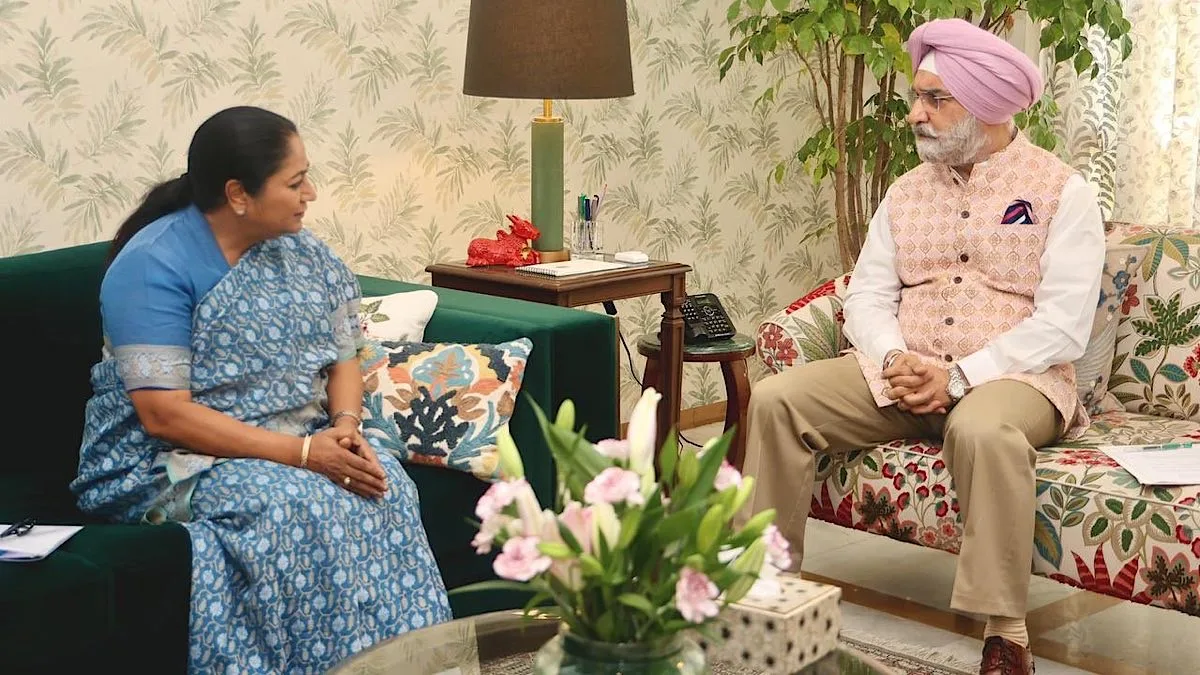
Delhi Chief Minister Rekha Gupta called on Lieutenant Governor Taranjit Singh Sandhu on Monday and held discussions on several issues related to the development works underway in the national capital and administrative coordination.

Statesman News Service | New Delhi |

Delhi Chief Minister Rekha Gupta called on Lieutenant Governor Taranjit Singh Sandhu on Monday and held discussions on several issues related to the development works underway in the national capital and administrative coordination.

During the meeting, various public interest initiatives aimed at improving the lives of the people of the national capital also came up for discusssion. Both the leaders vowed to carry forward the good work with a forwardlooking approach, taking into account factors such as sustainability, environment conservation, and promotion of green practices to mitigate pollution.

Sharing minutes of the meeting on social media platform X, Rekha Gupta, wrote, “Continuous coordination and committed efforts are ongoing to advance Delhi’s all-round development, better citizen facilities, and rapid progress in developmental works.”
She said safety and health of the residents is on top of her government’s priority list especially at a time when the city is reeling under severe heat wave with preparations underway to meet the exigency at every level.

Meanwhile, LG Sandhu, while chairing a meeting with all concerned departments and the agencies to review Delhi’s preparedness for heatwave, said with the onset of summer, he has directed all officers to ensure that the action plan is effectively implemented on the ground within a week’s time.

The concerned District Magistrates have been asked to take a lead in execution of the plan with special focus on safeguarding vulnerable groups, including women, children, the elderly, and laborers through strong heat mitigation measures at public places. He stressed the importance of caring for the city’s birds and animals during extreme heat conditions.
The progress of the heat mitigation measures and the implementation of the action plan will be closely monitored to ensure that every department and government agency involved fulfills its responsibilities through seamless coordination.

This time, the government has made the heat wave action plan all the more effective after conducting a detailed review. The CM said the approach this year is more scientific and robust as compared to previous years.

The action plan places special emphasis on protecting vulnerable groups such as school children and construction workers, and this time the government has carried out a detailed scientific assessment of the entire city using satellite data to identify high-risk zones, the thermal hotspots.

Markets rebound strongly after three-day losing streak; Sensex gains over 600 points

The Indian stock market rebounded on Monday after three sessions of losses. At the close, the Sensex settled 639.42 points, or 0.83 per cent higher, at 77,303.63, while the broader Nifty climbed to 24,092.70, up 194.75 points, or 0.81 per cent. The Indian rupee also ended higher at 94.19 per dollar on Monday, compared to Friday’s close of 94.25.

Statesman News Service | New Delhi |

The Indian stock market rebounded on Monday after three sessions of losses. At the close, the Sensex settled 639.42 points, or 0.83 per cent higher, at 77,303.63, while the broader Nifty climbed to 24,092.70, up 194.75 points, or 0.81 per cent. The Indian rupee also ended higher at 94.19 per dollar on Monday, compared to Friday’s close of 94.25.

Among sectors, most indices traded in the green, with the Nifty Private Bank index being the only laggard. However, IndusInd Bank shares rose about 4 per cent.

On the Nifty, 39 stocks ended in the green, while 11 closed in the red. Among the top gainers were Sun Pharma, Jio Financial Services, and Reliance Industries, each gaining over 3 per cent. Tech Mahindra, Wipro, TCS and HCLTech also posted gains. On the other hand, Shriram Finance and Axis Bank witnessed heavy selling, while BEL, Tata Consumer, and Trent were among the losers.

Vodafone Idea, Suzlon, JP Power, Reliance Power, and Ola Electric were among the most actively traded stocks in terms of volume.

IT stocks saw a sharp rebound in early trade. Wipro gained 2.03 per cent, Tech Mahindra advanced 2.16 per cent, while Infosys was among the top gainers. TCS shares rose 1.3 per cent, while HCLTech was up 0.9 per cent.

More than 160 stocks touched their 52-week highs on the BSE, including Torrent Power, Engineers India, CESC, HFCL, Aarti Industries, Adani Ports, SAIL, Tata Power, JSW Steel, Adani Power, BHEL, Adani Energy, NTPC, NMDC, Granules India, Lloyds Metals, NALCO, Hindalco, Adani Green Energy, Nestlé, among others.

On the NSE, shares of Paytm dropped 8.38 per cent to Rs 1,051.10 in early trade. However, the stock later recovered, trimming most of the losses to settle at Rs 1,137.80, down 0.83 per cent.

In Asian markets, Japan’s Nikkei 225 advanced 1.4 per cent, South Korea’s Kospi rose 2.1 per cent, China’s Shanghai Composite Index gained 0.2 per cent, and Taiwan’s Taiex climbed 2.6 per cent.

Crude oil prices climbed after attempts to revive peace negotiations over the Iran conflict stalled. Brent crude surged as much as 2.5 per cent to $107.97 per barrel, while West Texas Intermediate rose towards $97 per barrel.

India, New Zealand sign historic FTA, NZ PM says ‘once-in-a-generation’ agreement

India and New Zealand have signed a historic Free Trade Agreement (FTA) with India offering market access in 70.03% of the tariff lines while keeping 29.97 % tariff lines in exclusion.

Statesman News Service | New Delhi |

India and New Zealand have signed a historic Free Trade Agreement (FTA) with India offering market access in 70.03% of the tariff lines while keeping 29.97 % tariff lines in exclusion.

New Zealand Prime Minister Christopher Luxon on the development said, “We agreed then, that we’d launch negotiations on a free trade agreement. For decades, many people said it couldn’t be done. But tonight, that deal gets signed.”

Taking to social media platform X, he said, “This is a once-in-a-generation agreement that gives NZ exporters unprecedented access to 1.4 billion people and an economy set to become the third-largest in the world. It means more jobs on farms and orchards, it means more money coming into local communities, and it means more opportunities for your family to get ahead.”

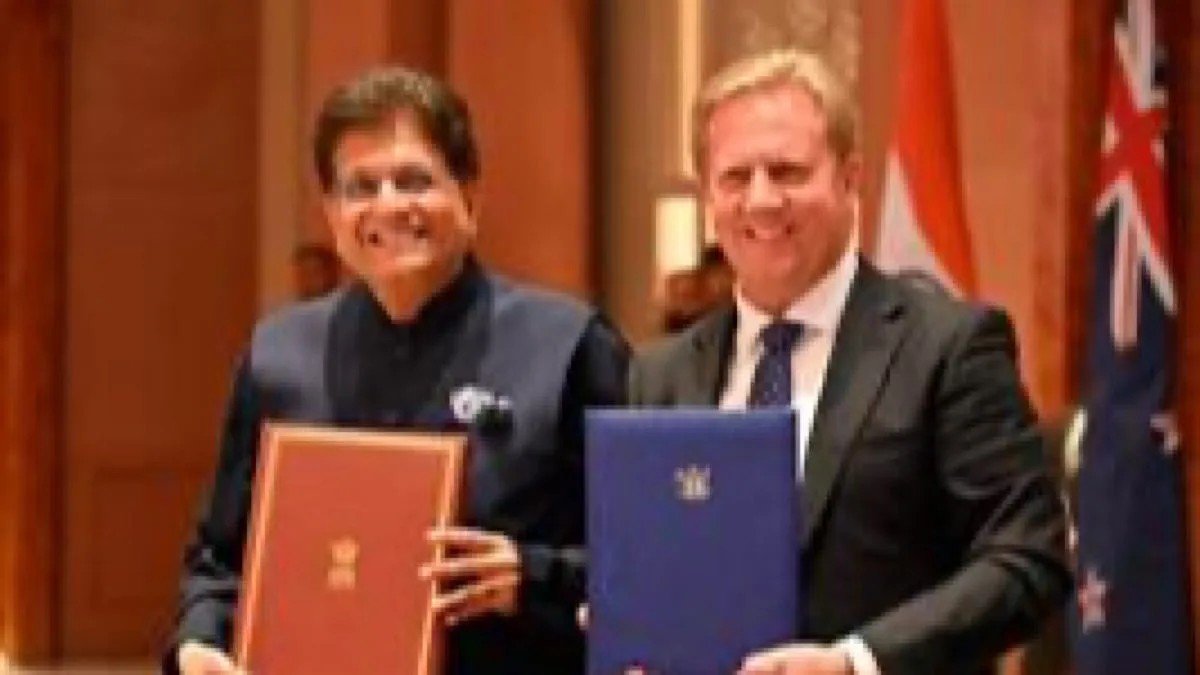
The FTA was formalised in the presence of Commerce Minister Piyush Goyal and his New Zealand counterpart, Todd McClay.

Speaking on the development, Piyush Goyal said, “The fact that we are making businesses easier to set up, easier to work in India working towards reducing the compliance burden, ensuring simplicity in operations, ensuring a business climate that is trusting, that encourages investment, and also making sure that as a nation, we provide an environment that is business friendly, that is very inviting, and that it help you both grow and enjoy good profits in India.”

Through the FTA, both the countries will collaborate with farmers to boost productivity and integrate them in the global value chains. The FTA boosts MSMEs and Jobs through Zero-duty access for labour-intensive sectors including textiles, apparel, leather, footwear, gems & jewellery, engineering goods and processed foods.

The 30% of tariff lines will have immediate duty elimination, covering wood, wool, sheep meat, leather-raw hides etc. 35.60% of tariffs are subject to phased elimination over 3, 5, 7, and 10 years, including petroleum oil, malt extract, vegetable oils, and selected electrical and mechanical machinery, peptones etc, the statement read.

Further, 4.37% of products face tariff reductions, such as wine, pharmaceutical drugs, polymers, aluminium, iron and steel articles etc. 0.06% fall under tariff rate quotas, including honey, apples, kiwi fruit, and albumins including milk albumin.

India and New Zealand announced negotiations for a Free Trade Agreement (FTA) In March 2025. The trade negotiations by both the countries was concluded on December 22 last year, with the goal of doubling bilateral trade to $5 billion over the next five years.

BRICS+ meet ends without joint statement; Congress alleges India’s stance triggered rift

Senior Congress leader Jairam Ramesh on Monday criticised the Union government over the outcome of the recent BRICS+ meeting held in New Delhi, alleging that India’s position on the Israel-Palestine issue contributed to the failure to issue a joint statement and left the country diplomatically isolated.

Statesman News Service | New Delhi |

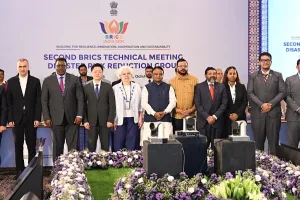
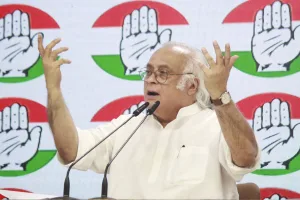
Senior Congress leader Jairam Ramesh on Monday criticised the Union government over the outcome of the recent BRICS+ meeting held in New Delhi, alleging that India’s position on the Israel-Palestine issue contributed to the failure to issue a joint statement and left the country diplomatically isolated.

In a statement, Ramesh said the April 23-24 meeting of Deputy Foreign Ministers and Special Envoys from BRICS+ nations concluded without a joint communique, pointing to differences among member states, including Iran and the United Arab Emirates, over the ongoing conflict in West Asia. He, however, claimed that a major sticking point was India’s push to soften the language on Israel and Palestine.

“While divergent positions between Iran and the UAE are understandable, what is shocking and shameful is that India pushed for diluting the language on Israel and Palestine, which was unacceptable to other members including Russia, China, Brazil, South Africa, Egypt, Ethiopia, Indonesia, the UAE, and Iran,” Ramesh said.

The Congress leader further accused the government of deviating from India’s long-standing diplomatic stance on the Palestinian issue, alleging that New Delhi has shown “steadfast solidarity” with Israel despite the ongoing conflict in Gaza, strikes in southern Lebanon, and tensions in the West Bank. His remarks reflect the opposition party’s broader criticism of what it views as a shift in India’s West Asia policy.

The BRICS+ grouping, an expanded format of the original bloc comprising Brazil, Russia, India, China and South Africa, now includes several countries from Asia, Africa and the Middle East. It has increasingly emerged as a platform for coordination among emerging economies on geopolitical and economic issues, particularly those affecting the Global South.

India, which hosted the latest round of discussions, has maintained that it supports dialogue and a peaceful resolution to the Israel–Palestine conflict while balancing its strategic partnerships in the region. In recent years, New Delhi has strengthened ties with Israel in sectors such as defence, technology and agriculture, while continuing to back a two-state solution and engagement with Palestinian leadership.

Ramesh sharpened his criticism by targeting Prime Minister Narendra Modi, alleging close alignment with Israeli leadership. “The Prime Minister of India and the Prime Minister of Israel are clearly soulmates,” he said.

The absence of a joint statement at the BRICS+ meeting underscores the complexities within the expanded grouping, where differing geopolitical priorities and regional conflicts continue to challenge consensus-building.

West Bengal poll crackdown intensifies as seizures cross Rs 510 crore, surpassing 2021 tally

The Election Commission of India (ECI) on Monday said seizures of illicit inducements in poll-bound West Bengal have crossed Rs 510 crore, marking a sharp escalation in enforcement efforts ahead of the 2026 Assembly elections and already exceeding the total recoveries made during the 2021 polls in the state.

Statesman News Service | NEW DELHI |

The Election Commission of India (ECI) on Monday said seizures of illicit inducements in poll-bound West Bengal have crossed Rs 510 crore, marking a sharp escalation in enforcement efforts ahead of the 2026 Assembly elections and already exceeding the total recoveries made during the 2021 polls in the state.

According to an official press note, the Commission stated that since the activation of the Election Seizure Management System (ESMS) on February 26, 2026, enforcement agencies have seized cash, liquor, drugs, precious metals and other inducements collectively valued at Rs 510.10 crore in West Bengal alone. The figure is significantly higher than the Rs 339 crore worth of seizures recorded during the 2021 Assembly elections, underscoring intensified monitoring and a more aggressive crackdown this election cycle.

Breaking down the data, authorities reported the seizure of Rs 30 crore in cash, over 48 lakh litres of liquor valued at Rs 126.85 crore, drugs worth Rs 110.12 crore, precious metals amounting to Rs 58.28 crore, and freebies and other inducements valued at Rs 184.85 crore. Officials said these measures are aimed at curbing the influence of money power and ensuring a level playing field for all candidates.

The Commission had announced the schedule for Assembly elections in Assam, Kerala, Puducherry, Tamil Nadu and West Bengal, along with bye-elections, on March 15, 2026, triggering the enforcement of the Model Code of Conduct (MCC). Since then, it has directed all state and Union Territory administrations to strictly adhere to the code to ensure free and fair elections.

Highlighting preparedness, the Commission said it has held multiple review meetings with Chief Secretaries, Chief Electoral Officers, Directors General of Police, and senior officials from poll-bound regions as well as neighbouring states. “The Commission has directed all authorities to ensure violence-free, intimidation-free and inducement-free elections,” the statement said.

To strengthen ground-level vigilance, over 2,728 Flying Squad Teams have been deployed to respond swiftly to complaints, with instructions to act within 100 minutes. In addition, more than 3,142 Static Surveillance Teams have been stationed across key locations to conduct surprise checks and set up nakas. Special drives are also underway to curb the manufacture, storage and distribution of illicit liquor.

The sharp rise in seizures reflects both the scale of inducement attempts and the enhanced surveillance mechanisms put in place by authorities. Election officials maintain that the aggressive enforcement strategy is critical to maintaining electoral integrity, particularly in politically competitive states like West Bengal.

Reiterating its commitment, the Commission said it will continue strict action against any attempts to influence voters through illegal means, ensuring that the ongoing election process remains transparent and fair.

Delhi High Court grants DU more time to file its objections in PM Modi degree disclosure case

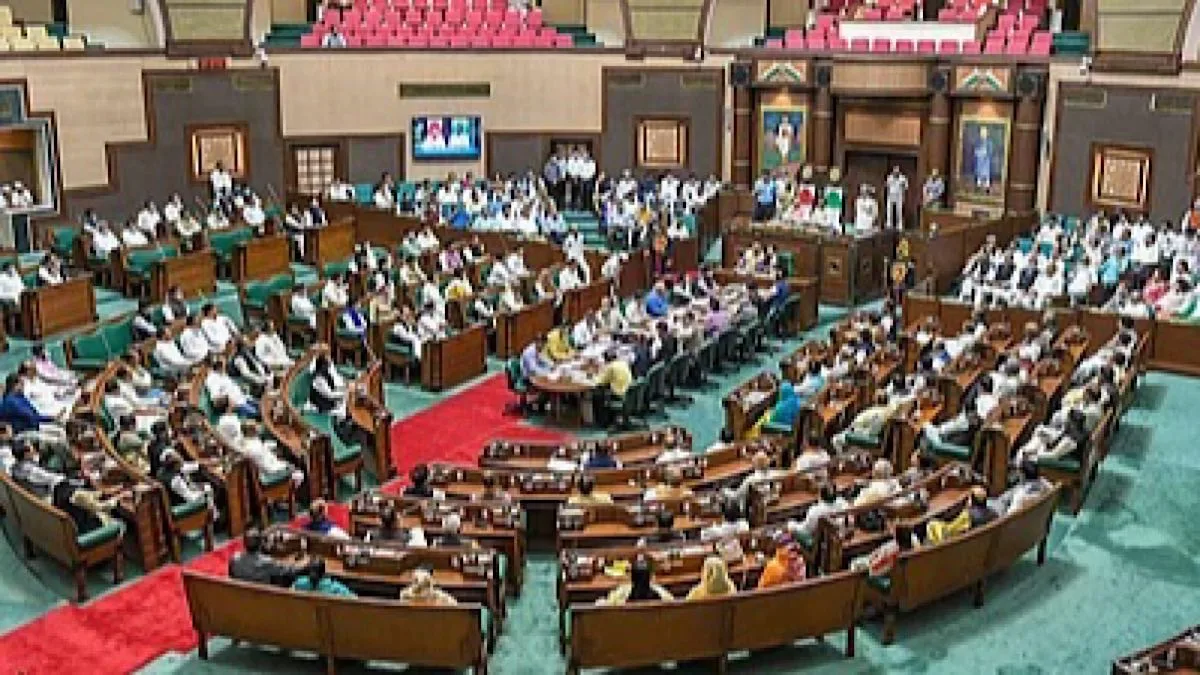
The high court has given the Delhi University two weeks’ more time to file its objections on the delay in filing appeals seeking disclosure of information related to PM Modi’s degree.

Statesman News Service | New Delhi |

Delhi High Court on Monday granted two weeks’ more time to Delhi University to file its objections on the delay in filing appeals seeking disclosure of information related to the bachelor’s degree of Prime Minister Narendra Modi.

During the previous hearing in February this year, a Division Bench of Chief Justice Devendra Kumar Upadhyaya and Justice Tushar Rao Gedela granted Delhi University three weeks to file its objections to the delay condonation applications and listed the matter for April 27.

On August 25, 2024, a single judge bench had set aside the Central Information Commission’s 2016 direction allowing disclosure of details related to the Prime Minister’s degree.

In response to a Right to Information (RTI) application filed by activist Neeraj Sharma, the Central Information Commission had on December 21, 2016, allowed the inspection of records of all students who cleared their BA exam in 1978, the same year Modi is believed to have passed it.

However, AAP MP Sanjay Singh, RTI activist Neeraj Sharma and advocate Mohd Irshad had filed pleas against the single-judge order. The petitioners argued that there were fundamental errors in the single judge’s order.

In November 2025, the Delhi High Court had flagged the delay in filing the appeals challenging the August 25, 2024 order on the disclosure of the details of PM Modi’s Bachelor’s degree from Delhi University.

The court had directed the Delhi University to submit its reply within three weeks to the applications explaining the delay in moving the appeals.

Unbeaten Punjab Kings look to consolidate top spot against inconsistent Royals

Fresh from registering a record chase in their weekend away clash against Delhi Capitals, Punjab Kings will head into their next match against Rajasthan Royals with confidence, looking to strengthen their position at the top of the IPL 2026 points table when the two sides meet at the Maharaja Yadavindra Singh International Cricket Stadium in Mullanpur on Tuesday.

Tridib Baparnash | New Delhi |

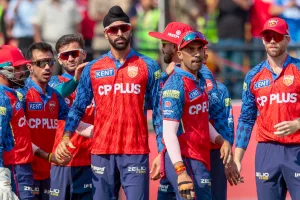
Fresh from registering a record chase in their weekend away clash against Delhi Capitals, Punjab Kings will head into their next match against Rajasthan Royals with confidence, looking to strengthen their position at the top of the IPL 2026 points table when the two sides meet at the Maharaja Yadavindra Singh International Cricket Stadium in Mullanpur on Tuesday.

From Punjab’s point of view, things have fallen into place nicely this season. They remain the only unbeaten team in IPL 2026, with six wins from seven matches, while one game was washed out. Their most recent outing only added to their growing reputation, as they pulled off a stunning six-wicket win over Delhi Capitals by chasing down a massive 265-run target, the highest successful run chase in T20 cricket.

The Shreyas Iyer-led outfit has shown calmness and control in pressure situations. Iyer, both as captain and batter, has been at the centre of this consistency, guiding the side with clarity and composure. Under the leadership group that includes head coach Ricky Ponting, Punjab Kings have transformed into a well-balanced and dependable unit, something that had been missing in previous seasons.

The batting unit, in particular, has been a major strength. Openers Priyansh Arya and Prabhsimran Singh have given the team explosive starts, as seen in the last match where they put together a massive powerplay score to set up the chase. Their aggressive approach at the top has allowed the middle order to play with freedom.

Even though the bowlers had a tough day in that high-scoring contest, the conditions in Delhi heavily favoured batters, and the team will not be too concerned. Overall, Punjab Kings have looked like a side that is ticking most boxes and adapting well to different match situations.

Playing their final game of the season at this venue before moving to Dharamsala for their remaining home fixtures, Punjab Kings will be keen to keep the momentum going and continue their unbeaten run.

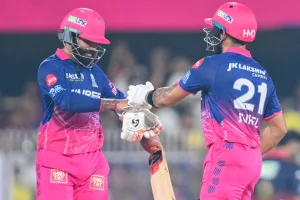
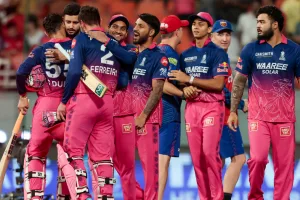
On the other hand, Rajasthan Royals come into the match looking to regain control of their campaign. Currently placed fourth on the table with five wins and three losses from eight games, they started strongly but have struggled for consistency in recent matches, losing three of their last four.

From Rajasthan’s perspective, there are a few areas of concern. While young talent like Vaibhav Sooryavanshi has impressed with standout performances, the team has not been able to maintain momentum as a unit. Captain Riyan Parag, in particular, has had a difficult season with the bat, managing just 88 runs in eight innings. As a leader, he will be under pressure to step up and lead from the front against a strong Punjab side.

The Royals also had a tough outing in their last match, where Sunrisers Hyderabad chased down a 200-plus total comfortably. Their fielding performance in that game was below par, and that is another area they will look to improve.

Speaking after the match, Parag acknowledged the uncertainty around conditions and how each game demands a different approach.

“I think different venues everyday, different games, different ways to approach it. I feel we don’t know how Chandigarh is going to be as of now. I mean, they chased down a big score, yes, in Delhi, but Chandigarh is a new ground and a new wicket, a new soil. So hopefully, it doesn’t go to that extent,” said Parag.

The pitch at the Maharaja Yadavindra Singh International Cricket Stadium has also added an interesting dimension. While it had previously been known for slower tracks, this season has seen a shift, with higher-scoring games becoming more common. In the three matches played at the ground so far in IPL 2026, the average first-innings score has been around 212, and teams chasing have won two of those games.

Punjab Kings had earlier posted a big total of 254 at this venue, showing that the surface can favour aggressive batting. However, given Punjab’s strength in chasing, Rajasthan Royals might prefer to bowl first if they win the toss.

Squads:

Punjab Kings: Shreyas Iyer (captain), Priyansh Arya, Pyla Avinash, Harnoor Singh, Prabhsimran Singh (wk), Vishnu Vinod (wk), Nehal Wadhera, Azmatullah Omarzai, Cooper Connolly, Marco Jansen, Musheer Khan, Mitchell Owen, Shashank Singh, Marcus Stoinis, Suryansh Shedge, Arshdeep Singh, Xavier Bartlett, Yuzvendra Chahal, Praveen Dubey, Ben Dwarshuis, Lockie Ferguson, Harpreet Brar, Vishal Nishad, Vijaykumar Vyshak, Yash Thakur.

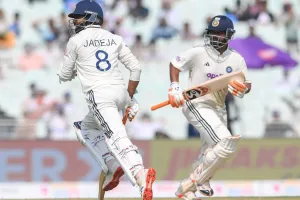
Rajasthan Royals: Riyan Parag (c), Dhruv Jurel, Donovan Ferreira, Lhuan-Dre Pretorius, Ravi Singh, Aman Perala, Shimron Hetmyer, Shubham Dubey, Vaibhav Sooryavanshi, Yashasvi Jaiswal, Ravindra Jadeja, Sam Curran, Adam Milne, Brijesh Sharma, Jofra Archer, Kuldeep Sen, Kwena Maphaka, Nandre Burger, Ravi Bishnoi, Sandeep Sharma.


‘Kejriwal has no trust in judiciary’: Sachdeva condemns AAP chief’s letter to HC judge

Lashing out at Arvind Kejriwal for his letter to Delhi High Court Judge Swarna Kanta Sharma, Delhi BJP president Virendra Sachdeva said the Aam Aadmi Party (AAP) chief has once again showed that he has niether respect nor trust in the judiciary.

Statesman News Service | New Delhi |

Lashing out at Arvind Kejriwal for his letter to Delhi High Court Judge Swarna Kanta Sharma, Delhi BJP president Virendra Sachdeva said the Aam Aadmi Party (AAP) chief has once again showed that he has niether respect nor trust in the judiciary.

Sachdeva called it extremely unfortunate that Kejriwal, who took oath on the Constitution as chief minister of Delhi three times, is now undermining the dignity of the very Constitution for fear of punishment in a case of corruption, the 2022 Delhi liquor scam.
He pointed out that having tried all possible legal relief, including approaching the Supreme Court, the AAP chief has now crossed all limits by once again writing to the judge. It would not be an exaggeration to say that Kejriwal has been continuously engaging in political theatrics after losing his appeal in the high court. This time, he stooped to making personal allegations against the judge.

The state unit chief of the saffron party further said that people of Delhi and the country clearly understand Kejriwal’s disruptive theatrics. It would be better for him to stop injudlging in cheap stunts and follow the judicial process.

In a post on social media platform X, Kejriwal wrote, “In all humility and with complete respect for judiciary, I have written the following letter to Justice Swarna Kanta Sharma, informing her that pursuing Gandhian principles of Satyagraha, it won’t be possible for me to pursue this case in her court, either in person or through a counsel. I have taken this difficult decision after coming to the clear conclusion that the proceedings being conducted in her court do not, in any manner, satisfy the fundamental principle that ‘justice must not only be done but must also be seen to be done’. My participation in these proceedings, either myself or through a counsel will not achieve anything meaningful.”

Ladakh gets 5 new districts ahead of Amit Shah’s Leh visit; total count rises to 7

In an apparent trust-building exercise ahead of the two-day visit of Home Minister Amit Shah to Ladakh, Lieutenant Governor of the Union Territory (UT), Vinai Kumar Saxena, on Monday signed a notification creating five new districts in Ladakh. The UT will now have seven districts.

Statesman News Service | Jammu |

In an apparent trust-building exercise ahead of the two-day visit of Home Minister Amit Shah to Ladakh, Lieutenant Governor of the Union Territory (UT), Vinai Kumar Saxena, on Monday signed a notification creating five new districts in Ladakh. The UT will now have seven districts.

The Home Minister had, in August 2024, announced the creation of five new districts in Ladakh, but the notification was delayed as the geographical areas and boundaries of the new districts were being finalised.

Shah is scheduled to reach Leh on April 30 to participate in the exposition of the holy relics of Buddha on May 1. He is also likely to meet top Ladakhi leaders during his visit.

An official announcement stated, “In a historic decision to meet the aspirations of the people of Ladakh and to fulfil their long-pending demand, the Lieutenant Governor of Ladakh, Vinai Kumar Saxena, today approved the issuance of a notification for the creation of five new districts in the Union Territory of Ladakh.”

With this, Ladakh will now have a total of seven districts, up from the existing two. The five new districts are Sham, Nubra, Changthang, Zanskar, and Drass.

The Ministry of Home Affairs, Government of India, had approved the formation of five new districts in August 2024.

The decision to create five new districts is expected to significantly enhance administrative efficiency, improve service delivery, and fulfil the long-standing aspirations of the people, particularly those residing in remote and far-flung areas.

The move, the Lieutenant Governor said, is aligned with Prime Minister Narendra Modi’s vision of a developed and prosperous Ladakh, as envisioned when Ladakh became a Union Territory in 2019.

Three districts—Nubra (Headquarters: Diskit), Sham (Headquarters: Khaltse), and Changthang (Headquarters: Nyoma)—have been carved out of Leh district, while two districts—Zanskar (Headquarters: Padum) and Drass (Headquarters: Drass-Ranbirpura)—have been carved out of Kargil district.

Consequent to the notification, the territorial limits of all seven districts have also been defined. Leh district will now have 44 revenue villages, Nubra will have 30, and Changthang will have 24. Similarly, Kargil district will have 80 revenue villages, while Sham will have 27, Zanskar 26, and Drass 19.

Lieutenant Governor Saxena described the move as “historic,” stating that it would usher in a new era of inclusive development in the Union Territory by ensuring effective and efficient delivery of services at the doorstep. “This transformative decision underscores the Government of India’s commitment to unlocking Ladakh’s immense potential and ensuring balanced, inclusive, and sustainable development across the Union Territory,” he said.

Ladakh, one of India’s largest Union Territories in terms of geographical area, has long faced administrative challenges due to its difficult terrain, sparse population and remote habitations. The creation of five additional districts is expected to decentralise governance, reduce travel distances for citizens—often exceeding 300 km—and ensure faster and more effective delivery of public services.

Importantly, the creation of new districts is also expected to generate significant employment opportunities through the establishment of new administrative offices, supporting infrastructure, and allied services. This is likely to further boost local employment, skill development, entrepreneurship, and overall economic growth.

Parties court Bengal’s Matuas as citizenship anxieties cloud key vote

As West Bengal heads for the final phase of polls on Wednesday, the ruling Trinamool Congress (TMC) and challenger Bharatiya Janata Party (BJP) are placing calculated bets on one single community, which both see as pivotal to the make-or-break game – the roughly three million-strong Matuas concentrated in villages along the border with Bangladesh.

Jayanta Roy Chowdhury | Kolkata |

As West Bengal heads for the final phase of polls on Wednesday, the ruling Trinamool Congress (TMC) and challenger Bharatiya Janata Party (BJP) are placing calculated bets on one single community, which both see as pivotal to the make-or-break game – the roughly three million-strong Matuas concentrated in villages along the border with Bangladesh.

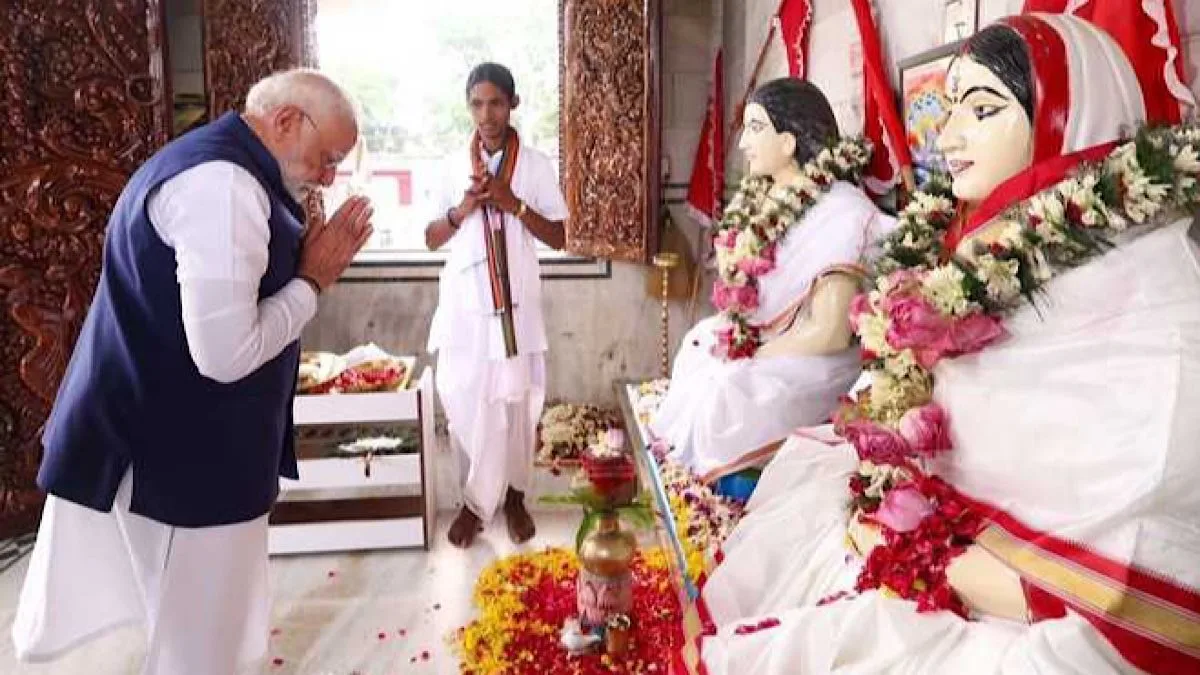
While Prime Minister Narendra Modi visited Thakurnagar in North 24 Parganas district on Sunday to pray at the Matua community’s main temple in Thakurbari, Chief Minister Mamata Banerjee began wooing the Matua voters early in November last year, when she led a 3 km long walk from Bongaon to Thakurnagar.

Since then, TMC cadres have fanned out into what were hitherto BJP strongholds, much to the alarm of the right-wing party’s workers. “The Matua community can decide which way the vote will go in large parts of South Bengal,” pointed out Dilip Biswas, 69, who came over to India in 1965 from Faridpur district of East Pakistan.

The BJP’s breakthrough in West Bengal in the 2019 general election, and its subsequent performance in 2024, when it secured victories in around 90 assembly segments and close to 39 per cent of the vote, owed much to support from this marginalised community, which can directly decide the results in over 50 assembly constituencies or nearly a fifth of the West Bengal assembly.

The Matua clusters of villages and suburban towns are spread over North 24 Parganas and Nadia districts, with smaller concentrations in South 24 Parganas and beyond. Originating among the Namashudra community, a Scheduled Caste group, they follow a reformist Vaishnavite tradition rooted in the teachings of 19th-century reformer Harichand Thakur.

While the sect’s original centre lies in Orakandi, now in Bangladesh, its Indian spiritual hub has relocated to Thakurnagar, a township set in verdant green surroundings some 70 kms away from Kolkata and close to the international border.

Originally a part of Bangladesh’s Jessore district, the Radcliffe Line threw Bongaon and Gaighata, which have the largest concentrations of the Matua sect, into India, leading to Thakurnagar being set up between the two areas.

Modi, perhaps realising how important the Matuas were to cracking the Bengal political code, had, in March 2021, become the first Indian Prime Minister to visit Orakandi during a state visit to Bangladesh, just ahead of assembly polls in West Bengal.

The problem for the BJP this time round is the SIR which has affected some 9.1 million voters all over the state. It has also hit the Matuas and there is a growing sense of unease about it. Shantanu Thakur, a junior minister in the central government, has been busy trying to assuage feelings, promising that the Citizenship Amendment Act 2019 will be used to provide full citizenship to those Matuas who may face any such issues.

Across Bongaon and Gaighata, temporary camps have sprung up to guide residents through the process of applying for citizenship, reflecting a quiet but determined mobilisation on the ground. In Thakurnagar, the spiritual centre of the Matua community, one such help desk has been established by the All India Matua Mahasangha at Thakur’s house.

However, most Matuas are scared of going through the CAA process even if they have migrated after March 1971, the cut-off date for refugees coming from East Pakistan to India, for being automatically considered Indian citizens.

“The documents required for a CAA application are hard to obtain. Many are asking why they should enter this process at all when most Matuas already possess voter IDs and Aadhaar cards, why should they get into this process, as also whether this will make all the documents they already have legally challengeable?” asked Biswas, 69.

Since the Citizenship Amendment Act rules were notified in March 2024, around 112,000 applications have been filed across West Bengal, but only about 15,000 applicants have so far been granted citizenship.

The CAA has promised Indian citizenship to Hindu, Sikh, Buddhist and Christian refugees who had to cross over to India from neighbouring South Asian countries because of religious persecution, with a 2014 cut-off date.

Biswas pointed out that in Assam, those who have been disenfranchised or put in detention camps after being suspected of being foreigners were overwhelmingly Hindu Bengalis, many from the Namashudra caste to which most Matuas belong.

The Matua community itself was a house divided even before CAA or SIR. One faction aligns with Thakur and the BJP; another follows Mamata Bala Thakur of the Trinamool Congress.

Their rivalry reflects a broader contest over the legacy of the late matriarch Binapani Devi, known as “Boro Ma”, whose influence once unified the community. Shantanu Thakur is her grandson, while Mamata Bala Thakur is her daughter-in-law.

“West Bengal has largely been spared the overt caste-based politics seen in much of north India, but in recent decades the Matua community has emerged as a significant political force,” said Prof Sabyasahi Basu Roy Chowdhury, a noted political scientist and former vice chancellor of the Rabindra Bharati University.

Since independence, caste-based politics have had little play in West Bengal except in the choice of candidates, partly as a result of Bengal’s 19th-century renaissance and partly because industrialisation and partition helped break caste barriers by forcing people to live cheek by jowl instead of caste-based villages.

“At the beginning of this century, sections of the Matua community, some of whom faced police harassment while seeking official documents or over their continued cross-border ties, began mobilising around demands for citizenship rights. The movement was initially overlooked by political parties, before they later rallied to the cause and sought to champion it,” explained Samata Biswas, who researches migration trends at the Calcutta Research Group.

After backlash for ‘Sarke Chunar’, Sanjay Dutt apologises before NCW, promises to fund education for 50 tribal girls

The actor appeared before the National Commission for Women after being summoned over the controversial song from ‘KD: The Devil’. He expressed regret over the issue and offered support for the education of 50 tribal girls as a voluntary gesture.

Statesman News Service | New Delhi |

“I did not know the wording,” Sanjay Dutt told the National Commission for Women on Monday, before adding an apology and a pledge to sponsor education for 50 tribal children. That one line, spoken inside the NCW office on April 27, became the latest twist in a controversy that has been simmering since March, when a film song meant for promotion turned into a legal and moral headache for everyone involved.

The song “Sarke Chunar Teri Sarke”, featuring Nora Fatehi and Sanjay Dutt, has been under fire for weeks over its suggestive lyrics and provocative choreography, and now parts of it have already been pulled off the internet.

From film promotion to public outrage

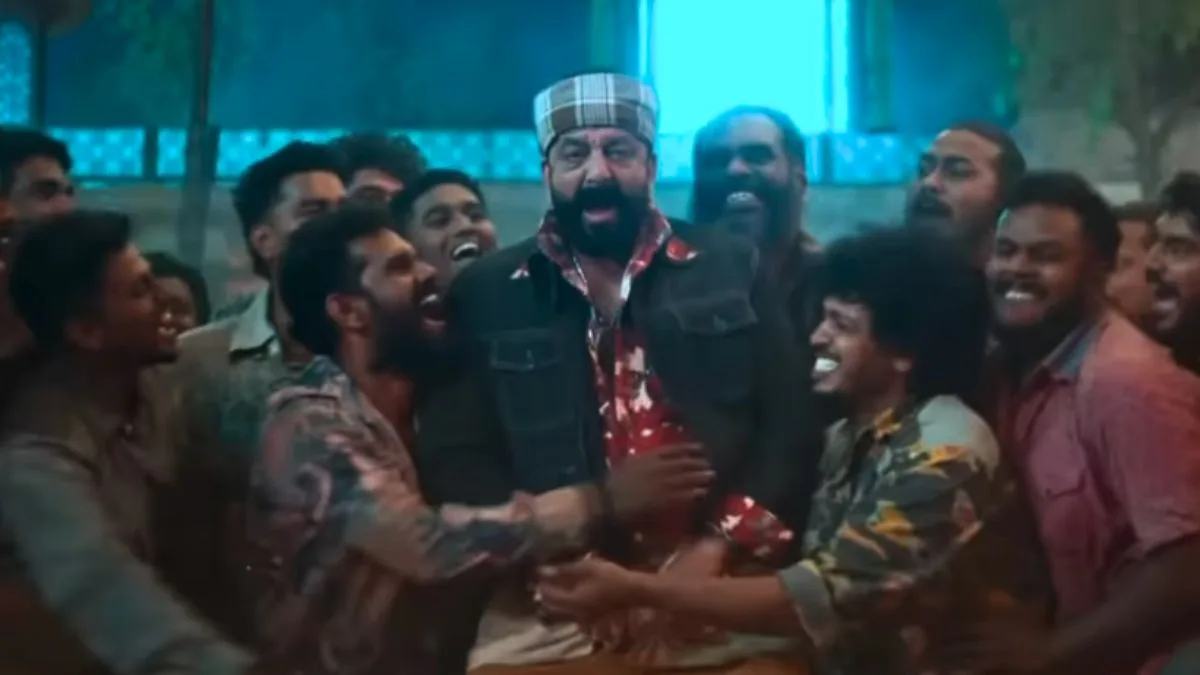
The song belongs to the Kannada pan-India film ‘KD: The Devil’, directed by Prems, and was released in March as part of the film’s promotional rollout. It features Nora Fatehi as the central performer, with Sanjay Dutt also appearing in the visuals.

Almost immediately after release, the reaction turned sharp. The lyrics and dance moves were widely criticised for being too suggestive and sexually loaded in tone, especially in the opening verse.

What made matters worse was the structure of the writing itself. The first lines appeared to describe sexual activity in a very direct and graphic way.

But as song continues, it shifts context and reveals that the imagery was actually referring to drink and bottle, likely alcohol, not what many viewers initially assumed.

Also Read: Hall of Shame: ‘Sarke Chunar’ to Honey Singh & Badshah’s ‘Volume 1’; Bollywood’s women-objectifying parade

That late clarification in lyrics did little to calm criticism. Instead it triggered more backlash. Many argued that song deliberately misled viewers and used shock value as a tool.

The choreography also faced heat, with complaints that it was overly provocative and framed in a way that objectified the performer.

The track was released in multiple languages (Hindi, Malayalam, Tamil, Telugu, and Kannada) through Anand Audio, the film’s official music partner, which helped it spread widely across regions almost instantly.

NCW intervention escalates the matter

The issue reached National Commission for Women (NCW). The commission did not wait for formal complaint. It took suo motu cognizance acting on its own after reviewing media reports and public concern.

In its statement, the NCW said the song appeared prima facie sexually suggestive and objectionable. They added it could potentially violate provisions under the Bharatiya Nyaya Sanhita, IT Act, and POCSO Act. It also noted that it was acting under its powers as per the NCW Act, 1990.

Summons were then issued to Sanjay Dutt, Nora Fatehi, and others linked to the song’s production and presentation. The move shifted the issue from social media outrage to an official inquiry.

Sanjay Dutt’s appearance and apology at NCW

On Monday, April 27, Sanjay Dutt arrived at the NCW office in the afternoon with his lawyer after being summoned. He directly addressed the panel over his involvement in the song.

According to his advocate, Sanjay Dutt told the commission that he had respect for women and the institution. But they claimed he was not fully aware of the wording used in the song at the time of recording. Despite that explanation, he issued an unconditional apology before the commission.

The lawyer further stated that Sanjay Dutt also offered a voluntary gesture. He proposed to sponsor the education of 50 children from tribal communities. This was presented as a personal initiative linked to the controversy, rather than a formal requirement from the NCW.

The statement also mentioned that the song had originally been recorded in another language and the actor was not fully aware of how the final version’s lyrics would be interpreted.

Connecting India with Bhutan: IRCTC Unveils “Bharat-Bhutan Mystic Mountain Tour” on Bharat Gaurav Deluxe AC Tourist Train.

The new tour will cover Guwahati, Shillong & Cherrapunji in India and Thimphu, Punakha & Paro in Bhutan.

Statesman News Service | New Delhi |

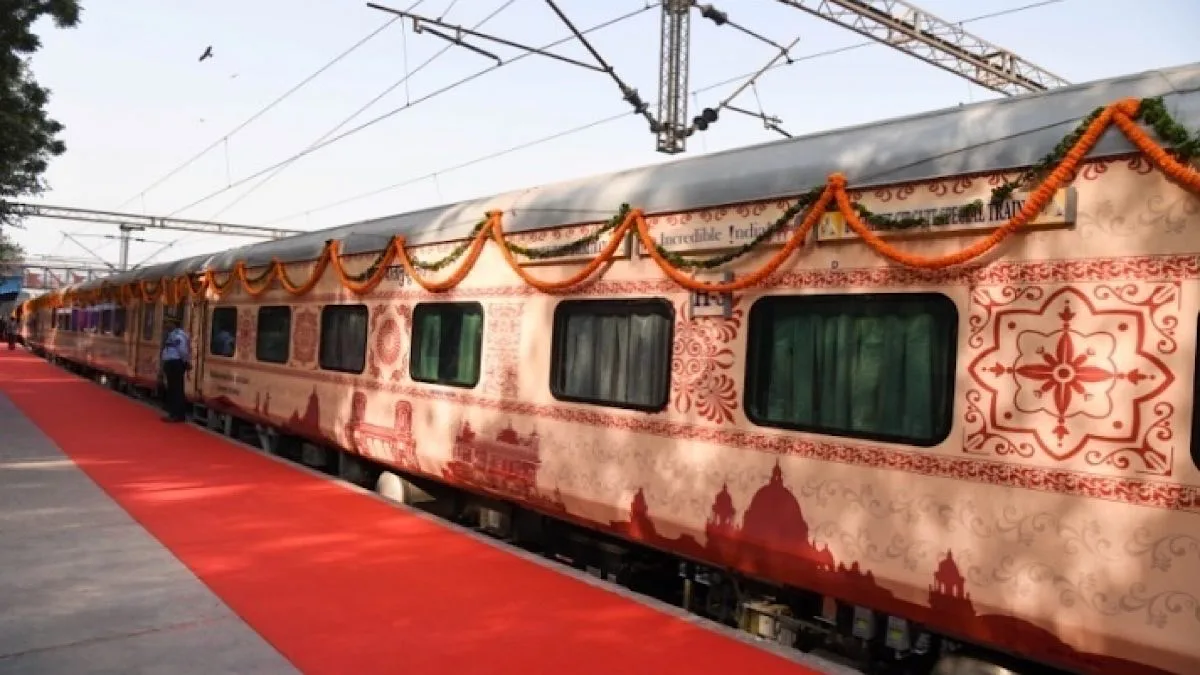
The Indian Railway Catering and Tourism Corporation (IRCTC) proudly announces the launch of an extraordinary international rail-cum-road journey — the “Bharat-Bhutan Mystic Mountain Tour” aboard the state-of-the-art Bharat Gaurav Deluxe AC Tourist Train. This meticulously curated tour offers travelers a rare opportunity to explore the serene Himalayan landscapes, rich cultural heritage, and spiritual charm of India and Bhutan with comfort and style.

The train offers a premium travel experience featuring deluxe cabins, fine dining restaurants, shower cubicles, sensor-based amenities, and enhanced safety features. Guests will enjoy a holistic journey combining rail luxury with immersive cultural exploration.

Key Highlights of the Tour:

• The 13 nights and 14 days itinerary will start from Delhi Safdarjung Railway Station on May 05, 2026.

• State of the art Deluxe AC Tourist Train with AC I, ACII & AC III classes will accommodate total 150 tourists.

• Tourists can also board from Ghaziabad, Aligarh, Tundla Jn., Kanpur, Lucknow and Varanasi railway station on this tourist train.

• Travel aboard the fully air-conditioned Bharat Gaurav Deluxe Tourist Train, equipped with modern amenities and superior comfort.

• Visit prominent Indian cultural and spiritual destinations in North East and explore Bhutan’s iconic landmarks including Thimphu, Paro, and Punakha

• Experience Bhutanese culture, monasteries, dzongs& breathtaking Himalayan vistas.

• Guided sightseeing, comfortable hotel stays, and curated meals included.

• Hassle-free travel with assistance for cross border permits and professional tour management

The 14-day tour starting from New Delhi will cover Guwahati, Shillong and Cherrapunji in North eastern part of India before proceeding for Hasimara Railway Station, the closest Railway Station to Bhutan from where the tourists will be taken to Phuentsholing, the border town to enter into Bhutan. In the next 6 days, the group will be exploring Thimphu, Punakha, the erstwhile capital and Paro known for its natural beauty and sacred sites.
The train journey will commence from Delhi Safdarjung Railway Station for Guwahati Railway Station. Needless to say, the first destination and essentially a transit point is the capital city of Assam, Guwahati. Darshan (Mukh darshan) at Kamakhya Temple located at the heart of Nilachal Hills and one of the oldest and most hallowed of the Shakti Peeths, will be done here at Guwahati before continuing for Shillong popularly known as ‘Eastern Scotland” offering a mix of breathtaking landscape and vibrant culture. After experiencing a sunset over the Umium Lake viewpoint, the guests will arrive at the capital city of Meghalaya and settle down for the night. The next day is dedicated to a full day excursion to Cherrapunji, a city where the monsoons are legendary. Perched on the edge of the Himalayas, the tourists will be visiting the spectacular waterfalls viz Seven sisters’ waterfalls, the celebratedNohkhalikai &Elephant Falls. Mawsamai caves offer a glimpse of the unique formations and underground pools. After a night rest at Shillong, the tourists shall be exploring Shillong early next day before retuning back to Guwahati. The day will end with a sunset cruise on the mighty Brahmaputrabefore boarding the train for onward journey to Hasimara Railway Station, the nearest railhead to Bhutan border.

Early next morning, the train reaches the Hasimara Railway Stationwhere the tourists deboard the train and proceed for Phuentsholing immigration check point which is located around 20 kms away. After completing the immigration procedure, the tourists enter the capital city of Bhutan, Thimphu. With an evening free to reconnoiter the surroundings, the day ends with a night halt at the largest city of Bhutan. The next day is dedicated to the local sightseeing of Thimphu. MotithangZoo, painting school, National Library and Thimphu Handicraft market will be a part of the day’s activities culminating in Tashi Chho Dzong (known as the Thimphu Dzong), a majestic fortress doubling up as a monastery and central secretariat of the Bhutan Government.
Early next day, the tourists will proceed for the erstwhile capital of Bhutan, Punakha. En route there is a halt at Dochula Pass,a mountain pass in the snow-covered Himalayas and a historical landmark. On arrival at Punakha, the guestsexplore the Punakha Dzong, one of the largest Dzongs in Bhutan which is situated near two rivers – the Pho Chu (MaleRiver) and Mo Chu (Female River). Tourists pass through the suspension bridge to arrive at Dzong. Later the group stops over at the city for a night halt.
The group proceeds for Paro next day, the city famous for its terraced paddy fields and quaint farmhouses scattered throughout the valley. Lamperi Royal Botanical Park, Tamchog Lhakhang iron bridge – which sits across the Paro River and the iconic Paro Dzong (houses the district Monastic Body as well as government administrative offices of Paro Dzongkhag. It is listed in Bhutan’s Tentative List for UNESCO inclusion) are a part of the day activities. With a night halt in Paro, the next day starts with the venerated Taktsang Lhakhang (also known as the Tiger’s Nest), situated at the northern end of the valley. Later the guests visit National Museum has an intriguing collection of artifacts that provide a wonderful introduction to the rich culture and heritage of the Kingdom. Later in the day, the guest will experience optional archery session (national sport of Bhutan). The day ends with dinner with cultural show on the last night at Paro.

Early next morning the group shall start its return journey by checking out and proceeding for Hasimara Rail Station after completion of border formalities. On arrival, they will board the train for Delhi Safdarjung Railway Station.

The package has been attractively priced at Rs. 1, 41,540/- per person in ACI Cabin/Coupe, Rs.1, 33,210/- per person in ACII, and Rs. 1, 16, 545/- per person for ACIII. The all-inclusive price in all categories will cover train journey in respective class, night stay at 3-star categoryhotels, all meals (vegetarian only), all transfer & sight-seeing in buses, travel insurance and services of tour escort. All necessary efforts will be made by IRCTC to provide a safe and memorable experience to the guests.

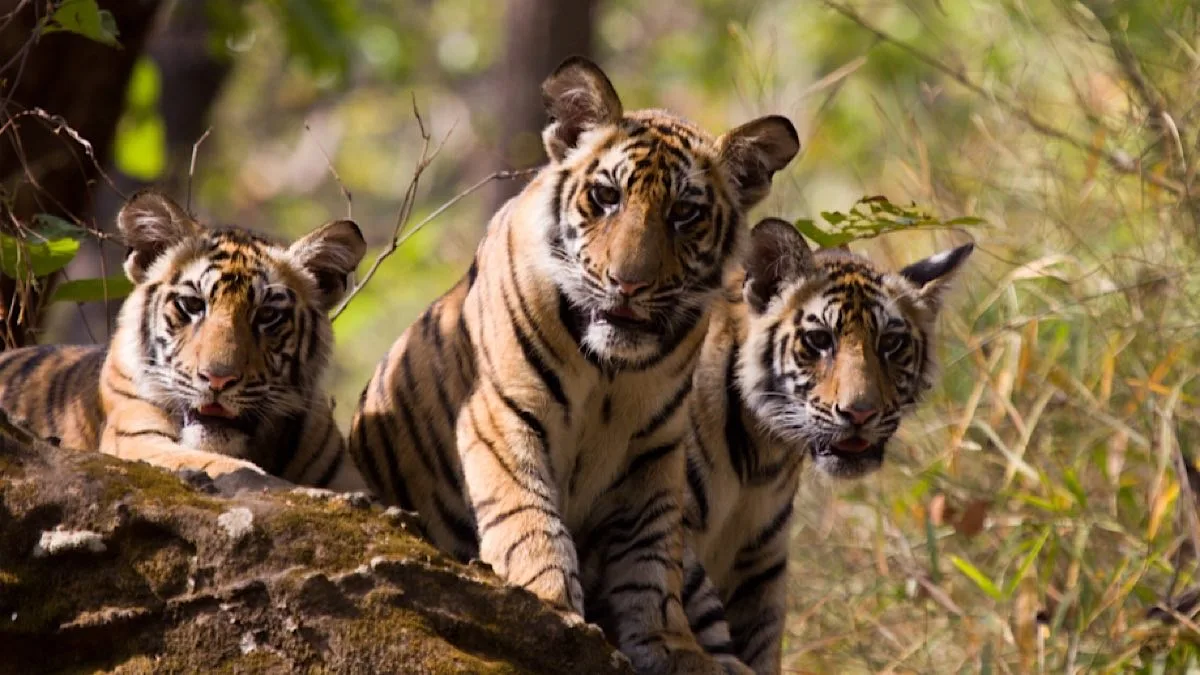
Three tiger cubs die in four days at Kanha reserve, raising serious concerns

The latest fatality was a one-year-old female cub, which died on Saturday evening.

GAURAV CHANDRA | Bhopal |

Three out of four sub-adult cubs, born a year ago to a tigress at the world-renowned Kanha Tiger Reserve in Madhya Pradesh, have died within four days, raising serious questions over the management and administration of the state forest department and the monitoring by the reserve’s field staff.

The latest fatality was a one-year-old female cub, which died on Saturday evening.

Earlier, two male cubs of the same age had died within a span of two days.

All the deceased cubs were around a year old and were born to a tigress in the Amahi area, identified as T-141 by officials.

According to KTR Director Ravindra Mani Tripathi, the female cub was found dead in the Sarhi zone of KTR on Saturday evening, and its carcass was sent to Jabalpur for post-mortem examination.

He said the deaths began on April 21, when a male cub was found dead near the Amahi nala in the Sarhinakan beat.

Another male cub was discovered dead on April 23 in a decomposed condition near the Intawara nala.

Authorities said they are concerned about the well-being of the fourth and only surviving cub of the tigress.

They added that the tigress is being continuously monitored and provided with a supplementary diet to ensure she remains healthy and capable of caring for her last cub.

With these incidents, the number of tiger deaths in KTR has risen to four in April, including one adult tigress that died on April 5 in the Kanhari beat.

Madhya Pradesh, which had 785 tigers as per the 2022 census, the highest in the country, has lost 25 tigers, including cubs, since January 7 this year, when the first death of 2026 was reported at the Bandhavgarh Tiger Reserve.