Logo

Cobra venom can help cure cancer

IANS | Moscow |

Cobra venom can help surgeons see boundaries of cancer
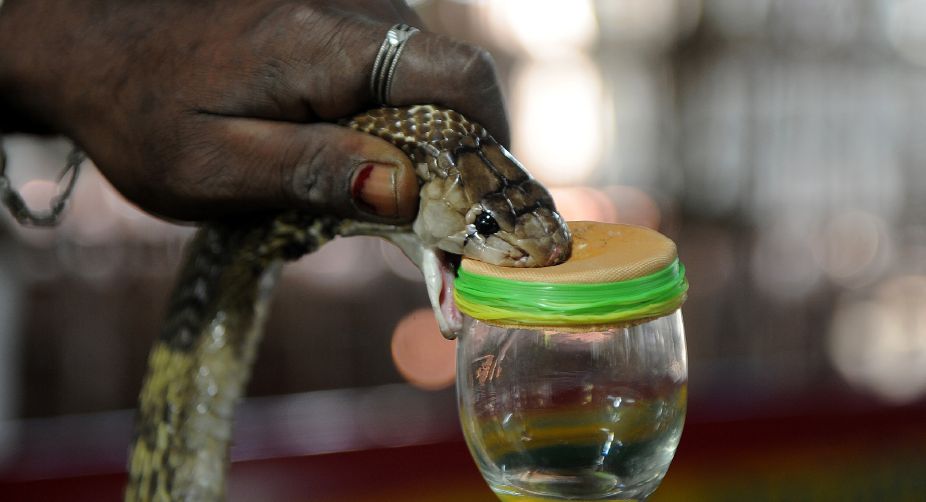
 In collaboration with researchers from Assam’s Tezpur University, Russian scientists have developed a substance-based cobra venom and quantum dots that can glow and help surgeons see the boundaries of cancerous tumour.
Surgeons need to see the boundaries of the cancer because the more precisely the boundary is marked, the more effective the operation would be.
The researchers synthesised the substance from snake venom alpha-neurotoxins and semiconductor fluorescent nanoparticles, Sputnik news agency reported.
Researchers from Russia’s National University of Science and Technology MISIS (NUST MISIS) created a unique hybrid compound (conjugate) consisting of two molecules with different characteristics — alpha-neurotoxins derived from Thai cobra venom and semiconductor fluorescent quantum nanoparticles of cadmium selenide, the so-called quantum dots. 
These compounds can be used to create medical test systems that visualise some types of malignant neoplasm, simply known as cancer.
The researchers from Assam analysed the cytotoxicity of alpha-neurotoxins, nerve growth factors, and their conjugates with fluorescent nanocrystals in various types of cells.
In the study, researchers used a unique characteristic of toxins — the selective interaction with cancer markers to visualise the tumour. 
The compound reaches the infected organ with the blood flow and marks the entire boundary of the tumour with fluorescent nanoparticles, which lights up when irradiated with UV light, which the human eye cannot see.
“We used specially devised methods to synthesize neurotoxin-quantum dot conjugates that maintain stability in human use. The nanoparticles of cadmium selenide are covered with a thin film of peptide (very short protein), which explains the high biocompatibility of conjugates and helps neutralize the toxicity of the quantum dots,” said Professor Yury Utkin, project director and an expert at the NUST MISIS Energy Efficiency Center.
“At the same time, these conjugates are much smaller than their analogues, which greatly simplifies the delivery of the substance into the organ,” Utkin pointed out.
Delivering medicine to the affected organ is the top priority in case of cancer, because the bulk of cancer medicines are toxic.
The researchers believe that the substance may one day be also used for targeted therapy if medicine is added to the conjugate molecule. 

Russia faces calls for total ban over doping

The IOC said it would re-analyse all 254 samples it has from Russian athletes at the 2014 Sochi Winter Olympics.

AFP | Paris |

The United States and Germany led calls for Russia to be exiled from international competition after the McLaren report said doping in sport in the country represented an “institutional conspiracy”.
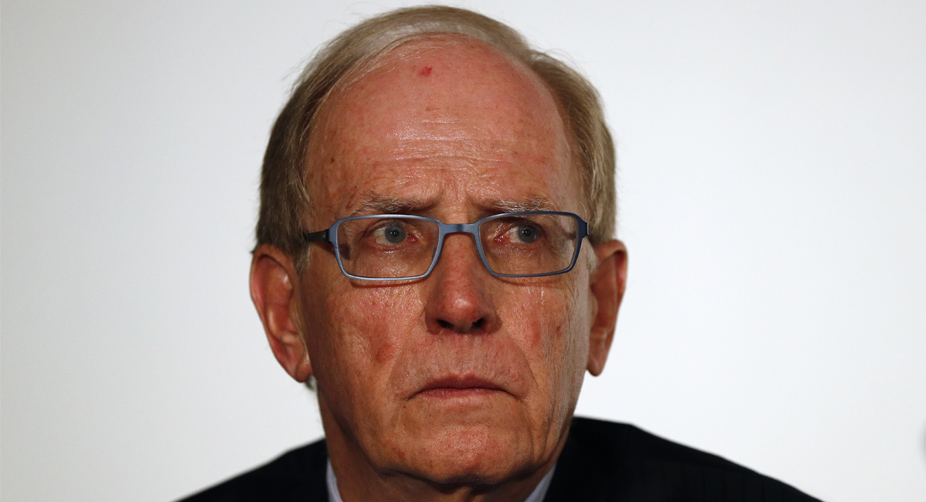
More than 1,000 athletes in the summer and winter Olympics and Paralympics “can be identified as being involved in or benefiting from manipulations to conceal positive testing”, said Canadian lawyer Richard McLaren.
Drug test samples at the Sochi Winter Olympics in 2014 were even manipulated by the addition of salt and coffee, said the report prepared for the World Anti-Doping Agency (WADA).
“It's another staggering example of how the Olympic movement has been corrupted and clean athletes robbed by Russia's state-supported doping system,” said Travis Tygart, the head of the US anti-doping body (USADA).
“The International Olympic Committee (IOC) has to act and clean athletes won't be satisfied until WADA is empowered to be a truly independent global regulator and the Russian Olympic Committee is suspended until deemed code compliant.
“No international sporting events should be held in Russia until its anti-doping program is fully code compliant and all the individuals who participated in the corruption are held accountable.”
The IOC this week extended sanctions against Russia while the International Association of Athletics Federations (IAAF) recently renewed its suspension of the country.
That had already seen the entire Russian track and field team banned from the 2016 Rio Olympics.
Clemens Prokop, the president of the German athletics federation (DLV), called for a total ban on all Russian competitors.
“Russian sport should be excluded from all international competitions, including the Olympic Games, until its credibility is restored,” said Prokop.
“This is a fundamental attack against the Olympic movement when the values of the movement are dragged through the mud by a country. Measures taken must be up to the mark.
The credibility of the IOC is at stake.”
The IOC said it would re-analyse all 254 samples it has from Russian athletes at the 2014 Sochi Winter Olympics.
But Russia remained defiant.
“The Russian sports ministry with full responsibility states there are no government programmes to support doping in sport,” said a statement in response to the McLaren report.
The ministry added that it “will continue the fight against doping with zero tolerance” and “carefully study the information contained in the report with the aim of coming up with a constructive position”.
Moscow has steadfastly denied any government backing for doping. But it has struggled to lift international doubts.
The IOC has two disciplinary inquiries into Russian sport and doping at the 2014 Olympics.
Following the McLaren report, the IOC said it had extended the second inquiry to cover the 2012 London Olympics.
The International Paralympic Committee (IPC), which banned Russia completely from the Rio Paralympics in September, called the McLaren findings “astonishing”.
“The full findings of the report are unprecedented and astonishing. They strike right at the heart of the integrity and ethics of sport,” it said in a statement.
The IAAF made no comment on the report but said that 53 percent of the elite Russian athletes reported to the track and field governing body by McLaren had been sanctioned or face disciplinary proceedings.
It said that samples from Russian athletes at world championships up to the 2013 event in Moscow were being retested.
UK Anti-Doping Chief Executive, Nicole Sapstead, called the McLaren report “hugely significant for sport”.
“2016 has also shown that whilst athletes are held to account under the World Anti-Doping Code every day of the year, when it comes to a country demonstrating a disregard for the rules, the same sort of sanctions do not apply,” Sapstead said in a veiled criticism of the handling of the Russia case.
The International University Sports Federation (FISU) said it was “deeply concerned” to read that some of the intelligence service tactics used to swap samples at the Sochi Olympics were tested at the world university games in Kazan in 2013. 

Srinagar records season’s coldest night at minus 4.5

IANS | Srinagar |

 Srinagar on Saturday recorded the season’s coldest night so far as the minimum temperature dropped to minus 4.5 degrees Celsius.
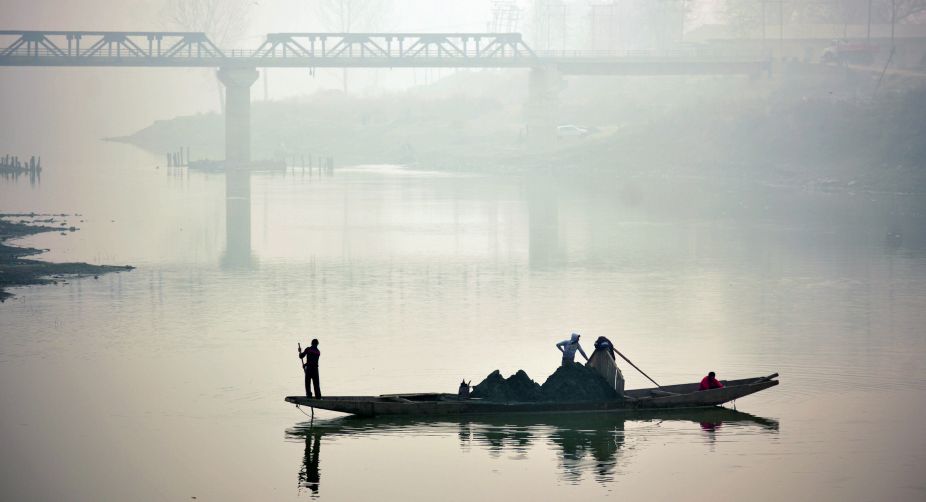
Temperatures continued to fall across the valley due to clear night sky.
Foggy weather disrupted air traffic to and from Srinagar for the third consecutive day.
“At minus 4.5 degrees Celsius, Srinagar city recorded this season’s coldest night so far,” an official from the Met department told IANS here.
“The minimum temperature was recorded at minus 3 degree Celsius in Pahalgam and minus 1 degree Celsius in Gulmarg.
“Leh was the coldest town in Jammu and Kashmir today (Saturday) as the minimum temperature dropped to minus 11.9 degrees Celsius.
“Kargil town recorded minus 8.2 degrees Celsius,” the official said.
According to the official, light snow in the higher reaches and rains in the plains likely during the next 24 hours can bring in some respite from the heavy fog that clouds the valley in the mornings and evenings these days.
Water tapes at many places in Srinagar city have frozen due to sub-zero night temperatures.
People were seen burning small fires around frozen water tapes to de-freeze them especially in the old city areas and city outskirts.
The minimum temperature in Jammu city was 11.6 degrees Celsius on Saturday while in the Mata Vaishno Devi Shrine base camp town of Katra it was 10.7 degrees Celsius.
Batote town in the Jammu region recorded 6.5 degrees Celsius, Bannihal 1.5 and Bhaderwah 3.5 degrees Celsius as the lowest night temperatures.

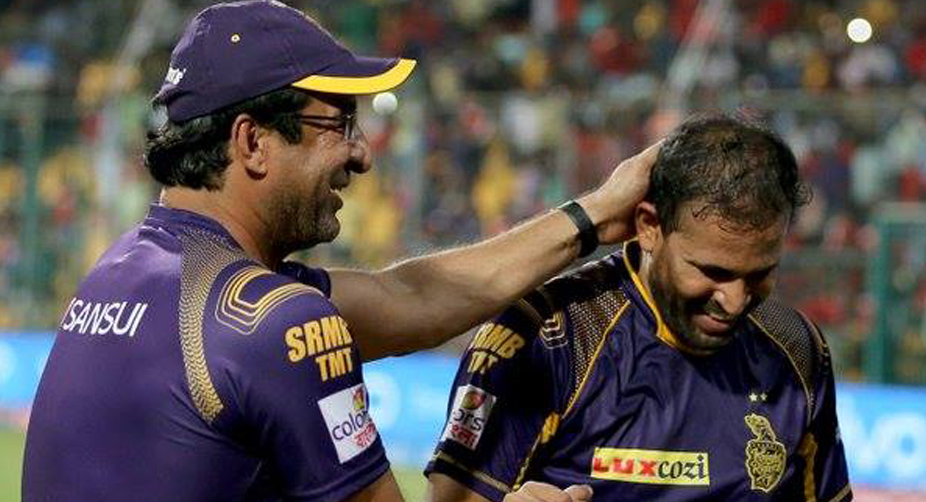
KKR announces Wasim Akram will miss IPL 2017

Akram’s “professional commitments and time constraints” have forced him to take such a decision.

PTI | Kolkata |

Legendary pacer Wasim Akram, who has been the bowling coach and mentor of Kolkata Knight Riders in the Indian Premier League, will miss the 2017 edition of the IPL due to “professional commitments and time constraints”.
“Bowling Coach and Mentor, Wasim Akram will miss the upcoming IPL 2017 season. The legendary all-rounder has cited professional commitments and time constraints for his inability to be part of KKR for the upcoming season,” KKR said in a release.
Venky Mysore, MD & CEO of KKR, said, “We will miss Wasim Bhai who has been part of the KKR family over the last few years and has played a significant role in our title triumphs in 2012 and 2014. We wish him the very best in all his endeavours.”
Akram, on his part, said he would miss the KKR dressing room and wished the team luck.
“I have loved the camaraderie in KKR team and have enjoyed every opportunity to mentor the highly talented team over the years. I am surely going to miss being part of the dressing room but I wish the team continued success,” he said.

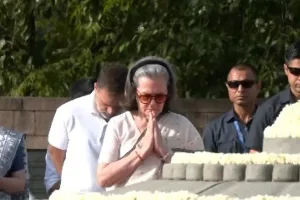
Sonia meets Mahajan who wishes her on birthday

PTI | New Delhi |

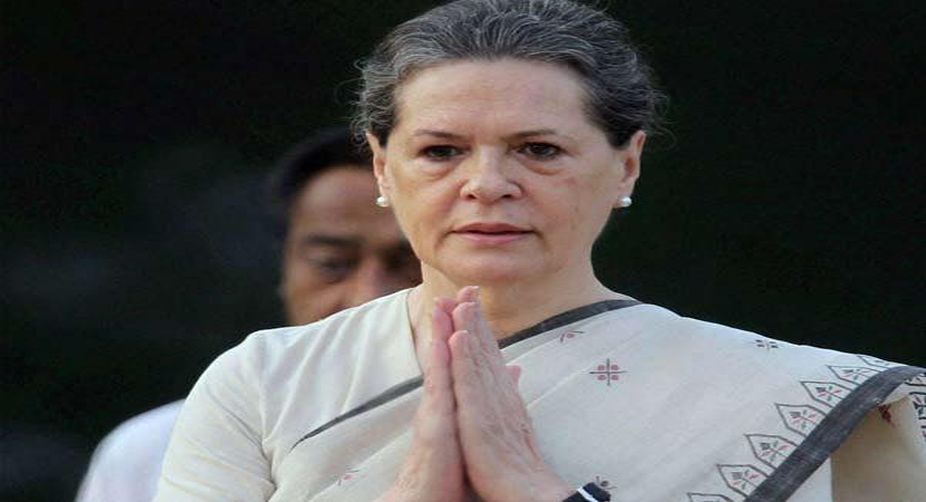
Sonia Gandhi on Friday met Lok Sabha Speaker Sumitra Mahajan who wished the Congress president on her 70th birthday, sources said, adding no politics was discussed.
Giving details about how the meeting took place, the sources said Mahajan had called up to wish Gandhi on her birthday this morning but she was not available at that time.
Afterwards, when the Lok Sabha was adjourned briefly till 12 pm because of uproar, Gandhi went to the Speaker’s chamber in Parliament House complex to meet Mahajan, the sources added.
The Speaker then personally wished her and the two were together for about 5-10 minutes, they said.
They only exchanged pleasantries and politics was not discussed, the sources said.
The meeting, which took place amidst a stand-off between the government and Opposition in Parliament, triggered various kinds of speculation.

Emulate the icon

Editorial |

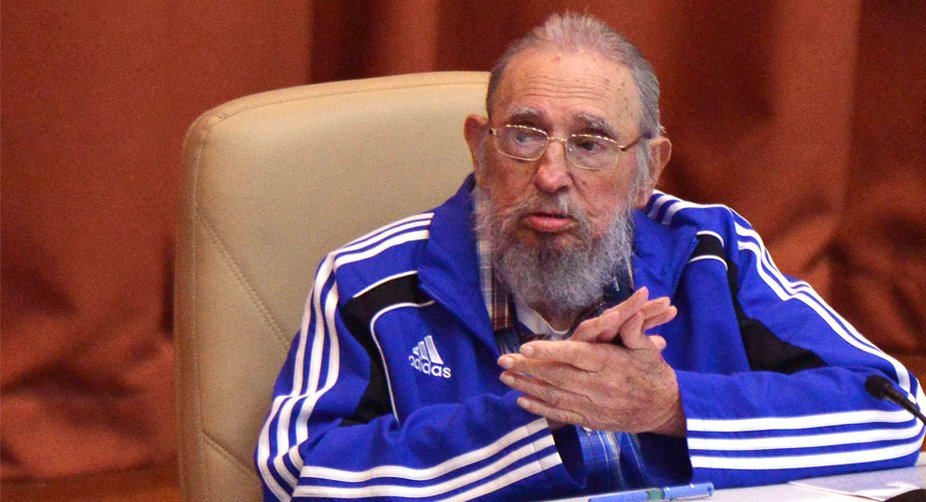
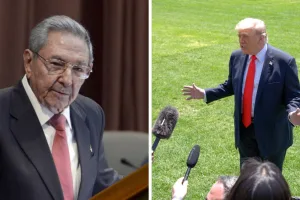
When a substantial section of the Indian people are making such a public display of their veneration of a former chief minister it might appear inappropriate to draw attention to a call to shun personality-politics. Yet the fact that the desire to avoid hero-worship was expressed by a universally-acclaimed icon makes it imperative to highlight the ban imposed by the authorities in Cuba on naming streets, monuments, etc., after Fidel Castro. That ban, Castro’s brother and successor Raul, announced, was to fulfill Fidel’s desire that “once dead, his name and likeness would never be used on institutions, streets, parks or other public sites, and that busts, statues or other forms of tribute would never be erected”. And it must be noted that the man the world hailed as a true revolutionary had taken that position even when at the height of his authority. Raul made that point when addressing international leaders and thousands of Cubans gathered to say their final farewell to one of the most noteworthy leaders of his generation.
Though Fidel Castro was admired all across the Indian political spectrum, his aversion to cult-politics never trickled down. Both national as well as regional leaders enjoyed being hailed as special individuals, and it is no surprise that their names adorn institutions of all descriptions. Nehru, Indira and Rajiv Gandhi are not the only ones who are thus “honoured”  —  the present government is making no secret of similarly “recognising” its own stalwarts. 
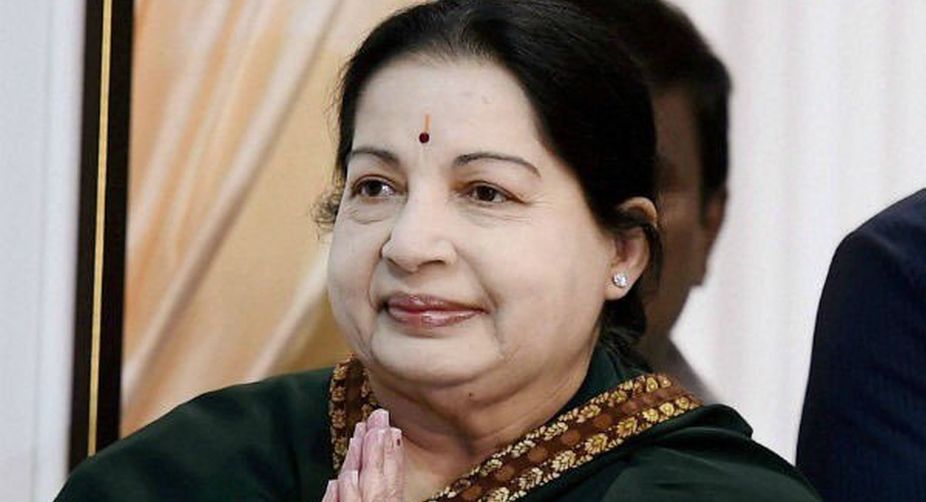
At the regional level things have gone the same way  —  maybe that is integral to Indian culture. For it cuts across religious, caste and regional divides: are there not frequent demands for postage stamps, roads, various programmes, and sporting contests being named after “leaders”? Often rather ugly disputes arise from such “competitive” idolising  —  recall the quarrels over statues/portraits in Parliament House. That only adds to the unique mystique of Fidel Castro. Just across the Florida Straits the Navy names aircraft-carriers after former Presidents and the Army its tanks after ex-generals. That brand of “honour” probably has its roots in Europe where the names of Kings, Queens and Princes are as frequently linked with colleges, hospitals, etc., as those of Saints. Whether the message that Castro sought to deliver will have any positive, salutary impact is something only time will tell  —  “Amma” will live long in canteens, medical stores, etc., in Tamil Nadu.
Yet reverence is not always the inspiration. During the late 1970s, a number of residential clusters sprang up in the Indian capital, many had  “Sanjay” included in their names. All of them were “unauthorised, their taking the name of the all-powerful son of the then Prime Minister was “insurance” against the demolition squad.

SC order a grand victory for untiring efforts of Jaya: TN

PTI | Chennai |

With the Supreme Court upholding the maintainability of appeals filed by states including Tamil Nadu against a 2007 tribunal verdict on Cauvery water sharing, the state government on Friday said it was “grand victory for the untiring efforts” of former chief minister Jayalalithaa.
PWD Principal Secretray SK Prabakar said the water dispute had been going on for a long time between Tamil Nadu and Karnataka and recalled that the two states besides Kerala had earlier moved the apex court against the 2007 award of the Cauvery Water Dispute Tribunal on sharing the river water.
He recalled the efforts by Jayalalithaa on the Cauvery issue, including “waging a legal battle” to get the 2007 final award published in a Central gazette in 2013, thus “upholding Tamil Nadu’s rights”.
Her government had moved the apex court again in August, seeking direction to Karnataka to release Tamil Nadu’s share of water, following which it gave regular directions to the upper riparian state on this matter, he said.
Today, a three-judge bench had held all appeals maintainable, while holding that its interim order on releasing 2000 cusecs of water to Tamil Nadu continues till further orders, he said in a statement.
“This is a grand victory to the untiring efforts of Puratchi Thalaivi Amma (Jayalalitha),” he added.
The three-judge bench headed by Justice Dipak Misra had said all appeals filed by the south Indian states against the tribunal’s award were maintainable, though the Centre had asserted that the apex court had no jurisdiction to hear appeals against the award of the tribunal.
“We hold all the appeals maintainable. Interim order to continue. List the matter for further hearing on December 15,” the three-judge bench had said.
On October 18, the apex court had directed Karnataka to keep supplying Tamil Nadu with 2,000 cusecs of water till further orders.
DMK welcomed the apex court holding that its interim order on releasing 2000 cusecs of water to Tamil Nadu will continue and expressed happiness over Supreme Court saying that the appeals against the 2007 verdict were maintainable.
Party Treasurer and Tamil Nadu Opposition Leader M K Stalin urged the state government to press the Centre on immediately constituting the Cauvery Management Board.

‘India provision in US legislation to boost strategic ties’

PTI | Washington |

A new provision prioritising defense ties with India in a US federal legislation, which deals with the budget and expenditures of the Department of Defence, would boost defence trade and strategic ties with India, American lawmakers and industry representatives said.
The India provision in the National Defense Authorisation Act (NDAA) 2017 directs US Defense Department and Department of State to prioritise defence cooperation with India.
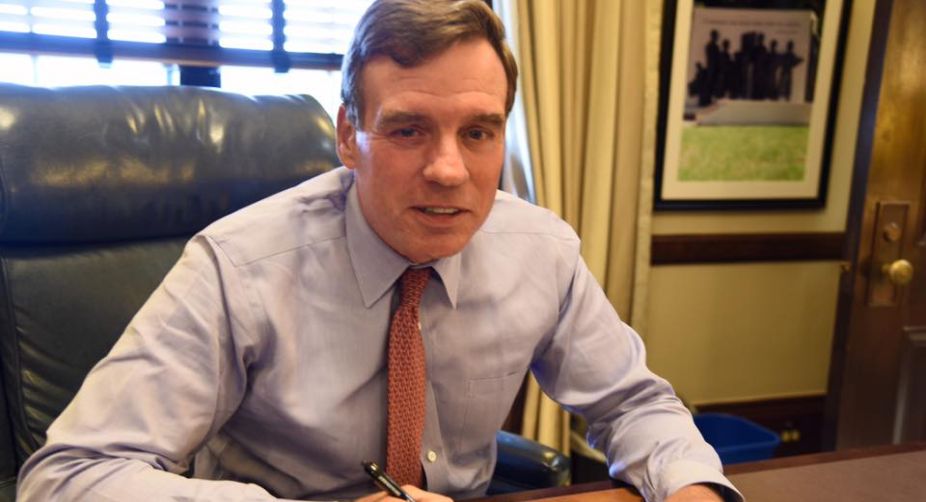
“The robust language in this year’s NDAA recognises India’s importance and will allow us to maintain this momentum and reach the full potential of this increasingly dynamic relationship in support of global peace and prosperity,” said Senator Mark Warner, co-Chair of the Senate India Caucus.
Passed by both the House of Representatives and the Senate, NDAA 2017 now heads to the White House for President Barack Obama for his approval.
Section 1292 of NDAA – Enhancing Defence and Security Cooperation with India – directs the US Defence Department and Department of State to prioritise defence cooperation with India through a series of policies and organisational actions.
Marc Allen, president of Boeing International said the company is grateful for the government’s broad-based support of the NDAA 2017. “Bilateral cooperation to enhance regional security and the role of US industry in that effort serves the interests of both countries,” he said in a statement.
Congressman George Holding, co-Chair of the House India Caucus, said the language in the NDAA will help promote greater military-to-military cooperation and increase opportunities for defence trade between the two nations.
“I look forward to working in the coming year on additional measures with my colleagues to further strengthen our strategic partnership with India,” Holding said.
Observing that the strategic and commercial imperatives for expanding US defence cooperation with India are profound, Mukesh Aghi, president of US-India Business Council, said through this legislation Congress sends clear directions about the way forward, which link US bureaucratic and regulatory changes to national security and commercial objectives. 

India’s provision in US legislation to boost strategic ties

PTI | Washington |

A new provision prioritising defence ties with India in a US federal legislation, which deals with the budget and expenditures of the Department of Defence, would boost defence trade and strategic ties with India, American lawmakers and industry representatives said.
The India provision in the National Defense Authorisation Act (NDAA) 2017 directs US Defence Department and Department of State to prioritise defence cooperation with India.
“The robust language in this year’s NDAA recognises India’s importance and will allow us to maintain this momentum and reach the full potential of this increasingly dynamic relationship in support of global peace and prosperity,” said Senator Mark Warner, co-Chair of the Senate India Caucus.
Passed by both the House of Representatives and the Senate, NDAA 2017 now heads to the White House for President Barack Obama for his approval.
Section 1292 of NDAA – Enhancing Defence and Security Cooperation with India – directs the US Defence Department and Department of State to prioritise defence cooperation with India through a series of policies and organisational actions.
Marc Allen, president of Boeing International said the company is grateful for the government’s broad-based support of the NDAA 2017. “Bilateral cooperation to enhance regional security and the role of US industry in that effort serves the interests of both countries,” he said in a statement.
Congressman George Holding, co-Chair of the House India Caucus, said the language in the NDAA will help promote greater military-to-military cooperation and increase opportunities for defence trade between the two nations.
“I look forward to working in the coming year on additional measures with my colleagues to further strengthen our strategic partnership with India,” Holding said.
Observing that the strategic and commercial imperatives for expanding US defence cooperation with India are profound, Mukesh Aghi, president of US-India Business Council, said through this legislation Congress sends clear directions about the way forward, which link US bureaucratic and regulatory changes to national security and commercial objectives. 

Big business warns Trump against mass deportation

AP | Washington |

Still grappling with Donald Trump’s surprise election, the nation’s business community has begun to pressure the president-elect to abandon campaign- trail pledges of mass deportation and other hard-line immigration policies that some large employers fear would hurt the economy.
The push, led by an advocacy group backed by New York billionaire Michael Bloomberg and media mogul Rupert Murdoch, is still in its infancy as the business world struggles to understand the tough-talking Trump’s true intentions on an issue that defined his outsider campaign.
Some groups, such as the US Chamber of Commerce, are holding off, doubtful that Trump will actually create a deportation force, as he suggested before his election, to expel those estimated 11 million immigrants in the country illegally.
But others are assembling teams of public officials and industry leaders on the ground in key states to encourage Trump to embrace a more forgiving immigration policy, in the name of economic development, if not human compassion.
“This election clearly showed that Americans are wildly frustrated with our broken immigration system,” said Jeremy Robbins, executive director of the New American Economy, a group whose board includes Bloomberg, Murdoch and leaders of business giants Marriott, Disney and Boeing.
“But it would be a mistake to equate their desire for someone to secure the border with support for mass deportation or other hardline policies that would both devastate the economy and undermine core American values.” 
Robbins’ organisation has in recent days unveiled coalitions of business leaders and public officials that oppose an immigration crackdown many of them Trump supporters, across Utah, California, South Carolina, Florida and Colorado with more coming in Arizona, Idaho, North Carolina, Pennsylvania and Texas. Backed by its directors’ deep pockets, the group is working to create a permanent infrastructure that will pressure the new administration and members of Congress in key battlegrounds even before the debate officially begins on Capitol Hill.
Trump railed against the dangers of illegal immigration throughout his campaign, several times sharing the stage with parents of children killed by immigrants in the country illegally.
He also pledged to build a massive wall across the vast majority of the 2,100-mile border with Mexico. And, early in the campaign, he promised to create “a deportation force” to remove more than 11 million immigrants, although as Election Day approached, he left open the possibility for a pathway to legal status for some who entered the country illegally.
Trump’s transition team declined to answer questions about his immigration plans this week.
He hinted at a softer approach in a Time magazine interview published this week, saying he would “work something out” to help immigrants who were brought to the United States illegally as children and granted work permits by President Barack Obama.
On deportation, Trump told “60 Minutes” shortly after the election that he would prioritise deporting between 2 and 3 million “people that are criminal and have criminal records, gang members, drug dealers.” 

Bank unions write to RBI Governor over cash shortage

PTI | Vadodara |

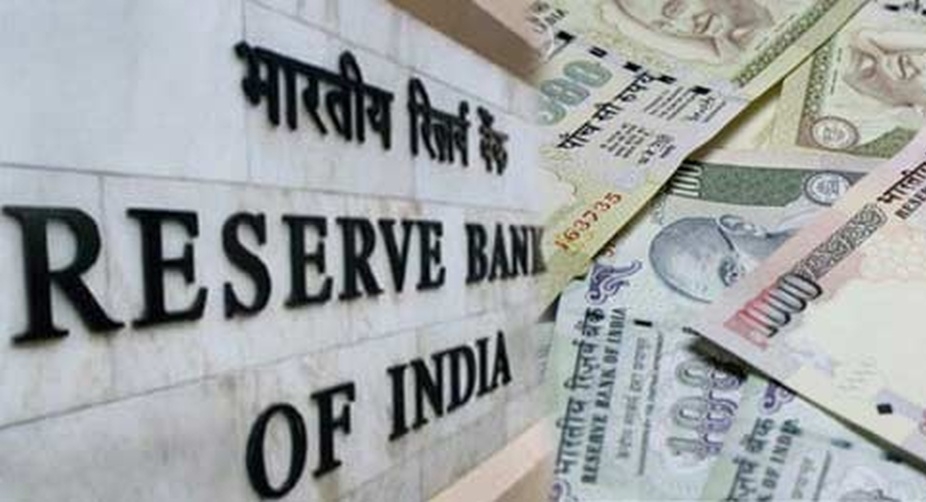
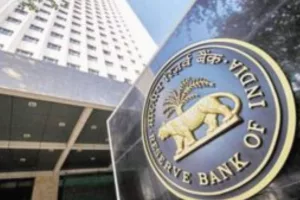
Two bank unions on Friday urged RBI Governor Urjit Patel to ensure adequate supply of the new Rs.500 notes and bills of lower denominations to tide over the prevailing cash crunch.

Due to non-availability of adequate quantity of Rs.500 and Rs.100 currency notes, customers are reluctant to accept the newly printed Rs.2,000 bills which they find difficult to spend in the market for want of change, the unions said in a letter to Patel.

The letter has been written by C H Venkatchalam, General Secretary of the All-India Bank Employees Association (AIBEA), and S Nagarajan, his counterpart at the All-India Bank Officers Association (AIBOA).

There is acute shortage of Rs.100 notes and ATMs, including the recalibrated ones, have become non-functional due to the shortage, they said, adding that banks are finding it difficult to face customers demanding the lower denomination currency.

The shortage of currency notes has resulted in tension, exchange of angry words, quarrels between bank staffers and customers. All these are putting mental pressure on bank staffers, the unions said.

There have been instances of angry citizens locking bank branches from outside, Venkatchalam and Nagarajan said.

There are also allegations of RBI supplying more number of currency notes to private banks than their public sector counterparts, they said.

Shortage of judges, pendency of cases add to litigants’ woes

Smriti Sharma Vasudeva | New Delhi |

Even as the focus remains on the shortage of judges in higher courts across the country, it is the lower courts, including the district courts, which are reeling equally under the shortage as well.
As per statistics, there is a shortage of over 5,000 judicial officers responsible for delivering justice through subordinate courts. Shortage of judicial officers coupled with increased pendency of cases is adding to litigants’ woes.
In November, the Parliamentary Standing Committee on Personnel, Public Grievances, Law and Justice headed by former Law Minister Anand Sharma sought response on the delay in filling up the vacancies in the higher courts. The committee stated that such a large number of vacancies is alarming in nature and has direct bearing upon the access to justice for common people.
As per the available data, the total sanctioned strength of the subordinate courts is little over 21,000. However, the same are functioning with 16,194 judicial officers. 
Evidently, the shortage of judicial officers directly impacts the pendency of cases and thus increases litigation woes for the public besides other reasons, including delay in disposal of court cases, lack of court management systems, frequent adjournments and strikes by lawyers.
In 11 states, the recruitment of subordinate judiciary is done by the high courts, while in the remaining 17 states it is done by the state public service commissions. With 794 vacancies, Gujarat tops the list among states with highest number of vacant posts. It is followed by Bihar with 792 vacancies. 
Uttar Pradesh stands at number three with 595 vacancies in lower courts. The 24 high courts face a shortage of nearly 450 judges. Nearly three crore cases are pending in courts across India.
Sharing his views with The Statesman, Advocate Tek Tejinder Pal Singh, said, “Keeping in view the pendency of cases, appointing more judges is the need of the hour. However, there should be no compromise on integrity while selecting judges. High Courts and the Supreme Court should also take serious note of the pendency of cases in respective courts. Most importantly, the Justice Delivery System must not fail due to any ills going on in the system”.
In the past decade, the number of pending civil cases alone has gone up by 16 per cent. From 72, 54,145 civil cases in 2005 to 84,056,47 in 2015. It is pertinent to note that in 2005, the working strength of the judges in the district and subordinate courts was 11,682, which increased to 16,070 in 2015. Despite the increase in the number of judges and a decline in the number of cases being filed, the pendency of civil cases has increased.
Similarly, of the sanctioned strength of 1,041 judges in high courts across India, 442 posts (42%) were vacant as on March 31, 2016, according to latest 2016 Supreme Court data. 
The high courts of Chhattisgarh, Andhra Pradesh and Telangana face the largest deficit of judges—59 per cent, followed by the Allahabad, Rajasthan and Jharkhand high courts. Only Manipur and Tripura high courts are working with full strength.
The current judge-to-population ratio is 10.5 per million population although the 120th report by Law Commission recommends a judge-to-population ratio of 50 per million population.

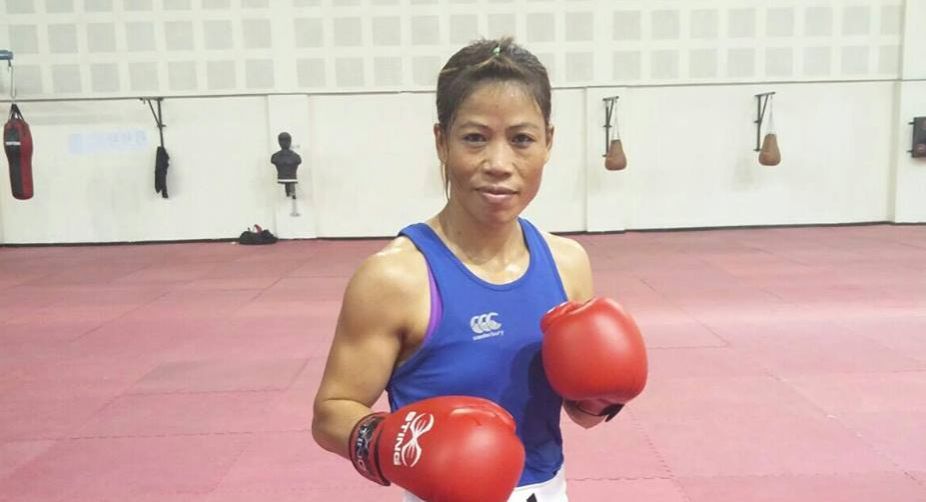
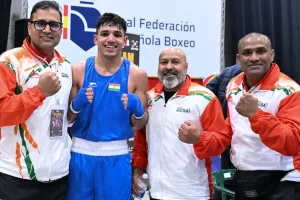
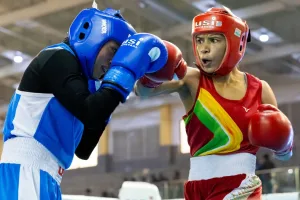
Boxer Mary Kom to return to 48kg category

Mary Kom asserted that she aims to return to the 48 kg weight category.

IANS | Guwahati |

Five-time World Champion boxer MC Mary Kom asserted on Friday that she aims to return to the 48 kg weight category amid speculation that it could be included in the Tokyo Olympics in 2020.
The star boxer from Manipur had won all her world titles in women’s 48kg division but had moved up to the women’s 51kg category in order to compete at the Olympics.
She had taken a bronze in her new weight class at the 2012 London Olympics but went empty handed at the Rio Olympics earlier this year.
But with the International Boxing Federation (AIBA) reportedly thinking about including the 48kg division in the Tokyo Games, Mary is hoping to win an Olympic medal of a better hue.
“Yes, I am planning to go back to the 48kg weight category. I am back as this is my real and original weight (category) in which I am fit to,” Mary told IANS on Friday.
The 33-year-old asserted that she is looking forward to recapturing her old form in the 48kg category and is aiming for glory at the Tokyo Olympics.
“I will see. I am still very much fit and will be in the camp very soon,” she said.

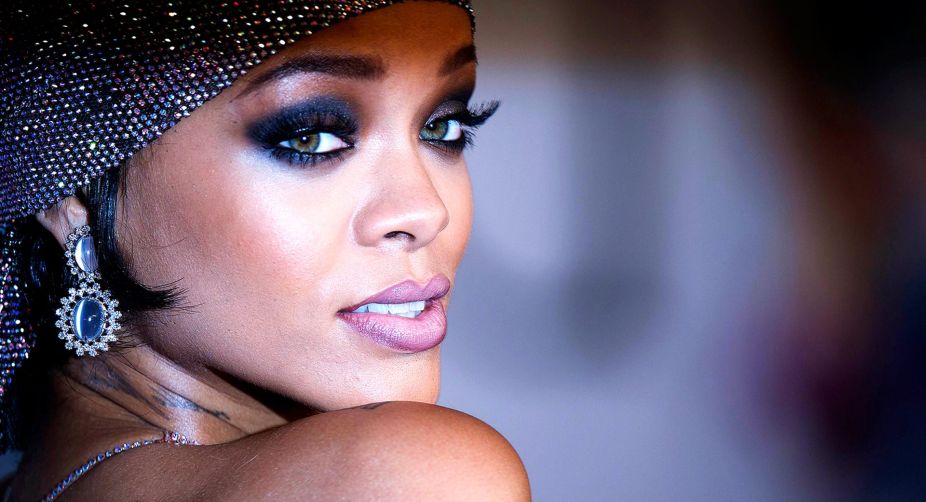
Rihanna denies throwing shade at Beyonce

PTI | Los Angeles |

Rihanna has denied that she threw shade a Beyonce on Instagram after she did not get nominated for Album of the Year category at Grammys.
Rihanna earned eight nods this year, including Record of the Year for Work, her collaboration with ex Drake her acclaimed album Anti was not nominated for Album of the Year, while Beyonc ‘s stunning visual album, Lemonade, was.
Shortly after the nominations were announced, Rihanna liked a fan’s Instagram post dissing Beyonce, sparking rumors of a feud between the two pop superstars.
The singer, 28, later took to the social media to quash fued speculation.
“I never actually read your caption, thought the pic was funny and moved right along! Til I seen it pop up over and over! (sic)” she wrote.
“I’m petty af, yes. But this is just unnecessary! I wish y’all would drop this topic and see things from the bigger picture! We don’t need to be putting black women against each other! We deserve to be celebrated, and the Grammy Academy agrees! (sic),” she added.
Rihanna also made it clear that despite missing out in the Album of the Year category, she was happy to bag 8 nods.
“How could y’all say that?” she replied to another fan’s comment saying Anti was snubbed.

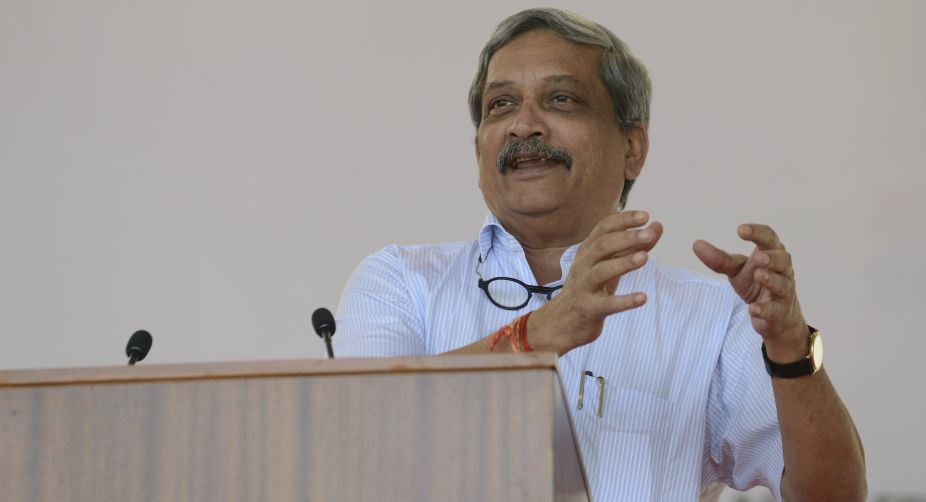
India aware of Pakistan’s nuclear arsenal expansion: Parrikar

IANS | New Delhi |

India is aware of reports of Pakistan’s nuclear expansion and was taking all steps to safeguard India’s national interest, Defence Minister Manohar Parrikar said on Friday.
“The government is aware of reports on the expansion of Pakistan’s capability for fissile material production for nuclear weapons,” Parrikar informed the Lok Sabha.
“The government continues to monitor development in this regard and is committed to taking all necessary steps to safeguard national security and respond to any threat suitably and adequately,” he said.
According to the Stockholm International Peace Research Institute, Pakistan has 110-130 nuclear warheads while India possesses 100-120.
Meanwhile, a paper by renowned American scholars Tom Dalton and Michael Krepon, “A Normal Nuclear Pakistan”, argues that Pakistan could have the third-biggest nuclear stockpile within a decade and could end up producing 20 nuclear warheads annually.
The 48-page report warns that if Pakistan continues on its current path, in 10 years it could possess a nuclear arsenal nearing 350 weapons.
The report said Pakistan operates four plutonium production reactors while India operates one.
Pakistan has the capability to produce perhaps 20 nuclear warheads annually. India appears to be producing about five warheads annually.
The report added that given its larger economy and sizable nuclear infrastructure, India can outpace Pakistan in fissile material and warhead production if it chose to.

Photo

  • img
  • img
  • img
  • img
  • img

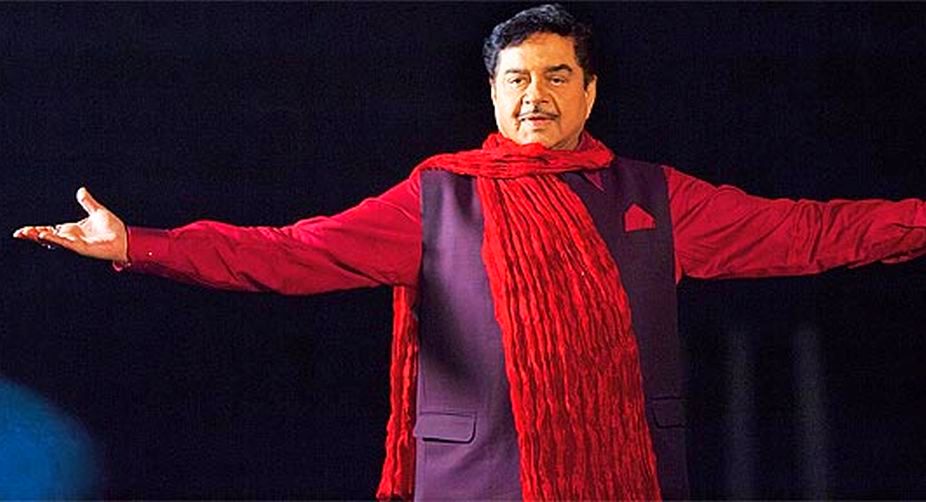
Shatrughan Sinha: 5 Power-Packed Punch Lines

Shatrughan Sinha: 5 Power-Packed Punch Lines

MORE Photo STORIES

13 teachers killed in Punjab road accident

IANS | Chandigarh |

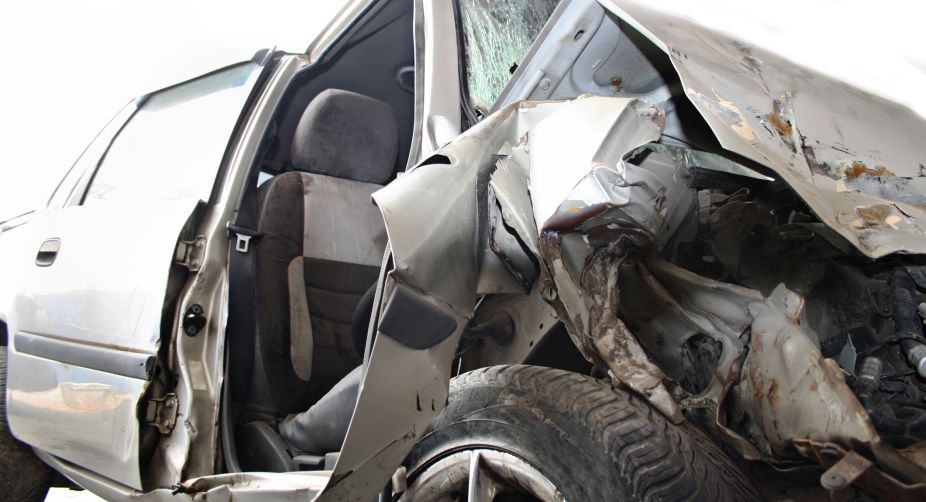
In a tragic accident due to dense fog, thirteen teachers were killed when the vehicle they were travelling in collided with a truck in Punjab on Friday morning, police said.
The accident took place near Chandmajri village on the Fazilka-Ferozepur highway, about 320 kms from here.
The vehicle has been completely damaged in the accident.
The victims included women teachers and a few new joinees.
Most of the victims were teachers in government schools who were travelling to their institutions for work.
There were 15 teachers in the vehicle who belonged to the Fazilka and Abohar belt of southwest Punjab, a police official said.
The police said the truck driver and cleaner were absconding.