Logo

Civil-Military construct~I

Ashok kapur | New Delhi |

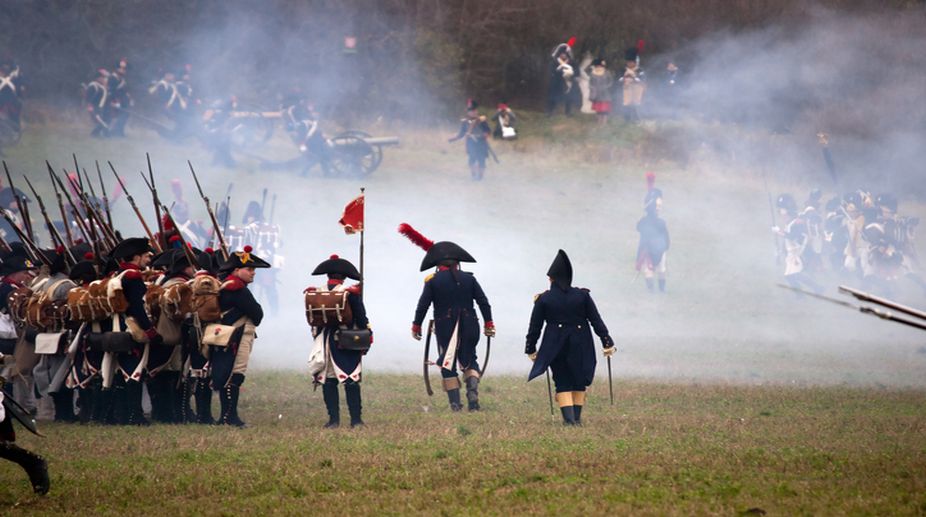
Napoleon Bonaparte, arguably one of the world’s greatest military strategists and generals, had crafted his own obituary ~ “Let my children and grandchildren study history. It is the only valid philosophy and the only true psychology”. Few leaders and military commanders would have known better about diplomacy, inter-state relations and the conduct of war.

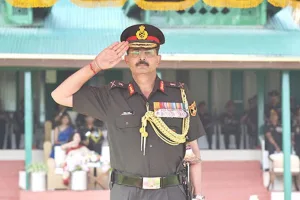
The rare wisdom and insight of the great military commander comes to one’s mind in the context of the long-drawn campaign undertaken by a handful of retired Indian military officers to somehow exert pressure on the political executive to create a ‘post’ of Defence Supremo to proffer a ‘single-point’ advice to the Government on matters military. He is projected as a five-star general and the present chiefs of Army, Navy and Air Force will report to him. And the Supremo will report directly to the PM.

In a cruel irony of history, the aura surrounding the persona of Napoleon, a genius, if one may use the term in the context of military strategy, was shattered in his own lifetime. In the hour of his greatest triumph and dazzling glory, he faced a humiliating defeat. His military campaign in Russia resulted in an unprecedented disaster. His war strategy culminated in the decimation of his own Army. And then, he eventually lost to the British and was incarcerated in a faraway island.

Napoleon’s wisdom only underscores something known and acknowledged by statesmen the world over, especially in modern civilian democracies. ‘War is too serious a business to be left to the military leadership alone’. More so, a war in the age of nuclear weapons. And history provides a host of instances where the civilian leadership has repeatedly proved to be superior in its overall judgment of matters military. A war strategy at higher levels is the rightful domain of experienced civilians who have a wider exposure and a richer insight into statecraft.

‘War’ has been defined as ‘pursuit of politics by other means’. The issue of civilian control even during the time of war is of critical contemporary relevance especially to countries like India. Undeniably, our democracy has roots, but these are not deep enough. The military needs to be told, once and for all that its place is in the barracks, not in the boardroom. This imperative of subordination of the military to the civilian leadership is a certitude of democracy not only during peacetime but also during wartime. Historically, whenever the military viewpoint has overruled civilian leadership even during war, the result has been a disaster.

The explicit subordination of the military to the civilian leadership is embedded in the constitutional rule of law in modern times, beginning with the first such arrangement in the USA in the late 18th century. Thereafter, it has been formalised in modern civilian democracies the world over, notably in the UK, France, Canada, Australia etc. And in India in 1950, with the adoption of the Constitution. The military has been made accountable to the permanent civilians manning the Defence Ministry, headed by the elected Defence Minister.

The first comprehensive law in India crafted by one of the greatest jurists of the 19th century, Lord Macaulay, was the Criminal Procedure Code,1860. He was the first Chairman of the Law Commission of India, an entirely new invention of the British Raj. According to it, even during serious law and order situations when the civil administration has to summon the assistance of the Army, the most senior military officer is “required” to obey the civilian magistrate’s orders on the scene. The ‘chain of command’, as the military jargon goes, with a civilian in charge, is explicit.

It goes to the credit of India’s sovereign Parliament that it adopted the said legislation verbatim in 1950. Secondly, the CrPC set the model for future legislation in independent India. The military has not been given any role in civilian governance, the powers being vested in the civilian magistracy. This is based on the sound democratic norm that defines civil service (that runs the government) as “that form of governance whereby the armed services of the government are excluded from governance”.

The last century has been one of the bloodiest in history, beginning with the first World War during 1914-18. The traditional military aristocracy, by and large still dominated the politics of major European powers ~ save Great Britain ~ that were engaged relentlessly in mindless bloodletting for years, without a clear political goal save the “destruction of the enemy”. For more than four years, major land battles were fought not so much as to advance into Germany as to fight each other in trenches, to “regain lost ground”. See-saw battles were fought by both sides, killing each other’s soldiers by the thousands every day. In the words of an eminent military strategist, it was “trench stalemate ~ blind (military) leaders blindfolding people.”

The stated objective of military leadership on either side appears to have been “Total War”. The eventual surrender of Germany was achieved at high human cost, as the political objective was lost sight of in between. The military leadership ~ on either side ~ that dominated the conduct of war throughout, was more engaged in an ego play. Personal glory underscored battle objectives, whereby thousands of soldiers were sacrificed daily. There was virtually no counting of the dead or the wounded. “To and fro the struggle swayed, with equal slaughter and ferocity.”
By the time of the Second World War (1939-45), democracy had gradually developed roots in Europe and America save Japan, Germany and Italy. Little wonder that these three powers were the major aggressors in starting the war. In Japan, the control of the civilian government was nominal even prior to the World War. In the early 1930s, the autonomous Japanese military on its own launched an entirely unprovoked attack against China, and occupied Manchuria. The Japanese civilian government was shocked. It could do nothing except acquiesce in impotent rage.
During the Second World War, France was a major world power. Ironically, it was the French military that capitulated to the Nazi invader, and let it overrun and occupy France for four years, ignoring the earlier forebodings of the French Government.

The civilian leadership had been repeatedly urging the French military to read the writing on the wall but to no avail. For four years, the occupying German army ravaged the country and caused untold suffering to the hapless civilian populace. The French army leadership imprisoned its own Prime Minister!

(To be concluded)

The writer is a retired IAS officer.
Well-meant, but …

Editorial | New Delhi |

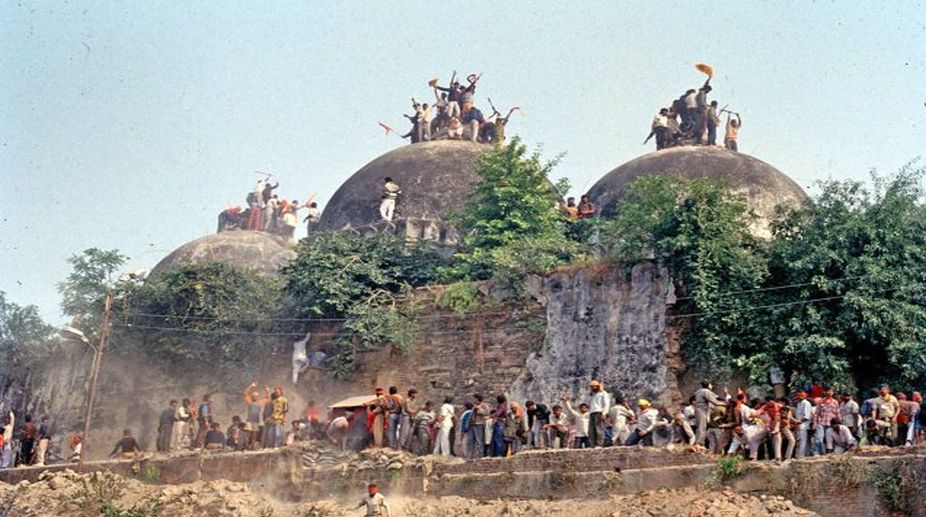
Pardon the taking of recourse to the oft-deprecated journalistic line “only time will tell…” Yet that would be a realistic evaluation of the somewhat surprising suggestion of the Chief Justice of India for yet another attempt at an out-of-court, mediated settlement of the long-festering highly-emotional sore that is the Ram Janmabhoomi-Babari Masjid dispute at Ayodhya. What triggers a degree of intrigue is precisely what Mr Justice JS Khehar had intended when offering himself, or a brother judge, as mediators between the disputing parties. What would be the status of that mediation, would the recommendations be binding, would central and state laws be amended to facilitate any such mediated settlement? The Chief Justice’s out-of-the-box offer also caused a mini-stir since it was not made at a formal hearing at which all parties to the dispute were present. Queries are also being raised as to why the apex court was now advocating an out-of-court settlement when the judicial apparatus had been seized of the matter for decades. Sure there was much appreciation of the CJI’s declaring it a sensitive and sentimental issue, but one set of critics wondered if the apex court was seeking a way out of eventually having to pronounce a judicial verdict in which there was limited scope for a compromise solution. Another set of critics wondered if the timing of the CJI’s observations were inadvertently influenced by the political equation re-determined on March 11.

On the face of it, there was all-round appreciation of the call for a negotiated settlement, but just under the surface was an insistence by the Ram Janmabhoomi votaries that the disputed site be handed over to them for the construction of a temple, and that there was nothing sacred about the Babari Masjid. The contrary view was that the suggestion was tantamount to surrender, and that after its vandalisation on December 6, 1992, the mosque had acquired its own sentimental status. That within hours of the CJI’s suggestion all the major players were back in action, vehemently re-stating the positions that had led to the serious, at times inflammatory and occasionally violent stand-off confirmed that an ambience conducive to negotiations was yet to obtain.

Hence the prospects of another attempt at negotiations appeared as bleak as during previous endeavours. So did the developments in the apex court on Tuesday serve to douse, or stoke, the fires that many believe were ignited centuries ago, and were more recently fuelled by sectarian politics? Perhaps some movement will be “reported” when the issue is taken up again by the court some ten days hence. Maybe it would be fair to conclude that, regardless of the outcome, their Lordships “did try”…where other entities had failed.

Well-meant, but …

Editorial | New Delhi |

Pardon the taking of recourse to the oft-deprecated journalistic line “only time will tell…” Yet that would be a realistic evaluation of the somewhat surprising suggestion of the Chief Justice of India for yet another attempt at an out-of-court, mediated settlement of the long-festering highly-emotional sore that is the Ram Janmabhoomi-Babari Masjid dispute at Ayodhya. What triggers a degree of intrigue is precisely what Mr Justice JS Khehar had intended when offering himself, or a brother judge, as mediators between the disputing parties. What would be the status of that mediation, would the recommendations be binding, would central and state laws be amended to facilitate any such mediated settlement? The Chief Justice’s out-of-the-box offer also caused a mini-stir since it was not made at a formal hearing at which all parties to the dispute were present. Queries are also being raised as to why the apex court was now advocating an out-of-court settlement when the judicial apparatus had been seized of the matter for decades. Sure there was much appreciation of the CJI’s declaring it a sensitive and sentimental issue, but one set of critics wondered if the apex court was seeking a way out of eventually having to pronounce a judicial verdict in which there was limited scope for a compromise solution. Another set of critics wondered if the timing of the CJI’s observations were inadvertently influenced by the political equation re-determined on March 11.

On the face of it, there was all-round appreciation of the call for a negotiated settlement, but just under the surface was an insistence by the Ram Janmabhoomi votaries that the disputed site be handed over to them for the construction of a temple, and that there was nothing sacred about the Babari Masjid. The contrary view was that the suggestion was tantamount to surrender, and that after its vandalisation on December 6, 1992, the mosque had acquired its own sentimental status. That within hours of the CJI’s suggestion all the major players were back in action, vehemently re-stating the positions that had led to the serious, at times inflammatory and occasionally violent stand-off confirmed that an ambience conducive to negotiations was yet to obtain.

Hence the prospects of another attempt at negotiations appeared as bleak as during previous endeavours. So did the developments in the apex court on Tuesday serve to douse, or stoke, the fires that many believe were ignited centuries ago, and were more recently fuelled by sectarian politics? Perhaps some movement will be “reported” when the issue is taken up again by the court some ten days hence. Maybe it would be fair to conclude that, regardless of the outcome, their Lordships “did try”…where other entities had failed.

Horror by the Thames

Editorial | New Delhi |

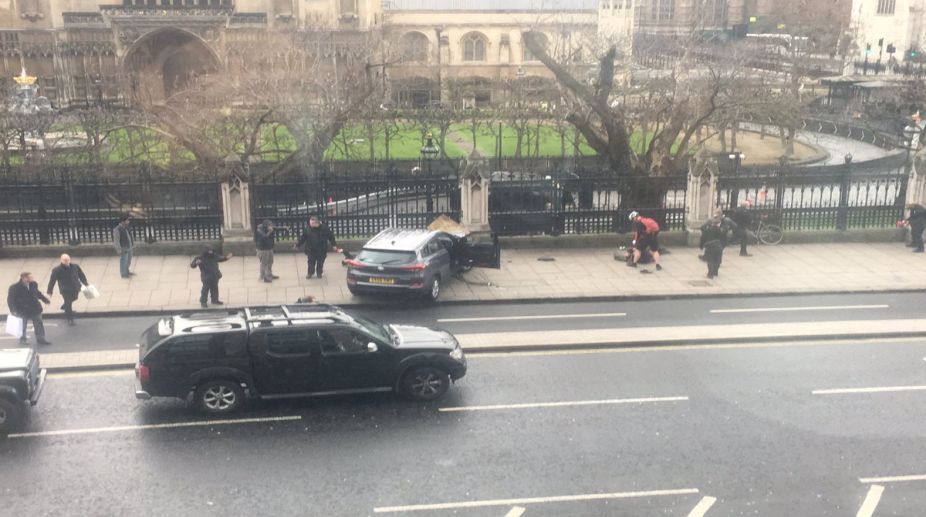
The symbolism is devastating. Wednesday’s carnage outside the Palace of Westminster was an attack on democracy in its cradle. The death of five persons, including an unarmed policeman and the assailant, is but a symptom of an enormous tragedy, recalling London’s 7/7 more than a decade ago. Prime Minister Theresa May has hit the bull’s eye with her succinct comment ~ “sick and depraved”, a searing condemnation that has summed up the hideous intent of the terrorist across the world. Yet the outlook must be frightful when one reflects that the current wave of global terrorism has now struck the heart of London. Mercifully, the attacker failed to enter Parliament; the consequence is too chilling to imagine if he had. The inbuilt and massive security around the Commons and the Lords was effective in protecting the rarefied assembly.

The tragedy deepens, however, with the death of innocents, as in Paris, Brussels, Tunis, and other parts of the world. This week is the anniversary of the ISIS outrage at Brussels airport, where 32 people were killed in a coordinated assault. Predictably, Parliament is under “lockdown”; yet it is testament to the resilience of British democracy that Ms May has expressed the hope that the renewed bedlam and butchery in London ~ if on a far lesser scale compared to 7/7 ~ will not undermine the country’s values. As yet, nothing is known of the attacker’s nationality, still less the motive save that it is another bout of calculated malevolence. The country is poised to step out of EU, but Europe shall remain the geographical expression that it is. This is the primary distinction that is yet to be sufficiently grasped. It must be accepted nonetheless that an outrage in any part of Europe is an attack on the Continent. This is the sinister thread between the killings in Berlin on Christmas eve and Wednesday’s mayhem in London. Both were assaults on Europe’s centres of power.

The horror by the Thames has roiled the nerve-centre of the democratic engagement, historical landmarks, and tourist attractions. London does have the resilience to recover soon enough, as it did after the carnage in the Underground. It is obvious that the attack on Westminster was timed on a crucial day of the week ~ a Wednesday, the day of the “Prime Minister’s questions” when her movements would be fairly well known. There will be questions in coming days about the identity of the assailant and his associates, if any. For now, however, the world must appreciate the professionalism with which the police countenanced the horrible and the brutal. Even as it braces for the possibility of lone, indoctrinated radicals dismantling, attack after attack, civilization as we know it.


Horror by the Thames

Editorial | New Delhi |

The symbolism is devastating. Wednesday’s carnage outside the Palace of Westminster was an attack on democracy in its cradle. The death of five persons, including an unarmed policeman and the assailant, is but a symptom of an enormous tragedy, recalling London’s 7/7 more than a decade ago. Prime Minister Theresa May has hit the bull’s eye with her succinct comment ~ “sick and depraved”, a searing condemnation that has summed up the hideous intent of the terrorist across the world. Yet the outlook must be frightful when one reflects that the current wave of global terrorism has now struck the heart of London. Mercifully, the attacker failed to enter Parliament; the consequence is too chilling to imagine if he had. The inbuilt and massive security around the Commons and the Lords was effective in protecting the rarefied assembly.

The tragedy deepens, however, with the death of innocents, as in Paris, Brussels, Tunis, and other parts of the world. This week is the anniversary of the ISIS outrage at Brussels airport, where 32 people were killed in a coordinated assault. Predictably, Parliament is under “lockdown”; yet it is testament to the resilience of British democracy that Ms May has expressed the hope that the renewed bedlam and butchery in London ~ if on a far lesser scale compared to 7/7 ~ will not undermine the country’s values. As yet, nothing is known of the attacker’s nationality, still less the motive save that it is another bout of calculated malevolence. The country is poised to step out of EU, but Europe shall remain the geographical expression that it is. This is the primary distinction that is yet to be sufficiently grasped. It must be accepted nonetheless that an outrage in any part of Europe is an attack on the Continent. This is the sinister thread between the killings in Berlin on Christmas eve and Wednesday’s mayhem in London. Both were assaults on Europe’s centres of power.

The horror by the Thames has roiled the nerve-centre of the democratic engagement, historical landmarks, and tourist attractions. London does have the resilience to recover soon enough, as it did after the carnage in the Underground. It is obvious that the attack on Westminster was timed on a crucial day of the week ~ a Wednesday, the day of the “Prime Minister’s questions” when her movements would be fairly well known. There will be questions in coming days about the identity of the assailant and his associates, if any. For now, however, the world must appreciate the professionalism with which the police countenanced the horrible and the brutal. Even as it braces for the possibility of lone, indoctrinated radicals dismantling, attack after attack, civilization as we know it.


Call to help farmers increase income levels

IANS | Hyderabad |

Union Minister of State for Science and Technology Y.S. Chowdary on Thursday called for finding ways and means to help farmers increase their income levels and reduce the cost of living.

He was speaking here at the inauguration of India's first "Rural Innovators Startup Conclave 2017" (RISC). 

The National Institute of Rural Development & Panchayati Raj (NIRDPR) is organising the two-day event to build capacities and promote fresh talent by giving them a platform to display their innovations.

The minister said that the NIRDPR could play a major role in capacity building and help farmers get educated in fundamental financial literacy and cost accountancy.

W.R. Reddy, Director General, NIRDPR, noted that this was the first of its kind platform to connect all institutes and agencies promoting innovation and start-up culture to look at the rural landscape.

"RISC will be an annual feature that can handhold and mentor the innovators and connect the startups with funding agencies. We believe rural development can be accelerated by infusion of technology tapping the creative minds of the youth across the country," he said.

The organisers pointed out that Indian start-ups were mostly IT-based and cater to urban services and that innovation and technology diffusion for rural development was the need of the hour.

"Other important stakeholders who act as support systems to rural innovators are still evolving. There is a need to develop and nurture mentors, angel investors, faculty, corporates, media so that they play a much more active role in contributing to the ecosystem."

On the second day of the conclave, the start-ups will received the awards in six areas — agriculture and allied, green energy technologies, drinking water, health and sanitation, waste to wealth, sustainable housing and other livelihoods.

Call to help farmers increase income levels

IANS | Hyderabad |

Union Minister of State for Science and Technology Y.S. Chowdary on Thursday called for finding ways and means to help farmers increase their income levels and reduce the cost of living.

He was speaking here at the inauguration of India's first "Rural Innovators Startup Conclave 2017" (RISC). 

The National Institute of Rural Development & Panchayati Raj (NIRDPR) is organising the two-day event to build capacities and promote fresh talent by giving them a platform to display their innovations.

The minister said that the NIRDPR could play a major role in capacity building and help farmers get educated in fundamental financial literacy and cost accountancy.

W.R. Reddy, Director General, NIRDPR, noted that this was the first of its kind platform to connect all institutes and agencies promoting innovation and start-up culture to look at the rural landscape.

"RISC will be an annual feature that can handhold and mentor the innovators and connect the startups with funding agencies. We believe rural development can be accelerated by infusion of technology tapping the creative minds of the youth across the country," he said.

The organisers pointed out that Indian start-ups were mostly IT-based and cater to urban services and that innovation and technology diffusion for rural development was the need of the hour.

"Other important stakeholders who act as support systems to rural innovators are still evolving. There is a need to develop and nurture mentors, angel investors, faculty, corporates, media so that they play a much more active role in contributing to the ecosystem."

On the second day of the conclave, the start-ups will received the awards in six areas — agriculture and allied, green energy technologies, drinking water, health and sanitation, waste to wealth, sustainable housing and other livelihoods.

Men more prone to infertility due to less sleep: Experts

IANS | New Delhi |

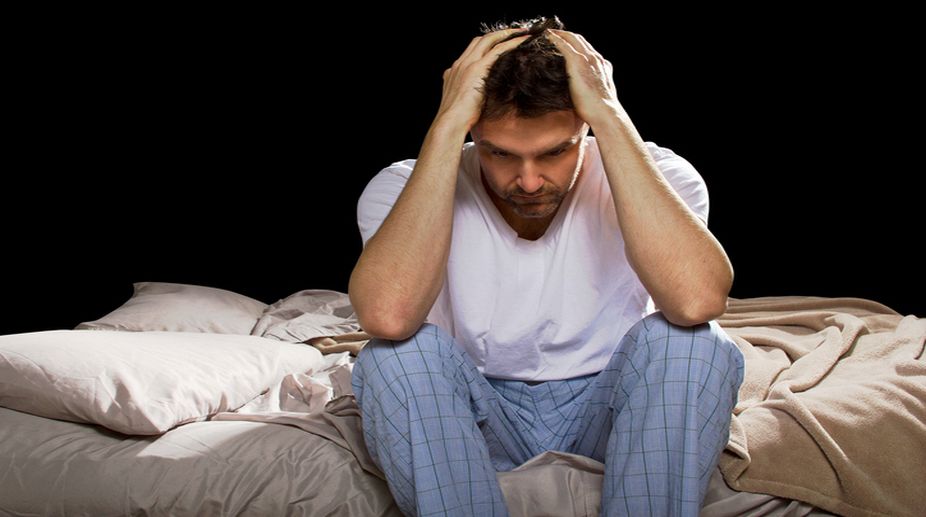
Men are more likely to have infertility with less sleep than women, said IVF experts on Thursday.

According to them, sleep seems to have an impact on male fertility and snoring may be the first sign. 

"Studies show that men, who have disturbed sleep may have sperm counts equal to only 70 per cent, compared to those who sleep normal, and are less likely to impregnate their partner," said Sagarika Agarwal, IVF Expert at city-based Indira IVF Hospital.

Stating that testosterone is a male hormone that is crucial for reproduction, Agarwal said that majority of daily testosterone release in men occurs during sleep. 

"Total sleep time, thus, has been positively linked with testosterone levels. As per studies, those who suffered disturbed sleep with less than six hours a night also had lower sperm quality. Poor sleep interferes with the body's ability to produce sperm," said Agarwal.

Shivani Rai from the Gynaecology Department of the city-based Ram Manohar Lohia Hospital said that male infertility is usually caused by problems that affect either sperm production or sperm transport.

"Poor sleep for more than three weeks may cause lower sperm count, deformity in shape and decreased ability to move ahead. Either low numbers of sperm are made or the sperm that are made do not work properly," said Rai.

Apart from lower sperm count, Rai also said that poor sleep duration could also contribute to an unhealthy lifestyle, decreased libido and a decrease in sex.

Appropriate sleep hours of at least seven to nine hours helps optimise men's fertility and their chances of contributing to a pregnancy.

According to Vipin Chandra, another city-based Consultant of Gynaecologist, sperm transport problems are found in 30 per cent of the males. 

"Blockages (often referred to as obstructions) in the tubes that take sperms away from the testes to the penis can cause a complete lack of sperm in the ejaculated semen. A sedentary lifestyle contributes to it."

Men more prone to infertility due to less sleep: Experts

IANS | New Delhi |

Men are more likely to have infertility with less sleep than women, said IVF experts on Thursday.

According to them, sleep seems to have an impact on male fertility and snoring may be the first sign. 

"Studies show that men, who have disturbed sleep may have sperm counts equal to only 70 per cent, compared to those who sleep normal, and are less likely to impregnate their partner," said Sagarika Agarwal, IVF Expert at city-based Indira IVF Hospital.

Stating that testosterone is a male hormone that is crucial for reproduction, Agarwal said that majority of daily testosterone release in men occurs during sleep. 

"Total sleep time, thus, has been positively linked with testosterone levels. As per studies, those who suffered disturbed sleep with less than six hours a night also had lower sperm quality. Poor sleep interferes with the body's ability to produce sperm," said Agarwal.

Shivani Rai from the Gynaecology Department of the city-based Ram Manohar Lohia Hospital said that male infertility is usually caused by problems that affect either sperm production or sperm transport.

"Poor sleep for more than three weeks may cause lower sperm count, deformity in shape and decreased ability to move ahead. Either low numbers of sperm are made or the sperm that are made do not work properly," said Rai.

Apart from lower sperm count, Rai also said that poor sleep duration could also contribute to an unhealthy lifestyle, decreased libido and a decrease in sex.

Appropriate sleep hours of at least seven to nine hours helps optimise men's fertility and their chances of contributing to a pregnancy.

According to Vipin Chandra, another city-based Consultant of Gynaecologist, sperm transport problems are found in 30 per cent of the males. 

"Blockages (often referred to as obstructions) in the tubes that take sperms away from the testes to the penis can cause a complete lack of sperm in the ejaculated semen. A sedentary lifestyle contributes to it."

Govt rejects EVMs’ tampering charge, Opp stages walkout

Statesman News Service | New Delhi |

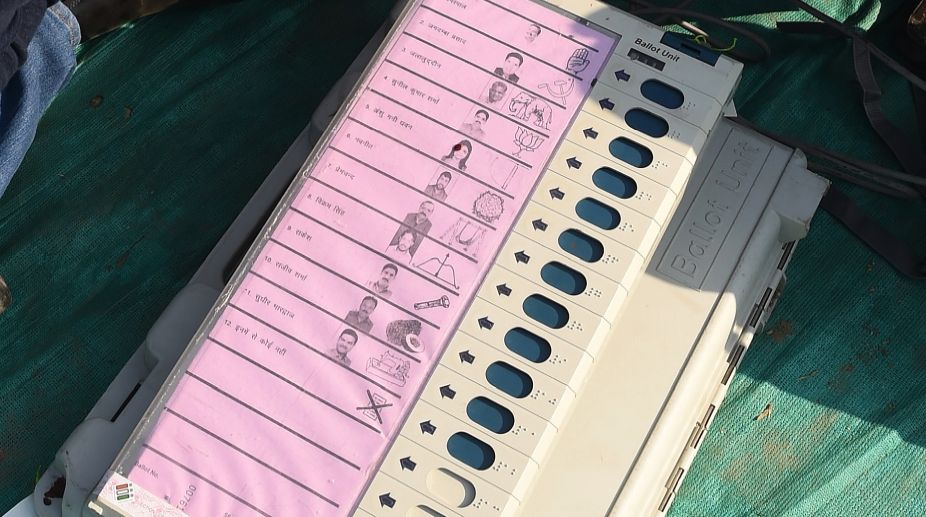
Opposition parties led by the Congress today staged walk-outs in the Rajya Sabha at the close of the debate on electoral reforms, expressing dissatisfaction with the law minister Ravi Shankar Prasad’s reply on electronic voting machines' (EVMs) reliability in elections. 

The Congress, Bahujan Samaj Party, Samajwadi Party, and Janata Dal-U members walked out complaining that the minister had not satisfactorily answered why voter-verified paper audit trail (VVPAT) machines for use with the EVMs were not procured in time for the recent assembly elections. 

The law minister cited instances where the Opposition parties had won in elections held with the EVMs, maintaining that there were no complaints then. The Congress had won the recent Punjab election where EVMs were used, but the party had not doubted the reliability of the machines there. 

Similarly, Mr Prasad recalled, there were several elections where the other Opposition parties like the CPI-M, SP, BSP or JD-U had won, and there were no complaints. Mr Prasad asked the JD-U leader about his party’s victory in Bihar and whether he had any doubts about its fairness. He said the BJP had lost in Delhi in the last poll but the party did not question the use of the EVMs. 

"If BJP loses, the EVMs are OK, but if it wins, they are wrong," Mr Prasad said asking how could this logic be accepted. 

The Leader of the Opposition Ghulam Nabi Azad said his party Congress was ready to give up Punjab, but would the BJP be ready to give up Uttar Pradesh. 

The law minister said people in UP had voted for development and they believed that the BJP could deliver it. The Opposition was refusing to accept its defeat and was unnecessarily raising the issue of EVMs reliability, he said. 

Mr Prasad also pointed out that the EVMs, introduced after several expert groups' recommendations and technical approval, had several advantages including that they ensured there would be no invalid votes. There were many occasions when the victory margin of candidates in Lok Sabha was less than the votes declared invalid, he said quoting figures. The EVMs’ use did not allow booth capturing. Only five votes could be cast through EVMs in one minute. 

The law minister said the EVMs were manufactured by public sector undertakings, BEL 

and ECIL. The Opposition should be proud if India had evolved the use of these sophisticated machines, he said, and not complain that they were not used by other countries. 

He said the expenditure incurred by political parties on occasions like visits by the Prime Ministers 

could not be added to the candidates’ poll expenditure. In such a situation, no candidate would like the national leaders of his party to campaign for him. 

He said 35,000 paper trail machines had arrived and another 30,000 would be available soon. The Opposition said at this rate of supplies, it could take over a century-and-half to receive the paper trail machines for all the 16 lakh EVMs in the country, which in any case are supposed to have a lifespan of just 10 years each. 

Govt rejects EVMs’ tampering charge, Opp stages walkout

Statesman News Service | New Delhi |

Opposition parties led by the Congress today staged walk-outs in the Rajya Sabha at the close of the debate on electoral reforms, expressing dissatisfaction with the law minister Ravi Shankar Prasad’s reply on electronic voting machines' (EVMs) reliability in elections. 

The Congress, Bahujan Samaj Party, Samajwadi Party, and Janata Dal-U members walked out complaining that the minister had not satisfactorily answered why voter-verified paper audit trail (VVPAT) machines for use with the EVMs were not procured in time for the recent assembly elections. 

The law minister cited instances where the Opposition parties had won in elections held with the EVMs, maintaining that there were no complaints then. The Congress had won the recent Punjab election where EVMs were used, but the party had not doubted the reliability of the machines there. 

Similarly, Mr Prasad recalled, there were several elections where the other Opposition parties like the CPI-M, SP, BSP or JD-U had won, and there were no complaints. Mr Prasad asked the JD-U leader about his party’s victory in Bihar and whether he had any doubts about its fairness. He said the BJP had lost in Delhi in the last poll but the party did not question the use of the EVMs. 

"If BJP loses, the EVMs are OK, but if it wins, they are wrong," Mr Prasad said asking how could this logic be accepted. 

The Leader of the Opposition Ghulam Nabi Azad said his party Congress was ready to give up Punjab, but would the BJP be ready to give up Uttar Pradesh. 

The law minister said people in UP had voted for development and they believed that the BJP could deliver it. The Opposition was refusing to accept its defeat and was unnecessarily raising the issue of EVMs reliability, he said. 

Mr Prasad also pointed out that the EVMs, introduced after several expert groups' recommendations and technical approval, had several advantages including that they ensured there would be no invalid votes. There were many occasions when the victory margin of candidates in Lok Sabha was less than the votes declared invalid, he said quoting figures. The EVMs’ use did not allow booth capturing. Only five votes could be cast through EVMs in one minute. 

The law minister said the EVMs were manufactured by public sector undertakings, BEL 

and ECIL. The Opposition should be proud if India had evolved the use of these sophisticated machines, he said, and not complain that they were not used by other countries. 

He said the expenditure incurred by political parties on occasions like visits by the Prime Ministers 

could not be added to the candidates’ poll expenditure. In such a situation, no candidate would like the national leaders of his party to campaign for him. 

He said 35,000 paper trail machines had arrived and another 30,000 would be available soon. The Opposition said at this rate of supplies, it could take over a century-and-half to receive the paper trail machines for all the 16 lakh EVMs in the country, which in any case are supposed to have a lifespan of just 10 years each. 

180 mn Indians watching YouTube on mobile phones alone

IANS | Mumbai |

With nearly 300 millions smartphone users in the country as better connectivity and affordable data plans come to the fore, YouTube on Thursday said it has now reached 180 million Indians on mobile phones alone.

In the last one year, YouTube consumption on mobiles has grown from 55 percent to reach 80 percent and watch time growth on mobile is growing at 400 per cent year on year, YouTube said during its fourth 'YouTube Fanfesta' here.

"We're seeing more hunger for YouTube content across all genres. In 2016, we saw over 500 creators across India get over 100k subscribers," said David Powell, Director of Online Partnerships and Development, YouTube, APAC. 

This meteoric rise of content creators across the country is at the heart of YouTube's popularity in India, and we are significantly ramping up our efforts to make India one of the most vibrant and successful content creator communities in Asia, he added. 

"We will ramp up our efforts in creator community events across the country with a big focus on the south of India, and will continue to put the spotlight on creators as with our recent #SeeSomethingNew campaign," Powell added.

Talking about its explosive growth in India, YouTube highlighted that 2016 was the year of online creators in India with 14 creators hitting 1 million subscribers every month. 

With more Indians coming online in tier 2 cities, YouTube is seeing huge appetite for fresh and new content in India propelling online creators to hit new milestones in India, the company stressed.

180 mn Indians watching YouTube on mobile phones alone

IANS | Mumbai |

With nearly 300 millions smartphone users in the country as better connectivity and affordable data plans come to the fore, YouTube on Thursday said it has now reached 180 million Indians on mobile phones alone.

In the last one year, YouTube consumption on mobiles has grown from 55 percent to reach 80 percent and watch time growth on mobile is growing at 400 per cent year on year, YouTube said during its fourth 'YouTube Fanfesta' here.

"We're seeing more hunger for YouTube content across all genres. In 2016, we saw over 500 creators across India get over 100k subscribers," said David Powell, Director of Online Partnerships and Development, YouTube, APAC. 

This meteoric rise of content creators across the country is at the heart of YouTube's popularity in India, and we are significantly ramping up our efforts to make India one of the most vibrant and successful content creator communities in Asia, he added. 

"We will ramp up our efforts in creator community events across the country with a big focus on the south of India, and will continue to put the spotlight on creators as with our recent #SeeSomethingNew campaign," Powell added.

Talking about its explosive growth in India, YouTube highlighted that 2016 was the year of online creators in India with 14 creators hitting 1 million subscribers every month. 

With more Indians coming online in tier 2 cities, YouTube is seeing huge appetite for fresh and new content in India propelling online creators to hit new milestones in India, the company stressed.

New taxi app to provide roadside pickup

IANS | New Delhi |

People in Delhi and some other cities will now have a wider choice of taxis with the launch of a new app that also provides roadside pickup, and commission-free registration and enrolment to cab drivers.

The app was launched on Thursday across seven cities, including Delhi, Ghaziabad, Gurugram, Mumbai, Pune, Chennai and Bengaluru.

The app 'Baxi', which has been joined by some of the taxi drivers who had stuck work last month over financial issues related to major taxi aggregators, offers fixed pricing — which means no surge pricing.

"The base fare for cabs would be Rs 50, beyond which Rs 9 per km and Rs 1 per minute of waiting charge shall be charged. It would not have any surge charges," Vinayak Sawant, the city head of Baxi in Mumbai, told IANS.

Sawant said that Baxi had received about 800 applications from cabbies across Mumbai, Delhi, Gurgaon and Noida till a day before the app was launched.

"We have launched Baxi app for cabs across NCR and Mumbai, which is a free app, with tie up with taxi unions. This was to support the disheartened drivers who had gone on strike," Sawant told IANS.

Praful Shinde from the Mumbai Taxi Union said that they had to take this step as the existing taxi aggregators were not providing the business they promised.

"They initially promised good business but slowly after capturing market, they rolled out their own cabs and began diverting the business… There are over 7,000 cabbies in Mumbai, who have decided to shift to the new platform," Shinde told IANS.

According to him, the app also offers roadside pickup, which means that a person can hire a cab without a phone. "Many people do not want to share their phone number while booking cabs."

Referring to the competition from leading taxi aggregators, who offer rides at lesser rates, the taxi union leader said that they were counting on more drivers to shift to the new app.

"During surge pricing, I remember being charged Rs 6,200 after an IPL match from Wankhede stadium to Thane. In the new app, there will be no surge pricing. We are counting on such features," Shinde said.

New taxi app to provide roadside pickup

IANS | New Delhi |

People in Delhi and some other cities will now have a wider choice of taxis with the launch of a new app that also provides roadside pickup, and commission-free registration and enrolment to cab drivers.

The app was launched on Thursday across seven cities, including Delhi, Ghaziabad, Gurugram, Mumbai, Pune, Chennai and Bengaluru.

The app 'Baxi', which has been joined by some of the taxi drivers who had stuck work last month over financial issues related to major taxi aggregators, offers fixed pricing — which means no surge pricing.

"The base fare for cabs would be Rs 50, beyond which Rs 9 per km and Rs 1 per minute of waiting charge shall be charged. It would not have any surge charges," Vinayak Sawant, the city head of Baxi in Mumbai, told IANS.

Sawant said that Baxi had received about 800 applications from cabbies across Mumbai, Delhi, Gurgaon and Noida till a day before the app was launched.

"We have launched Baxi app for cabs across NCR and Mumbai, which is a free app, with tie up with taxi unions. This was to support the disheartened drivers who had gone on strike," Sawant told IANS.

Praful Shinde from the Mumbai Taxi Union said that they had to take this step as the existing taxi aggregators were not providing the business they promised.

"They initially promised good business but slowly after capturing market, they rolled out their own cabs and began diverting the business… There are over 7,000 cabbies in Mumbai, who have decided to shift to the new platform," Shinde told IANS.

According to him, the app also offers roadside pickup, which means that a person can hire a cab without a phone. "Many people do not want to share their phone number while booking cabs."

Referring to the competition from leading taxi aggregators, who offer rides at lesser rates, the taxi union leader said that they were counting on more drivers to shift to the new app.

"During surge pricing, I remember being charged Rs 6,200 after an IPL match from Wankhede stadium to Thane. In the new app, there will be no surge pricing. We are counting on such features," Shinde said.

Bangladesh to join India’s South Asia Satellite initiative

IANS | Dhaka |

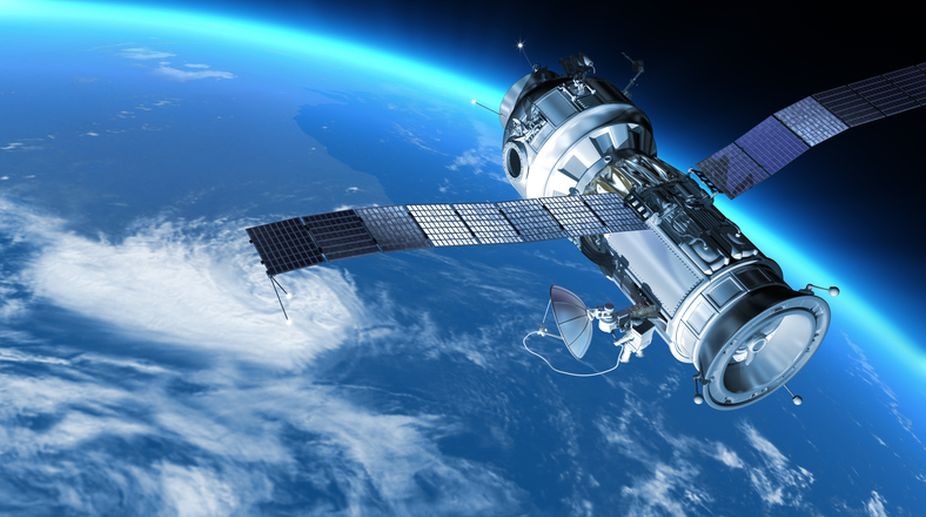
Bangladesh has signed an agreement with India to formally join New Delhi's 'South Asia Satellite' initiative, through which the Indian Space Research Organization (ISRO) will launch a communication satellite for serving the South Asia region.

The agreement was inked by Bangladesh Telecommunication Regulatory Commission (BTRC) Chairman Shahjahan Mahmood and Indian High Commissioner Harsh Vardhan Shringla on Thursday, bdnews24 reported.

The High Commission said Bangladesh has now formally agreed to join the ‘South Asia Satellite', an initiative of the Indian government.

India, through ISRO, will launch a 2 ton class communication satellite with 12 Ku band transponders (36 Mhz each) using ISRO's Geosynchronous Satellite Launch Vehicle (GSLV Mk-II) for serving the South Asia region.

The applications proposed under the satellite system include tele-education, tele-medicine and inter-government networks, emergency communication for disaster situations, television broadcast and DTH television services.

There is a potential for each participating country to use a dedicated transponder with capacity of 36 to 54 Mhz for its own internal use. Each country would be responsible for content generation and its use, the High Commission said in a statement.

All South Asian countries, except Pakistan, will be part of this unique project binding the region in "a cooperative and collaborative endeavor for the benefit of the people of the participating countries".

Prime Minister Narendra Modi earlier announced the launching of the satellite during the 2014 SAARC Summit in Kathmandu as a "gift to India's neighbours".

"This satellite is a reflection of India's commitment to the development of the South Asian region and an expression to share its expertise and technology for the benefit of the region," the High Commission said.

The inking of the agreement comes ahead of Prime Minister Sheikh Hasina's visit to India next month.

Bangladesh to join India’s South Asia Satellite initiative

IANS | Dhaka |

Bangladesh has signed an agreement with India to formally join New Delhi's 'South Asia Satellite' initiative, through which the Indian Space Research Organization (ISRO) will launch a communication satellite for serving the South Asia region.

The agreement was inked by Bangladesh Telecommunication Regulatory Commission (BTRC) Chairman Shahjahan Mahmood and Indian High Commissioner Harsh Vardhan Shringla on Thursday, bdnews24 reported.

The High Commission said Bangladesh has now formally agreed to join the ‘South Asia Satellite', an initiative of the Indian government.

India, through ISRO, will launch a 2 ton class communication satellite with 12 Ku band transponders (36 Mhz each) using ISRO's Geosynchronous Satellite Launch Vehicle (GSLV Mk-II) for serving the South Asia region.

The applications proposed under the satellite system include tele-education, tele-medicine and inter-government networks, emergency communication for disaster situations, television broadcast and DTH television services.

There is a potential for each participating country to use a dedicated transponder with capacity of 36 to 54 Mhz for its own internal use. Each country would be responsible for content generation and its use, the High Commission said in a statement.

All South Asian countries, except Pakistan, will be part of this unique project binding the region in "a cooperative and collaborative endeavor for the benefit of the people of the participating countries".

Prime Minister Narendra Modi earlier announced the launching of the satellite during the 2014 SAARC Summit in Kathmandu as a "gift to India's neighbours".

"This satellite is a reflection of India's commitment to the development of the South Asian region and an expression to share its expertise and technology for the benefit of the region," the High Commission said.

The inking of the agreement comes ahead of Prime Minister Sheikh Hasina's visit to India next month.