Logo

Bangladesh to join India’s South Asia Satellite initiative

IANS | Dhaka |

Bangladesh has signed an agreement with India to formally join New Delhi's 'South Asia Satellite' initiative, through which the Indian Space Research Organization (ISRO) will launch a communication satellite for serving the South Asia region.

The agreement was inked by Bangladesh Telecommunication Regulatory Commission (BTRC) Chairman Shahjahan Mahmood and Indian High Commissioner Harsh Vardhan Shringla on Thursday, bdnews24 reported.

The High Commission said Bangladesh has now formally agreed to join the ‘South Asia Satellite', an initiative of the Indian government.

India, through ISRO, will launch a 2 ton class communication satellite with 12 Ku band transponders (36 Mhz each) using ISRO's Geosynchronous Satellite Launch Vehicle (GSLV Mk-II) for serving the South Asia region.

The applications proposed under the satellite system include tele-education, tele-medicine and inter-government networks, emergency communication for disaster situations, television broadcast and DTH television services.

There is a potential for each participating country to use a dedicated transponder with capacity of 36 to 54 Mhz for its own internal use. Each country would be responsible for content generation and its use, the High Commission said in a statement.

All South Asian countries, except Pakistan, will be part of this unique project binding the region in "a cooperative and collaborative endeavor for the benefit of the people of the participating countries".

Prime Minister Narendra Modi earlier announced the launching of the satellite during the 2014 SAARC Summit in Kathmandu as a "gift to India's neighbours".

"This satellite is a reflection of India's commitment to the development of the South Asian region and an expression to share its expertise and technology for the benefit of the region," the High Commission said.

The inking of the agreement comes ahead of Prime Minister Sheikh Hasina's visit to India next month.

Bangladesh to join India’s South Asia Satellite initiative

IANS | Dhaka |

Bangladesh has signed an agreement with India to formally join New Delhi's 'South Asia Satellite' initiative, through which the Indian Space Research Organization (ISRO) will launch a communication satellite for serving the South Asia region.

The agreement was inked by Bangladesh Telecommunication Regulatory Commission (BTRC) Chairman Shahjahan Mahmood and Indian High Commissioner Harsh Vardhan Shringla on Thursday, bdnews24 reported.

The High Commission said Bangladesh has now formally agreed to join the ‘South Asia Satellite', an initiative of the Indian government.

India, through ISRO, will launch a 2 ton class communication satellite with 12 Ku band transponders (36 Mhz each) using ISRO's Geosynchronous Satellite Launch Vehicle (GSLV Mk-II) for serving the South Asia region.

The applications proposed under the satellite system include tele-education, tele-medicine and inter-government networks, emergency communication for disaster situations, television broadcast and DTH television services.

There is a potential for each participating country to use a dedicated transponder with capacity of 36 to 54 Mhz for its own internal use. Each country would be responsible for content generation and its use, the High Commission said in a statement.

All South Asian countries, except Pakistan, will be part of this unique project binding the region in "a cooperative and collaborative endeavor for the benefit of the people of the participating countries".

Prime Minister Narendra Modi earlier announced the launching of the satellite during the 2014 SAARC Summit in Kathmandu as a "gift to India's neighbours".

"This satellite is a reflection of India's commitment to the development of the South Asian region and an expression to share its expertise and technology for the benefit of the region," the High Commission said.

The inking of the agreement comes ahead of Prime Minister Sheikh Hasina's visit to India next month.
Resident doctors in Delhi go on strike, 800 surgeries postponed

IANS | New Delhi |

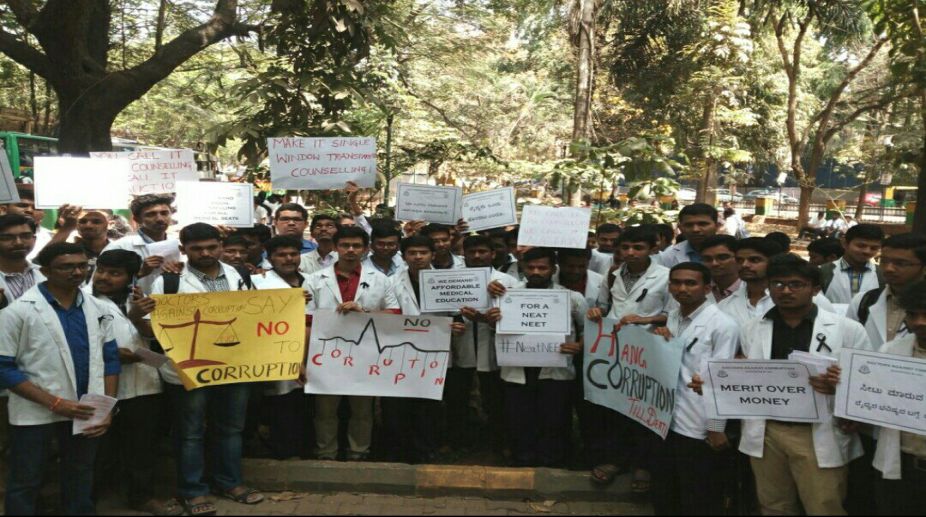
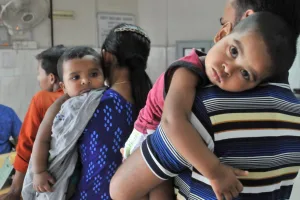
Over 20,000 resident doctors in the national capital on Thursday went on mass casual leave in solidarity with their Maharashtra counterparts, leading to postponement of over 800 surgeries across Delhi government and civic body-run hospitals, and also left thousands of patients in the lurch with OPD functions hit.

Resident doctors in Delhi went on mass casual leave in solidarity with a similar move by their Maharashtra counterparts over rising cases of assault on doctors by patients' kin.

According to hospital staff, due to resident doctors remaining absent from their duties the OPD registration counters were shut in several government hospitals after 10 a.m., instead of the usual time 1 p.m., compelling patients to return. 

"At Lady Hardinge Medical College (LHMC) the OPD card counters were shut immediately after the resident doctors went off their duties as part of mass casual leave. Many patients had no idea initially and kept standing in the queue," said Sanjana Rawat, a nurse at LHMC.

There are 38 hospitals under the Delhi government. Resident doctors in hospitals under the central government, except the All India Institute of Medical Sciences, were also part of the protest. 

Delhi government hospitals every day witness nearly 1,600 pre-scheduled surgeries and over 200 emergency ones.

Patients in several other government hospitals such as Lal Bahadur Sastri Hospital, Dadadev Mother and Child Hospital and G.B. Pant were affected as only the emergency departments were functional and even the normal medicine OPD remained partially operational.

"Nearly 60 per cent of patients at Dadadev Mother and Child hospital could not get doctors consultation or treatment due to the protest. However, the emergency cases were somehow treated as resident doctors having duty in emergency department were not part of the protest," said Nirupam Ghosh, associated with the administration wing of Dadadev Mother and Child hospital. 

Federation of Resident Doctors Association (FORDA) — under whose banner the protest was being held in Delhi — said of the 5,400 OPD cards registered in Delhi government hospitals on Thursday only 25 per cent of patients could consult doctors. 

The resident doctors have also threatened to go on a pan India strike soon if the government fails to ensure them a safe atmosphere to perform their duties. 

"This mass casual leave was just an indication of what we can do to ensure our safety. If the health ministry does not take necessary steps to stop assault on doctors we will go on pan India strike," said Pankaj Solanki, President FORDA, told IANS.

Several private hospitals also came out in support of the protest by resident doctors.

Sir Ganga Ram Hospital Chairman D.S Rana said that in solidarity with the "concerns of safety of doctors" the general and private OPDs of the hospital will not function on Friday. The inpatient as well as emergency services will function normally.

City-based Fortis condemned the rising cases of assault on doctors, but added the hospital will continue to function normally.

"A safe and secure work environment is the basic requirement for care givers to provide best possible medical care to patients. We at Fortis Healthcare are firmly committed to our patients, and our medical services remain unhampered as our doctors continue to serve the community, as always," a statement said.

As part of the protest, resident doctors have also decided to sport black arm bands on March 24 during work.

Resident doctors in Delhi go on strike, 800 surgeries postponed

IANS | New Delhi |

Over 20,000 resident doctors in the national capital on Thursday went on mass casual leave in solidarity with their Maharashtra counterparts, leading to postponement of over 800 surgeries across Delhi government and civic body-run hospitals, and also left thousands of patients in the lurch with OPD functions hit.

Resident doctors in Delhi went on mass casual leave in solidarity with a similar move by their Maharashtra counterparts over rising cases of assault on doctors by patients' kin.

According to hospital staff, due to resident doctors remaining absent from their duties the OPD registration counters were shut in several government hospitals after 10 a.m., instead of the usual time 1 p.m., compelling patients to return. 

"At Lady Hardinge Medical College (LHMC) the OPD card counters were shut immediately after the resident doctors went off their duties as part of mass casual leave. Many patients had no idea initially and kept standing in the queue," said Sanjana Rawat, a nurse at LHMC.

There are 38 hospitals under the Delhi government. Resident doctors in hospitals under the central government, except the All India Institute of Medical Sciences, were also part of the protest. 

Delhi government hospitals every day witness nearly 1,600 pre-scheduled surgeries and over 200 emergency ones.

Patients in several other government hospitals such as Lal Bahadur Sastri Hospital, Dadadev Mother and Child Hospital and G.B. Pant were affected as only the emergency departments were functional and even the normal medicine OPD remained partially operational.

"Nearly 60 per cent of patients at Dadadev Mother and Child hospital could not get doctors consultation or treatment due to the protest. However, the emergency cases were somehow treated as resident doctors having duty in emergency department were not part of the protest," said Nirupam Ghosh, associated with the administration wing of Dadadev Mother and Child hospital. 

Federation of Resident Doctors Association (FORDA) — under whose banner the protest was being held in Delhi — said of the 5,400 OPD cards registered in Delhi government hospitals on Thursday only 25 per cent of patients could consult doctors. 

The resident doctors have also threatened to go on a pan India strike soon if the government fails to ensure them a safe atmosphere to perform their duties. 

"This mass casual leave was just an indication of what we can do to ensure our safety. If the health ministry does not take necessary steps to stop assault on doctors we will go on pan India strike," said Pankaj Solanki, President FORDA, told IANS.

Several private hospitals also came out in support of the protest by resident doctors.

Sir Ganga Ram Hospital Chairman D.S Rana said that in solidarity with the "concerns of safety of doctors" the general and private OPDs of the hospital will not function on Friday. The inpatient as well as emergency services will function normally.

City-based Fortis condemned the rising cases of assault on doctors, but added the hospital will continue to function normally.

"A safe and secure work environment is the basic requirement for care givers to provide best possible medical care to patients. We at Fortis Healthcare are firmly committed to our patients, and our medical services remain unhampered as our doctors continue to serve the community, as always," a statement said.

As part of the protest, resident doctors have also decided to sport black arm bands on March 24 during work.

NABARD launches Water Conservation campaign

Statesman News Service | New Delhi |

NABARD announced to launch a major Water Campaign during the current year, covering around 1,00,000 villages in vulnerable/water stressed areas and more specifically where the ground water is over exploited.

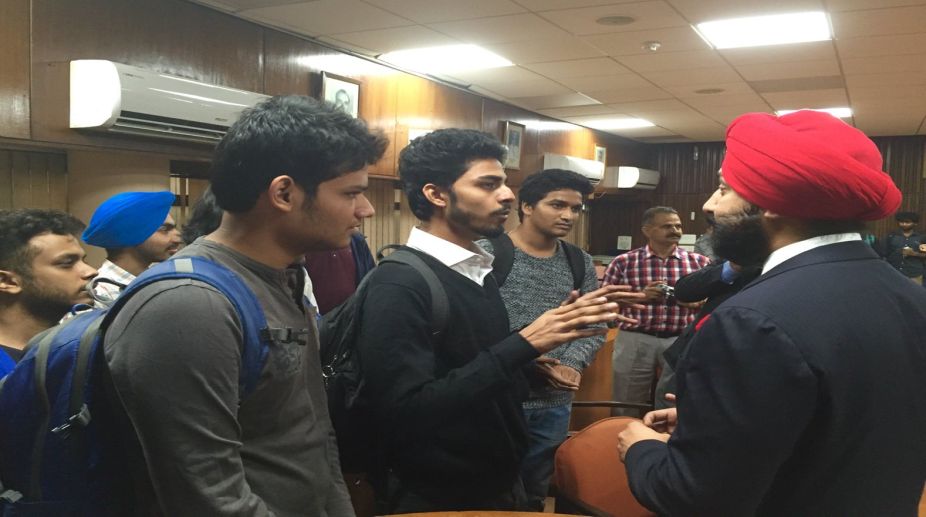
NABARD Manager and Public Relations Officer Manavpreet Singh said the decision comes on the heels of a similar campaign undertaken last year which covered some 40,000 villages and received encouraging response at the field level.

“Since NABARD has been implementing a large number of watershed development projects in various states and the rural communities in these areas would sensitised on important local key technologies for efficient conservation and management of water resources,” he said.

Manavpreet said the campaign would essentially focus on creating awareness among the rural community about the methods of water conservation, preservation and its efficient utilisation at various levels. The use of modern technologies like micro irrigation (more crop per drop), traditional water management practices, adopting improved package of agronomic practices, etc would also be shared with them.

He said as a part of the campaign, area specific contents covering different water management practices applicable to local conditions for various agro climatic regions, with emphasis on community participation, is being developed.

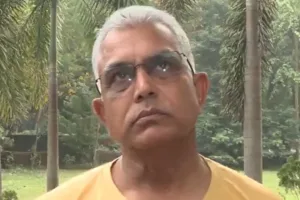
“Besides this, NABARD proposes to identify Village Volunteers (Jal Doots) for a localized and more effective approach. These volunteers will increase awareness about various methods of rain water harvesting, efficient water use, recharging groundwater and integrated farming systems besides facilitating creation of water conservation structures and adoption of water efficient practices/technologies,” he said.

He said such initiatives would be linked with ongoing schemes of the government. Involvement of bank branches, government departments, extension agencies and other stakeholders during the campaign process is expected to give impetus to this initiative.

NABARD launches Water Conservation campaign

Statesman News Service | New Delhi |

NABARD announced to launch a major Water Campaign during the current year, covering around 1,00,000 villages in vulnerable/water stressed areas and more specifically where the ground water is over exploited.

NABARD Manager and Public Relations Officer Manavpreet Singh said the decision comes on the heels of a similar campaign undertaken last year which covered some 40,000 villages and received encouraging response at the field level.

“Since NABARD has been implementing a large number of watershed development projects in various states and the rural communities in these areas would sensitised on important local key technologies for efficient conservation and management of water resources,” he said.

Manavpreet said the campaign would essentially focus on creating awareness among the rural community about the methods of water conservation, preservation and its efficient utilisation at various levels. The use of modern technologies like micro irrigation (more crop per drop), traditional water management practices, adopting improved package of agronomic practices, etc would also be shared with them.

He said as a part of the campaign, area specific contents covering different water management practices applicable to local conditions for various agro climatic regions, with emphasis on community participation, is being developed.

“Besides this, NABARD proposes to identify Village Volunteers (Jal Doots) for a localized and more effective approach. These volunteers will increase awareness about various methods of rain water harvesting, efficient water use, recharging groundwater and integrated farming systems besides facilitating creation of water conservation structures and adoption of water efficient practices/technologies,” he said.

He said such initiatives would be linked with ongoing schemes of the government. Involvement of bank branches, government departments, extension agencies and other stakeholders during the campaign process is expected to give impetus to this initiative.

Scotland Yard identifies London terror attacker

IANS | London |

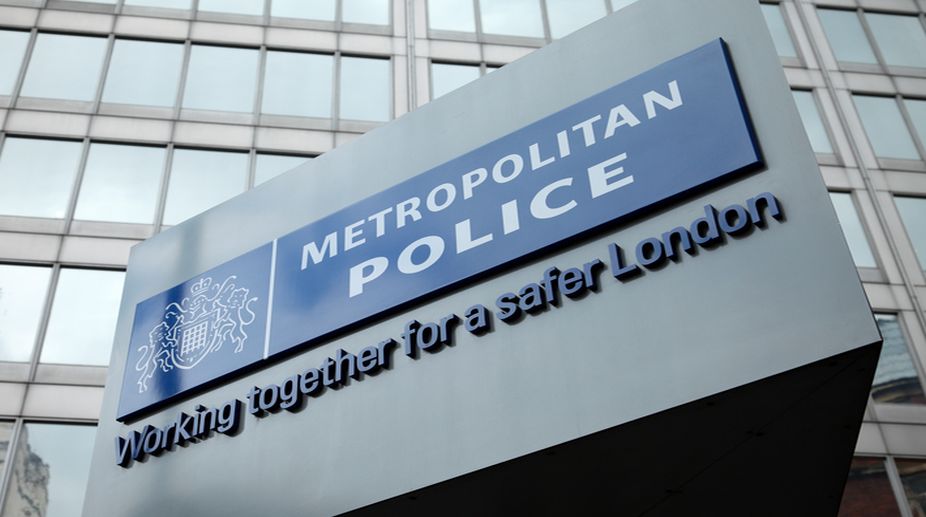
Scotland Yard on Thursday formally identified the London terror attacker as 52-year-old Khalid Masood, who was known to police, the BBC reported.

Masood was born in Kent and detectives believe he was most recently living in the West Midlands. 

Masood was not the subject of any current investigations and there was no prior intelligence about his intent to mount a terrorist attack, police say, according to BBC.

However, he was known to the police and had a range of previous convictions for assaults, including GBH, possession of offensive weapons and public order offences.

He has not been convicted of any terrorism offences. 

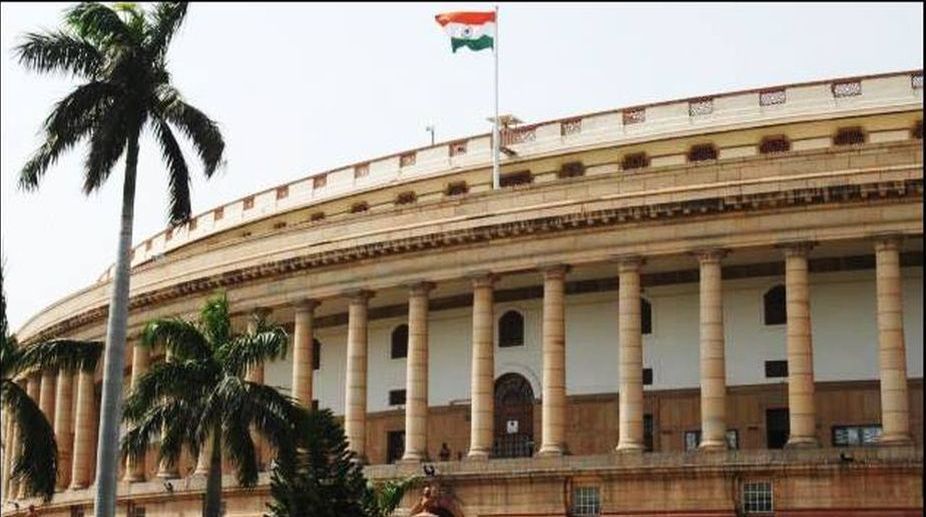
Three people were killed in London on Wednesday after an attacker mowed down pedestrians on Westminster Bridge and hacked at police with knives in the grounds of the Houses of Parliament.

At least 40 people were injured.

Note ban ‘shock’ needed for economy: Jaitley

Statesman News Service | New Delhi |

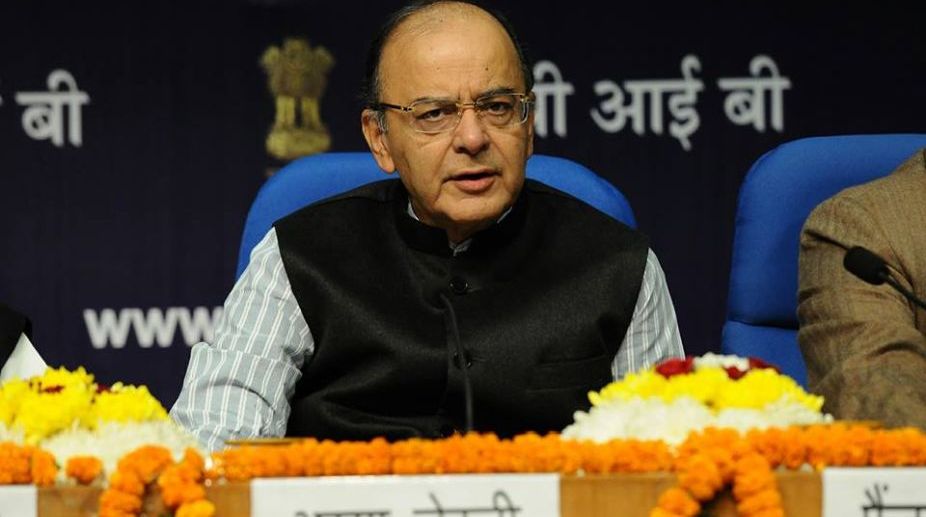
Demonetisation was a “shock” necessarily required for the Indian economy which was largely non-tax compliant, and it had proved politically correct also, Finance Minister Arun Jaitley today said in the Rajya Sabha, replying to the debate on the General Budget and the two Appropriation Bills for 2016-17 and 2017-18.

The Appropriation Bills, already passed by the Lok Sabha, were returned to the Lower House. The Rajya Sabha will discuss the Finance Bill, 2017, passed by the Lok Sabha with amendments, next week.

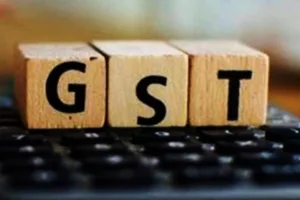
Mr Jaitley said the Goods and Services Tax (GST) Council had finalised five follow-up Bills on the GST Act with State Governments through consensus, and the Council had decided to roll out the new unified tax from 1 July, although the legal deadline was 15 September next.

The Finance Minister said the non-compliance of taxation laws was not a problem just for the Centre, the States were equally affected. The country had cash circulation amounting to 12.2 per cent of its GDP and 86 per cent of it was in high denomination currency. Crime might continue even after demonetisation, as stated by the Congress Party,
but must cash remain a facilitator for that, Mr Jaitley asked.

“Must we keep adding to the cash flow when alternative methods were available,” he said. Mr Jaitley said the total direct and indirect tax collections of the government were going up from Rs 16.25 lakh crore to Rs 17 crore, equally contributed by the two forms of taxation. The taxes helped in programmes for the poor, Defence and rural India
requirements, he said. There were fears that trade had suffered but how were then the revenue targets already exceeded. The VAT collections were up in all States, except two, he said. Unaccounted money had come into banks.

Only 76 lakh persons paid income tax, 61 lakh of whom were salaried persons, he pointed out, adding that doctors, lawyers and traders were included in the remaining 15 lakh. “Do we need to increase their number or not,” Mr Jaitley asked. He said “the shadow economy” had got a bit jolt from demonetisation and the government stood by its decision.

The Finance Minister said the GST Council was India’s first federal decision-making body. He said instead of taking decisions by majority, it had taken all decisions by consensus, even if it meant repeated meetings. Tax collections between the States and the Centre would be divided through computers. Earlier, traders had to go before four to eight authorities but now it would be just one authority.

Mr Jaitley said the Plan-non Plan expenditure merger would not reduce the allocations for scheduled castes and scheduled tribes. Replying to clarifications, the Minister said 90 per cent of income tax assessments would be through an IT-backed system, and only five per cent would go through scrutiny. All communications and replies would be online and the whole system would be rule-based. Only large transactions could be red-flagged by the computer software. The
Minister said Rs 2000 cash donation limit for political parties was the Election Commission’s suggestion, and together with electoral bonds, this would help reform the electoral process.

Students to offer solutions to govt depts’ problems

Statesman News Service | New Delhi |

Students will be seeking innovative solutions for around 600 problems of 29 ministries and government departments related to improving their efficiency, plugging revenue leakages and corruption.  The most innovative ideas will be selected through a competition called 'Smart India Hackathon 2017' which has been launched by All India Council of Technical Education under the aegis of Ministry of HRD in collaboration with NASSCOM. 

A 36-hour non-stop digital product development competition called Smart India Hackathon 2017 will be held in April during which teams of thousands of technology students will build innovative digital solutions for the problems posted by 29 different central government ministries and departments. 

The problems to which the technology students will be finding innovative solutions during the Hackathon will include real time monitoring of cyber attacks, pattern recognition system for marine animals and online toll payment system to avoid delays at toll gates. The Ministry of HRD has also posted a problem of real time monitoring of teacher attendance.   

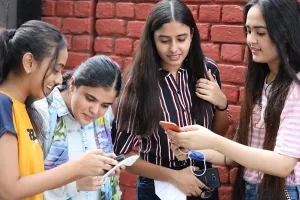
More than 42,000 students submitted their ideas for the 600 problems which were posted by the ministries and government departments. Around 10,000 participants have been shortlisted for a grand finale on 1 and 2 April during which these teams will work non-stop for 36 hours to build products based on their ideas across 26 locations in India. 

Apart from winning prizes worth Rs 50 lakh, many of the ideas may get selected by NASSCOM, AICTE and Department of Science and Technology among others for being converted into start-ups. HRD Minister Prakash Javadekar said that they will also get necessary funds. "The concerned ministry will make it into a prototype and it will give the funds," said Javadekar.  

Most of the students showed interest in solving problems of the Ministry of Road Transport and Highways. "There were 672 teams which applied for giving ideas on solving problems of Ministry of Road and Transport. Out of them 84 teams were selected," said Javadekar.  

 The largest number of participants are from Maharashtra. Altogether 269 teams of students have been selected for the Smart India Hackathon.   

Rajya Sabha approves Appropriation Bills

IANS | New Delhi |

The Rajya Sabha on Thursday approved and subsequently returned the Appropriation Bill, 2017 and the Appropriation (No 2) Bill, 2017 to authorise payment and appropriation of certain sums out of the Consolidated fund of India for the services of the financial year 2017-18.

The Bills were moved for consideration and returning by Union Finance Minister Arun Jaitley.

The approval to the Bills came after Jaitley, replying to clarifications in response to his reply to the discussion on the General Budget, sought to allay doubts about the lack of transparency in political funding in the system of electoral bonds suggested by the government.

"If clean money comes, there will be enough transparency," he said.

Stressing that digitisation of the economy would lead to greater transparency, Jaitley said: "Transactions will be tracked by IT backbone. Tax evasion is going to be become difficult. All income tax returns (ITRs) go into a common criteria when the return is filed online. Some unexplained factor comes in the way of the software which shows a red alert."

Rajya Sabha approves Appropriation Bills

IANS | New Delhi |

The Rajya Sabha on Thursday approved and subsequently returned the Appropriation Bill, 2017 and the Appropriation (No 2) Bill, 2017 to authorise payment and appropriation of certain sums out of the Consolidated fund of India for the services of the financial year 2017-18.

The Bills were moved for consideration and returning by Union Finance Minister Arun Jaitley.

The approval to the Bills came after Jaitley, replying to clarifications in response to his reply to the discussion on the General Budget, sought to allay doubts about the lack of transparency in political funding in the system of electoral bonds suggested by the government.

"If clean money comes, there will be enough transparency," he said.

Stressing that digitisation of the economy would lead to greater transparency, Jaitley said: "Transactions will be tracked by IT backbone. Tax evasion is going to be become difficult. All income tax returns (ITRs) go into a common criteria when the return is filed online. Some unexplained factor comes in the way of the software which shows a red alert."

No move to increase SC quota: Govt

Statesman News Service | New Delhi |

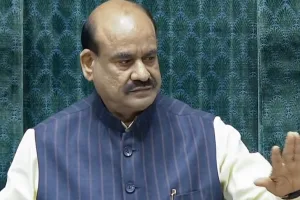
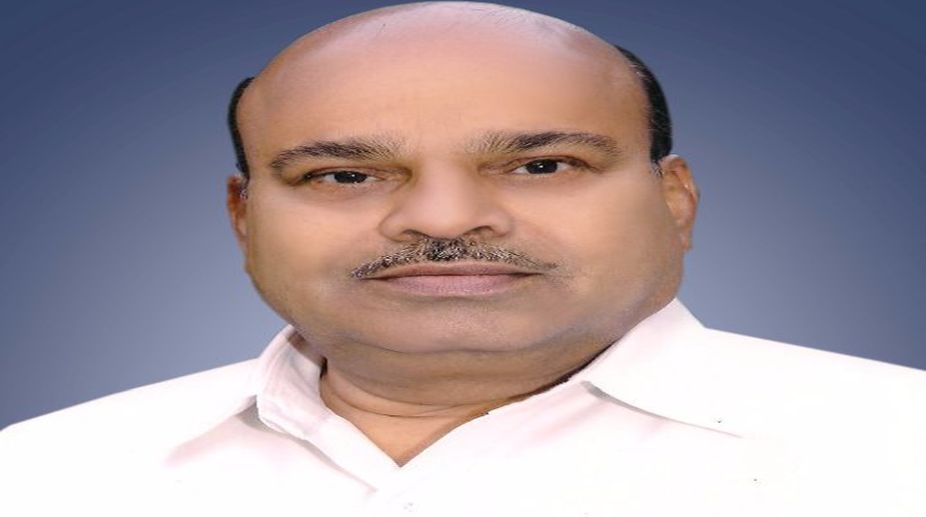
The government has no intention to increase reservation for Scheduled Castes, Union Minister for Social Justice Thaawar Chand Gehlot said in the Lok Sabha today.

He was replying to a debate on the Constitution (Scheduled Castes) Orders (Amendment) Bill, 2017, which would pave the way for the inclusion of the list of Scheduled Castes in Odisha and Puducherry. The Bill was later passed by the Lok Sabha. It seeks inclusion of Sualgiri and Swalgiri castes in the SC list of Odisha. These communities were found synonymous with Sabakhia caste, which is already included in the list of Scheduled Castes of Odisha. The minister also assured the House that his government has no immediate plan to cut the present reservation quota. The government was in favour of reservation till social disparity remains in society, he said

Earlier, participating in the debate, Congress leader Mallikarjun Kharge said political parties should not consider inclusion of scheduled castes for their political gains. “The benefits of the Bill should reach the downtrodden and needy people without any political bias,” he said. Other members who supported the Bill also demanded increase in the reservation quota and provide more facilities to SC people in need.

Later replying to the debate, Mr Gehlot said the demand for increasing the quota cannot be considered as the Supreme Court has restricted the total number to 50 per cent. “Some say that Parliament can increase it, but in the current scenario, the ministry does not have any such proposal," he said.

The minister said the Centre was taking all steps to promote social, economic and political status of Dalit communities and in the last three years, the government had increased the budget allocations from Rs 38,000 crore for SCs to Rs 52,000 crore, nearly 30 % more, the minister said.

Mr Gehlot also accused the previous government of making provisions only on paper for SCs and always spending less than the allocated budget. He questioned why the previous government had stopped facilities to SCs in institutions like Aligarh Muslim University and Jamia Milia Islamia.

Baywatch second trailer: Priyanka Chopra gets more space

SNS | NEw Delhi |

The second trailer of Baywatch is out and it shows delightful glimpses of Priyanka Chopra.

Priyanka, who is playing role of negative character Victoria Leeds in Baywatch, slays the show by uttering some hard-hitting dialogues, though Hollywood stars Zac Efron and Dwayne Johnson dominate the screen space.

Directed by Seth Gordon, the movie features Zac Efron, Dwayne Johnson Rock, Alexandra Daddario and Kelly Rohrbach.

Except for the beach scenes, toned physics of actors, the second trailer offers fresh actions, explosions, funny scenes and iconic red swim suites, which has always been associated with the story.

The American action-comedy movie Baywatch, based on the same name television series, is scheduled to release on May 26 in the United States.

Love-filled handwritten letter wins Hrithik’s heart

SNS | New Delhi |

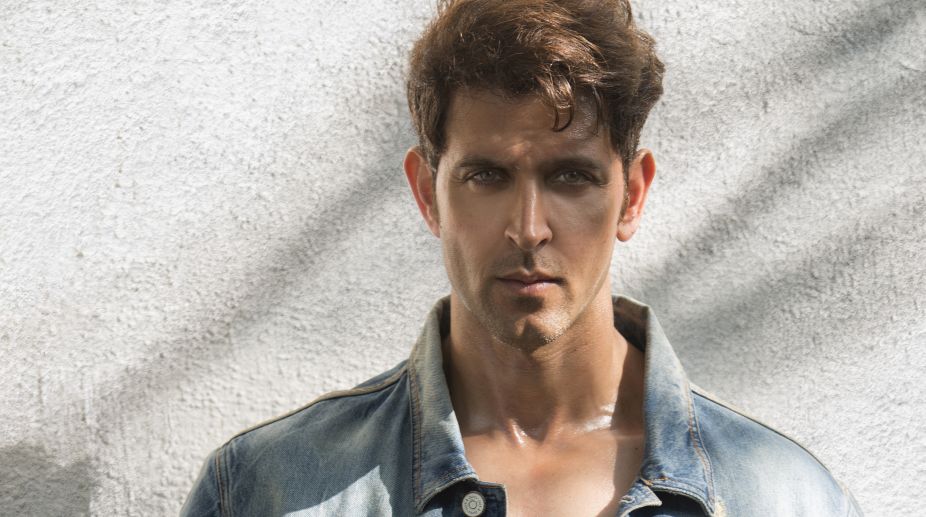
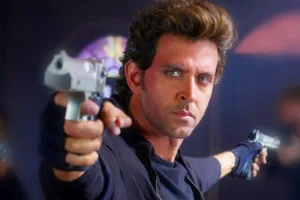
Bollywood versatile actor Hrithik Roshan took up a new role, that of a visually impaired man, in his new film. While his fans are raving about it, the actor got a happy surprise in the form of a special handwritten letter from a young boy.

Hrithik plays the character Rohan Bhatnagarh in the film Kaabil, and the letter was from a college-going boy whose actual name is Rohan Bhatnagar in Ranchi. In the letter, the boy expressed his gratitude to Hrithik for having made the name, which he always wanted to change, so special with a great performance.

The star actor was touched by the handwritten letter which landed in Hrithik's office. Here is what the boy wrote:

Dear Hrithik,

My name is Rohan Bhatnagar and I am a student from Ranchi. Yes, I am a real Rohan Bhatnagar.

Let me clarify that i am not your fan. I see hindi movies regularly and so do my family and friends. But this letter, if it ever reaches to you, is to thank you for something that you have unknowingly done for me.

Since childhood i wished that my name was something else and not just a Rohan Bhatnagar. the fact that its too commonplace was shared by almost everyone around me except for my parents who could hardly care about this feeling of mine. My special friend who loves me a lot and vice versa also once admitted that my name is boring. My friends usually call me Bhatnagar and i always wished they stopped doing that.

But since this January things have changed. Whenever my full name is being called there are smiles on peoples faces. And yes my special friend too now seems to like it. It's become something special about me that i am called Rohan Bhatnagar, name of the character that you played in Kaabil.

Everyone around me has loved this character and a part of that love is coming my way too.

Thanks for making my name special.

Thank you!

Hrithik Roshan receives a lot of appreciative letters, but this particular letter did not just catch his attention but it is something which will remain with him forever.

When asked Hrithik about it, he shared, "I am realising the significance of playing Rohan Bhatnagar well after the release of the film. There is so much of love that this character seems to have generated. Everyday I discover something more about its effect. I am also glad that people are making effort and reaching out to me in this manner."

"As an actor we play a character and we ourselves don't know in what possible ways it will connect with people. I couldn't have thought of something like this. When our work lives amidst people and touches their lives in some manner, it is a matter of great satisfaction for an actor or for that matter for any creative person," he added.

Om Mathur to test home state after UP victory

Statesman News Service | Jaipur |

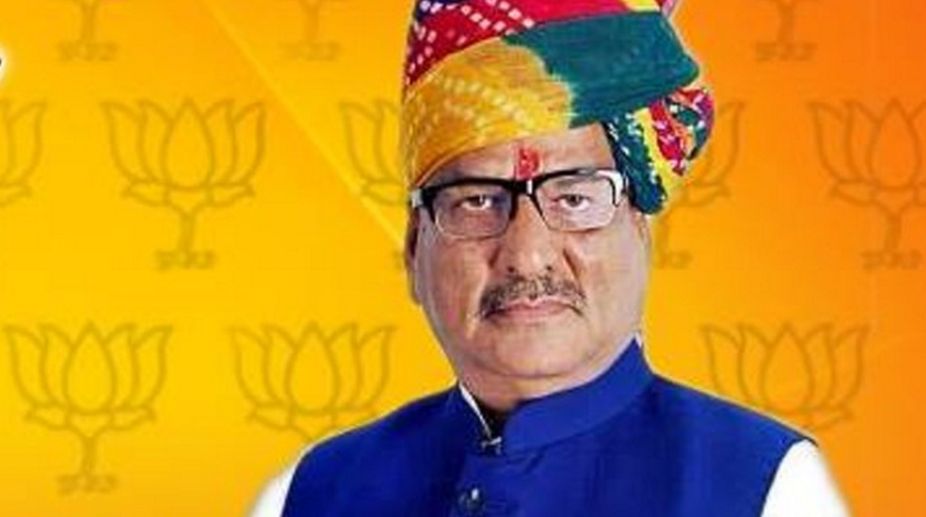
BJP state incharge of Uttar Pradesh, OM Mathur will be on tour of his home state Rajasthan from Friday. Mathur has scaled up several stair in popularity within the party workers following the recent unprecedented victory of BJP in UP. Even as the party officials are reluctant to talk on his future role in Rajasthan, the party workers are geared up for a grand welcome of him as he arrives in the state from Shahjhapur by road. 

Mathur is expected to in Rajasthan for a week, during which he will be occupied with both family and party duties. He is scheduled to attend a meeting with party core group on Saturday. Though Mathur is not in denial or agreement of possibilities of a future role in politics of Rajasthan. "I am a party worker and have fulfilled responsibilities endowed, so will i do towards all future party directives" he answered queries of media. 

Meanwhile the discontented section of BJP in Rajasthan is optimistic about Mathur. Soon after election results of UP were declared, posters of OM Mathur surfaced from various districts of Rajasthan. In these posters, Mathur was shown prominently with PM Narendra Modi and BJP national president Amit Shah. However absence of state chief minister Vasundhara Raje and party state president Ashok Parnami raised suspicion over the message of these posters. 

Mathur previously too had been in centre of poster politics in Rajasthan BJP and couple of years ago when Raje was accused in Lalitgate posters of Mathur as the next CM had surfaced. Mathur's role in the state politics will ascertain in future however his tour has enthralled the discontented lot within the party. 

Self-help books: Is it really a thing?

Sushmita Kamrupa | New Delhi |

Are self-help books a solution to problems or part of the problems in life? Well, resolving all the problems, doubts and insecurities seems like a perfect plan for a perfect life. After all, nobody wants to live a life of deception and failure.

Each has that one ideal self that we wish to materialise into someday. And until that day we strive for that perfection.

Anything different from our ideal vision of ourselves puts us down. This is when self help books come to our rescue-they seem to offer an insight that we may lack.

A self help book describes situations and problems that a person may face in their day to day life and their possible solution.

Even in moments of despair, self help books are regarded as the go to books. The one that is sure to have at least one piece of good advice that may lift you up and improve the situation.

However, a new school of thought says that self help books are part of our problems rather than a solution for it.

Experts say instead of going for a fragile happiness and society-based concept of success, one should focus on understanding oneself and being in peace with their true selves, rather than running after those tailor made steps to ‘improve’ their life which translates to the fact that people without those ideas will be a failure.

This new concept is termed- Anti self help and it focuses on recognising the realities of life without putting too much stress on the fact to guide them onto a path of perfection.

It lays importance on self acceptance which can come with individuals with their set of flaws, it encourages them to embrace the rather than getting rid of it.

It would be wrong to say that the anti-self help group has completely alienated approach to that of the self help groups. Anti self help group in facts draws heavily from the self help genre. As both groups’ first aim is to find the faults and perceived failures, it takes on a different route when it comes to overcoming them. Anti self help recognises faults and failures as part of oneself and how can an individual still be valuable with it.

Here is a list of a few anti-self help books that claim to have a different take on life's problems

1) The Art of Failure: The Anti Self-Help Guide by Neel Burton- The book talks about how false hope and materialistic goals have turned our lives sadder. The author explores the idea of accepting failures and moving on with it.

2) Get Your Sh*t Together by Sarah Knight: The author in this book discusses upon the importance of letting go and giving in to small pleasures of life and slowly building up to having a happy life that one has always wanted to live.

3) Self-Help Nation by Tom Tiede: The book explores the concept of how the concept of self-help is essentially flawed and how can thousands of people be saved from being misguided. It is the author’s take on cons of self help.

Above mentioned books like many others in the genre talks about breaking stereotypical conventions and finding success with a hint of humour in our lives.

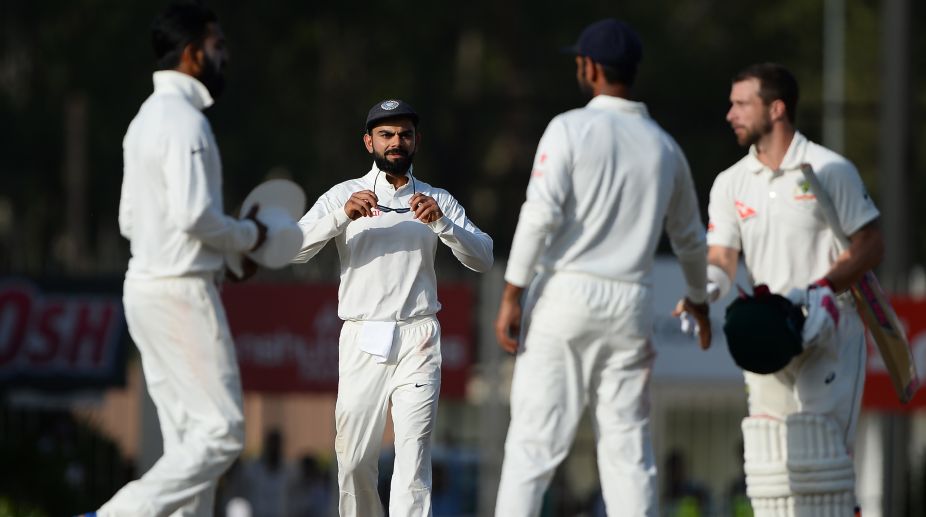
Adam Gilchrist says Virat Kohli drags his team, his nation with him

Gilchrist said the Indian skipper Kohli is due for big runs in the Dharamsala Test.

PTI | Melbourne |

Australian cricket legend Adam Gilchrist has called Virat Kohli a great leader and said it is time for both the countries to put an end to the 'cheatgate' controversy before it turns into infamous 2008 'monkeygate' episode.

Kohli is yet to fire in the ongoing series against Australia and Gilchrist said the Indian skipper is due for big runs in the fourth and final Test in Dharamsala, starting Saturday.

"Kohli is a great leader. He drags his team and his nation with him," Gilchirst told PTI on Wednesday.

"I m fearful Virat Kohli is due for a lot of runs (in Dharamsala)," he said.

"It has been an exceptional series. (But) both the teams may sit back in the end and think they may have said somethings differently.

"But we can all move on and I'm glad that it has not escalated to the really nasty scenario in 2008 that dragged on and on," he said.

Gilchrist said controversies are integral part of India-Australia cricket rivalry.

"Everyone was frustrated and that is a part of history between the two teams," the legendary wicket-keeper batsman said.

"At the end of the day there is a lot of respect between the two teams because they fear each other as opponents. Both the teams are fine competitors."

Gilchrist said just like others he too was surprised by Australia's performance in the ongoing series.

"I think it's fair to say that everyone is surprised the way Australian team has performed over there (in India). So many predictions but they have done themselves proud.

"It has been a wonderful series. So many people are saying to me it is the best series they have seen in India since 2001. That (2001) series was extraordinary and India came out on top but who knows what lays ahead," he added.