Logo

Communicate with the masses, PM tells BJP MPs

Statesman News Service | New Delhi |

Prime Minister Narendra Modi today exhorted BJP MPs to strike a chord with the masses by directly communicating with them on the government’s plans and programmes using mobile phones and social media platforms.

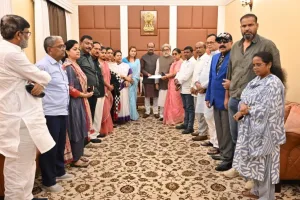
Modi’s advice to his party MPs came during his fifth and final round of informal consultations at the Prime Minister's residence-cum-office here today. BJP Lok Sabha and Rajya Sabha members from Jharkhand, Odisha, Karnataka, Andhra Pradesh, Tamil Nadu and Telangana besides all the nominated members of Parliament were present at the meeting.

The Prime Minister primarily spoke about the plight of farmers in the country. He apprised the members about the salient features of his government’s plans to provide irrigation facilities to farmers and ‘Ek Bharat Shreshta Bharat’ plans. Modi sought to impress upon the members the need to work towards fulfilling the aspirations of the masses through effective implementation of the government’s various welfare programmes at the grassroots level.

Informing the party MPs about the ‘Pradhan Mantri Krishi Sichayee Yojana’, Modi said his government is committed to ameliorate the economic conditions of farmers by finding ways of saving and making optimum use of water resources for irrigation purposes. Modi exhorted the MPs to launch a campaign to link the government’s agriculture irrigation programme with MGNREGA (Mahatma Gandhi National Rural Employment Guarantee Act). He also underlined the need for building an institutional framework for implementing the government’s agricultural irrigation programme till 2022 and beyond 2025 across the country.

Modi told the BJP parliamentarians how to strengthen the unity among the country’s 125 crore population representing India’s unique socio-cultural might under the government’s ‘Ek Bharat, Shreshtha Bharat’ initiative.

Union Parliamentary Affairs Minister Ananth Kumar was present at the PM’s interaction with party MPs. The members gave details about the changes being brought about in the lives of the people through the government’s poverty alleviation programme.
Communicate with the masses, PM tells BJP MPs

Statesman News Service | New Delhi |

Prime Minister Narendra Modi today exhorted BJP MPs to strike a chord with the masses by directly communicating with them on the government’s plans and programmes using mobile phones and social media platforms.

Modi’s advice to his party MPs came during his fifth and final round of informal consultations at the Prime Minister's residence-cum-office here today. BJP Lok Sabha and Rajya Sabha members from Jharkhand, Odisha, Karnataka, Andhra Pradesh, Tamil Nadu and Telangana besides all the nominated members of Parliament were present at the meeting.

The Prime Minister primarily spoke about the plight of farmers in the country. He apprised the members about the salient features of his government’s plans to provide irrigation facilities to farmers and ‘Ek Bharat Shreshta Bharat’ plans. Modi sought to impress upon the members the need to work towards fulfilling the aspirations of the masses through effective implementation of the government’s various welfare programmes at the grassroots level.

Informing the party MPs about the ‘Pradhan Mantri Krishi Sichayee Yojana’, Modi said his government is committed to ameliorate the economic conditions of farmers by finding ways of saving and making optimum use of water resources for irrigation purposes. Modi exhorted the MPs to launch a campaign to link the government’s agriculture irrigation programme with MGNREGA (Mahatma Gandhi National Rural Employment Guarantee Act). He also underlined the need for building an institutional framework for implementing the government’s agricultural irrigation programme till 2022 and beyond 2025 across the country.

Modi told the BJP parliamentarians how to strengthen the unity among the country’s 125 crore population representing India’s unique socio-cultural might under the government’s ‘Ek Bharat, Shreshtha Bharat’ initiative.

Union Parliamentary Affairs Minister Ananth Kumar was present at the PM’s interaction with party MPs. The members gave details about the changes being brought about in the lives of the people through the government’s poverty alleviation programme.
I refuse to agree that Indians are intolerant: President

PTI | Guwahati |

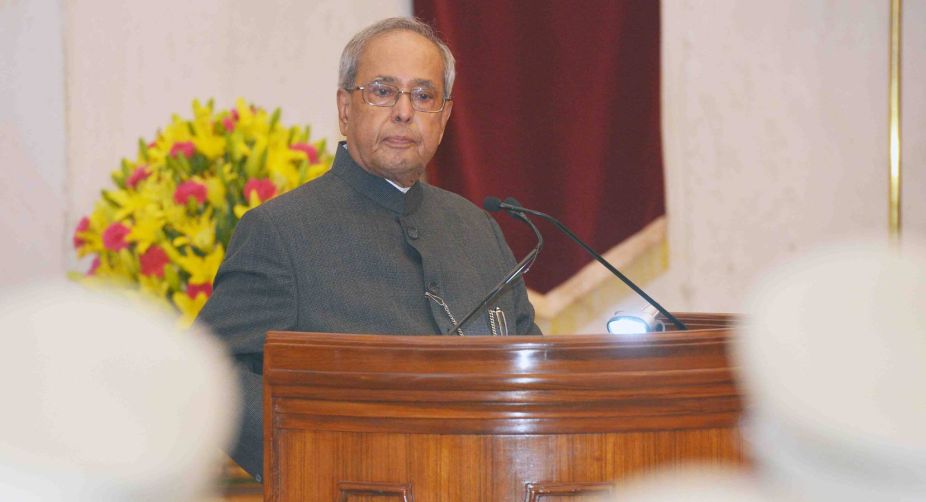
President Pranab Mukherjee today said India's traditions never allowed the practice of intolerance as unity in diversity with mutual coexistence and understanding is the strength of the country.

Speaking at the inaugural ceremony of the 'Namami Brahmaputra' festival here, Mukherjee said he does not agree when people label Indians as intolerant.

"There are 200 languages spoken in India across its length and breath. All major seven religions are practised in India.

Nowhere in the world is found so much ethnic diversity," he said, adding despite this, India is one nation having one Constitution, living under one flag, one system maintaining regional identity.

"We are one nation. This mutual co-existence, mutual understanding is our strength. Managing this diversity is our greatest strength. If it is said Indians are argumentative, I will agree. But if it is said Indians are intolerant, I refuse to agree. Intolerance has never been allowed," he said.
Mukherjee said Assam, which is an emerging economic hub of India, is perfectly positioned to become the corridor of the country to the ASEAN nations as the 'Act East' policy takes forefront.

He said India would soon celebrate 25 years of its link with the Association of Southeast Asian Nations (ASEAN).

The President said South East Asia is an important destination for India's investment and trade.

Stating that Assam has "immense development potential", Mukherjee added that inland water transport system in the National Waterways can change its economic scenario.

"The development of this national waterway can give Assam access to international ports like Chittagong in Bangladesh.

This will give Assam an exposure to international trade and commerce. With the Act East Policy taking forefront, Assam is perfectly positioned to become the corridor of the country to the ASEAN nations," he said.

Mukherjee hailed Assam's richness in natural resources and its hardworking people to underline that all it needed was "strong drive, right policies and effective implementation." 

"We have to join hands to make the dream of Bharat Ratna Gopinath Bordoloi – first Chief Minister of Assam becoming a front runner in the field of socio-economic progress– a reality," he said.

The President said Assam has overcome a prolonged spell of insurgency and the central government is supportive in rebuilding the state. .

I refuse to agree that Indians are intolerant: President

PTI | Guwahati |

President Pranab Mukherjee today said India's traditions never allowed the practice of intolerance as unity in diversity with mutual coexistence and understanding is the strength of the country.

Speaking at the inaugural ceremony of the 'Namami Brahmaputra' festival here, Mukherjee said he does not agree when people label Indians as intolerant.

"There are 200 languages spoken in India across its length and breath. All major seven religions are practised in India.

Nowhere in the world is found so much ethnic diversity," he said, adding despite this, India is one nation having one Constitution, living under one flag, one system maintaining regional identity.

"We are one nation. This mutual co-existence, mutual understanding is our strength. Managing this diversity is our greatest strength. If it is said Indians are argumentative, I will agree. But if it is said Indians are intolerant, I refuse to agree. Intolerance has never been allowed," he said.

Mukherjee said Assam, which is an emerging economic hub of India, is perfectly positioned to become the corridor of the country to the ASEAN nations as the 'Act East' policy takes forefront.

He said India would soon celebrate 25 years of its link with the Association of Southeast Asian Nations (ASEAN).

The President said South East Asia is an important destination for India's investment and trade.

Stating that Assam has "immense development potential", Mukherjee added that inland water transport system in the National Waterways can change its economic scenario.

"The development of this national waterway can give Assam access to international ports like Chittagong in Bangladesh.

This will give Assam an exposure to international trade and commerce. With the Act East Policy taking forefront, Assam is perfectly positioned to become the corridor of the country to the ASEAN nations," he said.

Mukherjee hailed Assam's richness in natural resources and its hardworking people to underline that all it needed was "strong drive, right policies and effective implementation." 

"We have to join hands to make the dream of Bharat Ratna Gopinath Bordoloi – first Chief Minister of Assam becoming a front runner in the field of socio-economic progress– a reality," he said.

The President said Assam has overcome a prolonged spell of insurgency and the central government is supportive in rebuilding the state. .

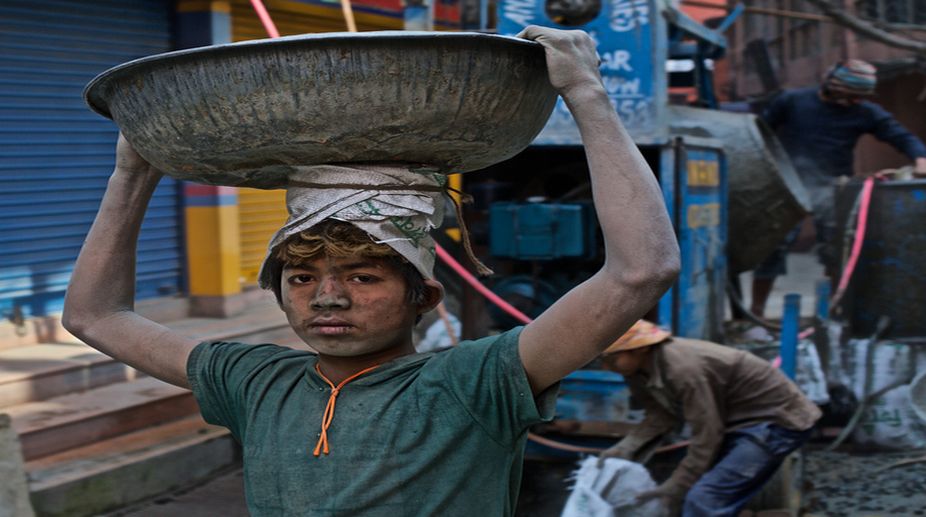
Cabinet nod for ratification of two ILO conventions on child labour

IANS | New Delhi |

The Union Cabinet on Friday approved ratification of two fundamental conventions of the International Labour Organisation (ILO), which is a step in the direction of achieving the goal of eradication of child labour, said a cabinet communique.

The cabinet meeting, chaired by Prime Minister Narendra Modi, approved for ratification the ILO Convention No. 138 — Minimum Age Convention concerning minimum age for admission to employment and No. 182 — the Worst Forms of Child Labour Convention concerning prohibition and immediate action for elimination of the worst forms of child labour.

"The ratification of the Convention Nos 138 and 182 would be a step ahead in the direction of achieving the goal of eradication of child labour from the country, as it would be legal binding to comply with the provisions of the conventions," said the communique.

"Presently, Convention 138 has been ratified by 169 countries and Convention 182 has been ratified by 180 countries. Hence, by ratifying these two core conventions, India would join majority of the countries who have adopted the legislation to prohibit and place severe restrictions on the employment and work of children," it added.

India is a founder member of the ILO, which came into existence in 1919. At present, the Organisation has 187 members. 

The principal means of action in the ILO is setting up of international standards in the form of conventions, recommendations and protocol. India has so far ratified 45 Conventions, out of which 42 are in force.

Cabinet nod for ratification of two ILO conventions on child labour

IANS | New Delhi |

The Union Cabinet on Friday approved ratification of two fundamental conventions of the International Labour Organisation (ILO), which is a step in the direction of achieving the goal of eradication of child labour, said a cabinet communique.

The cabinet meeting, chaired by Prime Minister Narendra Modi, approved for ratification the ILO Convention No. 138 — Minimum Age Convention concerning minimum age for admission to employment and No. 182 — the Worst Forms of Child Labour Convention concerning prohibition and immediate action for elimination of the worst forms of child labour.

"The ratification of the Convention Nos 138 and 182 would be a step ahead in the direction of achieving the goal of eradication of child labour from the country, as it would be legal binding to comply with the provisions of the conventions," said the communique.

"Presently, Convention 138 has been ratified by 169 countries and Convention 182 has been ratified by 180 countries. Hence, by ratifying these two core conventions, India would join majority of the countries who have adopted the legislation to prohibit and place severe restrictions on the employment and work of children," it added.

India is a founder member of the ILO, which came into existence in 1919. At present, the Organisation has 187 members. 

The principal means of action in the ILO is setting up of international standards in the form of conventions, recommendations and protocol. India has so far ratified 45 Conventions, out of which 42 are in force.

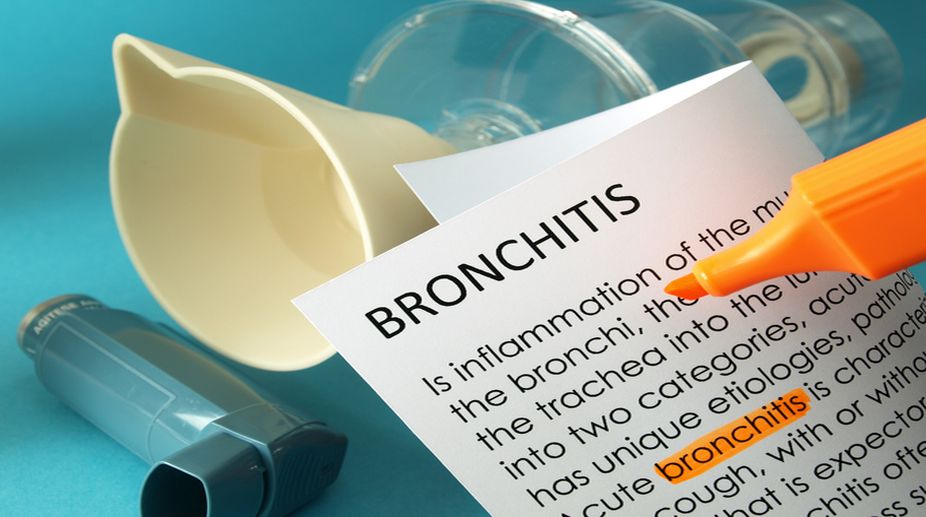
New treatment for antibiotic resistant bacteria developed

IANS | New Delhi |

The unusual approach of removing antibodies from the blood stream can reduce the effects of chronic infections, according to a study published in the American Journal of Respiratory and Critical Care Medicine.

In the study, two patients with bronchiectasis who suffered from chronic Pseudomonas aeruginosa infections that were resistant to many antibiotics; a 64-year-old male, diagnosed with bronchiectasis aged fifteen, and a 69-year-old female who had bronchiectasis from childhood.

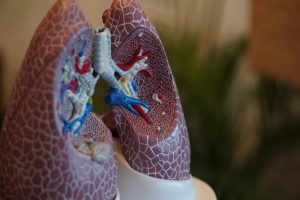
Bronchiectasis is a disease that leads to permanent enlargement of the airways in the lung. 

Chronic Pseudomonas aeruginosa lung infections commonly occur in patients suffering from bronchiectasis.

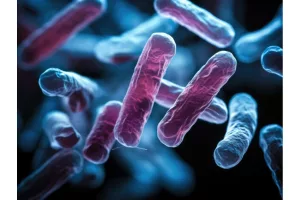
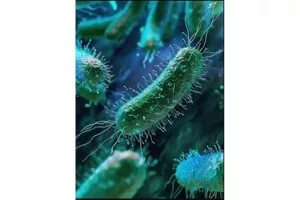
Pseudomonas aeruginosa is a common bacterium that can cause the disease and is known as a multi-drug resistant pathogen, recognised for its advanced antibiotic resistance mechanisms and association with serious illnesses.

The patients volunteered to be part of an explorative treatment that built on previous findings from the research group in 2014.

"These patients had an excess of a particular antibody in the bloodstream. In contrast to the protective effect normally associated with the antibody, in these patients the antibody stopped the immune system killing the Pseudomonas aeruginosa bacterium and this worsened the patients' lung disease," Ian Henderson, Director of the Institute of Microbiology and Infection at the University of Birmingham said explaining the study.

"We decided to remove this antibody from the bloodstream and the outcomes were wholly positive," he said. 

"We needed a brand new way of tackling this problem. Working with kidney and immunology experts, we used a process known as plasmapheresis that is somewhat like kidney dialysis," said Tony De Soyza, Bronchiectasis service lead, Newcastle Upon Tyne Hospitals Trust.

"The plasmapheresis involved the removal, treatment, and return of blood plasma from circulation, and was done five times in a week in order to remove antibody from the patients. We then replaced antibodies with those from blood donations. This treatment restored the ability for the patients' blood to kill their infecting Pseudomonas," he said. 

Both patients reported a rapid improvement in health and well being, greater independence and improved mobility compared to any point in the previous two years.

"This shows that we can improve patient well being significantly, by reducing the need for treatment and the numbers of days spent in hospital, which will also help to reduce the reliance on antibiotics. The next step is to do longer term studies to investigate whether an earlier intervention, with slightly less aggressive therapies, could help prevent disease progression in patients," Henderson added.

New treatment for antibiotic resistant bacteria developed

IANS | New Delhi |

The unusual approach of removing antibodies from the blood stream can reduce the effects of chronic infections, according to a study published in the American Journal of Respiratory and Critical Care Medicine.

In the study, two patients with bronchiectasis who suffered from chronic Pseudomonas aeruginosa infections that were resistant to many antibiotics; a 64-year-old male, diagnosed with bronchiectasis aged fifteen, and a 69-year-old female who had bronchiectasis from childhood.

Bronchiectasis is a disease that leads to permanent enlargement of the airways in the lung. 

Chronic Pseudomonas aeruginosa lung infections commonly occur in patients suffering from bronchiectasis.

Pseudomonas aeruginosa is a common bacterium that can cause the disease and is known as a multi-drug resistant pathogen, recognised for its advanced antibiotic resistance mechanisms and association with serious illnesses.

The patients volunteered to be part of an explorative treatment that built on previous findings from the research group in 2014.

"These patients had an excess of a particular antibody in the bloodstream. In contrast to the protective effect normally associated with the antibody, in these patients the antibody stopped the immune system killing the Pseudomonas aeruginosa bacterium and this worsened the patients' lung disease," Ian Henderson, Director of the Institute of Microbiology and Infection at the University of Birmingham said explaining the study.

"We decided to remove this antibody from the bloodstream and the outcomes were wholly positive," he said. 

"We needed a brand new way of tackling this problem. Working with kidney and immunology experts, we used a process known as plasmapheresis that is somewhat like kidney dialysis," said Tony De Soyza, Bronchiectasis service lead, Newcastle Upon Tyne Hospitals Trust.

"The plasmapheresis involved the removal, treatment, and return of blood plasma from circulation, and was done five times in a week in order to remove antibody from the patients. We then replaced antibodies with those from blood donations. This treatment restored the ability for the patients' blood to kill their infecting Pseudomonas," he said. 

Both patients reported a rapid improvement in health and well being, greater independence and improved mobility compared to any point in the previous two years.

"This shows that we can improve patient well being significantly, by reducing the need for treatment and the numbers of days spent in hospital, which will also help to reduce the reliance on antibiotics. The next step is to do longer term studies to investigate whether an earlier intervention, with slightly less aggressive therapies, could help prevent disease progression in patients," Henderson added.

BJP MLA brings up triple talaq issue in Gujarat Assembly

IANS | Gandhinagar |

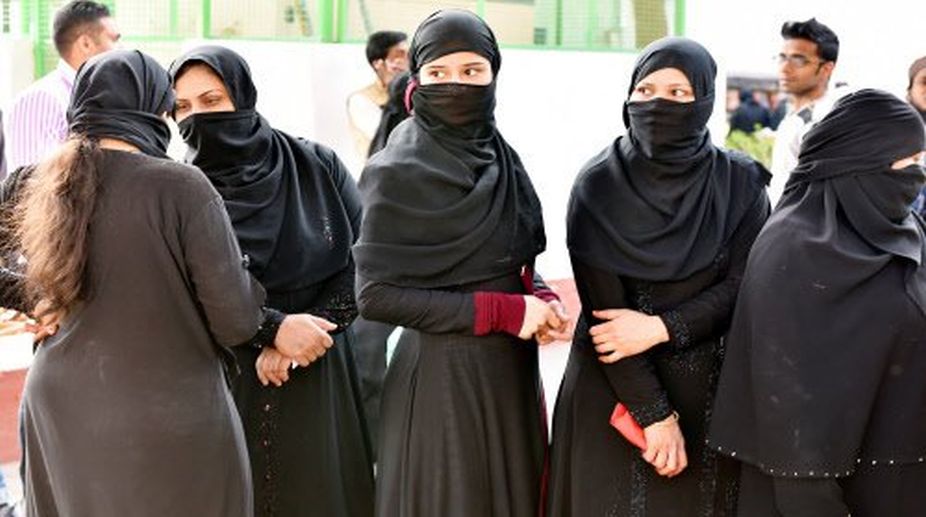
Amid the ongoing nationwide debate over triple talaq, a BJP legislator on Friday moved a motion in the Gujarat Assembly advocating the need to promulgate a law or initiate administrative measures to protect the marital rights of Muslim women.

Referring to the triple talaq issue, the Bharatiya Janata Party (BJP) legislator, said that "injustice is meted out to them (Muslim women), though Islam does not validate" this practice.

Moving the resolution on the last day of the budget session of the assembly, BJP's Jagrupsinh Rajput said the legislation was a necessity "to protect the social and individual rights of Muslim women to ensure they live a life of dignity".

Rajput went on to say that the Indian Constitution stands for protecting the rights of all its citizens and does not make any distinction on the basis of religion and caste.

"If distinction is being done on the basis of religion, then it becomes primary duty of the state to contain, stop and punish (such acts)," he said.

Rajput further said that Islam or its ideology has nothing to do with the practice of triple talaq.

"Quran clearly states that before giving divorce, all efforts need to be made to arrive at an amicable solution.

"In the given context, one needs to accept that divorcing women by just pronouncing the word 'talaq' thrice is sheer injustice. This is not a question of tradition or religion," Rajput said.

Reacting strongly to such a proposal in the state assembly, veteran Congress legislator Gyasuddin Sheikh described it as the BJP's move to polarise the electorate.

"BJP is showing a farcical sense of empathy towards Muslim women, and by wrongly talking about human rights, it is trying to defame Islam. This is first step by BJP to enforce Uniform Civil Code in the country by interfering in personal law," he said.

In a press release, Sheikh also said that he was strongly against the practice of triple talaq and pointed out that neither the Quran nor Hadis supported the practice.

However, he said the BJP should stop interfering in Muslim Personal Law, as it is "unconstitutional".

Not many options for BS-III vehicles from April 1

IANS | New Delhi |

Give discount, export or get them upgraded are some of the options that the Indian auto industry is left with as the Supreme Court banned the sale and registration of Bharat Stage (BS)-III emission norm-compliant vehicles from April 1.

Auto expert Abdul Majeed told IANS that the notification issued in this regard was not "very clear" on banning the BS-III vehicles after March 31.

"It said that the industry could go on making BS-III emission norm-compliant vehicles till March 31. It did not say that you would not be able to sell or get them registered after March 31," he said.

Majeed believed that moving on to higher emission norms was not a problem but the manufacturers should have been informed in clear terms that BS-III technology would be banned after a certain period. 

The court, however, had said the manufacturers were aware that from April 1 they would be required to manufacture only BS-IV vehicles but they failed to take sufficient pro-active steps.

According to reports the apex court decision could deal a Rs 12,000-crore blow to auto manufacturers as about 820,000 vehicles, most of them two-wheelers, are lying unsold.

"Many automobile companies, left with a huge stockpile of BS-III vehicles (80 per cent being two-wheelers), have been put in a situation by the Supreme Court by banning the sale and registration of BS-III vehicles after March 31," Sridhar V., Partner, Grant Thornton India LLP, told IANS. 

There are, however, automakers which switched over to new emission norms and are not really affected by the apex court's decision. 

"Hyundai does not have any problem with the Supreme Court decision as the company has already been manufacturing and selling vehicles only with BS-IV norms," Ravi Sharma of Hyundai Motor India Ltd said.

"We would have zero loss because of the decision as we had switched over to the new norms a year ago," he told IANS.

Ashok Leyland officials also expressed similar views saying that the decision would have "minimal impact" on the company as it too has switched over to new emission norms.

Rapid Metro Phase-2 launched in Gurugram

IANS | Gurugram |

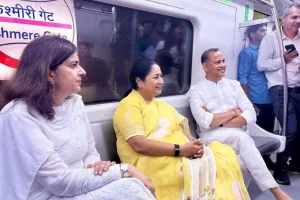
Rapid Metro on Friday began the commercial operation of its second phase to connect residential areas in Sector 55-56 here with Delhi Metro at Sikanderpur station.

The journey time from Sector 56 to Sikanderpur station to board the Delhi Metro now be only around 10 minutes, officials said.

Earlier, commuters needed to depend on autos and buses to catch the Delhi Metro rake from Sikanderpur. Traffic jams were routine.

The second phase of Rapid Metro has six stations — Sikanderpur, DLF Phase-1, Sector 42-43, Sector 53-54, Sector 54 Chowk and Sector 55-56 in Gurugram, over a distance of nearly seven km.

However, of these, only three stations would be operational for the time being with Sector 42-43 and Sector 54-55 remaning out of bounds for commuters. 

"The remaining stations will be put into service soon," a Rapid Metro spokeperson told IANS.

The construction of Rapid Metro's second phase was started in January 2013 and was to be completed by July 2015.

There will be 12 trains on the new route, with two on stand-by. The first train will be available at 6.05 a.m. and the last 35 minutes past midnight.

The trains will operate at a frequency of around five minutes.

The connection of the two dense areas "will not only address the transportation needs of those who have their offices located on the Golf Course Road, South Gurgaon but large residential societies in the area as well", a Rapid Metro Gurgaon statement read.

The token bought at the Delhi Metro will be valid at Rapid Metro, and as before, commute

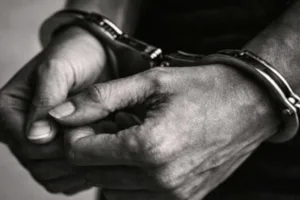
Punjab: 500 in drug net

Statesman News Service | New Delhi |

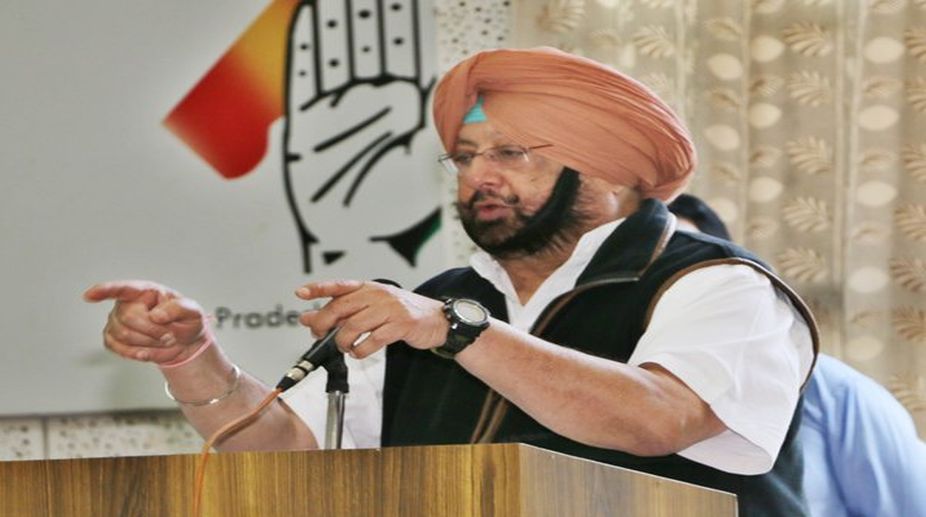
With 240 tip-offs received in just two days the number of arrests in drug cases in Punjab has gone up to nearly 500. Talking to mediapersons in New Delhi, Chief Minister (CM) Captain Amarinder Singh said that the anti-drugs campaign kick started by his government was yielding results and would get a further boost with the Special Task Force (STF) Chief Harpreet Sidhu taking charge on Friday.

CM said he had directed the police and intelligence departments to reach out to the people even more aggressively in the coming days. The government has assured that the identity of anyone reporting any drugs related crime on the helpline 181 would be protected. "The tip-offs received so far were being verified and stern action would be initiated in cases where the information is verified," said Punjab CM. He further reiterated that no drugs user would be harassed by the police or other agencies involved in the drugs crackdown.

Providing an update on the drugs campaign, an official spokesperson from the Chief Minister’s Office (CMO) later disclosed that till from March 16 to March 29, 497 drugs traders and peddlers had been booked, with 449 cases registered under the NDPS Act.

Giving break-up of the drugs seizures made during this period, the spokesperson said, 4.034 kilogram (kg) of heroin and 0.605 kg of smack were recovered from those arrested. Other seizures included 2.22 kg of charas (cannabis), 24.46 kg of opium, 715.31 kg of poppy husk, bhang 1.879 kg of Bhang (cannabis). The police has also recovered 12.519 kg of intoxicant powder, 1576 injections, 111893 pills and capsules, 72.78 kg of ganja (cannabis) and 133 syrup bottles.

He further said, a multi-state agency operation is under way in the state to deal with the drugs menace. SHO level teams, backed by CIA and Anti-Narcotics Cell units, have been formed in every district to wipe out drugs from the state in four weeks. "State Special Operations (SSOP) cells has also joined the drive, and the civil administration is also extending its full support to the anti-drugs campaign by the various police and intelligence agencies," he said.

The CM has directed the state agencies to coordinate with central agencies such as the Narcotics Control Bureau (NCB), the Directorate of Revenue Intelligence (DRI) and the Customs Department to check the supply and smuggling of drugs into the state from other parts of India and abroad, said the spokesperson.

Centre reviews power situation

Statesman News Service | New Delhi |

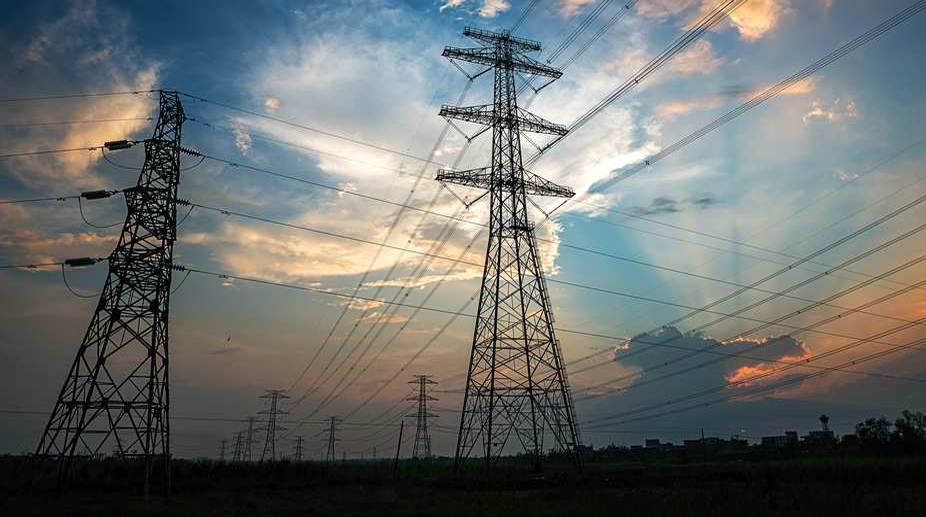
The Union Government today reviewed the power situation in the country, with special focus on Uttar Pradesh, and told states to upgrade their infrastructure to ensure smooth supply of power during peak demand in summer.

The Power Ministry told the UP government to augment the intra-state transmission systems expeditiously. Similar instructions were given to states which have poor infrastructure.

The Ministry said since the prime reason for shortage of power supply was due to lack of the necessary transmission and distribution infrastructure within the states, it should be augmented during summer.

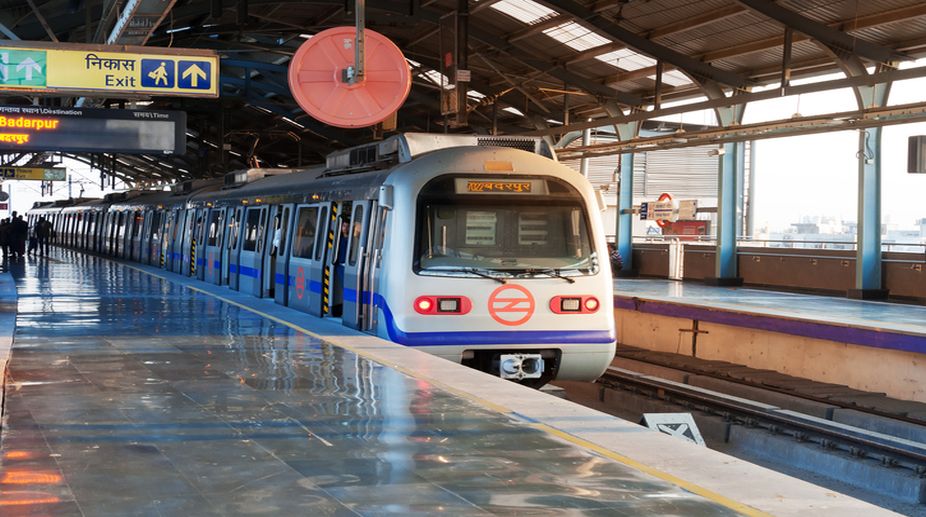
The Jammu and Kashmir government was also advised to undertake planned sub-transmission and distribution system within the state. Delhi, which reports power failures, asked the Centre to ensure smooth supply of gas to its combined cycle gas stations within Delhi for uninterrupted supply from Badarpur thermal power station.

The meeting was called on the observation of the Indian Meteorological Department (IMD), which had noted that there might be a severe heat wave in Northern India this year. The meeting, chaired by the Union Power Secretary, Mr P.K. Pujari, was attended by the representatives from state governments, IMD, CEA, POSOCO, various regional and state load dispatch centres (RLDCs/SLDCs).

According to the Power Ministry, while the power demand in Northern Region would peak to the extent of 56 GW during April to September 2017 period, the Southern region would peak at 42 GW, peak power demand would reduce in Western region by 4 GW. All India peak demand during the summer is expected to be of the order of 165 GW, said a senior officer of the Power Ministry.

The ministry said there was enough power supply to meet state governments' demand, but the main constraint was the transmission and distribution network at the intra-state level. “The state utilities were advised to complete the transmission systems in the pipeline,” the Ministry said.

Rs 2,256 cr project for GST integration approved

IANS | New Delhi |

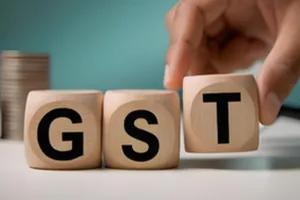
The government has approved Rs 2,256 crore outlay for Project Saksham to bolster the information technology network for the new GST regime, Parliament was informed on Friday.

Project Saksham is the name given to CBEC's IT Infrastructure Project, while enable not just the implementation of Goods and Services tax (GST) but also support all existing services in Customs, Central Excise and Service Tax. 

"The Central Board of Excise and Customs (CBEC) IT systems need to integrate with the Goods and Services Tax Network (GSTN) for processing of registration, payment and returns data sent by GSTN systems to CBEC, as well as act as a front-end for other modules like audit, appeal and investigation," Minister of State for Finance Santosh Kumar Gangwar told the Lok Sabha in a written reply.

Project Saksham will also enable extension of the Indian Customs Single Window Interface for Facilitating Trade (SWIFT) and other taxpayer-friendly initiatives under Digital India and ease of doing business of CBEC.

The information filed by taxpayers (for eg. registration, returns etc) on the GSTN portal will be transferred to CBEC systems via a link established by GSTN from their data centres to CBEC data centres. This information will be subsequently processed by CBEC's officers and the action taken will be transferred back to GSTN portal over this network. 

Thus, Project Saksham will enable setting up of an information exchange mechanism with GSTN through the use of pre-agreed Application Programming Interface (API) or other secure methods of message exchange.

"There is no overlap in the functions to be performed by the systems of CBEC and GSTN. CBEC's systems will be required to process data pertaining to registration, returns and payment modules which will be transmitted by GSTN to CBEC for backend processing," said Gangwar.

For other modules related to statutory tax functions such as audit and investigation, CBEC systems would provide front end interface to tax payers, he added.

Trinamool protests Centre’s ‘intimidation’ tactics

IANS | Kolkata |

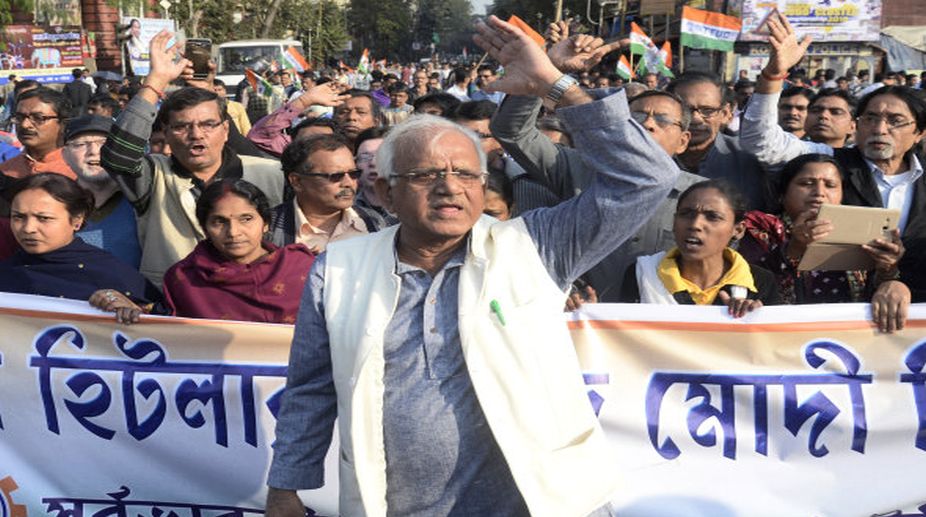
Protesting the central government's "scare tactics and intimidation" of the Trinamool Congress leaders, the district committee of the ruling party took out a rally here on Friday.

The rally, led by several party leaders like Subrata Bakshi, state Power Minister Sovandeb Chattopadhyay and city mayor and Fire Minister Sovan Chatterjee, started from north Kolkata's Sealdah railway station and terminated at the "Y-Channel" at Esplanade area.

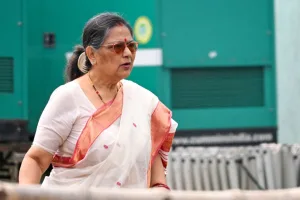
Sarada chit fund scam accused Trinamool Congress MP Sudip Bandyopadhyay's wife Nayana Bandyopadhyay also walked in the front row of the rally.

The party activists in the rally carried several banners and placards that read "Intimidation can't silence us" and shouted slogans like "Modi Hatao Desh Bachao" (Remove Modi – Save the nation).

"The Centre is using its agencies to scare our leaders but these scare tactics would not be able to stop us from protesting," Kolkata Mayor Sovan Chatterjee said at the beginning of the rally.

The rally was part of the three-day protests organised by the Trinamool Congress to counter the opposition parties' aggressive campaign on the Narada issue — the sting operation that allegedly featured many of the Trinamool ministers and MPs taking cash for favours in a video footage.

EIB pledges loan to SBI for funding solar projects

Statesman News Service | New Delhi |

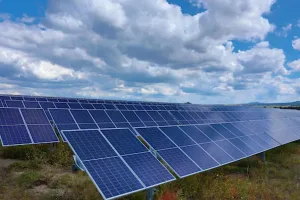
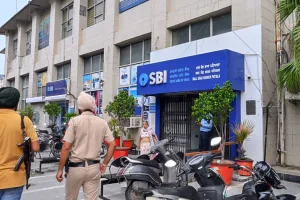
European Investment Bank has committed to provide a loan of 200 million euros to the country's largest public sector State Bank of India to fund solar projects across India. The interest on the loan will be at a concessional rate. A SBI official said the interest rate will be three-month LIBOR plus 0.99 percentage point. 

LIBOR or London Interbank Offered Rate is used as a benchmark for calculating interest rates on various loans.

Speaking at the inauguration of European Investment Bank's branch in Delhi, Union Finance Minister Arun Jaitley said infrastructure creation in India will pick pace in the next two decades. Economic reforms will continue to gain momentum in coming years as the country looks to push growth and attract investment in the infrastructure sector, he said.  Financing of construction of new  solar power projects will support India's plans to install 20 giga-watt of grid connected solar power by 2020, which is a part of Jawaharlal Nehru National Solar Mission, he said. 

EIB has also committed to release second tranche of 250 million euros for construction of Lucknow Metro. This is a part of 450 million euros loan the bank willgive for the Lucknow metro project. 

Jaitley added, "Contrary to all the global noises we see in various parts of the world, there are no voices of protectionism in India and therefore, we have opened up in terms of our economy and today we are amongst the most open economies in the world." The minister also said India needs international investment in the form of FDI and funding from various agencies, apart from public investment. 

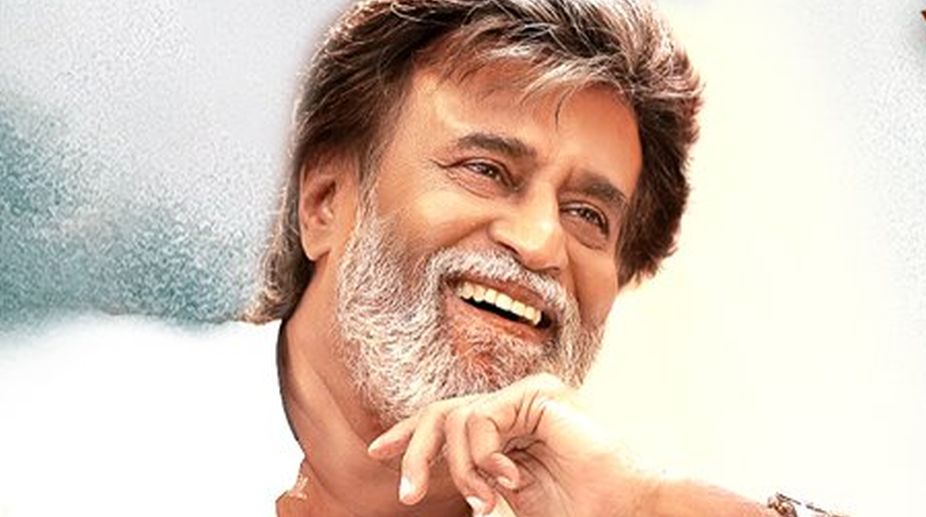
Am not joining politics: Rajinikanth

IANS | Chennai |

Megastar Rajinikanth on Friday said — although not in so many words — that he is not joining politics.

The southern star was asked if there was a political agenda to the Chennai meeting of his fans on Sunday.

"No, there won't be any announcement on politics. The fans are meeting because it has been a long time," said the actor, who met Malaysian Prime Minister Najib Razak here earlier in the day.

He also said that he may not attend the fans' meet.

Rumours had gripped Tamil Nadu that Rajinikanth — whose fan following runs into hundreds of thousands — may take a major political step on Sunday.

The 66-year-old icon has been wooed by political parties in the past. Most recently, he expressed support to the BJP candidate — from the Tamil film industry — in the upcoming by-election from RK Nagar here.

In 2009, it was strongly believed that Rajinikanth would take the political plunge. But he didn't.