Logo

1984 anti-Sikh riots: SC orders re-investigation into 186 cases

SNS | New Delhi |

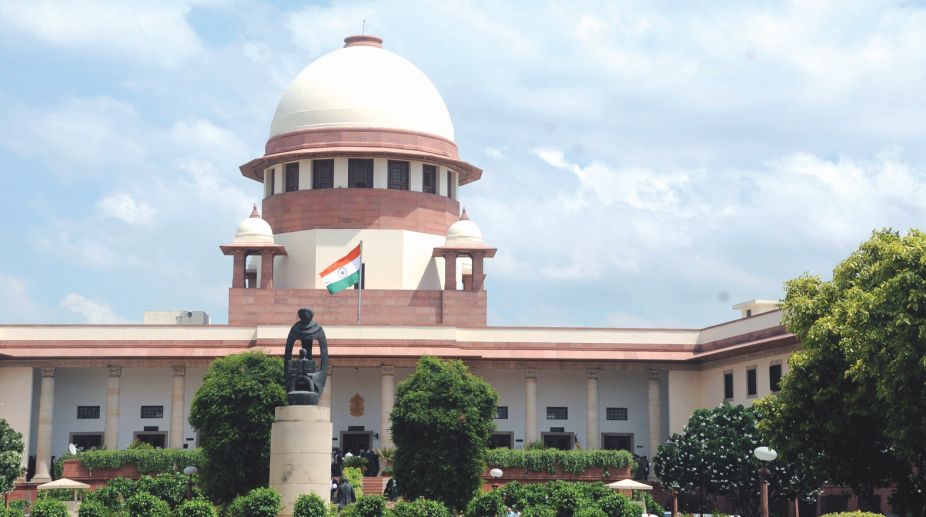
Just five months after examining the justification for closing 241 anti-Sikh riot cases, the Supreme Court (SC) on Wednesday ordered re-investigation into 186 cases, closed by the Special Investigation Team (SIT).

In the unprecedented move, the apex court has decided to set up a three-member committee, headed by a retired High Court judge to re-examine the 186 cases. The SIT will submit its report directly to the apex court.

The decision was taken by a bench headed by Chief Justice of India Dipak Misra. The Court will pass a formal order soon.

In February 2015, the Union Ministry of Home Affairs constituted a three-member special investigation team (SIT) to reinvestigate criminal cases filed in Delhi in relation to the 1984 Sikh massacre.

Over two years and three term extensions later, the SIT finally stated in 2017 that it had closed 241 cases and filed charges in just 12 cases.

In August, the Supreme Court set up a panel comprising two former judges to examine the SIT’s decisions to close cases.

The 33rd anniversary of the 1984 carnage against the Sikh community following the assassination of the then Prime Minister Indira Gandhi by her two Sikh bodyguards was observed on October 31, 2017.

Nearly 3,000 Sikhs were killed in Delhi and other places in the anti-Sikh riots in 1984. Congress leaders and activists were accused of targeting Sikhs during the riots.

Ahmedabad Smash Masters secure semi-final berth with smashing win

All-round team effort ensures that the Gujarat franchise blanks out Mumbai Rockets 5-0.

SNS | Chennai |

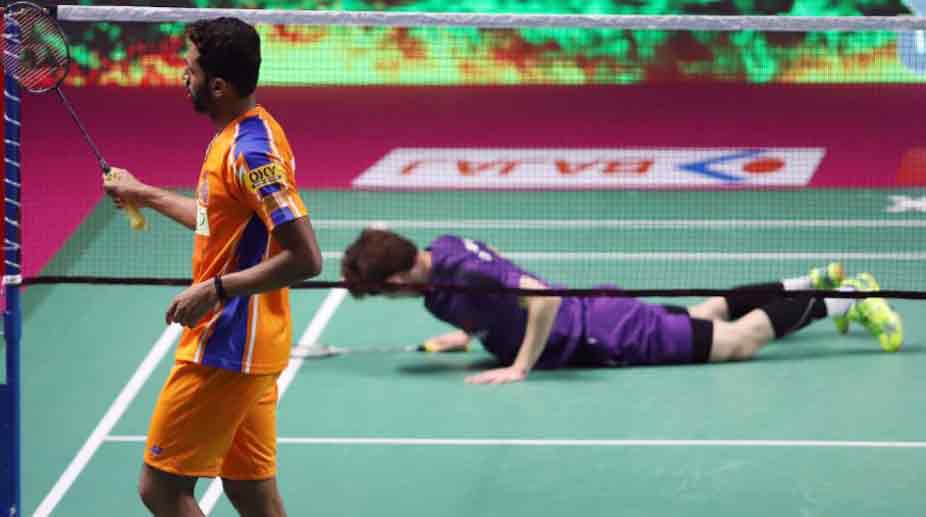
First-timers Ahmedabad Smash Masters marched into the semi-final of the Premier Badminton League (PBL) in emphatic fashion with a 5-0 win over Mumbai Rockets in their final league match on Tuesday.

At the Jawaharal Nehru Indoor Stadium in Chennai, the Ahmedabad side became the first to qualify for the semi-final. With the win Ahmedabad finished on top of the points table. On the other hand, Mumbai Rockets finished with 10 points and Chennai Smashers with 12 points as they were knocked out of the competition.

Smash Masters dominated right from the very first match of the tie with their lead pair of Tai Tzu and HS Prannoy once again stamping ther class.

Smash Masters’ mixed doubles pair of Law Cheuk Him and Kamilla Rytter Juhl set the ball rolling with a 15-11, 15-7 win over the Mumbai pairing of Lee Yong Dae /Gabriela Stoeva.

Then Prannoy registered an upset 15-12, 15-12 win over World No 5 Son Wan Ho to make it 2-0 for Smash Masters. Sourabh Verma then demolished his brother Sameer 15-14, 15-11 in the trump match to ensure that Smash Masters’ progress. Thereafter, Tai Tzu dismantled Beiwen Zhang 15-9, 15-12 in quick time to put Smash Masters 3-0 ahead.

Lee Yong Dae and Tan Boon Heong salvaged the solitary win for the Rockets with a 15-10, 15-12 defeat of K Nandagopal and Lee Reginald in the final match.

Tai Tzu sealed the first game pretty easily, but in the second game her opponent fought back well in the second game. But the 23-year-old Tzu did not allow her opponent any opportunity to as she grabbed the match at 15-12.

Prannoy staged a brilliant fightback against the World No 5 as he edged out the much fancied opponent in the first game Thereafter in the second game, the Indian was engaged in a close battle yet again, before he pulled away in fine style.

Results: Ahmedabad Smash Masters beat Mumbai Rockets 5-0: Mixed Doubles: Law Cheuk Him/Kamilla Rytter bt Lee Yong Dae /Gabriela Stoeva 15-11, 15-7; Men’s Singles: HS Prannoy bt Son Wan Ho 15-12, 15-12; Sourabh Verma bt Sameer Verma 15-14, 15-11 (Trump); Women’s Singles: Tai Tzu bt Beiwen Zhang 15-9, 15-12; Men’s Doubles: K Nandagopal/Lee Reginald lost to Lee Yong Dae/Tan Boon Heong 10-15, 12-15.

‘Hafiz Saeed incited UK Muslims to militancy’

IANS | London |

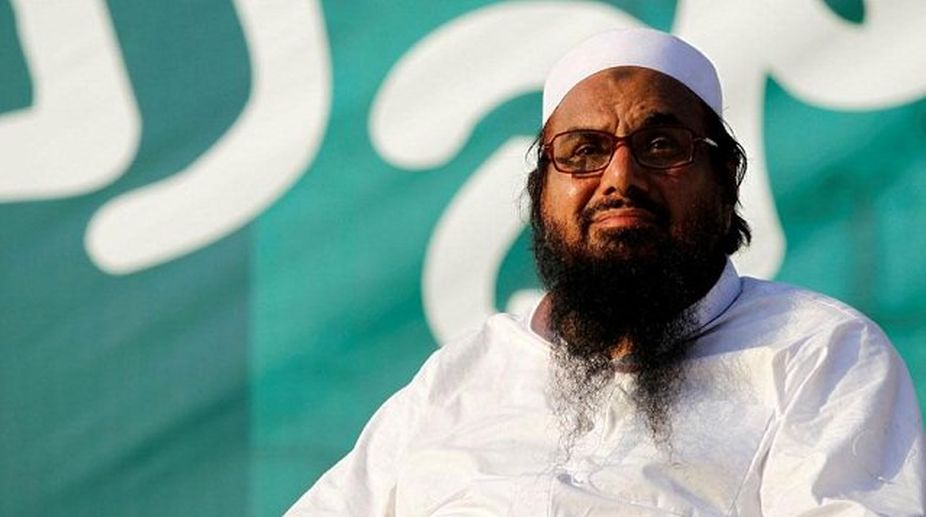
Hafiz Muhammad Saeed, head of the banned Jamaat-ud-Dawa (JuD) in Pakistan, toured Britain in the 1990s stirring up Muslim youths to become jihadis years before 9/11, a BBC investigation has found.

Saeed, who has a $10 million bounty on his head for allegedly masterminding the 2008 terror attack in Mumbai, thrilled audiences in packed mosques in cities around Britain by calling for a return to the days when Muslims waged jihad and infidels paid them protection money.

Saeed, the founder of Lashkar-e-Taiba (LeT), has denied involvement in the Mumbai carnage.

A report in Pakistan’s Dawn newspaper quoted the BBC as saying that the revelation had come amidst concerns for the British government and intelligence agencies about the large number of Muslims going abroad to fight “holy wars”.

The investigation, which was the basis of a 40-minute BBC Radio 4 documentary, was broadcast on Tuesday night. It revealed that the roots of violent religious struggle by British Muslims were laid in the mid-1990s, much earlier than previously thought.

The tour of Britain was chronicled in Mujalla Al Dawah, a monthly magazine published by Saeed’s organization, Markaz Dawa Wal Irshad.

According to the articles uncovered during the BBC investigation, Hafiz Saeed arrived in Britain on August 9, 1995 and set about lecturing the youth about jihad. There was silence in Birmingham as he urged his audience to “rise up for jihad” and vilified Hindus.

That address “in real terms laid the foundation of … jihad in the UK”, according to the articles.

In Huddersfield, Saeed said: “In order to defeat infidels, it is our duty to develop all forms of arms and ammunition, including nuclear bomb. That is God’s command. We (LeT) have declared jihad and killing as first condition of our belief.”

In Leicester on August 26, Saeed spoke at a conference attended by 4,000 people. His address “infused a new spirit in the youth. Hundreds of young men expressed intention to get jihad training”.

Summing up the British tour, the author wrote: “A large number of young people want to get jihad training. A group of around 50 college and varsity students has so far finalised its programme… The time is not far off when Muslims will wake up.”

Manwar Ali, a computer science graduate from London who became a jihadist but has now renounced violence, told the BBC he persuaded Saeed to visit Britain to rally support for jihad and raise funds.

“Whenever Saeed would come to Green Lane (Birmingham) or Rochdale, Skipton, Rotherham, Birmingham and Leicester, thousands of people would turn up,” Ali told BBC.

Each trip raised £150,000 or more. Women removed their gold bangles and earrings in response to his call. Hundreds of Britons went to battlefields in the Philippines, Jammu and Kashmir as well as Bosnia, with some losing their lives.

The LeT was banned by Pakistan in 2002 but shortly before that Hafiz Saeed resigned and formed JuD, which is currently on a watch list but officially not banned. Saeed was confined to his home in Pakistan for several months last year but has been freed since.

EurAsia Cup: Team Asia can defy the odds, says SSP Chawrasia

SNS | New Delhi |

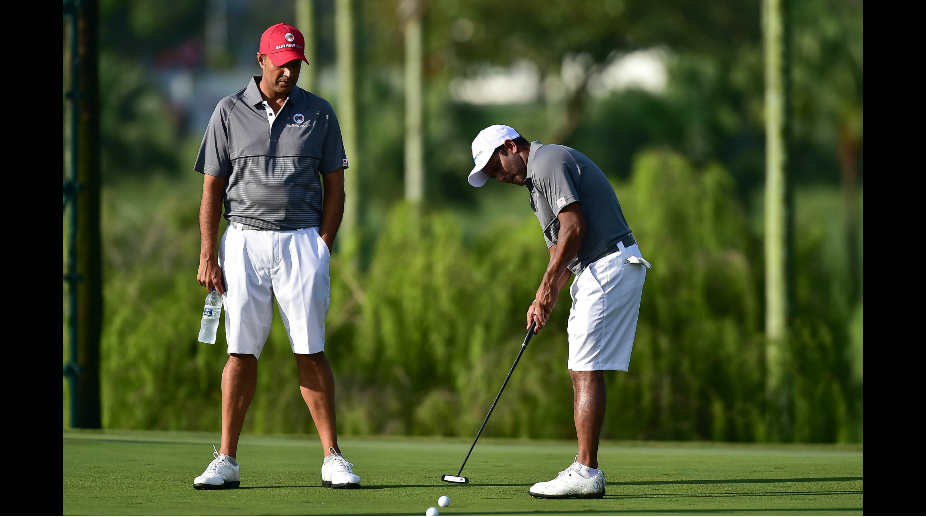
India’s SSP Chawrasia is confident Team Asia can defy the odds when they take on Team Europe at the EurAsia Cup which starts on Friday.

Playing in his second EurAsia Cup, the six-time Asian Tour winner is looking forward to the clash with 12 of Europe’s best players at the Glenmarie Golf and Country Club. Chawrasia was part of Team Asia that suffered an 18 ½ -5 ½ defeat to Team Europe in the 2016 edition.

But that loss is a distant memory for the 39-year-old Indian and he is now optimistic of turning the corner with his other teammates.

“Our team is really very strong to be honest compared to last time. We are getting used to playing a team event already because of our past experiences at the EurAsia Cup and I think we can do well. We are all good players and we are ready. The European team is strong but we are just as strong. We’re looking forward to the week,” said Chawrasia.

Talking about captain Arjun Atwal, the Kolkata golfer said, “He is a very good friend of mine. I’m very comfortable with him because of the same language we speak and we’ve played together on many occasions, so that’s a very good thing. I think he’s a good captain for us. On a personal level, he has always helped me. I remember when I was younger, he would always come and ask me to work on my chipping and putting as everybody knows I cannot hit the ball long and my strength lies in my short game.”

Meanwhile, Malaysia’s Nicholas Fung, who will be making his third appearance at the EurAsia Cup, is equally hopeful of putting a dent in Team Europe’s title defence.

The Malaysian also believes Team Asia’s push for EurAsia Cup glory will be aided by his past experience as well as the passionate crowd expected to back his continent this week.

The EurAsia Cup will feature 24 matches, with day one showcasing six Fourball matches, followed by six Foursomes matches and 12 Singles matches on the third day.

India Inc’s topline growth to hit 5-yr high of 9% in Q3′

PTI | Mumbai |

Ahead of the start of earnings season, domestic rating agency Crisil on Wednesday said it expects India Inc’s revenue growth to hit a five-year high of 9 per cent for the October-December 2017 period.

However, profits will continue to contract, primarily due to the rising commodity prices, the note by its research wing said.

The aggregate topline of companies in key sectors will grow 9 per cent over same period last year on higher realisations in steel, aluminium, cement and crude oil-linked sectors, and a pick-up in consumption-driven sectors such as auto and aviation, its research wing said.

The revenue growth, which comes after a broadbased improvement in the preceding second quarter that was taken as a prelude to a cyclical upturn, is ahead of inflation by a meaningful margin now, Crisil Ratings’ senior director Prasad Koparkar said.

He added for FY18, it expects a revenue increase of 8-9 per cent for the listed companies.

The research wing disclosed that its estimate is for companies across key sectors, representing 70 per cent of the market capitalisation of NSE-listed companies.

Export linked sectors such as information technology and pharmaceuticals will disappoint, along with telecom where the incumbents are forced to slash tarriffs due to aggressive play by the newcomer Reliance Jio.

With the GST-related worries abating and trade channels reverting to normalcy, the consumption linked sectors are expected to be the primary drivers of revenue growth for the second half of the fiscal. The consumption-linked sectors excluding telecom had reported a 15 per cent revenue growth in the second quarter.

For the first two quarters, companies have reported a revenue growth of 6 per cent despite the impact of the Goods and Services Tax (GST) implementation, it said, adding that if not for the reverses in telecom, the revenue growth would have come at 10 per cent.

From a profitability perspective, there can be a contraction of up to 1.30 per cent in the pre-tax profits.

“EBIDTA margin fell for 8 of 21 sectors in the second quarter of this fiscal, and we expect this trend to continue.

A contraction of 1-1.30 per cent in aggregate EBIDTA margin in the third quarter would intensify pressures because there s little latitude to control cost amid rising commodity prices,” its director Hetal Gandhi said.

Telecom services, pharma, sugar and housing will see the sharpest fall in margins, it said, adding that had it not been for these, the overall pre-tax margins for key sectors would have declined by only 0.40 per cent in the third quarter of the fiscal.

Defence, intelligence cooperation with US suspended: Pakistan

IANS | Islamabad |

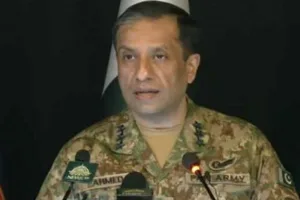
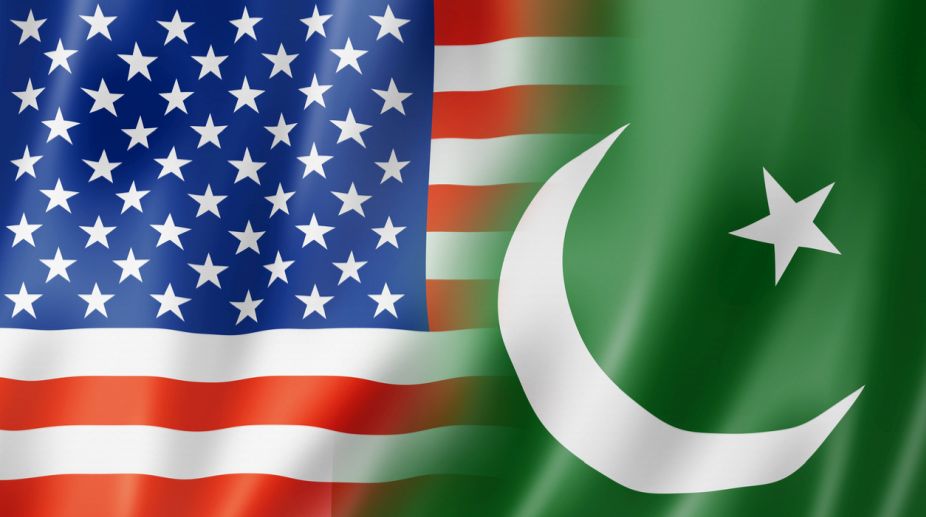
Pakistan has suspended defence and intelligence cooperation with the US amid growing tensions over Washington’s suspension of military aid to Islamabad, Defence Minister Khurram Dastgir has said.

US officials have said that almost all security assistance to Pakistan has been suspended following President Donald Trump’s Tweet on January 1 in which he alleged that Pakistan “gives safe haven to the terrorists we hunt in Afghanistan”.

Pakistani leaders had shown restraint but the Defence Minister’s statement could be seen as an indication of growing tension, Xinhua news agency reported.

“You see the facilities that we have extended to them (Americans) are still in operation. We have not suspended them. But there is also a wide field of intelligence cooperation and defence cooperation which we have suspended,” Dastagir said on Tuesday.

Referring to the US suspension of Pakistan’s aid, he said: “the recent suspension of military aid by the US comes in the wake of a more grave suspension, which is a suspension of the strategic dialogue for more than a year between the US and Pakistan.”

He also complained that the US had not extended help to fence the border with Afghanistan in the rugged mountains to stop the cross-border movement of the militants.

Pakistan and Afghanistan have nearly 2,500 km of border, mostly porous, and the militants take advantage of the open border to move on both sides for violence.

Pakistan last year started fencing the border. Most fencing will be completed this year, according to military officials.

“It is convenient to blame Pakistan for cross-border terrorism whereas the US has not lifted a finger to help fence-up the border,” Dastgir was quoted as saying.

“Now all veils are off… It is time for a courteous yet ruthlessly candid dialogue between Pakistan and the US,” he said.

The US has long alleged that Pakistan was “providing sanctuaries to the Afghan Taliban and the Haqqani Network”, which are blamed for attacks on the US-led foreign and Afghan forces.

300 cartons of liquor seized in dry Bihar

PTI | Gopalganj |

At least 300 cartons of liquor, worth about Rs 40 lakh, have been seized in the district and one person has been arrested in this connection, an excise department official said on Wednesday.

The liquor, manufactured in Haryana, was being brought in a container truck, bearing a fake Punjab number.

The vehicle was seized at Jalalpur checkpost under Kuchaykot police station area late last night, excise superintendent Priyaranjan said.

He said the driver of the container truck has been arrested by the police and the market value of the liquor, kept in 300 cartons, was about Rs 40 lakh.

Sale and consumption of liquor was banned in Bihar by the Nitish Kumar government nearly two years ago.

Photo

  • img
  • img
  • img
  • img
  • img
  • img
  • img

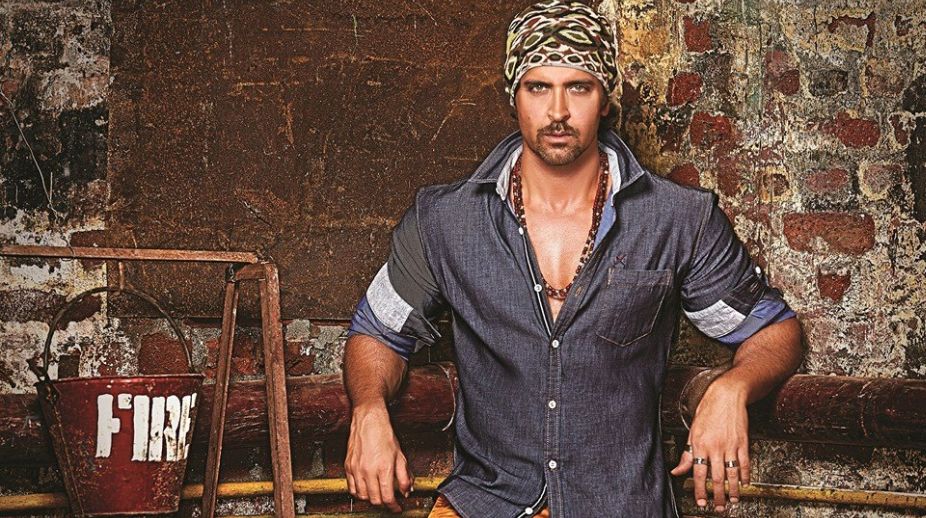
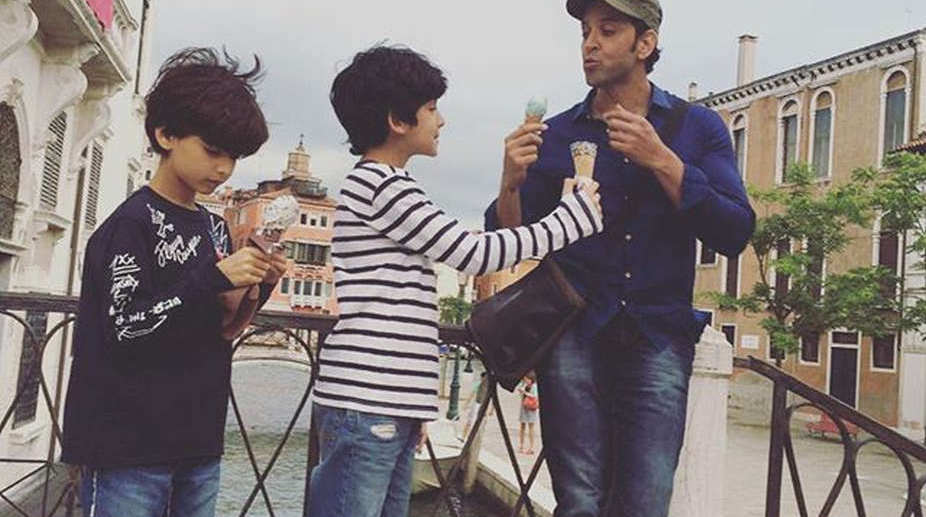
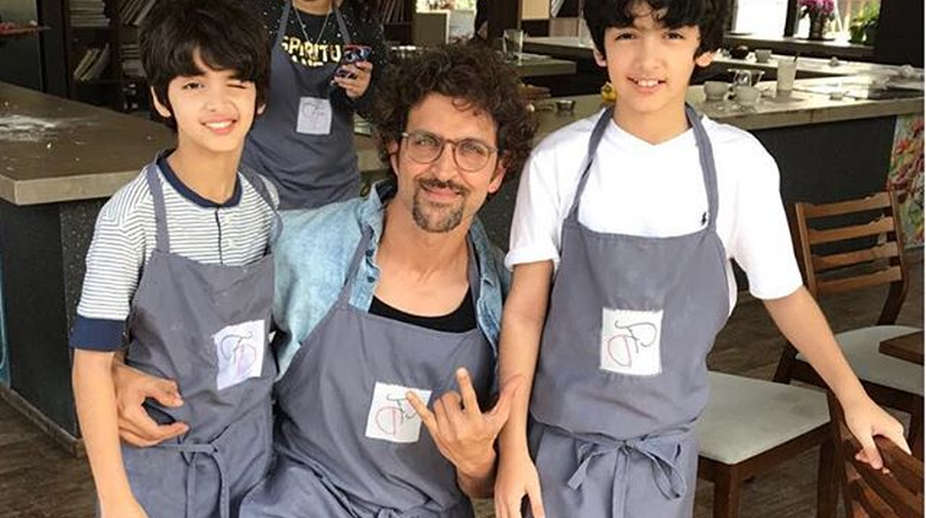
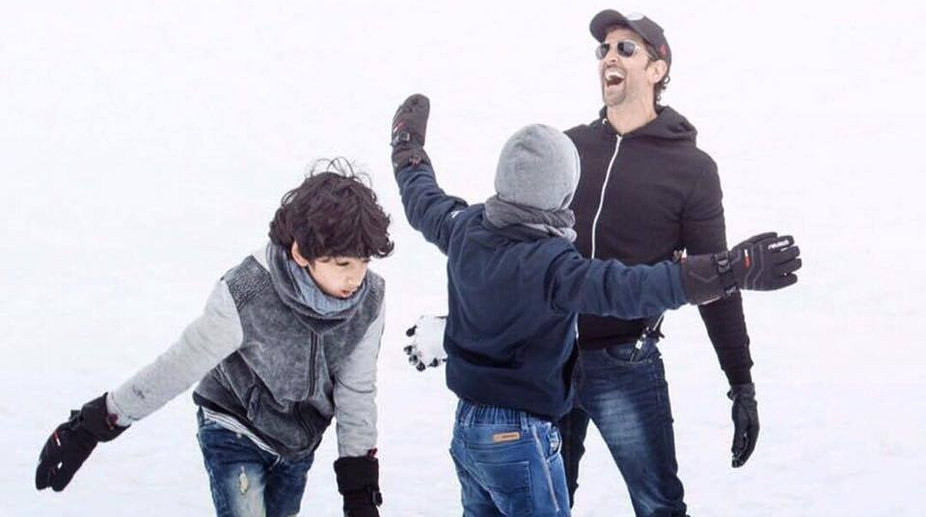
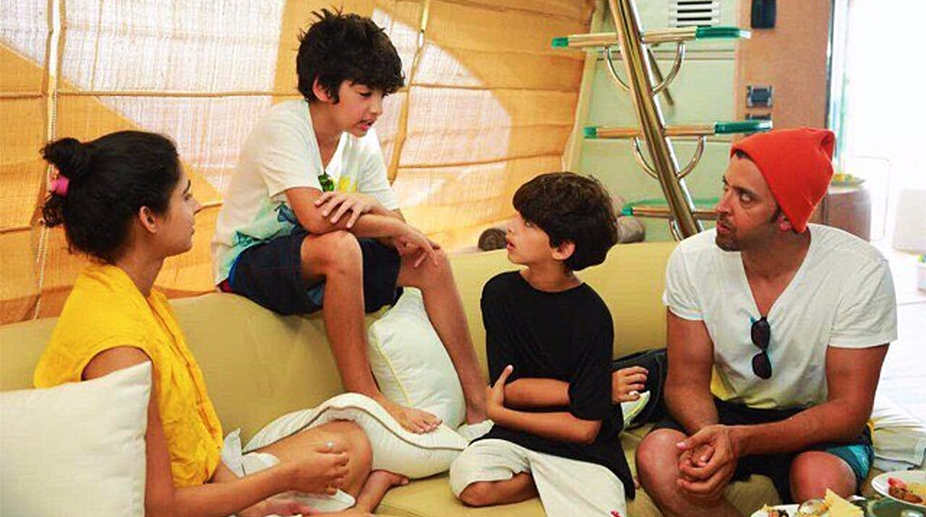
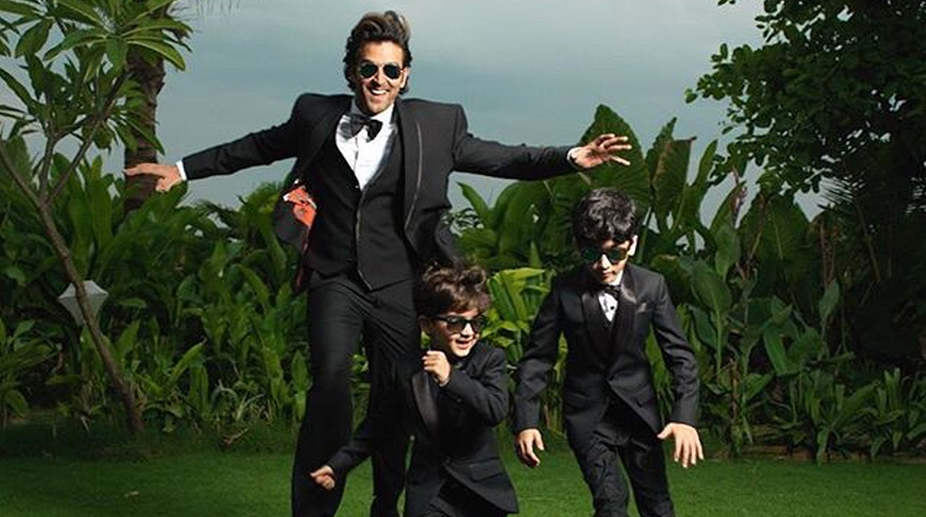
6 pictures of Hrithik Roshan which prove he is the coolest dad of B-Town

6 pictures of Hrithik Roshan which prove he is the coolest dad of B-Town

MORE Photo STORIES

Do school prayers in Kendriya Vidyalayas promote Hinduism? Supreme Courts asks Centre

SNS | New Delhi |


The Supreme Court is all set to examine whether the Kendriya Vidyalayas across the country are promoting any religion with a Hindi prayer which is sung in the morning assembly. The prayer in question is sung in more than 1100 Kendriya Vidyalaya schools.

The top court on Wednesday issued a notice to the government over a PIL against Hindi and Sanskrit school prayers stating that it is a very important constitutional issue.

Reportedly, an advocate filed the petition asserting that state-run institutes cannot promote any particular religion.

Given that the prayer includes some Sanskrit words along with Hindi, it has been reportedly said in the petition that the prayer was a violation of the Constitution. The students are required to folds hands and close the eyes to recite the prayer.

A bench headed by Justice Rohinton F Nariman has directed the Centre to respond in two weeks.


Another swine flu alert in Rajasthan

IANS | Jaipur |

The Rajasthan government on Wednesday issued a swine flu alert after the disease claimed 12 lives in the state since January 1.

The alert comes after 19 people tested positive for swine flu in Rajasthan on Tuesday, with 10 cases reported from Jaipur.

According to health department officials, strict instructions have been given to the employees for a thorough screening in and around patients’ residences.

Two people who succumbed to in Jaipur included a 76-year-old person who died while undergoing treatment at a private hospital on Tuesday.

A medical officer said on the condition of anonymity that there were half a dozen deaths reported in the state on Tuesday.

Two additional counters have been set up at the SMS Hospital to tackle the outbreak. A total of 230 persons have been diagnosed with swine flu this year.

After Aug 15 spat, Bhagwat to hoist flag in Kerala on Jan 26

PTI | New Delhi |

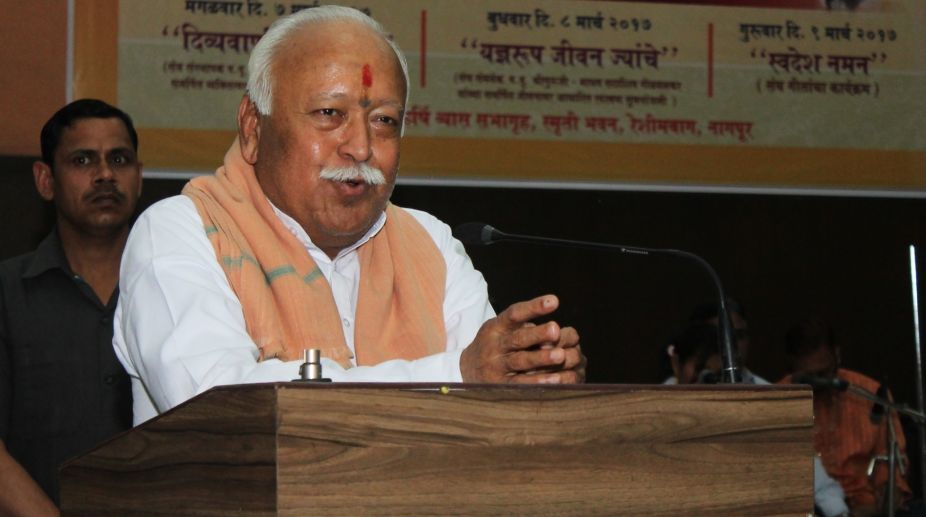
After an ugly spat over the unfurling of the national flag in Kerala on August 15, RSS chief Mohan Bhagwat is all set to hoist the tricolour again in the left-ruled state on Republic Day.

He will hoist the flag on January 26 in a school on the outskirts of Palakkad, RSS members said.

Bhagwat will be in Kerala to attend a three-day Rashtriya Swayamsevak Sangh (RSS) camp, to be held in a school near Palakkad town from January 26.

“The sarsanghchalakji (RSS chief) always hoists the national flag on Independence Day and Republic Day wherever he is on these days. Since on January 26 he will be in Kerala, he will hoist the flag there. It should only be seen in this light,” a senior Sangh functionary said.

Sangh members added that the school where the RSS event is being organised is under the administration of the outfit’s Bharatheeya Vidya Nikethan.

“There will be a programme on the morning of January 26 to mark and celebrate Republic Day, when sarsanghchalakji will unfurl the national flag,” RSS’s state coordinator KK Balram told PTI.

Balram said there was no need to take permission from the local administration as the event was being organised in a Sangh-run school and not in a government institute.

Bhagwat had unfurled the tricolour at a government-aided school in Palakkad district on August 15 last year, flouting an order of the district administration. The state government has ordered action against the school authorities.

The RSS has a considerable presence in Kerala, where the BJP is seeking to make inroads. Last year, BJP chief Amit Shah had flagged off his Janraksha Yatra in Kerala to protest against alleged violence against its workers in the state.

The state has been witnessing incidents of political violence involving cadres of the ruling Communist Party of India (Marxist) and the RSS.

Cabinet clears 100 pc FDI under automatic route; 49 pc in Air India through approval

SNS | New Delhi |

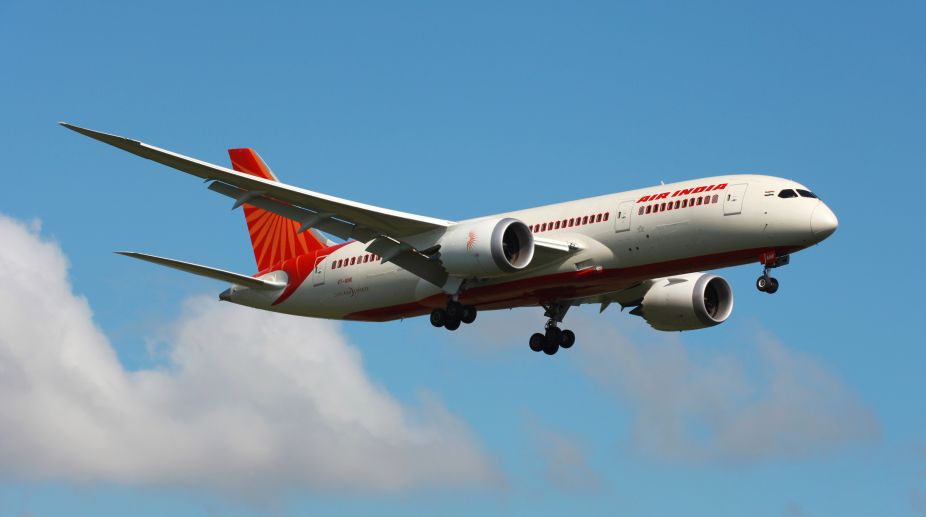
The Union Cabinet at a meet chaired by Prime Minister Narendra Modi on Wednesday allowed 100% Foreign Direct Investment ( FDI) under the automatic route in single brand retail trading (SBRT) and construction development . The Cabinet also approved investment up to 49% under approval route in Air India.

Highlights: 

  1. 100% FDI under automatic route for Single Brand Retail Trading
  2. 100% FDI under automatic route in Construction Development
  3. Foreign airlines allowed to invest up to 49% under approval route in Air India
  4. FIIs/FPIs allowed to invest in Power Exchanges through primary market
  5. Definition of ‘medical devices’ amended in the FDI Policy

Single Brand Retail Trading (SBRT):

Extant FDI policy on SBRT allows 49% FDI under automatic route, and FDI beyond 49% and up to 100% through Government approval route. It has now been decided to permit 100% FDI under automatic route for SBRT.

It has been decided to permit single brand retail trading entity to set off its incremental sourcing of goods from India for global operations during initial 5 years, beginning 1 April of the year of the opening of first store against the mandatory sourcing requirement of 30% of purchases from India.

After completion of this 5 year period, the SBRT entity shall be required to meet the 30% sourcing norms directly towards its India’s operation, on an annual basis.

Civil aviation:

As per the extant policy, foreign airlines are allowed to invest under Government approval route in the capital of Indian companies operating scheduled and non-scheduled air transport services, up to the limit of 49% of their paid-up capital.

However, this provision was presently not applicable to Air India, thereby implying that foreign airlines could not invest in Air India.

It has now been decided to do away with this restriction and allow foreign airlines to invest up to 49% under approval route in Air India subject to the conditions that; Foreign investment(s) in Air India including that of foreign Airline(s) shall not exceed 49% either directly or indirectly. Substantial ownership and effective control of Air India shall continue to be vested in Indian National.

Constructional development:

It has been decided to clarify that real-estate broking service does not amount to real estate business and is therefore, eligible for 100% FDI under automatic route.

Power exchanges:

Extant policy provides for 49% FDI under automatic route in Power Exchanges registered under the Central Electricity Regulatory Commission (Power Market) Regulations, 2010. However, FII/FPI purchases were restricted to secondary market only. It has now been decided to do away with this provision, thereby allowing FIIs/FPIs to invest in Power Exchanges through primary market as well.

Pharmaceuticals: 

FDI policy on Pharmaceuticals sector inter-alia provides that definition of medical device as contained in the FDI Policy would be subject to amendment in the Drugs and Cosmetics Act. As the definition as contained in the policy is complete in itself, it has been decided to drop the reference to Drugs and Cosmetics Act from FDI policy. Further, it has also been decided to amend the definition of ‘medical devices’ as contained in the FDI Policy.

(With agency inputs)

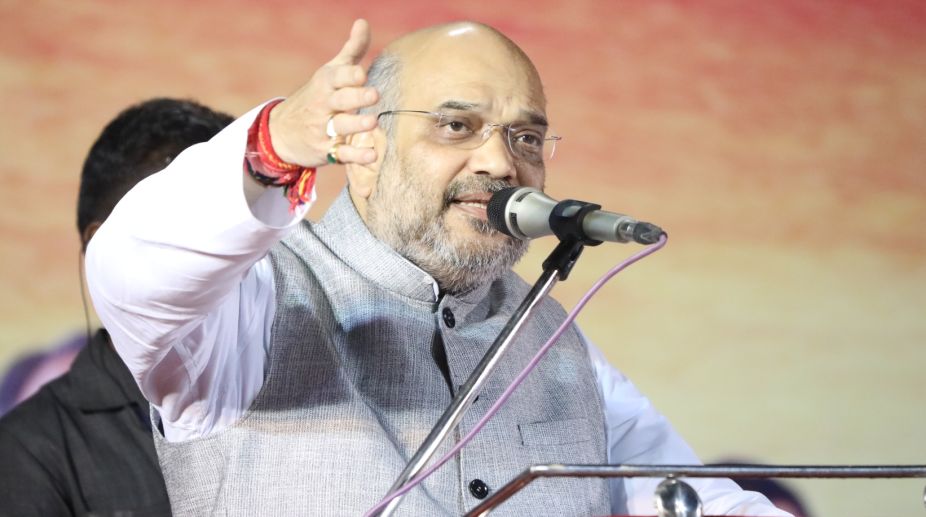
Congress government in Karnataka is anti-Hindu: Amit Shah

SNS | New Delhi |

BJP President Amit Shah on Wednesday accused the Congress government in Karnataka of indulging in votebank politics and being anti-Hindu as he called upon people to choose BJP for robust development in the poll-bound state.

Addressing a public gathering Chitradurga as part of BJP’s ‘Karnataka Parivartan Yatra’, Shah slammed Chief Minister Siddaramaiah for giving a free hand to Socialist Democratic Party of India (SDPI) which has been accused of murdering of Hindu activists in the state.

“This government (Karnataka) is doing vote bank politics, it is an anti-Hindu… They have withdrawn all cases against SDPI, which is an anti-India organisation,” Shah said in his address

He further questioned the Union government efforts to ensure development in the state.

“I have come to answer the CM’s question on what has centre done for Karnataka… In 13th Finance Commission under UPA Rs.88,583 crore was allocated for Karnataka, under our government, the state got Rs.2 lakh 19 thousand crore,” he said.

“But where did all the money given by the centre go? Did it reach your village? Look for a Congressman in your village, 5 years back what used to be a thatched house will now be a huge four-storey house with an expensive car parked in front,” he said further.

The Bharatiya Janata Party (BJP) chief landed in the state on Tuesday night to up the ante against the ruling Congress by infusing some vigor into the ongoing 79-day yatra that he flagged off on November 2, 2017.

The rally will culminate on January 28 with Prime Minister Narendra Modi’s address. Party’s chief ministerial candidate BS Yeddyurappa will also be present along with top party leadership.

Shah held a strategy session with state unit leaders, party legislators, MPs, and office-bearers to prepare for the polls on Tuesday and gave them a 23-point formula to strengthen its grassroots-level organisation through micro-management.

The BJP is going all guns blazing to oust the Congress from the big state, which sends 20 or more MPs to the Lok Sabha. The 224-seat assembly is likely to go to polls in May and the BJP has set itself a target of 150 seats.

The BJP is planning to launch a two-front attack on the incumbent Congress with Shah along with Uttar Pradesh Chief Minister Yogi Adityanath, who is actively campaigning in the state for weeks, consolidating Hindu votes while Modi, with a blitzkrieg of rallies in the last stage, will woo the urban voters.

The Congress and the BJP had won 122 and 40 seats respectively in the last assembly polls.


WhatsApp gets Facebook Messenger-like voice to video call switch feature in beta

According to a report, if you are in the middle of a WhatsApp voice call and want to switch to a video call, you just need to tap that button to make the switch.

IANS |

WhatsApp has launched a feature in its beta version that will let users switch to video calls from voice calls at the touch of a button.

According to a report in the Independent, if you are in the middle of a WhatsApp voice call and want to switch to a video call, you just need to tap that button to make the switch. Tapping the button will send a request to the person on the other side, asking if he or she wants to switch from voice to video.

If the offer is accepted, the call will be switched. If the offer is declined, the voice call will continue as normal. In the current version of WhatsApp, you need to end a voice call to make a video call.

WhatsApp calls are currently only available in one-on-one conversations but it might be available to group chats in the near future, the report said.

The new feature was spotted by watcher of the popular chat app WABetaInfo, which said that the feature is only available to those who have signed up to the beta version of WhatsApp.

Last month, WABetaInfo reported that WhatsApp mistakenly rolled out the ‘Reply Privately’ feature in a beta update that would allow users to privately send a message to a participant in a group without anyone else knowing about it.

The feature appeared and was subsequently dropped from the beta version of the app, watcher of the popular chat app @WABetaInfo said, confirming that the developers wrongly enabled the feature.

WABetaInfo also leaked the details of the features that WhatsApp was developing for web and desktop, including tap to unblock and a picture-in-picture (PIP) mode.

CM Parrikar gives green signal to ‘Padmavat’ release in Goa

IANS | Panaji |

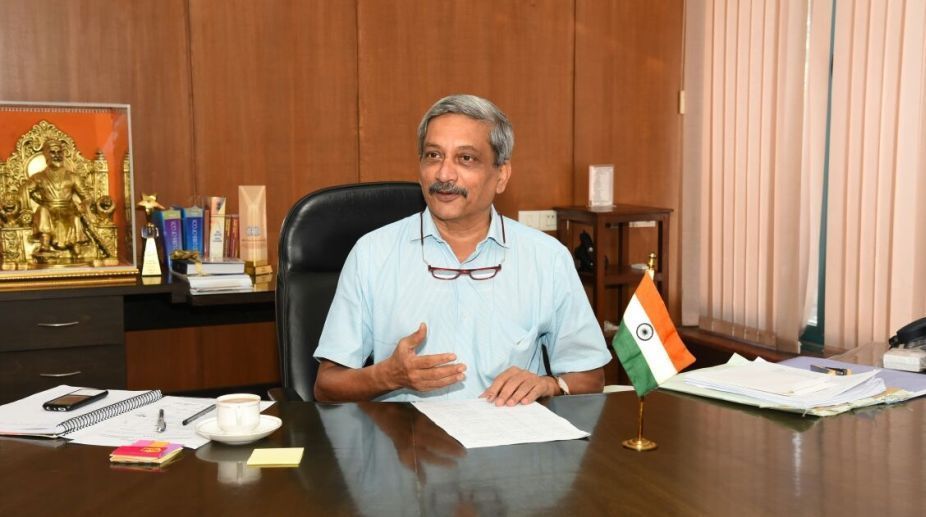
If ‘Padmavat’ has been given a censor certificate by the CBFC, then the Goa government does not have a problem to screen it in cinema halls, Chief Minister Manohar Parrikar said on Wednesday.

“If they have a censor certificate we do not have an objection. If there is a law and order issue, we will look at it then,” Parrikar told reporters.

Parrikar also said that the state police had expressed apprehensions about the film being screened in Goa during the peak tourism season in December when a significant chunk of the uniformed personnel are busy discharging law and order duties.

He added that since the peak season was over, the apprehension was irrelevant.

“a Police report was for peak season. Peak season is over, so there is no problem,” Parrikar said.

The women’s wing of the Bharatiya Janata Party had objected to the screening of the film in Goa citing law and order problems and wrong portrayal of queen Padmavati in the Sanjay Leela Bhansali film.

After much controversy and delay, the Central Board of Film Certification finally certified ‘Padmavat’, clearing the path for its release in cinema halls.

Mapping the mindset and reasoning of jihadis

Harsha Katyayini |

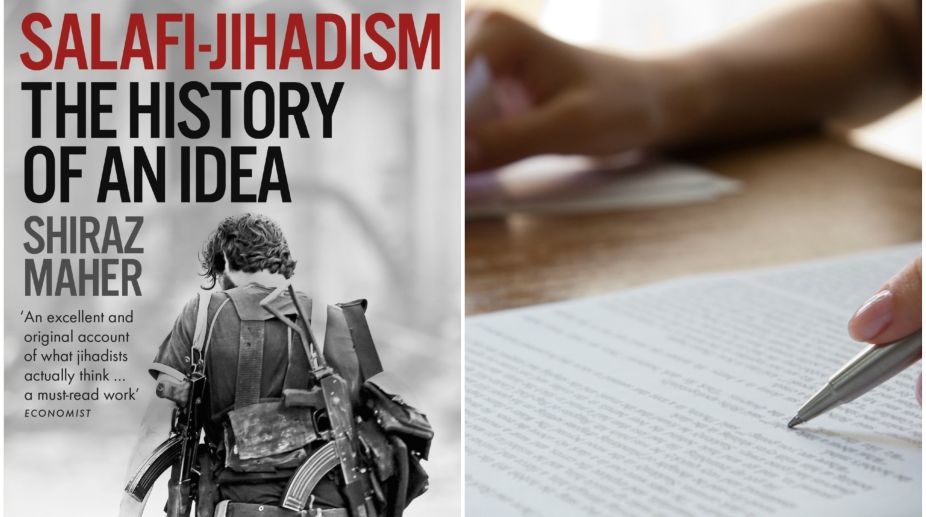
Title: Salafi-Jihadism: The History of an Idea

Author: Shiraz Maher

Publisher: Penguin Random House UK

Pages: 292; Price: Rs 499

Fundamentalism is an inescapable feature of all religions, but becomes a problem when it takes an intolerably and indiscriminately violent form of a “holy war”. This is an issue in its heartland no doubt but exacerbates when it spills over into the wider world — and that is why Islamist jihadism is among the biggest challenges we face now.

But it is not enough to label its manifestations like Al Qaeda, and the more sophisticated and brutal Islamic State, or others, a bunch of medieval-minded, psychopathic zealots or think they can be bombed out of existence.

For the chief shortcoming — and cause of failure — of George W. Bush’s “Global War on Terror” was ignoring that it was fighting an idea — which cannot be defeated by force, however overwhelming, but by disproving them or better ideas.

Groups like the Al Qaeda or the IS, as this book argues, don’t just represent an instinctive repudiation of the Western political and social ideas, but a more calibrated and argued religious-based reaction to it. Whatever you may think of their arguments, they do exist, are based on religious principles — no matter how subjective or self-servingly distorted — but above all, not known widely, says Shiraz Maher here.

The activities of these jihadist groups do not only stimulate public interest in the political dimensions of the crises in the Islamic heartlands but also in the ideas which drive them on the ground, and that is what Maher, a Senior Research Fellow at the International Centre for the Study of Radicalisation (ICSR) at Kings College, London, seeks to answer here.

“Islamic State is a Salafi-Jihadi movement, although the broader soteriology (salvation doctrine) of Salafism from which it is derived remains poorly understood by the public. Salafis are typically viewed with suspicion and often characterised as extremists because of their religious conservatism and aesthetic conformity.

“For men this would typically include a long and unkempt beard with a robe that stops just short of covering the ankle. For women in public it is most closely associated with the niqab, an enveloping veil which reveals only the eyes. To reduce Salafism to this alone is to compress a vast and complex tradition into a few lazy cariacatures,” he contends.

In his historical and theological analysis, Maher shows how the ideology of the IS is “neither new nor novel”, “its intellectual framework appears to sit within the mainstream tradition of Salafi-Jihadi thought” and it is a philosophy that “believes in progression through regression”.

After an invaluable exposition on how Salafi thought can be divided into its methods for change — violence, activism and quietism — and how they affect its attitude towards the state or global order, he examines the key features of the philosophy of Salafi-Jihadi — which is just one part of a broader spectrum.

After examining what scholars identify as its key characteristics, Maher identifies them as “tawhid” (unity of god), “hakimiyya” (extending the rule of Allah), “al wala wa-l-bara” (to love and hate for the sake of Allah), jihad and “takfir” (excommunication of those Muslims following a separate path) which both protect and promote the doctrine.

Subsequently, he goes on to expand on these, especially jihad, to explain their rationale for attacking enemies far away as a defensive measure, the rules of killing enemies, the law of retaliation, vicarious liability of common citizens in “enemy territory” and the use of human shields. Here he also shows their subjective interpretation of Islamic principles to justify their activities, while also making a credible postulate when the trend began — the Soviet invasion of Afghanistan and crystallising in the Second Gulf War.

Alongside, he also shows how Salafi Jihadism’s “roots grounded in the experiences of Sunni Islam”, drawing in not only Islamist ideologues like Sayyid Qutb or Sayyid Abul Ala Maududi, but also its South Asian influences, especially the writings of India’s prominent Islamic scholar Abul Hasan Ali Hasani Nadwi ‘Ali Mian’.

While Maher gives no solutions in his work which is thorough but mostly lucid — though the similar-sounding Arabic religious terms need regular flipping to a helpful glossary — it clearly shows the dimensions of the issue and how we need to be extra-vigilant to prevent religions being hijacked by radicals.

And then while he shows how jihadis stem from mainstream Islam, it also must be remembered that their fervour isn’t shared by the entire community.


Another JNU student ‘goes missing’

PTI | New Delhi |

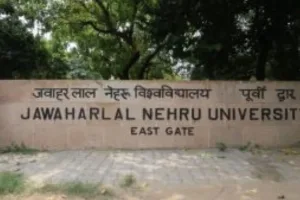
A 26-year-old student, pursuing PhD at Jawaharlal Nehru University (JNU) here, has gone missing from the campus, the police said.

Mukul Jain, enrolled in Life Sciences course, has been missing since January 8, they said.

A missing report was registered in the evening of January 8. It is suspected that he was having some problems in his relationship, said a senior police officer from the South-west District.

Till now, no foul play has been suspected, they added.

Najeeb Ahmed, also a JNU student, went missing from the Mahi-Mandvi hostel of the university on October 15, 2016 following a scuffle with some other students, allegedly affiliated to the Akhil Bharatiya Vidyarthi Parishad (ABVP), the previous night.

Over a month after the incident, his mother moved the Delhi High Court, seeking directions to the police to trace her son.

The high court on May 16 last year handed over to the CBI the investigation into the disappearance of Najeeb, a student of M.Sc in Biotechnology.