Logo

Vaibhav Suyavanshi hits 36-ball ton for Bihar in Vijay Hazare Trophy opener

India’s 14-year-old batting sensation, Vaibhav Suryavanshi, made headlines again after smashing a 36-ball century in the Vijay Hazare Trophy Plate league opener for Bihar against Arunachal Pradesh at the JSCA Oval Ground on Wednesday.

IANS | New Delhi |

India’s 14-year-old batting sensation, Vaibhav Suryavanshi, made headlines again after smashing a 36-ball century in the Vijay Hazare Trophy Plate league opener for Bihar against Arunachal Pradesh at the JSCA Oval Ground on Wednesday.

Suryavanshi’s century off 36 balls was the second-fastest hundred by an Indian man in overall List A cricket, after Punjab batter Anmolpreet Singh’s 35-ball century against Arunachal in the Vijay Hazare competition last season.

Overall, Suryavanshi’s 36-ball ton ranks as the joint-fourth-fastest ever in the world in List A cricket. The teenage batter racked up his 150 off only 54 deliveries before being dismissed for 190 off 84, as Bihar are currently 379/2 in 39 overs.

Earlier this month, Suryavanshi smashed an unbeaten century for Bihar against Maharashtra in an Elite Group B Syed Mushtaq Ali Trophy 2025 match at Eden Gardens in Kolkata.

He scored an unbeaten 108 off 61 balls, his maiden ton in the T20 domestic cricket tournament and third overall in the format. His century also made him the youngest batter to score a century in the Syed Mushtaq Ali Trophy, at 14 years and 250 days.

The 14-year-old cricketer also smashed the record for the highest score by an Indian in U19 Asia Cup history with his 171 off just 95 against the UAE.

The explosive southpaw also slammed a ton against the Australia U19 team in Brisbane during a Youth Test match in November. His most recent jaw-dropping innings came in the Rising Stars Asia Cup, where he scored 144 off 42 balls for India A against UAE, smashing 11 fours and 15 sixes.

His 32-ball hundred made him the youngest man to score a century for any national representative side at senior level, breaking a 20-year-old record.

Last month, Instagram chose to spotlight Vaibhav Sooryavanshi’s journey on its official page – making him only the second Indian cricketer after Virat Kohli to receive the honour.

‘Bid to obstruct elections’: Family alleges Yunus govt ultimately responsible for Sharif Osman Hadi’s murder

The family of Sharif Osman bin Hadi has blamed the Mohammad Yunus-led interim government for failing to protect him.

Statesman News Service | New Delhi |

The family of Sharif Osman bin Hadi, the Inqilab Moncho convenor who was shot dead in Dhaka on 12 December, has blamed the Mohammad Yunus-led interim government for failing to protect him. He said the administration “cannot avoid responsibility” for the murder and will ultimately be held accountable.

Hadi’s brother, Sharif Osman bin Hadi, said the killing occurred while the interim government was in power, making it responsible for the lapse in security. He alleged that the authorities failed in their constitutional duty to protect citizens and that accountability for the murder was inevitable.

“The interim government cannot escape liability. Whether today or ten years from now, they will have to stand trial,” said Omar Hadi as per media reports.

Allegations of attempt to disrupt elections

Omar Hadi further claimed that the murder was being used to create instability and derail the electoral process. According to him, efforts were underway to exploit the killing to ‘sabotage’ the general elections, a move he asserted would ultimately fail. He said Osman Hadi used to insist on holding elections in February and had been actively preparing on the ground.

“His killing was meant to obstruct the election process,” Omar Hadi alleged.

The Election Commission has announced that the next national election will be held on 12 February 2026.

Sheikh Hasina’s sharp attack on interim government for lawlessness

The Hadi family’s accusations come amid sharp criticism from former Bangladesh Prime Minister Sheikh Hasina. She has also blamed the Yunus-led administration for the surge in violence.

In an interview with ANI, Hasina said the killing reflected the lawlessness prevailing under the interim government.

“This tragic killing reflects the lawlessness that uprooted my government and has multiplied under Yunus. Violence has become the norm while the interim government either denies it or is powerless to stop it,” she said.

Hasina warned that such incidents not only destabilise Bangladesh internally but also strain relations with neighbouring countries, including India.

“When you cannot maintain basic order within your borders, your credibility on the international stage collapses. This is the reality of Yunus’ Bangladesh,” she added.

Protests continue in Dhaka

Sharif Osman Hadi was shot at close range on 12 December in Dhaka’s Bijoynagar area. He was later airlifted to Singapore for advanced treatment, but died from his injuries on 18 December.

His death triggered widespread protests across Bangladesh.

A protest rally was held by Inqilab Moncho yesterday at Shahbagh in Dhaka, demanding justice for Hadi. Inqilab Moncho has demanded that the killers of its convenor be brought to justice before the 2026 elections and the referendum takes place in Bangladesh.

How to celebrate Christmas at home: A complete guide to traditions, decorations, and festive joy

Celebrate Christmas at home by embracing timeless traditions, from decorating the tree to preparing festive recipes. Bring joy, faith, and togetherness into your home while spreading kindness through charity.

Mitali Gautam | New Delhi |

Christmas is celebrated on the 25th of December every year across the globe. Predictions for Christmas are followed in different regions and countries, but these traditions are now spreading worldwide and have become a major part of Christmas celebrations.

Here is how you can celebrate this festival at the comfort of your home.

Also Read: Christmas in Delhi: Your ultimate guide to shopping, feasting & celebrations; check it out!

Decorate your house

Christmas trees have been a tradition followed by many Christians for a long time, and now they have become an integral part of the celebration for everyone.

People decorate their Christmas trees with various ornaments that reflect their personality as well as their family traditions. Decorating a Christmas tree is a fun activity with families coming together to celebrate.

Creating traditional Christmas recipes

Baking a rum cake or preparing a turkey for Christmas is a tradition long followed in Western countries, but now it is done by people everywhere on Christmas Eve.

Certain recipes are passed down through families and have become popular among many people. One such tradition is soaking fruits and nuts in rum for months in advance.

Using these soaked fruits and nuts to make a Christmas cake is a ritual that most people follow during Christmas in colder countries.

Mass at churches

On Christmas morning, a mass is held in churches to pray for the well-being of everyone in the world. Children sing carols, and the Holy Bible is worshipped in the church. The pastor conducts prayers and reads verses from the Holy Bible. After the mass, people gather to exchange gifts. This tradition has been followed for generations. Families come together to celebrate this auspicious day.

Gratitude towards God through charity

Christmas is a festival of new life, hope, and peace, and expressing gratitude to God is central to the celebration. Thanking God for all that has been given to us and giving back through charity is also an important part of Christmas.

Numerous charitable programmes are organised during this time for the homeless, children, and the poor. Donations are collected to feed them and to provide clothing, books and other essentials.

Christmas is a festival not only for Christians but also a celebration of humanity and belief in the power of God.

If you read this far, Merry Christmas to you and your loved ones.

‘Jana Nayagan’ Hindi title ‘Jan Neta’ announces release date and cast; Vijay and Bobby Deol’s face-off unveiled

Thalapathy Vijay’s upcoming political action film Jana Nayagan has been titled Jan Neta for its Hindi version, drawing strong attention from fans nationwide. The film features an intense face-off between Vijay and Bobby Deol

Statesman News Service | New Delhi |

Thalapathy Vijay is getting ready for one of the most important films of his career, and the excitement just became bigger for North Indian fans. The makers of his upcoming Tamil film ‘Jana Nayagan’ have officially announced its Hindi title ‘Jan Neta.’

It is expected to be Vijay’s last movie before he steps into active politics.

Also Read: ‘Jana Nayagan’ poster out: Thalapathy Vijay prepares for a cinematic goodbye before full-time politics

Thalapathy Vijay vs Bobby Deol

Along with the Hindi title reveal, the makers also dropped a new poster on social media. The image shows Vijay and Bobby Deol standing face to face staring intensely at each other.


View this post on Instagram


A post shared by KVN Productions (@kvn.productions)

The poster clearly hints at a major clash between the two stars suggesting that the film will revolve around power, conflict, and strong ideologies. Many fans believe this face-off will be one of the film’s biggest highlights.

Zee Studios brings ‘Jan Neta’, Hindi version of ‘Jan Nayagan’ to North India

For the Hindi-speaking audience, there is good news. Zee Studios will release the film across North India.

The movie is going to hit theatres on January 9, 2026 perfectly timed for the festive Pongal season which is known for blockbuster Tamil releases.

Power-packed team behind ‘Jan Nayagan’

‘Jana Nayagan’ is directorial of H Vinoth. The film is a production of Venkat K Narayana under KVN Productions.

Music is composed by Anirudh Ravichander, whose energetic background scores and songs often become chartbusters. The technical crew also includes Sathyan Sooryan as cinematographer and Pradeep E Ragav as editor.

‘Jan Nayagan’ cast

Apart from Vijay and Bobby Deol, the film features an impressive cast. Pooja Hegde plays the female lead, Kayal. The supporting cast includes Mamitha Baiju, Prakash Raj, Gautham Vasudev Menon, Priyamani, Narain, Revathi, and several others.

Interestingly, Anirudh Ravichander will also appear as himself in a special song titled ‘Thalapathy Kacheri.’

India’s new air crisis: Microplastics

Another winter has come, and with it comes the familiar ritual: a smoky haze, stinging throat, and an air quality index that dips sharply as the temperature falls. We blame vehicle emissions, construction dust, factory smoke, crop burning, and stagnant cold air that traps pollutants to the ground.

Roushan Chatterjee | Kolkata |

Another winter has come, and with it comes the familiar ritual: a smoky haze, stinging throat, and an air quality index that dips sharply as the temperature falls. We blame vehicle emissions, construction dust, factory smoke, crop burning, and stagnant cold air that traps pollutants to the ground.
But what if the threat floating in this winter air is something we cannot see? What if every breath carries not just dust and smoke, but plastic?
A groundbreaking study led by the researchers of the Indian Institute of Science Education and Research, Kolkata, IMSc Chennai, and AIIMS, Kalyani has revealed a new component of urban air pollution: Inhalable Microplastics (iMPs). These particles,smaller than 10 micrometers, are so pervasive that they are now challenging our traditional understanding of what makes the air toxic.
The multidisciplinary study titled, ‘The Dawn of a New Air Pollutant: Inhalable Microplastics as Emerging Vectors of Hazardous Contaminants and Their Implications for Human Health’, was recently published in the journal ‘Environment International’. It is the first study in India to measure microplastics directly at human breathing height across the crowded market of four major metro cities: Delhi, Kolkata, Mumbai, and Chennai.
Using technology like Pyrolysis-Gas Chromatography/ Mass Spectrometry, the researchers quantified the plastic content in the air. The findings are alarming: Kolkata topped the list with the highest average concentration of iMPs at 14.23 µg per cubic meter of air. Delhi followed closely at 14.18 µg/m³. Even the coastal cities recorded significant levels, with Chennai at 4 µg/m³ and Mumbai at 2.65 µg/m³. Researchers estimate that an average urban resident inhales 2.9 grams of microplastics in their lifetime, which is equivalent to breathing in a small plastic bottle.
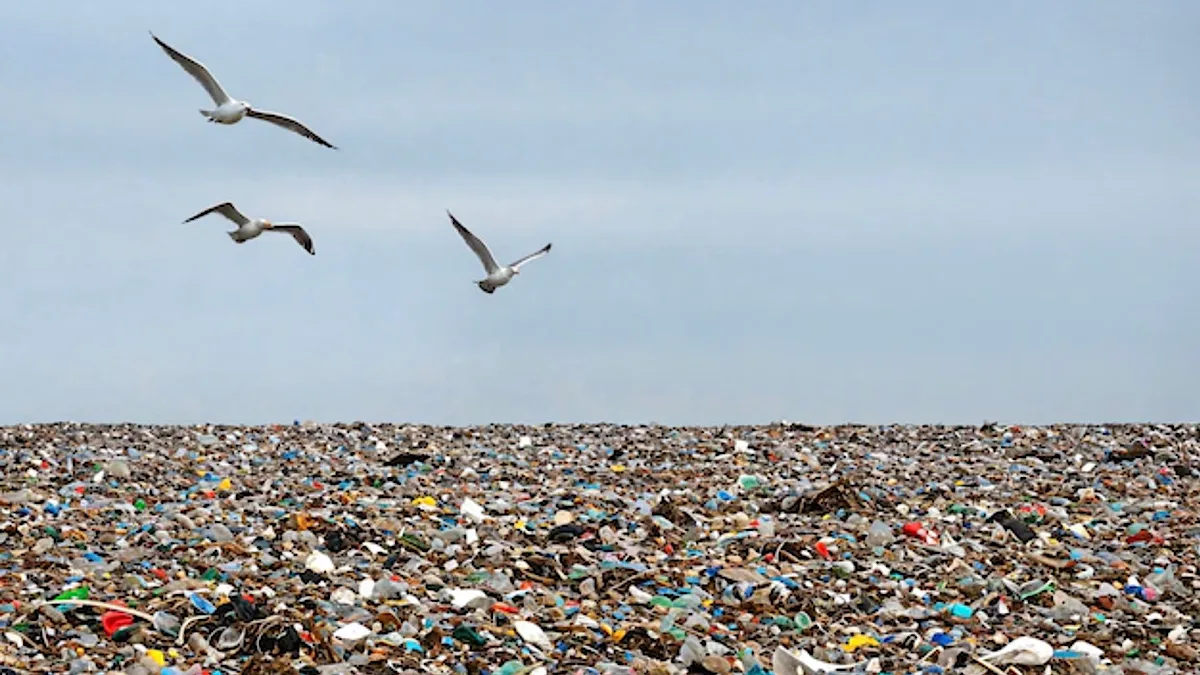
For years, PM 10 and PM 2.5, tiny particles from dust, smoke, and fuels, have been the primary concerns in the discussions on air pollution. However, the new study reveals that microplastics now account for up to 5 per cent of the total of PM 10 and PM 2.5 in India’s metropolitan markets. Their sources are rooted in daily life: polyester from clothing, packaging materials, and rubber from vehicle tires and footwear.
Unlike natural dust, plastic particles are aerodynamic and lightweight. They do not settle easily or wash away. They remain suspended for extended periods, allowing them to travel across cities and countries. Once inhaled, their small size allows them to penetrate deep into the lungs, cross the delicate tissue barriers, enter the bloodstream, and potentially reach vital organs.
But the concern doesn’t stop with the plastic itself. The study further reveals that these airborne microplastics act as ‘Trojan horses’, picking up and transporting a range of harmful substances. It provides the first empirical evidence globally that airborne microplastics can carry pathogens. Using high-throughput sequencing, the team identified bacteria and fungi attached to these particles, including Aspergillus fumigatus and Candida (a known respiratory pathogen), and several Bacillus species carrying antibiotic resistance and virulence factor genes. “We have found that these plastics can act as vectors to transport pathogens that may affect the immune system. These plastics can be potential carriers of infection. This amplifies the risk of disease transmission in densely populated urban environments,” Prof. Gopala Krishna Darbha, corresponding author of the study, said in a conversation with The Statesman.
Beyond pathogens, the microplastics were found to be loaded with toxic chemical additives. The team detected diethyl phthalate (DEP), a common plasticiser and fragrance stabiliser, linked to endocrine disruption, reproductive toxicity, and respiratory irritation. Delhi, Kolkata, and Mumbai showed the highest atmospheric concentrations of DEP, which can enter the air from cosmetics, plastics, packaging, and PVC products.
Kolkata and Delhi also registered high levels of lead, which exceed the national safety limits. Often used as a stabiliser and pigment in PVC, tyres, and coatings, lead in the air poses severe health risks, particularly to children, causing cognitive decline and nervous system damage. The potential long-term health consequences are dire. The study associates these emerging pollutants (generated when these polymers loaded with co-contaminants are burned) with a variety of serious ailments, including cancer, lung, gastrointestinal, endocrine, and breast-related disorders.
The research vividly links high iMP levels to specific human behaviours and environmental conditions. “Winter months and evening hours showed the highest iMP levels, times when people throng to markets wearing synthetic clothing and the air is stagnant due to temperature inversion,” Prof. Drabha noted. He further pointed out that though the air is still, the friction and movement of the crowd, combined with the prevalent use of synthetic textiles, releases plastic fibres directly into the breathing zone.
The geographical factors also add to it. Prof. Drabha emphasised, “Delhi and Kolkata are geographically landlocked. Kolkata, as a city, is far from the sea. This geographical difference, along with local waste management practices and emissions, likely contributes to the higher concentrations in the landlocked cities. In these areas, pollutants struggle to disperse.”
The most pressing conclusion of this research is that it fundamentally challenges current air quality standards. Microplastics are currently not included in the regulated factors like PM2.5 and PM10 in India’s air quality framework. The researchers urge policymakers to recognise inhalable microplastics as a new, potent category of respirable pollutant, comparable to conventional particulate matter.
The path forward requires both systemic change and a fundamental shift in personal lifestyle. Prof. Darbha advised some simple but crucial changes to help people protect themselves:
  • Prefer glass or steel bottles over plastic.
  • Choose cotton garments, especially in winter.
  • Avoid synthetic, low-cost, overly weathered clothes.
  • Reduce the use of cosmetics containing unknown plasticisers.
  • Avoid food stored in plastic packaging.
  • Minimise the use of single-use plastics.
  • Practice proper waste segregation.
He further suggested measures for policymakers:
  • Creating vehicle-free market zones.
  • Promoting khadi and cotton clothing.
  • Improving solid waste management.
  • Regulating synthetic textile production.
Today, microplastics have entered the very air we breathe. What we once thought to be just dust and smoke now includes plastic fibres carrying toxins and pathogens. It is now up to us to rethink our choices, demand better policies, and adopt cleaner habits.

2025 Arctic Report Card shows the region transforming faster than expected

The Arctic is transforming faster and with more far-reaching consequences than scientists expected just 20 years ago, when the first Arctic Report Card assessed the state of Earth’s far northern environment.

Matthew L. Druckenmiller Rick Thoman Twila A. Moon | New Delhi |

The Arctic is transforming faster and with more far-reaching consequences than scientists expected just 20 years ago, when the first Arctic Report Card assessed the state of Earth’s far northern environment.

The snow season is dramatically shorter, sea ice is thinning and melting earlier, and wildfire seasons are getting worse. Increasing ocean heat is reshaping ecosystems as non-Arctic marine species move northward. Thawing permafrost is releasing iron and other minerals into rivers, which degrades drinking water. And extreme storms fueled by warming seas are putting communities at risk.

The past water year, October 2024 through September 2025, brought the highest Arctic air temperatures since records began 125 years ago, including the warmest autumn ever measured and a winter and a summer that were among the warmest on record. Overall, the Arctic is warming more than twice as fast as the Earth as a whole.

For the 20th Arctic Report Card, working with the National Oceanic and Atmospheric Administration, an international team of scientists and Indigenous partnered from across the Arctic to track environmental changes in the North – from air and ocean temperatures to sea ice, snow, glaciers, and ecosystems – and the impacts on communities.
Together, these vital signs reveal a striking and interconnected transformation underway that’s amplifying risks for people who live there.

A wetter Arctic with more extreme precipitation

Arctic warming is intensifying the region’s water cycle.
A warmer atmosphere increases evaporation, precipitation, and meltwater from snow and ice, adding and moving more water through the climate system. That leads to more extreme rainstorms and snowstorms, changing river flows and altering ecosystems.
The Arctic region saw record-high precipitation for the entire 2025 water year and for spring, with the other seasons each among the top-five wettest since at least 1950. Extreme weather – particularly atmospheric rivers, which are long, narrow ‘rivers in the sky’ that transport large amounts of water vapor – played an outsized role.
These wetter conditions are reshaping snow cover across the region.
Snow and ice losses accelerate warming

Snow blankets the Arctic throughout much of the year, but that snow cover isn’t lasting as long. In 2025, snowpack was above average in the cold winter months, yet rapid spring melting left the area covered by snow far smaller than normal by June, continuing a six-decade decline. June snow cover in recent years has been half of what it was in the 1960s.
Losing late spring snow cover means losing a bright, reflective surface that helps keep the Arctic cool, allowing the land instead to be directly warmed by the sun, which raises the temperature.

Sea ice tells a similar story. The year’s maximum sea ice coverage, reached in March, was the lowest in the 47-year satellite record. The minimum sea ice coverage in September was the 10th lowest.

Since the 1980s, the summer sea ice extent has shrunk by about 50 per cent, while the area covered by the oldest, thickest sea ice has declined by more than 95 per cent.
The thinner sea ice cover is more influenced by winds and currents, and less resilient against warming waters. This means greater variability in sea ice conditions, causing new risks for people living and working in the Arctic.

The Greenland Ice Sheet continued to lose mass in 2025, as it has every year since the late 1990s. As the ice sheet melts and calves more icebergs into the surrounding seas, it adds to global sea-level rise.
Mountain glaciers are also losing ice at an extraordinary rate – the annual rate of glacier ice loss across the Arctic has tripled since the 1990s.

This poses immediate local hazards. Glacial lake outburst floods – when water that is dammed up by a glacier is suddenly released – are becoming more frequent. In Juneau, Alaska, recent outburst floods from Mendenhall Glacier have inundated homes and displaced residents with record-setting levels of floodwater.
Glacier retreat can also contribute to catastrophic landslide impacts. Following the retreat of South Sawyer Glacier, a landslide in southeast Alaska’s Tracy Arm in August 2025 generated a tsunami that swept across the narrow fjord and ran nearly 1,600 feet (nearly 490 meters) up the other side. Fortunately, the fjord was empty of the cruise ships that regularly visit.

Record-warm oceans drive storms, ecosystem shifts
Arctic Ocean surface waters are steadily warming, with August 2025 temperatures among the highest ever measured. In some Atlantic-sector regions, sea surface temperatures were as much as 13 degrees Fahrenheit (7.2 Celsius) above the 1991-2020 average. Some parts of the Chukchi and Beaufort seas were cooler than normal.

Warm water in the Bering Sea set the stage for one of the year’s most devastating events: Ex-Typhoon Halong, which fed on unusually warm ocean temperatures before slamming into western Alaska with hurricane-force winds and catastrophic flooding. Some villages, including Kipnuk and Kwigillingok, were heavily damaged.

As seas warm, powerful Pacific cyclones, which draw energy from warm water, are reaching higher latitudes and maintaining strength longer. Alaska’s Arctic has seen four ex-typhoons since 1970, and three of them arrived in the past four years.

The Arctic is also seeing warmer, saltier Atlantic Ocean water intrude northward into the Arctic Ocean. This process, known as Atlantification, weakens the natural layering of water that once shielded sea ice from deeper ocean heat. It is already increasing sea ice loss and reshaping habitat for marine life, such as by changing the timing of phytoplankton production, which provides the base of the ocean food web, and increasing the likelihood of harmful algal blooms.

From ocean ‘borealization’ to tundra greening
Warming seas and declining sea ice are enabling southern, or boreal, marine species to move northward. In the northern Bering and Chukchi seas, Arctic species have declined sharply – by two-thirds and one-half, respectively – while the populations of boreal species expand.
On land, a similar ‘borealization’ is underway. Satellite data shows that tundra vegetation productivity – known as tundra greenness – hit its third-highest level in the 26-year record in 2025, part of a trend driven by longer growing seasons and warmer temperatures. Yet greening is not universal – browning events caused by wildfires and extreme weather are also increasing.

Summer 2025 marked the fourth consecutive year with above-median wildfire areas across northern North America. Nearly 1,600 square miles (over 4,000 square kilometers) burned in Alaska and over 5,000 square miles (over 13,600 square kilometers) burned in Canada’s Northwest Territories.

Permafrost thaw is turning rivers orange
As permafrost – the frozen ground that underlies much of the Arctic – continues its long-term warming and thaw, one emerging consequence is the spread of rusting rivers.
As thawing soils release iron and other minerals, more than 200 watersheds across Arctic Alaska now show orange discoloration. These waters exhibit higher acidity and elevated levels of toxic metals, which can contaminate fish habitat and drinking water and impact subsistence livelihoods.

In Kobuk Valley National Park in Alaska, a tributary to the Akillik River lost all its juvenile Dolly Varden and slimy sculpin fish after an abrupt increase in stream acidity when the stream turned orange.

Arctic communities lead new monitoring efforts

The rapid pace of change underscores the need for strong Arctic monitoring systems. Yet many government-funded observing networks face funding shortfalls and other vulnerabilities.

At the same time, indigenous communities are leading new efforts.
The Arctic Report Card details how the people of St. Paul Island, in the Bering Sea, have spent over 20 years building and operating their own observation system, drawing on research partnerships with outside scientists while retaining control over monitoring, data, and sharing of results. The Indigenous Sentinels Network tracks environmental conditions ranging from mercury in traditional foods to coastal erosion and fish habitat, and is building local climate resilience in one of the most rapidly changing environments on the planet.
The Arctic is facing threats from more than the changing climate; it’s also a region where concerns of ecosystem health and pollutants come sharply into view. In this sense, the Arctic provides a vantage point for addressing the triple planetary crisis of climate change, biodiversity loss, and pollution.
The next 20 years will continue to reshape the Arctic, with changes felt by communities and economies across the planet.

(The writers are respectively Senior Scientist, National Snow and Ice Data Center (NSIDC), Cooperative Institute for Research in Environmental Sciences (CIRES), University of Colorado Boulder, Alaska Climate Specialist, University of Alaska Fairbanks and Deputy Lead Scientist, National Snow and Ice Data Center (NSIDC), Cooperative Institute for Research in Environmental Sciences (CIRES), University of Colorado Boulder.This article was published on www.theconversation.com.)


Delhi air improves marginally, yet remains ‘very poor’ under fog blanket

Delhi recorded a marginal improvement in air quality on Wednesday, but AQI levels remained ‘very poor’ as dense fog reduced visibility and strict GRAP Stage-IV measures stayed in force.

Statesman News Service | New Delhi |

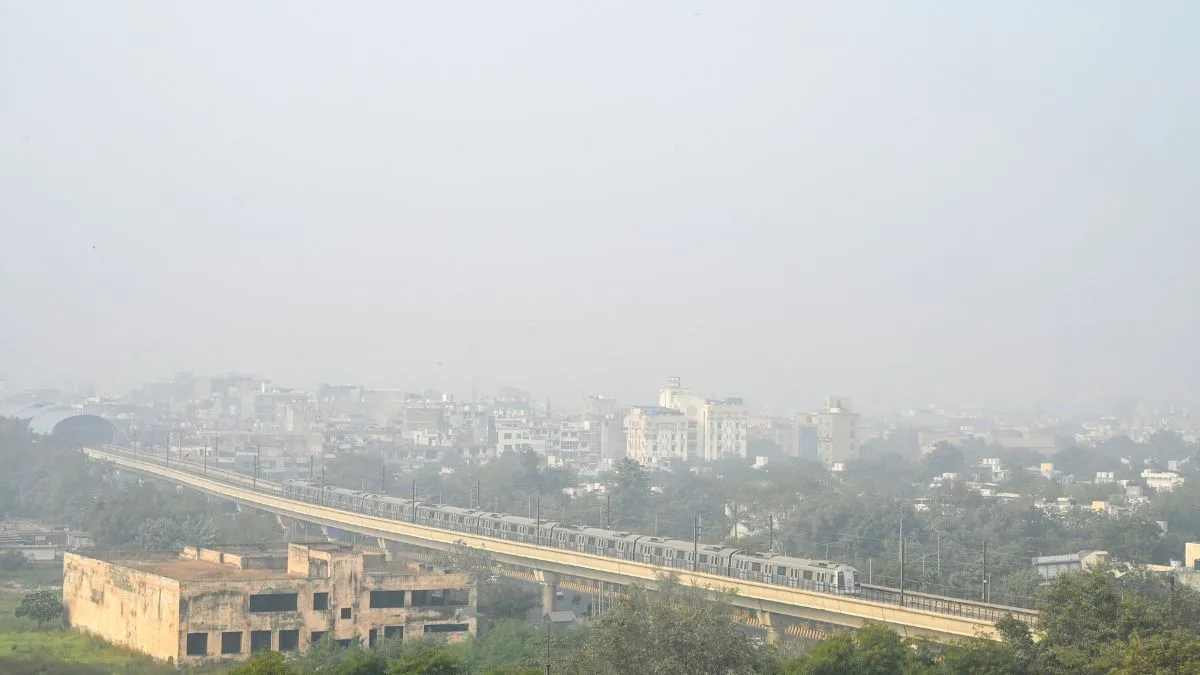
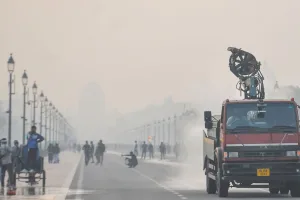
Delhi woke up to another grey morning on Wednesday, with air quality showing a marginal improvement but continuing to stay in the “very poor” category as dense fog reduced visibility across large parts of the capital.

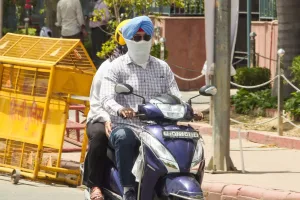
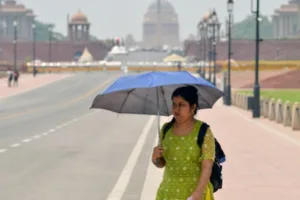
Data from the Central Pollution Control Board showed alarmingly high Air Quality Index (AQI) readings at multiple locations. The ITO area recorded an AQI of 374, while India Gate stood at 354, both categorised as “very poor”, even as Republic Day parade rehearsals went on amid hazardous conditions, according to news agencies – UNI and ANI – inputs.
Pollution widespread, not limited to pockets

High pollution levels were reported across the city. Sarai Kale Khan recorded an AQI of 360, Ghazipur NH-24 stood at 368, and the Indira Gandhi International Airport also logged 368, indicating that pollution was spread across Delhi rather than confined to isolated hotspots.

Visuals from the ITO stretch showed a thick layer of smog hanging over the area through the morning hours. In response to the deteriorating air quality, the Commission for Air Quality Management invoked all actions under Stage-IV of the Graded Response Action Plan (GRAP) across Delhi-NCR, bringing the strictest set of pollution curbs into force.

Dense fog worsens visibility, travel affected

The pollution episode coincided with dense fog conditions. The India Meteorological Department issued a district-level nowcast at 3:17 am IST, warning of dense fog over New Delhi, North, North-West, South-West and West Delhi, while moderate fog was expected in other districts.

Visibility at Palam Airport dropped sharply overnight, to around 400 metres at 2:00 am IST and further down to nearly 100 metres by 2:30 am. Conditions improved slightly by morning, with visibility increasing to about 250 metres at 6:30 am, though officials cautioned that it could deteriorate again.

A follow-up nowcast at 5:30 am indicated moderate fog over most parts of the city, advising commuters to remain cautious during morning travel. The weather office also warned of possible disruptions to air, rail and road traffic, along with slower commute times.

Minor weather relief, health risks persist

Wind speeds of around 15 kmph over the past 24 hours helped bring a small dip in AQI levels. However, pollution concentrations remained well above safe limits, keeping the capital under sustained air quality stress, the IMD said.

Health advisories continued for vulnerable groups, especially people suffering from asthma and bronchitis.

According to news agency IANS, Delhi’s 24-hour average AQI stood at 349 on Wednesday morning, an improvement from Tuesday, when the capital recorded a severe AQI of 412 at 4:00 pm. On Tuesday, five monitoring stations reported severe-plus AQI levels above 450, while 26 stations remained in the severe category.

Neighbouring NCR cities also continued to report poor air. Noida recorded an AQI of 355, Greater Noida 344, Gurugram 316 and Ghaziabad 309, all in the “very poor” bracket.

Cabinet clears pollution-control measures

Amid the ongoing crisis, the Delhi Cabinet under Chief Minister Rekha Gupta on Tuesday approved a series of decisions aimed at strengthening environmental governance, ANI reported.

Announcing the outcomes, Environment Minister Manjinder Singh Sirsa said the Cabinet had approved an allocation of Rs 100 crore for rejuvenating water bodies under the Delhi government. Of around 1,000 water bodies in the capital, 160 fall under the government’s jurisdiction.

“The rejuvenation of Delhi’s water bodies will play a crucial role in pollution control. The Chief Minister has directed that every possible financial support be extended to complete this work within the year,” Sirsa said.

Elsewhere in north India, dense fog and cold wave conditions continued. Ambala in Haryana witnessed dense fog with an orange alert in place, while parts of Uttar Pradesh, including Ayodhya, Kanpur and Moradabad, remained under yellow or orange alerts due to poor visibility and low temperatures.

Sivaji tells actresses to wear sarees to ‘maintain dignity’, sparks backlash and Women’s Commission enquiry

Sivaji’s comments at a film event, where he advised actresses to dress in a certain way and questioned modern ideas of glamour, triggered strong backlash from women in the Telugu film industry who called his remarks regressive and controlling.

Statesman News Service | New Delhi |

Sometimes, a few words spoken on a stage travel much further than expected. At a film event meant to celebrate cinema, Telugu actor Sivaji found himself at the centre of a storm that quickly turned from applause to outrage.

What happened at the film event

At the pre-release event of his upcoming Telugu film ‘Dhandoraa’, Sivaji spoke about women’s clothing in the film industry. He suggested that women should wear traditional clothes like sarees to look dignified and beautiful.

He also said that revealing outfits are not the true meaning of glamour and actresses should focus more on grace than on showing their bodies.

Also Read: Drishyam 3: Mohanlal or Ajay Devgn, who will hit the screens first? All about release dates, cast, and more

Strong pushback from women in the industry

The reaction was swift. Over 100 women professionals from the Telugu film industry came together and filed a complaint with the Movie Artists Association (MAA) in Hyderabad.

They called Sivaji’s comments an example of “policing women’s clothing” and accused him of pushing regressive and patriarchal ideas.

Many women said the remarks were not about culture or concern, but about control; deciding how women should dress, behave, and exist in public spaces.

Sivaji’s apology, but questions remain

As criticism grew, Sivaji released a public apology. He said his intention was good but admitted that his words were wrong and hurtful. He expressed regret and said that he respects women deeply.

The MAA later released a statement saying the issue was considered addressed. However, not everyone was satisfied with just an apology.

Women’s Commission steps in

Taking the matter seriously, the Telangana State Commission for Women took suo moto cognisance of the issue. The commission has summoned Sivaji for an enquiry on December 27, 2025.

Celebrities speak out loud and clear

Several well-known voices from the industry criticised Sivaji’s remarks. Playback singer Chinmayi Sripaada strongly condemned his language and attitude, calling it disturbing and unacceptable.

Actor Anasuya Bharadwaj also reacted, writing a powerful line: “Controlling others is weakness disguised as strength. Respect is real power.”

Filmmaker Ram Gopal Varma and actor Manchu Manoj also weighed in.

Ensure those appearing for the hearing not harassed: TMC to ECI

A Trinamul Congress delegation led by Chandrima Bhattacharya met the CEO of Election Commission and demanded that the commission will have to ensure that those appearing for the hearing are not harassed.

Statesman News Service | Kolkata |

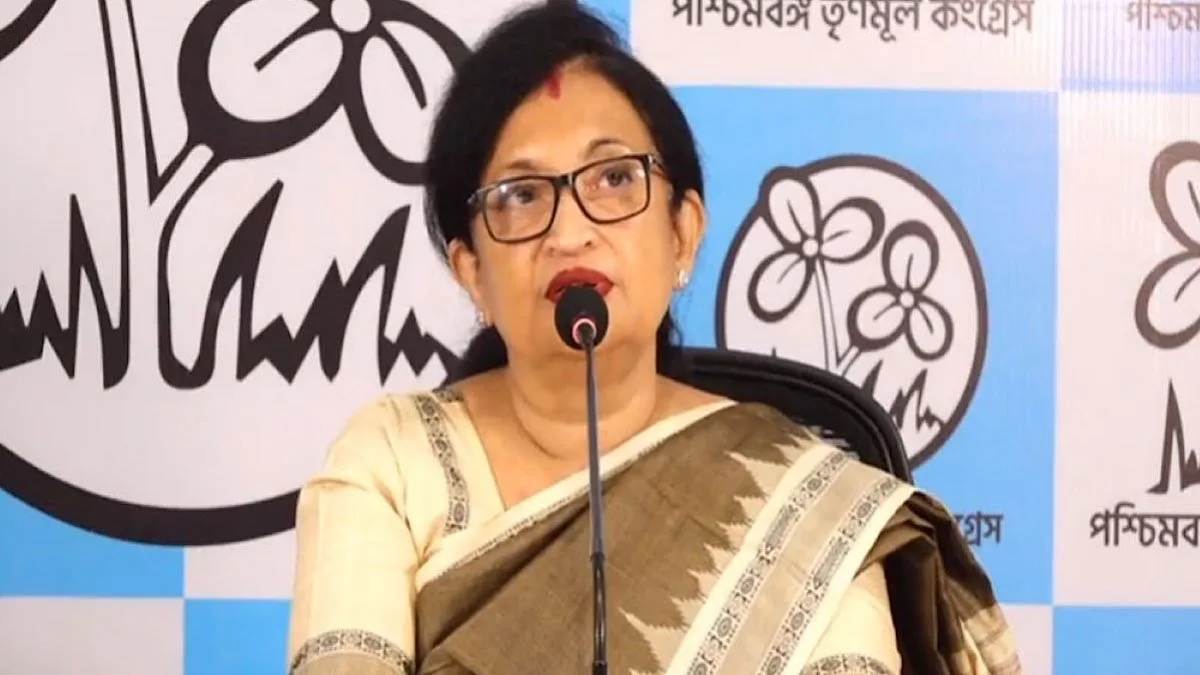
A Trinamul Congress delegation led by Chandrima Bhattacharya met the CEO of Election Commission of India, Manoj Kumar Agarwal and demanded that the commission will have to ensure that those appearing for the hearing are not harassed.

The other members of the delegation were minister Dr Shashi Panja, Partha Bhowmik, Bapi Halder and Pulak Roy.

Talking to the Press, Mrs Bhattacharya said the CEO had failed to show any (SOP) regarding the hearing. The hearing will start from 27 December and not from today. “The Election Commission is utterly confused regarding holding of the hearing,” she said.

The minister said the delegation has requested not to take any step that will lead to the harassment of the voters. “If any untoward incident happens, the Election Commission will have to take responsibility. Because of its lack of preparedness, 46 people lost their lives,” she said.

She said if the voters are asked to visit the venue of the hearing, which is 10 km away, then who will bear the expense of travelling, she asked. “In rural areas, the venue should not be set up in far off places,” she said adding “Trinamul Congress will not tolerate deletion of the names of the voters if they fail to turn up at the venue.”

Mr Partha Bhowmick, Trinamul Congress MP, said: “Earlier the panchayat or the municipality offices were selected as venues to hold hearing. Now, these offices are not selected, following objection from the BJP. The Election Commission of India is confused over fixing the venue,” he said.

Dr Panja said: “The names of the online applicants, who have filled SIR forms or the new voters, should be made available to the political parties.”

The delegation demanded to know that in case of migrant workers who will bear their travelling expense, if they have to attend the hearing from other states.”

The delegation also showed concerns of the current plan which proposes summoning all electors requiring hearings to a single centralised location within each Assembly constituency. It said: “Available estimates suggest that over 50,000 electors may be required to appear for hearings at the ERO office, with the entire process being handled by just 10 AEROS. This would effectively require each AERO to conduct more than 160 hearings per day. Does the ECI genuinely believe that such a workload is humanly feasible?”

The letter by the TMC delegation further showed concern about the workload of the officers involved in the exercise. “District Magistrates have been instructed to personally verify each and every document uploaded during hearings, while at the same time, fifteen micro-observers per Assembly Constituency, drawn from Group B Central Government services, are being deployed to scrutinise all forms and entries. These extraordinary measures, applied only in West Bengal, raise serious concerns of selective overreach and unequal treatment. Booth Level Officers are now being instructed to freshly conduct door-to-door verification, placing an additional and unreasonable load on frontline officials who are already stretched thin,” said the delegation to the CEO.

Speak may summon MLA Kabir

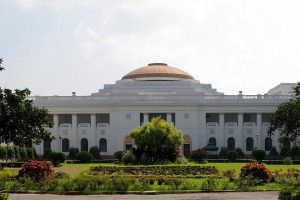
State Assembly Speaker Biman Banerjee is likely to summon the Bharatpur MLA, who recently floated his own outfit, the Janata Unnayan Party, to seek an explanation regarding his position after forming the new party.

Statesman News Service | Kolkata |

State Assembly Speaker Biman Banerjee is likely to summon the Bharatpur MLA, who recently floated his own outfit, the Janata Unnayan Party, to seek an explanation regarding his position after forming the new party.

Speaking to reporters on Tuesday, Mr Banerjee said he was well within his judicial authority to summon the now suspended ruling party MLA to clarify his stand on continuing as a legislator. He added that the MLA, Mr Kabir, had not formally informed either him or the Assembly Secretariat about the formation of his new party.

“I am within my powers to issue a judicial notice asking him to explain his stand on forming a new party and on whether he has relinquished the post of a lawmaker. At present, he stands reduced to an Independent MLA,” the Speaker said.

Asked whether he would summon the MLA, Mr Banerjee said no decision had yet been taken.

Museum artefacts to be kept at Churulia Yuva Awas during restoration: KNU

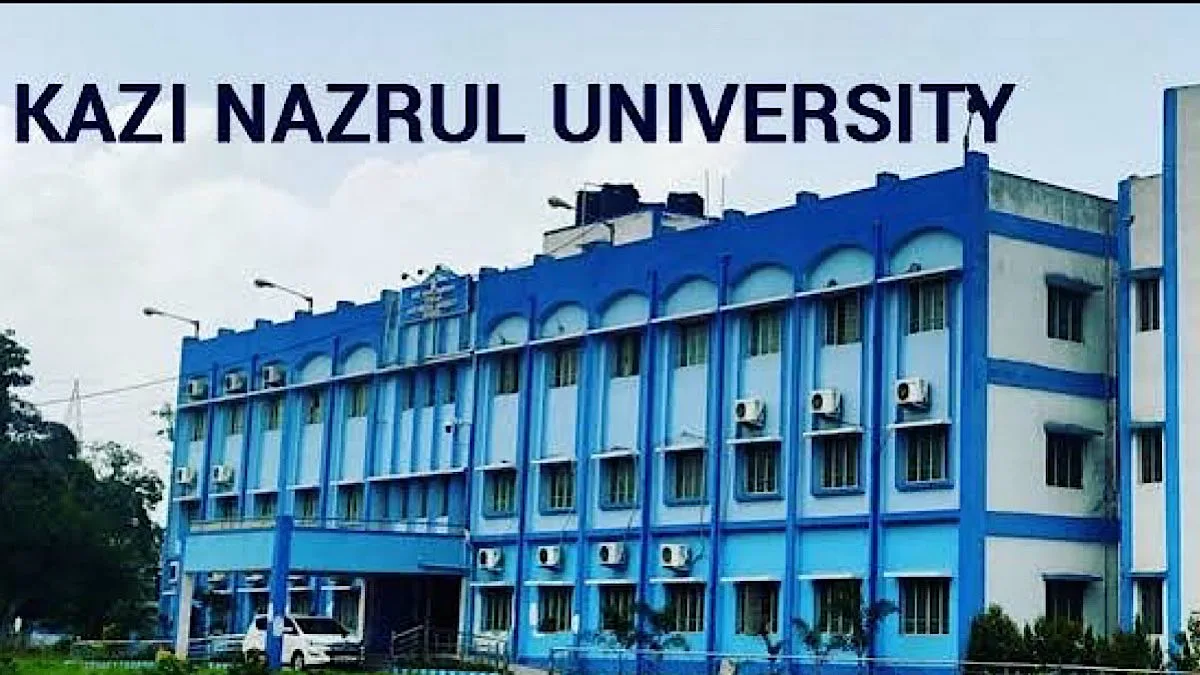
The long-standing dispute over the renovation of the Kazi Nazrul Islam Museum at Churulia, the birthplace of the rebel poet near Asansol, has been amicably resolved. It has been unanimously decided that all museum artefacts will be kept within the village during the restoration period.

DEBAJYOTI CHAKRABORTY | Kolkata |

The long-standing dispute over the renovation of the Kazi Nazrul Islam Museum at Churulia, the birthplace of the rebel poet near Asansol, has been amicably resolved. It has been unanimously decided that all museum artefacts will be kept within the village during the restoration period.

The disagreement had arisen over a proposal to store the artefacts outside Churulia, under the Jamuria police station area, during renovation works, a move that had raised concerns among members of the poet’s family.

It has now been decided that all museum objects will remain within Churulia village and will be housed at the Churulia Yuva Awas, under full police security and continuous CCTV surveillance.

Asansol-based Kazi Nazrul University (KNU) has assured that the renovation will be completed before the annual Nazrul Mela in May 2026. The birth anniversary of Kazi Nazrul Islam falls on 24 May. The university will oversee the entire restoration process.

A high-level meeting was held at Churulia and attended by KNU Vice-Chancellor Professor Uday Banerjee, Additional District Magistrate (Development) Koushik Basu, state tourism department official Aditi Ganguly, Jamuria BDO Tapas Pal, teacher-in-charge of Nazrul Vidyapith Dipankar Majumdar, the poet’s granddaughter Sonali Kazi, and officials from Jamuria police station, among others. The meeting unanimously agreed on strict security arrangements during the restoration of the dilapidated museum building.

Professor Banerjee said that during the renovation period, artefacts related to Kazi Nazrul Islam would not be taken outside Churulia and would instead be stored safely at the Yuva Awas under police guard and CCTV monitoring. He clarified that Kazi Nazrul University had no intention of taking control of the artefacts, but was committed to ensuring the safe preservation of the poet’s legacy.

The tourism development and renovation plan has been undertaken by the state tourism department under the leadership of tourism minister Indranil Sen, following directives from Chief Minister Mamata Banerjee, who aims to develop Churulia into a year-round tourism destination.

The West Bengal Tourism Department is spending crores of rupees on the project, which aims to give the museum a modern and attractive look. The renovation will include proper preservation of Kazi Nazrul’s personal belongings, improved local infrastructure and better visitor facilities.

Addressing earlier concerns, officials noted that family members had feared damage to artefacts due to the fragile condition of the building, especially during heavy rains, and possible loss or damage if items were taken outside the village. Following discussions, all concerns were addressed and the dispute was resolved mutually.

Kazi Nazrul Islam is also the national poet of Bangladesh. During his birth centenary celebrations in 1999, the then Prime Ministers of Bangladesh and India, Sheikh Hasina Wajed and Atal Behari Vajpayee, had visited Churulia and the Nazrul Museum. The poet’s wife is laid to rest beside his house.

Go beyond academic outcomes, Kanyashree Varsity V-C advises freshers

Kanyashree University welcomed its newly admitted students with a Student Orientation Programme at its Academic Campus on Monday, in which the institution’s emphasis on holistic education, discipline and social responsibility at the outset of university life were highlighted.

Statesman News Service | Kolkata |

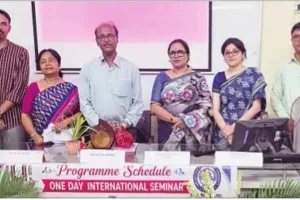
Kanyashree University welcomed its newly admitted students with a Student Orientation Programme at its Academic Campus on Monday, in which the institution’s emphasis on holistic education, discipline and social responsibility at the outset of university life were highlighted.

In her inaugural address, Vice-Chancellor Prof. Tapati Chakraborti underlined that the value of higher education lies beyond just academic outcomes. Stressing discipline, commitment and reflective learning, she said genuine education nurtures the mind and overall well-being, enabling students to achieve meaningful goals in life.

Prof. Partha Pratim Das, Dean of the Faculty of Arts and Vice-Chancellor (in charge) of the University of Burdwan, described education as a shared process between teachers and students. Referring to the concept of Ikigai, he encouraged students to reflect on purpose and meaning, while emphasising the need to balance academic knowledge with emotional and adaptive intelligence in a changing world.

Reflect on the purpose of education beyond material success, Prof. Alok Ghosh, Project Director (ICSSR), Institute of Social and Cultural Studies, Kolkata, advised the students. He stressed that learning extends beyond classrooms and must be guided by ethical awareness and social responsibility.

Prof. Debalina Seth of Rabindra Bharati University invoked Rabindranath Tagore’s vision of learning from life itself, reminding students that failure is an integral part of growth and that success is a continuous journey.

The concluding address by Prof. Debolina Debnath, Head of the Department of Folklore, University of Kalyani, focused on university life beyond the syllabus, highlighting peer relationships, co-curricular engagement and strict adherence to institutional rules, particularly the anti-ragging framework.

The programme ended with an interactive session with the freshers, followed by a vote of thanks by the Registrar, marking a reflective beginning to the academic journey of the new entrants at Kanyashree University.

Hanskhali gang rape: Three get life, prison terms to 6 others

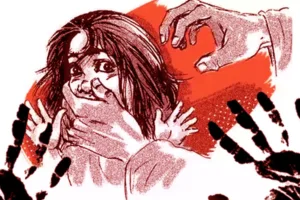
The Ranaghat Additional District Judge (ADJ) court on Tuesday sentenced three men to life imprisonment for the gang rape and death of a 14-year-old girl in Hanskhali in April 2022, while handing varied prison terms to six others, including political figures linked to the main perpetrator.

Biswabrata Goswami | Kolkata |

The Ranaghat Additional District Judge (ADJ) court on Tuesday sentenced three men to life imprisonment for the gang rape and death of a 14-year-old girl in Hanskhali in April 2022, while handing varied prison terms to six others, including political figures linked to the main perpetrator.

Amid tight security, all nine convicts were produced before Additional District Judge Soumen Gupta, who pronounced the verdict. Brojogopal alias Sohel Gayali, Ranjit Mallick, and Prabhakar Poddar, the three prime accused, were sentenced to life imprisonment and an additional 20 years of rigorous jail term under the Protection of Children from Sexual Offences (POCSO) Act. Sohel Gayali, the son of local Trinamul Congress leader Samarendra Gayali, was the central figure in the crime.

The court also sentenced Samarendra Gayali, along with Deepta Gayali and Piyushkanti Bhakta, to five years for intimidating the victim’s family and shielding the perpetrators. Angshuman Bagchi received three years for destroying evidence. Two other convicts – Surjit Roy and Akash Barui – were released on Rs 50,000 bail bonds; one had been a minor at the time, while the other would remain under observation for a year before potential release.

The horror unfolded on 4 April, 2022, when the girl was lured to a birthday party organised for Sohel Gayali. The prosecution alleged that she was intoxicated and sexually assaulted by the accused. Returning home in a critical state, she bled profusely and died the next morning. The family alleged that Sohel Gayali, his father, and their associates intimidated them, preventing medical aid and police reporting. The victim’s body was allegedly cremated in secrecy at a nearby crematorium, sparking outrage.

The case drew immediate judicial scrutiny. Initially investigated by local police, the matter was later handed over to the CBI on orders of a Calcutta High Court Division Bench, which stressed the need for an independent probe to ensure fairness, particularly due to the political connections of the accused.

Raja Banerjee, counsel for the accused, said: “There are huge lacunae in the investigation. Statements varied, the FIR was delayed, and key names did not come up initially. Yet, we respect the court’s decision and will appeal.”

The verdict has been widely seen as a stern warning against crimes targeting minors and a rare instance of judicial courage in holding politically connected perpetrators accountable.

Protests over Dipu Das killing outside B’desh Deputy High Commission

City witnessed heightened tension on Tuesday as protests erupted outside the Bangladesh Deputy High Commission in Beck Bagan over the killing of Dipu Das in neighbouring Bangladesh.

Kolkata latest news,Kolkata news today | Kolkata |

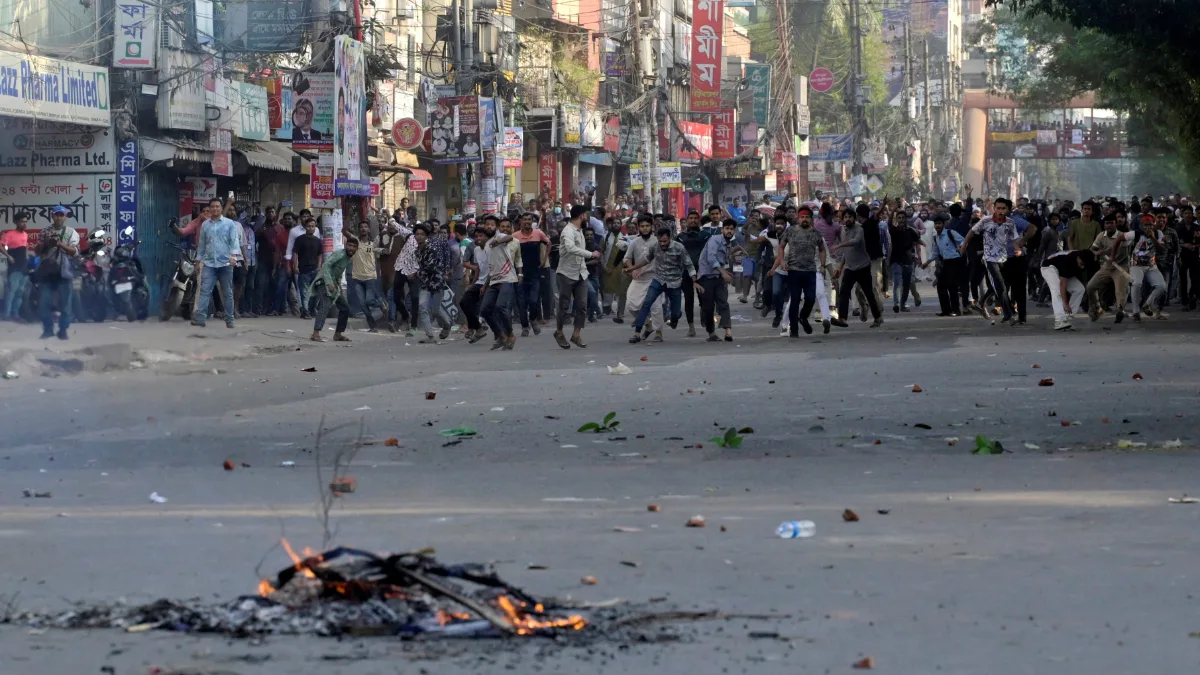
City witnessed heightened tension on Tuesday as protests erupted outside the Bangladesh Deputy High Commission in Beck Bagan over the killing of Dipu Das in neighbouring Bangladesh. The agitation led to clashes between protesters and police, triggering traffic disruption and a brief spell of chaos in parts of central Kolkata. The protest was organised following allegations that Dipu Das was beaten to death recently in Mymensingh, Bangladesh.

The incident sparked outrage across West Bengal and several other parts of India. Responding to calls given by several Sangh Parivar-affiliated organisations — including the Vishwa Hindu Parishad (VHP), Akhil Bharatiya Vidyarthi Parishad (ABVP) and Hindu Jagaran Manch — a large number of demonstrators marched towards the Bangladesh Deputy High Commission. The protesters reached the Beck Bagan area in a procession but were stopped by police before they could approach the diplomatic premises. According to the demonstrators, the programme was meant to submit a memorandum to the Deputy High Commission, condemning the killing and demanding justice.

Tension escalated when police attempted to disperse the crowd, citing prohibitory orders and declaring that gatherings outside the Deputy High Commission were illegal. Protesters allegedly tried to break through police barricades, leading to scuffles. Police resorted to baton-charge to control the situation, during which several protesters were reportedly injured. Eyewitnesses said that many agitators were forcibly detained and dragged into prison vans. Some protesters were also seen climbing onto the roofs of the police vehicles, further intensifying the confrontation.

The situation prompted the arrival of BJP leaders at the spot, including North Kolkata district BJP president Tamoghna Ghosh, who claimed they had reached the area to protest against police action and to stand in solidarity with the Hindu organisations. Traffic movement in parts of Park Circus was affected due to the protest. While vehicles were allowed to move towards the Deputy High Commission from Park Circus, the road leading from the mission towards Park Circus crossing was temporarily closed. Representatives of Hindutva organisations attempted to push past police barricades, triggering heated arguments, physical altercations and jostling.

Amid the chaos, Hindutva leader Lalbaba sustained injuries and collapsed on the ground. Subsequently, police began detaining several leaders of the Hindutva organisations. During the crackdown, protesters raised allegations against the police, accusing them of acting “not like state police but like Bangladeshi police”. Some protesters alleged that police used force against sadhus and women demonstrators. An injured sadhu alleged that the manner in which police resorted to baton-charge reflected “brutality and barbarism”.

Other protesters claimed that the incident amounted to “atrocities on Sanatani saints in Kolkata” and warned of continued protests against the alleged police excesses. As the agitation continued, police detained several protesters and escorted them to prison vans. In protest against the detentions, a section of the demonstrators staged a sit-in in front of police vehicles, further adding to the tension in the area.

Security around the deputy High Commission was significantly tightened with a three-tier security arrangement and deployment of additional forces. Authorities in the city remained on alert as the protests continued to draw strong reactions.

Symposium to spotlight North Bengal’s ecology, tea plantation heritage

The Jyoti Basu Centre for Social Studies and Research (JBCSSR) has been actively engaged in research and documentation on contemporary socio-economic and environmental issues, with a special focus on West Bengal and its diverse regions, particularly North Bengal.

Statesman News Service | Kolkata |

The Jyoti Basu Centre for Social Studies and Research (JBCSSR) has been actively engaged in research and documentation on contemporary socio-economic and environmental issues, with a special focus on West Bengal and its diverse regions, particularly North Bengal.

As part of this ongoing initiative, JBCSSR will organise a day-long symposium titled “North Bengal: Nature, Emerging Environmental Risks and Livelihood” on 27 December at Rabindra Bhaban in Jalpaiguri.

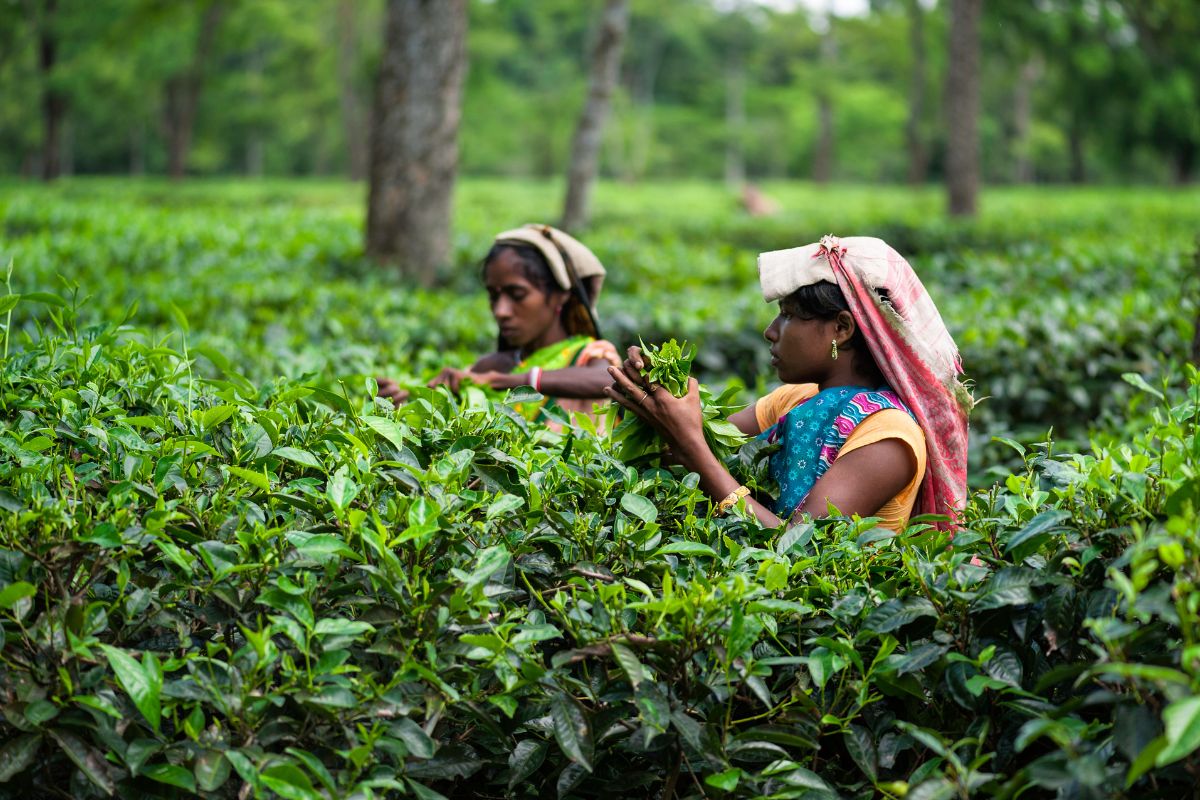
North Bengal represents a distinctive ecological and cultural landscape where the Himalayas, dense forests, rivers, wetlands, tea plantations and rural settlements coexist in a fragile balance. However, the region is increasingly facing challenges arising from climate change, unplanned development, river degradation, loss of biodiversity and growing livelihood insecurities, particularly in tea garden belts that form the economic and cultural backbone of North Bengal.

The symposium aims to address these concerns through academic deliberations, policy-oriented discussions and collective reflection, with special attention to the sustainability of tea plantations and the livelihoods dependent on them.

Eminent scholars, researchers, environmental experts, activists and practitioners are expected to participate in the programme. The sessions will include presentations followed by open interactions to encourage interdisciplinary dialogue and the sharing of ground-level experiences. The organisers have invited interested participants to submit written contributions, including articles or brief papers, on themes related to nature, environment, climate risks, river conservation, biodiversity, tea plantation economy, rural livelihoods, indigenous knowledge systems and allied subjects.

Veteran CPI-M leader and chairman of JBCSSR, Biman Bose, said that while North Bengal shares several developmental challenges with South Bengal, the region has its own distinct identity shaped largely by its tea plantations stretching from Darjeeling to North Dinajpur. He expressed concern over the gradual deterioration of the tea industry, citing the closure of several estates and the growing hardships faced by tea workers and their families. He urged scholars, writers and resource persons to participate in discussions on the livelihood, culture and social realities of North Bengal, noting that one of the objectives of the symposium is to draw the attention of South Bengal to the unique issues of the region.

Rabin Deb, secretary of the Jyoti Basu Centre for Social Studies and Research, said that further details regarding the programme schedule, along with boarding and lodging arrangements for participants, would be communicated shortly.

HC rejects bail of Rajganj BDO, orders surrender within 72 hrs

The Calcutta High Court on Monday rejected the anticipatory bail plea of Prasanta Barman, Block Development Officer (BDO) of Rajganj in Jalpaiguri, and directed him to surrender before the concerned district court within 72 hours in connection with a case involving the abduction and murder of a gold trader.

Statesman News Service | Kolkata |

The Calcutta High Court on Monday rejected the anticipatory bail plea of Prasanta Barman, Block Development Officer (BDO) of Rajganj in Jalpaiguri, and directed him to surrender before the concerned district court within 72 hours in connection with a case involving the abduction and murder of a gold trader.

Justice Tirthankar Ghosh passed the order while hearing a petition filed by the Bidhannagar police challenging an earlier order of the Barasat court, which had granted anticipatory bail to the accused. The high court observed that, considering the gravity and seriousness of the allegations, there was no reasonable ground at this stage to grant him protection from arrest.

According to case details, Prasanta Barman has been named as an accused in a case related to the kidnapping and subsequent murder of a gold trader near Salt Lake in Kolkata a few weeks ago.

The Bidhannagar police had moved the high court alleging that the BDO had secured anticipatory bail from the lower court by submitting forged documents. The court took note of the submission and underlined the need for custodial investigation in the matter.

During the hearing, the high court emphasised that, in the interest of a fair investigation and the cause of justice, the accused must comply with the legal process and appear before the appropriate court. Accordingly, it directed Prasanta Barman to surrender before the lower court within three days, sources said.

Mandatory skill education for Classes VI-VIII from 2025-26 for CBSE schools

In a significant step towards strengthening experiential learning, the Central Board of Secondary Education (CBSE) has announced the mandatory implementation of Skill Education and Kaushal Bodh textbooks for students of Classes VI to VIII in all CBSE-affiliated schools from the academic session 2025-26.

Statesman News Service | Kolkata |

In a significant step towards strengthening experiential learning, the Central Board of Secondary Education (CBSE) has announced the mandatory implementation of Skill Education and Kaushal Bodh textbooks for students of Classes VI to VIII in all CBSE-affiliated schools from the academic session 2025-26.

The development was highlighted during a capacity building programme organised under the aegis of the Director (skill education), CBSE headquarters, New Delhi, in collaboration with the North Bengal Sahodaya School Complex (NBSSC), Siliguri. The programme was hosted at Siliguri Model High School (Senior Secondary) on Monday.

The offline programme saw the participation of around 73 principals and teachers representing 41 schools from West Bengal, Assam, Meghalaya and neighbouring regions. Eminent educationists Dr S P Dutta, principal of Krishnagar Public School, Nadia, and Dr Ramesh Kumar Agarwal, vice-principal of the same institution, served as resource persons, as appointed by CBSE.

Dr R P Singh, joint secretary of the skill education department, CBSE headquarters, addressed the participants virtually and underlined the importance of integrating skill-based education at the foundational and middle-school levels.

Dr S S Agarwal, principal of Siliguri Model High School (senior secondary), acted as the venue director and ensured the smooth conduct of the programme.

Throughout the day, participants engaged in interactive sessions, competency-based learning modules and activity-driven discussions. The resource persons stressed the need to move beyond rote learning and equip students with practical skills, critical and creative thinking abilities, and problem-solving competencies aligned with 21st-century educational needs.

The newly-introduced Kaushal Bodh textbooks published by NCERT and PSSCIVE for Classes VI, VII and VIII were formally presented during the programme. Teachers were guided on effectively integrating these skill-oriented resources into classroom pedagogy to promote holistic development among students.

Dr Dutta observed that skill education serves as a bridge between knowledge and employability, calling upon teachers to act as facilitators of real-world learning. Dr Agarwal noted that competency-based education is no longer optional but essential to prepare students for future challenges.

Taposhi Pal Banik, secretary of NBSSC, addressed the gathering during the valedictory session.