Logo

Reassuring signal of continuity, credibility from Budget, say Industry bodies & corporate world

Reacting to the Budget, industry body PHDCCI said it welcomes and strongly supports the Union Budget 2026–27 initiatives aimed at expanding manufacturing across strategic and sunrise sectors.

Nikhil Vyas | New Delhi |

Terming Union Budget 2026-27, presented in Parliament by Finance Minister Nirmala Sitharaman on Sunday, ”positive”, industry bodies and the corporate world said the Budget sends a reassuring signal of continuity, credibility, confidence, and long-term vision for the country’s development journey.

Reacting to the Budget, industry body PHDCCI said it welcomes and strongly supports the Union Budget 2026–27 initiatives aimed at expanding manufacturing across strategic and sunrise sectors.

The focus on the BioPharma Shakti Yojana to position India as a global biopharma manufacturing hub, along with the upcoming India Semiconductor Mission (ISM) 2.0, reflects a forward-looking approach to strengthening India’s industrial capabilities.

The enhanced outlay of Rs 40,000 crore for electronic component manufacturing, creation of dedicated Rare Earth Corridors in Odisha, Kerala, Andhra Pradesh, and Tamil Nadu, establishment of three new chemical parks, and new schemes for capital goods and infrastructure equipment manufacturing are commendable steps.

“Union Budget 2026–27 takes a strong step towards increasing farmers’ income with the launch of Bharat-VISTAAR, a multilingual AI-powered platform to enhance farm productivity, enable informed decision-making, and reduce risks through customised advisory support,” the PHDCCI said.

Meanwhile, the Confederation of Indian Industry (CII) said the Union Budget 2026-27, with its next‑generation reforms, builds confidence, and its thrust on public capital expenditure will enhance private investment.

The increase in public capital expenditure to Rs 12.2 lakh crore, with effective capital expenditure exceeding Rs 17 lakh crore, will crowd in private investment, strengthen infrastructure, and improve productivity across sectors, the industry body said.

“At a time of heightened global uncertainty, the Budget sends a reassuring signal of continuity, credibility, confidence, and long-term vision for India’s development journey,” said Chandrajit Banerjee, Director General, CII.

Corporate world has also welcomed the announcements made in the Budget in pharma, real estate and healthcare sectors.

“Biopharma Shakti is not just another government scheme; it marks the moment India moves from being the world’s ‘back-office pharmacy’ to becoming an innovation engine,” said Dr Santosh Moses, Partner and Pharma, BioTech and Life Sciences Leader, Grant Thornton Bharat.

“We welcome the Finance Minister’s balanced macroeconomic strategy, with a record capital expenditure and robust infrastructure allocation under the Viksit Bharat vision, reinforcing infrastructure as a catalyst for economic resilience. The expanded focus on Tier-2 and Tier-3 cities and the development of City Economic Regions and new connectivity corridors are set to unlock fresh consumption and growth hubs,” said Shriram PM Monga, Co-Founder and Principal Consultant, SRED Real Estate Advisory.

“By fast-tracking the Labour Codes, the government is accelerating formalisation—a move that fundamentally expands the addressable market for organized leaders like SIS Limited,” said Rituraj Sinha, MD, SIS Limited.

“The Union Budget 2026 is a strong and forward-looking step for the healthcare sector. With a focus on expanding healthcare infrastructure, investing in medical education, and promoting affordable treatment, it will make healthcare services more accessible and efficient across the country,” said Dr. Sanjay Gupta, Senior Director, Yatharth Super Speciality Hospital, Model Town.

22 million take holy dip at Sangam on Maghi Purnima in Prayagraj

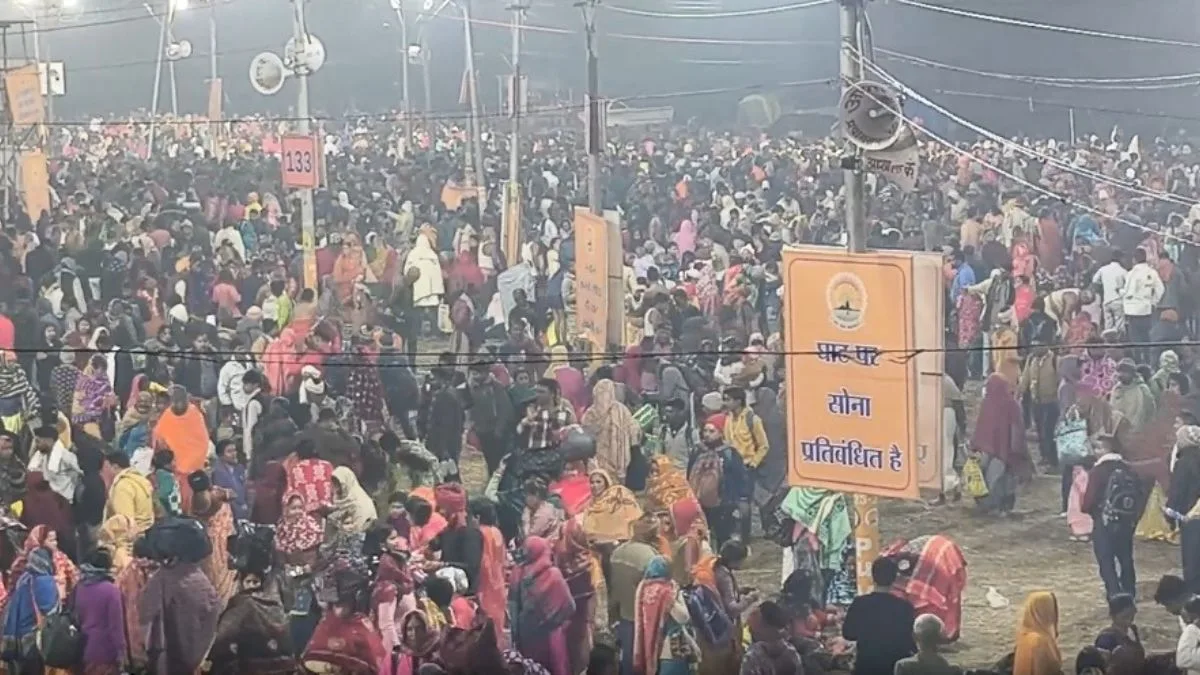
By late evening, 22 million devotees had taken a dip in the holy waters. The administration had estimated that one to one and a half crore devotees would bathe on Maghi Purnima, but this figure was surpassed by 12:00 PM today.

Statesman News Service | Prayagraj |

The bathing ritual on Maghi Purnima at the Magh Mela in Prayagraj, Uttar Pradesh, concluded peacefully on Sunday.

By late evening, 22 million devotees had taken a dip in the holy waters. The administration had estimated that one to one and a half crore devotees would bathe on Maghi Purnima, but this figure was surpassed by 12:00 PM today.

With the Maghi Purnima bath, more than 200 million devotees have now taken a dip of faith at the Magh Mela. From today onwards, the Kalpavasi (devotees observing Kalpavas) also perform puja of Mother Ganga and then listen to the Satyanarayan Katha in their camps. By late evening, all the Kalpavasi begin preparing for their return home.

This means that from tomorrow, Monday, only local devotees will be present in the Mela area. However, the administration is expecting a large number of devotees for the final bath of Mahashivratri on February 15, with estimates of around 80 lakh to one crore people.

Agriculture/Farmers Welfare: Allocations ‘unprecedented, historic’ says govt; critics allege bias

To bring technology into farming, she proposed launching BHARAT VISTAAR, a multilingual AI-based tool providing customised advisory support to improve productivity and reduce risks.

VIBHA SHARMA | New Delhi |

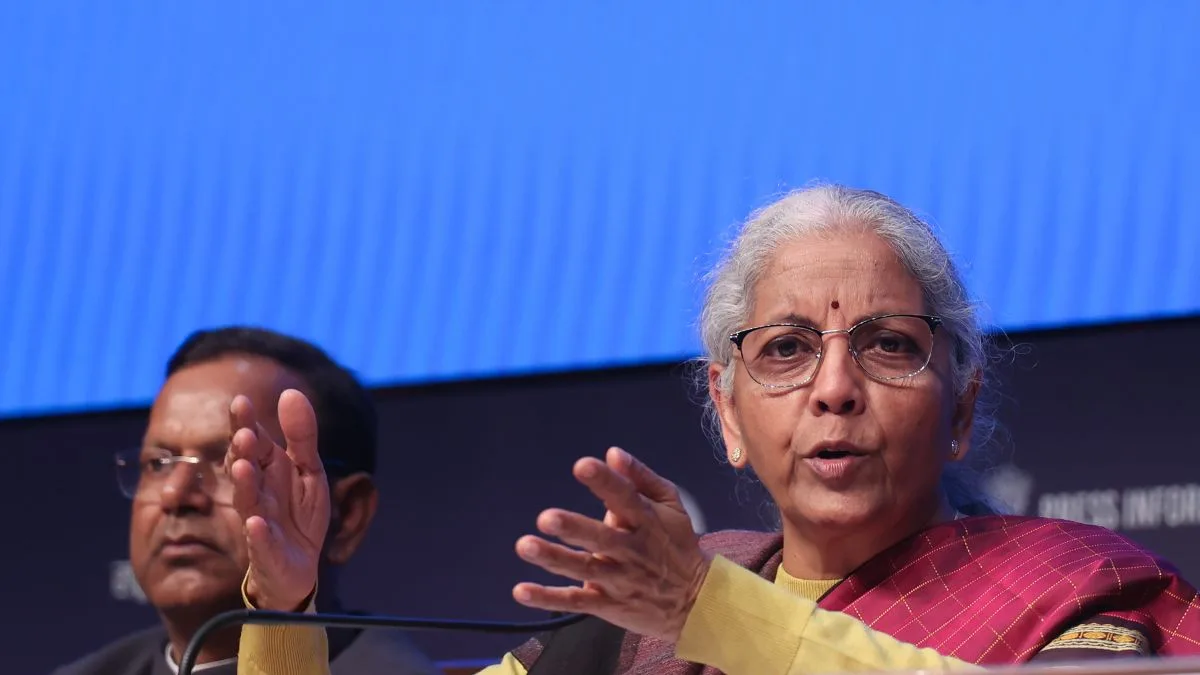
Union Finance Minister Nirmala Sitharaman on Sunday announced a series of measures to support farmers and animal husbandry, targeted at fisheries, high-value crops, agri-technology, and women-led rural enterprises in the Union Budget 2026-27. A key proposal was the integrated development of 500 reservoirs, or Amrit Sarovars, to boost fisheries.

To bring technology into farming, she proposed launching BHARAT VISTAAR, a multilingual AI-based tool providing customised advisory support to improve productivity and reduce risks.

Sitharaman proposed the “highest ever total annual budgetary support of Rs 2,761.80 crore for the fisheries sector.” Of this, Rs 2,530 crore is earmarked for scheme-based interventions, ensuring direct support to fishers and fish farmers. The Pradhan Mantri Matsya Sampada Yojana remains central to fisheries development, with an allocation of Rs 2,500 crore. The Department of Fertilizers received a net allocation of Rs 1.71 lakh crore, “reflecting the government’s focus on protecting farmers from global fertilizer price volatility and supply disruptions.”

The FM appeared to prioritise technology to boost yields and high-value sectors like fisheries and cash crops while withholding funds from underperforming schemes. “We will undertake initiatives for integrated development of 500 reservoirs and Amrit Sarovars, strengthen the fisheries value chain in coastal areas and enable market linkages involving start-ups and women-led groups together with Fish Farmers Producer Organisations (FFPOs),” she said

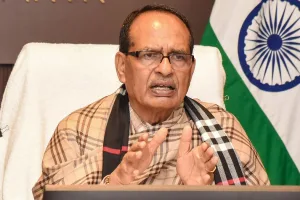
Agriculture and Farmers Welfare Minister Shivraj Singh Chouhan described the budget as “historic and unprecedented”—a “dynamic Budget for a developed India.” He highlighted a 21 per cent increase to the Rural Development Department, the agriculture budget of Rs 1.32 lakh crore, and over Rs 1.70 lakh crore for fertiliser subsidies, providing relief to farmers and reducing input costs.

“This Budget is laying a strong foundation for a self-reliant, empowered and prosperous India by 2047. It is writing a new chapter by bringing about transformative change in the lives of farmers, youth, women and the poor — the four pillars of the nation,” Chouhan said.

The Minister also expressed confidence that the Rs 1.51 lakh crore allocation under the ‘Viksit Bharat G Ram G’ scheme, along with Rs 55,900 crore to be received under the Finance Commission, will play an unprecedented role in building developed, self-reliant, employment-oriented and poverty-free villages.

Critics and farmer unions, however, accused the government of neglecting farmers.

The Alliance for Sustainable & Holistic Agriculture (ASHA-Kisan Swaraj) said, “The disregard towards farmers and their role in nation-building is reflected in the further slash of budgetary allocations to agriculture and allied sectors, now only 3.04 per cent of the overall budget, down from 5.44 per cent in 2019–20.”

Agriculture expert Prof Sudhir Panwar added, “For the first time, agriculture, farmers and villages faced neglect not only in the budget speech but also in the fine print. The budget on crop husbandry, fertiliser subsidy, and social sector spending either stagnated or reduced, even as rural income declines. PM Modi rightly said it is ambitious but far from reality.”

According to the ASHA-Kisan Swaraj: “While the total budget rose from Rs 50.65 lakh crore to Rs 53.47 lakh crore, agriculture and allied sectors saw a cut of Rs 9,000 crore, from Rs 1.72 lakh crore to Rs 1.63 lakh crore, with significant under-spending in previous years suggesting actual allocation may fall below 3 per cent. The government’s promise to double farmer incomes by 2022 remains unfulfilled, with new AI initiatives like Bharat-VISTAAR offering minimal real benefit to small and marginal farmers.

“Climate risks remain inadequately addressed. PMFBY insurance allocation fell by 15.7 per cent to Rs 12,200 crore, despite crop damage increasing fourfold in 2025. Several schemes have seen a decline in allocations. A big focus of the speech was announcing dedicated schemes and programs for “high-value crops” such as coconut, cashew, cocoa, sandalwood, etc, but these have relevance to a very small section of farmers”.

Income Tax Act 2025 to come into effect on April 1; rules and forms to be notified soon

The forms have been redesigned to make them simpler for citizens to understand and comply with, she said.

Statesman News Service | New Delhi |

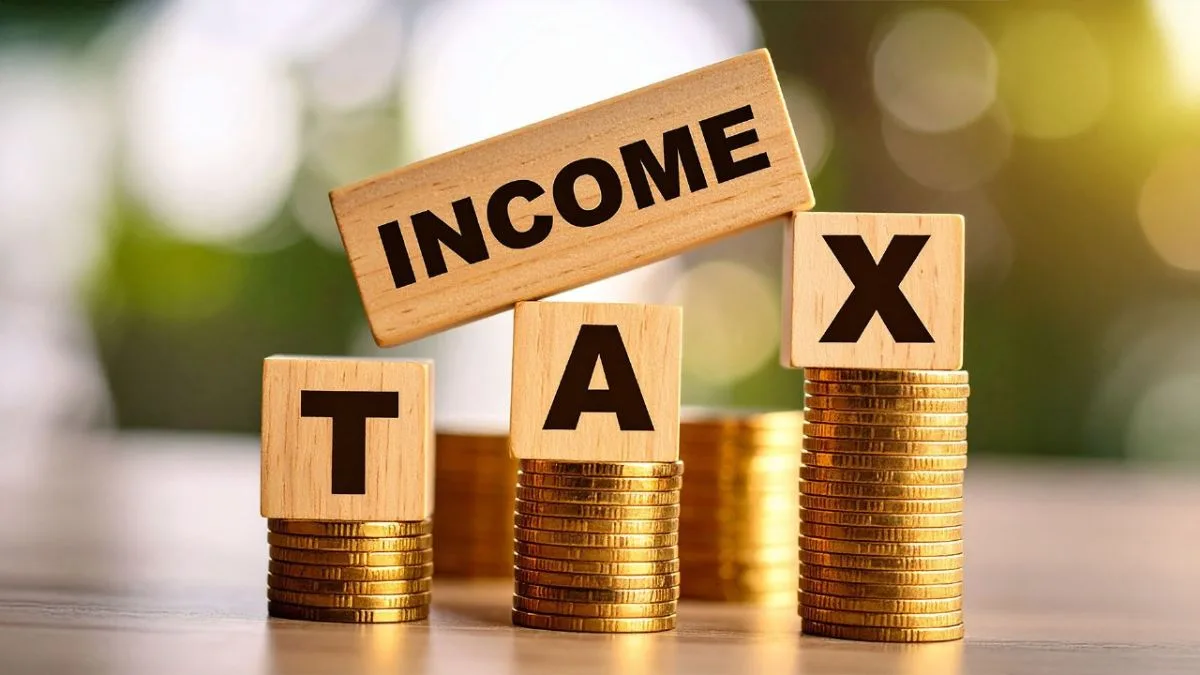
The Income Tax Act, 2025, is slated to come into effect on 1 April 2026, and the simplified Income Tax Rules and Forms will be notified in due course, giving adequate time to taxpayers to acquaint themselves with its requirements, Union Finance Minister Nirmala Sitharaman said on Sunday.

The forms have been redesigned to make them simpler for citizens to understand and comply with, she said.

Sitharaman proposed constituting a Joint Committee of the Ministry of Corporate Affairs and the Central Board of Direct Taxes to incorporate the requirements of the Income Computation and Disclosure Standards (ICDS) in the Indian Accounting Standards (IndAS).

The separate accounting requirement based on ICDS will be done away with from the tax year 2027-28.

“To support the Prime Minister’s vision of home-grown accounting and advisory firms to become global leaders, the Budget also proposes to rationalise the definition of accountant for the purposes of Safe Harbour Rules,” she said.

Among other key tax proposals, the budget also aims to curb the improper use of buybacks by promoters, proposing to tax buybacks for all types of shareholders as capital gains.

However, to disincentivise misuse of tax arbitrage, promoters will pay an additional buyback tax.

This will make the effective tax 22 percent for corporate promoters and 30 percent for non-corporate promoters.

The TCS rate on remittances under the Liberalised Remittance Scheme exceeding Rs 10 lakh is 2% for education or medical treatment, and 20% for purposes other than education or medical treatment.

The Securities Transaction Tax (STT) on futures is proposed to be raised to 0.05 percent from the current 0.02 percent. STT on options premiums and the exercise of options is proposed to be raised to 0.15 percent from the present rate of 0.1 percent and 0.125 percent, respectively.

In continuance to simplified regime and lower tax rate for corporates, set-off of brought forward (Minimum Alternate tax) MAT credit is proposed to be allowed to companies only in the new regime to encourage companies to shift to the new regime, Sitharaman said.

Set-off using available MAT credit is proposed to be allowed to an extent of 1/4th of the tax liability in the new regime.

Ending further accumulation from 1st April, 2026, MAT is proposed to be made the final tax. In line with this change, the rate of final tax will be reduced to 14 percent from the current MAT rate of 15 percent.

The brought-forward MAT credit of taxpayers accumulated till 31st March 2026 will continue to be available for set-off as above, the Finance Minister highlighted in her speech.

Union Budget to give historic momentum to Haryana’s industry, agriculture and youth power: CM

The Chief Minister said for the first time in the country’s history, the Union Budget has been presented on a Sunday.

Statesman News Service | Chandigarh |

Haryana Chief Minister Nayab Singh Saini has welcomed the Union Budget 2026–27 presented in Parliament by Union Finance Minister Nirmala Sitharaman, describing it as extremely significant for the development of Haryana. He said this budget will provide new direction and fresh energy to the state’s infrastructure, agriculture, industry and youth employment.

The Chief Minister said for the first time in the country’s history, the Union Budget has been presented on a Sunday. This reflects the visionary approach of the central leadership and its strong resolve to take the nation forward at a rapid pace.

He said this budget is inspired by three major commitments—accelerating economic growth, building people’s capabilities and aspirations, and the spirit of “Sabka Saath–Sabka Vikas.” Its direct benefits will reach the youth, farmers, women, MSMEs and working class of Haryana. The Chief Minister expressed his gratitude to Prime Minister Sh. Narendra Modi and Union Finance Minister Nirmala Sitharaman for this people-centric budget.

Saini said that the total size of the Union Budget is ₹53.5 lakh crore, with capital expenditure increased to ₹12.2 lakh crore—about 9 per cent higher than last year. This enhanced capital expenditure will prove to be a boon for fast-developing states like Haryana.

He said that the budget provides for an additional tax devolution of ₹1.4 lakh crore to states. As per the recommendations of the 16th Finance Commission, the states’ share has been maintained at 41 per cent.

Haryana, which makes a significant contribution to central taxes, will receive stronger and more stable financial support through this. This amount will be utilized in education, health, rural development, roads and other infrastructure projects, leading to better public facilities.

The Chief Minister stated that increased capital expenditure will accelerate key projects across the country, including railways, roads, RRTS (such as the Delhi–Gurugram–Faridabad corridor), EV charging networks, Industrial Model Townships (IMTs) and other critical initiatives.

In Haryana, new investments will come to IMT Kharkhoda, Manesar and other areas, creating lakhs of employment opportunities. The enhancement of RIDF and UIDF will also strengthen rural and urban infrastructure.

The Chief Minister said that the budget lays special emphasis on Semiconductor Mission 2.0, which will significantly benefit Haryana’s electronics, automobile and manufacturing sectors. This budget will support new investments, skill development and the creation of technology hubs. Special provisions for MSMEs, startups and the biopharma sector will create better employment opportunities for the state’s youth.

He said that Haryana is an agriculture-dominated state, and this budget places special focus on agriculture and rural development. Emphasis has been laid on crop diversification, water conservation and increasing farmers’ income. These provisions will directly benefit Haryana’s farmers and agro-industries. Additionally, state schemes like ‘Mera Pani–Meri Virasat’ will gain recognition at the national level.

He further said that the budget also focuses on future-oriented sectors such as medical tourism, artificial intelligence, skill development, carbon capture and container manufacturing. Steps for inflation control, tax simplification and relief to the middle class will also benefit citizens of Haryana. A new ₹10,000 crore initiative for biopharma and life sciences will strengthen the state’s healthcare sector.

Saini said that this budget will play a key role in establishing Haryana as a growth engine in realizing the vision of “Viksit Bharat @2047.” He added that with the strong partnership of the double-engine government, the state will gain new momentum in infrastructure, employment, prosperity and youth empowerment. This Union Budget will give new speed to Haryana’s progress.

Mahakumbh of devotees throng Ganga Ghats in Kashi on Maghi Purnima, Ravidas Jayanti

After bathing in Prayagraj, the flow is now moving towards Kashi. It is estimated that five to six lakh devotees will reach Kashi.

Statesman News Service | Varanasi |

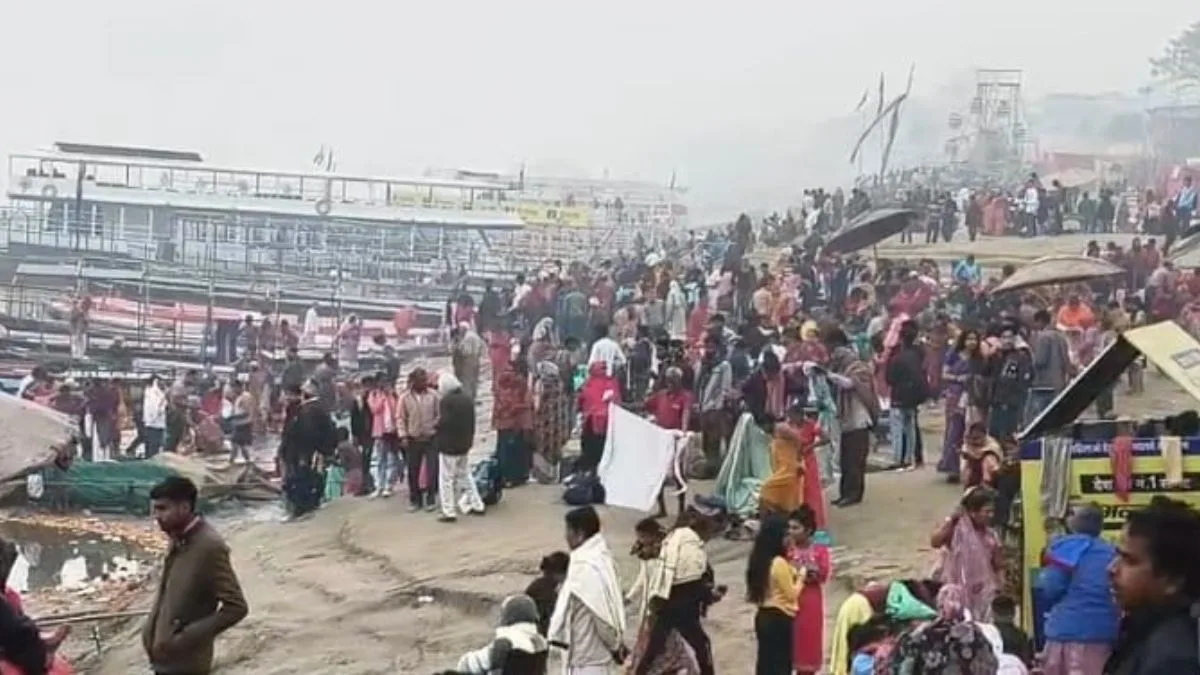
Millions of devotees thronged the holy city of Kashi on the occasion of Maghi Purnima and the birth anniversary of Saint Ravidas.

After bathing in Prayagraj, the flow is now moving towards Kashi. It is estimated that five to six lakh devotees will reach Kashi.

The ritual of bathing has been going on since morning at the Ganga Ghats in Kashi. Devotees are taking a dip at all the major ghats, including Dashashwamedh, Assi, Rajendra Prasad, Darbhanga, Shivala, Rana Mahal, Ahilyabai, Ravidas, Namo, and Rajghat.

A large crowd of devotees has also gathered at the Kashi Vishwanath Dham. No vehicles are being allowed to enter from Maidagin towards Godaulia, Assi Ghat, and Dashashwamedh Ghat. In view of the crowds, arrangements have been made for the darshan of Baba Vishwanath’s tableau. The operation of small boats in the Ganga has also been banned.

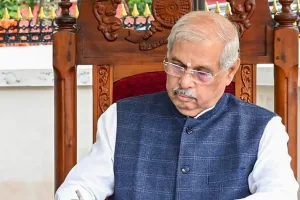
Professor Bihari Lal Sharma, Vice Chancellor of Sampurnanand Sanskrit University, stated that in the Indian Sanatan tradition, Maghi Purnima is a highly significant and virtuous festival of religious faith, cultural consciousness, and social harmony. Celebrated during the holy month of Magh, the festival is given special significance in the scriptures by the phrase “Maghmaso Mahapunyapradayakah.”

Vice-Chancellor Professor Sharma stated that Maghi Purnima is not only a special occasion for bathing in the Ganges, donating, chanting, austerities, and fasting, but also strengthens the spirit of compassion, kindness, service, and equality in Indian folk life. Bathing in confluences, pilgrimage sites, and holy rivers on this day, along with giving and performing charitable acts, fosters spiritual purification and awakens a sense of public welfare.

According to religious scriptures, bathing and donating on Maghi Purnima yield a thousandfold benefits. In particular, the donation of food, clothing, sesame seeds, ghee, and gold is highly valued. This festival reinforces the tradition of spiritual practice, restraint, and self-discipline. It is a classical belief that virtuous deeds performed on this day contribute to the attainment of the four goals of life: Dharma, Artha, Kama, and Moksha.

Meanwhile, a large crowd of devotees has gathered since morning at the Shiromani Sant Ravidas Temple in Seer Govardhanpur, the birthplace of Sant Ravidas Ji.

The Raidasis are continuing their bhajan-kirtan and recitation. Ardaas and Guru Bandgi are being offered. NRIs have arrived from across the country, including Punjab, Haryana, Delhi, Mumbai, Bihar, Jharkhand, and many other countries, including the United States, Canada, Germany, and Japan.
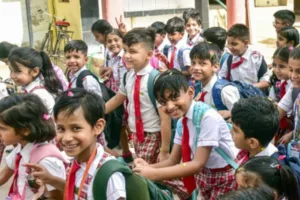
Devotees are also immersed in bhajans at the temple of Sant Niranjan Das Ji Maharaj, the throne holder of Dera Sachkhand Ballan.

L Sarova, trustee of the Shri Guru Ravidas Janmasthan Public Charitable Trust, stated that more than 500 volunteers are engaged. Guruvani will be broadcast in the devotee pandal in the afternoon.

Budget 2026–27 sends no overt political signal ahead of five-state polls

“There is enough in the Budget to cover both election and non-election states,” says FM

VIBHA SHARMA | New Delhi |

Finance Minister Nirmala Sitharaman on Sunday presented the Union Budget 2026–27, notably without any overt political messaging ahead of Assembly elections in five states later this year—Tamil Nadu, Kerala, West Bengal, Puducherry and Assam.

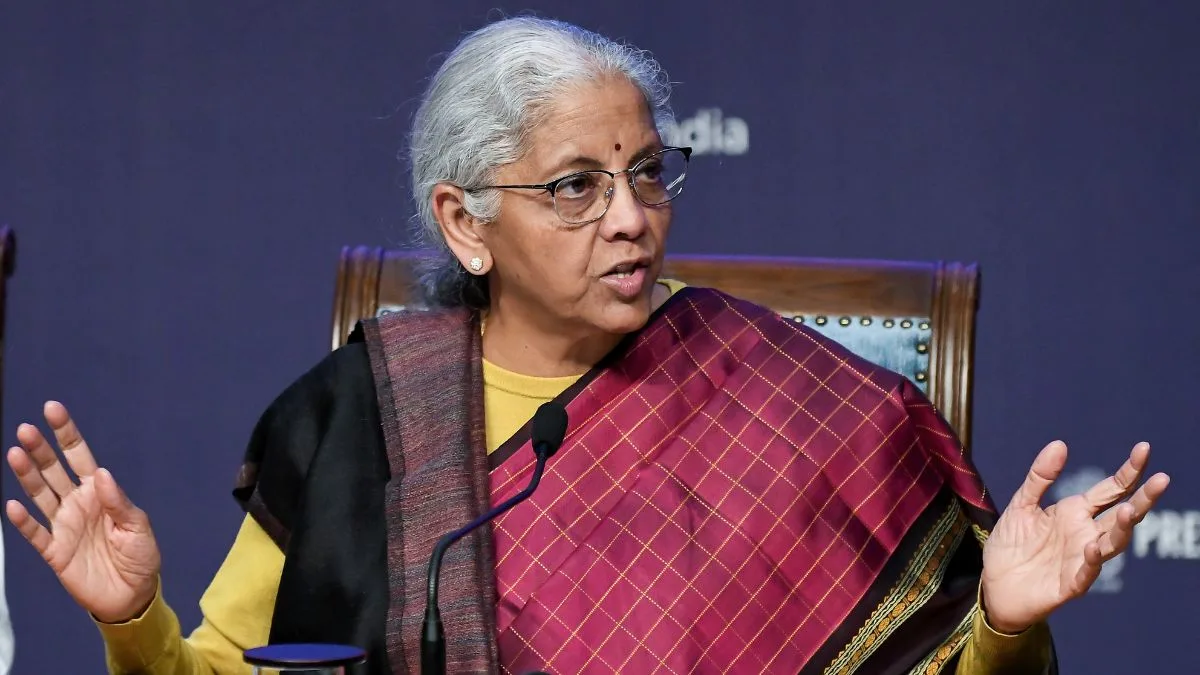
Clad in a Kattam Kanjeevaram silk saree from Tamil Nadu, Sitharaman delivered her ninth consecutive Budget, structured around “three kartavyas and seven strategic and frontier sectors.” While the sartorial choice carried cultural symbolism, the Budget itself avoided state-specific largesse for poll-bound regions.

As the BJP prepares for a crucial electoral battle amid signs of upper-caste discontent, the absence of clear political signalling stood out. There were no targeted announcements for allies, no income tax relief for the middle class, and no direct outreach to salaried taxpayers, apart from a promise to simplify tax return forms. Trinamool Congress MPs also noted that West Bengal did not find a specific mention in the speech.

Maintaining a distinctly non-populist tone, the Finance Minister prioritised infrastructure, manufacturing, technology, and energy security against the backdrop of global headwinds such as supply chain disruptions and energy volatility. The markets, however, reacted negatively, with benchmark indices Sensex and Nifty slipping after the government raised the Securities Transaction Tax on commodity futures.

Responding to questions on the absence of special sops for election-bound states, Sitharaman said, “I think there is enough to cover all the election states. If I do, you will ask me why I have done it only for the election states. Now I have it for election and non-election states as well. You want me to spell out what has been done only for the election states—I am quite happy to do it.”

Instead, she emphasised the Budget’s inclusive framework, pointing to large infrastructure and industrial announcements that would also benefit poll-bound states. These include freight corridors for West Bengal, rare earth corridors for Tamil Nadu and Kerala, and infrastructure projects in Assam and Puducherry, underscoring the Centre’s stated approach of equitable development across regions.

Against a challenging geopolitical backdrop, the Budget focuses on scaling up manufacturing in seven strategic and frontier sectors such as biopharmaceuticals, semiconductors, and electronic components. It proposes dedicated rare earth corridors in mineral-rich states including Odisha, Kerala, Andhra Pradesh and Tamil Nadu to boost mining, processing, research, and manufacturing, and to reduce dependence on China.

A scheme to support states in setting up three chemical parks and strengthening the Capital Goods Capability Integrated Programme for the textile sector was also announced.

For states, the Budget outlines new Dedicated Freight Corridors linking Dankuni in the east to Surat in the west, 20 new National Waterways, a Coastal Cargo Promotion Scheme aimed at long-term energy security, and seven high-speed rail corridors—Mumbai–Pune; Pune–Hyderabad; Hyderabad–Bengaluru; Hyderabad–Chennai; Chennai–Bengaluru; Delhi–Varanasi; and Varanasi–Siliguri.

While there were no headline-grabbing dole announcements, schemes such as the Self-Help Entrepreneur (SHE) initiative for rural women were positioned as efforts to bridge urban–rural divides. Observers note that regional projects were embedded within national corridors rather than pitched as state-specific incentives.

West Bengal, ruled by the Trinamool Congress, was allocated enhanced freight corridors from Dankuni and improved rail connectivity aligned with the Varanasi corridor. Tamil Nadu and Kerala featured prominently in the rare earth strategy, while Kerala also saw eco-tourism initiatives, including turtle beach conservation. Sectoral announcements on coconut, cashew, and sandalwood appeared tailored to southern states.

“We are laying the path and giving a push to the economy to maintain the growth momentum,” Sitharaman said. “Primarily, we are looking at building the ecosystem with structural reforms. Reforms have been carried out, and we are continuing with them.”

Overall, the Budget positioned the government as a steward of its “Viksit Bharat 2047” vision, eschewing overt electoral messaging while subtly aligning regional development with national priorities ahead of the 2026 Assembly elections.

AI, digital copying, and the future of journalism: Copyright takes centre stage at Jamia Hamdard

As AI tools reshape how content is created and shared, copyright is emerging as a crucial safeguard for human creativity. At Jamia Hamdard, experts warned that protecting ideas is key to sustaining journalism, culture, and democracy in the digital age.

Statesman News Service | New Delhi |

In a world where artificial intelligence can write poems, generate images, remix old content in seconds, one big question is making the rounds in newsrooms, classrooms, courtrooms alike: who really owns creativity now? This question took centre stage at Jamia Hamdard this week, where students got reality check on why copyright still matters more than ever.

Speaking to budding journalists at the Centre for Media and Communication Studies, senior Intellectual Property Rights (IPR) advocate Vikrant Rana, Managing Partner at SS Rana & Co, broke down a topic many students find intimidating but absolutely essential in today’s digital world. The lecture was part of Jamia Hamdard’s flagship Media Matters: Connecting People, Policy and Progress series.

Also Read: Lego takes innovation to imagination, unveils Smart Bricks at CES 2026 with built-in chips, sensors, speakers

Why copyright is suddenly everyone’s problem

Rana began with a simple truth. Technology has made copying easy, but creativity is still hard work. With AI tools scraping content, remixing articles, reproducing styles at lightning speed, copyright has become the main legal shield protecting human creators.

According to him, copyright is not just about law books and court cases. It is about fair payment, recognition, and survival especially for journalists, artists, musicians, filmmakers, writers trying to make living in digital age.

Media ethics, creativity, slow ideas

Adding a deeper perspective, Prof Farhat Basir Khan, founder of the Media Matters initiative, connected creativity directly to ethics. While ideas travel fast online, he said, real creativity takes time, courage, intellectual labour.

He warned that unchecked copying, digital piracy, unauthorised reuse of content don’t just hurt individuals. They slowly destroy the foundation of quality journalism and cultural production.

Copyright: Protection from day one

The heart of the session focused on copyright law. Rana clarified that original literary, artistic, musical, dramatic works are protected moment they are created. No registration is needed to claim basic rights.

Copyright lasts for the creator’s lifetime and 60 years after their death. He also explained licensing models, royalties, moral rights like the right to be credited and right to protect the integrity of one’s work.

Using landmark court cases, he unpacked concepts like fair use, infringement, performers’ rights, difference between authorship and ownership. These are the issues journalists often face without realising it.

Turning to the future, Rana acknowledged that copyright law worldwide is struggling to keep pace with AI systems, digital platforms, large-scale content aggregation. Laws are evolving, but awareness is still lagging.

The session ended with remarks from Prof Reshma Nasreen, Director of the Centre, who thanked the speaker and stressed that understanding law is critical for media professionals entering a complex digital and regulatory landscape.

Summing it all up, Prof Khan left the room with a powerful line: “When we respect creators, we protect culture. When we protect ideas, we strengthen democracy.”

In the age of AI, that message couldn’t be more timely.

Industry leaders welcome Union Budget-2026, talk about its likely impact

Talking about the recalibration of the Securities Transaction Tax (STT) mentioned in the budget, BSE’s MD and CEO Sundararaman Ramamurthy said that it is designed to discourage speculation and encourage investor focus on long-term equity participation.

Statesman News Service | Mumbai |

Industry leaders welcomed Union Budget 2026 on Sunday and gave their reactions about its impact on the economy.

Talking about the recalibration of the Securities Transaction Tax (STT) mentioned in the budget, BSE’s MD and CEO Sundararaman Ramamurthy said that it is designed to discourage speculation and encourage investor focus on long-term equity participation.

“From a market standpoint, the measures announced—ranging from initiatives to deepen corporate and municipal bond markets, enhanced investment limits for PROl, adjustments to the buyback tax, and other reforms—are clearly development-oriented.”

“The proposed public capital expenditure of approximately Rs 12 trillion is poised to generate a substantial positive impact across the economy. Furthermore, the recalibration of Securities Transaction Tax (STT) is designed to encourage investor focus on long-term equity participation, thereby fostering healthier liquidity and more sustainable market dynamics”.

“This budget marks another significant step towards realizing the vision of Viksit Bharat, with a strong emphasis on capital formation, fiscal discipline, and the advancement of key growth pillars such as infrastructure, manufacturing, services, and SMEs,” Ramamurthy said.

NSE MD and CEO Ashishlumar Chauhan stated that, “The message from the economy is that strong growth and fiscal discipline can advance together. It stays firmly on the consolidation path, with the fiscal deficit easing from 4.4% to 4.3% of GDP and debt-to-GDP declining from 56.1% to 55.6%, keeping India on track toward the 50% ±1% target by FY31. This signals macro stability and policy credibility to investors and markets”.

According to a statement by NCDEX’s MD & CEO Arun Raste, the budget signals a transition in India’s agriculture strategy. “This Budget clearly reinforces a decisive transition in India’s agri strategy, from production-led interventions to value-driven, market-oriented growth. The emphasis on high-value agriculture, allied sectors and AI-enabled platforms such as Bharat Vistar has the potential to enhance productivity, improve income diversification and strengthen delivery efficiency over time.

“From a market development standpoint, the focus rightly shifts towards improving participation, price discovery and risk management. Commodities such as maize, soymeal and oilseed cakes are likely to see demand tailwinds as institutional feed requirements rise with credit-linked livestock entrepreneurship. Initiatives such as the ‘She-Mark’ enhance women entrepreneurs’ access to credit and financial instruments,” Raste said.

“Going forward, greater clarity on the taxation and regulatory framework for commodity derivatives will be important to ensure effective risk hedging for farmers and FPOs. The overall impact will depend on how efficiently these reforms deepen market participation, improve risk mitigation and support sustainable, employment-led growth,” Raste said.

However, Mahindra Group’s Group CEO and MD Anish Shah said that Union Budget 2026 is a meaningful step towards self-reliance or ‘Aatma Nirbharta’ in manufacturing. “The emphasis on frontier and strategic manufacturing sectors, including the launch of enhanced schemes such as Biopharma Shakti and the Semiconductor Mission (ISM 2.0), reflects a clear commitment to building global-scale manufacturing capabilities. Strengthening domestic value chains and reducing critical import dependencies will be key to India’s future industrial leadership,” Shah said.

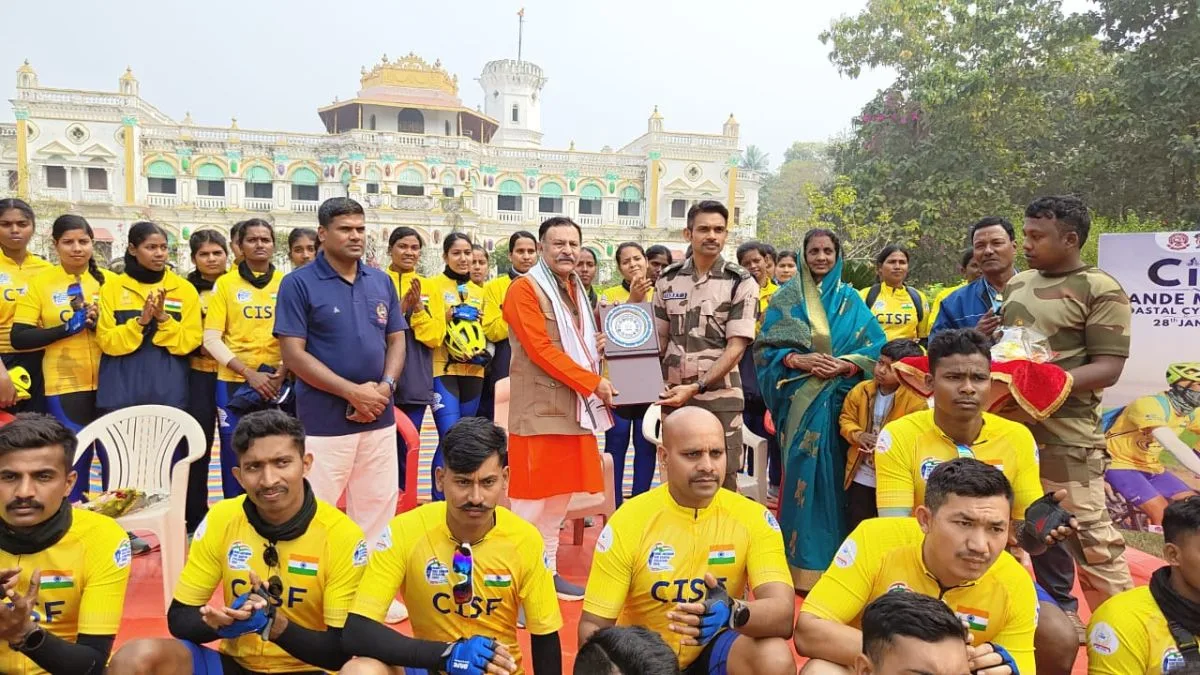
CISF Coastal Cyclothon accorded warm welcome in Odisha village

The Cyclothon was conducted under the stewardship of CISF Commandant Sanat Patel, Assistant Commandant Akash Jayswal while several dignitaries including Shivendra Narayan Bhanjadeo, the scion of the erstwhile Rajkanika royal family extended warm support to cyclists.

Statesman News Service | BHUBANESWAR |

Residents of Rajkanika in Odisha’s Kendrapara district accorded rousing welcome to the Central Security Force Vande Mataram Coastal Cyclothon-2026, a flagship national public outreach and awareness initiative, as the CISF personnel took out a cycle rally and passed through the main thoroughfares.

The Cyclothon was conducted under the stewardship of CISF Commandant Sanat Patel, Assistant Commandant Akash Jayswal while several dignitaries including Shivendra Narayan Bhanjadeo, the scion of the erstwhile Rajkanika royal family extended warm support to cyclists.

The event is being organised to commemorate 150 years of “Vande Mataram”, the iconic song that inspired India’s freedom struggle and continues to guide generations in the spirit of national service. The objective of the rally was to sensitize the people regarding the coastal security and instill patriotic fervor.

The entire region wore a festive look as locals lining up on both sides of the main thoroughfares patted the CISF initiative.

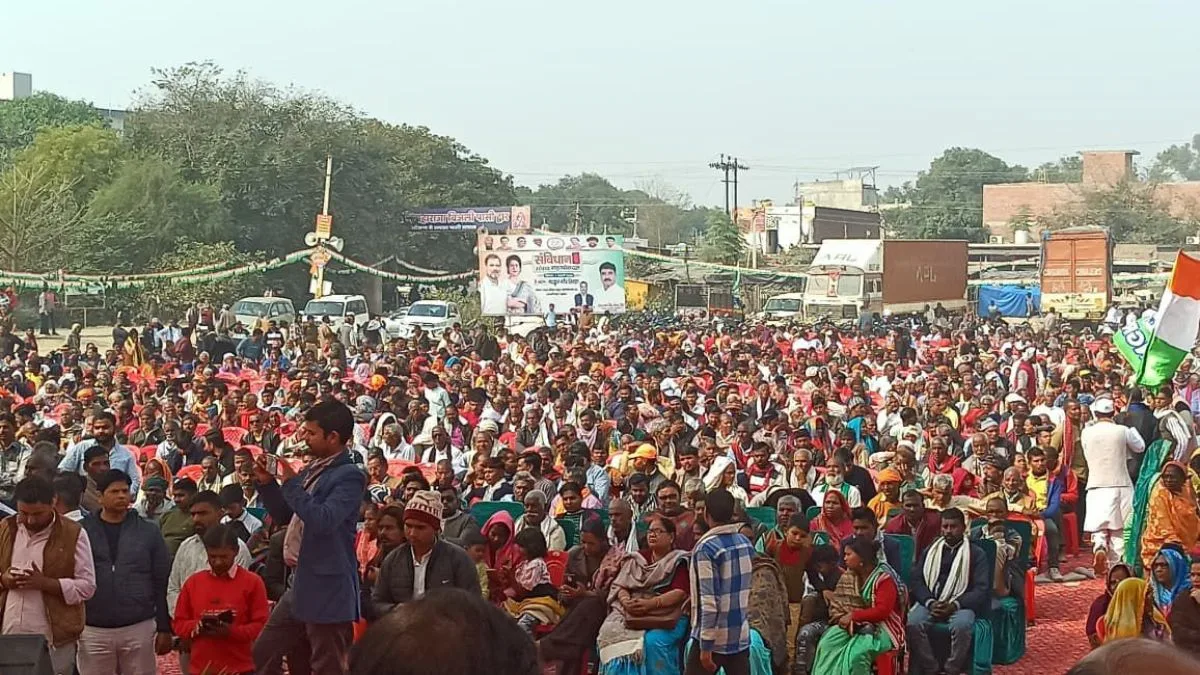
Corruption in the name of schemes under BJP governments: Avinash Pandey

Pandey was speaking in the “Samvidhan Samvad Mahapanchayat” in Natkur village, under the Sarojini Nagar assembly constituency of Lucknow, on Sunday.

Statesman News Service | Lucknow |

Congress national general secretary and Uttar Pradesh in-charge Avinash Pandey, alleged that corruption is rampant in the name of schemes under the BJP governments, and that crony capitalism is being promoted while the interests of the common people are being ignored.

Pandey was speaking in the “Samvidhan Samvad Mahapanchayat” in Natkur village, under the Sarojini Nagar assembly constituency of Lucknow, on Sunday.

Raising the issue of misuse of voting rights, he said that attempts are being made to weaken democracy by stealing votes in the name of the electoral roll, which the Congress will not allow to succeed. He also expressed concern over the increasing crimes against women.

Presiding over the program, Congress state president Ajay Rai said that by trying to dismantle the Mahatma Gandhi National Rural Employment Guarantee Act, the BJP had exposed its anti-laborer mindset and weakened the rural economy. He alleged that local lands are being given to capitalists at cheap rates, such as the airport to the Adani Group and the Scooter India land to the Hinduja Group, but local people are not getting jobs.

Rai said that during the Congress rule, industries were established, employment was generated, and policies were made in the interest of farmers. He appealed to the workers to support grassroots leaders and not to trust empty promises. The organizer, District Congress President Rudra Daman Singh ‘Bablu’, thanked the large number of workers and citizens present.

Several senior leaders, including MLA Virendra Chaudhary, and a large number of Congress workers and local citizens were present at the Mahapanchayat.

BUDGET 2026: Focus on skilling youth in healthcare and tourism

The Finance Minister proposed to set up a National Institute of Hospitality by upgrading the existing National Council for Hotel Management and Catering Technology.

RITA SACHDEVA | New Delhi |

In a series of announcements aimed at opening up job opportunities for millions of youth in the country, the Budget 2026, presented by Finance Minister Nirmala Sitharaman on Sunday, laid out a roadmap across various sectors to create a pool of professionals in various sectors, including healthcare, hospitality, and tourism.

The Finance Minister proposed to set up a National Institute of Hospitality by upgrading the existing National Council for Hotel Management and Catering Technology. It will function as a bridge between academia, industry, and the government. She further proposed a pilot scheme for upskilling 10,000 guides in 20 tourist sites through a standardised, high-quality 12-week training course in hybrid mode, in collaboration with an Indian Institute of Management.

Recognising the growing healthcare demands arising from an ageing population, the rising burden of non-communicable diseases, and increasing global demand for skilled healthcare professionals, the government has proposed a phased plan outlay of Rs 980 crore over three years for the expansion and strengthening of allied and healthcare professionals’ education.

Under this initiative, Allied Health Professional (AHP) Institutes in 10 key disciplines will be set up and upgraded to create nearly one lakh skilled professionals over the next five years through public and private sector participation.

Additionally, a focused programme will train 1.5 lakh geriatric caregivers, addressing the rapidly rising long-term care needs of India’s elderly population. These measures will enhance diagnostics, preventive, rehabilitative, and public health services while positioning India as a global hub for skilled allied healthcare professionals.

India’s Animation, Visual Effects, Gaming and Comics (AVGC) sector is a growing industry, projected to require 2 million professionals by 2030. The Finance Minister proposed to support the Indian Institute of Creative Technologies, Mumbai, in setting up AVGC Content Creator Labs in 15,000 secondary schools and 500 colleges, giving a boost to the upskilling of the youth of the country.

The Union Budget also proposed to set up a High-Powered ‘Education to Employment and Enterprise’ Standing Committee to recommend measures that focus on the Services Sector as a core driver of Viksit Bharat. This will make India a global leader in services, with a 10 per cent global share by 2047. The Committee will prioritise areas to optimise the potential for growth, employment and exports. They will also assess the impact of emerging technologies, including AI, on jobs and skill requirements and propose measures thereof.

To promote India as a hub for medical tourism services, the Finance Minister proposed a scheme to support states in establishing five regional medical hubs in partnership with the private sector. These Hubs will serve as integrated healthcare complexes that combine medical, educational and research facilities. They will have AYUSH Centres, Medical Value Tourism Facilitation Centres and infrastructure for diagnostics, post-care and rehabilitation. These Hubs will provide diverse job opportunities for health professionals, including doctors and AHPs.

To strengthen mental healthcare services for the youth, the Budget provides for the upgradation of premier mental health institutions at Ranchi and Tezpur, along with the establishment of a NIMHANS in North India, significantly expanding access to advanced mental health care, training, and research facilities. The government has proposed the establishment of Emergency and Trauma Care Centres in every district hospital, ensuring affordable and round-the-clock (24×7) access to critical emergency medical services for citizens across the country.

The Finance Minister said that to fulfill aspirations and build capacity, close to 25 crore individuals have come out of multidimensional poverty through a decade of the government’s sustained and reform-oriented efforts.

Presenting the Yuva Shakti-driven Budget, which emphasises the Government’s ‘Sankalp’ to focus on the poor and the underprivileged, the Finance Minister said India will continue to take confident steps towards Viksit Bharat, balancing ambition with inclusion.

Attempt to change the concept of job seekers, youth to become ‘job givers’: Varanasi

The budget proposals for 2026-27 received mixed reactions from traders, lawyers, bank officials, and others in the holy city of Kashi (Varanasi), parliamentary constituency of Prime Minister Narendra Modi.

Statesman News Service | Varanasi |

The budget proposals for 2026-27 received mixed reactions from traders, lawyers, bank officials, and others in the holy city of Kashi (Varanasi), parliamentary constituency of Prime Minister Narendra Modi.

Rajesh Kumar Sinha, Assistant General Manager of Punjab National Bank, said that the budget is quite balanced. He said, “This is a positive budget that will empower India and strengthen the goal of a self-reliant India. It has a special focus on infrastructure development. An attempt has been made to change the concept of job seekers. Now the youth of the country should become job creators, not just job seekers. A fund of Rs 10,000 crore has been allocated for the MSME sector. A rail corridor and a shipyard have been announced for Kashi, where ships will be repaired. This will lead to the development of new industries.”

Chartered Accountant Mudit Agarwal said that not much has been done for the manufacturing sector, while the service sector has received some relief. He called the plan to train 10,000 guides effective and said that it would create new jobs. There has been no change in the income tax slabs.

Advocate Shashank Tripathi said that India is an agrarian country. A new definition will be established by linking small industries with agriculture. Significant provisions have been made in the budget to promote tourism. This will realise the vision of ‘One India, Great India’.

Haji Shahid Qureshi, President of the Minority Business Association, said that there were high expectations from the weavers, but Kashi did not receive much except for the rail corridor. The budget was average for small traders.

Jake Verma, Manager of Punjab National Bank, said that the focus has been on small-scale industries. There will be a large investment in railway-related projects, which will open new avenues for employment.

Union Budget: How money comes, how money goes?

As India pushes towards its Viksit Bharat goal amid global uncertainty, how each rupee comes in and where it finally goes will shape the country’s economic direction in the year ahead.

Statesman News Service | New Delhi |

From the taxes that Indians pay and the borrowings the government raises, to the money spent on states, defence, welfare, and interest payments, every paisa reveals where the government’s priorities lie.

As India pushes towards its Viksit Bharat goal amid global uncertainty, how each rupee comes in and where it finally goes will shape the country’s economic direction in the year ahead.

The government takes one rupee from citizens, pools it with millions of others, and deploys it with intent into highways, railways, defence equipment, classrooms, hospitals, and digital infrastructure.

That rupee is split between paying interest to maintain fiscal credibility, funding welfare to protect the vulnerable, and investing in capital expenditure to fuel future growth and jobs.

The Union Budget is essentially the script that shows where this rupee goes and what return the government expects from it.

In Budget 2025, for every rupee earned by the government, 66 paise was estimated to come from direct and indirect taxes, the remaining portion came from borrowings, non-tax revenue, and capital receipts.

Further, 39 paise came from direct taxes, including 22 paise from personal income tax, and 17 paise from corporate tax.

Among indirect taxes, GST contributed 18 paise, making it the largest source; excise duty added 5 paise, customs duty contributed 4 paise; borrowings and other liabilities provided 24 paise, non-tax revenue, including disinvestment proceeds, added 9 paise, and non-debt capital receipts made up 1 paisa.

In Budget 2026, the government expects every rupee to be sourced as follows. 24 paise from borrowings and other liabilities, 21 paise from income tax, 18 paise from corporate tax, 15 paise from GST and other taxes, 10 paise from non-tax revenue, 6 paise from Union excise duties, 4 paise from customs duties, and 2 paise from net debt capital receipts.

While taxes remain critical, borrowing continues to play a central role in financing government expenditure as India prioritises growth and infrastructure investment.

On the expenditure side, Budget 2025 showed a strong emphasis on transfers, interest payments, and development schemes.

Out of every rupee spent, 22 paise went to states as their share of taxes and duties, 20 paise for interest payments, 17 paise for central sector schemes, 8 paise for centrally sponsored schemes, 11 paise for defence, 7 paise each for Finance Commission transfers and other expenditures, 6 paise for major subsidies, and 2 paise for civil pensions.

A similar pattern existed in earlier budgets as well, underlining the structural nature of these commitments, especially interest payments and transfers to states, which together consume more than 40 paise of every rupee spent.

Budgets often overwhelm with trillion-rupee figures, but the real story lies in the smallest unit.

Following the journey of one rupee strips away complexity and reveals the government’s choices on taxation, borrowing, welfare, and growth.

As India navigates global uncertainty while chasing big economic ambitions, Budget 2026 will be judged not just by how much money is raised or spent but by how decisively and efficiently that one rupee is put to work.

“No objection to Parth Pawar”: Maharashtra CM a day after Sunetra Pawar’s oath

Fadnavis also clarified that there is no opposition to Parth Pawar. He also said that if there were any merger talks, Ajit Pawar would have informed him.

ANI | Mumbai |

Just a day after NCP leader Sunetra Pawar took oath as Maharashtra’s Deputy Chief Minister, Chief Minister Devendra Fadnavis on Sunday said that decisions regarding the Nationalist Congress Party (NCP) are made internally.

Fadnavis also clarified that there is no opposition to Parth Pawar. He also said that if there were any merger talks, Ajit Pawar would have informed him.

Addressing a press conference in Mumbai, CM Fadnavis said, “NCP’s decisions are taken by the party itself. We have no objection to Parth Pawar. If there were any merger talks, Ajit Dada would have told me.”

A day earlier, NCP Sunetra Pawar, leader of the Nationalist Congress Party and widow of the late Maharashtra Deputy Chief Minister Ajit Pawar, took oath as the state’s Deputy Chief Minister at Lok Bhavan in Mumbai.

She stepped into fill the post that became vacant following the demise of Ajit Pawar in a plane crash on January 28 in Baramati. With this, Sunetra Pawar becomes the first woman Deputy Chief Minsiter of Maharashtra.

Maharashtra Governor Acharya Devvrat administered the oath of office to Sunetra Pawar in the presence of Maharashtra Chief Minister Devendra Fadnavis and Deputy CM Eknath Shinde.

Maharashtra Minister Chandrashekhar Bawankule, Maharashtra State President of NCP, Sunil Tatkare and NCP Working President Praful Patel, and Maharashtra Minister Chhagan Bhujbal were also present at the occasion.

She was also elected leader of the NCP Legislative Party. NCP leaders then met with Maharashtra CM Devendra Fadnavis to finalise Sunetra Pawar’s appointment as Deputy CM.

She is known for her work in sustainable development, environmental conservation, and rural empowerment.

A Member of Parliament in the Rajya Sabha, she has emerged as a driving force behind several initiatives that promote inclusive and sustainable progress.

In 2010, she founded the Environmental Forum of India (EFOI), a non-governmental organisation dedicated to raising environmental awareness and fostering eco-conscious communities. She has led extensive grassroots campaigns focusing on biodiversity conservation, protection of endangered species, water resource management, and drought mitigation.

‘Directionless’ disappointed all sections of society: Maha Congress president

“This budget is not meant to satisfy any social class, but is only limited to some big figures and claims. Figures have been manipulated in this budget and it is completely directionless,” Sapkal said.

Statesman News Service | Mumbai |

Maharashtra State Congress President Harshwardhan Sapkal has dismissed the Union Budget 2026-27, presented by the Narendra Modi government on Sunday, as “no different than its previous budget”.

“This budget is not meant to satisfy any social class, but is only limited to some big figures and claims. Figures have been manipulated in this budget and it is completely directionless,” Sapkal said.

“Actually, a very good strategy is needed for large-scale employment generation in the country, but there is no clear direction for employment generation in this budget. No concrete provision has been made in the interests of farmers. No relief has been given to the employed class and the middle class who pay income tax. Even achieving declared growth rate targets seems difficult and everything seems limited to only announcements,” Sapkal said.

“After demonetisation and GST, small and medium enterprises of the country got completely weakened. This sector has not received any solid support from this budget either. Most of the employment generation in the country is from this sector, but the government has completely ignored this reality. Unemployment has increased in a big way during the tenure of the Modi government. According to the latest data, one out of two graduates is unemployed. Unemployment has gone up to more than 50%. The Modi government has completely failed in terms of investment and employment generation,” Sapkal said.

“India is an agricultural country, but this budget has disappointed farmers. The target of doubling farmers’ income has not been met since the last 12 years. On the contrary, the input cost of farming has doubled, agricultural produce is not getting fair prices, no concrete decision has been taken on the minimum support price and farmer suicides are on the rise. There is no concrete provision in the budget to mitigate any of these serious issues. The government should understand that farmers’ problems cannot be solved by simply paying them Rs 6,000 annually,” Sapkal said.

“The government has claimed that 25 crore people have been lifted out of poverty in 10 years, but the reality is that 80 crore people are still being given a free ration of 5 kg of grain. So how logical is the claim that 25 crore people have been lifted out of poverty? It is purely a statistical jugglery. The price of gold has reached Rs lakh per 10 grams and the price of silver has reached Rs 4 lakh per kg, but the government has no plan to control these prices. No concrete policy to control inflation is visible,” Sapkal said.

“The Central government is under a heavy debt burden. Schemes are being run by taking loans, but there is no improvement in the standard of living of our people. Income and wealth inequality in India today has reached historic heights. About 58% of the country’s total income goes to the top 10%, while only 15% of income reaches the bottom 50%. About 40% of the country’s total wealth is concentrated in the hands of merely the top 1% of people. This is not merely a statistic, but a situation which shows a deep imbalance in the economic structure of our country. Yet, there is not even a single word about this inequality in this budget or any measure to remove this inequality,” Sapkal said.


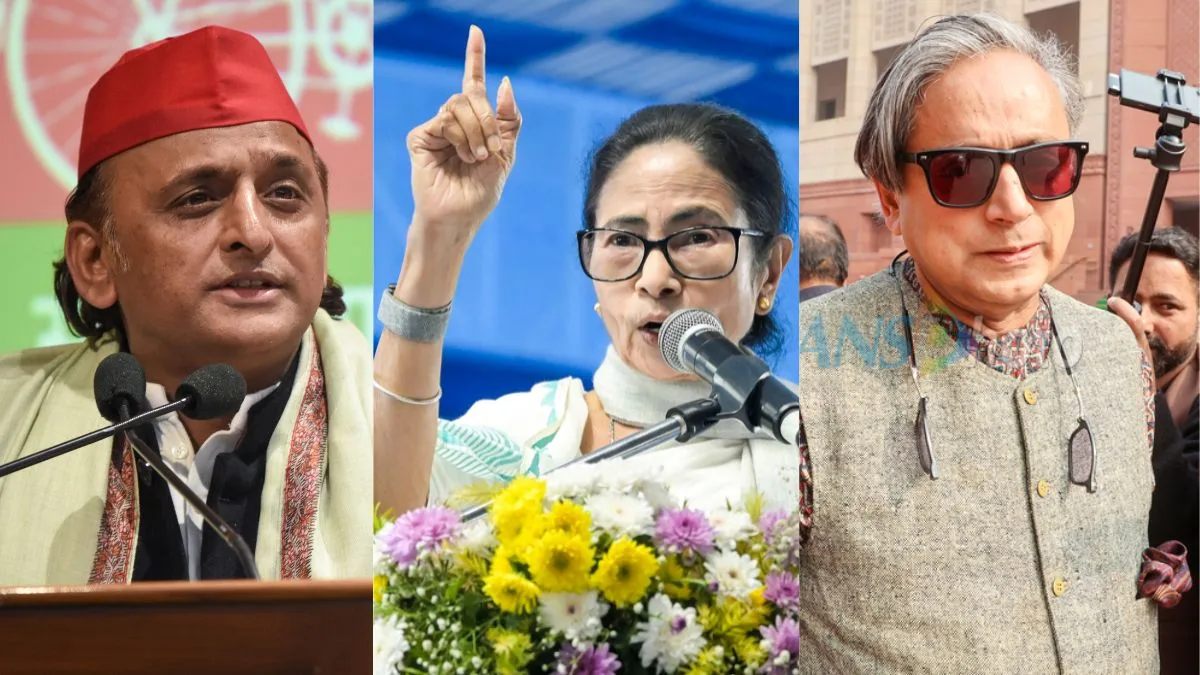
‘Disappointing, directionless, opaque, anti-poor, anti-farmer,’ Opposition tears into Budget

West Bengal Chief Minister Mamata Banerjee went further, using a nursery rhyme to label it a “Humpty Dumpty budget.” “It is totally directionless, visionless, mission-less, actionless. It is a ‘Humpty-Dumpty Budget’, just jugglery of words, it is anti-women, anti-farmer, anti-education. The Centre wants to destroy the economic structure of the country,” Banerjee said.

Statesman News Service | New Delhi |

While Prime Minister Narendra Modi pitched the Union Budget 2026-27 as a reform-driven blueprint offering a clear roadmap for a developed India by 2047, opposition parties described it as “disappointing, directionless, lacklustre, opaque, anti-poor, anti-farmer.”

West Bengal Chief Minister Mamata Banerjee went further, using a nursery rhyme to label it a “Humpty Dumpty budget.” “It is totally directionless, visionless, mission-less, actionless. It is a ‘Humpty-Dumpty Budget’, just jugglery of words, it is anti-women, anti-farmer, anti-education. The Centre wants to destroy the economic structure of the country,” Banerjee said.

Calling the Budget “historic” and future-oriented, PM Modi highlighted that the government’s financial plan reflected the empowered presence of women and gave fresh momentum to India’s journey towards becoming the world’s third-largest economy. However, Leader of the Opposition in the Lok Sabha Rahul Gandhi described it as “blind” to India’s real crises. “Youth without jobs. Falling manufacturing. Investors pulling out capital. Household savings plummeting. Farmers in distress. Looming global shocks – all ignored. A Budget that refuses course correction, blind to India’s real crises,” he said.

Opposition parties across the spectrum criticised Finance Minister Nirmala Sitharaman’s 2026-27 plan for its opaqueness on spending priorities and alleged bias against states ruled by non-BJP parties. The ruling DMK in Tamil Nadu said Sitharaman had given nothing to the state even in an election year, and that even experts were unable to discern the Budget’s objectives. “It does not have an aim or goal, and in short, it is directionless,” DMK leader Constantine Ravindra said.

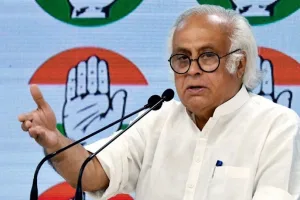
Congress leader Jairam Ramesh also called the Budget “non-transparent.” “It is clear after 90 minutes that Budget 2026-27 falls woefully short of the hype that was generated about it. It was totally lacklustre. The speech was also non-transparent since it gave no idea whatsoever of budgetary allocations for key programmes and schemes,” he wrote on X.

Congress MP Shashi Tharoor, who is relatively favourable towards the BJP and PM Modi, criticised the lack of specifics, particularly for Kerala. Congress MPs from Kerala, Hibi Eden and Jebi Mather, accused the government of “avoiding and badly neglecting” the state. Left parties argued that the Budget ignored challenges facing the Indian economy and offered no relief to the poor, who are reeling under high inflation, stagnant income, and rising unemployment.

Samajwadi Party chief Akhilesh Yadav questioned its relevance to ordinary citizens. “This Budget is beyond the understanding of the poor. How will you build a developed India without education?” he said. TMC’s Abhishek Banerjee noted that in 1 hour and 25 minutes of Sitharaman’s speech, Bengal was not mentioned even once. “Centre views Bengal as Bangladesh; otherwise, why was Bengal not mentioned even once? We had no expectations with this Budget. They knew that even if they spent money in Bengal, they wouldn’t win. So, from their perspective, they preferred not to spend any money on Bengal,” he said.