Logo

Mamata approaches SC, demands polls based on 2025 rolls not through SIR

Raising concerns of large-scale and irreversible disenfranchisement, Banerjee contended that the ongoing SIR poses a serious threat to the voting rights of lakhs of eligible electors and would severely undermine the level playing field among political parties ahead of the 2026 Assembly elections.

Statesman News Service | Kolkata |

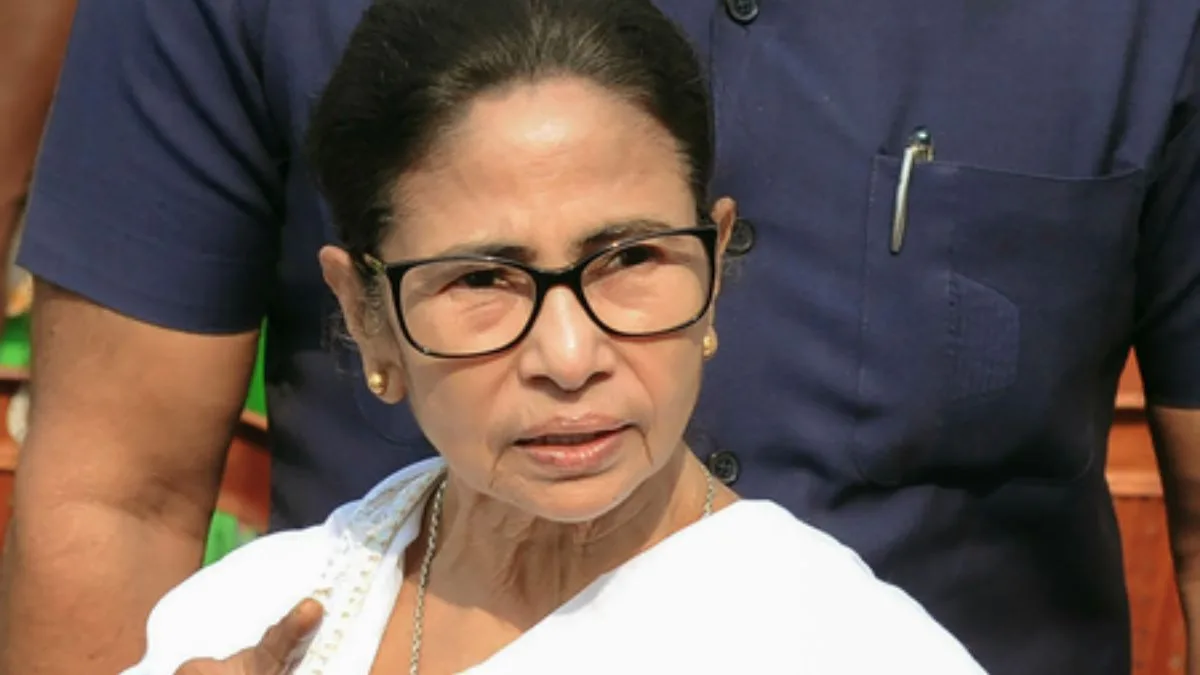
The Chief Minister Mamata Banerjee has approached the Supreme Court through a Public Interest Litigation (PIL) seeking direction that the forthcoming Assembly elections in the state be conducted on the basis of the electoral rolls revised in 2025, instead of those emerging from the ongoing Special Intensive Revision (SIR) exercise being undertaken by the Election Commission of India (ECI).

Raising concerns of large-scale and irreversible disenfranchisement, Banerjee contended that the ongoing SIR poses a serious threat to the voting rights of lakhs of eligible electors and would severely undermine the level playing field among political parties ahead of the 2026 Assembly elections.

In her plea, the Trinamul Congress leader has also sought directions restraining electoral authorities from calling voters for hearings in cases involving name mismatches or spelling variations falling under the “logical discrepancy” (LD) category during the ongoing revision process. According to her, such discrepancies should instead be corrected suo motu on the basis of existing official records, without subjecting voters to further scrutiny.

She has further prayed that all identity documents issued by competent authorities be uniformly accepted for the purpose of verification.

“The petitioner reasonably apprehends that elections to the Legislative Assembly of West Bengal will be immediately declared thereafter as the term of Assembly comes to an end on or about 07.05.2026. This is the ultimate act of injustice as it will practically freeze the voters list for West Bengal with the large-scale disenfranchisement, errors and omissions caused due to the opaque, hasty, unconstitutional and illegal actions of the ECI … without any time for grievance redressal in view of shortage of time,” the plea by Mamata Banerjee states.

Banerjee has alleged that the SIR is designed to exclude existing voters by compelling them to establish citizenship through documentary proof pegged to an arbitrary cut-off year.

“The entire SIR exercise is an effort at disenfranchising the existing voters on the Electoral Roll by forcing them to prove their citizenship with ‘documentary’ evidence against an arbitrary cut-off date of 2002. This violates the Constitution, the Representation of the People Acts of 1950 and 1951,” says the PIL.

The Chief Minister has also questioned the urgency with which the exercise is being carried out, pointing out that the revision is being completed in under 90 days, close to the scheduled Assembly elections. She has highlighted several operational gaps and inconsistencies in the process, warning that continuation of the exercise would inevitably result in exclusion of vulnerable groups, particularly migrant workers who frequently travel outside the state for seasonal employment.

“ECI has turned the entire SIR exercise into a battlefield for voters, who are scrambling through arbitrary rejection of documents, illogical hearings, inconsistent instructions, opaque rules, shifting stands and complete chaos caused by untested algorithm and software deployed by ECI,” the plea adds.

The petition also accuses the ECI of issuing instructions through informal channels despite directions of the Supreme Court, and of failing to place the list of persons categorised under ‘logical discrepancy’ in the public domain.

“In addition, alarming news have been received from certain districts, including Malda that 20,000 new Logical Discrepancy category cases have been pushed from ‘others’ category to Logical Discrepancy category on the morning of 22.01.2026, which shows a nefarious plan of the Respondent to increase the number of LD cases after order was passed by this Hon’ble Court on 19.01.2026 and then publish a mammoth list of Logical Discrepancy cases. This is highly illegal and in brazen impunity of law and disregard of the order of this Hon’ble Court,” the plea states.

The petition is likely to be listed alongside other challenges pending before the Supreme Court relating to the legality and manner of conduct of the SIR across states.
Budget 2026–27: Railway development gains fresh momentum in Punjab, Haryana and Himachal Pradesh

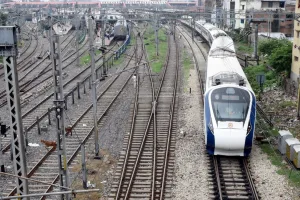
The Railway Minister highlighted the unprecedented investment being made in railway infrastructure across these states and informed that a record capital expenditure of ₹2.93 lakh crore has been proposed for Indian Railways in the Union Budget 2026–27.

Statesman News Service | Chandigarh |

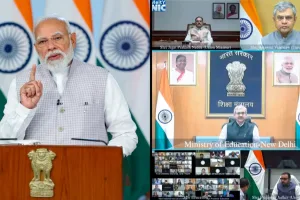
Union Minister for Railways, Information & Broadcasting, and Electronics & Information Technology Ashwini Vaishnaw on Monday shared state-wise allocations and details of major railway projects for Punjab, Haryana and Himachal Pradesh under the Railway Budget 2026–27. The information was presented during a virtual meeting from New Delhi, held in the presence of Minister of State for Railways Ravneet Singh Bittu.

The Railway Minister highlighted the unprecedented investment being made in railway infrastructure across these states and informed that a record capital expenditure of ₹2.93 lakh crore has been proposed for Indian Railways in the Union Budget 2026–27. He stated that this historic allocation focuses on high-speed connectivity, expansion of freight capacity, and enhanced passenger safety.

Vaishnaw said that Punjab has been allotted a record ₹5,673 crore in the Railway Budget, nearly 25 times higher than the average annual allocation during the UPA government’s tenure. He added that railway projects worth ₹26,382 crore are currently under progress in the state.
Under the Amrit Station Scheme, 30 railway stations in Punjab are being redeveloped. The state has also achieved 100 percent railway electrification, significantly improving operational efficiency, connectivity and environmental sustainability.

The Railway Minister informed that Haryana has been allocated ₹3,566 crore in the Railway Budget, with railway projects worth ₹12,000 crore at various stages of implementation. He noted that 100 percent railway electrification has been completed in the state and redevelopment work is underway at 34 railway stations.

He added that the introduction of Vande Bharat and Amrit Bharat trains has substantially enhanced passenger convenience and connectivity in Haryana. Responding to a query, Vaishnaw stated that testing and related works for the hydrogen-powered train are currently underway in Haryana, and expressed confidence that the train would be inaugurated in the state in the near future.

Regarding Chandigarh, the Railway Minister said that the redevelopment of Chandigarh Railway Station is progressing at a fast pace. Nearly two years of work has been completed, and the remaining construction will be completed over the next three years. He clarified that an entirely new, modern railway station is being developed.

Vaishnaw stated that Himachal Pradesh has been allocated ₹2,911 crore in the Railway Budget, with projects worth ₹17,700 crore under progress at different stages. While work is advancing rapidly, he noted that some delays have occurred due to the state government not fulfilling certain commitments within stipulated timelines. He appealed to the Himachal Pradesh government to extend full cooperation for the timely completion of railway projects.
The Railway Minister also informed that ₹1,086 crore has been allocated for Jammu and Kashmir in the Railway Budget, which will further strengthen connectivity and accelerate development in the region.

Concluding the meeting, Vaishnaw reiterated that the Union Government is committed to transforming Indian Railways into a fast, safe, modern and environmentally sustainable transport system. He said that record budgetary allocations and new projects will enable Railways to play a decisive role in national development and in realising the vision of a Viksit Bharat.

Shringla raises shortage of CGHS facilities in Darjeeling Hills

Rajya Sabha MP Harsh Vardhan Shringla on Monday raised a long-pending public health concern during Zero Hour in Parliament, drawing the attention of the House and the Union government to the acute inadequacy of Central Government Health Scheme (CGHS) facilities in the Darjeeling hills and North Bengal.

Statesman News Service | Siliguri |

Rajya Sabha MP Harsh Vardhan Shringla on Monday raised a long-pending public health concern during Zero Hour in Parliament, drawing the attention of the House and the Union government to the acute inadequacy of Central Government Health Scheme (CGHS) facilities in the Darjeeling hills and North Bengal.

Speaking in Parliament, Shringla pointed out that over two lakh central government employees, pensioners and their dependent family members reside across North Bengal and neighbouring Sikkim, a significant number of whom are senior citizens, widows, retired personnel and patients suffering from chronic and critical illnesses who depend entirely on CGHS for affordable and timely healthcare.

Despite this substantial beneficiary base, only one CGHS Wellness Centre is currently operational in Siliguri, making access to healthcare extremely difficult for residents of hill and remote areas, he said.

Shringla highlighted that there is no CGHS Wellness Centre in Darjeeling town, compelling beneficiaries from Darjeeling, Kalimpong, Kurseong, Mirik, Naxalbari and Bagdogra to travel 80 to 120 kilometres over difficult hilly terrain even for basic CGHS services. “This often results in denial or delay of essential medical care, particularly for elderly and seriously ill patients,” he stressed.

Placing specific and actionable demands before the House, Shringla called for the establishment of multiple CGHS Wellness Centres in Darjeeling, Kalimpong, Kurseong, Mirik, Bagdogra, Naxalbari and Sikkim to ensure last-mile access to primary healthcare. He also urged the immediate empanelment of additional private hospitals, nursing homes and diagnostic centres across both hill and plains regions.

Further, he demanded the creation of an Additional Director, CGHS office at Siliguri, to function as the administrative and medical hub for North Bengal and Sikkim, ensuring better coordination and faster grievance redressal.

Shringla also pressed for the early shifting of the existing CGHS Wellness Centre in Siliguri to the already approved BSNL building, stating that the current rented premises are congested and unsuitable, particularly for elderly and ailing patients.

He additionally sought expedited empanelment of major hospitals, including Hope and Hill Cancer Hospital and Maharaja Agrasen Hospital, and initiation of empanelment for other tertiary care institutions in the region to facilitate access to specialised treatment.

Emphasising the wider significance of the issue, Shringla said equitable access to healthcare is fundamental to dignity, well-being and social justice, and urged the Ministry of Health and Family Welfare to take time-bound and decisive action in line with the Government’s commitment to strengthening healthcare delivery and ensuring that no region or citizen is left behind.

Former Rajasthan Minister Hem Singh Bhadana passes away after battling cancer

Bhadana, 59, had been suffering from cancer for the past few months.

Statesman News Service | Jaipur |

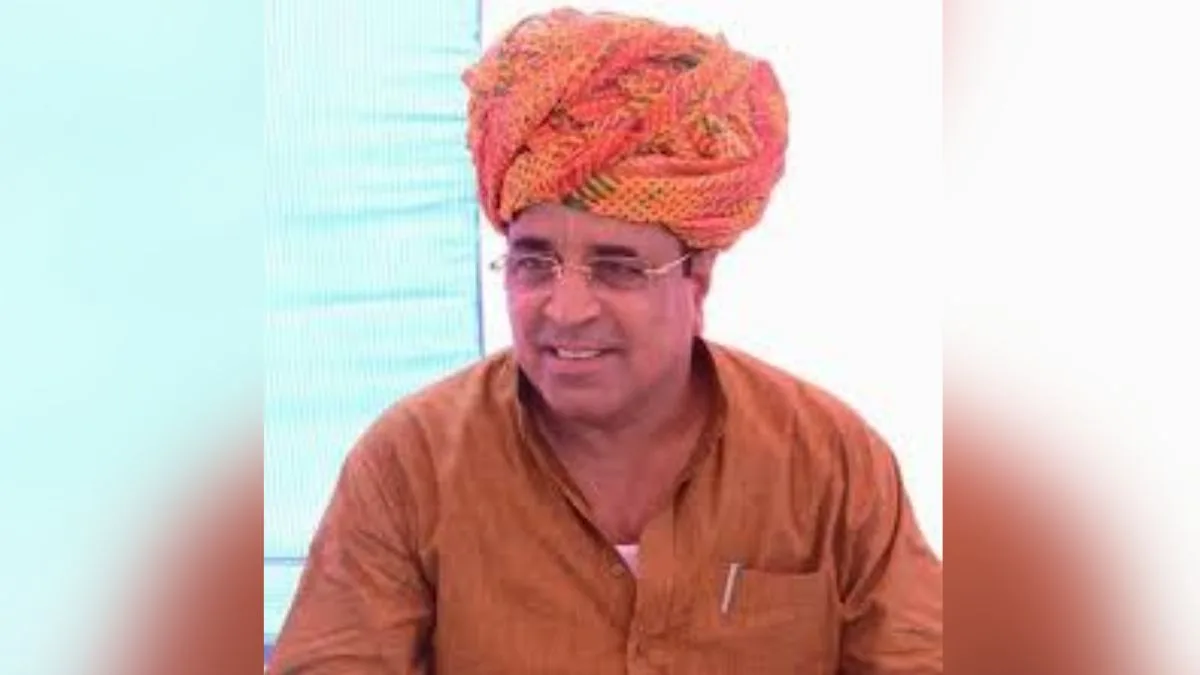
Senior BJP leader and former Rajasthan Minister Hem Singh Bhadana passed away at a hospital in Alwar on Monday morning.

Bhadana, 59, had been suffering from cancer for the past few months. His condition deteriorated suddenly on Monday morning, following which he was rushed to a private hospital in Alwar. Doctors declared him dead after examination in the emergency ward.

Later in the day, he was cremated at his native village Bhageri Kalan in the Kishangarhbas region of Alwar district.

Bhadana won the Thanagazi Assembly seat in Alwar district on a BJP ticket twice, in 2008 and 2013.

During his second term as MLA, he was inducted into the Vasundhara Raje-led Council of Ministers as Minister of State and was later promoted to the Cabinet.

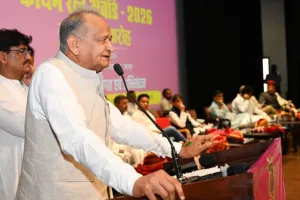
Chief Minister Bhajan Lal Sharma, former Chief Ministers Vasundhara Raje and Ashok Gehlot, and Rajasthan Assembly Speaker Vasudev Devnani condoled the demise of the senior BJP leader.

Terai tea industry under strain: TBITA Chairman

Despite a marginal rise in tea production, the Terai tea industry continues to face severe financial and operational stress due to erratic weather, pest infestation, falling auction prices and delayed subsidies, said Debajyoti Mallik, Chairman of the Terai Branch of the Indian Tea Association (TBITA).

Statesman News Service | Kolkata |

Despite a marginal rise in tea production, the Terai tea industry continues to face severe financial and operational stress due to erratic weather, pest infestation, falling auction prices and delayed subsidies, said Debajyoti Mallik, Chairman of the Terai Branch of the Indian Tea Association (TBITA).

Addressing the 64th Annual General Meeting of TBITA held at Bengdubi in Siliguri on January 30, Mallik noted that All-India tea production stood at 1,290 million kilograms as of November 2025, marking an increase of 17.63 million kilograms (1.38 per cent) compared to the same period last year.

“The Terai region recorded a production of 163.33 million kilograms, marginally higher by 1.83 per cent over 2024. However, severe pest infestation and erratic climatic conditions adversely affected the first and second flush, limiting the overall gains,” Mallik said.

Highlighting market concerns, he pointed out that the average price realised at the Siliguri Tea Auction Centre (Sale 1-52) in 2025 fell sharply to Rs 169 per kg, a drop of Rs 20 per kg compared to 2024. “This steep decline in prices has come at a time when input costs remain high, further squeezing garden finances,” he added.

Although the total volume of tea offered at STAC increased to 65.85 million kg from 59.67 million kg in 2024, Mallik described 2025 as “yet another challenging year for the industry,” citing unpredictable weather, widespread pest attacks, severe tea bush diseases and a highly depressed market scenario both domestically and internationally.

Expressing concern over stagnant demand, Mallik said India’s per capita tea consumption remains low at 840 grams, significantly below that of neighbouring and other major tea-consuming nations. “With exports remaining stagnant for several years, a comprehensive and long-term domestic promotion campaign through a reputed national agency is urgently needed,” he said, adding that even an increase of 60-70 grams per capita consumption could substantially ease many of the industry’s challenges.

Mallik also flagged serious financial stress in several Terai tea gardens due to production shortfalls and delays in the disbursement of approved subsidies under Tea Board schemes. “Pending subsidy claims have severely strained cash flows and hampered essential field and factory development. We urge the Tea Board to allocate special funds to clear these dues at the earliest,” he said.

Referring to recent developments, Mallik informed that the Indian Institute of Plantation Management, Bengaluru, has been engaged by the Tea Board for a third-party evaluation of the Tea Development Promotion Schemes (TDPS). “During an interactive session held on December 4, 2025, at the Tea Board office in Siliguri, we submitted detailed suggestions on schemes that should be included in the forthcoming TDPS. We request the Tea Board to accommodate these proposals in the new framework,” he added.

Maha Magha festival, Kerala’s Kumbh Mela, to conclude on Tuesday with Amritsnanam

The Maha Magha Mahotsavam will culminate during the highly auspicious yogas of Makam Nakshatra and Dvitiya Tithi.

Statesman News Service | Thirunavaya |

The Maha Magha festival, celebrated as the Kumbh Mela of Kerala and being held on the banks of the Bharathapuzha (Nila River) at Thirunavaya in Malappuram district, will conclude on Tuesday with the Maghamakam Amritsnanam at the Aarti Ghat at 8 am.

The Maha Magha Mahotsavam will culminate during the highly auspicious yogas of Makam Nakshatra and Dvitiya Tithi. Thousands of devotees, including Naga Sanyasis, are expected to participate in the Amritsnanam, one of the most sacred rituals of the festival.

According to Hindu mythology, the Amritsnanam symbolizes purification of the soul and the pursuit of immortality. It is believed that a holy dip performed during this divine yoga cleanses sins, helps attain liberation from the cycle of birth and death, and leads to spiritual awakening.

Following the Amritsnanam, Yati Puja will be performed. Monks who have renounced worldly life and dedicated themselves to the preservation of Sanatana Dharma are known as Yatis.

It is believed that worshipping these Yati Acharyas, who guide Dharma, instils a sense of gurutwa and shows devotees the righteous path in life. Offering food and worshipping the feet of learned monks is considered highly meritorious for individuals, families, and society.

This will be followed by Bhandara, a special ritual of offering abundant food to ascetics. In Sanatana Dharma, a sannyasi is regarded as a living embodiment of God, and feeding ascetics is considered a direct service to the divine.

One of the most striking aspects of the Bhandara is the Pangat, where all participants sit in a single row on the ground and eat together, without any distinction between king and commoner. This tradition, which erases social hierarchies, reflects the ideals of equality and human values upheld by Sanatana Dharma.

A major attraction of the Maha Magha festival is the Nila Aarti, performed daily from 6 pm to 8 pm by Kashi pandits at a specially prepared sandbank along the Nila River.

According to organisers, nearly three lakh devotees witnessed the aarti on Sunday alone. Around 30 KSRTC buses from various parts of the state operated special services to Thirunavaya on that day.

As the Mahamagha Mahotsavam formally concludes on February 3 with the Maghamakam Amritsnanam, Yati Puja and evening Nila Aarti, the banks of the Bharathapuzha at Thirunavaya will stand witness to spiritual awakening and collective consciousness, said Sabhapati Mahamandaleshwar Swami Anandavanam Bharathi.

The Mahamagha Mahotsavam, described as the Kumbh Mela of Kerala, has been drawing lakhs of devotees since its commencement on January 18.

MP flags waste management gaps as Centre steps up SBM-U funding for Bengal

Raising concerns over solid waste management in the Darjeeling hills, Terai and Dooars, Darjeeling MP Raju Bista questioned the Union government in Parliament during the ongoing session, seeking clarity on fund allocation and utilisation under the Swachh Bharat Mission–Urban (SBM-U).

Statesman News Service | Siliguri |

Raising concerns over solid waste management in the Darjeeling hills, Terai and Dooars, Darjeeling MP Raju Bista questioned the Union government in Parliament during the ongoing session, seeking clarity on fund allocation and utilisation under the Swachh Bharat Mission–Urban (SBM-U).

Replying on behalf of the ministry of environment, forest and climate change, MoS Kirti Vardhan Singh informed the House that West Bengal received Rs 911.34 crore during the first phase of SBM-U (2014–19), which has been enhanced by nearly one-and-a-half times to Rs 1,449.30 crore under SBM-U 2.0 (2021-26).

Bista further pointed out that the central government has so far released Rs 577.70 crore specifically for the solid waste management (SWM) component of SBM-U 2.0 for West Bengal, creating significant opportunities for municipalities in Darjeeling, Siliguri, Kurseong, Mirik and Kalimpong.

“With this level of central support, urban local bodies in our region can establish material recovery facilities (MRFs) and waste-to-energy (WtE) plants, and significantly upgrade their waste processing capacity,” Bista said.

Emphasising the ecological sensitivity of the region, Bista noted that effective waste management could be transformative for tourism-driven and fragile hill areas. “Improved source segregation, remediation of legacy dumpsites and terrain-appropriate waste technologies can curb open dumping. This will not only improve hygiene and tourism prospects but also help mitigate landslides caused by poor waste handling,” he added.

Highlighting national progress under SBM-U 2.0, Bista said waste processing across India reached 80.31 per cent by December 2025. Of the 25.06 crore metric tonnes of legacy waste spread across 2,478 dumpsites, around 15.37 crore MT (61 per cent) has already been remediated, reclaiming over 8,000 acres of land. “Similar outcomes can help municipalities in Darjeeling and Kalimpong districts move decisively towards a ‘Garbage-Free’ status,” he said.

However, Bista expressed concern over the utilisation of central funds by the TMC-led West Bengal government, alleging that despite enhanced allocations under SBM-U 2.0, municipalities in the Darjeeling hills, Terai and Dooars are yet to see tangible benefits on the ground.

Budget allocation for railway infra development in Odisha is historic: Ashwini Vaishnaw

The Minister informed that the annual average railway investment for Odisha has increased from Rs 838 crore during 2009–14 to Rs 10,928 crore in 2026–27, marking an unprecedented 13 fold rise.

Statesman News Service | BHUBANESWAR |

Union Minister for Railways Ashwini Vaishnaw on Monday stated that Odisha has received a historic boost in railway infrastructure in the Union Budget 2026–27, reflecting the Government of India’s strong commitment towards accelerating rail led development in eastern India.

The Minister informed that the annual average railway investment for Odisha has increased from Rs 838 crore during 2009–14 to Rs 10,928 crore in 2026–27, marking an unprecedented 13 fold rise.

He said that this sustained investment has resulted in a massive transformation of railway infrastructure across the state, with works worth over Rs 90,659 crore currently in progress.

These include projects related to new line construction, doubling and capacity augmentation, station redevelopment and critical safety enhancements, ensuring inclusive growth and improved connectivity across all regions of Odisha.

Highlighting passenger centric initiatives, Vaishnaw further stated that under the Amrit Station Scheme, 59 stations in Odisha have been identified for comprehensive redevelopment at a total investment of Rs 2,439 crore.

Works have already been completed at six stations, i.e., Cuttack (Second Entry), Baripada, Barpali, Bimlagarh, Parlakhemundi and Talcher significantly enhancing passenger amenities and station aesthetics.

The Railway Minister further noted that rail connectivity in the state has witnessed a qualitative leap with the introduction of modern train services. At present, six pairs each of Vande Bharat Express and Amrit Bharat Express trains are operational in Odisha, offering faster, safer and more comfortable travel options.

Vaishnaw also emphasized that network expansion remains a key focus area. Since 2014, around 2,200 km of new railway tracks have been constructed in Odisha, more than the entire railway network of Malaysia.

He added that the state has achieved 100 percent electrification, with 1,559 km of rail lines electrified during this period, contributing to energy efficiency and environmental sustainability.

In addition, 632 road over-bridges and underpasses have been constructed to enhance safety and ensure seamless road rail movement. Advanced safety systems such as Kavach are also being progressively implemented, with work and tendering in progress over significant route kilometres, further strengthening train operation safety.

The Railway Minister also highlighted that these landmark initiatives underline the Railways’ vision of transforming Odisha into a key growth engine through world class rail infrastructure, improved passenger experience and enhanced logistics capabilities, paving the way for long term socio economic development of the state.

Parmeshwar Funkwal, General Manager, East Coast Railway, along with other senior railway officials was present during the press conference.

Environmentalists, Bishnoi vigilantes hold Mahspadav in Bikaner to curb Khejri trees felling

An organisation spokesman said that Khejri trees were being cut in large numbers in many districts for solar energy plant installation or various other pretexts.

Statesman News Service | Jaipur |

A demonstration and day-long encampment in Bikaner organised by environmentalists, traders organisations, and people in protest against massive cutting of Khejri (Prosopis cineraria), the state tree of Rajasthan, evoked good response on Monday.

Shops and business establishments in most of the markets remained closed since this morning in the desert town of western Rajasthan on the call of “Mahapadav” from “The Khejri Bachao; Paryavaran Bachao” campaign. People and the environment dedicated Bishnoi vigilants from different districts thronged in at the Polytechnic College ground from where they proceeded to District Collectorate to hold mammoth demonstration and dharna there.

An organisation spokesman said that Khejri trees were being cut in large numbers in many districts for solar energy plant installation or various other pretexts. Khejri, which is called the wonder tree of the Thar desert, meant much more than a vegetation (tree) to us, the spokesman. This is the de-facto life-line not only of the human beings in the desert but the entire flora and fauna as it provides food, shelter, consumable fruits and leaves.

We have been staging dharna at the district collectorate and Karnisar Bhatiyan for the past one month. Today’s token Mahapadhav, held on call from Mahapanchayat in Mukam dham, was an expression of our intent to intensify the stir if our demands were not conceded to.

The core demand is enactment of stringent law for effective curb and prevention of the tree chopping.

Notably, the Parliamentary Affairs Minister Joga Ram Patel has already announced the introduction of a Bill in the current session of Rajasthan assembly for enactment of the desired law.

CJ Roy’s death: Kerala CM writes to Nirmala Sitharaman for judicial probe

In a letter dated Sunday, Vijayan said the suspected suicide of the real estate tycoon had shocked civic society and the business community.

Statesman News Service | Thiruvananthapuram |

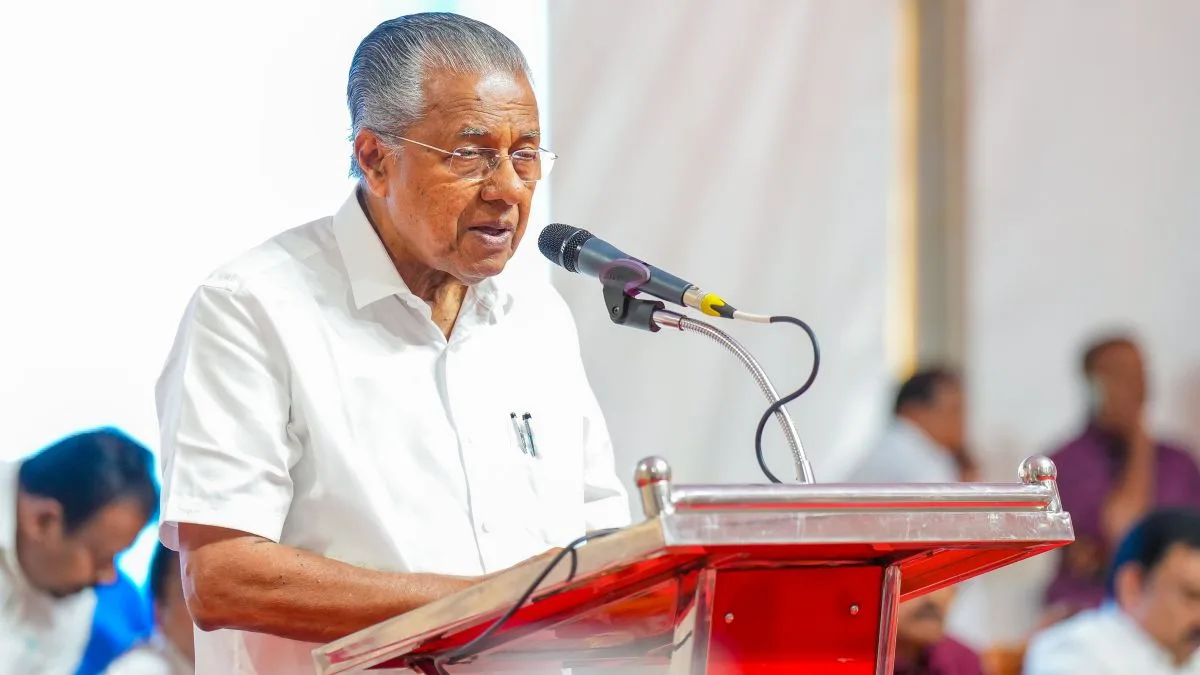
Kerala Chief Minister Pinarayi Vijayan has written to Union Minister of Finance and Corporate Affairs Nirmala Seetharaman seeking a judicial inquiry into the death of real estate tycoon CJ Roy during an Income Tax search in Bengaluru on January 30.

In a letter dated Sunday, Vijayan said the suspected suicide of the real estate tycoon had shocked civic society and the business community.

Terming the incident a “blot” on the country’s tax administration, Vijayan said from the reports that are coming, it seems that lack of required diligence has resulted in the loss of the precious life of an entrepreneur. “It is quite surprising that the person on whose premises the Income Tax department was conducting a search and seizure operation, could proceed to lay hands on a loaded gun and shoot himself. During such operations, the premises are to be under the control of the tax officials. The safe conduct of search is the minimum responsibility of officials,” he said.

Referring to the statement of Roy’s brother to the media that Roy had fully cooperated with the search party and that the ‘I-T trouble was unbearable’, the chief minister said that the grievances of the immediate family must be viewed with empathy.

Describing the incident as extremely serious and linked it to the government’s stated tax approach of ‘Non Intrusive Usage of Data to Guide and Enable’ (NUDGE), Vijayan said internal reports or mere assertions of procedural compliance would not inspire public confidence, and that only a judicial inquiry examining the entire sequence of events would have credibility in the eyes of society.

“It is my belief that the best option that can be exercised by the Government of India in this matter will be to order a judicial inquiry into the incident and it will be in the fitness of things that the Commission of Inquiry be headed by a person who has had experience as a judge in a constitutional court,” the CM wrote in the letter.

He added that such an inquiry could examine legal procedures, administrative actions, and the family’s grievances, and also help prevent similar incidents in the future.


Orissa High Court orders reconstitution of Mineral Foundation with PRI members of mining affected pockets

Since the mines are situated within the territorial jurisdiction of Kaliapani Gram Panchayat, Kansa Gram Panchayat and Ransol Gram Panchayat, inclusion of Sarpanch of the other Gram Panchayats is contrary to Rule 4 of the ODMF Rules, the petition pointed out.

Statesman News Service | BHUBANESWAR |

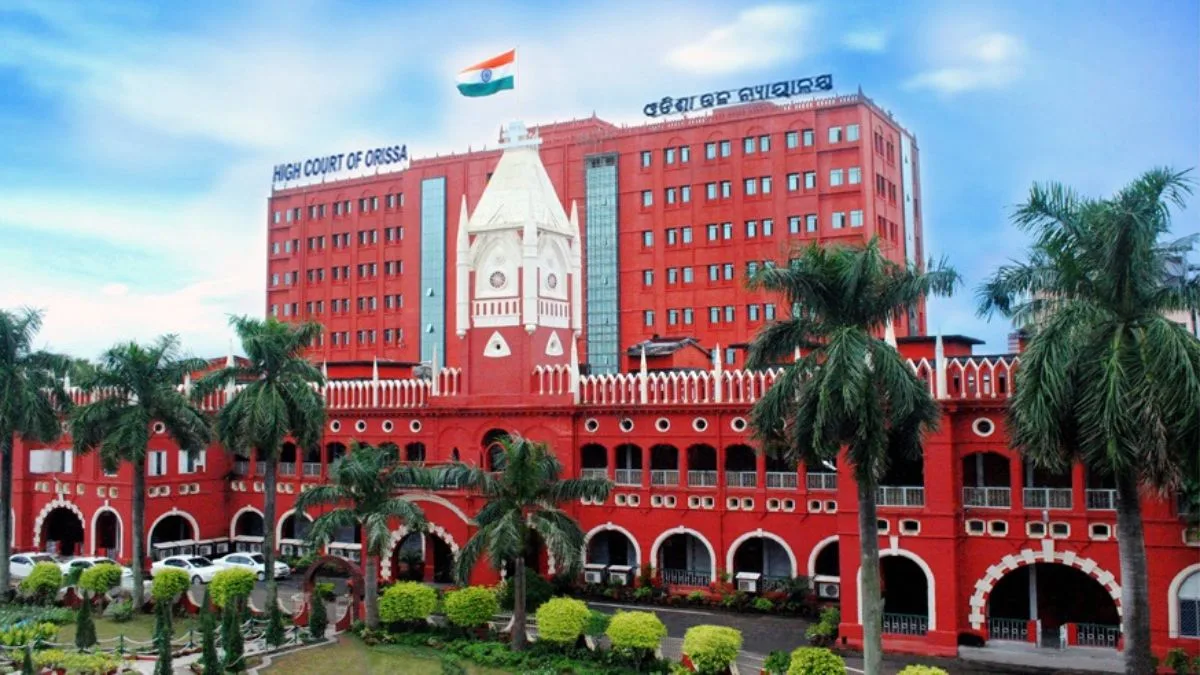
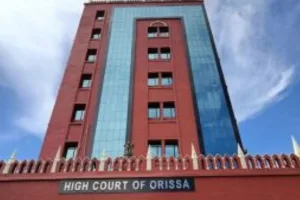
The Orissa High Court has partially quashed the constitution of district mineral foundation in mineral-rich Jajpur district and directed the Government to constitute the foundation by inducting three members of the Gram Panchayats from an area where the major mineral concession is situated.

The writ petition filed in this regard had challenged the Notification dated 24th July, 2025 whereby, the Government reconstituted the Board of Trustees of “the District Mineral Foundation for the District of Jajpur”. The board comprised 17 persons including the Sarpanch of Pimpudia Gram Panchayat, Sarpanch of Haripur Gram Panchayat and Sarpanch of Dhuligarh Gram Panchayat.

Since the mines are situated within the territorial jurisdiction of Kaliapani Gram Panchayat, Kansa Gram Panchayat and Ransol Gram Panchayat, inclusion of Sarpanch of the other Gram Panchayats is contrary to Rule 4 of the ODMF Rules, the petition pointed out.

The object and the functioning of the Foundation is a distinct feature than the constituents of the Foundation. Once three Members of the Gram Panchayats are to be included in the body of the said Foundation from an area where the major mineral concession is situated, inclusion of any Member of the Gram Panchayat of the adjoining villages where the said mine is not situated is ruled out.

“We find that the inclusion of the Sarpanches of the nearby/adjoining Gram Panchayats, where the mine is not situated is contrary to Clause (vi) of sub-rule (1) of Rule 4 of the said ODMF Rules. Therefore, the notification dated 24th July, 2025 is partially quashed to the extent of inclusion of the Sarpanches of three Gram Panchayats as Members of the said Foundation. The Development Commissioner-cum-Additional Chief Secretary to the Government of Planning and Convergence Department is directed to reconstitute the said Foundation strictly in terms of Clause (vi) of sub-rule (1) of Rule 4 of the said Odisha District Mineral Foundations Rules, 2015, within a period of four weeks from the date of communication of this order”, the Division Bench of Chief Justice Harish Tandon and Justice Raman ruled in an order updated on HC’s website on Monday.

Wetlands demand catchment-scale thinking & active community participation, say experts

World Wetlands Day is observed annually on 2 February to commemorate the adoption of the Ramsar Convention on Wetlands in 1971, the principal international treaty guiding wetland conservation and wise use.

Statesman News Service | New Delhi | Updated :

Wetlands are not just ecosystems but living cultural landscapes shaped by centuries of human knowledge, practice, and stewardship, experts stressed on Monday at a public event in Delhi to mark World Wetlands Day 2026.

World Wetlands Day is observed annually on 2 February to commemorate the adoption of the Ramsar Convention on Wetlands in 1971, the principal international treaty guiding wetland conservation and wise use.

Delivering the keynote address at the event organised by Wetlands International South Asia, the chief guest, Dr. Balakrishna Pisupati, Head, United Nations Environment Programme (UNEP) – India, underlined the deep cultural and civilisational connections between people and wetlands.

“Wetlands are civilisations in water. They are inseparable from culture, livelihoods, food systems, and human wellbeing,” Dr. Pisupati said.

“Traditional knowledge is not folklore; it is applied, experience-based science that has evolved through generations. Respectful integration of this knowledge with modern science is essential if we are serious about conserving wetlands in a changing climate.”

The event featured a panel discussion on “Strengthening wetlands regulation and governance in India”, bringing together leading experts including Dr. Asad Rahmani, Dr. Ajit Pattnaik, and Dr. P N Vasanti, Prof C K Varshney and was chaired by Dr. Siddharth Kaul, President, Wetlands International South Asia.

Addressing the gathering, Prof C K Varshney stressed that conservation efforts must move beyond symbolic recognition of meaningful action on the ground.

“Ramsar designation or legal notification should be the beginning of conservation, not the end,” he said.

“India’s wetlands will only survive if governance is strengthened, enforcement is improved, and traditional knowledge is treated as a core asset rather than an afterthought. Wetlands demand catchment-scale thinking and active community participation.”

Congress demands PM Modi’s resignation over alleged Epstein files references

“This issue is tarnishing the international image of the Indian government, and Prime Minister Narendra Modi must resign immediately,” Mumbai Youth Congress President Zeenat Shabrin said while addressing the protest.

Statesman News Service | Mumbai |

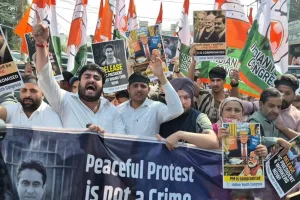
The Youth Congress staged a protest on Monday, demanding the resignation of Prime Minister Narendra Modi, alleging that references linking his name to the Jeffrey Epstein files are serious and a matter of grave concern for the nation.

“This issue is tarnishing the international image of the Indian government, and Prime Minister Narendra Modi must resign immediately,” Mumbai Youth Congress President Zeenat Shabrin said while addressing the protest.

The demonstration was attended by Mumbai Youth Congress Vice President Hussain Sheikh, Pankaj Chaudhary, General Secretary Abdul Samad, Ajay Mishra, Amandeep Saini, Tejas Chandurkar, South Mumbai Youth District President Shekhar Jagtap, South Central Mumbai Youth District President Farhan Mansuri, along with hundreds of Youth Congress office-bearers, who raised slogans against the Modi government.

Speaking on the occasion, Shabrin alleged that the Epstein files are being used to exert pressure on India’s policy decisions.

“The question before the country today is whether Prime Minister Narendra Modi is compromising India’s long-term strategic interests for his personal image and political survival. These are not mere allegations. If the decisions taken are truly independent, institutional and in the national interest, then the government must immediately clarify on what basis, through what process and for whose benefit decisions related to foreign policy, energy and security were made,” she said.

Shabrin further claimed that the facts revealed in the Epstein files have raised serious questions about the functioning, foreign policy and decision-making processes of the Indian government.

“The mention of the Prime Minister’s foreign visits allegedly being supported by a notorious international criminal, and the role of private businessmen in accessing American power centres, is a direct blow to India’s national reputation and institutional political system,” she alleged.

She added that recent government policy decisions appear more suspicious in light of these revelations.

“Weakening the strategically important Chabahar port project, withdrawing from the purchase of cheaper crude oil from Russia, and aligning India’s energy policy with American interests are decisions that indicate external pressure rather than national interest. In such a situation, full and transparent disclosure on all these matters is essential,” Shabrin said.

Hari Shankar Verma takes over as Member (Operations and Business Development), Railway Board

While holding all the posts, Verma established many records/achievements.

Statesman News Service | New Delhi |

Hari Shankar Verma, 1987 batch IRTS Officer, has taken the charge of the post of Member (Operations and Business Development), Railway Board, and Ex-officio Secretary to the Government of India. Prior to this, he was Director General, Safety, Railway Board.

During his illustrious career, Verma has successfully discharged various important responsibilities in Indian Railways as Additional Divisional Railway Manager, CR, Mumbai; Divisional Railway Manager, Salem Division, SR; Chief Passenger Traffic Manager, CR, Mumbai; Principal Chief Operations Manager, Hubli, SWR; and Director General, Indian Railways Institute of Transport Management, Lucknow.

While holding all the posts, Verma established many records/achievements.

As Director General, Safety, Railway Board, Indian Railways’ safety record was taken to new heights. With focus on process improvement, the number of consequential accidents have drastically come down.

Verma had received the Rail Minister Award two times and many awards at the GM level.

Verma got training on Management from Singapore, Malaysia and Italy, and he is well-known as a specialist in Railway Traffic and Management.


UP Govt withholds salaries of 68,000 employees for not submitting property details

Officials here on Monday said that the state government had made it mandatory for all state employees to submit details of their movable and immovable properties online through the Manav Sampada portal.

Statesman News Service | Lucknow |

The Uttar Pradesh government has temporarily stopped the salaries of over 68,000 state employees for failing to upload their property details on the Manav Sampada portal.

Officials here on Monday said that the state government had made it mandatory for all state employees to submit details of their movable and immovable properties online through the Manav Sampada portal.

There are more than eight lakh state employees in Uttar Pradesh. As per the government order, details of all movable and immovable properties acquired up to December 31, 2025, were required to be submitted online by January 31, 2026.

Failure to comply with the directive resulted in the withholding of the January salary, payable in February.

The Chief Secretary had earlier stated that all officers and employees must compulsorily fill in details of their movable and immovable properties acquired up to December 31, 2024, on the Manav Sampada portal by January 31. The facility has been available on the portal since January 1.

The Chief Secretary’s order further directs all heads of departments to instruct their subordinate officers and employees to ensure compliance.

Failure to submit property details within the stipulated time will be viewed adversely, and such officers and employees will not be considered for promotion in departmental promotion committee meetings held after February 1, 2025.

US tariffs had no impact on customs duty overhaul: Nirmala Sitharaman

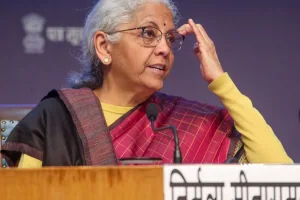
Union Finance Minister Nirmala Sitharaman on Monday said that the ongoing customs duty overhaul has not been influenced by recent tariff actions taken by the United States, clarifying that the exercise has been underway for the last two years.

Statesman News Service | New Delhi |

Union Finance Minister Nirmala Sitharaman on Monday said that the ongoing customs duty overhaul has not been influenced by recent tariff actions taken by the United States, clarifying that the exercise has been underway for the last two years.

Speaking to reporters after the Union Budget announcements, Sitharaman said, “The customs duty overhauling exercise has been going on for the last two years. The US matter has had no influence on the Budget. Government has not made any assessment of the impact of US tariffs while finalising the proposals related to reductions in customs and central excise duties for select products.”

Commenting on the Insolvency and Bankruptcy Code (IBC), the Finance Minister said, “the select committee report on the proposed IBC amendments has been reviewed.” She expressed hope that the amendments would be taken up in the second half of the ongoing Budget session.

Sitharaman also announced that the Prime Minister’s Internship Scheme will be relaunched, reiterating the government’s commitment to continue the programme.

She said private consumption is expected to remain strong and sustain economic momentum.

Addressing concerns over high-speed rail corridors, including the Ahmedabad–Mumbai bullet train project, the Finance Minister said funding is not a constraint. “Money will not be an issue for the high-speed rail corridors announced in the Budget. We don’t have a money problem for the bullet train either,” she said.

She clarified that delays in the Ahmedabad–Mumbai bullet train project were not due to financial reasons but political factors. “Money was neither a problem for the bullet train project nor for high-speed rail corridors,” Sitharaman added.

On the recent surge in gold and silver prices, Sitharaman said volatility in gold prices is driven by global uncertainties. She noted a natural global shift towards gold as confidence in individual currencies weakens.

“Central banks across the world are investing in gold and silver,” she said.

Defending the increase in Securities Transaction Tax (STT) on futures and options (F&O), the Finance Minister said the move aims to discourage excessive speculation.

She clarified that there was no direct government intervention in market operations and that the change would be notified as per procedure.

“F&O is a highly speculative market. Many parents have approached us saying their children are investing and losing money in F&O trading. Nearly 90 per cent of participants in F&O lose money,” Sitharaman said.

As per the Budget proposals, STT on F&O trades has been increased from 0.2 per cent to 0.5 per cent, while STT on futures has been raised to 0.05 per cent from 0.02 per cent of the total trade value.

The Finance Minister said the government’s intent is to protect retail investors from high-risk speculative losses while ensuring market stability.

Air India Boeing 787-8 aircraft grounded after possible defect in fuel control switches

In a statement, Air India acknowledged the issue and said that it has communicated the same to the DGCA.

Statesman News Service | NEW DELHI |

An Air India Boeing 787-8 aircraft flying from London to Bengaluru was grounded after pilots reported a possible defect in the fuel control switch, prompting the airline to order immediate checks and inform the Director General of Civil Aviation (DGCA).

In a statement, Air India acknowledged the issue and said that it has communicated the same to the DGCA. “We are aware that one of our pilots has reported a possible defect on the fuel control switch of a Boeing 787-8 aircraft. After receiving this initial information, we have grounded the aircraft and are involving the OEM to get the pilot’s concerns checked on a priority basis. The matter has been communicated to the aviation regulator, DGCA.”

The airline further stated that it had checked the fuel control switches on all Boeing 787 aircraft in its fleet after a directive from the DGCA, and had found no issues.

Boeing, which manufactures the aircraft, has also reacted to the incident. Boeing reportedly said that it is in contact with Air India and supporting their review of the matter.

Both fuel control switches cut off before AI plane crash in Ahmedabad, reveals AAIB report

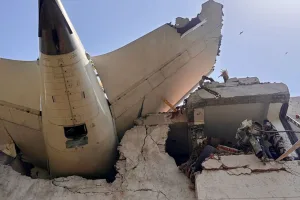
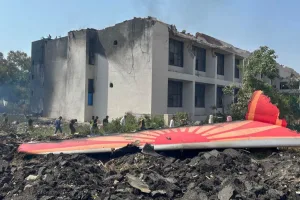
The incident comes months after a deadly crash of the Air India Dreamliner in Ahmedabad in July 2025. A preliminary report of the Aircraft Accident Investigation Bureau (AAIB) into the crash had revealed that both fuel control switches supplying fuel to the engines of Air India flight 171 were turned off in quick succession, shutting down both the engines, before the plane crashed, killing 260 people.

According to the report findings, one of the pilots can be heard on the cockpit voice recorder, asking the other why he cut off the fuel, to which the other pilot responded by saying that “he did not”.

Air India Boeing 787-8 aircraft’s engine fuel control switches transitioned from ‘RUN’ to ‘CUTOFF’ position within three seconds after lift-off, leading to the plane crashing in just 34 seconds after taking off from Ahmedabad on June 12, the AAIB said in its report.