Rekha Gupta welcomes Nitin Nabin in Delhi after Rajya Sabha win, calls his leadership inspiring
NDA’s strong performance in Bihar’s Rajya Sabha polls highlights its growing political grip, with key leaders expected to amplify state concerns more effectively in Parliament.
Statesman News Service | New Delhi | March 17, 2026 1:48 pm
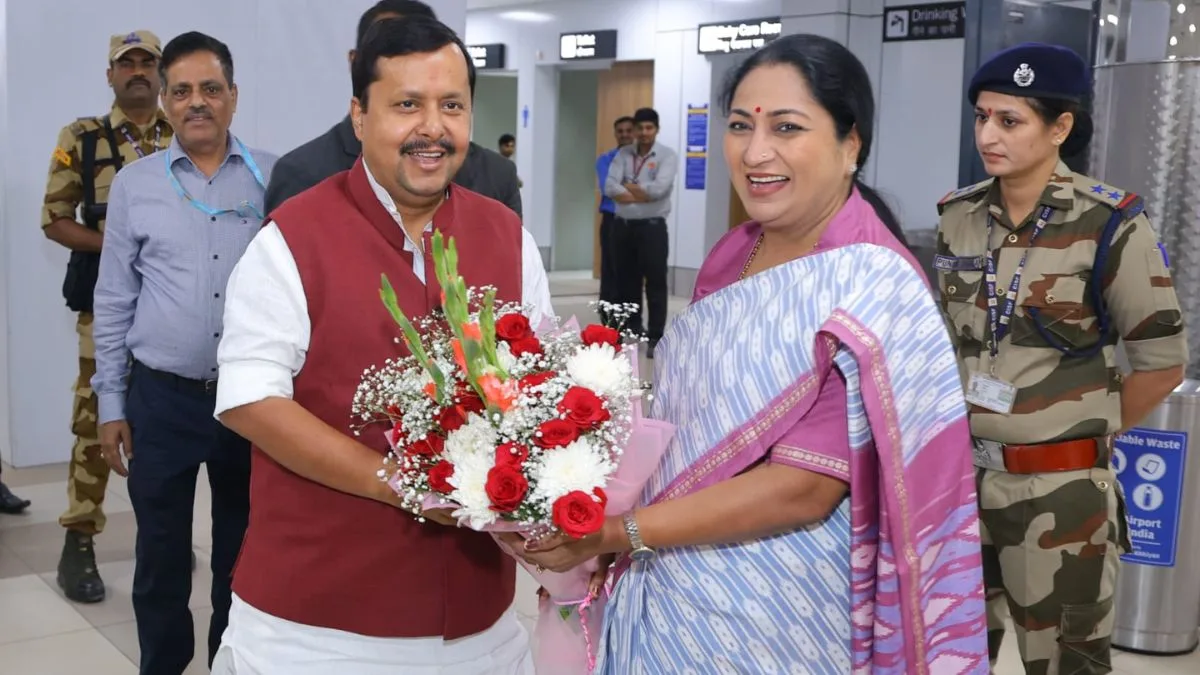
Delhi Chief Minister Rekha Gupta greets BJP national president Nitin Nabin with a bouquet at the airport following his election to the Rajya Sabha from Bihar.
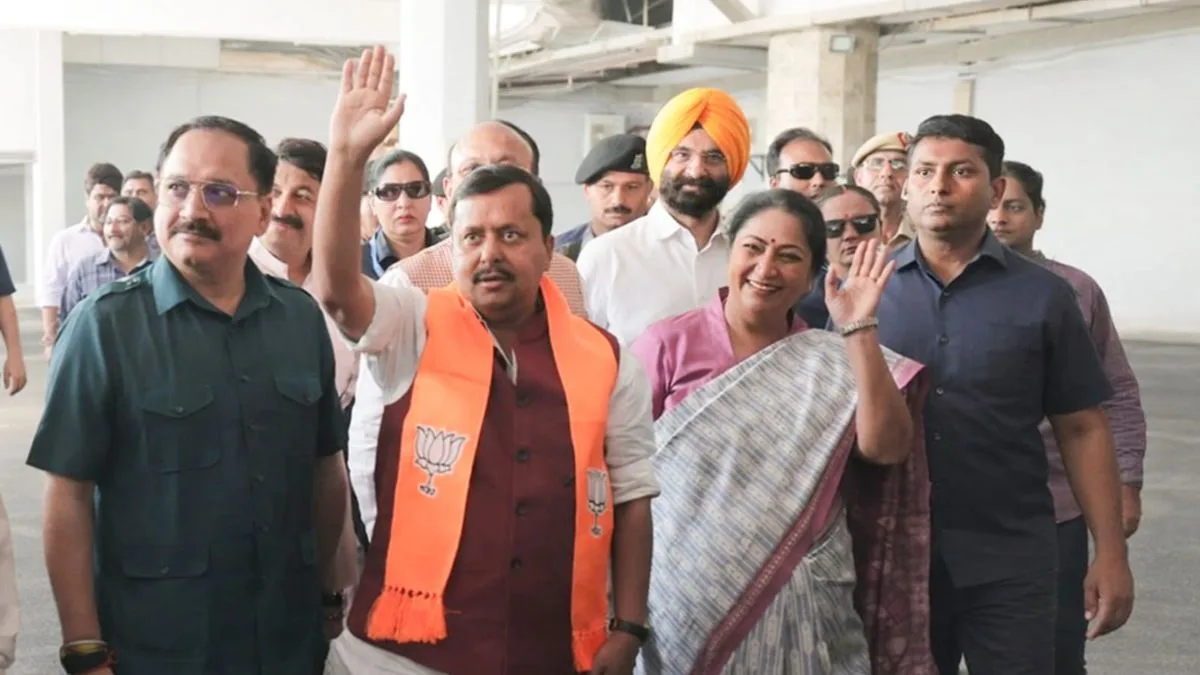
Delhi Chief Minister Rekha Gupta on Tuesday welcomed Bharatiya Janata Party (BJP) national president Nitin Nabin at the airport, marking his first visit to the capital after being elected to the Rajya Sabha from Bihar.
The visit comes a day after the NDA registered a clean sweep in the Rajya Sabha elections in Bihar, reinforcing its political strength in the Upper House. Nabin’s arrival in Delhi also signals the party’s growing momentum following the results.
Gupta said Nabin’s entry into the Rajya Sabha would add strength to efforts focused on public welfare and national priorities. She described his leadership as a source of motivation for party workers and extended greetings to him on behalf of Delhi’s residents and BJP cadres.
NDA’s clean sweep in Bihar Rajya Sabha polls
On Monday, Nabin congratulated NDA leaders after the alliance secured all seats in the Rajya Sabha elections. He extended his wishes to Bihar Chief Minister Nitish Kumar, Rashtriya Lok Morcha chief Upendra Kushwaha, JD(U) leader Ram Nath Thakur and BJP’s Shivesh Ram on their victory.
“Being elected to the Rajya Sabha is an important responsibility. I am confident that your experience and dedication to public service will play a vital role in placing Bihar’s development issues and matters of public interest more strongly on the national stage,” Nabin said.
The results were declared after the vote counting at the Bihar Assembly on Monday. Nitish Kumar and Nabin secured 44 votes each, while Kushwaha and Thakur received 42 votes each. Shivesh Ram, who initially polled 30 votes, won through second-preference votes.
The Hologram Premier: Netanyahu’s “Coffee Comeback” and the Start of the AI Proof-of-Life Crisis
It’s not only about war in the Middle East; it’s a scary look at what the future of global leadership might look like in a time when AI-driven doubt can “kill” a leader’s public image without firing a single shot.
Shaswat Mishra | New Delhi | March 17, 2026 1:15 pm
We are now officially in the “Digital Ghost” age. For many years, a hostage carrying a morning newspaper was the only way to prove that they were alive. Even a 4K broadcast isn’t enough in 2026. Benjamin Netanyahu, the Prime Minister of Israel, is currently the main character in the world’s first “Existence-as-a-Service” psyop. In this game, a head of state has to go through a hall of mirrors to show that he is made of flesh and not pixels.
It’s not only about war in the Middle East; it’s a scary look at what the future of global leadership might look like in a time when AI-driven doubt can “kill” a leader’s public image without firing a single shot.
The “Six-Finger” Glitch: Where the rumours came from.
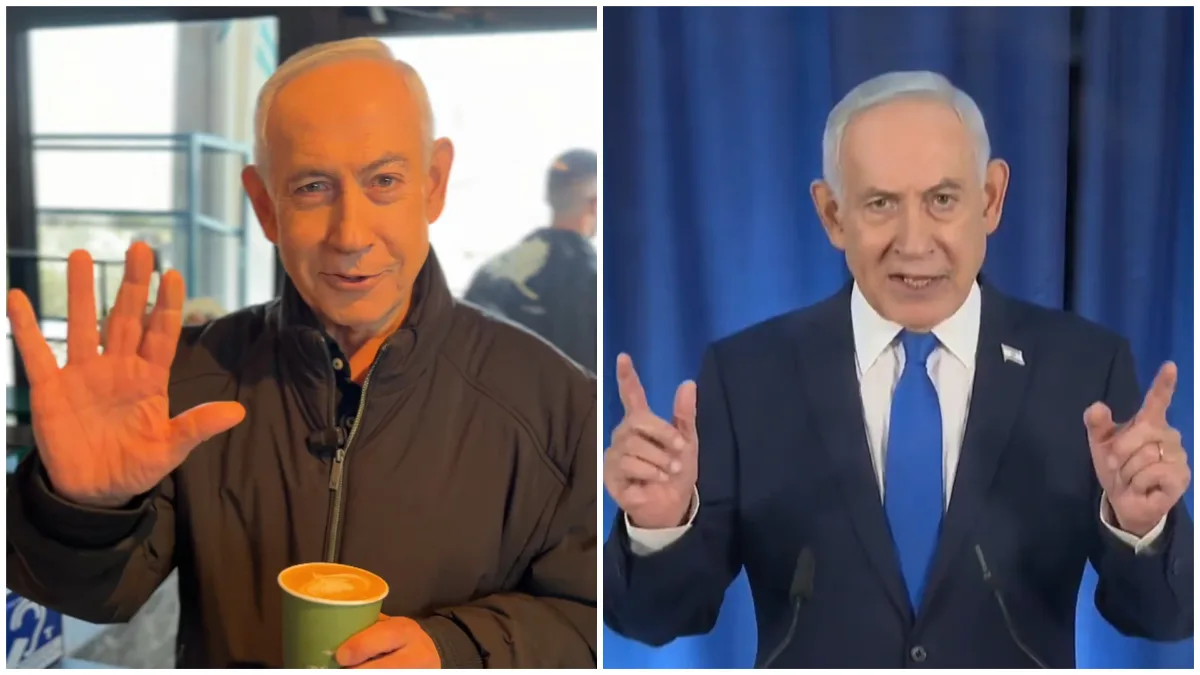
The situation started on Friday, March 13, after a news report about the escalating war between Israel and Iran. People were glancing at Netanyahu’s hands when he talked about military goals. A frame-by-frame dissection went popular on X, saying that a “warped” right hand displayed six fingers, which is a well-known “tell” for Generative AI.
Within hours, the story took hold on subreddits and X threads that Netanyahu had died in the attacks on February 28, and the Israeli government was utilizing a high-tech digital puppet to keep the country from falling apart.
The “Coffee” Counter-Strike and the Grok Betrayal
The PM’s office tried to pull off a PR coup on Sunday, March 15. Netanyahu showed up at a nearby cafe and casually ordered an espresso. “I’m dying for coffee,” he joked, which was a clever reference to the allegations that he had been killed. He even addressed the camera in a joking way, “Do you want to count my fingers?” But then the story took a turn. Thousands of people asked Grok, Elon Musk’s AI on X, to check the video. Grok’s decision to call the video “100% a deepfake” sent shockwaves through the tech industry. What is the AI’s logic?
Static Physics: The coffee level in the cup didn’t go down even though Netanyahu drank from it several times.
Lip-Sync Lag: Small changes in the muscles in the face that Grok’s algorithms found to be fake. The most powerful proof-of-life technology in the world suddenly became the thing that killed him.
A New Kind of War: The Tuesday Morning Address
As of this morning, Tuesday, March 17, Netanyahu released a video message wishing the Iranian people a happy Nowruz and “a year of freedom”
Notably, he made no mention of the war.
Within minutes of the video being posted, comments claiming the clip is Al-generated also began appearing.
But the harm to the “truth” is likely to last forever. This is the first time that AI detection technologies have been used as weapons, either on purpose or as Counter PsyOps at scale,to undermine the legitimacy of a sovereign leader. We are no longer in a “he said, she said” war. “Algorithm vs. Reality” is a war we are in.
The Question: Is He Real? Reuven Azar, the Israeli Ambassador to India, has officially scotched the rumors, but the “Netanyahu Ghost” story marks a turning point in modern warfare. Kinetic strikes destroy buildings, whereas Deepfake PsyOps destroy the concept of a leader’s existence. In 2026, being alive is a biological fact, but “proving alive” in the public mind is now a high-tech battleground.
Sean Penn wins Oscar then brutally snubs ceremony; no show, no speech, straight to Ukraine with Zelenskyy
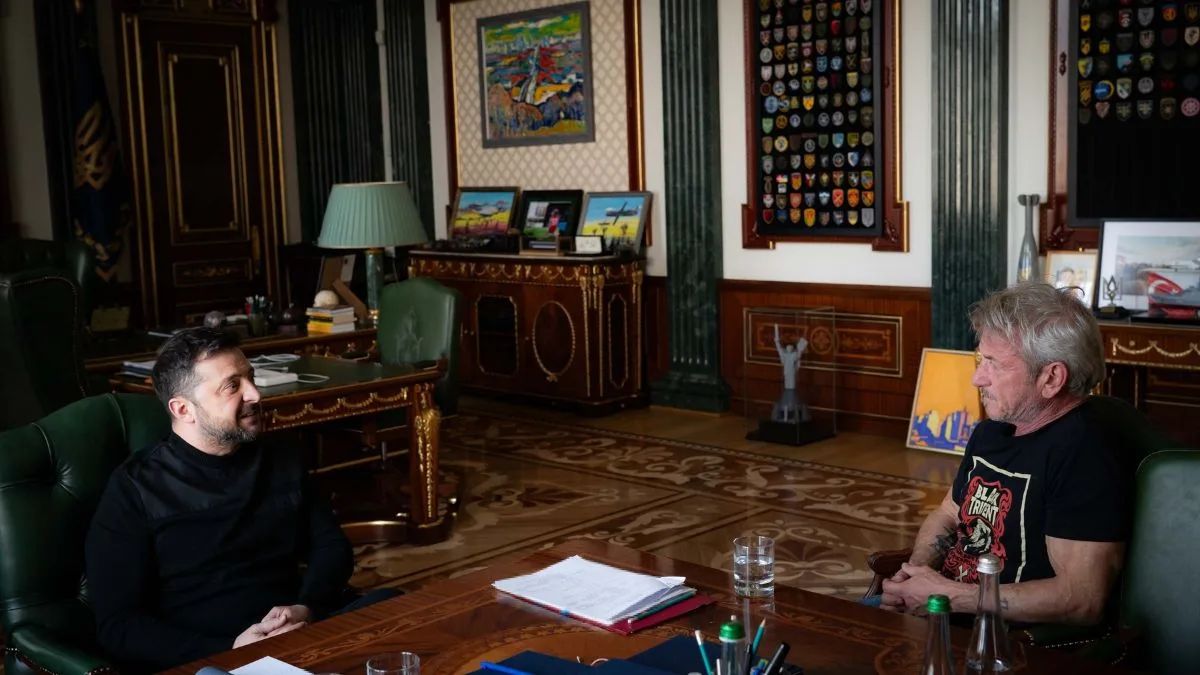
His award was accepted by Kieran Culkin, who joked about his absence on stage. Later, a photo from Ukraine confirmed Penn was meeting President Volodymyr Zelenskyy during the ceremony.
Statesman News Service | New Delhi | March 17, 2026 1:14 pm
Image Source: X/@@ZelenskyyUa
Hollywood loves a dramatic win, but Sean Penn just flipped the script completely. While his name echoed inside the Dolby Theatre, the man himself was thousands of miles away, sitting across from Ukraine President Volodymyr Zelenskyy. Yes, you read that right. He won an Oscar… and didn’t show up.
Penn picked up his third Oscar, this time for Best Supporting Actor, for playing Colonel Lockjaw in ‘One Battle After Another’. It was a major moment in his career. But when his name was announced, there was no emotional walk to the stage, no teary speech, no viral clip.
Instead, last year’s winner Kieran Culkin stepped in to accept the award. Keeping things cheeky, he told the audience, “Sean Penn couldn’t be here this evening, or didn’t want to.” The line landed, but the mystery only grew.
Not at the Oscars, but in Ukraine
While Hollywood clapped, Penn was in Ukraine meeting Zelenskyy. The Ukrainian president later shared a photo of the two on social media, thanking the actor for his continued support.
Zelenskyy wrote that Penn has stood with Ukraine since the very start of the full-scale war and continues to do so. He also called Penn a “true friend of Ukraine”.
Sean, thanks to you, we know what a true friend of Ukraine is.
You have stood with Ukraine since the first day of the full-scale war.
This is still true today.
And we know that you will continue to stand with our country and our people. pic.twitter.com/wGneO1rqJI
— Volodymyr Zelenskyy / Володимир Зеленський (@ZelenskyyUa) March 16, 2026
If you thought skipping the Oscars was shocking, here’s the twist, Penn has been dodging award shows all season.
At the Golden Globe Awards, he lost the Best Supporting Actor trophy to Stellan Skarsgård for ‘Sentimental Value’. But even when Penn ‘did’ win big, like at the Actor Awards and the BAFTA Awards, he still didn’t show up.
Basically, trophies are chasing him… and he’s nowhere to be found.
Activism over applause
For Penn, this isn’t about avoiding red carpets. It’s about priorities. At the Lumiere Film Festival, he opened up about how activism, filmmaking, and even carpentry all come from the same place.
He spoke about his documentary Superpower, co-directed with Aaron Kaufman, which focuses on his interactions with Zelenskyy.
Penn explained that whether he’s building furniture, acting in a film, or working in humanitarian spaces, the goal is the same; to “be value added.” But he also admitted it’s not always perfect. Sometimes, he said, you risk making things worse, and every action needs careful thought about its impact.
Delhi HC issues ‘Takedown Order’ for defamatory content linking Hardeep Puri’s daughter to Epstein
Himayani Puri filed a Rs. 10 crore defamation suit seeking a global takedown of posts linking her to American financier and child sex offender Jeffrey Epstein.
Statesman News Service | New Delhi | March 17, 2026 1:12 pm
Delhi High Court issues ‘Takedown Order’ for defamatory content linking Hardeep Puri's daughter to Jeffrey Epstein. (File Photo: IANS)
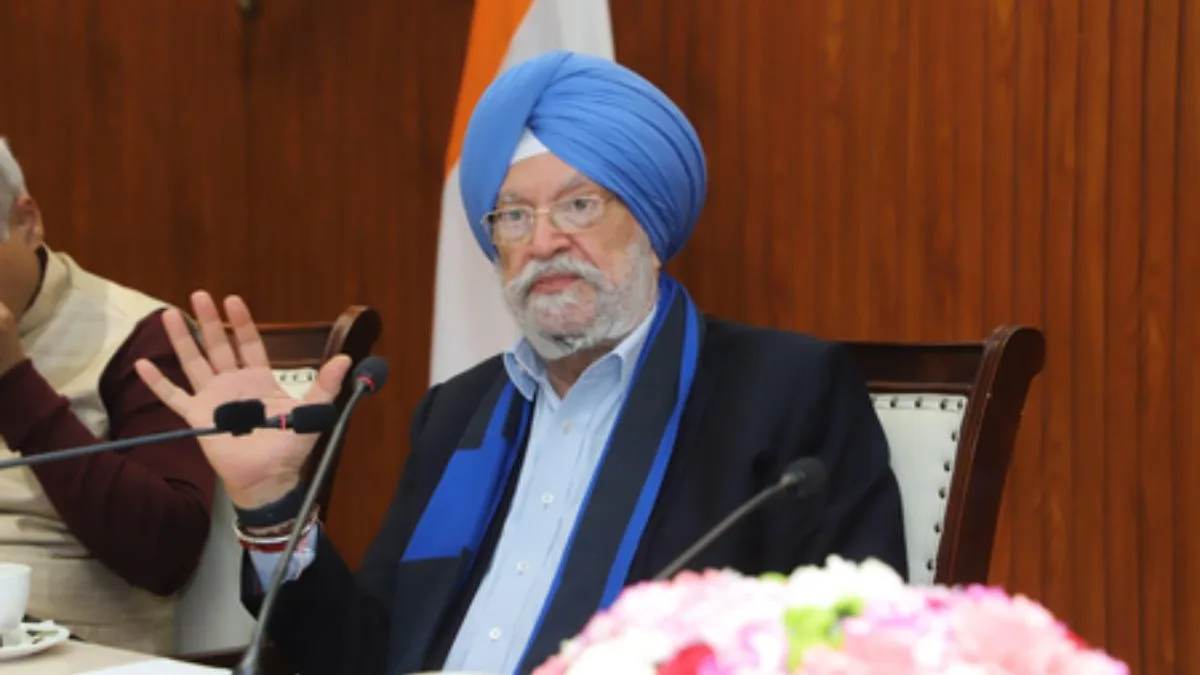
The Delhi High Court on Tuesday granted interim relief to Himayani Puri, daughter of Union Minister Hardeep Singh Puri, directing the removal of allegedly defamatory online content linking her to Jeffrey Epstein. The Court held that the material in question warranted immediate restraint and ordered its takedown.
Himayani Puri filed a Rs. 10 crore defamation suit seeking a global takedown of posts linking her to American financier and child sex offender Jeffrey Epstein. She also requested a John Doe order to identify and act against unknown individuals responsible for circulating the content.
The Court has restrained the publication and circulation of allegedly defamatory content targeting Himayani Puri. The Court observed that a prima facie case had been established, the balance of convenience lay in favour of the plaintiff, and irreparable harm would result if the content remained online. Accordingly, the Court directed that the defendants must immediately stop publishing or sharing the disputed material on any platform.
Takedown Limited to Indian Jurisdiction
Justice Mini Pushkarna directed social media platforms, including Twitter, Google, YouTube, Meta, and LinkedIn, to remove the content. However, the Court clarified that the order would apply only within India for now.
The judge noted that the issue of a global takedown is currently pending before a Division Bench. Accordingly, the present directions are restricted to content accessible within India or originating from Indian IP addresses. Platforms were also directed to block access in India to content hosted abroad.
“Considering that the matter regarding injunction at global level is subject matter of Division Bench, orders in that regard may not be passed. It is directed that the directions passed today are to be followed within India jurisdiction, Indian domain. The present injunction order operates within Indian domain wrt videos and content uploaded within Indian jurisdiction and from IP addresses within India. Insofar as URLs and links uploaded from outside India, defendants are directed to block access from being viewed in India,” Justice Pushkarna ordered.
The matter has been listed for further hearing on August 7.
‘World has seen this before’: Suez crisis echoes in Hormuz tensions
Ramesh recalls India’s diplomatic and peacekeeping role during the Suez crisis, warning that present tensions around key oil routes could follow a similar pattern.
Statesman News Service | New Delhi | March 17, 2026 12:59 pm
(File photo: Xinhua/IANS)
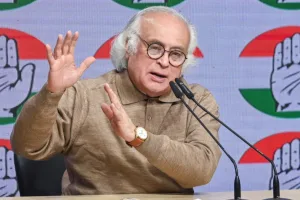
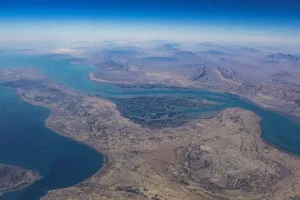
With tensions rising around the Strait of Hormuz, senior Congress leader Jairam Ramesh on Tuesday said the situation carries echoes of the 1956 Suez crisis, another moment when a strategic waterway pulled the world into a larger confrontation.
In a post on X, Ramesh said what is unfolding around Hormuz today is not entirely new. Decades ago, he noted, the Suez Canal had triggered a similar wave of global anxiety, drawing in major powers and escalating quickly.
“The world is grappling with the Strait of Hormuz crisis. Seventy years ago, it grappled with what is known as the Suez Crisis,” Ramesh posted on X.
The remarks come as worries grow over the safety of key shipping routes and what it could mean for global oil supplies. By bringing up Suez, Ramesh is essentially saying this isn’t the first time a narrow stretch of water has triggered bigger tensions.
He pointed out that the Suez crisis began on July 26, 1956, when Egypt’s President Gamal Abdel Nasser nationalised the canal. The decision upset Western countries and soon pushed the region towards conflict.
From diplomacy to conflict
Ramesh recalled that India was involved in efforts to ease tensions at the time, with VK Krishna Menon playing a role in negotiations. Those attempts did not last long.
By October that year, Britain, France and Israel had launched a joint military operation against Egypt. The action, however, was brief. Then US President Dwight D Eisenhower intervened, forcing the three countries to withdraw within days.
“They had to abort it humiliatingly in a few days after a furious US President Dwight Eisenhower intervened,” he said.
He also noted what he described as an irony, that the same US leadership had earlier backed the 1953 coup in Iran after the nationalisation of its oil industry.
After the fighting ended, a United Nations Emergency Force was deployed along the Egypt-Israel border, including Sinai and Gaza. Indian troops were part of this mission, and officers such as Lt Gen PS Gyani and Maj Gen Inder Jit Rikhye held senior roles.
Ramesh also referred to Prime Minister Jawaharlal Nehru’s visit to Indian soldiers in Gaza in 1960, calling it a reflection of India’s commitment to peacekeeping. The UN force stayed until 1967, after which the region again slipped into conflict with the Six-Day War.
Ramesh’s remarks come as attention turns once again to the Strait of Hormuz, a narrow but vital route for global oil supplies.
Explained: The ‘Daal Gadot’ backlash | How Javier Bardem’s ‘Free Palestine’ Oscars remark put Priyanka Chopra in focus
A brief Oscars moment turned viral after Javier Bardem made a political statement on stage, drawing strong reactions online. Attention quickly shifted to Priyanka Chopra’s response, with social media fuelling a sharp ‘Daal Gadot’ backlash.
Statesman News Service | New Delhi | March 17, 2026 12:55 pm
Image Source: Academy Awards
The ‘Daal Gadot’ backlash explained: The Oscars are usually about glitter, gowns, and golden statues. But this time, a few words from the stage quietly hijacked the entire night, and dragged an unexpected name into the middle of an online storm.
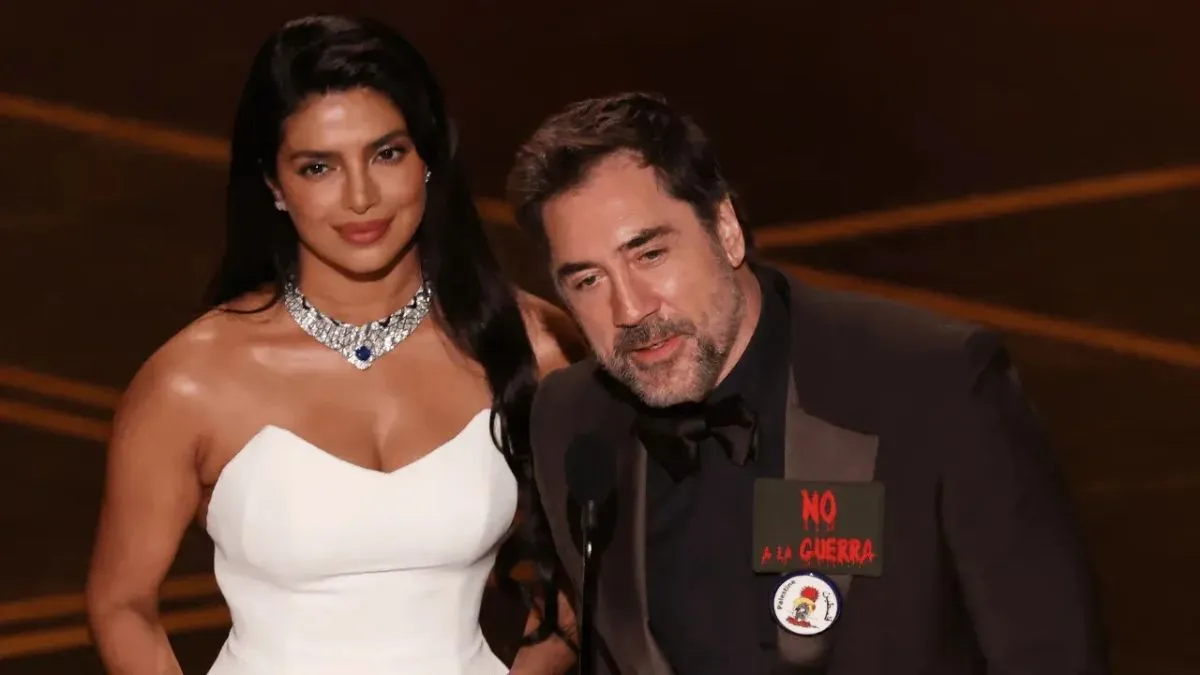
When Javier Bardem walked onto the stage at the 98th Academy Awards, things seemed routine. He was there with Priyanka Chopra Jonas to present Best International Feature Film at the iconic Dolby Theatre.
But instead of the usual scripted banter, Bardem opened with a blunt statement: “No to war and free Palestine.”
The room responded instantly. Loud applause. No hesitation.
It wasn’t just a throwaway line either. Bardem had clearly planned the moment. On his tuxedo lapel, he wore two pins; one reading “No to War” and another showing support for Palestine.
Priyanka’s silent moment gets loud attention
Standing right next to him, Chopra Jonas didn’t say anything. She smiled slightly and nodded as Bardem spoke, then continued with the presentation like nothing unusual had happened.
That brief reaction, barely a few seconds, ended up becoming one of the most replayed clips from the night.
And not in a flattering way.
Social media didn’t just watch the moment. It dissected it. Frame by frame.
Many users questioned why Chopra Jonas chose to remain silent while appearing to acknowledge the statement. For some, the smile and nod felt vague. For others, it looked like avoidance.
Bardem’s long history of speaking out
This wasn’t a one-off for Bardem. The Oscar-winning actor, known for films like ‘No Country for Old Men’, ‘Biutiful and Before Night Falls’, has been consistently vocal about the war in Gaza.
In recent months, he has openly condemned the conflict and called for international pressure on Israel. He has also referred to statements by the International Association of Genocide Scholars while pushing for sanctions and diplomatic action.
Earlier this year, he joined over 100 film professionals in signing an open letter criticising the Berlin International Film Festival. The group accused the festival of staying silent on Gaza and allegedly censoring filmmakers who tried to speak out.
So, when Bardem spoke at the Oscars, it wasn’t out of character. It was very much in line with his public stance.
Internet reacts, fast and messy
Within minutes of the broadcast, clips of the moment flooded platforms like X and Reddit. Many users praised Bardem for using such a massive global stage to make a political statement.
But the conversation quickly shifted.
Instead of focusing only on what Bardem said, a large chunk of the internet zoomed in on Chopra Jonas.
Criticism poured in. Some questioned her reaction. Others pointed to her long-standing association with UNICEF. Chopra Jonas has worked with the organisation since 2006 and became a Global Goodwill Ambassador in 2016.
That background made the silence look even more noticeable to critics.
Several posts asked why she has not publicly addressed the Gaza conflict or even the ongoing tensions involving Iran, despite her humanitarian role. The expectation, at least online, seemed clear: neutrality was not being accepted.
The strange rise of ‘Daal Gadot’
Then came the nickname that took things in an entirely different direction.
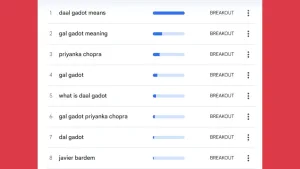
A viral post from a user called DiscourseDancer read: “Meanwhile look at the expressions of our Daal Gadot next to him.”
The phrase was a satirical mashup linking Chopra Jonas with Gal Gadot, who has faced criticism in the past for her political views and support of Israel.
The comparison wasn’t about appearance. It was about perceived positioning, or lack of it.
Screengrab: Google Trends
A moment bigger than the award
Ironically, the award Bardem and Chopra Jonas presented barely became the headline.
Instead, the focus stayed on that one sentence, the quiet nod beside it, and everything people read into it afterward.
The Oscars stage has always been political, but not every moment lands the same way. This one didn’t just spark applause inside the theatre, it triggered a full-blown internet debate outside it.
And while Bardem’s stance was expected, it was Chopra Jonas’ silence that turned into the louder story.
Internet fury peaks over ‘Sarke Chunar Teri Sarke’: Nora Fatehi-Sanjay Dutt song pulled within a day
A dance bar–set track featuring Nora Fatehi went viral for its bold visuals and hook step before facing heavy backlash. Critics called out its suggestive lyrics and scenes, leading to the song being taken down within a day.
Statesman News Service | New Delhi | March 17, 2026 12:19 pm
Image Source: X
The internet blinked… and the song vanished.
What was supposed to be a big splash for ‘KD: The Devil’ has suddenly turned into a full-blown controversy, with the makers quietly pulling down a newly released track after facing sharp criticism online.
The song ‘Sarse Ninna Seraga Sarse’ (called ‘Sarke Chunar Teri Sarke’ in Hindi) dropped on YouTube, and almost instantly walked into trouble. Within hours, social media was buzzing, but not in a good way.
Viewers slammed the track for what they called “suggestive” and “vulgar” content. The criticism focused on both the lyrics and the visuals, with many users calling them inappropriate.
Then came the twist. Barely a day after release, the video was made private. Anyone trying to watch it now is greeted with a blunt message: “Video unavailable. This video is private.”
Nora’s viral step becomes the talking point
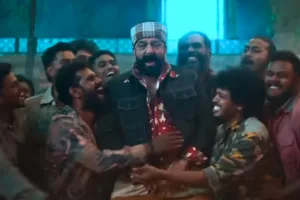
The track featured Nora Fatehi in a full-on dance number set inside a bar. Dressed in a ghagra choli, she is seen dancing among a group of men.
One particular hook step where her pallu becomes part of the choreography quickly went viral. Clips spread fast online, adding more fuel to the already heated reactions.
Screengrab from the song
But the same visuals that caught attention also triggered outrage. Many viewers pointed out the use of double-meaning lyrics and said the presentation crossed a line.
The song wasn’t just about Nora. It also featured Sanjay Dutt. The lyrics were penned by Raqueeb Alam, but instead of praise, the writing became a major reason for criticism online.
NHRC member calls it out
कौन सभ्य परिवार साथ बैठकर यह देख सकता है ❓
बॉलीवुड से नैतिकता की अपेक्षा तो है ही नहीं परंतु सेंसर बोर्ड द्वारा अश्लीलता को लाइसेंस देना शर्मनाक है।
यह मानसिक रोगी अपनी मनोविकृतियों से पीढ़ीयों को बर्बाद कर रहे हैं।
— प्रियंक कानूनगो Priyank Kanoongo (@KanoongoPriyank) March 16, 2026
The controversy didn’t stay limited to social media. It reached official corridors too.
Priyank Kanungo, a member of the National Human Rights Commission, reacted strongly when asked about the song on March 16. He questioned its appropriateness, asking who could comfortably watch such content with their family.
Reports suggest that notices may have been issued to the makers based on complaints about the song.
What is ‘KD: The Devil’ about?
Directed by Prem, ‘KD: The Devil’ is Kannada period action drama set in 1970s Bengaluru.
The story is said to be inspired by real-life events following the rise of a small-time criminal who eventually becomes a feared gangster.
The film stars Dhruva Sarja in the lead role with a supporting cast including Shilpa Shetty, V Ravichandran, Ramesh Aravind, Reeshma Nanaiah and Jisshu Sengupta.
Backed by KVN Productions, the music for the film is composed by Arjun Janya.
Indian tanker ‘Nanda Devi’ brings home 46,500 metric tons of LPG after safe sail via Hormuz
The Indian LPG tanker had set sail from Qatar and navigated the sensitive Strait of Hormuz without incident, despite heightened tensions in West Asia.
Statesman News Service | New Delhi | March 17, 2026 12:14 pm
Three Indian crude oil tankers cross Hormuz with 8.6 lakh MT cargo amid regional tensions
The Indian LPG tanker ‘Nanda Devi’ today arrived at Vadinar port in Gujarat, bringing home approximately 46,500 metric tons of liquefied petroleum gas (LPG). The cargo will be transferred through a ship-to-ship (STS) operation at anchorage, with transfer to MT BW Birch scheduled to begin later today.
#WATCH | Gujarat | LPG tanker Nanda Devi arrives at Vadinar (Jamnagar) port carrying 46,500 MT LPG for ship-to-ship transfer at the anchorage. STS transfer to MT BW Birch to commence today. Sushil Kumar Singh, Chairman of the Deendayal Port Authority (DPA), visited on board the… pic.twitter.com/c41bxZHHKq
Gujarat | LPG tanker Nanda Devi arrives at Vadinar (Jamnagar) port carrying 46,500 MT LPG for ship-to-ship transfer at the anchorage. STS transfer to MT BW Birch to commence today. Sushil Kumar Singh, Chairman of the Deendayal Port Authority (DPA), visited on board the vessel to… pic.twitter.com/NnZC9qGpDV
Nanda Devi is the second Indian LPG vessel in recent days to successfully pass through the Strait of Hormuz and reach Indian shores, underscoring continued efforts to maintain energy supply lines during a volatile period.
Chief Officer of Nanda Devi vessel credited the Ministry of Ports, Shipping and Waterways and the Shipping Corporation of India for spearheading the operation. He highlighted that support from the Indian Navy and the Iranian Navy helped ensure safe passage through the high-risk maritime route. He added that the 46,000 metric tons of LPG will help India in a time of worldwide crisis due to conflict in West Asia.
“I would like to thank everyone who was involved in this operation of crossing the Strait of Hormuz. The initiative was taken by the Indian Ministry, Shipping Corporation of India, with the help of the Indian Navy and the Iranian Navy. Vessel transmitted the Hormuz safely, and will be serving a huge amount of LPG, 46,000 metric tons. This will help in the worldwide crisis of LPG. We will continue to serve the LPG in the future also,” he said.
#WATCH | Gujarat | LPG tanker Nanda Devi arrives at Vadinar (Jamnagar) port carrying 46,500 MT LPG for ship-to-ship transfer at the anchorage. STS transfer to MT BW Birch to commence today. Sushil Kumar Singh, Chairman of the Deendayal Port Authority (DPA), visited on board the… pic.twitter.com/h6wG27b5cf
Meanwhile, the Indian-flagged vessel Jag Laadki is en route to India from the United Arab Emirates, carrying approximately 81,000 tons of Murban crude oil.
Authorities confirmed that all Indian seafarers operating in the Persian Gulf region are safe, with no incidents reported in the past 24 hours.
Currently, 22 Indian-flagged vessels remain in the Persian Gulf, carrying a total of over 600 crew members, as India continues to secure critical energy shipments despite ongoing geopolitical challenges.
Seven years, seven voices, one comeback: BTS drop powerful trailer for ‘BTS: The Return’ documentary
The trailer shows the group coming together in Los Angeles after years apart, quietly stepping back into the studio. It also captures their honest conversations about time away, personal changes, and what lies ahead.
Statesman News Service | New Delhi | March 17, 2026 12:01 pm
Image Source: Netflix
The internet just got louder, and no, it’s not a comeback song yet. It’s the sound of millions of fans screaming after the trailer of ‘BTS: The Return’ quietly dropped and then exploded everywhere.
After years of waiting, the seven members of BTS are finally back in one frame. And yes, it’s emotional.
The trailer, which runs for one minute and fifty-five seconds, opens with a simple but powerful moment: reunion.
Shot in Los Angeles, it shows all seven members coming together after completing their military service. No dramatic entry, no loud music. Just them, walking into a studio again. And somehow, that’s enough.
Fans get a peek at the group settling back into their old rhythm, slowly stepping into a new chapter.
From Seoul dreams to global fame
The documentary doesn’t just stay in the present. It takes a step back.
It traces their journey from their early days in Korea to becoming one of the biggest music acts in the world. Since debuting in 2013, BTS has built a global fan base that stretches across continents. And the film doesn’t shy away from showing how that happened.
There are glimpses of their past, their struggles, and the scale of what they’ve achieved.
Studio, silence, and honest conversations
This isn’t just about music. It’s about everything that happened in between.
The documentary follows the members as they return to the studio and begin working on new music. But more importantly, it captures their conversations; about time away, personal changes, and what comes next.
There are quiet moments. Honest reflections. And a clear sense that things are not exactly the same, but maybe stronger.
Brotherhood that didn’t fade
One thing the trailer makes very clear: the bond is still there.
Even after years apart, the chemistry between the members feels untouched. There are small laughs, shared looks, and an easy comfort that only comes with time.
It’s less about a comeback and more about reconnecting with each other and with their music.
The team behind the camera
The film is directed by Bao Nguyen, known for projects like ‘The Stringer’ and ‘The Greatest Night in Pop’.
It is produced by HYBE, along with This Machine and EAST Films.
Executive producers include Mark Blatty, Melissa Robledo, Seonjeong Shin, Nicole Kim, Kyewon Suh, and James Shin. Producers on the project are Jane Cha Cutler, Bao Nguyen, R.J. Cutler, Elise Pearlstein, Trevor Smith, Choongeon Lee, Namjo Kim, and Se Jun Lee.
When and where to watch
The wait isn’t too long.
‘BTS: The Return’ will stream worldwide on Netflix starting March 27, 2026.
War first, diplomacy later: Trump says Iran conflict could end soon, postpones China visit amid global tensions
Trump defends military action as necessary, calls market impact minimal, and urges China’s role in securing oil routes while global tensions continue to reshape diplomatic priorities.
Statesman News Service | New Delhi | March 17, 2026 11:43 am
(Photo: X/@WhiteHouse)
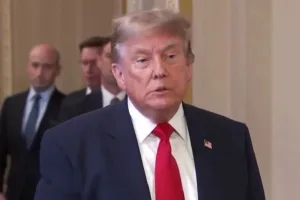
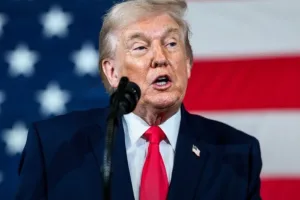
US President Donald Trump struck an optimistic note on the ongoing Iran conflict, saying he believes the fighting may not drag on for too long and could end sooner than many expect, with the outcome, in his view, making the world more secure.
His comments come at a moment when tensions are running high across the Middle East, with military strikes, uncertain diplomacy, and nervous financial markets all reacting to the fast-changing situation. Trump also signalled a shift in his diplomatic calendar, choosing to remain in Washington instead of travelling abroad.
Speaking to reporters at the White House, Trump said the conflict could be “wrapped up soon”.
“It won’t be long. And we’re going to have a much safer world when it’s wrapped up. It’ll be wrapped up soon. We’re going to have a much safer world. I had an obligation to do this. I didn’t want to,” Trump said.
He argued that the risks of inaction would have been far greater. “You want to see a stock market go down? Start letting them hit you with nukes,” Trump said, defending the decision to proceed with military action.
China visit pushed as Trump stays back amid conflict
Amid the ongoing crisis, Trump indicated that his planned visit to China to meet President Xi Jinping may be deferred by about a month. According to CNN, the US side has requested a delay, with Trump stressing that his presence in the country was important at this stage.
“We’re speaking to China. I would love to go, but because of the war, I want to be here,” he said.
“We have requested that we delay it a month or so, and I’m looking forward to meeting with him,” said Trump, adding: “We’ve got a war going on. I think it’s important that I be here. So it could be that we delay it a little bit, not much.”
The visit, earlier expected between late March and early April, has not been rescheduled yet.
The White House had earlier hinted at a possible postponement. Trump has also been urging China to play a role in securing the Strait of Hormuz, a critical route for global oil supplies. In an interview with the Financial Times, he said Beijing had a stake in the issue, noting that China depends heavily on oil shipments through the strait.
On the economic front, Trump acknowledged that markets had reacted to the developments but described the impact as limited. “It’s a very small price to pay,” he said, adding that he had anticipated a sharper decline.
Calling the situation a “high-level chess game”, Trump said he was dealing with “very smart players” and suggested that the broader objective was global stability.
Separately, he said he remained open to engaging with Iran, though uncertainty over its leadership made dialogue difficult. “We don’t even know who they are,” he said, referring to the current situation within the Iranian leadership.
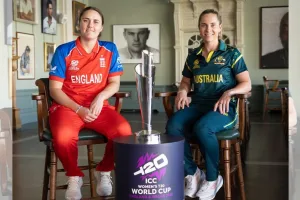
Selection in focus as Australia fine-tunes World Cup plans in the Caribbean
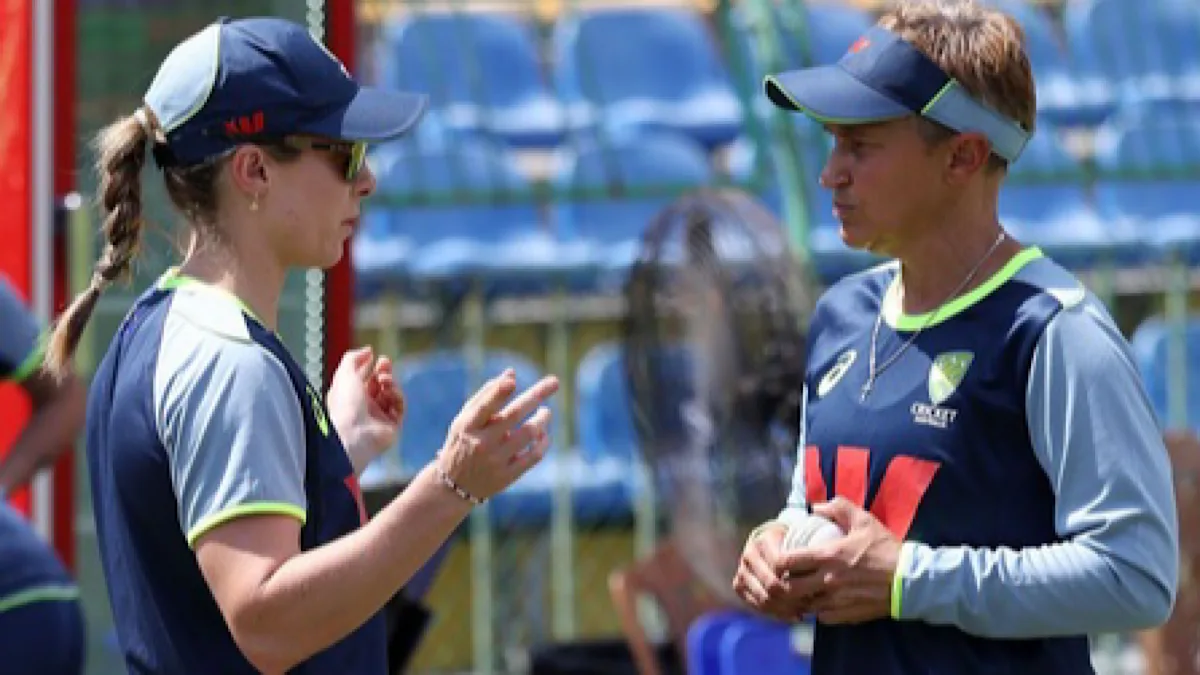
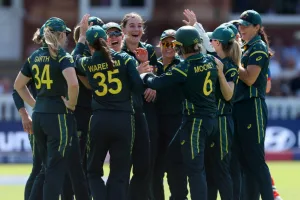
Head coach Shelley Nitschke is using the upcoming tour of the Caribbean as an important audition for the Australia women’s national cricket team ahead of the ICC Women’s T20 World Cup 2026 in England.
IANS | New Delhi | March 17, 2026 11:37 am
Photo:IANS
Head coach Shelley Nitschke is using the upcoming tour of the Caribbean as an important audition for the Australia women’s national cricket team ahead of the ICC Women’s T20 World Cup 2026 in England.
With six white-ball matches scheduled against the West Indies women’s national cricket team, this series provides a final chance to test combinations and finalize the squad for the tournament starting on June 12.
Australia will be without star all-rounder Annabel Sutherland, who is being rested as part of a workload management plan.
Nitschke, however, highlighted the broader context behind this decision. “We all know how great Annabel is, and I certainly think she’s going to be a key part of our T20 batting lineup at some point and offers us strong hitting down the order right now,” she said.
“But her absence is part of a larger management plan. It also gives us opportunities to examine a few things we need to consider before heading to England to better understand our options and ideal makeup.”
Sutherland’s absence opens opportunities for players like Nicola Carey, Lucy Hamilton, and Megan Schutt to make their case. Captain Sophie Molineux is expected to return after recovering from a back issue. Kim Garth and Ellyse Perry are also available after dealing with quad problems, providing Australia with nearly a full-strength pool to select from.
Even with this experimentation, Nitschke made it clear that winning is still important. “We are coming here to win these games,” she said. “I’m going to choose the team that’s best for the conditions, and I think there will be chances for players.”
“We’ve got 15 or 14 players here right now, and I think some opportunities will arise in these three games. But, above all, we want to perform really well.”
At the top of the order, the pairing of Beth Mooney and Georgia Voll is likely to continue despite mixed results in the recent series against India, with Phoebe Litchfield expected to maintain her spot at number three.
Nitschke indicated that only minor adjustments are needed as the team approaches its final lineup.
“I think we’re really close to finalizing our best side,” she noted. “There was a lot of talk about the India series, but we didn’t change much. Our top order has been pretty stable for a while.”
“I believe we have just a couple of decisions to make and a few tweaks to figure out our best combinations too.”
There is still a chance for power-hitter Grace Harris to vie for a spot, despite missing the Caribbean tour. “We all recognize how great Sutherland is, and I certainly think she will play a significant role in our T20 batting lineup at some point,” Nitschke added.
“She still provides us with strong hitting down the order. We all know what Grace can do; she has a unique advantage and remains part of the discussions about what the final squad will look like for the World Cup.”
Alive and posting: Israeli PM Netanyahu shares another video debunking fake death claims
The videos, shared on X, show the Israeli leader in casual and public settings, reinforcing that he is alive and active amid a surge of misinformation online.
Statesman News Service | New Delhi | March 17, 2026 11:32 am
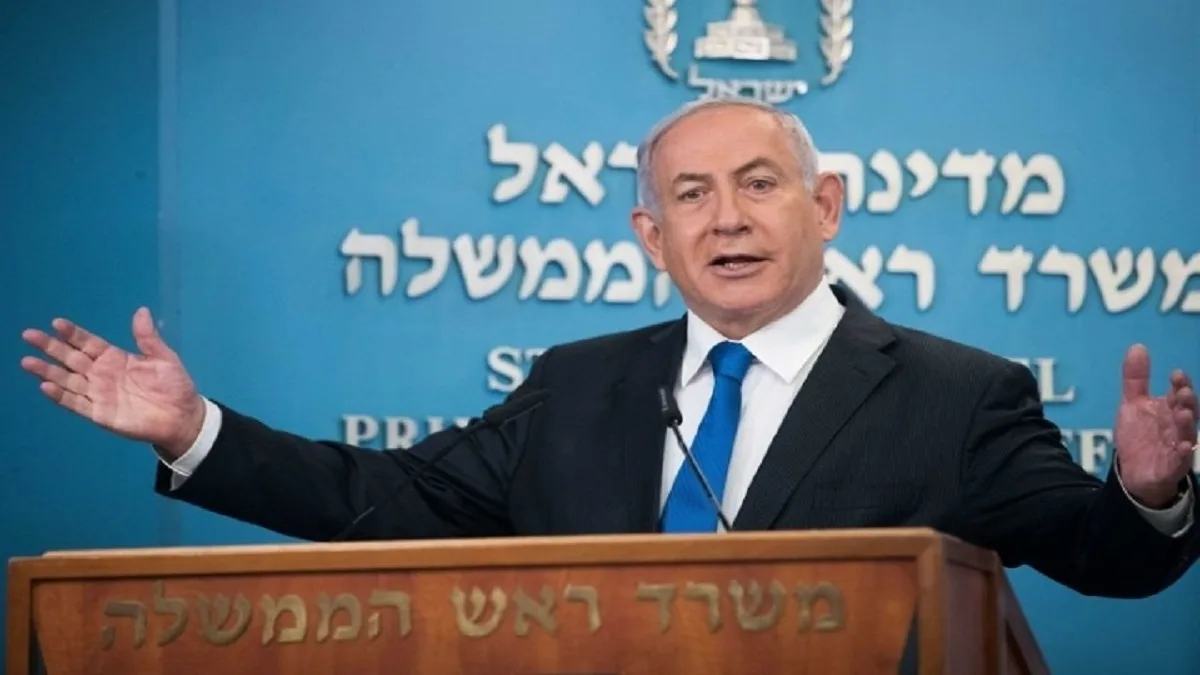
Israeli Prime Minister Benjamin Netanyahu has been releasing a series of video messages, appearing to directly counter viral rumours on social media that falsely claimed he had been assassinated. The videos, shared on X, show the Israeli leader in casual and public settings, reinforcing that he is alive and active amid a surge of misinformation online.
In the latest video message extended greetings to the people of Iran on the holiday season, expressing hope for the triumph of good over evil amid ongoing regional tensions. Netanyahu said, “To the brave people of Iran, I wish you, as I do every year, a happy holiday season, beginning with the Festival of Lights. It signifies the age-old belief of the Iranian people that light will triumph over darkness, that good will triumph over evil.”
His remarks come at a time of heightened geopolitical uncertainty in the Middle East, with multiple global leaders engaging on issues related to regional security and stability.
Prime Minister Netanyahu:
To the brave people of Iran, I wish you, as I do every year a happy holiday season, beginning with the Festival of Lights.
It signifies the age old belief of the Iranian people that light will triumph over darkness, that good will triumph over evil. pic.twitter.com/PoY2Mhlg6p
Cafe Clip and Social Media Posts Counter Viral Claims
Earlier, Netanyahu shared multiple short clips, including one of him sipping coffee at a café and another interacting with people.
In one widely circulated post, he captioned a video, “They say I’m what? Watch,” in an apparent response to claims of his death. Another clip showed him raising his hand and showing his five fingers, seemingly addressing online speculation that an earlier video was AI-generated, showing him with six fingers.
— Benjamin Netanyahu – בנימין נתניהו (@netanyahu) March 15, 2026
The posts came after some social media users alleged irregularities in footage—such as a supposed “six-finger” visual glitch, fuelling conspiracy theories about artificial intelligence manipulation.
— Benjamin Netanyahu – בנימין נתניהו (@netanyahu) March 16, 2026
Israel Envoy Dismisses ‘Disinformation’
Reuven Azar also stepped in to refute the rumours, stating that Netanyahu is “very much alive” and that the café video is authentic.
He attributed the speculation to widespread disinformation, noting that he had personally seen the Prime Minister recently.
“Prime Minister Netanyahu is alive. I saw him personally when I was in Israel more than once. This video at the cafe is not AI-fabricated. There is a lot of disinformation,” he said.
#WATCH | Delhi: “Prime Minister Netanyahu is alive. I saw him personally when I was in Israel more than once. This video at the cafe is not AI-fabricated. There is a lot of disinformation..,” says Ambassador of Israel to India, Reuven Azar, on a viral video of Israeli PM Benjamin… pic.twitter.com/5sd1WDe4w3
Netanyahu’s office issued a firm denial of the rumours, calling them “fake news” and confirming that the Prime Minister is in good health.
The false claims gained traction after a recent press conference video sparked online debate, with some users alleging that the footage was AI-generated, claiming to have identified six fingers on the Prime Minister’s right hand.
Specifically, viewers pointed to a moment at the 0:35 mark where Netanyahu raises his hands, asserting that visible extra flesh near his little finger was a ‘Classic AI finger glitch’.
אתמול במסיבת העיתונאים עמדתי על היעדים הברורים של המערכה: פגיעה במשטר הטרור באיראן, המשך המאבק מול שלוחותיו, והבטחת ביטחונה ועתידה של ישראל.
אנחנו לא מחכים. אנחנו יוזמים, אנחנו תוקפים ואנחנו עושים זאת בעוצמה.
Afghan cricketer Rashid Khan slams Pakistan over Kabul strike, calls it war crime
Afghanistan cricket star Rashid Khan has condemned the reported civilian casualties from recent airstrikes by Pakistan in Kabul, calling the targeting of civilian infrastructure a “war crime” and urging international bodies to investigate the incident.
IANS | New Delhi | March 17, 2026 11:30 am
Photo:IANS
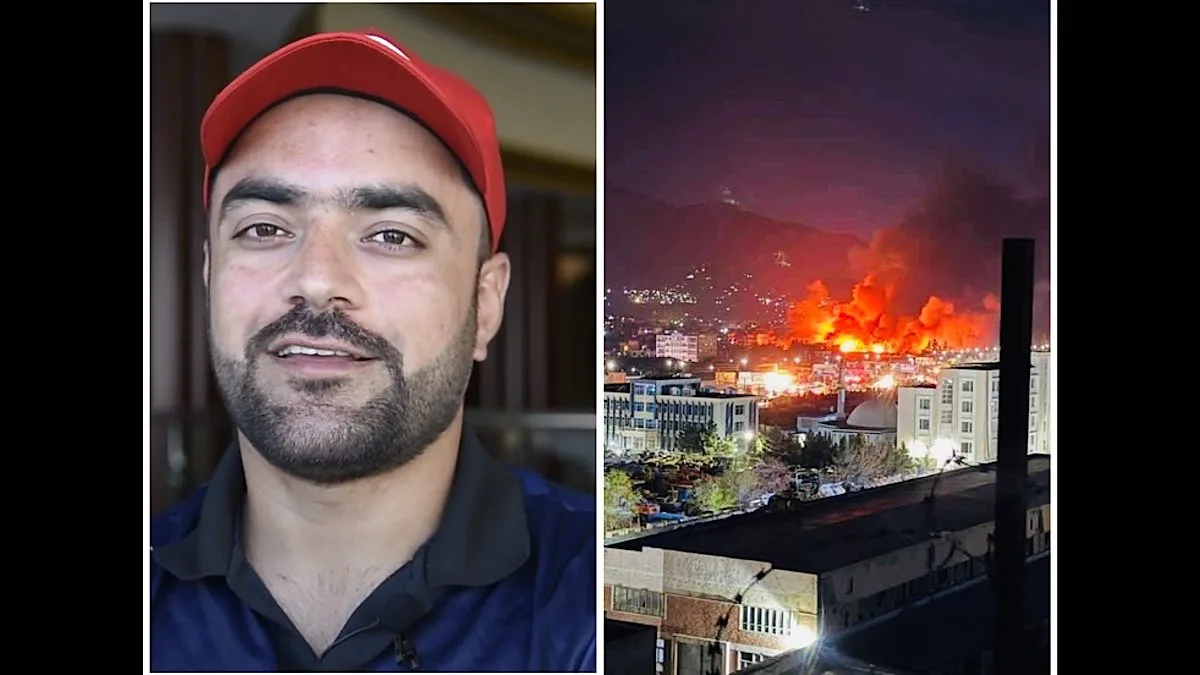
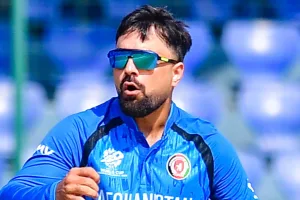
Afghanistan cricket star Rashid Khan has condemned the reported civilian casualties from recent airstrikes by Pakistan in Kabul, calling the targeting of civilian infrastructure a “war crime” and urging international bodies to investigate the incident.
In a post on X, the Afghan cricketer expressed deep sorrow over reports that civilians were killed in the strikes, which local officials say hit a major addiction treatment hospital in the Afghan capital.
“I am deeply saddened by the latest reports of civilian casualties as a result of Pakistani airstrikes in Kabul,” Khan wrote. “Targeting civilian homes, educational facilities or medical infrastructure, either intentional or by mistake, is a war crime.”
He added that the reported attacks during the holy month of Ramadan were particularly disturbing.
“The sheer disregard for human lives, especially during the holy month of Ramadan, is sickening and deeply concerning. It will only fuel division and hatred,” Khan said in the post.
The cricketer also urged international organisations to take action and ensure accountability for the reported attack.
“I call upon the UN and other human rights agencies to thoroughly investigate this latest atrocity and hold the perpetrators to account. I stand with my Afghan people in this difficult time. We shall heal, and we will rise as a nation. We always do. Inshallah,” he wrote.
His remarks come after Taliban officials reported that an airstrike late Monday struck the 2,000-bed Umid addiction treatment hospital in Kabul. Authorities said hundreds of patients and civilians were believed to be inside the facility when the attack occurred.
According to officials of the Taliban-led government, the strike killed more than 400 people and injured at least 250 others, although the figures could not be independently verified.
Deputy spokesman of the Islamic Emirate, Mullah Hamdullah Fitrat, said the bombing caused extensive destruction across the hospital complex, while health officials reported that many sections of the facility had been severely damaged.
Rescue teams continued search and recovery operations through the night as emergency responders worked to treat the wounded and recover victims from the debris.
Market volatility continues on Tuesday, Nifty, Sensex turn red soon after opening with gains
Sectorally, all indices were in the green, indicating broad-based buying. Nifty Auto rose by 0.43 per cent, Nifty FMCG gained 0.30 per cent, Nifty Media was up by 0.46 per cent, Nifty Pharma increased by 0.38 per cent, Nifty PSU Bank gained 0.50 per cent, and Nifty Metal surged by 0.55 per cent.
ANI | New Delhi | March 17, 2026 11:16 am
File Photo | IANS
The domestic share markets continued their recovery this week, with both benchmark indices opening in the green on Tuesday and extending their upward movement.
The Nifty 50 opened at 23,493.20, gaining 84.40 points or 0.36 per cent, while the BSE Sensex opened at 75,824.17, up by 321.32 points or 0.43 per cent.
Market experts noted that despite continued foreign portfolio investor (FPI) selling, the markets showed resilience.
Ajay Bagga, banking and market expert, told ANI, “Indian markets saw FPI selling of over Rs 9000 crores in the cash equity segment on Monday. However, a last-hour surge took Indian markets into the positive zone on the back of strong performance by financials and autos. US markets finished in the green as technology shares got a boost from strong guidance from Nvidia. Asian markets opened in the green following the US lead. The RBA (Reserve Bank of Australia) has raised rates by 25 bps as expected.”
He added, “Oil remains a crippling issue for the global economy. With the Iran war closing down the Strait of Hormuz, the supply of crude oil, derivatives, LNG, LPG all is constrained. Oil will stay higher for many months post the resolution of the Iran US conflict. That will be a dampener for the global economy.”
In the broader markets on the NSE, all indices were trading in positive territory in early trade. The Nifty 100 gained 0.37 per cent, while the Nifty Midcap 100 and Nifty Smallcap 100 both surged by 0.49 per cent.
Sectorally, all indices were in the green, indicating broad-based buying. Nifty Auto rose by 0.43 per cent, Nifty FMCG gained 0.30 per cent, Nifty Media was up by 0.46 per cent, Nifty Pharma increased by 0.38 per cent, Nifty PSU Bank gained 0.50 per cent, and Nifty Metal surged by 0.55 per cent.
In commodities, gold prices showed a downward trend, declining to Rs 156653 per 10 grams for 24 karat compared to last week. Silver prices also declined and were currently at Rs 259160 per kg.
Meanwhile, Brent crude prices in the international market continued to rise, gaining 2.82 per cent to USD 103 per barrel.
On the institutional flow front, foreign institutional investors (FII) recorded net selling of Rs 9366 crore. Domestic institutional investors (DII), however, provided support with net inflows of Rs 12593 crore.
In other Asian markets, most major indices were trading in the green at the time of filing this report. Japan’s Nikkei 225 rose by 0.29 per cent to 53908 levels, Hong Kong’s Hang Seng gained 0.94 per cent to 26078 levels, Taiwan’s Weighted index surged by 1.57 per cent to 33865 levels, and South Korea’s KOSPI rallied by 2.63 per cent to 5695 levels.
In the US markets on Monday, all major indices closed higher. The Dow Jones gained 0.83 per cent to close at 46946 levels, the S&P 500 rose by 1 per cent to 6,699.38 levels, and the Nasdaq also climbed 1.22 per cent to 22374 levels.
Maha Assembly passes Freedom of Religion Bill to curb forced conversions
The Maharashtra Freedom of Religion Bill-2026 was passed after a heated debate on late Monday night in the state Legislative Assembly.
IANS | New Delhi | March 17, 2026 11:11 am
Photo:IANS
The Maharashtra Freedom of Religion Bill-2026 was passed after a heated debate on late Monday night in the state Legislative Assembly. The ruling Mahayuti government strongly defended the necessity of the Bill to curb the unlawful and forced conversion, while cracks surfaced within the Maha Vikas Aghadi government after the Shiv Sena(UBT) extended its support, but other allies, including Congress, NCP(SP) and Samajwadi Party, opposed the bill.
The Bill will now be referred to the Legislative Council for passage. Chief Minister Devendra Fadnavis clarified that the Bill “is not directed against any specific religion. Instead, he emphasised that it is being introduced solely to prevent religious conversions carried out through coercion, fraud, or allurement.
The Chief Minister explained the government’s stance while addressing the Legislative Assembly. The Bill, titled the ‘Maharashtra Freedom of Religion Act, 2026’, was tabled in the House on Friday by the Minister of State for Home (Rural), Dr Pankaj Bhoyar, to curb conversions happening via baiting, deception, or force.
CM Fadnavis noted that anti-conversion laws are already in effect in several states, including Odisha, Arunachal Pradesh, Meghalaya, Chhattisgarh, Jharkhand, Uttarakhand, Himachal Pradesh, Uttar Pradesh, Madhya Pradesh, Haryana, Karnataka, and Rajasthan. Following this trend, Maharashtra has decided to implement a similar law.
He stated that Article 25 of the Indian Constitution grants every citizen the right to freedom of religion — the right to profess, practice, and propagate one’s faith. However, converting someone through fraud, pressure, force, or temptation is inherently wrong, making this law necessary to curb such incidents. “Individuals wishing to convert voluntarily must follow a legal process. The person must inform authorised officials about the conversion. Competent authorities will verify that the conversion is indeed voluntary before granting approval,” he said.
Supporting the Bill, Bhaskar Jadhav of the Shiv Sena(UBT) said it aims to protect the right to religious freedom and prevent illegal religious conversions. It is comprehensive and does not target any specific religion, despite rumours or misconceptions. The objective is to curb unethical practices and misuse of religion that harm individuals or communities.
Jadhav said there are false claims in the media suggesting that the Bill targets a particular religion; this is incorrect. The bill applies to all religions equally, and its intent is to prevent coercion or inducement in religious conversion.
During the debate, the NCP(SP) MLA Jitendra Awhad sparked a major controversy in the Legislative Assembly while speaking on the Maharashtra Freedom of Religion Bill-2026. During his speech, Awhad cited various historical instances. However, an uproar erupted in the House when he made a specific reference regarding the coronation of Chhatrapati Shivaji Maharaj. Speaker Rahul Narwekar directed Awhad to express regret, after which the MLA tendered an apology to the House.
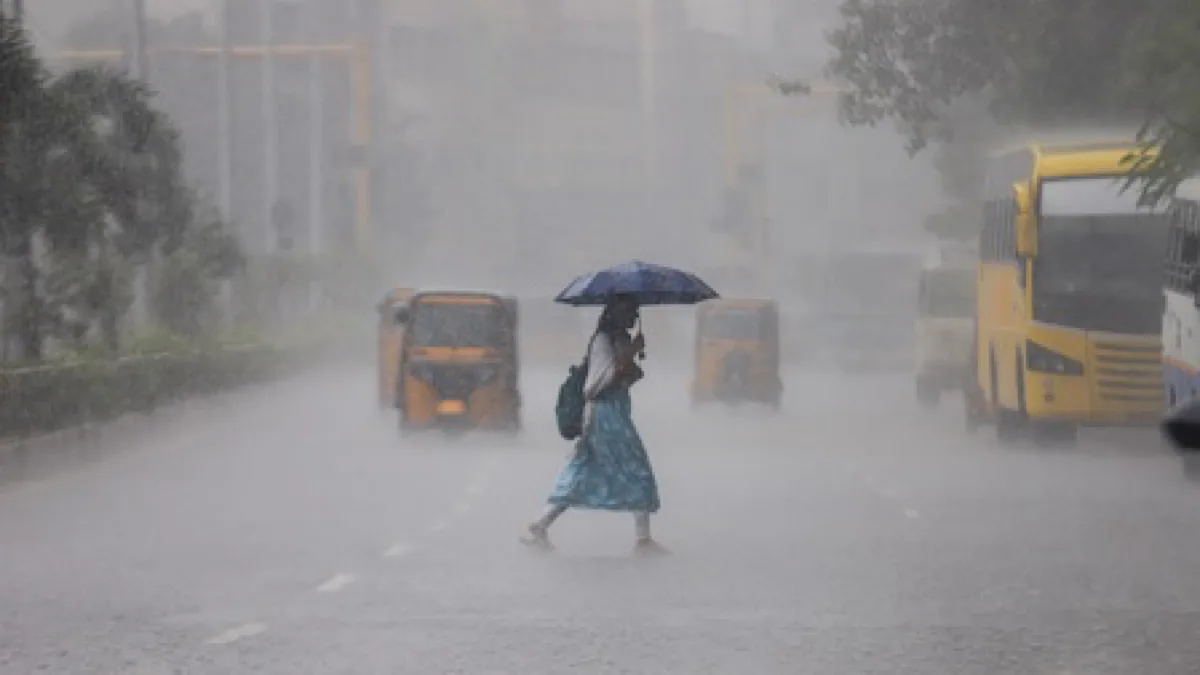
Cyclonic circulation to trigger rain across Western Ghats, southern TN today
A cyclonic circulation over the southeast Arabian Sea and adjoining Lakshadweep region has triggered a forecast of moderate rainfall across parts of the Western Ghats and southern Tamil Nadu on Tuesday, with isolated thunderstorms likely at one or two places.
IANS | New Delhi | March 17, 2026 11:04 am
Photo:IANS
A cyclonic circulation over the southeast Arabian Sea and adjoining Lakshadweep region has triggered a forecast of moderate rainfall across parts of the Western Ghats and southern Tamil Nadu on Tuesday, with isolated thunderstorms likely at one or two places.
According to the India Meteorological Department (IMD), the cyclonic circulation is a key driver of the current weather pattern across the region. In addition, another atmospheric circulation extends from the southwest Bay of Bengal towards the Comorin Sea region.
A separate cyclonic system has also been reported over the northern coastal areas of Tamil Nadu, further intensifying weather instability.
Due to the combined effect of these systems, districts along the Western Ghats and several parts of southern Tamil Nadu are expected to receive moderate rainfall, accompanied by thunder and lightning in isolated areas.
Weather officials have also indicated that localised heavy showers may occur in some hilly and adjoining regions.
The rainfall activity is expected to persist over the coming days. On Wednesday, moderate rain is likely over the delta districts and nearby areas. By Thursday, similar conditions are forecast to continue, with moderate rainfall expected in parts of the delta region as well as southern Tamil Nadu.
The IMD has also issued a temperature outlook for the region. Maximum temperatures across Tamil Nadu, Puducherry, and Karaikal are expected to remain around 2 degrees Celsius above normal levels on Tuesday. However, from Wednesday through Friday, temperatures are likely to decline gradually, with a drop of up to 2 degrees Celsius below the seasonal average anticipated in several areas.
Authorities have advised residents, particularly those in hilly and rain-prone regions, to remain cautious due to the possibility of thunderstorms and lightning.
Farmers, fishermen, and people engaged in outdoor activities have been urged to plan their schedules carefully in view of the changing weather conditions.
The Meteorological Department said it is closely monitoring the evolving systems over the Arabian Sea and the Bay of Bengal and will issue timely updates and advisories as required.
ISIS propaganda expands, calls for attacks targeting Hindus in India, neighbouring regions: Report
ISIS-linked groups are expanding digital propaganda, tracking global attacks and pushing targeted messaging across encrypted platforms, with India and nearby regions now in sharper focus, a new report warns.
Statesman News Service | New Delhi | March 17, 2026 11:03 am
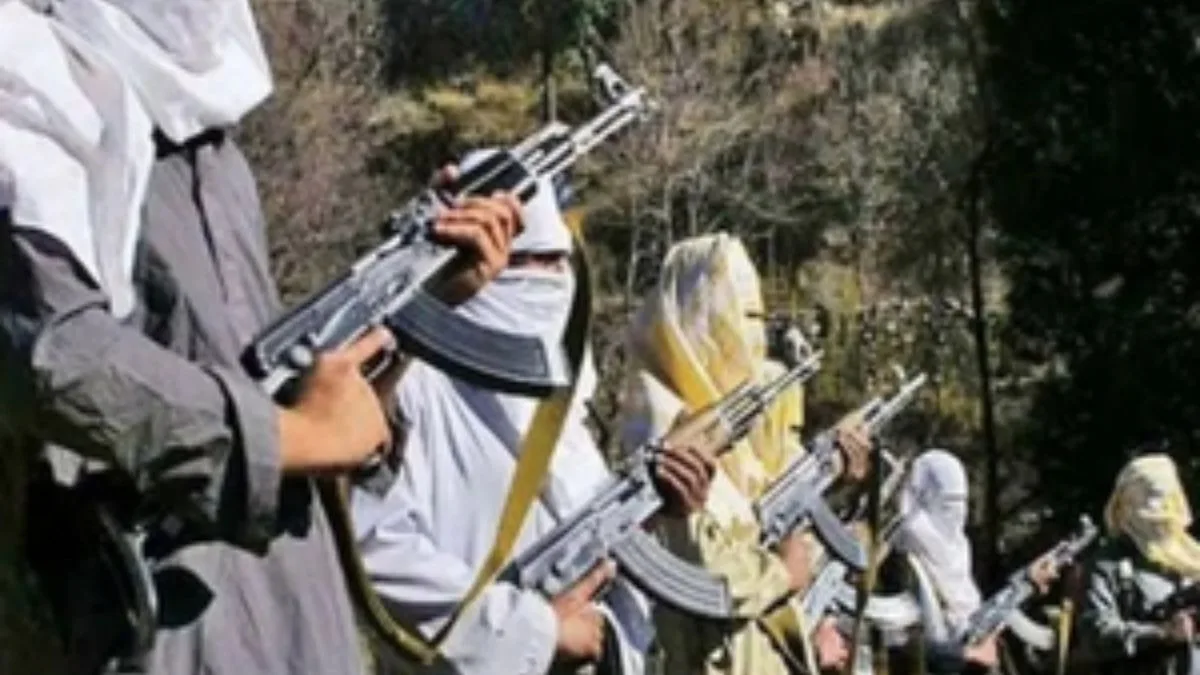
Representational image of armed militants. A recent report has flagged renewed ISIS-linked online calls targeting Hindus in India and parts of South Asia. | IANS
Online networks associated with the Islamic State (ISIS) have issued fresh calls urging attacks on Hindus in India and parts of South and Southeast Asia, a new report by the Counter Extremism Project (CEP) has said.
The findings come at a time when ISIS supporters have also been actively reacting to recent violent incidents in the United States, using them to push propaganda and recruit sympathisers through digital platforms.
Threats extend to Indian states and neighbouring countries
According to the report, a message circulated on March 9 by a pro-ISIS account specifically urged violence against Hindus in regions including Bangladesh and Myanmar, along with Indian states such as Tripura, West Bengal, Assam, and Manipur. The post was later reshared across encrypted platforms like RocketChat, increasing its visibility within extremist circles.
The CEP noted that online groups linked to ISIS closely tracked recent attacks in the US. Supporters discussed the March 7 attempted incident near Gracie Mansion in New York and the March 12 shooting at Old Dominion University, using these events to encourage similar actions.
On messaging platforms such as Telegram and RocketChat, users also praised two individuals accused of hurling explosive devices at an anti-Muslim protest in New York. Both suspects have been charged with attempting to aid ISIS and using a weapon of mass destruction. Some posts described them as courageous, while others criticised the lack of casualties.
Photos of the accused, picked up from mainstream media reports, were widely shared online. Several users pointed to claims that one of them had earlier been exposed to ISIS propaganda.
The March 12 university shooting was also glorified by ISIS supporters. The attacker, Mohamed Bailor Jalloh, opened fire on a classroom of ROTC students, killing Lt Col Brandon Shah and injuring two others before being shot dead. Online messages hailed him as a martyr and praised the act. The report noted that Jalloh had previously served eight years in prison after being convicted in 2016 for attempting to support ISIS.
Propaganda push and global attacks continue
The CEP said ISIS has stepped up its media activity, releasing four videos between March 8 and 11 as part of a religious messaging campaign. One of the videos called for fresh attacks, while another featured a speaker identified as a Spanish national criticising Western countries and accusing them of oppressing Muslims.
These videos were widely shared across platforms, including RocketChat, Telegram, and Element, as well as file-sharing websites. The report noted at least 42 such uploads, though many were later removed.
ISIS-linked accounts were also seen asking for funds online, sharing links and bot-based tools to collect money from supporters.
Beyond its digital outreach, the group claimed responsibility for 24 attacks worldwide between March 8 and 14. These incidents were reported from countries including Somalia, Nigeria, Syria, Niger, the Democratic Republic of the Congo, and Pakistan.
The report said 13 of these attacks took place in Nigeria, targeting, among others, military camps. In the Democratic Republic of the Congo, ISIS claimed it had killed 17 fighters described as Christians and taken around 100 people captive, in addition to carrying out an attack on a Chinese-operated mine.