Logo

Bengal Congress urges ECI to complete voter adjudication before assembly poll announcement ‎

‎Senior party leaders said a memorandum had been submitted to the Commission seeking the completion of the adjudication process for more than 60 lakh electors before the start of any election process in the state.

Statesman News Service | New Delhi |

The West Bengal unit of the Congress on Thursday urged the Election Commission of India (ECI) to complete the adjudication process of voters in the state before announcing the next round of elections, warning that millions of electors could otherwise face uncertainty over their voting status.

‎Senior party leaders said a memorandum had been submitted to the Commission seeking the completion of the adjudication process for more than 60 lakh electors before the start of any election process in the state.

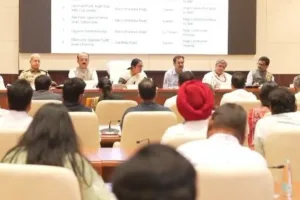
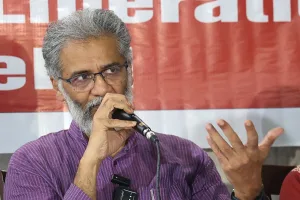
‎Addressing a press conference in New Delhi, Congress general secretary in charge of West Bengal Ghulam Ahmad Mir, state party president Subhankar Sarkar, MP Isha Khan Choudhury, along with leaders Prasenjit Bose, Ashutosh Chatterjee, BP Singh and Munish Tamang said the electoral rolls published on February 28 pursuant to a direction of the Supreme Court of India include 7,04,59,284 electors.

Of these, they said, 60,06,675 voters — around 8.5 per cent — have been marked as “under adjudication”. According to the leaders, these electors fall under categories such as “logical discrepancy” and “unmapped,” with the majority concentrated in assembly constituencies in districts including Murshidabad, Malda, North 24 Parganas and South 24 Parganas.

“The scale of the issue is unprecedented. More than 60 lakh electors have been kept under adjudication. If elections are announced before this process is completed, it could create confusion and lead to large-scale disenfranchisement,” Mir said.

The Congress leaders pointed out that the apex court, in its February 24 order, had directed that supplementary lists be published on a continuous basis as and when the pending verification exercise is completed. Given the magnitude of the exercise and logistical constraints noted in the court’s order, they said the adjudication process could take several weeks.

Citing provisions of the Representation of the People Act, 1950, the party leaders noted that Section 24 allows electors who are excluded by Electoral Registration Officers to appeal before district election officers and the Chief Electoral Officer. However, they added that Section 23 bars any inclusion in the electoral roll after the last date for filing nominations in an election.

‎“In this situation, the Election Commission must clearly notify a deadline for completing the adjudication process in consultation with the higher judiciary and ensure that the election process begins only after this exercise is finished,” Sarkar said.

The party also sought clear guidelines for the appeal and re-enrolment process for eligible voters who may have been erroneously excluded from the rolls. The memorandum submitted to the Commission warned that without corrective measures, many eligible voters could lose their right to vote.

‎Raising concerns over the pattern of additions and deletions during the revision process, Congress leaders cited official data showing that while 9.64 lakh Form 6 and Form 6A applications seeking inclusion were received during the claims and objections period, only 1.82 lakh were admitted, implying that around 7.82 lakh applications were rejected.

‎At the same time, they said that although roughly 99,000 Form 7 applications for deletion were received during the same period, more than 5.46 lakh voters were deleted through Form 7, indicating that about 4.47 lakh additional deletion requests were accepted after the claims and objections period had already closed.

‎“Such discrepancies raise serious questions about the revision process. The Commission must undertake a re-verification of all Form 6 and Form 7 applications before finalising the rolls,” Choudhury said.

‎The Congress leaders also pointed out that similar special revision exercises conducted in states such as Bihar and Tamil Nadu recorded significantly higher additions than deletions, and argued that the pattern observed in West Bengal required closer scrutiny.

‎They urged the Election Commission to undertake a comprehensive re-verification of all additions and deletions in the electoral rolls to ensure that no eligible voter in the state is denied the right to participate in the democratic process.
Kavinder Gupta resigns as Ladakh LG within 9 months of taking oath

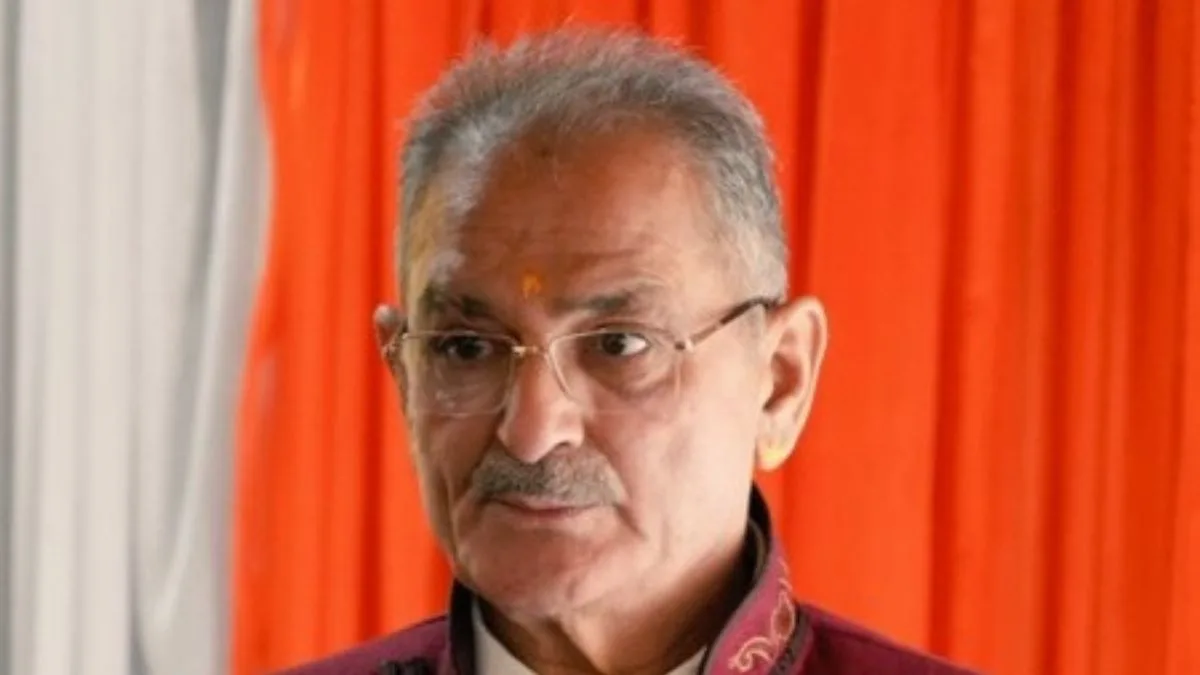
Sources said that the BJP high command might assign him some important assignment in the party setup during the assembly polls in West Bengal.

Statesman News Service | Jammu |

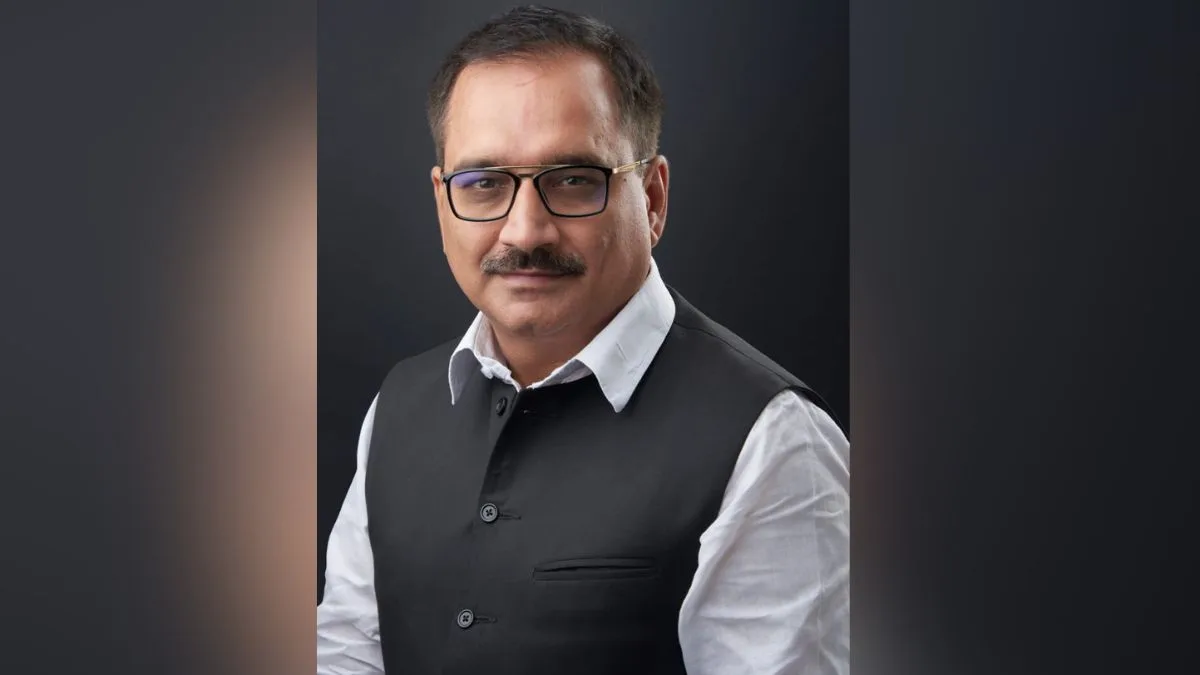
Ahead of the West Bengal assembly elections, Kavinder Gupta on Thursday resigned from the post of Lt. Governor of Ladakh. His resignation has come just about nine months after assuming office as the Lieutenant Governor of the Union territory of Ladakh. Gupta had taken the oath of LG on 18 July last year.

Sources said that the BJP high command might assign him some important assignment in the party setup during the assembly polls in West Bengal.

His tenure as the LG witnessed rising unrest in the region, where civil society groups and organisations such as the Leh Apex Body and Kargil Democratic Alliance were protesting for statehood, Sixth Schedule protections, and job reservations for locals.
During his tenure, Ladakh saw heightened protests in which four youths lost their lives in police firing in September 2025.
Meanwhile, efforts to contact Gupta on mobile phone remained futile.

Uttarakhand witnesses 50% more GSDP growth, reduced poverty with 8.2% annual growth projected

Sundaram said that the Report unveiled that poverty in the state has come down from 9.7 to 6.92 per cent by nearly 2.8 per cent in the same period. This, according to Sundar, was indicated in the Multidimensional Poverty Index (MPI) of the survey report statistics.

PRITHVIRAJ SINGH | Dehradun |

Uttarakhand has witnessed more than 50 per cent rise in GSDP growth as its annual growth rate is projected to be more than 8 per cent while poverty in the Himalayan state is down by 2.8 per cent in the last four four years. The annual growth projected for the state in 2026-27 will be 8.2 per cent.

Principal Secretary, Planning and Power, R Meenakshi Sundaram informed on Thursday that the Economic Survey Report, prepared in association with the National Council of Applied Economic Research (NCAER), revealed that the Gross State Domestic Product (GSDP) of Uttarakhand surged by nearly 54 per cent from ₹2.54 lakh crore in 2021-22 to around ₹3.90 crore in 2024-25.

Sundaram said that the Report unveiled that poverty in the state has come down from 9.7 to 6.92 per cent by nearly 2.8 per cent in the same period. This, according to Sundar, was indicated in the Multidimensional Poverty Index (MPI) of the survey report statistics.

Among other key social indicators, as shared by Sundaram, claimed that the state’s annual growth rate in the financial 2024-25 was around 7.23 per cent and is projected to continue with an increased pace of 8.2 per cent in the financial year 2026-27.

The Report further revealed that the Labor Force Participation Rate (LFPR) in the state Increased from nearly 60 per cent to 64 percent exhibiting more than four percent rise in employment growth. Human Development Index (HDI) improved in the same period from 0.718 in 2021-22 to 0.722 in 2024-25.

The state also underwent substantial Industrial Expansion and growth in startups in the last four years as claimed in the report. Sundaram stated that MSME units in the state grew from 59,798 to 79,394, with employment rising in this sector from 3.43 lakh to 4.56 lakh. Large Industrial units, on the other hand, grew from 107 to 128. The Sstate witnessed a great leap in the startups from zero units in 2017-18 to 1,750 in 2025-26.

According to the principal secretary, planning & infrastructure, connectivity growth too was remarkable in the state between 2021-22 to 2024-25. The network of roads expanded to 51,278 kilometers while the number of heliports increased from two to seven and the strength of helipads almost doubled from 60 to 118 in the last four years.

In the school education and skill development index, dropout rates in the primary school fell to 1.4 per cent, while the secondary school dropouts saw a sharp decline from 7.65 percent to 4.59 percent. In the higher education sector, degree colleges increased to 139 and engineering colleges both government and private grew from 20 to 52.

In health and sanitation, Infant Mortality Rate (IMR) has come down from 22 to 20 in the last four years while Maternal Mortality Rate (MMR) improved from 103 to 91.

It’s notable that the joint economic survey report by the Centre is likely to be unveiled in the coming budget session of the state assembly at gaistain starting from March 9.

‘Execution at sea’: Was IRIS Dena, Iranian frigate sunk by US in the Indian Ocean, unarmed?

The frigate was returning from India after participating in MILAN-2026, a multilateral naval exercise hosted by New Delhi in Visakhapatnam, before it was torpedoed by a US submarine, killing at least 87 sailors. The exercise reportedly required the ship to follow “peace protocol”.

Statesman News Service | NEW DELHI |

The sinking of the Iranian frigate IRIS Dena by a US submarine in international waters near Sri Lanka has raised questions over the circumstances of the attack, with Iran and strategic affairs experts suggesting that the warship may have been operating in a non-combat configuration and was “unarmed”.

The frigate was returning from India after participating in MILAN-2026, a multilateral naval exercise hosted by New Delhi in Visakhapatnam, before it was torpedoed by a US submarine, killing at least 87 sailors.

Commenting on the incident, Strategic affairs expert Dr. Brahma Chellaney raised questions about the nature of the strike, arguing that if the ship was lightly armed or unarmed, and “the strike looks less like combat than a premeditated execution.”

“A Moudge-class frigate such as the IRIS Dena, even if fully armed, would be no match for a U.S. nuclear-powered attack submarine operating in India’s maritime backyard. But the circumstances matter. If the Dena carried little or no munitions — as the ‘peace protocol’ of India’s MILAN-2026 exercise requires — the strike looks less like combat than a premeditated execution,” Chellaney said.

He also raised a “nagging question” about whether India shared intelligence about IRIS Dena with the US under military pacts COMCASA and LEMOA, which may have played a role in locating the Iranian vessel.

“The Nagging Question: Did Shared Intelligence Sink the Iranian Frigate? Under the military pacts COMCASA and LEMOA, India and the U.S. share sensitive maritime data. If a U.S. attack submarine used shared data to locate and sink an Iranian frigate that had just departed an Indian port after participating in a multilateral naval exercise, it would represent a foundational breach of the defense partnership,” he said.

During the harbour phase of the MILAN exercise in Visakhapatnam, participating ships are required to remain in a “safe configuration”, which includes public tours, diplomatic engagements, and fleet reviews under strict safety protocols.

“If the Dena left the exercise area in such a restricted configuration, the imbalance between target and attacker becomes stark: a lightly armed — or possibly unarmed — guest ship departing a cooperative exercise, tracked and destroyed by the world’s most sophisticated undersea warfare platform,” Chellaney said.

Iran claims ship was unarmed

Iran’s Ambassador to India Dr Mohammad Fathali, also condemned the attack, claiming the vessel was unarmed when it was torpedoed by the US submarine.

“We will respond to this assassination very strongly. This ship was unarmed and in a regular maneuver at sea. I think that the United States and the Zionist regime want to disturb and destroy all the international law and international norms,” Fathali said.

Opposition questions India’s silence

The Opposition Congress has also reacted to the incident, with its leader, Sachin Pilot, saying India should stick to its neutral and sensible position in global conflicts. “I hope there is an end soon, the loss of lives and properties will stop… India has always been neutral. India’s position has been like a sane, sensible, mature nation; we should stick to that,” Pilot said.

The Congress leader also questioned the government’s silence, asserting that the sinking of the Iranian vessel occurred in waters close to India’s area of influence.

“As far as action by America is concerned, they attacked suo motu… if there is one-sided activity in our area of influence, then somewhere, India’s territorial integrity, neutral stand that is there, if we don’t speak up, our silence is wrong,” he said.

‘Iranian vessel was struck far from India’s jurisdiction’

However, some in the country believe India bore no responsibility for the incident as the ship had already sailed 250 nautical miles away from India’s coastline. Suresh Nakhua, who describes himself as a BJP supporter, said the frigate was struck far from India’s jurisdiction.

“The strike on IRIS Dena occurred around 250 nautical miles from India’s coastline, in international waters and beyond India’s maritime jurisdiction. While India shares close maritime proximity with several countries across the Indian Ocean, geographical vicinity does not translate into responsibility for every incident in the region,” he added.

CPM expels former MLA PK Sasi after he inaugurated rebel convention in Palakkad

Earlier in the day, Sasi inaugurated the CPM rebel convention at Chandranagar in Palakkad when he unleashed scathing attacks on the party leadership, including district secretary EN Suresh Babu.

Statesman News Service | Thiruvananthapuram |

Immediately after he led a meeting of party rebels in Palakkad, the CPM expelled senior leader and former Shoranur MLA PK Sasi from the party. He had recently stepped down as chairman of the Kerala Tourism Development Corporation(KTDC).

Earlier in the day, Sasi inaugurated the CPM rebel convention at Chandranagar in Palakkad when he unleashed scathing attacks on the party leadership, including district secretary EN Suresh Babu. It is against this backdrop that the CPM decided to expel him from its primary membership.

Speaking at the convention, Sasi said it is not a rebel convention, but a convention of revolutionaries. “If you want to see the face of the revolutionary movement in the district, a group that has the strength to lead the communist movement with dedication, you should look at this convention,” he said.

“Corruption and spirit trade are all being carried out under the cover of governance. A person holding a responsible party position is the first accused in the spirit case. This convention is an expression of the anger of all those who raised their voices against this injustice and immorality from within the party,” Sasi said.

It may be noted that PK Sasi, a senior party leader and former MLA, turned up and inaugurated the CPM rebel convention in Palakkad a day after senior party leader and former minister G Sudhakaran indicated that he might be ending his long association with the party, stating that he does not wish to continue in the party in a manner that would cause discomfort to leaders including party state secretary M V Govindan.

G Sudhakaran, in a Facebook post along with a video clip of state secretary MV Govindan’s press conference in which the latter said that Sudhakaran does not deserve any consideration, said he would not renew his membership during the 2026 membership scrutiny period, effectively parting ways with the CPM.

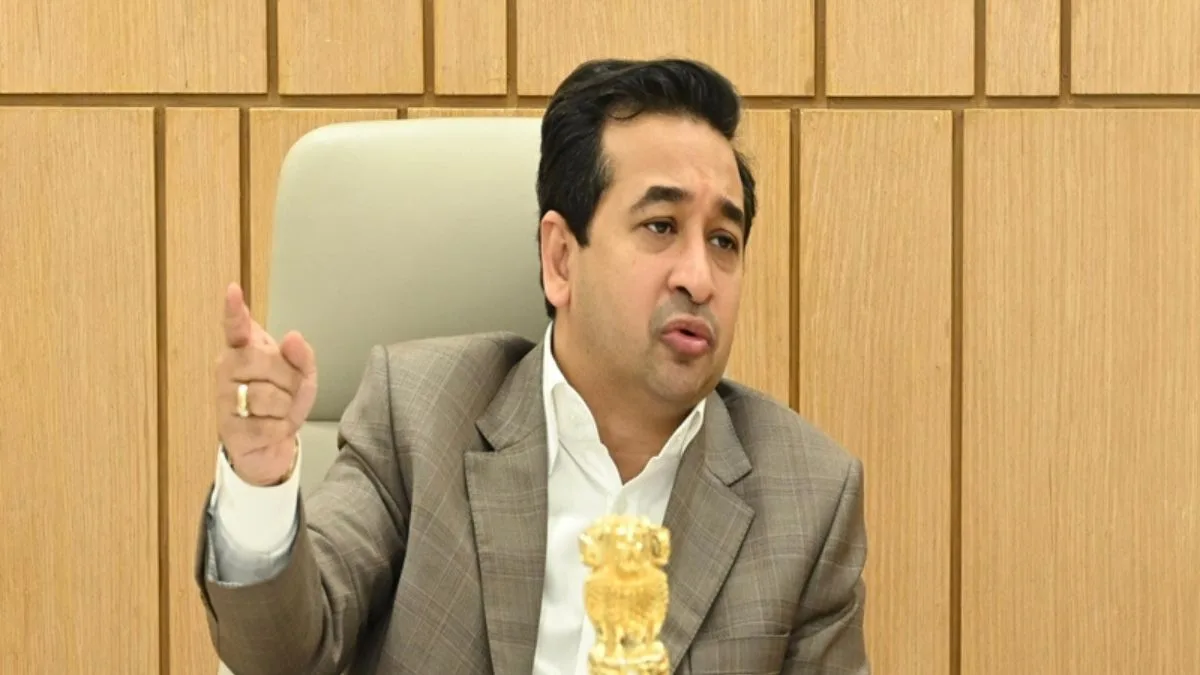
Maharashtra will introduce anti-conversion law, says Minister Nitesh Rane

Speaking to media persons, Nitesh Rane said there has been a long-standing demand in Maharashtra for such a law to prevent religious conversions from several Hindutva organisations and activists who have been campaigning for several years for such a law.

Statesman News Service | Mumbai |

The Maharashtra government has approved the Anti-Conversion (Anti-Religious Conversion) Bill at a cabinet meeting. The Bill is expected to be introduced in both the Legislative Assembly and the Legislative Council soon, Fisheries and Ports Development Minister Nitesh Rane said here on Thursday.

Speaking to media persons, Nitesh Rane said there has been a long-standing demand in Maharashtra for such a law to prevent religious conversions from several Hindutva organisations and activists who have been campaigning for several years for such a law.

“During assembly elections, we had said that we would bring a strong anti-conversion law in Maharashtra, or an anti-Love Jihad law, after our government comes to power. This promise was given by Chief Minister Devendra Fadnavis. Today, I am deeply satisfied that a strong anti-conversion law has been passed by the cabinet in Maharashtra. This Bill has been approved under the ‘Religion Independence Act 2026’. Now a Government Resolution (GR) will be out soon,” Rane said.

“A very effective anti-conversion law will be implemented in Maharashtra. I sincerely thank Chief Minister Devendra Fadnavis, Deputy Chief Minister Eknath Shinde and Deputy Chief Minister Sunetra Pawar for this law. Many activists and Hindutva organisations had taken out marches to get this law implemented. Many people fought for the implementation of this law. Now, this law will be implemented soon,” Rane said, adding that the law will be more effective than similar laws in Madhya Pradesh and Gujarat.

Under the Anti-Conversion (Anti-Religious Conversion) Bill, forcibly converting someone or inducing anybody to convert to another religion by luring or using temptation will be treated as a non-bailable offence, Rane said, adding that technical details of the law will be made public shortly.

The Maharashtra government previously expressed its plan to introduce an anti-conversion law. The government had formed a high-level committee to study the legal issues related to a possible law targeting forced conversions and cases often referred to as “love jihad”.

Rane also welcomed a recent verdict of the Bombay High Court regarding namaz on the roads. “The verdict should be welcomed. There are enough mosques and places for offering namaz. So, there is no need to pray on streets or airports. Why insist on doing it everywhere? If namaz has to be offered on streets and airports, what is the need of mosques? Those spaces should be given to schools and other institutions instead,” Rane said.

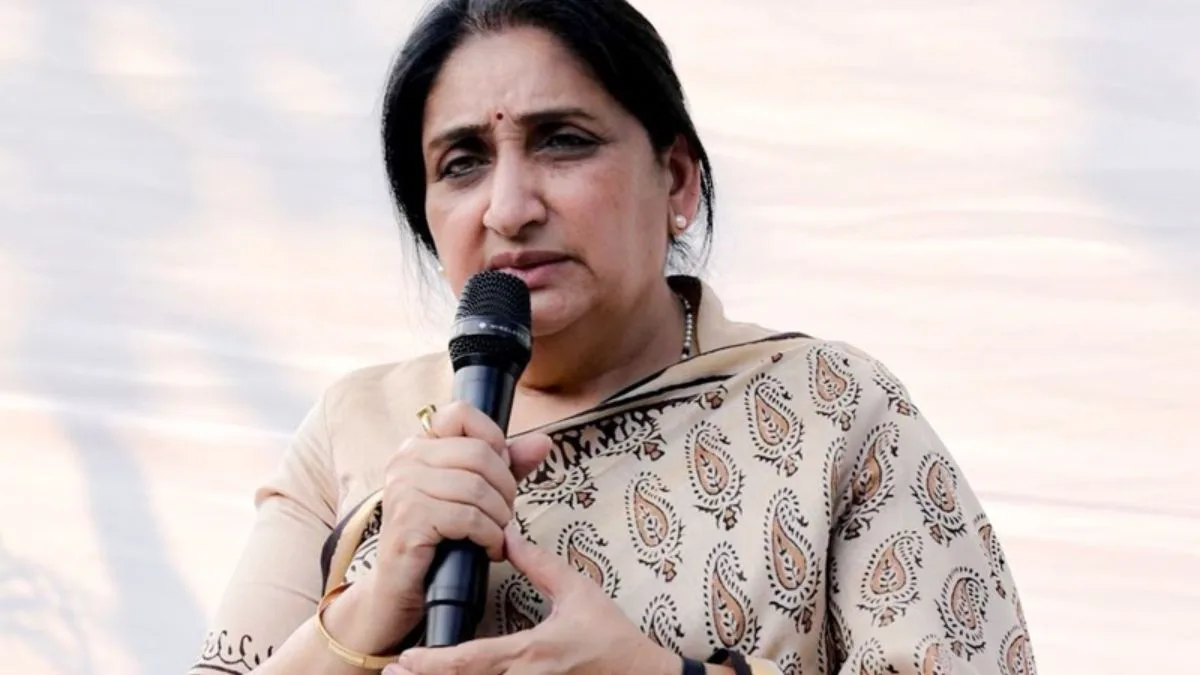
Deputy CM Sunetra Pawar likely to meet PM over Ajit Pawar’s air crash

Ajit Pawar-led NCP MLAs also met Maharashtra CM Devendra Fadnavis late Thursday evening to discuss several errors in the Aircraft Accident Investigation Bureau’s (AAIB) 22-page preliminary report, which was released last week.

Statesman News Service | Mumbai |

Maharashtra Deputy CM Sunetra Pawar is likely to meet Prime Minister Narendra Modi with a request to thoroughly investigate the January 28 air crash that killed the late Ajit Pawar, sources said.

Ajit Pawar-led NCP MLAs also met Maharashtra CM Devendra Fadnavis late Thursday evening to discuss several errors in the Aircraft Accident Investigation Bureau’s (AAIB) 22-page preliminary report, which was released last week.

It is also learnt that the late Ajit Pawar’s family, including Deputy CM Sunetra Pawar, her elder son Parth Pawar and younger son Jai Pawar, seem to suspect that the January 28 air crash was not a mere accident, but a murder.

Meanwhile, Sharad Pawar-led NCP’s working president and Rajya Sabha MP Supriya Sule has also demanded a transparent investigation into the late Ajit Pawar’s accident. She said that all people who love Ajit Pawar are upset after his accident and demanded a “transparent investigation” into the case.

Meanwhile, the Maharashtra Criminal Investigation Department (CID) stated on Thursday that it has recorded the statement of VK Singh, who is known to be a top official of VSR Ventures, the New Delhi-based air charter company whose ill-fated aircraft flew late Deputy CM Ajit Pawar on January 28 from Mumbai airport to the Baramati airstrip.

A CID official confirmed that VK Singh was being questioned as part of the investigation, adding that no further details could be shared.

In a related development, Vikas Lawande, a spokesperson and organising secretary of the Sharad Pawar-led NCP, tweeted from his official X handle stating that the late Ajit Pawar’s air crash was a well-planned “murder”, since he was “a big political obstacle for someone”.

“Considering the role of the government and the investigating agencies, I am of the firm opinion that the murder of respected Ajit Dada was well-planned. Efforts are being made from the highest levels to suppress this case because Ajit Dada must have become a big political obstacle for someone. If we examine history, we will find that many cases have been suppressed,” Lawande stated in his tweet in Marathi, which has gone viral on social media.

Iran-US war: 1 lakh Lucknowites stranded in Gulf countries, families distraught

According to the city’s travel agency operators, there are currently around 1 lakh people from Lucknow in Gulf countries. They are stranded in Gulf countries such as Iran, Oman, Bahrain, Muscat, Riyadh, Dubai, Ras Al Khaimah and Sharjah.

UNI | Lucknow |

Family members of around 1 lakh people of the city of Nawabs, presently residing in Iran and Gulf countries, are experiencing sleepless nights due to the US-Israel attack on Iran and the bombing of Gulf countries by Tehran.

According to the city’s travel agency operators, there are currently around 1 lakh people from Lucknow in Gulf countries. They are stranded in Gulf countries such as Iran, Oman, Bahrain, Muscat, Riyadh, Dubai, Ras Al Khaimah and Sharjah.

People say when family members call from Lucknow to check on their well-being, they hear the sound of bomb blasts in the background. This has only increased their anxiety. Lucknow airport operates 115 flights to Gulf countries every week. The cancellation of these flights has caused distress in the region.

Lucknow also witnessed massive protests against the US-Israel early this week after the death of the Shia religious leader and Supreme Commander of Iran, Ayatollah Ali Khamenei. Meanwhile, Shia religious leader Maulana Kalbe Jawad said, “My sister, nephew, and younger son are in Iran.

Many family members live there. My son, Kalbe Ahmed, has been studying in Iran for a long time. The city of Qom, where he lives, has been hit by missile attacks. But thank God, he is completely fine. Our son has been in Iran for almost six years. My nephew has been living there for 16 years.”

Shia Maulana said, “Action should be taken against Israel and the US through the UNO. Those who attacked the school and killed over 150 children. So many people have been killed. Our Indian government pretends to be against terrorism.”

Maulana Jawad said, “Our government has accepted Trump as its master. Trump said we should stop buying oil from Russia and the govt acted so. This means we have moved from slavery under the British to Trump”. He further said, “Our government should say that they were once slaves of the British, but now they belong to the US. Our leader has been martyred in a terrorist attack. On one hand, they were holding discussions for peace, while on the other hand, Khamenei was eliminated in an attack. We will always oppose this.”

Ravish Zaidi, from Lucknow, works as a reporter for an Iranian state-run TV channel in Tehran. His father, Amir Abbas Zaidi, expressed concern about the situation in Iran.

He said, “My son has been in Iran for almost 17 years. He suffered a heart attack 15 days ago and underwent open-heart surgery.” It’s been three days since he was discharged from the hospital and returned home. Now, the attacks have suddenly begun, which has increased our anxiety.

My son has sent me photos of the attack site. An attack occurred 100 meters from where my son is. About 30 bombs were dropped.

“We tried to call him to Lucknow, but he didn’t come. Whenever a war starts, our hearts become very nervous and anxious. Last year, when an Israeli bomb hit an Iranian building, it was seen live. Our son reported and left the scene 15 seconds before the incident. This saved his life,” Amir Abbas said.

Hookah bar-red from tax concession In West Bengal eteries, to be charged at 18-40% + taxes

It also ruled that there is no justification for a composite tax of 5 per cent under Clause 6(b) of Schedule II of the CGST rules.

Statesman News Service | New Delhi |

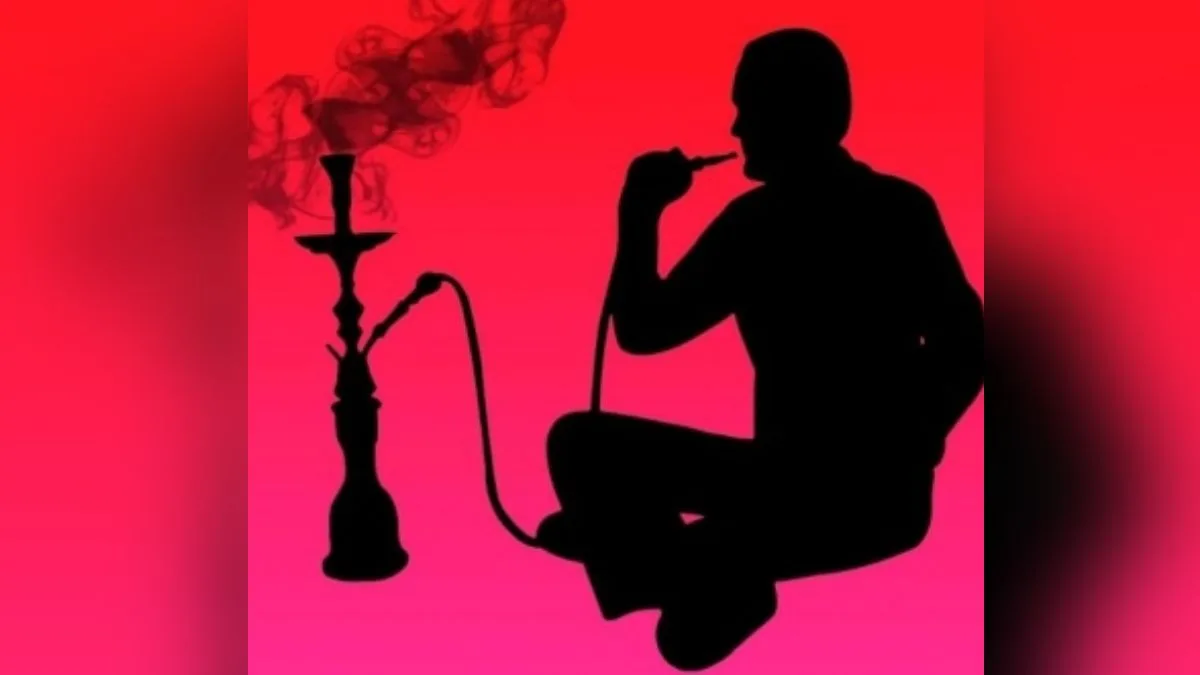
In a landmark ruling which will have far-reaching implications on the country’s eateries and drinking dens, the Authority for Advance Ruling (AAR) – GST of West Bengal has recently ruled that restaurants and bars cannot “put food, drinks and smoking hookahs within the same bracket” even when they are served in the same table in a restaurant or a bar.

It also ruled that there is no justification for a composite tax of 5 per cent under Clause 6(b) of Schedule II of the CGST rules.

Disposing an application seeking advance ruling by a restaurant brand, Pappu Chaiwala, the AAR observed that the phrase “any other article of human consumption” appearing in Clause 6 (b) of Schedule II of CGST cannot include tobacco or non-tobacco hookahs.
“These food and hookah are two taxable supplies,” the AAR observed.

So far, various restaurants operating as Hookah bars predominantly supply hookah services in addition to ancillary food items and are charging GST at the concessional rate of 5 per cent treating the entire activity as a restaurant service.

Refusing to take the argument that Hookahs, both tobacco-based and non-tobacco based, are not provided as an independent service and provided to customers who order food and beverages and therefore form part of the overall hospitality service being imparted in a restaurant environment, the Authority said that “Smoke does not qualify for any form of ‘edible substance’,” and, therefore, tobacco or non-tobacco products in a hookah falls outside Clause 6(b)’s scope.

The AAR ruled that tobacco should be counted as a separate supply altogether and taxed at 18 per cent for (non-tobacco) and 40 per cent for tobacco-based Hookah served at restaurants and bars.

“Across the industry, many restaurants offering hookah have been treating it as a composite restaurant supply and applying the concessional 5 per cent GST rate. The West Bengal AAR ruling fundamentally disrupts that position by holding that hookah is a separate supply of goods, taxable at 18 per cent in case of non-tobacco variants and 40 per cent plus applicable cess in case of tobacco products.

“This creates an immediate classification reset for operators who have built pricing models around the lower rate,” said Manoj Mishra, Partner and Tax Controversy Management Leader, Grant Thornton Bharat.

Mishra said that the exposure could be significant for businesses. “For outlets where hookah sessions are priced between INR 800 and INR 1500 and form a steady revenue stream, the differential tax impact over several years may translate into sizable demands, along with interest and potential penalty.

“Beyond the immediate numbers, the ruling sharpens the interpretation of composite supply under GST and signals a more rigorous approach to bundled offerings. Businesses will need to reassess historical positions, provisioning strategies and contract structures with urgency,” he said.

“The impact will be devastating,” agreed Sudesh Poddar, president of Hotel & Restaurant Association of Eastern India (HRAEI), the regional body affiliated to Federation of Hotel & Restaurant Associations of India (FHRAI), while talking to UNI.

Kerala LoP accuses LDF govt false campaign against previous UDF regime

Speaking to media persons here on Thursday, Satheesan said the Public Relations Department of the state government is engaging itself in a false campaign through newspapers against the previous UDF government by spending the money from the state exchequer.

Statesman News Service | Thiruvananthapuram |

Leader of the Opposition in the Kerala Assembly and senior Congress leader V D Satheesan on Thursday accused the CPM-led LDF government of running a false campaign against the previous UDF regime by spending money from the state exchequer.

Speaking to media persons here on Thursday, Satheesan said the Public Relations Department of the state government is engaging itself in a false campaign through newspapers against the previous UDF government by spending the money from the state exchequer.

“The Public Relations department (PRD) of the Government of Kerala is giving a false campaign to the newspapers against the UDF by spending the money from the state exchequer. Some media houses are receiving this amount and are propagating against the previous UDF government. We will fight against it,legally and politically,” he said.

Meanwhile, senior Congress leader and former state home minister Ramesh Chennithala said it seems the PRD is now working at the AKG Centre( CPM state Headquarters) and that the department has been reduced to a political propaganda wing of the CPM.

He said the PRD’s advertisements appeared in newspapers on Thursday were political and the department has never given such propaganda materials previously. “The PRD is spreading false stories. If the PRD officials are not careful, they will have to answer for all this,” Chennithala said.

The Congress leaders came out against the PRD in the backdrop of the advertisements published in many newspapers in the state mocking the UDF era . The advertisement was in the guise of a news story about the failures of the UDF era.

‘Load shedding from today, 40 per cent of schools under threat of closure, KSRTC on the verge of closure, pensions have been suspended for eighteen months’. These headlines that appeared in many newspapers in Kerala on Thursday seem to be against the government, and are not actually news. They are advertisements mocking the UDF era. This advertisement given by the PRD has appeared in most newspapers.

This is given by comparing the Oommen Chandy government and the Pinarayi Vijayan government. While the first page contains the issues that the Left Front alleges were the difficulties Kerala faced during the Oommen Chandy government’s rule, the second page says that the same issues were resolved during Pinarayi Vijayan’s rule.


PM Modi, Macron discuss ‘shared concerns’ over evolving West Asia situation

External Affairs Minister (EAM) S Jaishankar held a telephonic conversation with his Iranian counterpart Seyed Abbas Araghchi amid escalating conflict with Israel and the US.

Nikhil Vyas | New Delhi |

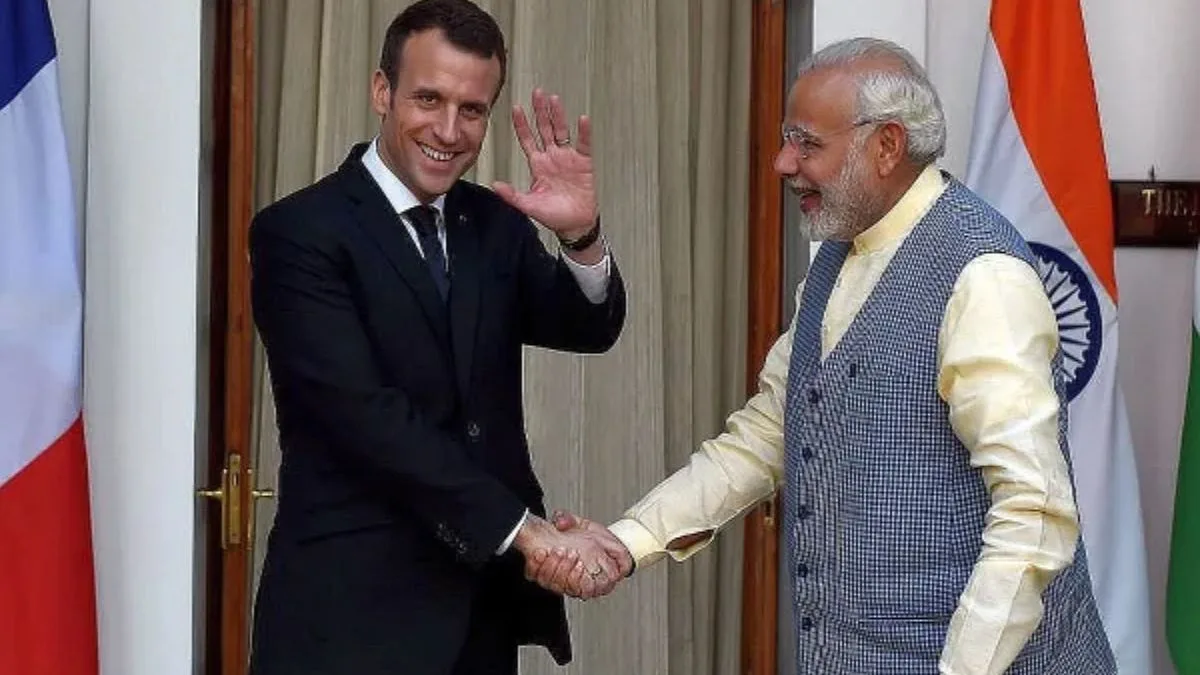
Prime Minister Narendra Modi on Thursday held a telephonic conversation with French President Emmanuel Macron during which both the leaders discussed their ”shared concerns” over the escalating conflict in Iran and the Gulf region.

Meanwhile, External Affairs Minister (EAM) S Jaishankar held a telephonic conversation with his Iranian counterpart Seyed Abbas Araghchi amid escalating conflict in West Asia.

In a post on X, after the telephonic conversation with French President Emmanuel Macron, PM Modi said, “Spoke with my friend President Emmanuel Macron today. We discussed our shared concerns over the evolving situation in West Asia and the need for a return to dialogue and diplomacy. We will continue to engage closely and coordinate efforts towards the early restoration of peace and stability in the region.”

After his interaction with the Iranian FM, EAM Jaishankar wrote on X, “Had a telecon with Iranian FM Seyed Abbas Araghchi this afternoon.”

Jaishankar also held a telephonic conversation with his Oman counterpart Sayyid Badr bin Hamad bin Hamood Albusaidi on Thursday, discussing the ongoing conflict in West Asia. Following the conversation, he wrote in a post on X, “Spoke with FM Sayyid Badr bin Hamad bin Hamood Albusaidi of Oman on the ongoing conflict in West Asia.”

Earlier in the day, Foreign Secretary Vikram Misri, on behalf of the Government of India, signed the condolence book at the Iranian Embassy in New Delhi and offered condolences on the death of Iran’s Supreme Leader Ayatollah Ali Khamenei.

Earlier on March 3, the Ministry of External Affairs (MEA) had issued a statement on ongoing conflict in the West Asia region.

India on Tuesday expressed deep concern over the escalating conflict in Iran and the Gulf region, urging all sides to exercise restraint and prioritise civilian safety. The situation has deteriorated significantly, with increased violence and disruptions to normal life. “There are almost one crore Indian citizens who live and work in the Gulf region. Their safety and well-being are of utmost priority. We cannot be impervious to any development that negatively affects them,” the MEA said in the statement.

“Our trade and energy supply chains also traverse this geography. Any major disruption has serious consequences for the Indian economy. As a country whose nationals are prominent in the global workforce, India is also firmly opposed to attacks on merchant shipping. Already, some Indian nationals have lost their lives or are missing as a result of such attacks in the last few days,” said the statement.

“India strongly reiterates its call for dialogue and diplomacy. We raise our voice clearly in favour of an early end to the conflict. Already, many lives have been regrettably lost and we express our grief in that regard,” the statement further stated.

The conflict in West Asia was triggered by the joint US-Israel strikes against Iran on February 28, aimed at degrading Tehran’s missile capabilities and defence infrastructure. The opening operation killed senior figures in the Iranian leadership, including Supreme Leader Ayatollah Ali Khamenei, triggering a response from Tehran in the form of drone and missile attacks targetting US assets, regional capitals and allied forces across the region

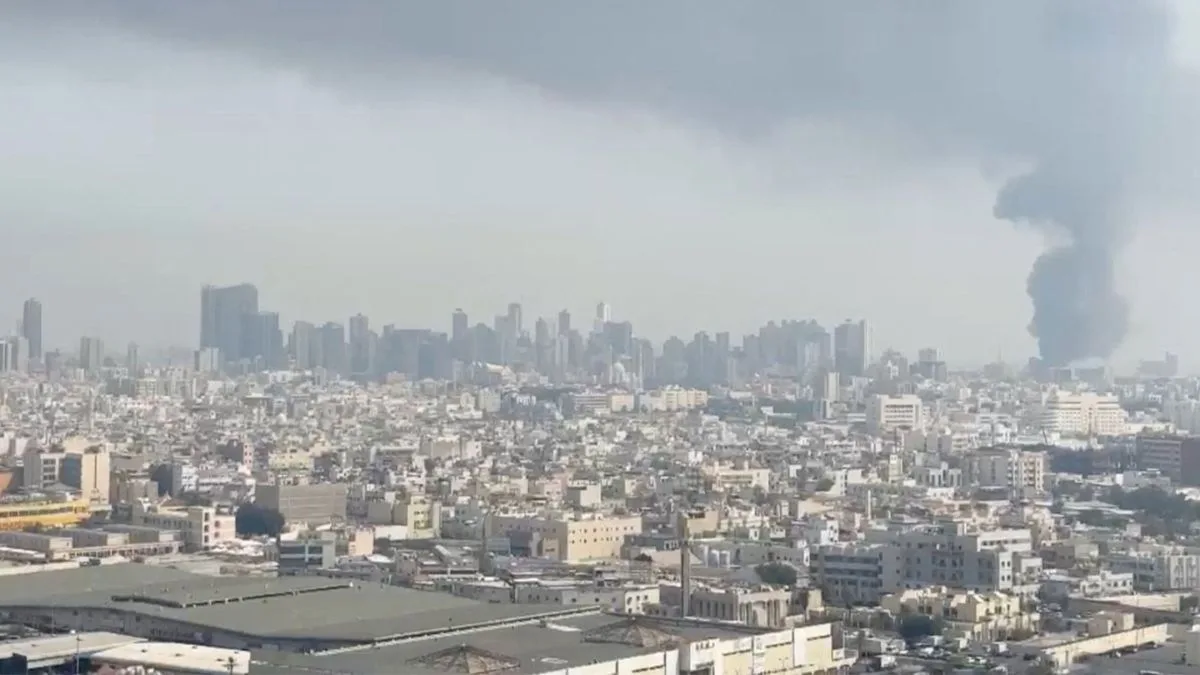
Iran’s retaliatory strikes have spanned several countries, with missiles and drones intercepted over Kuwait, Bahrain and the United Arab Emirates, prompting temporary airspace closures.

PM Modi likely to address BJP’s Brigade rally in Kolkata on March 14

Senior state BJP leaders said the revised schedule has been confirmed internally within the party.

UNI | Kolkata |

Prime Minister Narendra Modi is now likely to address a public rally at Kolkata’s Brigade Parade Ground on March 14, a day earlier than the previously scheduled date, Bharatiya Janata Party (BJP) sources said on Thursday.

Senior state BJP leaders said the revised schedule has been confirmed internally within the party.

As per the tentative programme, the Prime Minister is expected to arrive in Kolkata on the night of March 13, address the rally the following day, and return to New Delhi later the same evening.

The proposed rally at the Brigade Parade Ground is expected to formally kick off the BJP’s high-intensity campaign for the upcoming West Bengal Assembly elections.

The development comes amid indications that the Election Commission may announce the poll schedule for the state as early as next week, triggering heightened political activity across West Bengal.

Major political parties have already intensified organisational outreach and campaign preparations ahead of the elections.

The BJP leadership is hopeful that the Prime Minister’s address at the iconic Kolkata venue will energise party workers and consolidate support ahead of the crucial electoral battle.

Brigade Parade Ground has traditionally been regarded as one of West Bengal’s most politically significant venues, hosting several landmark rallies by major political parties over the decades.

Ahead of the 2021 Assembly elections, Prime Minister Modi had addressed a massive gathering at the same ground on March 7 as part of the party’s state-wide campaign.

In the run-up to the forthcoming polls, the BJP has been conducting a series of “Parivartan Yatras” across different regions of the state to build grassroots momentum.

Party sources indicated that these yatras are expected to culminate in the Brigade rally to be addressed by the Prime Minister.

Political observers are expected to closely watch the address from the Brigade stage, particularly for signals on the BJP’s electoral strategy and campaign direction in the lead-up to the Assembly elections.

With advanced digital platforms, govt services becoming simpler, more accessible: Delhi CM

CM Gupta stated that the process of grievance redressal has become faster, while the system has also become more transparent now.

Statesman News Service | New Delhi |

As part of various reforms currently underway, related to governance in the national capital, adaptation of advanced technology platforms across the departments aimed at realising better work efficiency is expected to boost the city’s development across different sectors.

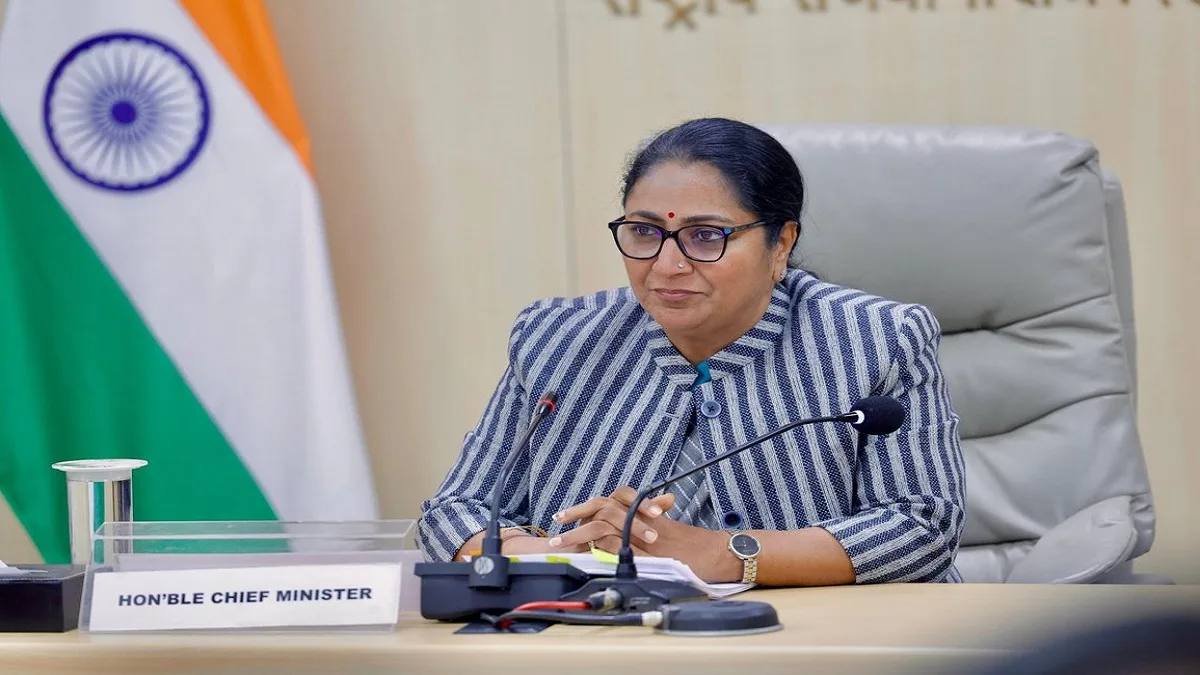
Taking to social media platform X, Chief Minister Rekha Gupta on Thursday said her government is ensuring transparency, accountability, and promptness in services by transforming technology into a powerful medium in the system of governance. According to her, with the advanced digital platforms, services offered by the government are not only becoming simpler but also more accessible and time-bound.

CM Gupta stated that the process of grievance redressal has become faster, while the system has also become more transparent now.

She had earlier said that her government was establishing an administrative culture where processes are simple, the system is responsive, and solutions are delivered to the citizens within a time frame by making effective use of advanced technology.

Earlier, in her remark on the administrative work culture, she said previously it was confrontation which used to dominate governance. The present government has prioritized effective dialogue and coordination, rather than any kind of confrontation. The government has also strengthened systems through bringing in place digital mechanisms, financial discipline and institutional reforms.

The Information and Technology Department is working on an integrated digital ecosystem for establishing inter-departmental connections, enhancing transparency, and empowering citizens through the use of technology.

Some time ago, Delhi’s IT minister had informed that after observing and learning from successful models in other states like Haryana, Maharashtra, and Rajasthan and by adopting the best practices, work is being done with an aim to have a seamless governance framework.

The core of the government’s digital transformation agenda lies in the development of an umbrella IT framework that integrates data, schemes, and services across departments.

To bridge the digital divide and promote last-mile delivery of services, the Common Service Centres (CSC) is made to enable citizens to conveniently access e-District services across Delhi. The initiative is going to benefit those individuals who do not have personal digital access, allowing them to obtain essential government certificates and services.

Similarly, another reform, which is the Digital Asset Management Information System (DAMIS), aims to create a digital inventory of all immovable government assets across departments and agencies, which is for enhancing transparency, support optimal utilization, and enable inter-departmental coordination through a single repository.

Shinde nominates Jyoti Waghmare as Rajya Sabha candidate

Earlier on Thursday, Shinde initially decided to spring a surprise by announcing two candidates for the Rajya Sabha election, namely Professor Jyoti Waghmare and Rohit Tilak, who happens to be the great-grandson of Lokmanya Tilak, in a bid to pit Tilak against the opposition Maha Vikas Aghadi’s (MVA) only Rajya Sabha candidate, NCP founder Sharad Pawar.

Statesman News Service | Mumbai |

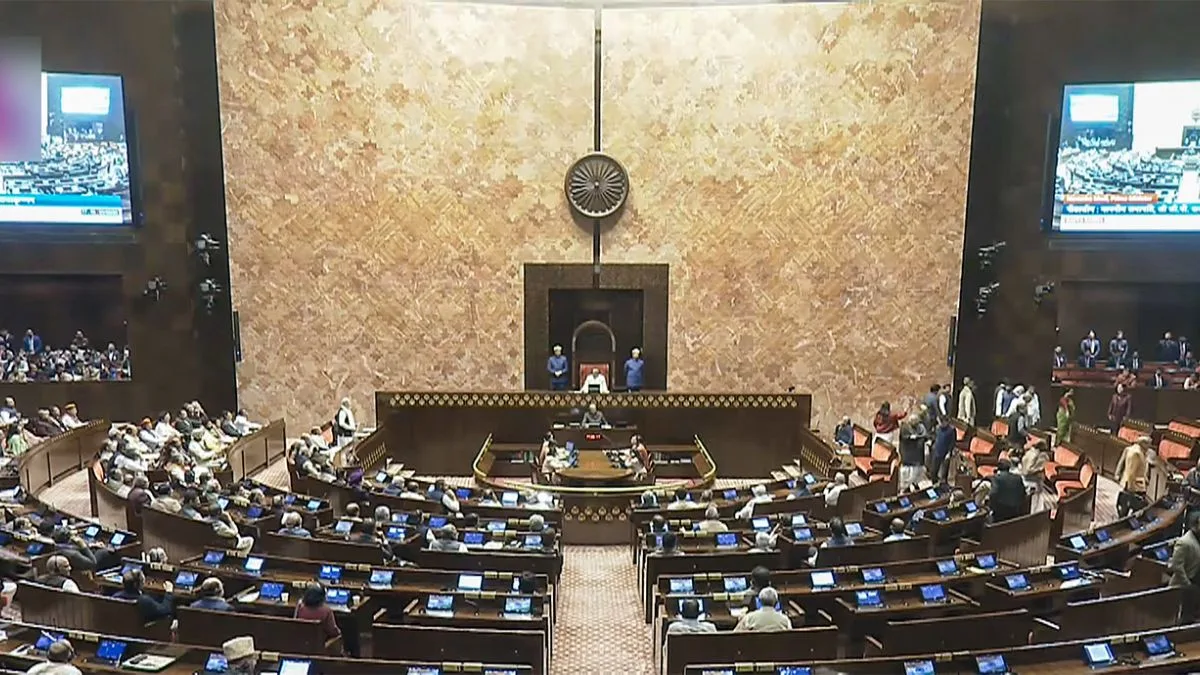
Deputy Chief Minister Eknath Shinde on Thursday nominated Prof Jyoti Waghmare as the Shiv Sena candidate for the forthcoming Rajya Sabha election in Maharashtra under the BJP-led Mahayuti ruling alliance. March 5 was the last day for filing nominations in Maharashtra.

Earlier on Thursday, Shinde initially decided to spring a surprise by announcing two candidates for the Rajya Sabha election, namely Professor Jyoti Waghmare and Rohit Tilak, who happens to be the great-grandson of Lokmanya Tilak, in a bid to pit Tilak against the opposition Maha Vikas Aghadi’s (MVA) only Rajya Sabha candidate, NCP founder Sharad Pawar.

Yet, in a last-minute twist, while actually filing nominations at the Vidhan Bhavan here on Thursday, Shinde ensured that only one candidate, namely Professor Jyoti Waghmare, filed the nomination papers for the Rajya Sabha election at the Vidhan Bhavan.

Consequently, it is now clear that the only opposition Maha Vikas Aghadi (MVA) candidate for the Rajya Sabha elections, NCP founder Sharad Pawar, will win unopposed.

As things stand, the ruling BJP-led Mahayuti has filed six nominations for the Rajya Sabha elections. The BJP has filed four nominations, while the Ajit Pawar-led NCP has filed one nomination for Deputy CM Sunetra Pawar’s elder son, Parth Pawar, and one nomination has been filed by the Eknath Shinde-led Shiv Sena, whose candidate is Professor Jyoti Waghmare.

The development came a day after the BJP-led Mahayuti announced its candidates for Rajya Sabha elections, namely Vinod Tawde, Maya Chintaman Ivnate and Ramrao Wadkute, besides Republican Party of India President and Union Minister of State Ramdas Athawale, even as the Ajit Pawar-led NCP nominated Deputy CM Sunetra Pawar’s elder son Parth Pawar, on Wednesday.

Scrutiny of applications will be completed on March 6 (Friday), while the last date for withdrawal of candidature is March 9 (Monday). The Rajya Sabha election is scheduled for March 16, and voting will be held from 9 am to 4 pm. Election results will be declared after 5 pm the same day.

According to sources, Shinde had been toying with a plan to defeat the only opposition Maha Vikas Aghadi (MVA) candidate, Sharad Pawar. Shinde’s calculation was that his Shiv Sena has an additional 20 votes from his party’s MLAs for the Rajya Sabha elections, while the Ajit Pawar-led NCP, which is another constituent of the ruling BJP-led Mahayuti alliance, has an additional three votes. Shinde believed that this gave him enough political leeway to pit a second Rajya Sabha candidate like Rohit Pawar against MVA’s Sharad Pawar, sources said.

Yet, at the last moment, Deputy CM Eknath Shinde chose not to field Rohit Pawar against MVA’s Sharad Pawar, sources said.

Therefore, only the Shinde Sena candidate Professor Jyoti Waghmare ended up filing her nomination at the Vidhan Bhavan on Thursday.

Shinde’s nominee Prof Jyoti Waghmare, who comes from the Ambedkarite movement, holds a PhD in English literature and speaks fluent Marathi as well as Telugu, which is her mother tongue. Her father used to be a corporator. She resigned her professorship in Solapur to enter active politics.

Professor Waghmare was the president of the Solapur City Mahila Congress in 2014. After joining the Eknath Shinde-led Shiv Sena in 2022, she was appointed as the Eknath Shinde-led Shiv Sena’s Maharashtra state spokesperson due to her aggressive style of oratory.

Meanwhile, NCP founder Sharad Pawar filed his nomination for the Rajya Sabha election as the opposition Maha Vikas Aghadi’s (MVA) candidate here on Thursday, though he was unable to file his nomination in person due to health reasons. Due to this, election officials went to Sharad Pawar’s ‘Silver Oak’ residence in South Mumbai and completed all the procedures. This is the first instance of its kind, where election officials went to the residence of a sick person who could not physically go to file his nomination for the Rajya Sabha election.

This method of filing nomination for the Rajya Sabha election was facilitated by a Supreme Court verdict in the Pashupatinath versus Harihar Prasad Singh case in 1968, according to which, if the candidate is unable to be physically present due to any valid reason, including health, it is mandatory to submit an affidavit in the prescribed form as per Article 84A of the Constitution.

Accordingly, JJ Hospital’s Superintendent Sanjay Suravase went to Sharad Pawar’s residence on Thursday, after which Sharad Pawar’s proposer Jayant Patil went to the Maharashtra Legislative Assembly and submitted Sharad Pawar’s application to the Election Officer.

All top leaders of the opposition Maha Vikas Aghadi (MVA) were present as Sharad Pawar filed his nomination here on Thursday, including Sharad Pawar-led NCP working president as well as Lok Sabha MP Supriya Sule, Uddhav Thackeray-led Rajya Sabha MP Sanjay Raut, senior Sharad Pawar-led NCP Jayant Patil, Sharad Pawar-led NCP MLA Rohit Pawar, Maharashtra Congress state unit president Harshvardhan Sapkal and senior leader Congress Vijay Wadettiwar.

However, Aditya Thackeray was absent at the event, leading to speculation in political circles.

The last of Atal era chief ministers bids adieu to state politics

A veteran of both state and national politics, Nitish Kumar first entered electoral politics in 1985, when he was elected as a Member of the Legislative Assembly (MLA) for the first time.

Statesman News Service | NEW DELHI |

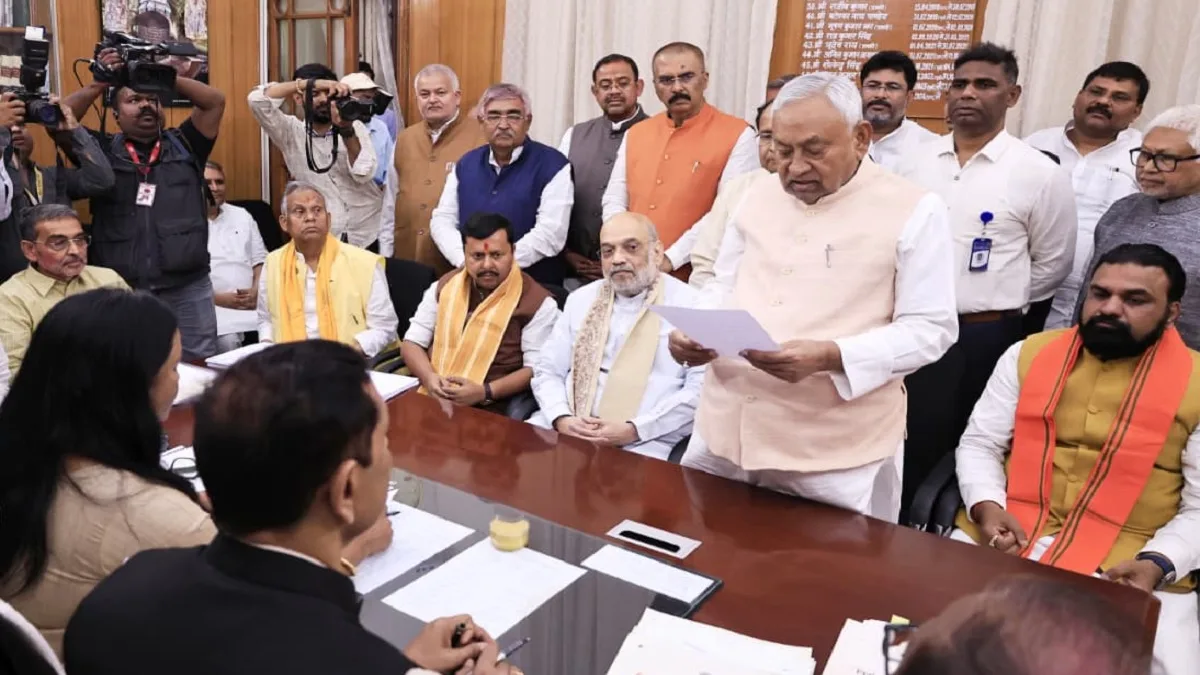
Marking the end of an era in Indian state politics, Bihar Chief Minister Nitish Kumar, the last of the political generation shaped during former Prime Minister Atal Bihari Vajpayee’s time, on Thursday announced a new innings in national politics and filed his nomination as the NDA candidate for the Rajya Sabha elections.

In a detailed social media post on X, Nitish Kumar, who has served as the Chief Minister of Bihar for a record 10 times, said that he is going to fulfil his long-held desire to represent both Houses of Parliament.

“From the very beginning of my parliamentary journey, there has been a desire in my heart to become a member of both Houses of the Bihar Legislature as well as both Houses of Parliament. In keeping with this aspiration, I seek to become a member of the Rajya Sabha in the elections being held this time,” he said, bidding adieu to state politics.

Kumar said that his relationship with the people of Bihar will continue in the future as well. He also extended his full cooperation and guidance to the new government.

6 times MP, 10 times Chief Minister, and now Rajya Sabha

Nitish Kumar has been a Member of Parliament six times. He has served as Bihar’s Chief Minister a record 10 times. He has also been a member of the Legislative Council and an MLA. For nearly two decades, he has been handling the responsibility of the Chief Minister’s post in Bihar.

He has been the face of the government in alliances with BJP-JD(U) and also in the Mahagathbandhan with RJD. His frequent change of allies also earned him the moniker “Palturam” from his critics. His admirers, however, called it his unique ability to assess which way the political winds were blowing.

A veteran of both state and national politics, Nitish Kumar first entered electoral politics in 1985, when he was elected as a Member of the Legislative Assembly (MLA) for the first time.

In 1989, he became a Member of Parliament for the first time and went on to serve six terms in the Lok Sabha. He became minister for the first time in 1990.

Kumar first assumed office as the Chief Minister of Bihar in 2000, and later, in 2006, he became a Member of the Bihar Legislative Council (MLC) for the first time. He returned to power on November 24, 2005, serving until November 25, 2010, followed by another term from November 26, 2010, to May 19, 2014.

He again became Chief Minister on February 22, 2015, serving until November 19, 2015, and continued in office from November 20, 2015, to July 26, 2017. Kumar then held the top post from July 27, 2017, to November 12, 2020, followed by another term from November 16, 2020, to August 9, 2022.

He returned to the position again on August 10, 2022, serving until January 28, 2024, and subsequently from January 28, 2024, to November 19, 2025. His current term began on November 20, 2025.

Buzz around Nishant Kumar’s entry into Bihar Cabinet

Nitish Kumar has largely kept his family away from politics until last year when his son Nishant played an active role in Bihar Assembly elections.

Kumar was married to Manju Kumari Sinha. She was a teacher by profession and passed away on May 14, 2007, in a hospital in New Delhi. Nishant is likely to enter active politics soon by becoming an MLC (Member of Legislative Council). Reports also suggest that Nitish wants his son to be made the deputy chief minister of Bihar after his Rajya Sabha move. However, the BJP is said to be reluctant about his demand for it will make its “dynastic politics” charge on Lalu Yadav-led RJD weaker.

Ask Congress why it never discovered gallows in Old Secretariat: Sachdeva to AAP

Sachdeva alleged that the demand for live streaming of the meeting of the Privileges Committee of the Delhi Assembly by AAP leaders is merely aimed at creating political propaganda without constitutional justification.

Statesman News Service | New Delhi |

Delhi BJP president Virendra Sachdeva on Thursday said that now that the lies of the Aam Aadmi Party (AAP) and its supremo Arvind Kejriwal on a purported “gallows room” in the Old Secretariat are exposed they (the AAP) are ready to spread more falsehoods to cover up that one lie.

Sachdeva alleged that the demand for live streaming of the meeting of the Privileges Committee of the Delhi Assembly by AAP leaders is merely aimed at creating political propaganda without constitutional justification.

Lashing out at the AAP, the state unit chief of the saffron party said all its leaders, who are accusing the BJP of insulting the sacrifices of freedom fighters, should first question Congress before blaming the BJP why, despite being in power from 1947 to 2013, they never found any “gallows room” in the Old Secretariat building complex.

Delhi Assembly Speaker Vijender Gupta has officially cautioned Leader of the Opposition Atishi against making public comments on the ongoing ‘Faansi Ghar’ inquiry. In a formal letter issued on Thursday, he criticized the LoP’s move to make unsubstantiated statements during a press briefing and asserted that such actions undermine the independent and non-partisan functioning of the Assembly’s Committee of Privileges.

The Delhi BJP chief’s response and Assembly Speaker’s intervention came in the wake of Atishi’s public assertion that a ‘Faansi Ghar’ did exist within the Assembly premises.

The speaker has also demanded that the evidence of existence regarding the gallows, if any, should be presented to the Committee of Privileges, rather than through the media.

Atishi had alleged that the BJP was standing with the British by hiding their brutality and calling the martyrdom site of freedom fighters, ‘Faansi Ghar’, a tiffin room.

Responding to AAP leader Saurabh Bharadwaj’s remarks, accusing the BJP of deceiving the people close to the party, the Delhi unit spokesperson of the saffron party Praveen Shankar Kapoor questioned the AAP leader as to who betrayed his party’s internal ombudsman Admiral Ramdas, and who betrayed people like Kiran Bedi, Shazia Ilmi, Madhu Bhaduri, Richa Pandey, Captain Gopinath, Yogendra Yadav, Shashi Bhushan, Prashant Bhushan, Anand Kumar, Mayank Gandhi along with Rajkumar Anand, Kapil Mishra, Kartar Singh, and Kailash Gahlot, who were earlier part of the AAP.

PM Modi to inaugurate, lay foundation stone for new Metro lines in Delhi on March 8: Delhi CM Rekha Gupta

The total cost of these metro projects exceeds ₹18,300 crore and they are expected to further strengthen public transport in Delhi.

Statesman News Service | New Delhi |

The Chief Minister of Delhi, Rekha Gupta, on Thursday said that Prime Minister Narendra Modi will inaugurate and lay the foundation stone for several important projects in Delhi on Sunday, 8 March.

As part of the programme, two new corridors of the Delhi Metro: Majlis Park to Maujpur-Babarpur (Pink Line) and Deepali Chowk to Majlis Park (Magenta Line) will be inaugurated. In addition, the foundation stone for three new corridors under Delhi Metro Phase-V (A) will also be laid.

The total cost of these metro projects exceeds ₹18,300 crore and they are expected to further strengthen public transport in Delhi.

CM Gupta, while providing detailed information about the projects, said that these initiatives will play an important role in transforming the national capital into a truly Viksit Delhi.

The expansion of the metro network will improve public transport, make daily travel easier for citizens, reduce the number of vehicles on the roads and help control pollution. She informed that the programme will be held at DDA Utsav Sthal-3 (in front of Nirankari Mandal).

Two New Corridors to Accelerate Metro Connectivity

The Chief Minister said that the Majlis Park to Maujpur-Babarpur section is 12.3 kilometres long and includes eight elevated stations. This corridor forms part of the already operational Majlis Park–Shiv Vihar Pink Line. With the addition of this section, the total length of the Pink Line will increase to approximately 71.56 kilometres, making Delhi home to the country’s first fully operational Ring Metro.

Stations on this corridor will include Majlis Park, Burari, Jharoda Majra, Jagatpur-Wazirabad, Soorghat, Nanaksar-Sonia Vihar, Khajuri Khas, Bhajanpura, Yamuna Vihar and Maujpur-Babarpur.

The Chief Minister further stated that the Deepali Chowk to Majlis Park corridor forms part of the Magenta Line, with a length of 9.92 kilometres and seven elevated stations. This corridor is an extension of the already operational Botanical Garden–Krishna Park Extension Magenta Line. With its addition, the total length of the Magenta Line will increase to around 49 kilometres.

Stations on this section will include Deepali Chowk, Madhuban Chowk, Uttar Pitampura-Prashant Vihar, Haiderpur Village, Haiderpur Badli Mor, Bhalswa and Majlis Park.

The Chief Minister added that these metro corridors are also significant achievements from an engineering perspective. A portion of the Deepali Chowk–Majlis Park corridor reaches a height of approximately 28.36 metres, making it one of the highest elevated sections in the Delhi Metro network.

Construction of the Majlis Park–Maujpur-Babarpur corridor required the building of a new bridge over the Yamuna River and a double-decker viaduct, integrating both a metro track and a road flyover. This bridge will be the fifth Delhi Metro bridge across the Yamuna River.

Foundation Stone for Three Corridors Under Phase-V (A)

Chief Minister Rekha Gupta stated that the Prime Minister will also lay the foundation stone for three new corridors under Delhi Metro Phase-V (A), which will further ease travel for residents of the capital. These include the Central Vista Corridor from Ramakrishna Ashram Marg to Indraprastha, the Golden Line extension from Aerocity to Indira Gandhi Airport Terminal-1, and the Golden Line extension from Tughlakabad to Kalindi Kunj.

The Central Vista Corridor, from Ramakrishna Ashram Marg to Indraprastha, will be 9.913 kilometres long and constructed underground. It will include nine new stations: R.K. Ashram Marg (under construction), Shivaji Stadium, Yuge-Yugeen Bharat, Central Secretariat, Kartavya Bhavan, India Gate, War Memorial-High Court, Baroda House, Bharat Mandapam and Indraprastha.

This corridor will provide metro connectivity to important locations such as Kartavya Bhavans, Bharat Mandapam and the Yuge-Yugeen Bharat Museum.

The Golden Line extension from Aerocity to IGD Airport Terminal-1 will be 2.263 kilometres long and constructed underground. It will include one new station and connect two already operational stations.

The Golden Line extension from Tughlakabad to Kalindi Kunj will be 3.9 kilometres long and will be an elevated corridor. Stations on this route will include Sarita Vihar Depot, Madanpur Khadar and Kalindi Kunj.

The Chief Minister added that these projects will also benefit cities across the National Capital Region (NCR). Residents of Faridabad and Ballabhgarh will be able to reach Tughlakabad via the Violet Line and then travel directly to IGD Airport Terminal-1 through the Golden Line.

Similarly, passengers from Noida will be able to reach Kalindi Kunj through the Magenta Line and then travel conveniently to the airport and various parts of South Delhi through the Golden Line.