Logo

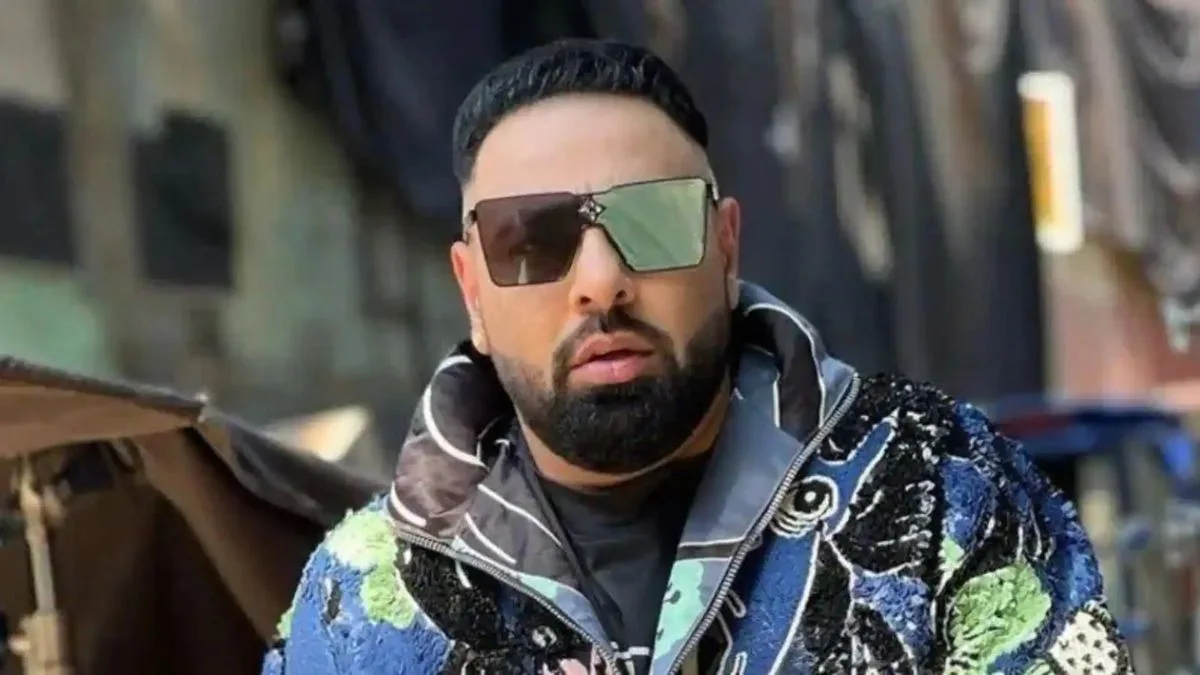
Haryana Women’s Commission questions how ‘Tateeree’ lyrics passed censor clearance, summons Badshah

‘Tateeree’ is Badshah’s recently released Haryanvi track that has attracted attention for its lyrics. The song is now at the center of a controversy over alleged indecency and objectification of women and minors.

Statesman News Service | New Delhi |

The rapper-singer Badshah is in the middle of a new controversy. The Haryana State Commission for Women (HSCW) has formally summoned him over alleged objectionable content in his latest Haryanvi track, ‘Tateeree’. The controversy has been simmering since the song dropped on March 1, 2026.

Complaints of indecency and objectification

The commission, led by chairperson Renu Bhatia, took suo motu cognisance of complaints that the song’s lyrics are indecent and cross cultural and moral boundaries. Savita Arya, president of Nari Tu Narayani Utthan Samiti, and Shiv Kumar, director of Shiv Aarti India Foundation, formally alleged that the lyrics objectify women and minors and contain inappropriate vocabulary.

The official summons, dated March 6, names Badshah (real name Aditya Pratik Singh Sisodia) and has been sent to the Superintendent of Police in Panipat. Authorities are instructed to ensure all concerned parties are present for the hearing.

Also Read: Throwback: When Shah Rukh Khan broke silence on being called ‘arrogant’ and why he ‘troubled’ filmmakers

The HSCW has scheduled the proceedings for March 13, 2026, at 11:30 am, to be held at the Conference Hall, DC Office, Panipat, with Bhatia presiding.

Bhatia did not hold back in questioning how the song passed regulatory scrutiny. As a former three-year member of the Film Censor Board, she expressed surprise that a track containing such lyrics was cleared for public release.

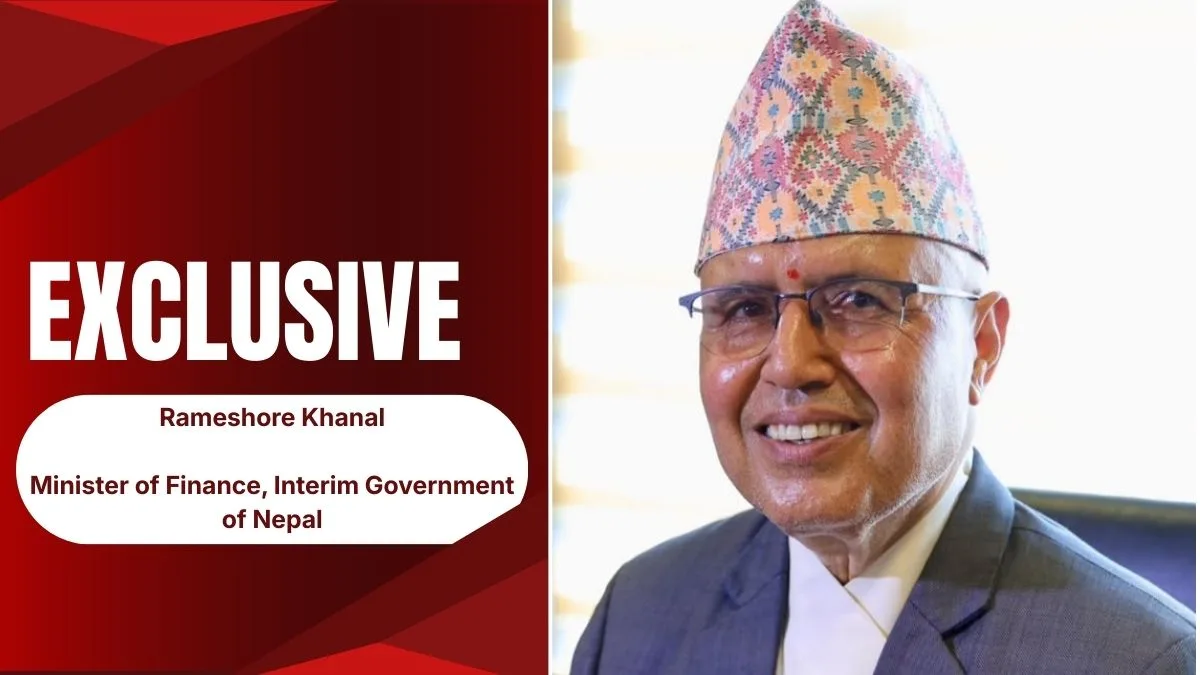
EXCLUSIVE: Nepal’s outgoing Finance Minister Rameshore Khanal on interim rule: Aid from India-China accepted, not relied upon

Khanal opens up about his six-month tenure as Nepal’s finance minister, navigating protests, elections, and economic challenges. Read on to see how he steered the interim government and what he thinks about Nepal’s next steps.

Bibhu Luitel | New Delhi |

When Nepal’s streets filled with angry young protesters and uncertainty hung over the country’s political future, the government that took charge had one mission: restore stability and hold elections.

In the middle of that tense moment, economist and former finance secretary Rameshore Khanal stepped in as Nepal’s finance minister under the interim leadership of Sushila Karki. The government had only six months to act before elections would bring in a new administration.

Now, with the election completed and a new government set to take office soon, Khanal looks back on those six months with a sense of quiet completion. Speaking exclusively to The Statesman, he said the task was never about headlines or dramatic reforms.

Also Read: Explained: Who are Nepal’s RSP? Rabi Lamichhane’s scandal-shadowed Rashtriya Swatantra Party with Balen Shah hovering nearby

“Our goal was simple,” he said. “We wanted to conduct the election smoothly and responsibly. We were committed to that from the beginning.”

For Rameshore Khanal, the brief tenure was less about political drama and more about steady administrative work.

A government focused on finishing the job

Khanal said the interim government was careful not to create unnecessary political excitement or sensational decisions during a fragile period.

“The main thing was that we did not want to provoke anyone or create a sensational government,” he explained. “We had one responsibility; conduct the election properly. And we did it.”

Despite the limited time, he believes the administration managed to complete important tasks.

“Aafno kaam sampanna garein chhoto awadhi maa,” he said, meaning that he believes the government fulfilled its responsibilities in the short time available.

He pointed to several measures taken by the finance ministry during the period. These included simplifying customs procedures, improving the income tax system to make it more taxpayer-friendly, and introducing relief schemes for people affected during the Gen Z protest movement.

The protest had caused significant damage to property and led to loss of lives in some areas. Khanal said his ministry worked with other agencies to provide compensation and relief to those affected.

“The compensation and relief scheme for those who suffered losses has already been implemented,” he said.

Preparing the country for elections

The election itself was the central responsibility of the interim government, and Khanal says the administration treated that task as a promise.

“I had vowed to conduct this election,” he said. “That was my part.”

According to him, the government ensured there was no shortage of resources for the election process.

Nepal did not rely on international aid to organise the polls. However, Khanal said some countries offered assistance voluntarily.

“India, China and Japan extended support on their own initiative,” he said. “But we did not depend on foreign aid. We made sure nothing was lacking during the election.”

The government also worked under difficult financial circumstances, as the fiscal year had already begun before the interim administration took charge.

Cutting waste and scrapping weak projects

One of Khanal’s earliest announcements as finance minister was that poorly prepared government projects would be scrapped.

He believed Nepal could not afford to spend money on projects that lacked proper planning.

“We could not move ahead with unready and fragmented projects,” he said, reflecting on that decision now. “Every rupee had to be spent responsibly.”

During the six months, the finance ministry also focused on reducing unnecessary expenses within government departments.

Economic challenges and criticism

The interim government faced criticism from some quarters over slow economic growth and weak revenue collection.

Khanal acknowledged the criticism but said the government had inherited difficult circumstances.

“When this government was formed, two months of the fiscal year had already passed,” he explained. “Business activities were already slow.”

The country also faced natural disaster during the period.

“In October, floods hit Kathmandu and surrounding areas. There was a lot of damage,” he said.

Those events further slowed economic activity. Still, Khanal believes the government managed to rebuild confidence in the private sector.

Rebuilding trust with the private sector

One of the government’s priorities was restoring confidence among businesses.

According to Khanal, many entrepreneurs had become cautious because of strict financial audits and regulatory pressure in earlier years.

“Because of full audits, the private sector had become scared,” he said.

To address that concern, the finance ministry introduced measures aimed at making financial processes easier.

These included simplifying tax procedures, improving online payment systems, and streamlining customs clearance.

Khanal said the government tried to build a more cooperative relationship with businesses.

“You can call it a private-sector-friendly government,” he said.

Despite the disruptions caused by protests and natural disasters, he said the economy showed some positive signs.

According to Khanal, Nepal recorded 3.2 percent economic growth in the first quarter during the government’s tenure.

“In Nepal’s context, that is a good number,” he said.

Fiscal position and credit standing

Khanal also pointed to improvements in Nepal’s broader financial indicators.

He said aggregate government revenue has been increasing, and the country currently has reasonable fiscal space.

The government also worked to reduce unnecessary spending, which he believes helped maintain financial stability.

On the international front, Khanal said Nepal’s sovereign credit rating performance remained stable during the period.

Remittance concerns amid global conflict

Remittances remain one of the most important pillars of Nepal’s economy, but Khanal expressed concern about emerging global developments.

He emphasised that remittance income does not directly belong to the government.

“Remittance is not the government’s income. It is the income of individuals,” he said.

However, global conflicts could affect Nepali workers abroad.

He noted that tensions in the Gulf region and international conflicts, including the one going on in Iran right now, could affect employment opportunities for migrant workers.

“I have been hearing that Nepali people are losing jobs,” he said. “Will they return? We don’t know.”

Despite these concerns, he said Nepali workers have a strong reputation abroad.

“In foreign employment, Nepali workers are known to be hardworking and trustworthy,” he added.

Working through the FATF Grey List

Another challenge for Nepal’s financial system has been its placement on the Financial Action Task Force (FATF) grey list, which includes countries working to improve their systems against money laundering and terror financing.

Khanal said Nepal has made progress on several compliance factors during the past year.

“The country has improved in multiple areas,” he said, expressing hope that continued reforms will strengthen Nepal’s financial credibility.

A career built on reform

Khanal’s appointment as finance minister carried a strong message in Nepal’s policy circles.

Just five months before joining the interim government, he had chaired a high-level economic reform commission tasked with recommending ways to rescue the struggling economy.

When he became finance minister, he was effectively responsible for implementing some of the same proposals he had previously recommended.

His career in public service spans 31 years, including roles at Nepal Rastra Bank and later as finance secretary.

During his time in government, Khanal gained a reputation for integrity and reform.

He exposed the fake VAT billing scandal, strengthened tax collection systems, and took action to prevent misuse of public resources.

In 2010, he resigned after disagreements with then finance minister Bharat Mohan Adhikari. Outside formal government roles, he later served briefly as an unpaid adviser to former prime minister Baburam Bhattarai.

What’s next?

As Nepal prepares for its next political chapter, Khanal is watching the election results closely. He noted that current trends indicate a clear majority for the Rashtriya Swatantra Party.

If that result holds, he believes it could bring greater political stability.

“I hope this will provide some stability to the current situation,” he said.

When asked what’s next for him, he says he is not thinking about his personal future. “Politics is not my agenda,” he said, “It never was.”

“When the crisis happened, I could not say no,” he said. “I did my part. I hope I did it well.”

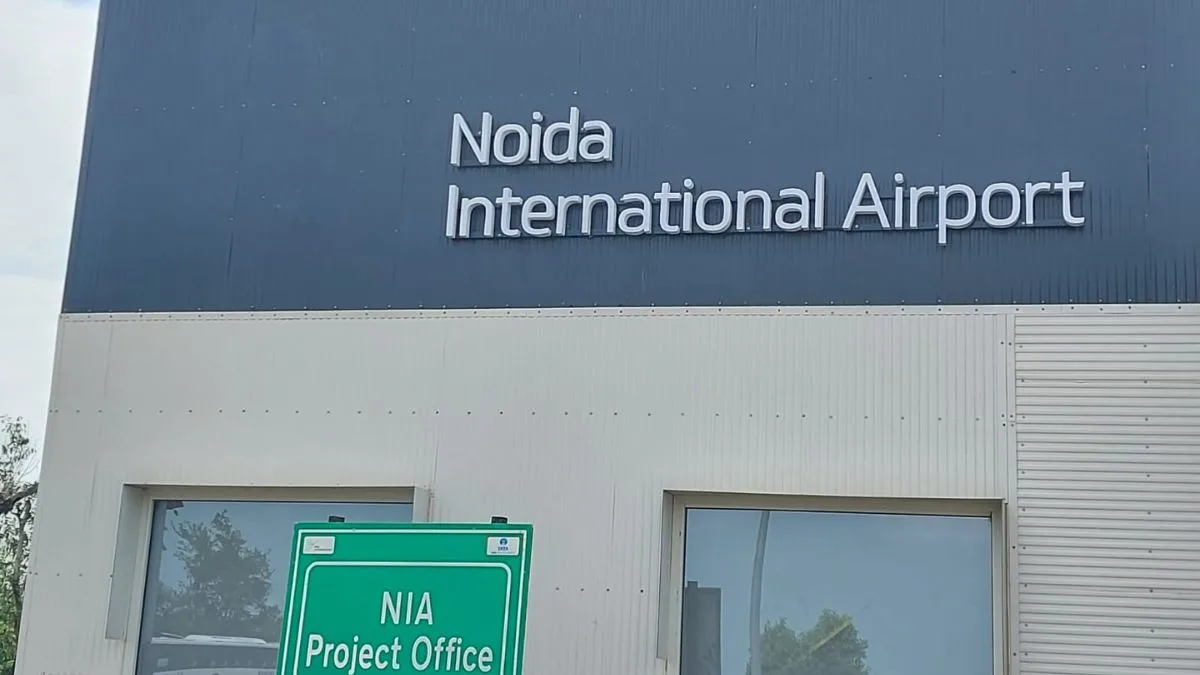
Noida International Airport receives security vetting approval, decks cleared for flights

Officials said here on Friday that with this approval, the path has now been cleared for obtaining the aerodrome license from the Directorate General of Civil Aviation, after which flight operations can begin from the airport.

Statesman News Service | Lucknow |

The ambitious Noida International Airport project of the Uttar Pradesh government has achieved a major milestone. The airport has received Security Vetting Approval from the Bureau of Civil Aviation Security. This process is completed after a detailed inspection of the airport’s security arrangements.

Officials said here on Friday that with this approval, the path has now been cleared for obtaining the aerodrome license from the Directorate General of Civil Aviation, after which flight operations can begin from the airport.

The project, which is among the top priorities of the state government, has been fast-tracked under the leadership of CM Yogi Adityanath. The government aims to develop the Jewar Airport as one of the most modern and largest airports in the country, which will play a significant role in the economic growth of Uttar Pradesh.

According to Rakesh Kumar Singh, CEO of the Yamuna Expressway Industrial Development Authority, testing of security standards is mandatory before flight operations begin at an airport.

For this purpose, a team from the Bureau of Civil Aviation Security inspects several aspects including airport security arrangements, surveillance systems, access control, and the screening systems for passengers and cargo. Security Vetting Approval is granted only after all standards are found to be in compliance.

Security Vetting Approval means that the airport’s security system has been deemed safe for flight operations. Only after this approval does the final process for starting flights move forward. Following the security clearance, the next step is the issuance of an aerodrome license by the Directorate General of Civil Aviation. Commercial flight operations can begin only after this license is granted.

Under the leadership of Chief Minister Yogi Adityanath, the state government has developed the Jewar Airport as one of its most significant infrastructure projects.

The airport is emerging as a major aviation hub not only for western Uttar Pradesh but for the entire National Capital Region. The government believes that once operational, it will significantly boost investment, tourism, logistics, and trade in the state, while also creating thousands of employment opportunities for youth.

The CM Yogi government aims to inaugurate and operationalize the Noida International Airport at the earliest.

All necessary preparations are currently being finalized. The airport is being developed in multiple phases.

Once fully completed, it will be among the largest airports not only in India but also in Asia. It will have the capacity to handle millions of passengers annually and will play a crucial role in connecting Uttar Pradesh to the global aviation network.

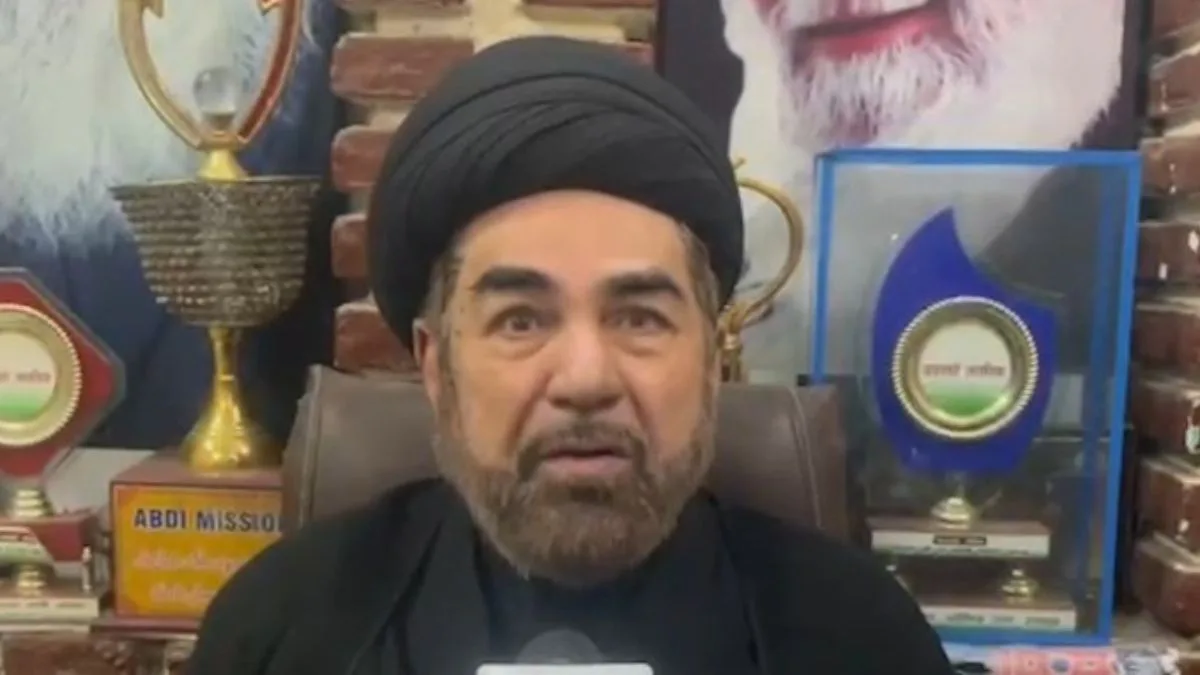
Shia cleric threatens of massive protest against US-Israel attack on Iran

After the Friday prayers at the Asifi Mosque, Maulana Kalbe Jawad strongly condemned the actions of the US and Israel. He offered prayers for the safety and peace of Iran

Statesman News Service | Lucknow |

Shia cleric Maulana Kalbe Jawad, while strongly condemning the US-Israel attack on Iran, has announced that if the aggression does not stop, a massive protest will be held in Lucknow next Friday.

After the Friday prayers at the Asifi Mosque, Maulana Kalbe Jawad strongly condemned the actions of the US and Israel. He offered prayers for the safety and peace of Iran.

The cleric also announced that, given the current circumstances, Eid celebrations are being held with simplicity this year. He urged people to avoid extravagant spending and help those in need.

He warned that if these attacks continue, they will raise their voices from here. A large number of worshippers were present during the prayers today in a heavy police presence for security within the mosque premises.

In his statement, Maulana Kalbe Jawad said that the attack on Iran is against international law and humanity. He blamed the US and Israel for the entire incident, saying that this action will increase instability in the region.

He said that it is extremely unfortunate if countries that advocate for peace and justice in the world themselves take such steps. He added that such actions could further escalate global tensions.

Maulana Kalbe Jawad also questioned India’s silence on the Iran issue. He said that India has always advocated for peace and justice, and therefore, it should take a clear stand on this matter.

He said that the voice of a big democratic country like India is important on the events happening at the international level, hence the government should clarify its position on this issue.

During Friday prayers at the Asifi Mosque, a special prayer was offered for the well-being of Iran and its people. The cleric said that prayers were offered for peace in the world and that innocent people should not face any kind of violence.

After the prayers, some people also raised slogans against the US and Israel and condemned the attack.

Maulana Kalbe Jawad said that if the situation does not improve, a large demonstration will be held next Friday against the US and Israeli actions. He said that this demonstration will be peaceful and a large number of people can participate.

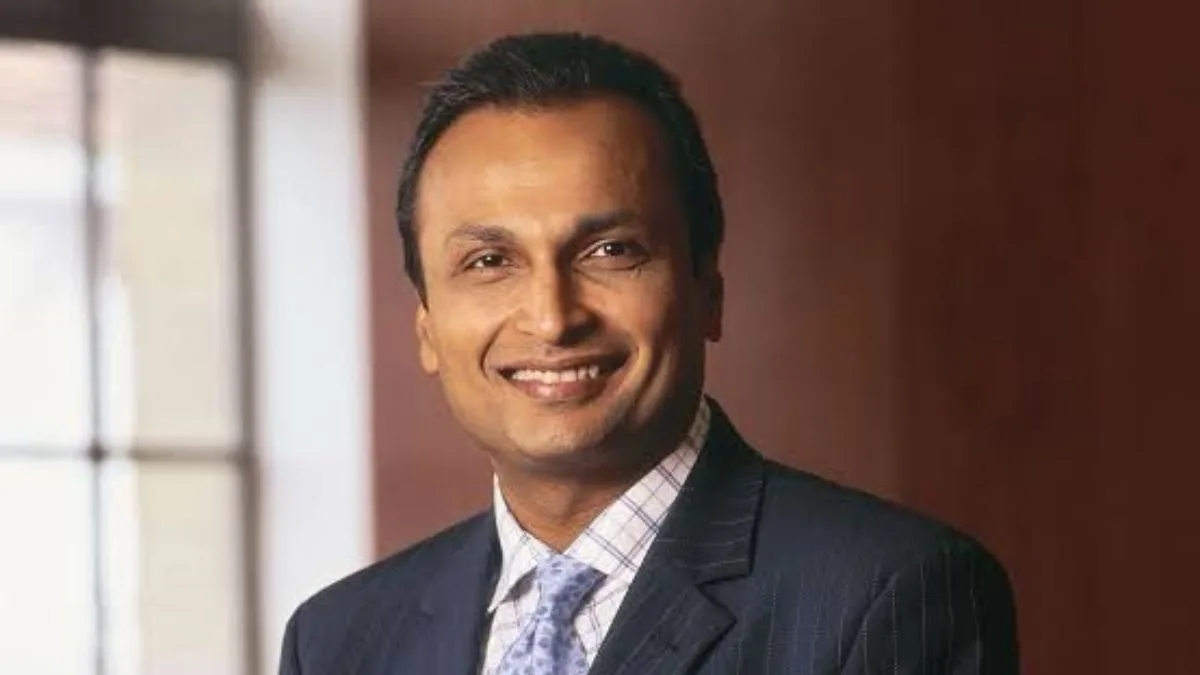
Anil Ambani-linked company denies ED raids at its premises

The Anil Ambani-linked Reliance Power made a regulatory filing to the stock exchanges here on Friday denying media reports of the Enforcement Directorate (ED) conducting searches at premises linked to the company in Mumbai and Hyderabad.

Statesman News Service | Mumbai |

The Anil Ambani-linked Reliance Power made a regulatory filing to the stock exchanges here on Friday denying media reports of the Enforcement Directorate (ED) conducting searches at premises linked to the company in Mumbai and Hyderabad.

Within hours of the media reporting about the ED raids, the company issued an official statement to the stock exchanges stating, “This is in reference to various media reports alleging that the Enforcement Directorate has conducted raids at locations linked to Reliance Power Limited. In this regard, the company would like to clarify that, to the best of its knowledge, no such action has been carried out at any of the offices or premises of the company”.

The official statement, dated March 6, 2036, sent to the stock exchanges on a letter head featuring the address of its Ballard Estate-based Mumbai office also featured the signature of its Company Secretary Ramandeep Kaur.

Earlier on Friday, it was widely reported in the media that the ED had begun search operations at around 12 locations across the city as part of an ongoing investigation.

It was reported that 15 specialised teams of the ED had searched offices as well as residential premises connected with individuals linked to the company though the ED has not issued any official statement so far.

It may be recalled that recently, the ED had provisionally attached a luxury residential property named ‘Abode’ in Mumbai’s Pali Hill area in Bandra West, valued at Rs 3,716.83 crore, in connection with a bank fraud case involving Reliance Communications Ltd.

According to an earlier official statement issued by the ED, the property was attached under provisions of the Prevention of Money Laundering Act (PMLA), 2002 and a part of the same property, worth Rs 473.17 crore, had already been attached in the case earlier.

Additionally, the Central Bureau of Investigation (CBI) had also conducted searches in February at the residence of Anil Ambani and at the offices of Reliance Communications (RCom) after registering another case against the company.

A case was filed after a complaint filed by Bank of Baroda, which had alleged that it suffered losses exceeding Rs 2,220 crore in connection with loans extended to Reliance Communications.

According to the FIR, the loans were allegedly diverted and misused through fictitious transactions involving related entities. Investigators also alleged that the company’s accounts were manipulated to conceal irregularities.

After the case was registered, the CBI had searched the residence of Anil Ambani and the registered offices of Reliance Communications as well as recovered documents related to the loan transactions, the agency had stated.

Springdales School Dhaula Kuan commemorates 103rd anniversary of its founder Dr Rajni Kumar

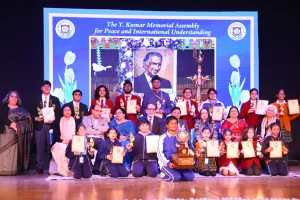
In an endeavour to pay heartfelt tributes to its beloved founder Dr. Rajni Kumar, Springdales School, Dhaula Kuan, on Thursday organised a special assembly, on her 103rd birth anniversary.

Statesman News Service | New Delhi |

In an endeavour to pay heartfelt tributes to its beloved founder Dr. Rajni Kumar, Springdales School, Dhaula Kuan, on Thursday organised a special assembly, on her 103rd birth anniversary.

The assembly was the culmination of ‘The Joy of Sharing’ – a week-long observance dedicated to honour her legacy of compassion, service, and commitment to humanity through a series of meaningful activities. Capturing the cherished memories of Dr. Kumar, a video presentation – ‘Cards and Cakes’ showcased glimpses of her joyful birthday celebrations over the years.

The Junior and Senior School Choir added melody to the occasion with the soulful rendition of ‘Badal Pe Paaon Hai’ which echoed Nani Kumar’s infectious energy, followed by the iconic song, ‘Top of the World’.

The students presented articles and poems, sharing affectionate memories and reflections on our dear Founder’s life and personality, followed by a graceful dance performance, ‘Our Gurus of Peace’, by the Junior School students, symbolising Nani Kumar’s belief that peace begins with everyone.

The Finale ‘You Are the One’, reflected the admiration of the Springdalian family for the visionary educationist.

Encapsulating the larger-than- life persona of Dr. Kumar, Dr. Jyoti Bose, Director, Springdales Schools, quoted lines by the Canadian poet, Arthur Stringer ‘ I have sought beauty through the dust of strive………that Love alone can make Earth beautiful, and life without regret!’ which brought out the true essence of what Nani Kumar was.

The Vote of Thanks was proposed by Sujata Maleyvar, Headmistress, Junior School.

The assembly was indeed a true expression of admiration to the incredible woman whose vision shaped Springdales Schools.

US, Israel trying to reshape West Asia through aggression: Mirwaiz

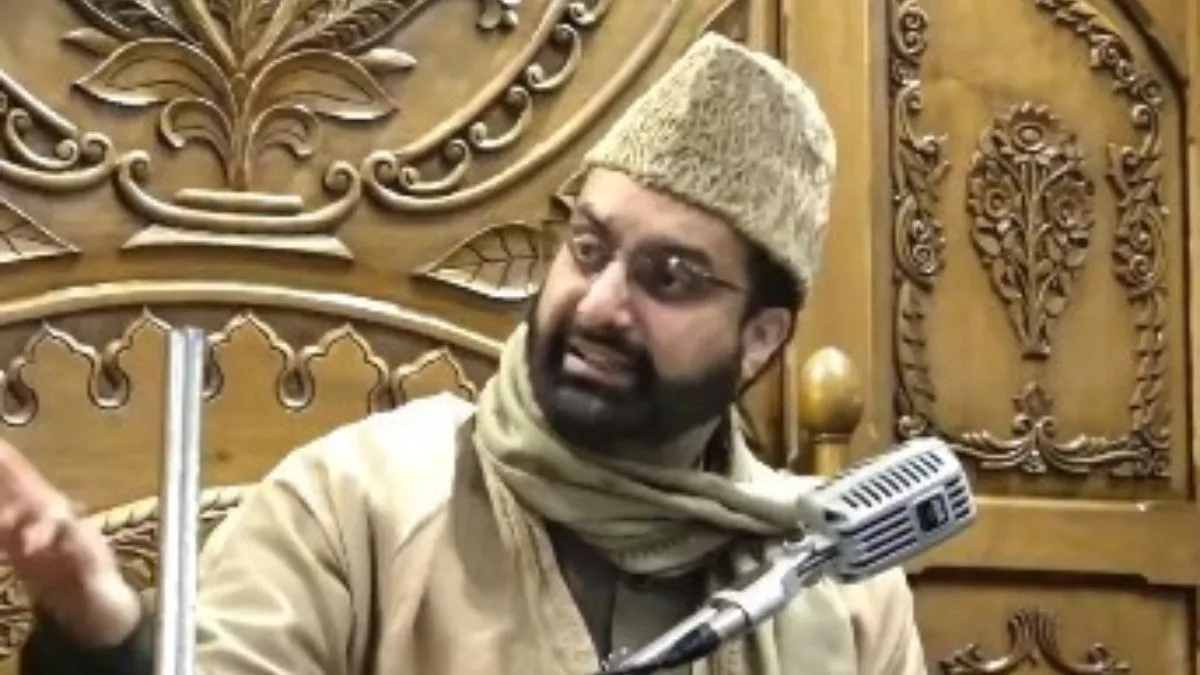
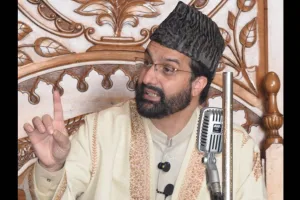
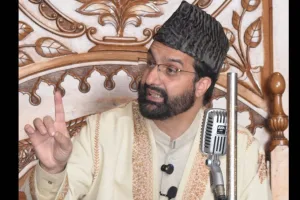
Kashmir’s chief cleric Mirwaiz Umar Farooq on Friday accused the United States and Israel of attempting to reshape West Asia to suit their geopolitical interests and said that the recent developments, including the killing of Ayatollah Ali Khamenei, had plunged the region into crisis and grief.

Statesman News Service | Jammu |

Kashmir’s chief cleric Mirwaiz Umar Farooq on Friday accused the United States and Israel of attempting to reshape West Asia to suit their geopolitical interests and said that the recent developments, including the killing of Ayatollah Ali Khamenei, had plunged the region into crisis and grief.

In a statement on X, Mirwaiz said he has been placed under house arrest and the Jamia Masjid in Srinagar was shut for congregational prayers amid heightened restrictions in the Valley in view of protests over the killing of Iran’s Supreme Leader Khamenei. “Restrictions in the valley continue and have been heightened on a Friday in the holy month of Ramzan. I have also been placed under house arrest, and in these greatly blessed days, when thousands come to the mosques seeking blessings and guidance the pulpit of Jama Masjid is silent and all lanes and by lanes leading to the mosque barricaded. It is very sad and unfortunate,” he wrote.

“But the sadness felt in Kashmir today is not only because of these restrictions. Muslims across the world are aggrieved and deeply anxious by Israeli and American aggression in the region. Israel and America want to reshape the region to suit their interests, and for that they are willing to go to any extent, as the brutal killing of the head of a country and a great spiritual leader, Ayatullah Khamenei and the attack on a sovereign nation Iran, plunging the entire region into a crisis and grief, shows,” he added.

He further said, “Across Jammu and Kashmir, from the Valley to Jammu, Ladakh and Kargil, people have expressed their condemnation of this aggression and expressed solidarity in one voice, beyond divisions as one ummah”.

“The Ummah cannot be divided in moments like this. When injustice is inflicted upon one part, pain is felt by the entire body,” he contended. “As Mirwaiz, I stand in heartfelt solidarity with the people of Iran, with Palestinians and with those who are bearing the brunt of this aggression in the region and beyond. All human lives are precious, and wars and violence are man made catastrophes that cause loss of precious lives”.

“May Allah protect all, grant patience to those who mourn, and bring swift justice to the oppressors and liberate the oppressed,” he prayed.


New CPI series offers deeper policy signals, reflects changing consumption patterns: SBI Research

The report noted that the revised CPI framework aligns closely with the international Classification of Individual Consumption According to Purpose (COICOP) 2018, enhancing the credibility of India’s inflation data and ensuring global comparability.

Statesman News Service | New Delhi |

India’s newly-introduced Consumer Price Index (CPI) series with 2024 as base year provides a richer and more policy-relevant dataset, capturing evolving consumption patterns, urbanisation trends and structural changes in the economy, according to a report by SBI Research.

The report noted that the revised CPI framework aligns closely with the international Classification of Individual Consumption According to Purpose (COICOP) 2018, enhancing the credibility of India’s inflation data and ensuring global comparability. Under the new structure, the CPI basket includes 12 divisions, 43 groups, 92 classes and 162 sub-classes, reflecting a more modern classification of household consumption.

A key change in the CPI-2024 series is the reduced weight of food and beverages, which now stands at 36.75 per cent, compared with 45.86 per cent in the 2012 series. The revision reflects a gradual shift in household spending patterns toward services and discretionary consumption.

At the same time, the weightage of transport, information and communication, and health has increased, indicating rising spending on mobility, digital services and healthcare. In rural areas particularly, the weight of transport and communication has risen sharply, nearly matching urban levels.

The updated weighting also alters the relative importance of states in the CPI basket. States such as Bihar and Tamil Nadu have seen an increase in weight, while Maharashtra and West Bengal have experienced declines.

Inflation trends vary significantly across states. For January 2026, most major states recorded CPI inflation below 3 per cent, though Telangana registered the highest inflation at about 4.9 per cent. Despite covering 358 items, the CPI basket remains concentrated, the report said.

About 50 per cent of the CPI weight is accounted for by just 26 items, while 90 per cent is covered by 148 items.This concentration can help policymakers and businesses focus on high-impact categories for inflation forecasting, corporate pricing strategies and scenario analysis, especially in the event of shocks such as rising rents, fuel prices or milk costs.

The new CPI series expands geographical coverage and consumption tracking. Compared with the previous series, 565 additional markets have been included, taking the coverage to 1,465 rural and 1,395 urban markets, along with 12 online markets to capture digital retail trends.

Brother-sister duo killed over land dispute

According to the police, the incident took place in Dharmapuri village under the Siddiqueganj police station limits, about 70 km from the district headquarters, at around 8 am.

Statesman News Service | Bhopal |

A brother-sister duo was murdered allegedly by their paternal uncle and his son over a land dispute in the Sehore district of Madhya Pradesh Friday morning. Both the accused have been arrested.

According to the police, the incident took place in Dharmapuri village under the Siddiqueganj police station limits, about 70 km from the district headquarters, at around 8 am.

Sehore SP Deepak Shukla said the victims were identified as Sheetal Malviya (20) and her brother, Kuldeep Malviya (19), children of Jagdish Malviya.

The siblings were on their way to their examination centre when the accused, Harisingh Malviya and his son, allegedly intercepted and attacked them with sticks. Both the victims succumbed to the severe injuries they sustained in the assault.

On getting information about the incident, a police team reached the spot and sent the bodies of the deceased for post-mortem examination. They said Harisingh and Jagdish are brothers and have been involved in a long-standing land dispute. Harisingh and his son have been rounded up and investigation is underway, officials added.

US allows 30-day waiver for India to buy Russian oil amid escalating conflict in West Asia

Amid the escalating conflict in Iran and the Gulf region, the United States has allowed a 30-day waiver for India to purchase Russian Oil to meet its energy requirements.

Nikhil Vyas | New Delhi |

Amid the escalating conflict in Iran and the Gulf region, the United States has allowed a 30-day waiver for India to purchase Russian Oil to meet its energy requirements.

The waiver comes at a time when India continues to face potential risks linked to energy supply disruptions in the Middle East amid escalating tensions in West Asia after a joint US-Israel military strike on February 28 on Iranian territory resulted in the death of its Supreme Leader, Ayatollah Ali Khamenei and other senior figures.

With the crisis in the Gulf severely hampering shipping routes that pass through the Strait of Hormuz, the US on Thursday (local time) authorised the 30-day window for India to import Russian crude oil.

US Treasury Secretary Scott Bessent on Thursday said, “President Trump’s energy agenda has resulted in oil and gas production reaching the highest levels ever recorded. To enable oil to keep flowing into the global market, the Treasury Department is issuing a temporary 30-day waiver to allow Indian refiners to purchase Russian oil. This deliberately short-term measure will not provide significant financial benefit to the Russian government as it only authorizes transactions involving oil already stranded at sea.

“India is an essential partner of the United States, and we fully anticipate that New Delhi will ramp up purchases of US oil. This stop-gap measure will alleviate pressure caused by Iran’s attempt to take global energy hostage,” Bessent stated.

“The move allows transactions tied to Russian crude oil or petroleum products that were already loaded onto vessels before early March. The shipments must be delivered to Indian ports and purchased by companies incorporated under Indian law,” the US Treasury Secretary said.

Under the licence issued by the Department of Treasury, transactions necessary for the sale, delivery, or offloading of Russian crude loaded on vessels before March 5 are authorised until April 4.

The authorisation applies only to deliveries to ports in India. The buyers must be Indian entities, the Treasury license said.

The licence allows a range of activities required to complete those shipments. These include services linked to the docking and anchoring of vessels, crew safety and emergency repairs. It also permits routine maritime services such as vessel management, crewing, bunkering, piloting, insurance and other operational support.

The move comes as the administration seeks to stabilise global energy markets amid rising tensions in the Middle East.

Officials said the measure is meant to allow shipments already in transit to reach their destination without violating US sanctions rules.

The Treasury Department stressed that the licence is narrow and temporary. It does not represent a broader easing of sanctions on Russia.

The authorisation does not permit other transactions restricted under US sanctions laws. It also does not allow dealings involving Iran or Iranian-origin goods or services that remain prohibited under existing regulations.

The licence was issued by the Treasury Department’s Office of Foreign Assets Control and signed on March 5.

The United States and its Western allies imposed sweeping sanctions on Russia after Moscow’s invasion of Ukraine in 2022. The restrictions targeted major sectors of the Russian economy, including finance, defence, and energy.

Inaugural Khelo India Tribal Games to be held from March 25 to April 6 in Chhattisgarh

The Games will feature seven medal sports — athletics, football, field hockey, weightlifting, archery, swimming, and wrestling. Two demonstration sports, Mallakhamb and Kabaddi, will also be included.

Statesman News Service | New Delhi |

The inaugural edition of the Khelo India Tribal Games is scheduled to take place from March 25 to April 6, Union Minister for Youth Affairs and Sports Mansukh Mandaviya announced on Friday. The Games will be held across three cities in the state of Chhattisgarh – Raipur, Jagdalpur, and Surguja.

The Games will feature seven medal sports — athletics, football, field hockey, weightlifting, archery, swimming, and wrestling. Two demonstration sports, Mallakhamb and Kabaddi, will also be included. Most states and union territories across India are expected to be represented at the event.

“The Khelo India Tribal Games are part of our expanding footprint that offers an opportunity to every young person who wants to play a sport. It is part of Narendra Modi’s vision of a Viksit Bharat by 2024, and sports has a massive role to play in that journey,” Mandaviya said.

The logo, theme song, and mascot of the first-ever Khelo India Tribal Games were unveiled at the Late B. R. Yadav Sports Stadium in Bilaspur on December 23. The ceremony was attended by Vishnu Deo Sai and Deputy Chief Minister Arun Sao.

Mandaviya also stressed that the Games will help strengthen the talent pool emerging from tribal regions.

“Tapping talent from tribal regions is key, and continuously expanding our athlete base is the need of the hour. We are ensuring that talented youngsters from tribal communities are identified early, supported systematically, and integrated into the national sports framework,” he added.

The Khelo India Tribal Games 2026 will be jointly managed by the Ministry of Youth Affairs and Sports, Sports Authority of India, Indian Olympic Association, National Sports Federations, and the Chhattisgarh state organising committee. The technical standards for the Games will be benchmarked against international competitions.

The official mascot, Morveer, draws inspiration from Chhattisgarh’s cultural ethos. The name combines two words – ‘Mor’, meaning ‘mine’ or ‘our own’ in Chhattisgarhi, and ‘Veer’, symbolising courage and valour.

Chhattisgarh will become the first state to host this landmark national event dedicated exclusively to tribal athletes, marking a significant step in India’s sporting journey towards tribal empowerment and grassroots inclusion.

The Khelo India Tribal Games are part of the Khelo India Scheme, a flagship Central Sector Scheme of the Ministry of Youth Affairs and Sports aimed at promoting mass participation and sporting excellence. The Khelo India Games were declared an “Event of National Importance” in 2020 under the Sports Broadcasting Signals (Mandatory Sharing with Prasar Bharati) Act, 2007.

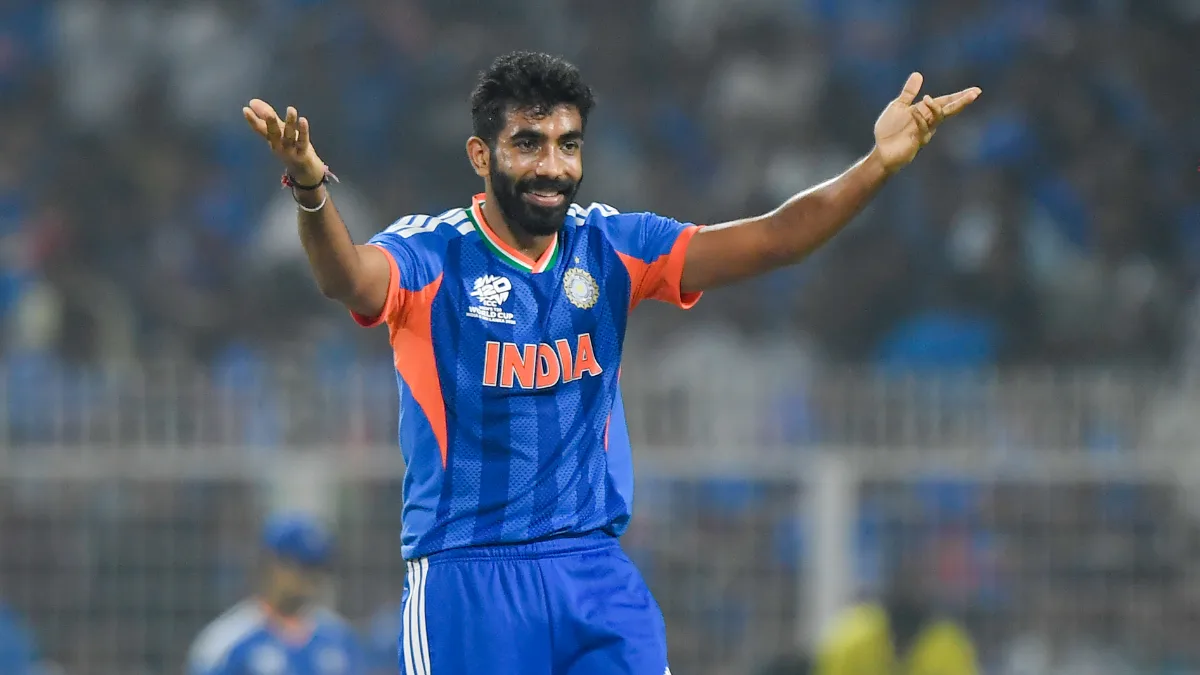
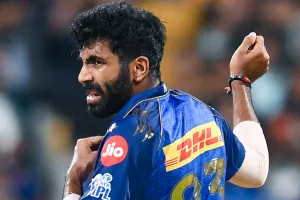
‘Like having a genie’: Cricket world hails Jasprit Bumrah after India’s semifinal win

With the wicket of England captain Harry Brook, Jasprit Bumrah became the eighth Indian bowler to reach the milestone of 500 international wickets.

Statesman News Service | New Delhi |

India’s thrilling seven-run win over England in the T20 World Cup 2026 semifinal at the Wankhede Stadium on Thursday saw Jasprit Bumrah once again prove why he is regarded as one of the best bowlers in world cricket. The Indian pacer’s crucial spell in the death overs helped India defend a massive total and seal their place in the final.

Bumrah finished with figures of 1/33 in his four overs in a match where nearly 500 runs were scored across both innings. With the wicket of England captain Harry Brook, he also became the eighth Indian bowler to reach the milestone of 500 international wickets.

Chasing 254, England looked well on course thanks to a brilliant century from Jacob Bethell. However, the match turned in India’s favour when Bumrah delivered a superb 18th over, conceding just six runs when England needed 45 from the final three overs. Hardik Pandya followed it up with a tight penultimate over, giving away just nine runs and dismissing Sam Curran, as India eventually secured a narrow victory.

Following the match, several former and current cricketers showered praise on Bumrah for his ability to perform under pressure.

Former South Africa captain Faf du Plessis compared having Bumrah in a team to possessing a superpower.

“Team India don’t understand how lucky they are to have him in their ranks. Regardless of the format, you just give him the ball and he wins you games. It’s a superpower any captain will dream of; it’s like having a genie—you rub the lamp and out comes Bumrah,” du Plessis said on ESPNcricinfo’s TimeOut show.

Du Plessis also highlighted Bumrah’s unique bowling action and variations, noting that even when the pacer slightly misses his length, batters still struggle to capitalise.

Former India all-rounder Irfan Pathan also praised Bumrah, calling him a once-in-a-generation bowler with the ability to deliver in high-pressure moments.

“We are lucky that a bowler like Jasprit Bumrah plays for India. India has never had a bowler like him before. Perhaps the world has rarely seen a bowler like him. He has everything – yorkers, slower balls, outswing, inswing and bouncers – and he knows exactly how to bowl under pressure,” Pathan said on his YouTube channel.

India all-rounder Axar Patel echoed similar sentiments, describing Bumrah’s performance as the reason he is often referred to as the “Yorker King.”

“We knew the last two overs from Jasprit Bumrah would be crucial. On this wicket, the margin for error was very small. The way he delivered those yorkers under pressure shows why he is called the ‘Yorker King’. He knows exactly how to take the team out of difficult situations,” Axar said on JioHotstar.

Former India spinner Harbhajan Singh also lauded Bumrah for his composure in the high-scoring encounter, crediting him and Hardik Pandya for guiding India through the tense finish.

“India played fantastic cricket at Wankhede. The match got very close even after India scoring over 250 runs. But the way Jasprit Bumrah and Hardik Pandya bowled, they showed a lot of maturity and got the team through to the finals,” Harbhajan said.

Sanju Samson powers India to massive total

Earlier, Sanju Samson led India’s batting effort with a blistering 89 off 42 balls. Valuable contributions from Shivam Dube (43), Ishan Kishan (39), Hardik Pandya (27) and Tilak Varma (21) helped India post a formidable 253/7 in 20 overs.

Despite being reduced to 95/4, England mounted a strong comeback through Bethell’s 105 off 48 balls and a quickfire cameo from Jofra Archer. However, India’s bowlers held their nerve in the closing overs to restrict England to 246/7.

India will now face New Zealand in the final at the Narendra Modi Stadium in Ahmedabad on March 8.

‘Multipolarity is here to stay’: Jaishankar says era of ‘big deal between powers’ is over | Raisina Dialogue 2026

Speaking at Raisina Dialogue, Jaishankar highlighted how technology, demographics and the rise of the Global South are reshaping global influence and weakening the dominance of traditional power centres.

Statesman News Service | New Delhi |

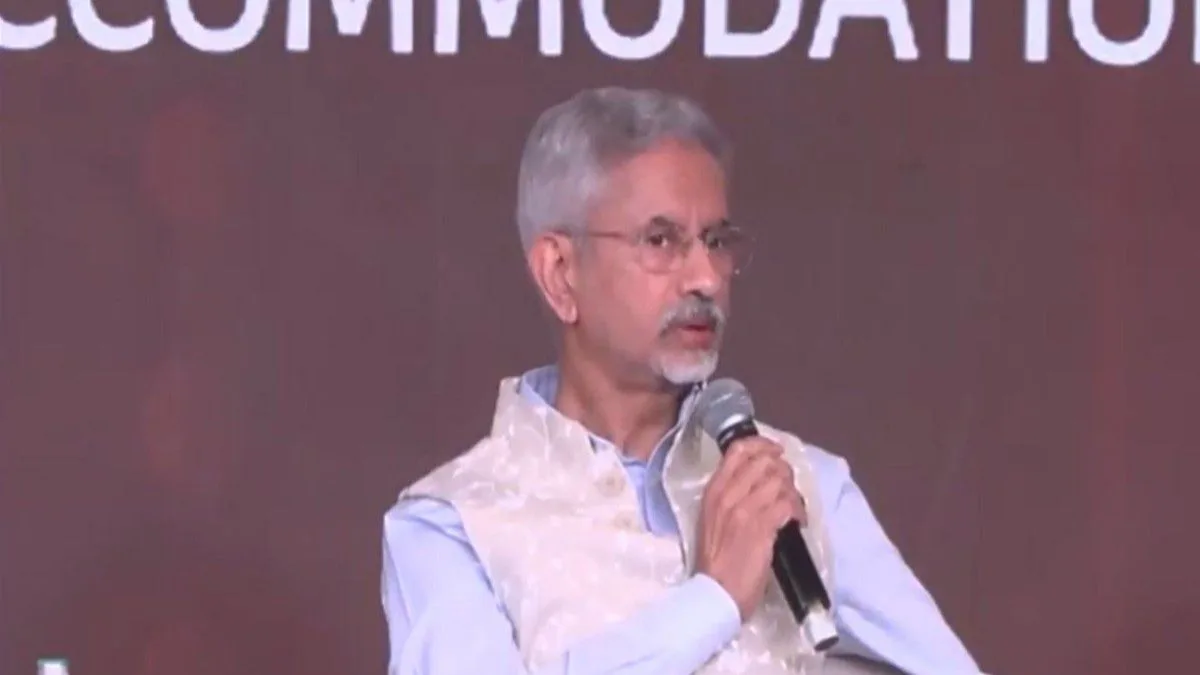
External Affairs Minister S Jaishankar on Friday said the time when a handful of powerful nations could decide global affairs through sweeping agreements has passed, arguing that the world is moving steadily toward a multipolar order.

Speaking at the Raisina Dialogue 2026 in New Delhi, the minister said international power is now more widely distributed than before, making it unlikely that major countries will be able to impose broad geopolitical settlements on the rest of the world.

Jaishankar said that while large nations may still cooperate on specific issues, the idea of a few dominant powers determining global outcomes through comprehensive agreements no longer reflects reality.

“Multipolarity is here to stay. What we will have, which we are already seeing, is to some extent that some of the bigger countries will make temporary compacts on limited issues. I’m not saying they are insincere about it, maybe they are, but structurally, there’s not going to be some big deal between powers, and the rest of the world has to put up with it. That era is over,” he said.

The minister also emphasised that the growing influence of the Global South is rooted in shared historical experiences rather than political rhetoric.

“When Covid happened, the fact that a country like India, which was still undergoing its vaccination, was willing to send out vaccines to countries of the global south. Means global south is for real because it meant something for us. So there is an emotion, and I would argue to some degree a culture, where the global West is concerned. So the global south emanates from shared historical experiences,” Jaishankar said.

Global power structures are shifting

Jaishankar also pointed to visible changes within Western alliances, saying the once unified idea of a “Global West” is now showing internal differences.

“I think Global West was probably a more unified term, very cultural, very political, very strategic, till recently. Now there is a differentiation in the global west,” he observed.

“When we look back at these 70 years, I think the expectation that we can freeze a 1945 or a 1989 forever was a very unrealistic one. In fact, look back at the 70 years. These 70 years, we debate, how did we do, why didn’t it last, 70 years is 1 per cent of Indian history. Why would 1 per cent of Indian history last? Life moves on,” he said.

Technology and demographics shaping the next phase

Jaishankar said the coming decade will be defined by two powerful forces – technological transformation and demographic shifts – both of which are likely to reshape global influence.

He noted that much of the current geopolitical debate continues to focus heavily on developments in the United States, but the broader trend suggests a diffusion of power across multiple regions and sectors.

“No country today has hegemony over so many domains that it is an overall hegemon,” he said.

The minister explained that influence in the modern world is no longer measured only through traditional indicators like economic output or military strength.

“It’s not just a distribution of GDP and capabilities. I think in different domains, different parts of the world will contribute more or will have more capabilities. So the power in its different dimensions has spread out much more,” he added.

Precious metals surge over US-Iran war tensions, softer dollar

Gold and silver prices went up on Friday after a mild dip in the previous session, driven by conflict in the Middle East and a softer dollar.

IANS | New Delhi |

Gold and silver prices went up on Friday after a mild dip in the previous session, driven by conflict in the Middle East and a softer dollar.

MCX gold April futures gained 0.64 per cent to Rs 1,60,700 per 10 grams on an intra-day basis. Meanwhile MCX silver May futures gained 1.87 per cent to Rs 2,67,100 per kg.

Earlier in the day, silver prices on MCX had jumped 2.6 per cent while gold advanced over 1 per cent followed by profit booking.

As investors wait for cues from the US February jobs report, due later Friday, traders widely expect the US Federal Reserve to keep interest rates unchanged at its policy meeting set to conclude on March 18, according to multiple reports.

Spot silver edged marginally in international markets to $82.26 per ounce, while spot gold was flat on an intraday basis.

Analysts said the US-Iran war has lifted inflation concerns and trimmed bets on near‑term Fed rate cuts.

As the war against Iran entered its seventh day, investors are concerned about disruption of energy supplies.

The dollar index eased 0.29 per cent to 99.03, making greenback-backed bullion cheaper for buyers in overseas currencies

US President Donald Trump continued to maintain his aggressive stance on Iran and signalled he had some plans for Cuba too.

Further, the US Defence Secretary Pete Hegseth said the United States has enough munitions to sustain the campaign for an extended period.

Meanwhile, after a surge of over 15 per cent since last week when the US-Israel and Iran war began, oil prices dropped early on Friday after the US said it would allow a 30-day waiver for Indian refiners to purchase Russian oil stranded at sea.

The April contract of the benchmark Brent crude on the Intercontinental Exchange was trading at $84.21 per barrel, down by 1.52 per cent from its previous close.

“Gold has support at Rs 1,58,000 and Rs 1,56,600 per 10 gram while resistance at Rs 1,61,100 and Rs 1,62,800. MCX silver has support at Rs 2,57,700 and Rs 2,52,000 per kg and resistance is at Rs 2,66,000 and Rs 2,71,000,” an analyst said.

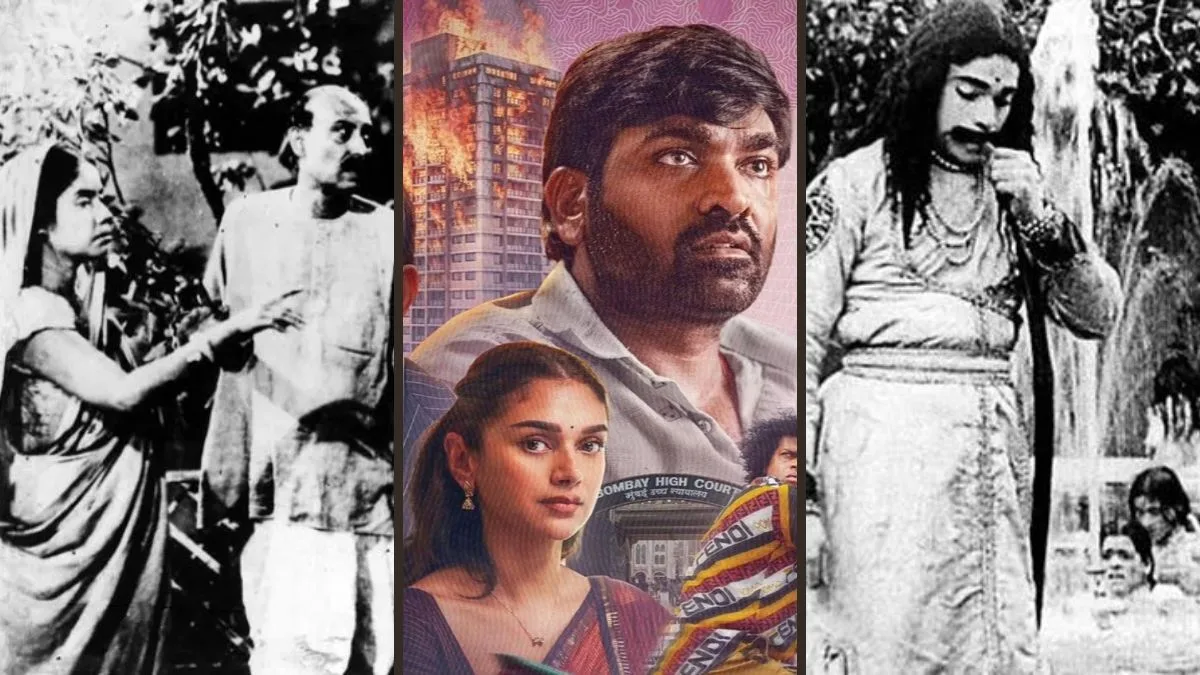
Five classic silent films to watch after you finish ‘Gandhi Talks’ on ZEE5

A silent drama starring Vijay Sethupathi has arrived on ZEE5, bringing back the rare art of storytelling without dialogue. Here are five silent films from different eras of Indian cinema that show how powerful visuals can be.

Statesman News Service | New Delhi |

The new film Gandhi Talks has arrived on ZEE5 on March 6, and it is already creating curiosity among movie lovers. The reason is simple. It is a silent drama in an age where films rely heavily on dialogues.

The film stars Vijay Sethupathi, who carries the story almost entirely through expressions, gestures and body language. The story revolves around unemployed graduate whose life unexpectedly collides with wealthy businessman who is dealing with his own personal struggles. The film also features Aditi Rao Hydari and Arvind Swamy.

Also Read: What Japanese anime should you watch on Netflix right now in March before they leave?

If ‘Gandhi Talks’ sparks your interest in this rare storytelling style, here are five silent films worth exploring.

Andhare Alo

One of the earliest examples of silent storytelling from Bengal is ‘Andhare Alo’ released in 1922. The film was produced by Taj Mahal Films in Calcutta and marked their debut production.

The film’s title translates to “Beam of Light”, and it was also known as “The Influence of Love.” It was directed by Sisir Bhaduri and Naresh Mitra, while Noni Gopal Sanyal handled cinematography.

The cast included Sisir Kumar Bhaduri, Naresh Mitra, Jogesh Choudhury and Durga Rani.

The film was based on a short story of the same name written by Saratchandra Chatterjee, a celebrated Bengali author known for his emotionally layered stories.

The plot revolves around a complicated love triangle. A man named Satyendra marries because of family pressure. However, after the wedding he leaves behind his young bride Radharani, who is only eleven years old, and becomes involved with a modern and mature courtesan.

Raja Harishchandra

If there is one film that sits at the very beginning of Indian cinema history, it is ‘Raja Harishchandra’.

Released in 1913, this silent film was directed and produced by Dadasaheb Phalke. It is regarded as first full-length Indian feature film.

The film starred Dattatraya Damodar Dabke, Anna Salunke, Bhalchandra Phalke and Gajanan Vasudev Sane.

The story was inspired by the legendary king Harishchandra known in mythology for his honesty. Dabke played the title role in the film.

Because the movie had no spoken dialogue, it used intertitles in English, Marathi and Hindi to explain key moments in the story.

Netaji Palkar

Another important silent film in Indian cinema history is Netaji Palkar, released in 1927.

The historical biopic was directed by V Shantaram. It was his first film as director. The movie was produced under banner of Maharashtra Film Company in Kolhapur.

Kaishavrao Dhaiber, who had worked as an apprentice with filmmaker Damle, co-directed the film. Later, he went on to become the chief cinematographer for Shantaram’s films.

The film’s director of photography was S Fattelal.

The cast included Ansuya, Balasaheb Yadav, Ganpat Bakre and Zunzarrao Pawar.

The story focuses on Netaji Palkar, who served as the Senapati (Commander-in-Chief) of Maratha king Shivaji. The narrative follows his efforts and struggles while trying to protect his kingdom.

The film made a significant impact on Marathi cinema.

Daughters of Today

Moving from western India to the north, another fascinating silent film emerged from Lahore in 1928.

The film was titled ‘Daughters of Today’ and was produced by GK Mehta and directed by Shankradev Arya.

It holds special place in cinema history because it was the first feature film made in Lahore.

At that time, Lahore was part of British India and would later become a major filmmaking hub in Pakistan. The film helped establish the city as a centre for filmmaking. It eventually evolved into what is popularly known as Lollywood.

The production journey was long and difficult. Work on the film began in 1924, but it took three years to finish.

The biggest reason for the delay was financial problems, which slowed down the production process.

Despite these challenges, the film introduced people who would later become major figures in South Asian cinema.

One of them was AR Kardar, who later became one of the most famous directors in Bombay during the 1930s, 1940s and 1950s.

Holy Wound

Silent cinema did not disappear after the early twentieth century. Occasionally, filmmakers return to the style to experiment with storytelling.

One modern example is the Malayalam silent film ‘Holy Wound’, released in 2022.

The film was directed by Asok R Nath and written by Paul Wiclif. It was produced by Sandeep R for Sahasrara Cinemas.

The music for the film was composed by Ronnie Raphael, who had previously worked on the film Marakkar.

The movie starred Janaki Sudheer, Amrita Vinod and Sabu Praudeen.

The film’s plot revolves around two young women who share a homosexual relationship. One of the women is married to a man, but she has no interest in a sexual relationship with him. The husband, however, forces himself on her and treats her brutally for his own gratification.

As she struggles with the trauma and abuse, she begins to remember her old friend, a woman she once loved who has now become a nun.

IIT Bombay-backed incubator SINE to fetch Rs 55 crore in SEDEMAC Mechatronics IPO

The company’s red herring prospectus (RHP) has highlighted that SINE will offload 4,08,000 equity shares.

IANS | New Delhi |

Society for Innovation and Entrepreneurship (SINE) — the IIT Bombay-backed broad-spectrum technology business incubator — is selling about 4 lakh shares in the SEDEMAC Mechatronics initial public offering (IPO), according to the filings.

The company’s red herring prospectus (RHP) has highlighted that SINE will offload 4,08,000 equity shares.

On a pre-offer paid-up equity share capital basis, this represents 0.92 per cent, indicating that the incubator is expected to earn roughly Rs 55 crore from the sale.

The public issue of the Pune-based technology company, which opened on March 4, is scheduled to close on Friday, March 6.

According to BSE data, the IPO was fully booked on its last share sale offer, receiving bids for 94,49,242 shares against 56,32,899 shares on offer, suggesting a 1.68‑times subscription by 2:18 pm.

The tech firm has fixed the IPO price band between Rs 1,287 and Rs 1,352 per share, valuing the company at nearly Rs 6,000 crore at the upper end. It is entirely an offer for sale (OFS) of up to 80,43,300 equity shares by promoters Manish Sharma and Ashwini Amit Dixit, along with other investors selling shareholders.

Pune-based SEDEMAC Mechatronics develops, designs and manufactures control-intensive, application-critical electronic control units (ECUs) for original equipment manufacturers (OEMs) in mobility and industrial sectors across India, the US, and Europe.

The company specialises in sensor-less commutation-based integrated starter generator ECUs for two- and three-wheeler internal combustion engine vehicles.

Its key customers include TVS Motor Company, Bajaj Auto, Kirloskar Oil Engines, Briggs & Stratton LLC, and DEIF India.

On the financial front, SEDEMAC reported revenue of Rs 217.35 crore and a net profit of Rs 17.07 crore for the quarter ended June 30, 2025. In FY25, it posted revenue of Rs 658.36 crore and PAT of Rs 47.04 crore.

Shares of SEDEMAC Mechatronics Ltd are expected to make their Dalal Street debut on March 11.

The IPO allocation comprises 50 per cent for qualified institutional buyers (QIBs), 35 per cent for retail investors, and 15 per cent for non-institutional investors (NIIs). ICICI Securities, Avendus Capital, and Axis Capital are the book-running lead managers.

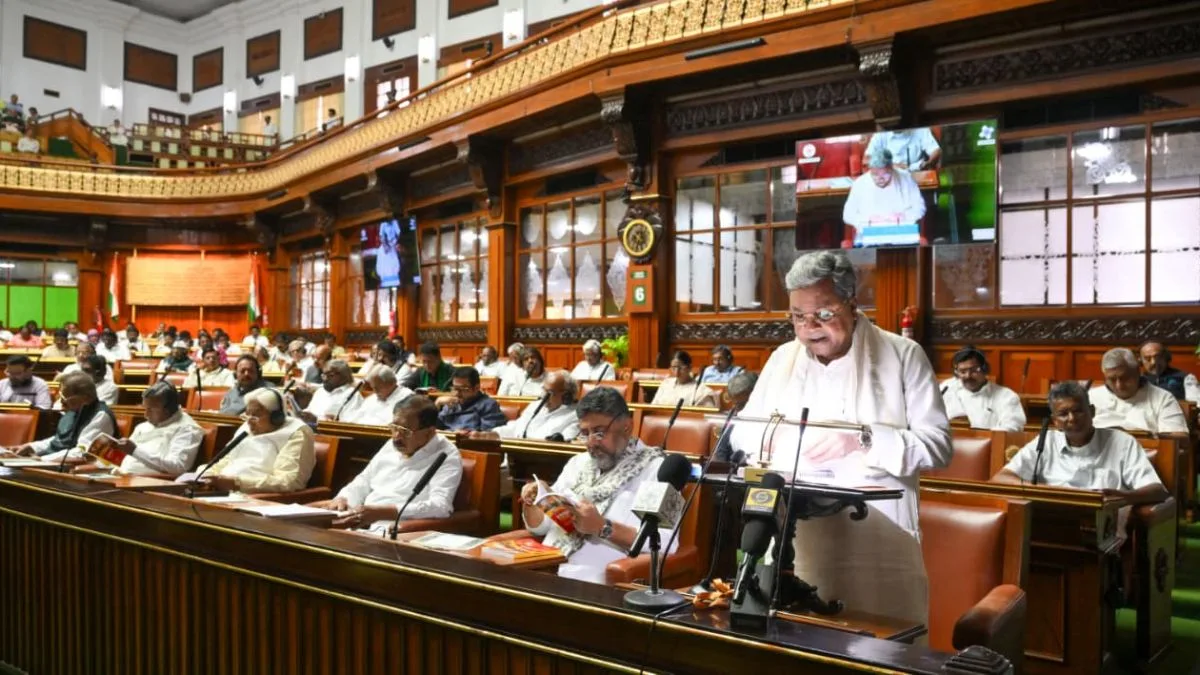
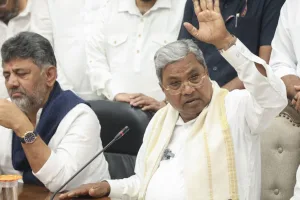
‘No social media for under-16s’: Siddaramaiah’s big pitch in Karnataka Budget

Karnataka Budget 2026 outlines student wellbeing measures including counsellors in schools, infrastructure upgrades and new Karnataka Public Schools, alongside a proposal to restrict social media access for minors.

Statesman News Service | Mumbai |

Karnataka Chief Minister Siddaramaiah on Friday announced that children below 16 years of age will not be allowed to use social media platforms in the state. The proposal was unveiled while presenting the Karnataka Budget for 2026–27 in the Assembly at Vidhana Soudha.

The proposed restriction forms part of a wider set of measures in the state budget aimed at addressing the growing impact of excessive mobile phone use among young students and improving their overall well-being and academic environment.

Speaking during his Budget presentation, Siddaramaiah said the decision was intended to shield children from the harmful effects linked to rising smartphone and social media use.

“To prevent the adverse effects of increasing mobile phone usage on children, the use of social media will be banned for children below 16 years of age,” said CM Siddaramaiah.

Education, mental health support and school upgrades announced

Alongside the proposed social media restriction, the government outlined several education-sector initiatives. The Chief Minister said one trained mental health counsellor will be posted at each of the 204 Block Resource Centres to support students.

Authorities will also step up efforts to curb drug use in schools, colleges, and universities through awareness drives, stricter enforcement, and student support centres.

As part of efforts to improve access to education, the government plans to upgrade 184 government higher primary schools into high schools and convert 50 high schools into Pre-University colleges.

The government also wants to give a big boost to the state’s public school system. Over the next three years, about 800 institutions will be upgraded and turned into Karnataka Public Schools, with the project expected to cost around Rs 3,900 crore.

Of these, 500 schools will be supported by the Asian Development Bank, 200 by the Kalyana Karnataka Region Development Board, and the remaining 100 through the Karnataka Mining Environment Restoration Corporation.

Separate funds have been set aside to improve basic facilities in schools. About Rs 565 crore will go towards building new classrooms and repairing existing ones. Another Rs 75 crore has been allocated for toilets, while Rs 25 crore will be used to provide classroom furniture. In addition, Rs 125 crore will be transferred directly to School and College Development Committees to take care of maintenance work.

The state also plans to introduce bilingual teaching in government primary schools by providing English training for teachers at a cost of Rs 24 crore.