Logo

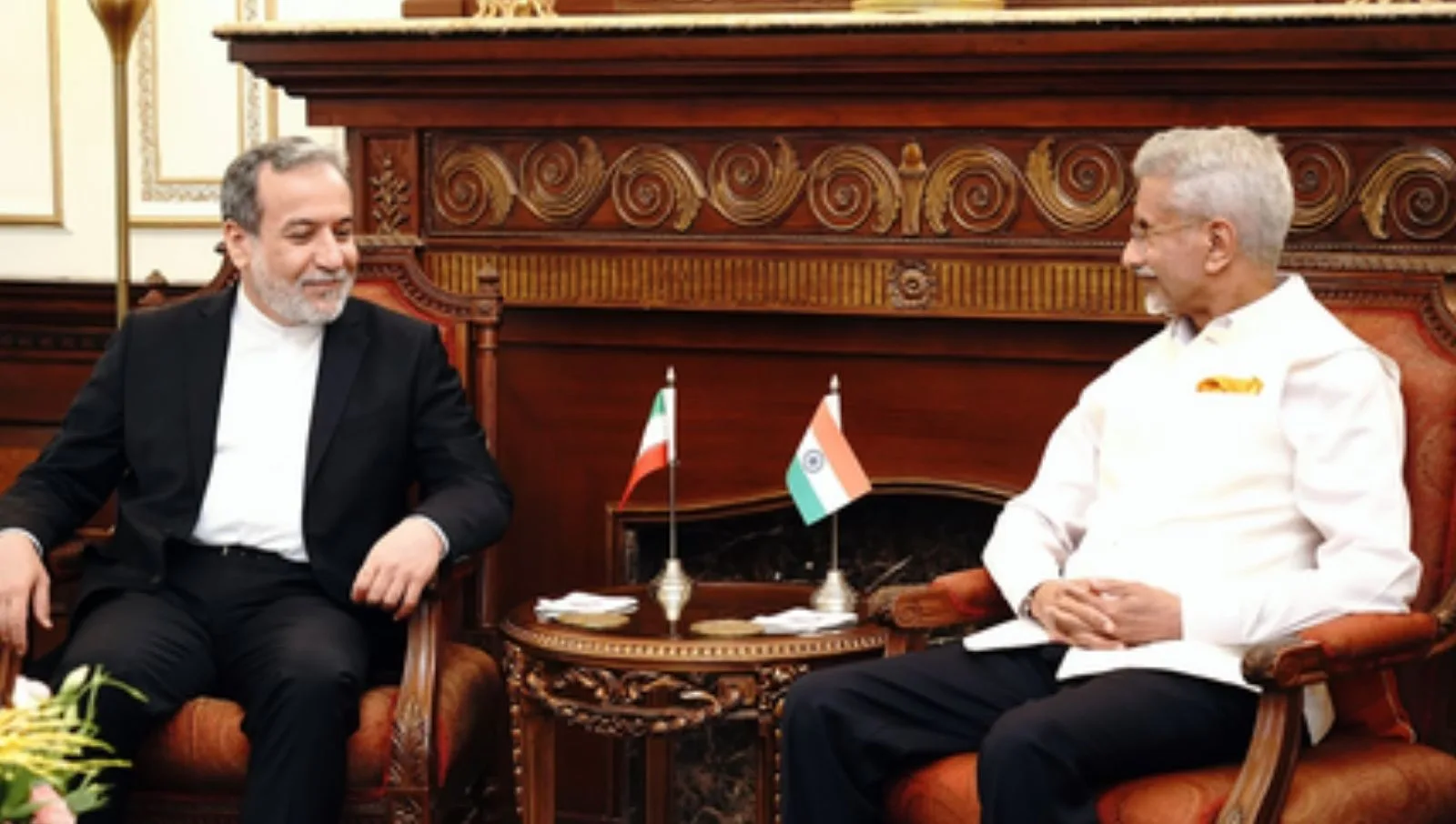
US-Iran War UPDATES: Jaishankar speaks to Iranian counterpart as US War Secretary warns of ‘most intense’ strikes on Iran

Washington is projecting confidence in its Iran campaign, but fresh questions over civilian deaths, weapons costs, oil routes, and political divisions are now shaping the next phase.

Statesman News Service | Mumbai |

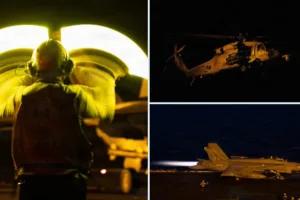
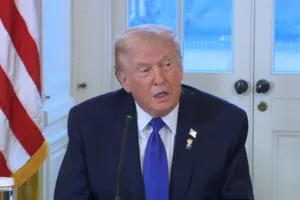
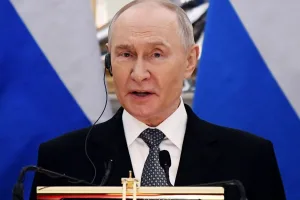
US Defence Secretary Pete Hegseth on Tuesday warned that today will be the day of “most intense” strikes on Iran even as President Donald Trump signalled that Washington believes the most dangerous phase of its military campaign against Tehran has already passed.

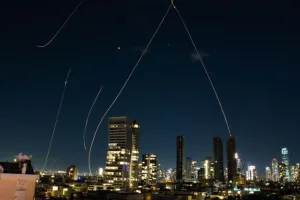
Smoke was seen over Tehran as IDF also said that it has launched a new wave of strikes on “Iranian regime” targets.

Speaking at multiple events and in media interactions, Trump said the operation could end “very soon” but also suggested the US was ready to push harder if needed.

The remarks came on a day that saw the conflict widen on several fronts in public messaging. US officials spoke about thousands of targets hit inside Iran, lawmakers in Washington clashed over the legality and cost of the war, and the administration sharpened its warnings over the Strait of Hormuz. At the same time, questions also grew over civilian casualties and the financial burden of a prolonged campaign.

Top updates on US-Iran conflict

Gulf Exposure

Wars in West Asia rarely remain distant events for India. The ongoing confrontation involving Iran, Israel and the United States is a reminder that instability in the Persian Gulf can travel quickly into the Indian economy ~ sometimes all the way into household kitchens.

Statesman News Service | New Delhi |

Wars in West Asia rarely remain distant events for India. The ongoing confrontation involving Iran, Israel and the United States is a reminder that instability in the Persian Gulf can travel quickly into the Indian economy ~ sometimes all the way into household kitchens. The first signs are already visible. Domestic LPG cylinder prices have been raised by Rs 60 across India, pushing up the cost of cooking fuel used by millions of households.

The increase reflects tightening global energy markets as shipping routes and supply chains around the Strait of Hormuz come under threat. At the same time, the government has sought to reassure the public that petrol and diesel prices will not rise immediately, signaling that New Delhi intends to absorb part of the shock rather than pass it to consumers. That distinction reveals the scale of India’s exposure to developments in the Gulf. India imports roughly 90 per cent of the crude oil it consumes, and a large share of that supply travels through the Strait of Hormuz, the narrow waterway between Iran and Oman that carries about a fifth of the world’s traded oil.

Any disruption in that corridor can quickly ripple through global markets. Even relatively small increases in crude prices translate into higher transportation costs, inflationary pressure and fiscal stress for governments. New Delhi has tried to cushion such risks by diversifying its suppliers. Purchases of discounted Russian crude surged after Russia’s invasion of Ukraine in 2022, allowing India to keep domestic fuel prices relatively stable. Yet the strategy has limits. Shipping disruptions in the Gulf still affect energy markets worldwide, and India’s supply chains remain tightly connected to the region. Natural gas and LPG present a sharper vulnerability.

India’s rapid expansion of LPG usage ~ promoted by government programmes encouraging cleaner cooking fuels ~ has dramatically increased dependence on imports. Much of that supply originates in Gulf countries such as Qatar, Saudi Arabia and the United Arab Emirates. Unlike crude oil, LPG has limited strategic storage, meaning disruptions can reach consumers more quickly. Energy, however, is only part of the equation. Nearly 10 million Indian citizens live and work across the Gulf Cooperation Council states. Their remittances ~ sent home from cities such as Dubai, Doha and Riyadh ~ form a crucial pillar of India’s external finances, bringing billions of dollars into families across Kerala, Uttar Pradesh and other states each year.

A prolonged regional crisis could affect employment, wages and migration flows. Strategic projects are also at stake. India’s investment in Iran’s Chabahar port was designed to open a trade corridor to Afghanistan and Central Asia while bypassing Pakistan. Yet US sanctions on Tehran and rising geopolitical tensions have repeatedly complicated that ambition. Prime Minister Narendra Modi’s government now faces a delicate balancing act: maintaining relations with Israel, the Arab Gulf states and Iran while safeguarding India’s economic interests. The unfolding crisis is a reminder that for a country so deeply integrated with the Gulf, distant wars are rarely distant for long.

India’s New Order

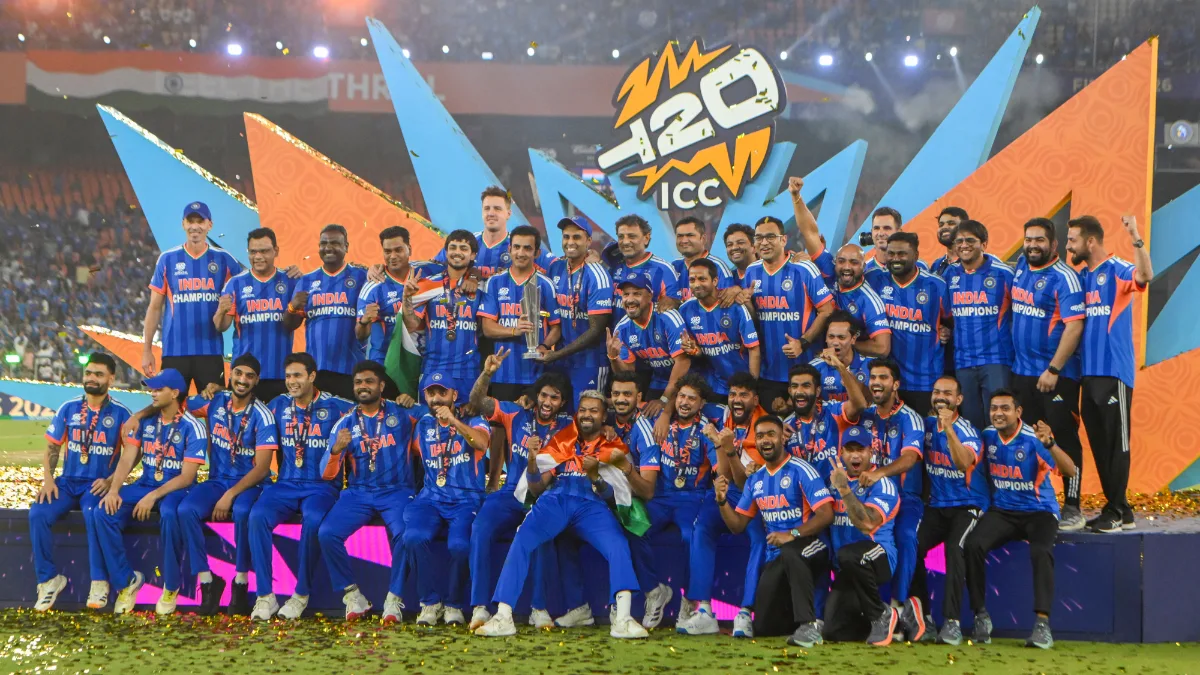
India’s emphatic triumph in the latest men’s T20 World Cup final in Ahmedabad is more than another trophy in an already crowded cabinet.

Statesman News Service | New Delhi |

India’s emphatic triumph in the latest men’s T20 World Cup final in Ahmedabad is more than another trophy in an already crowded cabinet. It signals the consolidation of a new era in Indian cricket ~ one defined not by the familiar giants of the previous decade but by a younger generation that has taken control of this aspect of the global game with confidence. For years, Indian cricket revolved around the towering presence of Virat Kohli, Rohit Sharma and Ravindra Jadeja. Their achievements built the foundation of India’s white-ball dominance. Yet their gradual withdrawal from the T20 format created a moment of uncertainty: could the next wave carry the weight of expectation in the most volatile format of the game? The answer arrived with clarity in Ahmedabad.

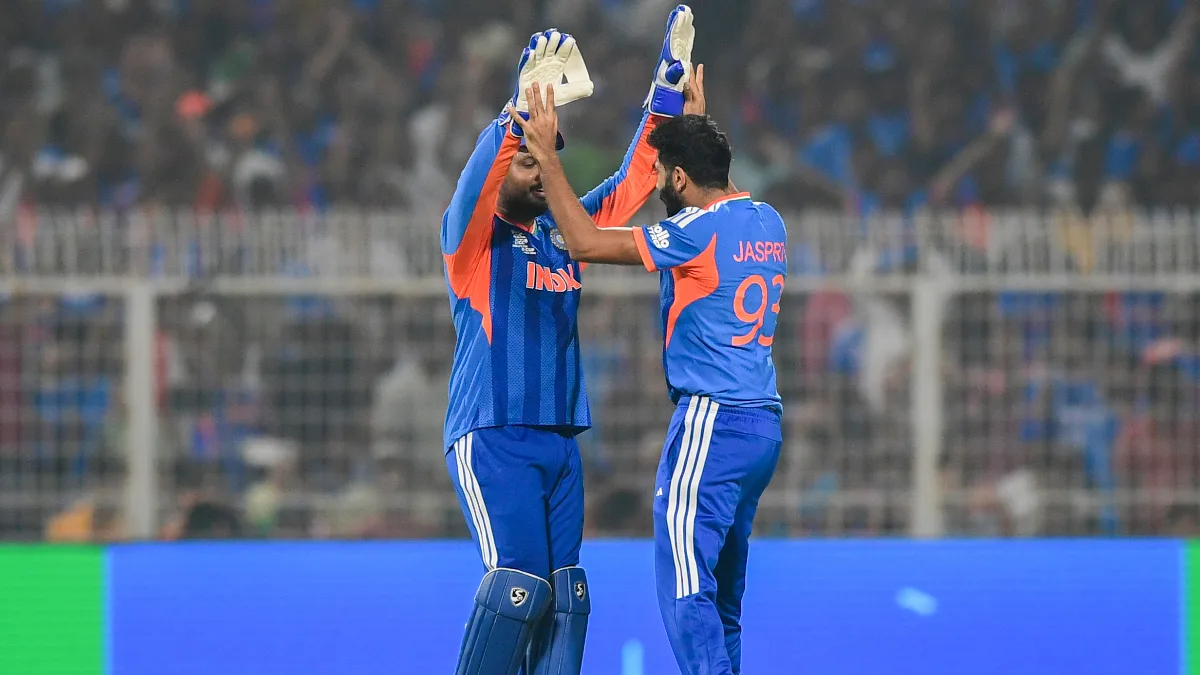
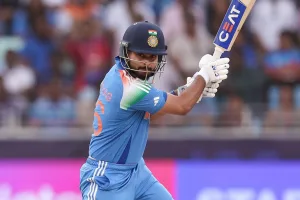
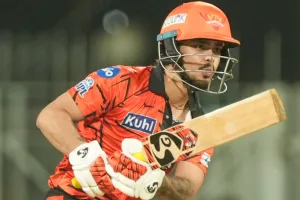
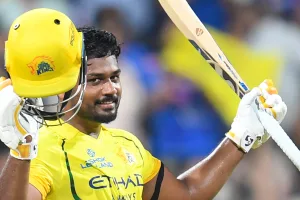
For a country where cricket often mirrors national confidence, such victories carry symbolism beyond sport. They reinforce the idea that India now shapes the direction, tempo and economics of modern cricket. Sanju Samson, once an erratic talent who drifted in and out of the national side, has emerged as a central figure in India’s new batting order. His attacking innings in the final illustrated the kind of fearless strokeplay that modern T20 cricket demands. Alongside him, players like Ishan Kishan and Abhishek Sharma demonstrated that India’s batting depth is no longer dependent on a handful of superstars. The runs now come from everywhere. Equally telling was the authority of India’s bowling attack. Jasprit Bumrah, already regarded as the finest fast bowler of his generation, once again showed why he remains indispensable. In an era where T20 cricket often seems stacked in favour of the batter, Bumrah’s precision and variation continue to tilt the balance back toward the bowler.

But this victory also highlights the structural advantages that Indian cricket enjoys. The Indian Premier League has transformed talent development by exposing young players to high-pressure matches and international teammates long before they wear the national jersey. The result is a pipeline of players who are comfortable on the biggest stage. Few countries can currently match that depth. For New Zealand, once again runners-up on the world stage, the result adds to a painful pattern of misses that stretch across multiple global tournaments. Their resilience and tactical discipline remain admirable, yet the gulf in resources and player pools between the two sides is increasingly visible.

The broader question now confronting world cricket is whether anyone can realistically challenge India’s momentum. With victories across multiple white-ball tournaments and a steady stream of young players ready to step in, India appears uniquely positioned to dominate the format for years to come. If anything, the most striking feature of this triumph is how routine it seemed. What once required heroic individual brilliance now looks like the product of a system that keeps producing winners. For the rest of the cricketing world, that may be the most daunting reality of all.

Leadership Gender Gap

International Women’s Day 2026, under the theme, “Rights. Justice. Action. For ALL Women and Girls”, calls for action to dismantle all barriers to equal justice: discriminatory laws, weak legal protections, and harmful practices and social norms that erode the rights of women and girls, according to the United Nations.

SRINIVAS MADHAV | New Delhi |

International Women’s Day 2026, under the theme, “Rights. Justice. Action. For ALL Women and Girls”, calls for action to dismantle all barriers to equal justice: discriminatory laws, weak legal protections, and harmful practices and social norms that erode the rights of women and girls, according to the United Nations. Here is a barrier the world rarely acknowledges: not one of the nine nations that controls nuclear weapons is currently led by a woman.

All nine (Russia, the US, China, France, the UK, India, Pakistan, Israel and North Korea) are governed by men. Together they hold over 12,000 warheads. New START, the last US-Russia nuclear arms control treaty, expired on February 5, with no replacement in sight. The ongoing US-Israel strikes on Iran are pushing nuclear-armed powers closer to confrontation. The Doomsday Clock stands at 89 seconds to midnight, the closest to annihilation in its 75-year history. This is the world men have built. What would the world look like if women held the leadership positions?

The world today has the highest number of active conflicts since the end of World War II: from the ongoing devastation in Iran, Ukraine and Sudan to the crises in Gaza, Ethiopia and Myanmar. Despite the landmark 25th anniversary of UN Security Council Resolution 1325, the pattern remains: every one of these major hostilities was initiated and continues to be commanded by male leaders. Global military spending exceeds $2.7 trillion, nearly equivalent to the entire gap needed to meet every UN Sustainable Development Goal: redirecting a mere 4 per cent of this budget could eliminate world hunger entirely, 10 per cent could provide basic healthcare and vaccines to every child on Earth. Meanwhile, the world reels under crises on multiple fronts.

Corruption drains an estimated $3.6 trillion from global economies annually, siphoning funds meant for hospitals, schools, and clean water. This systemic theft fuels a survival crisis where nearly 700 million people go to bed hungry each night, 120 million are forcibly displaced by wars and climate change, and over 150 million children suffer from stunting. Even basic care is a luxury, as 4.6 billion people lack essential health services and over 1.1 billion people struggle with mental health disorders. Maternal mortality claims nearly 300,000 lives every year, and a woman is killed every ten minutes. These are the symptoms of the same governance failure: a world run almost exclusively by men.

Addressing the leadership gender gap is not a cure-all, but is critical for building more inclusive and effective solutions. Historical examples provide some answers. Israel’s Golda Meir reportedly refused to authorise a nuclear strike during the 1973 Yom Kippur War, even as defences collapsed. She chose not to cross the threshold. Pakistan’s Benazir Bhutto signed a Non-Nuclear Aggression Agreement with India in 1988, choosing diplomacy over brinkmanship. The argument is not that women are inherently peaceful: Indira Gandhi and Margaret Thatcher fought wars. However, research on risk perception (Slovic, 1999; Finucane et al., 2000) shows women consistently foresee higher likelihood and severity of catastrophic outcomes.

Mixed-gender decision-making teams produce more rigorous and less groupthink-prone analysis (Janis, 1972). A PNAS study (Larivière et al., 2013) found performance of a group peaks near 50:50 gender balance. In nuclear command, where one miscalculation ends civilisation, that difference in judgment is a strategic necessity. Around the world, women leaders have consistently demonstrated that empathy and strength can go hand in hand with effective governance. Examples show this combination delivering positive outcomes in healthcare, education, and social justice: Sanna Marin of Finland, Angela Merkel of Germany, Indira Gandhi of India, and Jacinda Ardern of New Zealand have each left lasting marks on their nations.

Ardern’s compassionate response to the 2019 Christchurch mosque shootings earned her global acclaim. She also introduced policies to reduce child poverty and combat climate change through the Zero Carbon Act that committed New Zealand to achieving net zero greenhouse gas emissions by 2050. Angela Merkel’s decision to open Germany’s borders to over a million refugees reflected the humanitarian spirit that defined her long tenure, while in India, Indira Gandhi’s ‘Abolish Poverty’ campaign and support for the Green Revolution strengthened agricultural self-sufficiency, and Mamata Banerjee’s rise from poverty embodies fierce, self-made leadership as India’s longest-serving woman Chief Minister. However, women’s representation in national parliaments is just 27.2 per cent, and in local governments worldwide it has stagnated at 35.5 per cent.

Still, Rwanda, Cuba, Mexico, New Zealand, and the UAE already have over 50 per cent women in their parliaments. Women face challenges in reaching political leadership. They struggle with time poverty, have fewer opportunities for mentorship, receive limited campaign funding, and endure disproportionately targeted online harassment. Former Finnish Prime Minister Sanna Marin, whose government was internationally praised for its swift and effective response to the pandemic that kept infection and death rates far lower, revealed that her cabinet faced a torrent of sexism, including personal attacks and even threats. The evidence that women are ready comes from India’s own villages.

Over 1.4 million women hold elected positions in Panchayati Raj Institutions, 46 per cent of all local representatives. What they have done with that power is instructive: women sarpanches in Telangana’s Adilabad used the law to shut over 50 liquor shops across 600 tribal villages; Dubagunta Rosamma’s anti-liquor movement reshaped a state law. In Maharashtra’s Kolhapur, women councillors abolished widow-shaming rituals. They are governance, and leadership at scale. The journey from Panchayat to Parliament has already been proven possible.

Droupadi Murmu rose from a tribal village to become India’s President. Savitri Thakur began in a district panchayat before becoming a Union Minister. Raksha Nikhil Khadse served as village sarpanch before entering the national cabinet. Nimubhen Bambhaniya was a mayor before reaching Parliament. India’s Nari Shakti Vandan Adhiniyam (2023) now mandates 33 per cent reservation in the Lok Sabha. What is possible in a gram sabha is possible in a security council. Rudrama Devi ruled the Kakatiya dynasty for thirty years, mastering warfare and statecraft in the 13th century, when few believed a woman capable of such rule. The women who govern India’s villages today are proving the same point again.

As the Nobel Committee for the Prize in Economic Sciences noted in 2023, unequal allocation of female talent is not just an equity failure; it is an efficiency failure. The central question remains: is it possible to close the leadership gender gap? It will require each of us to act: Support women’s leadership by voting for gender-balanced candidates, and encouraging women in our community to step into decisionmaking roles. Even North Korea, for all its dictatorship, now presents a surprisingly progressive image as Kim Jong Un’s public appearances with his daughter, Kim Ju Ae, hint at a possible female succession, something even champions of democracy and gender equality, like the U.S. and France have yet to achieve. If change is visible even there, it is not beyond reach anywhere.

(The writer is a transparency and equality advocate and founder member, 51ABI Foundation)

Hockey World Cup Qualifiers: India play 2-2 draw with Scotland, stay top of Pool B

Despite the draw, India retained the top spot in Pool B with four points, edging Scotland on goal difference.

Statesman News Service | New Delhi |

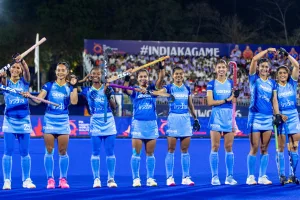
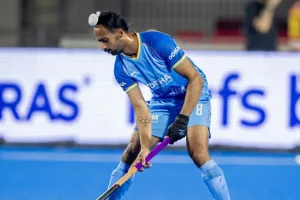
The India women’s field hockey team played out a hard-fought 2–2 draw against the Scotland women’s field hockey team in their second Pool B match of the FIH Hockey World Cup 2026 Qualifiers at the G. M. C. Balayogi Hockey Stadium on Monday.

Despite the draw, India retained the top spot in Pool B with four points, edging Scotland on goal difference. Goals from Navneet Kaur (18’) and Sunelita Toppo were cancelled out by Scotland’s Heather McEwan (6’) and Fiona Burnet (33’).

Scotland struck early after earning a penalty corner in the sixth minute, with McEwan guiding the ball into the net to give the visitors a 1–0 lead. India responded with sustained attacking pressure and created multiple opportunities but failed to convert, heading into the second quarter trailing by a goal.

India found their breakthrough in the 18th minute when Navneet Kaur capitalised on a loose ball following a penalty corner and smashed it past Scottish goalkeeper Jessica Buchanan to level the score. The hosts soon took the lead when Toppo reacted quickly to a rebound from a penalty corner in the 29th minute to make it 2–1 before halftime.

Scotland responded early in the third quarter, with Burnet finishing a well-worked passing move set up by McEwan in the 33rd minute to bring the scores level at 2–2.

The remainder of the match saw intense end-to-end action. India earned several penalty corners, including three consecutive chances in the third quarter and another late opportunity in the final minutes, but Buchanan produced a series of crucial saves to deny the hosts.

Despite a flurry of attacking chances late in the fourth quarter, neither side could find the decisive goal, and the match ended in a 2–2 stalemate.

India will next face Wales women’s national field hockey team on Wednesday at 7:30 PM IST.

‘You will have to fall at the feet of the public’: Mamata Banerjee’s no-holds-barred attack on CEC Gyanesh Kumar at Bengal protest

Banerjee directly addressed CEC Kumar and said that his “might” would last only till May and after that he will have to fall to the feet of public.

Statesman News Service | New Delhi |

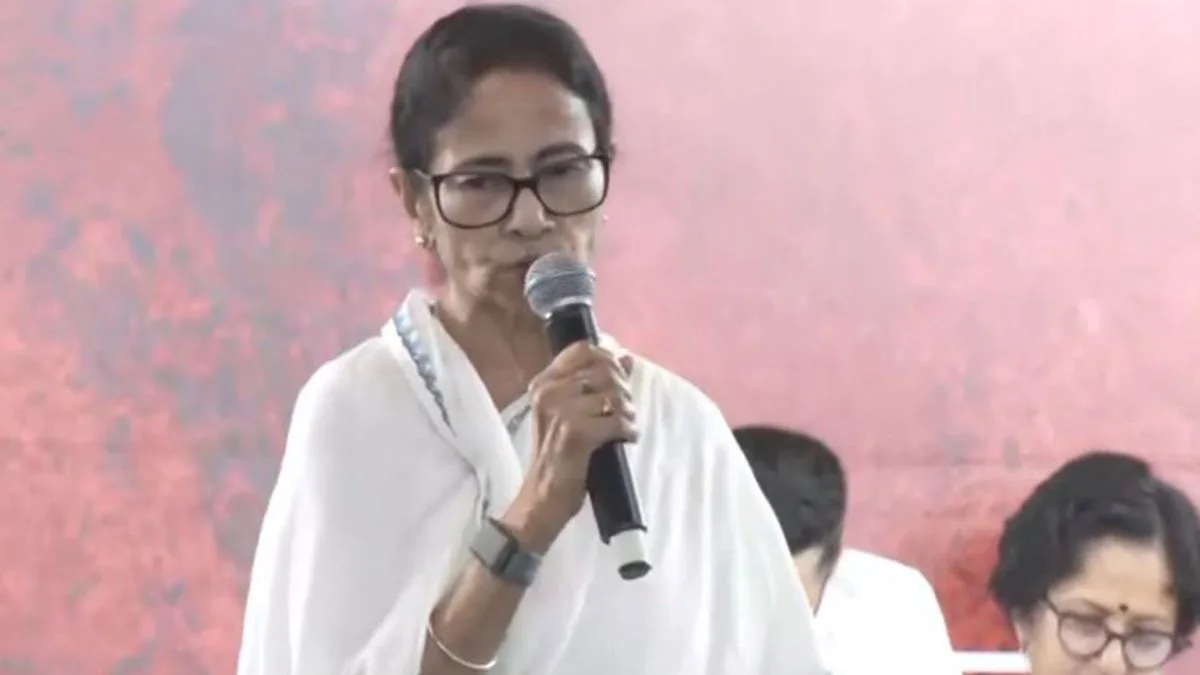
West Bengal Chief Minister Mamata Banerjee on Monday launched a no holds barred attack on Chief Election Commissioner Gyanesh Kumar over the issue of voter deletions from the state electoral rolls following the controversial Special Revision Exercise (SIR).

Addressing her supporters during the anti-SIR protest in Kolkata, Banerjee directly addressed CEC Kumar and said that his “might” would last only till May and after that he will have to fall to the feet of public.

“You can show your might only till the month of May, you can threaten officers only until then. You yourself do not know where you will be after that. Gyanesh Kumar, you will have to fall to the feet of public. We will oust you from government,” CM Banerjee said as she continued her sit-in for the fourth consecutive day.

Mamata Banerjee joins in Trinamool’s protests against LPG cylinders’ price hike

On the issue of alleged government intimidation and misuse of central agencies, Banerjee said, “He has the ED, CBI, BSF, and every agency with him. Still, I will say that no matter how much ED and CBI you show, it will all be goodbye after the vote.”

The Bengal CM further accused the BJP of undermining democracy and warned that people’s voting rights must be restored if the party wants to win elections fairly.

“There is only one party and one government. Indian democracy has been eclipsed. If you want to win the election, return the people’s voting rights,” Banerjee said.

“You can win votes by deleting names and snatching away voting rights, but tomorrow the BJP government will definitely go from Delhi, then I will drag you and bring you to answer in front of the public,” she added.

Banerjee alleged that the BJP has hatched a conspiracy to influence the counting process. “Their first plan is to steal votes. I caution you that the BJP’s seats will be shown first in the counting process so they can manage the officials,” Banerjee added.

Trump urges Australia to grant asylum to Iran Women’s Football Team after players seek refuge

In a post on his social media platform Truth Social, Trump called on Australian authorities to allow the players to remain in the country.

Statesman News Service | New Delhi |

U.S. President Donald Trump has urged Australia to grant asylum to members of the Iran women’s national football team, warning that forcing them to return to Iran could put their lives at serious risk.

The appeal comes after Iran’s campaign at the AFC Women’s Asian Cup 2026 ended with three consecutive defeats. Iran lost 3–0 to South Korea women’s national football team on March 2, suffered a 4–0 defeat against hosts Australia women’s national soccer team on March 5, and were beaten 2–0 by the Philippines women’s national football team on March 8.

In a post on his social media platform Truth Social, Trump called on Australian authorities to allow the players to remain in the country.

“Australia is making a terrible humanitarian mistake by allowing the Iran National Woman’s Soccer team to be forced back to Iran, where they will most likely be killed. Don’t do it, Mr. Prime Minister, give ASYLUM. The U.S. will take them if you won’t,” Trump wrote.


The development follows reports that five Iranian players left the team’s training camp in Australia and sought refuge, according to a statement released by the office of exiled Iranian Crown Prince Reza Pahlavi.

The players named in the statement are Fatemeh Pasandideh, Zahra Ghanbari, Zahra Sarbali, Atefeh Ramazanzadeh, and Mona Hamoudi.

According to the statement, the players have reached a safe location and declared their support for the “Lion and Sun Revolution”, an opposition movement linked to Iranian diaspora groups.

The incident comes amid heightened tensions in West Asia following the killing of Iran’s Supreme Leader Ali Khamenei in joint military strikes by the United States and Israel on February 28. Several senior leaders of the Islamic Republic were also reportedly killed in the strikes.

In retaliation, Tehran launched counter-strikes targeting American military bases across Arab countries and Israeli assets in the region. Israel and the United States have continued strikes on Iranian targets, with the conflict also expanding to Lebanon, where Hezbollah and other Iranian-backed groups were targeted.

Meanwhile, Iran’s Assembly of Experts, the clerical body responsible for selecting the country’s supreme leader, announced on Sunday the appointment of Mojtaba Khamenei, the son of the late leader, as the new supreme leader.

The leadership transition marks a significant moment in Iran’s political history, making Mojtaba Khamenei the third supreme leader of the Islamic Republic since the Iranian Revolution.

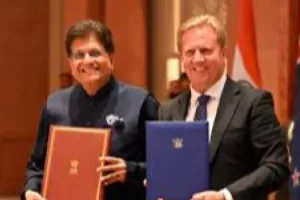
India, New Zealand plan new sports initiatives to mark 100 years of sporting relations

The year 2026 marks 100 years of sporting ties between India and New Zealand, tracing back to the historic 1926 Indian Army hockey tour to New Zealand, one of the earliest major sporting engagements between the two nations.

Statesman News Service | New Delhi |

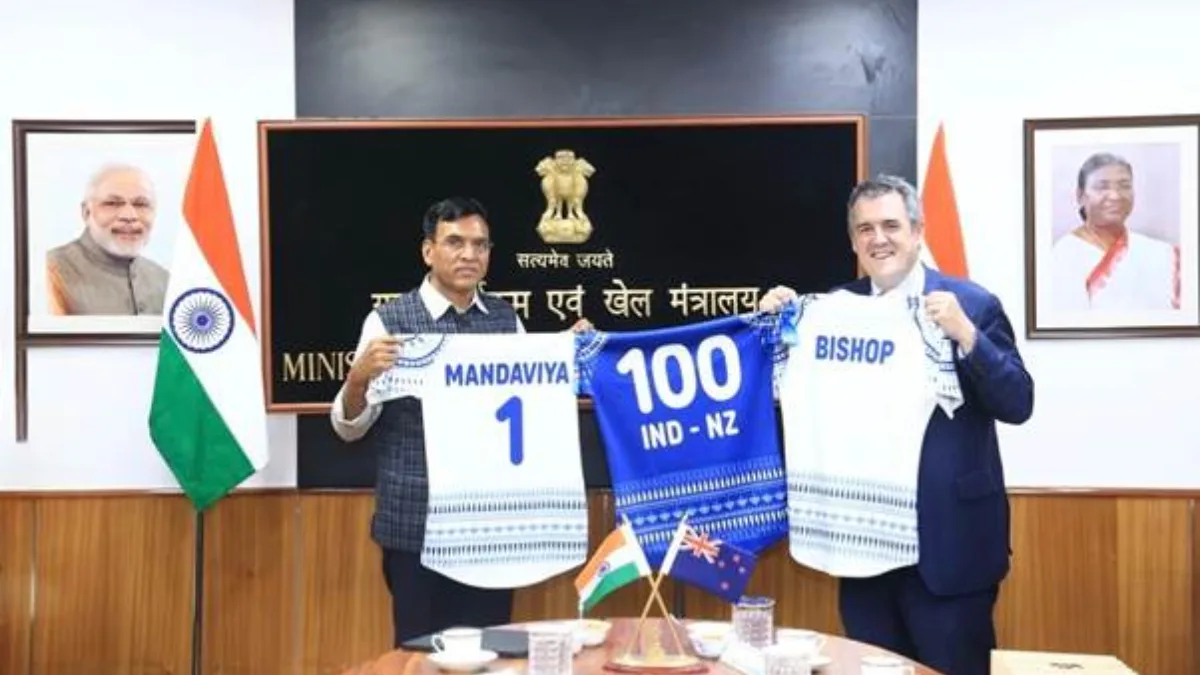
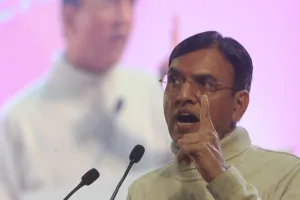
Union Minister of Youth Affairs and Sports Dr Mansukh Mandaviya on Monday chaired a high-level ministerial meeting with the New Zealand sports delegation to discuss expanding bilateral cooperation in sports and strengthening collaboration between the sporting ecosystems of the two countries.

The year 2026 marks 100 years of sporting ties between India and New Zealand, tracing back to the historic 1926 Indian Army hockey tour to New Zealand, one of the earliest major sporting engagements between the two nations.

Building on this legacy, both countries explored new initiatives to deepen cooperation and strengthen sports diplomacy.

The Indian delegation included Shri Hari Ranjan Rao, Secretary (Sports), along with senior officials from the Ministry of Youth Affairs and Sports, the Sports Authority of India, the Indian Olympic Association and representatives from national sports federations.

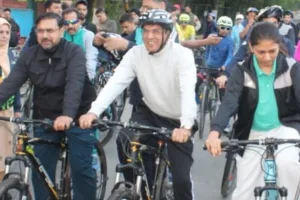
Earlier in the day, Shri Rao led a delegation-level meeting with New Zealand officials to discuss expanding bilateral sports cooperation. The delegations identified priority sports for collaboration, including rugby, rowing, canoeing, sailing, athletics and cycling.

The New Zealand delegation was led by Chris Bishop, Associate Minister for Sport and Recreation, and included Patrick John Rata, New Zealand High Commissioner to India, former international cricketer Ross Taylor, Raelene Castle, CEO of Sport New Zealand, and representatives from Hockey New Zealand, Athletics New Zealand and Paralympics New Zealand.

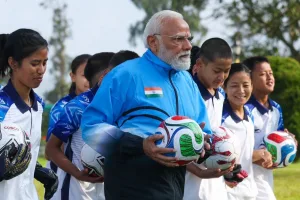
The discussions focused on the India–New Zealand Centenary Sports Cooperation Programme 2026, a year-long initiative designed to commemorate the centenary of sporting ties and expand collaboration in sports development, high-performance training, innovation and people-to-people engagement.

Both sides discussed organising sports and cultural exchange initiatives, including a proposed India–New Zealand Sports and Culture Week to be hosted across cities in both countries, bringing together athletes, coaches and communities while celebrating indigenous sporting traditions.

A key focus of the meeting was strengthening collaboration in high-performance sports through joint training camps, coaching exchanges and knowledge sharing in sports science, analytics and athlete performance systems.

The discussions also explored integrating New Zealand’s coach development framework into the curriculum of the National Institute of Sports (NIS), Patiala.

Both countries agreed to constitute a joint working group to oversee implementation of the cooperation framework, nominate nodal officers and establish a monitoring mechanism with periodic reviews.

The meeting reaffirmed the shared commitment of India and New Zealand to deepen sports cooperation and translate the centenary partnership into tangible outcomes for athletes, coaches and sporting ecosystems in both countries.


PM Modi speaks to Balendra Shah, RCP chairman Rabi Lamichhane after their landslide victory in Nepal elections

Lamichhane thanked PM Modi for his warm wishes and recognising the democratic mandate of the Nepali people.

Statesman News Service | New Delhi |

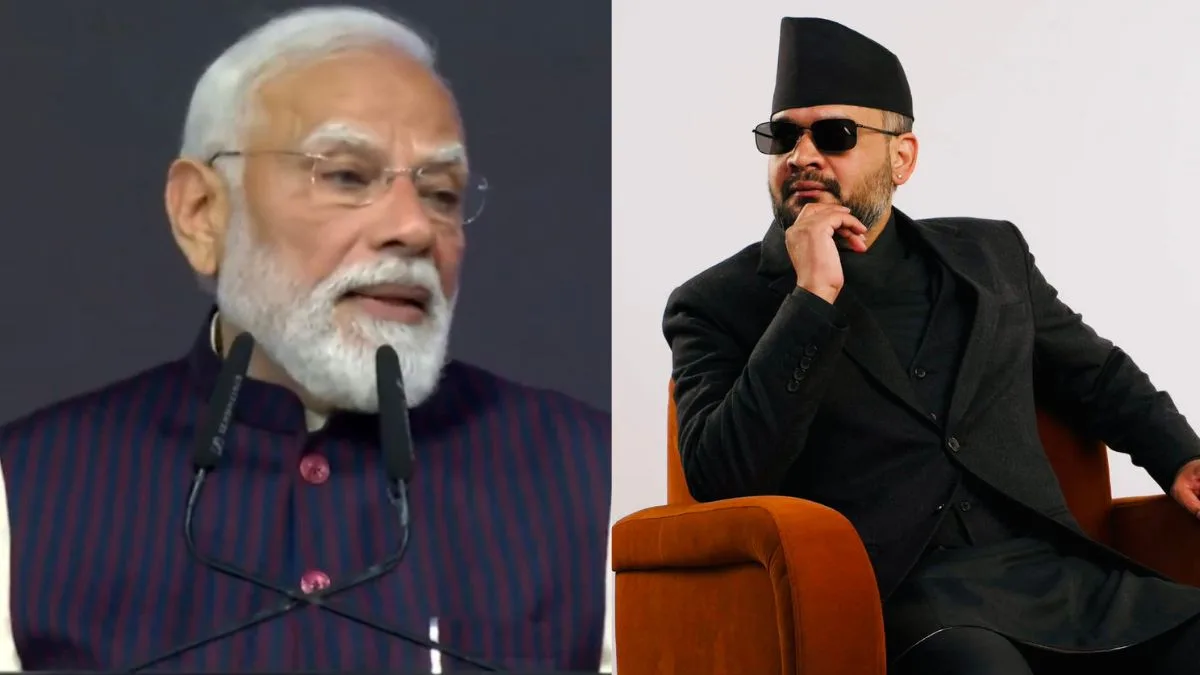
Prime Minister Narendra Modi on Monday had a telephonic conversation with Balendra Shah, who is poised to become the next Prime Minister of Nepal and the Rastriya Swatantra Party (RSP) chairman Rabi Lamichhane.

During the conversation, Modi congratulated both the leaders on their electoral victories and the RSP’s resounding success in the recently concluded Nepal elections.

The prime minister emphasised India’s commitment to work with them for mutual prosperity, progress and well-being of India and Nepal.

“I am confident that with our joint endeavours, India and Nepal relations will scale new heights in the years ahead,” the PM added.

Lamichhane thanks PM Modi for recognising the democratic mandate of Nepali people

Rastriya Swatantra Party chief Rabi Lamichhane thanked PM Modi for his warm wishes and recognising the democratic mandate of the Nepali people.

The bell rings, the sun sets: After years of easy victories in Jhapa, KP Sharma Oli faces defeat at the hands of Balen Shah

“RSP and our government will remain dedicated to fostering a relationship built on mutual respect and shared prosperity where RSP will prioritize on ‘development diplomacy’,” he said.

Lamichhane further stated that the RSP government will “look forward to a partnership with India that scales new heights through cooperation in connectivity, cultural tourism, energy, and trade, ensuring a prosperous future for the people of both countries.”

The Balen Shah-led RSP registered a landslide victory in Nepal’s first elections since the Gen-Z revolt in September last year that toppled the Communist-led coalition government headed by Prime Minister KP Sharma Oli.

The RLP won 125 out of 165 seats, while the Gagan Thapa-led Nepal Congress was reduced to just 18 seats. Pushpa Kamal Dahal-led Nepal Communist Party could manage to win just 7 seats.

AAP venting out frustration over HC move in liquor scam case, says Kapoor

Kapoor said the CBI had filed an appeal against a court’s order discharging AAP chief Arvind Kejriwal and others in the alleged liquor scam matter

Statesman News Service | New Delhi |

Delhi BJP spokesperson Praveen Shankar Kapoor on Monday said that Aam Aadmi Party (AAP) leader Saurabh Bhardwaj’s reaction to the Delhi High Court’s interim order on the CBI’s appeal in the liquor scam case is nothing but venting frustration.

Kapoor said the CBI had filed an appeal against a court’s order discharging AAP chief Arvind Kejriwal and others in the alleged liquor scam matter. The High Court heard the appeal and accepted it, and has issued notices to all discharged accused for Monday, March 16.

The Delhi BJP leader said that Bhardwaj’s claim that the High Court did not stay the lower Rouse Avenue Trial Court’s order is something absurd. He said the probe agency did not seek any stay.

The Delhi BJP spokesperson said that the order of the HC has brought a ray of hope for justice in the alleged liquor scam.

Four Indians including Samson and Bumrah named in ICC T20 World Cup 2026 Team of the Tournament

Sanju Samson is joined in the team by fellow Indians Ishan Kishan, Hardik Pandya, and Jasprit Bumrah following India’s historic triumph on home soil.

Statesman News Service | New Delhi |

Four members of India’s title-winning squad have been named in the ICC Men’s T20 World Cup 2026 Team of the Tournament, with Sanju Samson leading the side after a stellar campaign.

The wicketkeeper-batter, who was also named Player of the Tournament, scored 321 runs in five innings. Initially not part of India’s playing XI, Samson made a dramatic impact after coming into the side, earning Player of the Match awards against West Indies and England.

He capped his remarkable run with a memorable knock of 89 in the final against New Zealand, setting the record for the highest individual score in a Men’s T20 World Cup final.

Samson is joined in the team by fellow Indians Ishan Kishan, Hardik Pandya, and Jasprit Bumrah following India’s historic triumph on home soil.


Kishan enjoyed an outstanding tournament at the top of the order, scoring 317 runs, the fourth-highest tally among all players. He maintained a remarkable strike rate of 193.29, anchoring India’s batting lineup. Kishan began the campaign with a brilliant 77 against Pakistan and later delivered crucial contributions against England and New Zealand, including a half-century in the final.

Pandya earned his place for his impactful all-round performances. The star all-rounder scored two half-centuries, including a quickfire 52 off 28 balls against Namibia, and also picked up nine wickets during the tournament.

Fast bowler Bumrah was recognised for his match-winning spells with the ball. The pace spearhead finished as the joint-leading wicket-taker with 14 wickets in eight matches. In the final, Bumrah produced a sensational spell of 4/15 and maintained an impressive economy rate of 6.21 throughout the tournament, earning him the Player of the Match award in the final.

Pakistan opener Sahibzada Farhan tops the batting order after finishing as the tournament’s leading run-scorer with 383 runs at an average of 76.60, including two centuries against Sri Lanka and Namibia.

South Africa captain Aiden Markram also features in the side after scoring 286 runs, including three half-centuries, helping the Proteas reach the semi-finals. His teammate Lungi Ngidi is the other South African in the team, having claimed 12 wickets during the tournament.

England all-rounder Will Jacks earned a place in the middle order for his consistent contributions with both bat and ball as England progressed to the semi-finals. He delivered several crucial performances, including an unbeaten 32 off 18 balls and 2/23 against New Zealand, earning one of his four Player of the Match awards.

He is joined by fellow England player Adil Rashid, who took 13 wickets at an average of 14.15 during the tournament.

West Indies all-rounder Jason Holder also secured a spot after contributing with both bat and ball, including impressive bowling performances against Scotland and Nepal.

Zimbabwe fast bowler Blessing Muzarabani rounds out the XI after playing a key role in his team’s group-stage campaign. He took four wickets for 17 runs against Australia and finished the group stage with nine wickets.

USA pacer Shadley van Schalkwyk was named the 12th player, having taken 13 wickets at an impressive average of 6.84.

ICC Men’s T20 World Cup 2026 Team of the Tournament

Sahibzada Farhan, Sanju Samson (wk), Ishan Kishan, Aiden Markram (captain), Hardik Pandya, Will Jacks, Jason Holder, Jasprit Bumrah, Lungi Ngidi, Adil Rashid, Blessing Muzarabani and Shadley van Schalkwyk

The selection panel included Ian Bishop, Natalie Germanos, Eoin Morgan, ICC representative Gaurav Saxena, and sports journalist Rex Clementine.

Over 30,000 enumerators to be deployed in upcoming census operations in J&K

Over 30,871 enumerators and supervisors will be deployed to effectively manage the massive scale of the enumeration process during the upcoming Census operations in Jammu and Kashmir. These enumerators will be trained by 614 field trainers.

Statesman News Service | Jammu |

Over 30,871 enumerators and supervisors will be deployed to effectively manage the massive scale of the enumeration process during the upcoming Census operations in Jammu and Kashmir. These enumerators will be trained by 614 field trainers.

Chief Secretary Atal Dulloo, in presence of the Registrar General and Census Commissioner of India, Mritunjay Kumar Narayan, on Monday chaired a high-level sensitisation session to review and strengthen preparations for the upcoming Census, 2027 which will be conducted digitally for the first time across the country.

The session was attended by Administrative Secretaries of various departments, senior officers of the Union Territory administration, Divisional and District administration officers and representatives of multiple government departments.

The Chief Secretary emphasised the need for coordinated and proactive preparations for the smooth conduct of the census operations. He also underscored the importance of public awareness and outreach, stressing that citizens must be encouraged to actively participate in the census process and provide accurate information.

Speaking on the occasion, the Registrar General and Census Commissioner of India, Mritunjay Kumar Narayan expressed satisfaction over the level of preparedness and the comprehensive sensitisation carried out for officers at different levels of the administration in Jammu and Kashmir.

Highlighting the significance of the census exercise, he said that census data plays a pivotal role in determining the share of states and Union Territories in various Finance Commission allocations and government development programmes. He noted that the census serves as the foundational dataset guiding policy planning and development initiatives for the next decade.

He urged officers and field functionaries to exercise utmost diligence while collecting information, stressing that the quality and reliability of census data are critical for ensuring evidence-based planning and objective policy outcomes.

Director Census Operations for Jammu & Kashmir and Ladakh, Amit Sharma delivered a detailed presentation outlining the strategy, methodology, administrative arrangements and digital systems planned for conducting the census operations in the Union Territory.

He informed that the Census of India 2027 will be conducted in two phases across the country. The first phase will comprise the House Listing Operations (HLO), followed by the second phase of Population Enumeration.

Considering the unique geographic and climatic conditions of Jammu and Kashmir, Phase-II (Population Enumeration) will commence in September 2026 for snow-bound areas and in February 2027 for non-snowbound regions.
Recognising the crucial role of grassroots personnel in the census exercise, the Government has sanctioned an honorarium of Rs.25,000 each for enumerators and supervisors, including Rs.9,000 for the Houselisting phase and Rs.16,000 for the Population Enumeration phase.

The upcoming census will capture comprehensive information related to housing conditions, household amenities, assets, demographic characteristics, language, literacy, education, economic activity, migration patterns and other socio-economic indicators. Such data forms the backbone for policy formulation, planning and development programmes at the national, state and local levels.

A major highlight of the upcoming census will be digital data collection through a dedicated mobile application specifically developed for census operations.


Rohit Pawar meets Akhilesh to urges him to raise Ajit Pawar’s death in air crash in Lok Sabha

On Friday, Rohit Pawar had demanded an investigation guided by a committee chaired by Leader of Opposition Rahul Gandhi, to probe the January 28 air crash which killed the late Ajit Pawar.

Statesman News Service | Mumbai |

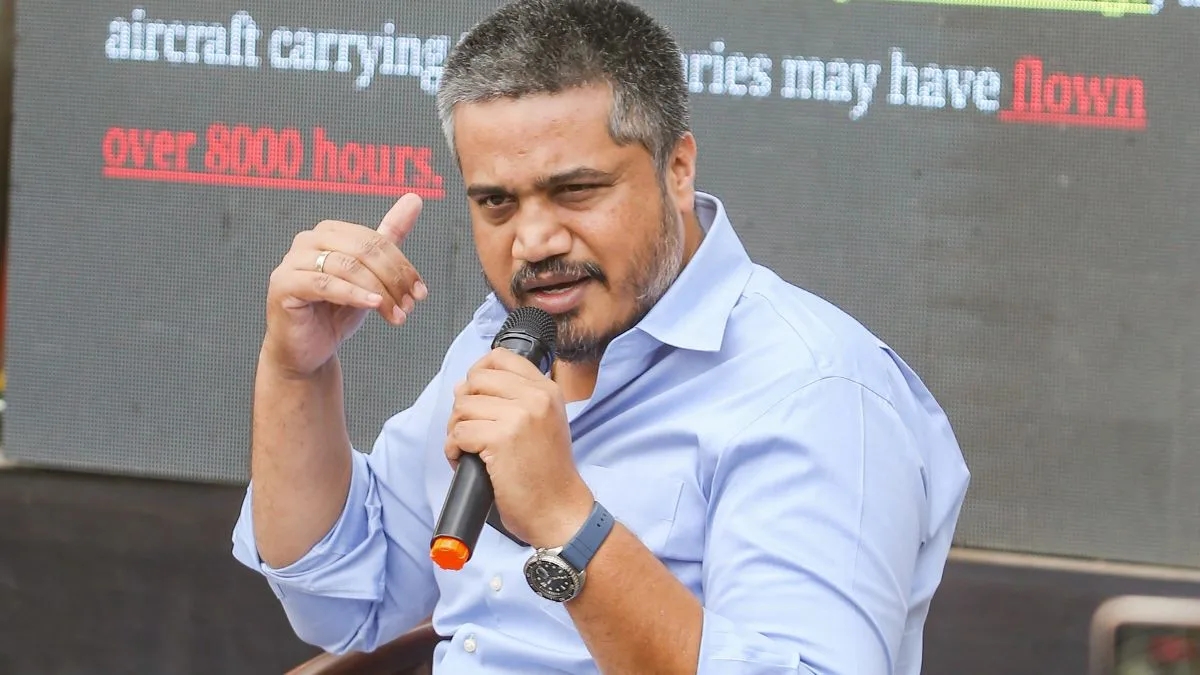
Sharad Pawar-led NCP MLA Rohit Pawar tweeted from his official X account on Monday that he met Samajwadi Party President Akhilesh Yadav in Delhi and shared information about the tragic January 28 air crash that killed the late Deputy Chief Minister Ajit Pawar.

On Friday, Rohit Pawar had demanded an investigation guided by a committee chaired by Leader of Opposition Rahul Gandhi, to probe the January 28 air crash which killed the late Ajit Pawar.

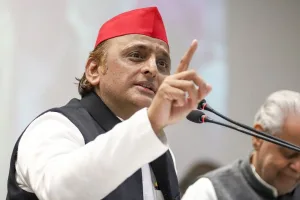
“Today, I met Samajwadi Party President Akhilesh Yadav in Delhi and discussed with him about Ajit Dada’s plane crash. I presented him with the complete information collected in the past few days and requested him to raise his voice on this issue in the Lok Sabha. He also assured me of his cooperation in this matter,” Rohit Pawar stated.

“Ajit Dada’s suspicious plane crash will not be investigated impartially and justice will not be served to him unless the Opposition parties exert pressure. That is why I am requesting the Opposition leaders across the country to raise their voices on this issue so that this investigation can be conducted without any pressure from anyone,” he added.

Pawar levelled serious allegations against VSR Ventures director VK Singh on Monday, stating that Singh asked the ill-fated Learjet’s pilot Captain Sumit Kapoor to land at Baramati airstrip despite poor visibility on January 28, after which the aircraft carrying the late Ajit Pawar crashed.

“Until an official statement is issued by the CID or VK Singh comes before the media and says something, we will publicise the evidence we have. During the flight, when the visibility was around 3000, Captain Kapoor had called VK Singh. Kapoor said that he could not take off due to low visibility. However, VK Singh asked to take off,” he said.

“You can get this conversation by getting the CDR report. I have already given proof that Captain Kapoor used to drink alcohol. But there was no alcohol, drugs or poison in his blood while he was flying Ajit Dada’s aircraft. So we have to go deep into why Kapoor did what he did without drinking alcohol. Was he under pressure? This will have to be examined. Why is VK Singh being saved? Some people are afraid that if VK Singh is arrested, he might name comebody,” Rohit Pawar said.

“Suspicion is growing. It has been 26 days since the case was handed over to the CBI. But the investigation has not been accepted yet. As I speak, Eknath Shinde’s leaders, my supporters and Ajit Pawar’s supporters are supporting me. But BJP leaders are trying to get me into trouble,” he said.

Tata Power invests initial Rs 50 crore in Bhutan Hydel Project

The company invested an initial Rs 50 crore, to acquire 50,00,000 equity shares, which represents 40% of DHPL’s issued capital. The total planned investment for the full acquisition of the project is approximately Rs 1,572 crore.

Statesman News Service | Mumbai |

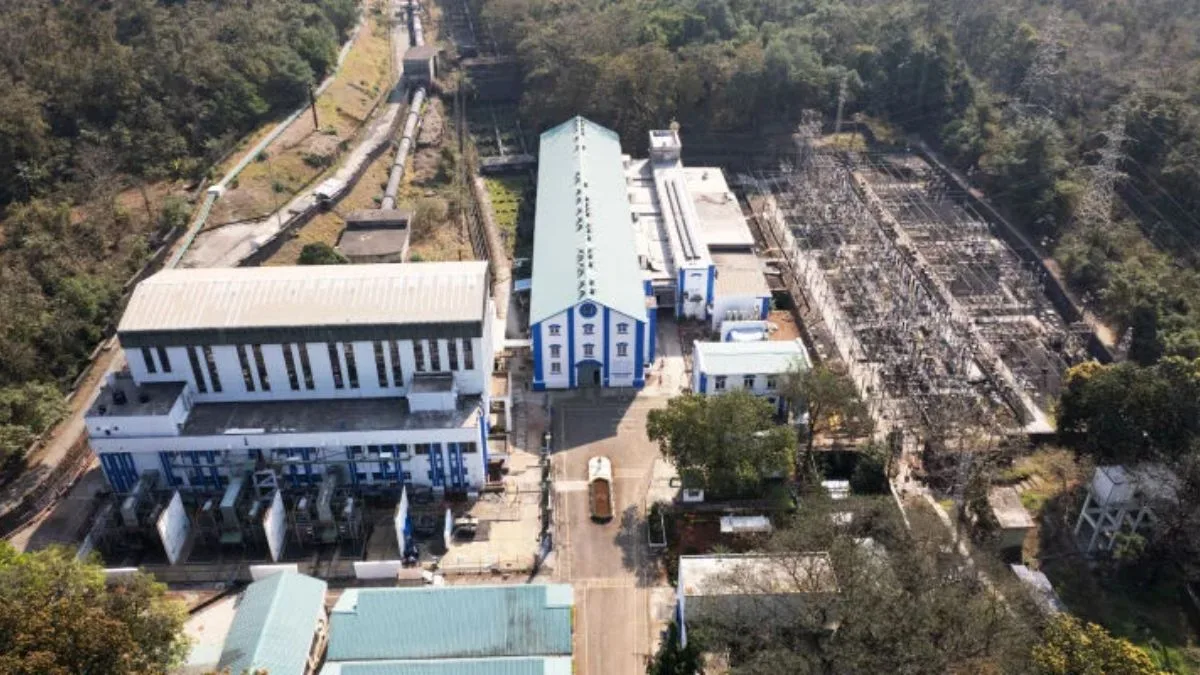
Tata Power informed the stock exchanges on Monday that it has successfully completed the first tranche of its strategic investment in Dorjilung Hydro Power Limited (DHPL), which is a Special Purpose Vehicle company developing a 1125 MW hydro project in Bhutan, at an estimated total project cost of approximately Rs 13,100 crore.

The company invested an initial Rs 50 crore, to acquire 50,00,000 equity shares, which represents 40% of DHPL’s issued capital. The total planned investment for the full acquisition of the project is approximately Rs 1,572 crore.

The remaining tranches of the investment will be completed over the next six years, according to the statement.

No Indian Governmental or regulatory approvals were required for this phase of the acquisition.

It may be recalled that Tata Power had previously announced its intention to acquire a 40% stake in the 1125 MW Dorjilung Hydro Power Project’s SPV for about Rs 1,572 crore. This initiative is a Public-Private Partnership (PPP) between DGPC of Bhutan (60% stake) and Tata Power (40% stake). The project, located on the Kurichhu River, is designed to generate over 4,500 GWh annually and is slated for commissioning by September 2031.
The World Bank Group has provided significant financing, approving an $815-million package to support the project’s development and mobilise private investment.

Tata Power’s acquisition of the stake in DHPL is strategic. Tata Power’s goal is to accelerate its clean and green energy transition. Although the acquisition itself does not constitute a related party transaction initially, DHPL will become an associate company of Tata Power after the acquisition process is completed, thus classifying it as a related party subsequently, according to the statement.

The investment solidifies Tata Power’s commitment to expanding its clean and green energy portfolio. It strengthens its strategic presence in the Himalayan renewable energy corridor and underscores its role in cross-border clean energy cooperation between India and Bhutan.

The project is crucial for Bhutan’s energy security and developmental priorities, with 80% of the power to be supplied to India, reinforcing regional energy stability, according to the statement.


Rahul Gandhi says PM avoiding debate on economic impact of West Asia war


Speaking to reporters in the Parliament complex, the Congress leader said the war in the region was already affecting India’s economic stability and putting pressure on household finances. “The war underway in West Asia is causing serious damage to our economy, but our compromised Prime Minister does not have the courage to discuss it,” he said.

Statesman News Service | New Delhi |

Leader of the Opposition in the Lok Sabha Rahul Gandhi on Monday accused Prime Minister Narendra Modi of avoiding a discussion in Parliament on the economic consequences of the ongoing conflict in West Asia, alleging that the government was reluctant to address its impact on India’s economy and ordinary citizens.

Speaking to reporters in the Parliament complex, the Congress leader said the war in the region was already affecting India’s economic stability and putting pressure on household finances. “The war underway in West Asia is causing serious damage to our economy, but our compromised Prime Minister does not have the courage to discuss it,” he said.

‎Gandhi linked the conflict to recent economic pressures, pointing to fluctuations in the financial markets and rising fuel costs. “The stock market is falling, LPG prices are rising, and global crude oil prices are reaching historic levels — all of which are directly affecting the common man, household budgets, and small and medium businesses,” he said.

In a sharp criticism of the Prime Minister, Gandhi alleged that Modi was facing external pressure and therefore unwilling to take a firm stand on the issue. “Prime Minister Narendra Modi is being blackmailed. He has no option but to sell out the interests of the Indian people,” he said.

‎He also claimed that the Prime Minister would avoid participating in a parliamentary discussion on the matter. “Remember my words, he will not come to Parliament,” Gandhi added.

‎The remarks came amid an intensifying political debate over the economic implications of tensions in West Asia, a region that plays a critical role in India’s energy security and trade links. India relies heavily on crude oil imports from the region, and any disruption in supply or surge in global prices often has a direct impact on domestic fuel costs, inflation and overall economic stability.

‎Opposition parties have been urging the government to hold a detailed discussion in Parliament, arguing that rising energy prices and volatility in global markets warrant greater transparency from the Centre.

‎Conflicts in West Asia have historically had a ripple effect on India’s economy because of the country’s dependence on imported energy and the presence of a large Indian diaspora across the region. With Parliament currently in session, political exchanges over the issue are expected to continue in the coming days.

Registrar General reviews preparations for upcoming census in J&K, Ladakh

The visit was focused on preparation and readiness of the Directorate of Census for conducting the processes and training workshops in Jammu, Kashmir and Ladakh for smooth conduct of the Census of India 2027.

Statesman News Service | Jammu |

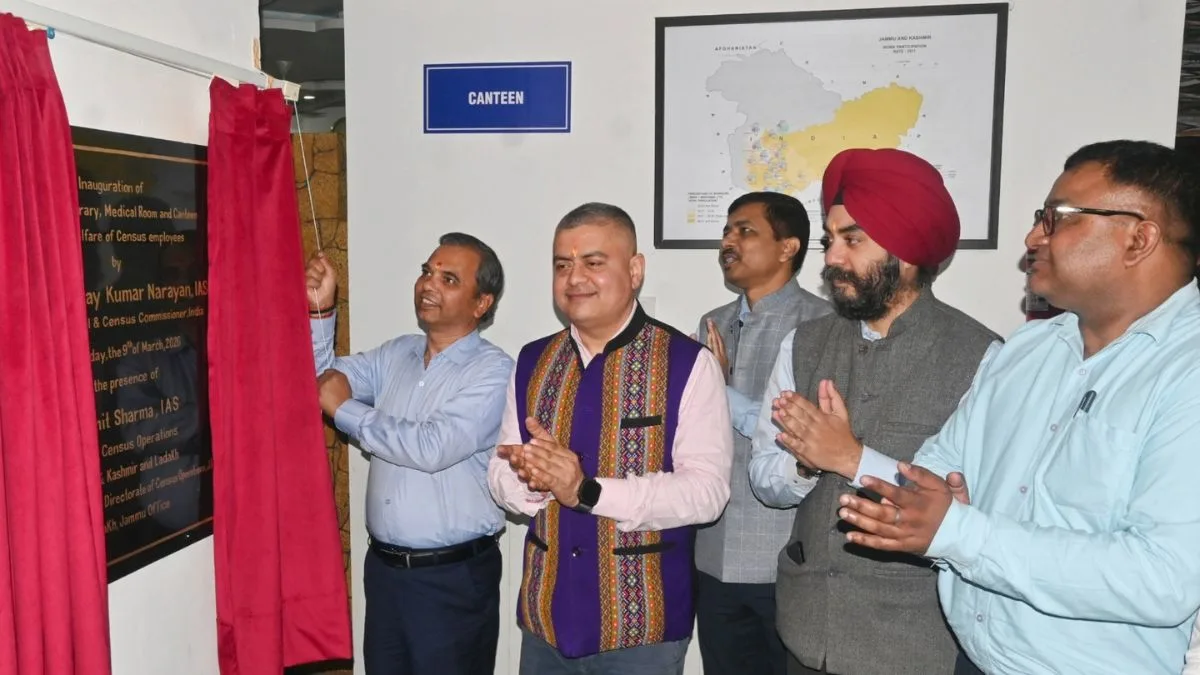
Registrar General and Census Commissioner, Government of India, Mritunjay Kumar Narayan on Monday reviewed preparations for the upcoming Census 2027 during his visit to the Directorate of Census Operations Jammu and Kashmir and Ladakh here.

The visit was focused on preparation and readiness of the Directorate of Census for conducting the processes and training workshops in Jammu, Kashmir and Ladakh for smooth conduct of the Census of India 2027.

Director Census Operations, Jammu & Kashmir and Ladakh, Amit Sharma, apprised the Registrar General and Commissioner Census, India of the working and functioning of the office.

Mritunjay Kumar Narayan interacted with the senior officials and staff of the Directorate office and enquired about their roles and functions. He emphasized the significance of conducting the process of Census with utmost focus, vigilance and diligence with meticulous planning and robust mechanisms in place.

He also highlighted the importance of training of field officials who will visit each district during the Census 2027.

Discussion was held on the workshops for awareness and publicity of Census for connecting the general masses with the national exercise that will be the basis of several development and social planning at the National level.

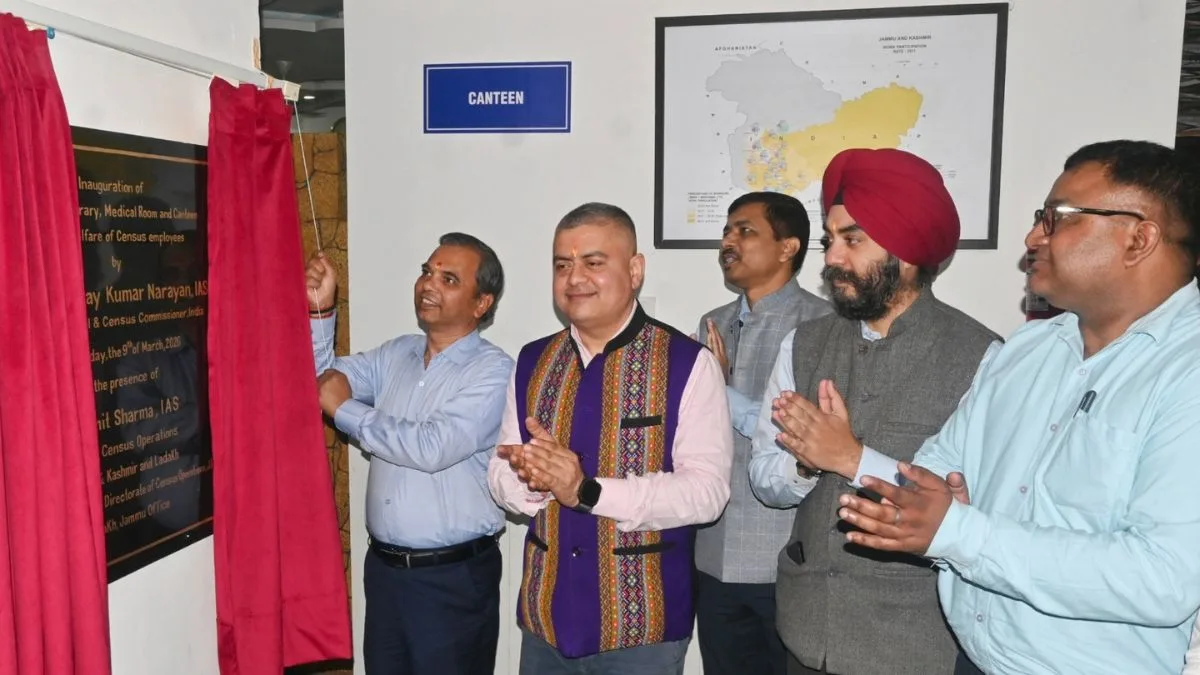
Earlier, the Registrar General and Census Commissioner inaugurated the Census e-library, medical room and canteen facility for the welfare of Census employees.

Several officers and officials of the Directorate of Census Operations were present during the visit.

Need to accelerate process of linking India’s education system with real-world economy: PM Modi

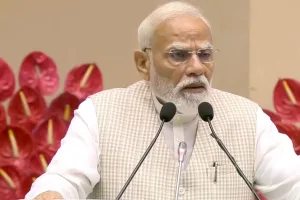
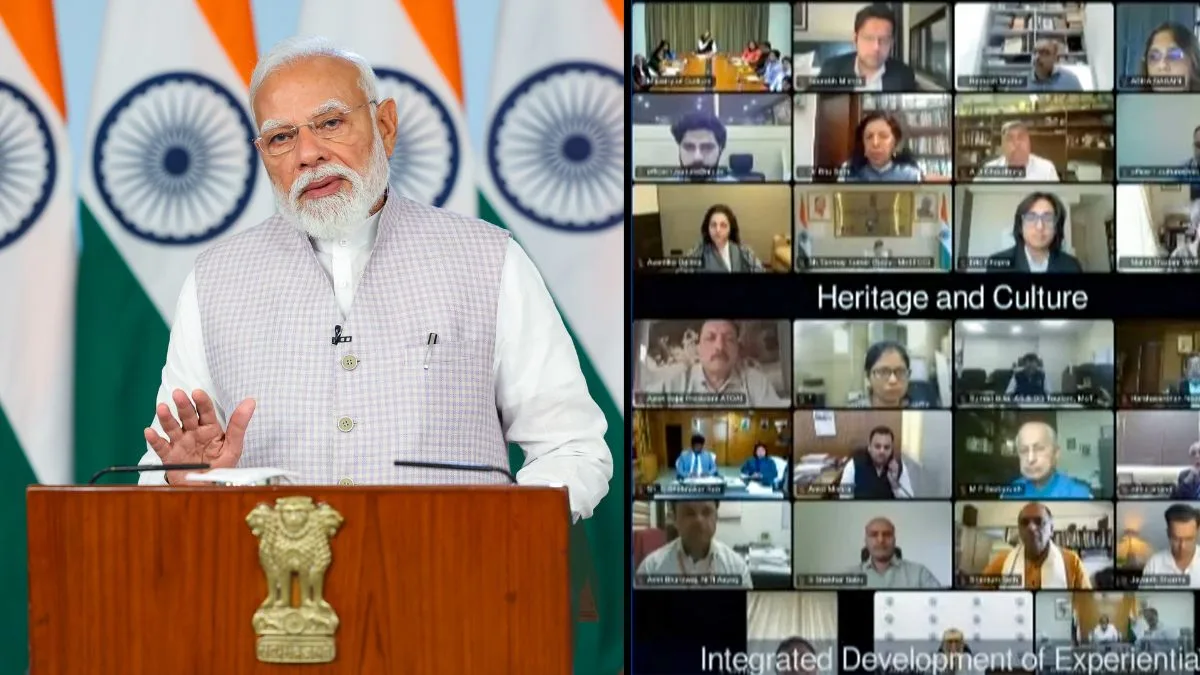
“We will have to accelerate the process of linking our education system with the real-world economy,” Modi said while addressing a post-budget webinar on the theme “Sabka Saath Sabka Vikas-Fulfilling Aspirations of People”.

Nikhil Vyas | New Delhi |

Prime Minister Narendra Modi on Monday emphasised that the New Education Policy provides the foundation for a curriculum that must stay aligned with market demands and the real-world economy, specifically in fields like Artificial Intelligence (AI), automation, and the digital economy.

“We will have to accelerate the process of linking our education system with the real-world economy,” Modi said while addressing a post-budget webinar on the theme “Sabka Saath Sabka Vikas-Fulfilling Aspirations of People”.

The Prime Minister lauded the evolving mindset of India’s youth as the nation’s greatest strength and called for an education system that matches this spirit.

He highlighted that in the country, continuous efforts are being made to link education with employment and enterprise.

Highlighting that the sectors of education, skill, health, tourism, sports, and culture are the primary vehicles for meeting these goals, the Prime Minister welcomed experts and policy makers to deliberate on the effective implementation of budget announcements.

“Fulfilling public aspirations is not just a subject; it is the core objective of this budget and the resolution of this government,” emphasised PM Modi.

Emphasising the vision of preventive and holistic health, the Prime Minister noted the rapid strengthening of health infrastructure and the global popularity of Yoga and Ayurveda.

He highlighted that Medical colleges have been opened in hundreds of districts; through the Ayushman Bharat scheme and Aarogya Mandirs, access to healthcare services has been expanded.

PM Modi specifically drew attention to the emerging ‘Care Economy’ and the rising demand for caregivers globally, urging experts to develop new training models to empower the youth.

“I would urge the health sector experts present in this webinar to give suggestions on developing new training models and partnerships so that the training ecosystem in the country can become even stronger,” stated the Prime Minister.

Regarding the digital transformation in healthcare, he spoke about the success of Tele-medicine in reaching remote areas.

While acknowledging its growth, the PM stressed the need for further simplifying the user experience and building greater public awareness.

“I believe there is still a need to increase awareness and ease of use in Tele-medicine,” asserted PM Modi.