Logo

ECI assures no eligible voter will be left out, aims for violence-free polls

Addressing a press conference after a series of meetings in Kolkata, Kumar said the commission was committed to conducting free, fair, and peaceful elections in the state.

Statesman News Service | Kolkata |

The Election Commission of India (ECI) on Tuesday said its primary objective is to ensure a violence-free Assembly election in West Bengal in 2026 following the Special Intensive Revision (SIR) of electoral rolls, with Chief Election Commissioner Gyanesh Kumar assuring that no eligible voter’s name will be excluded from the list.

Addressing a press conference after a series of meetings in Kolkata, Kumar said the commission was committed to conducting free, fair, and peaceful elections in the state.

“No legitimate voter’s name will be left out,” he said, adding that the poll panel would take all necessary steps to maintain a transparent and inclusive electoral process.

“If any eligible voter’s name is not in the list, then the person can fill form No 6 and submit the documents. His name will be automatically included in the list,” Kumar said

A full Bench of the Election Commission, led by Kumar, arrived in West Bengal on Sunday for a three-day visit to review preparations ahead of the 2026 Assembly polls.

Since Monday, the commission has held multiple meetings with administrative, police and political stakeholders.

In the first round of discussions, the ECI team met district magistrates, superintendents of police and police commissioners from all 23 districts of the state.

Officials from 24 central and state agencies also participated in the meeting to discuss election preparedness and coordination.

The poll panel also held separate interactions with representatives of recognised national and state political parties in the state, including both ruling and opposition parties, to hear their views and concerns regarding the upcoming elections.

Following the meetings, Kumar told reporters that the ECI had reviewed the overall law and order situation in the state and found it to be “relatively satisfactory.”

At the same time, he warned against any attempt to disturb the electoral process.

“Free and peaceful elections will be held in West Bengal. Any form of provocation will not be tolerated,” the Chief Election Commissioner said.

Elections in the state have historically witnessed sporadic incidents of violence in certain pockets. Several districts, including South 24-Parganas, Murshidabad and Malda, have in the past reported clashes, bomb attacks and even fatalities during the poll period.

However, the commission noted that the 2024 Lok Sabha elections in West Bengal were largely peaceful, with no reported loss of life due to poll-related or post-poll violence.

The ECI said it was determined to maintain that trend during the 2026 Assembly elections as well.

Kumar also issued a strong message to officials involved in the election process, reminding them that they must function strictly in accordance with the directives of the Election Commission.

He cautioned that any officer found acting under the influence or instructions of political parties or leaders would face strict action from the commission.

“All officers associated with the election process must follow only the commission’s directions,” he said, adding that neutrality and adherence to rules were essential for maintaining the integrity of the electoral process.

The Chief Election Commissioner also directed all district superintendents of police to take immediate and stringent action in the event of any attempt to create violence or disturb public order during the election period.

Highlighting the growing role of digital platforms, Kumar said the administration must maintain strict vigilance over social media to prevent the spread of rumours or provocative content that could incite unrest during the polls.

He said the commission would adopt a “zero tolerance” approach against those spreading fake news or misinformation related to the elections.

Officials have been instructed to closely monitor online activity and take prompt legal action against individuals or groups attempting to circulate false or inflammatory information.

Uncertainty looms over Left-ISF alliance ahead of Bengal polls

With Assembly elections round the corner, uncertainty continues to cloud the prospects of an electoral understanding between the Left Front and the Indian Secular Front (ISF) in West Bengal.

Statesman News Service | Kolkata |

With Assembly elections round the corner, uncertainty continues to cloud the prospects of an electoral understanding between the Left Front and the Indian Secular Front (ISF) in West Bengal.

Despite several rounds of discussions over the past few months, the two sides have failed to finalise a seat-sharing arrangement, raising serious questions in political circles about whether the alliance will eventually materialise. The possibility of a broader opposition alliance had already weakened earlier after it became clear that the Congress was unlikely to enter into an electoral understanding with the Left in the state for the upcoming polls.

The ISF, led by Bhangar MLA Naushad Siddiqui, had therefore emerged as the last potential ally for the Left Front. Senior Left leaders held multiple meetings with Siddiqui in recent months to explore the possibility of a joint fight against the ruling Trinamul Congress and the BJP. However, negotiations have repeatedly stalled over disagreements regarding the distribution of seats. According to sources familiar with the discussions, the primary obstacle in the alliance talks has been the allocation of Assembly seats in the two 24-Parganas districts — North 24-Parganas and South 24-Parganas.

The ISF leadership has reportedly made it clear that it is unwilling to compromise on the constituencies it has demanded in these districts. The party has conveyed to Left leaders that it will not step back from the seats it has staked claim to in the region. The deadlock appears to be particularly acute in North 24-Parganas, where the ISF is seeking to contest eight Assembly constituencies. The Left Front, however, is reluctant to concede more than five seats to its prospective ally. As a result, negotiations between the two sides have remained inconclusive, with neither camp appearing willing to soften its position. A similar situation prevails in South 24-Parganas, where seat-sharing talks have also run into difficulties. Political observers believe the continued rigidity on both sides, especially at a time when the election announcement is imminent, has pushed the alliance process into uncertainty.

With the clock ticking and the Election Commission of India expected to announce the poll schedule soon, the coming days will be crucial for both camps. It remains to be seen whether a last-minute compromise can be reached or whether the ISF will ultimately decide to contest the elections independently, further fragmenting the opposition space in the state.

With commercial LPG supply restricted, coal stoves return in schools for MDM

The ongoing conflict in the Middle East and its aftermath have led to a shortage of cooking gas in India. Alongside rising prices of both household and commercial LPG, bookings are now being accepted only after a 25-day gap.

Statesman News Service | Kolkata |

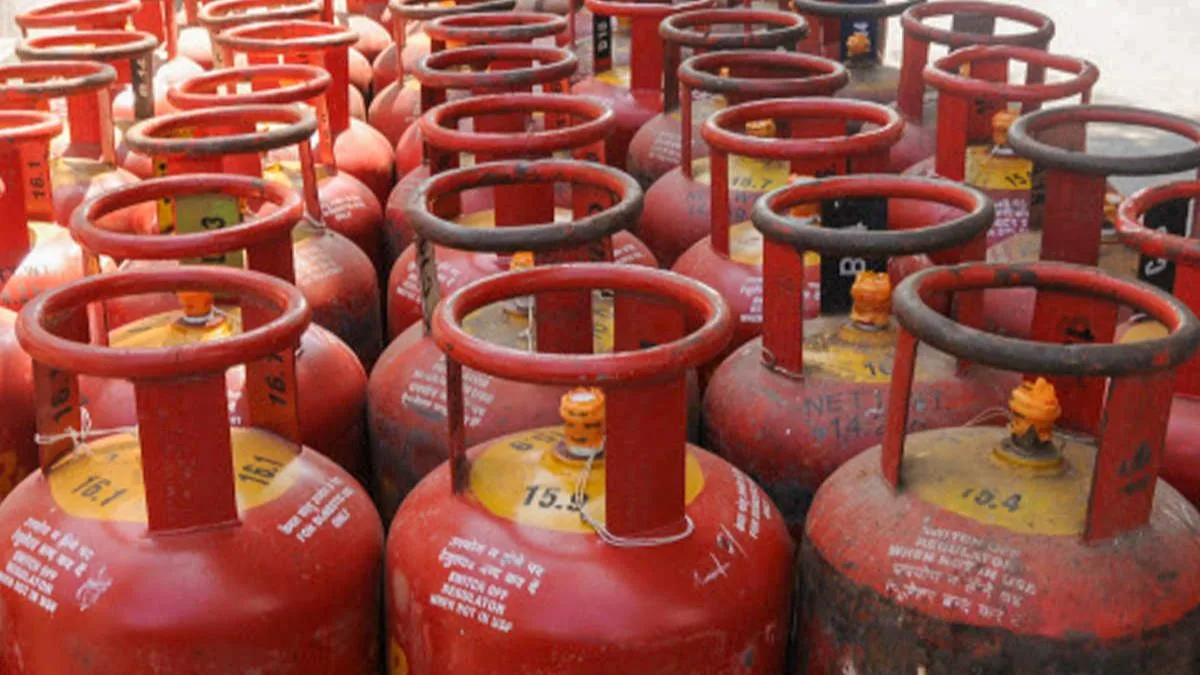
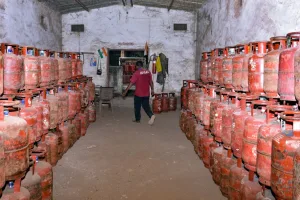
The ongoing conflict in the Middle East and its aftermath have led to a shortage of cooking gas in India. Alongside rising prices of both household and commercial LPG, bookings are now being accepted only after a 25-day gap. Restrictions have been imposed on the use of commercial gas, with exemptions granted only to essential institutions such as schools and hospitals. Hotels and restaurants have been particularly affected.

At Basanti Cabin in Serampore, a third-generation eatery, run by 80-year-old Tapan Bairagi, the impact has been severe. “Even though we depend heavily on commercial gas, we have always maintained one coal oven since the introduction of LPG. Our monthly coal consumption is 360 kg, costing Rs 760 per mon (40 kg). Cooking on gas is much faster than coal, but the restrictions and shortage of LPG have forced us to add another coal oven. Expenses are now much higher, and to keep the business running with even a marginal profit, food prices will have to be increased. Customers will inevitably pay more,” he said.

A hotel in Chunchura, which delivers food to 200-250 households daily, has also switched to coal stoves due to the lack of commercial gas. The slower pace of cooking has forced a reduction in the daily menu, making it difficult to deliver meals on time. Elderly residents, the sick, and working couples, many of whom rely entirely on chapatis prepared outside, are among the worst affected. With coal ovens driving up costs, the price of chapatis is expected to rise significantly, adding to the burden on nuclear families dependent on affordable daily meals.

BJP MLA asks CM to clarify her statement referring to the tribal community

The Bharatiya Janata Party (BJP) on Tuesday sharpened its attack on the ruling Trinamul Congress following a recent statement by Chief Minister Mamata Banerjee, as the party’s ongoing Parivartan Yatra moved out of Siliguri to other parts of north Bengal.

Statesman News Service | Kolkata |

The Bharatiya Janata Party (BJP) on Tuesday sharpened its attack on the ruling Trinamul Congress following a recent statement by Chief Minister Mamata Banerjee, as the party’s ongoing Parivartan Yatra moved out of Siliguri to other parts of north Bengal.

Although BJP leaders had earlier raised several issues during the campaign — including the alleged breach of protocol during the visit of President Droupadi Murmu to Siliguri on 7 March — the focus of the political exchange on Tuesday centred on remarks made by the Chief Minister in Kolkata.

Addressing reporters here, Siliguri BJP MLA Sankar Ghosh challenged the Chief Minister to clarify whom she was referring to while mentioning a “community” in her speech.

During a programme in Kolkata on Monday, Miss Banerjee had said: “You are all doing well today because we are in power. If someday we are no longer in power, the situation could change in a matter of seconds. If the ‘community’ unites and surrounds you, they can finish you off in no time. So, if you do not want to bring trouble upon yourselves, do not be misled by the BJP’s propaganda.”

Reacting to the remarks, Dr Ghosh alleged that the statement was an attempt to provoke communal tension. “The chief minister should clearly name the community she was referring to. Such statements can create unrest. We will strongly counter this narrative during the Parivartan Yatra across the state,” he said.

Meanwhile, Darjeeling MP Raju Bista referred to a statement made by JP Nadda in Parliament and circulated a recorded clip of it among the media. According to Mr Bista, Mr Nadda had said that West Bengal cannot remain an exception to the rule of law. “When a chief minister disregards the judiciary, threatens the Election Commission of India and insults the President, it amounts to a collapse of constitutional values,” Mr Bista quoted him as saying.

Amid the political exchanges, the International Santal Council (ISC) also addressed a press conference at the Siliguri Journalists’ Club on Tuesday, announcing that it had passed a resolution condemning the alleged insult to the President during her recent visit.

The ISC working president, Naresh Kumar Murmu, said the resolution was adopted during a council session held on 8 March. “We have condemned the alleged insult to the President of India. Despite several reminders, the administration did not extend adequate cooperation,” he said.

Mr Murmu further claimed that the council had earlier planned to hold a similar programme last year at Bidhannagar after obtaining approval from the administration. However, the event had to be postponed following communal tension in Murshidabad over the proposed Waqf Amendment Bill. “This year, the administration eventually permitted us to organise the programme at a different venue near Bagdogra,” he added.

Expressing concern over the developments, Mr Murmu said the tribal community felt deeply hurt by the incident. “If the community reacts collectively, it could trigger a major political upheaval in Bengal,” he warned.

The Wetware Frontier: The Bio-Labs of India

The history of computing has primarily revolved around physical materials. From the silicon transistors of the mid-20th century to today’s powerful H100 GPU clusters, we have based intelligence on refined sand.

DIKSHA BOHRA | New Delhi |

The history of computing has primarily revolved around physical materials. From the silicon transistors of the mid-20th century to today’s powerful H100 GPU clusters, we have based intelligence on refined sand. However, as we explore the limits of Large Language Models and Generative AI, we are reaching a physical barrier known as the “Energy Wall.” A modern AI training cluster consumes megawatts of power, requiring dedicated electrical substations and liquid-cooling systems to prevent its silicon heart from overheating.

In stark contrast, the most sophisticated computer in the known universe, the human brain, operates on approximately 20 watts of power. It runs on the caloric equivalent of a single banana. This massive 100,000-fold difference in efficiency has birthed a new, albeit unsettling, frontier: Wetware. By merging living biological cells with silicon hardware, Australia’s Cortical Labs has successfully trained 800,000 human neurons to play the video game Doom in a matter of days. We are witnessing the emergence of Synthetic Biological Intelligence (SBI), the next stage of human evolution where the line between “born” and “built” begins to dissolve. While the Western approach to SBI is often framed as a commercial extension of the digital economy, India’s engagement with biological computing is rooted in a strategic imperative for “Deep-Tech Sovereignty”.

Moving away from a service-led ‘IT Support’ model to a sovereign ‘Deep-Tech’ mission, India has prioritised ‘Sustainable Biocomputing’ as a pillar of healthcare, self-reliance, and climate resilience. By expanding research beyond human stem cells to engineered bacteria and molecular-analog devices,India aims to ensure that these disruptive technologies promote medical advancement and humanitarian outcomes, rather than mere digital dominance. While Australia’s Cortical Labs offers ‘Wetware as a Service’ (WaaS), which costs $35,000 for access to living human neurons, India is pursuing a broader

Beyond the clinic, this frontier provides a path toward “Sovereign AI Hardware.” In today’s geopolitical climate, AI chips are the new oil, and India’s dependence on global GPU supply chains remains a strategic vulnerability. The rise of Wetware offers a “leapfrog” opportunity.

biological path. Guided by the Indian Institute of Science (IISc) and the Saha Institute of Nuclear Physics (SINP), India is exploring beyond human cells to investigate the fundamental building blocks of life, such as molecules and bacteria, to create a new form of intelligence. At the Saha Institute of Nuclear Physics, Dr Sangram Bagh and his team have achieved what was once considered science fiction: they have engineered living bacteria to function as “bactoneurons.” By re-programming the genetic circuits of E. coli, they created a biological neural network capable of complex logic.

These bacterial colonies have been trained to solve mathematical problems, such as identifying prime numbers and distinguishing vowels from consonants. This is SBI in its purest form. Unlike human neurons, which are fragile and ethically complex, bacterial computers are resilient, scalable, and can be grown in virtually any environment. India’s research here suggests a future where “living hardware” could be used for environmental sensing or deep-space exploration, where silicon would fail. Meanwhile, at IISc’s Centre for Nano Science and Engineering (CeNSE), Prof.

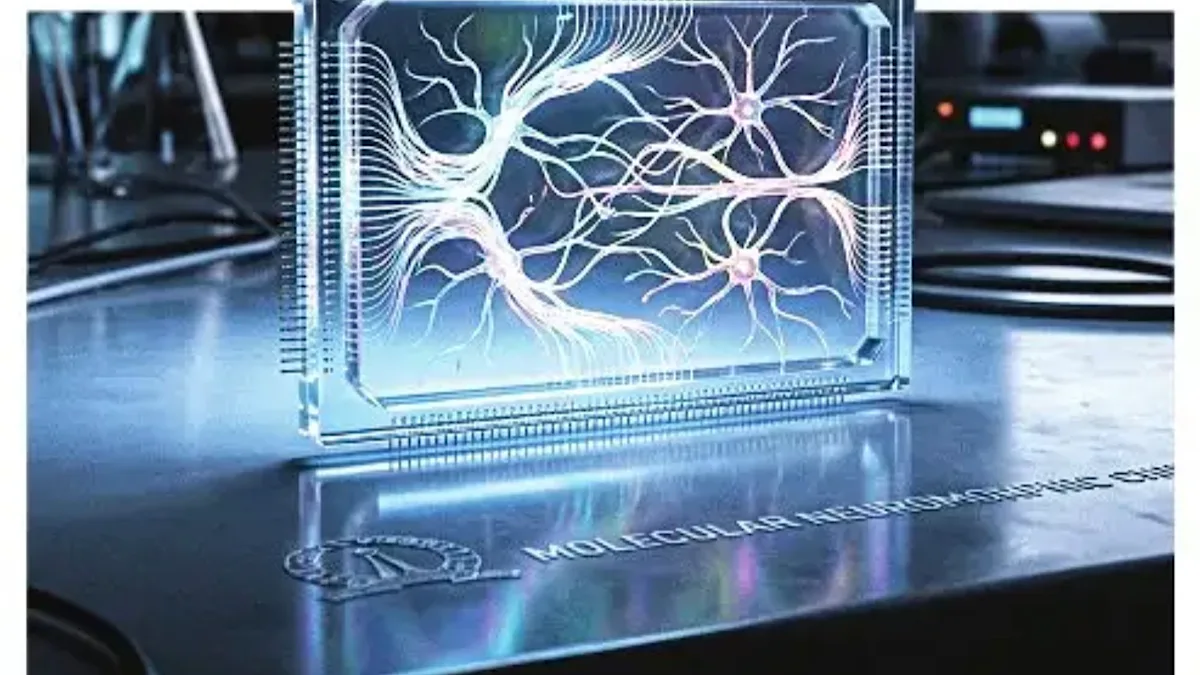
Goswami has bypassed the traditional binary logic of silicon. His team developed a “brain-on-a-chip” using a molecular film that mimics the brain’s analog nature. While a standard computer chip works in 0s and 1s, the IISc chip can store and process data in 16,500 different states. By mimicking the “memristive” properties of a biological synapse, this chip can perform massive AI computations at a fraction of the energy. It represents the “dry” side of neuromorphic computing, applying the lessons of biology to high-end physics. This is India’s answer to the energy wall: hardware that thinks like a brain without needing a laboratory to keep it alive.

The transition to Wetware and Neuromorphic computing in India is driven by two high-impact imperatives: medical liberation and strategic sovereignty. One of the most profound applications of India’s bio-computing research is in the field of Brain-Computer Interfaces (BCI). In 2026, the “Brain Co-Processor” project emerged from Bengaluru, aimed at stroke survivors and patients with spinal cord injuries. Traditional neural implants are often rejected as foreign objects; however, by using neuromorphic chips that “speak” the brain’s electrical language, Indian researchers are developing interfaces that learn alongside the patient. A stroke survivor’s brain can “offload” lost motor functions to the co-processor, which then re-trains the nervous system, restoring the dignity of movement to millions.

Beyond the clinic, this frontier provides a path toward “Sovereign AI Hardware.” In today’s geopolitical climate, AI chips are the new oil, and India’s dependence on global GPU supply chains remains a strategic vulnerability. The rise of Wetware offers a “leapfrog” opportunity. If India can perfect chips that run on milliwatts, it will eliminate the need for energy-guzzling data centres. Sovereign AI, designed, powered, and housed entirely within the subcontinent, becomes a reality. A neuromorphic “Sovereign Chip” could allow a handheld device to run a full-scale LLM locally, bypassing cloud infrastructure controlled by foreign tech giants. This leap did not emerge in isolation. It is the calculated outcome of a structural shift in India’s scientific policy.

The India Semiconductor Mission, backed by $10 billion in incentives, was designed not just for fabrication but to strengthen domestic chip design. Complementing this, the National Mission on Interdisciplinary Cyber-Physical Systems created 21 Technology Innovation Hubs to bridge the gap between AI, robotics, and biological engineering. More recently, the BioE3 Policy (Biotechnology for Economy, Environment, and Employment) has identified “Bio-AI” as a strategic frontier, providing regulatory clarity for the engineering of living cells for computation. As we stand on the precipice of this “Wetware Frontier,” the questions we face are as much philosophical as they are technical. If a colony of bacteria can solve primes, we must interrogate the very nature of intelligence.

While the “scary” factor of “growing” computers in a vat challenges our definitions of life, India’s unique cultural framework becomes a global asset. While Western paradigms often prioritise digital hegemony, India’s trajectory remains anchored in the civilizational tenets of Seva and Antyodaya. Biological computation represents the most profound technological inflexion point since the harnessing of electricity. India’s strategic responsibility is to ensure this frontier serves as a conduit to a sovereign, empathetic future, not a tool for ‘Bio-hegemony.

(THE WRITER IS A POLICY CONSULTANT INTERESTED IN GEOPOLITICS, INTERNATIONAL RELATIONS AND POLICY MAKING.)

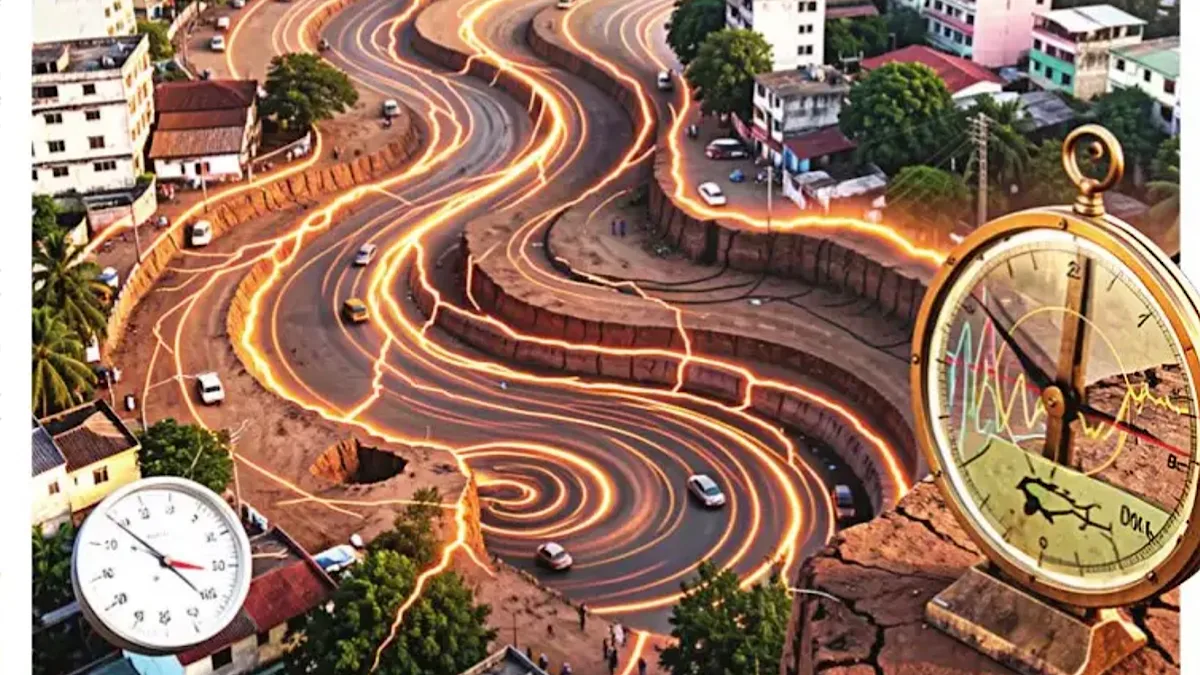
How does a seismograph work? How did the modern scale of the earthquake evolve?

Recently, the people of the city of Kolkata witnessed the earthquake for a short time; individuals ran out of high-rise offices to the streets in panic.

SHAMIM HAQUE MONDAL | New Delhi |

Recently, the people of the city of Kolkata witnessed the earthquake for a short time; individuals ran out of high-rise offices to the streets in panic. Thanks to the internet, we’ve all seen it. Although the intensity of the earthquake was very low, 5 on the Richter scale, later it was known that its origin was in our neighboring country, Bangladesh. Usually, when there is an earthquake, people first ask: what is its intensity? Where’s the source? More or less, we all know that a seismograph is used to measure seismicity, and the Richter scale is used to measure intensity.

But do we know how seismographs are made or how the Richter scale works? Can earthquakes be measured in any other way? The history of the seismograph is very old; in 132 AD, the Han mathematician and astronomer, Chang Heng, created the first seismoscope. The design was unique; the bronze vessel was surrounded by a dragon’s head, with a frog’s mouth at the bottom. As soon as any tremor started, the ball in the dragon’s mouth would fall down into the frog’s mouth and make a sound, and it would be understood that there was an earthquake somewhere.However, there was no way to measure the intensity of the vibration in Chang’s device. Since then, the situation has changed; the design of the instrument has changed repeatedly with the efforts of scientists. In the 18th century, a man named Palmieri built an electrical circuit-based device that could record vibrations. Two decades later, in 1875, Filippo Sochi was the first to use a pendulum, a swinging weight, to capture earthquakes.The pendulum oscillated, writing the line on paper according to the nature of the vibration. Then, in 1880, Ewing, Gray, and John developed the first modern recording seismograph. This is where the journey of modern science begins.

HOW DOES THIS DEVICE WORK?

This machine basically stands on some known laws of inertial mechanics. A heavy object of the pendulum family is suspended in a structure by a wire; during an earthquake, the structure moves while, due to inertia, the mass tries to remain stationary. The vibration produced by the collision of these two is called a seismogram, in which the analysis of fine graphs is known to know the nature of the movement, intensity, source, stability, etc. Nowadays, however, seismographs are no longer paper and ink diagrams but, thanks to advanced technology, sensors, and algorithms, they have become so sensitive that they can independently record various microscopic vibrations in addition to earthquakes. Earthquakes are measured on a special scale, invented by American seismologist Charles Richter and German scientist Beno Gutenberg.

WHAT IS THIS SCALE?

Energy is crucial in science. Until now, scientists did not know any way to measure energy in the event of an earthquake. Richter and Gutenberg, his colleague, had been working since the beginning to determine how to quantify the energy released during an earthquake. Finally, in 1935, these two scientists introduced a logarithm-based scale, which made it easier to determine the magnitude or size of an earthquake. The magnitude of this scale is usually 1–10: up to 3 is called a small earthquake, 3–7 is called a medium earthquake, and when above that, it becomes devastating. An increase of one unit in the Richter scale increases the intensity 10 times, i.e., an earthquake of magnitude 5 is 20 times stronger than an earthquake of magnitude 3. The logarithm used is base 10; therefore, the difference in magnitude between a 3 and a 5 earthquake intensity is calculated in the following way: intensity difference = 10 × (5 − 3) = 20.

Initially, the scale had some limitations, especially in the measurement of strong seismic waves, which often caused saturation problems. If the measurement exceeds a certain value, the instrument’s fork can get stuck, often resulting in an incorrect reading during a high-intensity earthquake. Another major problem was that it only measured the height of the highest wave. As a result, it was not known how much total energy was released in the tremor, or where the large fault appeared, or what the exact size of the rupture was. Richter and Gutenberg later updated the Richter scale to correct these weaknesses. He introduced two more advanced scales—the body-wave magnitude scale and the surface-wave magnitude scale. With the help of the first, primary waves (P-waves) and medium waves (S-waves) are calculated in the earth’s orbit. The second scale is used to calculate the magnitude of the waves in the gain and rails flowing along the earth’s surface.

The history of the seismograph is very old; in 132 AD, the Han mathematician and astronomer, Chang Heng, created the first seismoscope.

In the late 1970s, Japanese scientist Kanamori and American scientist Hanks developed a modern scale, the Moment Magnitude Scale. From a scientific point of view, the Moment Magnitude Scale measures more accurately than the Richter Scale, but the Richter Scale is so popular that its name still hovers in the minds of the general public when it comes to the magnitude of earthquakes. However, in the era of modern technology, people are no longer content. Seismographs have revealed the details of the earthquake, but will it be predicted in advance? Scientists don’t have an answer yet. However, they are trying to use supercomputing and machine learning methods to study the sudden changes in pressure and rock formation along the fault line, if there is a ray of hope in the future.

THE WRITER IS A THEORETICAL PHYSICIST WORKING IN THE FIELDS OF NUCLEAR ASTROPHYSICS, AND COMPUTATIONAL PHYSICS. PRESENTLY, HE IS WORKING AS A FORENSIC EXPERT IN THE PHYSICS DIVISION OF THE STATE FORENSIC SCIENCE LABORATORY, KOLKATA. BESIDES THIS, HE IS A POPULAR SCIENCE WRITER WHO LOVES TO WRITE INTRIGUING PIECES RELATED TO PHYSICS, ASTRONOMY, ASTROPHYSICS, AND MATHEMATICS FOR YOUNG MINDS.

Amid Iran war, Trump clears Russian oil waiver for India to steady oil markets

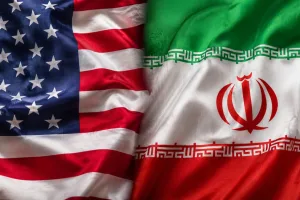
US military strikes on Iran have hit over 5,000 targets, the White House said, while Washington moves to protect energy shipments through the Strait of Hormuz amid rising tensions.

Statesman News Service | Mumbai |

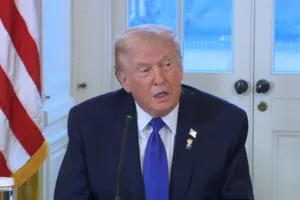
US President Donald Trump has authorised a temporary waiver allowing India to buy Russian oil, the White House said, as Washington tries to stabilise global energy supplies disrupted by the ongoing conflict with Iran.
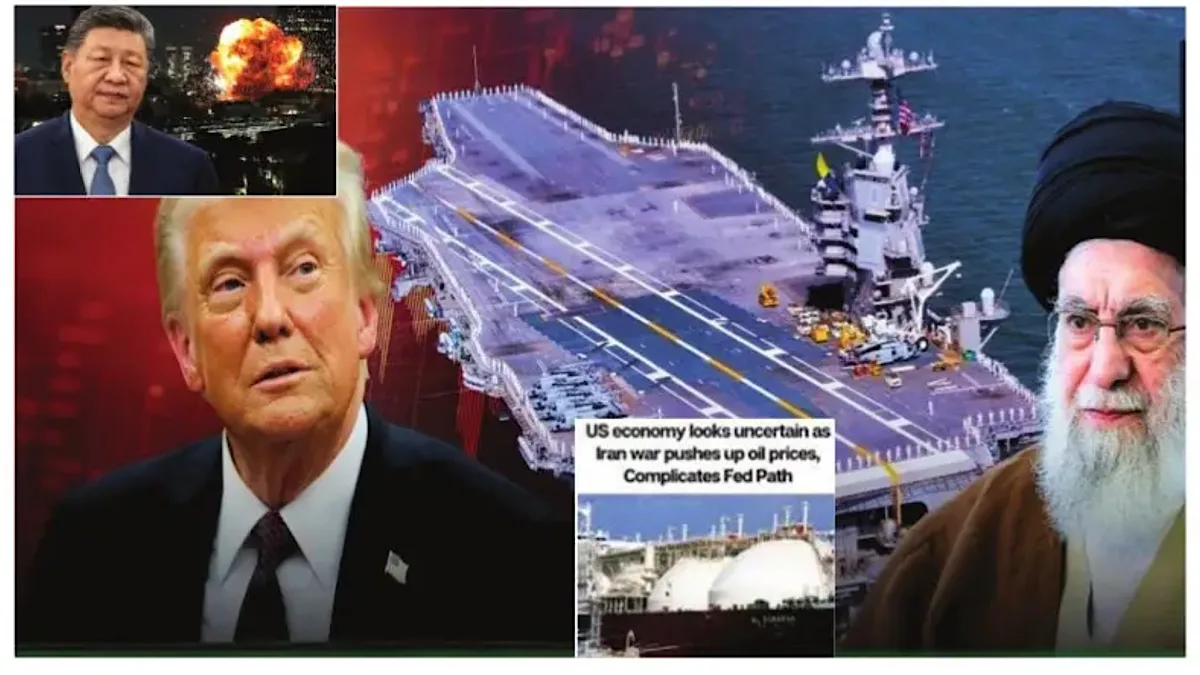
Officials said the step was taken to ease pressure on oil markets after the war in West Asia began affecting supply chains and key shipping routes.
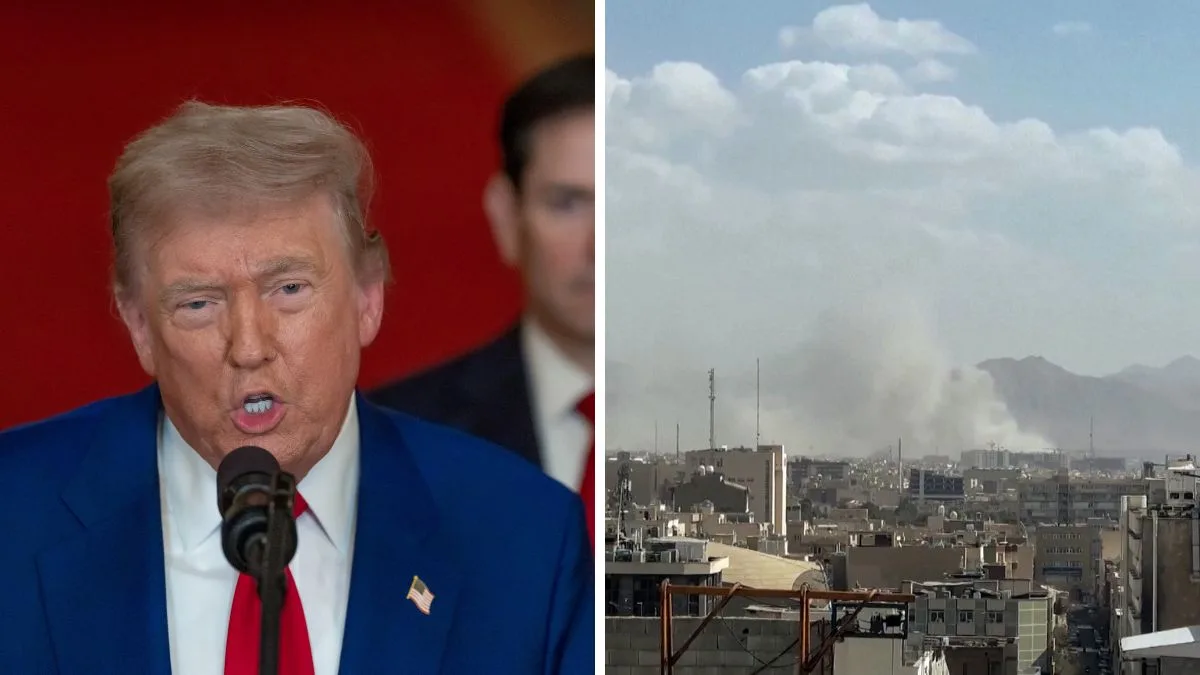
White House Press Secretary Karoline Leavitt said the decision followed discussions between the President, the US Treasury, and national security officials.

“The President and the Secretary of the Treasury and the whole national security team came to this decision because our allies in India have been good actors and have previously stopped buying sanctioned Russian oil,” she told reporters.

She said the waiver is only temporary and is meant to bridge a short-term supply gap linked to the crisis involving Iran.

“So as we work to appease this temporary gap of oil supply around the world because of the Iranians, we have temporarily permitted them to accept that Russian oil,” Leavitt said.

The White House also noted that the shipments involved had already left port before the waiver was issued.

“This Russian oil was already at sea, it was already out on the water,” she said.

Officials added that the measure is unlikely to provide any meaningful financial benefit to Moscow.

“So this short-term measure, we don’t believe it will provide significant financial benefit to the Russian government at this time,” Leavitt said.

US campaign against Iran intensifies

The remarks came as the White House updated reporters on Operation Epic Fury, the US military campaign targeting Iran’s missile programme and naval assets.

According to Leavitt, more than 5,000 targets have been hit since the operation began ten days ago.

“More than 5000 enemy targets have been struck so far,” she said.

She added that Iran’s ability to strike back had weakened significantly.

“Iran’s ballistic missile attacks are down more than 90 per cent, and their drone attacks are down by approximately 35 per cent since the start of Operation Epic Fury,” Leavitt said.

US forces have also targeted Iran’s naval fleet.

“We have destroyed more than 50 Iranian naval vessels, including a major drone carrier ship,” she said, adding that the Iranian navy has been assessed as “combat ineffective.”

US says oil must keep flowing through Strait of Hormuz

Washington said keeping global energy routes open remains a priority.

Leavitt said President Trump had reaffirmed his commitment to ensuring that oil continues to pass through the Strait of Hormuz, one of the world’s most critical shipping routes for crude.

“President Trump reiterated his commitment toward keeping oil flowing through the Strait of Hormuz so the United States and all of our allies can receive their energy needs,” she said.

The administration has already offered political risk insurance for tankers operating in the Gulf.

Officials also said the US Navy could escort vessels if needed to ensure the passage remains open.

First US refinery in 50 years: Trump announces $300bn Texas project backed by Reliance as oil tensions rise

India’s Reliance joins a major US refinery project in Texas as Washington pushes energy expansion while oil supply routes face disruption during the escalating West Asia conflict.

Statesman News Service | Mumbai |

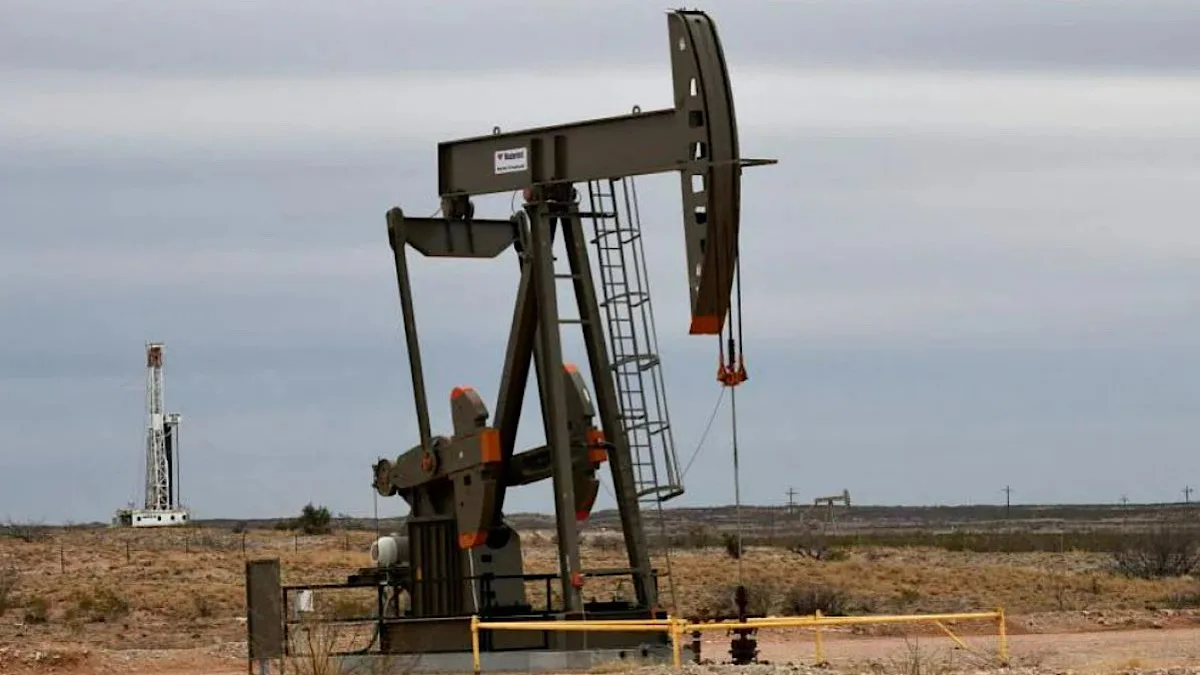
US President Donald Trump on Tuesday (local time) said a new oil refinery will be built in Brownsville, Texas, the first such facility to come up in the United States in nearly 50 years. The project has investment support from India’s Reliance Industries Ltd.

The announcement comes at a time when global oil markets are under pressure because of the widening conflict in West Asia. Fighting in the region has disrupted energy routes and raised fears about supply, especially around the Strait of Hormuz.

Trump shared the news on the social media platform Truth Social. He said the refinery would strengthen US energy output and create jobs.

The US President described the project as a $300 billion investment. He called it the biggest deal in US history and thanked Reliance for partnering in the venture.

“America is returning to REAL ENERGY DOMINANCE! Today I am proud to announce that America First Refining is opening the FIRST new U.S. Oil Refinery in 50 YEARS in Brownsville, Texas. THIS IS A HISTORIC $300 BILLION DOLLAR DEAL — THE BIGGEST IN U.S. HISTORY, A MASSIVE WIN for American Workers, Energy, and the GREAT People of South Texas! Thank you to our partners in India, and their largest privately held Energy Company, Reliance, for this tremendous Investment,” Trump said.

He said the refinery would supply fuel to American markets and support global exports. According to Trump, the project will also bring major economic activity to South Texas.

Trump also said the refinery would create thousands of jobs in the region. He credited his administration’s policies, including faster permits and lower taxes, for attracting large energy investments.

“It is because of our America First Agenda, streamlining Permits, and lowering Taxes, that have attracted Billions of Dollars in Deals coming back to our Nation. A new Refinery at the Port of Brownsville, will fuel U.S. Markets, strengthen our National Security, boost American Energy production, deliver Billions of Dollars in Economic impact, and will be THE CLEANEST REFINERY IN THE WORLD. It will power Global Exports, and bring THOUSANDS of long overdue Jobs and Growth to a Region that deserves it. This is what AMERICAN ENERGY DOMINANCE looks like. AMERICA FIRST, ALWAYS!”, he said.

Oil markets under strain as West Asia conflict widens

The refinery plan comes as tensions in West Asia continue to shake global energy supply chains.

The crisis escalated after US-Israeli strikes on Iran on February 28 killed Iran’s Supreme Leader Ayatollah Ali Khamenei and other senior figures. Iran later launched missile and drone attacks targeting US and Israeli assets across Gulf countries, including the UAE, Kuwait, Qatar, Bahrain, Saudi Arabia, and Jordan.

The fighting has disrupted shipping through the Strait of Hormuz, one of the world’s most important oil routes. About 20 per cent of global oil shipments move through this narrow passage.

Any disruption there can quickly affect global energy prices and supply.

White House says fuel price rise will be temporary

Meanwhile, the White House said recent increases in fuel prices could ease in the coming months.

Press Secretary Karoline Leavitt said the spike in oil and gas prices was linked to the ongoing military campaign called Operation Epic Fury.

“Rest assured to the American people, recent increase in oil and gas prices is temporary and this operation will result in lower gas prices in the long term,” she told reporters.

Leavitt said prices could fall sharply once the operation achieves its national security goals.

“Americans will see oil and gas prices drop rapidly, potentially even lower than they were prior to the start of the operation,” she said.

She added that the objective was to prevent Iran from threatening the United States or its allies with nuclear weapons.

Will Iran’s new leader bring any change?

The death of Iran’s supreme leader, Ali Khamenei, during the holy month of Ramadan marks one of the most consequential turning points in the history of the Islamic Republic of Iran.

MEHMET OZALP | New Delhi |

The death of Iran’s supreme leader, Ali Khamenei, during the holy month of Ramadan marks one of the most consequential turning points in the history of the Islamic Republic of Iran. His successor, his son Mojtaba Khamenei, represents both continuity and contradiction in the revolutionary system established after the Iranian Revolution in 1979. At stake is not only who leads Iran, but what the Islamic Republic has become, nearly half a century after the revolution that promised an end to dynastic rule. Mojtaba Khamenei is a cleric who has spent most of his career outside public office but close to power, working within the Office of the Supreme Leader.

He was often seen as a gatekeeper and powerbroker rather than a public political figure with a formal portfolio. At 17, he briefly served in the Iran–Iraq war. He only began attracting public attention in the late 1990s, by which time his father’s authority as supreme leader was firmly established. Over time, his reputation has centred on two key features. The first is a close relationship with Iran’s security establishment, particularly the Islamic Revolutionary Guard Corps (IRGC), and its hardline networks. The second is a strong opposition to reformist politics and Western engagement.

Critics have linked him to the suppression of protests following the disputed 2009 presidential election. He is also believed to have wielded influence over Iran’s state broadcasting organisation, giving him indirect control over parts of the country’s information landscape and state narrative. In 2019, the first Trump administration sanctioned Mojtaba, accusing him of acting in an official capacity on behalf of the supreme leader despite holding no formal government position. Iran’s constitution dictates that the Assembly of Experts (an 88-member clerical body) selects the supreme leader.

The assembly lists the religious, political and leadership qualifications of possible candidates. But in practice, it is not a neutral electoral body. Candidates for the assembly itself are vetted through institutions ultimately shaped by the supreme leader’s orbit, and its deliberations are opaque. This creates a familiar Iranian scenario – the constitution supplies the choreography, while the security-clerical establishment supplies the music. That matters when assessing why Mojtaba is seen as a viable supreme leader amid critiques he lacks the senior religious standing traditionally associated with the office. A mid-ranking cleric, he was only given the title ayatollah in 2022.

The title is necessary to become supreme leader, so the promotion signalled he was being groomed to take over from his ageing and ill father. The revolution’s founding myth was clearly anti-dynastic. After toppling the shah, the revolution’s leaders rejected hereditary rule. To many Iranians, a son following his father as supreme leader looks like an ideological backslide. The regime appears more like a theocratic monarchy, less the famous “guardianship of the jurist”. Yet, it is also important to be precise. Mojtaba cannot inherit the position by bloodline alone.

The assembly must select him. Still, political systems can become dynastic without rewriting constitutions. Dynastic outcomes emerge when informal power networks, such as family ties, political patronage, security ties, and control over the media, can make one candidate appear more natural, safe or inevitable. That has essentially been the Mojtaba story in Iran for years: a man who built influence not by winning elections, but by managing the gate to the most powerful office in the country. The circumstances of Ali Khamenei’s death add another layer of significance and, ironically, legitimacy to Mojtaba’s ascension. For many Shi’a Muslims, being killed during Ramadan carries deep symbolic resonance. The first imam of Shi’ism, Ali ibn Abi Talib, was assassinated during the dawn prayer in Ramadan in 661 CE, an event still commemorated each year by Shi’ite Muslims. Shi’ite historical memory places strong emphasis on martyrdom.

In particular, the death of Husayn ibn Ali, a grandson of the Prophet Muhammad, at Karbala in 680 CE, symbolises the struggle between justice and oppression. Because of this tradition, violent deaths of leaders in the past and today are framed within a broader narrative of sacrifice and resistance. Iran’s revolutionary ideology has long drawn on these themes. If the state presents Khamenei’s death in this light, it could strengthen a narrative of martyrdom and defiance. This, in turn, gives his son Mojtaba an aura of religious legitimacy that is very strong in the Shi’ite Muslim psyche. This is the most consequential question for Iran.

The answer is likely less different than many might expect. Ali Khamenei was a figure of the revolutionary generation. His authority rested on ideological legitimacy, decades spent amassing and consolidating power, and his ability to arbitrate between competing factions. Over time, he became the system’s final referee. Mojtaba Khamenei, by contrast, is often portrayed as a product of the security establishment, rather than a public theologian or statesman. He is known less for speeches or religious authority than for his influence and the networks he has built behind-the-scenes coordination.

If that assessment is correct, the shift would be from a leader who balanced institutions to one who may lean more heavily on the might of the IRGC. This would deepen an existing trend toward the securitisation of Iranian politics. In a period of war and instability, regimes typically prioritise continuity and control. Mojtaba’s appeal to the establishment, therefore, appears to rest on several factors: his close ties to the IRGC and intelligence networks his long experience inside the supreme leader’s office his ideological alignment with hardline positions sceptical of reform and Western engagement.

A figure trusted by the most powerful security institutions also reduces the chance of power struggles or fragmentation at the top. A new supreme leader rarely produces an abrupt ideological shift, especially during a military conflict. Continuity is the more likely outcome. Mojtaba Khamenei’s profile suggests a more security-centred style of leadership with three possible ways forward. First, domestic control may harden. Given Mojtaba’s reported ties to the security establishment, unrest is more likely to be met with swift repression rather than political accommodation.

Second, the IRGC could expand its influence in regional affairs, given how closely aligned Mojtaba is with the guards. Third, any negotiations with the West would likely be tactical rather than transformative. They would be framed as a strategic necessity rather than an ideological shift. And given the fact his father was killed in US-Israeli airstrikes, this will only reinforce a more hardline posture toward both countries. In short, Iran under Mojtaba Khamenei would likely remain confrontational in rhetoric, but pragmatic when regime survival is at stake.

(The writer is Professor of Islamic Studies, Head of School, The Centre for Islamic Studies and Civilisation, Charles Sturt University. This article was published on www.theconversation.com)

A syllabus and the pedagogy of trust

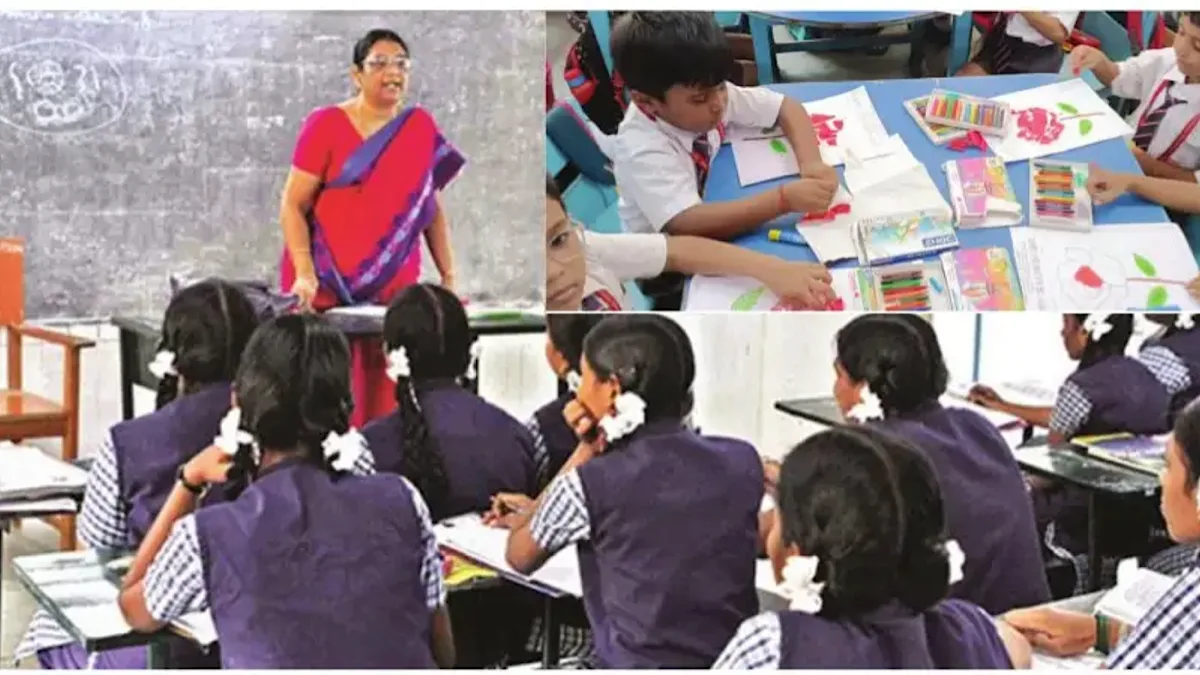
School is not merely a site that produces future doctors, engineers, or professors.

ANGSHUMAN KAR | New Delhi |

School is not merely a site that produces future doctors, engineers, or professors. The making of future citizens also begins at schools. Young minds first develop their preliminary understanding of the state, society, and public institutions within the classroom. It is therefore not at all surprising that the inclusion of judicial corruption in the Class VIII textbook of the NCERT has sparked a nationwide debate.

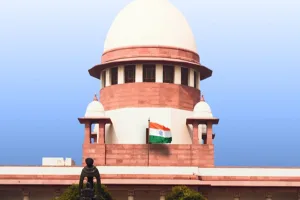
The controversy has actually raised a fundamental question: what kind of understanding should a democratic state impart to children about its own institutions? If corruption exists within these institutions, how should it be represented in school textbooks? And, more importantly, is it necessary at all to make adolescent learners aware of such corruption? At first glance, one might argue that in a democracy no institution is above criticism, and therefore there is nothing inherently wrong in introducing discussions of judicial corruption in a middle-school textbook.

Indeed, the health of a democracy depends on whether citizens are able to question and critique public institutions. Democratic institutions are accountable to the people, and such accountability ensures their responsibility. If corruption exists within the judicial system, citizens unquestionably have the right to criticise it. The real question, however, is whether presenting judicial corruption to school students through textbooks is necessary. The straightforward answer, arguably, is no.

There is little reason to assume that schools are politically neutral or innocent spaces. The French philosopher Louis Althusser famously described schools as ‘Ideological State Apparatuses.’ Such institutions function not through coercion but through consent, shaping children’s understanding of social values, norms, and morality. Unlike the police or the military, schools do not exercise overt repression; their ideological work therefore remains less visible. Yet, precisely through this silent functioning, schools participate in producing citizens who may internalise obedience to authority rather than cultivate a critical engagement with power.

Because schools can shape future citizens’ perceptions without the use of force, every ruling regime has historically sought to influence school curricula. Curriculum-making, in this sense, is inevitably political. Indeed, school curricula play an active role in constructing the ideological relationship between citizens and the state. People in power often decide what should be taught, how subjects should be presented, what should be left out, and how the past should be rewritten. Changes to NCERT textbooks have produced a lot of criticism in recent years.

Omission of the 2002 Gujarat riots, shortening of Mughal history, and dilution of the discussion on caste-based discrimination, have b e en severely criticize d by academicians. Many observers have also argued that the ruling political party is propagating its ideological beliefs through NCERT textbooks. Given this context, one might contend that the inclusion of criticism of a state institution such as the judiciary should be welcomed. If school textbooks can be politicised in matters relating to the Gujarat riots or Mughal history, why should judicial corruption be treated as untouchable? Introducing such discussions early, some may argue, could make future citizens more aware of the limitations and failures of India’s democratic institutions.

In fact, criticism of the Judiciary is nothing new in India. The role of the Judiciary during the emergency has been questioned. Charges of judicial misconduct, sexual harassment and corruption have also been brought against a few judges. But the question is should teens be exposed to all these controversies? It is important to remember that courts don’t just have power because of the Constitution or because they can force people to do things. In the end, the courts depend on the public’s trust. People accept the power of the courts because they think that even if justice isn’t perfect, it is still fair. This shared trust is what makes the judicial system legitimate.

Inclusion of judicial corruption in school books could damage the foundational trust that future citizens need to have in democratic institutions. Such exposure at an early age may foster skepticism towards courts before students acquire the intellectual maturity necessary to understand how the Judiciary functions and on what grounds it should be critiqued. If references to judicial corruption had appeared in the undergraduate curriculum, there would not have been such a hue and cry.

Undergraduate students possess a far more mature level of analytical ability and contextual understanding. Having attained the right to vote, these students also hold the democratic power to decide, through electoral processes, who will govern the country. At this stage, students also develop a reasonably sound grasp of certain foundational principles of democracy – such as the rule of law, separation of powers, and constitutional morality. But such alertness is rare among the students of Class VIII.

If they are exposed to institutional corruption without enough background information, they might end up becoming cynical citizens. They might lose faith in public institutions and trust in democracy. This would not at all be good for the health of our state. Thus, the crux of the matter is this: when students have not yet developed the intellectual maturity required to distinguish between institutional criticism and antiinstitutional sentiment, presenting judicial corruption to them through textbooks may foster a deep sense of distrust towards democracy in the minds of these future citizens. It must be remembered teaching students that institutions are accountable is not the same as instilling the belief that institutions are inherently corrupt. The former strengthens democracy; the latter weakens its very moral foundation.

(The writer is Professor, Department of English and Culture Studies and Director, Centre for Australian Studies, The University of Burdwan.)

Naval Ripples

The torpedoing of the Iranian frigate IRIS Dena in the Indian Ocean is a stark reminder that distant wars rarely remain distant for India.

Statesman News Service | New Delhi |

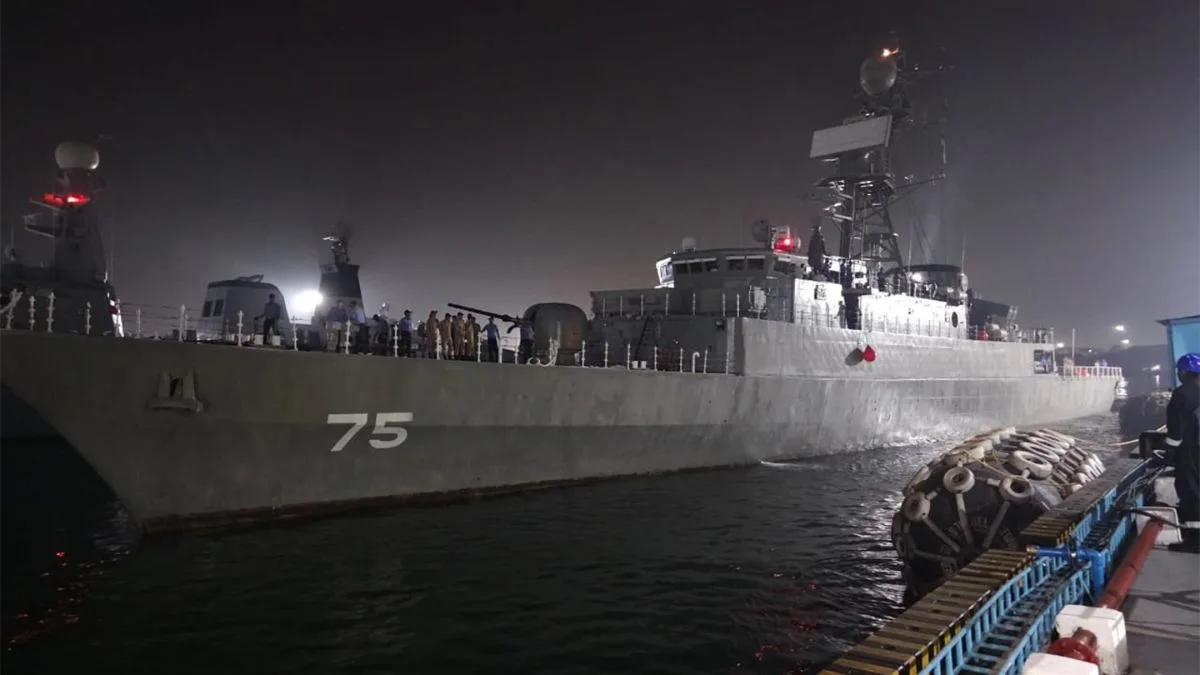
The torpedoing of the Iranian frigate IRIS Dena in the Indian Ocean is a stark reminder that distant wars rarely remain distant for India. When a US submarine destroyed the vessel near Sri Lanka’s southern coast on 4 March, the attack did not merely sink a warship. It brought a major geopolitical conflict into India’s immediate maritime neighbourhood. Only days earlier, the same ship had been a diplomatic guest in India. The frigate had sailed into Visakhapatnam to participate in the International Fleet Review 2026 and the multilateral naval exercise Milan, events designed to highlight India’s growing maritime influence in the Indo-Pacific.

Warships from dozens of countries had gathered under the banner of cooperation, with the Indian Navy projecting its ambition to be the Indian Ocean’s “preferred security partner.” The abrupt destruction of a participating vessel so soon after the exercise ended has therefore raised uncomfortable questions. The strike itself occurred in international waters near Sri Lanka, far outside India’s jurisdiction. Legally, New Delhi bears no responsibility for what happened once the Iranian ship left its shores. Yet geopolitics rarely stops at legal boundaries.

When a ship that had just been welcomed at an Indian port is destroyed within days in waters close to the subcontinent, the incident inevitably acquires diplomatic overtones. Strategists have been quick to point out the broader implications. India has spent the past decade positioning itself as a stabilising maritime power in the Indian Ocean region. Initiatives such as Exercise Milan are meant to demonstrate that India can convene partners, foster cooperation and contribute to regional security. The sinking of the Iranian vessel in nearby waters suggests the limits of that ambition when global powers are engaged in open conflict.

The episode also exposes the complexity of India’s foreign policy balancing act. Relations with the United States have deepened significantly, particularly in defence cooperation and strategic coordination in the Indo-Pacific. At the same time, India maintains longstanding ties with Iran, ranging from the energy trade to the development of the Chabahar port. Navigating between Washington and Tehran has always required diplomatic caution. A shooting war between them makes that balancing act far harder. Prime Minister Narendra Modi’s government has responded with studied restraint, emphasising dialogue and diplomacy without directly criticising either side.

External Affairs Minister S Jaishankar has spoken with Iranian leaders even as India’s broader strategic partnership with the United States continues to expand. Yet the deeper message of the incident may lie elsewhere. The sinking of the Dena illustrates how quickly a regional conflict can spill into the wider Indian Ocean. It also highlights the limited ability of middle powers ~ even ambitious ones like India ~ to control events in their own strategic neighbourhood when major military powers decide to act. For New Delhi, the lesson is sobering. The Indian Ocean may be India’s backyard, but in an era of global naval reach, it is not exclusively India’s arena.

Daughter’s Return

In India, marriage has long been treated as a one-way journey for women. Once a daughter leaves her parents’ home in a wedding procession, social convention dictates that she must endure whatever awaits her in her husband’s household.

Statesman News Service | New Delhi |

In India, marriage has long been treated as a one-way journey for women. Once a daughter leaves her parents’ home in a wedding procession, social convention dictates that she must endure whatever awaits her in her husband’s household. The cultural expectation is clear: a married daughter belongs to her marital home, and returning to her parents is seen as a sign of failure. That deeply rooted belief has often trapped women in abusive marriages, where silence and endurance are valued more than safety or dignity. A recent short film, Band Baaja Bitiya, directed by Prosit Roy and featuring actor Gajraj Rao, has sparked conversation precisely because it challenges this mindset.

The story centres on a father who refuses to accept the idea that his daughter must remain in a violent marriage. Instead of quietly bringing her back, he does something radical in its symbolism: he celebrates her return with the same pomp and music that once accompanied her wedding procession. The message is simple but powerful ~ a daughter’s return should not be a matter of shame. The reaction to the film reveals how strongly the issue resonates. Domestic violence remains one of the most persistent and underreported social problems in India. According to the National Crime Records Bureau, thousands of women die each year in dowry-related incidents, while tens of thousands of cases of cruelty by husbands or their families are registered annually.

These figures, widely believed to be underestimated, point to a troubling reality that continues despite decades of legal reform. India does have laws designed to protect women, including the Protection of Women from Domestic Violence Act of 2005 and provisions in the Indian Penal Code, now BNS, dealing with cruelty within marriage. Yet legal remedies often come too late, or are never sought at all. Many women hesitate to file complaints because they fear social stigma, economic insecurity, or the disapproval of their own families. The pressure to “adjust” within marriage remains powerful across regions and social classes. That is why the role of parents is so crucial.

For generations, families have invested enormous emotional and financial resources in arranging marriages for their daughters. Weddings are celebrated as milestones of honour and prestige. When those marriages fail, parents often worry more about social embarrassment than their daughter’s well-being. The result is a culture where women are urged to tolerate behaviour that would otherwise be unacceptable. Changing this mindset requires a shift not in law alone but in family values. When parents openly support daughters who choose to leave abusive marriages, they challenge the stigma that has long surrounded separation and divorce.

Such acts signal that a woman’s dignity and safety matter more than preserving appearances. India is changing rapidly in education, employment, and public life for women. Yet true social progress will be measured within the walls of the family. A daughter should never have to choose between personal safety and parental acceptance. When families make it clear that their homes remain open, they weaken the very foundations of domestic abuse.

The wily Chinese

The Chinese famously play the long game. The high priest of realpolitik, Henry Kissinger, coldly noted, “China’s leaders avoid direct confrontation and prefer to achieve their objectives indirectly.”

BHOPINDER SINGH | New Delhi |

The Chinese famously play the long game. The high priest of realpolitik, Henry Kissinger, coldly noted, “China’s leaders avoid direct confrontation and prefer to achieve their objectives indirectly.” Basically, in every international conflict the Chinese frame a position but never actively participate in any war directly. This allows them to provoke from the sidelines, but never commit to any boots-on-ground or risk any sovereign wherewithal. If anything, the Chinese gain commercially by selling weapons to one side or the other in the conflict.

The last three decades have seen major global conflicts in the Middle East theatre (Gulf War-1, Gulf War-2, ISIL and other terror group wars, Syrian Civil War, Yemen Civil War, and most recently, in Iran), Ukraine War, African conflicts (Congo, Darfur, Somalia, Libya, Mali etc.,), Balkan Wars, and Afghanistan. All these bloody conflicts have entailed the active military participation of the United States of America. Besides the obvious human costs, Brown University estimated that the total financial cost to the USA was about $8 trillion for only the post-9/11 wars ~ not including the very expensive ongoing war with Iran.

Meanwhile, the Chinese have literally staked nothing in terms of human costs or financial costs, save for earning from each of these conflicts, by selling weaponry. On the contrary, the Chinese have steadily and increasingly been upping their investments in developing new military technologies, platforms, and capabilities, without risking any damage to their military infrastructure. Conservative estimates of about $5 trillion investment in the Chinese military in the commensurate three decades, without including “off-budget” defense-related expenditures, tells a parallel story.

While this figure of investment still makes China the second biggest spender on the military behind the USA ~ the investments in the defence budgets of the USA are getting neutralized by the expenditure outflow incurred in participating in global conflicts. The USA’s longest (for twenty years) and most expensive (approx. $2 trillion) war in Afghanistan (2001- 2021) personifies this conundrum. Launched to remove the Taliban from ruling Afghanistan, it ended twenty years later with the humiliating abandonment of the Afghanistan theatre, and the successful return of the Taliban government. Neither was the long-term transformation of Afghan governance achieved, nor was the sustenance of democracy.

Meanwhile the wily Chinese, who share a physical border with Afghanistan (the 76-kilometer long Wakhan Corridor) connecting China’s Xinjiang Uyghur Autonomous Region with Afghanistan’s Badakhshan Province, sat out of the conflict for those twenty years. They simply pursued their patent “non-intervention”, economic opportunism, and simple security containment (to deter the likes of China-facing groups like East Turkestan Islamic Movement), at the Wakhan Corridor.

At the end of twenty years, the Chinese have kept their embassy open in Kabul and accepted a Taliban-appointed Ambassador to Beijing, thereby signaling de facto normalcy with the Afghan Taliban government. After all these years of human and financial investments, the USA remains officially shunned in Afghanistan. This Chinese ingression into the Afghan narrative without committing anything substantial fits aptly with Sun Tzu’s treatise in The Art of War, “The supreme art of war is to subdue the enemy without fighting”. Today, the USA finds itself committed to yet another conflict in Iran, while China is content to sit out and perhaps cut a few lucrative arms deals.

In the first 24 hours of the Iran operation, the USA is believed to have spent $779 million on air strikes, bombs/missiles and other operational and logistics costs. While there is no clarity on the final outcome of the conflict, analysts like Kent Smetters of the Penn Wharton Budget Model estimate that a prolonged war (as is most probable given the current trajectory) could cost upwards of $95 billion to the US. This obviously does not weigh in other macro-economic impact like energy implications, trade disruptions, and breakdown of global supply chains, all of which could take up the bill to well above $210 billion for the US.

Recent history of all major US militaristic interventions with far less accomplished (and even determined) opposition in the swathes of Iraq-Syria, Afghanistan, Ukraine, or even Libya, do not augur well for the final outcome of the war in Iran for the US. Irrespective of the outcome, the drain on the US economy is bound to bleed its already stretched coffers and strained economy ~ the Chinese are yet again sitting out of the conflict militarily, and protecting their economy (barring the global impact) and also their military wherewithal. If anything, the Chinese are also milking the opportunity afforded by the Trump-Netanyahu brazenness to take a rare moral high ground.

The attack on Iran has further strengthened the Chinese equation with Russia, as they jointly call out the unwarranted belligerence by the US. Meanwhile, Delhi remains awkwardly silent after having just concluded a badly timed Prime Ministerial visit to Israel, just days before the attack on Iran. The restrained diplomacy and cautiously pro-Iranian position could further bolster China’s stand (after the conflict) on the high tables of international diplomacy, as countries across the globe will grapple to make sense of Donald Trump’s incorrigibility and unpredictability.

A long-drawn US engagement in Iran (as is likely) will tie down US resources to the advantage of the Chinese. Analysts believe that the ability of the US to maintain its offensive (or even defensive) posture in the Indo-Pacific (especially around the South China Seas or Taiwan) will get severely compromised. Going forward, Iran will get more decisively pushed into the Chinese “camp” as the only alternative. Continuing sanctions of Iran will make it even more reliant on China economically and diplomatically and open a big market for Chinese wares.

All this could be achieved by the Chinese without firing a single shot. Commercially, serious murmurs of the Chinese peddling their CM-302 supersonic anti-ship cruise missiles are already doing the rounds. While the US economy remains structurally stronger than the Chinese, the Chinese are growing at 4-5 per cent, while the US is slower at 2-3 per cent. The US is suffering high federal debt (100 per cent of GDP), while the Chinese have lower central government debt. On the critical innovation and technology front, the Chinese are regularly stunning the American with their advancements. With this background, the costly US war in Iran will only bleed the Americans even further, while the wily Chinese continue to secure and protect their interests relatively better.

(The writer is Lt Gen PVSM, AVSM (Retd), and former Lt Governor of Andaman & Nicobar Islands and Puducherry)

US-Israel-Iran war UPDATES: Trump says war to end ‘soon’ as ‘practically nothing left’ to target; Iran launches fresh missiles on Israel

Washington says the campaign against Iran has crossed 5,000 strikes while political divisions deepen in the US and global energy markets brace for further shocks from the escalating crisis.

Statesman News Service | Mumbai |

Tensions in West Asia are intensifying nearly two weeks after the United States launched military strikes on Iran, widening a conflict that began on February 28. Military exchanges, political clashes in Washington, and diplomatic outreach across the region are unfolding simultaneously as Operation Epic Fury enters a new phase.

New remarks from the White House, the Pentagon, and leaders in Iran and Israel show just how fast the situation is changing. From the Gulf to the wider region, the conflict is now affecting security, shipping, and energy supply in ways that are being watched very closely.

US-Israel-Iran war: UPDATES

From Green to Black: Iran war gas crunch drives India to coal

NTPC, one of India’s leading state-run power generation companies, has already informed the grid regulator that it will not be able to supply gas-fired power during the April-June period.

Statesman News Service | New Delhi |

The US-Iran war and the energy crisis arising out of it have pushed India towards coal to meet its peak power demand during the summer as liquefied natural gas (LNG) supplies tighten amid global supply and production disruptions.

India usually pushes power plants to ramp up electricity generation during the peak summer months of April, May and June, including the costly gas-fired generation. The power generation firms receive government subsidies to keep a check on power prices.

However, according to a Reuters report, the government has not received any bids from power companies to supply 12,000 megawatt-hour of gas-generated electricity for the peak summer months.

The government’s tender for the same is set to close in the next two days.

NTPC, one of India’s leading state-run power generation companies, has already informed the grid regulator that it will not be able to supply gas-fired power during the April-June period.

The report further stated that the Ministry of Power has advised coal power generators to ensure their plants are kept running during the peak summer months.

Earlier in the day, the government announced several measures to deal with the looming LPG crisis, invoking emergency provisions under the Essential Commodities Act (ECA) to ensure uninterrupted supply to domestic consumers.

The decision was taken amid the intensifying Middle East conflict triggered by the US and Israeli strikes on Iran and the latter’s retaliation.

The conflict has disrupted shipping through the Strait of Hormuz, a key route for global oil and gas supplies.

India, which imports about 85 per cent of its crude and nearly half of its natural gas, is vulnerable to such disruptions.

At the 11th hour: Govt scrambling to deal with LPG crisis as Iran war worsens

Amid the looming crisis, Petroleum and Natural Gas Minister Hardeep Singh Puri said the government has taken steps to safeguard domestic fuel supplies despite the global disruptions caused by the war.

Statesman News Service | New Delhi |

With the conflict in the Middle East escalating and global energy supplies and production facing disruptions, the government on Tuesday announced several measures to deal with the looming LPG crisis, invoking emergency provisions under the Essential Commodities Act (ECA) and urging consumers to complete Aadhaar-based biometric authentication (e-KYC) to ensure uninterrupted availability of cooking gas.

The measures were taken amid intensifying Middle East conflict triggered by the US and Israeli strikes on Iran and the latter’s retaliation. The conflict has disrupted shipping through the Strait of Hormuz, a key route for global oil and gas supplies.

India, which imports about 85 per cent of its crude and nearly half of its natural gas, is vulnerable to such disruptions.

As the government scrambles to manage the energy crisis, LPG shortage has raised concerns among hotels and restaurants and other industries across major cities.

Industry bodies have warned that if the situation does not improve in the next two days, about half of the hotels and restaurants could be forced to shut operations temporarily.

Govt prioritising domestic consumers

Amid the looming crisis, Petroleum and Natural Gas Minister Hardeep Singh Puri said the government has taken steps to safeguard domestic fuel supplies despite the global disruptions caused by the war.

“In today’s informal interaction with members of the media fraternity, we discussed that India’s energy imports are continuing to flow in from different sources and routes,” Puri said.

He added that the government has ensured 100 per cent supply of CNG and PNG to domestic consumers, while other industries continue to receive around 70–80 per cent of their gas supplies.

“We are committed to ensure uninterrupted supply of affordable energy to our domestic consumers. There is no shortage for domestic consumers and no reason to panic,” the minister added.

New bookings for commercial LPG cylinders halted

The crisis has led to a shortage of commercial LPG in the country. In Rajasthan, oil marketing companies have directed distributors to halt new bookings for commercial LPG cylinders.

The supply of commercial LPG has also been disrupted in Karnataka, where several hotels, restaurants, and roadside food vendors are on the verge of shutting down their operations.

Karnataka CM Siddaramaiah has written to Union Petroleum Minister Hardeep Singh Puri, requesting his intervention to ensure adequate commercial LPG supply is made available to hotels, restaurants and commercial establishments and to give directions to the Oil Marketing Companies to address the current supply constraints.

India to increase coal capacity to meet peak power demand in summers

India is likely increase its coal capacity to meet peak power demand in the summer as liquefied natural gas (LNG) supplies tighten ​after shipping disruptions due to the Middle East conflict, two industry officials said, according to Reuters.

The report further stated that New Delhi typically pushes power plants to ramp up generation during the April-June summer months, including costly gas-fired generation, to meet surging electricity demand and subsidises the cost for ​companies to shield customers from higher prices.

50 per cent hotels on the verge of shutting down operations

The Hotel and Restaurant Association has raised the alarm, claiming that the shortage of commercial LPG could force around 50 per cent of hotels and restaurants across several cities to shut their operations in two days.

“The shortage of commercial LPG has become extremely serious over the past week, with intermittent disruptions escalating into a near-complete halt in supply in several regions since yesterday,” said Pradeep Shetty, VP, FHRAI & Spokesperson, Hotel and Restaurant Association (Western India).

The shortage, Shetty said, will affect international tourists who are already here and those who will be visiting the country. “Also, smaller and medium-sized eateries will be the first to be impacted, as they typically operate with limited reserves.”

LPG consumers asked to complete Aadhaar authentication

In a bid to curb the hoarding and black marketing, the government has stepped up Aadhaar-based biometric authentication for LPG consumers under the Pradhan Mantri Ujjwala Yojana (PMUY).

According to the Petroleum Ministry, consumers can now complete Aadhaar authentication and e-KYC without visiting LPG distributors.

Users can simply scan the QR code shared by the ministry or visit the link pmuy.gov.in/e-kyc.html to complete e-KYC process.

The consumers, however, would continue to get their LPG cylinders refilled even if their Aadhaar authentication is incomplete.

Building plan approvals go digital in J&K as govt amends UBBL 2021

The government has notified amendments to the Unified Building Bye-Laws (UBBL) 2021 under the provisions of Jammu and Kashmir Development Act, 1970 and J&K Municipal Act 2000.

Statesman News Service | Jammu |

The Jammu and Kashmir government on Tuesday notified amendments to the building bye-laws across the urban local bodies and launched a digital approval portal aimed at rationalising development.

The government has notified amendments to the Unified Building Bye-Laws (UBBL) 2021 under the provisions of Jammu and Kashmir Development Act, 1970 and J&K Municipal Act 2000.

The reforms are expected to strengthen the compliance across all Urban Local Bodies and Development Authorities in the Union Territory.

The amendments simplify land use regulations, merge multiple sub-categories into four broad primary uses and allow Affordable Group Housing in Industrial zones, promoting inclusive land utilisation. Setback norms have been rationalized and Commercial Floor Area Ratio (FAR) has been enhanced up to 400 (subject to norms), thereby increasing development potential. Further, the minimum Right of Way requirement for specified commercial and industrial activities has been reduced from 12 meter to 6 meter to facilitate economic growth, particularly in smaller urban areas.

The government has also launched the Auto Scrutiny Based Building Permission and CLU portal with Auto-DCR technology, introducing a fully digital, rule-based and time-bound system for processing building permissions across all Urban Local Bodies and Development Authorities in the Union Territory.

Under the new framework, building plans submitted online are automatically scrutinized by the system against the provisions of the UBBL, Master Plans, Zonal Plans and applicable development controls. The software generates instant compliance reports identifying deviations, if any, thereby ensuring transparency and uniform interpretation of regulations.

The portal integrates Change of Land Use (CLU) with Building Permission, reducing timelines from 60-90 days to 30 days.

The portal allows self-certification and auto-approval for Low-Risk Buildings, empowering registered architects and engineers to certify compliance with building norms. The system ensures transparency, uniform interpretation of regulations and eliminates subjectivity.

The Auto Scrutiny Portal also facilitates online fee calculation, digital payment, real-time application tracking, downloadable approvals and a digital record repository. Applicants can monitor the status of their cases at every stage, ensuring complete transparency.

The amendments also introduce energy efficiency and environmental compliance provisions, including Eco Niwas Samhita norms, with incentive-based benefits such as additional FAR and fast-track approvals.

These comprehensive amendments mark a transition towards transparent, technology-driven, and compliance-oriented urban governance, ensuring planned, sustainable, and citizen-centric development across Jammu & Kashmir, an official spokesman said.