We are living in the golden age of authorship. Everyone is now a writer. We are writing bios, poems, how-to guides, and, of course, aggressive complaints against whomever we wish to. The problem? It is also a golden age of literary supply heavily outweighing the demand. We are rapidly hurtling toward a future where everyone is writing, and absolutely no one is reading. We are turning the collective human experience into a giant, never-ending group chat where everybody wants to be the one talking, and nobody wants to hear what anyone else is saying.
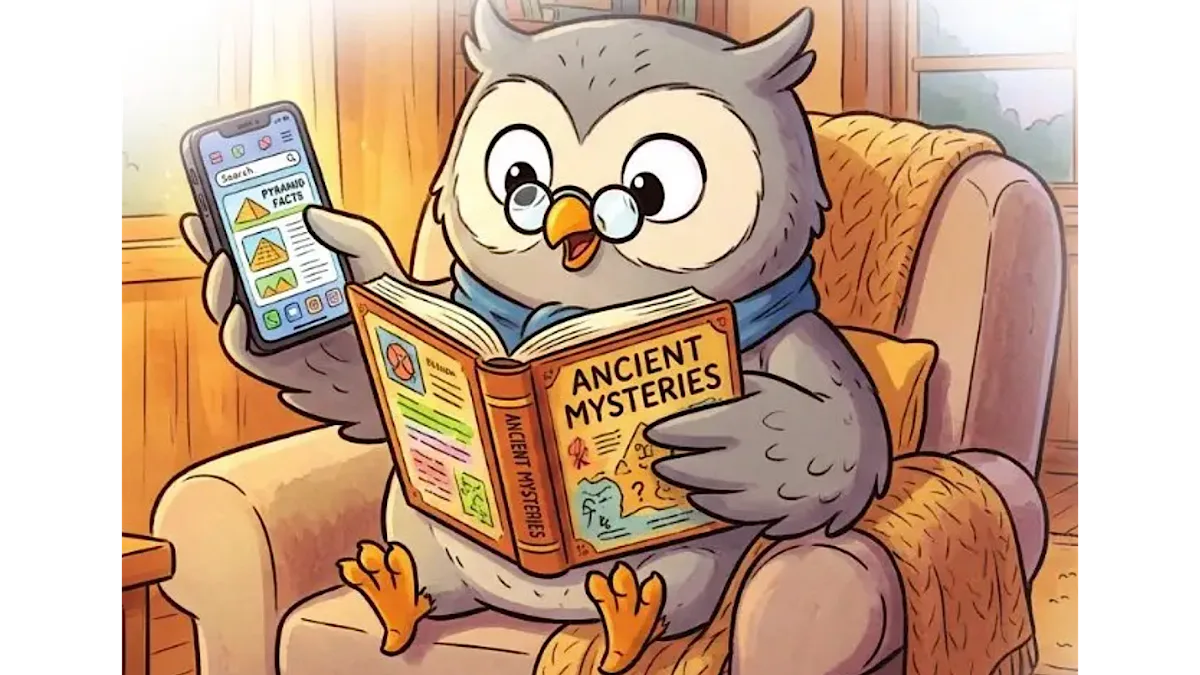
If the trajectory continues at its current pace, statistical logic suggests that by 2030, the global population of wordsmiths will outnumber the total hours of human attention available for reading. The Dying Habit Of Reading There was a time when carrying around a 500-page historical biography was considered a guaranteed way to look intelligent. Today, holding an actual book makes you look like a medieval reenactor hopelessly lost in the 21st century. When was the last time you saw someone deeply engrossed in a paperback on the local Metro compared to someone staring intently at their phone-screen? Yes, the habit of reading for pleasure has undeniably died a slow death. But can we really blame anyone for abandoning the written word?
Advertisement
When you start reading a novel, you are entering into a long-distance relationship with a stranger. Why would anyone subject themselves to the sluggish, sequential slog of turning pages when they could be obsessively scrolling through social media and watching 15-second videos of cats being startled by cucumbers? These bite-sized digital snacks deliver a sweet, immediate spike of dopamine in the brain without the nagging guilt of having left a bookmark on page 42 since 2023. Even when we do decide to “read,” we rarely read the way our ancestors did. Modern reading is no longer a peaceful pastime; it is a frantic survivalist dash through a digital jungle of text.
Armed with nothing but a rapidly decaying attention span, the modern reader hacks through dense thickets of content while dodging the venomous traps of clickbait headlines and pop-up advertisements. We do not gently absorb literature; we aggressively skim it, hunting for bullet points like desperate foragers looking for edible berries. Technology Let’s face it: technology has fundamentally altered the way we consume the written word. It has conditioned our brains to expect rapid pleasurable feelings, making it undeniably challenging to sit still for a deep-dive text. It is perfectly understandable why people find traditional reading a daunting commitment.
While the population of aspiring wordsmiths continues to multiply, the reading public seems to be slipping into extinction. Reading for pleasure has been on a slow, steady decline for years. Our attention spans have been pulverized by the constant urge to check our notifications on WhatsApp. Today, the average person’s reading habit consists entirely of going through text messages from their friends. When faced with an actual book, the modern human brain often short-circuits. We gaze at the paragraphs, feel a profound sense of existential dread, and immediately pivot to watching a video sent by a friend. It’s a lopsided tragedy.
We are pouring thousands of hours into typing out novels, memoirs, and op ed-pieces, only to release them into a vast, echoing void of people who are too busy scrolling through their phones to notice. A Mathematical Crisis Surveys and reading studies frequently highlight a steep decline in reading for pleasure. As a result, the market is starving. We are left with millions of literary chefs, all diligently plating their artisanal prose, only to realize that the dining room is completely empty. While the production of sentences is reaching industrial levels, the actual consumption of those sentences has plummeted. Ultimately, the modern literary ecosystem resembles a crowded cocktail party where every single guest is trying to read their own poetry outloud , while simultaneously complaining that no one is paying attention to them.
The modern publishing landscape now operates on a simple, terrifying paradox: a supply-and-demand curve when supply almost touches the sky but demand hits the floor. Ultimately, we are becoming a society of highly articulate, expressive individuals screaming our thoughts into the void, perfectly aware that nobody is listening. We are barreling toward an ecosystem where the food chain of the literary world is completely inverted. The math is simple: if you have 100 people in a room and 98 of them are writing while the remaining 2 are simply too overwhelmed by social media to have time for anything else, the entire system collapses.
The ‘Why’ and ‘Wherefore’ So, why is everyone writing while no one is reading? Because writing feeds the ego, whereas reading requires concentrating for hours and hours. Between watching television and scrolling social media platforms, the average human simply doesn’t have the time to sit down and decode another person’s magnum opus. If this trend continues, the future of literature will look quite bleak. We will soon enter a golden age of authorship, but since nobody will have time to read, we might have to draft a new law requiring every citizen to read at least one book a year, specifically the one written by their neighbor.
Writers have resorted to aggressive survival tactics. They don’t just write books anymore; they must use social media to beg people to buy their books. Modern authors spend 10% of their time writing and 90% of their time acting as unpaid public relations agents for themselves. Since no one has the time or the willingness to sit down and read a 300-page book anymore, writers must meet the readers where they are. We need to start condensing entire genres to fit modern attention spans. Why write a sweeping, multi-generational epic about a family dealing with generational trauma when you can just write: “They were born, they worried, and then they died.
The end.” The Bygone Era But perhaps we shouldn’t mourn the decline of the bound volume too bitterly. The modern human brain hasn’t stopped consuming narratives; it’s simply outsourcing its imagination. Why strain your eyes over 300 pages of text when you can watch a beautifully filmed adaptation on Netflix, Amazon or YouTube while simultaneously responding to work messages on your phone and checking your investment portfolio? The habit which died is not literacy itself, but rather the quiet, unspectacular art of sitting completely still, going through a 500 page hardcover volume while pretending you aren’t ignoring your mounting responsibilities.
So, raise a glass to the dearly departed practice of reading! It lived a good, albeit rather heavy, life. It was a noble era when we willingly sprained our wrists holding up 800-page historical epics in bed. Books were the ultimate multi-tools: they decorated our shelves to make us look intellectual and provided the perfect physical barrier to avoid eye contact with strangers on the subway. Reading succumbed peacefully after a long battle with the human attention span. Books have gracefully retired to their new role as aesthetic shelf-fillers and expensive coffee table coasters.
Let us toast to a time when getting lost in a story meant using your imagination. There can be nothing quite like the immersive power of letting your own mind paint the scenes, build the characters, and set the stage. Now, if you’ll excuse me, I have a brightly lit rectangular smartphone screen to stare at for the next couple of hours and read the WhatsApp messages from my friends.
(The author is a retired officer of the Indian Foreign Service (1976 Batch))