Logo

93 industrial units operating without permissions given closure notices by DPCC

The action underscores Delhi government’s commitment to keeping a check on industrial pollution to safeguard public health.

Statesman News Service | New Delhi |

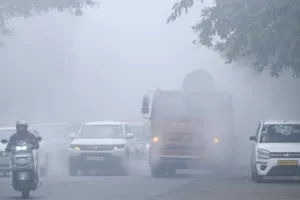
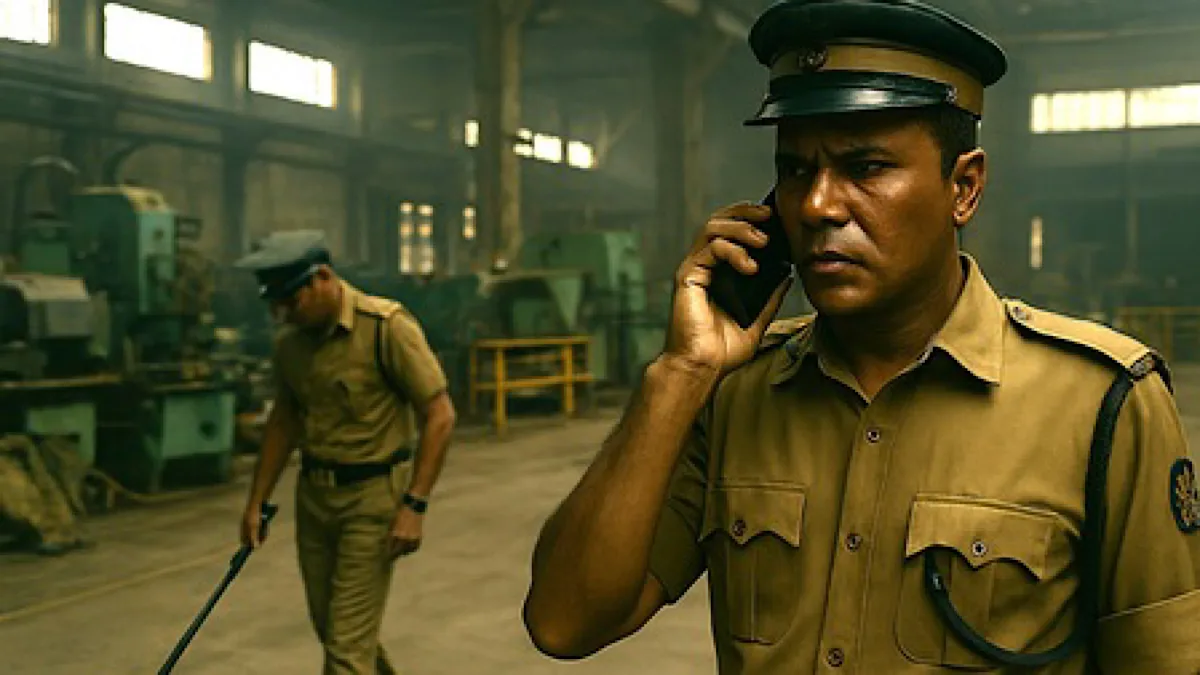
The Delhi Pollution Control Committee (DPCC) has issued closure notices to 93 industrial units in the Hyderpur Redevelopment Area following rigorous inspections and verifications that revealed they were operating without requisite permissions.

The action underscores Delhi government’s commitment to keeping a check on industrial pollution to safeguard public health.

According to an official, the Department has further intensified its enforcement drive with its teams proactively identifying and acting against non-compliant and polluting industries across the city.

The committee has warned that the units operating in violation of air-pollution norms or found operational without valid necessary permissions will face immediate strict penalties and can be sealed ensuring no leniency for environmental offenders.

Speaking on the issue, Delhi Environment Minister Manjinder Sirsa said, “The Delhi government is ensuring 100 per cent compliance to protect the city’s air.”

“There is zero tolerance towards polluting industries,” Sirsa emphasized.

The DPCC teams are conducting round-the-clock surveys across the city to monitor compliance, focusing specifically on the industries flouting emission standards and operating permissions. The approach taken by the pollution control agency is aimed at preventing unauthorized units from contributing to hazardous air quality levels.

“The government is working on all fronts through technology, enforcement, and policy to keep air pollution in check, prioritizing source-level interventions,” Sirsa added.

He stated that the teams are working continuously and identifying illegal and unauthorised industrial units, and all such operations are liable for immediate action.“These measures align with broader efforts to dismantle pollution hotspots, fostering a cleaner urban environment without compromising economic activity,” he added.

The government has urged citizens to support its anti- pollution initiatives by reporting violations promptly, as collective vigilance amplifies effective enforcement.
Sukhbir Badal warns of ‘agency-backed’ political entrants, unveils vision for Punjab at Jagraon rally

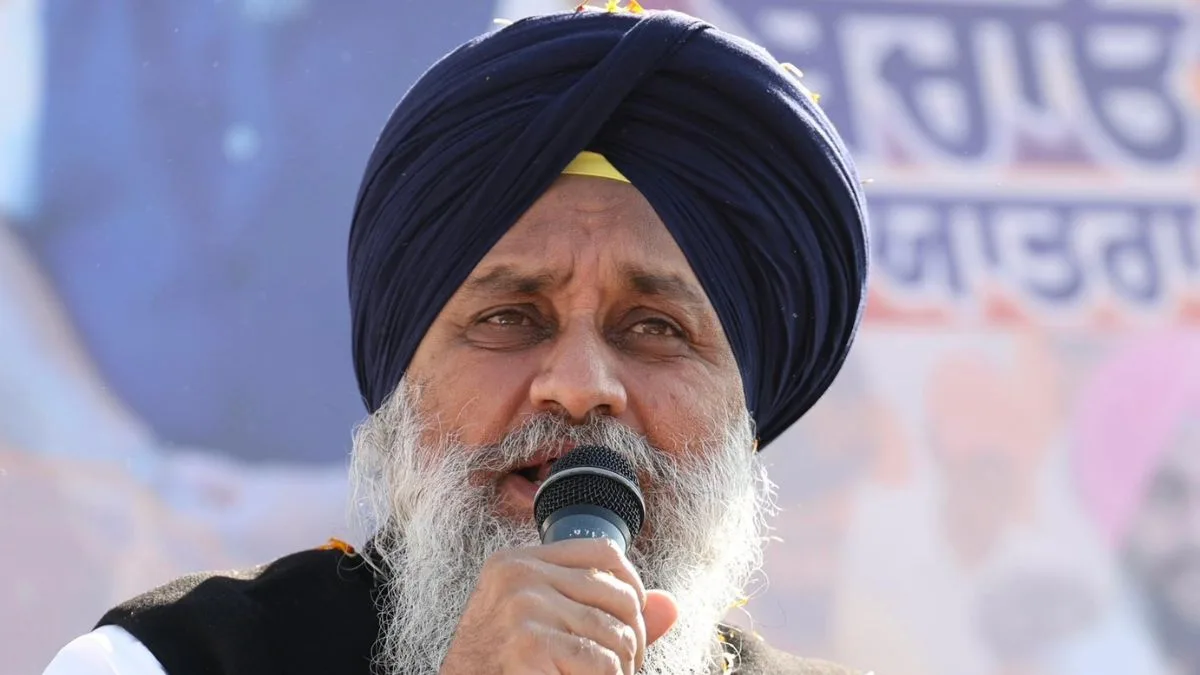
Shiromani Akali Dal (SAD) president Sukhbir Singh Badal today appealed to Punjabis to beware of agencies that might introduce a new entrant into the electoral fray in Punjab and even support the new political outfit, in the same manner as certain individuals were propped up during the 2024 parliamentary elections to weaken the SAD ahead of the 2027 Assembly polls.

Statesman News Service | Jagraon |

Shiromani Akali Dal (SAD) president Sukhbir Singh Badal today appealed to Punjabis to beware of agencies that might introduce a new entrant into the electoral fray in Punjab and even support the new political outfit, in the same manner as certain individuals were propped up during the 2024 parliamentary elections to weaken the SAD ahead of the 2027 Assembly polls.

Addressing a massive rally here along with senior party leader SR Kaler as part of the SAD’s ‘Punjab Bachao’ movement during which he announced that the next SAD government would grant district status to Jagraon, Badal said, “In the 2024 parliamentary polls, you got emotional and voted for individuals who were propped up by agencies.”

Urging Punjabis to understand this alleged conspiracy, Mr. Badal appealed to them to support the SAD for the welfare of Punjab, Punjabis and Punjabiat.

Stating that the SAD alone was concerned about their welfare, Mr. Badal asked, “Do you think Modi ji (Prime Minister Narendra Modi), Arvind Kejriwal, or Rahul Gandhi care about your issues?”

He said parties based in Delhi had consistently discriminated against Punjab, citing how the state was denied its rightful capital, how half of its river waters were diverted to Rajasthan against the riparian principle, and how Punjabi-speaking areas were excluded during the state’s reorganization in 1966.

Asserting that the SAD was committed to correcting these historical injustices, the party president said that once the party formed the government in 2027, it would stop the flow of water into the Rajasthan canal. “We will construct new canals and divert this water to the fields of our farmers,” he said.

Mr. Badal also alleged that the AAP government was undermining the democratic framework in the state. Referring to the election of the Chairman of the Baghapurana Block Samiti held yesterday, he claimed that AAP “stole the chairmanship” despite having only eight members compared to SAD’s 15.

He said a similar situation had occurred in Mansa. “The AAP government is also using gangsters like Jaggu Bhagwanpuria to intimidate political opponents in the election of Block Samiti chairpersons,” he alleged, adding that sections of the media were being forced to toe the government line.

“Those who do not comply are persecuted, as is happening with the Punjab Kesri group, whose hotel boundary was demolished without giving it a chance to appeal.”

Accusing the AAP government of misleading Punjabis, Mr. Badal said it was promising ₹1,000 per month to women in the general category and ₹1,500 per month to those from reserved categories.

“The AAP government has taken a loan of ₹52,000 crore and sold government land to fund this allowance for just six months,” he claimed. He added that the government had also withheld power subsidies to PSPCL, warning that this would spell doom for Punjab and its farmers.

Outlining his vision for the state, Mr. Badal reiterated that the SAD would not allow water to flow into the Rajasthan canal. “All water currently diverted will instead be used for Punjab’s fields,” he said.

He also pledged to prevent industrial and sewage effluents from entering the Sutlej and Beas rivers, warning of strict action against violators. “This is essential to tackle the scourge of cancer in the Malwa belt,” he added.

He further announced the revival of the ‘Rahat’ scheme introduced by the previous SAD government to end what he described as “tax terrorism” faced by traders under both the Congress and the current AAP government.

The SAD president also promised an interest-free loan of ₹10 lakh for youth, the revival and expansion of the ‘Aata Dal’ scheme, an increase in old-age pension to ₹3,100 per month, and a hike in the ‘Shagun’ allowance to ₹1 lakh.

He added that all farmers without tube-well connections would be provided the facility, along with 12 hours of daytime power supply. He also proposed the establishment of a World Skill University with affiliated colleges in every district and reserved government jobs for Punjabis.

RBI approval clears way for Axis Bank’s ₹1,500 crore capital infusion into Axis Finance

Axis Bank informed the stock exchanges in a regulatory filing on Wednesday that it will infuse ₹1,500 crore into its wholly owned subsidiary, Axis Finance.

Statesman News Service | Mumbai |

Axis Bank informed the stock exchanges in a regulatory filing on Wednesday that it will infuse ₹1,500 crore into its wholly owned subsidiary, Axis Finance.

According to the statement, the Axis Bank board has approved the capital infusion into the non-banking financial company (NBFC) in one or more tranches by March 31, 2027, through subscription to its rights issue.

The investment has been approved by the banking regulator, the Reserve Bank of India (RBI), via a letter dated March 10.

The transaction falls within the scope of related-party transactions following the RBI’s revised guidelines, which allow multiple entities within a banking group to undertake the same line of business, subject to board approval and adequate rationale and justification.

Earlier, Axis Bank had been informed that it could not infuse additional capital into Axis Finance to fund its growth, following the RBI’s October 2024 ‘forms of business’ circular. The circular had stipulated that only a single entity within a banking group could undertake a particular form of permissible business.

Consequently, Axis Bank decided to bring in an investor by diluting a portion of its stake in Axis Finance to raise capital for expansion, and even appointed Morgan Stanley to identify potential investors.

However, after the RBI revised its guidelines and removed the clause that had barred banks and their subsidiary NBFCs from operating in the same line of business, Axis Bank regained the option to infuse capital into its NBFC subsidiary.

Accordingly, Axis Bank approached the RBI with a proposal to infuse capital into its wholly owned subsidiary, Axis Finance, which was subsequently approved by the banking sector regulator.

Navratri rush: Railways deploy Scouts & Guides, tight security along Vaishno Devi Yatra route

Anticipating a heavy influx of devotees during the auspicious Navratri festival beginning on Thursday, the Jammu Division of the Railways has deployed Scouts and Guides at railway stations to ensure smooth passenger movement and effective crowd management.

Statesman News Service | Jammu |

Anticipating a heavy influx of devotees during the auspicious Navratri festival beginning on Thursday, the Jammu Division of the Railways has deployed Scouts and Guides at railway stations to ensure smooth passenger movement and effective crowd management.

Uchit Singhal, Senior Divisional Commercial Manager, said that during Navratri, major stations such as Jammu and Shri Mata Vaishno Devi Katra witness a heavy volume of passenger traffic. To manage this situation, trained Scouts and Guides have been deployed on the front lines.

Their primary responsibilities include ensuring orderly queues of passengers at platforms and at entry and exit gates; providing information regarding the correct platforms and trains to devotees, particularly the elderly, persons with disabilities, and women; coordinating with the Railway Protection Force (RPF) and the Government Railway Police (GRP) in the event of medical emergencies or inconveniences caused by overcrowding; and preventing crowds from congregating in specific areas at stations to avoid obstruction to passenger movement.

The railway administration has requested all pilgrims to remain patient during their journey, minimize the amount of heavy luggage they carry, and strictly adhere to the instructions issued by Scouts, Guides, and security personnel deployed at stations. The safety and convenience of passengers remain the utmost priority.

Meanwhile, an elaborate security cover has been deployed across the 13-km trek leading to the Mata Vaishno Devi shrine during the Chaitra Navratras. Shri Mata Vaishno Devi Shrine Board (SMVDSB) CEO Sachin Kumar Vaishya said that the entire shrine area, including the Bhawan and surrounding premises, has been decorated with flowers ahead of the nine-day festival.

The footfall of pilgrims this year has crossed 15 lakh, and it is believed that the yatra will further increase in the coming days, Vaishya told reporters.

The CEO said that multi-layered security arrangements have been made, with personnel from the CRPF, J&K Police, Shrine Board security staff, and the Army deployed in strength. An Integrated Command and Control Centre is functioning round the clock, and high-tech CCTV cameras have been installed to maintain constant surveillance, he added.

He further said that priority is being given to devotees with disabilities, and free battery car services, as well as pony services, will be provided to them as in previous years.

I-PAC raids: SC says CM ‘barging’ in during ED raids not ‘happy situation’

The top court made the remarks while hearing the writ petition filed by the Enforcement Directorate under Article 32 of the Constitution in connection with its January 28 raids on political consultancy firm I-PAC.

Statesman News Service | NEW DELHI |

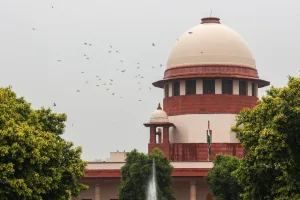
The Supreme Court on Wednesday said that West Bengal Chief Minister Mamata Banerjee’s barging in during Enforcement Directorate’s I-PAC raids was not a “happy situation” and asked the state government if the probe agency can be left “remediless” in such a situation.

The top court made the remarks while hearing the writ petition filed by the Enforcement Directorate under Article 32 of the Constitution. The agency, in its plea, had contended that it lacks the legal remedy to invoke fundamental rights jurisdiction against a State.

Alleging obstruction by West Bengal authorities during its January 28 raids on the office of the political consultancy firm I-PAC in Kolkata, the agency had sought a CBI case against CM Banerjee and the state police officials.

Appearing for the West Bengal Government, Senior Advocate Shyam Divan opposed the maintainability of the petition. Divan argued that allowing a Central government department to file a writ petition against a state government would be “dangerous to the federal structure.”

He further contended that the ED is not a “juristic entity”. “It (ED) is nothing beyond just a department of the Government. It does not have by itself any personality,” said Advocate Divan.

He further cautioned, “If we allow this, a situation can arise where Article 32 is being used by one department against another department, or between the Centre and States. This would completely bypass the checks and balances embedded in the constitutional framework.”

On this, the bench, comprising Justice Pankaj Mishra and Justice NV Anjaria, said that a chief minister “barging” in during ED raids is not a “happy situation”.

“What if tomorrow, some other Chief Minister barges into such a raid? Can the ED be left without remedy?” the Supreme Court said. The matter will continue in the top court during the next hearing on March 24.

The case pertains to the Enforcement Directorate’s January 28 raids on political consultancy firm I-PAC in Kolkata. During the raids, CM Banerjee had allegedly barged in and taken away some documents that she claimed contained information about TMC’s candidates for the upcoming Assembly Elections.

Following this, the ED had moved the top court, alleging obstruction by the Bengal CM and the state police. The probe agency also alleged that CM Banerjee removed crucial evidence, a charge she denied.

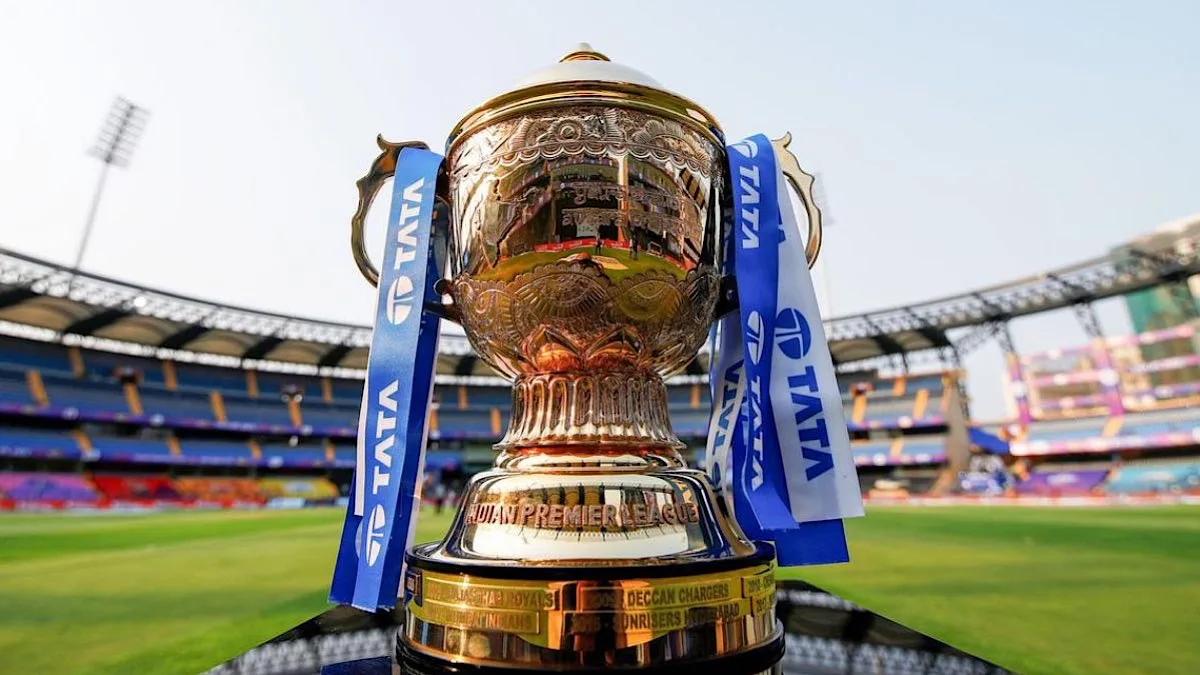
IPL 2026: Kishan named SRH interim captain as Cummins recovers; Abhishek named vice-captain

Ishan Kishan has been named interim skipper of the Sunrisers Hyderabad (SRH) for the early part of the Indian Premier League (IPL) 2026, with regular skipper Pat Cummins recuperating from the lumbar stress issue that ruled him out of Australia’s T20 World Cup campaign.

Statesman News Service | New Delhi |

Ishan Kishan has been named interim skipper of the Sunrisers Hyderabad (SRH) for the early part of the Indian Premier League (IPL) 2026, with regular skipper Pat Cummins recuperating from the lumbar stress issue that ruled him out of Australia’s T20 World Cup campaign. Abhishek Sharma will serve as vice-captain during this period.

“Pat Cummins will miss a few games while recovering from injury. Until he recovers, Ishan Kishan will be the captain and Abhishek Sharma will be the vice-captain,” the franchise announced in a social media post.

Cummins is expected to link up with the squad in Hyderabad on March 23 after receiving clearance from Cricket Australia, though there is no confirmed timeline for his return to playing duties. The development comes merely 10 days before SRH open their campaign against defending champions Royal Challengers Bengaluru at the M. Chinnaswamy Stadium on March 28.

In an interesting first for the league, all 10 IPL teams will be led by Indian players at the start of the season until Cummins resumes captaincy duties. The Australian all-rounder has been managing a persistent back issue that also ruled him out of his country’s T20 World Cup campaign and limited his appearances during the home summer, where he featured only in the third Test against England in Adelaide.

Kishan and Abhishek both played key roles in India’s triumph at the 2026 T20 World Cup, though neither has previously captained an IPL side.

SRH had acquired Kishan for INR 11.25 crore ahead of the 2025 auction, and the wicketkeeper-batter repaid the faith with 354 runs in his debut season at an impressive strike rate of 152.58. His performances included an unbeaten century on debut for the franchise and an unbeaten 94 later in the season.

He heads into IPL 2026 in strong form, having recently marked a successful return to India’s T20I setup. Kishan led Jharkhand to the Syed Mushtaq Ali Trophy title, finishing as the tournament’s leading run-scorer.

Since his comeback at the start of the year, Kishan has amassed 532 runs in 13 T20Is at an average of 40.92 and a striking strike rate of 207.00, including three half-centuries during the World Cup. Both he and Abhishek also made crucial contributions in the final against New Zealand in Ahmedabad, registering half-centuries in the title clash.

Stock market extends rally for third consecutive session

The stock market extended its rally for a third consecutive session on Wednesday, with the Nifty crossing the 23,850 mark, supported by broad-based buying across most sectors.

Statesman News Service | New Delhi |

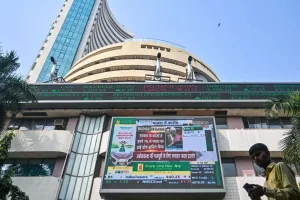
The stock market extended its rally for a third consecutive session on Wednesday, with the Nifty crossing the 23,850 mark, supported by broad-based buying across most sectors.

At the close, the Sensex was up 633.29 points or 0.83 per cent at 76,704.13, while the Nifty rose 196.65 points or 0.83 per cent to 23,777.80.

Further, the broader markets also outperformed, with the Nifty Midcap 100 gaining 2 per cent and the Nifty Smallcap 100 rising 1.6 per cent. The total market capitalisation of BSE-listed companies increased to more than Rs 443 lakh crore from Rs 438 lakh crore earlier.

Among sectors, all indices except FMCG and metal ended higher.

The key sectors, including realty, IT, auto, media, capital goods, consumer durables, telecom, and infra, rose in the range of 1 to 3 per cent.

On the Nifty, key gainers included Jio Financial, Tech Mahindra, Infosys, Eternal, and M&M, while losers included Coal India, NTPC, HUL, Cipla and Sun Pharma.

More than 200 stocks touched their 52-week lows on the BSE, including Gujarat State Petro, Cipla, Tata Chemicals, Gujarat Gas, Honeywell Automation, and Procter and Gamble Hygiene and Health Care, among others.

The Indian rupee also registered a sharp fall against the US dollar, breaching the 92.50 mark for the first time and finishing at a record closing low of 92.63.

IT stocks witnessed a sharp rebound in the trading session, with key players like Infosys and HCL Technologies leading the gains, rising over 4 per cent, while Tata Consultancy Services and Wipro jumped 3.6 per cent and 3.17 per cent, respectively.

Among pharma stocks, Mankind Pharma rose 1.7 per cent after acquiring the Rivotril brand for India and Strides Pharma Science’s share price rose 3 per cent after entering into agreements with Sandoz AG, Switzerland.

In the Asian market, Japan’s Nikkei 225 surged 2.9 per cent to 55,239.40 after stronger-than-expected export data for February, while South Korea’s Kospi jumped 5 per cent to 5,925.03.

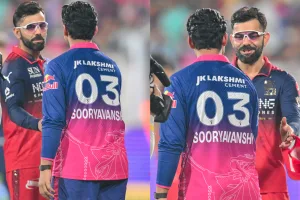
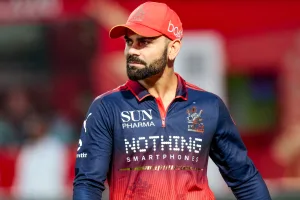
Kohli remains RCB’s driving force as team eyes strong IPL 2026 Start: AB de Villiers

South African batting legend AB de Villiers has underlined the enduring influence of talisman Virat Kohli at Royal Challengers Bengaluru, describing him as the driving force behind the defending champions’ identity and success, both on and off the field.

Statesman News Service | New Delhi |

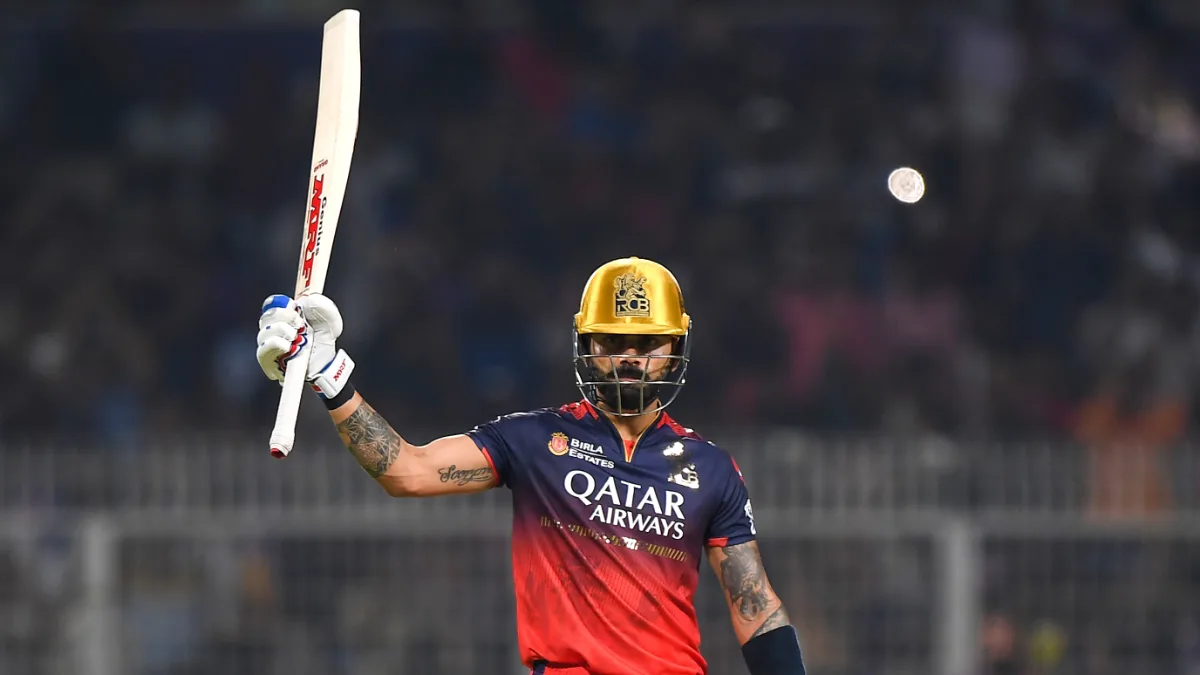
South African batting legend AB de Villiers has underlined the enduring influence of talisman Virat Kohli at Royal Challengers Bengaluru, describing him as the driving force behind the defending champions’ identity and success, both on and off the field.

As RCB prepare to begin their Indian Premier League 2026 campaign on March 28 against Sunrisers Hyderabad at the M. Chinnaswamy Stadium in Bengaluru, expectations remain high following their historic title-winning run last season.

Speaking about Kohli’s role within the setup, de Villiers emphasised that his impact extends far beyond runs on the board, highlighting the energy and belief he instils within the squad, particularly among younger players.

“Virat is definitely still the heartbeat of the franchise—not only through his performances and the consistency he has achieved with the bat over the years, but also through his presence and the energy he brings to the squad. The way he conducts himself on and off the field, always fighting for the team, stands out. He brings that energy and makes the youngsters believe that they can ultimately go on and win the trophy, which RCB did last year,” de Villiers told JioHotstar.

De Villiers also pointed to a key shift in RCB’s approach during their successful 2025 campaign, noting that the team moved away from over-reliance on a handful of players and instead thrived on collective contributions.

“What I liked about last season—yes, he was one of the main run-scorers in the team, as openers usually are—but there were other players who stepped in. In the past, RCB were often guilty of relying on just two, three, or four players performing consistently. This time, I felt the entire team chipped in,” he added.

Reflecting on the IPL 2025 final, where RCB secured their maiden title, de Villiers highlighted the importance of contributions from across the lineup, despite Kohli anchoring the innings.

“The final is a great example, with Virat scoring 43 runs off 35 balls. But it was actually Rajat Patidar, Liam Livingstone, Jitesh Sharma, and Romario Shepherd who scored at a high strike rate and helped the team post 190-plus, ultimately winning the game. Krunal Pandya also chipped in with the ball.”

He further stressed that a balanced squad has eased the burden on Kohli, allowing him to thrive in a more cohesive team environment.

“That’s my point—players contributing like that throughout the season, and the bowling attack stepping up. Virat can feel that; he can sense that he is not the only one carrying the load anymore. He has a squad of fighters around him, all gunning to win the trophy. I think they are in a really good place. It’s a similar squad—they didn’t have to change much—and they have good reason to believe they can go all the way again this coming season,” he said.

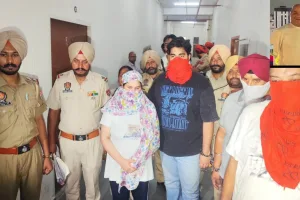
Punjab Police foil major terror plot, two arrested with hand grenades in Bathinda operation

The arrested individuals have been identified as Buta Singh alias Gurpreet Singh alias Gopu, a resident of Gillwali in Ferozepur, and Harmander Singh alias Nikka, a resident of Mothawali in Moga.

Statesman News Service | Chandigarh |

In a major breakthrough amid the ongoing drive to make Punjab a safe and secure state, as per the directions of Chief Minister Bhagwant Singh Mann, Counter Intelligence (CI) Bathinda has averted a major terror threat with the arrest of two accused persons and the recovery of two hand grenades from their possession, said Director General of Police (DGP) Punjab, Gaurav Yadav, here on Wednesday.

The arrested individuals have been identified as Buta Singh alias Gurpreet Singh alias Gopu, a resident of Gillwali in Ferozepur, and Harmander Singh alias Nikka, a resident of Mothawali in Moga.

DGP Gaurav Yadav said that preliminary investigation has revealed that the recovered grenades were part of an illegal supply chain linked to cross-border elements, intended to disrupt peace and public safety in the border state.

He added that further investigation is underway to establish forward and backward linkages and to identify other associates involved in the module.

Sharing operational details, Assistant Inspector General of Police (AIG), CI Bathinda, Avneet Kaur Sidhu, said that police teams had received reliable input that two operatives linked to a terror module had retrieved hand grenades.

Acting swiftly on the intelligence input, CI Bathinda launched an intelligence-led operation and apprehended both suspects from the Moga–Ferozepur Road, recovering two hand grenades from their possession, she said.

The AIG added that the swift action by Counter Intelligence teams thwarted an untoward incident and neutralised a potential threat.

In this regard, FIR No. 06 dated 17.03.2026 has been registered under Sections 3, 4, and 5 of the Explosives Act at Police Station State Special Operations Cell (SSOC), Fazilka.

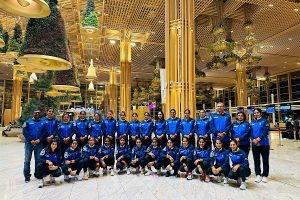
Marijne confident as India drawn alongside England, China in hockey World Cup

Despite being placed in a tricky Pool D alongside England, China and South Africa for the FIH Hockey women’s World Cup in Belgium and the Netherlands, India chief coach Sjoerd Marijne expressed confidence that his side is prepared for the tough challenge ahead and capable of executing their style of play consistently.

Statesman News Service | New Delhi |

Despite being placed in a tricky Pool D alongside England, China and South Africa for the FIH Hockey women’s World Cup in Belgium and the Netherlands, India chief coach Sjoerd Marijne expressed confidence that his side is prepared for the tough challenge ahead and capable of executing their style of play consistently.

The draw, announced on Tuesday evening, sets up a competitive group for the Indian women’s team as they gear up for the marquee tournament scheduled in August. China entered the pool as the highest-ranked side at World No. 4, while England, recent opponents in the final of the FIH World Cup Qualifiers in Hyderabad, are placed sixth. India and South Africa are ranked ninth and 19th respectively, making for a diverse group with contrasting styles of play.

“This is a very competitive and balanced pool. There are teams like England and China that bring different styles and a lot of experience, while South Africa women’s national field hockey team is always unpredictable and dangerous on their day,” Marijne said.

“However, for us, it’s not about the draw, it’s about how we show up. At a World Cup, every match demands your best. We respect all opponents, but our focus is on playing our style of hockey with consistency and courage,” he added.

India head into the tournament after finishing runners-up at the Hyderabad qualifiers, where they fell short against England in the final. Despite the loss, the team impressed with their attacking output, ending as the second-highest goal scorers with 11 goals, including six from penalty corners.

Reflecting on the campaign, Marijne stressed the need for greater efficiency in front of goal and improved defensive structure as the team continues to evolve.

“We’ve done well going forward, but the most important thing for us is to focus on converting our chances into goals, whether it is from field goals or from penalty corners. Besides this we, we also have to continue working on our structures defensively.”

Having previously guided India to a fourth-place finish at the Tokyo 2020 Olympics, Marijne returned as head coach in January and is now focused on building a long-term vision for the squad.

“We are building something long-term. We want to build a team that is resilient, adaptable, and fearless. Qualifying was the step, but we are aiming for much more. The first steps have been made in the right direction, but there is much more to go if we want to be successful.”

Looking ahead to the World Cup, Marijne outlined an extensive preparation plan featuring overseas tours and competitive fixtures to fine-tune the team.

“We have a tour to the USA and Argentina, the Nations Cup in New Zealand, and practice matches in Germany. We will also play some matches in the Netherlands. These scheduled games combined with our camps set us up for a very good mix of matches and training to be ready for the World Cup and Asian Games,” he said.

Hoax bomb threats trigger panic in Bhopal, Indore offices, universities

A series of bomb threat emails were received at the District Court and three universities in Bhopal, along with another threat at the Divisional Commissioner’s Office in Indore, Madhya Pradesh, on Wednesday.

Statesman News Service | Bhopal |

A series of bomb threat emails were received at the District Court and three universities in Bhopal, along with another threat at the Divisional Commissioner’s Office in Indore, Madhya Pradesh, on Wednesday.

According to the police, all the threats turned out to be hoaxes, and no explosives were found at any of the targeted locations.

In Bhopal, an email threatened to blow up the private JK Medical University, LN Medical College, LNCT University, JK Hospital and Atal Bihari Vajpayee Hindi University.

The email claimed that at least 21 bombs had been planted across these locations and would explode in the afternoon.

A similar email was also received at the Bhopal District Court and the Commercial Taxes Department office located in Arera Hills.

Bomb disposal squad personnel, along with sniffer dogs, were pressed into action, and all the targeted premises were evacuated as a precautionary measure.

After a thorough search, police teams declared all the premises safe and confirmed that no explosives were found anywhere.

In Indore, an email was received at the Divisional Commissioner’s office, stating that cyanide gas bombs had been planted in the building and would explode in the afternoon.

Police teams and the bomb disposal squad were rushed to the office located on MG Road.

After about an hour-long search operation, the police declared the premises safe. Officials confirmed that no bombs or explosive devices were found.

Thomas & Uber Cup 2026: Indian men and women teams get favourable draws

The men’s team, which scripted history by winning the 2022 Thomas Cup, will back themselves to progress to the knockout stage from a group that also features Pan Am champions Canada and Oceania champions Australia.

Statesman News Service | New Delhi |

The Indian men’s and women’s teams have received a favourable group-stage draw for the Thomas and Uber Cup 2026, scheduled in Horsens, Denmark, from April 24 to May 3. Seeded eighth based on their players’ world rankings, both Indian teams have been placed in Group A alongside defending champions and top seeds China.

The men’s team, which scripted history by winning the 2022 Thomas Cup, will back themselves to progress to the knockout stage from a group that also features Pan Am champions Canada and Oceania champions Australia.

The women’s side, however, faces a relatively tougher challenge, having been drawn alongside European team championship runners-up Denmark and bronze medallists Ukraine in their group.

“We have got a decent draw and a chance to reach the quarterfinals in both the Thomas Cup and Uber Cup competitions. We have a strong team that has proved that they can beat any top team on their day, and after reaching the quarterfinals, anything is possible,” said Badminton Association of India (BAI) secretary Sanjay Mishra.

While India’s men’s team will be looking to replicate their 2022 success, the women’s team will aim to improve on their previous best finishes of bronze medals in 2014 and 2016.
The upcoming edition marks the 34th staging of the Thomas Cup and the 31st edition of the Uber Cup. A total of 16 teams will compete in each tournament, divided into four groups of four teams each.

In the group stage, teams will face each other in ties comprising five matches — three singles and two doubles — with the top two teams from each group advancing to the quarter-finals.

At the previous edition held in Chengdu in 2024, the Indian men were knocked out in the quarter-finals by eventual champions China, while the women’s team also exited at the same stage after losing to Japan.

Historically, Indonesia remain the most successful team in the Thomas Cup with 14 titles, while China lead the Uber Cup honours with 16 titles.

DMK approaches Madras HC against ED on inaction in PMLA case involving former AIADMK ministers

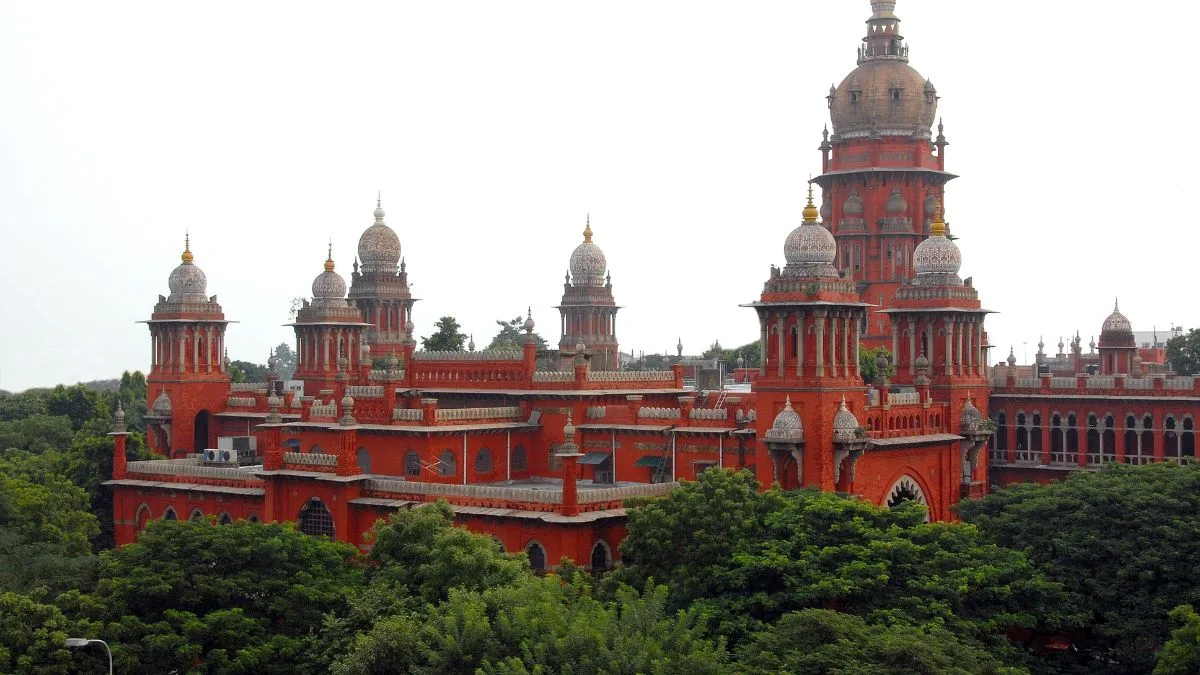
Turning the heat on the Enforcement Directorate (ED), the ruling DMK has approached Madras High Court seeking a direction to the Central agency to register cases against former AIADMK ministers under the Prevention of Money Laundering Act (PMLA) and proceed with investigation.

Statesman News Service | Chennai |

Turning the heat on the Enforcement Directorate (ED), the ruling DMK has approached Madras High Court seeking a direction to the Central agency to register cases against former AIADMK ministers under the Prevention of Money Laundering Act (PMLA) and proceed with investigation.

The DMK has been charging the ED with dereliction of duty and inaction in proceeding against seven former AIADMK ministers and party functionaries due to political consideration despite FIRs and materials revealing generation of proceeds of crime. Now, with assembly elections at hand, DMK Rajya Sabha MP, R Girirajan has filed nine individual petitions in the High Court.

In his petitions, the DMK MP who recalled the recent direction of the High Court to register FIR against a sitting minister in the DMK government on the basis of materials shared by the ED, expressed surprise at the ED not taking a similar action against the former AIADMK ministers and functionaries even though they had been booked under the Prevention of Corruption Act (PCA). Despite the existence of prima facie material against them for generating proceeds of crime, the ED not filing Enforcement Case Information Report (ECIR) is an act of dereliction of statutory duty, he submitted.

The FIRs registered by the Tamil Nadu Directorate of Vigilance and Anti-Corruption (DVAC) for misappropriation of public funds and large scale corruption against the seven AIADMK Ministers: SP Velumani, P Thangamani, C Vijaya Bhaskar, MR Vijayabhaskar and R Kamaraj, KC Veeramani and KP Anbazhagan as well as former legislator B Sathyanarayanan @ T Nagar Sathya and former president of Salem Central Co-operative Bank, R Ilangovan, clearly come under the scheduled offences under the PMLA, the DMK MP maintained.

Despite the existence of such predicate offences and availability of substantial materials clearly indicating generation of proceeds of crime and submission of representations, Girirajan submitted that the ED had not registered ECIR, thereby failing in the discharge of its statutory duty. According to him, this dereliction of duty is a violation of Article 21 of the Constitution. Referring to the AIADMK’s alliance with the BJP, heading the Union Government, he said the ED’s continued inaction gives rise to reasonable apprehension that political considerations have influenced the central agency.

Jharkhand opposes any dilution of MGNREGA, seeks 150 days of work

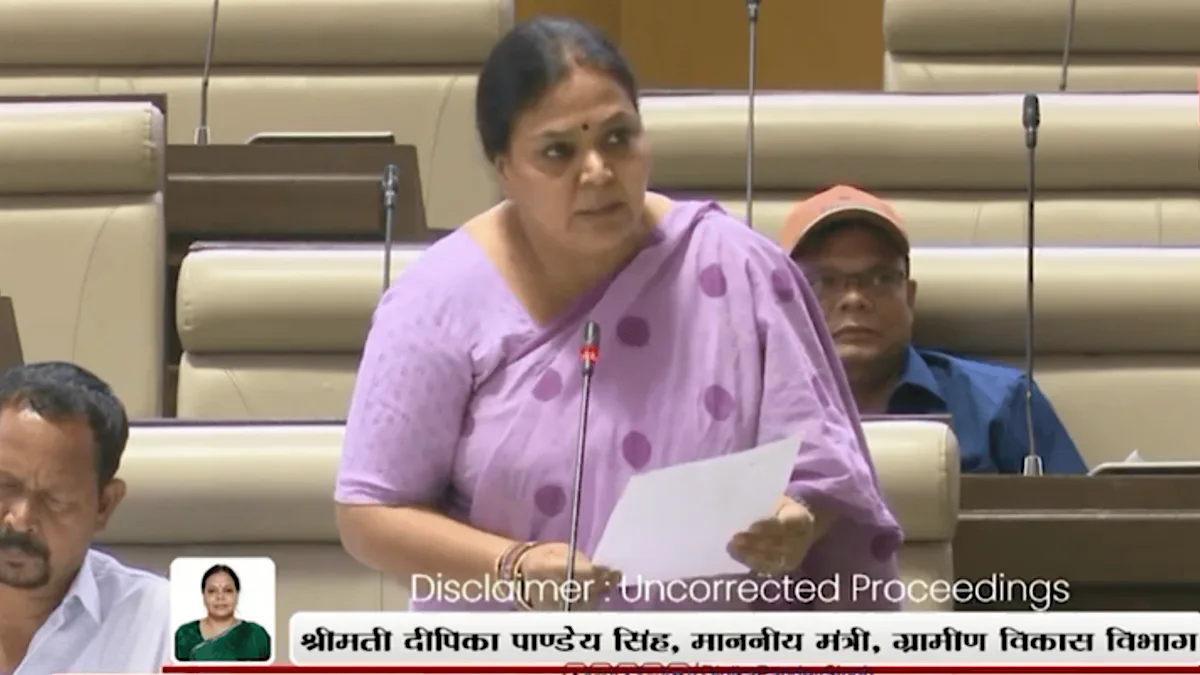
Jharkhand Rural Development, Rural Works and Panchayati Raj Minister Dipika Pandey Singh on Wednesday said the state would oppose any move to dilute the Mahatma Gandhi National Rural Employment Guarantee Act (MGNREGA).

Statesman News Service | Ranchi |

Jharkhand Rural Development, Rural Works and Panchayati Raj Minister Dipika Pandey Singh on Wednesday said the state would oppose any move to dilute the Mahatma Gandhi National Rural Employment Guarantee Act (MGNREGA).

Speaking in the Assembly, the minister raised concerns over the proposed Viksit Bharat – Guarantee for Rozgar and Ajeevika Mission (Gramin) Act, 2025 (VB-GRAM-G), stating that it could weaken the rights-based nature of MGNREGA and affect rural livelihoods.

“MGNREGA is not just a scheme but a guarantee of livelihood, dignity and security for crores of rural families,” she said, adding that any attempt to alter or replace it without consultation with states would go against democratic principles.

The minister said the proposed framework could weaken the legal guarantee of employment, affect wage security and continuity of work, and dilute the role of Gram Sabhas. She also expressed concern that it may impose additional financial burden on states and impact vulnerable sections, including Scheduled Castes, Scheduled Tribes and other marginalised communities.

Highlighting the scheme’s impact, Dipika Pandey Singh said MGNREGA has played a key role in reducing poverty, empowering women, and checking distress migration in rural areas.

She urged the Centre to retain the demand-driven structure of the Act and strengthen it by increasing the guaranteed employment from 100 days to at least 150 days.

“Any attack on MGNREGA is a direct assault on the rights and dignity of the poor. Jharkhand will not accept it at any cost,” she said.

The state government, she added, remains committed to protecting the rights of rural workers and will raise the issue at appropriate forums if required.

Cabinet approves funding to directly support cotton farmers

In a major step towards strengthening farmer welfare and advancing the vision of Aatmanirbhar Bharat, the Cabinet Committee on Economic Affairs chaired by Prime Minister Narendra Modi on Wednesday approved Minimum Support Price (MSP) funding of Rs.1,718.56 crore to the Cotton Corporation of India (CCI) for the cotton season 2023–24.

Statesman News Service | New Delhi |

In a major step towards strengthening farmer welfare and advancing the vision of Aatmanirbhar Bharat, the Cabinet Committee on Economic Affairs chaired by Prime Minister Narendra Modi on Wednesday approved Minimum Support Price (MSP) funding of Rs.1,718.56 crore to the Cotton Corporation of India (CCI) for the cotton season 2023–24. This funding aims to provide direct price support to cotton farmers across the country.

The MSP operations are undertaken to safeguard the interests of cotton farmers, particularly during periods when market prices fall below the MSP. These interventions play a crucial role in stabilising cotton prices, preventing distress sales, and ensuring remunerative returns to farmers. By enhancing inclusivity in agricultural markets, MSP operations contribute significantly to the economic security of cotton-growing communities.

Cotton remains one of India’s most vital cash crops, sustaining the livelihoods of approximately 60 lakh farmers and supporting 400–500 lakh people engaged in allied activities, including processing, trade, and textiles.

During the 2023–24 cotton season, the area under cultivation was estimated at 114.47 lakh hectares, with production pegged at 325.22 lakh bales, accounting for nearly 25% of global cotton output. The Government of India fixes the MSP for seed cotton (kapas) based on the recommendations of the Commission for Agricultural Costs and Prices (CACP).

The government has designated the Cotton Corporation of India as the central nodal agency for undertaking MSP operations in cotton. CCI procures all Fair Average Quality (FAQ) cotton from farmers without any quantitative ceiling, whenever market prices fall below MSP levels, thereby providing an assured safety net to farmers.

As part of its preparedness, CCI has established a robust procurement network across all 11 major cotton-growing States, with over 508 procurement centres operational in 152 districts, ensuring seamless and accessible procurement for farmers.

Further, CCI has undertaken several technology-driven and farmer-centric initiatives to enhance the efficiency and transparency of MSP operations. These include disseminating MSP-related information, implementing the Bale Identification and Traceability System (BITS), and launching the “Cott-Ally” mobile app, which enables better outreach and service delivery to farmers.

Cabinet approves ₹2,584-crore small hydro scheme to boost clean energy capacity

In a major step to expand renewable energy capacity, the Union Cabinet on Wednesday approved the ‘Small Hydro Power (SHP) Development Scheme’ for the period FY 2026–27 to FY 2030–31, with a total outlay of ₹2,584.60 crore.

Statesman News Service | New Delhi |

In a major step to expand renewable energy capacity, the Union Cabinet on Wednesday approved the ‘Small Hydro Power (SHP) Development Scheme’ for the period FY 2026–27 to FY 2030–31, with a total outlay of ₹2,584.60 crore.

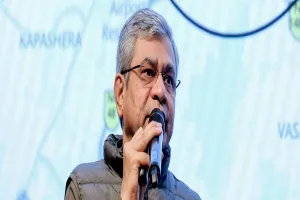
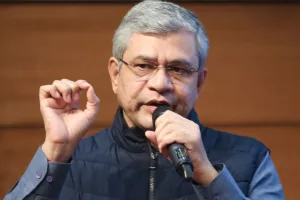
Announcing the decision, Information and Broadcasting Minister Ashwini Vaishnaw said the initiative aims to facilitate the installation of small hydro projects with an estimated capacity of 1,500 MW across the country.

“The scheme will accelerate the development of small hydro projects, particularly in remote and hilly regions, while contributing to India’s clean energy goals,” Vaishnaw said, adding that it would also generate employment and promote investment in rural areas.

The scheme targets projects with capacities ranging from 1 MW to 25 MW and is expected to benefit states with significant hydro potential, especially in the North Eastern region and other hilly areas.

To encourage development in these regions, higher central financial assistance has been proposed for projects located in North Eastern states and districts along international borders.

These projects will be eligible for support of up to ₹3.6 crore per MW or 30% of the project cost, subject to a maximum of ₹30 crore per project. For projects in other states, assistance will be capped at ₹2.4 crore per MW or 20% of the project cost, with a maximum limit of ₹20 crore per project.

Out of the total allocation, ₹2,532 crore has been earmarked for the implementation of SHP projects. Officials said the scheme is likely to attract investments of around ₹15,000 crore in the sector, providing a strong boost to clean energy initiatives while ensuring that plant and machinery are sourced domestically in line with the vision of self-reliance.

The scheme also focuses on creating a pipeline of future hydro projects by supporting the preparation of detailed project reports (DPRs). Around ₹30 crore has been allocated to assist central and state agencies in preparing DPRs for nearly 200 projects.

According to government estimates, the initiative will generate approximately 51 lakh person-days of employment during the construction phase, along with additional long-term jobs in operations and maintenance. Given their decentralised nature, small hydro projects require minimal transmission infrastructure, which helps reduce transmission losses and improve overall efficiency.

Highlighting the environmental benefits, Vaishnaw said such projects are sustainable as they avoid large-scale land acquisition, deforestation, and displacement.

“These projects will not only strengthen India’s renewable energy portfolio but also promote socio-economic development in remote regions by creating durable infrastructure and long-term employment opportunities,” he said.

With project life spans ranging from 40 to over 60 years, the scheme is expected to revitalise the small hydro sector, accelerate the use of untapped hydro potential, and support India’s transition towards a cleaner and more self-reliant energy future.

EVs offset oil use equal to 70% of Iran’s 2025 exports: Report

The global electric vehicle (EV) fleet avoided the consumption of 1.7 million barrels per day of oil in 2025 — nearly matching the 2.4 million barrels per day exported by Iran through the Strait of Hormuz — according to new analysis by global energy think tank Ember.

Statesman News Service | New Delhi |

The global electric vehicle (EV) fleet avoided the consumption of 1.7 million barrels per day of oil in 2025 — nearly matching the 2.4 million barrels per day exported by Iran through the Strait of Hormuz — according to new analysis by global energy think tank Ember.

This report presents key data on how conflict in the Middle East exposes vulnerabilities for economies dependent on imported fossil fuels, and how electrification technologies such as EVs, solar, wind, batteries and heat pumps can help mitigate these risks. “Oil is the Achilles’ heel of the global economy. In particular, Asia’s oil vulnerability has been exposed by the current crisis,” as per Daan Walter of Ember.

Oil dependence remains widespread, with 79% of the global population living in oil-importing countries.

For every $10 per barrel increase in oil prices, the global net import bill rises by around $160 billion per year.

The Strait of Hormuz remains a critical chokepoint, carrying about a fifth of global oil exports. The wider Gulf region, within range of low-cost drones, provides 29% of global oil supply. Asia is particularly exposed, importing 40% of its oil through the strait.

Replacing imported oil used in transport with electric vehicles could reduce global fossil fuel imports by a third, saving around $600 billion per year, as per the analysis.

It shows that 39 countries now have an EV sales share above 10%, up from just four in 2019. Last year, Vietnam (38%) led ahead of the EU (26%), while Thailand (21%) and Indonesia (15%) outpaced the US (10%). India (4%) and Brazil (9%) also recorded higher shares than Japan (3%). China surpassed a 50% EV sales share for the first time in 2025.

“The cost savings are already significant. With oil at $80 per barrel, China saves over $28 billion annually in avoided oil imports through its current EV fleet alone; Europe saves about $8 billion, and India about $0.6 billion,” the report states

The International Energy Agency’s latest forecast sees oil demand peaking in 2029, with consumption not much higher than 2025 levels. The current crisis could bring that peak even sooner, it adds.