Logo

From resistance to respect: How women farmers trained by Patanjali became role models in organic agriculture

They turned traditional farms into fully organic enterprises, reducing costs with natural inputs and building direct market links. Their work inspired dozens of nearby farmers to adopt sustainable methods.

Statesman News Service | New Delhi |

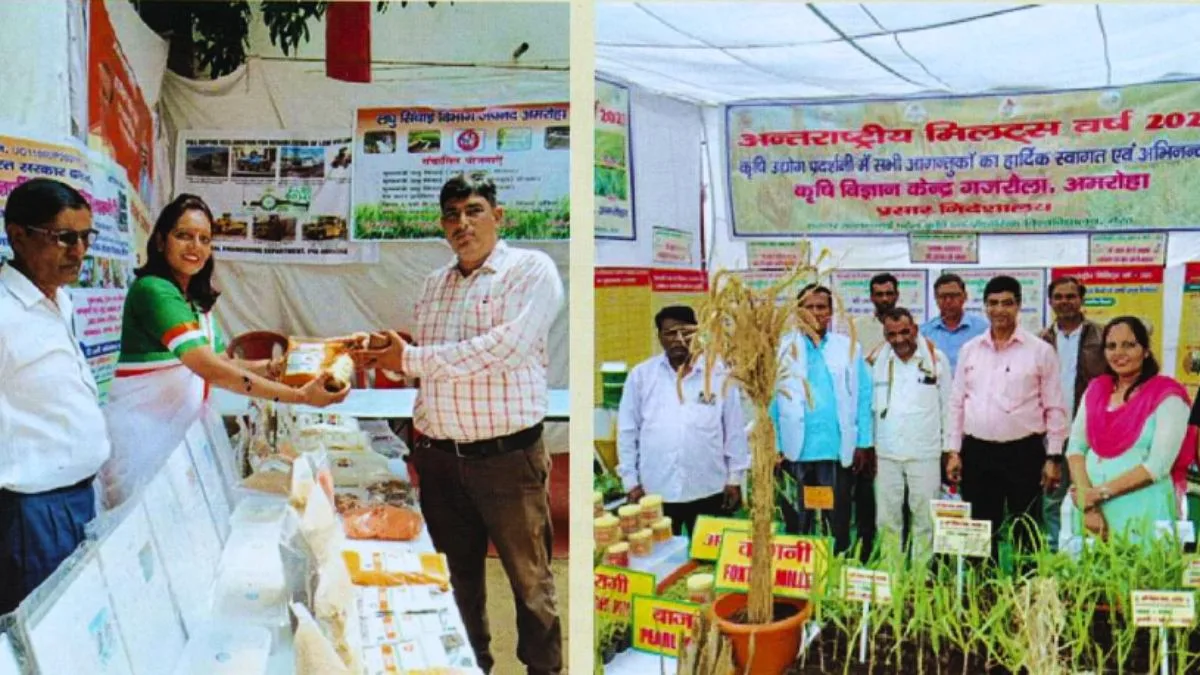
In two different villages, in two different states, two women quietly changed the direction of their lives, and the lives of many farmers around them. They did not wait for big support or easy money. They did not ask for permission, they simply began. Today, their farms are not just fields of crops, but examples of confidence, organic success, and community leadership.

These are stories of Hitesh Choudhary from Uttar Pradesh and Savita J Yelne from Maharashtra, two entrepreneurs who proved that organic farming can be a real career, not just a dream.

From traditional farming to new beginning in Amroha

Hitesh Choudhary lives in Chak Chaavi village in Amroha district, Uttar Pradesh. Her main goal was simple but strong; to increase farmers’ income through agriculture. In the beginning, she practiced traditional farming methods. She grew wheat, lemon grass, sugarcane, turmeric, mustard.

But she was always ready to learn something new. She believed farming could be improved with better ideas and techniques. Over time, she focused her energy on organic lemon grass cultivation. She also started maintaining nutritional kitchen gardens and learned how to prepare organic inputs. She did not keep this knowledge to herself. And, she began motivating and training other farmers about organic farming methods.

A major turning point came in 2018 when she attended Training of Trainers program organised by Patanjali Organic Research Institute in Haridwar. After this training, she fully shifted to organic and natural farming methods.

Today, Hitesh cultivates mustard, vegetables, lemon grass, wheat, sugarcane, turmeric, and guava on two acres of land. She has also converted large portions of land to organic cultivation. Her kitchen garden is not small or simple. It is filled with onion, potato, carrot, radish, spinach, coriander, cabbage, fenugreek, banana plants, papaya, brinjal, sweet potato, turnip, guava plants, arbi, bottle gourd, and luffa. The garden helps improve family nutrition and also shows other farmers how to grow diverse crops at home.

Also Read: Acharya Balkrishna drops a powerful truth about friendship, and people can’t stop talking

Hitesh uses natural fertilizers and manures such as Beejamrut, Panchagavya, Jeevamrut, and Ghanjeevamrut. She prepares compost using cow dung and collects cow urine to make farming inputs. These natural methods have reduced her farming costs significantly. Because she prepares her own inputs, she saves a large amount of money on crop production.

She sells lemon grass oil, wheat, sugarcane, mustard, sorghum, and turmeric directly to customers and also in the mandi. The vegetables, cereals, and mustard grown in her farm are used for home consumption as well. By shifting to organic farming, she has doubled her income. Her financial growth is one of the strongest results of her efforts.

Her journey was not easy. At the beginning, she faced resistance from family and society. She did not receive financial support. She started her work with self-belief. Slowly, her results spoke louder than criticism. Today, she supports several self-help groups and farmer producer organizations in Amroha district.

Savita J Yelne: From one acre to a growing organic network

In Maharashtra, Savita J Yelne from Kanhapur village in Wardha district began her organic journey in 2008. She started on just one acre of land. Her training came from the Centre for Sustainable Agriculture based in Secunderabad, Telangana. Later, she also attended training programs conducted by the State Agriculture Department of Maharashtra. During an exposure visit, she saw the organic farm of Subhash Sharma, known as a “smart farmer” in Maharashtra. That visit inspired her further.

In 2012, she expanded her organic farming to six acres. Later, she purchased three more acres under organic cultivation. Over time, she converted about fifteen acres into fully organic farming and around fifty acres into fifty percent organic farming.

Savita is associated with the “Maharashtra Rajya Jeevan Unnati Abhiyan,” through which she trains women in Wardha district about organic farming. She is also a member of the Yogahaar programme of the Patanjali Organic Research Institute, a dedicated initiative for organic farming. She has been selected as a trainer farmer by the institute. And, she regularly shares her experience with new and interested farmers.

Because of her work, more than thirty nearby farmers have started growing organic food. Many of them grow for their own consumption, and some sell their surplus produce. Her influence has created a local shift toward healthier farming practices.

Savita began selling her produce outside her farm along the Wardha-Nagpur road. Her organic shop is located on the Wardha-Nagpur national highway. She sells seasonal vegetables, wheat flour, pulses, mustard, coriander and fenugreek seeds, and sugarcane juice.

She also does processing and value addition for wheat, sugarcane, mustard, and pigeon pea. During the summer months, especially May and June, she sells sugarcane juice from her outlet. She sells vegetables, processed chickpea, pigeon pea, turmeric powder, and papaya. Soybean and remaining pigeon pea are sold in the mandi at market rates. She does not charge extra prices for organic products. Customers appreciate this approach and prefer buying from her shop.

Savita has been honoured by taluka and district authorities for her innovative farming practices. These include compost use, vermicompost, nutrient management, mulching, and crop rotation. She runs her farm as an individual entrepreneur and manages operations with dedication.

During early stages, she also faced criticism. People questioned her decisions and mocked her efforts. She shared that society once considered her work unusual. However, as results improved, opinions changed. Now the same people are adopting organic farming methods. She has trained and motivated nearby farmers to follow organic practices.


Rupee hits all time low, hit by war, FII pull-out and rising crude prices

Analysts believe that if the Iran-US war in West Asia continues, the run away from emerging market bourses to the safe haven of the US dollar will continue, and the rupee could well touch Rs 95 to the dollar by the end of the month.

Jayanta Roy Chowdhury | New Delhi |

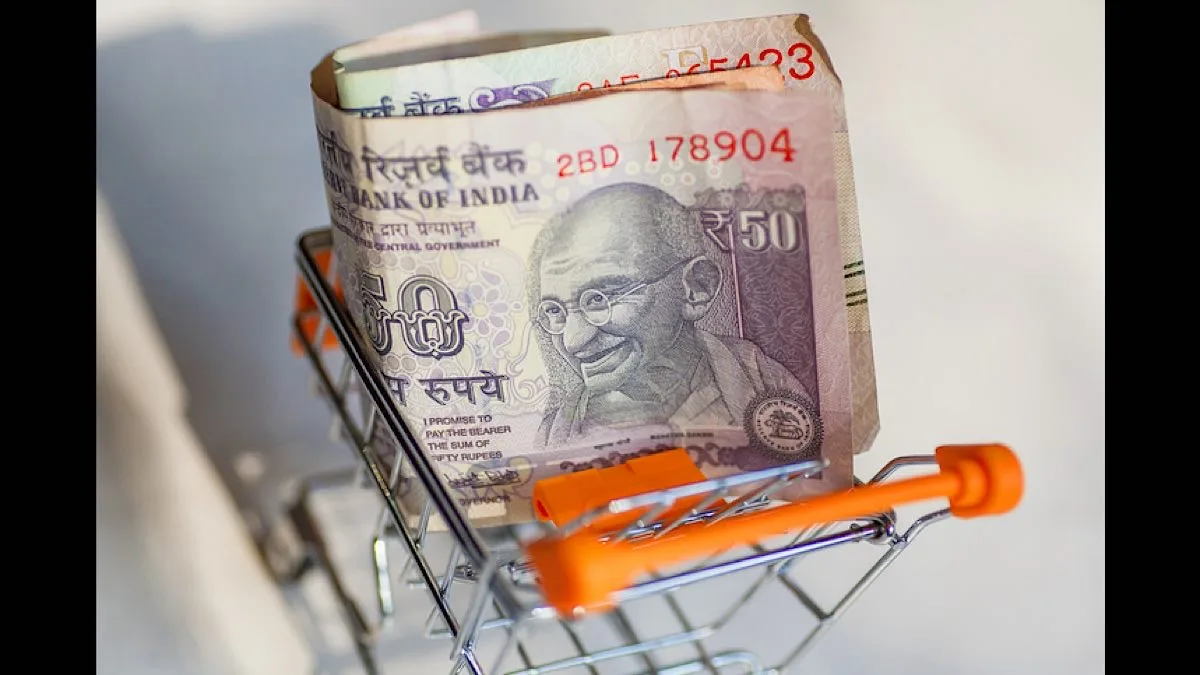
The Indian rupee hit a record low of Rs 92.65 to the dollar at close of trading on Wednesday, as foreign investors kept pulling out of bourses and spiralling crude prices kept pushing up India’s foreign exchange outflow.

Analysts believe that if the Iran-US war in West Asia continues, the run away from emerging market bourses to the safe haven of the US dollar will continue, and the rupee could well touch Rs 95 to the dollar by the end of the month.

“The rupee breached the psychological barrier of Rs 92.50 today. Two reasons kept pulling the rupee down — FII pull out from our markets and the crude price rise,” Vikram Sahney, an independent merchant banker told UNI.

Foreign Institutional Investors have been selling off their stocks here through March. “It’s now crossed a staggering Rs 57,000 crore in outflow within this month. The peak was on March 13, when we saw FIIs pulling out a massive Rs 10,716 crore in one single day,” he said.

The International Energy Agency bid to stabilise crude prices by releasing more crude into the market, some 400 billion barrels, from its reserves, has also been a dismal failure. Since the war began, crude prices have risen by nearly 40 per cent.

“IEA’s actions and the actions of various central banks to prop up their currencies has been something like King Canute trying to stop the sea from coming in,” chuckled Sahney, adding that the only gainer has been the dollar and bullion which has strengthened as investors fled to the safe havens of the US dollar, treasury bonds and gold.

Concerns about the disruptions of crude movement through the crucial Strait of Hormuz continued as Israel hit targets within Iran to slay prominent war cabinet leaders there, while US allies shunned a plan to jointly patrol the Strait with Washington to ensure safe passge for tankers and cargo vessels.

As India relies heavily on imported oil, this surge has increased import costs, worsened the current account deficit, and heightened demand for dollars, further weakening the rupee.

Adding to the rupee’s woes, India’s trade deficit for February widened significantly to USD 27.1 billion in February from USD 14.4 billion a year ago.

A higher trade deficit generally means higher imports requiring selling domestic currency to buy foreign currency.

This in turn decreases demand for the local currency, pushing its value downwards.

In India’s case there was a steep decline in exports of petroleum products by 40 per cent even as India’s import bill went up to keep pace with the rise in the price of crude.

Sources said the RBI has through Indian banks intervened in the money market via dollar sales but couldn’t fully stem the fall. The Indian currency has declined more than 1.5 per cent since the Iran-US war began on February 28.

“We expect USD/INR potentially range-bound at 92-95 in the coming monthsif oil prices stay elevated due to conflict risks. At a pessimistic level we can even see it touch Rs 97.50 if oil hits USD 130/barrel or worsens,” the head of the forex floor of a nationalised bank, who did not wish to be named, said.

Punjab to seek ₹1.44 lakh crore from Rajasthan for decades of unpaid water dues, says CM Bhagwant Singh Mann

The Chief Minister issued a firm ultimatum, stating that Rajasthan must either settle these historical dues or cease drawing water from Punjab’s reservoirs.

Neeraj Bali | New Delhi |

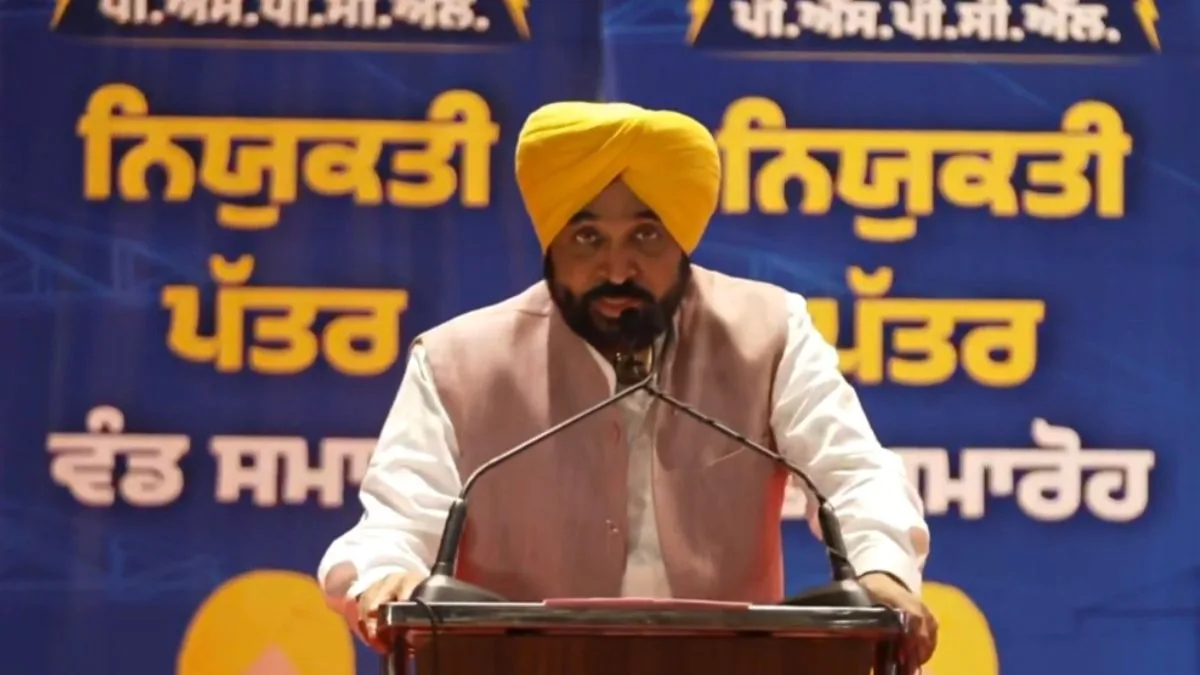
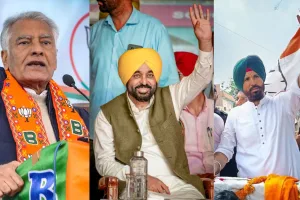
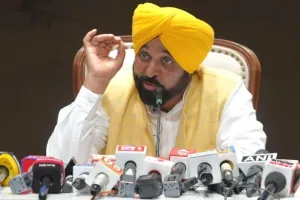
Punjab Chief Minister Bhagwant Singh Mann on Wednesday announced that the state government will formally stake a claim of ₹1.44 lakh crore against the Rajasthan Government for unpaid water usage spanning several decades.

Addressing the media, the Chief Minister issued a firm ultimatum, stating that Rajasthan must either settle these historical dues or cease drawing water from Punjab’s reservoirs. He further called for an immediate and comprehensive review of the 1920 agreement that originally governed the water-sharing arrangement between the two states.

Elaborating on the technical and legal aspects of the dispute, Chief Minister Mann explained that under a British-era agreement signed in 1920 between the erstwhile Punjab, the state of Bikaner, and the British administration, Rajasthan had committed to paying for water on a per-acre basis.

While payments were consistently made until 1960, the process stalled following the Indus Waters Treaty. Despite this, Rajasthan has continued to draw approximately 18,000 cusecs of water through the Ferozepur Feeder without providing any financial compensation to Punjab for the past 66 years.

The Chief Minister highlighted a significant legal contradiction in Rajasthan’s current stance, pointing out that the neighboring state continues to draw water based on the 1920 pact but cites a 1960 arrangement to avoid making payments.

He clarified that while the 1960 arrangement omitted specific payment clauses, it notably failed to cancel the original 1920 agreement. “If we calculate the outstanding dues from 1960 to 2026, the total amount owed to Punjab stands at a staggering ₹1.44 lakh crore,” Sh. Mann asserted.

Criticising the inaction of previous state administrations, the Chief Minister noted that the original agreement mandated a formal review every 25 years, a provision that went unutilized for decades.

He stated that the Punjab Government has now officially written to the Rajasthan Government seeking a high-level meeting to resolve the impasse and has also appraised the Union Government of the situation.

He reiterated his administration’s resolve to pursue the matter at all appropriate forums, vowing to “leave no stone unturned” to recover the state’s rightful financial dues.

‘Every blood has a price…’: Iran’s Mojtaba Khamenei says ‘criminal murderers’ will soon pay for Larijani’s assassination

“The assassination of such a figure undoubtedly shows the extent of his importance and the hatred of the enemies of Islam towards him,” the new Iranian Supreme Leader said.

Statesman News Service | New Delhi |

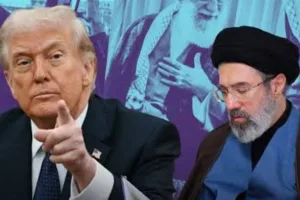
Iranian Supreme Leader Ayatollah Mojtaba Khamenei on Wednesday condoled the killing of Iranian security chief Ali Larijani in US and Israeli strikes and warned that the “criminal murderers” will soon pay the price.

In a statement shared by Iran’s Tasnim news agency, Mojtaba Khamenei said that he received the news of Larijani’s death with “great regret”.

Calling the deceased Iranian security chief “an intelligent, committed individual”, Khamenei said that the fact he was assassinated shows the extent of his importance and hatred of enemies of Islam towards him.

“The assassination of such a figure undoubtedly shows the extent of his importance and the hatred of the enemies of Islam towards him,” the new Iranian Supreme Leader said.

He further warned that Iran will avenge Larijani and other martyrs

“The anti-Islamists should know that shedding this blood at the foot of the tree of the Islamic system only makes it stronger, and of course, every blood has a price that the criminal murderers of the martyrs must soon pay,” he added.

This is the second statement of Mojtaba Khamenei, who was chosen as the new Supreme Leader following the assassination of his father the late Ayatollah Ali Khamenei on the first day of the Iran war.

The US and Israel have killed several of Iranian top leaders, with Intelligence Minister Esmail Khatib being the latest.

Khatib was killed in Israeli strikes on Tuesday night, while Larijani was killed a day before. Both leaders were said to be close to late Ali Khamenei and the Iranian military.

Operation Tiger’ buzz intensifies after Eknath Shinde’s meeting with PM, Shah

Leaders of the Shiv Sena have claimed that some of their party members have reached out to MPs of the Shiv Sena in a bid to persuade them to switch sides. The move has been dubbed ‘Operation Tiger’.

Statesman News Service | Mumbai |

Leaders of the Shiv Sena have claimed that some of their party members have reached out to MPs of the Shiv Sena in a bid to persuade them to switch sides. The move has been dubbed ‘Operation Tiger’.

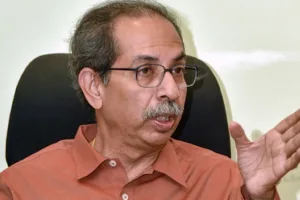
Sources said the Shinde-led Sena has prepared a strategy to increase its strength in the Lok Sabha and is waiting for the right moment to attract MPs from the Uddhav Thackeray-led faction.

Party members have reportedly been instructed not to discuss the plan before the designated time. It has also been alleged that efforts are being made to initiate action against some leaders of the rival faction as part of the operation.

The developments come in the wake of Deputy Chief Minister Eknath Shinde’s recent meeting with Prime Minister Narendra Modi and Union Home Minister Amit Shah in New Delhi.

According to sources, Shinde also reviewed the ongoing legal battle in the Supreme Court of India regarding the ‘bow and arrow’ election symbol of the undivided Shiv Sena, in consultation with legal experts. He is reportedly fine-tuning his party’s legal strategy ahead of the next hearing.

Sources further indicated that ‘Operation Tiger’ could serve as a pre-emptive or contingency plan in case the court freezes the ‘bow and arrow’ symbol or restores it to the Uddhav Thackeray-led faction.

Meanwhile, Maharashtra Industries Minister Uday Samant and former MP Rahul Shewale reached Delhi on Wednesday, reportedly to discuss organisational changes within the party.

Responding to media queries about ‘Operation Tiger’, Uday Samant dismissed the speculation. “Shinde’s visit to Delhi was to meet party MPs, Prime Minister Modi, and Union Home Minister Amit Shah. He guided our MPs on how to complement the NDA’s efforts for Maharashtra’s development.

There is no need for any ‘Operation Tiger’ as leaders are joining us voluntarily after seeing our work,” he said, adding that MPs from the Uddhav faction were not in contact with them, though some Congress MPs were.

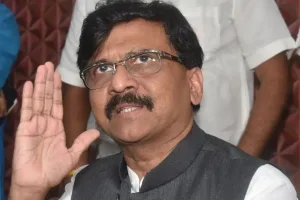
Reacting sharply, Rajya Sabha MP and chief spokesperson of the Uddhav-led Sena, Sanjay Raut, alleged that such operations reflect misuse of power. “Eknath Shinde frequently visits Delhi because his party functions as an appendage of the BJP. ‘Operation Tiger’ is a combination of money power, misuse of investigative agencies, and political pressure,” Raut said.

He further claimed that attempts are being made by a section within the Shinde camp under central supervision, but asserted that all nine MPs of his faction had recently attended a party meeting, indicating unity within the ranks.

Raut also alleged discrimination against opposition representatives, stating that funds are being withheld and officials have been instructed not to undertake development work in constituencies represented by opposition MLAs, in an effort to portray them as ineffective.

Late-night drama at Noida’s Supertech Ecociti as residents face blackout amid builder-AOA dispute

Vishnu Saini, a resident, said that the UPPCL supply was cut due to thunder. However, the society went dark despite having its own emergency diesel generator power supply system, as the builder didn’t credit DG recharge into the accounts of residents.

Statesman News Service | NEW DELHI |

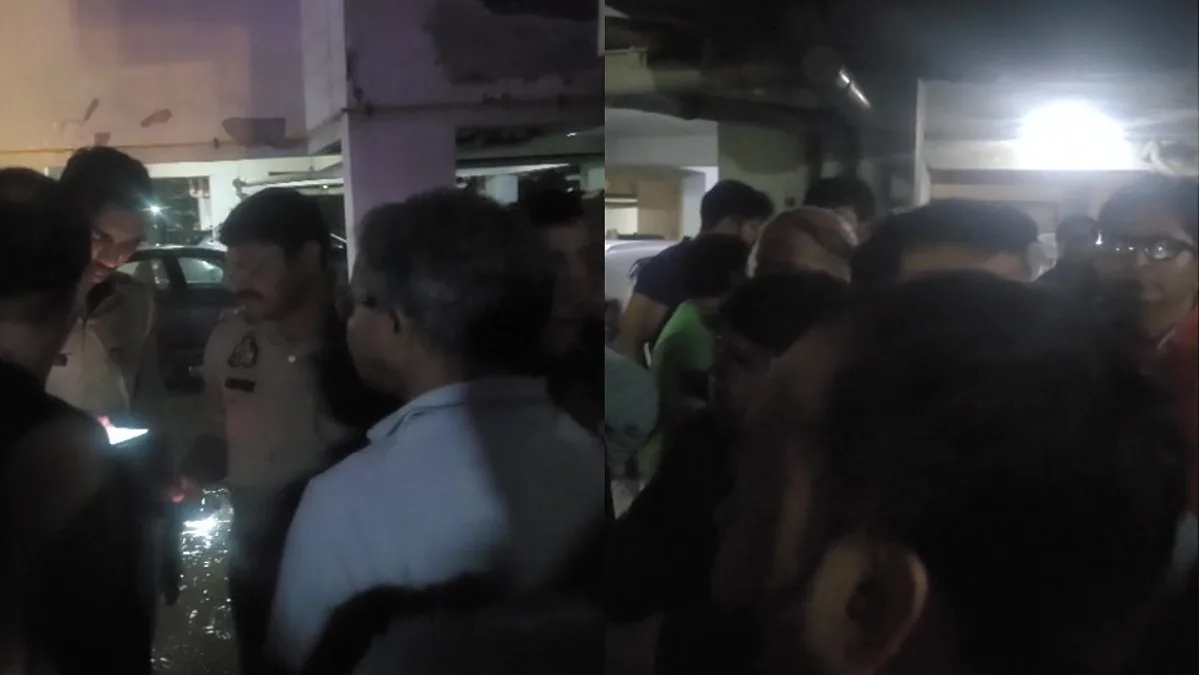
Life went dark, literally, for thousands of residents of Supertech Ecociti in Sector 137, Noida, after the builder allegedly cut off the electricity supply of the society on Wednesday.

According to the residents of the society, the disruption began after the main power supply was affected due to weather conditions, but the backup system also failed as the builder allegedly didn’t credit the amount collected for emergency diesel generator recharge into their accounts.

The residents claimed that the situation has been worsening over the past few weeks after the recent National Company Law Appellate Tribunal (NCLAT) order, which directed that maintenance and day-to-day operations be handed over to the registered Apartment Owners’ Association (AOA).

Vishnu Saini, a resident, said that the UPPCL supply was cut due to thunder. However, the society went dark despite having its own emergency diesel generator power supply system, as the builder didn’t credit DG recharge into the accounts of residents.

“Supartech hasn’t credited the DG amount to the residents’ account…They collected DG recharge money, but the money didn’t reflect in their accounts, and now they are without electricity,” he said.

Describing the issue, Saini said that the society had been managed by the builder for nearly a decade but is now under insolvency proceedings. Following the tribunal orders, handover of maintenance and day to day affair has been ordered from March 23; however, the builder is shying away from giving full control to AOA. “Basic services are suffering, garbage is not being picked up regularly, and there are not enough security guards.”

He further stated that when the residents approached the builder, they said that since the AOA is collecting the money, it’s their responsibility. However, AOA has not yet been given full control.

“Maintenance was supposed to be handed over to the AOA following tribunal orders. However, the builder has not fully transferred control yet. Because of this, residents are unclear about whom to pay, and funds are getting split,” he added.

Another resident, Gaurav, alleged that the builder has cut off the electricity, leaving households without electricity for hours. “There is an ongoing conflict between the builder and the AOA. Residents are facing the consequences. There was no power in the flats, and no one from the builder’s side was available to address the issue,” he said.

He further added that this is the third instance in a week when electricity was disrupted. “This has happened multiple times in the past week. We approached the police, but even they are helpless are builder is not taking their calls,” he added.

Last month, the National Company Law Appellate Tribunal (NCLAT) had directed that maintenance and day-to-day operations in Supertech Ecociti and one other society be handed over to registered AOAs within 30 days of the order.

Former Naxalites share stories of transformation with Chhattisgarh CM, celebrate first Holi in peace

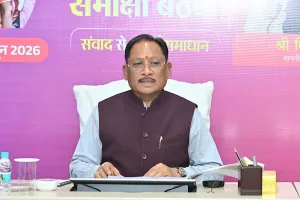
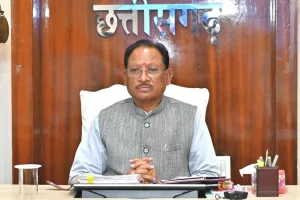
A group of 140 former Naxalites from Bijapur and Kanker districts met Chief Minister Vishnu Deo Sai at the Vidhan Sabha complex on Wednesday.

Statesman News Service | Raipur |

A group of 140 former Naxalites from Bijapur and Kanker districts met Chief Minister Vishnu Deo Sai at the Vidhan Sabha complex on Wednesday.

The surrendered cadres, many of whom had spent years in the forests, spoke openly about their lives before and after laying down arms.

Several of them told the Chief Minister that this year, for the first time, they celebrated Holi with their children and neighbours. For men and women who had long lived in hiding and on the run, the simple joy of colours marked a new beginning.

“We used to live in constant fear—fear of security forces, fear of getting caught, fear of dying at any moment. Today, we live peacefully with our families. Our children are going to school. This is a life we never thought possible,” a surrendered cadre from Bijapur told the Chief Minister.

Another former Naxalite from Kanker spoke about the changes in his village. “Earlier, we were told that the government does not care about tribal areas. But today, we can see development happening with our own eyes—roads are being built and schools are opening,” he said.

The Chief Minister listened attentively, often nodding and asking questions. He assured them that the government stands firmly behind their rehabilitation. He described their decision to return to the mainstream as a courageous step—not just for themselves, but for their families and communities.

“By choosing to trust the Constitution and the democratic process, you have set a positive example for society,” Sai said. “The state government is fully committed to your rehabilitation, employment, and social reintegration. You will not be left alone.”

He also reiterated the government’s resolve to eliminate left-wing extremism from the state. Under the leadership of Prime Minister Narendra Modi and Home Minister Amit Shah, he said, a concerted effort is underway to end Naxalism, and Chhattisgarh is moving steadily in that direction.

“Naxalism is now in its final stages in the state. The combination of development and security is yielding results. More and more people are seeing through the hollow ideology of violence and choosing the path of peace,” he added.

It is noteworthy that the security situation in Bastar has improved significantly. Surrenders have been occurring steadily, and development work in previously affected areas is gaining pace. Senior journalist Rajat Vajpayee believes that this combination is gradually transforming ground realities.

In a related development, the fifth batch of the Ullas Navbharat Saksharata Abhiyan was launched at a rehabilitation centre in Bijapur district on Wednesday. This time, 35 illiterate surrendered individuals will be made literate under the programme.

The initiative, run under the guidance of the district administration, aims to bring former rebels into the mainstream through education. Officials believe that learning to read and write will open up new opportunities and help them lead dignified lives.

District Education Officer Lakhmlal Dhaneliya and other officials were present at the launch. Each learner was provided with books, notebooks, and pens to support their studies.

What made the interaction more effective was that officials communicated in Gondi, the local dialect, explaining the importance of education in simple, relatable terms.

All 35 learners will appear for the literacy examination scheduled for March 22, 2026. They are receiving regular coaching to help them prepare.

For most of these individuals, this marks their first exposure to formal education. Having been recruited at a young age and spent years in the forests, they missed out on basic learning. The programme seeks to bridge that gap and offer them a fresh start.

IUML leader Abdurahiman Randathani likely to contest as Left-backed independent

Discontent has erupted within the Indian Union Muslim League (IUML) following the announcement of its candidates’ list for the upcoming Assembly elections in Kerala.

Statesman News Service | Thiruvananthapuram |

Discontent has erupted within the Indian Union Muslim League (IUML) following the announcement of its candidates’ list for the upcoming Assembly elections in Kerala.

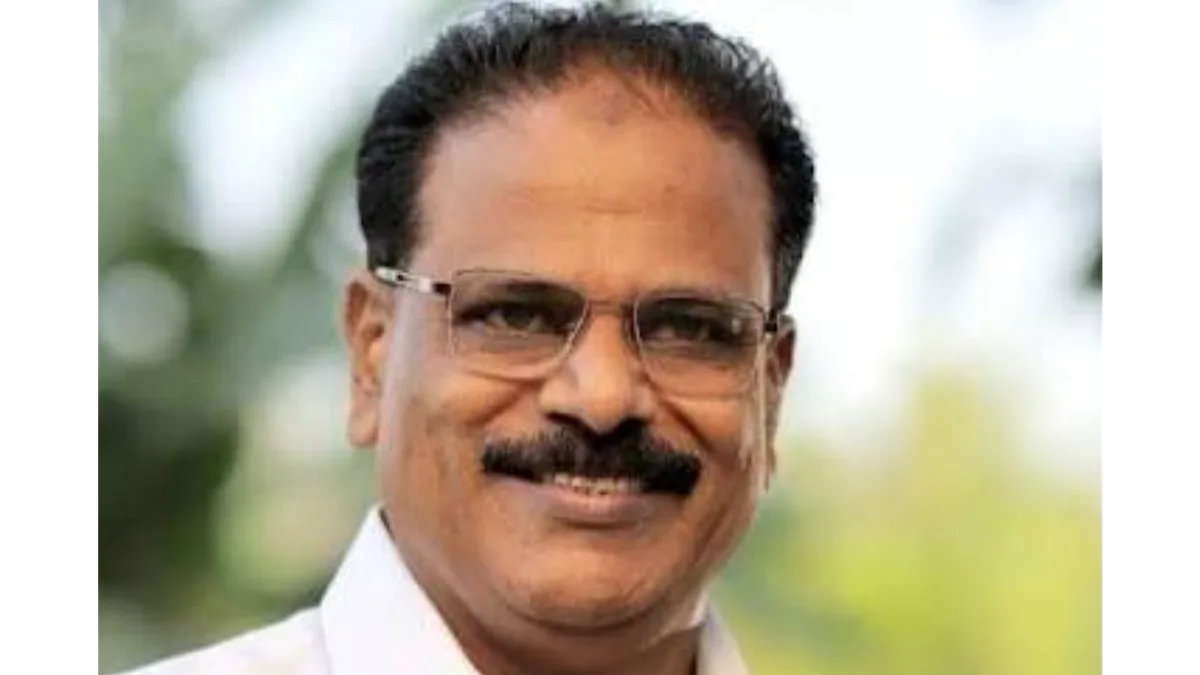
The IUML Kerala State secretary Abdurahiman Randathani openly challenged the party leadership’s decision to field P M A Sameer from the Tirurangadi constituency for the Assembly elections. The CPM and Left Front are trying to take advantage of the discontent in the IUML following the announcement of its candidates list.

The CPM move is to field Abdurahiman Randathani as a Left-backed independent candidate. There are reports that the party has already approached him. There were indications that he might contest from Tirur or Tanur. However, there are also indications that he has informed the CPM that he was interested in contesting from Tirurangadi.

The Tirurangadi seat is currently with the CPI. Ajit Koladi has also been declared as the CPI candidate in the constituency. However, there are indications that the CPM might request the CPI to vacate the Tirurangadi seat in the new situation. It is also believed that if the CPI is ready to vacate it, Abdurahiman Randathani might contest in Tirurangadi as a Left-backed Independent.

The CPIM Malappuram District Secretariat has approved Randathani’s entry into the LDF fold. Randathani had not ruled out the possibility of contesting as a Left-backed independent when he met the media on Wednesday.

When asked by reporters whether he would be the LDF candidate, he had not given a clear answer. His reply was that he could not comment on the matter anymore. When asked if he had spoken to CPM leaders, he replied that he has friendly relationships with many CPM leaders.

US court divorce on ‘irretrievable breakdown’ not enforceable in India; SC grants relief under Article 142

The Supreme Court has held that a divorce decree granted by a United States court on the ground of irretrievable breakdown of marriage is not enforceable in India where the parties are governed by the Hindu Marriage Act, which does not recognise such a ground.

Parmod Kumar | New Delhi |

The Supreme Court has held that a divorce decree granted by a United States court on the ground of irretrievable breakdown of marriage is not enforceable in India where the parties are governed by the Hindu Marriage Act, which does not recognise such a ground. At the same time, the Court dissolved the marriage by invoking its inherent powers under Article 142 of the Constitution, noting that the couple had been living separately since 2008.

While holding that the divorce decree passed by a US circuit court on the grounds of ‘irretrievable breakdown’ of marriage, a bench of Justice Vikram Nath and Justice Sandeep Mehta taking recourse to its inherent powers under Article 142 of the constitution granted divorce noting the long separation and the absence of any subsisting matrimonial relationship between the parties. The court passed the order in January this year.

The order reads, “We do, however, find it necessary to bring a quietus to this matter. The parties have been separated since 2008, nearly eighteen years now, and it is manifest that no matrimonial bond subsists between them. In such circumstances, this Court finds it appropriate to exercise its jurisdiction under Article 142 of the Constitution of India, and to grant the parties a decree of divorce on the ground of irretrievable breakdown of marriage.”

Deciding the issue, the apex court ad framed two questions – first, whether the foreign decree of divorce is conclusive and binding on the parties; and second, whether, in the facts and circumstances of this case, it is appropriate for this Court to exercise its jurisdiction under Article 142 of the Constitution of India.

The court held that the irritable breakdown of marriage is not a ground recognised for dissolving marriage unde4r the Hindu Marriage Act that is matrimonial law applicable to the parties as they were married as per Hindu rites and rituals..

The dispute arose from a marriage solemnised in Mumbai in December 2005 according to Hindu rites. The couple later moved to the United States, where they lived together until September 2008. The wife-initiated divorce proceedings before a Michigan court, while the husband contested jurisdiction but did not participate further. In 2009, the US court granted divorce on the ground of irretrievable breakdown of marriage along with financial directions.

Parallelly, the husband had approached the Family Court in Pune seeking divorce under the Hindu Marriage Act.

The Family Court upheld its jurisdiction and declined to recognise the foreign decree, holding that the marriage was governed by Indian law and that the ground relied upon abroad was not recognised domestically. However, the Bombay High Court later set aside this finding, taking the view that the parties were domiciled in the United States and that the American court had jurisdiction.

Reversing the March 7, 2010, High Court’s decision, the Supreme Court restored the Family Court’s view. It held that since the marriage was solemnised under Hindu law in India, the provisions of the Hindu Marriage Act would continue to govern the parties, regardless of their subsequent residence abroad. The Court also noted that the husband had not submitted to the jurisdiction of the US court and, therefore, could not be bound by its decree.

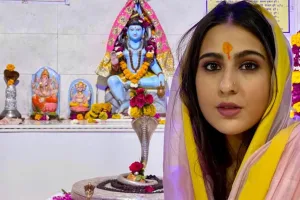
Sara Ali Khan will have to affirm her faith in Sanatan Dharma to visit Kedarnath: Temple body

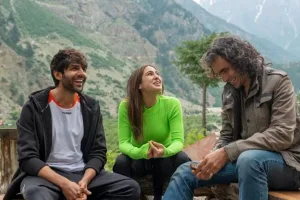
Renowned film actress Sara Ali Khan, daughter of Saif Ali Khan, will have to submit an affidavit affirming her faith in ‘Sanatan Dharma’ to offer prayers at the Kedarnath shrine, where she has been a frequent visitor for the past few years.

PRITHVIRAJ SINGH | DEHRADUN |

Renowned film actress Sara Ali Khan, daughter of Saif Ali Khan, will have to submit an affidavit affirming her faith in ‘Sanatan Dharma’ to offer prayers at the Kedarnath shrine, where she has been a frequent visitor for the past few years.

This was stated by the Badrinath-Kedarnath Temple Committee (BKTC) chairman, Hemant Dwivedi, after the pilgrimage regulatory body decided not to allow non-Sanatan followers to enter temples under its affiliation.

Responding to a question about the Bollywood actress, Dwivedi said, “Non-Sanatanis (non-Hindus) would be prohibited from entering all temples under the BKTC’s jurisdiction during the upcoming Char Dham pilgrimage. Anyone who has faith and belief in Sanatan Dharma is a Sanatani. If Sara Ali Khan comes to offer prayers at Kedarnath Dham, she will have to submit an affidavit affirming her faith in Sanatan.”

According to the BKTC chief, the committee will release a format of the affidavit to be filled out by non-Sanatan followers seeking entry into Badrinath, Kedarnath and nearly 45 other temples across the state.

Sara Ali Khan has been a frequent visitor to the Kedarnath temple to pay obeisance almost every year. She has publicly spoken about experiencing peace and spiritual bliss during her visits to Kedarnath. Her association with the shrine gained prominence after the release of her 2018 Hindi film “Kedarnath”, in which she starred opposite the late actor Sushant Singh Rajput.

Dwivedi further informed that the BKTC will also frame a Standard Operating Procedure (SOP) to regulate the decisions taken by it.

In another important decision, the BKTC has banned carrying cameras within a 100-metre radius of the sanctum sanctorum of temples under its jurisdiction.

Although the BKTC functions as a pilgrimage regulatory body for the Badrinath and Kedarnath temples, the state government has not yet approved these decisions. However, when contacted, state tourism department officials said the BKTC is an autonomous body and can take its own decisions. Officials said the BKTC can implement its decisions without any consent from the state government.

Meanwhile, Chief Minister Pushkar Singh Dhami, in a statement, said that similar norms followed at other temples in the country will be studied before taking a final call.

Acharya Balkrishna drops a powerful truth about friendship, and people can’t stop talking

The message highlighted how real friendships are built on care and trust, not personal benefit. It encouraged people to value relationships as a meaningful part of life.

Statesman News Service | New Delhi |

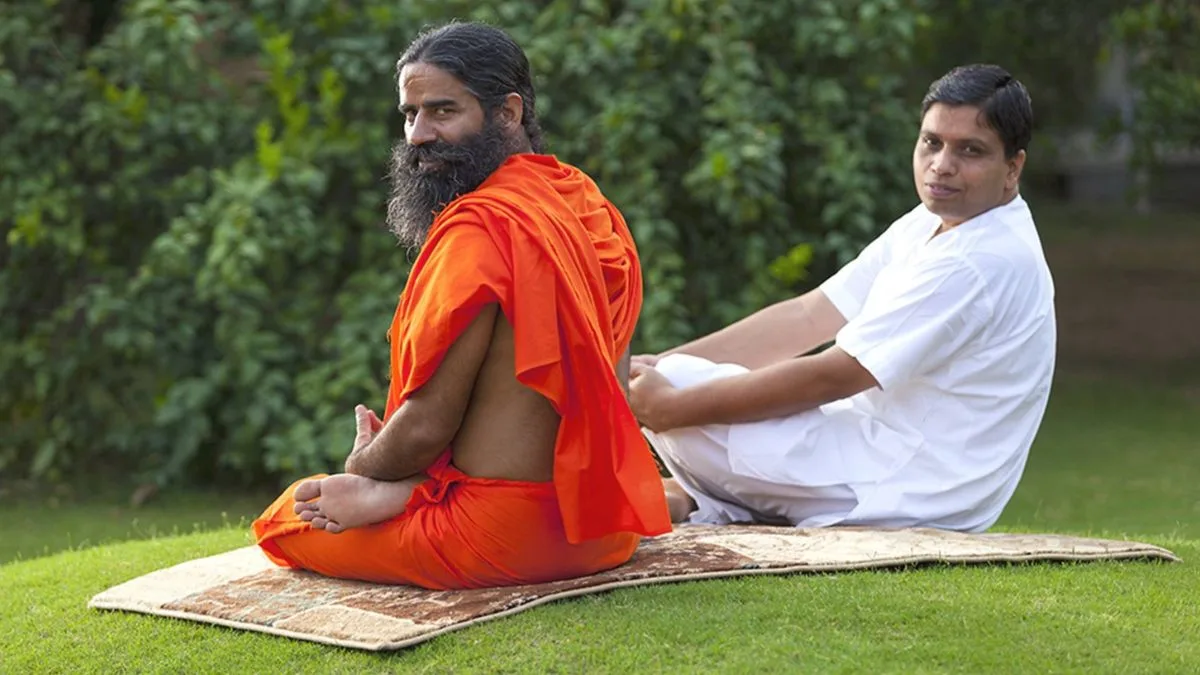
Something simple on Facebook suddenly caught attention this week. A short line. A calm message. And a photo. In the picture, Acharya Balkrishna was seen with Ramdev, smiling together. But it was not just the photo that people noticed. It was the message that came with it. Balkrishna wrote, “Mitrataa kabhi bhi avasar nahin apitu ek madhur uttardaayitwa hoti hai.” In simple words, he said that friendship is never an opportunity, but a sweet responsibility. And that line has started a quiet conversation about what true friendship really means.

The meaning behind the message

The statement may look small, but it carries a deep idea. According to Balkrishna, friendship should not be used for personal gain. It should not be treated as a chance to take advantage of someone. Instead, it should feel like duty filled with care, respect, honesty.

Calling friendship “sweet responsibility” means something beautiful. It suggests that real friends support each other in good times and bad times. They do not disappear when life becomes difficult. They stand together, help each other grow, stay loyal without expecting rewards.

Friendship in everyday life

The idea of friendship as responsibility is not limited to public figures. It applies to everyone. In schools, offices, families, and communities, friendships shape our lives. A true friend listens without judging. A true friend supports dreams. And, a true friend corrects mistakes kindly.

Many relationships today start quickly but fade just as fast. Sometimes people connect for convenience. But real friendship grows slowly. It is built on trust, shared experiences, and mutual respect.

Why responsibility matters in relationships

When someone treats friendship as responsibility, they become more careful with words and actions. They think before speaking. They avoid hurting feelings. And, they try to understand instead of argue. This creates stronger bonds.

Responsibility in friendship also means being present during tough times. Not just during celebrations. When life becomes difficult, friends often become the biggest support system. They give courage, advice, and emotional strength. That support can change lives.

Such values are important in society. With busy schedules and digital distractions, personal connections sometimes lose depth.

The bigger lesson

The main idea behind the post is simple that friendship should not be used for personal advantage. It should be handled with care. It should feel like a sweet duty toward someone who trusts you.

Whether in public life or private life, relationships become stronger when built on honesty and responsibility. That is the message people are discussing after seeing the post and the picture together.

In the end, friendship does not need big definitions. It needs loyalty, respect, understanding. And when someone calls it “sweet responsibility”, it sounds less like duty and more like blessing.

Sometimes, one thoughtful sentence is enough to remind everyone what truly matters in life.

Also Read: Patanjali states Aurogrit may help slow lung cancer cell growth based on its laboratory findings

Punjab to claim ₹1.44 lakh crore from Rajasthan over unpaid water usage: CM

Punjab Chief Minister Bhagwant Singh Mann on Wednesday asserted that the Punjab government will stake a claim of ₹1.44 lakh crore against the Rajasthan government for decades of unpaid water usage.

Statesman News Service | Chandigarh |

Punjab Chief Minister Bhagwant Singh Mann on Wednesday asserted that the Punjab government will stake a claim of ₹1.44 lakh crore against the Rajasthan government for decades of unpaid water usage.

He made it clear that Rajasthan must either release Punjab’s rightful dues or stop drawing water, while also calling for a review of the historic 1920 agreement governing this arrangement.

Interacting with the media, CM Bhagwant Singh Mann said, “The Rajasthan government owes ₹1.44 lakh crore to Punjab for the water drawn through the Ferozepur Feeder since 1960, for which not even a single penny has been paid. Rajasthan must either release Punjab’s rightful dues or stop taking water.”

He stated that, as per an agreement signed in the 1920s between the state of Bikaner, the erstwhile Punjab, and the British, Rajasthan agreed to pay for water on a per-acre basis.

“Payments were made till 1960, but after the Indus Water Treaty, Rajasthan stopped paying despite continuously drawing 18,000 cusecs of water,” CM Bhagwant Singh Mann added.

Highlighting the contradiction in Rajasthan’s stand, the Punjab Chief Minister said, “Even today, Rajasthan continues to draw water under the 1920 agreement, but when it comes to paying dues, it takes shelter under the 1960 arrangement.”

He further stated, “The governments at that time, while entering into the new arrangement in 1960, did not mention payment, but they also never cancelled the 1920 agreement.”

Raising serious questions over past inaction, CM Bhagwant Singh Mann said, “The agreement clearly mandated a review every 25 years, but previous governments never raised this issue or pursued Punjab’s rightful claim.”

Reiterating the historical context, the Chief Minister said, “Under a 1920 agreement signed during the British era with Bikaner, 18,000 cusecs of Punjab’s water was supplied continuously till 1960. However, after the Indus Waters Treaty, there was no mention of this arrangement. If we calculate dues from 1960 to 2026, Rajasthan owes Punjab ₹1.44 lakh crore.”

The Chief Minister further noted, “We have raised this issue with both the Union government and the Rajasthan government.” He added, “The Punjab government has also written a letter to the Rajasthan government seeking a meeting to discuss this issue.”

CM Bhagwant Singh Mann asserted that Punjab will pursue the matter firmly, stating, “Our government seeks a review of the 1920 agreement so that Punjab can recover its rightful dues. We will raise this issue strongly at all appropriate forums and ensure that Punjab gets what is rightfully its own. We will leave no stone unturned to recover this money.”

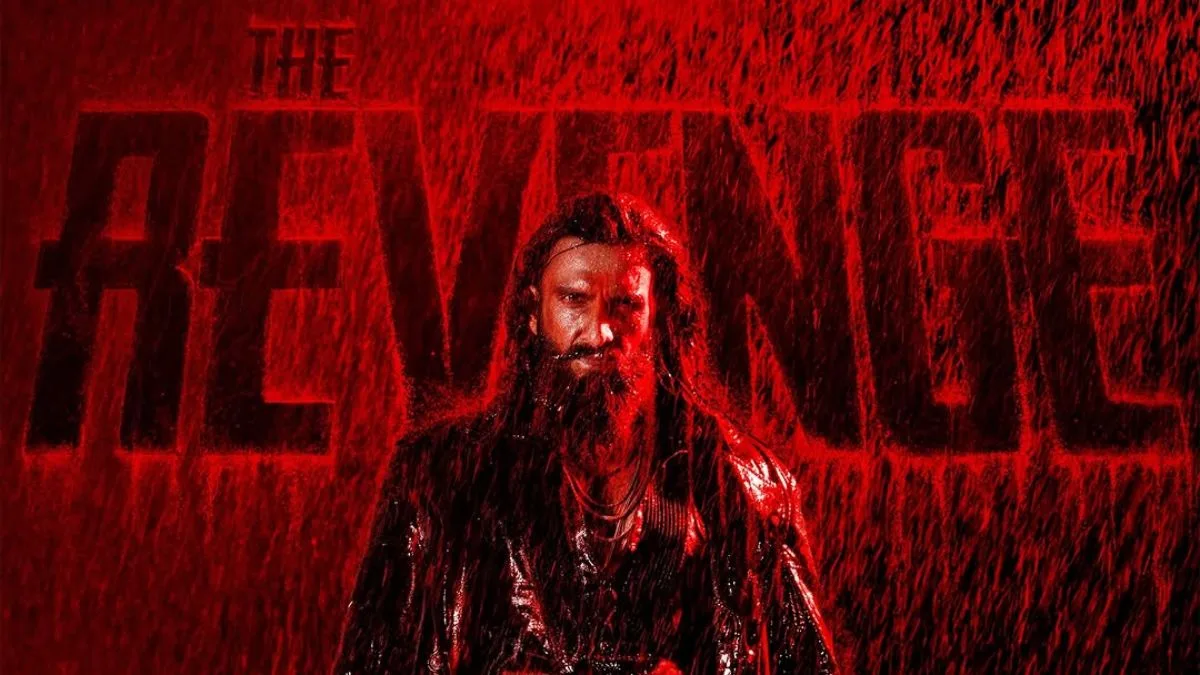
Technical glitch hits ‘Dhurandhar: The Revenge’; Malayalam and Kannada shows face major setback

While most language versions are rolling out as planned, a last-minute technical issue has changed the schedule in two regions. The team has apologised and assured fans of a quick resolution.

Statesman News Service | New Delhi |

Movie lovers were ready with their tickets, popcorn, and excitement. But just when everything seemed set for the big premiere of ‘Dhurandhar: The Revenge’, the makers shared an unexpected update that changed the mood in some regions. The film’s journey to the screen has hit a small bump, at least for Malayalam and Kannada viewers.

Director Aditya Dhar posted a detailed note on social media to inform fans about the situation. In his message, he explained that the film is very special to the team and has been created with deep emotion and effort.


View this post on Instagram


A post shared by Aditya Dhar (@adityadharfilms)

According to him, they wanted everyone to experience the movie together, at the same time, in every language.

However, due to unforeseen technical difficulties, the Malayalam and Kannada shows will not begin as planned. Instead, these screenings have been postponed to Thursday morning.

Other language shows continue as scheduled

While the delay affects two language versions, the release schedule for others remains unchanged.

As per the announcement, most Hindi shows across India will start from 5 pm onwards as planned. Tamil and Telugu shows will begin from 9 pm onwards.

So fans watching the film in these languages can still enjoy the movie according to the original timetable.

Options for ticket holders

The makers also addressed viewers who already bought tickets for the delayed Malayalam and Kannada shows. They offered two clear choices.
If the dubbed version is not currently playing in their cinema, ticket holders can request a refund, or watch the Hindi version with subtitles instead.

The team expressed sincere apologies for the inconvenience and thanked fans for their patience and support. They shared that the audience’s love means everything to them and promised they are looking forward to presenting the film soon in all versions.

Also Read: Dhurandhar 2 review: Ram Gopal Varma calls it ‘Sholay x 100’, says it will redefine Indian cinema

Congress will field candidate against Sunetra Pawar from Baramati: Vadettiwar

Senior Congress leader Vijay Vadettiwar told media persons here on Wednesday that the Congress will put up a candidate against Deputy CM Sunetra Pawar, who plans to contest the bypoll from the Baramati assembly constituency, even if the Sharad Pawar-led NCP does not field a candidate against her.

Statesman News Service | Mumbai |

Senior Congress leader Vijay Vadettiwar told media persons here on Wednesday that the Congress will put up a candidate against Deputy CM Sunetra Pawar, who plans to contest the bypoll from the Baramati assembly constituency, even if the Sharad Pawar-led NCP does not field a candidate against her.

Vadettiwar was reacting to a recent statement made by Sharad Pawar-led NCP Working President and Lok Sabha MP Supriya Sule that her party would not field a candidate against Deputy CM Sunetra Pawar, in a bid to enable her to win unopposed.

“We do not accept Supriya Sule’s statement. If the NCP does not field a candidate in the Baramati by-election, the Congress will do so,” Vadettiwar said.

Voting in two assembly constituencies of Baramati and Rahuri in Maharashtra will be held on April 23 and the results will be announced on May 4.

“We do not accept this position of the Sharad Pawar-led NCP. Pawar versus Pawar elections have been held before. This seat is with the NCP. When the merger of the NCP was the issue, there was no discussion with the Congress. Now elections are being held. Supriya Sule said, how will her party field a candidate against her sister-in-law. Such a stand is not acceptable in the Maha Vikas Aghadi (MVA). If NCP does not contest, then Congress will have to consider fielding a candidate there,” Vijay Wadettiwar said.

Meanwhile, the possibility of a three-centred electoral battle seems to be emerging since OBC activist Laxman Hake has said that he will contest the Baramati assembly bypolls under any circumstances.

“We have decided to contest the Baramati elections. Send Sunetra Pawar to the Legislative Council unopposed,” OBC activist Laxman Hake said.

Farooq Abdullah raises alarm over West Asia crisis, urges immediate de-escalation

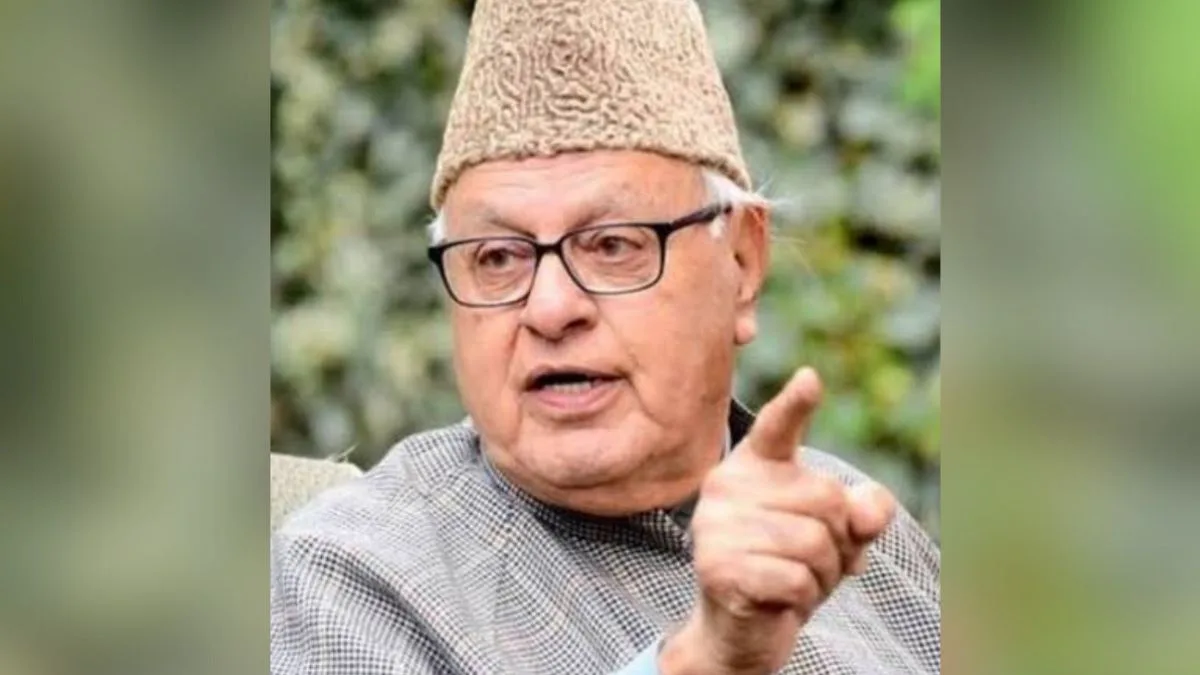
National Conference President Dr Farooq Abdullah on Wednesday voiced grave concern over the rapidly escalating conflict in West Asia, urging global powers to act with urgency and responsibility to prevent a deeper crisis that could destabilise the world order.

Statesman News Service | Jammu |

National Conference President Dr Farooq Abdullah on Wednesday voiced grave concern over the rapidly escalating conflict in West Asia, urging global powers to act with urgency and responsibility to prevent a deeper crisis that could destabilise the world order.

In a statement, Farooq appealed to world leaders to set aside differences and work collectively towards de-escalation. He warned that the ongoing conflict, particularly the intensifying hostilities involving Iran, the US and Israel, is already triggering severe disruptions in global energy supplies and financial stability. The crisis has significantly impacted oil markets and trade routes, with the Strait of Hormuz, through which a substantial portion of the world’s energy supply passes, facing unprecedented disruption.

“The precarious situation in West Asia, if allowed to worsen, will have catastrophic consequences for global finances. Rising oil prices, disrupted supply chains, and economic uncertainty will disproportionately affect developing nations,” he said.
Farooq emphasised that countries in the Global South, particularly India, are highly vulnerable to such shocks. “India, being heavily dependent on energy imports, will face inflationary pressures and economic strain. The poorest sections of society will bear the brunt through rising costs of living and reduced economic opportunities,” he added.
Expressing deep humanitarian concern, Farooq also urged the international community and the United Nations to immediately step in to assist civilians affected by the conflict in Iran. “Thousands of innocent people have been caught in the crossfire, with reports of heavy casualties and destruction of civilian infrastructure. The global community must rise to the occasion and ensure the timely delivery of humanitarian aid, including essential medical supplies, food, and relief assistance,” he said. He called upon the United Nations and other international organisations to coordinate relief efforts and ensure that aid reaches those in urgent need without delay.

Reiterating his appeal for peace, Farooq stated, “The world cannot afford prolonged conflict. Dialogue, diplomacy, and humanitarian responsibility must prevail over aggression. The future of global stability depends on the choices made today.”

Farooq also conveyed his heartfelt prayers and solidarity with the people of Iran during this hour of immense suffering. “My thoughts and prayers are with the innocent men, women, and children of Iran who are enduring unimaginable hardship. May peace prevail and may they find strength and resilience in these testing times,” he added.

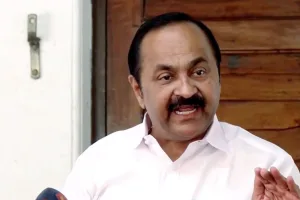
Kerala LoP Satheesan alleges MCC violations, asks ECI to take down govt hoardings

The Kerala unit of Congress on Wednesday approached the Election Commission of India (ECI) with a complaint of violation of the Model Code of Conduct (MCC) against the LDF government in the state.

Statesman News Service | Thiruvananthapuram |

The Kerala unit of Congress on Wednesday approached the Election Commission of India (ECI) with a complaint of violation of the Model Code of Conduct (MCC) against the LDF government in the state.

In a letter to Chief Electoral Officer Dr Rathan U Kelkar, Leader of the Opposition in the Kerala Assembly V D Satheesan urged the poll panel to immediately intervene in the matter and take down hoardings and advertisements celebrating the achievements of the Left Democratic Front (LDF) government from public spaces.

Despite the MCC, Satheesan said the hoardings and advertisements highlighting the government’s achievements and schemes are prominently displayed across Kerala. “The continued presence of these advertisements creates an “uneven playing field and has the potential to influence voters, thereby compromising the fairness of the electoral process,” Satheesan said in his letter to the Electoral Officer.

He urged the ECI to take immediate action to remove all such advertisements from public spaces, including KSRTC buses, and to initiate appropriate proceedings against those responsible for the violation. Satheesan also called for strict monitoring mechanisms to prevent further breaches.

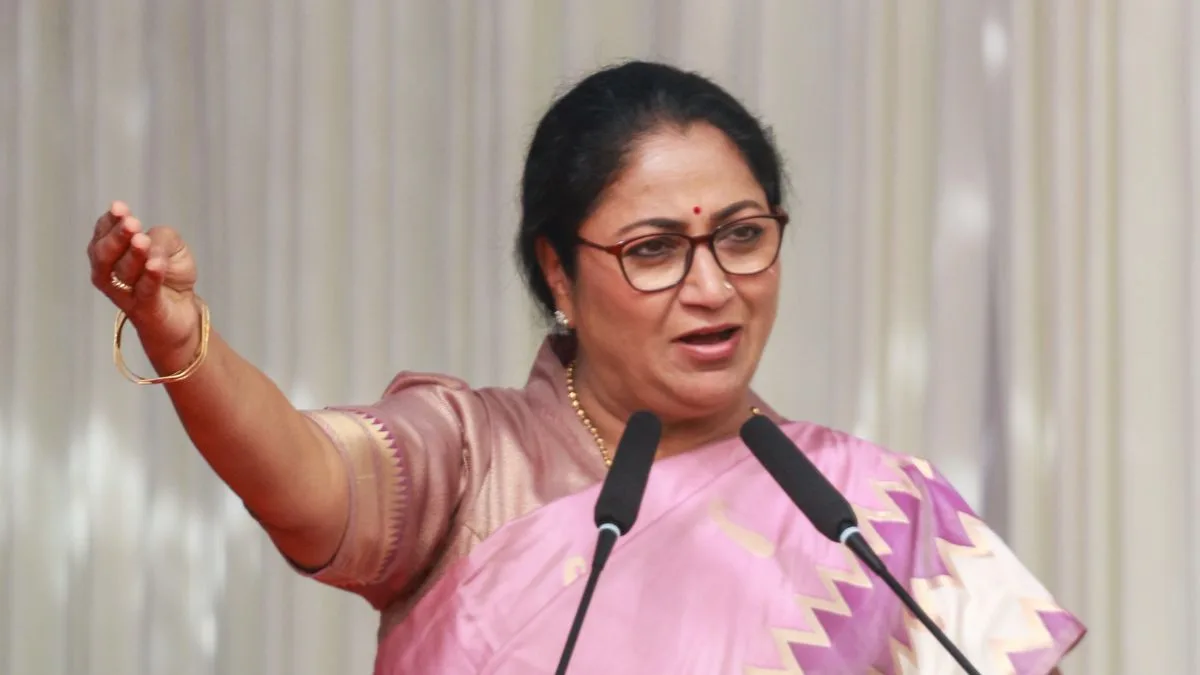
CM Rekha Gupta holds dialogue with shareholders on upcoming budget 2026

Chief Minister Rekha Gupta on Wednesday hosted a special ‘Samvad’ (dialogue) at the secretariat, to discuss on making the upcoming Delhi Budget 2026 more people-centric and practical, with working women, teachers, sportspersons and students sharing their experiences, expectations, and suggestions with her.

Statesman News Service | New Delhi |

Chief Minister Rekha Gupta on Wednesday hosted a special ‘Samvad’ (dialogue) at the secretariat, to discuss on making the upcoming Delhi Budget 2026 more people-centric and practical, with working women, teachers, sportspersons and students sharing their experiences, expectations, and suggestions with her.

Gupta heard all the stakeholders with keen attention to understand what each of them has to say and noted their inputs. She assured them that all of their suggestions reflect in the upcoming budget, emphasizing that public participation is the strongest pillar for a developed Delhi, and her government’s aim is to ensure that the budget caters to the needs of people coming from all sections of the society.

During the interaction, the students present on the occasion put forward crucial suggestions on strengthening the education system and to improving opportunities in the presence of Education Minister Ashish Sood. They proposed extending the Mid-Day Meal scheme up to Class 12 to ensure continued nutritional support.
The students also called for a structured sports training in the government schools, better academic and sports infrastructure, and increased industry exposure which will enable them to have real-world work environment exposure and suggested that there should be dedicated career counselling sessions and availability of competitive exam resources in the libraries.

The working women and teachers, who were also part of the dialogue, drew attention to several day-to-day challenges faced by them at the workplace. They stressed safer commuting options through more foot overbridges and number of underpasses across the city.
The women drew her attention to the issue of waterlogging and sought long-term solution for the other persistent civic issues as well.

The working women asked for setting up creche facilities in schools, while teachers called for AI-based training programmes for upgrading skills, addressing teacher shortages, and other factors.

Additionally, several women emphasized the need for special schemes to promote women drivers and provisions at workplaces to support women during their menstrual cycles.
Sportspersons have come up with suggestions to bolster the sports culture in the city, and proposed to make sports mandatory in schools, and also setting up residential sports academies.

The Chief Minister said her government aims to present a budget that reflects the needs of all the sections of the society. “This budget will not just be a financial document, but a comprehensive roadmap to improve the lives of Delhi’s people,” she added.
She expressed confidence that the suggestions received by her during the dialogue would be clearly visible in Budget 2026.

Gupta also held a detailed meeting with industry representatives as part of preparations for the 2026 budget.
The aim, she said, is to make the budget more industry-friendly, boost investment, and generate employment.

Entrepreneurs from various industrial sectors attended the meeting and shared their demands, suggestions, and expectations.
Delhi’s Industries Minister Manjinder Singh Sirsa was also present, while industry leaders emphasized the need for several policy and structural reforms to speed up industrial development.

They suggested revising capital expenditure norms in industrial areas, converting industrial plots to freehold, and ensuring adequate drinking water supply for industries.
Earlier on Tuesday, she had interacted with doctors and women commercial drivers as part of this outreach. She said the government is working to bring governance closer to the people, ensuring that policymaking is shaped by real experiences and peoples’ feedback.
Gupta added that her discussions with medical professionals focused on making healthcare services stronger, more accessible and people-centric.