Logo

‘When did this mob attack you?’: Parvathy slams Kangana Ranaut over her CJP protest remarks

Scared MPs or injured protesters, whose story do you believe? Parvathy didn’t hold back when she responded to Kangana Ranaut’s comments on the CJP protest.

Statesman News Service | New Delhi |

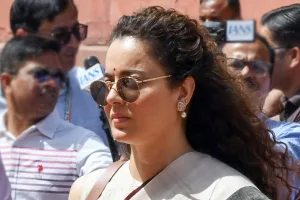
Malayalam actor Parvathy Thiruvothu has hit back at BJP MP Kangana Ranaut after her comments on the Cockroach Janta Party (CJP) protest outside Parliament. The exchange has triggered a fresh war of words on social media.

Kangana Ranaut spoke about the tense atmosphere inside Parliament during the CJP protest. She said the gates were closed and all parliamentarians were confined inside. According to her, none of them could move. She claimed many MPs feared a mob attack and were scared at one point during the protest.

Parvathy’s sharp reply

Reacting to this on Instagram, Parvathy questioned Kangana’s choice of words. She wrote that citizens and children of the country were the ones actually under attack by police, not the other way around. She asked when this so-called mob tried to attack Kangana. She also took a dig at Kangana’s eyewear, calling it “powerfully blinding.”

Parvathy's Instagram stories
Parvathy’s Instagram stories

Background: The CJP protest

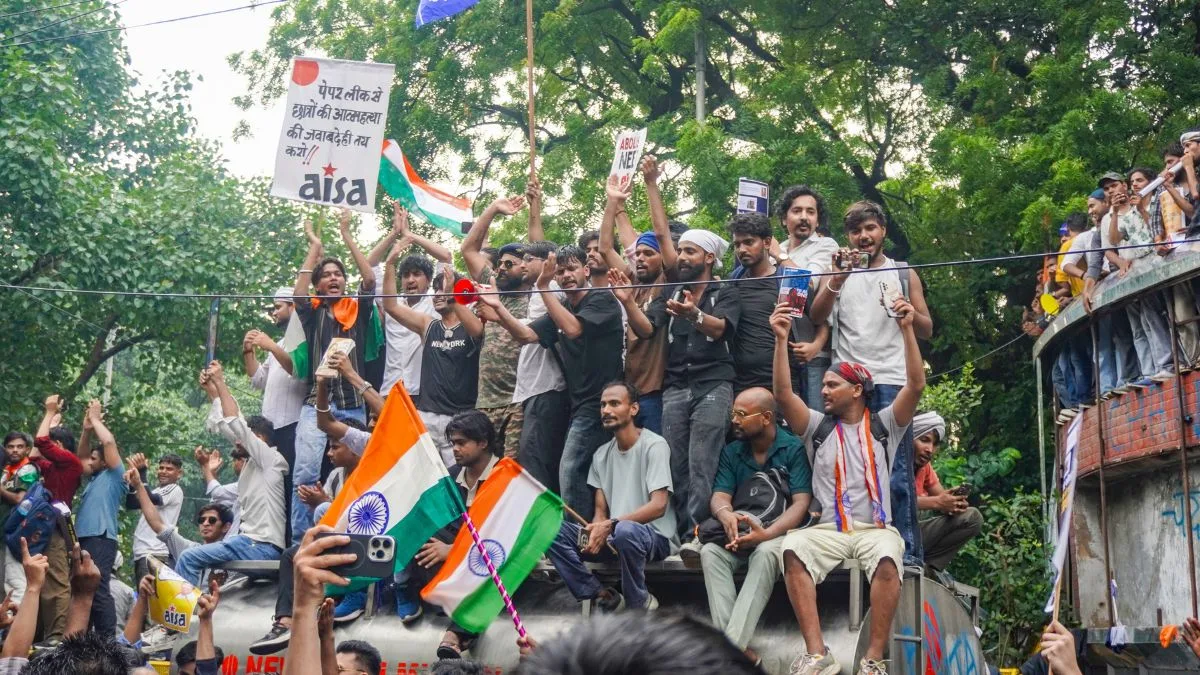
The protest took place on the first day of the Monsoon Session of Parliament. Thousands of protesters gathered at Jantar Mantar in Delhi before marching towards Parliament. The Cockroach Janta Party organised the “Chalo Sansad” march demanding the resignation of Union Education Minister Dharmendra Pradhan. The protest was linked to the alleged NEET-UG paper leak and student suicides connected to the exam.

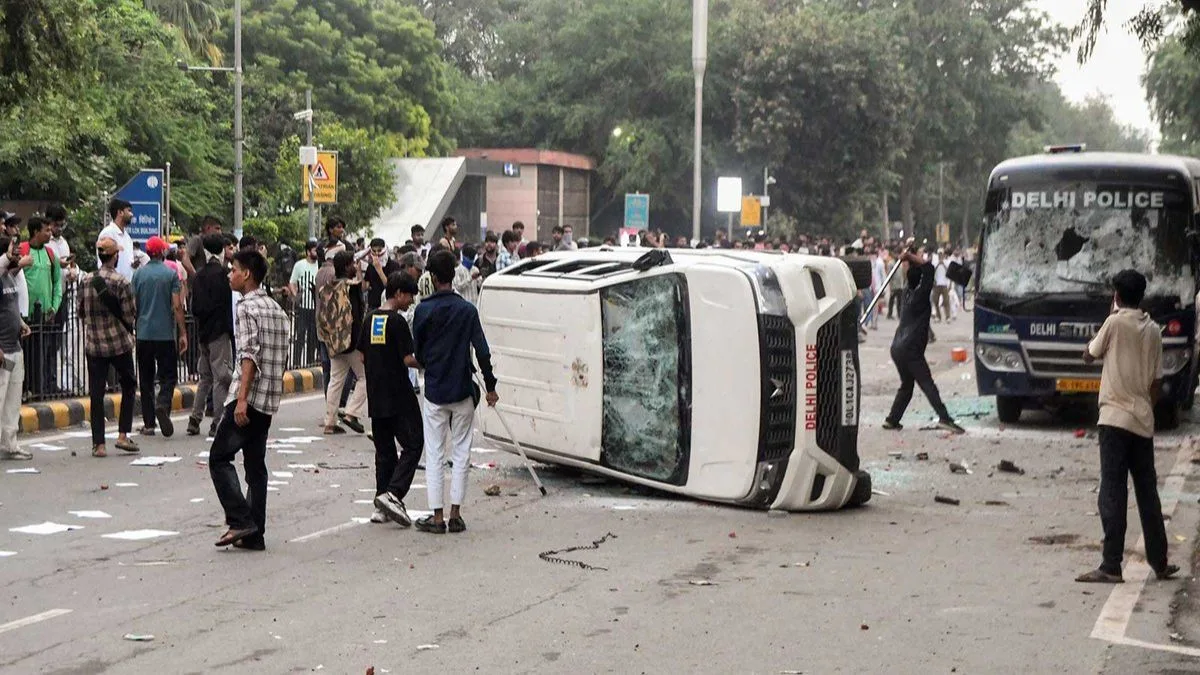
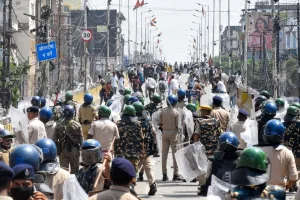
Delhi Police stopped the protesters from advancing further towards Parliament. Officers used baton charges and fired tear gas shells towards the crowd. Authorities also detained several protesters.

Speaking to media after the incident, Kangana praised Delhi Police for acting as shield and preventing harm to those inside Parliament. She described mood among MPs as fearful.

Context of past exchanges

This is not the first time Kangana Ranaut’s comments on protests have drawn public criticism. She has previously faced backlash and legal complaints over remarks made during the farmers’ protests even including allegations of derogatory comments against the Sikh community and claims of protests being linked to separatist movements.

Delhi Police register 10 FIRs over CJP protest violence, dismiss fresh stone-pelting claims

Investigations are underway across multiple police stations after Monday’s clashes, while Delhi Police have urged people not to circulate unverified videos claiming fresh violence at Jantar Mantar.

Statesman News Service | New Delhi |

The Delhi Police have registered 10 FIRs in connection with violence and other incidents linked to the Cockroach Janta Party’s (CJP) ‘Sansad Chalo’ protest, even as they denied claims circulating on social media that fresh stone-pelting or police action took place at Jantar Mantar on Tuesday.

In a post on X, the Deputy Commissioner of Police (New Delhi) said videos claiming incidents of stone-pelting and police action on Tuesday were “false and misleading”.

“There are various videos circulating on social media claiming incidents of stone pelting and police action today. These claims are false and misleading. No such incident has taken place today,” Delhi Police said, urging people to rely only on official sources for authentic information.

The clarification came as protesters continued their sit-in at Jantar Mantar a day after clashes broke out during the CJP’s march towards Parliament over demands that included the resignation of Union Education Minister Dharmendra Pradhan over alleged examination irregularities.

Delhi Police register 10 FIRs across five police stations

According to police officials, Delhi Police have registered 10 FIRs across multiple police stations in the New Delhi district.

Four FIRs were registered at Parliament Street police station, three at Connaught Place police station, and one each at Mandir Marg, Barakhamba Road and Kartavya Path police stations.

Police said the cases relate to different incidents reported during the protests and investigations are continuing.

One FIR concerns the alleged life-threatening attack on a Rapid Action Force (RAF) jawan during Monday’s protest.

Another relates to the alleged flying of a drone without permission in the New Delhi district during the Parliament session.

Police have also registered cases alleging conspiracy, obstruction of government work, assault on police personnel and damage to public property.

The FIRs invoke provisions of the Bharatiya Nyaya Sanhita (BNS), the Arms Act and the Prevention of Damage to Public Property (PDPP) Act.

Police continue probe into protest violence

Delhi Police said protesters allegedly displayed “unruly, aggressive and violent behaviour” during Monday’s demonstration despite repeated warnings and prohibitory orders being in force.

Police are examining more than 250 videos to identify those involved and to determine whether the violence was part of a pre-planned conspiracy.

On Monday, Delhi Police also released footage that they said showed stone-pelting in the Connaught Place area and appealed to protesters to maintain peace and cooperate with law enforcement agencies.

CJP protest continues at Jantar Mantar

The protest resumed at Jantar Mantar on Tuesday after demonstrators returned to the site following the removal of tents and the protest stage by security personnel.

A heavy deployment of Delhi Police and Rapid Action Force personnel remained at the venue.

CJP spokesperson Ashutosh Ranka said the agitation would continue until the party’s demand for Dharmendra Pradhan’s resignation was met.

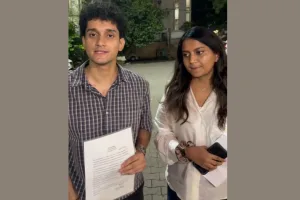
He alleged that several protesters, including students and volunteers, were injured during Monday’s clashes and claimed that women protesters, including Geetanjali J Angmo, wife of activist Sonam Wangchuk, were mistreated.

Delhi Police, however, maintained that no fresh incident of stone-pelting or police action took place on Tuesday and appealed to the public not to circulate unverified videos on social media.

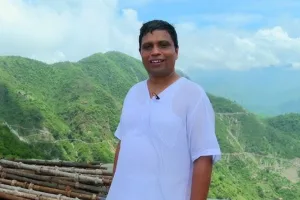
Feeling less thirsty this monsoon? Acharya Balkrishna says that’s exactly the problem

The rain feels cool, but your body may be quietly running dry. Acharya Balkrishna says thirst can lie to you this season. Here’s how much water you actually need.

Statesman News Service | New Delhi |

Acharya Balkrishna of Patanjali Ayurved has shared an important health tip on social media. He explained why the body needs enough water during the rainy season.

According to Acharya Balkrishna, the weather stays cool during the monsoon. Because of this, people feel less thirsty. Many forget to drink water on time. As a result, the body can run low on water. This leads to weakness and tiredness.

The reason behind dehydration

Health experts say that in summer, heavy sweating triggers a strong thirst response. But in the monsoon, humidity and cooler air delay the brain’s thirst signal. Because of this, the body keeps losing water without a person even realising it.

Acharya Balkrishna has advised drinking at least 8 to 10 glasses of water every day. This amount is considered necessary for the body’s normal functioning. Water carries nutrients to every part of the body. It also keeps the digestive system working smoothly.

The medical field also agrees that water helps regulate body temperature. It lubricates the joints and helps flush out toxins from the body.

Risk of diseases from dirty water

Acharya Balkrishna has warned against drinking dirty water during the monsoon. He said that contaminated water can cause diseases like jaundice and typhoid.

Health department data also shows that waterborne disease cases rise during the monsoon months. Rainwater often mixes with drain and sewer water. This contaminates drinking water sources. As a result, diseases like cholera, diarrhoea and jaundice spread quickly.

In jaundice, the skin and eyes start turning yellow. Appetite drops and tiredness stays. In typhoid, symptoms include high fever, stomach pain and weakness. Both diseases spread through contaminated water and food.

Precautions to take

Doctors recommend always drinking boiled or filtered water during the rainy season. Water left open or served with street food should be avoided. Washing hands often with clean water and soap is also important.

Do not let water collect near your home, as this increases the risk of mosquitoes as well as water contamination. Keep drinking water covered and clean water tanks at regular intervals.

Ahmedabad: Sealed firecracker factory reopens illegally, 10 killed in massive blaze

Police said the firecracker unit had been sealed after its licence expired in March, but was allegedly reopened while security personnel were deployed for the Rath Yatra.

Statesman News Service | New Delhi |

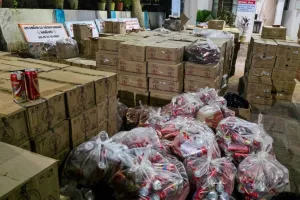
At least 10 people were killed after a fire tore through an illegally operated firecracker factory in Ahmedabad’s Ramol area, police said on Tuesday.

According to police, the factory had earlier been sealed after its licence expired on March 31, 2026. Investigators said the premises were allegedly reopened without permission, leading to the fatal accident.

Deputy Commissioner of Police (DCP) Mayur Patil said the unit had been shut down by authorities after its licence lapsed.

“A fire broke out at an illegal firecracker factory in the Ramol area, resulting in the deaths of 10 people. We had previously shut down the factory because its licence had expired on March 31, 2026, and the premises had been sealed. However, taking advantage of the police being occupied with security arrangements for the Rath Yatra, they attempted to reopen the illegal factory. This led to an accident and the loss of 10 lives,” Patil said.

Drive against illegal factories intensified

Following the incident, police said action against unauthorised industrial units with expired licences has been stepped up.

Patil urged landowners to ensure that factories operating on their properties possess valid licences and said authorities have begun demolition drives against illegal establishments.

“To prevent such incidents in the future, we have appealed to landowners to take action regarding any factories on their land that hold expired licences. Landowners are now carrying out demolition actions against such operators. Arrangements have been put in place by the police and the Ahmedabad Municipal Corporation,” he said.

Police and civic officials are monitoring the demolition of unauthorised structures in the area.

An investigation into the fire is underway.

(With inputs from ANI)

Extraction of minerals from the Indian offshore: Opportunities and challenges

The mineral economy of India is at a crucial moment of structural transition.

DR. N.M. SHAREEF | Kolkata |

The mineral economy of India is at a crucial moment of structural transition. Demand for steel, cement, fertilisers, electronics, renewable energy systems and electric mobility is growing rapidly, creating new opportunities even as domestic terrestrial resource extraction face natural, environmental and social constraints. Meanwhile , recent disruptions in global mineral supply chains have highlighted the importance of resilience and diversification.

Against this backdrop, India’s vast offshore areas and Exclusive Economic Zone (EEZ) acquire strategic importance: not merely as a geological prospect, but as a key pillar of the country’s blue economy and long-term resource security. Globally, since the early 2000s, deep-sea and offshore mineral exploration has moved from the margins to the mainstream of mining discourse. Several countries now view the oceans as the next frontier for critical and bulk minerals. Compared to land-based mining, offshore extraction offers certain intrinsic advantages: the absence of permanent surface infrastructure, no competition for freshwater, and in many cases higher grades and larger tonnages than terrestrial ores.

These factors, combined with technological advances, have intensified international competition in marine mineral resources. Offshore mineral opportunities India is geographically well placed to benefit from the ongoing global transition in resource exploration and utilization, particularly in the offshore domain. With a vast coastline and a strategically located Exclusive Economic Zone (EEZ) spanning more than 2 million square kilometres, India possesses significant untapped potential in marine mineral resources. Recognising this strategic advantage and the long-term importance of offshore resources, India adopted a forward-looking and futuristic approach by initiating systematic exploration of its offshore regions at an early stage. The Geological Survey of India (GSI), the country’s premier organization in the field of Earth sciences, has played a pioneering role in this endeavour.

Decades ago, GSI initiated comprehensive offshore mapping and mineral exploration programmes, employing geophysical, geological, and geochemical techniques to study the seabed and sub-seabed regions of the Indian EEZ. These sustained efforts have resulted in the generation of an extensive and valuable repository of geological and geoscientific data, forming a strong knowledge base for offshore resource assessment and management. The findings from these studies have revealed the presence of a wide range of mineral commodities within the EEZ, including resources of strategic, economic, and industrial importance.

These offshore mineral deposits have the potential to significantly support national priorities such as infrastructure development, agricultural inputs, energy se c urity, and high-te chnology manufacturing. Minerals identified in the offshore regions can reduce dependence on imports, strengthen supply chains, and contribute to sustainable economic growth. Large deposits of lime mud and lime sand off Gujarat and Maharashtra exemplify this potential. An estimated 15 4 billion tonnes of lime mud, delineated over nearly 19,000 sq. km, could serve as a viable substitute for limestone.

In an era of rising imports and carbon conscious industrial planning, such alternatives deserve serious consideration. Similarly, offshore heavy mineral placers (ilmenite, rutile, monazite and garnet) occur extensively along both the eastern and western continental shelves, from Odisha to Kerala. With nearly 96 million tonnes estimated in the top metre of sediment alone, these resources are critical inputs for titanium metal, rare earths and strategic materials, se ctors where India remains import-dependent. Construction-grade sand, another commodity which is becoming most sought after material due to booming urbanisation and substantial depletion of traditional sources, is abundantly available within the Indian offshore.

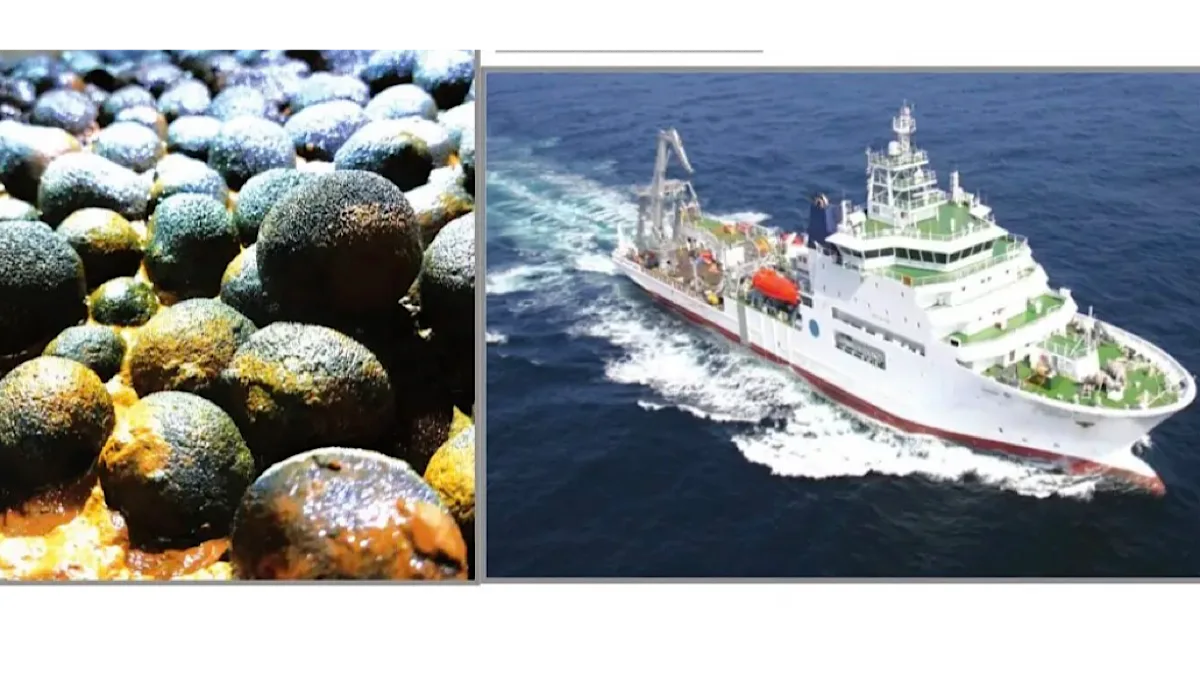
Reconnaissance surveys off the Kerala coast have identified close to a billion tonnes within a limited area, with buried palaeochannels promising even larger resources. Sustainable offshore sand mining, if scientifically regulated, could ease pressure on rivers and fragile terrestrial ecosystems. Perhaps most strategically significant are polymetallic nodules and crusts identif ie d in the Andaman and Lakshadweep Seas at depths of 1,000 to 1,500 metres. Rich in cobalt, nickel, rare earth elements and platinum group metals, these resources are central to batteries, electronics, renewable energy systems and advanced alloys.

In the same vein, phosphorite occurrence off Chennai, Point Calimere, Okha Spur and Angria Bank offer India a chance to further explore the potential to supplement the consumption requirements of the country which is totally dependent on import as of today. Taken together, these resources align squarely with the objectives of the blue economy: leveraging ocean assets for economic growth, employment and ecological balance, while strengthening national resilience. Why offshore riches remain underutilised Despite the huge wealth of knowledge on offshore mineral occurrences, the mineral wealth remains largely untapped due to diverse reasons. Conquering the inherently hostile marine environment is technically and technologically highly demanding.

High capital costs, poorly understood operational and environmental challenges and inadequate technological advancements dissuaded the likely players until recently. Globally, this situation is changing fast. Countries such as the U.S., Japan, South Korea and several European nations now possess advanced deep-sea mining systems. Commercial-scale trials by companies like GSR in Belgium and The Metals Company in Canada have demonstrated collection efficiencies exceeding 80 to 120 tonnes per hour at depths beyond 4,000 metres. The lesson is clear: technological learning is cumulative, and early movers gain an overwhelming advantage through data, experience and industrial spill overs.

Recognising global developments, India has taken an important step by reforming its legal framework. The amended Offshore Areas Mineral Development and Regulation Act, 2023, along with the accompanying offshore regulations, intro duces transparent auction-based allocation of offshore mineral rights, royalty mechanisms, and clearly defined operational conditions to attract investors and remove ambiguities in the sector. However, legislation alone cannot bridge existing technological gaps. Offshore mining requires integrated capabilities (mining vehicles, riser and lifting systems, support vessels, real-time control, and environmental monitoring), none of which can be developed in isolation.

What is needed is a dedicated, mission-mode institutional framework capable of mobilising finance, R&D, and industrial capacity over the long term. The significance of offshore minerals must be understood within India’s broader quest for technological self-reliance, particularly in light of constraints in global raw material supply chains. As India enters advanced manufacturing sectors, critical minerals linked to the energy transition, mobility, and digital infrastructure present a timely and strategic opportunity. When developed responsibly, offshore resources can anchor domestic supply chains, strengthen self-reliance, and reduce vulnerability to external shocks.

At the same time, sustainability cannot be an afterthought. Offshore mining must be rigorously evaluated against environmental thresholds, lifecycle emissions, and socio-economic trade-offs, and compared transparently with terrestrial alternatives. When properly regulated and guided by science, monitoring, and adaptive management, marine extraction may, in some cases, offer a lower-impact option than destructive land-based mining. India stands at a crossroads. Its Exclusive Economic Zone offers geological abundance, strategic leverage, and a chance to anchor the blue economy in national development.

Yet this potential will remain unrealised without sustained public investment in marine technology, foundational research, and state-led R&D, which are domains where private capital alone is unlikely to venture. Foreign investment and manufacturing partnerships can complement this effort, but they cannot substitute indigenous capability-building. History shows that technology absorption does not occur automatically; it requires deliberate policy, institutional continuity and long term commitment. Offshore minerals may not be a single solution to India’s resource needs, but they offer a powerful and timely opportunity.

In an era of rising demand and increasingly volatile global supply chains, they represent a strategic frontier with immense potential. The resources are known to exist; the opportunity now lies in India’s ability to bring vision, sustained investment, and long-term commitment to develop them responsibly and effectively. Surmountable challenges The constraints that have held back offshore mineral development in India are often presented as formidable, even prohibitive. In reality, most of these challenges are surmountable, provided they are addressed in a coordinated and strategic manner. The foremost challenge relates to technological capability.

Deep-sea and offshore mining demands integrated systems, including mining vehicles, riser and lifting mechanisms, dredgers, dynamically positioned support vessels, subsea navigation, real-time monitoring, and dedicated landing ports with bulk stockyard facilities for material handling and storage. India’s limitation lies not in a lack of scientific knowledge, but in the absence of fully integrated, field-tested, end-to-end systems. This gap is well within reach of being closed through a mission-mode approach, drawing on India’s proven experience in space and nuclear programmes, where sustained public investment, long-term research and development, and iterative test and trials were key enablers.

Establishing a national offshore mining technology programme (anchored in public sector institutions and strengthened through collaboration with academia and industry) would enable India to progressively indigenise critical subsystems, build operational confidence, and reduce reliance on turnkey imports over time. The second challenge lies in the high capital requirements and associated financial risk. Offshore mining is inherently capital-intensive and involves long gestation periods, which can discourage private investment at early stages. However, this challenge can be addressed by strategic intervention through risk-sharing mechanisms.

Government-backed demonstration projects, viability gap funding, sovereign guarantees for pilot trials, and phased commercialisation can significantly lower entry barriers. Once technological viability is proven at scale, investor confidence is likely to rise, unlocking greater private capital participation. Given the strategic importance of minerals critical to the energy transition, such public investment is well-justified, as the long-term economic and strategic benefits far exceed immediate commercial re turns. The third challenge is environmental uncertainty.

Concerns regarding seabed disturbance, sediment plumes and impacts on benthic ecosystems are legitimate and must be addressed upfront. The solution lies not in inaction but in science-led regulation. Baseline environmental studies, pilot-scale mining, continuous monitoring and adaptive management frameworks can ensure that offshore extraction remains within acceptable ecological limits. Compared with many terrestrial mines associated with deforestation, displacement and freshwater depletion, well-regulated offshore mining may, in certain settings, present a lower cumulative footprint.

Sustainability must therefore be assessed comparatively, not in isolation. The fourth challenge is fragmented institutional responsibility. Offshore minerals span multiple domains (geology, mining, environmental management, shipping, and defence), which has historically slowed decision-making and diffused accountability. This complexity also presents an opportunity: by establishing a dedicated offshore minerals authority or mission directorate with clear mandates, the sector can benefit from streamlined coordination, faster decisions, and stronger accountability.

Such a body could draw on the expertise of existing agencies while operating with the autonomy and continuity needed to drive long-term progress. The fifth challenge is human capital and the industrial ecosystem. Offshore mining is not merely about extraction; it drive s demand for advance d manufacturing, robotics, sensors, AI-driven controls and marine engineering. Targeted investments in specialised training, university-industry collaboration and public sector manufacturing can create a virtuous cycle of skill development and technological spill over.

Here, the gains are not confined to mining alone but extend to shipbuilding, defence, renewable energy and ocean sciences. The offshore mineral challenge is therefore not one of impossibility, but of intent and execution. The legal framework is now largely in place. Geological knowledge has reached a threshold where informed decisions can be made. What remains is the willingness to commit resources, tolerate early-stage risks and think beyond short-term commercial logic. In a world of tightening mineral markets and recurrent supply-chain shocks, offshore resources offer India a strategic hedge. Harnessed responsibly, they can strengthen the blue economy, reduce import dependence and catalyse technological self-reliance.

The choice before India is stark: to remain a passive observer as others master the oceans, or to invest decisively in overcoming challenges that are difficult, but far from insurmountable. Offshore minerals and the wider blue economy Beyond strategic minerals and industrial inputs, offshore mineral development carries significant socio-economic implications that align closely with the blue economy framework. When carefully planned, offshore mining has the potential to generate substantial employment across the entire value chain: not only for geoscientists and engineers, but also for skilled and semi-skilled workers engaged in dredging operations, shipbuilding, marine fabrication, port handling, logistics, environmental monitoring and a wide range of offshore services. Each offshore project further catalyses a network of indirect onshore employment, spanning equipment maintenance, data processing, mineral beneficiation and downstream manufacturing. Coastal regions, in particular, are well positioned to benefit from offshore mineral development.

Such operations require ports, bulk-handling terminals, storage yards and processing facilities, creating strong prospects for port-led industrialisation along the coastline. When strategically integrated with existing fisheries harbours, coastal industrial corridors and shipping networks, this infrastructure can strengthen regional economies while limiting pressure on scarce land resources. Importantly, with transparent regulatory frameworks and meaningful community engagement, offshore mining need not displace traditional coastal livelihoods. Instead, it can coexist with them, offering alternative and supplementary employment opportunities for fishing communities increasingly affected by seasonal volatility and climate-induced stress.

The economic impact is further magnified through downstream linkages. Heavy minerals are critical inputs for titanium production, renewable energy systems, and aerospace applications and defence manufacturing, while polymetallic nodules and crusts underpin batteries, electric mobility and other clean-energy technologies. Offshore minerals thus represent not merely an extractive activity, but a strategic industrial input supporting manufacturing growth, advancing energy-transition objectives and reinforcing India’s pursuit of technological self-reliance.

(THE WRITERS ARE DY.DG, OPWC-I, GSI AND DIRECTOR, OPWC-I, MCSD, GSI)

World’s response to warming is reckless

Fireworks at America’s 250th birthday bash, claimed to be the ‘best firework show ever!’ by President Donald Trump, is the new low in sending poisonous gases into the atmosphere. Over 40 minutes, 851,000 individual shells were fired.

B K SINGH | New Delhi |

Fireworks at America’s 250th birthday bash, claimed to be the ‘best firework show ever!’ by President Donald Trump, is the new low in sending poisonous gases into the atmosphere. Over 40 minutes, 851,000 individual shells were fired. It is a Guinness World Record. The fumes erupted in the atmosphere and turned the humid sky into an extravagant explosion of red, white and blue. Critics reminded everyone that several thousand explosions are p erhaps no t Mo ther Nature’s preferred birthday present.

The extravaganza took place when large parts of America and Europe were reeling under severe heat waves. Several thousand extra human deaths are attributable to soaring temperatures in both continents. Greece, Spain, and Portugal have been engulfed in massive wildfires lasting for weeks. Fire was also reported from Greece’s recycling plant, and the government advised residents to remain indoors and close windows to block the entry of toxic smoke from the burning plant. Hundreds of water-dropping planes, thousands of firefighters, vehicles and aircrafts have been pressed into service in each country. 12,000 ha of forests in Portugal, 2,200 ha in Spain and 10,000 ha in Greece burned in four days’ time.

The peak summer season in both the continents are July and August. More heatwaves and wildfires are in the pipeline. Wildfires are a double whammy. While carbon sequestration potential of the forests is lowered, additional poisonous greenhouse gases are emitted in the atmosphere due to the blaze and smoke. The world’s lungs – Amazon, Congo and Boreal forests – are degrading due to anthropogenic pressure and fire and researchers have concluded that some patches of these forests are becoming net carbon emitters. As temperatures soar, wildfires are more difficult to control and are more destructive. The Asian continent is also not spared.

A fatal typhoon Maysak has flooded the reservoir and busted the wall of a dam in Nanning in China sending the torrent of water downstream. It swelled the river, killing dozens of people and forcing officials to evacuate nearly a lakh of people from the command area of the river. After a lull in June, widespread rains beginning July in the Indian sub-continent have caused flooding and landslides in Himalayan states, Western Ghats, northeast, and many places in the central Indian landscape. Barely five km from Wayanad’s 2024 Mundakkai- Chooralmala landslide that had buried more than 300 people, it rained incessantly and caused a repeat of the tragedy by bringing down massive torrents of mud and debris thundering downhill towards the Meenakshi river sweeping away people, vehicles and machines in its path.

When the tragedy occurred this time, a twin tunnel project cutting through the Vellarimala mountain range to connect Kozhikode and Wayanad districts, was under execution by the Konkan Railway Corporation. This project was in the pipeline when the 2024 tragedy had struck, and experts had advised against implementing it as the region is vulnerable to landslides. Yet, the State went with it and even the Supreme Court granted a go-ahead recently. The World Meteorological Organization (WMO) in its update on El Nino, warned that the climate phenomenon is going to be active from July to September in many parts of the globe.

It is likely to suppress rains and aggravate heat wave conditions, droughts and other extreme weather events. The Indian sub-continent has already experienced more than 40 per cent rainfall deficit in June. The rainfall picked up in July and IMD’s forecast indicates that it is going to be more in August and September. Southwest monsoon’s deficit is projected to be only 10 per cent, and will cover up 40 per cent of the June deficit. We are likely to have intense rains in August and September that would further cause landslides and flooding in some regions.

July rains have already shown the trailer; we saw tragedies in Kerala, J&K, Sikkim and Arunachal Pradesh. Among all the El Nino years in the past, a monsoon deficit has been observed in only 60 per cent of the cases. The effect of El Nino is neutralized by a positive Indian Ocean Dipole (IOD). Positive IOD is a climate phenomenon where sea surface temperatures are warmer than normal in the western Indian Ocean (near the African continent) and cooler than normal in the eastern region like Indonesia. The global wind pattern is changing bringing heavy rainfalls to East Africa and India and suppressing it in

Indonesia and Australia. The unpredictable monsoon has caused anxiety among Indian farmers. Sowing is delayed, which delays the maturity of the crop. Despite repeated advisories from the Union Agriculture Ministry to go for dry crops like bajra, ragi etc., farmers still opt for paddy using canal water and bore-wells. The canal water level depletes, and as more bore-wells pump ground water, the underground aquifers get further discharge d. Do we have no responsibility to our future generations? Between paddy harvest and preparing fields for wheat sowing, Punjab and Haryana farmers burn stubble for paucity of time, emitting poisonous gases in the atmosphere.

The delayed planting of paddy will have additional pressure on pollution. The annual conferences of parties under the auspices of the United Nations have failed to cut the use of fossil fuels for growth and development. There is no binding on the use of coal, oil and gas, and this way enormous greenhouse gases get pumped into the atmosphere. It is 42 Gigatons of CO2equivalent annually. In a sign of intense competition among oil producers, Saudi Arabia has recently slashed crude prices by $11 a barrel for August.

Crude prices have already fallen to pre-28th February level, as Iranian pressure on ships transiting the Strait of Hormuz is reduced. In case Iran weaponizes this choke point again, Israel has proposed to the US to lay a 700-km long oil pipeline along the land route from Saudi Arabia to the Israeli Red Sea city of Eilat, connect it to the existing pipeline from there to the southern Mediterranean port city of Ashkelou, from where oil tankers will transport oil to European countries.

Trump calls climate change a hoax and eases the restrictions imposed by his predecessors, to drill and pump out more oil. The fireworks on America’s birthday bash are another example. Clearly, oil-producing countries want to produce more and make it available for users at cheap prices. This leads to more consumption. The transition to renewable energy gets slowed down and lives and livelihoods will continue to be under peril. When will world leaders take action to cut emissions and prevent environmentally unsustainable projects? If they are only concerned about holding on to power, the world will see Doomsday sooner rather than later.

(The writer is the retired Head of Forest Force, Karnataka.)

Hydrogen rail signals clean energy leap

Prime Minister Modi flagged off India’s first indigenous hydrogen powered train on the Jind–Sonipat section, marking a historic leap in clean mobility and Atmanirbhar Bharat vision.

SHEHZAD POONAWALLA and VIJETA RATTANI | New Delhi |

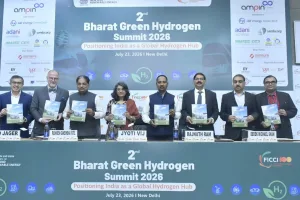
Prime Minister Modi flagged off India’s first indigenous hydrogen powered train on the Jind–Sonipat section, marking a historic leap in clean mobility and Atmanirbhar Bharat vision. With advanced propulsion, refuelling and storage infrastructure, this places India in a select group of nations embracing nextgen rail technology. More importantly, it shows India’s interest in green hydrogen as a strategic fuel in its clean energy transition and aspiring energy reliance while positioning the country for leadership in clean energy production and export.

In the face of global energy shocks and climate crises, green hydrogen has gained worldwide traction as a fuel to decarbonise industries particularly hard-to-abate sectors such as steel, cement, fertilizer, heavy transport etc, assist in industrial processes and power cleaner transport. For India, furthering the green hydrogen agenda could not have come at a more opportune time. Unlike grey hydrogen, which is produced from fossil fuels, green hydrogen is generated solely from renewable energy sources through electrolysis, resulting in virtually zero CO2 emissions, enabling carbon-free fuel generation for industrial, transportation, power and energy storage applications.

Under Prime Minister Modi, India has consistently prioritized the three interconnected pillars of energy security, economic growth and environmental sustainability as central to its development vision for Viksit Bharat 2047. Addressing climate change demands a shift to carbon neutral economies, with the energy sector at the core of transition. As per its climate commitments, India intends to achieve 60 per cent cumulative electric power installed capacity from non-fossil fuel-based energy resources and reduced emissions intensity of its GDP by 47 percent by 2035.

Yet, as India’s GDP continues to march ahead, the demand for reliable and cost-effective energy will inevitably rise. With nearly 87 per cent of crude oil currently being imported, the recent global supply chain disruptions have laid bare its deep fissures, uncertainties and risks, making energy self reliance an absolute national necessity. Also, unlike many Western economies trapped in old, legacy infrastructure, India is uniquely positioned to transition to clean energy as much of its infrastructure remains to be built, and connectivity is one of the top priorities of the government.

By 2047, this transition could unlock millions of jobs and generate a trillion dollar market, aligning environmental goals with massive economic and livelihood opportunities. Accordingly, India is keen on scaling the adoption of clean technologies and enhancing resource efficiency to meet its future energy needs to balance growth and sustainability, while reinforcing green economy. In the quest for a green economy and carbon neutrality, hydrogen emerges as an important contender.

Hydrogen, as a fuel, is abundant, has direct industrial and transport applications and is effective to make fuel cell-based batteries. Tapping on this ‘fuel of the future’, India launched the National Hydrogen Mission in 2021, a comprehensive framework aiming to produce green hydrogen and positioning India as a global leader in green hydrogen production and utilization. By 2030, the Mission is projected to generate over 600,000 jobs, cut fossil fuel imports by more than Rs 1 lakh crore and prevent nearly 50 million tonnes of greenhouse gas emissions annually.

Under its ambit, the first phase of the green hydrogen policy was released in February 2022 with a target of 5 million tonnes of green hydrogen production by 2030. Along with this, government is providing financial incentives and subsidies for encouraging investment in hydrogen projects. The Green Hydrogen Certification Scheme of India (GHCI) launched in 2025 provides a national framework to certify hydrogen as “green.” The government has designated key coastal gateways including the Deendayal Port, Paradip Port and VO Chidambaranar (VOC) Port located in Gujarat, Odisha and Tamil Nadu, respectively, as green hydrogen hubs.

Partnerships with foreign players including the EU, the UK, Singapore and Germany on Green Hydrogen aim to situate India as a key player in the global green hydrogen ecosystem while unlocking investment opportunities locally. Being a rather nascent fuel, hydrogen still grapples with high production costs, limited infrastructure, safety and transport concerns and questions of adoption at scale and long term viability.

Yet, early this year, India’s record lowest ever green hydrogen bid at Rs 279 ($3.08) per kg for supply of 10,000 tonnes to Numaligarh Refinery in Assam was a kind of turning point in cost competitiveness, industrial uptake, and market integration. Further, backed by heavy mission outlay, persistent government interest and support in expanding the hydrogen ecosystem, falling costs of renewables, global market indications and increased foreign collaborations would in time make it more economically viable and boost investors’ confidence too. A Viksit Bharat built on clean energy, resource-efficient value chains, resilient infrastructure and inclusive growth can define a new development pathway and establish a global standard for green growth.

(The writers are, respectively, National Spokesperson, BJP, and a development and sustainability professional.)

Cockroach Rising

What began as an irreverent internet joke has acquired the unmistakable weight of a political movement.

Statesman News Service | New Delhi |

What began as an irreverent internet joke has acquired the unmistakable weight of a political movement. The Cockroach Janta Party’s ability to bring tens of thousands onto Delhi’s streets, defying restrictions and attempting to march towards Parliament, marks a significant escalation in youth anger over India’s examination system. More importantly, it shows how a specific grievance can become a vessel for much wider discontent. The immediate cause is serious enough.

The cancellation of NEET-UG after allegations of a paper leak struck at an institution on which millions of young Indians stake years of preparation, family savings and professional ambitions. Examination integrity is not an administrative detail in a country where competition for limited educational opportunities is ferocious. When such systems repeatedly appear vulnerable to manipulation, the damage extends beyond individual candidates. It corrodes faith in merit itself.

Yet the movement has clearly travelled beyond NEET. Its appeal now draws upon anxieties over employment, opportunity, institutional accountability and whether those in authority suffer consequences when public systems fail. The transformation of the word “cockroach” from an insult into a badge of collective identity is politically potent. Successful protest movements often begin by giving scattered frustrations a common language and symbol.

Activist Sonam Wangchuk’s hunger strike added another dimension. Fasting carries unusual moral resonance in Indian politics, from Mahatma Gandhi and Potti Sriramulu to later movements led by Irom Sharmila and Anna Hazare. Wangchuk’s forcible removal to hospital after a prolonged fast may have protected his health, but the manner of state intervention also intensified the symbolism of the protest. The government therefore faces a familiar political danger. Barricades can prevent demonstrators reaching Parliament; they cannot resolve the grievance that brought them there.

Allegations of baton charges, injured protesters and restrictions on mobile internet risk shifting the argument from examination reform to the democratic handling of dissent. Once that happens, a government can inadvertently broaden a movement it hoped to contain. The CJP faces an equally important test. Opposition leaders will naturally seek to associate themselves with an agitation embarrassing the government. But becoming another vehicle in conventional partisan combat could dilute precisely what has made the movement distinctive: its organic appeal among young people who feel poorly represented by established politics. Escalating demands from the education minister’s resignation to that of Prime Minister Narendra Modi may generate attention, but maximalism can make concrete victories harder to secure.

The lasting significance of these protests will therefore depend on what follows the spectacle. If the movement converts anger into sustained pressure for transparent examinations, institutional responsibility and credible reform, it could become an important new expression of youth politics. If momentum dissipates or is captured by established parties, it may join India’s long history of dramatic but transient agitations. For now, however, one conclusion is unavoidable. A movement born in satire has demonstrated that the grievances beneath are anything but frivolous. The cockroach has become a political symbol because a generation that feels dismissed has discovered the power of refusing to disappear.

Choice Reimagined

The return of arranged marriages among sections of India’s younger generation is less a rejection of modernity than an indictment of the digital age’s promise that technology could simplify the search for lifelong companionship.

Statesman News Service | New Delhi |

The return of arranged marriages among sections of India’s younger generation is less a rejection of modernity than an indictment of the digital age’s promise that technology could simplify the search for lifelong companionship. The story unfolding today is not one of tradition triumphing over progress. It is about a generation recalibrating its priorities after discovering that unlimited choice often produces uncertainty rather than fulfilment.

For nearly two decades, dating apps transformed romance into an endless marketplace. Algorithms promised compatibility, while social media encouraged carefully curated identities. Yet the same platforms also normalised ghosting, fleeting relationships and the belief that a better option was always just another swipe away. In such an environment, commitment itself became difficult. Relationships increasingly resembled consumer choices, where abundance encouraged hesitation instead of confidence. It is hardly surprising therefore, that many young Indians are looking beyond digital platforms for greater certainty.

But the institution they are embracing is not the arranged marriage of previous generations. Parents no longer dictate outcomes; instead, they increasingly act as facilitators, investigators and advisers. Their role is to filter potential matches, verify backgrounds and reduce uncertainty before introducing prospective partners who are then expected to decide for themselves. The emphasis has shifted from parental authority to informed consent. This evolution reflects broader social changes. Today’s educated, financially independent young adults are unwilling to compromise on compatibility.

Shared values, career aspirations, health, financial habits and emotional maturity matter as much as family background. What appears to be an old institution is, in reality, adapting to contemporary expectations of equality and individual choice. The growing emphasis on background verification also says something significant about the times. In an era of manipulated online identities, edited photographs and carefully constructed digital personas, trust has become a scarce commodity. Families increasingly seek assurances that extend beyond what profiles and conversations can reveal.

That demand for credibility is as much a response to technological disruption as it is to changing social norms. However, it would be premature to interpret this shift as a wholesale revival of arranged marriage across India. Urban India remains remarkably diverse in its attitudes towards relationships. Many young people continue to prefer meeting partners independently, while others reject both dating apps and traditional matchmaking in favour of organic relationships built through work, education or shared interests. There is no single model that defines contemporary Indian marriage.

The real lesson is that institutions survive when they evolve. Arranged marriage is enduring not because young Indians are becoming more conservative, but because it has adapted to provide what digital platforms often struggle to offer ~ accountability, transparency and a support system around one of life’s most consequential decisions. In an age overwhelmed by limitless options, certainty has acquired a value that even the most sophisticated algorithm cannot guarantee.

Assam floods kill 21 in a day; death toll rises to 31 as over 5.6 lakh affected

Floodwaters have inundated 872 villages and more than 24,000 hectares of farmland, while over 1.14 lakh people are staying in relief camps as rescue operations continue across the state.

Statesman News Service | New Delhi |

The flood situation in Assam deteriorated sharply over the past 24 hours, with 21 more people losing their lives, pushing the overall death toll to 31, according to the Assam State Disaster Management Authority (ASDMA).

ASDMA said 13 deaths were reported from Sivasagar district, five from Charaideo, two from Golaghat and one from Jorhat during the last 24 hours.

The floods have affected more than 5.64 lakh people across 16 districts, including Golaghat, Kamrup, Hojai, Dibrugarh, Biswanath, Dhemaji, Sonitpur, Udalguri, Nagaon, Charaideo, Kamrup Metropolitan, Jorhat, Tinsukia, Karbi Anglong, Lakhimpur and Sivasagar.

Sivasagar remains the worst-hit district

Sivasagar continues to be the worst-affected district, with more than 3.59 lakh people impacted. Jorhat has reported 87,662 affected people, followed by Charaideo with 72,646, Dibrugarh with 18,615 and Golaghat with 16,799.

According to the ASDMA, floodwaters have submerged 24,210.35 hectares of agricultural land and affected 872 villages spread across 44 revenue circles.

Over 1.14 lakh people in relief camps

District administrations have set up 273 relief camps and relief distribution centres, where more than 1.14 lakh people have taken shelter.

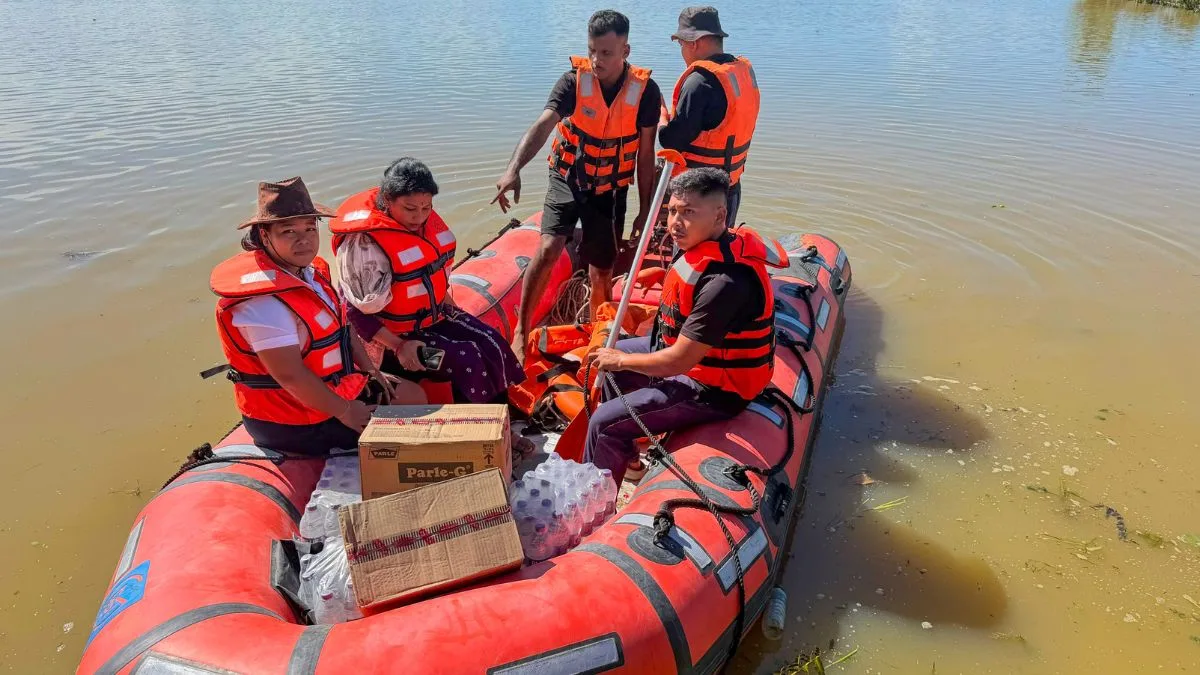
Relief and rescue operations are being carried out by the Indian Army, the Indian Air Force, the National Disaster Response Force (NDRF), the State Disaster Response Force (SDRF), the police and local administration.

NDRF rescues five people in Jorhat

The NDRF also carried out a rescue operation at Seleng Ghat near Seleng Tea Estate under the Teok Revenue Circle in Jorhat district after receiving an alert from the District Disaster Management Authority (DDMA) on July 19.

An NDRF team rescued five people, including a young girl stranded on the roof of her submerged house, a man caught in strong flood currents and three women trapped by rising waters.

The team also evacuated an elderly woman suffering from severe hypothermia after prolonged exposure to floodwater. She was given pre-hospital treatment before being shifted, along with the other rescued people, to a relief centre for further medical care and rehabilitation.

Trump approves US-Saudi nuclear deal allowing uranium enrichment; US firms eye tens of billions in contracts

The proposed 30-year agreement would place American companies at the heart of Saudi Arabia’s civilian nuclear programme, with Congress expected to review the pact in the coming days.

Statesman News Service | New Delhi |

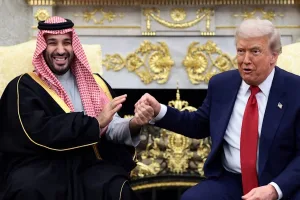
President Donald Trump has approved a landmark nuclear cooperation agreement with Saudi Arabia that could allow uranium enrichment inside the kingdom and pave the way for billions of dollars in contracts for US companies, according to a report by The Wall Street Journal.

The newspaper, citing US officials, reported that Trump signed off on the 30-year agreement late last week. US Energy Secretary Chris Wright and Saudi Energy Minister Prince Abdulaziz bin Salman are expected to formally sign the deal on Wednesday.

If implemented, the agreement would give Saudi Arabia access to a civilian nuclear programme while positioning American firms at the centre of the kingdom’s nuclear infrastructure. The report said the framework is intended to keep rival foreign companies out of the project.

A key provision would allow US companies to build a uranium enrichment facility in Saudi Arabia, but only if a joint American-Saudi study determines such a facility is necessary.

Uranium enrichment is used to produce fuel for civilian nuclear reactors. However, the same technology can also be used to produce weapons-grade material if enriched to much higher levels, making it one of the most sensitive aspects of international nuclear cooperation.

According to the report, Trump administration officials believe direct US participation would give Washington greater oversight of Saudi Arabia’s nuclear programme and reduce the risk of sensitive technology being diverted for military purposes.

The agreement is expected to be sent to the US Congress for review in the coming days, where it could face scrutiny over the transfer of sensitive nuclear technology in the Middle East.

The Journal reported that discussions on the proposed cooperation gained momentum after Wright met his Saudi counterpart during his first overseas visit to the region in April 2025.

The deal is also expected to generate major commercial opportunities for American companies involved in reactor construction, nuclear fuel services and related infrastructure.

Saudi Arabia has been pursuing civilian nuclear energy as part of its broader strategy to diversify its economy beyond oil. The kingdom has said nuclear power would help meet rising domestic electricity demand while allowing more crude oil to be exported.

Intimacy Transformed

India is undergoing a quiet yet consequential transformation ~ one unfolding not in legislatures or courtrooms, but in bedrooms, on smartphones, and across digital platforms where intimacy has become increasingly accessible, negotiable, and transient.

ABHIK ROY | New Delhi |

India is undergoing a quiet yet consequential transformation ~ one unfolding not in legislatures or courtrooms, but in bedrooms, on smartphones, and across digital platforms where intimacy has become increasingly accessible, negotiable, and transient. Sexual freedom, once tightly circumscribed by custom and surveillance, is now far more visible, particularly in urban India. Yet beneath this apparent liberalization lies a growing unease. Something essential feels unsettled.

At the very outset, I want to make it abundantly clear that this is not an argument against sexual freedom, nor an endorsement of sexual promiscuity, but an invitation to think more seriously about what such freedom requires. The question is not whether social norms have changed ~ they clearly have ~ but whether our moral and emotional frameworks have kept pace with that change. When freedom expands faster than reflection, it can generate confusion rather than liberation.

Over the past two decades, urbanization, delayed marriage, rising education, and digital connectivity have reshaped how young Indians encounter intimacy. Dating apps and private online spaces have dismantled older forms of courtship and replaced them with immediacy and choice. Relationships that once unfolded within families and communities now form ~ and dissolve ~ largely in isolation, without shared norms to guide expectation or responsibility. National data confirms that this shift is real and measurable. Multiple rounds of the National Family Health Survey (NFHS) show a steady rise in premarital sexual activity, particularly among urban and educated youth.

While overall prevalence remains lower than in many Western societies, the direction of change is unmistakable. What was once exceptional is increasingly normalized. Yet this transformation is uneven. Patterns differ sharply by region, class, and gender. Urban youth report far higher levels of premarital sexual activity than their rural counterparts. Education and economic mobility correlate strongly with sexual autonomy. Men report higher rates of premarital sex than women, though the gap narrows in metropolitan settings. In some states, women report a higher average number of lifetime partners ~ often reflecting serial relationships rather than casual encounters.

These variations point not to moral collapse, but to uneven social change. Empirical evidence deepens this picture. Data from the National Family Health Survey (2019–21) indicate that approximately 13.5 per cent of unmarried men and 2.8 per cent of unmarried women aged 15–29 report having had premarital sex. While these figures may appear modest, they represent a marked increase over earlier decades. The same data show that about four per cent of men reported sexual relations outside marriage or live-in partnerships in the preceding year, compared with roughly half a per cent of women, highlighting persistent gender asymmetries in both behaviour and consequence.

Digital exposure plays a decisive role in this transformation. Young people with access to mobile phones and the internet are significantly more likely to engage in premarital sex and to use contraception. Technology collapses the distance between curiosity and experience, accelerating intimacy while offering little guidance about responsibility, consent, or emotional care. Research further indicates that exposure to sexually explicit content now begins early for many adolescents, particularly boys, often through personal smartphones. While such exposure increases awareness, it rarely cultivates emotional maturity. Information circulates freely; wisdom does not.

The consequences are increasingly visible. Although awareness of contraception has improved, consistent use remains uneven. A significant number of unmarried young people report unprotected sexual encounters, leading to unintended pregnancies and heightened vulnerability to sexually transmitted infections. For many young women, abortion becomes not a freely chosen option but a response shaped by secrecy, stigma, and limited institutional support. These outcomes are not individual failures; they are systemic ones. Gender further complicates this landscape.

Women today exercise greater autonomy than any previous generation, yet that autonomy remains conditional and fragile. Sexual expression is encouraged rhetorically but policed socially. Men, meanwhile, often grow up with entitlement but little preparation for emotional accountability. Research consistently shows higher rates of multiple partnerships and transactional sexual behavior among men, alongside lower consistency in protective practices. The result is a persistent asymmetry: freedom without safety, desire without responsibility.

What emerges from the data is not moral decay, but moral incoherence. Traditional restraints have weakened, yet no shared ethical framework has replaced them. Young people are left to improvise intimacy in a cultural vacuum ~ armed with access but short on guidance. This is not merely a private concern; it is a public one. The absence of comprehensive, age-appropriate sex education leaves young people vulnerable to misinformation, coercion, and harm. Where education exists, it often limits itself to biology, avoiding discussions of consent, power, emotional intelligence, and mutual respect.

Silence is mistaken for protection, when in reality it deepens risk. Evidence from multiple contexts is clear: comprehensive sex education does not encourage early sexual activity. On the contrary, it delays initiation, reduces harm, and fosters healthier relationships. What it offers is not permissiveness, but preparation. Without it, young people learn about intimacy from peers, pornography, and algorithms ~ sources ill-equipped to teach empathy or responsibility. The cultural tension India now faces is not between tradition and modernity, but between denial and maturity. Sexual norms have already changed; pretending otherwise does not preserve values ~ it abdicates responsibility.

A society that expands freedom without cultivating ethical understanding leaves its young navigating desire without a compass. I recognize that these reflections may make some readers uncomfortable. Conversations about sex rarely sit easily within our public discourse, and discomfort often invites avoidance. Yet discomfort is not a reason for silence. It is a signal that something important is at stake.

To ignore these shifts, or dismiss them as passing aberrations, is to surrender the opportunity to guide them with care. India stands at a threshold. The transformation of intimacy is already underway. What remains undecided is whether we will meet it with seriousness and responsibility ~ or allow it to unfold unguided. The challenge before us is not to retreat from modernity, but to grow into it, with honesty, maturity, and a renewed seriousness about what intimacy demands.

(The writer is Professor Emeritus at Loyola Marymount University, Los Angeles)

Sikkim NHPC tunnel collapse: Death toll rises to 12, up to 15 workers still feared trapped

Rescue teams, including the NDRF, SDRF, Sikkim Police and coal mining experts, continue operations at the collapsed NHPC hydropower tunnel in Namchi as hopes remain focused on locating the remaining workers.

Statesman News Service | New Delhi |

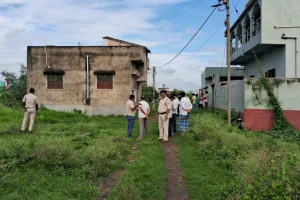
The death toll in the NHPC Teesta Stage-VI hydropower project tunnel collapse in Sikkim’s Namchi district has risen to 12, with 13 to 15 workers still feared trapped as rescue operations continue.

Namchi Superintendent of Police Sonam Dolma said 12 bodies have been recovered so far from the collapsed tunnel.

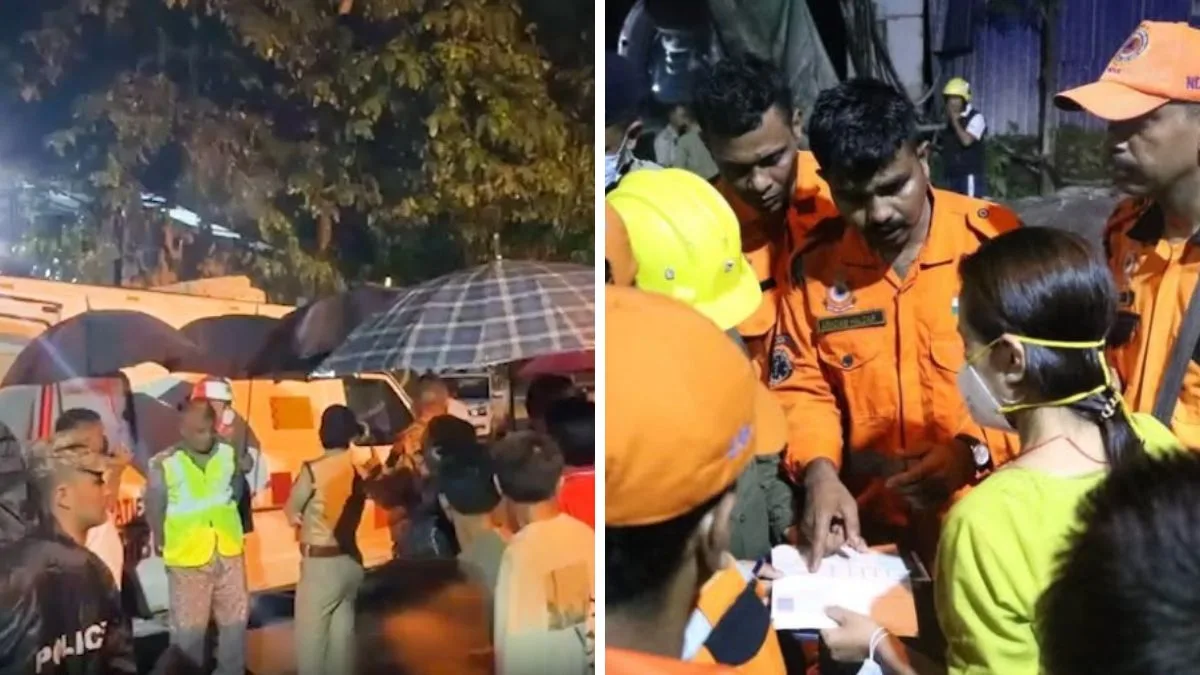
“Till now 12 bodies have been recovered. Thirteen to fifteen are still feared trapped. Rescue operation is still going on. NDRF, SDRF, Sikkim Police, coal mining experts, Fire and Emergency Services are carrying out the operation,” she said.

The tunnel at the under-construction NHPC project in Samardung, Jholungey, caved in earlier this week, trapping workers inside and triggering a large-scale rescue mission.

Multiple agencies, including the National Disaster Response Force (NDRF), State Disaster Response Force (SDRF), Sikkim Police, Fire and Emergency Services and specialised mining experts, have been working to reach those believed to be trapped under the debris.

On Tuesday, Prime Minister Narendra Modi spoke to Sikkim Chief Minister Prem Singh Tamang and assured the state government of all possible assistance from the Centre for the rescue operation and relief measures.

According to the Sikkim government, the Prime Minister reviewed the ongoing rescue efforts and expressed concern over the tragedy, while Chief Minister Tamang thanked him for the Centre’s support.

The Chief Minister has said the state government is closely monitoring the rescue mission and has directed all departments concerned to expedite operations while ensuring support for the affected families.

The state government has announced an ex gratia of Rs 4 lakh for the next of kin of each deceased worker and Rs 50,000 for every injured person in line with disaster relief norms.

According to NHPC, the collapse is suspected to have been triggered after a pocket of methane gas trapped within rock formations suddenly burst, causing an explosion that filled the tunnel with dense fumes and toxic gases, making rescue operations more difficult.

US puts Iran war cost at $37.5 billion; Hegseth alleges Russia and China are aiding Tehran

The Pentagon told lawmakers the conflict has already cost $37.5 billion and warned of readiness shortfalls without additional funding, while also alleging Russia and China are enabling Iran’s military operations.

Statesman News Service | New Delhi |

The United States estimates that its military campaign against Iran has cost $37.5 billion so far, Defence Secretary Pete Hegseth told lawmakers on Tuesday, as the Trump administration pressed Congress to approve an $87.6 billion emergency funding package for defence and ongoing operations.

Appearing before the Senate Appropriations Committee alongside Chairman of the Joint Chiefs of Staff General Dan Caine, Hegseth said the estimate covered both spending already incurred and projected costs through September 30, including military pay, operations and maintenance.

“The estimate we have as of today is $37.5 billion,” Hegseth said in response to questions from Democratic Senator Richard Durbin.

The administration is seeking nearly $67 billion for the military as part of the supplemental request. According to Hegseth, the proposal includes $21 billion for military readiness, covering troop pay, fuel, equipment replacement, National Guard support and forward deployments. Another $46 billion is earmarked for expanding munitions production and accelerating programmes involving hypersonic weapons, counter-drone systems and satellites.

He warned that failure to approve the request could affect military preparedness.

“Without these funds, we face critical shortfalls that threaten our ability to also simply pay our service members, rapidly replenish equipment and munitions, and sustain vital operations without disruption,” Hegseth said.

Democrats question funding request

Democratic lawmakers questioned the need for fresh funding, noting that the Pentagon still has about $75 billion in unobligated funds from an earlier package.

Senator Patty Murray criticised provisions in the supplemental request, pointing to allocations for US Southern Command, National Guard deployments in Washington and continued operations along the southern border.

“The American people want to see a quick and strategic end to this war, not $70 billion of their tax dollars sent to keep it going,” Murray said.

Lawmakers also debated whether the administration had the legal authority to continue military operations beyond the timeframe set out in the War Powers Resolution. Hegseth maintained that the White House believed President Donald Trump retained the necessary constitutional authority.

General Dan Caine declined to discuss whether the United States was considering deploying ground forces, saying military planners routinely prepare multiple operational options.

Hegseth alleges Russia and China aiding Iran

During the hearing, Hegseth also claimed that Russia and China were helping Iran, though he declined to describe the nature or extent of the assistance.

“There are ways in which both of those countries are, at different levels, enabling some of the things Iran is doing. Yes,” he said after being questioned by Republican Senator John Hoeven.

General Caine also declined to elaborate, saying discussing intelligence publicly could reveal sensitive information.

US says blockade reimposed

Hegseth said US forces had carried out strikes against Iranian targets for a 10th consecutive evening after Tehran allegedly resumed attacks on commercial shipping in the Strait of Hormuz.

He said the United States had reimposed what he described as an “effectively impenetrable” blockade against Iran and was targeting Tehran’s ability to monitor activity around the strategic waterway.

“Our blockade has been reimposed and is effectively impenetrable,” Hegseth said, adding that recent operations had reduced Iran’s ability to operate in the Strait of Hormuz.

He also claimed Iran was at its weakest military position in decades after repeated US strikes on missile infrastructure and other military assets, while acknowledging that Tehran still retained capabilities including fast attack boats, coastal missiles and naval mines.

The defence secretary described the administration’s broader $1.5 trillion defence budget proposal as a “generational investment” designed to strengthen deterrence against adversaries including Russia and China.

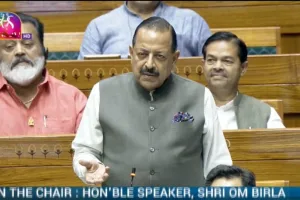
JP Nadda, Jitendra Singh visit Sonam Wangchuk at Medanta as activist continues fast: Report

The visit came hours after the Delhi High Court ordered Wangchuk’s transfer from Safdarjung Hospital to a private facility in Gurugram under specialised medical supervision.

Statesman News Service | New Delhi |

Union Health Minister Jagat Prakash Nadda and Minister of State in the Prime Minister’s Office Jitendra Singh visited Medanta Hospital in Gurugram on Tuesday night to enquire about the health of activist Sonam Wangchuk, news agency ANI mentioned sources as saying.

The visit came after the Delhi High Court ordered Wangchuk’s transfer from Safdarjung Hospital to Medanta earlier in the day while he continued his indefinite hunger strike.

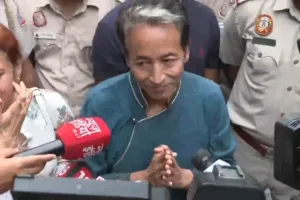
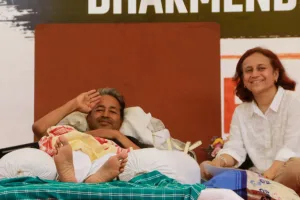
Wangchuk, who has been on a fast since June 28, remained on hunger strike despite the hospital shift. His wife, Gitanjali Angmo, said he would continue the fast in solidarity with students who were allegedly injured during the police action during Monday’s protest in Delhi.

The transfer followed a petition filed by Angmo before the Delhi High Court.

A Division Bench of Chief Justice Devendra Kumar Upadhyaya and Justice Tejas Karia directed Wangchuk’s immediate transfer after Solicitor General Tushar Mehta informed the court that the Centre had no objection to the move.

The court also directed Medanta Hospital to constitute a specialised medical team to oversee Wangchuk’s treatment. It instructed the activist to follow the medical advice prescribed by doctors while remaining under continuous medical supervision.

Meanwhile, protests in support of Wangchuk resumed at Jantar Mantar on Tuesday.

More than 5,000 protesters gathered at the site a day after clashes between demonstrators and Delhi Police during the ‘Sansad Chalo’ march towards Parliament.

The Cockroach Janata Party (CJP), which is leading the agitation, said the protest would continue indefinitely but announced that no further marches towards Parliament would be organised. The party alleged that protesters were subjected to excessive police force during Monday’s demonstration.

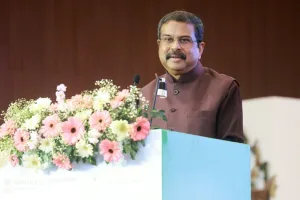
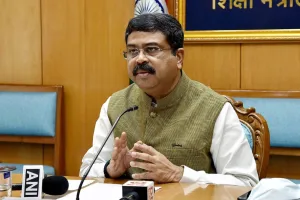
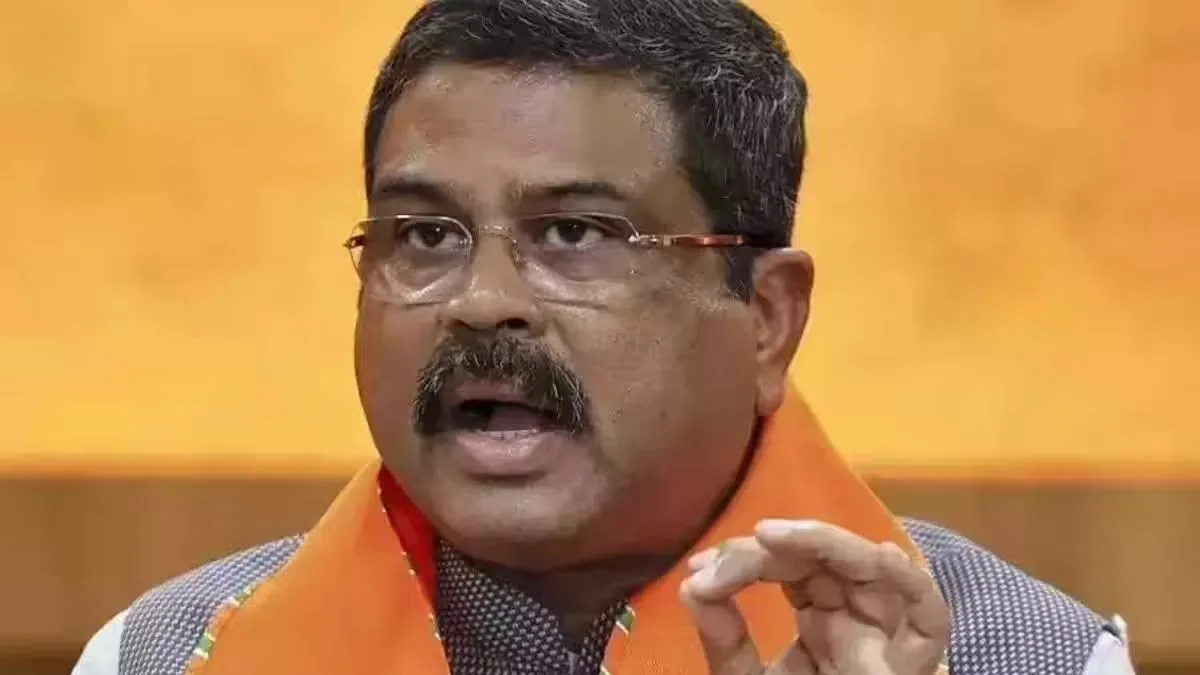
‘Owe students answers, reforms and accountability’: Dharmendra Pradhan’s first reaction to CJP protest

Pradhan slammed Rahul Gandhi for his dharna outside the PM house over the alleged police brutality against students during yesterday’s Parliament march.

Statesman News Service | New Delhi |

In his first reaction to the ongoing protests demanding his resignation, Union Education Minister Dharmendra Pradhan on Tuesday accused Leader of the Opposition Rahul Gandhi of “exploiting” students as political tools to disrupt Parliament proceedings during the Monsoon Session.

In a lengthy social media post that came a day after thousands of students attempted to march towards Parliament demanding his resignation over alleged paper leaks and student suicides, Pradhan didn’t mention the massive Cockroach Janta Party protest at Jantar Mantar.

He, however, slammed Rahul Gandhi for his dharna outside the PM’s house over the alleged police brutality against students during yesterday’s Parliament march.

“Shri @RahulGandhi and @INCIndia chose to stage a dharna outside the Hon’ble Prime Minister’s residence, causing inconvenience to the public and disregarding established security protocols,”

“LoP Shri @RahulGandhi and @INCIndia continue to shamelessly exploit students as political tools to manufacture disruption during the Monsoon Session of Parliament. Shri @RahulGandhi and @INCIndia chose to stage a dharna outside the Hon’ble Prime Minister’s residence , causing inconvenience to the public and disregarding established security protocols,” Pradhan said.

Pradhan said that the Congress chose “political spectacle over democratic debate” even after the government conveyed its readiness for a comprehensive discussion on the issue. “Their objective was never solutions for students, it was disruption for political headlines.”

He further remarked that Rahul Gandhi is not concerned about students. For the Congress leader, Pradhan said, “this is about manufacturing confrontation after every genuine avenue for discussion has been opened.”

The education minister reiterated that the government is committed to discussing NEET and addressing every genuine concern of the youth on the floor of the House.

“The students of India deserve far better than being treated as props in a political campaign. They deserve certainty over chaos, solutions over slogans and responsibility over disruption,” he said.

Pradhan said that the students deserve more than outrage. “We owe them answers, reforms and accountability. That is exactly what our government remains committed to delivering.”

‘Need to win students’ trust’: 5 things PM Modi has said about NEET

While defending the government’s swift action in the case, the PM stressed the need to “win the trust of the youth.”

Statesman News Service | New Delhi |

A day after thousands of students attempted to march towards Parliament, Prime Minister Narendra Modi on Tuesday called for the strictest action against those responsible for examination paper leaks.

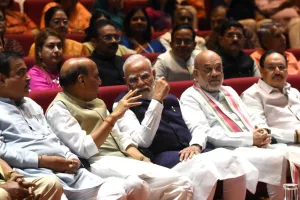
Addressing the NDA Parliamentery Party meeting, the Prime Minister said those arrested in the NEET-UG paper leak case should face the toughest possible punishment.

While defending the government’s swift action in the case, the PM also stressed the need to “win the trust of the youth.”

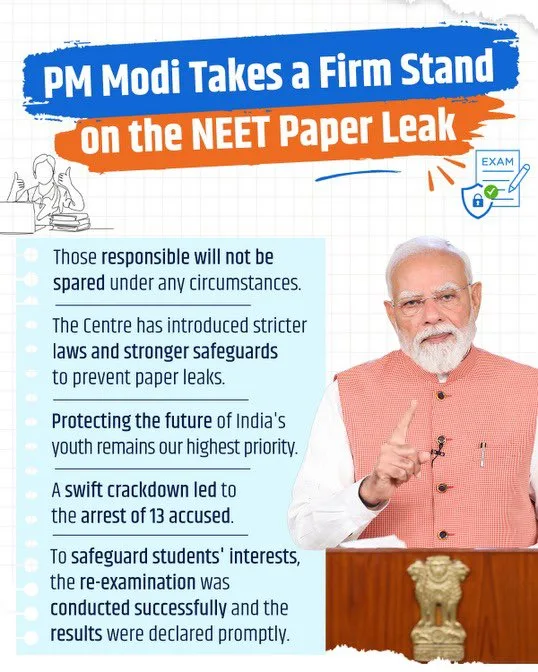
What PM Modi has said about the NEET issue

  • Those responsible will not be spared under any circumstances.
  • The Centre has introduced stricter laws and stronger safeguards to prevent paper leaks.
  • Protecting the future of India’s youth remains our highest priority.
  • A swift crackdown led to the arrest of 13 accused.
  • To safeguard students’ interests, the re-examination was conducted successfully and the results were declared promptly.

According to sources, PM Modi also said that no injustice should be done to students. “It is easy to mislead the youth but difficult to show them the right path,” he was quoted as saying.

The Prime Minister also remarked that “some have ganged up to mislead them,” in an apparent reference to Opposition parties.