Logo

Cockroach Janata Party seeks permission from police to hold rally in Kolkata

The email was sent by a member of the Cockroach Janata Party to the Joint Commissioner of Police (Headquarters) and the Additional Commissioner of Police (Crime).

Statesman News Service | Kolkata |

The ‘Cockroach Janata Party’ (CJP) has sought permission from the Kolkata Police headquarters to hold a rally in Kolkata. An email requesting permission for the rally, scheduled for next Friday, has been received by the Kolkata Police, sources said.

The email was sent by a member of the Cockroach Janata Party to the Joint Commissioner of Police (Headquarters) and the Additional Commissioner of Police (Crime).

Police have identified the sender as Dedipya Gangopadhyay, who claims to be a member of the party. The email states that the rally is scheduled for July 24 at 4 pm and informs the police that approximately 1,500 people are expected to participate in the protest march.

However, the police are currently scrutinising the email and have tasked the Cyber ​​Cell with the job to find out whether the outfit had actually sent the letter or if the matter is a hoax.

“An email was received on the 19th, but the request contained within it was rejected by Lalbazar. Another email arrived on the 21st, requesting permission for a CJP rally from College Street to Rani Rashmoni Avenue on the 24th,” a senior Kolkata Police official stated.

Kolkata Police headquarters have declined to comment on whether permission for the rally will be granted, as the matter regarding the email is currently under investigation.

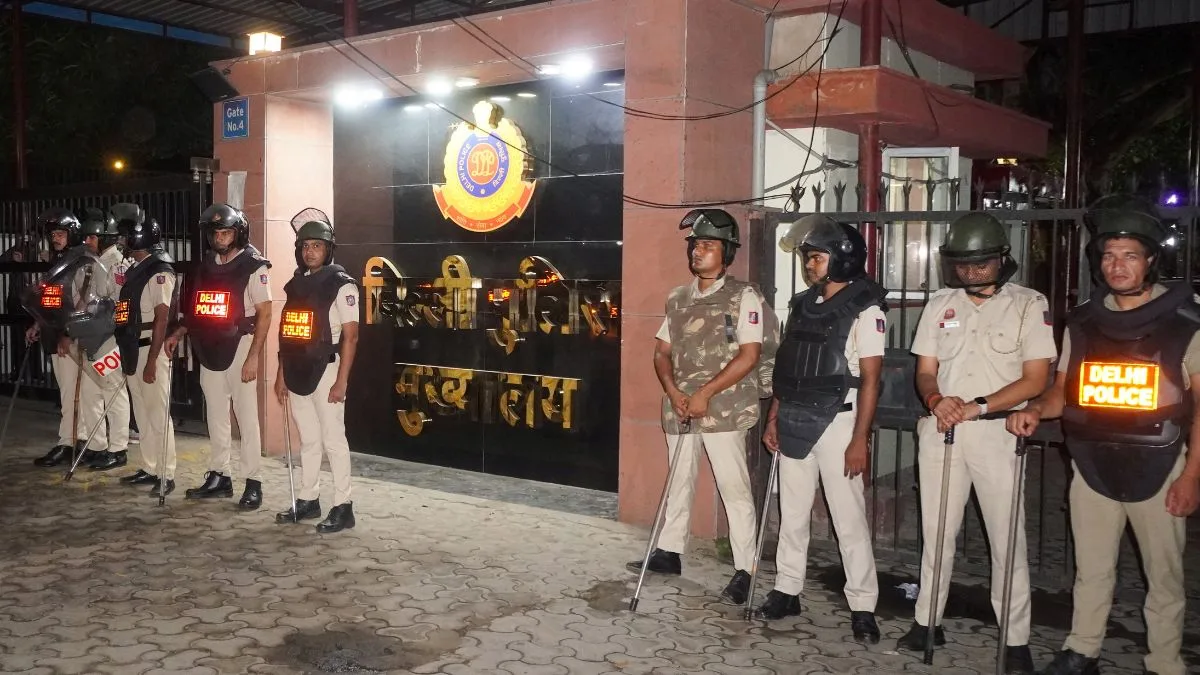
Meanwhile, the Kolkata Police are taking strict precautions to prevent any untoward incident similar to those that unfolded in Delhi, prompting all departments of the Kolkata police force to be alert.

Officials have warned that no leniency will be shown to anyone attempting to create chaos by organising a rally without permission.

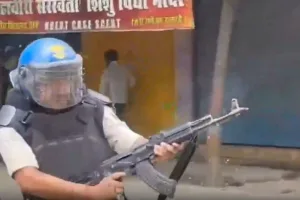
Recently, a protest by the Cockroach Janata Party in Delhi led to a violent clash betwen police and those partipating in the rally.

Originating at Jantar Mantar in New Delhi, the movement has now spread across the country. Following the events in Delhi, the CJP is reportedly planning to call for similar such protest in other cities as well.

Government-Opposition relations at nadir; no end in sight to Parliament impasse

The question is not whether both sides want Parliament to function, but when they decide that the political benefits of compromise outweigh those of confrontation, say observers.

Vibha Sharma | New Delhi |

With Government-Opposition relations at their nadir, the fourth day of the Monsoon Session of Parliament on Thursday witnessed repeat confrontations over the NEET-UG paper leak and students protest, with no apparent breakthrough in sight to end the continuing impasse in the two Houses–the Lok Sabha and the Rajya Sabha.

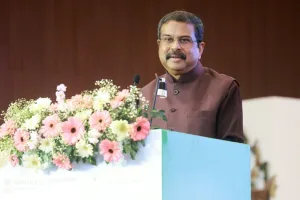
The Opposition remained firm on its demand for the resignation of Union Education Minister Dharmendra Pradhan before any discussion on the paper leaks. The government, meanwhile, reiterated its willingness to hold a detailed debate without the Opposition’s precondition.

Parliamentary Affairs Minister Kiren Rijiju insisted that the Centre was ready for a discussion in both Houses. “The government is ready to discuss NEET in both Houses today, but the Congress has imposed conditions, which shows it does not want the discussion to take place,” Rijiju said.

Leader of the Opposition in the Rajya Sabha Mallikarjun Kharge rejected the offer, reiterating the demand for Pradhan’s resignation. He also criticised Prime Minister Narendra Modi’s announcement on setting up fast-track courts for paper leak cases and asked the government to first fix accountability.

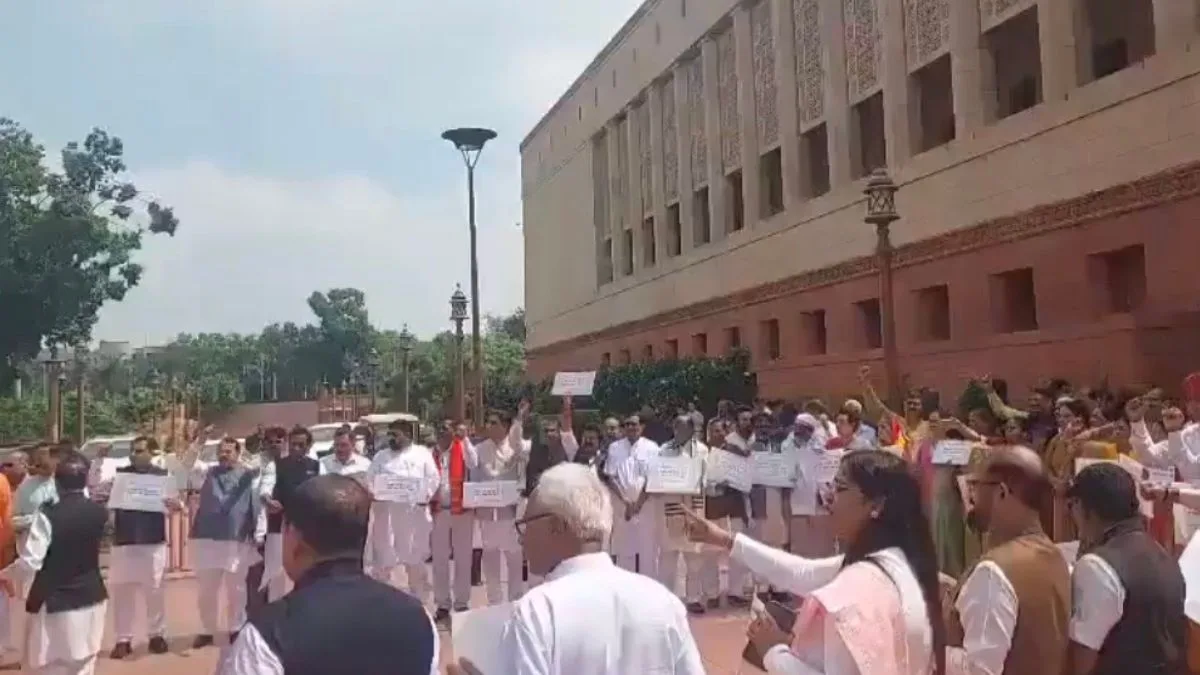
As the standoff continued inside, MPs from both the ruling NDA and the Opposition staged counter-protests outside Parliament near the Makar Dwar, raising slogans against each other, adding to the growing hostilities between the treasury benches and the opposition.

While NDA members accused the Opposition of avoiding a debate on the issue, Opposition leaders maintain that the government could have initiated discussions on the very first day of the session had it been sincere. Sources, meanwhile, said the government’s efforts to engage the Opposition without agreeing to its key demand for the Education Minister’s resignation are unlikely to yield a breakthrough.

Parliament has remained largely non-functional since the session began on July 20, with repeated adjournments and without any substantive legislative business.

By insisting on Pradhan’s resignation before any discussion, observers say the Opposition is trying to establish political accountability first. If it agrees to a debate without that pre-condition, it risks appearing to have diluted its demand. While giving it a tangible political issue to corner the BJP-led NDA, disruptions will also keep the issue in the news and allow it to portray the government as unwilling to accept responsibility.

Cockroach Janta Party founder Abhijeet Dipke too has announced that the protest will continue till Pradhan resigns.

The government says it is willing to debate the issue and that solutions will emerge only from discussions. But BJP sources reject the pre-condition of Pradhan’s resignation, saying that accepting such a demand may be perceived as admitting culpability and set a precedent encouraging future Opposition demands for resignations before parliamentary debates.

With no consensus emerging, observers say that the key question is not whether both sides want Parliament to function but when they decide that political benefits of compromise outweigh those of confrontation.

“That calculation will determine when the parliamentary deadlock ends,” they said, adding that behind-the-scenes talks between floor leaders may produce a formula. For instance, the government could agree to a debate under the rule acceptable to the Opposition, while they could participate without securing Pradhan’s immediate resignation.

Delhi Police junks claims linking Commissioner’s NSA powers renewal to CJP protests

Delhi Police said the order in question was part of the standard administrative process under which the Commissioner’s powers under the NSA are renewed every three months.

Statesman News Service | New Delhi |

Delhi Police on Thursday dismissed media reports which claim that the Commissioner of Police had been granted detention powers under the National Security Act (NSA) to deal with the ongoing CJP protests, saying the order being circulated was a “routine quarterly renewal” issued before the protests began.

In a clarification posted on its official X account, Delhi Police said the order in question was part of the standard administrative process under which the Commissioner’s powers under the NSA are renewed every three months.

“The current renewal order was issued on July 7 for the period from July 19 to October 18, predating the commencement of the CJP protests,” the police said.

It also clarified that no special request or fresh order had been initiated in connection with the recent demonstrations.

The clarification came after media reports and social media posts emerged online claiming that the Delhi Police Commissioner had been specifically empowered under the National Security Act (NSA) to detain protesters participating in the ongoing CJP agitation. The posts circulating carried an official order issued by the Delhi Home Department on July 15 and approved by the Lieutenant Governor.

Rejecting the claims as misleading, Delhi Police said the renewal had been “misinterpreted out of context” and should not be construed as being linked to the protests.

“It has come to notice that misleading information is being circulated on social media claiming that the Commissioner of Police, Delhi, has been granted detention powers under the National Security Act (NSA) specifically to suppress the ongoing CJP protests,” the post said.

The police urged citizens not to believe or circulate unverified information and advised them to rely only on official sources for authentic updates.

The clarification comes amid heightened security arrangements in the national capital following the CJP-led protests, which have witnessed clashes between demonstrators and police over the past few days.

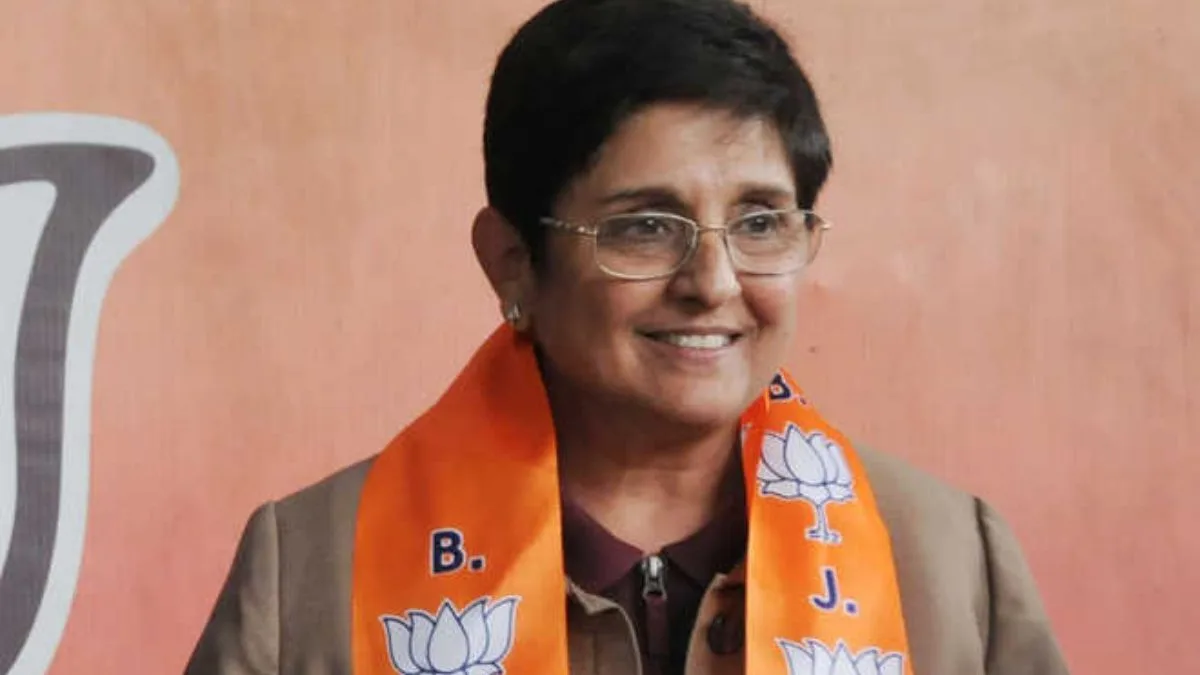
Former Delhi ace cop and BJP leader Kiran Bedi suggests multi-layered way to ‘handle’ Jantar Mantar-like student protests

She wants trained Civil Defence personnel to form the first line of response, with riot police staying back unless the situation demands it.

Statesman News Service | New Delhi |

Former IPS officer and Bharatiya Janata Party (BJP) leader Kiran Bedi has put forward a new idea to handle student protests. She shared her thoughts on X, tagging Home Minister Amit Shah, the PMO, and Delhi Police. Her suggestion comes at a time when student agitations have again become a talking point across the country.

She was one of the key leaders of the 2011 Indian anti-corruption movement led by Anna Hazare, and joined the BJP in January 2015. She unsuccessfully contested the 2015 Delhi Assembly election as the party’s chief minister candidate.

What Bedi proposed

Bedi said governments should look at using trained Civil Defence personnel as the first line of response during student protests. Riot police, in her view, should stay back and only step in if needed.

She explained that this would help avoid direct clashes between students and armed police. According to her post, Civil Defence teams could stand at the front while riot police watch from a distance. Their job would be to protect the Civil Defence staff, not confront the students first.

Bedi compared this idea to how the Border Security Force works on India’s borders. The BSF is usually the first line of defence before the Army gets involved. She feels the same model can work for handling student unrest.

Under this plan, riot police would move in only if the Civil Defence line is overrun or its personnel come under serious threat. Bedi said that armed police should act only to save life and property, and that any such action would need proper justification.

She pointed out that every Indian state already has a Civil Defence and Home Guards department. These departments have young men and women on their payrolls. Bedi believes this existing workforce can be trained again and turned into the front line for student agitations.

Equipment without weapons

Bedi’s post also touched on what protection the Civil Defence personnel should carry. She suggested cane shields to guard against stones and brick bats, along with body armour and helmets. She was firm that they should not carry sticks.

If the Civil Defence line has no weapons, the responsibility shifts to the protesting students. They would need to avoid provoking a situation that brings in armed riot police.

One more point Bedi raised was about accountability. She said the Civil Defence personnel would end up becoming witnesses to what happens on the ground. This, she argued, could help reduce the usual back and forth of allegations and counter allegations that follow such protests.

ED files prosecution complaint against Ajay Sehgal in ₹348 crore money laundering case

The agency alleged that Ajay Sehgal, Secretary of the Indian Co-operative House Building Society Ltd., obtained CLU approval for 108.58 acres of agricultural land by submitting forged consent letters to the Department of Town and Country Planning.

Neeraj Bali | Chandigarh |

The Enforcement Directorate (ED) has filed a prosecution complaint before the Special Court (PMLA), Mohali, against Ajay Sehgal, alleging his involvement in a money laundering case linked to the fraudulent procurement of Change of Land Use (CLU) approvals through forged consent letters.

According to an official statement issued by the ED’s Jalandhar Zonal Office, the prosecution complaint was filed on July 20 under the Prevention of Money Laundering Act (PMLA), 2002, following an investigation initiated based on an FIR registered by the Punjab Police against Sehgal and other accused persons.

The agency alleged that Ajay Sehgal, Secretary of the Indian Co-operative House Building Society Ltd., obtained CLU approval for 108.58 acres of agricultural land by submitting forged consent letters to the Department of Town and Country Planning. Based on the allegedly forged documents, GMADA granted a licence for the development of the ‘SUNTEC City’ project, while RERA registration for the project was also secured based on the same documents, the ED said.

The investigation further alleged that Sehgal failed to transfer land reserved for the Economically Weaker Sections (EWS) to the Estate Officer, GMADA, as required under the licence conditions. The ED also claimed that residential units were sold even before obtaining RERA registration and that possession was handed over without securing the mandatory completion certificates. It further alleged that the project was developed without the prescribed solid waste management area required under the approved building plan.

According to the ED, the development rights and sale rights of the project were subsequently transferred to ABS Township Pvt. Ltd., whose directors, ‘Sanjay Sehgal and Anil Sehgal’, are brothers of Ajay Sehgal. The agency alleged that the company later obtained RERA registration for the ‘La Canela Phase-I’ and ‘District 71 projects and generated proceeds of crime through the sale of units. It further alleged that residential units in ‘La Canela Phase-II’ were also sold without obtaining the required RERA approval.

The ED said its investigation found that GMADA had started receiving complaints regarding the alleged use of forged consent letters in 2020. However, it alleged that no action was taken at the time, allowing the accused to continue selling residential and commercial units in a project whose approvals had allegedly been obtained illegally. The agency further alleged that CLU for an additional 14.59 acres was granted after altering the original approved layout without following the procedure prescribed under the RERA Act. Although part of the CLU was later revoked under the Punjab Regional and Town Planning and Development Act, the accused allegedly continued to generate proceeds of crime.

The agency said searches conducted in May and June 2026 at multiple premises and lockers linked to the accused resulted in the seizure of incriminating documents, digital devices and unaccounted cash amounting to ₹30.98 lakh. During the investigation, the ED identified Ajay Sehgal as the alleged mastermind behind the generation and concealment of the proceeds of crime. He was arrested on May 22, 2026, under the provisions of the PMLA.

According to the ED, the alleged proceeds of crime have been quantified at approximately ₹348 crore, comprising ₹212.58 crore from the sale of residential units and an estimated unsold inventory worth ₹135.41 crore. The agency alleged that the accused knowingly generated, acquired, possessed, concealed and utilised proceeds of crime arising from fraudulent CLU approvals, illegal project permissions and fraudulent RERA registration.

The ED said further investigation into the case is continuing.

‘If I can’t speak, no one will’: Kunal Ghosh challenges Speaker in Bengal Assembly

The Speaker declined, saying there would be no discussion on the matter and describing the previous day’s developments as “a blot” on the Assembly.

Statesman News Service | Kolkata |

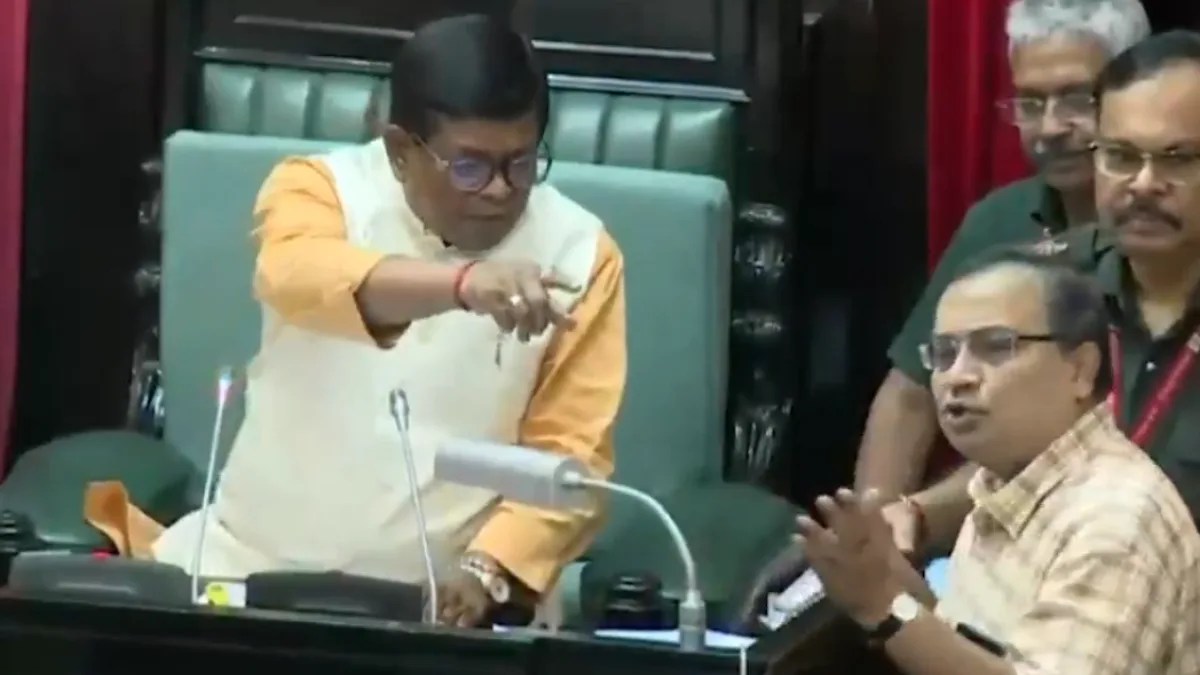
Trinamool Congress MLA Kunal Ghosh locked horns with Speaker Rathindra Bose again on Thursday over his remarks on Wednesday’s dramatic events.

The second day of the Monsoon Session turned stormy shortly after proceedings began when senior Trinamool MLA Sobhandeb Chattopadhyay sought to raise Wednesday’s incident.

The Speaker declined, saying there would be no discussion on the matter and describing the previous day’s developments as “a blot” on the Assembly.

The remark immediately drew objections from MLAs identified with the Kalighat camp of the Trinamool Congress. Ghosh walked up to the Speaker’s chair and questioned his use of the term, asking why the previous day’s events had been described as “a blot”.

The Speaker repeatedly directed Ghosh to return to his seat, but the MLA continued pressing his point for some time. Marshals moved closer to him as the situation became tense, although unlike Wednesday, they were not required to escort him out of the House.

Ghosh eventually returned to his seat but was seen rising on several occasions later during the proceedings. The House also witnessed exchanges between Trinamool and BJP legislators, with Ghosh and BJP MLA Ritesh Tiwari engaging in a heated verbal duel.

According to Assembly sources, Ghosh also conveyed to Opposition chief whip Akhruzzaman that if he was not allowed to speak during debates, he would not allow others to do so either.

Thursday’s confrontation came a day after unprecedented scenes in the Assembly. On Wednesday, Ghosh was suspended for the remainder of the day’s proceedings after disrupting the speech of Opposition chief whip Akhruzzaman.

Marshals had physically removed him from the House following repeated appeals by the Speaker to return to his seat. Despite the sharp exchanges over the past two days, Thursday also witnessed signs of reconciliation. According to Assembly sources, Ghosh himself approached Akhruzzaman and clarified that he harboured no personal resentment against him.

“I have no anger against you. Please do not misunderstand me. I only want to be allowed to speak,” Ghosh reportedly told the Opposition chief whip. Akhruzzaman, in a lighter vein, is learnt to have replied, “My leader is Bobby da. Instead of being upset with me, speak to Bobby da.”

The exchange reportedly drew smiles from legislators present nearby. Senior Trinamool leaders, including Firhad Hakim, Sobhandeb Chattopadhyay and former Assembly Speaker Biman Banerjee, were also present during the interaction, with sources indicating that efforts were made to ease the unease created by Wednesday’s confrontation.

The controversy stems from Ghosh’s allegation that although his name had been included in the list of speakers during the discussion on the Home and Hill Affairs Department’s budget, it was subsequently removed by Opposition chief whip Akhruzzaman.

Protesting the decision, Ghosh had walked up to the Opposition benches on Wednesday and stood in front of Akhruzzaman’s microphone as he began speaking, triggering chaotic scenes that ultimately led to his suspension and forcible removal from the Assembly.

Haryana has the second-largest operational high-speed corridor network: Centre

According to data tabled in Parliament, the Centre has awarded 10,389 km of National High-Speed Corridors and Greenfield Expressways across the country.

Neeraj Bali | Chandigarh |

Haryana has the country’s second-largest operational National High-Speed Corridor network after Rajasthan, with 615 km of corridors completed and another 223 km under construction, the Centre informed the Lok Sabha on Thursday.

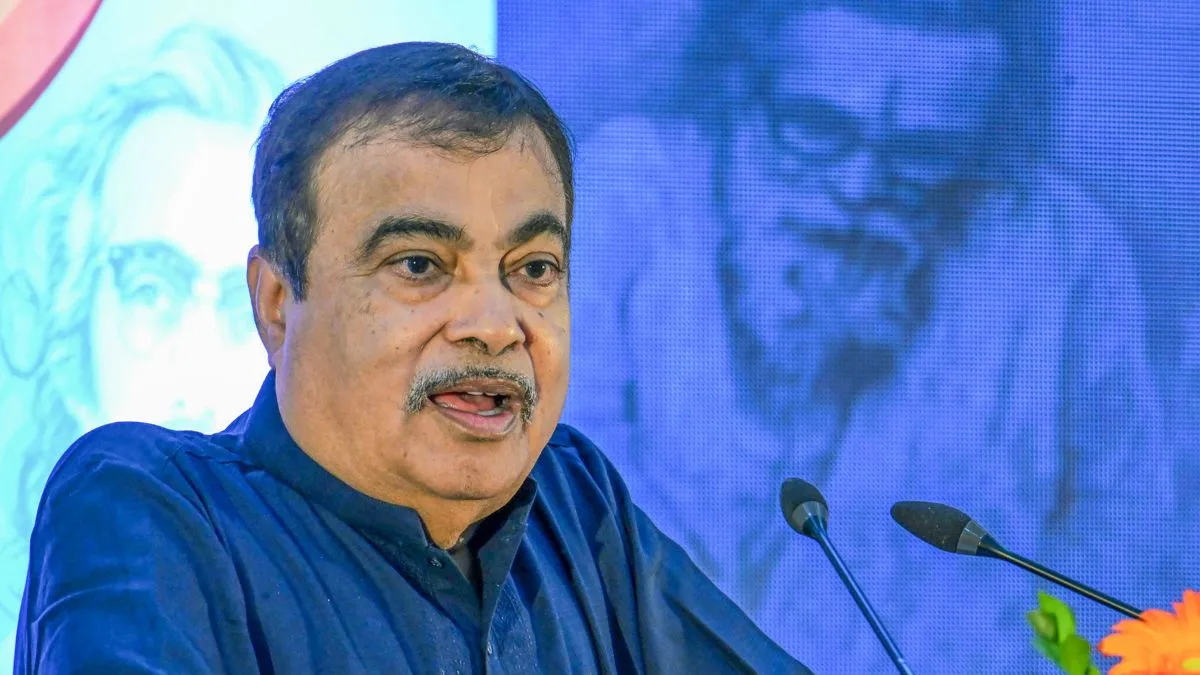
Replying to a starred question, Union Road Transport and Highways Minister Nitin Gadkari said Haryana has been awarded a total of 839 km of National High-Speed Corridor and Expressway projects under the Centre’s highway development programme.

According to data tabled in Parliament, the Centre has awarded 10,389 km of National High-Speed Corridors and Greenfield Expressways across the country. Of this, 4,809 km has been completed, while work is underway on the remaining 5,580 km.

The state-wise figures place Rajasthan at the top with 1,192 km of completed high-speed corridors, followed by Haryana with 615 km and Gujarat with 605 km. Uttar Pradesh and Madhya Pradesh have completed 388 km and 372 km, respectively.

Gadkari informed the House that highway projects are being monitored at the project, state and central levels through regular reviews involving state governments and other stakeholders. He said digital platforms such as the Project Monitoring Group (PMG) portal are being used to identify and resolve implementation bottlenecks.

The Minister said the government has also introduced measures to speed up project execution, including faster land acquisition through the Bhoomirashi portal, GIS-based planning, streamlined environmental clearances via the revamped Parivesh portal and online approvals for railway bridge designs to reduce delays.

The parliamentary reply further showed that Punjab currently has the highest length of National High-Speed Corridors under construction at 774 km, followed by Bihar, Andhra Pradesh, Uttar Pradesh and Telangana. In terms of total projects awarded, Rajasthan leads with 1,340 km, while Punjab ranks second with 923 km and Haryana fifth with 839 km.

The Centre also informed Parliament that another 1,022 km of approved National High-Speed Corridor projects across several states are yet to be awarded. It said highway development remains an ongoing process, with new projects being approved on the basis of traffic demand, technical feasibility and infrastructure priorities, alongside reforms aimed at ensuring faster execution.

Clashes erupt within Jantar Mantar agitators, CJP gets into fight with Nihang Sikhs

The situation was quickly normalised and both groups were separated.

Statesman News Service | New Delhi |

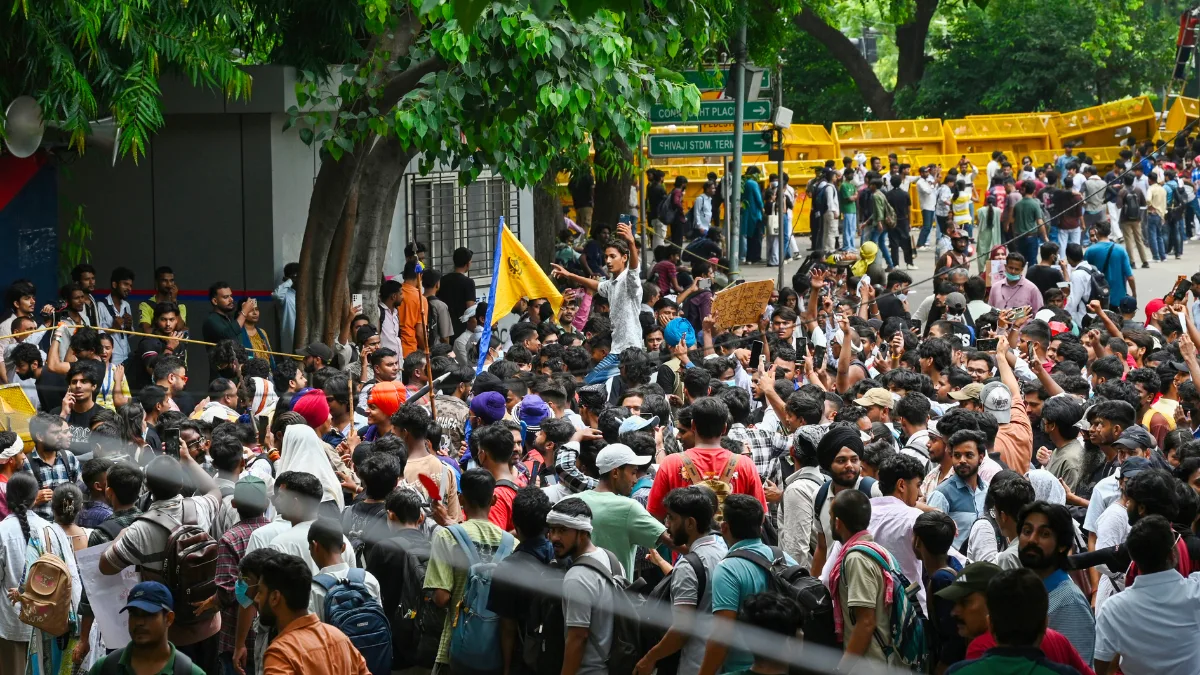
A group of Nihang Sikhs and student protesters clashed with each other on Thursday during the ongoing Cockroach Janta Party-led students’ protest at Jantar Mantar in New Delhi.

While what triggered the clashes among the agitators was not immediately clear, a purported video shared by a news agency shows a group of Nihang Sikhs in an argument with the protesters.

A Nihang is also seen holding one of the protesters by the collar as others tried to calm things down.

The situation was quickly brought under control and both groups were separated.

This comes amid CJP claims that people affiliated with the ruling BJP may have infiltrated the protest to discredit it by resorting to violence.

“People are being sent from outside to deliberately disrupt the protest. We have been sitting here for a month. No such incident has happened in a month. But now, as this protest has grown, goons are being sent from outside by the BJP to deliberately incite people,” Dipke said after some protesters allegedly attacked the police on Wednesday evening.

“These are the people from the BJP who are pelting stones. The police bring trucks of stones here. BJP goons come, they pelt stones and then defame the people of CJP…,” the CJP founder added.

Punjab pharmacy exam scam: Amid pressure from Opposition, AAP minister Harjot Singh Bains offers to resign

The state minister said that the alleged irregularities had not been uncovered by the Opposition, but by the government itself.

Neeraj Bali | Chandigarh |

Punjab Education Minister Harjot Singh Bains on Thursday, July 23, said he was prepared to resign if doing so would help improve the state’s education and examination system, rejecting Opposition allegations that the Aam Aadmi Party (AAP) government had failed to ensure transparency after reports of malpractice in a pharmacy recruitment examination.

His remarks came after the the Bharatiya Janata Party (BJP), Congress and the Shiromani Akali Dal (SAD) demanded accountability from the Bhagwant Mann-led government over alleged cheating in the examination and recent incidents involving police action against protesting employees.

Responding to the criticism, Bains asserted that the alleged irregularities had not been uncovered by the Opposition, but by the government itself. He said the administration had acted immediately after detecting the violations and initiated action against those involved instead of attempting to suppress the matter.

“The irregularities in the pharmacy examination were identified by our own government and administration. We have adopted a zero-tolerance policy against corruption, paper leaks and cheating. If my resignation can contribute to making Punjab’s education and examination system stronger, I am ready to step down today itself,” Bains said.

The minister also dismissed the political attacks over the issue, saying public office was never his personal priority. He remarked that he had entered politics independently in 2011 and was prepared to face political challenges on his own if required.

The controversy relates to a pharmacy recruitment examination conducted for appointments in Punjab’s Health Department. The examination was organised by Baba Farid University of Health Sciences, while the Health and Medical Education portfolios are held by Cabinet Minister Dr Balbir Singh. Even so, Bains chose to publicly offer his resignation, saying he was willing to accept responsibility if it helped restore public confidence in the system.

The issue has intensified the ongoing confrontation between the ruling AAP government and the opposition, which has also criticised the state over police action against employees and workers holding demonstrations on various demands.

Leader of Opposition Partap Singh Bajwa alleged that repeated controversies surrounding recruitment examinations were undermining the future of young aspirants. He called upon Chief Minister Bhagwant Mann and the ministers concerned to accept moral responsibility and resign.

Punjab Congress president Amarinder Singh Raja Warring accused the government of failing to fulfil its promises of transparent recruitment and employment generation, alleging that candidates were losing faith in the fairness of the examination process while protesters demanding their rights were facing police action.

Shiromani Akali Dal president Sukhbir Singh Badal questioned the government’s claims of good governance, alleging that the law-and-order situation had weakened and that peaceful demonstrators, including teachers and employees, were being dealt with through force rather than dialogue.

Former Punjab BJP president Sunil Jakhar demanded an independent probe into the alleged examination malpractice and sought accountability from those responsible, while Punjab BJP president Kewal Singh Dhillon alleged that large-scale cheating had taken place and criticised the government’s handling of protests by employees and sanitation workers.

Defending the government’s record, Bains said the present administration had adopted a different approach from previous governments by exposing examination-related irregularities instead of concealing them. He maintained that every complaint was being thoroughly investigated and that strict action would continue against anyone found guilty of compromising the integrity of the recruitment process.

IND vs ZIM 1st T20I: Shreyas Iyer-led India opt to bowl, Ashok Sharma makes T20I debut vs Zimbabwe

Shreyas Iyer won the toss and elected to bowl first as India took on Zimbabwe in the opening T20I in Harare. Milton Shumba misses out due to injury.

Statesman News Service | New Delhi |

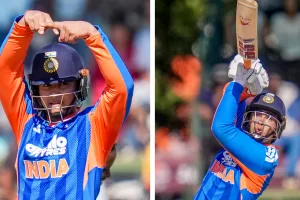
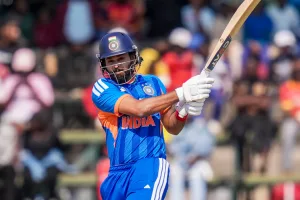
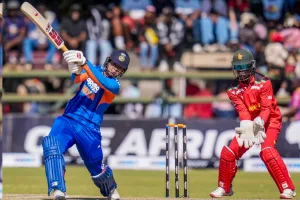
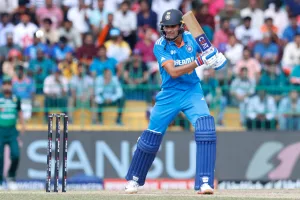
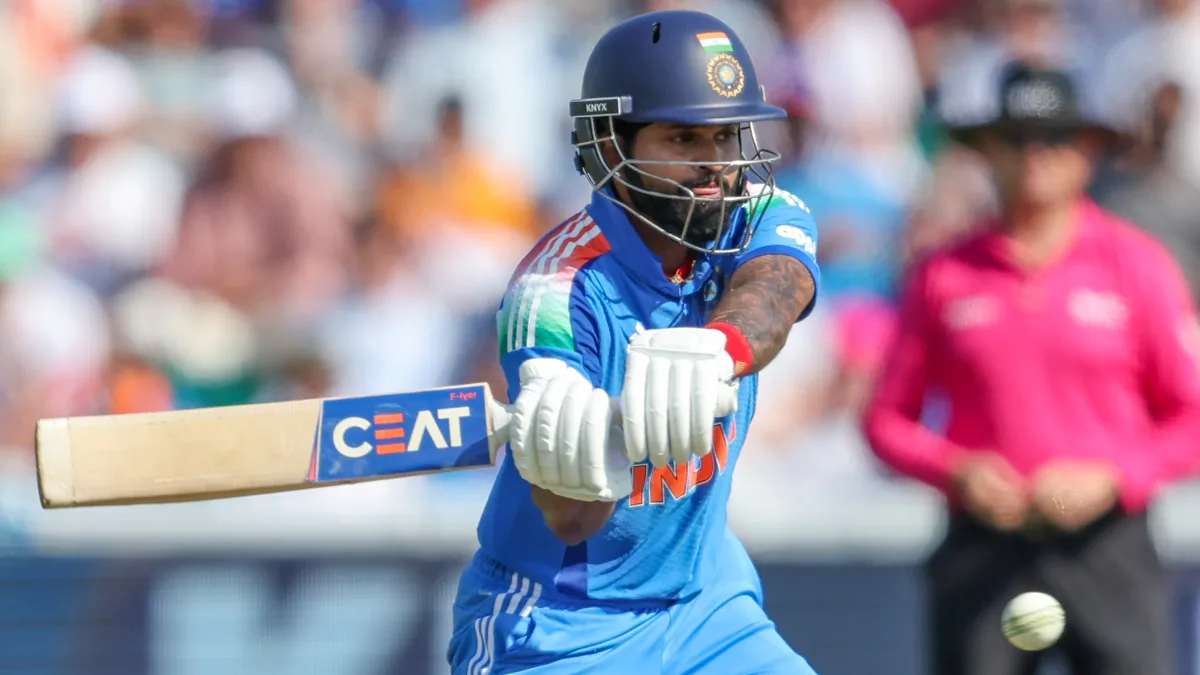
India captain Shreyas Iyer won the toss and elected to bowl first against Zimbabwe in the opening T20I of the three-match series at the Harare Sports Club on Thursday, with pacer Ashok Sharma handed his T20I debut.

Ashok joins Prince Yadav and Mayank Yadav in India’s pace attack, while Ravi Bishnoi is the lone frontline spinner in the playing XI.

Explaining his decision at the toss, Iyer said he expected the surface to offer assistance to the fast bowlers.

“We are going to bowl first. This is my first time here, so I don’t know how the wicket is going to play. But looking at the practice wickets and the wickets on the side, there was a decent amount of bounce. So definitely, that’s one of the aspects.

“I don’t know how it’s going to play, but we’re anticipating some bounce. We’re going with three seamers and one spinner,” Iyer said.

The Indian skipper also praised Zimbabwe’s recent rise in white-ball cricket.

“Absolutely, they’ve been playing brilliantly for the last couple of years, especially at the World Cup. The way they played was pleasing to the eye. The batsmen and the bowlers executed their strengths. It was amazing,” he added.

Zimbabwe hand debuts to Ben Curran, Newman Nyamhuri

Zimbabwe captain Sikandar Raza revealed that Ben Curran and Newman Nyamhuri were making their T20I debuts. He also expected the pitch to ease out after offering some early assistance to the bowlers.

“This is not your typical Harare Sports Club wicket. There will be something in the start, but I don’t expect it to last too long. I think there are a lot of runs on this wicket and hopefully we can put up those runs on the board,” Raza said.

Reflecting on Zimbabwe’s recent series against Bangladesh, Raza said there were plenty of positives despite the 2-1 T20I series defeat.

“Our bowling unit has been holding themselves really well, and our top-order batters contributed the bulk of the runs. Hopefully the middle and lower order can step up as well.”

Zimbabwe were also forced into a late squad change before the series, with batter Milton Shumba ruled out because of a hamstring injury. Innocent Kaia was named as his replacement.

For India, the series is a crucial opportunity for Iyer, who is seeking his first T20I victory as captain after series defeats to Ireland and England. The spotlight will also be on teenage opener Vaibhav Sooryavanshi, who is looking to make a bigger impact after a modest debut series against England.

IND vs ZIM 1st T20I: Playing XIs

India: Vaibhav Sooryavanshi, Abhishek Sharma, Ishan Kishan (wk), Shreyas Iyer (c), Tilak Varma, Rinku Singh, Shivam Dube, Ravi Bishnoi, Prince Yadav, Ashok Sharma, Mayank Yadav.

Zimbabwe: Brian Bennett, Tadiwanashe Marumani (wk), Ben Curran, Dion Myers, Sikandar Raza (c), Ryan Burl, Wessly Madhevere, Brad Evans, Newman Nyamhuri, Richard Ngarava, Blessing Muzarabani.

Kalyani University pays tribute to Uttam Kumar with first volume of ‘Sobar Upore Uttam’

Vice-Chancellor Prof Kallol Pal described Uttam Kumar as not merely a film star but an emotion deeply rooted in Bengali identity.

Statesman News Service | Kolkata |

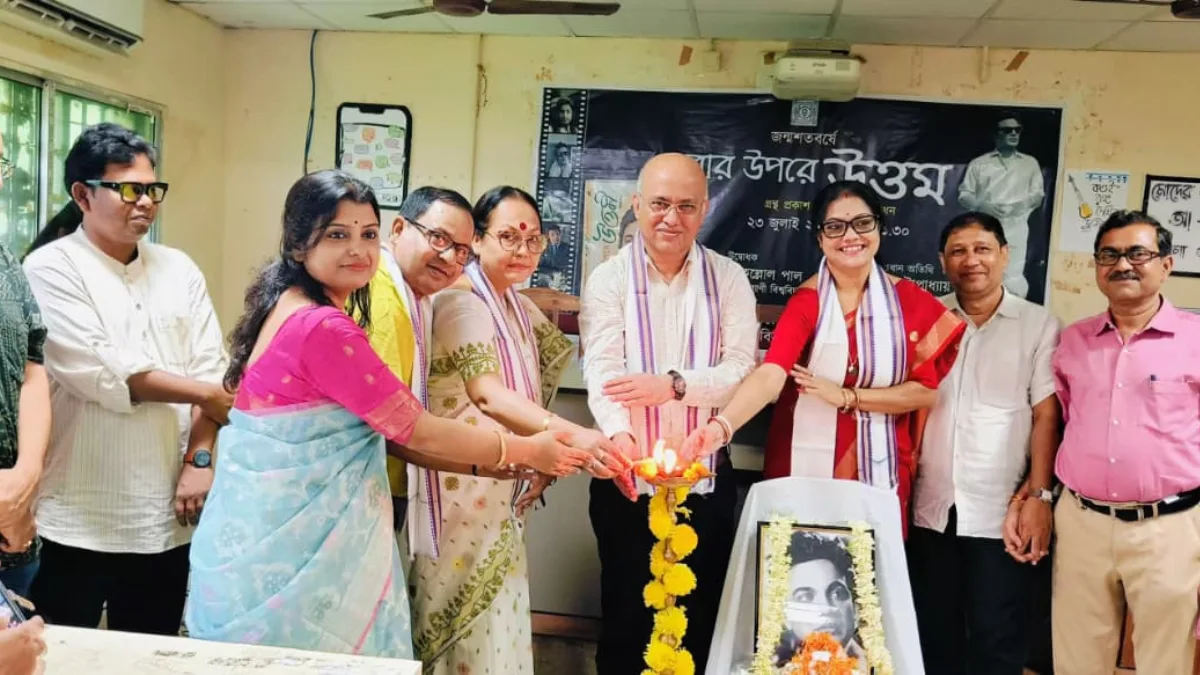
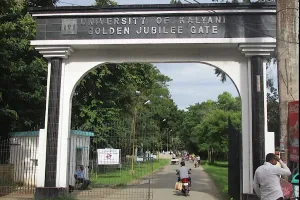
A university has for the first time taken up an academic initiative to document the life, legacy and cultural influence of Bengal’s greatest screen icon Uttam Kumar, as Kalyani University released the first volume of ‘Sobar Upore Uttam’ ahead of the legendary actor’s death anniversary.

The book, brought out by the Journalism Certificate Course of the university’s Bengali Department, was unveiled at a special discussion meeting where Vice-Chancellor Prof Kallol Pal described Uttam Kumar as not merely a film star but an emotion deeply rooted in Bengali identity.

“Even today, we do not find any actor in Bengali cinema who comes close to Uttam Kumar. He was not only the Mahanayak; he is an emotion for Bengalis. His name remains the first to be remembered in every Bengali heart,” Prof Pal said while inaugurating the programme by lighting the ceremonial lamp.

Thanking the director of the Journalism Certificate Course for conceptualising the book during Uttam Kumar’s birth centenary celebrations, the Vice-Chancellor said the publication was an important attempt to preserve the cultural memory associated with the legendary actor.

The event was attended by Uttam Kumar’s daughter-in-law Mahua Chattopadhyay as the chief guest. Recalling the actor’s philosophy of life, she said Uttam Kumar believed that becoming a true ‘Mahanayak’ required following three principles—discipline, devotion and dedication.

“Whenever our family goes through difficult times, remembering him feels like experiencing the presence of God,” she said.

Sharing an emotional memory of the actor’s funeral procession, Mahua recalled how a group of young admirers had blocked the vehicle carrying Uttam Kumar’s mortal remains to Keoratala crematorium. “They lay down in front of the car and looked towards the sky, saying—‘Guru, return as Sannyasi Raja’,” she said.

The first volume of the book features 50 new articles, rare photographs, posters and a letter written by Uttam Kumar to his wife Gauri Devi. Academics, journalists and admirers from 10 countries, including the United States, Canada, Japan, Germany, England, France and Australia, have contributed to the publication.

Veteran actress Sabitri Chattopadhyay, in her foreword, praised the initiative, saying that although several books had earlier been published on Uttam Kumar, this was the first time a university had undertaken such an academic project.

The editor of the book and director of the Journalism Certificate Course, Prof Sukhen Biswas, said Uttam Kumar represented the dreams, imagination, style, Bengali identity and emotional security of generations of Bengalis.

“Wherever Bengalis live across the world, discussions and celebrations around Uttam Kumar continue. Through his acting, he broke the traditional divide between commercial and parallel cinema,” Prof Biswas said.

He added that the second volume of ‘Sobar Upore Uttam’, containing another 50 writings, would be released on 3 September, Uttam Kumar’s birth anniversary, as part of the centenary celebrations.

Around 300 students, researchers and teachers attended the programme, which was also attended by Bengali Department head Prof Nandini Banerjee, Prof Prabir Pramanik, Prof Sanjit Mondal, Dr Shyamashree Biswas Sengupta and Dr Piyush Poddar. The programme was conducted by Dr Shyamashree Biswas Sengupta.

ICC announces The Oval as venue for 2027 World Test Championship Final

The Oval will host the 2027 ICC World Test Championship Final from June 9-13 as Australia lead the standings and the race for qualification gathers pace.

Statesman News Service | New Delhi |

The Oval in London has been confirmed as the venue for the 2027 ICC World Test Championship (WTC) Final, with the marquee clash scheduled to take place from June 9 to June 13.

The International Cricket Council (ICC) had announced last year that England would host the next three editions of the World Test Championship Final in 2027, 2029 and 2031, with the England and Wales Cricket Board (ECB) selecting the venues.

The Oval previously staged the WTC Final in 2023, when Australia defeated India to lift the coveted Test mace.

Australia leads WTC standings as the race for the final intensifies

With less than a year remaining before the final, the 2025-27 World Test Championship cycle is entering a decisive phase, with all nine teams still mathematically in contention.

Australia lead the standings with a points percentage of 87.50 after winning seven of their eight Tests, while defending champions South Africa are second on 75.

New Zealand (72.22) remain firmly in the hunt, with Bangladesh (58.33) boosting their chances after a 2-0 series sweep over Pakistan in May.

Two-time finalists India occupy fifth place with a points percentage of 48.15, just ahead of Sri Lanka (41.67). England (24.36), West Indies (15) and Pakistan (8.33) will need a strong finish to keep their qualification hopes alive.

Busy Test calendar set to shape WTC final race

The battle for the two spots in the WTC Final is set to gather momentum over the coming weeks.

West Indies host Pakistan in a two-Test series from July 25, while Australia take on Bangladesh in a two-match series beginning August 13.

Attention will then shift to Asia as India tour Sri Lanka for a two-Test series from August 15, while Pakistan travel to England for a three-Test contest later in August and September.

ICC and ECB hail The Oval’s return as WTC Final venue

ICC General Manager of Events and Operations Gaurav Saxena said the 2027 final would be especially significant as it coincides with the 150th anniversary of Test cricket.

“The ICC World Test Championship Final has established itself as one of the most prestigious occasions in the global cricket calendar, bringing together the two best Test teams in the world after two years of sustained excellence and consistency.

“The 2027 World Test Championship Final will hold special significance as cricket celebrates 150 years of Test cricket. The Oval has played a proud role in the history of our sport and has hosted some of its most memorable moments.”

ECB Managing Director of Competitions and Major Events Neil Snowball said the board was delighted to bring the WTC Final back to The Oval after the success of the 2023 edition.

The first three editions of the World Test Championship have produced three different champions, with New Zealand winning the inaugural title in 2021, Australia lifting the mace in 2023 and South Africa ending their ICC trophy drought with victory in 2025.

‘Disagreement OK, violence not OK’: Delhi Police post viral clip of cop getting thrashed by CJP agitators

The police has shared a video on social media showing scenes from the nighttime unrest at the protest site, including physical confrontations between protesters and security personnel.

Statesman News Service | New Delhi |

Amid the ongoing students protest at Jantar Mantar, Delhi Police on Thursday, July 23, strongly condemned the attacks on officials performing their duties and stated that those in uniform are not immune to pain and have families and responsibilities beyond the badge.

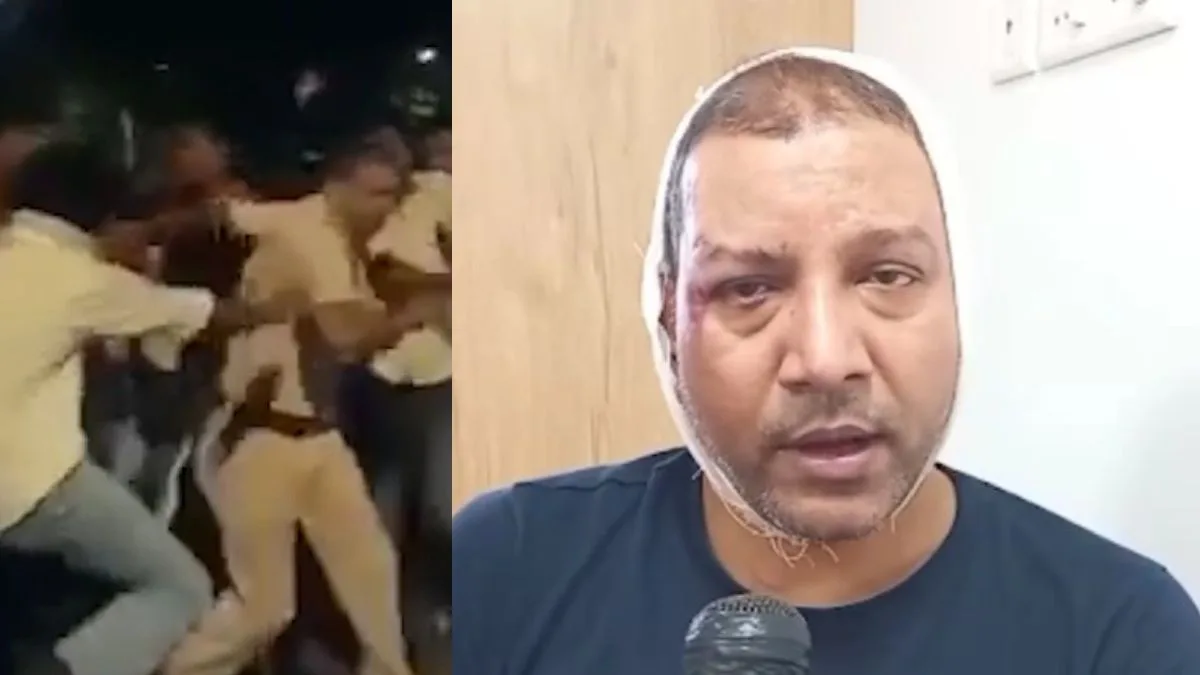
Taking to social media platform X, the police shared a video showing scenes from the nighttime unrest at the protest site, including physical confrontations between protesters and security personnel. The video ends with visuals of injured Inspector Nand Kishore Singh, who was seen with bandages and bloodstains following the assault.

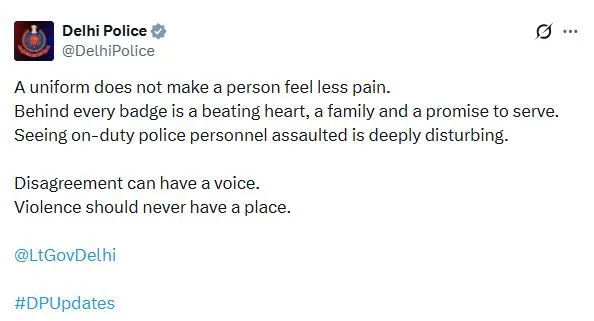
“A uniform does not make a person feel less pain. Behind every badge is a beating heart, a family and a promise to serve. Seeing on-duty police personnel assaulted is deeply disturbing. Disagreement can have a voice. Violence should never have a place,” read the post.


Inspector Nand Kishore Singh, who got injured during the violence at Jantar Mantar, alleged that he was attacked while performing his official duties.

“I was on duty at Jantar Mantar… All of them had lathis and stones in their hands. When they saw me, they shouted ‘Maaro Police walo ko’. They started beating me. They also robbed me and took away my gold chain and wallet, which had my IDs,” Singh said.

Led by the Cockroach Janta Party (CJP), protests have been going on at the Jantar Mantar in the national capital regarding the NEET paper leak issue, with demonstrators demanding the resignation of Union Education Minister Dharmendra Pradhan over the examination irregularities.

Jantar Mantar protest: Jitendra Singh says 4 proposals sent to CJP; talks can take place at JP Nadda’s office or residence

The CJP has already said that the talks can be held at Jantar Mantar or a neutral venue.

Statesman News Service | New Delhi |

Union Minister Dr Jitendra Singh on Thursday said that the government has sent four formal proposals for discussions with protesting students since yesterday afternoon.

Singh, however, said that the talks with Cockroach Janta Party (CJP) leaders can take place at Union Health Minister JP Nadda’s office or residence.

“The government has sent four formal proposals for discussions with their representatives since yesterday afternoon… This is a standing invitation to all our youth friends that the government is ready for discussions on all issues at your convenience, at any time. Discussions can take place either at JP Nadda’s office or residence,” he said.

He said that the government does not “stand on prestige” and that both he and Nadda will be present for discussions.

“Slowly, by way of discussion, we will progress towards a solution. This is part of a series of continuous steps taken by the government for the welfare of the students. Humbly, I appeal to you all to come and have discussions,” he added.

However, the CJP has clearly stated that any talks with the government will either be held at Jantar Mantar, where thousands of students are protesting against Education Minister Dharmendra Pradhan.

Ashutosh Ranka, the spokesperson for the party, said that the government fooled them on July 20 when he, along with another CJP leader, went to Nadda’s residence for talks but was allegedly made to wait for hours.

“There is a ‘Janata Darbar’ at Jantar Mantar. The minister will have to come here for discussions,” he said.

Ranka, however, added that for security reasons, they are ready to hold the discussions at a neutral venue near the Jantar Mantar protest site.

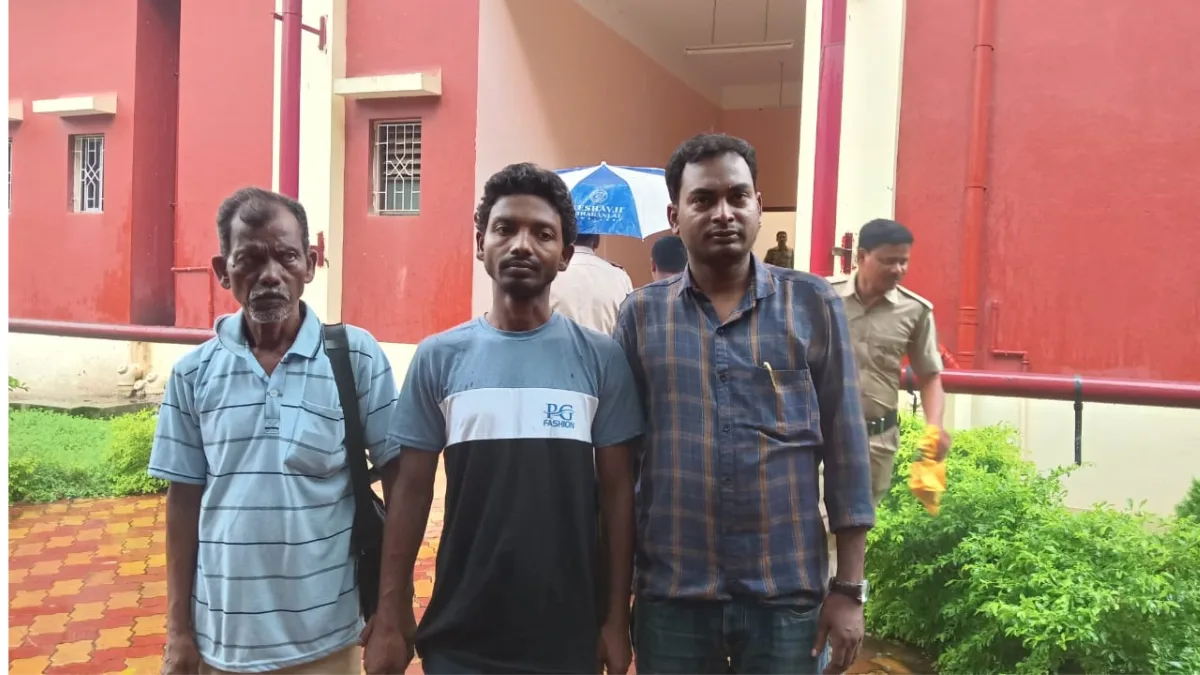
Father’s five-year wait ends as missing son comes home from Karnataka Ashram

“He left home early in the morning saying he was going to work. We later learnt that he had travelled with a truck to Kerala in search of a livelihood,” Prankrishna said.

Statesman News Service | Kolkata |

What began as a desperate search for work ended in five years of silence, uncertainty and separation before a determined interstate police operation finally reunited a Jhargram family with their missing son.

Thirty-four-year-old Binaykrishna Mudi of Chandabila in Jhargram town, who disappeared in February 2021 after leaving home in search of employment, was traced to an ashram in Karkala in Karnataka’s Udupi district and brought back to West Bengal by Jhargram Police. He was produced before the Chief Judicial Magistrate’s Court in Jhargram on Wednesday and, following legal formalities, was reunited with his family.

According to police, Binaykrishna left home on 9 February 2021 without informing his family of his destination. His father, Prankrishna Mudi, said his son had befriended drivers of long-distance goods trucks that regularly travelled from Jhargram to southern states and had boarded one of the vehicles hoping to find work despite having little money.

“He left home early in the morning saying he was going to work. We later learnt that he had travelled with a truck to Kerala in search of a livelihood,” Prankrishna said.

Days later, the family received a brief call from an unknown number. Binaykrishna told his father that he had reached Thiruvananthapuram by mistake and was in serious difficulty. By the time the family tried to call back, the phone had been switched off. A second brief call from Tamil Nadu followed sometime later, but communication was again lost.

On 24 February 2021, Prankrishna lodged a missing person complaint at Jhargram police station. For the next five years, the family had no information about his whereabouts.

Police said the breakthrough came recently after investigators traced a mobile phone number that led them to Suraksha Ashram in Karkala. Assistant Sub-Inspector Bimal Kumar Majhi and Constable Lalchand Behera travelled to Karnataka, where they were assisted by Karkala Town Police. After completing the required legal formalities on 18 July, they took custody of Binaykrishna and brought him back to Jhargram.

Recounting what he later learnt, Prankrishna said his son had wandered across Kerala and Tamil Nadu in a distressed condition before reaching Karnataka. He was reportedly found roaming near a bus stand in Karkala, after which local police took him to the police station, provided him with food and later placed him in the care of Suraksha Ashram.

“He was not mistreated there. They looked after him and he stayed in the ashram for nearly five years, helping with small maintenance and caregiving work,” the father said. He added that language barriers and the family’s poor financial condition prevented them from tracing him earlier.

The family had earlier alleged that they were initially asked to arrange Rs 5 lakh to secure Binaykrishna’s release. They subsequently approached Ashok Mahato, central president of Junglemahal Swaraj Morcha, who took up the matter with the police administration. Following this, Jhargram Police initiated the interstate rescue operation.

Prankrishna expressed gratitude to Jhargram Police, local residents and members of community organisations who helped raise funds for the family’s journey to Karnataka. “Without the support of the police, local people and volunteers, it would not have been possible to bring my son home,” he said.

Although Binaykrishna has returned safely, his father said he would now undergo medical examination and treatment to help him recover after years away from home. Police said further inquiries are underway into the circumstances that led to his prolonged stay at the Karnataka ashram.

‘Want to be on the winning side’: Shreyas Iyer ahead of India vs Zimbabwe 1st T20I

Shreyas Iyer says India are focused on adapting quickly to Harare conditions as they prepare to face Zimbabwe in the first T20I of the series.

Statesman News Service | New Delhi |

India will begin their five-match T20I series against Zimbabwe on Thursday with newly appointed captain Shreyas Iyer hoping to register his first victory as the team’s skipper.

After back-to-back series defeats against Ireland and England, Iyer said the focus is on adapting quickly to the conditions in Harare and making a strong start.

Iyer urges India to embrace the challenge and stay focused on the present

Speaking ahead of the opening T20I, Iyer described the Zimbabwe tour as an exciting opportunity and stressed the importance of staying in the present while embracing every challenge. He expressed confidence that the team would acclimatise quickly and strive for the best possible results.

“Definitely, it is going to be a thrilling series. Looking forward to playing an exciting game over here. We definitely want to be on the winning side. So let’s get used to the practice session, the weather, the conditions as quickly as possible and see to it that we get the best results. I’m excited to be here. It’s a great opportunity. I see it as an amazing opportunity. Can’t be thinking beyond, but I want to stay in the present and embrace each and every moment as much as possible,” Iyer said.

Harare reunion for Vaibhav Sooryavanshi and Abhishek Sharma

The series also marks a return to familiar surroundings for teenage sensation Vaibhav Sooryavanshi, who announced himself on the global stage at the Harare Sports Club by smashing 175 off 80 balls in the ICC U-19 World Cup final earlier this year.

Opener Abhishek Sharma, meanwhile, returns to the venue where he scored his maiden T20I century during India’s 2024 tour of Zimbabwe.

India’s squad for Zimbabwe T20I series

Shreyas Iyer (Captain), Vaibhav Sooryavanshi, Abhishek Sharma, Tilak Varma (Vice-Captain), Ishan Kishan (WK), Shivam Dube, Suryansh Shedge, Rinku Singh, Harsh Dubey, Prince Yadav, Yash Thakur, Ashok Sharma, Mayank Yadav, Prabhsimran Singh (WK), Ravi Bishnoi.

‘Misleading, derogatory’: Rajbanshi intellectuals condemn Ananta Maharaj’s remarks on Netaji

The signatories asserted that Netaji remains one of the greatest icons of India’s freedom struggle, whose patriotism, sacrifice and leadership continue to inspire the nation.

Statesman News Service | Kolkata |

Bharatiya Janata Party (BJP) Rajya Sabha member Nagendra Roy’s (popularly known as Ananta Maharaj) controversial remarks on Netaji Subhas Chandra Bose has prompted a strong reaction from prominent members of the Rajbanshi community.

Eleven eminent personalities, including academics, educationists, political leaders, writers and social activists, issued a joint statement condemning what they described as “false, misleading and derogatory” comments against Netaji.

They also alleged that objectionable language had been used against Rai Saheb Panchanan Barma, revered as the pioneer of the Rajbanshi community.

The signatories asserted that Netaji remains one of the greatest icons of India’s freedom struggle, whose patriotism, sacrifice and leadership continue to inspire the nation. They said attempts to distort history or insult such a national figure were unacceptable and stressed that the views of a few individuals should not be construed as those of the Rajbanshi community. The statement demanded an unconditional apology and urged responsible public discourse to safeguard communal harmony and national unity.

The joint statement was signed by former Vice-Chancellor Prof. Nikhilesh Roy, Lok Sabha MP Dr Jayanta Kumar Roy, Padma Shri awardees poet Nagendranath Roy and scientist Mahendranath Roy, former North Bengal University professor Girindranarayan Roy, writer Jagadish Asowar, Prof. Biswajit Roy, Prof. Upendranath Barman, Annamoyee Adhikary, president of The Cooch Behar Kshatriya Society, its secretary Shubhadip Sarkar and vice-president Radhakanta Barma.

“It is not appropriate to make misleading or controversial remarks about a great national icon,” said Dr Jayanta Kumar Roy.

Padma Shri awardee Mahendranath Roy questioned how “a person who repeatedly insults eminent personalities and cannot speak respectfully” could continue as a member of the Rajya Sabha, alleging that an unworthy person was occupying the House.

North Bengal Development Minister Nisith Pramanik distanced the BJP from the controversy, saying, “His remarks are his personal views. The party has no connection with them, nor does it endorse or believe in such statements. We have repeatedly invited him to attend various party programmes, but he does not participate.”

Meanwhile, a section of people lodged a police complaint against the Rajya Sabha MP over the issue.

Nagendra Roy, elected to the Rajya Sabha on a BJP ticket, had extended support to the Trinamul Congress ahead of the last Lok Sabha election. Although he has occasionally attended BJP programmes, he has also publicly criticised the party leadership, including Prime Minister Narendra Modi and Union Home Minister Amit Shah, leaving the BJP in an uncomfortable position over one of its prominent Rajbanshi faces.