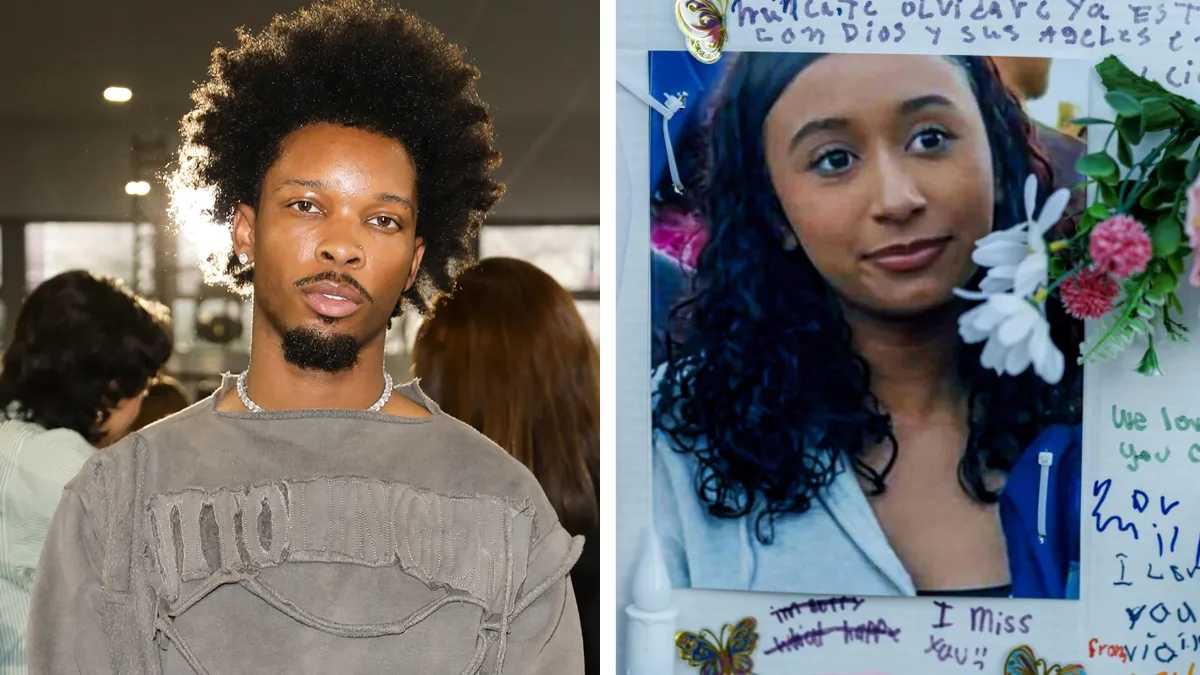
A Los Angeles judge has ruled that singer D4vd will stand trial for the murder of 14-year-old Celeste Rivas Hernandez. The decision came after a five-day preliminary hearing packed with graphic evidence and disturbing testimony.
Judge Charlaine Olmedo announced her decision on Monday, July 27. She said prosecutors had met their burden on every count. D4vd, whose real name is David Anthony Burke, will remain held without bail.
Advertisement
Burke faces charges of murder, continuous sexual abuse of a child under 14, and unlawful mutilation of human remains. The case also includes special circumstance allegations. These include murder of a witness, murder for financial gain, and murder by lying in wait. Prosecutors say he used a sharp instrument to carry out the killing.
Burke has pleaded not guilty to all charges. He showed no visible reaction when the judge issued her ruling. His defense team declined to comment after the hearing.
What prosecutors allege
Prosecutors say Hernandez was 13 at the time of her death and had been the victim of ongoing sexual abuse by Burke. They allege he killed her to stop her from exposing their relationship and derailing his music career, just as his debut album was set to release.
Hernandez was last seen alive on April 23, 2025. She had taken an Uber that Burke arranged to reach his home in the Hollywood Hills. Her final text message said she was almost there.
Prosecutors allege Burke stabbed her shortly after she arrived. They laid out a timeline showing he later sent her text messages as though she had never shown up, appearing to check on her whereabouts.
Discovery of the body
In September 2025, Hernandez’s body was found inside the trunk of a Tesla registered to Burke. The vehicle had been sitting at a Hollywood tow yard. Her remains were badly decomposed and had been dismembered.
An autopsy found she died from multiple stab wounds. The medical examiner classified the manner of death as homicide.
Prosecutors say Burke bought two cadaver bags, a shovel, and three chainsaws after the killing. They also presented evidence that he drove to Santa Barbara County following her death. Records from his car’s navigation system showed a past search for directions to Lake Cachuma, a large reservoir. Prosecutors suggested he may have disposed of key evidence there, including the alleged murder weapon.
A California Highway Patrol officer later found Hernandez’s passport card along the side of a highway.
The defense’s position
Burke’s attorneys have argued the evidence against him is circumstantial. During cross-examination, they raised questions suggesting Hernandez may have taken her own life and that Burke tried to cover it up rather than commit murder. They have also claimed her family was aware of and consented to the relationship.
Defense lawyers have not detailed their full trial strategy.