Logo

‘Want to be on the winning side’: Shreyas Iyer ahead of India vs Zimbabwe 1st T20I

Shreyas Iyer says India are focused on adapting quickly to Harare conditions as they prepare to face Zimbabwe in the first T20I of the series.

Statesman News Service | New Delhi |

India will begin their five-match T20I series against Zimbabwe on Thursday with newly appointed captain Shreyas Iyer hoping to register his first victory as the team’s skipper.

After back-to-back series defeats against Ireland and England, Iyer said the focus is on adapting quickly to the conditions in Harare and making a strong start.

Iyer urges India to embrace the challenge and stay focused on the present

Speaking ahead of the opening T20I, Iyer described the Zimbabwe tour as an exciting opportunity and stressed the importance of staying in the present while embracing every challenge. He expressed confidence that the team would acclimatise quickly and strive for the best possible results.

“Definitely, it is going to be a thrilling series. Looking forward to playing an exciting game over here. We definitely want to be on the winning side. So let’s get used to the practice session, the weather, the conditions as quickly as possible and see to it that we get the best results. I’m excited to be here. It’s a great opportunity. I see it as an amazing opportunity. Can’t be thinking beyond, but I want to stay in the present and embrace each and every moment as much as possible,” Iyer said.

Harare reunion for Vaibhav Sooryavanshi and Abhishek Sharma

The series also marks a return to familiar surroundings for teenage sensation Vaibhav Sooryavanshi, who announced himself on the global stage at the Harare Sports Club by smashing 175 off 80 balls in the ICC U-19 World Cup final earlier this year.

Opener Abhishek Sharma, meanwhile, returns to the venue where he scored his maiden T20I century during India’s 2024 tour of Zimbabwe.

India’s squad for Zimbabwe T20I series

Shreyas Iyer (Captain), Vaibhav Sooryavanshi, Abhishek Sharma, Tilak Varma (Vice-Captain), Ishan Kishan (WK), Shivam Dube, Suryansh Shedge, Rinku Singh, Harsh Dubey, Prince Yadav, Yash Thakur, Ashok Sharma, Mayank Yadav, Prabhsimran Singh (WK), Ravi Bishnoi.


‘Misleading, derogatory’: Rajbanshi intellectuals condemn Ananta Maharaj’s remarks on Netaji

The signatories asserted that Netaji remains one of the greatest icons of India’s freedom struggle, whose patriotism, sacrifice and leadership continue to inspire the nation.

Statesman News Service | Kolkata |

Bharatiya Janata Party (BJP) Rajya Sabha member Nagendra Roy’s (popularly known as Ananta Maharaj) controversial remarks on Netaji Subhas Chandra Bose has prompted a strong reaction from prominent members of the Rajbanshi community.

Eleven eminent personalities, including academics, educationists, political leaders, writers and social activists, issued a joint statement condemning what they described as “false, misleading and derogatory” comments against Netaji.

They also alleged that objectionable language had been used against Rai Saheb Panchanan Barma, revered as the pioneer of the Rajbanshi community.

The signatories asserted that Netaji remains one of the greatest icons of India’s freedom struggle, whose patriotism, sacrifice and leadership continue to inspire the nation. They said attempts to distort history or insult such a national figure were unacceptable and stressed that the views of a few individuals should not be construed as those of the Rajbanshi community. The statement demanded an unconditional apology and urged responsible public discourse to safeguard communal harmony and national unity.

The joint statement was signed by former Vice-Chancellor Prof. Nikhilesh Roy, Lok Sabha MP Dr Jayanta Kumar Roy, Padma Shri awardees poet Nagendranath Roy and scientist Mahendranath Roy, former North Bengal University professor Girindranarayan Roy, writer Jagadish Asowar, Prof. Biswajit Roy, Prof. Upendranath Barman, Annamoyee Adhikary, president of The Cooch Behar Kshatriya Society, its secretary Shubhadip Sarkar and vice-president Radhakanta Barma.

“It is not appropriate to make misleading or controversial remarks about a great national icon,” said Dr Jayanta Kumar Roy.

Padma Shri awardee Mahendranath Roy questioned how “a person who repeatedly insults eminent personalities and cannot speak respectfully” could continue as a member of the Rajya Sabha, alleging that an unworthy person was occupying the House.

North Bengal Development Minister Nisith Pramanik distanced the BJP from the controversy, saying, “His remarks are his personal views. The party has no connection with them, nor does it endorse or believe in such statements. We have repeatedly invited him to attend various party programmes, but he does not participate.”

Meanwhile, a section of people lodged a police complaint against the Rajya Sabha MP over the issue.

Nagendra Roy, elected to the Rajya Sabha on a BJP ticket, had extended support to the Trinamul Congress ahead of the last Lok Sabha election. Although he has occasionally attended BJP programmes, he has also publicly criticised the party leadership, including Prime Minister Narendra Modi and Union Home Minister Amit Shah, leaving the BJP in an uncomfortable position over one of its prominent Rajbanshi faces.

Four-day Teesta Tunnel rescue ops end, all 25 bodies recovered

The operation lasting four days of relentless search and rescue efforts under extremely challenging conditions led to the death toll rising to 25.

Statesman News Service | Kolkata |

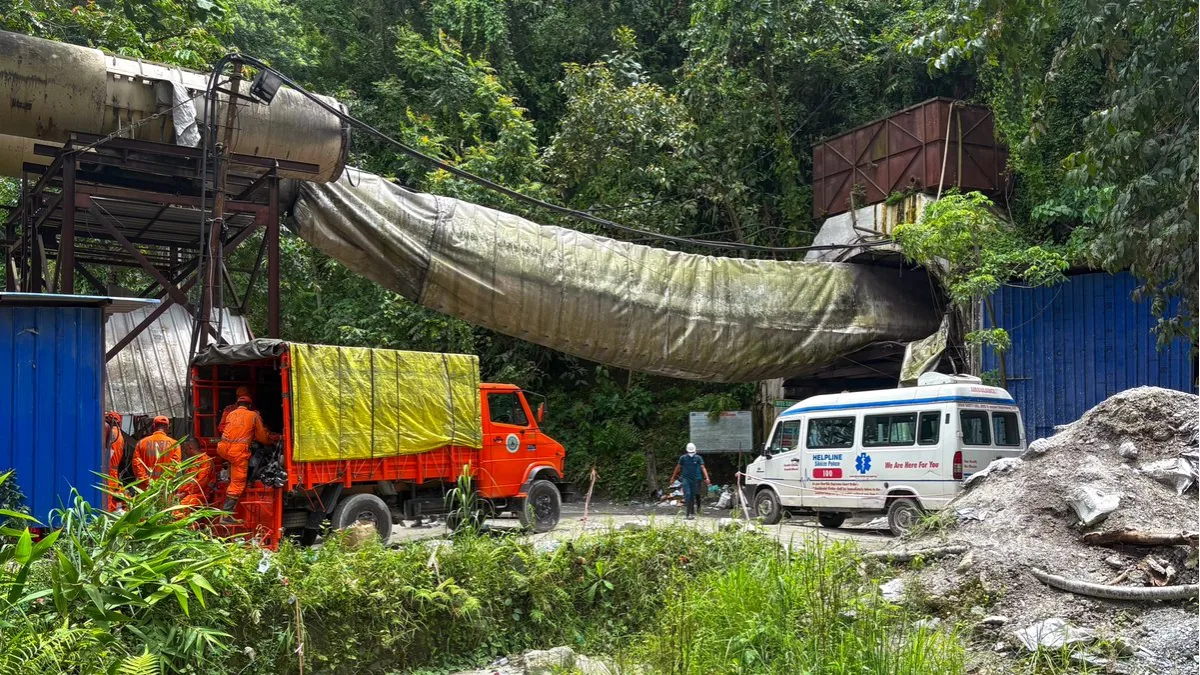
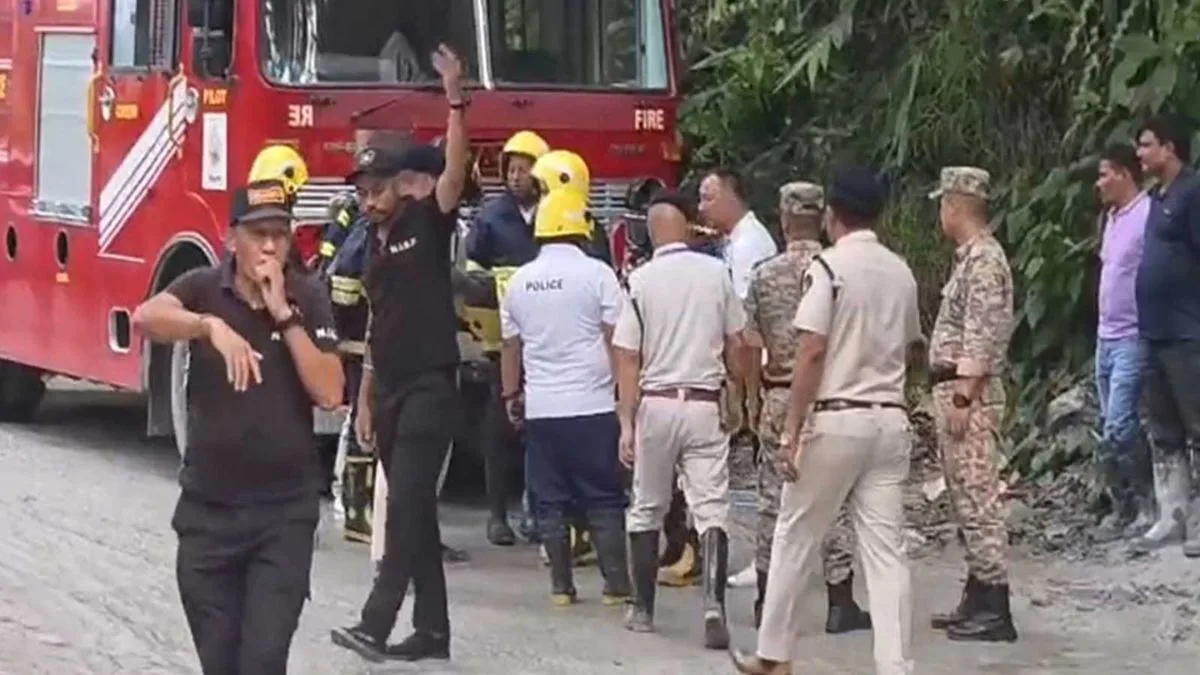
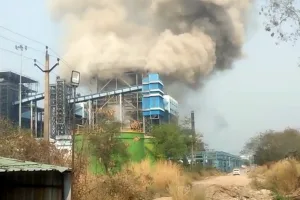
Rescue teams on Thursday recovered the last three bodies from the under-construction tunnel of the NHPC Teesta Stage VI Hydropower Project at Samardung, Jholungey in Sikkim’s Namchi district.

The operation lasting four days of relentless search and rescue efforts under extremely challenging conditions led to the death toll rising to 25, formally concluding the operation.

Officials said a comprehensive inspection of the tunnel was carried out after the final recovery, confirming that all workers reported missing had been accounted for and that no one remained trapped inside.

The deceased included workers and officials associated with NHPC Limited, ARX and Patel Engineering Limited. The victims hailed from ten states, with West Bengal accounting for the highest number of fatalities at 11, followed by Jharkhand (4), Jammu and Kashmir (2), Uttarakhand (2), and one each from Kerala, Uttar Pradesh, Bihar, Sikkim, Punjab and Assam.

According to the Namchi district administration, all recovered bodies have been shifted to Singtam District Hospital, STNM Hospital at Sochakgang, Namchi District Hospital and the Central Referral Hospital (CRH), Manipal, for medico-legal formalities. The identified bodies have been handed over to their respective families.

Meanwhile, the Sikkim government has constituted a high-level committee to investigate the cause and circumstances of the tragedy and recommend measures to prevent similar incidents in future.

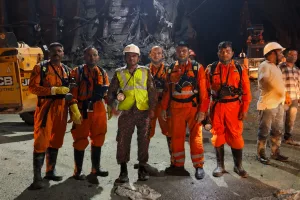
The massive rescue operation was carried out under the supervision of the Namchi district administration with the support of NHPC officials, the National Disaster Response Force (NDRF), State Disaster Response Force (SDRF), the Mines Rescue Team of Eastern Coalfields Limited, Asansol, Sikkim Police, Fire and Emergency Services, the Health and Family Welfare Department and other line departments. The operation was closely monitored by the Sikkim State Disaster Management Authority (SSDMA).

With the operation successfully completed, the Namchi district administration expressed gratitude to all participating agencies for their unwavering commitment, professionalism and seamless coordination throughout the difficult four-day mission, which ensured that every missing worker was traced and recovered.

Bengal Assembly announces ‘Best MLA’ award, to honour top-performing legislators every year

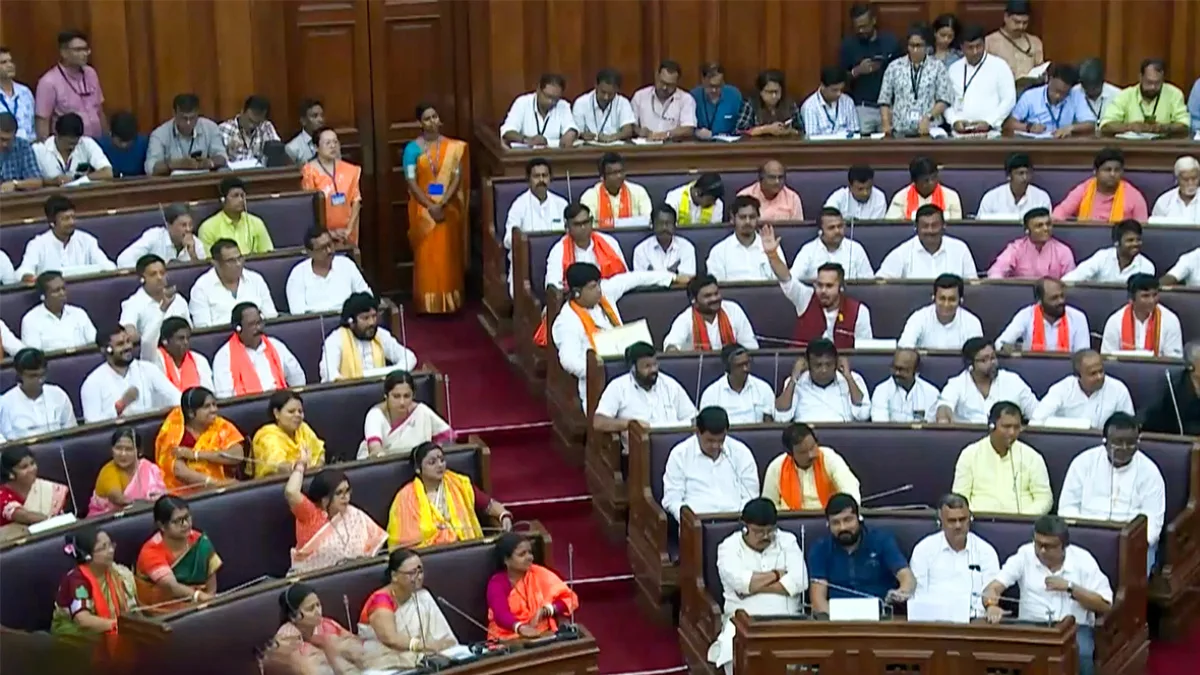
Speaker Rathindra Bose announced this initiative on Thursday, mentioning that it would be implemented over the Assembly’s five-year term.

Statesman News Service | Kolkata |

In an first-of-its-kind initiative to recognise legislators on the basis of their overall performance, the West Bengal Legislative Assembly will introduce an annual “Best MLA” award to recognise legislators on the basis of their attendance, legislative performance and contribution to public welfare.

Assembly Speaker Rathindra Bose announced this initiative in the House on Thursday, mentioning that this initiative to be implemented over the Assembly’s five-year term, will see one legislator selected every year for the honour through a professional evaluation process.

An external agency will be entrusted with monitoring the performance of members and preparing an assessment report, which will form the basis of the final selection, he added.

Addressing the House, the Speaker said the objective of the initiative is to encourage lawmakers to make more effective use of the Assembly for raising issues concerning their constituencies as well as the overall development of the state.

Bose also drew attention to the large number of first-time legislators in the present Assembly. According to Assembly records, 181 members have entered the House for the first time after being elected in the current term.

Urging the new legislators to familiarise themselves with parliamentary procedures and legislative responsibilities, the Speaker advised them to learn from experienced members belonging to both the Treasury and Opposition benches.

He said senior legislators could guide newcomers on how to utilise Assembly proceedings constructively and effectively in the interests of their constituencies and the state.

Assembly sources said the evaluation process would primarily focus on members’ attendance during House proceedings, their participation in legislative business and their overall contribution towards public interest and constituency development.

The external agency appointed for the purpose will monitor the performance of legislators throughout the year before submitting its final assessment. The selected legislator will receive the “Best MLA” award annually during the Assembly’s five-year tenure.

Political observers believe the move could encourage both first-time and senior legislators to participate more actively in debates, legislative business and governance, while strengthening accountability and improving the overall quality of parliamentary functioning.

‘Gujarat formula’ to rationalise manpower in SAIL plants kick off well

The SAIL Board approved the current VRS for employees with 15 years or more of service and who are aged 54 years or above.

Statesman News Service | Kolkata |

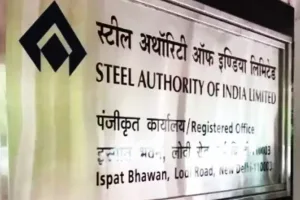
The ‘Gujarat formula’ worked well in this year’s Steel Authority of India (SAIL) bid to rationalise manpower, compared to the Voluntary Retirement Scheme (VRS) started by the national steel major ten years ago.

Almost 750 employees from five SAIL plants opted for VRS this year. In 2016, 1,038 out of the total workforce of 93,000 SAIL employees had opted for VRS, which led to a financial outflow of Rs 213 crore against a projected annual saving of Rs 103.80 crore.

In 2001, however, the figure of manpower reduction was 6,510. Between 1998 and 2020, almost 41,000 SAIL employees took VRS from the steel major in various phases.

This year’s figure of around 750, against SAIL’s current workforce of 49,792, reflects a reasonably higher percentage of manpower reduction, leading to success of the Gujarat formula.

SAIL, as part of its manpower rationalisation initiative aimed at optimising labour cost utilisation, floated the VRS this year.

This led to a reduction of at least 1,000 employees across its plants at Durgapur, Bokaro, Bhilai and Rourkela. The scheme came into effect on 20 May, with the application window closing on 20 July.

The ‘Gujarat formula’ for VRS provides a compensation package designed to offer an “attractive yet capped” payout for employees in state-owned enterprises. This is calculated as 35 days’ salary for each completed year of service plus 25 days’ salary for each year of the remaining service.

The SAIL Board approved the current VRS for employees with 15 years or more of service and who are aged 54 years or above.

“This year’s response was significantly higher than that in 2016,” top office-bearers of the Steel Executives Federation of India (SEFI) and the Steel Workers Federation of India (SWFI) said.

“We have opposed any such move to reduce manpower. Still, it is a fact that this year’s response was higher than what we had apprehended. The plants are already suffering from perennial manpower shortages, yet the authorities are floating VRS to overcome financial stress,” Lalit Mishra, General Secretary of the CITU-affiliated Steel Workers’ Federation of India (SWFI) said.

Top SAIL officials said the figure stood at 627 by the first half of 20 July and had almost reached 750 by the close of the scheme. The final estimate, however, was still being compiled.

Sanjay Arya, General Secretary of the Steel Executives Federation of India, said, “SAIL’s manpower remains higher than that of private players because of the nature of its integrated operations, welfare commitments, and the legacy of its manpower structure, resulting in traditionally higher manpower costs than many private steel makers. Rationalisation of its mammoth workforce was therefore considered necessary, and the scheme was introduced.”

The scheme was popularly known as the ‘Gujarat formula’ because it was first conceptualised and implemented in Gujarat’s state-owned public sector undertakings, such as Indian Petrochemicals Corporation Limited (IPCL) and Gujarat State Petroleum Corporation (GSPC), during 2000–01.

It was later broadly accepted by the Centre and adopted for the large-scale VRS rollout involving around 93,000 employees of BSNL and MTNL.

SAIL, however, received a lukewarm response from its Bengal units, including Durgapur Steel Plant (DSP) and Alloy Steels Plant (ASP), in this year’s VRS. Barely 11 employees from ASP and 51 from DSP opted for the scheme.

“Prior to this VRS, DSP had around 5,500 workers and 1,100 executives,” said Bedbandhu Roy, Chief of Communications, DSP.

SAIL’s Rourkela Steel Plant, meanwhile, recorded the highest response among its major units, with 268 employees and executives opting for VRS and leaving the PSU steel maker.

‘Only 1 public toilet for every 30,000 people in Bengaluru’: BJP lampoons Karnataka govt

The BJP leader claimed that India’s IT hub has only one public toilet for every 30,000 people, calling it a reflection of the state government’s failure to provide basic civic amenities to people.

Statesman News Service | Bengaluru |

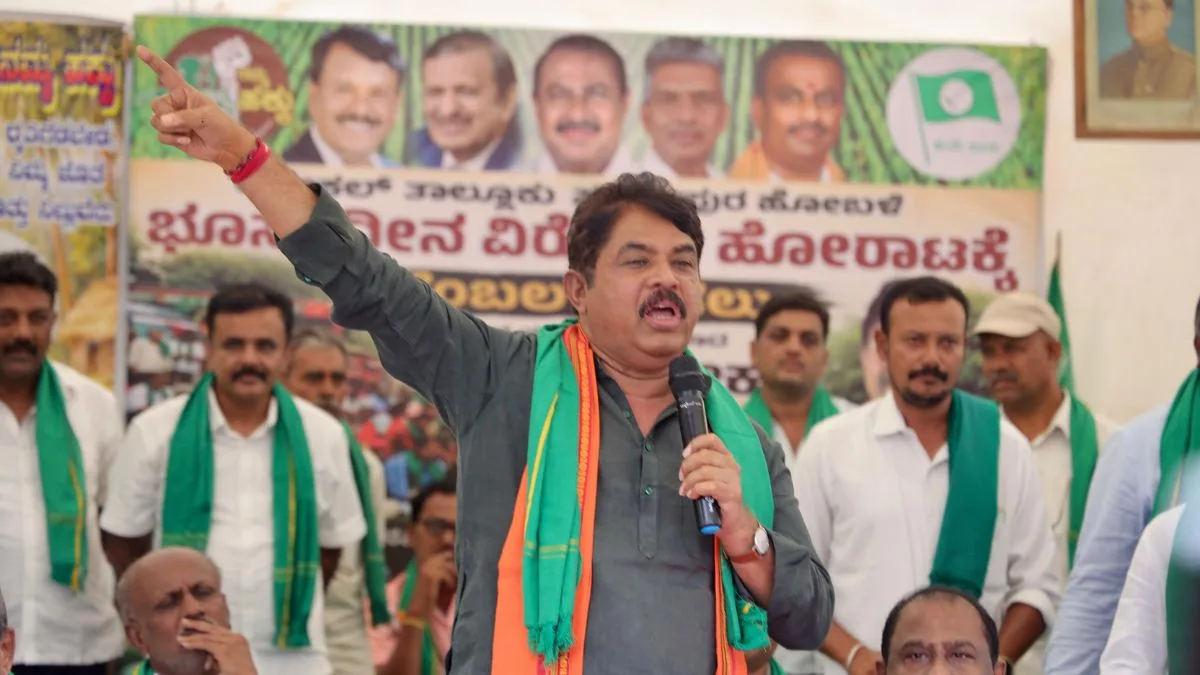
In a sharp attack on the DK Shivakumar-led Congress government in Karnataka, Leader of the Opposition R Ashoka on Thursday claimed that their claims of building a “Brand Bengaluru” clearly stand exposed by the city’s poor sanitation infrastructure.

Highlighting a survey conducted by the Bengaluru Political Action Committee (B.PAC), the BJP leader claimed that India’s IT hub has only one public toilet for every 30,000 people, calling it a reflection of the state government’s failure to provide basic civic amenities to people, IANS reported.

“The state government continues to speak about creating ‘Brand Bengaluru,’ but the reality on the ground tells a different story. It is shameful that Bengaluru, which enjoys global recognition as India’s IT-BT capital, is unable to provide even basic sanitation facilities to its residents,” Ashoka said in a statement.

Talking about the key findings in the B.PAC report, Ashoka alleged that 58 per cent of public toilets in the city are unfit for use. He added that these have been turned into garbage dumps and hubs for drug use and smoking.

Also, a shocking 60 per cent of public toilets in Bengaluru lack water facilities, while only six out of 142 toilets surveyed were found to be clean, he highlighted.

Ashoka noted that 94 per cent of the toilets are not accessible or suitable for women and persons with disabilities.

Accusing the Congress government of being preoccupied with political battles, Ashoka said they are ignoring the daily hardships faced by lakhs of Bengalureans, office-goers, women, and sanitation workers.

“Where is the taxpayers’ money going? A government that cannot provide basic sanitation has no moral right to remain in office,” he said.

Who is Riya Ahir? Woman who stood before Mumbai Police van during student protest goes viral

One woman. One street. One police van that wasn’t going anywhere. This is the story of the moment Riya Ahir decided silence wasn’t an option.

Statesman News Service | New Delhi |

A Mumbai woman blocked a police van carrying detained students. Her name is Riya Ahir, and now everyone wants to know who she is.

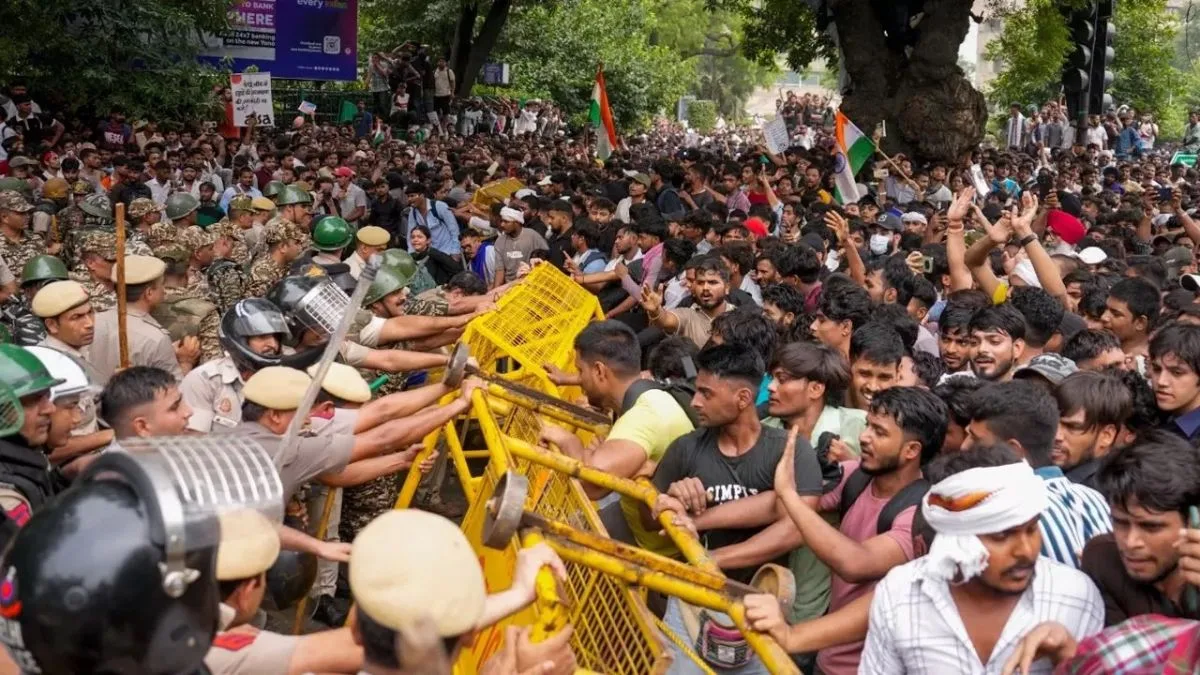
Student protests have spread beyond Delhi’s Jantar Mantar this week. Mumbai saw its own share of demonstrations too. But one video from the city has pulled all the attention away from the protest itself.

In the clip, a young woman stands directly in front of a Mumbai Police van. Officers try again and again to get her to move. She doesn’t budge. Reports say she only stepped back after the students inside the van were let go. Since then, she has become the face of the moment online, and people can’t stop talking about her.


View this post on Instagram


A post shared by Rohan Joshi (@mojorojo)

So who is Riya Ahir?

She’s an actor, model, and entrepreneur. Riya has never shied away from sharing her views on social-political matters. People who follow her know this isn’t out of character for her.

Outside acting, she runs a handmade clothing label called Rhiyasat. She also dances and has featured in a few music videos, the most recent one being Dilbara, which came out in February 2025.

But none of that is why she’s trending right now. It’s what she did on the street in Mumbai.

What actually happened

Riya was heading from Kohinoor Square in Dadar toward Shivaji Park when she spotted a police van. Inside were students who had just been detained during the protest.

She didn’t think twice. She walked up and planted herself right in front of the vehicle, blocking its path. In the video, you can see officers trying to talk her down. She stays put.

Witnesses say there was a tense back and forth between her and the police. Officers reportedly told her the students would be freed eventually, just not right there. Riya wasn’t having it. Her argument was simple, if they’re getting released anyway, why not now?

She held her ground until something gave.

The standoff ends

Eventually, according to reports, the police released everyone who had been detained. That’s when Riya stepped aside. The video has since spread across social media, and reactions have mostly been the same, admiration for someone who refused to back down under pressure.

People keep sharing it, calling it a rare moment of one person standing up for strangers when it actually mattered.

In her own words

After the incident, Riya spoke to reporters and didn’t hold back. She said the police weren’t doing their job the way they should have been. Her point was that when authorities fall short, ordinary people have to step in for each other.

She also made something clear. She isn’t personally tied to the groups that organized the protest. She’s not Dalit, not OBC, and her father isn’t a farmer. None of that mattered to her, she said. What she saw was students being treated badly, possibly even assaulted, and that was enough reason to act.

She ended by saying she’s proud of where she comes from and who she is, but that standing against injustice shouldn’t depend on caste, community, or background at all.

Centre seeks 50 acres for Subsidiary Intelligence Bureau along Indo-Bangladesh border

A high-level meeting between officials of the union home ministry and the West Bengal home department has already been held to discuss the proposal.

Statesman News Service | Kolkata |

As part of efforts to strengthen intelligence gathering along the India-Bangladesh border, the Centre has sought around 50 acres of land across West Bengal’s border districts to establish permanent infrastructure for the Subsidiary Intelligence Bureau (SIB).

According to sources, the Union Home Ministry has proposed setting up permanent offices and residential quarters for SIB personnel at around 40 locations, each requiring one to one-and-a-half acres of land.

A high-level meeting between officials of the union home ministry and the West Bengal home department has already been held to discuss the proposal.

At present, barring Kolkata, most SIB units in the state operate from rented premises.

While the Centre is willing to purchase land, the state government is examining the possibility of allotting government-owned land for the project.

Sources said the move comes amid growing security concerns over the evolving situation in Bangladesh, increased incidents of infiltration and cross-border smuggling, and reports of heightened activities by foreign intelligence agencies.

The expanded infrastructure is expected to strengthen intelligence collection and facilitate timely security alerts to both the Centre and the state government.

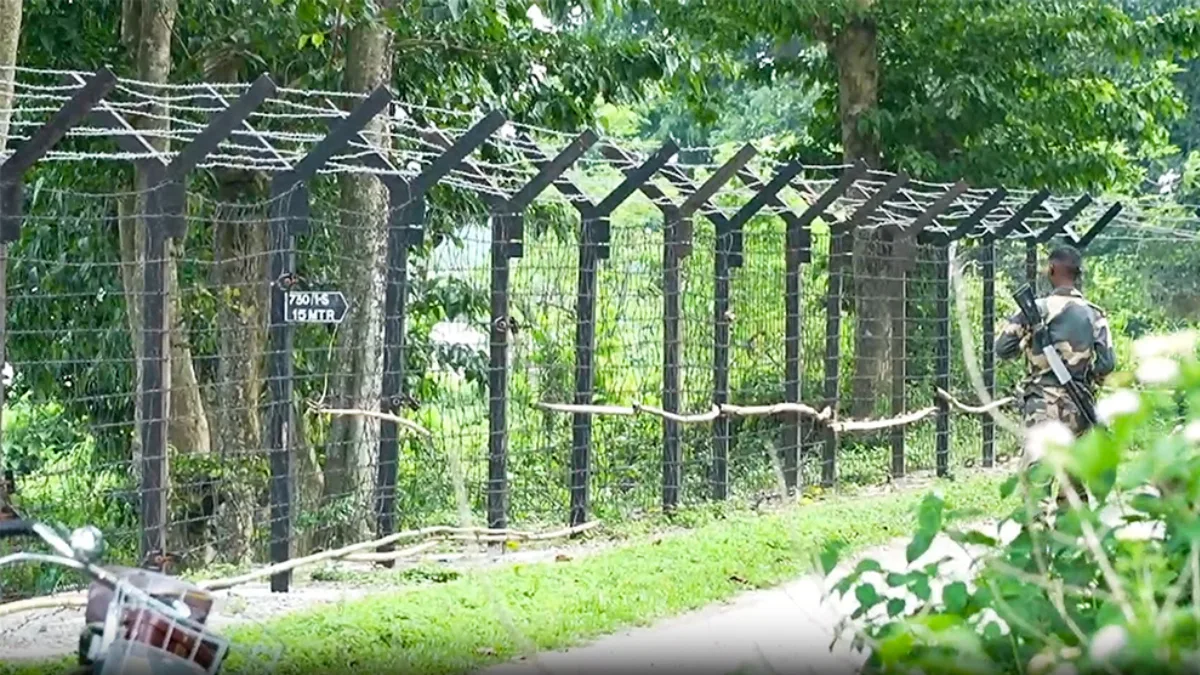
Meanwhile, the West Bengal government has recently handed over 142.79 acres of land to the Border Security Force (BSF) for the construction of border outposts and barbed-wire fencing across nine districts along the India-Bangladesh border.

The land has been transferred in Cooch Behar, Jalpaiguri, Darjeeling, North Dinajpur, South Dinajpur, Malda, Murshidabad, Nadia and North 24 Parganas to facilitate long-pending border infrastructure projects.

Officials said the land will primarily be used for constructing new border outposts and expanding barbed-wire fencing in vulnerable stretches.

The strengthened infrastructure is expected to improve round-the-clock surveillance, enhance coordination between the BSF and district administrations, and bolster efforts to curb infiltration, smuggling and other cross-border crimes.

The land transfer also marks the resolution of several long-pending hurdles that had delayed border infrastructure projects for years.

Fencing and outpost construction in several districts had been held up due to land acquisition disputes and local objections.

The state government recently directed district administrations to expedite the identification and transfer of land for security projects, with the latest handover seen as a major step towards strengthening border management and operational preparedness along Bengal’s international border.

Census deployment leads to minimal teaching staff at Serampore Girls’ High School

The Headmistress of Serampore Girls’ High School expressed concern over the thin workforce at her school

Statesman News Service | Kolkata |

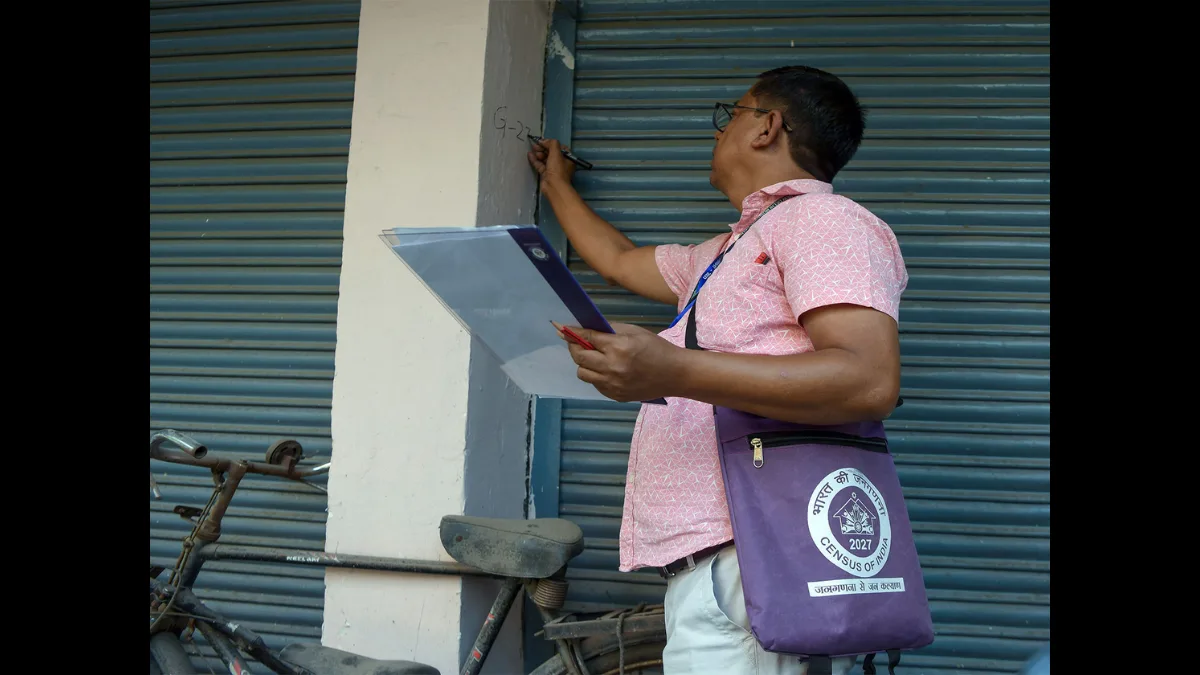
The deployment of government school teachers for Census 2027 duties in West Bengal has led to widespread concern among educators, school administrators, and parents, especially in Serampore, a town located around 30 kilometers from Kolkata.

The Headmistress of Serampore Girls’ High School expressed concern over the thin workforce at her school as most of them are occupied with census duties.

“Every clerk in the institution has been deployed for census work, while all teachers except two have also been assigned census duties. Ours is a school with more than 1,300 students across two mediums of instruction. It has become extremely difficult to run the institution with such a severe shortage of staff,” she told The Statesman.

The Headmistress suggested that instead of withdrawing almost the entire workforce from selected schools, a fixed percentage of teaching and non-teaching staff should be deployed from each institution.

“The Census is undoubtedly a national responsibility,” she admitted.

“However, fulfilling one constitutional obligation should not come at the cost of another equally fundamental right, the right of every child to quality education. A balanced deployment policy would allow both governance and schooling to continue without severely disrupting academic activities,” she said.

Educators across the state fear that the repeated diversion of teachers from classrooms for non-academic assignments has led to widening of gap between government and private schools.

‘NEET has failed its purpose, time to abolish it’: MK Stalin says exam disadvantaged rural and poor students, urges centre to scrap it

Tamil Nadu’s long-standing opposition to NEET has gained fresh momentum as student protests continue across the country. Stalin says only removing the exam can address concerns.

Statesman News Service | New Delhi |

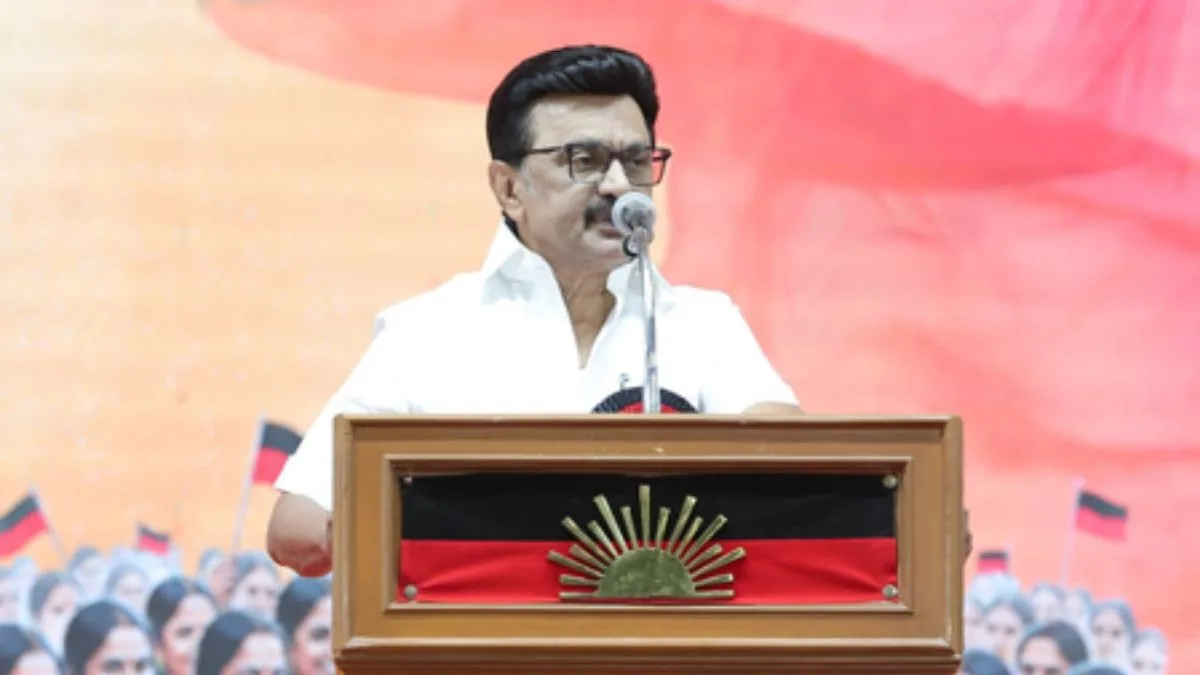
Former Tamil Nadu Chief Minister and Dravida Munnetra Kazhagam (DMK) president MK Stalin on Thursday renewed his demand for scrapping the National Eligibility-cum-Entrance Test (NEET), saying the medical entrance exam had failed to deliver on its promises and had created more challenges for students.

In a post on social media platform X, MK Stalin said NEET was introduced with claims that it would reduce students’ academic pressure, stop the commercialisation of medical education and improve overall standards. However, he argued that the examination had achieved the opposite.

Stalin Says NEET increased dependence on coaching centres

Stalin claimed that NEET had shifted the focus of preparation away from schools and towards private coaching institutes. According to him, students and families were now facing additional financial and mental pressure as coaching became almost necessary for those aiming for medical seats.

He said the problems linked to NEET were not limited to examination procedures but were part of a larger issue within the system itself. Recent controversies and student protests, he added, had highlighted concerns that Tamil Nadu had been raising for years.

“The ongoing student protests must serve as a wake-up call for the Union Government. It’s time to trust the states. It’s time to abolish NEET,” Stalin wrote on X.

Support for students protesting at Jantar Mantar

Stalin’s comments came a day after he extended support to students protesting at Jantar Mantar in New Delhi. The demonstrations have been taking place amid allegations of irregularities in the conduct of NEET and demands for changes in the medical admission system.

Backing the protesters, Stalin said Tamil Nadu had warned since the beginning that NEET could lead to unfair conditions and make access to medical education more difficult for many students.

He said the DMK had opposed NEET from its introduction, arguing that the exam affected students from rural areas, government schools and economically weaker sections.

DMK says scrapping NEET is the only solution

Stalin maintained that fixing only examination-related issues would not address the larger concerns surrounding NEET. He said the focus of the ongoing protests should remain on completely removing the exam rather than making limited changes to its process.

According to him, abolishing NEET would be necessary to ensure fairness, transparency and equal opportunities for students from different backgrounds.

He also highlighted Tamil Nadu’s history of advocating social justice, stating that the state had played an important role in advancing equality through constitutional reforms and continued to stand against NEET on similar grounds.

Appeal to Centre to reconsider education policy

The DMK chief urged the Union government to listen to students’ concerns and reconsider the current medical admission system. He called for a model that provides equal opportunities to aspiring doctors across the country without creating barriers for disadvantaged groups.

Stalin said the growing protests should encourage the Centre to place greater confidence in states while making decisions related to education.

Reiterating Tamil Nadu’s position, he said the state would continue to demand the complete abolition of NEET, calling it the only way to address concerns over accessibility and social justice in medical education.

No breakthrough in NEET protests as CJP rejects fresh talks with Centre: Report

Even after a meeting with Union Health Minister JP Nadda, the protesters say they will not end their agitation unless their three key demands, including Dharmendra Pradhan’s resignation, are met.

Statesman News Service | New Delhi |

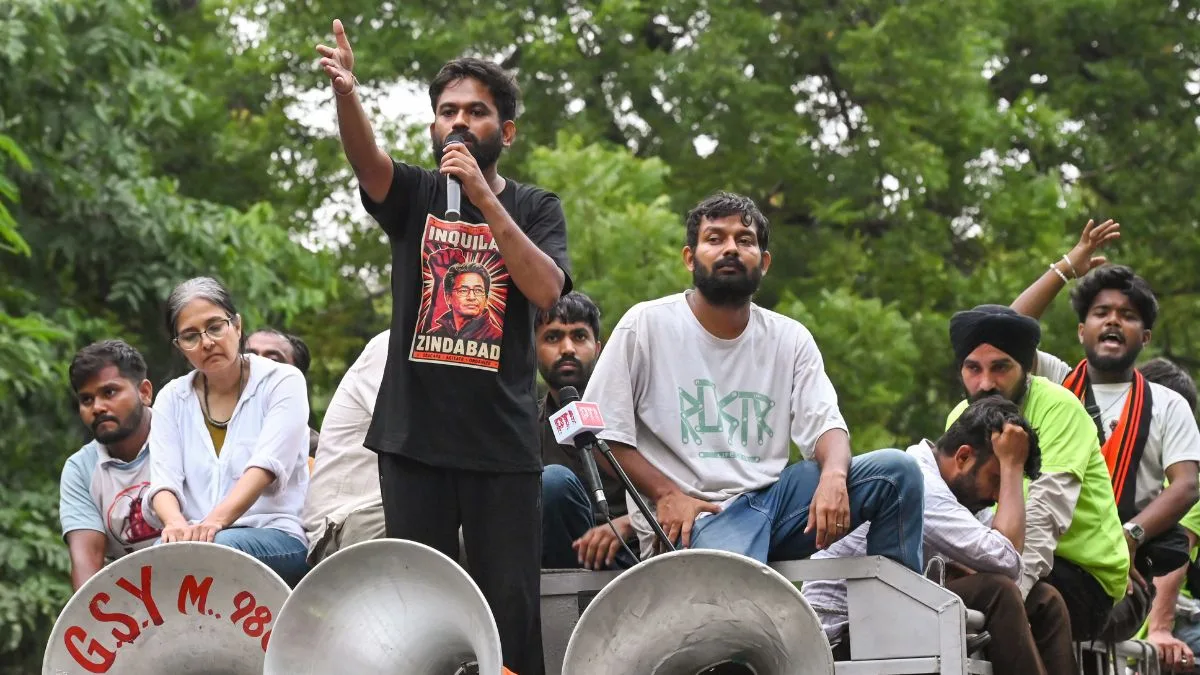
The deadlock over the NEET paper leak protests continued on Thursday after the Cockroach Janata Party (CJP) rejected a fresh offer from the government to resume talks, insisting that its key demands must be fulfilled before the agitation can end.

News agency ANI mentioned government sources as saying that an offer to continue discussions was sent to the CJP leadership, but it was turned down, leaving negotiations at a standstill.

The development comes days after CJP representatives met Union Health Minister JP Nadda in New Delhi and submitted their demands, including the resignation of Education Minister Dharmendra Pradhan. According to the party, Nadda assured them that the issues would be taken up at the appropriate level.

CJP reiterates three demands

CJP spokesperson Sourav Das said the protest would continue indefinitely unless the government accepts the group’s demands.

He said the protesters are seeking Dharmendra Pradhan’s resignation, ₹1 crore compensation for the families of students who allegedly died by suicide due to the NEET paper leak, and withdrawal of FIRs filed against peaceful protesters. The group also wants a sovereign guarantee that no such cases will be registered against peaceful demonstrators in future.

Calling the Education Minister’s resignation “non-negotiable”, Das said the agitation would continue for as long as necessary if the demand remained unmet.

Appeal for peaceful protest

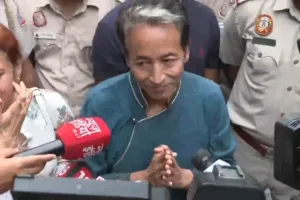
Das said he had spoken several times with climate activist Sonam Wangchuk, who remains on a hunger strike after being admitted to hospital, and that both agreed the movement should remain peaceful.

He said Wangchuk had also publicly appealed to protesters to maintain peace during the agitation.

Das further alleged that anti-social elements had infiltrated previous protests in the country, leading to violence for which peaceful demonstrators were later blamed. He said such a situation should not be allowed to recur.

PM Modi announces fast-track courts

Amid the continuing protests, Prime Minister Narendra Modi announced that fast-track courts would be set up to ensure swift punishment for those involved in paper leak cases.

In a post on X, the Prime Minister said safeguarding students’ future remained a priority and asserted that those responsible for paper leaks would face stringent action.

“Nothing is more important than the welfare and future of our youth! We have decided to set up fast-track courts to ensure swift and stringent punishment for those involved in paper leaks… Those who try to harm the future of our youth will not be spared,” Modi said.

How ULIPs Can Support Tax-Efficient Wealth Creation

Brand Post |

Building wealth is not just about earning higher returns. It is also about choosing investments that align with your long-term goals while helping you manage taxes efficiently. A ULIP policy combines life insurance with market-linked investments, making it a popular option for people who want both financial protection and the opportunity to grow their money.

If you’ve ever wondered what is ULIP, understanding how it works can help you decide whether it fits into your overall financial plan.

What is ULIP and how does it work?

A Unit Linked Insurance Plan (ULIP) is an insurance product that combines life cover with investment. Part of the premium goes towards providing life insurance, while the remaining amount is invested in funds such as equity, debt, or a mix of both.

You can choose funds based on your financial goals and comfort with risk. Many ULIPs also allow you to switch between funds during the policy term, helping you adapt your investments as your needs change.

Why ULIPs can support long-term wealth creation

Wealth creation takes time, and consistency often matters more than trying to time the market.

Since ULIPs are designed as long-term investments, they allow your money to benefit from compounding. If your financial goals are several years away—such as retirement, your child’s education, or building a larger investment corpus—a ULIP can provide the time needed for investments to potentially grow.

Staying invested for the long term may also help reduce the impact of short-term market fluctuations.

How ULIPs can help with tax-efficient investing

ULIPs can help make investing more tax-efficient by offering tax benefits on eligible premiums and, in certain cases, on maturity proceeds, subject to prevailing tax laws and policy conditions. These tax advantages can complement your long-term wealth creation strategy while providing life insurance coverage.

Depending on the applicable tax rules and your chosen tax regime, premiums paid towards eligible ULIPs may qualify for tax benefits. Certain maturity proceeds may also receive favourable tax treatment if policy conditions are met.

Since tax rules can change over time, it is important to review the latest provisions before making investment decisions.

Choosing the right investment strategy within a ULIP

Not every investor has the same financial goals. Someone in their twenties may prefer a higher allocation to equity, while someone nearing retirement may choose more stable debt-oriented funds.

Many ULIPs offer flexibility by allowing fund switches during the policy term. This enables investors to gradually reduce risk as they move closer to their financial goals without purchasing a new policy.

Reviewing your portfolio regularly helps ensure your investments continue to match your changing financial needs.

Things to consider before investing in a ULIP

Like any financial product, a ULIP works best when it matches your goals and investment horizon.

Before investing, consider:

  • Your long-term financial objectives
  • Your ability to stay invested for several years
  • Your risk tolerance
  • Available fund options
  • Policy charges and fees
  • Tax rules applicable at the time of investment

Comparing these factors can help you make a more informed decision rather than choosing a plan based only on expected returns.

Is a ULIP suitable for everyone?

A ULIP may be suitable for investors looking for both insurance protection and market-linked wealth creation in a single product. However, it may not be the right fit for every financial goal.

If you need short-term liquidity or prefer guaranteed returns, other investment options may better suit your requirements. Understanding your objectives before investing is more important than following market trends.

Conclusion

A ULIP policy can be a useful addition to a long-term financial plan by combining life insurance with investment opportunities. Understanding what is ULIP, how it works, its tax implications, and its long-term nature can help you make a more informed financial decision. As with any investment, choosing an option that matches your goals, risk appetite, and investment horizon is key to building wealth steadily over time.

Mumbai cop threatens to plant drugs on student protesters in viral video, suspended

An investigation has been ordered by police into the alleged incident, an official said.

Statesman News Service | Mumbai |

An inquiry has been ordered by the Mumbai Police into the viral video that showed a police official allegedly threatening student protesters with false drug cases if they returned to continue their agitation.

The clip, which has been widely shared across social media platforms, reportedly shows a police driver warning the protesting students that they would be implicated in fabricated narcotics cases and made to spend the rest of their lives in jail if they came out to participate in further protests.

An investigation has been ordered by police into the alleged incident, PTI quoted an official as saying.

“After verifying the facts, the driver concerned has been removed from his present posting till the completion of the inquiry,” the official noted.

As per reports, Pawan Sangle served as driver with the Mumbai Police’s Motor Transport (MT) department. He was posted at Sion police station and remained present at Shivaji Park as part of the team accompanying senior officers.

Pending the inquiry, he has now been transferred to the police control room.

A senior state government official said that taking a serious note of the video, the government has ordered a probe against Pawan Sangle.

“He has also been suspended from his position until the probe against him is completed,” the official added.

Notably, India’s financial capital has been witnessing protests over the past few days in solidarity with the ongoing students’ agitation at the Jantar Mantar in the national capital.

Govt forms high-level committee to probe Sikkim tunnel disaster

The committee has been directed to submit its findings and recommendations to the competent authority within 15 days.

Statesman News Service | Kolkata |

A High-Level Committee (HLC) has been formed to probe the tunnel tragedy at the under-construction Teesta Stage-VI Hydro Electric Project in Sikkim’s Namchi district that has so far claimed 22 lives.

The committee has been directed to submit its findings and recommendations to the competent authority within 15 days, a senior official said on Thursday.

According to a notification issued by Chief Secretary R. Telang, an explosion-like incident occurred on 20 July inside the under-construction ADIT-III tunnel at Samardung in Jholungey, prompting the state government to order an inquiry into the causes and circumstances leading to the tragedy and to recommend measures to prevent such incidents in future.

The committee will be headed by Tashi Wangyal, Inspector General of Police (Law and Order), Sikkim Police. Its other members are Phigu Tshering Bhutia, Principal Director, Mines and Geology Department; Keshar Luitel, Additional Director, Mines and Geology Department; and Tenzing Loden Lepcha, Deputy Inspector General of Police, CID.

The HLC has been tasked with establishing the sequence of events and the exact cause of the explosion-like incident and the subsequent build-up of gas inside the tunnel. It will examine whether the incident resulted from blasting operations, methane or other noxious gases, equipment failure, or any other factor.

The committee will also review compliance with safety norms, including Standard Operating Procedures (SOPs), the Mines Act, 1952, Tunnel Safety Guidelines and the Explosives Rules, 2008. It will examine the adequacy of ventilation systems, gas detection mechanisms, emergency exhaust systems and the use of personal protective equipment (PPE).

Besides determining the type and source of the leaked gas, the committee has been authorised to examine any other matter relevant to the incident during the course of its inquiry.

Raja Raghuvanshi murder case: SC sets aside Sonam’s bail, gives two weeks to surrender

The Supreme Court said Sonam Raghuvanshi’s continued release could impede the ongoing trial, directed her to surrender within two weeks and allowed her to seek fresh bail if proceedings are not completed within six months.

Statesman News Service | New Delhi |

The Supreme Court on Thursday cancelled the bail granted to Sonam Raghuvanshi, the prime accused in the alleged murder of her husband Raja Raghuvanshi during their honeymoon in Meghalaya, holding that her release at this stage could affect the ongoing trial.

A Bench of Justices MM Sundresh and PB Varale directed Sonam to surrender within two weeks. It, however, said she would be free to move a fresh bail plea before the trial court if the trial is not completed within six months.

The Court set aside the bail orders passed in her favour, observing that the gravity of the allegations and the stage of the proceedings warranted her custody.

“We are inclined to observe that continued enlargement on bail of the respondent at this stage might hinder the ongoing trial,” the Bench said while allowing the Meghalaya government’s appeal.

The appeal challenged an order of a Meghalaya court that granted Sonam bail after additional charges were framed following a supplementary chargesheet filed on February 10, 2026.

According to the prosecution, Sonam travelled to Meghalaya with Raja Raghuvanshi for their honeymoon after their marriage. Raja was allegedly murdered there with the help of three accomplices.

Investigators said Sonam went missing after the incident, leading to the registration of an FIR. She later surrendered before the Nandganj Police Station in Uttar Pradesh’s Ghazipur district on June 9, 2025, and was produced before the Chief Judicial Magistrate for transit remand.

Before the Supreme Court, the Meghalaya government argued that the allegations against Sonam were serious and that she had failed to explain her disappearance after the alleged murder.

The prosecution also submitted that she had received the grounds of arrest and relevant documents on June 9, 2025. It said the reference to Section 403(1) instead of Section 103(1) in the arrest papers was only a typographical error.

Sonam opposed the appeal by relying on the Supreme Court’s judgment in Mihir Rajesh Shah v. State of Maharashtra. She argued that Article 21 requires the grounds of arrest to be properly communicated and claimed the actual reasons for her arrest had not been conveyed.

The apex court rejected the argument, distinguishing between a complete failure to furnish the grounds of arrest and a dispute over whether the reasons provided were adequate.

“It is not as if she was not served grounds of arrest. There is a difference between non-service of grounds of arrest and giving adequate reasons thereunder. In the second one, one has to see the prejudice. Secondly, such a plea has to be raised at the earliest,” the Bench observed.

The Court also noted that Sonam had earlier expressed satisfaction with the reasons communicated for her arrest. It therefore declined to examine whether the case involved a voluntary surrender or an arrest.

The Bench further clarified that even if there is non-compliance with the requirement to furnish grounds of arrest, the investigating agency is not barred from carrying out a fresh arrest in accordance with law.

Setting aside the bail order, the Supreme Court held that the courts below had erred in granting bail despite the seriousness of the allegations and the fact that earlier orders refusing bail had already attained finality.

Police recover massive cashe of illegal arms from taxi in Howrah, driver held

The STF conducted a thorough search of the vehicle taking the help of local cops from the Nishchinda Police Station.

Statesman News Service | Kolkata |

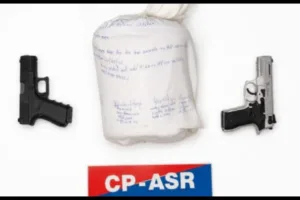
The Kolkata Police have arrested a taxi driver and recovered a large cache of illegal firearms and live ammunition from his vehicle in Bengal’s Howrah district.

According to police sources, a Special Task Force (STF) team of the Kolkata Police intercepted a white-and-blue taxi, having registration number WB23C8793, near the Abhaynagar playground, which comes under the jurisdiction of Nishchinda Police Station in the Howrah Police Commissionerate.

The STF conducted a thorough search of the vehicle taking the help of local cops from the Nishchinda Police Station.

The operation took place at around 8.05 pm on Tuesday, police said.

According to police sources, four improvised 7 mm pistols, one country-made single-shot pistol, four magazines, six rounds of 9 mm live ammunition, 19 rounds of 7.65 mm live ammunition, and four rounds of 7.62 mm live ammunition were recovered.

The driver, identified as Rajesh Kanwar (54), son of Ramnagina Kanwar and a resident of BT Road at Baranagar, was taken into taken.

An investigation has been launched to ascertain the source of the weapons and ammunition, and where they were being transported. It is also being investigated whether the accused has links to any organised illegal arms trafficking network.

Police have registered a case under the relevant provisions of the Arms Act.

Amid CJP protest, Delhi LG authorises police commissioner to detain people under National Security Act for three months

The move comes after authorities raised concerns over maintaining law and order in the national capital. The special powers allow action against individuals whose activities are considered harmful to public security.

Statesman News Service | New Delhi |

Delhi Police have just been handed some serious extra power, and it’s tied to the ongoing protests by the Cockroach Janta Party (CJP) that have been ramping up across the city. The central government has authorised Delhi Police Commissioner Anurag Kumar to order preventive detention under the National Security Act, commonly known as the NSA.

This came out through an Extraordinary Delhi Gazette notification published on July 22, though the actual order behind it is dated July 15, according to reporting from The Tribune. Kumar, who only recently took over as Delhi Police Commissioner, now has access to these special powers, but only for a set window of time.

The powers run from July 19 to October 18

According to the order, Kumar can use preventive detention powers starting July 19 and running through October 18, 2026, giving him a three month window to exercise this authority.

For context, the NSA lets authorities detain someone without pressing formal criminal charges against them. Depending on the specifics of a case, that detention can last anywhere from 12 days up to a full year. The whole point of the law is to head off potential threats to public safety before they happen, rather than punishing someone after the fact.

Why the Lieutenant Governor signed off

The order makes clear that Delhi’s Lieutenant Governor felt this delegation of power was necessary to keep public security intact. Specifically, using authority under Section 3(3) combined with Section 2(e) of the National Security Act, 1980, the LG has named the Delhi Police Commissioner as a detaining authority for this stretch of time.

The order also spells out that Kumar can exercise detention powers under Section 3(2) of the Act specifically between July 19 and October 18, 2026.

What the NSA actually lets authorities do

At its core, the National Security Act allows officials to issue preventive detention orders against anyone whose actions are seen as a threat to public order, national security, or the flow of essential goods and services.

This is different from how normal criminal cases work. There’s no requirement to file immediate charges. Instead, the law exists to stop people before they can act in ways that officials believe would spark serious law and order issues.

It’s also worth noting that the NSA gives governments the flexibility to designate district magistrates or police commissioners as detaining authorities whenever they judge it necessary for maintaining order, which is exactly the mechanism being used here.