Logo

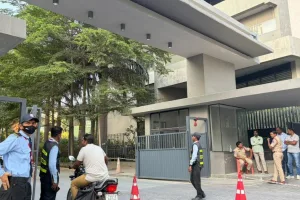
Raids from yesterday through today, from Anant Raj Limited to Raheja Developers

The twin action, both under the Prevention of Money Laundering Act (PMLA), signals a broader crackdown on alleged financial irregularities and homebuyer-linked fraud cases.

Statesman News Service | New Delhi |

The Enforcement Directorate (ED) has stepped up its scrutiny of the real estate sector, carrying out consecutive search operations over two days – first at Anant Raj Limited’s office in Delhi on Friday and then at multiple locations linked to Raheja Developers across the National Capital Region (NCR) on Saturday. The twin action, both under the Prevention of Money Laundering Act (PMLA), signals a broader crackdown on alleged financial irregularities and homebuyer-linked fraud cases.

Officials said the searches at Anant Raj began early Friday and continued through the day as part of an ongoing money laundering investigation. While the agency has not disclosed specific details of the case, sources indicated that documents and financial records are being examined.

Within 24 hours, the ED radar included Raheja Developers, where search teams fanned out across seven premises in Delhi-NCR. The searches are linked to allegations of cheating homebuyers and failure to deliver flats in the company’s Raheja Revanta project.

Raheja case: Allegations rooted in earlier FIRs and ED action

The latest searches are part of a continuing investigation that dates back to multiple FIRs filed by the Economic Offences Wing (EOW) of Delhi Police against Raheja Developers, its Managing Director Naveen Raheja, and others.

According to the ED’s July 1, 2025 press release, the agency had earlier conducted searches at 13 locations across Delhi, NCR and Mohali on June 27 under the PMLA. The probe was initiated after FIRs alleged that the company collected substantial funds from investors and homebuyers on the promise of delivering residential flats in various group housing projects but failed to hand over possession.

During those earlier raids, the ED said it seized incriminating documents, digital devices, and records related to movable and immovable assets. The findings pointed to suspected diversion and misuse of funds collected from buyers, forming the basis for the ongoing money laundering investigation.

The current round of searches seems to be a continuation of that probe, with a sharper focus on the Raheja Revanta project, where buyers have alleged prolonged delays and non-delivery of flats despite payments.

Anant Raj shares dip after ED action

The Enforcement Directorate action at Anant Raj’s Delhi office triggered a sharp sell-off in Anant Raj Limited shares, which fell over 7 per cent during Friday’s trade amid heightened investor concerns. The stock was trading at Rs. 472.45, down 7.38 per cent.

The counter has remained under pressure in recent days as well, losing over 7 per cent in the past week and more than 13 per cent on a year-to-date basis.

Probe intensifies across sector

The back-to-back searches underscore the ED’s increasing focus on alleged irregularities in real estate projects, particularly those involving large-scale fund collection from homebuyers. With investigations into both Anant Raj and Raheja Developers ongoing, more disclosures are expected in the coming days as authorities analyse seized material and financial trails.
 

BJP ally or solo fight? Athawale puts 25-seat condition for 2027 UP Assembly polls

RPI(A) has staked claim to 25 seats in Uttar Pradesh, signalling tougher alliance negotiations with the BJP as smaller NDA partners begin early positioning for the 2027 Assembly polls.
Statesman News Service | New Delhi |

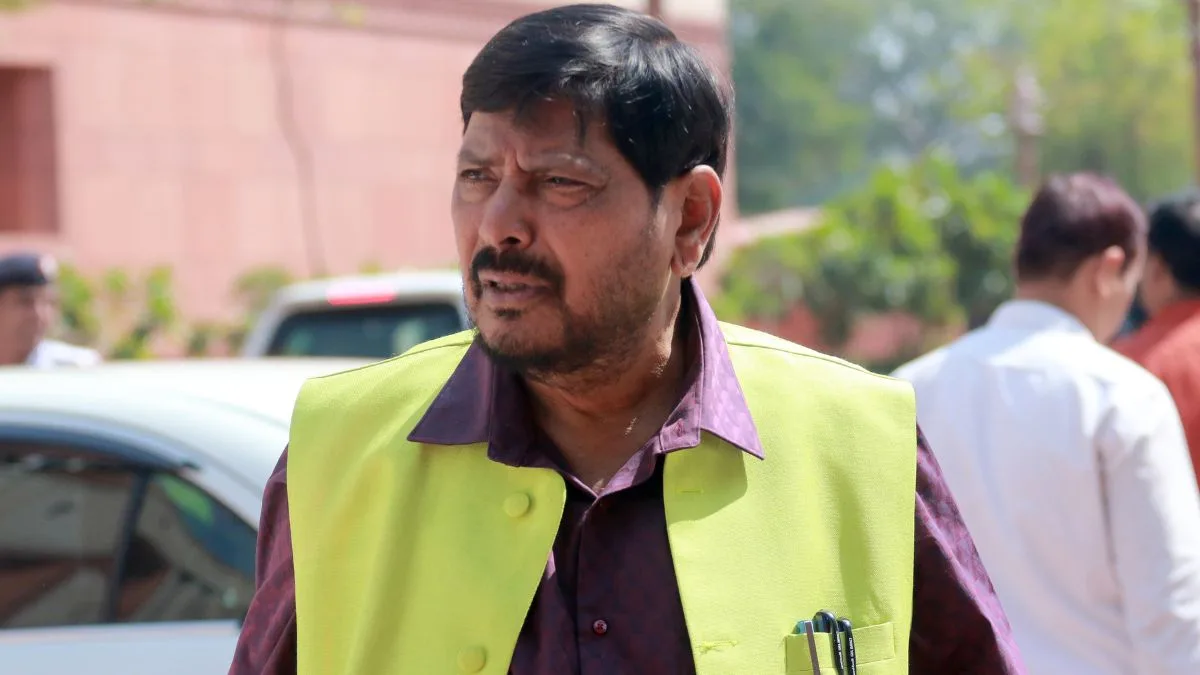
The Republican Party of India (Athawale) on Saturday drew a clear line for its role in Uttar Pradesh, with Union Minister and party chief Ramdas Athawale saying the party will contest 25 Assembly seats with the BJP or go solo if that demand is not met.

The statement, issued through a press release ahead of the 2027 Uttar Pradesh Assembly elections, shows early signs of seat-sharing pressure within the NDA, even though formal talks are yet to begin.

Athawale sets terms for BJP alliance

According to the release, Athawale said, “In Uttar Pradesh, the party will contest 25 seats as an ally of the BJP. If this demand is not met, the party will contest the assembly elections alone.”

The remark signals a firm stand by the RPI(A), which is looking for a defined space in the state’s electoral map as preparations for 2027 slowly pick up.

The party also made it clear that it sees itself as a relevant partner in Uttar Pradesh politics, especially within the NDA setup, where smaller allies often negotiate their share based on social base and regional presence.

Image

Organisation push ahead of 2027 elections

The press release said the party is focusing on strengthening its organisation in Uttar Pradesh at the grassroots level. Athawale noted that the effort is aimed at giving the party a stronger voice in the upcoming elections.
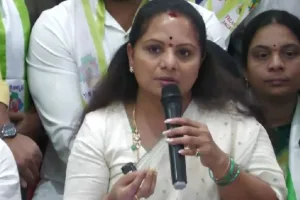
He also pointed out that the RPI(A) is an important partner in the NDA at the Centre and expects similar weight in Uttar Pradesh.
Opposition in the line of fire

In the same statement, Athawale targeted the Congress and the Samajwadi Party, accusing them of working against the interests of women and marginalised communities.

He said the RPI(A) represents Dalits, backward classes and other deprived sections, and claimed that these groups have not seen real development despite being politically courted by other parties.

State unit backs demand

RPI(A) Uttar Pradesh president Pawan Kumar Gupta backed the national leadership’s position, saying party workers have already begun preparing for the 2027 elections.

He also appealed to the media to give space to the party’s programmes, signalling an attempt to build visibility in the state.

West Bengal PDS scam probe deepens; ED raids homes of men close to TMC’s jailed-and-bailed leader Jyotipriya Mallick

ED teams searched multiple premises across Bengal, including Habra, as part of a PDS wheat diversion probe involving suppliers, distributors and alleged smuggling networks ahead of Assembly polling.

Statesman News Service | New Delhi |

The Enforcement Directorate (ED) on Saturday carried out coordinated search operations at multiple locations in West Bengal’s North 24 Parganas district, intensifying its probe into an alleged Public Distribution System (PDS) scam days before the second phase of Assembly elections.

The timing of the raids, just four days before polling for 142 constituencies on April 29, has pushed the ration diversion case back into the political spotlight, particularly in Habra where key individuals linked to the investigation are based.

According to IANS, ED teams, accompanied by Central Armed Police Force (CAPF) personnel, fanned out from the agency’s Salt Lake office early in the morning and reached Habra to conduct searches at residences linked to rice traders and mill owners. The locations include the residence of Sagar Saha at Srinagar in Habra, and the homes of Rajib Saha and Partha Saha at Subhash Road near Deshbandhu Park.

Searches linked to alleged diversion of PDS wheat

The ongoing searches are part of a wider investigation under the Prevention of Money Laundering Act (PMLA). The ED initiated its probe based on an FIR registered by West Bengal Police at Basirhat Police Station following a complaint by the Deputy Commissioner of Customs at Ghojadanga Land Customs Station in October 2020, alleging large-scale diversion of Public Distribution System (PDS) wheat meant for welfare schemes.

The ED is examining premises linked to suppliers and exporters across Kolkata, Burdwan and Habra.

The probe has indicated a structured network involving suppliers, licensed distributors, dealers and middlemen, who allegedly procured PDS wheat through unauthorised channels at low prices. The diverted stock was then aggregated at multiple locations before being routed into the open market or export chains.

To mask its origin, the accused are suspected to have removed or reversed markings on gunny bags belonging to the Food Corporation of India (FCI) and the state government, repackaging the wheat as legitimate stock.

2021 seizure, political links under scanner

Sources indicated that Saturday’s searches are also connected to an earlier seizure by Border Security Force personnel, when 175 vehicles loaded with rice and wheat were intercepted near the Ghojadanga border in Basirhat ahead of the 2021 Assembly elections.

The case has previously drawn political attention. The three individuals whose premises were searched are known to be close to Trinamool Congress legislator Jyotipriya Mallick, a former state Food & Supplies Minister. Mallick was arrested earlier by the ED in connection with the same case and spent a considerable period in custody. He is currently out on bail and is contesting again from the Habra constituency, which goes to polls on April 29.

The ED has also questioned actress-turned-politician Nusrat Jahan, a former Trinamool Congress MP from Basirhat, in connection with the investigation.

Officials confirmed that searches are being carried out at nine premises in total, spanning Kolkata, Burdwan and Habra, as part of the ongoing probe into the alleged diversion racket and the generation of proceeds of crime.

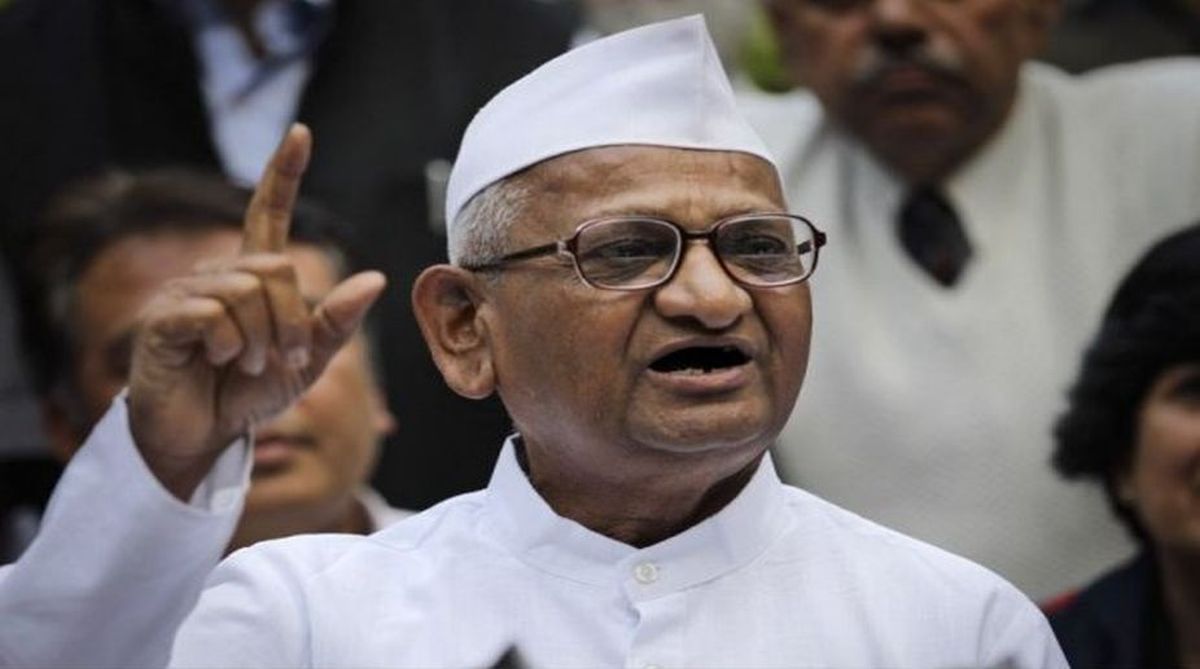
‘Party-hopping for selfish needs is against constitutional spirit’: Anna Hazare on Raghav Chadha’s break-up with AAP

Hazare said shifting political allegiance for personal interests is “not right” and goes against the spirit of public service. He added, “Leaving one party and joining another is not right. Changing political parties for selfish needs is not the right thing.

Statesman News Service | New Delhi |

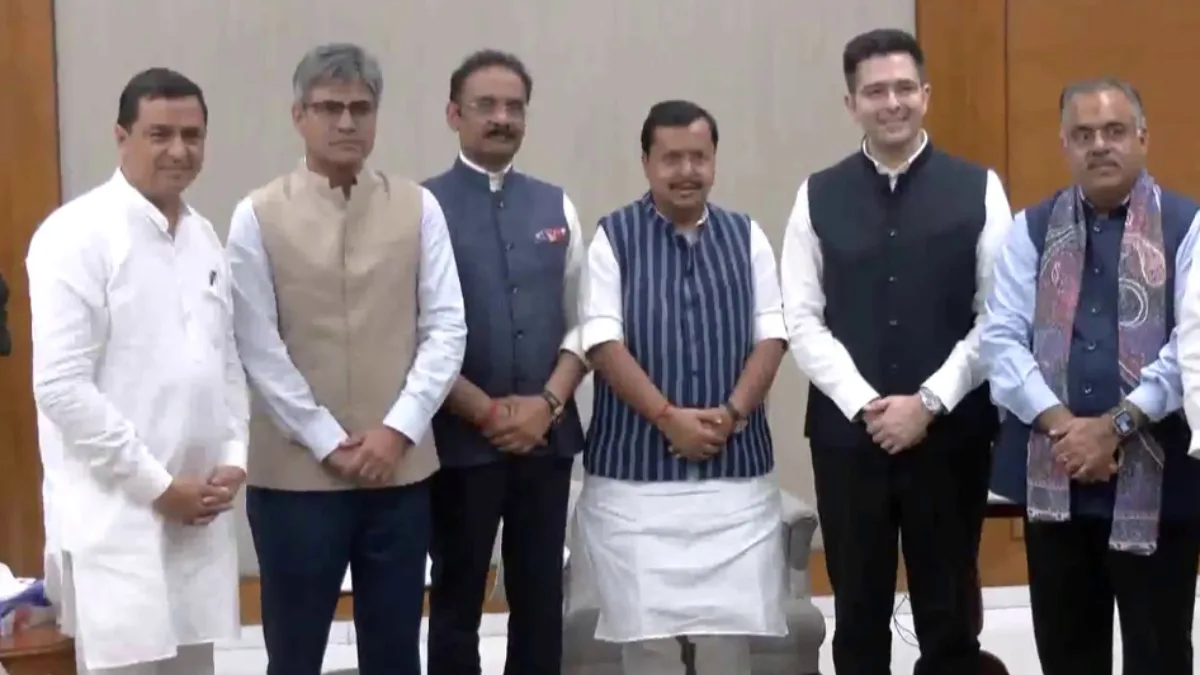
Amid a major political churn triggered by Raghav Chadha and several other MPs joining the Bharatiya Janata Party (BJP), social activist Anna Hazare on Saturday criticised the move, calling it a departure from democratic values.

Speaking on the development, Hazare said shifting political allegiance for personal interests is “not right” and goes against the spirit of public service. “Leaving one party and joining another is not right. Changing political parties for selfish needs is not the right thing. This is not mentioned in our Constitution. Our Constitution is supreme, and the country runs according to it,” he said.

He stressed that elected representatives must act in line with constitutional principles and avoid decisions driven by individual gain.

Hazare’s remarks come at a time when the Aam Aadmi Party (AAP) is grappling with one of its biggest internal crises. His comments carry weight given his early association with AAP’s origins. He was the face of the 2011 anti-corruption movement that led to the party’s formation, though he later distanced himself from electoral politics and from AAP leadership led by Arvind Kejriwal.

Chadha, other 6MPs split with AAP

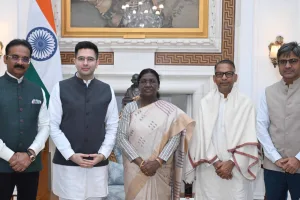
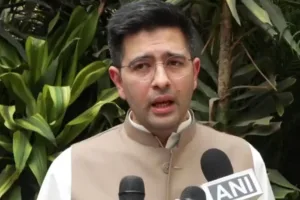
The criticism follows a dramatic political move on Friday when Raghav Chadha, along with Sandeep Pathak and Ashok Mittal, announced their exit from AAP and joined the BJP.

Chadha said that he and six other Rajya Sabha MPs had formally informed the Chairman of the House about leaving the party, in line with procedural rules. The move effectively signals a merger of a significant section of AAP’s Upper House strength with the BJP.

The latest developments have intensified the political battle, with AAP preparing to challenge the defections legally while the BJP welcomes the incoming leaders. Hazare’s intervention adds a moral dimension to the debate, questioning the ethics of political realignments in the middle of a parliamentary term.


Netherlands Ambassador says moving ahead to elevate bilateral ties to “Strategic Partnership with India”

Gerards said both countries are preparing to expand cooperation across a wide range of sectors, including trade, artificial intelligence (AI), semiconductors and innovation.”We will strategically strengthen our relationship. Very soon, there will be a big visit, which we will formally announce,” she said, underscoring the importance of trusted international partnerships.

Arti Bali | New Delhi |

The Ambassador of the Netherlands to India, Marisa Gerards, has signalled that a significant high-level visit from the Netherlands is imminent, one that is expected to further elevate bilateral ties between the two nations to a “strategic partnership”.

Speaking at the King’s Day 2026 celebrations hosted by the Dutch Embassy, Gerards said both countries are preparing to expand cooperation across a wide range of sectors, including trade, artificial intelligence (AI), semiconductors and innovation.”We will strategically strengthen our relationship. Very soon, there will be a big visit, which we will formally announce,” she said, underscoring the importance of trusted international partnerships. She added that India and the Netherlands are set to deepen collaboration not only in high-tech industries but also in agriculture, water management, energy, and shipping.

On the broader strategic vision, the Ambassador said, “Our countries are moving vigorously towards a strategic partnership. In this day and age, we need trusted friends to withstand the geopolitical and geo-economic challenges the world is facing. This strategic partnership will function as a cornerstone of national resilience, enabling us to better counter disruptions in supply chains across critical sectors — such as semiconductors, medicines, and energy — that would otherwise cripple our economies.”

“Our two nations represent a powerful partnership rooted in innovation. India brings energy, talent and a rapidly growing economy; the Netherlands brings cutting-edge expertise in water management, agriculture, and high-tech industries — together shaping solutions for a changing world, from climate change to sustainable agriculture.”The strength of the India–Netherlands relationship is not merely diplomatic; it is firmly anchored in robust economic engagement. Bilateral investment between the two countries stands at an impressive $90 billion, a figure that reflects the depth of commercial confidence each nation places in the other.

Union Minister Jitendra Singh, who attended the event at the Ambassador’s residence, captured the spirit of this partnership succinctly.”We are in the age of biotechnology. We have bilateral investment of $90 billion, which means we are actively engaged by business considerations. We have a mutual bond, an ease of working with each other,” Singh said. The Minister highlighted the deep and enduring ties between the two countries, noting that despite evolving geopolitical challenges, bilateral relations have remained steady and continue to grow.”These are two countries that have shared a deep bond over centuries. In today’s rapidly changing global environment, it is significant that our relationship continues to progress,” he said.

Singh also pointed to ongoing cooperation in water management, agriculture and high technology, and praised the Indian diaspora in the Netherlands for its active engagement despite its relatively modest size.

Drawing on his background as a physician, the Minister further highlighted India’s diverse health landscape — noting that the country offers wide-ranging opportunities for medical research, biotechnology, and collaboration, owing to its varied epidemiological patterns across regions. He underlined that this positions India as a uniquely valuable partner in the global life sciences and healthcare space.

The forthcoming high-level visit is expected to cement strategic ties further, particularly in emerging technologies, biotechnology, and innovation-driven sectors — reflecting both nations’ shared commitment to building a resilient, future-ready and mutually prosperous partnership.

‘AAP lives like kings’: Parvesh Verma targets Kejriwal over ‘Sheesh Mahal 2’; AAP calls visuals ‘fake’

Political rhetoric sharpens in Delhi as BJP questions consistency between AAP’s founding ideals and current leadership choices, turning housing into a key flashpoint.

Statesman News Service | New Delhi |

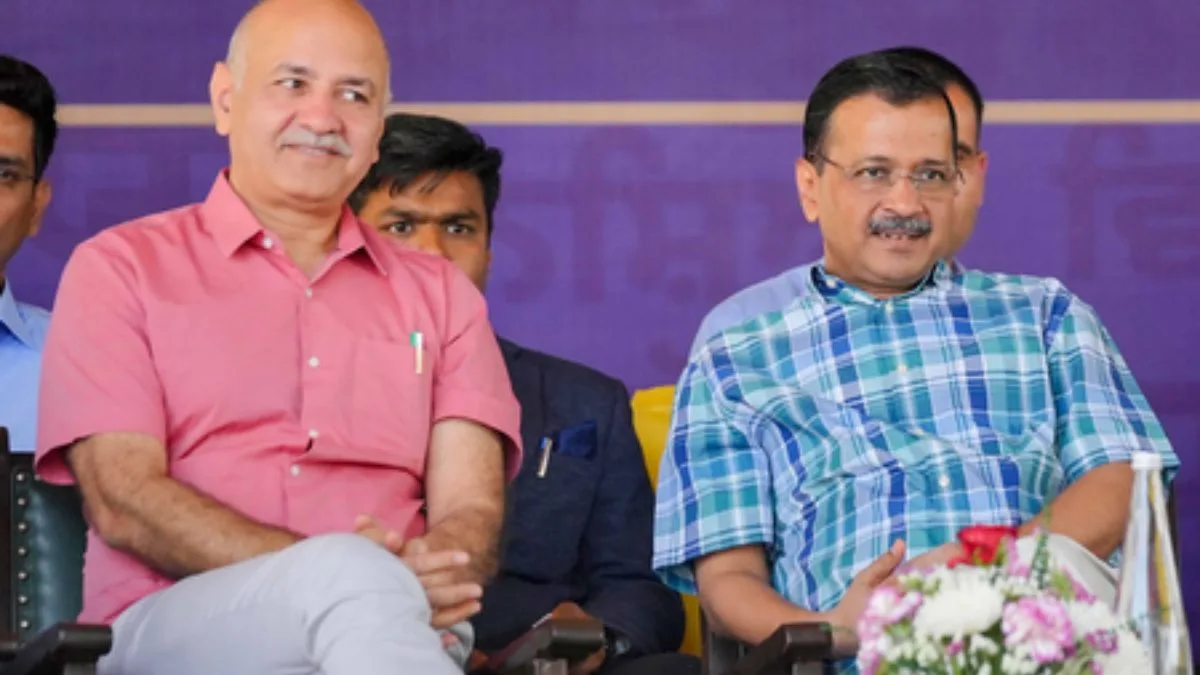
BJP leader and Delhi Minister Parvesh Verma on Saturday sharpened his attack on former chief minister Arvind Kejriwal, accusing him of abandoning his claims of a simple lifestyle and embracing luxury, citing his new official residence in the national capital.

The remarks come amid a renewed political flashpoint over Kejriwal’s housing choices, with the BJP seeking to frame the issue as one of alleged hypocrisy ahead of a broader political contest in Delhi.

‘They live like kings,’ says Verma

Addressing a press conference, Verma questioned Kejriwal’s image as a leader of austerity, pointing to his residence at 95 Lodhi Estate. He alleged that the Aam Aadmi Party (AAP), which rose to power on promises of clean governance and modest living, has drifted from its founding ideals.

“Those who call themselves the Aam Aadmi Party today, they live like kings. There is nothing wrong with that. Let them live, but then don’t call yourself the Aam Aadmi Party,” Verma said.

He went on to describe the residence as “Sheesh Mahal 2”, alleging that it follows an earlier controversy around Kejriwal’s official accommodation.

Questions raised over funding and past claims

Verma also raised questions about the source of funds used for developing the property. “Why does the person who promised a two-room flat repeatedly feel the need to build such a Sheesh Mahal? BJP wants to ask: In this new Sheesh Mahal, whose money has been invested? Which companies’ money has been used? Where did this money come from?” he asked.

Referring to Kejriwal’s political journey, Verma said the AAP leader had earlier invoked figures like Mahatma Gandhi, Bhagat Singh and BR Ambedkar during the anti-corruption movement while promising a life of simplicity.

“Today, in front of you once again, those who have been deceiving the people of Delhi, taking the help of the Anna movement… giving an affidavit on a one-rupee stamp paper that ‘I will not take a government house, will not take a bungalow, will not take a car’…” he said.

‘Seven-star hotel’ comparison, sharp jibes

During the press briefing, Verma referred to visuals of the residence and claimed it resembled a luxury property. “Looking at this house, does it seem like an ordinary person’s house? This is Kejriwal’s bedroom. It looks like a seven-star hotel suite in Goa… 95 Lodhi Estate, their new Sheesh Mahal. Each penny invested in this house is private,” he alleged.

In a series of political jibes, Verma said, “In the history of independent India, if anyone has the most extravagant hobbies, his name is Arvind Kejriwal… His party’s name should not be ‘Aam Aadmi Party’, it should be ‘Aalishan Aadmi Party’.”

He also remarked, “Sheesh Mahal has surrounded Kejriwal so much that today he cannot see the pain of the people of the country, the people of Delhi, and the people of Punjab…”

AAP rejects claims, calls images ‘fake’

Responding to the allegations, AAP leaders Atishi and Sanjay Singh dismissed the visuals cited by Verma as fabricated and challenged BJP leaders to make their own residences public.

“All the pictures released by Pravesh Verma are fake. They are not pictures of Kejriwal ji’s house. To find out whose house is how luxurious, Rekha Gupta ji and LG sahib should open their own houses, and Kejriwal ji will open his house. The public will decide for itself,” Atishi said in a post on X.

Sanjay Singh issued a sharper warning, stating that the claims could invite legal action. “The picture of Arvind Kejriwal ji’s house released by Parvesh Verma is completely fake. Parvesh Verma and the TV channels showing the pictures released by him should prepare to face a defamation case,” he said.

He further added, “I challenge Rekha Gupta ji, Lt Gov Delhi sir, and Parvesh Verma to open their respective houses to the public. Arvind Kejriwal ji will open his house, and the public will get to know whose house is how luxurious?”

With both sides digging in, the controversy over Kejriwal’s residence is set to escalate further, emerging as a key political flashpoint in Delhi.

Defections ahead of Punjab polls—who will benefit: BJP, Congress, Akali Dal or AAP

Sources say the development opens opportunities for the BJP in a state where the party has traditionally struggled to establish a strong foothold independently. By inducting leaders with established local networks—someone like Raghav Chadha, who was seen as a de facto CM in the Bhagwant Mann government in Punjab before things went awry—it is a smart, calculated expansion strategy ahead of the polls.

VIBHA SHARMA | New Delhi |

Coming ahead of the Punjab Assembly elections early next year, the political apocalypse in the Arvind Kejriwal-led AAP on Thursday poses a major challenge to the ruling party in the state, giving rise to questions on its political beneficiary. Will these seven Rajya Sabha MPs—the majority being from Punjab—help the BJP, a relatively minor force in the state? Will this defection help the Congress, the primary challenger of AAP? Will it benefit the Akali Dal, an important force in the state? Or will Arvind Kejriwal gain sympathy from voters due to this “betrayal by traitors,” as AAP leaders are describing it?

Notably, six of the seven MPs who joined the BJP on Thursday are from Punjab, with Swati Maliwal being the only one from Delhi. Addressing media persons on Friday, AAP MP Sanjay Singh accused the BJP leadership, including Prime Minister Narendra Modi and Home Minister Amit Shah, of orchestrating “Operation Lotus” to destabilise the Mann government.

Sources say the development opens opportunities for the BJP in a state where the party has traditionally struggled to establish a strong foothold independently. By inducting leaders with established local networks—someone like Raghav Chadha, who was seen as a de facto CM in the Bhagwant Mann government in Punjab before things went awry—it is a smart, calculated expansion strategy ahead of the polls.

For AAP, which swept to power in Punjab, the defections create a perception of internal instability at a critical juncture. Such optics could erode voter confidence, particularly if the opposition successfully frames the narrative as one of leadership issues. But can it gain from a sympathy factor in Punjab’s distinct political dynamics, shaped by regional identity, agrarian concerns, and lingering distrust following the farm law protests?

Observers say that while the BJP strengthens its organisational presence and uses the networks of the new inductees, converting that into votes is a complex task. Besides, people in Punjab are seen as voting to defeat a party rather than making a party win. This is where the Congress could emerge as a key beneficiary.

Despite recent electoral setbacks, the party retains a legacy base across rural and semi-urban Punjab. Any erosion in AAP’s support may benefit Congress, especially among voters reluctant to back the BJP. If the party manages internal cohesion and presents a credible leadership face, it could reclaim lost ground, sources say. The evolving scenario also leaves room for the Shiromani Akali Dal to regain relevance by appealing to sections disillusioned with both AAP and Congress. And if the BJP and the Akali Dal come together, the scenario may be completely different.

So, can the fragmentation of AAP have multiple effects?

AAP leaders have reacted sharply, calling the move a “gaddari” (betrayal) that the people of Punjab who sent them to the Rajya Sabha will never forget. In a post on X, Kejriwal said, “BJP ne phir kiya Punjabiyon ke saath dhakka.” “People of Punjab will never forgive this betrayal,” Mann said on Friday, describing the seven MPs as “traitors” who would gain nothing in the BJP. Whether voters in Punjab will also buy this argument remains to be seen.

Iran unity message vs reality: Report points to growing internal rift

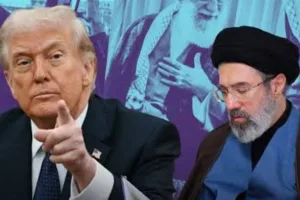
A US think tank flags a shift within Iran’s leadership, with hardliners gaining influence just as diplomatic engagement with Washington gathers pace through mediated talks in Islamabad.

Statesman News Service | New Delhi |

A fresh assessment by a US-based think tank suggests that hardline voices within Iran’s power structure may now be steering the country’s negotiating stance, with Islamic Revolutionary Guards Corps (IRGC) Commander Brigadier General Ahmad Vahidi emerging as a dominant figure.

The findings come at a critical moment, just as Tehran and Washington prepare for indirect engagement through mediators, raising questions over whether diplomatic flexibility is shrinking within Iran’s leadership.

According to the Institute for the Study of War (ISW), Vahidi and his close aides have consistently pushed back against efforts by Parliament Speaker Mohammad Bagher Ghalibaf and other “pragmatist” figures who were advocating a more adaptable position in negotiations. The report indicates that this internal contest has, for now, been settled in favour of the hardliners.

The ISW assessment notes that Vahidi appears to have “prevailed in this internal power struggle” and is likely to influence Iran’s approach with a “maximalist and uncompromising stance.” It adds that Ghalibaf “likely lacks the leverage to alter this trajectory in a meaningful way at this time.”

Signs of strain within Iran’s leadership

Reports about Ghalibaf’s possible exit from the negotiating team have added to the sense of friction at the top. The ISW said such developments are “consistent with ISW-CTP’s assessment that Vahidi has emerged as the winner of the intra-regime rivalry.”

Citing Western media reports, the think tank noted that Ghalibaf has “grown frustrated with internal divisions” and has considered stepping aside. Some accounts have even suggested that he may have “already resigned from the negotiating team due to disagreements over nuclear concessions.”

Even as voices within the system continue to argue for a more flexible line, the ISW believes their influence is limited for now. It said such efforts are “unlikely to meaningfully shape regime decision-making in the near term.”

Implications for US-Iran engagement

The report underlines that Vahidi’s ascendancy could have a direct bearing on future engagement with Washington. It describes him as more willing than pragmatist leaders to accept the risks of renewed confrontation with the United States, a position that may complicate ongoing diplomatic efforts.

This internal churn is unfolding alongside preparations for talks in Islamabad, where both sides are expected to engage through intermediaries. Iranian Foreign Minister Abbas Araghchi reached Pakistan on April 24, while US Special Envoy Steve Witkoff and Jared Kushner are scheduled to arrive a day later.

Sources cited by Axios indicated that a “trilateral meeting” involving Araghchi, Witkoff and Kushner may take place after separate bilateral discussions.

Public messaging stresses unity

Despite the indications of discord, Iran’s leadership has projected a united front. On Friday, official messaging featured a joint image of President Masoud Pezeshkian, Speaker Ghalibaf, and Judiciary Chief Gholam-Hossein Mohseni-Ejei, asserting national cohesion in the face of external claims.

Ghalibaf himself echoed that line, stating, “In Iran, there are no radicals or moderates; we are all ‘Iranian’ and ‘revolutionary,’ and with the iron unity of the nation and government, with complete obedience to the Supreme Leader of the Revolution, we will make the aggressor criminal regret his actions.”

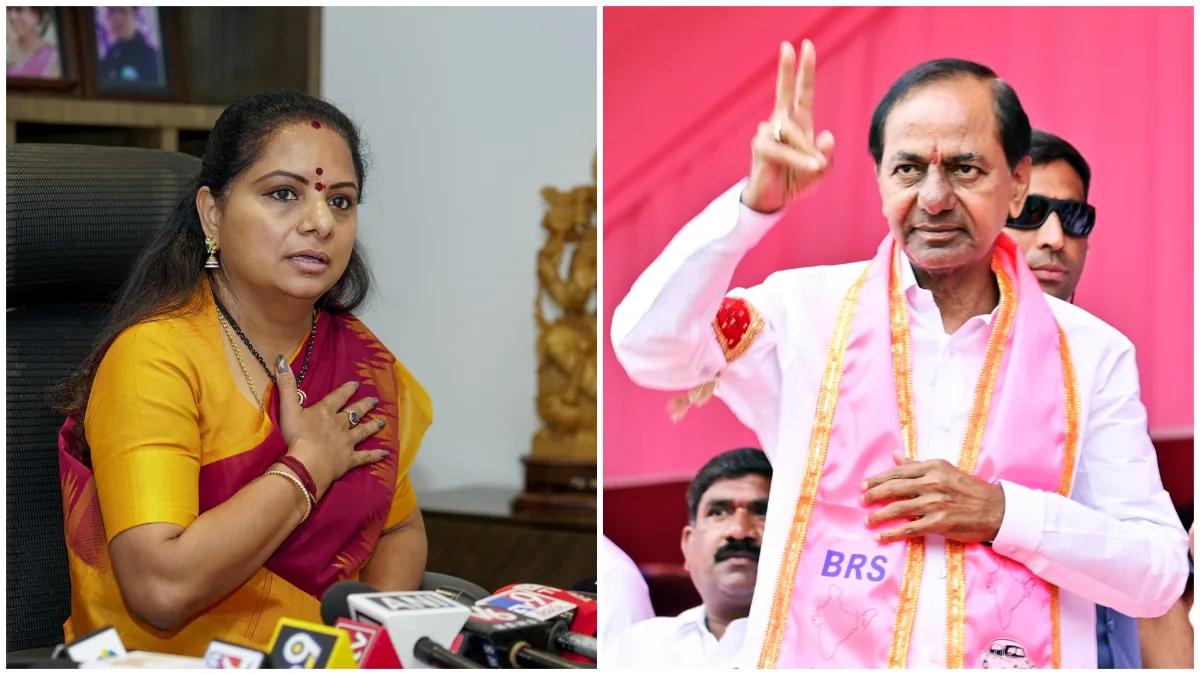
Daughter vs father: K Kavitha launches new party ‘TRS’ after bitter fallout with KCR-led BRS

Kavitha said the BRS was created to fulfil the aspirations of Telangana but had since “changed its name, work and soul,” leading to a disconnect with the public.

Statesman News Service | New Delhi |

In a dramatic escalation of a father-daughter political rift, former Bharat Rashtra Samithi (BRS) leader K Kavitha on Saturday launched her own party, marking a sharp break from the outfit headed by her father, K. Chandrashekar Rao.

The move comes months after Kavitha’s controversial suspension from the BRS, turning what began as internal differences into a full-blown political split within one of Telangana’s most influential families.


New party, old name: Telangana Rashtra Sena announced

At a launch event in Hyderabad, Kavitha unveiled her new political outfit, Telangana Rashtra Sena (TRS), reviving the name originally used by her father when he founded the regional party before it was rebranded as BRS.

Positioning her party as a return to core regional politics, Kavitha said the original vision of the movement had been diluted. She argued that the shift away from Telangana-centric issues had weakened the party’s connect with people.

‘Original vision lost’: Kavitha targets BRS shift

Kavitha said the BRS was created to fulfil the aspirations of Telangana but had since “changed its name, work and soul,” leading to a disconnect with the public.

“When a party drifts away from its core agenda, it cannot survive. Telangana still needs a strong regional force to address its unfinished agenda, and that is what our party aims to do,” she said.

Suspension triggered ugly split

The political break traces back to September 2025, when Kavitha was suspended from the BRS over alleged “anti-party activities.” The episode marked a turning point, with relations between her and the party leadership deteriorating rapidly.

Kavitha has maintained that she did not quit the party voluntarily but was expelled. Underlining the bitterness surrounding the split, she added, “The BRS party, of which my father is the president, has expelled us. We haven’t left them, neither the family nor the party. We have been expelled.”

Following her suspension, Kavitha had publicly accused senior leaders, including Harish Rao and Santosh Rao, of conspiring against her and weakening both the party and the family. She had also resigned from her position as an MLC.

Tribute to Telangana movement martyrs

Earlier in the day, Kavitha paid floral tributes at Amaraveerula Stupam in Hyderabad, honouring those who lost their lives during the 1969 Telangana agitation, a symbolic gesture reinforcing her regional pitch.

With Kavitha floating a separate party and invoking the original identity of the TRS, Telangana’s political landscape could see a fresh churn. The split not only reshapes regional politics but also underscores a rare and sharp political confrontation within a powerful political family.

Emotional pitch: ‘People of Telangana are my family’

Framing her political journey as rooted in the Telangana movement, Kavitha struck a personal note, saying her commitment to the state goes beyond party or family lines.

She said that regardless of political affiliations, her focus remains on fulfilling the aspirations tied to the decades-long struggle for statehood.

She said, “But I am a daughter of Telangana. I have the blood of Telangana, the grit of it. We are very stubborn, very committed to our goal. We have spent 20 years of our lives in the Telangana agitation. To develop Telangana, to fulfil its aspirations, whether we have our old party or not, whether our family is with us or not, I believe the people of Telangana are my family. The fragrance of Telangana’s soil will drive us.”


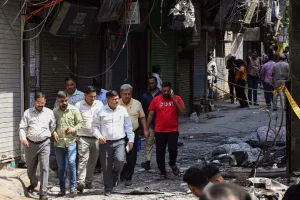
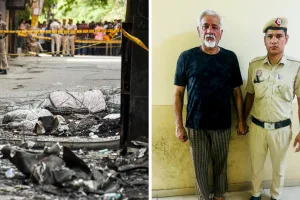
IRS officer’s daughter murder: Accused taken to Kailash Hills spot as Delhi Police reconstructs crime

Investigators rely on CCTV footage, stolen phone data and hotel Wi-Fi logs to trace and arrest the accused, as Delhi Police reconstruct the sequence of events at the crime scene.

Statesman News Service | New Delhi |

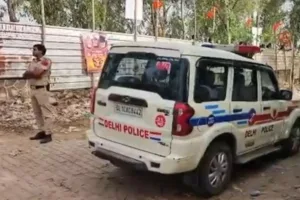
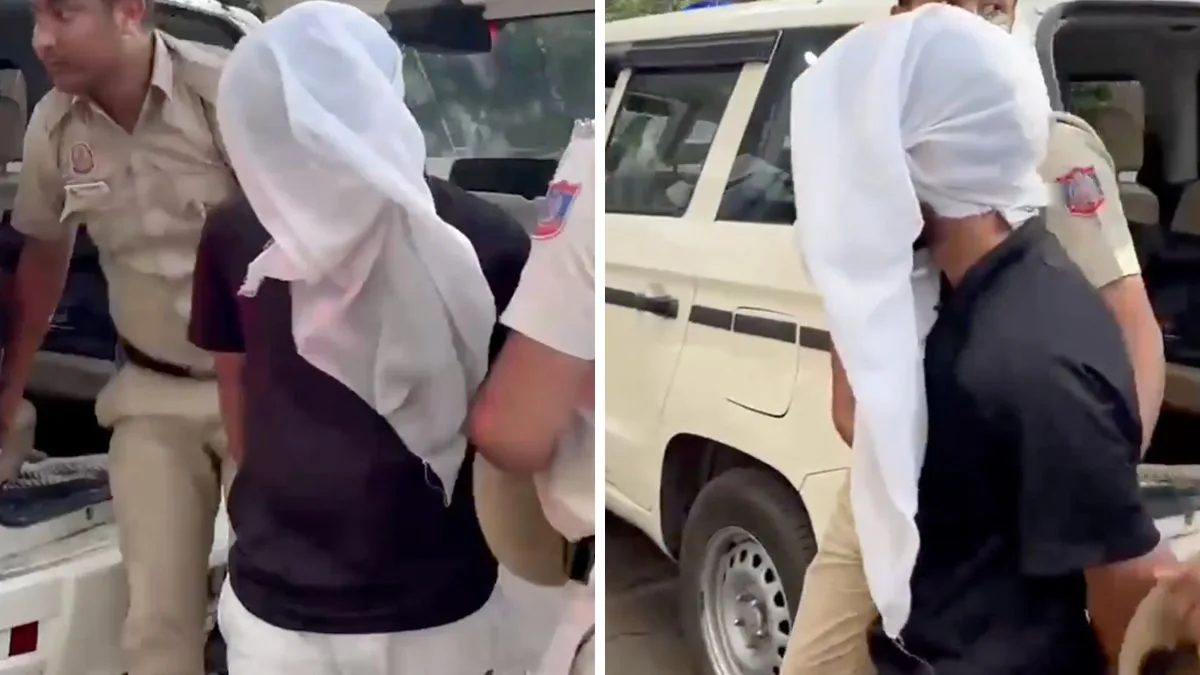
The Delhi Police on Saturday took accused Rahul Meena to the crime spot in southeast Delhi’s Kailash Hills, recreating the sequence of events in the alleged rape and murder of a 22-year-old woman, the daughter of an Indian Revenue Service officer. Meena was brought from Amar Colony Police Station as investigators pieced together the final moments leading up to the crime.

The case has sent shockwaves through the capital, with investigators now laying out a detailed account of how the accused allegedly entered the residence, attacked the woman, and fled with valuables. The reconstruction exercise forms part of an expanding probe that has relied heavily on CCTV footage and digital trails to track the accused.

What police say happened inside the house

According to preliminary findings shared by police, the woman was studying in her room when Meena entered the house. When questioned about his presence, he allegedly claimed that her mother had called him inside. He then demanded money, saying he urgently needed cash.

Officials said the situation escalated after the woman refused. An argument followed, during which the victim raised an alarm. The accused allegedly warned her against shouting before striking her repeatedly with a lamp. The assault left her with multiple injuries on her face and body.

Police said that after she lost consciousness due to head injuries, the accused allegedly raped her and later strangled her using a phone charger.

Theft, escape and CCTV trail

Investigators said Meena dragged the victim’s body to another room where lockers were kept. He allegedly used her finger to unlock one locker secured by a fingerprint system, and broke open another with a screwdriver. Jewellery and cash were placed in a bag.

Officials added that the accused changed his blood-stained clothes, wearing trousers belonging to the victim’s brother, before leaving the house. CCTV footage shows him entering the colony around 6:30 am, entering the house minutes later, and exiting at approximately 7:20 am.

He is believed to have fled towards a railway station after the incident.

Digital clues that led to arrest

Police said the accused was traced using a combination of digital evidence, including a stolen mobile phone, hotel Wi-Fi logs, and Instagram chats. Meena had reportedly been using a handset stolen earlier in Alwar to avoid detection.

Investigators found that he had checked into a hotel in Dwarka, where he accessed the internet using the property’s Wi-Fi network. During this time, he remained in contact with a relative in Gurugram through Instagram.

By analysing Internet Protocol Detail Records and questioning the relative, police were able to narrow down his location. He was eventually arrested from the Dwarka hotel where he had been hiding.

Officials said Meena is suspected to have fled with around Rs 2.5 lakh in cash from the house.

Multiple police teams have been working on the case, scanning CCTV footage from nearby areas and following technical leads. Police say the reconstruction is meant to cross-check the evidence already gathered and piece together the sequence more clearly, which could help tighten the case against the accused.

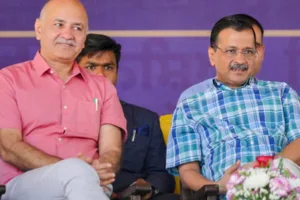
Sisodia met Kejriwal late night after major political blow; AAP gears up legal move against defectors

Party leaders are now engaged in internal deliberations to assess the impact of the split and chalk out a response strategy. The developments have triggered concern within AAP over its position in the Upper House and the broader political implications.

Statesman News Service | New Delhi |

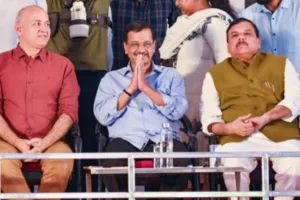
In the wake of a significant setback for the Aam Aadmi Party (AAP), senior leader Manish Sisodia met party convenor Arvind Kejriwal at his residence late at night in Delhi. The meeting took place after seven of the party’s Rajya Sabha MPs left AAP and joined the Bharatiya Janata Party (BJP).

Sisodia had returned from Rajkot, where he was campaigning for the Gujarat municipal elections, and went directly from the airport to meet Kejriwal. Sources said the two leaders held detailed discussions for over half an hour on the political fallout and the party’s next course of action.

Internal rift preceded the split

The rupture within the party had been building over the past few weeks. Tensions became visible after Raghav Chadha was removed as deputy leader in the Rajya Sabha, following which several party leaders accused him of being soft towards the BJP.

Notably, Ashok Mittal, who replaced Chadha in that role, is among those who have now joined the BJP. Others who exited include former cricketer-turned-MP Harbhajan Singh, along with Rajinder Gupta, Vikramjit Singh Sahney, and Swati Maliwal.

The exit of seven MPs marks one of the biggest setbacks for AAP in the Rajya Sabha. The party is now attempting to manage both the legal battle and the political narrative, even as the BJP strengthens its position in the Upper House.

Strategy discussions amid deepening crisis

Party leaders are now engaged in internal deliberations to assess the impact of the split and chalk out a response strategy. The developments have triggered concern within AAP over its position in the Upper House and the broader political implications.

The crisis escalated after Raghav Chadha announced that he, along with six other MPs, had formally informed the Rajya Sabha Chairman of their decision to leave the party, in accordance with House rules.

AAP to seek action under anti-defection law

In response, AAP is preparing to take legal steps. Party sources said, “The chief whip in the Upper House, ND Gupta, will submit a letter to the Rajya Sabha Chairman against Raghav Chadha, Sandeep Pathak and Ashok Mittal.”

“Gupta’s letter will seek action as per the anti-defection law. These 3 leaders were seen in public joining the BJP. Rest four were not seen in the public domain, making that move. Hence, the chief whip will lodge the complaint against the three MPs seen in the BJP office.”

Senior AAP leader Sanjay Singh has also said he will write to the Rajya Sabha Chairman, urging the disqualification of the MPs under the Tenth Schedule of the Constitution, which deals with defection.


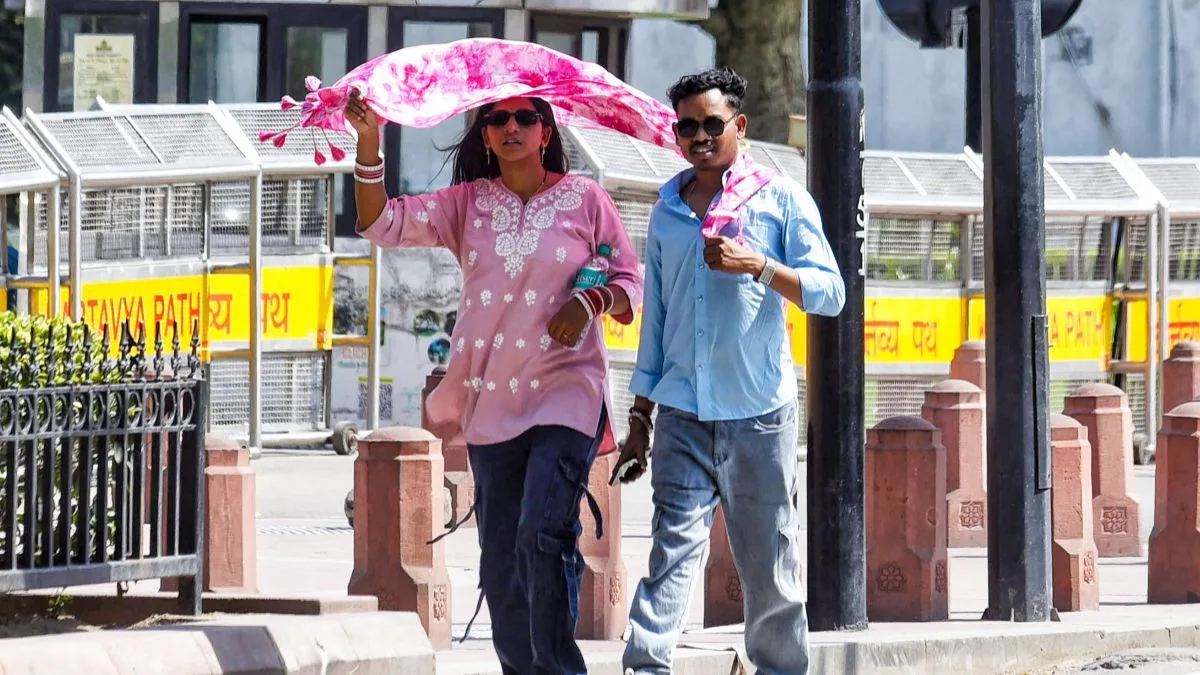
Before May even arrives, Delhi hits 43°C; 32 UP districts on alert as heatwave grips north India

North India faces an early surge in summer intensity as Delhi records above-normal temperatures while multiple districts in Uttar Pradesh remain on alert for prolonged extreme heat conditions.

Statesman News Service | New Delhi |

Delhi and large parts of north India remained under the grip of an intense heatwave on Friday, with hot, dry winds and soaring temperatures leaving residents battling harsh summer conditions. The India Meteorological Department (IMD) has warned that there is no immediate relief in sight, with another sweltering day expected on Saturday. In neighbouring Uttar Pradesh, authorities have sounded a severe heat alert across 32 districts.

The current spell marks one of the early-season surges in temperature, with several regions already recording heatwave conditions even before May sets in. Officials say both daytime highs and unusually warm nights are adding to discomfort, raising concerns over prolonged exposure and heat-related illnesses.

Delhi records above-normal temperatures as heatwave sets in

Over the past 24 hours, Delhi has seen little variation in temperature levels. The minimum temperature hovered between 23°C and 26°C, while the maximum climbed to around 42-43°C. In multiple parts of the city, temperatures were recorded 1.6°C to 3.0°C above the seasonal average.

On Friday, parts of the national capital experienced the season’s first heatwave, even as the IMD maintained a yellow alert. The Safdarjung weather station, considered Delhi’s base observatory, did not officially record a heatwave. However, at least two other monitoring stations met the criteria.

Safdarjung recorded a maximum temperature of 41.9°C, which is 4.2°C above normal and marginally higher than the previous day. The minimum temperature stood at 24.5°C, 1.8°C above normal.

According to IMD norms, a heatwave is declared when the maximum temperature crosses 40°C and is 4.5°C to 6.4°C above the normal range. Both Lodhi Road and Ridge stations ticked the heatwave criteria, with temperatures touching 41.8°C and 43.1°C. In simple terms, that’s well above what Delhi would usually see this time of the year.

Uttar Pradesh on alert as heat shows no signs of easing

Uttar Pradesh, meanwhile, is dealing with a prolonged stretch of punishing heat. The Meteorological Department has issued a severe alert for 32 districts, warning that the conditions are likely to continue through April 25, with both days and nights remaining unusually warm.

The districts under alert include Amethi, Sultanpur, Mirzapur, Chandauli, Prayagraj, Shravasti, Bahraich, Sonbhadra, Pratapgarh, Sitapur, Barabanki, Varanasi, Lakhimpur Kheri, Basti, Kushinagar, Maharajganj, Pilibhit, Bhadohi, Jaunpur, Ghazipur, Azamgarh, Mau, Ballia, Deoria, Gorakhpur, Gonda, Balrampur, and Shahjahanpur.

Officials have warned people to be careful as the continuing heatwave increases the risk of dehydration, heat exhaustion and other heat-related illnesses.

‘Armed forces should be kept away from politics’: Ex-Army chief MM Naravane flags apolitical ethos as India’s strength

Naravane highlights why institutional neutrality of armed forces matters in a democracy, even as past remarks tied to his unpublished memoir triggered political tensions in Parliament earlier this year.

Statesman News Service | New Delhi |

Former Indian Army Chief General Manoj Mukund Naravane has stressed that the country’s armed forces must remain distanced from political discourse, saying their apolitical character is central to India’s strength as a democracy.

In remarks to ANI, Naravane framed the military’s institutional neutrality as a defining feature of India’s governance structure, placing it alongside the judiciary and the press as one of the pillars that uphold the system. He said keeping the Army, Navy and Air Force insulated from political narratives has been a consistent principle and a source of national resilience.

Armed forces must stay away from politics, says Naravane

“The armed forces should be kept as far away from politics as possible. The Indian armed forces pride themselves on being a very apolitical Army, Navy, and Air Force,” Naravane said.

Pointing to developments in regions around India, he added that the country’s military has consciously avoided entanglement in political matters. “If you see what is happening in the country’s periphery, it is a strength that we have never even sought to get involved in political matters, and that’s what makes our country strong,” he said.

Military one of the pillars of governance

Elaborating on the role of the armed forces in a democracy, Naravane described them as a foundational pillar supporting governance. “That’s what makes our democracy strong, that we are one of the pillars of governance, along with the judiciary and the press. This is a strong pillar on which the country is doing so well,” he said.

He also drew a clear distinction between the institution and individuals within it.

Individual rights versus institutional neutrality

Naravane said while the armed forces as an organisation remain apolitical, personnel retain their democratic rights as citizens.

“But that does not mean that we cannot have our own political affiliations, that we cannot cast our vote. You have to differentiate between the organisation and the individual. As an organisation, we are totally apolitical. But as individuals, we have full democratic rights to cast our vote,” he added.

Earlier controversy over unpublished memoir

Naravane’s remarks come months after a political row linked to excerpts from his unpublished memoir. In February, Leader of Opposition in Lok Sabha Rahul Gandhi cited a magazine article carrying portions of the book during the motion of thanks on the President’s Address.

The reference triggered sharp exchanges in the House, with Defence Minister Rajnath Singh objecting to the use of material from an unpublished and unauthenticated work. Members of the ruling benches also opposed Gandhi’s remarks.

The dispute escalated further, with Opposition MPs moving a no-confidence motion against Lok Sabha Speaker Om Birla, alleging he did not allow Gandhi to speak. The motion, however, was later dropped after a voice vote during the second phase of the Budget Session.

‘We’re changing the face of the Middle East’: Netanyahu asserts US exerting ‘very strong pressure’ on Iran

The Israeli leadership reiterated that it retains “full freedom of action” against threats, with Netanyahu confirming continued strikes. “We attacked yesterday, and we attacked today. We are determined to restore security to the residents of the North,” he said.

Statesman News Service | New Delhi |

Amid reports of backchannel efforts and regional outreach, Israeli Prime Minister Benjamin Netanyahu has struck a defiant note, claiming that Israel’s ongoing military and strategic actions are reshaping the region. “I promised you that we would change the face of the Middle East, and that is exactly what we are doing,” Netanyahu said in a post on X.

He revealed that he had held an “excellent conversation” with US President Donald Trump, asserting that the United States is exerting “very strong pressure” on Iran, both economically and militarily. “We are operating in full cooperation,” he added.

The remarks come as tensions sharpen across West Asia, diplomatic and military tracks are moving in parallel but not converging. Even as regional delegations head to Islamabad for discussions, Tehran has ruled out any direct engagement with Washington, underscoring the widening divide in the unfolding US-Israel-Iran standoff.

Iran has made it clear that its delegation will not engage with American representatives during the Islamabad visit. The development comes at a time when Washington is attempting to revive pressure-driven diplomacy, even as the conflict landscape continues to evolve on multiple fronts.

Pressure on Lebanon, Hezbollah also in focus

Netanyahu, in his statement on X, also pointed to parallel efforts in Lebanon, saying Israel has initiated a process aimed at achieving a “historic peace.” However, he accused Hezbollah of attempting to derail these efforts.

The Israeli leadership reiterated that it retains “full freedom of action” against threats, with Netanyahu confirming continued strikes. “We attacked yesterday, and we attacked today. We are determined to restore security to the residents of the North,” he said.


IDF accuses Hezbollah of violations

The Israel Defence Forces (IDF) said it targeted Hezbollah positions in southern Lebanon, including sites in Deir Aames from where rockets were allegedly launched toward northern Israel.

According to the IDF, Hezbollah has been using ambulances and medical teams as cover to transport weapons and personnel, a claim it says undermines international protections for medical infrastructure. It also reported recovering explosives, mortar shells and other weapons from such operations.

The military further cited two incidents involving rocket fire and an explosive drone targeting Israeli troops south of the Forward Defence Line, calling them “blatant violations” of ceasefire understandings.

Region on edge as war signals intensify

With military operations ongoing in Lebanon, heightened rhetoric against Iran, and stalled diplomatic prospects between the US and Iran, the situation points to a prolonged and potentially widening conflict. The movement of delegations to Islamabad reflects continued attempts at regional engagement, but with core parties unwilling to negotiate directly, prospects for de-escalation remain uncertain.


Delhi CM Rekha Gupta cracks down after GST office shocker, transfers 162 officials in sweeping clean-up

The Delhi government moves to reset GST operations with large-scale transfers after inspection highlights discipline issues, long postings and complaints from taxpayers over delays and inefficiencies.

Statesman News Service | New Delhi |

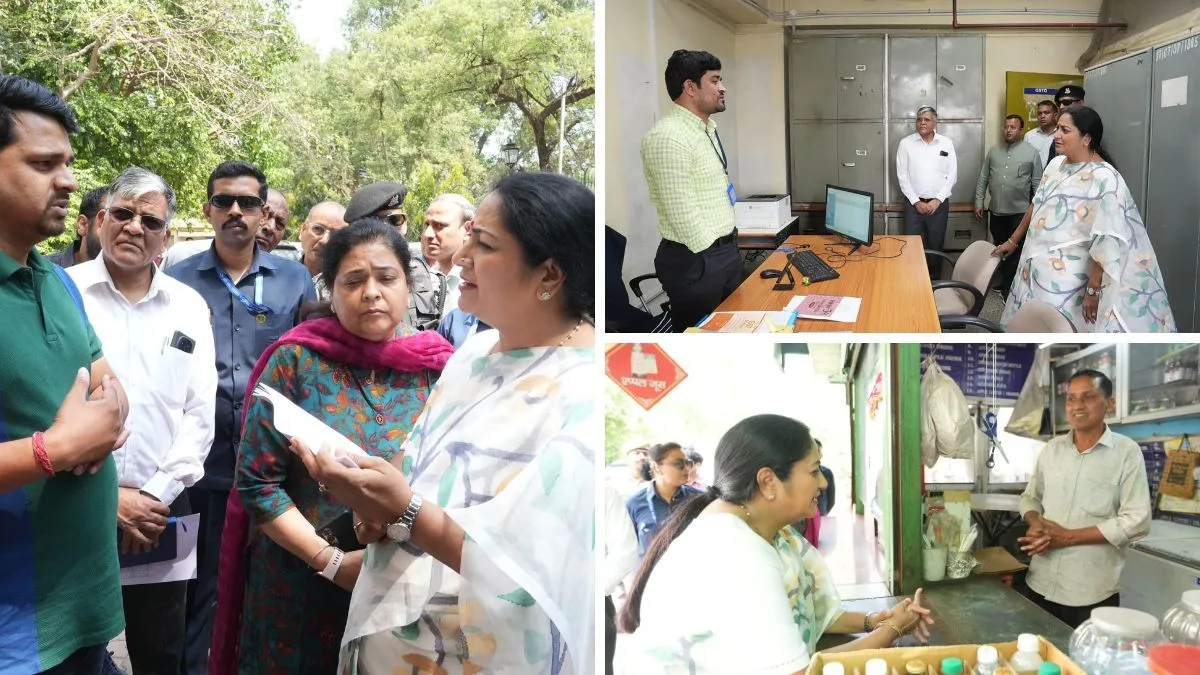
A surprise inspection by Delhi Chief Minister Rekha Gupta has triggered a sweeping administrative shake-up in the State GST department, with 162 officers and staff transferred following what officials described as serious irregularities at the ITO office.

The action comes in the wake of the Chief Minister’s unannounced visit on April 8 to the State GST office, where attendance lapses, discipline concerns and delays in taxpayer services were flagged. The move signals a sharper push by the Delhi government to enforce accountability within departments dealing directly with the public.

What the surprise inspection revealed

When the Chief Minister walked into the GST office unannounced, it wasn’t just a routine check. She went around the premises, spoke to officials on duty, and also heard directly from taxpayers who were waiting at the counters.

But what stood out was who wasn’t there. Several officials, including senior staff, were missing during working hours, something the Chief Minister’s Office later flagged as a serious breach of attendance norms.

For those who had come to get their work done, the frustration was already visible. Taxpayers spoke about delays, being asked to return multiple times for basic work, and not finding the concerned officers when needed. The complaints pointed to a system that wasn’t running as smoothly as it should.

After the visit, the Chief Minister ordered strict checks on attendance and punctuality, including a review of biometric records, making it clear that such lapses would not be overlooked. Instructions were also issued to immediately strengthen service delivery systems.

Massive reshuffle across ranks

Acting on these findings, the government ordered one of the largest reshuffles in the department in recent months. A total of 162 officials and employees were transferred, including:

  • 3 Assistant Commissioners
  • 58 Section Officers (Grade-I)
  • 22 Assistant Section Officers (Grade-II)
  • 74 Senior Assistants (Grade-III)
  • 5 Junior Assistants (Grade-IV)

Officials said many of those shifted had been posted in the same positions for extended periods, a factor often linked to administrative stagnation.

Part of wider push on accountability

According to officials, the GST department action is part of a broader effort by the Delhi government to tighten administrative discipline through surprise inspections and compliance checks across departments.

Earlier reviews had flagged issues such as absenteeism, procedural delays and service inefficiencies in multiple offices, prompting corrective measures.

The Chief Minister has reiterated that public service delivery standards cannot be compromised and that accountability will apply uniformly across all levels. The reshuffle, officials said, is aimed at resetting the functioning of the GST department and reinforcing discipline, efficiency and responsiveness in taxpayer services.

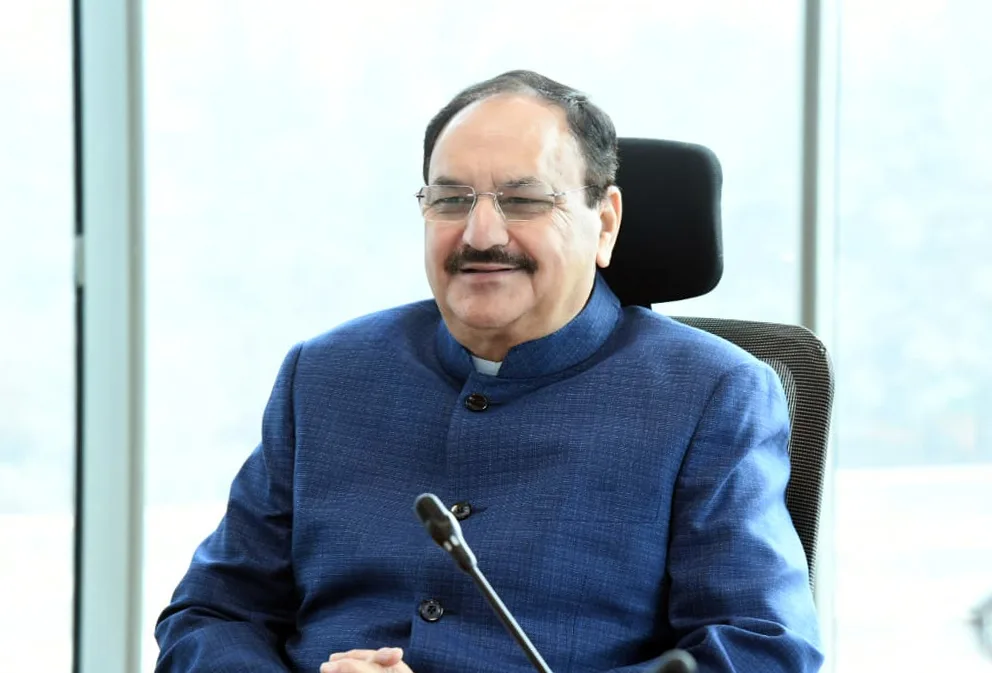
JP Nadda rejects Kharge’s fertiliser shortage claim, says stocks adequate and supply stable

Union Minister J.P. Nadda on Friday dismissed Congress president Mallikarjun Kharge’s remarks on fertiliser shortage as “politically motivated”, asserting that there is no crisis and that farmers are being misled.

IANS | New Delhi |

Union Minister J.P. Nadda on Friday dismissed Congress president Mallikarjun Kharge’s remarks on fertiliser shortage as “politically motivated”, asserting that there is no crisis and that farmers are being misled.

Taking to X, the Union Minister wrote, “The Leader of Opposition (Rajya Sabha) Mallikarjun Kharge’s statement on fertiliser shortage is a politically motivated attempt to mislead farmers and manufacture panic where none exists”.

“It is unfortunate that the Congress continues to treat our ‘annadatas’ as a vote bank, peddling misinformation instead of standing with them in good faith. The facts speak for themselves. The Modi government has always stood firmly with our farmers. The availability of fertilisers has consistently outpaced requirement across the country,” Nadda said.

He said Indian farmers continue to receive fertilisers at highly subsidised rates despite global price pressures.

“While a bag of urea costs over Rs 4,000 internationally, our farmers receive it for just Rs 266.5. Similarly, since the Covid period, a bag of DAP is available to farmers at Rs 1,350, while global prices are over Rs 4,000,” he said.

Nadda said it was “hard to believe” that Kharge could be so “misinformed”, adding that such statements could also reflect the influence of those around him.

He further stated that fertiliser stock positions are stronger compared to last year, claiming that DAP stocks are higher by over 50 per cent, NPK stocks have increased by around 30 per cent, and urea availability remains stable.

The Union minister said he has personally spoken to Chief Ministers and Agriculture Ministers of major states to ensure smooth availability and added that the Centre is in constant coordination with state authorities to act against hoarding, diversion, black marketing, and attempts to create panic.

He also noted that the government has secured 25 lakh metric tonnes of urea through global tendering, with Indian missions working to facilitate alternative sources of supply.

On April 23, Kharge had written on X, criticising the Central government: “Even before geopolitical disruptions, fertiliser shortages were already being reported across multiple seasons. Indian farmers painfully suffer the consequences of the BJP’s apathy.”

“Fertiliser production has now fallen to a five-year low in March 2026, with a massive 24.6 per cent year-on-year drop. China had already restricted specialised fertilisers in July 2025, but the Modi government did not diversify imports. Russia has also now halted fertiliser exports.”

No repoll recommended in any of Tamil Nadu’s polling stations

No repoll has been recommended in any of the 75,064 polling stations across Tamil Nadu where voting was held on April 23, officials said on Friday.

IANS | New Delhi |

No repoll has been recommended in any of the 75,064 polling stations across Tamil Nadu where voting was held on April 23, officials said on Friday.

Sources citing officials said that the polling process passed off without any incident that would warrant re-conducting voting in any constituency.

According to sources, the absence of repoll requests suggests that polling staff were able to manage the process smoothly across urban and rural segments alike.

Tamil Nadu witnessed a high-voltage electoral contest on Thursday as polling for all 234 Assembly constituencies concluded with a robust voter turnout of over 84 per cent, reflecting strong public participation in one of the state’s most closely watched elections in recent years.

The election on April 23 marked a significant shift from the traditional Dravidian two-party dominance, evolving into a multi-cornered contest involving the DMK-led Secular Progressive Alliance (SPA), the AIADMK-led NDA, actor Vijay’s Tamilaga Vettri Kazhagam (TVK), and Seeman’s Naam Tamilar Katchi (NTK).

The ruling DMK, led by Chief Minister M.K. Stalin, is seeking a second consecutive term, banking on welfare schemes and governance claims.

The AIADMK, under Edappadi K. Palaniswami, is attempting a comeback despite internal factional challenges, making this election a crucial test of its political relevance.

Adding a new dimension to the contest is Vijay’s TVK, which has contested all 234 seats, aiming to convert its growing popularity—especially among youth—into electoral gains. Alongside, Senthamizhan Seeman’s NTK has once again fielded candidates across constituencies, focusing on Tamil nationalism, environmental issues, and an alternative political narrative that appeals to sections of young and first-time voters.

The presence of these emerging players has effectively turned the election into a four-cornered fight, potentially fragmenting vote shares and altering traditional electoral arithmetic.

While polling was largely peaceful, a few isolated incidents of tension and logistical challenges were reported, including crowd management issues at some booths and minor disruptions.

However, authorities ensured smooth conduct overall, with extensive security arrangements in place.

With over 5.7 crore eligible voters participating in the democratic exercise, the 2026 Tamil Nadu Assembly election is poised to be a defining political moment.

The results, to be declared on May 4, will determine whether the Dravidian stronghold continues under the DMK or witnesses a shift amid the rise of new political forces like TVK and NTK.