Logo

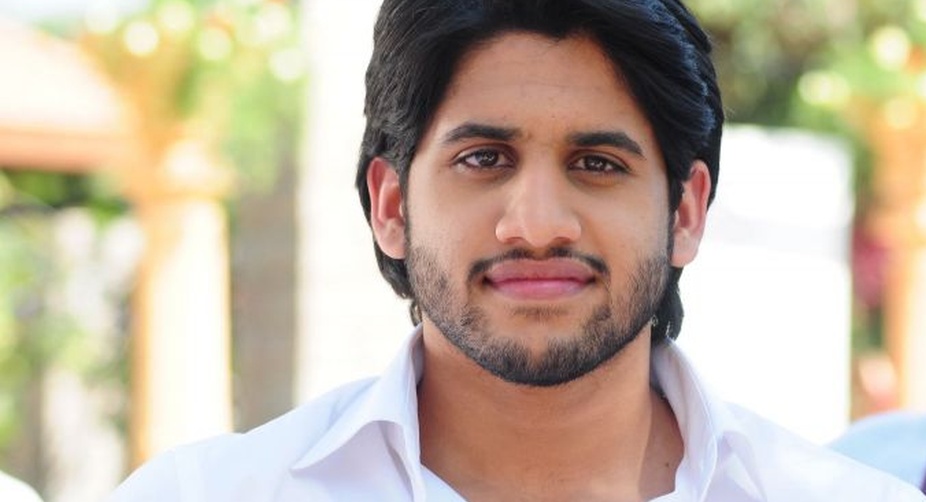
Chaitanya buoyed by success of ‘Premam’, ‘Saahasam Swasaga Sagipo’

IANS | Chennai |

Actor Akkineni Naga Chaitanya is overwhelmed by the success of his last two Telugu outings Premam and Saahasam Swasaga Sagipo (SSS). He says the unconditional love and support of his fans pushes him to experiment.
“Great two months with ‘Premam’ and ‘SSS’ releasing. Thanks for the unconditional love and support, it pushes me to grow and attempt varied content,” Chaitanya wrote on his Twitter page on Monday.
While Premam, an eponymous remake of Malayalam blockbuster, has been adjudged a box-office hit; his latest release Saahasam Swasaga Sagipo has opened well.
Directed by Gautham Vasudev Menon, Saahasam Swasaga Sagipo also stars Manjima Mohan.
“Thank you Gautham Menon for yet another lovely journey and this opportunity. Moments from this film will stay with me forever,” he wrote.

Global carbon emissions remain flat for third year

Global carbon emissions from burning fossil fuels are projected to rise only slightly in 2016, marking three years of almost no growth, says a study.

IANS | London |

Global carbon emissions from burning fossil fuels are projected to rise only slightly in 2016, marking three years of almost no growth, says a study.
The researchers said that carbon emissions did not grow last year and the projected rise of only 0.2 per cent for 2016 marks a clear break from the rapid emissions growth of 2.3 per cent per year in the decade to 2013, with just 0.7 per cent growth seen in 2014.
The study, published in the journal Earth System Science Data, however, pointed out that although the break in emissions rise ties in with the pledges by countries to decrease emissions until 2030, it falls short of the reductions needed to limit climate change well below two degrees Celsius.
“This third year of almost no growth in emissions is unprecedented at a time of strong economic growth. This is a great help for tackling climate change but it is not enough. Global emissions now need to decrease rapidly, not just stop growing,” Corinne Le Quere, Professor at University of East Anglia (UEA) in Britain who led the data analysis, said.
The analysis by researchers at the University of East Anglia and the Global Carbon Project, a group of scientists who measure how much carbon dioxide (CO2) humans emit every year, and how much is subsequently absorbed by plants, land surfaces and oceans, showed emissions growth remained below one per cent despite GDP growth exceeding three per cent.
The researchers identified decreased use of coal in China and the US as the main reason behind the three-year slowdown.
China – the biggest emitter of CO2 at 29 per cent – saw emissions decrease by 0.7 per cent in 2015, compared to growth of more than five per cent per year the previous decade. 
The scientists have projected a further reduction of 0.5 per cent is projected for 2016.
The US, the second biggest emitter of CO2 at 15 per cent, also reduced its coal use while increasing its oil and gas consumption and saw emissions decrease 2.6 per cent last year.
US emissions are projected to decrease by 1.7 per cent in 2016.
The European Union’s 28 member states are the third largest emitter causing 10 per cent of emissions. The EU’s CO2 emissions went up 1.4 percent in 2015, in contrast with longer term decreases.
India contributed 6.3 per cent of all global CO2 emissions in 2015, the study said.
The Global Carbon Budget analysis showed that, in spite of a lack of growth in emissions, the growth in atmospheric CO2 concentration was a record-high in 2015, and could be a record again in 2016 due to weak carbon sinks.
“Part of the CO2 emissions are absorbed by the ocean and by trees. With temperatures soaring in 2015 and 2016, less CO2 was absorbed by trees because of the hot and dry conditions related to the El Niño event. Atmospheric CO2 levels have exceeded 400 parts per million (ppm) and will continue to rise and cause the planet to warm until emissions are cut down to near zero,” Le Quere said.

Short films bring out unexplored topics: Sonu Nigam

IANS | Mumbai |

Singer Sonu Nigam, who has sung a song in the short film Raakh, says short films present many unexplored topics.
“Short films bring out many unexplored topics. I have sung a song in this film (‘Raakh’) which was liked by people. I am happy that the music is being appreciated,” Sonu said at the success party of “Raakh” here. 
Actor Vir Das, who plays a negative role in the film, said he has never played such a character.
“My character in the film is something which I have never played in my life. It’s something that I wanted to do for a very long time, but I never got an opportunity,” said Vir, whose next year’s films, include “Patel Ki Punjabi Shaadi” and an action movie.
The actor praised his co-star Richa Chadha as well. 
“She is the soul of the film. Richa Chadha is looking lovely in the film.”
He also revealed the reason behind doing the short film, helmed by “Mastizaade” director Milap Zaveri. 
“I had done ‘Mastizaade’ with Milap. After that, when he gave the narration, I was surprised that Milap was making this kind of a film. He gave a great narration and so, I said ‘yes’ within five seconds,” said the “31st October” actor.
The film is a tale of vengeance.

ATP World Tour Finals: Djokovic survives Thiem scare

IANS | London |

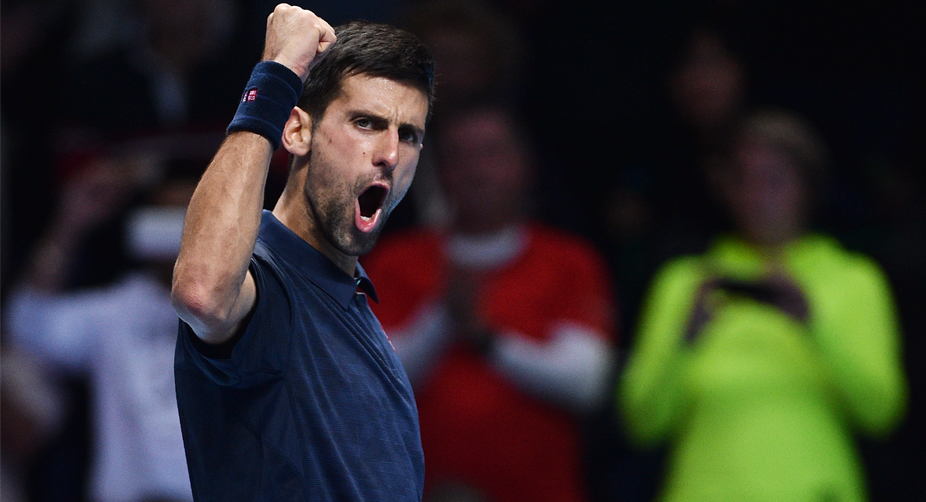
Five-time champion Novak Djokovic fought back from one set down to beat eighth seed and first-time qualifier Dominic Thiem of Austria 6-7(10), 6-0, 6-2 in the opening match of the ATP World Tour Finals at London's O2 Arena.
“Even though I lost the first set, I thought I didn't do too many things wrong. It was just the very high quality of his game that prevailed in the first set,” said Djokovic on Sunday, Xinhua news agency reported. 
Djokovic, who fell to the second place in the world rankings last week, is bidding to win a record fifth consecutive title at the year-end finale. He will also regain the top place from 29-year-old Andy Murray if he wins one more group match and regains the title.
“I started swinging more freely in the second set. He started making more errors, which I used. I was on top of his second serves, putting a lot of pressure. I thought I played very well in the second set especially, but the third as well.”
Neither Djokovic nor Thiem, 23, was able to break and the first set went to a tie-break. Thiem jumped to a 6-3 lead, but then struck two double faults. Djokovic managed to level the score at 7-7 and 10-10.
Thiem, the youngest player in the eight-man field, finally sealed the set by 12-10 after 76 minutes.
“When I had a great comeback saving six, seven set points, then I didn't manage to win that first set, of course you're frustrated,” said Djokovic. “On the other hand, I think I managed to compose myself and really gather all my attention and concentration to what was coming up after that.”
Djokovic dominated the second and needed only 22 minutes to win 6-0. The Serb went on to wrap up the match by taking the third set 6-2.
In the other match, Milos Raonic of Canada recorded his first victory at the ATP World Tour Finals by beating Gael Monfils of France 6-3, 6-4.
Raonic, who had gone 0-2 on his season finale debut two years ago, is enjoying a career-best year with a 51-15 match record and a Wimbledon runner-up finish.
Djokovic will next face Raonic while Monfils takes on Thiem on Monday. 

Lewis Hamilton wins Brazilian Grand Prix

IANS | Sao Paulo |

Lewis Hamilton produced a
masterful performance to win a wet, chaotic, crash-strewn Brazilian Grand Prix
and take the title fight to the final race.

His ninth win of 2016 came
in a race with several high-speed accidents, two stoppages and five safety
cars, BBC reported on Sunday.

The victory cut the lead of
his Mercedes team-mate Nico Rosberg, who finished second, to 12 points.

Rosberg will secure the
championship if he finishes third in Abu Dhabi on November 27 even if Hamilton
wins.

As one of the most dramatic
races for years unfolded, Hamilton was supreme at the front in treacherous
conditions, lapping consistently faster than anyone.

After each restart, Hamilton
cruised easily away from Rosberg – building at one stage an 18-second lead in
14 laps before another safety car cut his lead to nothing.

His victory is the 52nd of
his career, making him the second most successful race winner of all time ahead
of Alain Prost (51). Michael Schumacher is way ahead on 91.

Not too bad, huh,” said
Hamilton. “I was generally just chilling up front. When it rains it’s
usually a good day for me. It was tricky for everyone. There were definitely
opportunities for aquaplaning, which everyone did.

“No mistakes, no
issues, no spins. It was kind of interesting to hear how many people were
spinning, but I didn’t have that problem.

Assam may push deadline for accepting old notes in hospitals

IANS | Guwahati |

In the wake of the prevailing currency crisis, the Assam government is mulling extension of the deadline for making payments in scrapped currency notes to help those undergoing treatment at government hospitals, Assam Finance Minister Himanta Biswa Sarma said on Sunday.

Although the central government has extended the deadline to accept the old currency notes in government hospitals to November 14, the state government plans to extend the deadline further by another week to help those undergoing treatment in government hospitals, Sarma said.

“The Central government's deadline will end tomorrow. Let's see if the central government extends the deadline further. In case the Centre does not extend this, we might go for extending this by another week,” the Minister said.

The Minister, however, said the same cannot be extended to private hospitals, as the central government had not included the private hospitals in its earlier order.

All over reservation

Statesman News Service |

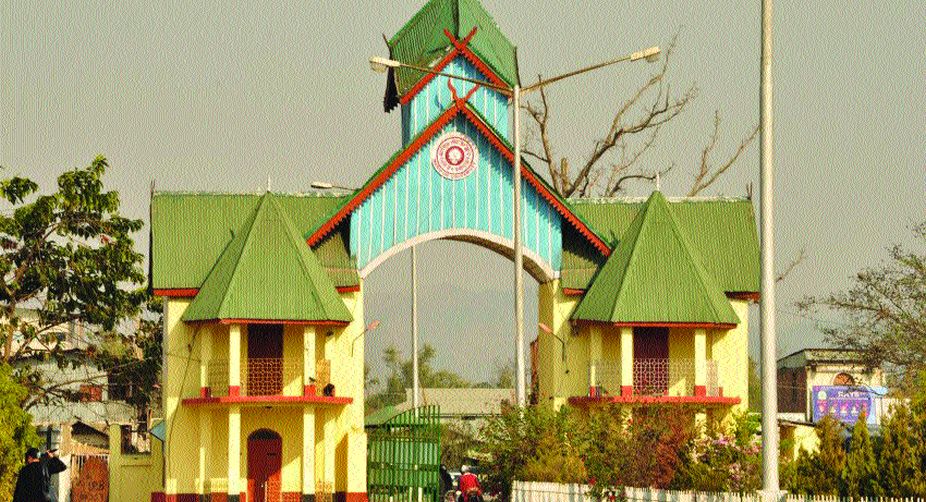
Admission to various post-graduate courses in Manipur University usually begins in June-July and by September the campus bristles with events and activity. This year the campus wore a deserted look. There were no tribal students because they refused to seek admission when the university authorities did not adhere to the reservation of 31 per cent seats for Scheduled Tribe students. They held demonstrations in front of the university gate.

Thangtinlen Haokip, a student of the education department and president of the Manipur University Tribal Students’ Union, said Meitei student groups like the Manipur University Students’ Union, Kangleipak  Students’ Association and the  Manipur Students’ Federation were against the 2012 amendment for 31 per cent reservation for  Scheduled Tribes.

Haokip, who is coordinating protests and economic blockades, said tribal students called an indefinite economic blockade from midnight of 28 October along the National Highways 39 and 53, claming it was their democratic right to protest silently.

I also met V Shatshang, general secretary of the  All Tribal Students’ Union, Manipur, and he said that ever since Manipur University came to be designated a Central university it followed the reservation policy of the Central Educational Institutions (Reservation in Admission) Act 2006. Under this, 7.5 per cent  seats were reserved for  Scheduled Tribes, 15 per cent for Scheduled Castes and  27 per cent  for Other Backward Classes. He said these did not correspond with the population of Manipur. He explained that the tribal population numbered 902,740 (Census 2011), which amounted to  35.1 per cent of the state’s population ( 2,570,390).  Manipur  has  an SC population of  97,042 — only  3.8 per cent of the state’s total. With no mention of OBCs in the Census, he wondered how the calculation for the percentage of reservations for the said OBC category was arrived at.

Until 2005, when Manipur University was under the state, the reservation for STs was 31 per cent.It fell to 7.5 per cent in the new 2006 Act, while the reservation for SCs was two per cent until 2005 and went as high as 15 per cent in 2006.  Meanwhile, reservation for OBCs was 17 per cent until 2005 and this was raised to 27 per cent under the Central University Act, 2006.

Haokip and Shatshang said there had been numerous representations and lobbying to review the policy. After five years, the 2006 Act was amended in 2012. As per Gazette of India notification, the following amendments were made in Section 2 of the Central Educational Institutions (Reservation in Admission) Amendment Act, 2006 (hereinafter referred to as the principal Act), after clause (i), the following clauses of Section 2 shall be inserted, namely: “(a) specified north-eastern region” means the area comprising Arunachal Pradesh, Manipur, Meghalaya, Mizoram, Nagaland, Sikkim, Tripura and the tribal areas of Assam referred to in the Sixth Schedule of the Constitution”.

Surprisingly, tribal students were kept in the dark about the 2012 amendment. Shatsang said, “We came to know about the amendment only after two years when we met President Pranab Mukherjee when, in April 2014, he came for the 14th convocation. When we met the Presidfent to submit a memorandum, he told us that the amendments had already been made.

“Whenever we made inquiries we were given vague replies, like the intimation letter with regard to the amendment was mistakenly sent to a wrong address — Manipal University — and therefore did not reach Manipur.”

Two vice-chancellors have resigned over the impasse. A new, Professor AP Pandey of (Benaras Hindu University) has taken over.

According to Haokip, classes were to start by 7 November but till then no tribal students had sought admission.

The university  reportedly agreed to the 31 per cent reservation and signed a memorandum of understanding on 7 November.  When things were looking up, the vice-chancellor made a U-turn and reportedly signed another agreement with other student  groups like the Manipur University Students’ Union, Kangleipak Students’ Association and the Manipur Students’ Federation, all valley-based Meitei groups and opposed to the 31 per cent reservation.

Students are caught in a power tussle between the university authorities and the University Grants Commission. While Manipur University is hell bent on exercising its (lost) authority, the UGC is under pressure to uphold its principles  and norms. Currently, there is silence in the university, with several other issues cropping up and students’ concern taking a back seat. Who bothers about education and the future of youth anyway? This is not the first unrest the university has witnessed over the reservation issue. As in other years, this issue will crop up every now and then unless the university authorities are prepared to followed norms and policy, and are committed to transparency

— Ninglun Hanghal

(The writer is an imphal-based freelance contributor.)

Author Extraordinary

Pakistan was meant to grant Indian Muslims a homeland free from administration by a Hindu majority but proved to be problematic. 

Statesman News Service |

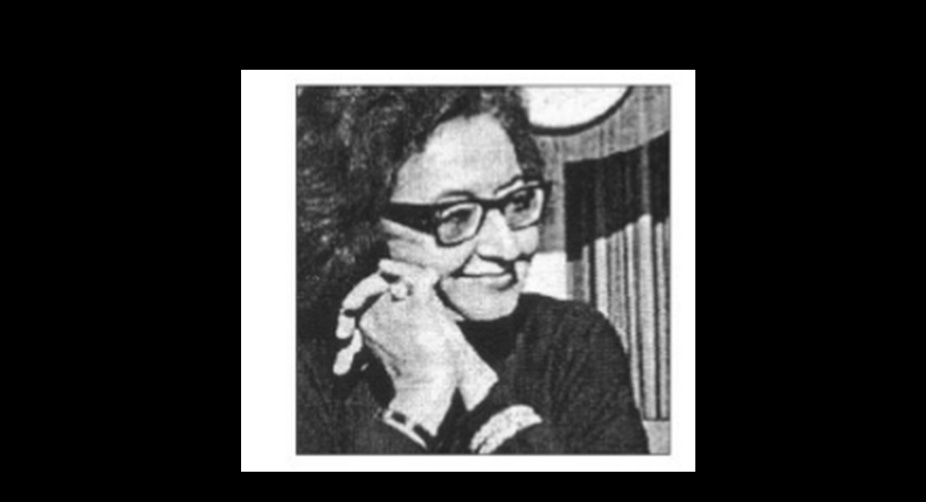
One of the most outstanding literary names in Urdu
literature Qurratulain Hyder , is best known for her magnum opus, Aag Ka Darya
(River of Fire), a novel first published in Urdu in 1959, from Lahore,
Pakistan, that stretches from the 4th century BC to post Partition India. Popularly
known as “Ainee Apa” among her friends and admirers, she was the daughter of
writer and pioneers of Urdu short story writer Sajjad Haidar Her novels and
short stories trace human destinies in the whirlpool of history, especially in
the tension between different cultures like Hindu and Muslim, Indian and
European, and between private wishes and public demands. She has created some
very impressive female figures and shown in her choice and treatment of themes
a lasting willingness to experiment and to make innovations. Qurratulain Hyder
is often said to be the grand old lady or grey eminence of Urdu literature.
Plainly this towering figure of 20th century Urdu literature is acknowledged
and admired but also viewed from a distance. She comes from a family of notable
writers including not only her parents but also an aunt, and has a nearly
photographic memory enlivened by a streak of fantasy. Qurratulain Hyder let her
first stories appear in literary periodicals in the 1940s then rose to fame in
1948 on the wings of her first novel, which is about the division of the
subcontinent into India and Pakistan only a year earlier.

Pakistan was meant to grant Indian Muslims a homeland free
from administration by a Hindu majority but proved to be problematic. The Partition
came in the way of the cultural interaction which had for centuries typified
North Indian life are significant themes of Hyder’s works for the rest of her
career. Qurratulain Hyder Nirbachita Galpo, an Urbee Prakashan publication
seeks to acquaint the Bengali readers with the works of an author who was not
chary of penning the follies and foibles of her class. Derided as “Pompom
Darling”, a description meant to be an invective but falls far short of its
target to belittle her literary efforts. The popularity of her works on both
sides of the border in India and Pakistan is not the sole pointer to her claim
to fame. Reading between the lines of the smartly written account of the life
and times of the upper classes, one finds and Hyder zeroed in on warts and all
in the lives of both the haves and have-nots. Thanks to Biswajit Sen who has
not ably translated Hyder’s works but also captured the mood down to t he swish
of silk in a tony party and the sigh of unfulfilled desires during the social
whirl. Kudos to Urbee for bringing out this literary gem

Photo

  • img
  • img
  • img
  • img
  • img
  • img
  • img
  • img
  • img
  • img
  • img
  • img
  • img

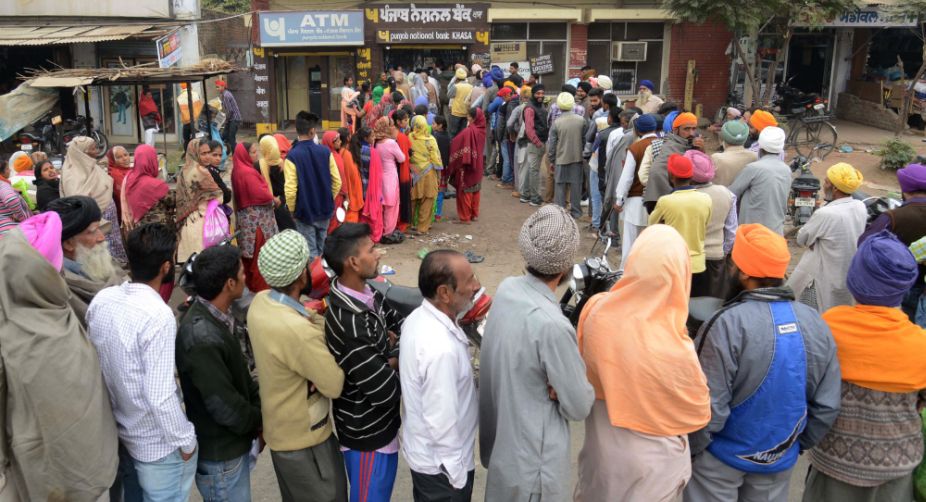
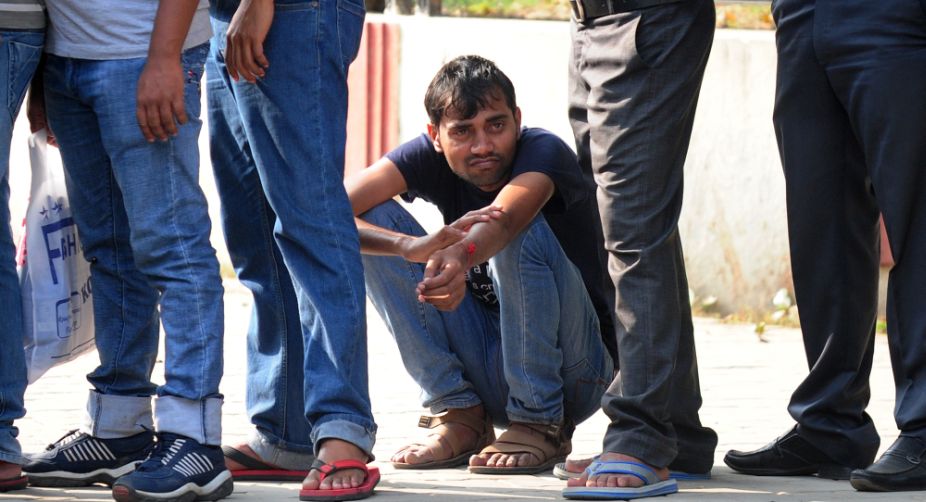
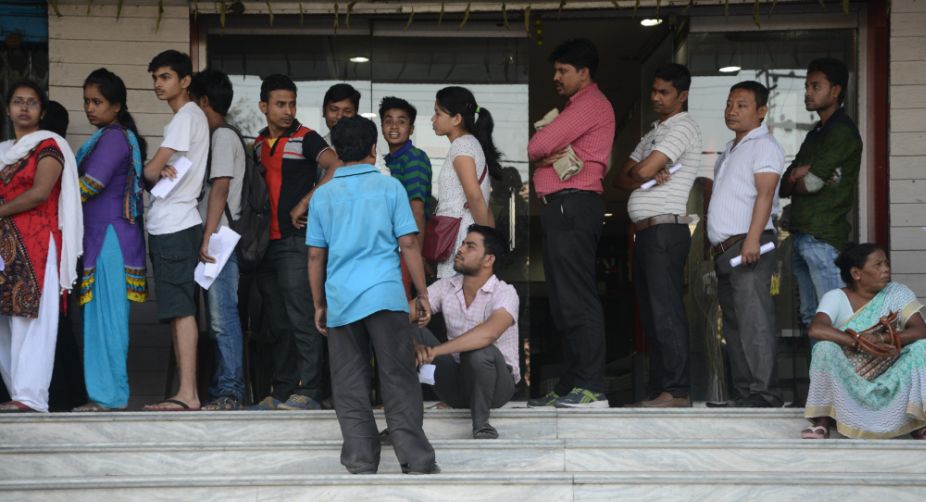
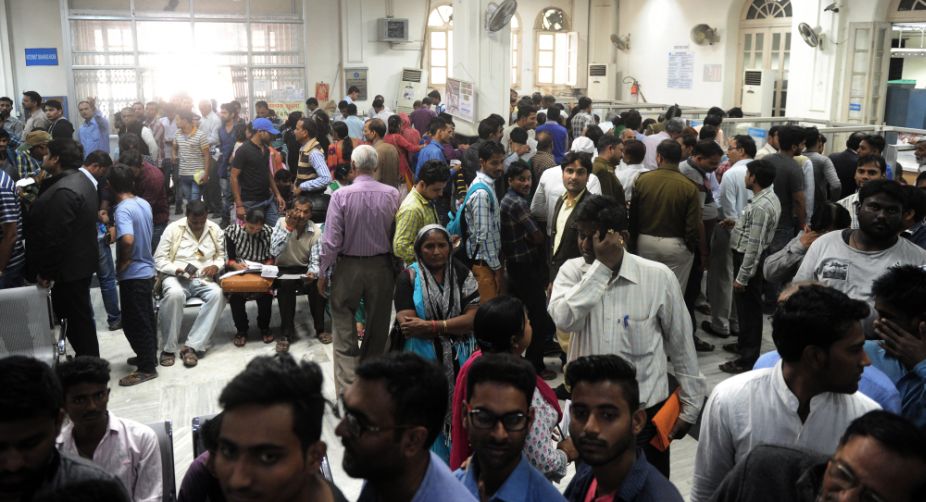
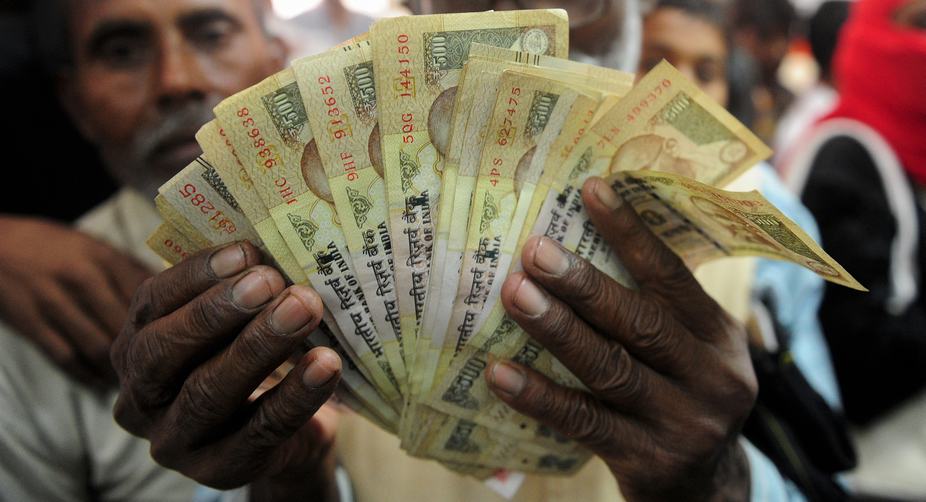
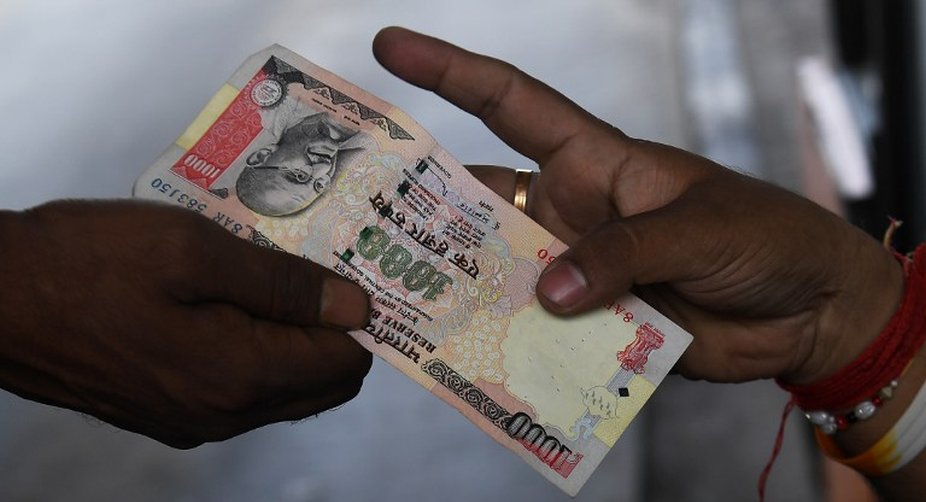
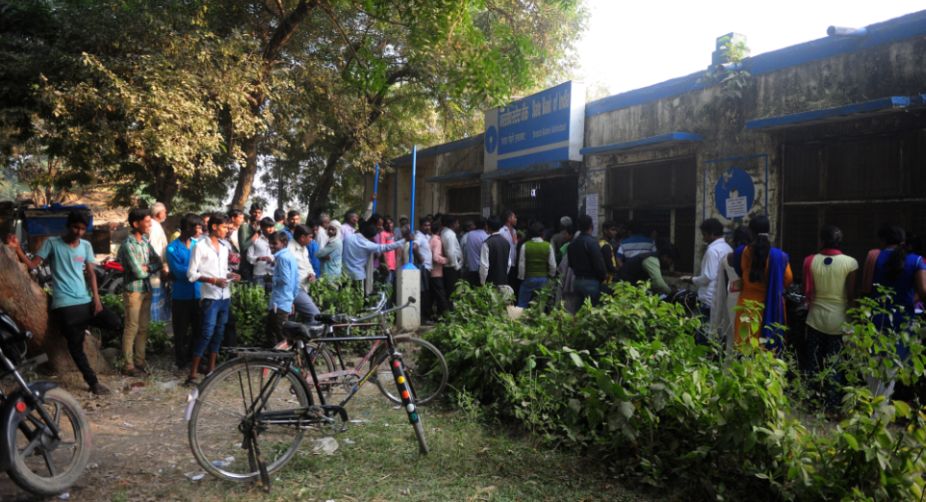
Money Matters: Indians outside Banks

Money Matters: Indians outside Banks

MORE Photo STORIES

Dad, brother excited about my Malayalam debut

IANS | Chennai |

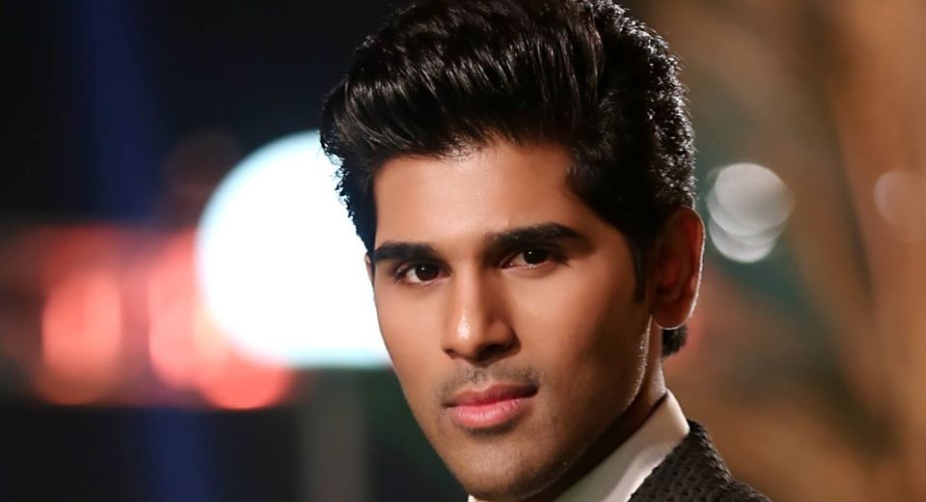
Actor Allu Sirish is thrilled about his Malayalam debut 1971: Beyond Borders in which he features with superstar Mohanlal. He says his father and brother — producer Allu Aravind and actor Allu Arjun — are excited about his entry into Malayalam filmdom. 
“My father and brother are very excited for me. They see it as a great learning experience for me as the acting style in Malayalam industry is very different vis-A-vis others. They also consider this a huge break for me,” Sirish said. 
Arjun particularly is very excited for Sirish. 
“Arjun’s films so far have only been dubbed into Malayalam and released. Instead of dubbing and releasing my films in Malayalam too, he feels I’m lucky to be working in a straight film. And working alongside Lal sir makes it even more special,” he said. 
Sirish has commenced shooting for the film, which is being directed by Major Ravi. 
In the film, he plays a tank commander and the story focus on the tank battle between India and Pakistan.

New emojis to include hijab, breastfeeding, yoga

PTI | London |

The consortium
that approves emojis has signed off new ones, including a woman wearing a
hijab, woman breastfeeding a baby and a person doing yoga.

The new emojis are likely to arrive on smartphones
next year after Unicode, the international consortium that sets their global
standards, proposed the 51 icons.

It will take the total number of the cartoon
images, which are increasingly being used to replace words in text messages, to
1,724, The Telegraph reported.

Rayouf Alhumedhi, a 15-year-old from Germany, had
campaigned for the inclusion of the character wearing a hijab emoji, proposing
it to Unicode after realising there was no emoji to represent her.

Among the list of introductions are ‘person with
headscarf’, ‘breastfeeding’, ‘bearded person’, ‘older adult’, reflecting the
current lack of grandparent icons.

Other emojis that will be released in 2017 by
Unicode are a head exploding, a face with open mouth vomiting and a man and
woman practising yoga, The Guardian reported.

The new list, Unicode 10, adds to efforts to make
emojis more diverse. Smartphone makers have included a variety of skin tones,
hair colours and cultural and religious references in recent years following
claims that they reinforce stereotypes.

Google recently called for more emojis that
reflect women in the workplace, while Apple added male and female versions of
some emojis after complaints that many of the female- focused cartoons featured
activities such as cutting hair.

Alhumedhi, whose own proposal was accepted by
Unicode, tweeted that she was “so excited” by the news.

The other new emojis proposed include a zombie, a
vampire, a person holding their finger to their mouth, and a T-Rex.

Unicode, which represents the major technology
companies, proposed a shortlist of the new emojis. They are typically approved
in the following summer and are likely to be added to smartphones in roughly a
year’s time.

In the coming weeks, Apple is set to add the
emojis from the previous set, Unicode 9. They include emojis for facepalm,
selfie, a clown and a pregnant woman.

Frantic crowds cross border to unload Indian currency

ANN | Kathmandu |

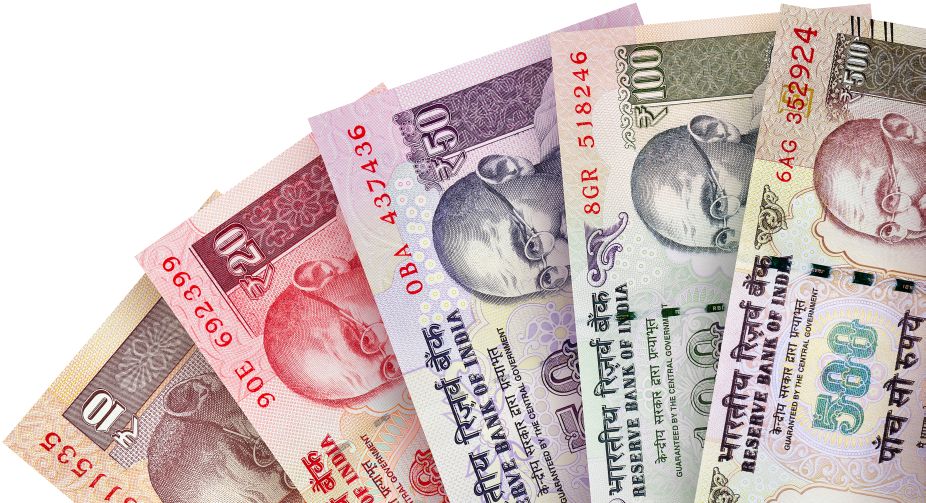
Frantic crowds have started besieging banks and shops at Nepal-India border points like Sunauli and Nautanwa to exchange their 500- and 1,000-rupee Indian banknotes, terrified that they were going to become worthless.
These large denomination bills were pulled out of circulation by the Indian government on Tuesday.
Hari Om Sherwani, proprietor of Hari Om General Stores at Sunauli, said that he had been mobbed by people wanting to exchange Indian currency from early in the morning on Thursday. “However, we have not been able to accept the banknotes,” he said. Panic spread among the people living in the border areas after Nepal Rastra Bank (NRB) refused to accept the banned currency notes.
Gopal Bhandari, president of the Lumbini Money Changer Association, said he had been forced to close his outlet as the central bank had stopped accepting the banknotes. “We don’t have any option but to keep our stores closed,” he said.
Indian Prime Minister Narendra Modi announced on Tuesday that 500- and 1,000-rupee notes would be withdrawn from circulation effective Tuesday midnight “to crack down on rampant corruption and counterfeit currency.” Following the Indian government’s surprise decision, NRB also banned the use of these banknotes in Nepal from Wednesday.
The Indian government has given a 50-day deadline to deposit the scrapped notes at banks and post offices. It said people who have accounts with Indian banks need not worry as they will exchange the banknotes. But a large number of Nepalis holding the banned notes do not have accounts with Indian banks. For this reason, many people have been approaching retired Indian Army personnel as many of them have accounts with Indian banks. Some have reportedly been offering 200 Nepalese rupee extra per 1,000 Indian rupees to exchange the banknotes.
Rewati Prasad Nepal, director of the NRB branch office in Bhairahawa, said the central bank should immediately initiate talks with the Reserve Bank of India (RBI) and make arrangements to collect all the banned notes in the possession of Nepalis.
On Wednesday, NRB had written to the RBI to provide time to Nepalis holding the abolished bills to exchange them for legal bills in the country.
NRB said that there were around IRs35 million worth of 500- and 1,000-rupee notes in Nepal’s formal financial system. The estimate is based on figures provided by banks, financial institutions and money changers and cash in NRB’s possession.
Prior to the ban, Nepali travellers were allowed to carry Rs.500 and Rs.1,000 banknotes worth up to Rs.25,000 on their person. Therefore, the stock of banned bills may well exceed Rs.35 million, an NRB official said.
Also, border residents usually keep large amounts of Indian notes of larger denominations as they have to frequent Indian markets to buy goods.
‘Raise Issue at Political Level’
Former finance ministers have urged the government to reach out to the top brass of the Indian government to resolve problems faced by Nepalis possessing Indian banknotes of 500 and 1,000 denominations that have been pulled out of circulation.
Former finance minister and senior Nepali Congress of Ram Sharan Mahat said the Indian government’s decision to demonetise 500- and 1,000-rupee notes was political, so Nepal should raise the issue at the political level.
He said he has learnt the governor of the Indian central bank has replied to Nepal Rastra Bank stating nothing can be done on this issue at his level. “In such a situation, it is necessary for our prime minister or finance minister to talk to their counterparts directly,” Mahat told Friday’s meeting of the Legislature-Parliament.
Following the Indian government’s surprise decision, Nepal Rastra Bank also banned the use of the banknotes in Nepal from Wednesday.
Prior to the ban, Nepali citizens were allowed to hold Indian bank notes of 500 and 1,000 denominations worth up to Rs.25,000.
Former finance minister and senior leader of the CPN-UML Surendra Pandey said it becomes the duty of the government to ensure the banned notes in possession of Nepalis are exchanged because the government had allowed them to carry those bills.
(The Kathmandu Post/ANN) 

‘Twilight’ saved Anna Kendrick from going broke

PTI | London |

Actress Anna Kendrick says starring in four Twilight films saved her financially.
The 31-year-old actress played Jessica Stanley in the vampire romance saga for four films and said the movie helped her to pay the bills for that period of time, reported Female First.
“Twilight mostly paid the bills because there were four of them that I got to do. They just kept hiring me. People don’t realise that I get paid to make a movie and then a year goes by and then I promote it for six months.
“I’ve only got the one paycheck, and that was a year and a half ago. So ‘Twilight’ saved me in the sense that it was this thing that kept going,” Kendrick said.

Kerry against change in stand on climate change

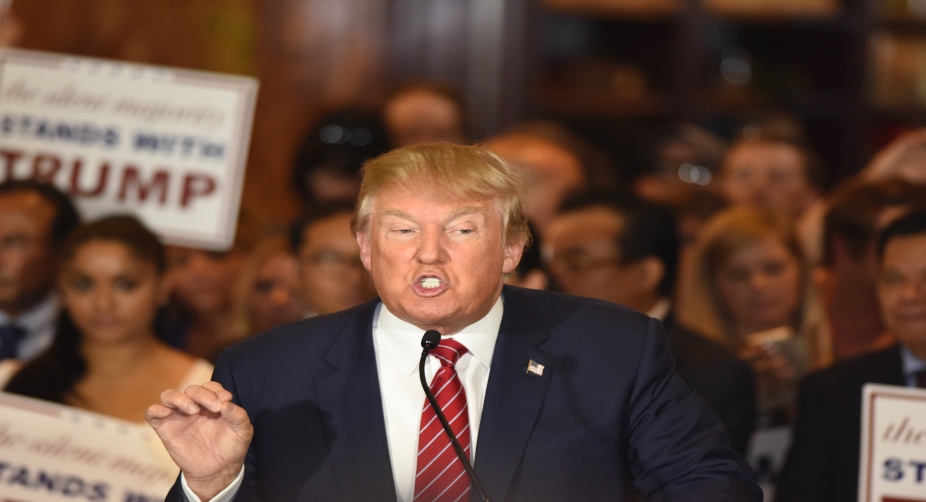
While US President-elect Trump has labelled climate change a hoax and threatened to pull out of the Paris emissions deal, Kerry said most Americans wanted the problem addressed.

IANS | Wellington |

US Secretary of State John Kerry made an impassioned plea on Sunday for America to maintain action on global warming, despite the election of climate-change denier Donald Trump.
While US President-elect Trump has labelled climate change a hoax and threatened to pull out of the Paris emissions deal, Kerry said most Americans wanted the problem addressed.
“We will wait to see how the next administration addresses this but I believe we're on the right track and this is a track that the American people are committed to,” Kerry told reporters on a trip to New Zealand.
“The majority of the American people believe that climate change is in fact happening and want to see us address it.” 
Trump has pledged to ditch Washington's climate change policies, causing consternation among diplomats leading global efforts to curb greenhouse gas emissions.
Kerry was hopeful Trump would not follow through on his fiery campaign rhetoric.
“Everybody knows that there's sometimes a divide between a campaign and the governing and I think the next administration needs to define itself on that subject,” he said.
Kerry was speaking after an “awe-inspiring” visit to Antarctica, where he took a helicopter ride to view the West Antarctic Ice Sheet.
“That ice sheet alone, should it break up and melt, as it is showing signs of doing now, would add some 12 feet (3.7 metres) or more to the current sea level,” he said.
Washington's top diplomat said scientists in the frozen continent showed him the work they were doing to assess the impact of climate change.
He said it reinforced his conviction that action was needed and he would take that message to UN climate talks in Morocco next week.
“Until January 20, when this administration is over, we intend to do everything possible to meet our responsibility to future generations to be able to address this threat to life itself on the planet,” he said.
The Marrakesh talks, which wrap up on November 18, are examining ways to implement the landmark Paris pact agreed to by 196 nations last year.
It undertakes to limit global warming to “well below” two degrees Celsius over pre-Industrial Revolution levels, and to strive for 1.5 C.
Without the United States – the world's second largest greenhouse gas emitter and a major donor to climate change mitigation funds – the task becomes much more difficult.
Kerry said he first became involved in the climate issue in the early 1990s and had seen scientific evidence of change grow to a level that was now overwhelming.
“The world's scientific community has concluded that climate change is happening beyond any doubt, and the evidence is there for everybody to see,” he said. “The question now, and which this administration continues to address, is how to implement the Paris agreement.” 

‘iPad game may effectively treat lazy eye in kids’

PTI | Washington |

A special type of
iPad game may effectively help restore visual abilities in children with lazy
eye, a new study has claimed.

Amblyopia also known as lazy eye is the leading
cause of monocular visual impairment in children.

It has traditionally been viewed as a monocular
disorder that can be treated by patching the fellow (opposite) eye to force use
of the amblyopic eye, but it does not always restore 20/20 vision or teach the
eyes to work together.

Sinec amblyopia arises from binocular discordance,
binocular treatments are likely to yield better vision outcomes.

However, it is unclear whether binocular treatment
is comparable to patching in treating amblyopia.

Krista R Kelly, of the Retina Foundation of the
Southwest in the US, and colleagues randomly assigned 28 children of average
age of seven years with amblyopia to binocular game treatment and to patching
treatment.

The action-oriented adventure iPad game required
children to wear special glasses that separate game elements seen by each eye
so that reduced-contrast elements are seen by the fellow eye, high-contrast
elements are seen by the amblyopic eye and high-contrast background elements
are seen by both eyes.

For successful game play, both eyes must see their
respective game components. Children were asked to play the game at home for an
hour a day, five days a week for two weeks making it a total of 10 hours.

The primary outcome was change in amblyopic eye
best-corrected visual acuity (BCVA) at the two-week visit.

The researchers found that at the two-week visit,
improvement in amblyopic eye BCVA was greater with the binocular game compared
with patching, with the average visual acuity improvement after binocular
treatment being more than double the improvement found with patching.

This was achieved with less than 50 per cent
treatment time required for patching – which is 28 hours.

Five of 13 children (39 per cent) with binocular
treatment reached 20/32 or better visual acuity compared with one of 14
children (7 per cent) with patching.

At two weeks, patching children crossed over to
binocular game treatment, and all 28 children played the game for another two
weeks.

At the four-week visit, no group difference was
found in BCVA change, with children who crossed over to the binocular games
catching up with children treated with binocular games.

“We show that in just two weeks, visual acuity
gain with binocular treatment was half that found with six months of patching,
suggesting that binocular treatment may yield faster gains than patching,”
researchers said.

“Whether long-term binocular treatment is as
effective in remediating amblyopia as patching remains to be
investigated,” they said.

The study was published in the journal JAMA
Ophthalmology.

Demonetisation will help India’s financial system: EU

PTI | New Delhi |

Welcoming India’s decision to withdraw high-value banknotes as part of its fight to root out black money, the European Union has said ridding the financial system of “black component” and bringing transparency will strengthen Indian economy and spur growth.
Calling India one of the most attractive investment destinations globally, Vice-President of European Commission Jyrki Katainen also complimented the government for its resolve to roll out the Goods and Services Tax (GST) soon, besides many other reform measures.
On a visit here to push for resumption of stalled negotiations on EU-India Broad-based Trade and Investment Agreement (BTIA), he said fight against tax dodgers and those having ill-gotten wealth will pay dividends and strengthen the financial system.
“All the measures which will reduce black economy are always good for people and the financial system,” he told PTI on government’s decision to withdraw Rs 500 and 1,000 notes.
Referring to GST, he said it is a “very ambitious” and “very necessary” move to reform the tax structure in India that will further boost confidence of investors in India.
The top EU official said investors from European countries are bringing “white clean money” to India and there was a need to resume the talks on BTIA, popularly known as free trade agreement.
EU is one of India’s leading trade partner and the two-way commerce in goods between India and the EU was USD 98.5 billion in 2014-15.
Katainen said flow of European investments into India is set to increase manifold if both sides were able to finalise the BTIA as it will protect the investments.
“EU investors are bringing white clean money into India and that is why the trade deal is very important as it will protect their investments,” he said.
Katainen said India’s existing trade and investment agreement with The Netherlands will come to an end in two weeks while similar pacts with several other EU countries will expire in coming months which will make it difficult for the European corporates to go for fresh investment in India.
He said without such pacts, the cost of capital for India will go up significantly.
As per European Union law, no member country now can go for bilateral trade and investment pact with India as the grouping is in negotiations for a EU-India Broad-based Trade and Investment Agreement (BTIA). By end of 2017, India’s trade and investment pact with 23 countries is likely to expire.

Photo

  • img
  • img
  • img

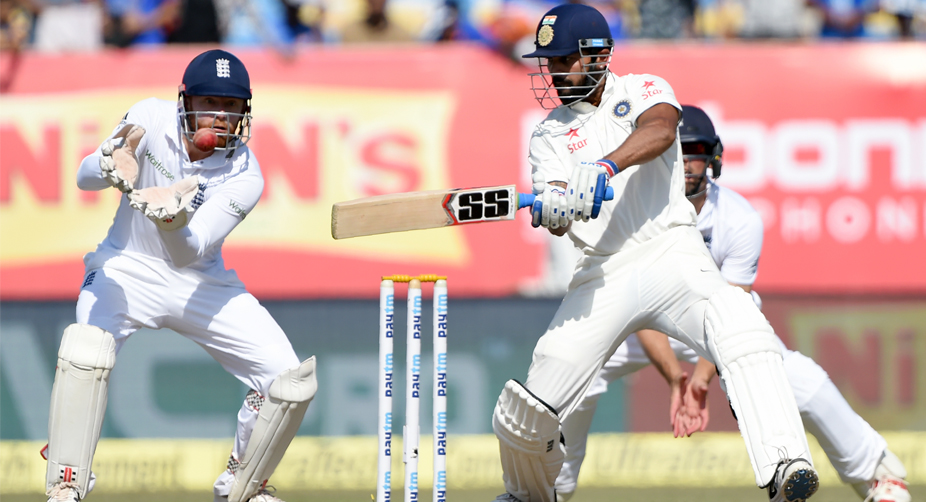
Rajkot Test Day 5: Action-packed Sunday

Rajkot Test Day 5: Action-packed Sunday

MORE Photo STORIES