Higher gold taxes could backfire again
When governments want consumers to buy less of something, they usually reach for taxes.

When governments want consumers to buy less of something, they usually reach for taxes.

For decades, India has treated the rupee less as an economic instrument and more as a symbol of national prestige.

According to the forex experts, high crude oil prices, and a stronger US dollar have created a volatile situation of the domestic currency amid the ongoing geopolitical tensions.

Dalal Street slipped into sharp losses as geopolitical tensions escalated, pushing oil prices higher and triggering fears around inflation, currency pressure and India’s rising import burden.
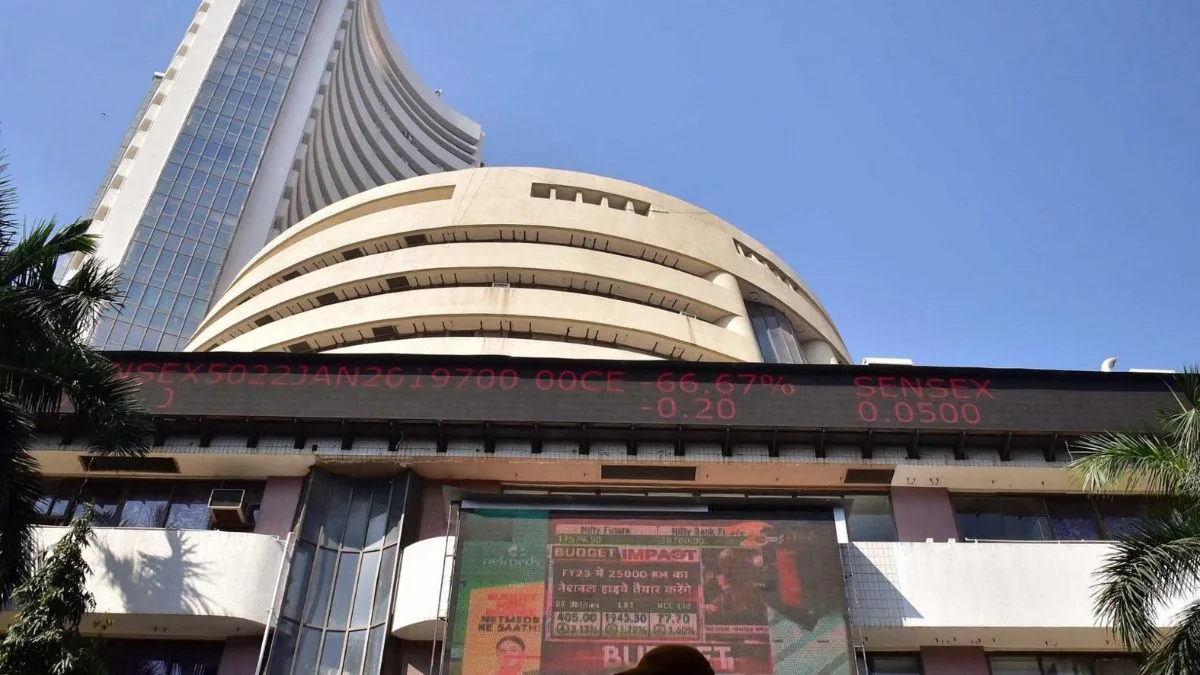
At close, the Sensex was down 533.50 points or 0.63% at 84,679.86, and the Nifty was down 167.20 points or 0.64% at 25,860.10.

The rupee drifting beyond the 90-per-dollar mark is not merely another data point in the market’s daily churn.

At close, the Sensex was down 503.63 points or 0.59% at 85,138.27, and the Nifty was down 143.55 points or 0.55% at 26,032.20.
After the $10 billion forex swap undertaken by the central bank on February 28, when it bought dollars against rupee to inject liquidity in the system, the country's foreign exchange reserves saw a huge $15.267 billion spike during the week ended March 7.

As the Indian rupee reached a record low of 87.58 to the dollar on Thursday, it finds itself at a critical juncture, navigating a sea of global and domestic pressures.
Notably, the rupee dropped to 85.0650 against the US dollar in early trade, compared to 84.9525 on Wednesday.