Logo

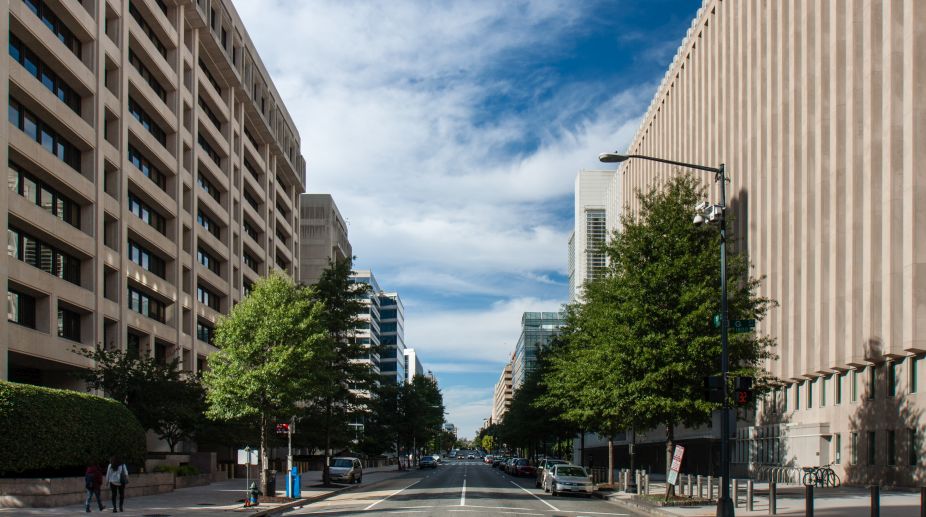
Note ban to drag down India’s GDP this fiscal to 6.6%: IMF

IANS | Washington |

India's GDP growth during the current fiscal ending March has been estimated by the International Monetary Fund to slow down to 6.6 per cent due to the temporary disruptions caused by the government's demonetisation drive, the multilateral lender said on Wednesday.

"Growth is projected to slow to 6.6 per cent in FY2016/17, then rebound to 7.2 per cent in FY2017/18, due to temporary disruptions, primarily to private consumption, caused by cash shortages," the IMF said in its latest annual country report on India.

"A key domestic risk stems from the government's currency exchange initiative, where the near-term adverse economic impact of accompanying cash shortages remains difficult to gauge, while it may have a positive economic impact in the medium term," the report said.

The report called for "action to quickly restore the availability of cash to avoid further payment disruptions and encouraged prudent monitoring of the potential side-effects of the initiative on financial stability and growth".

The IMF also said that a favourable monsoon, low oil prices, continued progress in resolving supply-side bottlenecks and robust consumer confidence will support near-term growth as cash shortages ease.

However, India's investment recovery is expected to remain modest and uneven across sectors, as corporate de-leveraging takes place and industrial capacity utilisation picks up, the report said.

From the external perspective, it said that despite the reduced imbalances and stronger reserve buffers, the impact from global financial market volatility could be disruptive, including from US monetary policy normalization or weaker-than-expected global growth.

According to IMF, domestic risks also emanate from a potential deterioration of corporate and state-run bank balance sheets, as well as setbacks in the reform process, including in the design and implementation of the proposed Goods and Services Tax (GST).
 

Modi govt should repeal AFSPA, says Chidambaram

PTI | Mumbai |

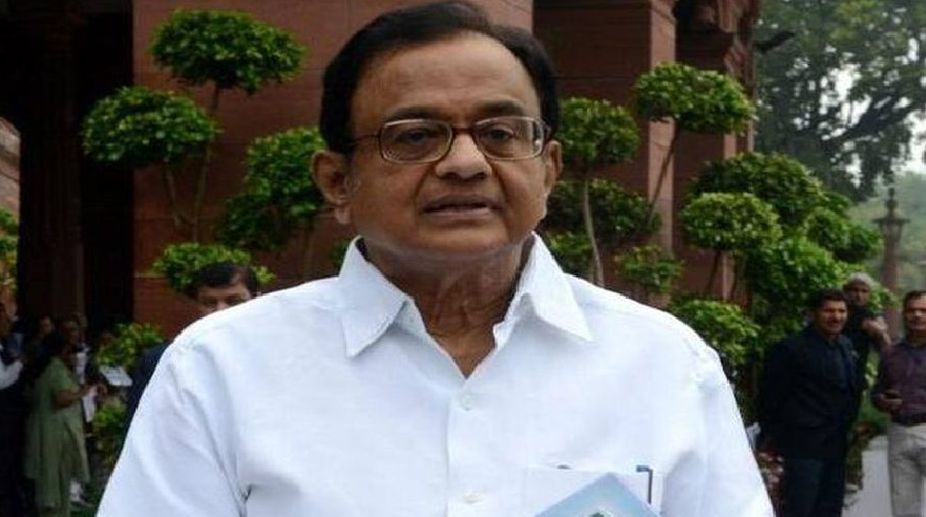
Former Union minister P Chidambaram on Wednesday said he regrets the Armed Forces (Special Powers) Act (AFSPA) was not repealed while Congress was in power and hoped the Narendra Modi government, with its absolute majority in the Lok Sabha, scraps it.

Not repealing the Act when Congress had absolute majority in the Lok Sabha was "one of the biggest regrets", he said, adding that scrapping of the AFSPA will send a positive message across the northeastern states.

"You can build hundreds of kilometres of roads, you can build hydro electric projects, electrify all villages, (but) nothing is equal to repeal of AFSPA," the former Union Home Minister said at an Asia Society event here.

"AFSPA is a draconian, inhuman law but we couldn't repeal it. Why? Because the Congress, in many ways, is as contradicting as Parliament is, as our polity is. There are as many views in the Congress as there are in polity or as in Parliament.

"There is an amendment lying at the table of the prime minister and home minister but why is this government with 282 members of its own in Lok Sabha unwilling to repeal AFSPA? I think they believe that AFSPA is necessary. They believe that AFSPA is desirable and given a chance they will make it more stringent," Chidambaram said.

To a question at this interactive program about the political situation in the country, he said, "2016 was the year in which the voices of opposition should have been raised and the government ought to have listened to those voices.

Unfortunately the voices of opposition were muted in 2016.

Academic institutions were intimidated. Scholars were silent and the business community turned timid.

"We must express ourselves fearlessly. That is the mark of an open democratic society. We cannot allow this country to shrink into fear. That's is why I continue to speak, I continue to write and I will, until the last breath in my body, remain fearless, whether in opposition or elsewhere," he said.

"Unless there is a conversation between the ruling party and opposition on a daily basis, we cannot resolve the issues," he said.

"I think our future PM must declare on the first day that every week he will meet with the leader of Opposition and spend two or three hours. We should set up shadow ministers in Opposition," he said.

"It is completely unsatisfactory that we meet once in three months in Parliament. Unless there is a constant discussion between the ruling and opposition party, I don't think our system will become better," he said.

Modi govt should repeal AFSPA, says Chidambaram

PTI | Mumbai |

Former Union minister P Chidambaram on Wednesday said he regrets the Armed Forces (Special Powers) Act (AFSPA) was not repealed while Congress was in power and hoped the Narendra Modi government, with its absolute majority in the Lok Sabha, scraps it.

Not repealing the Act when Congress had absolute majority in the Lok Sabha was "one of the biggest regrets", he said, adding that scrapping of the AFSPA will send a positive message across the northeastern states.

"You can build hundreds of kilometres of roads, you can build hydro electric projects, electrify all villages, (but) nothing is equal to repeal of AFSPA," the former Union Home Minister said at an Asia Society event here.

"AFSPA is a draconian, inhuman law but we couldn't repeal it. Why? Because the Congress, in many ways, is as contradicting as Parliament is, as our polity is. There are as many views in the Congress as there are in polity or as in Parliament.

"There is an amendment lying at the table of the prime minister and home minister but why is this government with 282 members of its own in Lok Sabha unwilling to repeal AFSPA? I think they believe that AFSPA is necessary. They believe that AFSPA is desirable and given a chance they will make it more stringent," Chidambaram said.

To a question at this interactive program about the political situation in the country, he said, "2016 was the year in which the voices of opposition should have been raised and the government ought to have listened to those voices.

Unfortunately the voices of opposition were muted in 2016.

Academic institutions were intimidated. Scholars were silent and the business community turned timid.

"We must express ourselves fearlessly. That is the mark of an open democratic society. We cannot allow this country to shrink into fear. That's is why I continue to speak, I continue to write and I will, until the last breath in my body, remain fearless, whether in opposition or elsewhere," he said.

"Unless there is a conversation between the ruling party and opposition on a daily basis, we cannot resolve the issues," he said.

"I think our future PM must declare on the first day that every week he will meet with the leader of Opposition and spend two or three hours. We should set up shadow ministers in Opposition," he said.

"It is completely unsatisfactory that we meet once in three months in Parliament. Unless there is a constant discussion between the ruling and opposition party, I don't think our system will become better," he said.

India-Uganda bilateral ties yet to reach true potential: Ansari

PTI | Kampala |

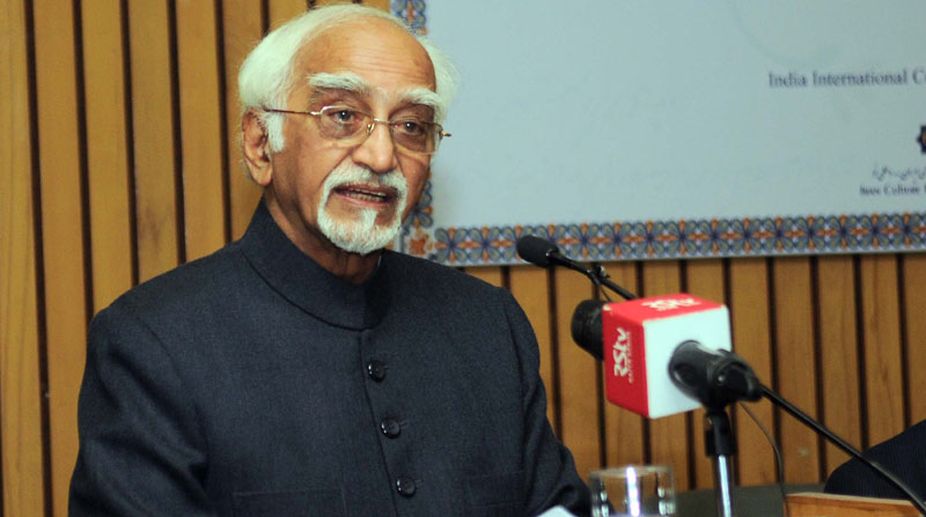
Vice President Hamid Ansari on Wednesday termed business ties of India with Uganda "dynamic" and key to bilateral relations but said the trade between the countries is yet to reach its "true" potential.

Ansari was speaking at a India-Uganda Business Forum where he met President Yoweri Museveni and Vice President Edward Kiwanuka Ssekandi and held bilateral talks with them.

"Our commercial and business ties with Uganda are dynamic and form a key pillar of our bilateral relations. It is a matter of satisfaction that India is one of the largest trade partners of Uganda but at $615 million, our bilateral trade is yet to reach its true potential," Ansari said.

At the forum, Ssekandi pitched for greater investment from Indian companies in the resource-rich country, and termed his country as a "business destination for India".

"I came away from that meeting with a reinforced confidence in the desire of the two governments to continue to engage with each other and a send a powerful message to the business community in both of our countries that here are the business opportunities which have to be availed of," he said.

"The President was particularly emphatic in pointing out that the Indian manufacturers in a wide range of areas can benefit very considerably, and what the minister (of Trade and Industry, Uganda) said a few minutes back, my factoring in the thought that they are not looking at a modest market in Uganda only, but on a much wider market of the Eastern African community and surrounding areas," he said.

"So, you are looking at the market of not just 28 or 30 million people (Uganda) but 350 million people (East Africa)," he said.

Ansari met Museveni in the afternoon and the two leaders held talks on a wide gamut of bilateral issues. The two leaders discussed that automobile companies should think manufacturing and assembling vehicles in Uganda, rather than sending them as finished products.

"This thought (wider East African market) has to sink-in because many of the things which are manufactured in India and transported here can just as well be manufactured here. This is the message I am taking back, I and my delegation to the government and the business in India, and this is something on which we are going to work together jointly for mutual benefit," Ansari said on the penultimate day of his three-day visit to Uganda.

India-Uganda bilateral ties yet to reach true potential: Ansari

PTI | Kampala |

Vice President Hamid Ansari on Wednesday termed business ties of India with Uganda "dynamic" and key to bilateral relations but said the trade between the countries is yet to reach its "true" potential.

Ansari was speaking at a India-Uganda Business Forum where he met President Yoweri Museveni and Vice President Edward Kiwanuka Ssekandi and held bilateral talks with them.

"Our commercial and business ties with Uganda are dynamic and form a key pillar of our bilateral relations. It is a matter of satisfaction that India is one of the largest trade partners of Uganda but at $615 million, our bilateral trade is yet to reach its true potential," Ansari said.

At the forum, Ssekandi pitched for greater investment from Indian companies in the resource-rich country, and termed his country as a "business destination for India".

"I came away from that meeting with a reinforced confidence in the desire of the two governments to continue to engage with each other and a send a powerful message to the business community in both of our countries that here are the business opportunities which have to be availed of," he said.

"The President was particularly emphatic in pointing out that the Indian manufacturers in a wide range of areas can benefit very considerably, and what the minister (of Trade and Industry, Uganda) said a few minutes back, my factoring in the thought that they are not looking at a modest market in Uganda only, but on a much wider market of the Eastern African community and surrounding areas," he said.

"So, you are looking at the market of not just 28 or 30 million people (Uganda) but 350 million people (East Africa)," he said.

Ansari met Museveni in the afternoon and the two leaders held talks on a wide gamut of bilateral issues. The two leaders discussed that automobile companies should think manufacturing and assembling vehicles in Uganda, rather than sending them as finished products.

"This thought (wider East African market) has to sink-in because many of the things which are manufactured in India and transported here can just as well be manufactured here. This is the message I am taking back, I and my delegation to the government and the business in India, and this is something on which we are going to work together jointly for mutual benefit," Ansari said on the penultimate day of his three-day visit to Uganda.

SBI says no fake note likely from its ATMs, branches

IANS | New Delhi |

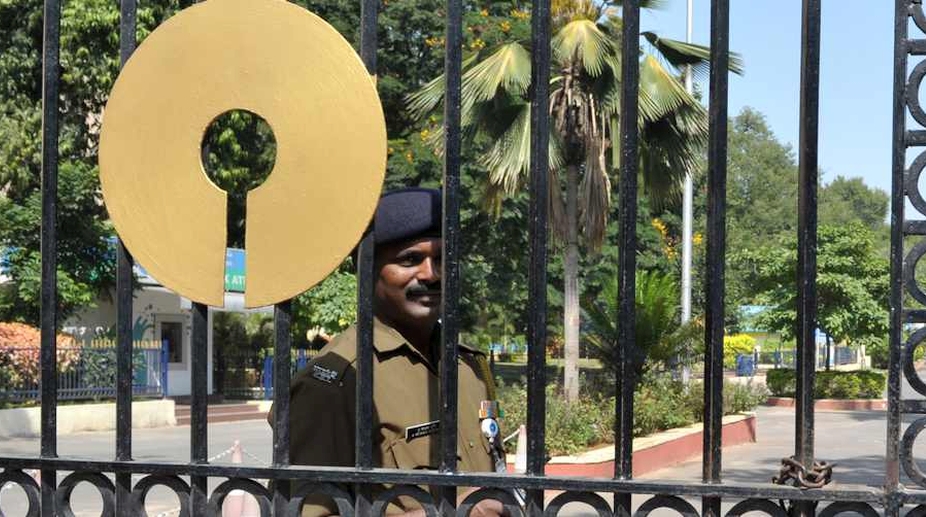
The State Bank of India (SBI) on Wednesday said "no fake note is likely to be dispensed through its ATMs at any time" as it has state-of-the-art note sorting machines.

Reacting to media reports that an SBI ATM here dispensed fake 2,000 rupee notes, an SBI statement from Mumbai said the bank has in place, at all its currency chests, a very robust system for monitoring the quality of notes. 

"All notes received and dispensed by the bank, either through its ATMs or its branches, are processed through the latest state-of-the-art note sorting machines. These machines are equipped with templates of all legal tender in the country and any note not conforming to security features is separated as 'suspect note' for further manual scrutiny. Thus, no fake note is likely to be dispensed through our ATMs at any time," the bank statement said.

The SBI, however, said that the ATM in question has reportedly been sealed by Delhi Police for further investigation. 

"As the possibility of fake notes from SBI ATMs is very remote, the bank suspects involvement of some miscreants with mischievous intent. However, further investigations are underway," it added.

Dispensing of fake 2,000 rupee notes was reported from a SBI ATM in south Delhi on February 6, which had 'Children Bank of India' printed in place of Reserve Bank of India, according to an FIR.

SBI says no fake note likely from its ATMs, branches

IANS | New Delhi |

The State Bank of India (SBI) on Wednesday said "no fake note is likely to be dispensed through its ATMs at any time" as it has state-of-the-art note sorting machines.

Reacting to media reports that an SBI ATM here dispensed fake 2,000 rupee notes, an SBI statement from Mumbai said the bank has in place, at all its currency chests, a very robust system for monitoring the quality of notes. 

"All notes received and dispensed by the bank, either through its ATMs or its branches, are processed through the latest state-of-the-art note sorting machines. These machines are equipped with templates of all legal tender in the country and any note not conforming to security features is separated as 'suspect note' for further manual scrutiny. Thus, no fake note is likely to be dispensed through our ATMs at any time," the bank statement said.

The SBI, however, said that the ATM in question has reportedly been sealed by Delhi Police for further investigation. 

"As the possibility of fake notes from SBI ATMs is very remote, the bank suspects involvement of some miscreants with mischievous intent. However, further investigations are underway," it added.

Dispensing of fake 2,000 rupee notes was reported from a SBI ATM in south Delhi on February 6, which had 'Children Bank of India' printed in place of Reserve Bank of India, according to an FIR.

We’ll keep within our boundaries: CJI

IANS | New Delhi |

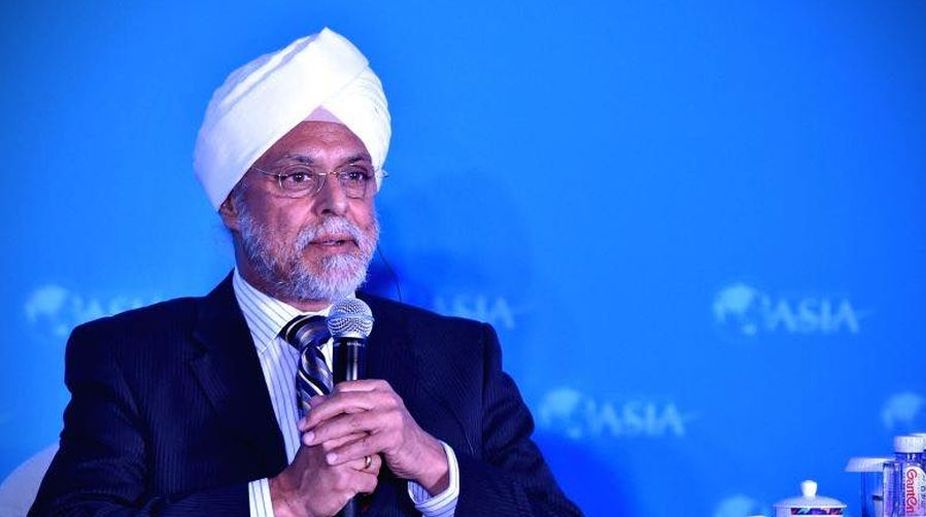
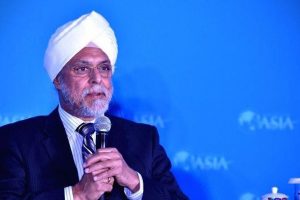
Amid concerns in political circles over the judicial overreach, Chief Justice of India Jagdish Singh Khehar on Wednesday said the top court will function within its limits.

Assuring that the top court will not venture into others' domain, Justice Khehar said: "Sometimes it is not a pleasant experience to have an order set aside or altered or changed or modified; but for that we assure you we will keep within our boundary." 

On the Memorandum of Procedure for appointment of judges, Justice Khekhar said it is expected to be finalised in two weeks.

He was addressing a function at the Rashtrapati Bhavan here, attended by Prime Minister Narendra Modi and several senior ministers.

Justice Khehar said the collegium's recommendations for appointment of judges to the Supreme Court had come through. 

He said the apex court made recommendations for filling up eight vacancies of Chief Justices of High Courts too and hoped these will be accepted soon.

He recommended arbitration and mediation as an alternative methods for dispute resolution.

"Why can't we choose the option of mediation? As a trial — may be we will succeed, may be not."

At the function, President Pranab Mukherjee was presented the first copy of a book 'Judicial reforms-Recent Global Trends' by the Prime Minister. 

The book has been brought out by the India International Law Foundation. 

We’ll keep within our boundaries: CJI

IANS | New Delhi |

Amid concerns in political circles over the judicial overreach, Chief Justice of India Jagdish Singh Khehar on Wednesday said the top court will function within its limits.

Assuring that the top court will not venture into others' domain, Justice Khehar said: "Sometimes it is not a pleasant experience to have an order set aside or altered or changed or modified; but for that we assure you we will keep within our boundary." 

On the Memorandum of Procedure for appointment of judges, Justice Khekhar said it is expected to be finalised in two weeks.

He was addressing a function at the Rashtrapati Bhavan here, attended by Prime Minister Narendra Modi and several senior ministers.

Justice Khehar said the collegium's recommendations for appointment of judges to the Supreme Court had come through. 

He said the apex court made recommendations for filling up eight vacancies of Chief Justices of High Courts too and hoped these will be accepted soon.

He recommended arbitration and mediation as an alternative methods for dispute resolution.

"Why can't we choose the option of mediation? As a trial — may be we will succeed, may be not."

At the function, President Pranab Mukherjee was presented the first copy of a book 'Judicial reforms-Recent Global Trends' by the Prime Minister. 

The book has been brought out by the India International Law Foundation. 

Indian judicial system needs major changes: President

IANS | New Delhi |

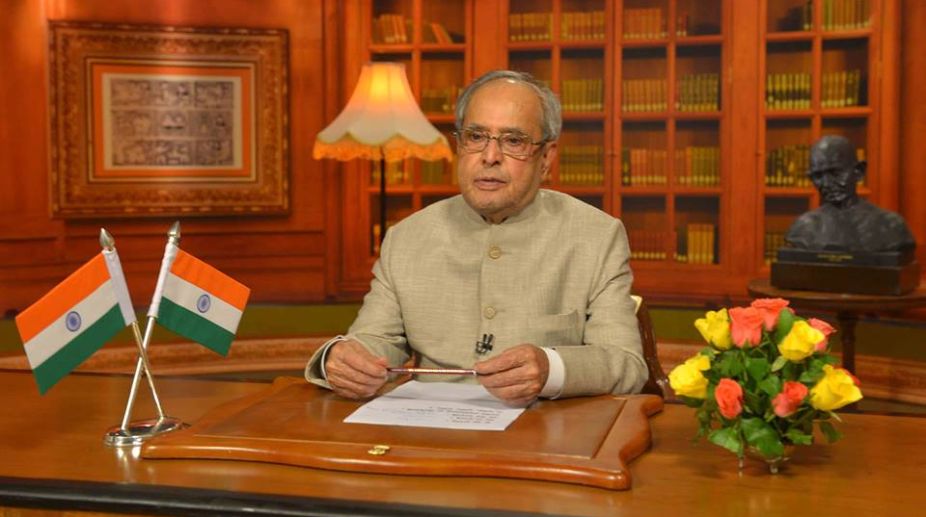
President Pranab Mukherjee on Wednesday said Indian judicial system established decades ago require major changes.

Speaking after receiving the first copy of a book: Judicial Reforms – Recent Global Trends from Prime Minister Narendra Modi at the Rashtrapati Bhavan after its formal release, Mukherjee pointed out that no reform is possible without adequate infrastructure.

"Our judicial system established decades ago require major changes. Reform is a continuous process. It cannot be stop and go. Every system develops clogs. There is need for constant change," Mukherjee said.

"It is high time for everyone to not just think but also act on judicial reforms."

The President pointed out that no reform is possible without adequate infrastructure. He said in his entire period as the President, the Allahabad High Court which is the largest in the country had less than 50 percent of its sanctioned posts of 180 judges filled. 

"If this situation of the higher judiciary is so bad, one can imagine the conditions of the lower judiciary. State and Union Governments should work hand in hand to address the shortage of basic infrastructure such as courtrooms and essential facilities for judges," he said.

Modi meanwhile said the law universities should have talent which takes into account fast-paced technological changes and works towards laws that can stand the test of time.

"Our law universities should have that kind of talent to look at all the issues at hand and then work," he said after releasing the book.

Modi said India need to bring about faster changes to have its voice heard in the changing global order as it has a golden opportunity to fill the vacuum due to latest changes in the global scenario.

"Our aim should not only to hold up in the changing global order but we should have our voice also. And it will happen when we will become powerful and our policies, rules, behaviour will be in accordance with the expectation of the world. So we will have to bring about faster changes to overcome the challenges," Modi said

He also said it would have been good if Chief Justice of India JS Khehar had continued to hold the position for some more time (beyond his tenure) since the latter took speedy decisions.

Khehar, who was also present at the event meanwhile said the top court will function within its limits.

Assuring that the top court will not venture into others' domain, he said: "Sometimes it is not a pleasant experience to have an order set aside or altered or changed or modified; but for that we assure you we will keep within our boundary."

On the Memorandum of Procedure for appointment of judges, Justice Khekhar said it is expected to be finalised in two weeks.

The book was brought out by the India International Law Foundation and is the outcome of a Seminar on "Recent Trends in Judicial Reforms: A Global Perspective" held here in January 2013.

Indian judicial system needs major changes: President

IANS | New Delhi |

President Pranab Mukherjee on Wednesday said Indian judicial system established decades ago require major changes.

Speaking after receiving the first copy of a book: Judicial Reforms – Recent Global Trends from Prime Minister Narendra Modi at the Rashtrapati Bhavan after its formal release, Mukherjee pointed out that no reform is possible without adequate infrastructure.

"Our judicial system established decades ago require major changes. Reform is a continuous process. It cannot be stop and go. Every system develops clogs. There is need for constant change," Mukherjee said.

"It is high time for everyone to not just think but also act on judicial reforms."

The President pointed out that no reform is possible without adequate infrastructure. He said in his entire period as the President, the Allahabad High Court which is the largest in the country had less than 50 percent of its sanctioned posts of 180 judges filled. 

"If this situation of the higher judiciary is so bad, one can imagine the conditions of the lower judiciary. State and Union Governments should work hand in hand to address the shortage of basic infrastructure such as courtrooms and essential facilities for judges," he said.

Modi meanwhile said the law universities should have talent which takes into account fast-paced technological changes and works towards laws that can stand the test of time.

"Our law universities should have that kind of talent to look at all the issues at hand and then work," he said after releasing the book.

Modi said India need to bring about faster changes to have its voice heard in the changing global order as it has a golden opportunity to fill the vacuum due to latest changes in the global scenario.

"Our aim should not only to hold up in the changing global order but we should have our voice also. And it will happen when we will become powerful and our policies, rules, behaviour will be in accordance with the expectation of the world. So we will have to bring about faster changes to overcome the challenges," Modi said

He also said it would have been good if Chief Justice of India JS Khehar had continued to hold the position for some more time (beyond his tenure) since the latter took speedy decisions.

Khehar, who was also present at the event meanwhile said the top court will function within its limits.

Assuring that the top court will not venture into others' domain, he said: "Sometimes it is not a pleasant experience to have an order set aside or altered or changed or modified; but for that we assure you we will keep within our boundary."

On the Memorandum of Procedure for appointment of judges, Justice Khekhar said it is expected to be finalised in two weeks.

The book was brought out by the India International Law Foundation and is the outcome of a Seminar on "Recent Trends in Judicial Reforms: A Global Perspective" held here in January 2013.

CBI books Dental Council of India chief

Razdan | New Delhi |

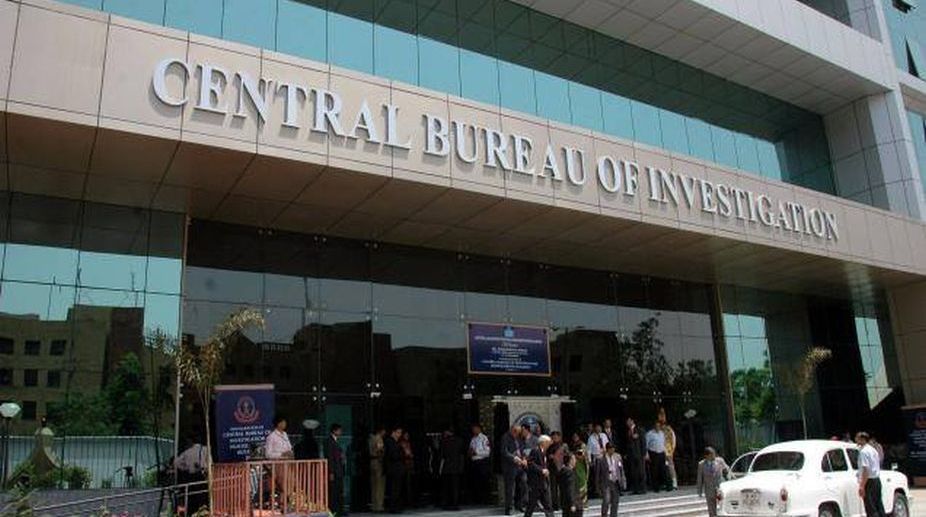
The Central Bureau of Investigation (CBI) has registered a case against the president, Dental Council of India (DCI), Delhi; a former officiating secretary, DCI; Chairman of a Dental College & Hospital based at Garhwa in Jharkhand; a former VC of a University based at Palamu and others, under various IPC Sections and the Prevention of
Corruption Act.

It is alleged that the DCI president’s membership of the DCI ended on 31 May 2015, but he fraudulently acquired its membership on behalf of a Jharkhand university to continue as DCI president.

For this he entered into a conspiracy with the chairman of a private Dental College & Hospital of Jharkhand and a former Vice Chancellor of the university by claiming to be honorary visiting professor of the private Dental College & Hospital. With help from an ex-secretary, DCI, he continued as the president of DCI from 1 June 2015,  for a
term till October 2018.

As part of the conspiracy, the DCI president allegedly favoured the private Dental College by recommending an increase in its student intake capacity from 50 to 100 seats in the BDS course during 2013, and 16 MDS seats under various categories, to the Central Government, Ministry of Health and Family Welfare (Dental Education Section),
during 2015.
This was despite shortcomings or discrepancies noticed in the functioning of the college during inspections conducted by DCI inspectors in October 2012 and February 2013.

Searches have been conducted at six places, including Delhi, Kolkata, Ranchi & Garhwa at the residence and office premises of accused persons, leading to recovery of incriminating documents, CBI said on Wednesday.

CBI books Dental Council of India chief

Razdan | New Delhi |

The Central Bureau of Investigation (CBI) has registered a case against the president, Dental Council of India (DCI), Delhi; a former officiating secretary, DCI; Chairman of a Dental College & Hospital based at Garhwa in Jharkhand; a former VC of a University based at Palamu and others, under various IPC Sections and the Prevention of
Corruption Act.

It is alleged that the DCI president’s membership of the DCI ended on 31 May 2015, but he fraudulently acquired its membership on behalf of a Jharkhand university to continue as DCI president.

For this he entered into a conspiracy with the chairman of a private Dental College & Hospital of Jharkhand and a former Vice Chancellor of the university by claiming to be honorary visiting professor of the private Dental College & Hospital. With help from an ex-secretary, DCI, he continued as the president of DCI from 1 June 2015,  for a
term till October 2018.

As part of the conspiracy, the DCI president allegedly favoured the private Dental College by recommending an increase in its student intake capacity from 50 to 100 seats in the BDS course during 2013, and 16 MDS seats under various categories, to the Central Government, Ministry of Health and Family Welfare (Dental Education Section),
during 2015.
This was despite shortcomings or discrepancies noticed in the functioning of the college during inspections conducted by DCI inspectors in October 2012 and February 2013.

Searches have been conducted at six places, including Delhi, Kolkata, Ranchi & Garhwa at the residence and office premises of accused persons, leading to recovery of incriminating documents, CBI said on Wednesday.

BSF, Pakistan Rangers meet at Jammu border

Statesman News Service | Jammu |

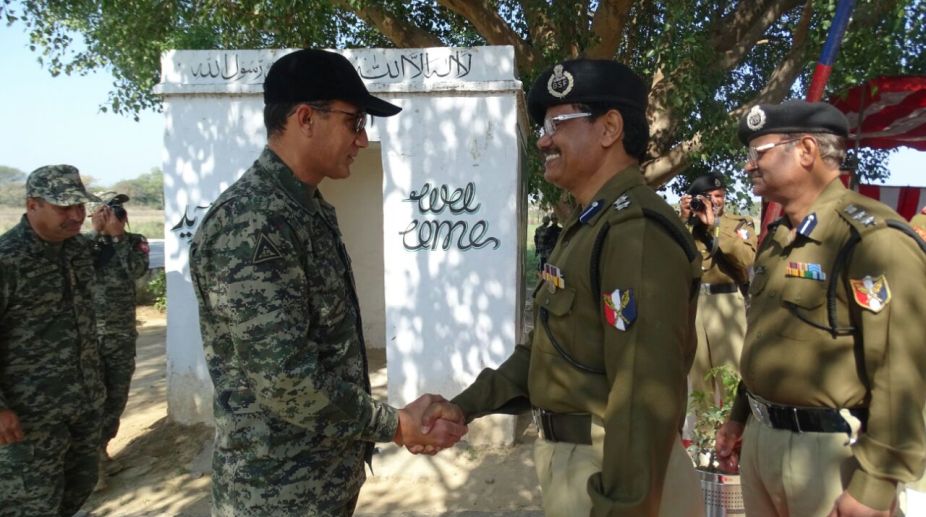
The BSF in a flag meeting with the Pakistan Rangers on Wednesday expressed concern on the issue of tunnels having been dug across the border fence from the Pakistani side to facilitate infiltration of terrorists on the Indian soil.

A spokesman of the BSF said that the flag meeting was held at Suchetgarh border post in the Jammu district on the request of BSF. 

PK Anand, commandant, led the eight member team of BSF, while a five member team of Pak Rangers was headed by Wing Commander Lt. Col. Irfan Khan.

During the meeting various issues including recent detection of tunnels and firing in Ramgarh sector as well as return of constable Sohan Lal of J&K police who crossed to Pakistan inadvertantly in 2014 and other routine issues  related to management of border were discussed. 

The meeting was held in cordial atmosphere, the spokesman added.

SC makes treatment plants mandatory at industrial units

Ajita | New Delhi |

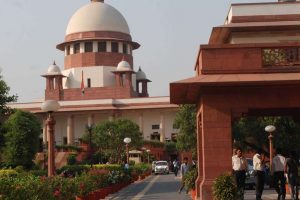
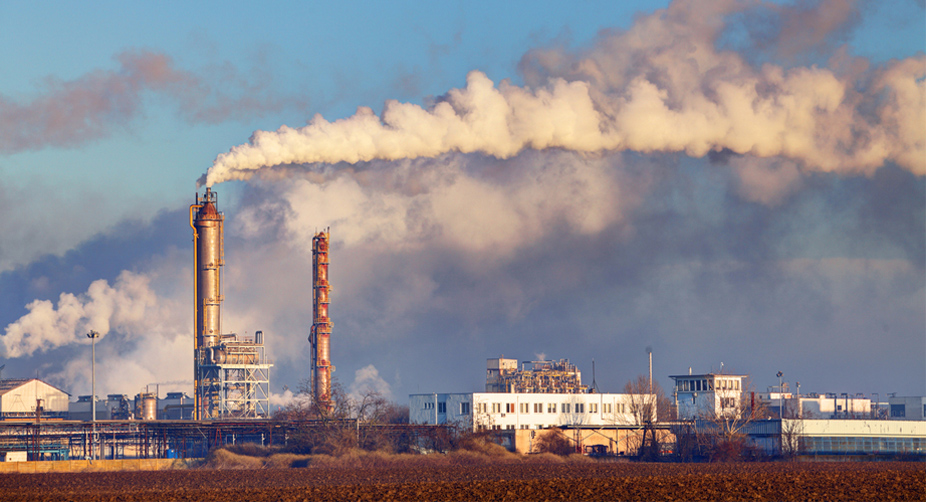
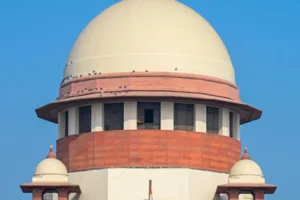
The Supreme Court on Wednesday passed directions to check the release of untreated waste in water bodies and asked state pollution control boards not to allow industrial units to work if they do not have functional primary effluent treatment plants (PETPs).
The directions came on a plea filed by NGO Paryavaran Suraksha Samiti on the issue of pollution in water bodies, including groundwater.
A bench headed by Chief Justice J S Khehar directed the state pollution control boards (PCBs) to issue a common notice to all industrial units to verify if they have set up PETPs as mandated under the legal provisions.

The bench, which also comprised Justices D Y Chandrachud and S K Kaul, said on the expiry of a three-month notice period, state PCBs should carry out inspection of the industrial units to ascertain the status of their PETPs.

If industrial units do not have functional PETPs, then they will not be allowed to function any more, the court said.

The bench directed the state PCBs to ask the concerned discoms or electricity supply boards to disconnect the power supply to the defaulting industrial units. It said the industrial units could resume functioning only after they made their PETPs functional.

The apex court also asked the local or municipal authorities to set up Common Effluent Treatment Plants (CETP) within three years after acquiring land and completing other formalities.

The states, it said, will have to submit reports with regard to setting up of CETPs to the concerned bench of the National Green Tribunal.

The bench said local civic authorities could formulate norms to levy cess from users if they face financial crunch in running and setting up of CETPs.

Earlier, the apex court had issued notice to the Centre, the Ministry of Environment and Forests, the Central Pollution Control Board (CPCB) and Chief Secretaries of 19 states, including Gujarat.

Initially, the plea was restricted to Gujarat but later its scope was widened by the apex court, which had granted the last opportunity to the states on 16 January to file their responses.

Nod for India-Poland JWG on agriculture

Vijay Thakur | New Delhi |

India and Poland will constitute a Joint Working Group (JWG) to cooperate in the agriculture sector and assist each other in promoting agriculture-related allied sectors.

 The Union Cabinet, at  ameeting chaired by Prime Minister Narendra Modi, on Wednesday approved signing of an agreement that would cover various activities in the field of agriculture and allied sectors, including exchange of information on the current situation in agriculture, the phytosanitary conditions of crops, threats posed by harmful organisms and the threats posed by animal infectious diseases.

 The agreement would also cover participation in fairs, exhibitions, seminars and conferences related to agriculture and agri-food processing, undertaking and developing joint economic initiatives including the support or agrifood trade between the states of the contracting parties.

Fake notes at SBI ATM trigger row

Sharbani | New Delhi |

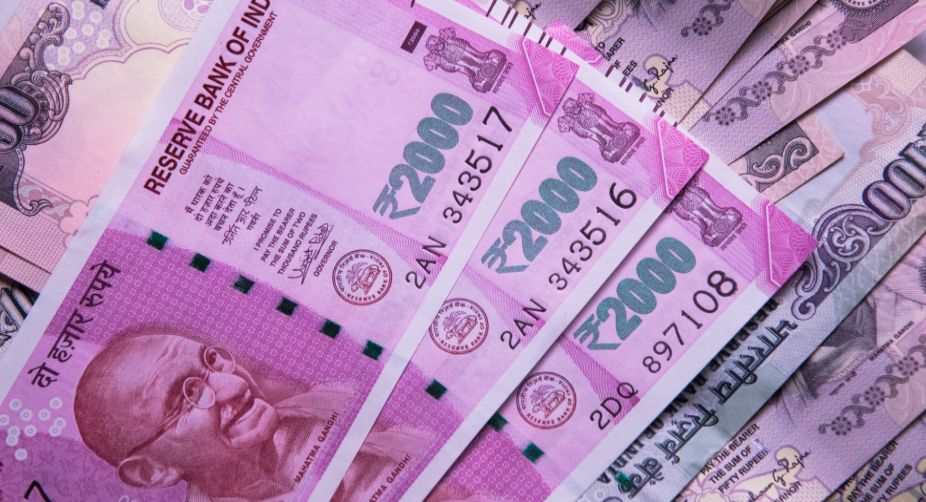
The ATMs might be tottering in dispensing cash to people in various parts of the country, but an SBI ATM in the national capital has dispensed a customer fake Rs.2000 notes churned out by "Children Bank of India".

These fake high-denomination notes have literally sought to mock at the Reserve Bank of India (RBI)-produced genuine bank notes.

The SBI ATM, located at Sangam Vihar in South Delhi, dispensed four Rs.2000 notes to a customer care executive Rohit Kumar when he had gone there to withdraw cash on 6 February. He was stunned as he found a string of startling features on the currency dispensed by the ATM.

The fake Rs.2000 notes he got read "Children Bank of India" instead of Reserve Bank of India, even as its Hindi version on the top left corner stated "Bharatiya Manoranjan Bank" in place of Bharatiya Reserve Bank. 

The notes had "PK" logo on them in place of the RBI stamp while the governor's name and signature as well as the Rupee symbol were missing from them. Each of them promised to "pay the barer two thousand coupens (sic)". It also mentioned "Guaranteed by the Children Government" instead of "Guaranteed by the Central Government" and "Churan Lable (sic)" in place of the Ashok emblem, with its serial number stating simply "000000".

After Rohit informed the local police, the latter sent a sub-inspector to the ATM which also dispensed a similar fake Rs 2000 note to him, although there were no other such cases reported by its customers.  

The Sangam Vihar police station has registered a criminal case of cheating and counterfeit currency under various sections of Indian Penal Code. Police have identified the last man who had filled cash in the ATM which has apparently been sealed.

Police called all the five fake Rs.2000 notes "children playing notes, which are available at toy shops". They said the bank has "fixed" the liability of Mohammed Isha, custodian of Brinks India Pvt Ltd, who works for the SBI ATM as he was the "custodian" at the time of the incident. Although Isha has denied his involvement in it, the police is probing his role.

In a statement, SBI said they have a "robust system" in place for monitoring the quality of notes and that the investigation in the matter is continuing.

The episode provided ammunition to the Opposition parties which have been targeting Prime Minister Narendra Modi over his controversial demonetisation move for more than three months.     

Firing salvos at PM Modi, the Delhi chief minister and AAP leader Arvind Kejriwal tweeted in Hindi stating that "A Prime Minister who cannot even produce proper notes, can he run the country? He has made the entire country a joke."

Training his guns at PM Modi, the CPI-M general secretary Sitaram Yechury described this incident as "rubbing salt on poor people's wounds" and "mockery of the country".

The episode did not amuse a number of Delhi citizens who questioned the demonetisation move if its one key objective ~ curbing counterfeit currency ~ did not seem to have been properly fulfilled. 

Sarla Singh, a homemaker, said, "So much chaos was created for demonetisation in the name of curbing terrorism and counterfeit currency. But nothing happened. Every other day there is a news of someone getting caught with fake currency. It seems nothing can check circulation of fake currency, and demonetisation also could not ensure it."

An undergradaute student Geet Jaggi gave an account of his "protracted hardship" during the demonetisation drive. "I had to queue up in long lines before ATMs for hours to get some cash. The irony is that the ATM now seems to be dispensing fake cash pretty easily," he said.