Logo

Why a sitting job is bad for your heart and waist

IANS | London |

Do you have a desk-bound job? Beware, you may be at a heightened risk of developing cardiovascular diseases by 0.2 per cent and an increase in waist circumference by two cm, for every additional hour of sitting on top of five hours, researchers warned.

The findings showed that those who had desk jobs had a bigger waist circumference — 97 cm compared to 94 cm in people without desk jobs. They also had approximately one body mass index (BMI) unit difference.

Further, they had a higher risk of cardiovascular disease — 2.2 per cent compared to 1.6 per cent in people without desk jobs, over ten years.

In addition, each extra hour of sitting from five hours a day, increased the levels of bad cholesterol (LDL) and decreased good cholesterol (HDL).

"Longer time spent in sedentary posture is significantly associated with larger waist circumference, higher triglycerides (fat in the blood) and lower HDL cholesterol, all adding up to worse risk of heart disease," said William Tigbe from University of Warwick in Britain.

In contrast, walking more than 15,000 steps per day, which is equivalent to walking seven to eight miles, or spending seven hours per day upright, may be associated with zero risk factors, Tigbe added, in the paper published in the International Journal of Obesity.

Although the study could be used as the basis of new public health targets for sitting, lying, standing and stepping to avoid metabolic risks, it would be very challenging to achieve unless incorporated into people's occupations.

"Our evolution, to become the human species, did not equip us well to spending all day sitting down. We probably adapted to be healthiest spending seven to eight hours every day on our feet, as hunters or gatherers," said Mike Lean Professor at the University of Glasgow.
Nationalism a bad word only in India: Jaitley

IANS | Varanasi |

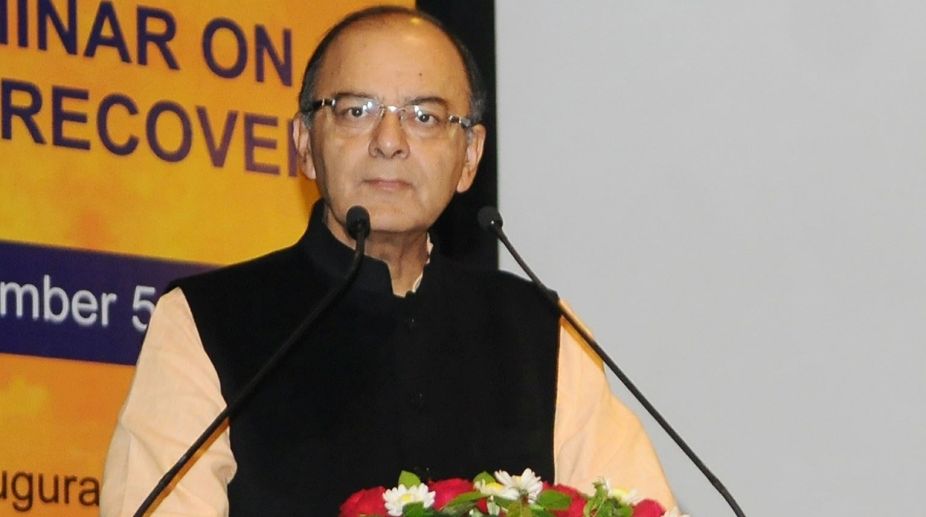
Union Finance Minister Arun Jaitley on Thursday said that "nationalism was a good word" across the world though it may be a controversial topic in India, days after he blamed an "alliance of subversion" for university campus violence.
Responding to a pointed question at a press conference in the temple town, on the ongoing controversy around nationalism, the senior BJP leader, who himself started his career as a student leader, said that these things were raked up at the time of elections deliberately. 

"Nationalism is a good word, ye toh kewal iss desh mein hai ki rashtravad bura shabd hai (It is only in this country that nationalsim is a bad word)," said Jaitley.

"We never started the debate but will definitely respond to the issue as per our state ideology and stand," he said.

"During the Delhi polls there were false reports of attacks on Churches in the capital, then during the Bihar elections 'award waapsi' started, so how can such forces be behind in the Uttar Pradesh elections, and so all this is happening," the senior BJP leader added.

During an event in London last week, Jaitley said that freedom of speech does not extend to "assaulting a nation's sovereignty" and that some universities were now home to an "alliance of subversion" between those on the ultra-left, and those with a separatist agenda.

Jaitley comments come in the wake of last week's violence at Delhi University's Ramjas College between the left-wing All India Students Association and the RSS-affiliated Akhil Bharatiya Vidyarthi Parishad.

Nationalism a bad word only in India: Jaitley

IANS | Varanasi |

Union Finance Minister Arun Jaitley on Thursday said that "nationalism was a good word" across the world though it may be a controversial topic in India, days after he blamed an "alliance of subversion" for university campus violence.

Responding to a pointed question at a press conference in the temple town, on the ongoing controversy around nationalism, the senior BJP leader, who himself started his career as a student leader, said that these things were raked up at the time of elections deliberately. 

"Nationalism is a good word, ye toh kewal iss desh mein hai ki rashtravad bura shabd hai (It is only in this country that nationalsim is a bad word)," said Jaitley.

"We never started the debate but will definitely respond to the issue as per our state ideology and stand," he said.

"During the Delhi polls there were false reports of attacks on Churches in the capital, then during the Bihar elections 'award waapsi' started, so how can such forces be behind in the Uttar Pradesh elections, and so all this is happening," the senior BJP leader added.

During an event in London last week, Jaitley said that freedom of speech does not extend to "assaulting a nation's sovereignty" and that some universities were now home to an "alliance of subversion" between those on the ultra-left, and those with a separatist agenda.

Jaitley comments come in the wake of last week's violence at Delhi University's Ramjas College between the left-wing All India Students Association and the RSS-affiliated Akhil Bharatiya Vidyarthi Parishad.

5.5 quake hits southeasterm Turkey, injuries reported

AP | Ankara |

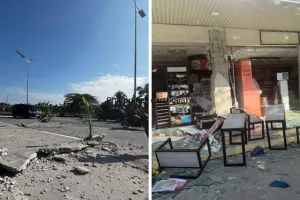
An earthquake with a preliminary magnitude of 5.5 hit a town in southeastern Turkey on Thursday, causing a number of injuries, officials and news reports said.

The government-run Disaster and Emergency Management Presidency said the earthquake was centered in the town of Samat, in Adiyaman province. It was followed by four more temblors, the strongest measuring 4.4.

Yusuf Firat, the mayor for Samsat told private NTV television that at least five people were injured in the quake, which knocked down some buildings in the town. There was no immediate report of any fatalities.

He said the quake caused widespread panic in the town.

The US Geological Survey put the magnitude at 5.6 and said the quake was very shallow at around 10 kilometers deep.

The quake was felt in the neighboring provinces of Gaziantep, Kilis, Batman and Sanliurfa.

5.5 quake hits southeasterm Turkey, injuries reported

AP | Ankara |

An earthquake with a preliminary magnitude of 5.5 hit a town in southeastern Turkey on Thursday, causing a number of injuries, officials and news reports said.

The government-run Disaster and Emergency Management Presidency said the earthquake was centered in the town of Samat, in Adiyaman province. It was followed by four more temblors, the strongest measuring 4.4.

Yusuf Firat, the mayor for Samsat told private NTV television that at least five people were injured in the quake, which knocked down some buildings in the town. There was no immediate report of any fatalities.

He said the quake caused widespread panic in the town.

The US Geological Survey put the magnitude at 5.6 and said the quake was very shallow at around 10 kilometers deep.

The quake was felt in the neighboring provinces of Gaziantep, Kilis, Batman and Sanliurfa.

SC notice to Maharashtra govt on bar girls’ plea

Ajita | New Delhi |

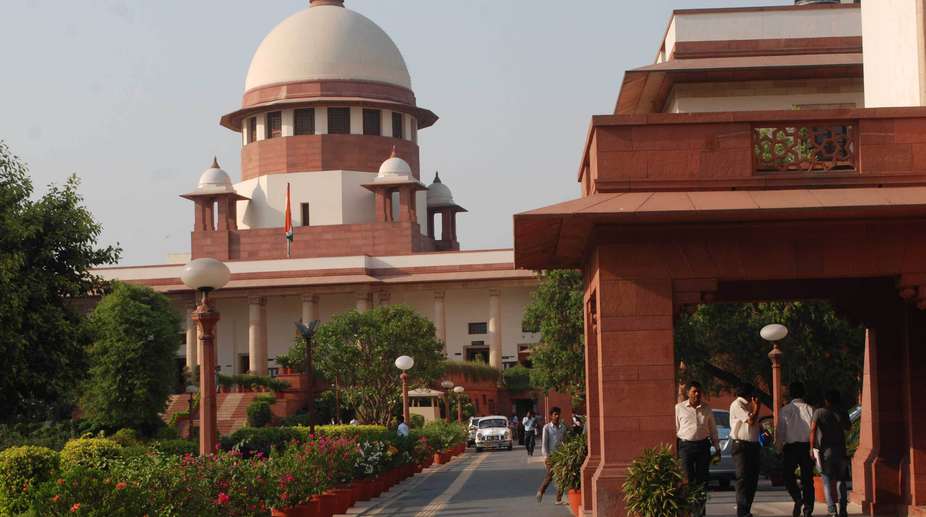
The Supreme Court today issued notice to the Maharashtra government on a plea filed by an association of women dancers, waitresses, singers and other performers working in bars and hotels.
These groups have challenged the constitutional validity of a 2016 state law putting conditions on dance performances by women in bars and hotels there.
"Issue notice. Returnable within four weeks," a bench of Justices Dipak Misra and R F Nariman said.
Tagging the fresh plea of 'Bharatiya Bargirls Union' with a pending petition filed by Indian Hotel and Restaurant Association (IHRA) on the issue, the bench fixed the petitions for hearing on 20 April.
In their petition, the association has challenged the constitutional validity of a 2016 state law putting conditions on dance performances in restaurants and bars.
The petitioners have challenged the constitutional validity of certain provisions of the Maharashtra Prohibition of Obscene Dance in Hotels, Restaurants and Bar Rooms and Protection of Dignity of Women Act, 2016, and the rules framed under it.
Saying that the new act "stigmatised our work", the Bharatiya Bar girls’ Union has termed it as arbitrary and violative of their right to earn a livelihood through legitimate means.
It alleged that the term "obscene dance" in the Act has been deliberately kept vague to allow the police to harass women performers.
The new law unreasonably interferes with free choice of expression through dramatic performances and the right of women to practice the occupation of self-expression through such dramatic performances, the petition said.
The plea read: "The act of tipping or giving gifts as a token of appreciation has been customary and an integral part of traditional dance culture. This decades-old practice is akin to those performing Mujra, Lavani (traditional Marathi song and dance) or Tamasha (traditional Marathi theatre) where performers earn their living through 'bakshis' offered by the audience as a token of appreciation of the performances."
"The said practice is widely prevalent in Maharashtra and across the country. But the Act prohibits such practice contrary to traditionally accepted form of custom, thus failing to recognise that every performance deserves a prize."
The 2016 law for regulating dance bars came after the apex court on 16 July, 2013, struck down the restrictions imposed by the state police on the dance performances of any type in an eating house, permit room or beer bar.
On 21 September last year, the apex court directed that dance bars in Maharashtra would continue to operate under the old terms that permitted serving of liquor and the CCTV cameras would be installed only at the entrance. area.
The court did not put on hold the new rules that require installation of CCTV cameras in the dance bar area, limit the timing of the dances from 6 pm to 11.30 pm and prohibit serving of liquor in the bar room where dances are staged.

SC notice to Maharashtra govt on bar girls’ plea

Ajita | New Delhi |

The Supreme Court today issued notice to the Maharashtra government on a plea filed by an association of women dancers, waitresses, singers and other performers working in bars and hotels.
These groups have challenged the constitutional validity of a 2016 state law putting conditions on dance performances by women in bars and hotels there.
"Issue notice. Returnable within four weeks," a bench of Justices Dipak Misra and R F Nariman said.
Tagging the fresh plea of 'Bharatiya Bargirls Union' with a pending petition filed by Indian Hotel and Restaurant Association (IHRA) on the issue, the bench fixed the petitions for hearing on 20 April.
In their petition, the association has challenged the constitutional validity of a 2016 state law putting conditions on dance performances in restaurants and bars.
The petitioners have challenged the constitutional validity of certain provisions of the Maharashtra Prohibition of Obscene Dance in Hotels, Restaurants and Bar Rooms and Protection of Dignity of Women Act, 2016, and the rules framed under it.
Saying that the new act "stigmatised our work", the Bharatiya Bar girls’ Union has termed it as arbitrary and violative of their right to earn a livelihood through legitimate means.
It alleged that the term "obscene dance" in the Act has been deliberately kept vague to allow the police to harass women performers.
The new law unreasonably interferes with free choice of expression through dramatic performances and the right of women to practice the occupation of self-expression through such dramatic performances, the petition said.
The plea read: "The act of tipping or giving gifts as a token of appreciation has been customary and an integral part of traditional dance culture. This decades-old practice is akin to those performing Mujra, Lavani (traditional Marathi song and dance) or Tamasha (traditional Marathi theatre) where performers earn their living through 'bakshis' offered by the audience as a token of appreciation of the performances."
"The said practice is widely prevalent in Maharashtra and across the country. But the Act prohibits such practice contrary to traditionally accepted form of custom, thus failing to recognise that every performance deserves a prize."
The 2016 law for regulating dance bars came after the apex court on 16 July, 2013, struck down the restrictions imposed by the state police on the dance performances of any type in an eating house, permit room or beer bar.
On 21 September last year, the apex court directed that dance bars in Maharashtra would continue to operate under the old terms that permitted serving of liquor and the CCTV cameras would be installed only at the entrance. area.
The court did not put on hold the new rules that require installation of CCTV cameras in the dance bar area, limit the timing of the dances from 6 pm to 11.30 pm and prohibit serving of liquor in the bar room where dances are staged.

Campaigning ends for sixth phase of UP election

IANS | Lucknow |

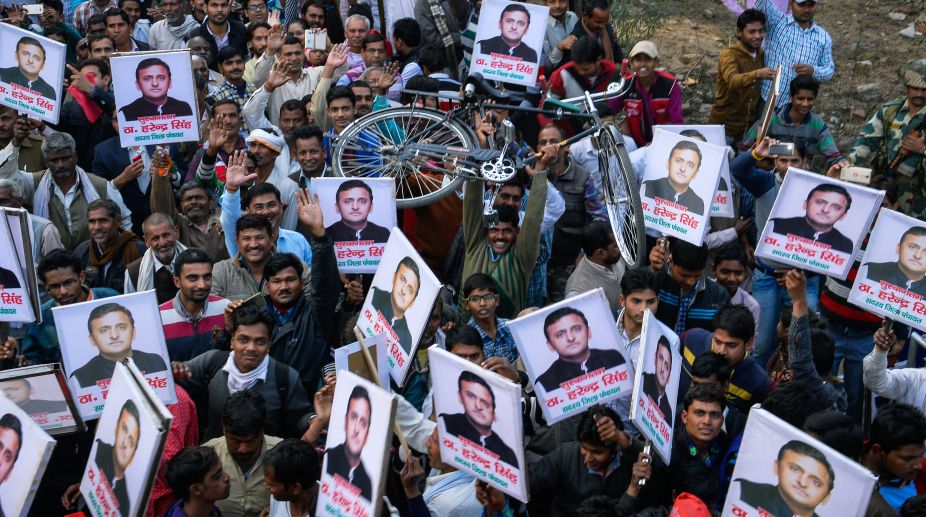
Campaigning for the sixth phase of assembly elections in Uttar Pradesh ended on Thursday. Voting for 49 seats spread across seven districts will be held on Saturday.

The voting will take place in Mau, Ballia, Azamgarh, Deoria, Kushinagar, Maharajganj and Gorakhpur districts in the Poorvanchal region.

Nearly 1.72 crore people will be eligible to vote on Saturday with 635 candidates in the fray. 

The maximum number of 127 candidates are in Gorakhpur's nine seats. There are 175 independent candidates in all.

On Thursday, the last day of campaigning, all political parties pulled out all stops to woo voters. 

While Congress Vice President Rahul Gandhi, Chief Minister Akhilesh Yadav and Bahujan Samaj Party (BSP) chief Mayawati addressed rallies, Bharatiya Janata Party (BJP) President Amit Shah took out a road show in Gorakhpur.

All eyes are on Mau and Azamgarh. 

While Samajwadi Party founder Mulayam Singh Yadav is the Lok Sabha member from Azamgarh, Mau is witnessing a keen contest as mafia don Mukhtaar Ansari is contesting on BSP ticket.

The staggered election in Uttar Pradesh began on February 11 and the last and seventh round will take place on March 8.

The results of the polling in Uttar Pradesh as well as Goa, Uttarakhand, Punjab and Manipur will be known on March 11.
 

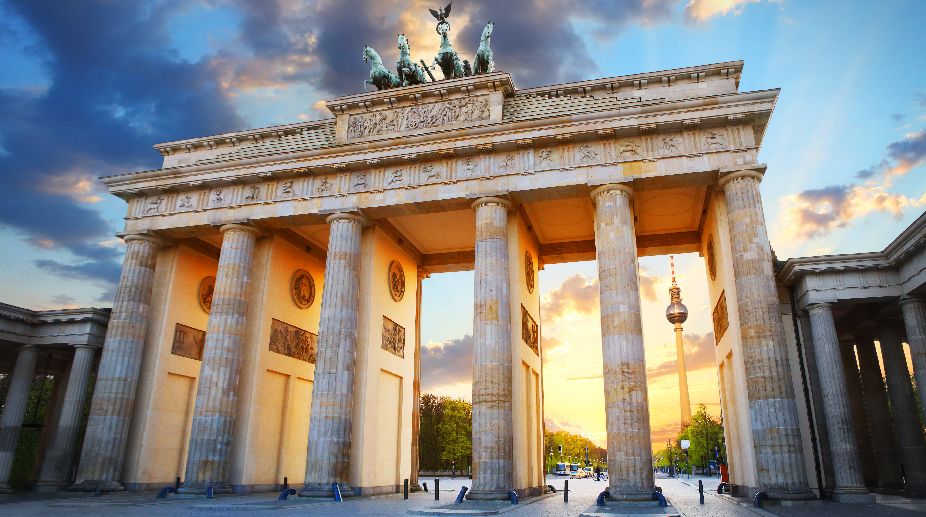
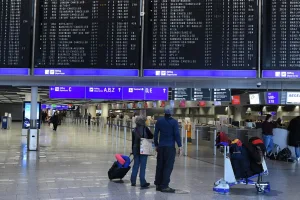
Germany eyes 3-5% growth in tourists from India in 2017

IANS | New Delhi |

Germany, which received 748,737 visitors from India in the year gone by, hopes to see a 3-5 per cent growth in 2017, an official said on Thursday.

"What makes Germany one of the most lucrative choices is its sheer variety of activities, attractions and experiences, all available at great value for money," Romit Theophilus, India Director of the German National Tourist Office (GNTO) told reporters at its annual news conference here.

The figure for 2016 saw a growth of 8.1 per cent from 2015, he added.

Towards ramping up numbers, he said that while "Luther 2017 – 500 years since the Reformation" was the GNTO's global marketing theme, for India, the key marketing theme for 2017 would be palaces, parks and gardens. 

"In addition to this core GNTO theme would also be promoting theme parks, smart luxury, barrier-free travel, hiking and active holidays in Germany," Theophilus said.

"What makes Germany one of the most lucrative choices is its sheer variety of activities, attractions and experiences, all available at great value for money," he said, adding: "With over 20,000 castles dotting the immaculately splendid German landscape, the country boasts of opulence and scenic beauty fit for a fairytale. Add to this spectacular gardens and you can transport yourself to paradise."

Speaking on the ocassion, German Ambassador Martin Ney said that Germany is widely recognised as one of the top travel destinations for good reason: "It offers incredible art treasures and magnificent architecture, breathtaking natural beauty and an unrivaled tourism infrastructure. Germany is also a welcoming, comfortable, safe, and affordable place to visit. And there is so much to see, do and enjoy." 

SJVN’s Buxar Thermal Power project gets environment clearance

Sanjeev Kumar) | Shimla |

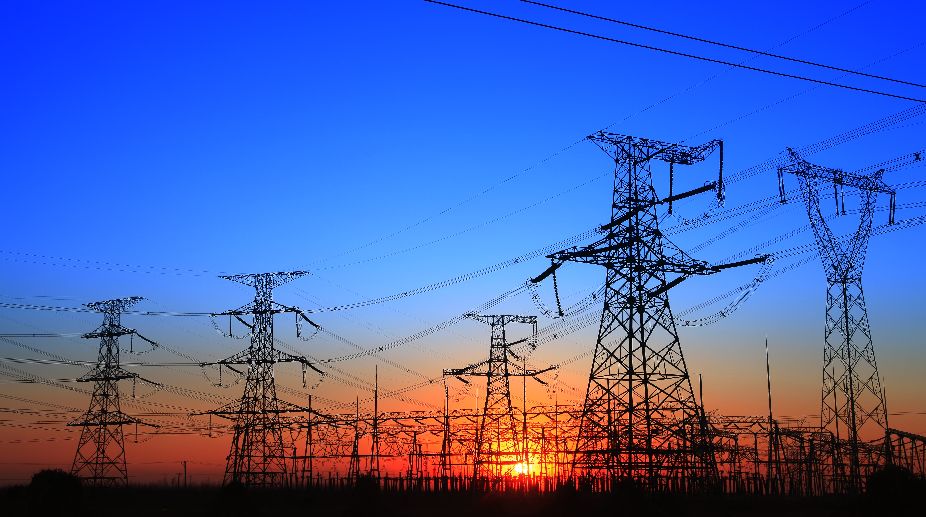
The Union of Environment and Forest Ministry on Thursday accorded environmental clearance to 2×660 MW (1320 MW) Super Critical Buxar Thermal Power project that would be set up in Chausa village of Buxar district in Bihar.

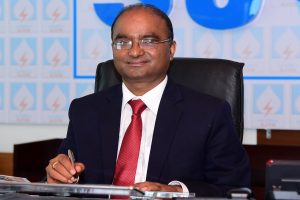
Informing about the decision, Satluj Jal Vidyut Nigam (SJVN) Chairman R N Misra said that 95 per cent of land required for project activities has already been acquired. “No displacement is involved in the construction of the project. Moreover, no forest land is involved for the project activities including pipelines and associated facilities,” he said.

He said that the annual coal requirement of the project is 6.7 MT, which will be met out from the allocated coal field and imported coal. “The MoU for imported coal has already been signed with MMTCL which will be received at Haldia Port. The domestic and imported coal will be transported through railways and Eastern Railways has already provided in-principle approval in this regard,” he said.

Misra said the water required for the operation of the project will be drawn from the river Ganges, necessary water allocation has already been granted by the Government of Bihar. After commissioning the project will produce 9,828 Million Units of electricity every year. The tentative tariff for the first year of generation is Rs 3.38 per unit.

The project will be executed through SJVN Thermal Private Limited (STPL), which is a wholly owned subsidiary of SJVN Limited. The project will be financed by SJVN Limited through its own resources and loan from financial institutions on 70:30 debt equity ratio, he added.

Coca Cola, Pepsi can draw water from Tamil Nadu river: HC

SNS | New Delhi |

The Madras High Court on Thursday allowed cold drink makers Coca Cola and Pepsi to draw water from a river in Tamil Nadu for their bottling plants.

“The court gave permissions to Coca Cola and Pepsi to draw water from the Thamirabarani river for their bottling plants in Tirunelveli district,” reports stated, adding, “The move will help companies to make soft drinks and packing”.

The court had earlier imposed ban on the firms for drawing water from the river.

An application on lifting the ban was filed by the companies saying only surplus water was being used.

Meanwhile, upset over the order, a large number of people stood in knee-deep water in the river to show their anger.

“People also protested against the laxity on the part of the authorities in handling the case,” sources said.

“The protesters shouted slogans against the state government when the farmers in the state were facing acute water shortage for their farming activities,” they added.

(With inputs from agencies)

President to inaugurate ‘Festival of Innovations’ exhibition

IANS | New Delhi |

President Pranab Mukherjee will inaugurate a week-long exhibition 'Festival of Innovations' on Saturday (March 4) at Rashtrapati Bhavan, an official said on Thursday.

The March 4-10 event would remain open between 10 a.m. and 5 p.m. 

According to a release, Mukherjee would present the ninth biennial award for grassroots innovations and outstanding traditional knowledge.

Moreover, the President will also meet the innovation scholars, artists and writers, who would be staying in Rashtrapati Bhavan "as part of In-Residence Programme" on the occasion.

The exhibition, organised in collaboration with the National Innovation Foundation-India, would witness a number of exhibitions, round-table discussions with national and international participation on different topics related to innovations.

The topics are incubation and acceleration models for innovative start-ups, social innovations for large-scale societal change and financing of innovations, start-ups and early stage ventures.

The exhibition would also witness an award for Gandhian Young Technological Innovation, Visitor's Awards to Central Universities in the categories of 'Best University', 'Innovation' and 'Research'.

There would also be a meeting of Innovation Clubs and Design Innovation Centres and interaction of scientists with grassroots innovators and a workshop for children.

All visitors to the Mughal Gardens would be able to visit the exhibition, as per the release.

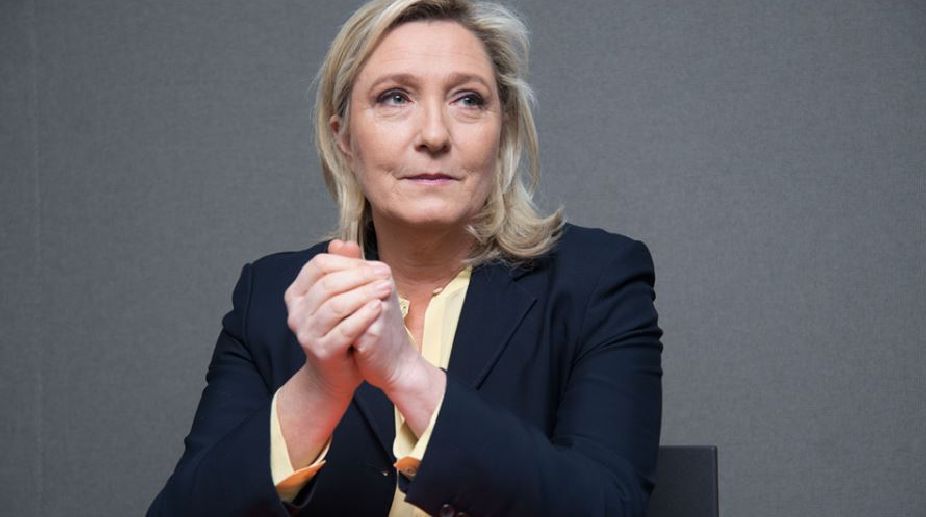
Marine Le Pen loses immunity over IS tweets

IANS | Brussels |

The European Parliament has revoked French presidential candidate Marine Le Pen's immunity for tweeting pictures of violence by Islamic State (IS) terror group.

Le Pen, a member of the EU Parliament, is under investigation in France for posting three images of executions by IS in 2015, including the beheading of American journalist James Foley, BBC reported.

French law prohibits the distribution of violent images or incitement of terrorism and the maximum penalty for distributing violent images is three years in prison and a fine of up to $79,000 (€75,000).

Announcing the result of the vote on whether to lift the immunity, Parliamentary President Antonio Tajani said a "clear majority" of members backed the motion.

As an MEP, Le Pen, leader of the National Front (FN), enjoys immunity which covers freedom of speech — but that immunity can be lifted if a request is made by the authorities of a member state. 

The lifting of her immunity relates to this case only and will not cover a separate investigation into whether her party misused European Parliament funds, the BBC report said.

Le Pen has refused to attend a police interview over the funds misuse allegations. She denies wrongdoing and claims that they are a plot to derail her campaign.

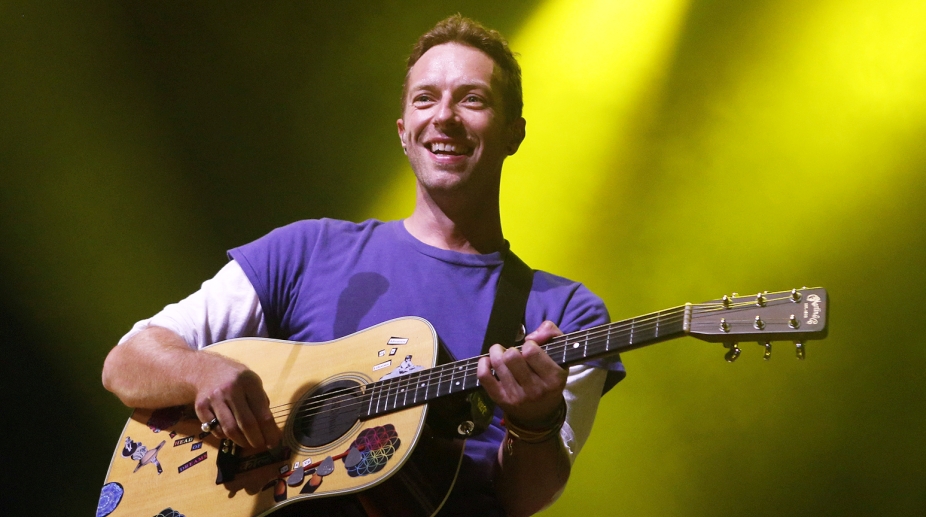
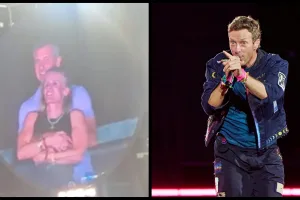
5 little known facts about Chris Martin

SNS |

Chris Martin, the man with a magical voice has propelled his band – Coldplay – to unparalleled stardom. Some of his most loved albums are A Rush of Blood to the Head and Viva la Vida. 
 
On his birthday, let’s have a look at interesting facts about the Coldplay front man:-
 

All for Madame Tussauds
According to Chris Martin, his favourite thing about joining Coldplay was waiting for Madame Tussauds to call.
 
A Pap-attack
Chris Martin has a huge fan base and is regularly hounded by the paparazzi.  He was once even arrested for attacking a paparazzi in Australia in 2003. The reason? Chris did not like that the photographer had taken 'his picture'.
 
‘The Scientist’ tales
Chris Martin had to learn to sing ‘The Scientist’ backwards for the video. He learned the phonetic movements to create the illusion he was singing the words correctly.
 
A glass of water maybe?
Chris has weaved magic with all his songs but his most favourite Coldplay song  is “Glass of Water”.
 
Love for Irish pop

Chris Martin has a liking for Oasis and Muse, Irish pop group Westlife, British pop groups Girls Aloud and Take That, and Canadian indie rock band Arcade Fire.

Cash transaction charge: Know how much your bank is charging you?

Akash Khanna | New Delhi |

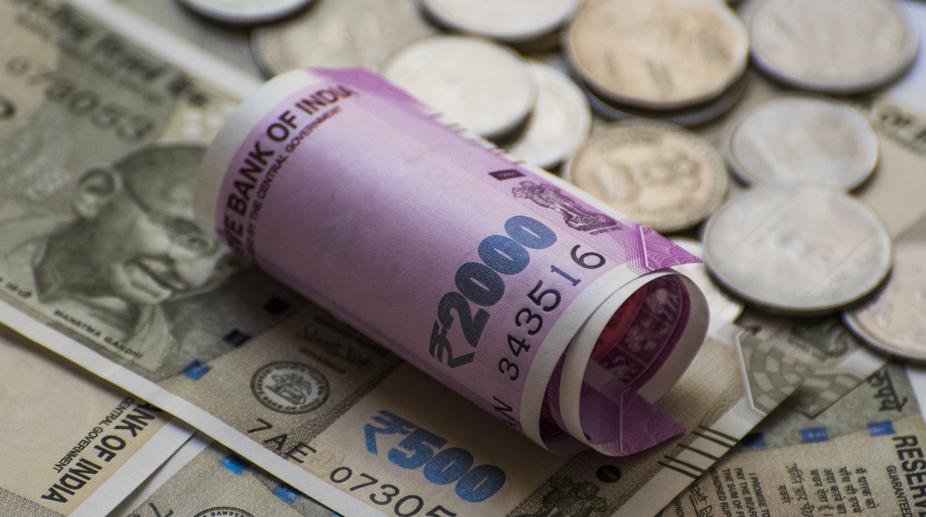
HDFC Bank on Wednesday announced a hike on charges applicable on cash transactions, in line with the policies set by ICICI and Axis Bank, which have restored their previous charges on cash transactions.

The move is essentially being seen as an attempt to discourage cash transactions and make a move towards a digitized economy.

So, starting now you might have to spend more on any transaction over the banks’ limit. Of course, different banks have set different guidelines for its customers.

Here’s how you will be impacted if you are an account holder at any of these banks:

HDFC bank account holders:

HDFC bank customers will be most affected by its new rule. However, here are some basic parameters over which they would be charged for a cash transaction.

First four cash transactions (deposits or withdrawals) in a month are free. Starting from the fifth one, the customer will be charged Rs.150 per transaction.

Home branch customers will have the privilege over non-home branch customers. Home branch customers are allowed to transact up to Rs.2 lakhs, while non-home branch customers are restricted to Rs.25,000 in a day.

Further, both home and non-home branch customers would be charged at the rate of Rs.5 per Rs1,000 or Rs.150.

Axis bank account holders:

The new policy seems less troublesome for Axis bank customers. They will be allowed five free transactions every month and after that they would have to pay Rs.95 per transaction. 

Non-home branch account holders will be restricted up to Rs.50,000 per day. Beyond the capped amount, the bank would charge them with Rs.2.50 per Rs 1,000, or Rs.95 per transaction.

ICICI Bank account holders:

ICICI bank customers will not be charged for first four transactions, while Rs.5 per thousand rupees or a minimum of Rs.150 would be charged, thereafter.

An added policy here is that the third party cash transactions would be limited up to Rs.50,000 per day. 

The bank will not charge anything on first cash transaction of a month, though Rs.5 per thousand rupees or a minimum of Rs.150 would be charged thereafter. 

Account holders in SBI/PNB

State Bank of India and Punjab National Bank have not announced a hike on cash transactions’ charge so far neither has any other private bank, though they are expected to follow the trend in near future.

We must be ready for chemical, biological warfare: Parrikar

IANS | New Delhi |

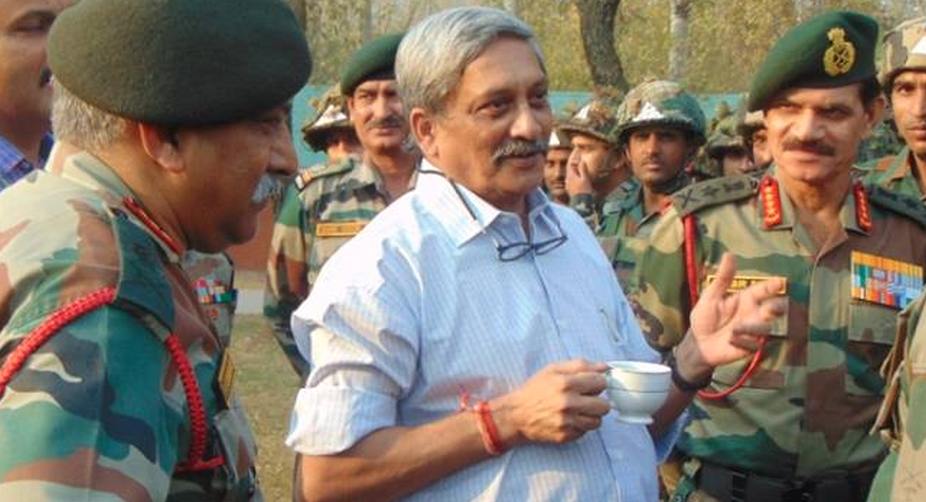
Defence Minister Manohar Parrikar and Army chief General Bipin Rawat on Thursday expressed concern over possible use of biological and chemical weapons in warfare.

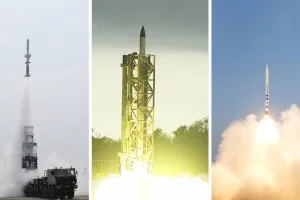
They were speaking at an event where the Defence Research and Development Organisation (DRDO) handed over Nuclear, Biological, Chemical Reconnaissance Vehicle (NBCRV) and medicines to the Indian Army.

The Defence Minister said he had seen pictures in the media of locals suffering from blisters in Afghanistan, which suggested that chemical weapons were possibly used there.

"In southern and northern parts of Afghanistan, I have seen photographs of local population suffering from blisters… At this moment, I don't have confirmation on this, but the photos were quite disturbing," Parrikar said.

"We should be prepared for any kind of warfare," he added.

On similar lines, General Rawat said: "Although chemical weapons have been banned by the United Nations, it could be used by an adversary."

According to some reports, some locals in Waziristan region had blisters and wounds, which appeared to be induced by use of chemical weapons.

Asked if he felt that India was at threat of a chemical or biological weapon attack, the minister said it was just about being prepared for any eventuality.

"We must be prepared for any eventuality," he said.

NGT allows camping at 25 points along Ganga near Rishikesh

IANS | New Delhi |

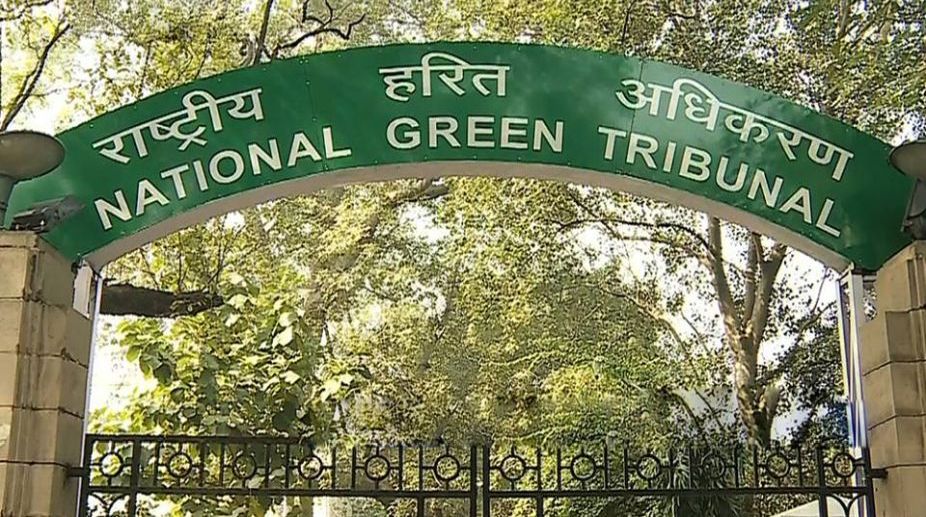
The National Green Tribunal (NGT) on Thursday re-allowed camping activities along the banks of the Ganga in Uttarakhand with certain limitations.

The tribunal, however, maintained that the ban on camping within 100 metres of the Ganga river will continue.

A bench headed by NGT Chairman Justice Swatanter Kumar said that there are 33 sites along the banks of the Ganga, of which eight fall with in the 100 metres range, where camping is not allowed.

"Camping activities can be done only at 25 identified sites. These camps will have to be set up beyond 100 metres of the river," Kumar said.

The decision came after environment activist Vikrant Tongad in 2015 had moved the NGT against the arbitrary and unregulated camping along the river.

"It is a welcome decision. But it is only half part done as this decision's implementation in its true spirit is still a cause of concern for me," Tongad said.

He said that earlier people would camp along the river at any desired place and leave behind plastic bottles, pouches on the bank and also disposed of waste in the river, which deteriorated environment in Rishikesh.

Tongad said that the forest department of the Uttarakhand government and Wildlife Institute of India (WII) had identified 33 places in a five-km stretch between Shivpuri and Rishikesh where camps can be set up.

"NGT finds only 25 places fit for camping along the Ganga river. Now it will be more important if the state government implements the order in its true spirit," Tongad added.