Logo

Phenomenal Fusion

Abhishek Agarwal | New Delhi |

When a synergy develops by the amalgamation of various technologies it always benefits the businesses, but when it synchronises with their needs, they earn optimum profits. Thanks to the technological inventions that gave birth to the digital marketing and a big applause to the pioneers in SMAC. Yes, Smart Marketers Adopt Change, they embrace Social, Mobile, Analytics, and Cloud to get maximum returns on marketing investments. 

The integration of social media, mobile technology, data analytics and cloud computing makes the fusion stronger, scalable, striking and more successful than their implementation in segregation. Marketers are availing SMAC’s worldwide revenue and expected to reach as high as $ 200 billion by the end of 2020. Moreover, at 30 per cent CAG, the value of SMAC driven market will be $1 trillion (approx) by the end of the current decade.

The reach of social media, the connectivity of mobile technology, the accuracy of analytics, and the network of cloud computing are strikingly responsible for the 360 degree B2B and B2C communications. 

That’s why brands which have been promoted using SMAC are getting better response of their customers and prospects. On the other hand, firms that are smart in strategising SMAC driven marketing plans are more efficient to curtail their advertising cost and saving the organisation’s resources. Another significant benefit is measuring the return from each campaign/activity due to its highly accurate analytical tools, because analytics is an integral part of this revolutionary technology. Verily, it is boosting the growth of the businesses— a growth that spontaneously creates a better market scenario and leads to greater entrepreneurial initiatives.

As every technological innovation brings some fresh job opportunities in the market, SMAC is the gateway to success for people planning to make a career in this relatively new field. Opportunities are in abundance, but there is a big shortage of skilled professionals to meet the present and future demands of the industry.  That’s why many universities and institutes have introduced specialised programmes and others have started following them. 

And, in the era of online education, those who can’t follow the classroom curriculum may take admission in the online courses to acquire skills as well as certificates. But, beyond eligibility, one should be familiar with all the updates and advancements in all the four pillars of social media, mobile technology, data analytics, and cloud computing.
SMAC doesn’t mean only business growth –the growth of corporates and the growth of SMEs. It is also a token of countless job opportunities for millennials.

In fact, even a fresher can easily grab a package of Rs 7 to 8 lakh per annum in India, and those with a fair amount of experience can expect remuneration not less than Rs 10 lakh per annum. As SMAC is flourishing globally, so, a dynamic candidate can explore a lucrative opportunity anywhere around the globe.  

The writer is senior Vice-President, The Judge Group.
Augmenting the role of women

Rajeev Bhardwaj | New Delhi |

The 2016 Fortune 500 list shows women holding a meagre four per cent of the CEO positions in 500 of the world's largest companies. The representation of women in Indian corporate boardrooms has increased over the past five years, but it still remains below the global average of 14.7 per cent. The problem is not of non-availability of capable and well-qualified employees. It is due to lack of conscious efforts on the part of corporate organisations to nurture and groom for senior management roles. It is essential to highlight that comparable number of men and women join the corporate workforce in India every year.

However, more women chose to (or are driven to) opt out as they head up the middle management level. In most cases it is family responsibilities that force them out of the corporate ranks, and also the absence of cultural settings that takes into account. Women's participation in business is not just a gender equality slogan–it makes much economic sense as well. For every wasted female talent, there is a corresponding financial loss.

In 2007 research organisation Catalyst conducted a comprehensive study on the economic benefits of gender parity and concluded that the Fortune 500 companies which had more female board directors achieved significantly higher performance. On a macroeconomic scale, Catalyst also reported recently that countries can radically increase their GDP by boosting the role of women. 

A survey published in the Harvard Business Review in 2011 found that managers and colleagues judged women leaders as being better on honesty and integrity scales, in building relationships as well as in taking initiatives. The same survey also concluded that they were better communicators and built better collaborations as compared to male leaders. A series of other studies have pointed to multifarious benefits including improved financial performance, greater tilt towards corporate social responsibility and better organisational climate. 

Unfortunately, while most of us talk about the need for improving female representation, we do not fully comprehend the benefits that will result from it. This is why most corporate leaderships in India have so far not been able to align long-term goals to ensure gender parity and diversity. Here is a list of initiatives organisations must engage in to establish greater gender diversity at its top echelons:

Have long-term diversity objectives: Organisational shifts towards a wider diversity workforce cannot be a knee jerk approach. Once you decide to bring about greater gender parity in leadership, you have to model every policy to meet that end. The culture has to be consciously created, long-term goals prepared and a conscious effort made towards achieving them through multifarious initiatives. Organisations must evaluate the gender situation in their top management and assiduously think about where they want to be in the next five years. This has to be followed by an analysis of how many potential women employees are currently in the middle rung to take up those available top slots. 
nCreate a pipeline of women leadership: Organisations today must make a conscious effort to nurture the talented women employees who show traits of leadership right from an early stage. As they move up the corporate ladder, it is essential to institute re-tooling and re-skilling programmes at each level to ensure they are abreast with all latest developments in the industry. At any given time, an organisation must have sufficient women who look promising enough to take top leadership positions over the next few years. 

Make organisations empathetic to women's needs: Although in recent years the number of women acquiring advanced degrees and entering the workforce has increased, a majority of them often remain stuck in junior to middle management levels. 

There are multiple reasons for this including an institutionalised bias and lack of support for women employees. The consequence is that despite being bright and talented, very few are able to make the transition to top management positions. Unfortunately, organisations are culturally designed to work in male-centric set ups, and often these considerations are looked at as trivial or even as a deterrent progress. However, it is essential to institute greater flexibility and a more empathetic approach to make the workplace more amenable. 

Ensuring equal pay for equal work: A series of discouraging reports and studies have in recent years highlighted systematic gender discrimination when it comes to pay. A recent survey by Monster.com in India found that the median wage earned by women was 27 per cent lower as against their male counterparts.

This cannot continue if we want to draw more women in leadership positions.

Not just gender equity but a larger vision to have greater diversity in an organisational workforce can bring unprecedented and un-thought of benefits by having a greater variety of approaches and emotional quotients to find solutions. It is time corporate India takes tangible steps in this direction.    

The writer is Vice President, Human Resource, Sun Life Financial.

UP govt to waive farmers loans: Centre

Statesman News Service | New Delhi |

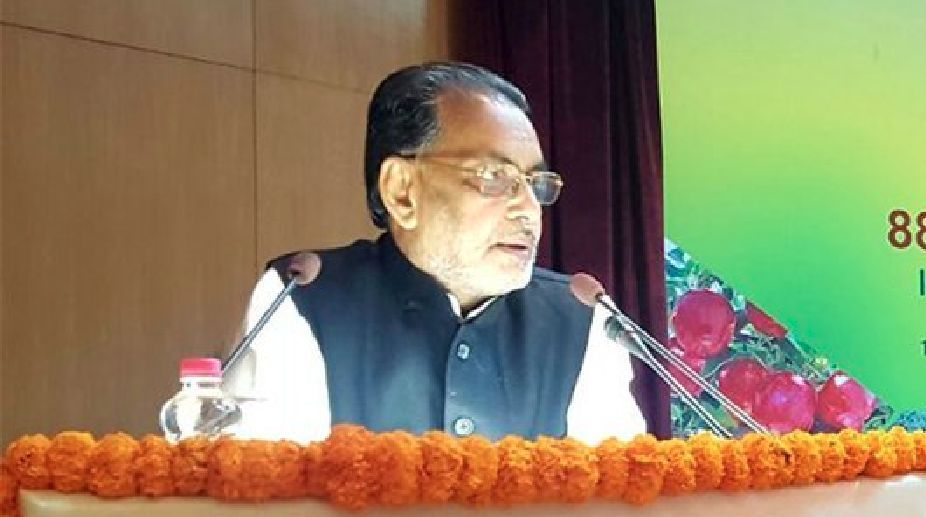
Union Agriculture Minister Radha Mohan Singh on Thursday said the newly elected government in Uttar Pradesh would waive loans of farmers in the state and the financial burden would be borne by the Centre.

The Agriculture Minister, however, did not give any assurance to Opposition members who were demanding similar waiver to farmers of other states as well.

The minister was replying during the discussion on Demand for Grants for the Agriculture Ministry. The Demand for Grants were passed unanimously amid a walkout by Congress and Shiv Sena members saying they were not happy with the minister's reply.

Mr Singh said the Union Government wants to join hands with the state government to carry out welfare activities of farmers. The Centre was already providing 3 per cent interest subvention and 4 % subvention was provided by the states, he said. Mr Singh said the government has adopted an integrated approach and conducted a series of activities in agriculture, horticulture and agriculture-related allied sectors so as to double farmers' income by 2022.

Responding to Opposition charges that the government has done little to imrpove farmers' income, the minister said the Centre is stressing on allied sectors, including animal husbandry, poultry and fisheries.

He said unlike the previous government, the present government’s investment in the agriculture sector is more than its allocation, which shows its commitment to addressing farmers' problems. During his 90-minute reply, the minister stressed on joint efforts of the states as well as the Centre to promote the agriculture sector.

Health policy 2017 moves from ‘sick care to wellness’

Statesman News Service | New Delhi |

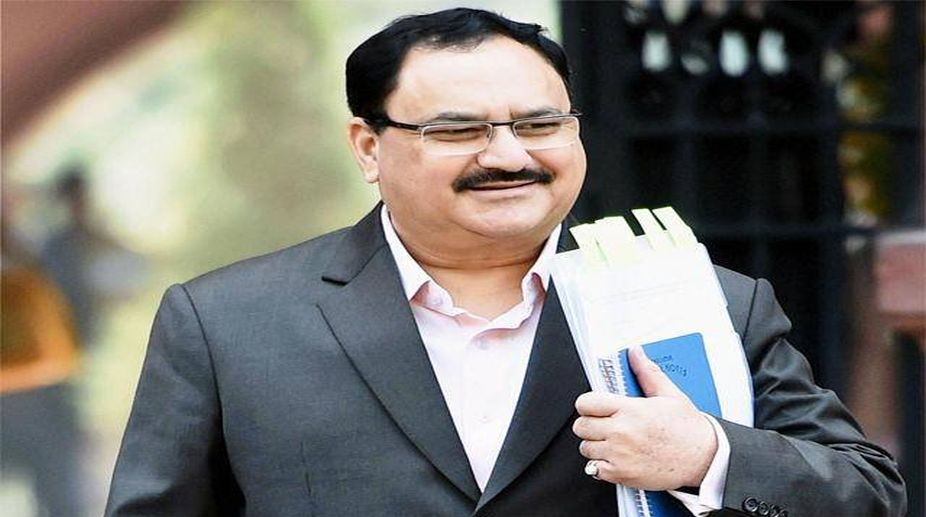
Unveiling the National Health Policy which entails raising of public expenditure to 2.5 per cent of GDP from the current 2 per cent, Union Health Minister J P Nadda on Thursday said the new Health Policy 2017 prioritises investments and financing of health services.

The policy, he said, seeks to reorient and strengthen the public health systems by strengthening partnership with private sector. "As a crucial component, it proposes raising public health expenditure to 2.5 per cent of the GDP in a time-bound manner. The policy advocates a progressively incremental assurances-based approach," Nadda said while making a policy statement in Parliament. 

Stating that the policy envisages providing a larger package of assured comprehensive primary health care through health and wellness centres, Nadda said the policy denotes an important change from very selective to comprehensive primary health care packages.

These, he said, include care for major non-communicable diseases, mental health, geriatric health care, palliative care and rehabilitation care services. 

"In order to provide access to financial protection, it proposes free drugs, free diagnostics, and free emergency and essential healthcare in all public hospitals," Nadda added. 

The Policy, which was cleared by the Cabinet yesterday, also envisions increasing life expectancy to 70 years from 67.5 years and proposes free diagnostics and drugs at all public hospitals. 
It also seeks to empower patients by setting up tribunals where an aggrieved person can seek redressal of grievances over treatment.

The policy aims at reaching health care in an assured manner to all and also at reducing Under-Five Mortality to 23 by 2025 and Maternal Mortality Rate to 100 by 2020. It targets at reducing infant mortality rate to 28 by 2019 and neo-natal mortality to 16 and still-birth rate to single digit by 2025.

He said the policy also proposes reduction of fertility rate to 2.1 by 2025 and free diagnostics and drugs at all public hospitals.The policy seeks to move health care away from "sick care to wellness", with thrust on prevention and health promotion, the minister said. 

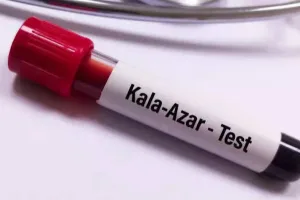
"The National Health Policy 2017 is a huge milestone in the history of health sector in the country. The last national policy was framed in 2002," he said. It also seeks to achieve and maintain elimination of leprosy by 2018, kala-azar by 2017 and lymphatic filariasis in endemic pockets by 2017. 

"This policy has come after a gap of 15 years to address the current and emerging challenges necessitated by the changing socio-economic, technological and epidemiological landscape," he said.

The policy aims at attaining the highest possible level of health and well-being for all ages through preventive and promotive health care and universal access to quality health services without anyone having to face financial hardship as a consequence, he said. 

This would be achieved by increasing access, improving quality and lowering the cost of health care delivery, Nadda said. Yoga would be introduced much more widely in schools and workplaces as part of promotion of good health, he said. 

Two Sufi priests from Delhi go missing in Pakistan

Statesman News Service | New Delhi |

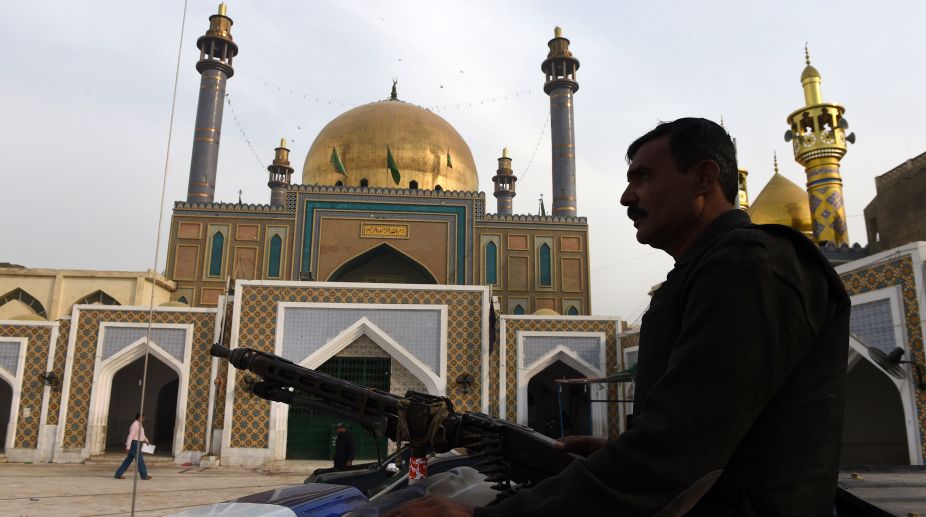
Two Sufi priests from the Hazrat Nizamuddin Dargah in Delhi have gone missing in Pakistan.

They have been identified as Asif Nizami and Nazim Nizami. The two had gone to Pakistan as part of annual exchanges between Hazrat Nizamuddin and Garib Nawaz who is venerated at Data Darbar Sufi shrine in Lahore.

According to reports, the two priests were last seen together at Data Darbar.

India has taken up the matter with Pakistan, sources here said.

According to official sources in New Delhi, Asif Nizami, the chief priest, and Nazim Nizami were to catch a flight from there to Karachi on Wednesday.

“As per their families, while Asif was allowed to go to Karachi, Nazim was stopped at the Lahore airport on grounds of incomplete travel papers.

“While Nazim went missing from Lahore airport, Asif went missing after arriving at the Karachi airport,” a source said.

The matter has been taken up with the Pakistan Government both in New Delhi as well as through the Indian mission in Islamabad, the source said.

South East Asian countries to scale up efforts against TB

IANS | New Delhi |

Health Ministers from the South Asian region — bearing half of the global tuberculosis (TB) burden — on Thursday pledged to scale efforts, implement adequate funds and take comprehensive measures to achieve global target to end the disease by 2030.

The ministers discussed setting up of a Regional Innovation to Implementation (I2I) fund for accelerated sharing of knowledge, intellectual resources and innovations to reach out and treat all cases.

The World Health Organisation (WHO) also urged the countries to increase budgetary allocations to enable national TB plans to be fully funded.

"We need to make ending TB our central priority. The disease continues to be a leading cause of death and lost productive years in the crucial age group of 15-49 years causing catastrophic expenses, financial losses, outright impoverishment of individuals and households and massive aggregate costs to national economies," said Poonam Khetrapal Singh, Regional Director for WHO South-East Asia.

She said that ending TB is paramount for health and development across the region.

In 2015, TB caused nearly 800,000 deaths in the region while an estimated 4.74 million new cases were reported.

Six of countries in the region — Bangladesh, DPR Korea, India, Indonesia, Myanmar and Thailand — are among the 30 high TB burden countries globally.

While countries in the region have been making efforts against TB, the annual decline in TB incidence, which is currently between 1.5 Per cent and 2 per cent, is insufficient and needs to be scaled up to at least 10 per cent to 15 per cent for the countries and the region to meet the End TB targets. 

The global targets seek to reduce TB mortality by 90 per cent and incidence by 80 per cent by 2030.

Committing to take exceptional action and high-impact interventions as per the Call for Action, the Ministers agreed to lead the implementation of the national TB response through an empowered body reporting to the highest levels of government.

Singh said countries also need to apply best practices in taking comprehensive TB treatment and prevention programmes to universal scale, while improving quality and making them genuinely 'people-centred'. 

"They need to tackle poverty, malnutrition, quality of healthcare services, sub-optimum living conditions and other socio-economic factors that fuel TB," she said. 

The investments in ending TB are expected to give huge returns, with more than 11 million lives expected to be saved and nearly 60 million infections expected to be prevented across the region by 2035. 

BJP rolls out agenda for 2019 Lok Sabha polls

Statesman News Service | New Delhi |

The BJP parliamentary party on Thursday thanked the people of the five states for voting for the party in the just concluded assembly elections and set the agenda for the 2019 Lok Sabha polls by asking party MPs to reach out to youths and dalits with the government’s plans and programmes.

The meeting began with BJP president Amit Shah offering a laddoo from the Tirupati temple in Andhra Pradesh to Prime Minister Narendra Modi as the "blessing of Lord Balaji". Alongside, he also told the parliamentarians to begin preparations for the 2019 general election.

Both Modi and Shah were felicitated by party MPs for the BJP’s victories in Uttar Pradesh and Uttrakhand assembly polls and over installation of BJP governments in Goa and Manipur.

The Prime Minister underlined the need for making youths “ambassadors” of the Union government’s public welfare works and good governance. He pointed out that youngsters rely more on mobile phones than newspapers and TV channels for information and asked party leaders to reach them using the device. He favoured contacting youths while in Class XII.

Shah said the party’s victories were an outcome of people’s vote against casteism, family rule and corruption and in favour of Modi’s leadership and his public welfare and good governance. Union Home Minister Rajnath Singh moved a resolution thanking voters of the states where elections were held and the BJP's workers for their success. Finance Minister Arun Jaitley supported the resolution which was later unanimously passed.

The BJP believes a large number of Dalits have voted for the party in Uttar Pradesh, helping it win with an overwhelming majority. The meeting chaired by Modi decided to kick-start its poll preparations with a week long programme marking the birth anniversary of Bhimrao Ambedkar on 14 April.

As part of Ambedkar’s birth anniversary celebrations, the BJP plans to hold panchayat and ward-level programmes to reach out to the Dalit population in Uttar Pradesh from 6 April, BJP’s foundation day.

Later briefing the media, senior BJP leader and Parliamentary Affairs Minister Anant Kumar said the party had been asked to be ready for the crucial 2019 Lok Sabha elections. The BJP president has exhorted the party leaders to carry forward the victories in assembly elections to the Lok Sabha polls.

PM Modi has also asked the party leaders to educate the masses about the digital payment app BHIM also known as Bharat Interface for Money during the Ambedkar birth anniversary celebrations. BHIM has been dedicated to Ambedkar, Ananth Kumar said.

No serious concern about Kohli’s shoulder injury: BCCI

The BCCI medical team gave the 28-year-old the green signal to take part in the rest of the match.

IANS | Ranchi |

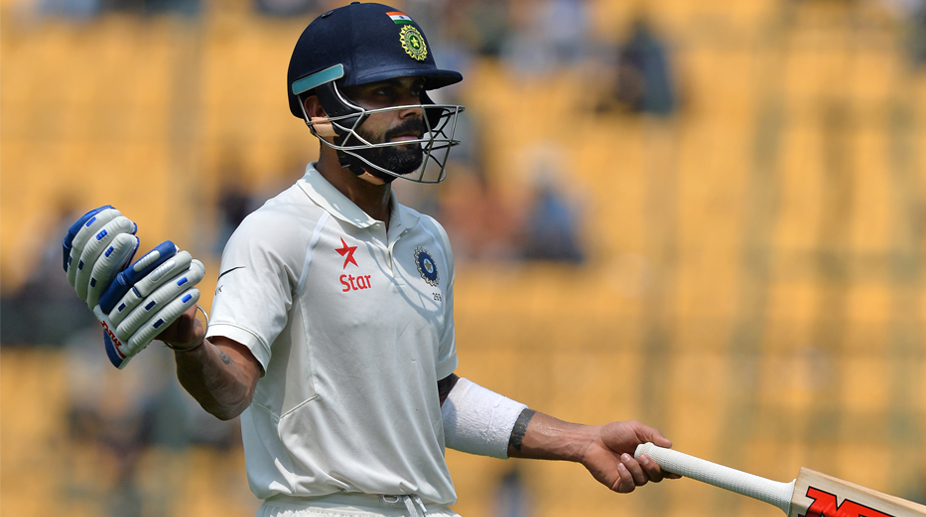
The Board of Control for Cricket in India (BCCI) on Thursday confirmed that there were "no serious concerns" about skipper Virat Kohli's shoulder injury, which he picked up while fielding on the opening day of the third Test match against Australia earlier in the day here.

Kohli injured his shoulder in the 40th over, when he chased a drive from Peter Handscomb off left-arm spinner Ravindra Jadeja. He went off the field immediately, and did not return for the rest of the day, with Ajinkya Rahane standing in as captain.

Confirming that the prolific batsman was undergoing treatment, the BCCI medical team also gave the 28-year-old the green signal to take part in the rest of the match.

"The BCCI Medical Team confirms that Indian captain Virat Kohli is presently undergoing treatment to recuperate from a strain in his right shoulder," a statement from the cricket board read.

"Relevant investigations have revealed that there are no serious concerns, which will hamper his speedy recovery from a strain in his right shoulder due to a fall while fielding on Day one of the third Test against Australia in Ranchi."

"He will continue to receive treatment, which will assist him to participate in the rest of the match," the statement added.

The Delhi batsman landed on his right shoulder while diving to pull the ball back before it crossed the long-on boundary. This forced him to watch the rest of the day's play from the dressing room with an ice pack strapped to his shoulder.

All steps taken to secure release of fishermen: Sushma

Statesman News Service | New Delhi |

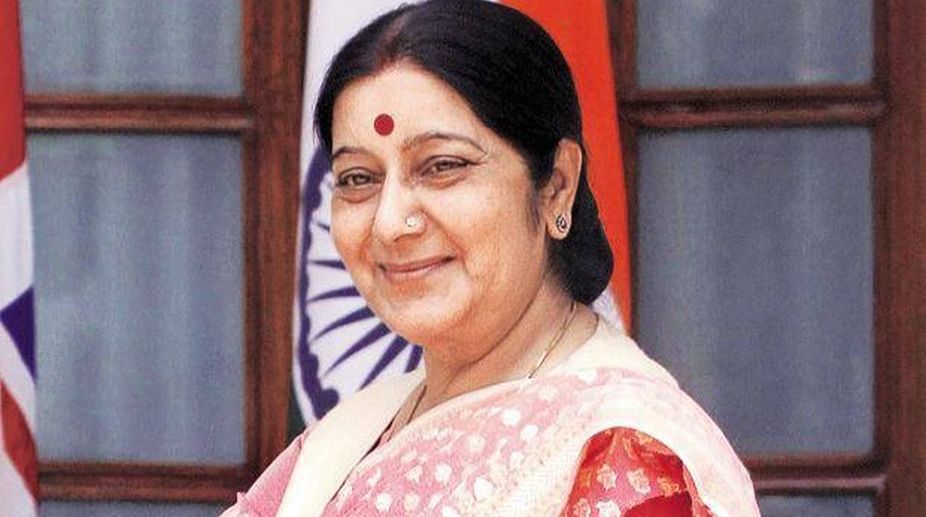
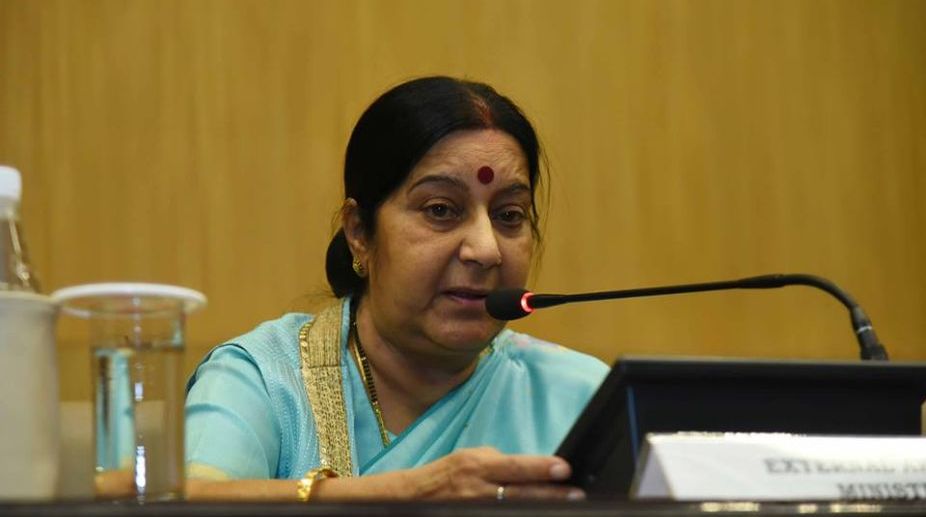
External Affairs Minister Sushma Swaraj on Thursday assured the Rajya Sabha that the government had taken all possible steps to secure the release of Indian fishermen, either captured by Sri Lankan or Pakistan authorities.

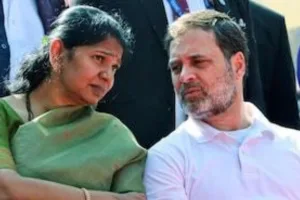
Responding to concern expressed by Kanimozhi (DMK) about the capture of Indian fishermen by Sri Lanka and by Madhusudan Mistry (Congress) about the Indian fishermen captured by Pakistan, Swaraj said India had secured the release of 1045 fishermen from Sri Lanka in 2014, 375 in 2015, 333 in 2016 and 51 in 2017.

Seventy-seven more fishermen returned from Sri Lanka day before yesterday and the remaining eight were also returning. India has maintained constant contact with Sri Lanka on the issue at high level, she said.

About Pakistan, she said, the government was able to secure the release and repatriation of 1261 fishermen since 2014. In fact, the release of 438 of these Indian fishermen was secured in the last three months only. As per available information, at present there are 301 Indian fishermen in Pakistan's custody.

However, Pakistan had confirmed custody of only 77 fishermen so far.“We continuously seek consular access to the Indian fishermen in custody and distribute to them the items of daily necessity, as required,” she said.

She said many incidents of apprehensions take place beyond the international waters. In this context, under the Community Interaction Programme, regular awareness campaigns were conducted by the Indian Coast Guard in coordination with the State Fisheries Department, to educate the fishermen about the limits of the International Maritime Boundary Line, i.e. IMBL.

Emphasis has also been laid on the need for fishing in safe, secure and sustainable environment, she said. The Indian Coast Guards have also been undertaking enhanced patrolling in the Indian waters, including to safeguard the interests of the Indian fishermen and keep them out of harm's way, Swaraj added.

Meghalaya civil groups say won’t allow uranium project

IANS | Shillong |

Anti-mining groups in Meghalaya on Thursday told Uranium Corporation of India Limited (UCIL) officials that they would not allow the company to mine uranium in the state.

A team of UCIL officials led by their Chairman and Managing Director, C.K. Asnani held a closed-door meeting with five anti-mining groups seeking their views and opinions on Kylleng Pyndengsohiong Mawthabah (KPM) uranium mining project that has been stalled for over two decades.

"We informed the UCIL officials to scrap the proposal to mine uranium in Meghalaya and we will not allow anyone to mine this radioactive mineral in Meghalaya," the North East Students' Organisation (NESO) Chairman Samuel Jyrwa said.

"During the meeting, the UCIL officials made all attempt to convince us by promising that they would adhere to all the safety standards while mining uranium in the state," Jyrwa told journalists.

UCIL has proposed to set up an open-cast uranium mining and processing plant at Mawthabah. Meghalaya has an estimated 9.22 million tonnes of uranium ore deposits.

Meghalaya is the third uranium-rich state in the country after Jharkhand and Andhra Pradesh.

UCIL had pegged Kylleng Pyndengsohiong Mawthabah project in Meghalaya for Rs 1,100 crore. The ores are spread over a mountainous terrain in deposits varying from eight to 47 metres from the surface in and around Domiasiat, 135 km west from here.

The powerful Khasi Students' Union (KSU), which had launched several agitation forcing the government to stall the project, said the officials of the government-owned company was misleading the people in the proposed mining site to allow the project to start.

"The KSU wants to send a clear message to the Indian government and UCIL that we have been opposing uranium mining for 25 years now and will continue to do so till our last breath," KSU President Lambokstarwell Marngar said.

Meghalaya People's Human Rights Council Secretary General D.D.G. Dympep, said that the Council will continue to oppose uranium mining.

"Once uranium mining is allowed in the state, the radiation omitted from the excavated site will bring about a slow death to the people of the state. This will ultimately become genocide for our own people," he said.

B.S. Lyngdoh of the Langrin Youth Welfare Association termed the meeting as "another desperate attempt" of UCIL to forcefully convince the people of Meghalaya to allow uranium mining.

"The people in the proposed uranium mining areas have experienced the impact of exploratory drilling by the Department of Atomic Energy.

"Therefore, we will not allow UCIL to start their project as everybody knows that uranium mining will only bring death and destruction not only to the animals and aquatic lives but to the people of the state and the region as a whole," Lyngdoh said.

In fact, the Congress-led Meghalaya government had annulled the decision taken during the previous D.D. Lapang regime to lease 422 hectares of land to UCIL for pre-mining activities in South West Khasi Hill district.

The decision to annul the leasing of land to UCIL was adopted after the government-owned mining company floated the expression of interest (EOI) for a mine and processing plant of uranium ore in South West Khasi Hills without the consent of the state government.

The state accounts for 16 per cent of India's uranium reserves, with deposits estimated to be around 9,500 tonnes and 4,000 tonnes respectively at Domiasiat and Wakhaji, both in South West Khasi Hills district.

The proposed open-cast uranium mining in Meghalaya's South West Khasi Hills district has been hanging fire since 1992 after several groups expressed fears of radiation impact on human health and environmental degradation. 

Trump’s revised travel ban partially blocked

IANS | Washington |

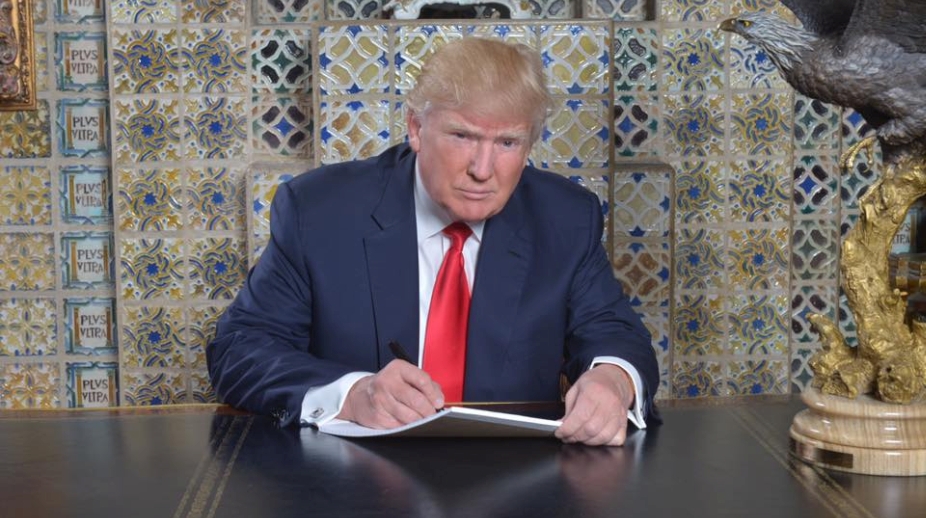
A federal judge in Maryland on Thursday suspended a portion of President Donald Trump's travel ban which prevents US visas from being issued to citizens of six countries. It comes after a similar ruling from a judge in Hawaii.

US District Judge Theodore D. Chuang determined on Thursday that Trump's revised executive order was "the realisation of the long-envisioned Muslim ban", the RT online reported.

Citing previous comments made by the President, Chuang concluded that "the history of public statements continues to provide a convincing case that the purpose of the Second Executive Order remains the realisation of the long-envisioned Muslim ban".

He determined that there were "strong indications" that national security is not the primary purpose for the ban, and that Trump may have intended to violate the constitutional prohibition on religious preferences.

Chuang wrote that he "should not, and will not, second-guess the conclusion that national security interests would be served by the travel ban", he had no choice but to block the executive order if national security was secondary to an attempt to disfavour a particular religion.

He granted a preliminary injunction on a nationwide basis, but declined to stay the ruling if an emergency appeal were to be filed.

Chuang only blocked the provision affecting the issuance of visas, saying those suing had "not provided a sufficient basis" for other sections to be declared invalid.

The ruling was made in a case brought by non-profit groups which work with refugees and immigrants.

It came only a day after Hawaii Judge Derrick K. Watson blocked the ban hours before it was set to come into effect, saying that a "reasonable objective observer" would view the order as "issued with a purpose to disfavour a particular religion, in spite of its stated, religiously neutral purpose".

He took it a step further by also suspending the portion of the order that affects the arrival of refugees into the US. 

Watson's ruling will remain undisturbed by Chuang's. However, appeals courts would ultimately have to decide which was right and to what extent.

Trump's original travel ban, which sparked international protests, was rejected by the 9th Circuit Court of appeals last month after it concluded that it was likely unconstitutional.

The case will likely reach the Supreme Court, with Trump stating on Wednesday night that "we are going to fight this terrible ruling".

"…We are going to take our case as far as it needs to go, including all the way up to the Supreme Court. We're going to win. We're going to keep our citizens safe," he said.

Stability in Nepal is in our interest: India

IANS | New Delhi |

India on Thursday said peace and stability in Nepal is in its interest and the leaders of Nepal should solve the constitutional issues through dialogue, an official said.

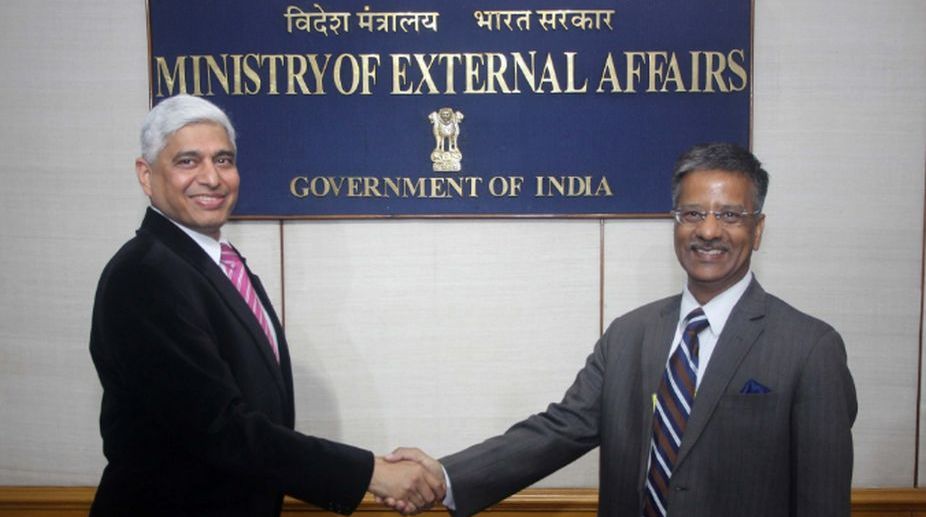
"Peace and stability in Nepal is of paramount interest to us. To the question on political developments in Nepal, it has been our consistent view that the political leaders in Nepal should address the constitutional issues through dialogue and consultations with participation of every section of its society," External Affairs Ministry Spokesperson Gopal Baglay said during the weekly media briefing.

"India will continue to support efforts for peace, progress and stability in Nepal," he added.

The Madhesi Morcha, an alliance of seven political parties, with 39 votes in Parliament, on Tuesday night withdrew its support extended to the Pushpa Kamal Dahal 'Prachanda'-led government on expiry of its seven-day ultimatum.

Ahead of the installation of the Prachanda-led government in August 2016, the Morcha agreed to support the government on conditions including amendment in the Constitution to make it Madhes-friendly and compensation to the victims of the Madhes uprising.

Deputy Prime Minister and Minister for Home Affairs of Nepal, Bimalendra Nidhi, who is on a visit to India to participate in the 3rd edition of the Counter Terrorism Conference (CTC), met External Affairs Minister Sushma Swaraj on Thursday and held discussion on bilateral matters of mutual interest, including high-level exchanges between the two countries, said a release from the Ministry of External Affairs.

During the meeting, Swaraj expressed condolences on the death of a Nepali national on the India-Nepal border. "She conveyed that the inquiry into the incident will be expedited by the Indian side," the release added.

Govinda Gautam, 20, of Punarbas Municipality-8 in Kanchanpur district of Nepal, died last Thursday after he was injured when an SSB Inspector from Sampurnanagar station allegedly opened fire.

Note ban disastrous economic move: Jairam Ramesh

Statesman News Service | New Delhi |

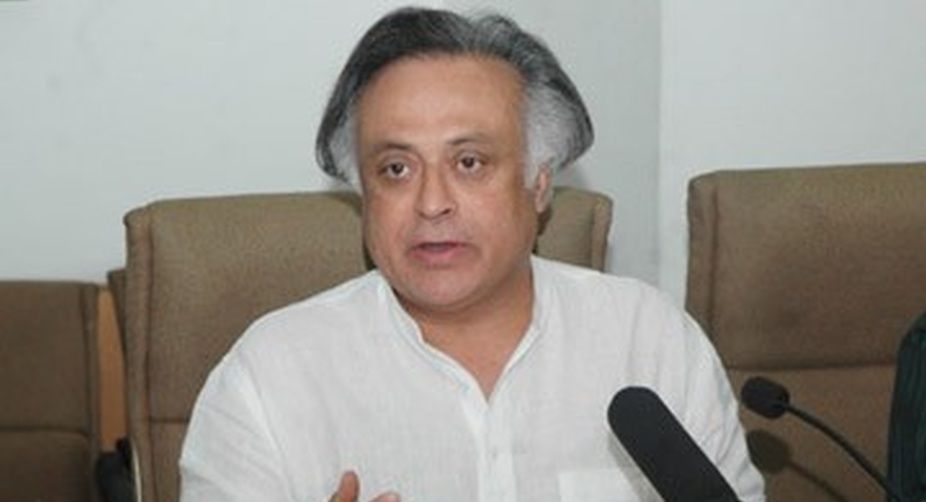
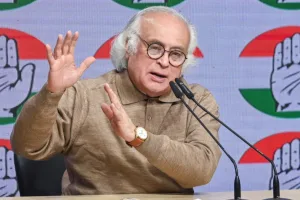
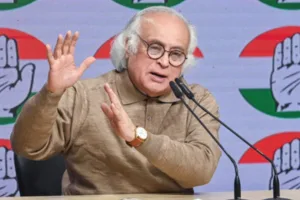
As the Rajya Sabha resumed its Budget 2017-18 discussion after a month-long gap on Thursday, Mr Jairam Ramesh of the Congress said both growth and investment sentiments were subdued, and demonetisation had proved to be “a singularly disastrous economic move”.

Leading the Opposition attack during the second phase of the Budget session, Mr Ramesh said judging from the three indicators ~ railway freight, bank credit and electricity consumption ~ the economy’s performance was flat. For the first time in 14 years, the gross fixed capital formation had fallen. While growth was subdued, the investment rate had fallen from 34 per cent to 29 per cent, and was certainly not buoyant for growth.

Only time could tell, he said, if the UP poll results or the Goods and Services Tax law could help. Mr Ramesh said demonetisation had been a psychological shock and there was “spurious and dubious economic logic” behind it. He said on 8 November when demonetisation was announced, Rs 15.44 lakh currency was withdrawn, and out of this, the
Government’s “expectation” was Rs 4 lakh crore was black money, which would not return.

Till today, he said the Finance Minister had not disclosed how much money had returned to the government. Touching on the government’s claim that it had acted promptly on the issue of black money, Mr Ramesh recalled there were Supreme Court orders and the UPA and the current NDA Government had only taken follow-up action.

The UPA Government had asserted that locating black money was an Executive job when the Supreme Court ordered on 4 July 2011, that an SIT be formed. A multi-task force was constituted in May 2012 and the then Finance Minister Pranab Mukherjee published a White Paper on black money. Comparing the performance of the UPA and NDA Governments in unearthing black money, Mr Ramesh said NDA had claimed it had unearthed 1.25 lakh crore before demonetisation. This was certainly less than Rs 1.31 lakh crores unearthed during UPA’s last two years of office, as revealed by the former Minister of State for Finance Jayant Sinha in a Parliamentary reply, he said.

Coming to Aadhaar, Mr Ramesh said it was only meant to detect fake identities benefiting from government schemes. There were Supreme Court orders that it could not be mandatory for LPG, kerosene, PDS and some other schemes for pension and EPF. Still the government made it mandatory for mid-day meals for 140 million school children and
withdrew the orders only after a furore. Mr Ramesh said the government had claimed credit for raising states’ share in the Central taxes from 32 to 42 per cent but the reality was the overall Central devolution to states had fallen as the funding pattern for many schemes had raised the states’ contribution. Many 75:25 formula schemes in favour
of the states were revised to 60:40 pattern, putting heavier burden on the states, Ramesh said.

Several other members including Mr Ajay Sancheti (BJP) and Mr D Raja (CPI) participated. Mr Sancheti said the farmers worried much less today because of the crop insurance scheme started by the government. Mr Raja said there was nothing to contain inflation or create new jobs in the Budget. Health and education allocation was reduced. Mr
Shantaram Naik (Congress) said RBI had lost its autonomy.

Airbus to set up India office, flight simulator at IGIA

IANS | New Delhi |

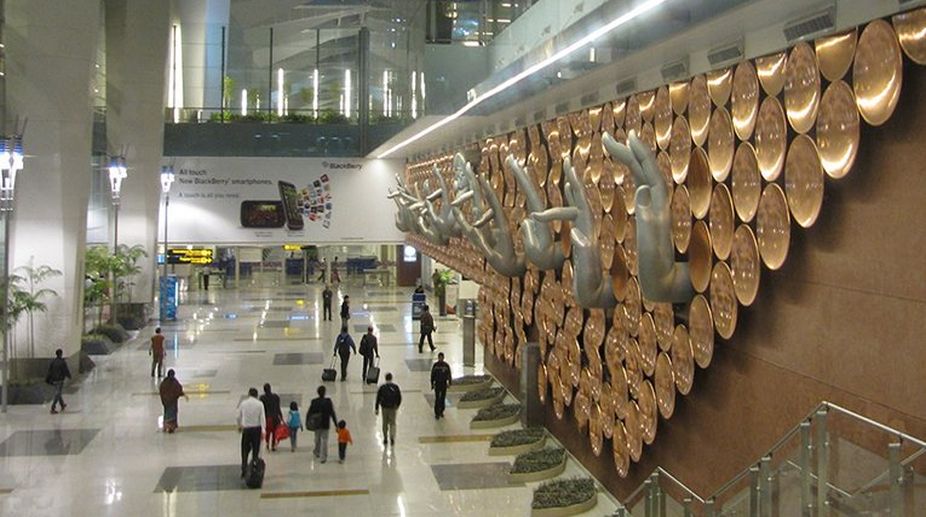
 Aerospace giant Airbus will set up its India headquarters and the country's first full flight simulator here to address the growing demand of trained pilots and aircraft maintenance engineers, Delhi International Airport Ltd (DIAL) announced on Thursday.

The GMR Group-led DIAL said in a statement that it has signed a land licence agreement with Airbus for a period till March 31, 2036 for the purpose.

"Delhi International Airport (P) Ltd, a GMR led consortium, announced that it has signed a land license agreement with Airbus for setting up India's first full flight simulator at the Aerocity – Terminal District of Indira Gandhi International (IGI) Airport," the statement said.

"On the 1.11 acre of land, Airbus will also establish its India Headquarters within the same development," the statement added.

DIAL said it has received the initial security deposit and advanced development charges (ADC), and will also receive an annual license fee from this license.

"Airbus India had decided to open its full flight training centre here, keeping in mind the growing requirements of its customers as Delhi is a key base for most of the airlines — Air India, Indigo and Vistara," it added.

Don’t interfere in our internal affairs: India to Pakistan

IANS | New Delhi |

India on Thursday asked Pakistan to refrain from meddling in the internal affairs of the country and advised it to take action against the terrorism emanating from its soil, an official said.

"India completely rejects Pakistan's effort and intention to meddle in our internal affairs, including in judicial process," External Affairs Ministry spokesperson Gopal Baglay said. 

"Strong Indian democracy and justice system need no self-serving sermons, that too from a country like Pakistan." 

He was responding to a query on Pakistan expressing concern at the order of the Indian Court in the Ajmer Sharif blast case.

"Pakistan is well advised to refrain from interfering in internal affairs of India in any form; not to resort to denial from the reality of terrorism emanating from its soil," Baglay added.

The Pakistan Foreign Office on Friday summoned Indian Deputy High Commissioner J.P. Singh to express concern over the acquittal of RSS leader Swami Aseemanand in the 2007 Ajmer Sharif blast case.

"Swami Aseemanand had publicly confessed that he was the 'mastermind' of Samjhauta Express terrorist attack of February 2007," the statement released by the Pakistan Foreign Office said.

On March 8, a special court acquitted Swami Aseemanand and six others in the 2007 Ajmer Dargah blast case, giving them the "benefit of doubt". The bombing killed three people and left at least 15 others injured.

Queen signs Brexit bill into law

IANS | London |

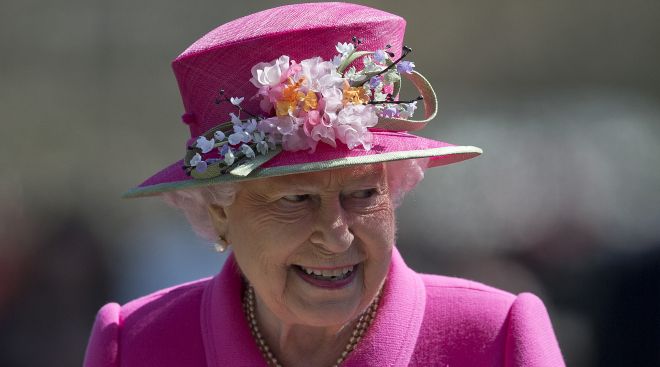
Britain's Queen Elizabeth II on Thursday granted royal assent to the Brexit bill, giving Prime Minister Theresa May the legal power to start negotiations with the European Union.

House of Commons Speaker John Bercow announced that the European Union (Notification of Withdrawal) Bill was signed by the Queen after it was cleared by both chambers of the Parliament earlier this week, the Guardian reported. 

"I have to notify the house in accordance with the Royal Assent Act 1967 that her Majesty has signified her royal assent to the following acts… European Union (Notification of Withdrawal) Act 2017," Bercow told lawmakers.

The bill gives May the legal authority to trigger Article 50 of the Lisbon Treaty, the laid down procedure within the EU for a member state wishing to leave. 

Once Article 50 is triggered, it kickstarts a two-year process for negotiating a new relationship between both sides.

The Prime Minister is now free to trigger the exit clause, but is not expected to do until as late as March 29, the newspaper reported.

A Downing Street spokesman said: "The legislation has been passed un-amended, we are pleased that's the case. The legislation has got Royal Assent and we look forward to triggering negotiations by the end of March."

Brexit Secretary David Davis said: "The Queen has today given royal assent to the Article 50 bill, giving the government the formal power to it and deliver on the will of the people."

Indian-origin lawyer in Britain Sarosh Zaiwalla said: "The biggest headache for the Prime Minister now is the announcement by Scottish First Minister Nicola Sturgeon calling for a second referendum on the independence… If Scotland becomes independent, the UK will break up, and England will become little England. This has to be kept in mind."

Lalu’s party suffers serious setbacks in Bihar council polls

Manoj Chaurasia | Patna |

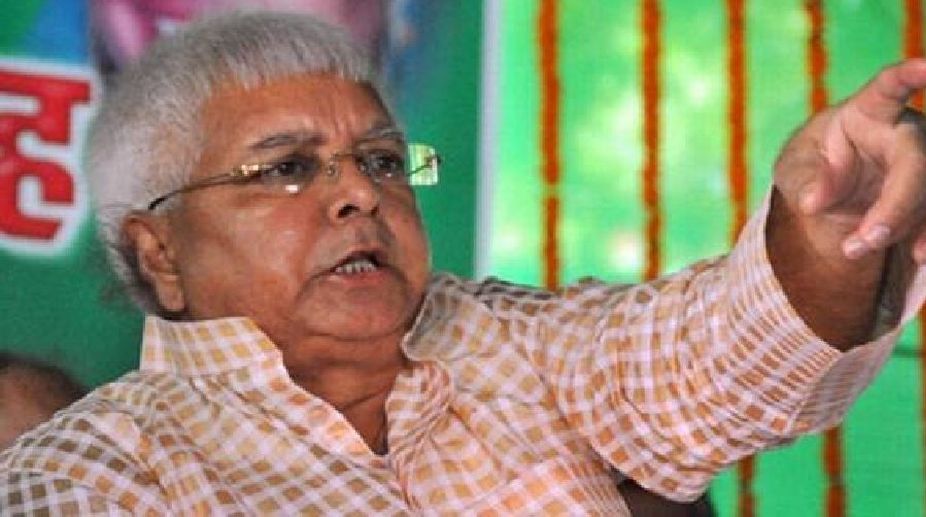
Amid prevailing tension in the ruling Bihar alliance, the Rashtriya Janata Dal (RJD) headed by Lalu Prasad failed to win any of the four seats in the Bihar Council Elections results of which were declared on Thursday. The four constituencies had gone to polls on March 9.

Of the four seats results of which came in, one each was won by the Janata Dal United (JD-U) led by Chief Minister Nitish Kumar, Rashtriya Lok Samata Party (RLSP) led by Upendra Kushwaha and Bharatiya Janata Party (BJP) while the JD-U was leading over its rival on the rest the seat.

While the JD-U candidate Sanjeev Singh was declared elected from Kosi Teachers’ Constituency, RLSP cabdidate Sanjeev Shyam Singh won from Gaya Teachers Constituency.

BJP’s Awadhesh Narayan Singh, on the other hand, emerged victorious from Gaya Graduate Constituency while JD-U candidate Birendra Narayan Yadav was leading over his rival and Hindustani Awam Morcha (HAM) candidate Mahachandra Prasad Singh by a comfortable margin.

Significantly, the JD-U and the RJD had divided those seats among themselves and fielded their candidates on two each, leaving nothing to their alliance partner Congress. An angry Congress later fielded its candidates on seats but failed to win any.

This was the second setbacks for the RJD in the past five days. The first major setback came in the weekend when the SP-Congress alliance performed badly in the UP elections as the BJP made a clean sweep.

What was shocking for the RJD chief was that he had extensively campaigned for SP candidates in UP and predicted the bitter defeat of the BJP in the elections. He even announced to “make bonfire of BJP” this Holi but the result was just the reverse. An upset Mr Prasad later announced not to celebrate Holi this year.

It is worth mentioning here that the Mr Prasad is closely related to SP patriarch Mulayam Singh Yadav. Mr Prasad’s youngest daughter is married to My Yadav’s grand nephew Tej Pratap Yadav.