Logo

Stop harassment, beg kin of deceased CBI Judge B H Loya

IANS | Mumbai |

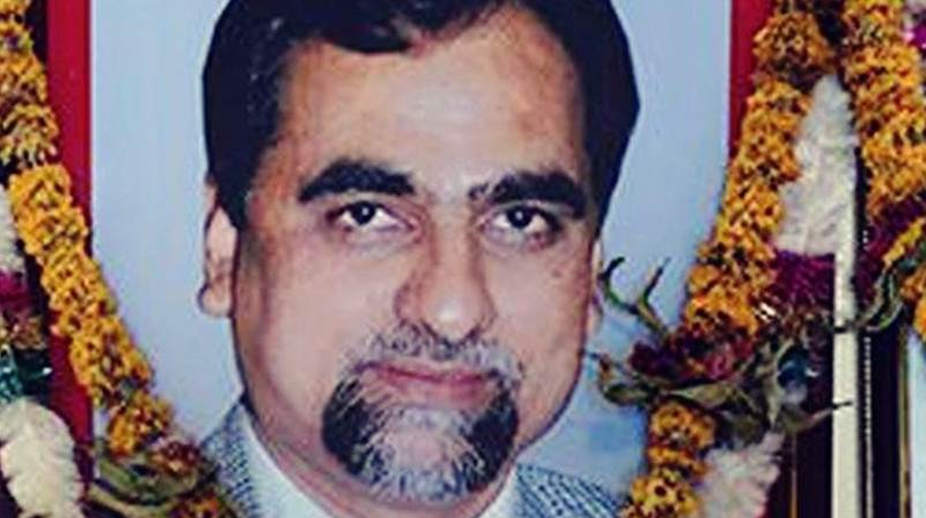
Dismissing any “suspicions” over the death of CBI Special Judge Brijgopal Harkishan Loya, his family members on Sunday appealed to the media, lawyers, NGOs and others “not to harass” them in the matter.

Addressing a hurriedly convened press conference, Anuj Loya and other relatives said that for the family, Judge Loya’s passing in December 2014 was “a sad and private matter”.

“The family has been traumatised since his demise. We are pained by the chain of events in the past few days. We don’t want any probe in his death. There’s no suspicion in the matter (of his passing),” Anuj said, with other members of the Loya flanking him.

The family’s lawyer Ameet Naik said the family, including Anuj are “very disturbed” about the entire issue and urged the media not to politicize the incident.

Many people are trying to harass the family members and create panic among them, though there is “no suspicion in the minds of the family members” (over Judge Loya’s death), he said.

“Though tragic, there is no controversy. No need to politicize it. Let it remain non-controversial. We don’t want to be victims of politicization,” Naik said on behalf of the Loyas.

The family, which has appeared for the first time in public since the controversy over Judge Loya’s death surfaced in November 2017, urged the media to convey to the lawyers and NGOs not to constantly keep “harassing” them on this matter.

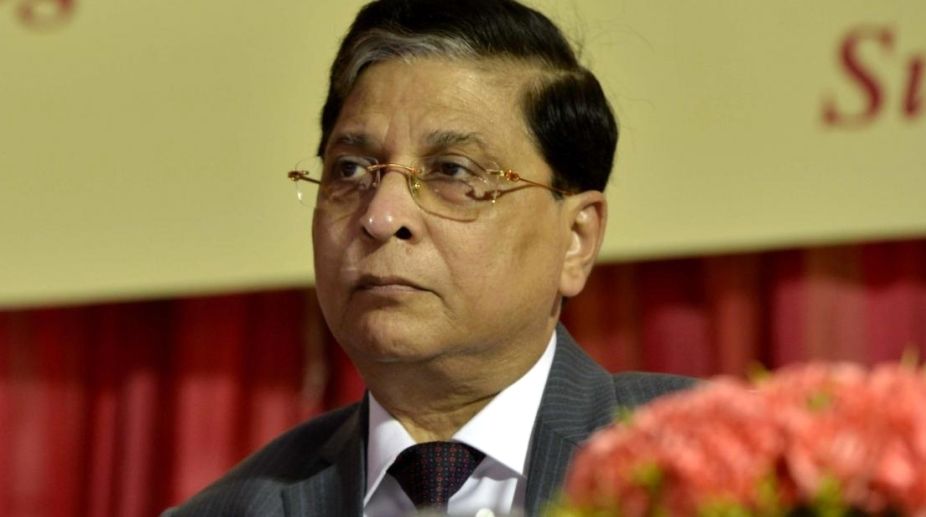
The Loya family media appearance came just two days after at least four top Supreme Court judges raised questions on Chief Justice of India Dipak Misra’s certain actions, which they said, had adversely affected the judiciary.

At the time of his death in Nagpur, Judge Loya was handling the politically sensitive Sohrabuddin Sheikh alleged staged shooting case of Gujarat, in which now Bharatiya Janata Party President Amit Shah was an accused at one point in time – though later discharged.

This and other aspects are the subject matter of several petitions filed in Bombay High Court and also in the Supreme Court in recent weeks, while several lawyers, former judges, social personalities and others have sought a commission of enquiry to probe Judge Loya’s death.

In a related development, prominent citizens, NGOs, secular organisations, intellectuals, social and political activists, civil society groups, students and commoners have announced a 2 km long march from Oval Maidan to Gateway of India on Republic Day.

The march will seek to highlight various current issues, including threats to independence of judiciary and secular fabric of the country, said Nationalist Congress Party legislator Jitendra Awhad said here

Tax base, digitization of economy expanding: Arun Jaitley

IANS | Chennai |

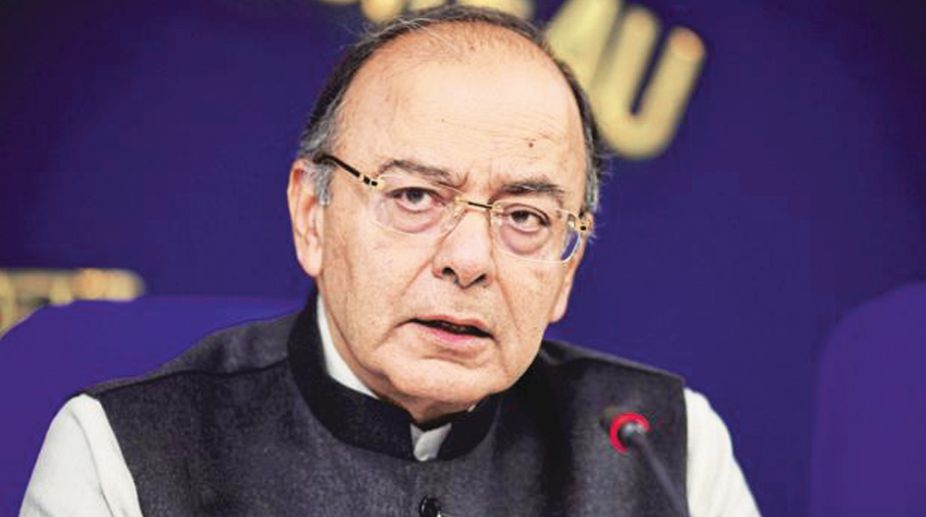
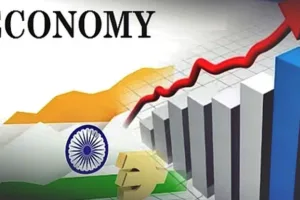
Union Finance Minister Arun Jaitley on Sunday said the tax payer base, tax collections and digitization of the economy are expanding following a series of measures taken by the central government led by Prime Minister Narendra Modi.

In his address at the 48th annual reader’s meet of Tamil magazine ‘Thuglak’ here, Jaitley said the demonetisation of high value currencies was a difficult decision for the Prime Minister to take but added it was Modi only who had the “courage to take such a decision”.

According to him, the central government has taken anti-black money steps like demonetisation, introduction of Goods and Services Tax (GST) and others and owing to these measures, the tax collections, tax payer base and digitization of the economy are expanding.

He said tax evaders have now understood that evasion cannot be done.

The Finance Minister also said the honest tax payer are forced to pay higher taxes due to tax evaders, and once the tax payer base expands the tax rate can come down.

Full Court expected to resolve Supreme Court crisis

IANS | New Delhi |

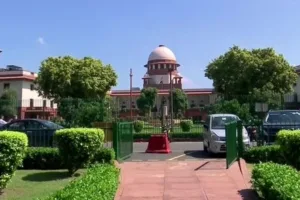
All 25 Supreme Court judges are expected to meet soon to resolve the crisis in the country’s apex court after four senior-most judges complained against Chief Justice Dipak Misra over allocation of cases.

Informed sources told IANS that a Full Court meeting of the Supreme Court judges will take place at the earliest to take a call on the issue and deliberate over the complaints highlighted in public by the four judges — Justices J. Chelameswar, Ranjan Gogoi, Madan B. Lokur and Kurian Joseph — who are the senior-most after Justice Misra in that order.

The rebel judges criticised the Chief Justice over allocation of cases, saying the administration of the top court was “not in order”.

As there was no solution in sight, Supreme Court Bar Association President Vikas Singh met Justice Misra and gave him a copy of the resolution the Bar passed on Saturday. The resolution also suggested a Full Court meeting to resolve the matter.

Two days after the crisis began, a seven-member delegation of the Bar Council of India (BCI) on Sunday also met the Chief Justice to convey its concern over the issue. The BCI also met three of the four rebel judges.

“We hope that the issue will be sorted out amicably and no one from outside should interfere,” BCI President Manan Kumar Mishra told reporters.

“During the meetings with Justice Misra, Justice Chelameswar, Justice Lokur, Justice Joseph and other judges, each one of them assured us that the issues will be resolved. The meetings with the judges took place in a very cordial atmosphere.”

Also read: Supreme Court crisis: Bar Council team to meet Chief Justice today

Justices Sharad Arvind Bobde and L. Nageswara Rao also met Justice Chelameswar at his residence.

As the crisis lingered, four retired judges wrote to Justice Misra on Sunday, throwing their weight behind the four rebel judges who “have brought to light a serious issue regarding the manner of allocation of cases, particularly sensitive cases, to various benches of the Supreme Court”.

The retired judges are Justice P.B. Sawant, a former Supreme Court judge, Justice A.P. Shah, former Chief Justice of the Delhi High Court, Justice K. Chandru, a former judge of the Madras High Court, and Justice H. Suresh, a former judge of the Bombay High Court.

They appreciated the “grave concern” raised by the four Supreme Court judges that cases were not being allocated in a proper manner and “arbitrarily” allocated to “particular designated benches, often headed by junior judges”.

“This is having a very deleterious effect on the administration of justice and the rule of law,” read the letter by the four former judges.

Also read: BCI team meets Chelameswar, two other Supreme Court judges

They said they agreed with the view of the rebel judges that the Chief Justice despite being the master of roster cannot assign cases “in an arbitrary manner such that, sensitive and important cases are sent to hand-picked benches of junior judges by the Chief Justice”.

“This issue needs to be resolved… for allocation of benches and distribution of cases, which are rational, fair and transparent. Only such measures would assure the people that the Supreme Court is functioning in a fair and transparent manner and that the power of the Chief Justice as master of roster is not being misused to achieve a particular result in important and sensitive cases. We, therefore, urge you to take immediate steps in this regard.”

Meanwhile, the Co-ordination Committee of All District Bar Associations of Delhi on Sunday condemned the four senior Supreme Court judges for going public over their differences with Justice Misra.

One vote can’t change dynamics of our relations: Netanyahu on India

IANS | New Delhi |

Just one negative vote at UN cannot change the dynamics of Indian-Israeli relations between India and Israel, visiting Israeli Prime Minister Benjamin Netanyahu said here on Sunday, terming relations with India as “marriage made in heaven”.

“I don’t think one vote affects a general trend you can see in many other votes and everything and these visits,” Netanyahu said when asked to comment on India’s vote at UN against US decision to recognise Jerusalem as Israel’s capital, in an interview on India Today TV channel.

“Yes, naturally we were disappointed, but this visit is a testimony that our relationship is moving on so many fronts, be it political, technological, tourism, security and so many other areas. Ultimately you see it reflected in all UN votes, not just now but soon,” he added.

In December last year, India voted in favour of a resolution brought by Turkey and Yemen in the UN opposing the United States’ decision recognising Jerusalem as the capital of Israel. The resolution was approved with 127-9 at the UN General Assembly.

“First of all there is a special relationship between the two countries, between their people and then between the leaders. The partnership between India and Israel is a marriage made in heaven but consecrated on earth,” Netanyahu said, adding he respects his Indian counterpart Narendra Modi “as a great leader” because he is “impatient to bring future to his people”.

On cooperation in counter-terrorism, he said that intelligence is the key.

“And Israel has on the whole superb intelligence. I would say none is better. And we share with you our intelligence and have stopped over the last few years some 30 major terror attacks, which we shared vis-a-vis not India alone but with dozens of countries.

Also read: Israel PM begins historic India visit, PM Modi welcomes him with a bear hug

“Israel protects lives of so many people. When you board a plane you want to know that plane won’t be blown up mid air. It will take off and land safely. When that happens, usually Israel has something to do with it, not on every flight but on many flights,” he said.

Asked if he approves India’s terror strikes launched across the border with Pakistan, he said that India makes its own choices and “you fight terrorism by fighting it”.

As the interviewer persisted, a smiling Netanyahu said: “Well, I am trying to be a foreign minister. I am trying to be a diplomat, because I hold two portfolios — the Prime Minister and the Foreign Minister at the same time.”

Asked if Israel can use his good offices with China to persuade it to not veto a resolution against Lashkar-e-Taiba chief Hafiz Saeed, Netanyahu said: “I think these things are best discussed not on television, especially if you want to make progress.”

However, he also said: “But our defence relationship is quite significant and comprises many things. I think the key word here is defence. We want to defend ourselves, we are not aggressive nations. We are very committed to making sure that none can commit an aggression against the either one of us.”

On the bilateral trade relations, the Israeli Prime Minister said that “there is a whole world that is erupting, exploding”.

Advocating a Free Trade Agreement (FTA) with India to boost and deepen bilateral economic relations, he said: “Israel is changing so rapidly. We are creating industries. We have just created a car industry in just last five years. We have 500 start-ups dealing with automation of car.

“And there are other areas like water, agriculture, energy, health, transportsation. There is a whole world that is erupting, exploding. Future belongs to those who innovate… Israel is an innovation nation. India has innovations. In Silicon Valley there are two dialects you hear — Hindi and Hebrew and only a little English.”

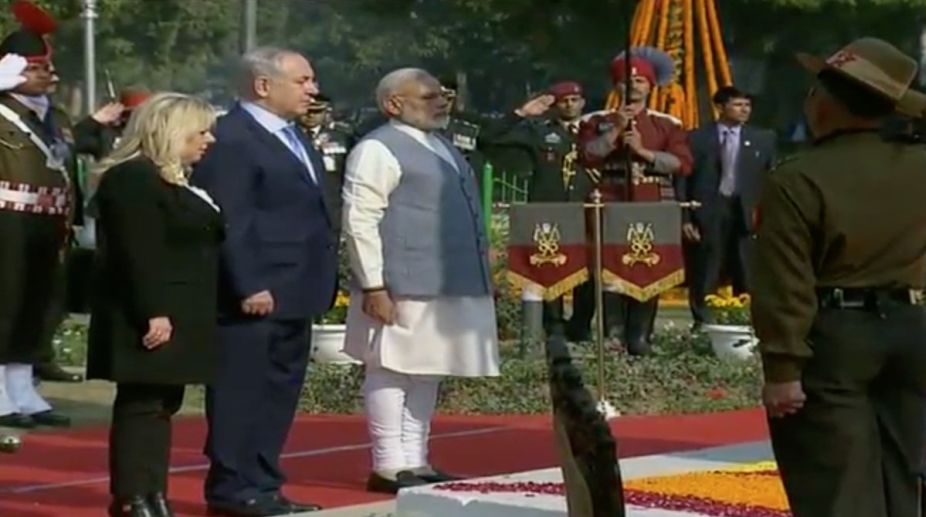
He said that when he visited the iconic Teen Murti war memorial at Haifa circle, he felt “an expression of gratitude” because it was Indian soldiers who fell down while defending the city of Haifa (now in Israel) during WW-I.

“It’s closing of a circle 100 years later,” he said.

In a sign of growing importance to the ties with Israel, the government on Sunday renamed Delhi’s Teen Murti Chowk as Teen Murti-Haifa Chowk after the Israeli city.

Also read: PM Modi, Netanyahu lay wreath, sign visitor’s book at Teen Murti Memorial

Netanyahu is on a six-day visit to India, the first Israeli Premier to visit India after 2003 when Ariel Sharon came. Setting aside protocol, Modi went to personally receive Netanyahu.

India post 183/5 after bowling out S. Africa for 335 on Day 2

IANS | Centurion |

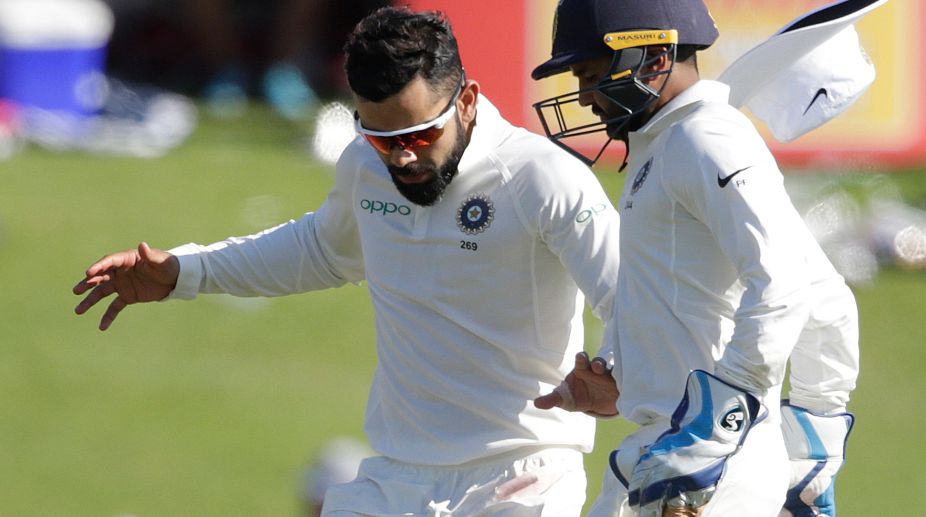
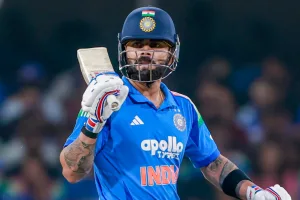
Indian skipper Virat Kohli (85 batting) waged a lone battle to lift the struggling visitors to 183 for five in their first innings on the second day of the second cricket Test against South Africa at the Super Sport Park here on Sunday.
The flamboyant Delhi right-hander hit eight fours in his unbeaten 16th half-century in Test cricket after India bowled out the hosts for 335 in their first innings in the morning session.

Kohli and Hardik Pandya (11 batting) were at the crease as the umpires called for the end of day’s play with India still 152 runs in arrear.

Earlier in the day, South African captain Faf du Plessis’ 63 drove the hosts to 335. He registered his 17th fifty in Test cricket as South Africa added 66 runs to their overnight score of 269/6.

Du Plessis, who was unbeaten on 24 on Saturday, drove the hosts forward in the morning even though he didn’t get convincing support from the other end. His judicious shot selection helped him negotiate the Indian bowlers.

Seamer Mohammed Shami removed overnight batsman Keshav Maharaj (18) early. He edged to wicket-keeper Parthiv Patel. It was Shami’s 100th Test wicket in 29 matches. He became third quickest Indian fast bowler to pick 100 wickets behind Kapil Dev, who did it in 25 Tests and Irfan Pathan (28).

Kagiso Rabada (11) hooked a rising delivery from Ishant Sharma for a catch to Hardik Pandya who had to run forward from deep square leg. But South Africa had already reached 324/8 by this time thanks to du Plessis.

Du Plessis, later, missed the line of an Ishant delivery as the ball crashed his stumps to fall the ninth wicket of the hosts.

Morne Morkel swivelled one full-toss from off-spinner Ravichandran Ashwin to the hands of Murali Vijay at deep cover to bring an end to the first innings of South Africa. Morkel’s was Ashwin’s fourth wicket of the innings.

The beginning of India’s reply was not good. At the score of 28, India lost Lokesh Rahul (10) and Cheteshwar Pujara (0) in an over from Morne Morkel.

While opening batsman Rahul gave a return catch to Morkel following a soft drive, Pujara ran himself out as he hurried for a run on the first delivery he faced. Debutant Lungi Ngidi’s direct throw from mid-on caught Pujara short of the crease and India received a big blow.

In walked Kohli and there began the damage-repair work. Kohli and Murali Vijay (46) put together a third-wicket stand of 79 runs.
Kohli’s excellent attacking batsmanship and Vijay’s dogged and patient approach not only kept the hosts at bay but also applied the pressure on them.

Kohli played with a clear mind of presenting a straight bat against the South African bowlers who were inconsistent with their probing line and length. When they erred, Kohli made full use of it, especially the ones pitched higher up.
He also used his wrists well to employ flicks off Kagiso Rabada and Morkel. South Africa opened up the infield, allowing the Indians to also get singles.

Vijay, at the other end, batted with patience, backing his defensive techniques to the hilt. He fended off the rising delivery outside the off stump with controlled cut and push.

The Tamil Nadu right-hander perished, being caught by wicket-keeper Quinton de Kock while trying to cut left-arm spinner Maharaj.

India’s innings wobbled afterwards even as Kohli continued to bat with aplomb.

Rohit Sharma (10) continued to fail for the third consecutive innings as he was ruled LBW against Rabada. Parthiv (19) edged behind to give Ngidi his maiden wicket.

Later, Pandya and Kohli ensured that India don’t lose any more wickets as South Africa pressed high to bag another wicket which could have heavily tilted the game in their favour.

Iraqi PM allies with Iran-backed Shiite group

IANS | Baghdad |

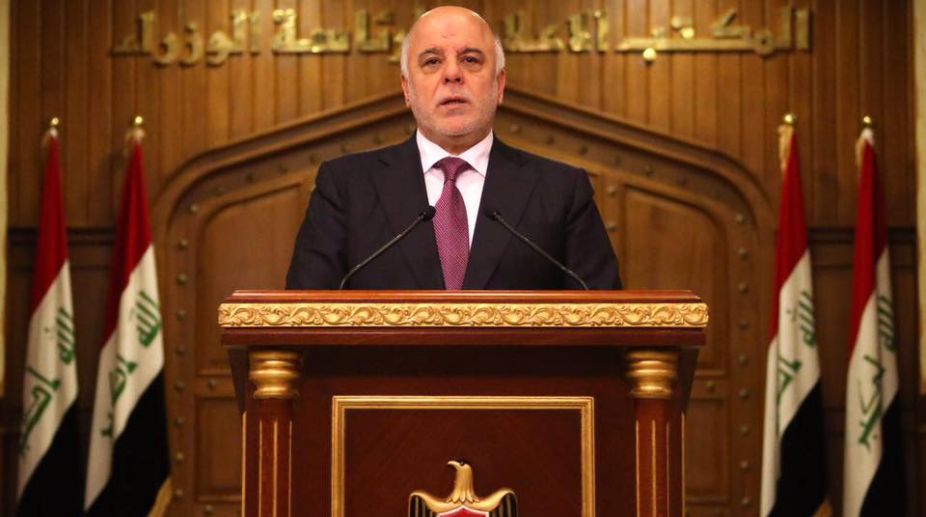
Iraqi Prime Minister Haider al-Abadi on Sunday allied with a powerful Shiite group close to Iran in his stand for re-election in the coming national elections tentatively slated for May 12.

Abadi’s “al-Naser Alliance”, or Victory, and “al-Fatah Alliance”, or Conquest, headed by Hadi al-Ameri, leader of powerful Shiite party Badr Organisation, have signed an electoral pact on Sunday morning, said Mahmoud al-Rubaie, a Shiite politician in a statement, Xinhua reported.

Abadi has been credited with rebuilding the Iraqi army and defeating the Islamic State militants, while Ameri has significant supporters in Iraqi Shiite community and his Badr militia took part in the fight against IS group.

The coalition of the two alliances was renamed “Victory of Iraq,” according to Rubaie, who is a leading figure in the political office of Asa’b Ahl al-Haq, an Iranian-backed militant group.

Late on Saturday, Abadi announced his “Victory Alliance” coalition and called on all Iraqi factions to join his coalition, which he described as cross-sectarian coalition to unite Iraq and rebuild its future.

“I declare to all spectrum of Iraq to gather under the banner of a united Iraq in the coalition of Victory Alliance, which is a cross-sectarian one, and I call on the political entities who are faithful to Iraq to join our new national coalition,” Abadi said in a statement issued by his office.

Despite being a leading figure in Islamic Dawa Party, which has close ties with Iran, Abadi managed to create better relations with the Iraqi Sunni community.

Abadi’s predecessor Nuri al-Maliki, who went into bloody conflict with the Sunni Arabs, has paved the way for the IS militants to take control of large areas in the predominantly Sunni provinces in northern and western Iraq in 2014.

Abadi chose to seek re-election in a separate coalition away from Nuri al-Maliki who holds the mainly ceremonial post of vice president as well as maintaining his post as head of Islamic Dawa Party.

Maliki will also run in the coming elections in a separate coalition named State of Law.

Dawa Party issued a statement calling on their supporters to freely choose between Maliki’s or Abadi’s alliances.

The Iraqi parliamentary vote and the vote for the provincial councils will be held together in the same day, which the Iraqi government and the electoral commission set for May 12, but according to the Iraqi constitution, the date still needs to be approved by the parliament and the presidential council.

President Trump says ‘DACA is probably dead’

IANS | Washington |

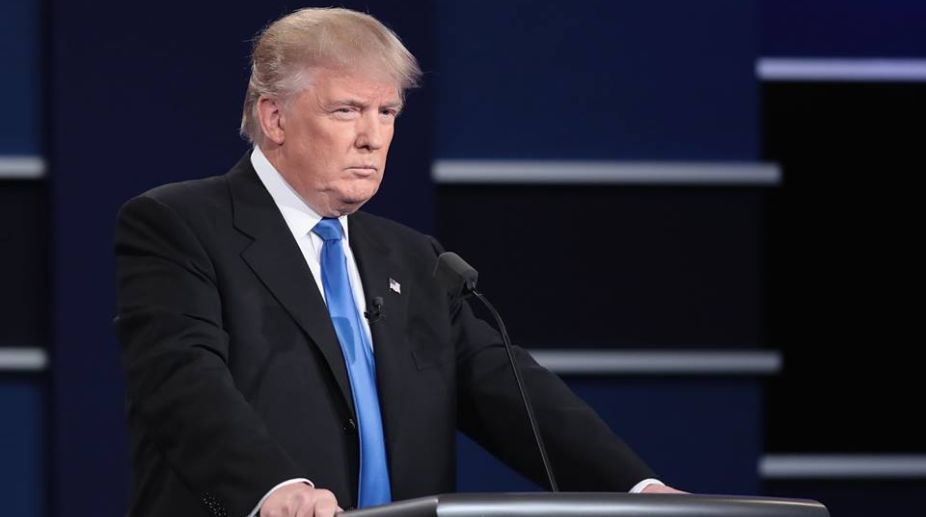
US President Donald Trump on Sunday said the Obama-era immigration programme “DACA” is “probably dead”, despite the federal government resumed accepting applications for the same on Saturday.

DACA is the acronym of Deferred Action for Childhood Arrivals, a 2012 programme that gave foreigners who entered the US as minors a legal permit to reside and work in the country, Xinhua reported.

“DACA is probably dead because the Democrats don’t really want it, they just want to talk and take desperately needed money away from our Military,” Trump tweeted.

The remarks came one day after the U.S. Citizenship and Immigration Services announced that those who were previously enrolled in the program could start apply to renew their two-year status, once again putting the fate of the controversial policy in uncertainty.

The Trump administration has moved to halt the DACA programme, which may force some 800,000 dreamers to leave the country or stay without legal documents, but a judge in California ruled last week that halting DACA was unlawful and that the US government should continue process the application.

N. Korea slams South for praising US role in inter-Korean talks

IANS | Pyongyang |

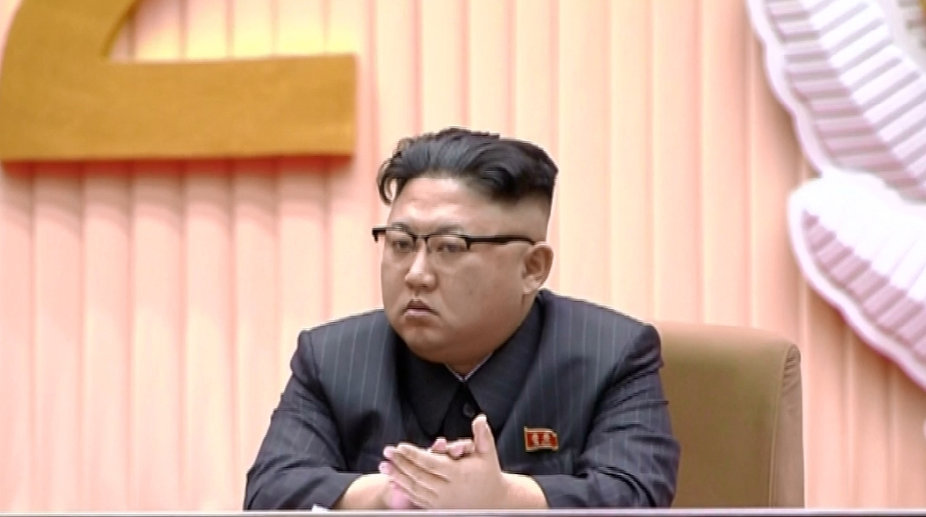
North Korea on Sunday slammed South Korean President Moon Jae-in for praising US roles in pressuring Pyongyang to the recent inter-Korean talks.

The official Korean Central News Agency (KCNA) said in a commentary that “ill-boding remarks chilling the atmosphere for reconciliation are heard from South Korea” during Moon’s new year press conference last week, XInhua reported.

The KCNA criticized Moon for “thanking” US President Donald Trump for playing a role in bringing Pyongyang to the inter-Korean talks through maximum pressure and sanctions, as well as his call for “denuclearisation” of North Korea as the final goal of the talks.

“It is needless to say that the new year press briefing of the South Korean chief executive was to curry favour with his discontent master,” said the KCNA in an unusually harsh tone towards Moon one week after the first high level inter-Korean talks were held in two years.

Saying that the two sides have just “begun to kindle the flame for reconciliation,” the commentary charged that Moon’s attitude “casts doubt as to his intent to improve the north-south ties and build confidence.”

The talks resulted in agreements on cooperation in the 2018 Pyeongchang Winter Olympics and the two sides also agreed to take measures to ease tension on the Korean Peninsula.

The KCNA also accused South Korea of letting the United States send another nuclear aircraft carrier, Stennis, to the West Pacific during the Peyongchang Olympics, despite its agreement with Washington to postpone joint military drills during the games.

“We will as ever strive to improve the north-south ties but will never remain an on-looker to sordid acts of chilling the efforts,” it said.

“They should know that train and bus for carrying our delegation to the Olympics are still in Pyongyang,” it warned.

Iran rejects US call for inspecting Iranian military sites

IANS | Tehran |

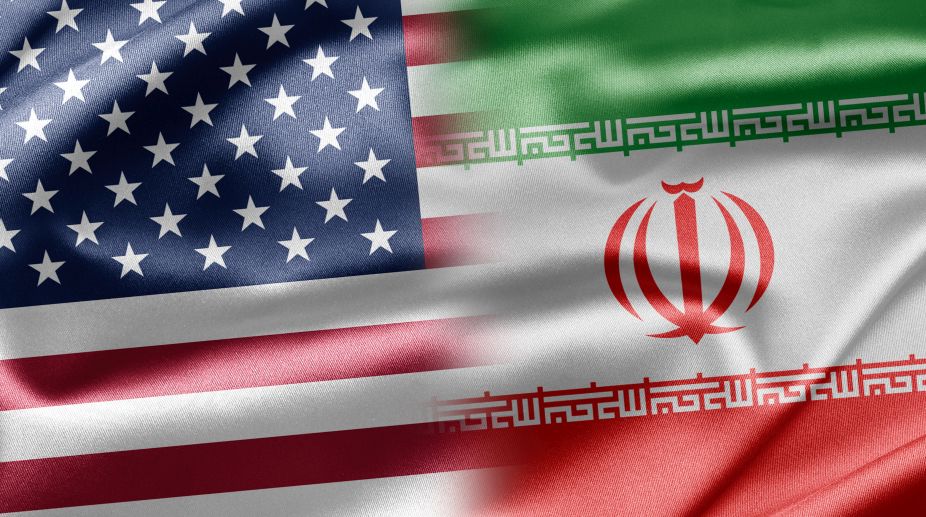
Iran on Sunday rejected the recent US call for allowing foreign inspection of Iranian military sites under the pretext of the 2015 nuclear deal.

The issue of allowing foreign access to Iranian military sites is basically not included in the nuclear agreement, known as the Joint Comprehensive Plan of Action (JCPOA), Behrouz Kamalvandi, spokesman of the Atomic Energy Organization of Iran (AEOI), was quoted by the Tasnim news agency as saying.

In the past, there were some cases of inspecting Iran’s military sites such as Parchin, which was once inspected by the International Atomic Energy Agency (IAEA), Kamalvandi said.

Currently, the IAEA has not made any call for inspecting another Iranian military site, he added.

He emphasized that the Islamic republic will not allow access to its military sites again by foreign parties, including the IAEA.

His remarks came after US President Donald Trump extended the waivers on the nuclear-related sanctions on Iran on Friday, while setting some conditions for waiving the sanctions next time.

On Saturday, Iran’s Foreign Ministry announced that Tehran will never renegotiate the 2015 nuclear deal despite the US pressure.

Trump has constantly criticized the pact inked between the six world powers, namely China, Russia, Britain, France, the United States and Germany, and Iran in 2015, in which the West promised to relieve sanctions on Tehran in exchange for a halt in Iran’s efforts to develop a nuclear weapon.

Under the deal, the US President must sign a waiver suspending the US sanctions on Iran every 120 days.

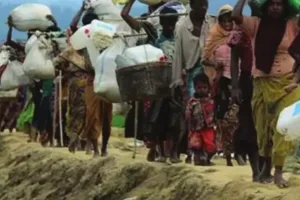
Unicef reports 4,011 suspected diphtheria cases in Rohingya camps

IANS | Dhaka |

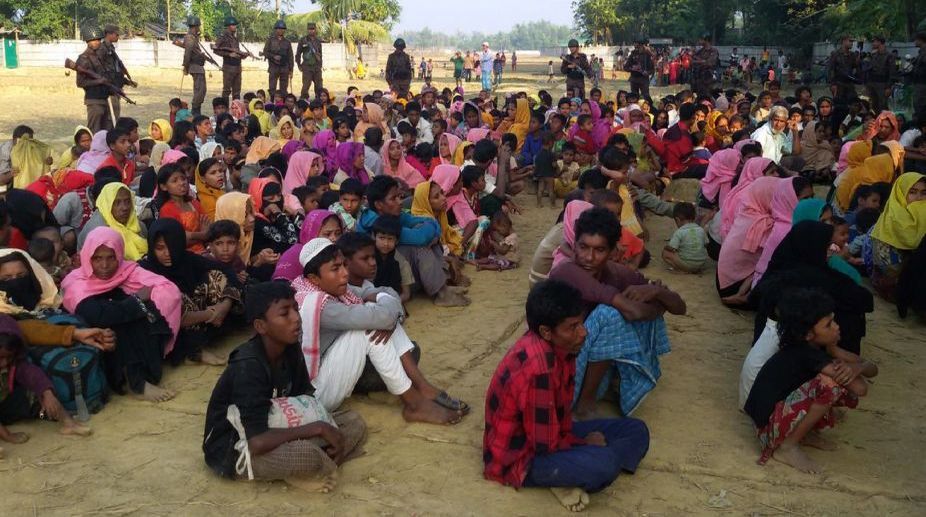
The UN Children’s Fund (Unicef) on Sunday said it had detected a total of 4,011 suspected cases of diphtheria in camps for Rohingya refugees in Bangladesh, where 31 people have died due to a serious outbreak of the infectious disease.

Unicef spokesperson Benjamin Steinlechner told Efe news that it was a very serious outbreak, to which Unicef and the World Health Organisation, along with the Bangladesh Health Ministry, have responded with a large-scale vaccination campaign to mitigate the risks of the disease spreading further.

“The latest number of suspected cases is 4,011. However these are not all confirmed diphtheria cases. Out of the 4,011 cases, so far 61 cases have been confirmed,” he said.

Unicef said in a statement released on Sunday that they are beginning the second phase of the vaccination program on January 25 for 475,000 minors in refugee camps for Rohingyas, who arrived in Bangladesh to escape violence against them in Myanmar.

The vaccination has to be carried out in three phases to be effective, it said.

During the first phase, which began on December 12 and concluded on December 31, nearly 150,000 children aged six weeks to seven years, and 166,000 children between seven and 17 were vaccinated against diphtheria and other diseases.

The number of suspected cases of the highly infectious respiratory disease, which can even be contracted from coughing or a sneeze, increased by nearly 800 in less than 10 days, after the WHO recorded 3,155 cases on January 5.

Rohingyas in refugee camps at Bangladesh’s Cox’s Bazar live in conditions ripe for the propagation of infectious diseases such as cholera, measles, rubella and diphtheria.

According to the United Nations Inter Sector Coordination Group, some 655,000 Rohingya refugees have arrived in Bangladesh since August 2017.

The current exodus was triggered when Myanmar security forces launched an operation in retaliation for an attack by the Arakan Rohingya Salvation Army (ARSA) on several security posts in Rakhine State on August 25.

The governments of Bangladesh and Myanmar have reached an agreement on the process of repatriation for Rohingya refugees who have reached Bangladesh which is expected to begin within two months.

Tax base, digitization of economy expanding: Arun Jaitley

IANS | Chennai |

Union Finance Minister Arun Jaitley on Sunday said the tax payer base, tax collections and digitization of the economy are expanding following a series of measures taken by the central government led by Prime Minister Narendra Modi.

In his address at the 48th annual reader’s meet of Tamil magazine ‘Thuglak’ here, Jaitley said the demonetisation of high value currencies was a difficult decision for the Prime Minister to take but added it was Modi only who had the “courage to take such a decision”.

According to him, the central government has taken anti-black money steps like demonetisation, introduction of Goods and Services Tax (GST) and others and owing to these measures, the tax collections, tax payer base and digitization of the economy are expanding.

He said tax evaders have now understood that evasion cannot be done.

The Finance Minister also said the honest tax payer are forced to pay higher taxes due to tax evaders, and once the tax payer base expands the tax rate can come down.

Gurugram STF arrests four gangsters in Haryana

IANS | Gurugram |

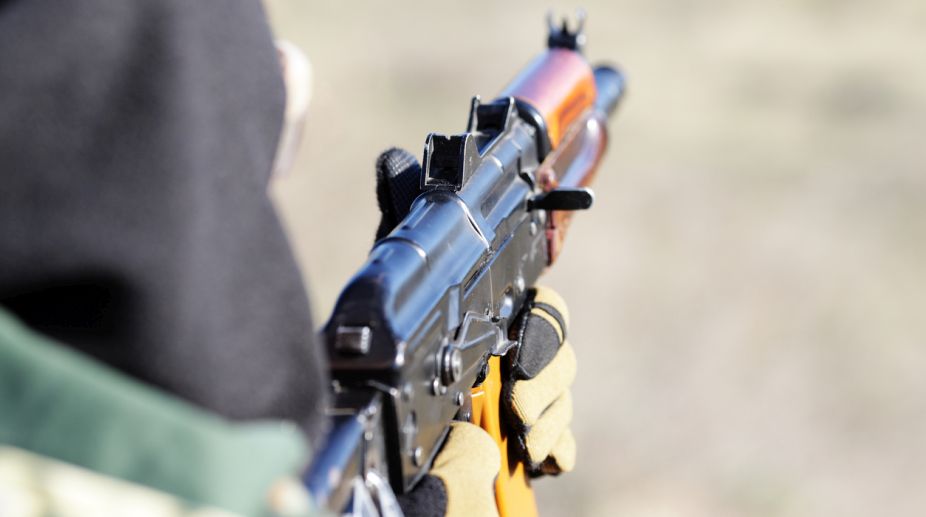
The Gurugram unit of Haryana Police’s Special Task Force (STF) on Sunday said it has arrested four sharpshooters of gangster Manjeet Mahal’s gang from Jhajjar near here.

In its first achievement after being set up, the STF is headed by Inspector General of Police Saurabh Singh, arrested the four criminals after a tip off that they were going to murder a member of Jyoti Nandu gang.

“When the STF team tried to round up these shooters, they fired on the police team and tried to escape but the STF team was able to apprehend all them from Surkhpur road near Jhajjar,” a senior police officer said.

The arrested were identified as Sachin, a resident of Jhajjar’s Dadanpur village, Deepak alias Parvesh alias Arjun from Jhajjar, Abhishek alias Mota, a resident of Hissar and Uttam from Jhajjar,” the officer added.

A case was registered by the STF against them in police station Jhajjar under various sections of the Indian Penal Code and the Arms Act and the accused have been handed over to local police.

On their preliminary interrogation, they confessed to their involvement in heinous crimes including attempt to murder, loot and extortion, while four loaded pistols and 20 live cartridges were recovered from their possession.

The four accused will be produced before a court in Jhajjar, some 45 km from Gurugram.

Tech infusion, improved training key to tackling future challenges: Army chief

IANS | New Delhi |

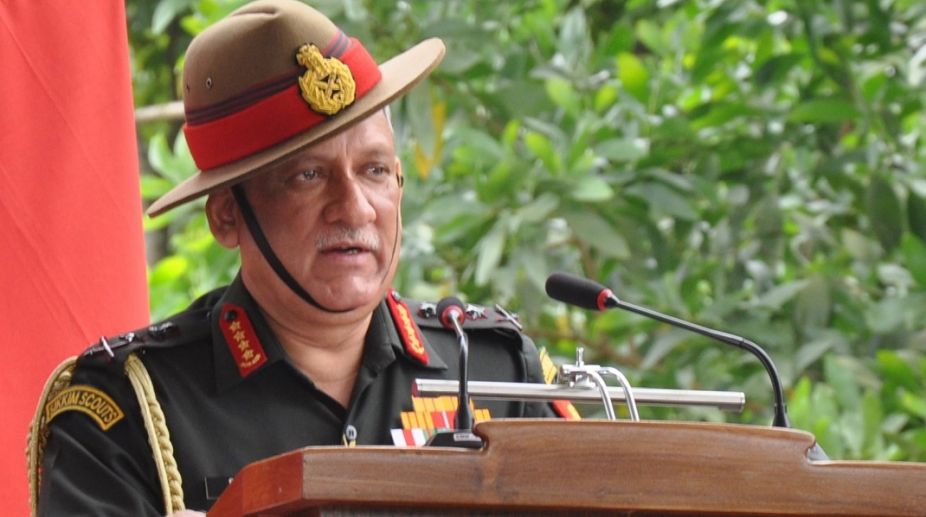
With focus on infusion of technology in the weapon systems, the Indian Army would need to keep upgrading the required training benchmarks, its chief Bipin Rawat said on Sunday.

In his message on the Army Day, to be observed on Monday, Gen. Rawat underlined: “The future challenges continue to demand greater commitment from the Indian Army. While we focus towards infusion of technology for better capabilities in our weapon systems, we should continue to upgrade the required training benchmarks for optimal exploitation of these systems.”

“While operational effectiveness to meet future challenges will remain our primary focus, contribution to nation building initiatives remains an abiding theme,” he added.

Looking restrospectively at the past year, the Army chief expressed satisfaction that soldiers gave a befitting response to the adversary along the borders and the force’s conduct in counter-terror operations has been “professional” and one “upholding the values associated with human rights”.

“The improved security situation in Jammu and Kashmir and the Northeast is result of continued selfless commitment of our rank and file in difficult and challenging situations. Our response in providing succor to our countrymen has been prompt, resulting in saving valuable lives,” he said in the message

He said that the Indian Army’s bilateral engagements with other armies of the world are increasing and so is “military diplomacy gaining ground”.

He said India’s contribution to international peace in UN missions continues to earn international appreciation.

“I wish to also pay homage to our brave martyrs whose courage and sacrifice, in the line of duty shall continue to inspire us to rededicate ourselves with renewed fervour,” he said.

Riding high on solo travel

Rachna Verma | Chandigarh |

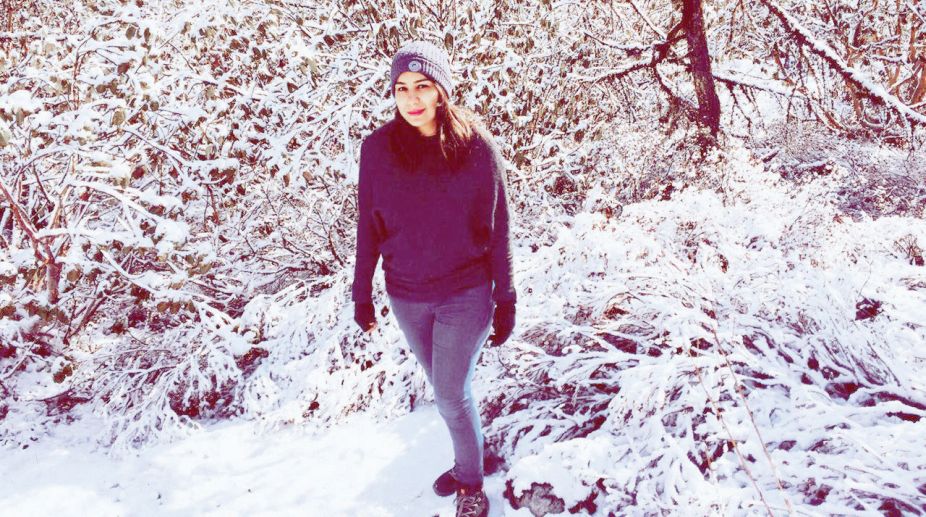
‘Solo’ travelling is increasingly the trend in India. And despite the perception that it’s not safe for women to travel alone in the country, female travellers are breaking this myth by exploring the remotest of tourist destinations and using solo travelling as a liberating experience.

When travelling solo, one has to take responsibility for each and every decision or arrangement made, make up one’s mind to face difficulties and challenging situations in an unknown terrain. But apparently, many females are taking up this challenge without hesitation and motivating others to go out ‘solo’ and explore new horizons.

A student of Punjab University (PU), Parvinder Kaur, said solo travel not only boosts one’s self-confidence, it also makes one learn new things not just about the outside world but also about one’s own personality. Kaur, who is pursuing a Phd in law from PU, however, said it is never easy to travel solo. “It takes a lot more planning and mental preparation for solo travelling. My brother was the first person in the family who motivated and supported me to travel. My first trip to Amritsar was not actually solo, but with a friend, Jyoti Vashisht,” she said.

Kaur said this trip helped her to trust her own capabilities and after that there were no limits. Giving a few instances of her experiences and trips, the Chandigarh resident said she had a life-changing experience when she travelled solo for 12 days to Kinnaur, Spiti valley, Manikaran and Kasauli in Himachal Pradesh.

She added that different people have different meanings of travel but for her it’s a ”learning” experience, as it helps her come close to the world. Kaur, however, listed a few precautions that every traveller should take. For example, she said solo travellers should avoid taking private buses if government buses are available. Likewise, while hiring a private taxi, one should travel in a registered commercial vehicle and check the genuineness of the driver or the service provider. “Avoid night travelling as much as possible,” she added.

A marketing professional in FM Radio station in Chandigarh, Dipika Mahajan said for her, “travelling is refreshing, not escapism. It’s (solo travelling) a very beautiful, confident feeling to be free, independent during the tour.”

Mahajan said for a successful solo journey, one needs to be a good planner in an organised way. “Before planning any trip anybody must access the basic information of that place,” she said, adding that she ensures her travel bookings and connectivity in the concerned place before leaving.

An employee of a public sector bank, Gurjeet Kaur (34) said she was 32 when she thought of solo travelling following a breakup. “I was going through a tough period in my personal life after the breakup, so I chose travelling as an escape from my problems and depression. But somehow my whole perspective towards life changed following this. I became aware of the unique pleasure of travelling alone. I had a fortuitous encounter with other travellers who not only delighted me, but also provided useful information during the tour. My soul is ignited by surprise discoveries. Travelling alone makes me feel strong as an individual, more than just being a daughter, sister or a working woman,” Gurjeet said.

She said from her very first solo travel trek, Khir Ganga in HP, to conquering Gurudongmar lake (Sikkim) ~ one of the highest lakes in India located at an altitude of 17,800 feet ~ was an unexplainable experience. “Solo travel requires a different sort of adventurousness. It demands an open spirit, a desire for authentic connection, a belief in one’s capabilities,” Gurjeet said.

A Chandigarh-based travel company owner, Deepak Verma, said women are increasingly taking to solo travelling for more than a reason. “Now women are breaking the set norms when it comes to travelling. They are coming forward to break the traditional and narrow mindset. Going by this trend, I believe in the forthcoming years, women will lead the solo travelling trend,” he said. Verma said earlier it was difficult to convince women to travel alone because of safety and other concerns, but now things have changed. “They are filling their bucket list with lots of adventure and thrill,” he said. Verma said a big reason behind travelling is that people want a break from their monotonous routine. “They want to spend time with themselves,” he said.

Small and beautiful

Raju Gusain | Dehradun |

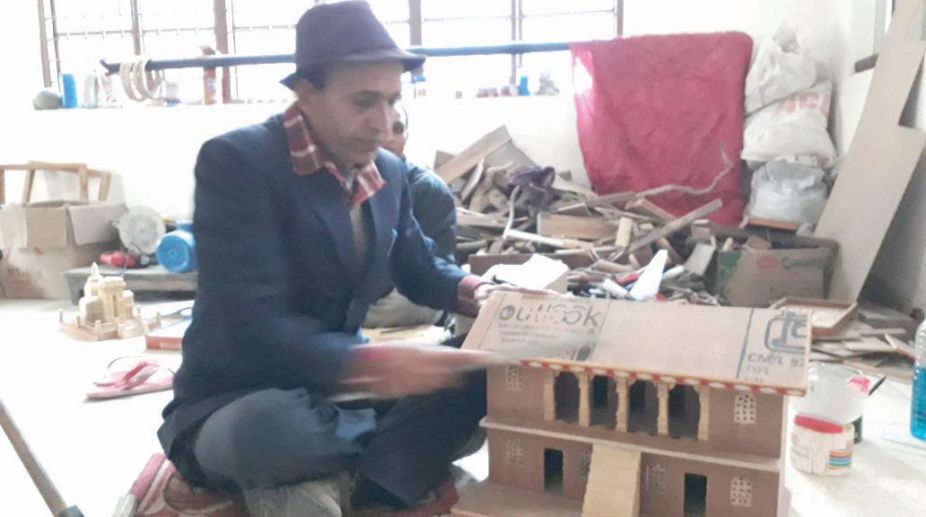
Miniature ‘Pahadi’ (hill) house models are fast catching the fancy of handicraft lovers. The small and compact decorative item made by artisans of Uttarkashi is gaining popularity with each passing day. Earlier only one or two artisans used to make the houses, but now the number has crossed over a dozen.

The artisans living in Uttarkashi district came up with the idea of building a small house showcasing the hill architecture ~ slate stone as roof and wooden pillars with traditional designs. The minute woodwork and other details were included in the design to make it an instant hit. At present, the artisans are selling their handicrafts in trade fairs and handicraft emporiums.

The artisans are engaged in making wood kothar (to store grains) baskets/lamp shades from ‘Rangal,’ driftwood souvenir objects, etc. Artisan Anil Aggarwal says, “I generally make ‘Kothar’ for storing grains. But, inspired by others, I too have started making small wood houses.”Besides the traditional hill houses, local artisans are also making small wood models of Hindu shrines, including Badrinath, Kedarnath, Gangotri and Yamunotri. The normal size of the house is just about 14 inches in height and about 22 inches in width. At present, constructing the traditional house is extremely difficult, if not impossible, due to non-availability of artisans and people opting for modern construction. The miniature hill houses have sentimental value for the highlanders and act as good souvenirs for tourists.

Artisan Chander Lall from Aagora village says, “I participate in trade fairs regularly and very recently was in England. We have started getting a good response now. The visitors show interest in our products and we are getting the miniature houses sold through handicraft showrooms and by participating in trade fairs.”

The Uttarkashi artisans first made the small hill house as an experiment, but as they saw overwhelming response from the public, began making such models in good number. The handicrafts emporium established by the industry’s department, near the bus stand in Uttarkashi is also helping the local artisans market their products. Local resident Vipin Panwar says, “The public response has inspired the artistes to come up with new designs. Some are now even making five-storey houses.”

Rinpoche begins spiritual training

SP Sharma | Jammu |

The 19-year-long rigorous study of Buddhism has begun for the incarnation of the Bakula Rinpoche with his “Chos-zhuk” (monastic enrolment ceremony) in the Drepung Loseling monastery at Mundgod in Karnataka.

The enrolment ceremony of the 11-year-old Stanzin Nawang Jigme Wangchuk was attended by a large number of Buddhists from Ladakh and elsewhere in the country. He was identified by the Dalai Lama as the incarnation of the Bakula Rinpoche when he was just 2 in 2008.

The 20th Bakula Rinpoche was born to Dorje Tsering and Sonam Dolkar with many auspicious signs, on Monday, 23 January 2006, at Kyagar village in Nubra, Ladakh.

The 19th incarnation, Thupstan Chonjor, passed away on 4 November 2003 and it took about five years to identify the 20th incarnation of the Bakula Rinpoche through various rituals and auspicious signs.
The time gap in identification of the 20th incarnation was full of anxiety, particularly for Ladakhis who worship him like God. The Bakula Rinpoche heads the main monasteries in Ladakh, including Spituk, Saboo, Stok and Sankar.

According to Sonam Wangchok, secretary of the Himalayan Cultural Heritage Foundation, the 20th Bakula Rinpoche was enrolled for traditional studies on 22 November 2017, and it will take around 19 years to complete his higher studies and get the Geshe degree. The Pethub Galdan Targaisling Monastery and Pethub Labrang announced the dates for his ‘Chos-zhuk’ or the monastic enrolment ceremony when he formally entered the great monastic institution of Drepung Loseling Monastery.

‘Chos-zhuk’ ceremony is an extremely important event in the life of an incarnate lama when he begins his study and practice of the great treatises of sutras and tantras for the benefit of all sentient beings.
Among those present on the occasion was the J&K Minister for Ladakh Affairs and Cooperatives Chering Dorjay, who said that the enrolment ceremony was held in the assembly hall of the renowned Drepung Monastery in which thousands of monks, devotees, guests and dignitaries from different parts of the country and abroad participated.

While addressing the gathering, the minister said ‘Chos-zhuk’ ceremony is an opportunity to express our shared solidarity with the young Tulku. The 11-yr-old Bakula Rinpoche has been undergoing rigorous monastic education under the care of his tutors that will prove fruitful for the upcoming future of the state, especially the youth, he added.

Stressing that the 20th Bakula Rinpoche will devote his life towards the welfare of all sentient beings, the minister said the people of Ladakh have great faith in him and believe that after successfully completing his monastic education, the Tulku will continue the great legacy of his predecessors for peace, progress and harmony in Ladakh.

He said it is an extremely important event in the life of an incarnate Lama when he formally enters the monastic institution and begins his study of the treatises of sutras and tantras.

The Drepung Loseling in Exile in Karnataka, where the 20th Bakula Rinpoche is undergoing monastic studies, is a replica of the Drepung in Tibet which was modeled after the great monasteries of classical Buddhist India, Nalanda and Vikramalashila, and was an institution dedicated to intense study of traditional Buddhist arts and sciences.

Its training programme required twenty years of intense academic study, with rigorous testing and close supervision throughout, as well as six hours of debate each day. The focus of the programme was the five major topics of classical Indian Buddhism: philosophy, psychology, logic, metaphysics and ethics. This was followed by an internship usually lasting five to ten years.

After completing this course of study and training, the student candidate would be allowed to stand for the Geshe Lharampa degree. Drepung was one of only three monasteries in Central Asia with the authority to award this degree, regarded as the most prestigious honour in the Tibetan Buddhist world.

The Chinese Communist takeover of Tibet in 1959 resulted in the destruction of all but a dozen of Tibet’s 6,500 monasteries, and in the closure of Drepung, with most of the monks being either killed or imprisoned. About 250 of Loseling’s monks managed to escape. They were accepted as refugees in India, where eventually they built a replica “Drepung Loseling in Exile” monastery on land donated by the Indian government in Karnataka. Here they worked to preserve their ancient traditions. Over the years many more young spiritual aspirants have fled Chinese-occupied Tibet and sought entrance into the monastery, thus helping to preserve their traditional culture. The number of monks in the re-established Drepung Loseling has increased to more than 3,000.

Spiritual heritage

Yukti Dhadwal | Palampur |

‘Devbhoomi’ Himachal Pradesh is said to be the abode of Gods and Goddesses. The state is a land of numerous pilgrimage centres and several Hindu temples.

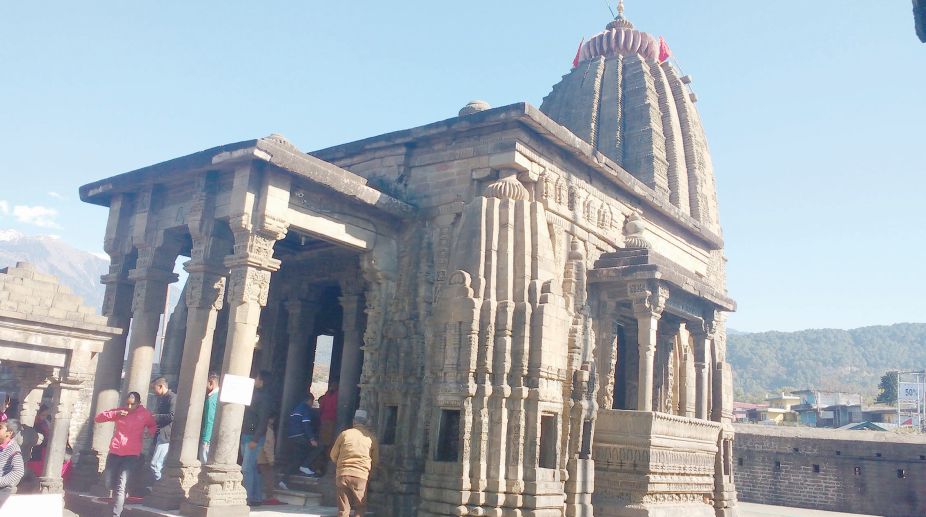
The famous Baijnath Shiva Temple at Baijnath in Kangra district is known to be one of the oldest temples of Lord Shiva. At the temple, built in 1204 AD, Lord Shiva is commemorated as Vaidyanath (the Lord of Physicians) and is placed in the form of Lingam (phallic form of Lord Shiva). The Shiva Lingam present here is one of the 12 Jyotirlingas in India.

The Baijnath Shiva temple is located at a distance of 16 kilometres from Palampur. The temple is enclosed by a high wall with entrances in the north and south. It was constructed by two native merchants, Ahuka and Manyuka.

‘The Baijnath temple is always full of devotees.The morning Aarti takes place around 6 a.m. and is when the temple resonates with the clanging of bells and the sound of the conch shell. Early in the morning is the best time to get here, before the town wakes up and the hustle and bustle begins,” said a local resident, Raghubir Sharma.

The Shiva Temple epitomises ancient art and culture through its pristine and spellbinding craftsmanship. The outer walls of the temple have several niches with images of gods and goddesses. It is a beautiful example of early medieval north Indian temple architecture known as the Nagara style of temples.

The Svayambhu form of Sivalinga is enshrined in the sanctum of the temple that has five projections on each side and is surmounted with a tall curvilinear Shikhara. The entrance to the sanctum is through a vestibule that has a large square “Mandapa” in front with two massive balconies in the north and south. There is a small porch in front of the mandapa hall that rests on four pillars in the front preceded by an idol of “Nandi”, the bull, in a small pillared shrine.

‘The water of this temple is believed to contain medicinal properties, which can cure diseases. A large number of tourists and pilgrims from all over India and abroad throng the Baijnath Temple throughout the year and especially during the festive season to have a glimpse of the ruling deity, Lord Shiva. Makara Sankranti, Maha Shivaratri, Vaisakha Sankranti, Shravana Mondays, etc., are celebrated with great zeal and splendour. Also, a five day state level function is held here on Maha Shivratri every year,” said a priest, Suresh Bhardwaj.

There is a beguiling story associated with this temple. According to legend, during the Treta Yug, the demon King Ravana who was a sworn devotee of Lord Shiva, worshipped Him in Kailash and even sacrificed his ten heads in the havan kund to attain immortality. Lord Shiva was impressed and not only restored his beheaded heads but also bestowed him with invincible powers. But Ravana wasn’t satisfied and requested Lord Shiva to come with him to Lanka. Lord Shiva consented to his request and converted himself into a Shivling. However, there was a condition of not putting the Shivling on the ground until they reach Lanka. By the time Ravana reached Baijnath he felt the need to answer nature’s call. On seeing a shepherd, Ravana handed over the Shivling to him and went to relieve himself. The shepherd is believed to be Lord Ganesh. Lord Ganesh intentionally kept the linga on the ground and thus the Shivling got established there and is in the form of Ardhnarishwar (half male & half female). This is how Vaidyanath or Lord Shiva is supposed to have come to Baijnath.

The temple is not only a religious spot but also forms a part of ancient Indian heritage. It provides a blend of medieval northern architecture and divinity.

“The temple premises are spotless and the view from the rear end of the temple is magical.

We are stunned by the unparalleled beauty of this picturesque place and experience serenity by seeking blessings of Lord Shiva.

Also, the historical structure of this temple is astounding to behold,” said a tourist Sachin Ahuja.