Science Dividend
India's economic rise has produced a new class of billionaires whose philanthropy can shape the country’s future as much as their businesses.

India's economic rise has produced a new class of billionaires whose philanthropy can shape the country’s future as much as their businesses.
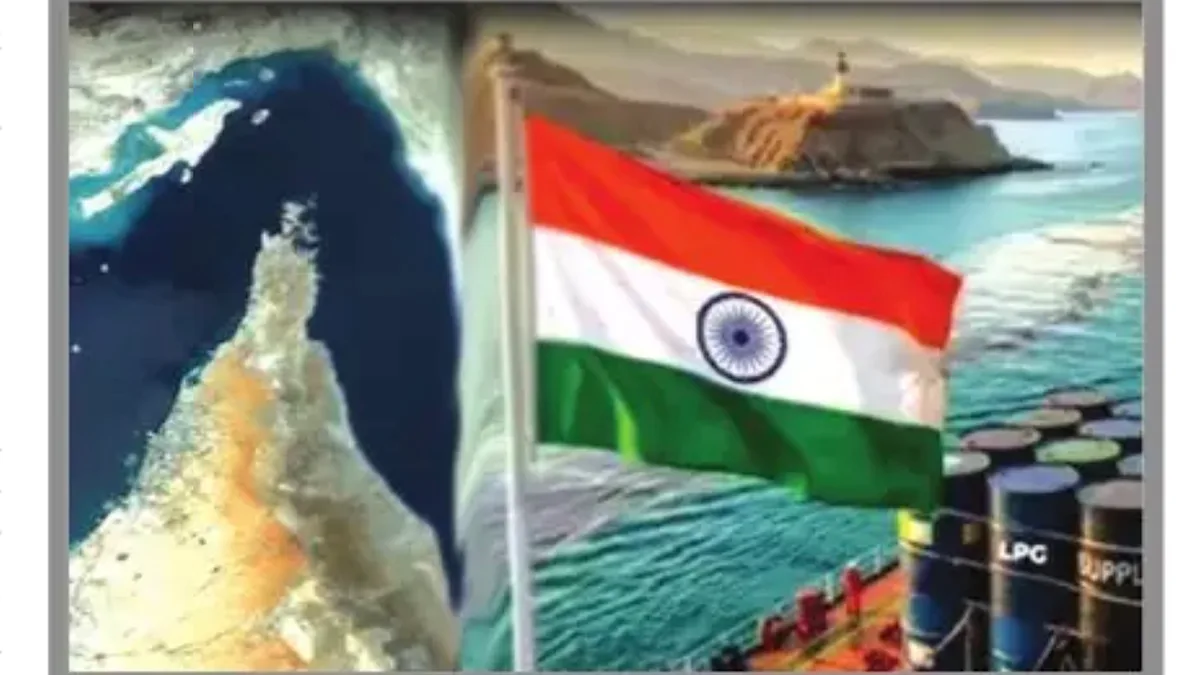
Geopolitical crises early arrive with neat labels. They unsettle markets, test diplomacy and expose economic vulnerabilities.
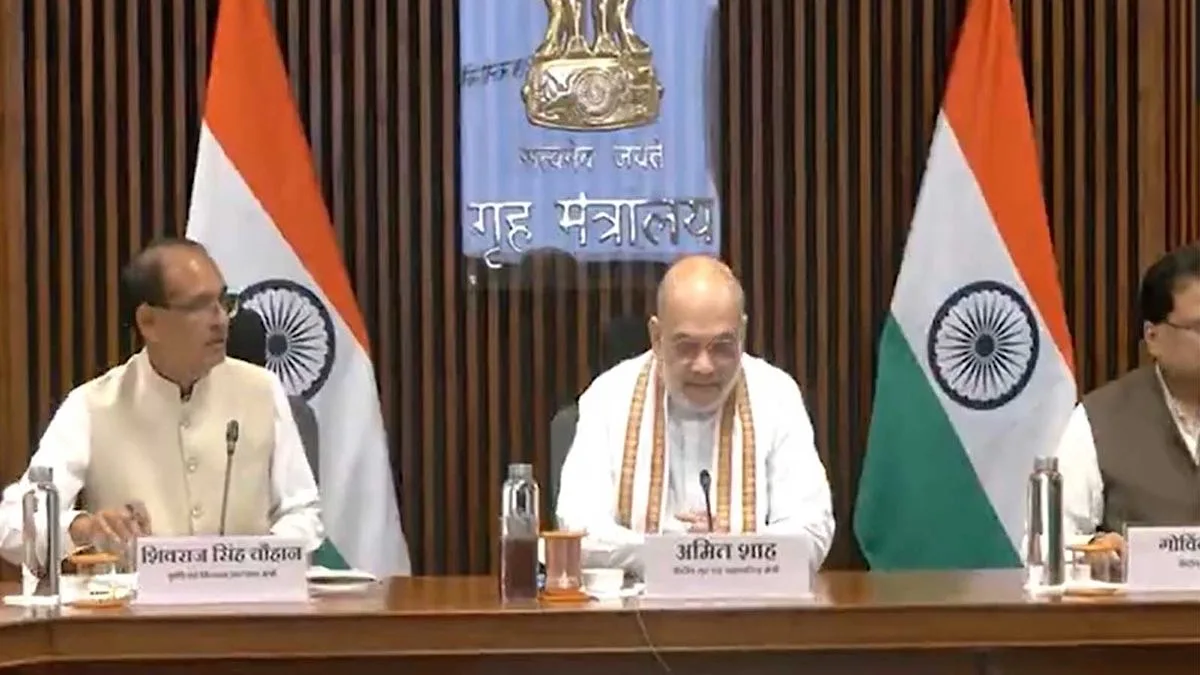
The Prime Minister's Office (PMO) on Tuesday conducted a high-level review of the country's preparedness for the possible impact of El Niño on agriculture and other sectors of the economy.
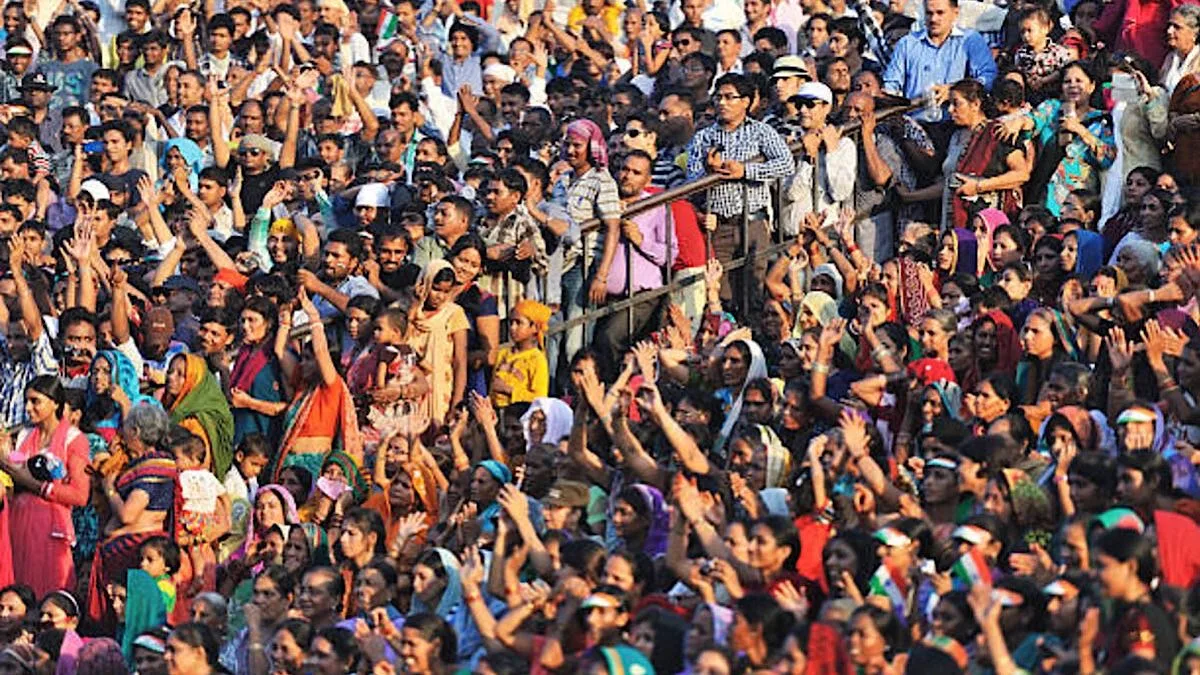
India is frequently celebrated as the world’s youngest major democracy. With more than half of its population below the age of thirty, the country possesses a demographic advantage that many developed economies can only envy.
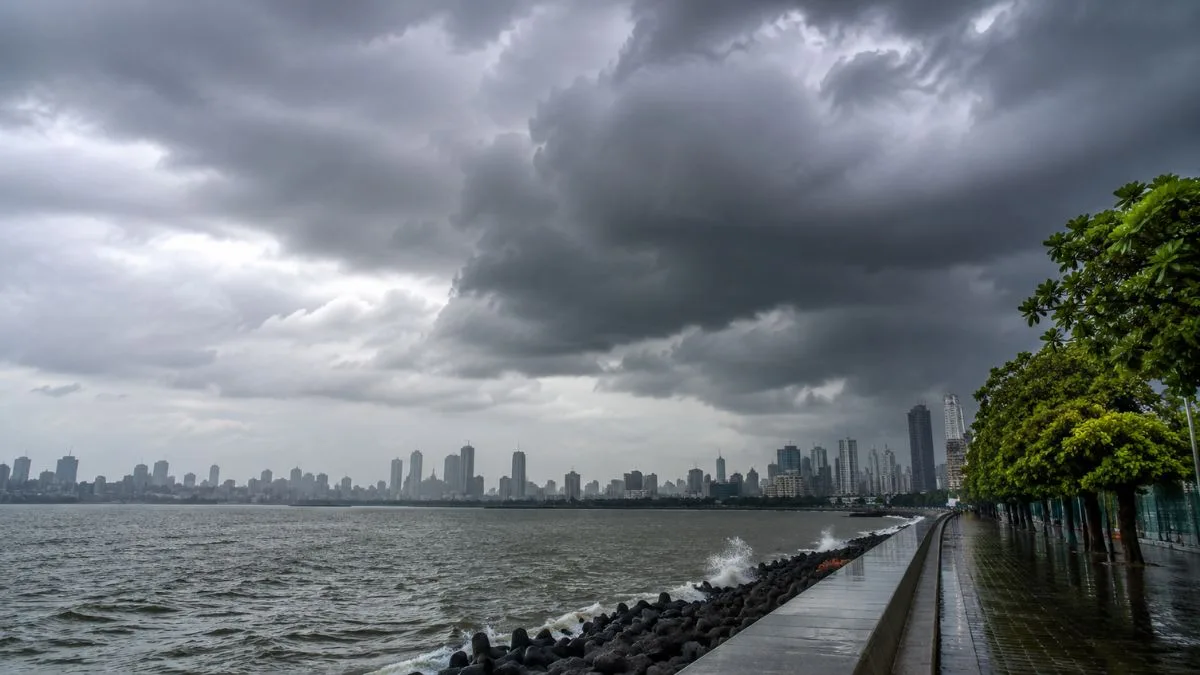
For India, the southwest monsoon is far more than a seasonal we ather phenomenon. It is the lifeline of the economy, sustaining agriculture, replenishing water reservoirs, supporting hydropower generation and influencing inflation, employment and food security.
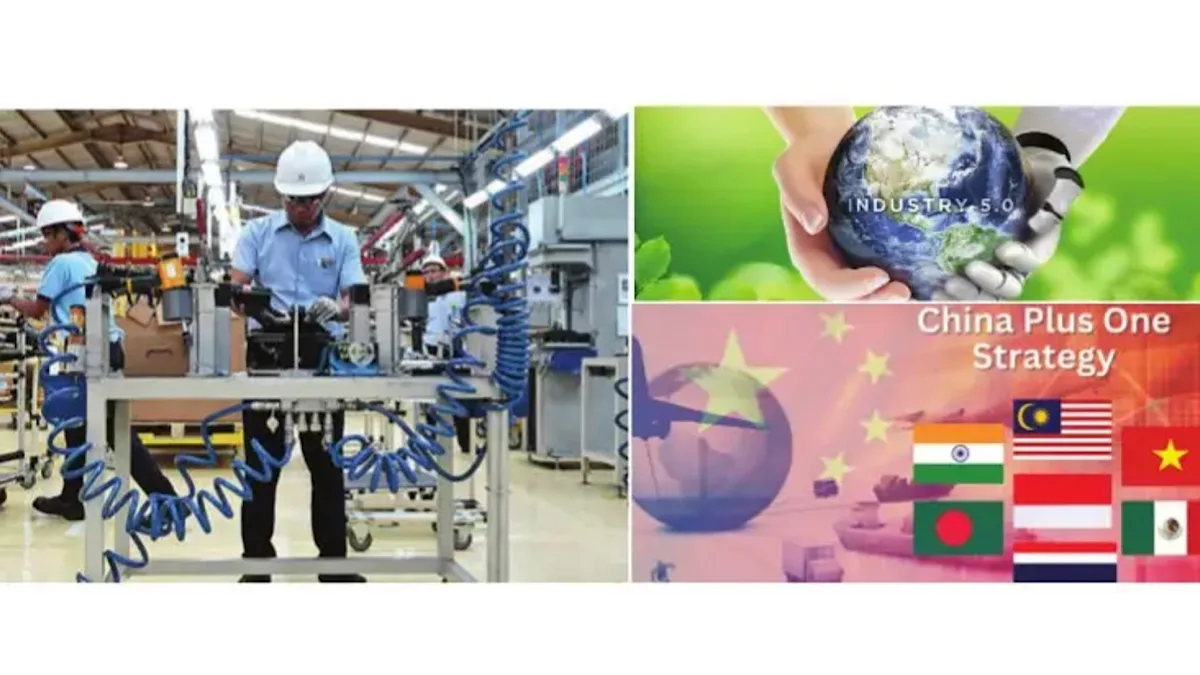
The global manufacturing landscape is undergoing a profound transformation.

For years, India’s economic story has rested on a comforting assumption: that strong domestic demand can insulate the country from global turmoil.

A major healthcare facility is set to come up in the remote tribal belt of the Dharamjaigarh block in Raigarh district, where a 100-bed multi-speciality hospital will be established at Gawarghutori village to provide free medical services to economically weaker and tribal communities.
For nearly two decades, Indian politics has steadily moved towards a welfare consensus.
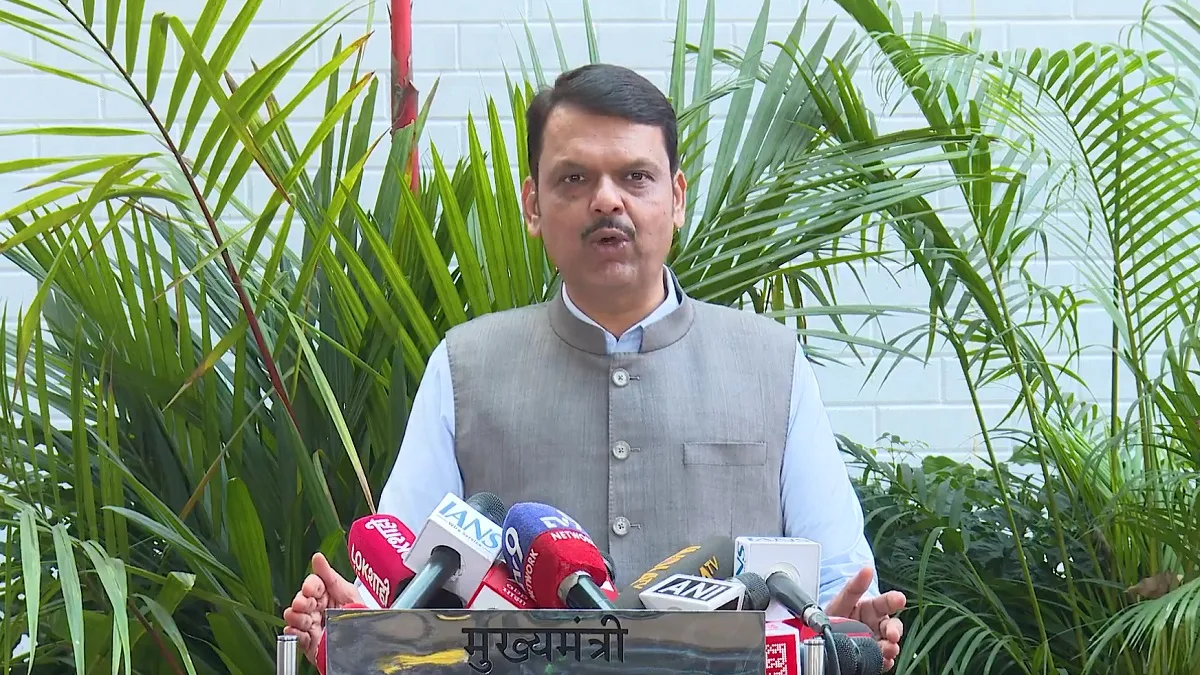
Maharashtra Chief Minister Devendra Fadnavis requested the Opposition not to mock Prime Minister Modi's austerity measures, suggested to save the economy in view of the ongoing crisis in West Asia on which India depends for its petroleum supply.