Logo

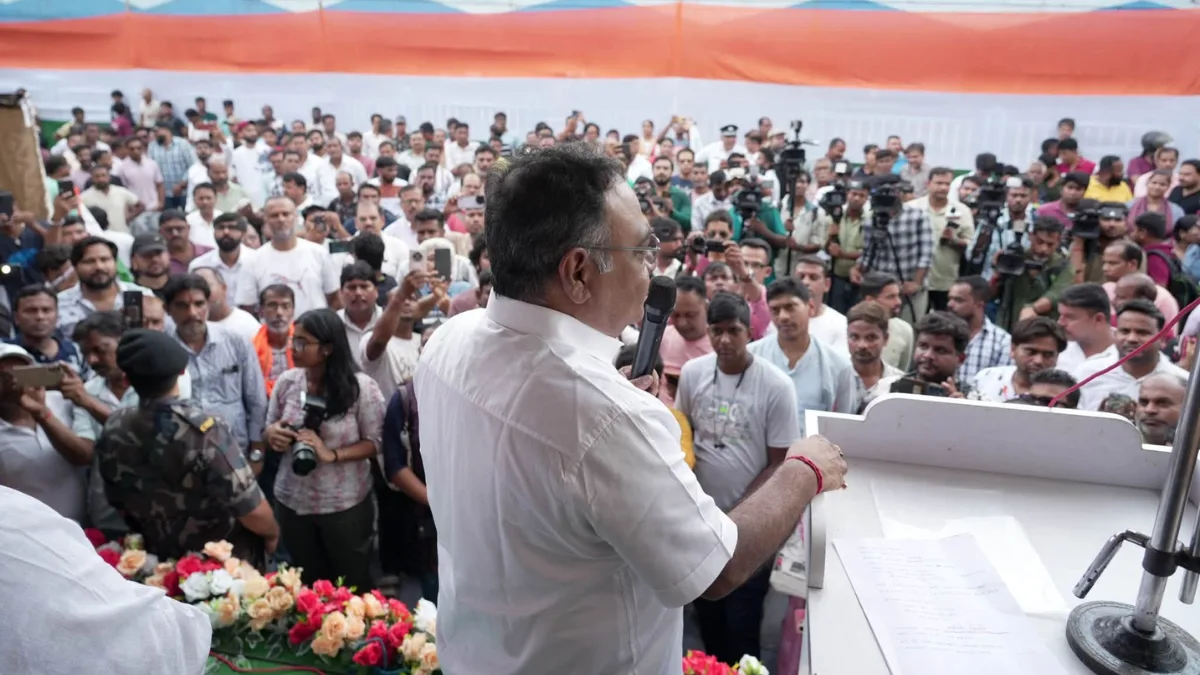
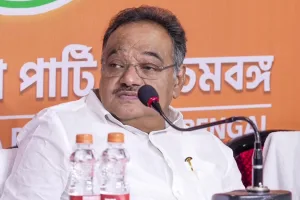
BJD lists ‘24 failures in 24 months’, targets BJP govt on 2nd anniversary

Marking two years of the BJP government in Odisha, the opposition Biju Janata Dal (BJD) on Thursday launched a scathing attack on the ruling dispensation, releasing a list of what it termed as the “Top 24 Failures” of the government during its first 24 months in office.

Statesman News Service | Bhubaneswar |

Marking two years of the BJP government in Odisha, the opposition Biju Janata Dal (BJD) on Thursday launched a scathing attack on the ruling dispensation, releasing a list of what it termed as the “Top 24 Failures” of the government during its first 24 months in office.

In a statement issued on the occasion, the BJD said that although it had secured a higher vote share than the BJP in the 2024 General Election, the saffron party eventually formed the government. The regional party alleged that the BJP government had failed to deliver on several fronts, including law and order, economic growth, employment, investment, agriculture, education and welfare.

Referring to Chief Minister Mohan Charan Majhi’s recent social media post highlighting the achievements of his government, the BJD said the reality on the ground painted a starkly different picture.

The opposition party claimed that Odisha had witnessed a sharp deterioration in the law-and-order situation, citing 48,798 cases of crimes against women reported in the last 18 months. It further alleged that the state ranked first in the country in sexual harassment in public places and violent crimes, while standing second in crimes against women, citing NCRB data.

On the economic front, the BJD alleged that Odisha’s growth momentum had slowed significantly under the BJP government. It claimed that the state’s Gross State Domestic Product (GSDP) growth had declined from 9.6 per cent in 2023-24 to 7.2 per cent in 2024-25, while foreign direct investment inflows had fallen drastically, with Odisha attracting only ₹39 crore in FY 2024-25.

The party also accused the government of failing to retain major investment proposals, alleging that several high-profile projects, including those of JSW EV, ArcelorMittal Steel, Waaree Solar and Welspun, had moved out of the state. It further claimed that Odisha’s rankings in the Export Index and National Startup Index had slipped considerably during the BJP regime.

Highlighting concerns in the education sector, the BJD alleged that 23 examination-related failures and scams had surfaced over the past two years. It also pointed to environmental concerns, claiming that 185 elephant deaths had been recorded during the period.

The party further alleged a slowdown across key sectors, including agriculture, industry and services, and accused the government of increasing the state’s debt burden, widening the fiscal deficit and relying heavily on borrowings.

The BJD also criticised the government over inflation, budget utilisation and welfare measures, alleging reductions in health spending, discontinuation of the NUA-O scholarship scheme and the renaming of 28 welfare programmes.

As the BJP government completes two years in office, the BJD asserted that the administration had fallen short of public expectations and called for greater accountability on issues affecting governance, development and social welfare in the state.

Odisha’s disaster resilience model hogs spotlight at BRICS meet in Puri

Showcasing Odisha’s globally acclaimed disaster management framework and its growing leadership in climate resilience, Chief Minister Mohan Charan Majhi on Thursday inaugurated the BRICS Disaster Risk Reduction Working Group (DRRG) Technical Meeting in Puri, calling for stronger international cooperation to tackle the growing challenges posed by climate change and natural disasters.

Statesman News Service | Bhubaneswar |

Showcasing Odisha’s globally acclaimed disaster management framework and its growing leadership in climate resilience, Chief Minister Mohan Charan Majhi on Thursday inaugurated the BRICS Disaster Risk Reduction Working Group (DRRG) Technical Meeting in Puri, calling for stronger international cooperation to tackle the growing challenges posed by climate change and natural disasters.

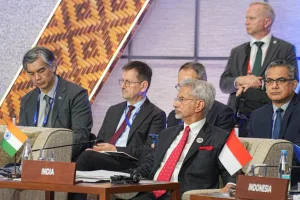
The three-day meeting has brought together policymakers, disaster management experts and representatives from 11 BRICS nations — Brazil, Russia, India, China, South Africa, Saudi Arabia, Egypt, the United Arab Emirates, Ethiopia, Iran and Indonesia — to deliberate on strategies for building resilient communities and sustainable futures.

Welcoming the delegates, Majhi said Odisha’s selection as the venue for the prestigious gathering is a recognition of the state’s remarkable achievements in disaster preparedness and risk reduction.

He noted that the meeting’s theme, “Building for Resilience, Innovation, Cooperation and Sustainability,” mirrors Odisha’s own development philosophy and its unwavering commitment to protecting lives and livelihoods from natural calamities.

Highlighting Odisha’s transformation into a global benchmark for disaster management, the Chief Minister said the state’s disaster preparedness architecture has been built around the guiding principle of “Zero Casualty.”

Despite facing recurrent cyclones, floods, heatwaves, lightning strikes and coastal erosion, Odisha has consistently demonstrated its ability to minimise human loss through timely evacuations, robust early warning systems, resilient infrastructure, institutional preparedness and extensive community participation.

“Odisha’s journey has shown that with proactive planning, strong institutions and people-centric governance, the devastating impact of disasters can be significantly reduced,” Majhi said.
He added that the state has continuously strengthened its disaster management ecosystem through evidence-based planning, technology-driven forecasting systems, capacity building and inclusive governance mechanisms, making it a model for disaster resilience not only in India but across the world.

The Chief Minister cautioned that climate change is intensifying the frequency and severity of extreme weather events, creating new challenges for vulnerable regions such as Odisha. He stressed that disaster risk reduction can no longer be viewed as a standalone sector but must be integrated into broader development planning, economic growth and environmental sustainability.

Referring to emerging climate-induced risks, including urban flooding, rising temperatures and coastal vulnerabilities, he called for greater investment in adaptation measures, resilient infrastructure and technological innovation.

Underscoring the importance of resilient infrastructure in disaster response, Majhi highlighted the recently approved 160-km Greenfield Coastal Highway from Rameswar to Paradeep via Konark, with an estimated investment of Rs 8,301 crore.

The project, he said, will serve as a critical lifeline along Odisha’s cyclone-prone coastline by providing an alternative transportation corridor for rapid evacuation, seamless movement of essential supplies and faster deployment of emergency and relief services during natural disasters.

Beyond its economic significance, the highway is expected to play a transformative role in strengthening the state’s long-term disaster resilience and climate adaptation capabilities.

Emphasising the need to build resilient urban centres, the Chief Minister advocated climate-responsive urban planning, sustainable land-use management and comprehensive heat action strategies to address the challenges arising from rapid urbanisation and rising temperatures.

He observed that cities must be equipped to withstand future climate shocks while ensuring sustainable and inclusive growth.

Majhi highlighted the growing relevance of the BRICS platform in promoting cooperation among emerging economies on issues such as disaster risk reduction, climate adaptation, resilient infrastructure and institutional capacity building.

He called for deeper collaboration in the areas of early warning systems, disaster forecasting technologies, knowledge sharing and community-based resilience initiatives.

“BRICS offers a unique opportunity to strengthen partnerships and foster collective action for a safer and more resilient future. The time has come to convert discussions into tangible outcomes that benefit vulnerable communities across the world,” he said.

Expressing confidence in the deliberations being held in Puri, the Chief Minister said the outcomes of the meeting have the potential to shape future global approaches to disaster risk reduction and climate resilience.

He added that the ‘Puri Deliberations’ could emerge as a landmark contribution to international efforts aimed at building disaster-resilient societies, while further reinforcing Odisha’s position as a recognised leader in disaster preparedness and risk management.

Army debunks deepfake video claiming five Operation Sindoor aviators went missing

A viral video claiming that Lieutenant General Devendra Sharma, General Officer Commanding-in-Chief (GOC-in-C), Army Training Command, raised concerns over five aviators allegedly missing after participating in “Operation Sindoor” has been found to be digitally manipulated, with the Indian Army’s fact-checking handle terming it a deliberate attempt to spread false narratives.

Parwinder Sandhu | New Delhi |

A viral video claiming that Lieutenant General Devendra Sharma, General Officer Commanding-in-Chief (GOC-in-C), Army Training Command, raised concerns over five aviators allegedly missing after participating in “Operation Sindoor” has been found to be digitally manipulated, with the Indian Army’s fact-checking handle terming it a deliberate attempt to spread false narratives.

In the digitally altered clip, the officer is falsely made to appear as saying that out of 59 officers listed, five names were missing and that the individuals were last seen acting as fighter aviators flying four Rafale aircraft and one Su-30MKI jet during “Operation Sindoor.”

The fabricated audio further names five purported officers and suggests the Army was unable to trace them. “Names of 59 officers but out of these names five officers were missing. We kept checking where they are but they were last seen in Operation Sindoor acting as fighter aviators for four Rafale and one Su-30 NKI jet. They are not present in training and we could not trace and find them. Their names are Ashok Kumar, Ashish Chauhan, Kumar Patel, Dinesh Patel and Ashok Chakraborty. It is important that the central government sends the exact list so that there remain no discrepancies in the future.”

The fact-checking handle, Armed Forces Fact Check, clarified that the video had been manipulated through fabricated audio, misleading edits and altered content to create the false impression that Lieutenant General Sharma made such statements.

“The circulating video is a manipulated/deepfake piece of content,” the Armed Forces Fact Check handle said, adding that the clip forms part of a deliberate effort to spread false narratives and misinformation.

To counter the false claims, the fact-checking platform shared the original video from which the manipulated content had been derived.

In the authentic recording, Lieutenant General Sharma was addressing the graduation ceremony at the Combat Army Aviation Training School (CATS) and speaking about the successful completion of aviation training courses by Army officers.

The Army Commander stated that 59 officers graduated from the institution, of whom approximately 25 earned their Flying Wings after completing Basic Flying Training. He highlighted the Combat Army Aviation Training School’s role in preparing officers for battlefield and operational deployments through basic, advanced and combat-specific aviation training programmes.

Lieutenant General Sharma also noted that over the past 23 years, the institution has trained 1,794 officers, including around 20 women officers, and has provided training to personnel from friendly foreign countries. He said the number of courses conducted at the school had expanded from three at its inception to 18 at present, with nearly 150 officers receiving training annually.

The Army’s fact-checking unit urged citizens to verify information before sharing it online and cautioned against falling prey to digitally manipulated content designed to create confusion and distrust.

FAIFA’s new report examines growing impact of extreme heat, soil degradation, resource-intensive farming practices

The report, “Inspired by Nature: El Niño-Ready Farming for Climate Resilience and Our Future,” was released by Magunta Sreenivasulu Reddy, Member of Parliament, Ongole, Andhra Pradesh.

Statesman News Service | New Delhi |

The Federation of All India Farmer Associations (FAIFA) on Thursday released a landmark report calling for an urgent transition towards climate-resilient farming systems capable of safeguarding food security, farmer livelihoods and long-term agricultural sustainability.

The report, “Inspired by Nature: El Niño-Ready Farming for Climate Resilience and Our Future,” was released by Magunta Sreenivasulu Reddy, Member of Parliament, Ongole, Andhra Pradesh.

The report presents a comprehensive roadmap for addressing some of the most pressing challenges confronting Indian agriculture today. It examines the growing impact of extreme heat, erratic rainfall, soil degradation, groundwater stress and resource-intensive farming practices, while outlining practical pathways for building a more resilient agricultural ecosystem.

At the event, Reddy said, “The Government of India has taken several significant steps in recent years to promote sustainable agriculture, climate resilience and environmental conservation through initiatives focused on digitisation in agriculture, natural farming, clean energy and farmer empowerment. These efforts have created a strong foundation for building a more resilient agricultural sector. As we mark World Environment Day, it is encouraging to see organisations like FAIFA complementing these efforts through constructive dialogue, knowledge sharing and practical recommendations that can help prepare Indian agriculture for future climate challenges.”

Speaking at the seminar, PS Murali Babu, President FAIFA said, “Indian agriculture stands at a defining moment. Climate change is no longer a future challenge but a present reality affecting farmers across the country. The findings of this report clearly demonstrate that resilience must become the organising principle of future agricultural development. By combining traditional ecological wisdom, scientific innovation, digital technologies and farmer-centric policies, India has the opportunity to build an agricultural system that is productive, sustainable and prepared for future climate shocks.”

The report’s central theme is the growing strategic importance of El Niño and its implications for Indian agriculture. The report notes that El Niño events have historically been associated with weaker monsoons, moisture deficits and increased vulnerability during the kharif season.

Against this backdrop, FAIFA argues that agricultural planning must increasingly focus on preparedness, adaptation and risk management rather than reactive responses to climate-related disruptions.

The report advocates a dual transition—ecological and technological—to strengthen resilience across agricultural systems. It calls for restoring soil health, reducing excessive dependence on chemical inputs, improving water-use efficiency, promoting crop diversification and encouraging nature-inspired farming practices that enhance long-term sustainability.

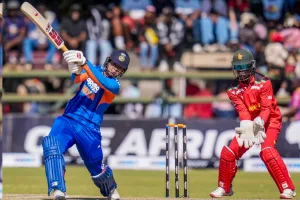
Tilak, Ishan, Iyer in race to replace Suryakumar as India T20I captain

Just three months after leading India to the T20 World Cup title in March, Suryakumar Yadav is set to be removed as captain of the national T20 side, with the selectors expected to finalise a new leader when they pick the squads for the Ireland and England tour.

Tridib Baparnash | New Delhi |

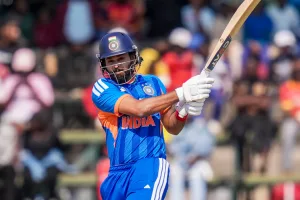
Just three months after leading India to the T20 World Cup title in March, Suryakumar Yadav is set to be removed as captain of the national T20 side, with the selectors expected to finalise a new leader when they pick the squads for the Ireland and England tour. Tilak Varma, Ishan Kishan and Shreyas Iyer have emerged as the leading contenders for the role, while Sanju Samson, whose name has been widely discussed in recent weeks, is not believed to be among the final options under consideration.

Suryakumar initially appeared to enjoy the complete backing of both the selectors and head coach Gautam Gambhir following India’s World Cup triumph. However, a prolonged slump in form since then has forced the management to reassess not only his leadership role but also his place in the T20 side.

Diminishing returns with the bat across international cricket, the IPL and domestic T20 competitions have reportedly left the selectors increasingly concerned. Patience within the selection panel is believed to be wearing thin, with growing sentiment that the team may need a fresh direction ahead of the next T20 World Cup cycle and the 2028 Los Angeles Olympics.

Sources indicate that the issue was discussed during the national selectors’ internal weekly review meeting held virtually on Wednesday. While no final decision has been taken, the move away from Suryakumar is understood to have gained momentum during those discussions. The formal selection committee meeting is expected to be held in Mumbai on Saturday.

There is also speculation that Suryakumar has been dealing with a wrist injury that has affected the free-flowing, 360-degree strokeplay that made him one of the world’s most feared T20 batters. Even so, his struggles over an extended period have made his position increasingly difficult to justify.

Shreyas, Ishan, Tilak frontrunners to succeed SKY?

The selectors are now weighing whether to hand the responsibility to a younger leader such as Tilak Varma, 23, or Ishan Kishan, 27, as part of a long-term succession plan. At the same time, Shreyas Iyer remains a serious contender despite not being part of India’s current T20 setup.

Iyer has not played a T20I since December 2023, but his leadership credentials remain highly regarded after successful stints in domestic and franchise cricket. Since then, India have played more than 60 T20Is and won two T20 World Cups without him in the squad. But his ability to build and lead competitive teams has kept him firmly in the conversation.

Head coach Gautam Gambhir is expected to have a significant say in the decision. Whether the team management opts for an experienced leader like Iyer or backs one of the younger candidates could shape India’s T20 future for several years.

Meanwhile, teenage batting sensation Vaibhav Sooryavanshi is understood to be under serious consideration for a place in the national T20 squad. The 15-year-old Rajasthan Royals star was the standout performer of IPL 2026, finishing as the tournament’s highest run-scorer with 776 runs at a staggering strike rate of 237.30.

The selectors are also believed to be considering Rajat Patidar as a possible addition to the batting group. Patidar recently led Royal Challengers Bengaluru to a second consecutive IPL title and enjoyed a prolific season with the bat, scoring 501 runs at a strike rate of nearly 193.

Sooryavanshi has already been picked for the India A tri-series in Sri Lanka later this month, but a call-up to the senior side now appears increasingly likely as selectors look to reward one of the most remarkable breakout seasons in IPL history.

NHRC seeks ATR on Odisha septic tank tragedy, slams continuing practice of manual scavenging

The National Human Rights Commission (NHRC) has expressed deep concern over the tragic death of six sanitation workers who were trapped inside an under-construction septic tank at Gaud Karlakhunta village under Madanpur-Rampur block in Odisha’s Kalahandi district on May 26.

Statesman News Service | Bhubaneswar |

The National Human Rights Commission (NHRC) has expressed deep concern over the tragic death of six sanitation workers who were trapped inside an under-construction septic tank at Gaud Karlakhunta village under Madanpur-Rampur block in Odisha’s Kalahandi district on May 26.

Taking cognisance of a petition filed by the National Alliance of Independent Labour Union (NAILU) National Convener Rakshyakar Anupam, the Commission has directed the Kalahandi District Magistrate to submit an Action Taken Report (ATR) within two weeks.

In a strongly worded order, the NHRC observed that the “evil practice of manual scavenging keeps on taking lives, violating the right to life and the right to live with human dignity.”

The Commission noted that despite repeated interventions and directions from the Supreme Court of India, the inhuman practice continues to claim lives across the country, undermining the fundamental rights guaranteed under Article 21 of the Constitution.

“Despite repeated interventions and directions of the Supreme Court of India, the abominable practice of manual scavenging keeps on taking lives, violating the most valued human right of all — the right to life and the right to live with human dignity,” the Commission stated.

According to the petition, the six sanitation workers died while undertaking hazardous cleaning operations without adequate safety measures, mechanised equipment or protective gear. The petition alleged that the workers were exposed to life-threatening conditions in the absence of mandatory safeguards and emergency response mechanisms.

It further pointed out that, notwithstanding constitutional guarantees, legislative measures and judicial directives, sanitation workers continue to be forced to enter septic tanks and sewers manually, often without oxygen support systems, gas detectors, safety harnesses, protective equipment, insurance coverage or rescue arrangements.

The labour rights organisation argued that the recurring deaths of sanitation workers expose a disturbing gap between legal prohibition and ground-level implementation. Despite a clear statutory ban on manual scavenging, workers continue to be compelled—directly or indirectly—to undertake hazardous cleaning operations under unsafe conditions, it said.

Describing sanitation workers as among the most vulnerable sections of the workforce, NAILU emphasised that they deserve the highest degree of constitutional protection, social dignity and occupational safety.

“Those who clean society should not be abandoned by society,” the petition stated, calling for strict accountability and effective enforcement of laws aimed at eliminating manual scavenging.

The NHRC has sought a detailed report from the district administration on the circumstances leading to the tragedy, the action taken against those responsible, and the measures initiated to prevent the recurrence of such incidents.

India’s BRICS Moment: Can Food Loss Become a Shared Economic Agenda?

The BRICS of 2026 is very different from the grouping formed in 2009. With the addition of Egypt, Ethiopia, Indonesia, Iran, Saudi Arabia and the United Arab Emirates (UAE), the bloc has become larger and more diverse.

Dr. Jaiprakash Bisen and Dr. Shiv Kumar | New Delhi |

As India takes over the BRICS 2026 Chairmanship, an important but often-ignored issue is food loss, which is now entering global policy discussions. The world usually focuses on how much food is produced? But an equally important question is how much food is lost before it reaches the consumers? The BRICS Member Countries together produce nearly 42% of the global food. They include some of the world’s largest producers, consumers and agricultural markets. Yet millions of tonnes of food are lost every year across farms, storage systems, transport networks, processing units, retail outlets and households.

At a time of rising food prices, climate stress, and supply chain disruptions, reducing food loss is no longer only an agricultural issue. It is also an economic, environmental and strategic priority. India’s decision to place food loss and waste on the BRICS agenda is, therefore, timely and significant.

Divergent realities of expanding BRICS

The BRICS of 2026 is very different from the grouping formed in 2009. With the addition of Egypt, Ethiopia, Indonesia, Iran, Saudi Arabia and the United Arab Emirates (UAE), the bloc has become larger and more diverse. It now represents very different agricultural systems and food economies. Ethiopia depends heavily on smallholder and rain-fed farming. Russia is one of the world’s major grain exporters. Indonesia is a fast-growing urban food market. The UAE depends heavily on food imports and a large hospitality sector. These differences not only make policy coordination more complex, but they also create an opportunity for deeper South-South cooperation.

Distinct losses amid shared challenges

Food loss across BRICS follows a broad pattern. However, the reasons differ across countries due to their geographic locations, income levels, infrastructure, institutions and market systems. In countries such as Ethiopia, India, and Iran, food losses happen mainly at the farm and post-harvest stages. Agriculture in these countries depends largely on smallholder farmers. Landholdings are often fragmented. Production is often rainfed. Rural roads, storage systems, mechanisation and access to affordable finance are still limited in many of these areas. As a result, grains, pulses, fruits, vegetables and other perishables are often damaged or lost before they reach the organised markets.

In middle-income economies, such as Brazil, China, South Africa and Indonesia, agriculture is more commercialised.

However, significant losses occur at the processing, transport, logistics and retail levels. Insufficient cold chains, long transport distances and poor coordination between producers and markets increase inefficiencies. Whereas in high-income countries, such as the UAE and Russia, infrastructure is stronger. Supply chains are better organised. In such cases, food waste occurs mainly at supermarkets, hotels, restaurants and households.

Despite these differences, the BRICS countries share three major challenges. First, food loss results in significant economic losses. In India alone, ₹1.53 trillion in post-harvest losses of crops and allied produce have been incurred annually between 2020 and 2022. In Ethiopia, such annual losses exceed 12 million tonnes, comprising 20-30% in grains, 30-50% in horticultural crops, and 40% in the milk and meat sector. In Indonesia, annual food loss exceeds 20 million tonnes, while in Brazil, it is about 60 kg/person/year. Second, most BRICS countries still lack reliable, comparable estimates of where food is being lost. Losses may occur on farms, in storage, during transport or at the consumer level. Without accurate and timely data, targeted investments may not be effective. Third, many solutions already exist within the BRICS, but they are not being systematically shared. China has legalised efforts to reduce food losses and waste through the Anti-Food Waste law and promotes agricultural mechanisation, thereby reducing losses at various stages of the value chain.

Brazil addresses the issue through a network of 194 food banks and an operational strategy to reduce food losses. Indonesia, via an operational food rescue strategy aimed at redistributing edible surplus to vulnerable communities while converting inedible waste into agricultural resources. India invested heavily in cold chains and rural warehousing to reduce food losses. Moreover, South Africa has developed mobile cold storage units and built food redistribution systems. The real gap is not in technology. It lies in cooperation.

What can the current BRICS negotiations deliver?

The current BRICS Agricultural Working Group can turn declarations into action by creating a common BRICS system for regularly measuring food loss and waste. Better data will help countries identify where losses are highest, where investments are needed and how member countries can capitalise on BRICS cooperation to address their challenges.

Further, creating country-specific action plans on FLW reduction could be a more differentiated but coherent approach, as a single target may not work for all members. Ethiopia may focus on storage infrastructure. China may strengthen enforcement of food waste laws through improving accountability, establishing an integrated food-chain governance mechanism, and transitioning from government-led regulation to a collaborative multi-stakeholder governance framework. The UAE may improve hotel and restaurant reporting. India lacks a single consolidated piece of legislation on FLW, despite recent efforts in 2019 and 2022. Therefore, India can legalise it through legislation. Moreover, building a structured South-South knowledge platform could help countries share technologies, policy experiences, storage systems, digital tools and food redistribution models.

An opportunity to lead

The BRICS are becoming more influential in global food systems. It is well placed to connect smallholder farming, public food systems and expanding consumer markets. It also has practical experience in storage, digital agriculture and food distribution. If the current negotiations help BRICS move from dialogue to measurable action, the benefits could be substantial. In a world facing rising geopolitical uncertainties and climatic risks, turning food loss and waste into a shared BRICS priority agenda may not be the most obvious diplomatic achievement, but it might become one of the most economically significant. The affirmation by all BRICS members and participants in the current FLW dialogue reiterates their common commitment to addressing the issue.

Dr. Jaiprakash Bisen a Scientist, and Dr. Shiv Kumar is Director (Acting) at the ICAR-National Institute of Agricultural Economics and Policy Research, New Delhi. The views expressed are solely those of the authors and do not necessarily reflect the views of the Institute.

‘Last opportunity’ for comprehensive ceasefire, says Lebanon’s Aoun after US-brokered Israel talks

Aoun said the United States would determine the timing and mechanism for implementation after receiving Lebanon’s response and the necessary guarantees.

Arti Bali | New Delhi |

Describing the outcome of U.S.-brokered negotiations as the “last opportunity to enter into a final and comprehensive ceasefire,” Lebanese President Joseph Aoun said on Thursday that Beirut was consulting domestic stakeholders, including Hezbollah, before responding to a ceasefire framework agreed with Israel during talks in Washington.

The proposed agreement, reached during the fourth round of trilateral negotiations involving U.S., Israeli and Lebanese officials, calls for a complete halt to Hezbollah attacks, the withdrawal of Hezbollah operatives from areas south of the Litani River and the establishment of pilot zones under the exclusive control of the Lebanese Armed Forces.

Aoun said the United States would determine the timing and mechanism for implementation after receiving Lebanon’s response and the necessary guarantees.

The framework is aimed at ending hostilities along the Israel-Lebanon border and paving the way for a broader security and peace agreement between the two countries.

Israel and Lebanon have agreed to implement a ceasefire agreement following talks held on June 2-3 in Washington.

Officials said the measure is intended to pave the way for a broader peace and security agreement between the neighbouring countries.

The United States, which mediated the talks, said Israel and Lebanon reaffirmed that they harbour no hostile intentions toward each other and committed to continuing direct negotiations aimed at building confidence, resolving outstanding disputes and working toward a comprehensive bilateral agreement.

Delegations also discussed a security framework based on talks held at the Pentagon on May 29, focused on ensuring the sovereignty, security and territorial integrity of both countries. The framework includes provisions for dismantling non-state armed groups and preventing their re-emergence.

In a joint position, the three parties condemned Iran’s attacks in the region and activities they said undermine Middle East stability through support for proxy groups and other acts of aggression.

Washington reiterated its support for both governments and stressed that any agreement ending hostilities must be reached directly between Israel and Lebanon under U.S. mediation. The United States also pledged continued support for strengthening the Lebanese Armed Forces and expanding its ability to exercise authority across Lebanese territory.

Israel maintained that lasting security and respect for its territorial integrity depend on the disarmament of Hezbollah and the dismantling of the group’s infrastructure across Lebanon. Lebanese representatives, meanwhile, underscored the importance of respecting internationally recognised borders, fully implementing the cessation of hostilities and preserving Lebanon’s sovereignty.

The parties agreed to resume political and security negotiations during the week of June 22 with the objective of reaching a comprehensive agreement, while the United States will continue facilitating communication between the two sides.

Speaking after the meeting, Israeli Ambassador Yechiel Leiter credited the diplomatic breakthrough to the leadership of U.S. President Donald Trump, Israeli Prime Minister Benjamin Netanyahu and Lebanese President Joseph Aoun.

Addressing reporters at Baabda Palace, President Aoun described the outcome of the fourth round of negotiations as “the last opportunity to enter into a final and comprehensive ceasefire” and said each party would bear responsibility in the event of non-compliance.

Aoun said Lebanon would communicate its official position to the United States after receiving responses from relevant domestic stakeholders, particularly Hezbollah. He added that Washington would determine the timeline and mechanism for implementing the ceasefire, which could take effect within 24 hours of receiving formal agreement and the necessary guarantees, with President Trump serving as the direct guarantor.

The Lebanese leader praised the country’s negotiating team, headed by Ambassador Simon Karam, saying it had shown firmness during what he described as extremely difficult negotiations. According to Aoun, Karam temporarily suspended discussions and refused to move to other issues until a comprehensive ceasefire was secured, prompting intervention by U.S. Secretary of State Marco Rubio to restart talks.

Aoun also revealed that Lebanon remained in contact with international and domestic stakeholders throughout the negotiations and credited several friendly nations with helping secure support for a comprehensive ceasefire.

Regarding the proposed pilot zones, he said Lebanon had suggested beginning in the eastern and western Zutar regions, along with Yahmor and Shaqif Castle, citing the area’s symbolic importance and proximity to Nabatieh.

Separately, Aoun held a telephone conversation with Qatari Prime Minister Sheikh Mohammed bin Abdulrahman bin Jassim Al Thani, thanking Qatar for its efforts to promote regional stability and for supporting diplomatic initiatives aimed at consolidating the ceasefire in Lebanon.

He also praised the support extended by Qatar’s Emir, Sheikh Tamim bin Hamad Al Thani, and acknowledged Qatar’s continued assistance to Lebanon during its ongoing economic and security challenges.

The ceasefire framework represents the most significant diplomatic progress between Israel and Lebanon in recent months amid persistent regional tensions and international concerns over Hezbollah’s military presence along the border.

Can Lionel Messi lead Argentina to a first back-to-back World Cup title in 64 years?

Defending champions Argentina will aim to become the first team since Brazil in 1962 to retain the FIFA World Cup when they compete at the 2026 tournament in the United States, Canada and Mexico.

Statesman News Service | New Delhi |

As the countdown to the FIFA World Cup 2026 gathers pace, defending champions Argentina face a challenge that has eluded every titleholder for more than six decades – successfully retaining football’s biggest prize.

Only two nations in World Cup history have managed to defend their crown: Italy in 1934 and 1938, and Brazil in 1958 and 1962. Since Brazil’s back-to-back triumphs, every reigning champion has fallen short in its title defence, giving rise to what many fans and pundits now refer to as the “Champions’ Curse”.

Led by Lionel Messi and buoyed by a stable core that lifted the trophy in Qatar four years ago, Argentina will head to the United States, Canada and Mexico looking to end that streak and become the first team in 64 years to win consecutive World Cups.

The challenge, however, is far from straightforward. While the Albiceleste arrive as one of the favourites after dominating South American qualifying and defending their continental crown, history shows just how difficult it is for champions to stay on top in the world’s most demanding football tournament.

The Champions’ Curse

The so-called “Champions’ Curse” has become one of the most intriguing trends in World Cup history.

While several defending champions reached the knockout rounds after lifting the trophy, many stumbled at the first hurdle. The phenomenon became even more pronounced in the 21st century.

France, champions in 1998, were eliminated in the group stage at the 2002 World Cup. Italy suffered the same fate in 2010 after winning the title in 2006. Spain’s defence collapsed in 2014, while Germany exited in the group stage in 2018 after triumphing four years earlier.

The curse appeared set to continue in Qatar in 2022, but France defied expectations by reaching the final. Kylian Mbappe and company became the first defending champions since Brazil in 1998 to make it to the World Cup final, although they ultimately fell short against Argentina.

Since 2002, four of the six defending champions have failed to advance beyond the group stage, highlighting the difficulty of sustaining success on football’s biggest stage.

Why Argentina could break the trend

Unlike many previous champions, Argentina enter the 2026 World Cup with remarkable continuity and stability.

Head coach Lionel Scaloni has retained the backbone of the squad that conquered the world in Qatar. Lionel Messi remains the inspirational leader, while Emiliano Martinez, Rodrigo De Paul, Enzo Fernandez, Julian Alvarez and Lautaro Martinez continue to form the core of one of the world’s strongest teams.

Argentina’s preparations have also been encouraging. The South American giants dominated the CONMEBOL qualifying campaign and successfully defended their Copa America title, reinforcing their status among the tournament favourites.

The expanded 48-team format could also work in Argentina’s favour. With more teams advancing from the group stage, the chances of a shock early exit are significantly reduced compared to previous editions.

Drawn in Group J alongside Jordan, Algeria and Austria, Argentina appear well placed to progress comfortably to the knockout rounds.

Despite their impressive credentials, Argentina must still overcome the pressures that come with being defending champions.

Every World Cup winner since Brazil’s successful title defence in 1962 has discovered how difficult it is to remain at the summit. Opponents often raise their level against reigning champions, while the physical and mental demands of a four-year cycle can take a toll on even the strongest squads.

The weight of expectation will also be immense as Argentina seek to achieve something no team has managed in more than six decades.

Strong challengers await Argentina

Argentina’s path to another title is unlikely to be straightforward.

France, led by Kylian Mbappe, remain among the strongest teams in international football and will be eager to reclaim the trophy after their heartbreaking defeat in the 2022 final.

Five-time champions Brazil will once again arrive with lofty ambitions, while England, spearheaded by Harry Kane, continue their search for a first major international trophy since 1966.

Several other European and South American heavyweights are also expected to challenge for the title, making the road to glory as competitive as ever.

A chance to make history

For Argentina, the FIFA World Cup 2026 presents an opportunity to accomplish something that has become one of football’s rarest achievements.

If Messi and his teammates can successfully defend their crown, they will not only cement their legacy as one of the greatest international teams of all time but also bring an end to a World Cup trend that has endured for 64 years.

Whether Argentina can finally break the champions’ curse or whether history will repeat itself promises to be one of the defining storylines of the FIFA World Cup 2026.

Dhillon meets Union Ministers after taking charge as Punjab BJP chief

During his visit, Dhillon met Union Rural Development Minister Shivraj Singh Chouhan, Union Minister for Law and Justice Arjun Ram Meghwal, and Delhi Lieutenant Governor Taranjit Singh Sandhu.

Neeraj Bali | Chandigarh |

Newly-appointed Punjab BJP president Kewal Singh Dhillon on Thursday, June 4, began his first official visit to New Delhi after assuming charge of the party’s state unit. He held meetings with several Union Ministers and discussed key issues concerning Punjab, including law and order, rural development, and agriculture.

During his visit, Dhillon met Union Rural Development Minister Shivraj Singh Chouhan, Union Minister for Law and Justice Arjun Ram Meghwal, and Delhi Lieutenant Governor Taranjit Singh Sandhu.

Sources said he is also scheduled to meet Union Home Minister Amit Shah and BJP national president Nitin Nabin as part of his outreach to the party’s central leadership.

In his meeting with Meghwal, Dhillon highlighted Punjab’s strategic importance as a border state and stressed the need for maintaining peace and strengthening public safety. He said law and order in Punjab was closely linked to the country’s internal security and called for continued cooperation from the Centre to tackle crime and address the growing menace of drug abuse among youth.

Meghwal assured Dhillon of the Centre’s full support in efforts aimed at improving law and order and accelerating the state’s development, according to party leaders.

During discussions with Shivraj Singh Chouhan, Dhillon emphasised the need for effective implementation of key central schemes in Punjab’s rural areas, including the Pradhan Mantri Awas Yojana, Jal Jeevan Mission, rural road infrastructure projects, and farmer welfare programmes.

He also sought greater support for strengthening Punjab’s agricultural sector and ensuring that farmers benefit from various central initiatives. Chouhan assured the Punjab BJP leadership of all possible assistance in advancing development programmes across the state.

Political observers view Dhillon’s Delhi visit as significant, as it marks his first formal engagement with the BJP’s top leadership after being appointed state president. The meetings are expected to help shape the party’s strategy in Punjab ahead of future electoral battles.

Party sources said Dhillon is focused on strengthening the BJP’s grassroots presence, effectively raising Punjab’s concerns before the Centre and adopting a proactive approach on major state issues. Efforts are also underway to expand the party’s support base among youth and farmers while positioning the BJP as a strong political alternative in Punjab.

Political analysts believe Dhillon’s organisational experience and his rapport with the central leadership could play an important role in revitalising the party’s prospects in the state and energising the Punjab BJP cadre in the run-up to the upcoming elections.

Malviya Nagar fire: Hotel owner told investigators ‘everything works in Delhi’, sent to 4-day police custody

The hotel was allegedly operating nearly four times beyond its permitted capacity, without any fire safety license.

Statesman News Service | New Delhi |

Lavkesh Bajaj, the arrested owner of the Malviya Nagar hotel in South Delhi where a blaze killed at least 21, including foreign nationals, has reportedly told the police that day-to-day operations of the property were being handled by “another person” and that he did not have time to personally manage or oversee the premises.

The hotel was allegedly operating nearly four times beyond its permitted capacity, without any fire safety license. Moreover, additional floors were added to the building without obtaining permission from authorities.

Police is probing whether this constituted to the higher number of casualties

During the initial interrogation, he reportedly preached rules to the police, saying that any residential building less than 15 metres high does not require a fire NOC under Rule 27 of the Delhi Fire Service Rules, 2010.

When asked about the structural changes to the hotel building, Bajaj allegedly told police that he was advised by an individual that such arrangements were “routine” and that “everything works in Delhi,” reported Times of India, citing sources.

Court holds arrest lawful, grants police four days’ custody

Meanwhile, a Delhi court today sent Bajaj to four days of police custody, holding that his arrest in connection with the deadly fire was lawful.

Bajaj’s lawyer argued in the court that his arrest was unlawful and claimed that the police didn’t inform him and his family about the grounds of his arrest.

However, the prosecution countered the claim, asserting that the accused’s wife had been informed about the arrest through written communication and that the grounds and reasons for arrest were also conveyed to the accused in writing.

The police submitted that the accused didn’t reveal all the details and had disclosed only two names during the primary interrogation.

The police argued that he could influence the staff members who were yet to be questioned.

SEBI alleges Rajesh Exports misrepresented ₹15.15 lakh crore; company says ‘communication gap’ led to action

Rajesh Exports on Thursday claimed that the revenues declared by the company are “correct” and “there is no over-stating of revenues.”

Statesman News Service | New Delhi |

A day after SEBI alleged large-scale misrepresentation of financial statements and diversion of funds in Rajesh Exports Ltd and barred its promoter and CEO Rajesh Mehta from dealing in the company’s securities, the gems and jewellery firm on Thursday, June 4, denied any financial irregularities. In a BSE filing, the company stated that its reported revenues were “correct” and claimed that there seemed to be a communication gap between the markets regulator and the firm.

“The revenues declared by the company are correct, and there is no over-stating of revenues. There seems to be some type of communication gap and confusion between Sebi and the company,” Rajesh Exports said.

It added, “The company is in the process of clarifying all aspects to SEBI by submitting all the required and relevant documents… The company is confident that SEBI in its wisdom will clarify the situation and arrive at the correct conclusion based on the authenticated documents which are in the process of submission by the company.”

SEBI alleges ₹15.15 lakh crore revenue misrepresentation

The capital markets regulator had on Wednesday, June 3, barred Rajesh Mehta from dealing in the company’s securities, besides asking the company to make true disclosures of their financial statements.

In its 109-page interim order, Sebi stated that its investigation revealed misrepresentation in financial statements along with instances of routing and layering of funds through personal accounts and related entities. This was done without adequate disclosures or supporting documentation, it added.

SEBI Whole Time Member Kamlesh Chandra Varshney mentioned in the order that they prima facie found evidence of a multi-year pattern, which involved non-genuine transactions, improper accounting practices, diversion of company funds via promoter-linked entities and inadequate disclosures to investors, IANS reported.
As per reports, SEBI alleged that Rajesh Exports misrepresented consolidated revenues aggregating about ₹15.15 lakh crore between FY2020-21 and FY2024-25. This, it said, accounts for nearly 99.8 per cent of the company’s total reported consolidated revenue during the period.

“I prima facie find that the pattern of routing substantial sums through the personal bank accounts of Mr. Rajesh Mehta and Siddharth Mehta, coupled with absence of approvals, non-disclosure and inconsistent explanations, demonstrates systemic failure of corporate governance, concealment of material information and deliberate circumvention of regulatory requirements,” Varshney said in SEBI order.

The markets watchdog further claimed that the firm was issued repeated summons and given several opportunities to furnish true and fair financial statements. Besides this, it has flagged non-cooperation by REL’s statutory auditors.

The interim order came after SEBI got a complaint on March 11, 2024 from an REL shareholder alleging potential financial misrepresentation in the books with respect to a large sum of trade receivables outstanding for more than two years, PTI reported.

The present proceedings by SEBI have emanated from an investigation that was held for the period between April 1, 2020 to March 31, 2024.

Who is Rajesh Mehta?

Born on June 20, 1964, Mehta serves as the chairman of Rajesh Exports. He is among India’s most prominent entrepreneurs in the gold and jewellery industry.

As per reports, he completed his education at St. Joseph’s School in Bengaluru and decided not to pursue higher education and rather joined his father’s jewellery business at a young age.

During early 1980s – a time when the jewellery trade in the country was largely unorganised – Mehta and his brother Prashant are believed to have borrowed ₹1,200 from their eldest brother to build a silver jewellery business, The Economic Times reported.

Later on, their venture became one of the leading wholesale silver jewellery businesses in south India. They marked a big milestone in 1995 when Rajesh Exports entered the capital markets with its IPO and raised ₹10 crore.

Post that, the firm expanded operations across the gold value chain.

World Boxing Rankings: Jaismine Lamboria reaches No. 1; Priya, Vishvanath enter top three

Jaismine Lamboria climbed to world No. 1 in the women’s 57kg category, while Priya Ghanghas and Vishvanath Suresh entered the top three as India maintained a strong presence in the latest World Boxing Rankings.

Statesman News Service | New Delhi |

India continued to strengthen its position as a global boxing powerhouse in the latest World Boxing Rankings, with Asian champions Priya Ghanghas and Vishvanath Suresh breaking into the top three of their respective weight categories, while Jaismine Lamboria climbed to world No. 1 in the women’s 57kg division.

The rankings underline India’s growing influence on the international boxing circuit, with Indian athletes featuring in the Top 10 across nine of the 10 women’s weight categories and eight of the 10 men’s divisions, according to a release from the Boxing Federation of India (BFI).

In the women’s rankings, Minakshi retained her position as world No. 1 in the 48kg category, while Preeti moved up to No. 3. Arundhati Choudhary (70kg), Pooja Rani (80kg) and Nupur (+80kg) were all ranked second in the world, further highlighting India’s depth across multiple weight classes. Olympic medallist Lovlina Borgohain (75kg) and former world champion Nikhat Zareen (51kg) also remained among the sport’s top-ranked athletes.

The men’s contingent also enjoyed a strong showing, with Sachin and Narender breaking into the world’s top five following a series of impressive international performances. Hitesh Gulia (70kg) held on to his world No. 6 ranking, while Abhinash Jamwal (65kg) was placed eighth. Akash (75kg) and Lokesh (85kg) also secured spots in the global Top 10, reflecting India’s growing competitiveness across the men’s divisions.

Ajay Singh, President, Boxing Federation of India, said:

“These rankings are a reflection of the strong structures and systems that have been put in place over the past few years. From grassroots development to high-performance training, our focus has been on building a sustainable pipeline of talent. It is encouraging to see that today, almost every weight category features a strong Indian presence at the global level, firmly establishing India as one of the leading boxing nations in the world.”

India currently stands third overall in terms of top-10 ranked athletes globally, while emerging as a dominant force in women’s boxing, where it is placed second, and holding a strong fourth position in the men’s category. Notably, in the elite Top-3 bracket, India is ranked third overall but leads the world in the women’s category.

The depth extends well beyond the Top 10. On the women’s side, Parveen (60kg) is ranked 13th, Ankushita Boro (65kg) narrowly misses the Top 10 at No. 11, while Saweety (75kg), Sakshi (54kg), Sanju (60kg), and Neeraj Phogat (65kg) continue to hold competitive positions in the global rankings.

In the men’s rankings, Ankush (80kg) sat just outside the elite bracket at No. 11, while Deepak (70kg) ranked 12th. Jugnoo (85kg) occupied 14th place, Harsh Choudhary (90kg) ranked 10th, and Sumit (75kg) and Kumar Naveen (90kg) both placed 18th. Nikhil Dubey (75kg) and Vishal (90kg) tied 22nd in their respective divisions.

India’s incredible rise in the world rankings has been driven by record-breaking performances at the World Boxing Cup Finals, strong medal hauls at the World Championships, and consistent results across elite and age-group competitions.

(With agency inputs)

Over 12 kg chicken, fish and 3 bottles of liquor: 4 Nepalese found carrying prohibited items in Badrinath shrine area

Police personnel have been deployed to conduct intensive vehicle checks in the area as part of the security and inspection protocols in place around Badrinath Dham.

Statesman News Service | Chamoli |

Uttarakhand Police have taken major action against four Nepalese individuals after they were found carrying prohibited non-vegetarian food items as well as liquor into the Badrinath Dham area. This comes as part of the ongoing “Operation Prahar” initiative that is aimed at preserving the sanctity and religious decorum of the shrine.

Police personnel have been deployed to conduct intensive vehicle checks in the area as part of the security and inspection protocols in place around Badrinath Dham.

As part of the operation, police officials stopped a taxi travelling from Jyotirmath to Badrinath and conducted a search. Later on, they found out that the travellers were carrying more than 12 kg of chicken and fish packed in separate packets, as well as three bottles of liquor.

They seized the recovered material from the vehicle, since entry of such items remains strictly prohibited in the Dham area, IANS reported.

After being questioned, the four persons identified themselves as labourers residing in Nepal. After informing them about the restrictions applicable within the Badrinath Dham area, police later initiated legal proceedings against them under provisions of the Police Act.

The accused have been identified as Ghanshyam Damai, Manbahadur, Sandeep, and Dattakami, with all of them residents of Nepal.

Police officials said that carrying such materials into the Dham violates local rules, besides hurting the religious sentiments of devotees visiting the sacred site.

After due procedure, the recovered items – chicken, fish, and liquor – were disposed of by the authorities. Officials further noted that strict action will be taken against those found violating the rules governing the Badrinath Dham shrine.

Also, the Chamoli police noted that there would be no compromise when it comes to preserving the sanctity, dignity, and religious traditions of the Char Dham pilgrimage sites.

Notably, Badrinath Dham is one of the most revered pilgrimage sites in India and holds immense religious significance for millions of devotees around the world.

Perfect complementarity exists between India and Venezuela to work in energy sector: MEA

Amid the West Asia crisis, the two countries discussed energy security and explored ways to strengthen bilateral cooperation.

Statesman News Service | New Delhi |

Acting President of Venezuela, Delcy Rodriguez on Thursday held delegation-level talks with Prime Minister Narendra Modi in New Delhi, followed by a working lunch.

Amid the West Asia crisis, the two countries discussed energy security and explored ways to strengthen bilateral cooperation.

In a media briefing, MEA Secretary (East) Rudrendra Tandon said that Venezuela has emerged as the third largest supplier of energy products this month and the discussions focused on forging an energy partnership.

Tondon said that Venezuela sees India as a stable demander for years to come, stating that “there exists a perfect complementarity for India and Venezuela to work in the energy sector, both upstream and downstream.”

The discussions, he said, also went into broadening the economic partnership to other areas.

Tandon described Venezuela as a “large country, resource-rich” that is now showing signs of moving toward a path of sustained growth, creating opportunities across several sectors.

The MEA Secretary said that is “huge opportunity not only in the energy sector but also in mining, animal husbandry, transportation, agricultural equipment, automotive sector and pharma.”

The discussions, he added, focused on how Indian companies could successfully enter these markets and build new partnerships.

Earlier today, Prime Minister Modi and Venezuela’s Acting President Delcy Rodriguez held wide-ranging discussions on several issues of mutual interesrs, reaffirming their commitment towards advancing the interests of the Global South.

The leaders reviewed the full spectrum of bilateral relations and explored new avenues of cooperation in energy, trade, investment, healthcare, automobiles among others.

They also exchanged vies on on global and regional issues of mutual interest.

Vinesh Phogat case: Supreme Court closes WFI plea, declines to remove Delhi High Court observations

The Supreme Court disposed of the WFI’s plea challenging Vinesh Phogat’s participation in the Asian Games 2026 selection trials and declined to remove observations made by the Delhi High Court against the federation.

Statesman News Service | New Delhi |

The Supreme Court on Thursday closed the Wrestling Federation of India’s (WFI) challenge against wrestler Vinesh Phogat’s participation in the Asian Games 2026 selection trials, ruling that the matter had become infructuous since the trials had already concluded.

A bench of justices P.S. Narasimha and Aravind Kumar disposed of the petition while clarifying that its decision should not be construed as an endorsement of the observations made by the Delhi High Court against the WFI.

“In view of subsequent developments, this SLP is rendered infructuous. This Court will not be taken as having reiterated the findings and observations of the High Court. The issues are kept open,” the Justice Narasimha-led Bench said while disposing of the matter.

Also Read: Supreme Court allows Vinesh Phogat to compete in Asian Games trials, refuses to stay Delhi HC order

WFI sought removal of High Court observations

During the hearing, senior advocate D.N. Goburdhun, appearing for the WFI, urged the apex court to expunge certain observations made by the Delhi High Court while granting interim relief to Phogat.

The senior counsel argued that the High Court had made adverse remarks against the federation, including observations suggesting mala fide intent on the part of the WFI, which could potentially influence proceedings still pending before a single-judge bench of the Delhi High Court.

Goburdhun submitted that although Phogat had already been allowed to participate in the selection trials, the findings recorded in the High Court’s order, particularly from paragraph 31 onwards, should be deleted as the matter remained sub judice.

However, the Supreme Court declined to expunge the observations and instead closed the proceedings, making it clear that its order should not be interpreted as affirming the High Court’s findings.

Dispute arose over Asian Games trials eligibility

The matter reached the Supreme Court after the Delhi High Court permitted Phogat to participate in the Asian Games 2026 selection trials despite her not meeting the eligibility criteria under the WFI’s revised selection policy.

In an interim order passed last month, a bench comprising Chief Justice Devendra Kumar Upadhyaya and Justice Tejas Karia had allowed the wrestler to take part in the trials, observing that motherhood could not be treated as a ground for denying professional opportunities.

The Delhi High Court had prima facie observed that the WFI’s policy framework did not adequately account for Phogat’s maternity-related break and post-partum recovery period.

Subsequently, the Supreme Court, while hearing the WFI’s appeal, allowed Phogat to participate in the selection trials held on May 30 and 31. At the same time, the apex court had expressed reservations regarding some of the observations made by the Delhi High Court at the interim stage and had also flagged issues relating to the wrestler’s anti-doping obligations.

Also Read: Delhi High Court backs Vinesh Phogat, questions WFI over Asian Games selection trials exclusion

Phogat misses Asian Games qualification

Despite securing permission to compete, Phogat’s bid to qualify for the 2026 Asian Games ended in disappointment.

Competing in the women’s 53kg category after the WFI revised its earlier decision restricting her to the 50kg division, the former world championship medallist lost 4-6 to Meenakshi Goyat in the semifinals of the selection trials held at the Indira Gandhi Indoor Stadium in New Delhi.

Also Read: Vinesh’s Asian Games dream ends after shock defeat in trials; Antim makes cut

The defeat ended her hopes of securing a place at the Asian Games 2026, scheduled to be held in Aichi-Nagoya, Japan.

Fire, death, probe, silence: Magisterial inquiries are Delhi’s official way of moving on

Every government that has ruled Delhi has ordered a magisterial inquiry after a major fire. Not one report has ever been placed in the public domain.

Statesman News Service | New Delhi |

Hours after 21 people died in a hotel fire in south Delhi’s Malviya Nagar on Wednesday, Chief Minister Rekha Gupta ordered a magisterial inquiry.

After every major fire, loss of lives, magisterial probes are a familiar ritual.

A senior official is appointed. A deadline, usually 7-14 days, is fixed. Statements are recorded, site visits conducted, files assembled. And then, with a consistency that cuts across governments and parties, the report disappears into the system. No tabling. No public disclosure. No lessons, on record, ever learnt.

How Delhi’s fire inquiry template was set

It started with Uphaar. On June 13, 1997, 59 people died inside a cinema in Green Park while watching Border, trapped by a transformer fire, locked emergency exits and an overcrowded balcony. The then Chief Minister Sahib Singh Verma’s government ordered a magisterial inquiry. A report was submitted on July 3, 1997, holding cinema management, the Delhi Vidyut Board, and the city fire service responsible.

The CBI eventually took over the criminal case. The Ansals were convicted and, after years of legal proceedings, released. The inquiry report, as a public document capable of informing policy, ceased to exist.

Same fire, different government, identical outcome

Twenty-two years later, on the morning of December 8, 2019, 43 people choked to death in a building in Anaj Mandi’s Rani Jhansi Road, sleeping through the night shift, locked inside an illegal factory.

The then Chief Minister Arvind Kejriwal arrived at the site and announced a magisterial inquiry. A district magistrate was appointed, recorded statements from witnesses and agencies. The criminal case moved through courts. The probe report fixing the culpability of officials was never made public.

In May 2022, fire tore through a four-storey building in Mundka, killing 27. The then Lt Governor Anil Baijal approved a magisterial inquiry to be completed within six weeks, with terms of reference including ascertaining the cause of the fire, fixing responsibility on the concerned departments and suggesting remedial measures to prevent recurrence. Kejriwal was still chief minister.

The six-week deadline came and went. The report did not surface.

In May 2024, seven newborns died in a fire at a neonatal hospital in Vivek Vihar. The government, in its final months under Kejriwal, directed the district magistrate of Shahdara to inquire into the tragedy and submit a report as expeditiously as possible. That report has not been made public either.

Now Malviya Nagar, 2026. A new government, a new chief minister, a new party in power. The same magisterial inquiry, ordered within 24 hours.

What does not change

This is a systemic problem, running unbroken across administrations, Lt Governors, and municipal regimes.

Each fire exposes almost the same set of violations — no fire NOC, illegal floors, blocked exits, and overcrowding. Each inquiry presumably documents them. The documentation goes nowhere.

The magisterial inquiry, as practised in Delhi, has become a pressure-release valve. It signals seriousness without requiring accountability. It produces the appearance of a reckoning without delivering one.

What no family ever receives is a public accounting of what exactly failed, who allowed it and what changed as a result.

Delhi has been burning, off and on, for 29 years. The inquiry always comes. The report never does.