Logo

Akhilesh, Mayawati criticise Union Budget; UP ministers call it roadmap to Viksit Bharat

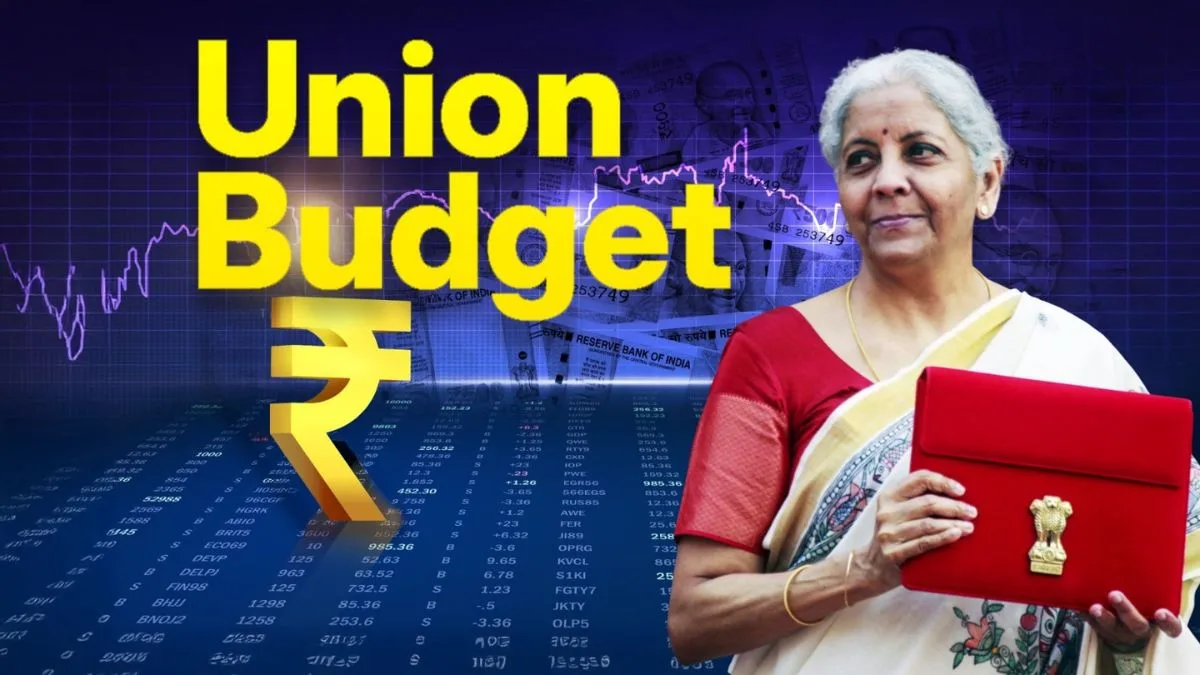
Opposition Samajwadi Party and Bahujan Samaj Party (BSP) have criticised the Union Budget while the Uttar Pradesh ministers have claimed that it was in the right direction to achieve Vikshit Bharat by 2047.

Statesman News Service | Lucknow |

Opposition Samajwadi Party and Bahujan Samaj Party (BSP) have criticised the Union Budget while the Uttar Pradesh ministers have claimed that it was in the right direction to achieve Vikshit Bharat by 2047.

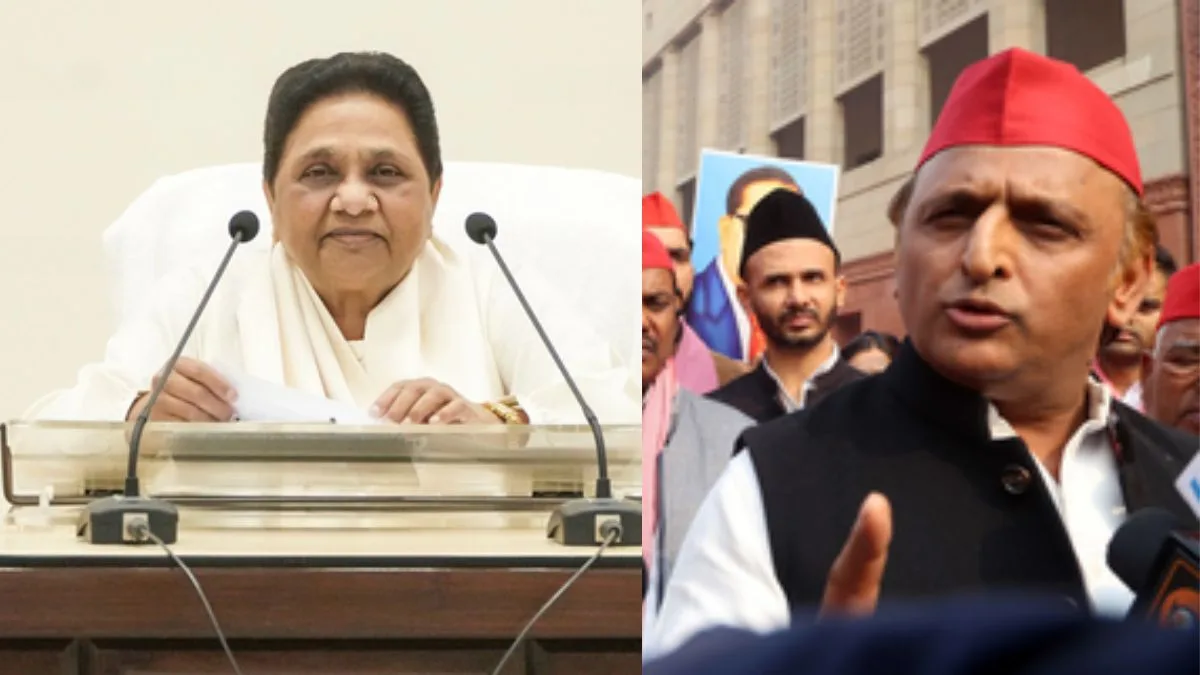
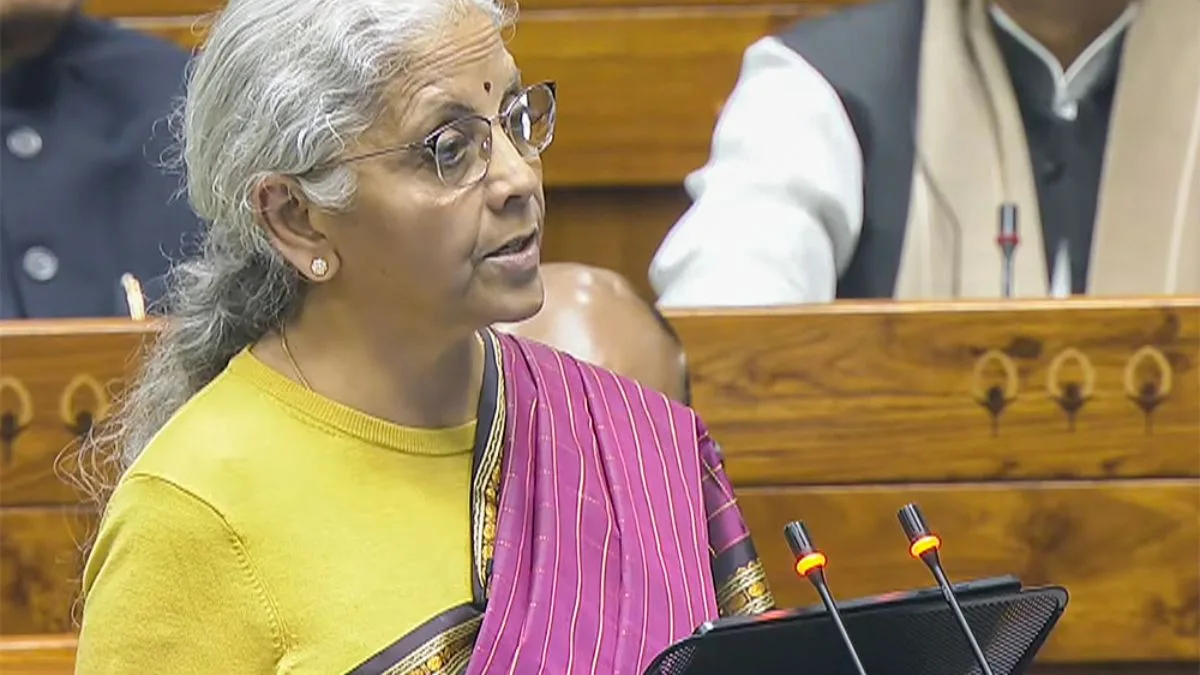
SP president Akhilesh Yadav, in his tweet just after the budget was tabled in the Lok Sabha said, “We had already said, the question is not whether the stock market will open on Sunday, the question is how much more it will fall. When there is no hope from the BJP government, then what will happen to its budget? We consider every budget of the BJP as 1/20 (one divided by twenty) because it is for 5% people. BJP has a budget, a budget to set its commission and its people. BJP’s budget is an invisible account of BJP corruption. There is neither a mention of the general public nor any concern in this budget. Even if inflation increases wildly, it is ‘tax-exploitation’, not giving tax exemption to the public in this budget. Ten types of relaxation have been given on the work, business, and travel of the rich, but the plate of hope for people struggling with unemployment is empty. Disappointing, reprehensible budget!”

BSP president Mayawati, in her reaction said, “Regarding the various schemes, projects, promises, and assurances presented in the budget presented by the central government in Parliament today, it seems that while their names may be grand, it would be better if their realization on the ground was not small. Therefore, it is essential not only to talk about the welfare of all society, but also to implement it with true intentions”.

She further said, “Although the budget of the Central Government is a mirror of the policies and intentions, conduct, character and face of the ruling party, which gives a glimpse of whether the thinking of the government is actually in the interest of the wider country by being pro-poor and pro-Bahujan or it is a supporter of big capitalists and rich people who nurture capitalist thinking.”

Mayawati said, “Not only this, but especially in the context of our country India, it is also of special importance that if the government’s policy is of self-reliance in the long run, then how much importance has been given to the government sector for this and what work has been done as per the sacred intention of the welfare Constitution of the most revered Baba Saheb Dr. Bhimrao Ambedkar.”

She said, “And in this context, the budget presented in Parliament today should be examined to determine whether it, like the traditional budget, comes and goes, and is disappointing. It also raises the question of whether the government’s promises and hopes, made in last year’s budget, have been fulfilled or merely fulfilled. And whether there has been any comparative change in people’s lives. Indeed, more than GDP, there is much-needed development and much-needed qualitative change in people’s lives, directly linked to the broader public and national interest, and these must be assessed before applauding the current budget”.

“If the government also sheds some light on this, it will be good for the people. It is a good thing, otherwise who would fulfill this responsibility?” she added.

Congress MP Imran Masood, in his reaction said, “The budget has nothing for the people. It has not addressed anything for the farmers or for the exporters.”

Meanwhile, UP Finance Minister Suresh Kumar Khanna said that the increase in capital expenditure in the Union budget will accelerate the development of expressways, industrial corridors, logistics hubs, railway, and urban infrastructure, which will create new investment and employment opportunities.

Khanna said, “Small and medium industries will be strengthened with industrial incentives and MSME support. Decisions like the digital knowledge grid, development of 15 historical cities for tourism, 10 thousand tourist guides, big investments in the AI hub and electronics sector will benefit youth and entrepreneurs. Carbon emission reduction provisions, high-speed rail corridors, waterway projects and record capital expenditure will get new momentum for connectivity, trade and tourism.”

He appreciated the provisions focused on Ayurvedic hospitals, women’s hostels in districts, caregivers for the elderly, making medicines for serious diseases cheaper and agro-rural development. Education, skill development and employment schemes will strengthen the youth power of the state.

Khanna thanked Prime Minister Narendra Modi and Union Finance Minister Nirmala Sitharaman and said that this budget will further strengthen the goal of making Uttar Pradesh a trillion-dollar economy.

UP Excise Minister Nitin Agarwal said, “The Budget 2026-27 is a powerful declaration of the resolve for a developed India. With a clear focus on connectivity, manufacturing capabilities, and regional balance, the budget takes decisive steps towards building world-class and future-ready infrastructure, which will lead to the realization of the grand vision of a developed India.”

“Under the goal of Aatmanirbhar Bharat (Self-Reliant India) – Developed India, significant reforms have been undertaken, ranging from promoting domestic industries and strengthening energy security to reducing import dependence, creating employment, increasing agricultural productivity, and improving essential services like education and healthcare,” he said.

Heartfelt gratitude to the respected Prime Minister Narendra Modi and the Finance Minister Nirmala Sitharaman for this visionary and welfare-oriented budget, he added.
Swami Haridas Tansen Sangeet Nritya Mahotsav continued celebration of India’s classical legacy

With a packed auditorium and a deeply attentive audience, the three-day Mahotsav unfolded as a confluence of musical depth, emotional resonance and living tradition.

Statesman News Service | New Delhi |

The 27th edition of the Swami Haridas Tansen Sangeet Nritya Mahotsav continued its refined celebration of India’s classical legacy and sustaining the artistic momentum.

With a packed auditorium and a deeply attentive audience, the three-day Mahotsav unfolded as a confluence of musical depth, emotional resonance and living tradition. Organised under the guidance of Padma Bhushan awardee Dr. Uma Sharma and Vinay Bharat Ram, the event, which was held from January 9 to 11, honoured the legendary Swami Haridas and his illustrious disciple Tansen.

Over the past two decades, the festival has grown from a modest gathering into one of Delhi’s most respected classical platforms, known for its intimate mehfil andaaz that reflects the traditional guru-shishya parampara.

Reflecting on its journey, Dr. Uma Sharma recalled that the festival began with barely a hundred attendees and gradually evolved into a nationally recognised celebration of classical music and dance, shaped by her vision of preserving India’s artistic heritage.

Dr. Uma Sharma emphasised the inseparability of spirituality and classical performance, noting that her own Kathak practice draws deeply from Krishna bhakti, Surdas and Meera Bai.

She stressed the importance of inspiring younger generations at a time when many gravitate towards Western and popular music, urging them to reconnect with India’s cultural roots.


Union Budget exposes Centre’s growing hostility towards federal principles: CPI MP

CPI Rajya Sabha MP P Sandosh Kumar said the common man is struggling with falling real incomes, rising unemployment, and mounting uncertainty, yet the government has made no serious attempt to revive demand or expand public spending where it matters the most, in the Budget proposals.

Statesman News Service | New Delhi |

The Communist Party of India has slammed the Union Budget 2026-27, stating that it chooses to look away from people’s hardships while concentrating power and resources in fewer hands.

CPI Rajya Sabha MP P Sandosh Kumar said the common man is struggling with falling real incomes, rising unemployment, and mounting uncertainty, yet the government has made no serious attempt to revive demand or expand public spending where it matters the most, in the Budget proposals.

The MP pointed out that while the Economic Survey tabled by the government has also highlighted that it is consumption that is sustaining growth, yet the Finance Minister in her Budget proposals has neither strengthened rural purchasing power nor offered any tangible relief to salaried employees and middle-income households.

“With social sector allocations quietly diluted and no fresh stimulus for urban workers, the economy is left to drift. Agriculture continues to be treated with indifference. Farmers have repeatedly demanded a statutory minimum support price to stabilise incomes and shield them from market volatility. The Budget avoids this issue altogether, exposing the government’s unwillingness to intervene in favour of cultivators. At the same time, working people are protesting against the four labour codes that weaken job security and social protection, but the Budget chooses silence over dialogue,” he said.

“Public health, education, and employment generation remain grossly underfunded. Manufacturing, which should have been the backbone of a job-centred growth strategy, shows no signs of revival. Instead of building domestic capacities and strengthening public systems, the government persists with its push towards privatisation, aggravating inequality and exclusion,” he added.
Sandosh Kumar particularly highlighted the Budget proposals regarding states, alleging these expose the Centre’s growing hostility towards federal principles.

“States are no longer treated as partners in development. They are expected to manage crises without resources, while the Centre tightens its grip on finances,” he said. “Our State has been facing extraordinary fiscal stress due to repeated natural disasters and revenue shortfalls. We placed a clear demand for a special fiscal correction package before the Centre. It has been completely ignored,” he said regarding Kerala.

Devika Sihag joins Sindhu, Saina with Thailand Masters Super 300 triumph

The 20-year-old unseeded Indian was firmly in control of the final against Malaysia’s Goh Jin Wei, leading 21-8, 6-3, before her opponent was forced to retire due to injury.

Statesman News Service | New Delhi |

Devika Sihag etched her name into Indian badminton history on Sunday, becoming only the third Indian women’s singles player to win a World Tour 300 title after clinching the USD 250,000 Thailand Masters in Bangkok.

The 20-year-old unseeded Indian was firmly in control of the final against Malaysia’s Goh Jin Wei, leading 21-8, 6-3, before her opponent was forced to retire due to injury. With the victory, Devika joined PV Sindhu and Saina Nehwal as the only Indian women to have lifted a Super 300 singles title on the BWF World Tour.

Speaking after her title win, Devika said, “I’m really happy today as this is my first Super 300 title. I’m excited to play more tournaments ahead and very happy today. I’ve played very good matches here. I’ve learnt a lot. I’ll implement them in my game and rectify my mistakes.”

“Coming into the match I didn’t think about winning or losing, rather wanted to give my 100 per cent. That gave me the confidence,” she added.
World champion Sindhu was quick to congratulate the youngster, highlighting her growth and work ethic. “I always get super excited when my training partners do well. Devika trains with me and Coach Irwansyah in Bangalore, and her dedication has been incredible to witness up close,” Sindhu wrote on social media.

“She’s worked very closely with my team on strength and conditioning, and I’ve personally seen her game grow, mature, and evolve step-by-step. This win is a reflection of the discipline, hard work, and belief she has shown every single day. So proud of her,” she added.
While the title match ended prematurely, the contrast in physical condition between the two finalists was evident. The final proved to be a moment of joy for Devika but heartbreak for Goh, who appeared drained after enduring four gruelling three-game matches en route to the title clash. The Malaysian, who has battled issues with form and fitness over the past two years, had already complained of fatigue on Saturday.

From the opening exchanges, Goh’s movement was laboured and her discomfort apparent, particularly around her left leg. Devika capitalised with a composed and aggressive display, using a mix of cross-court and straight smashes, cleverly disguised drops, and sharp net play to race to a 9-2 lead. A precise smash followed by a deft touch helped her extend the advantage to 11-4 at the mid-game interval, before a backhand net cross sealed the opening game convincingly.

After the change of ends in the second game, Devika continued to dictate play, moving ahead 6-3 as Goh struggled to move freely. With the pain clearly worsening, the Malaysian eventually decided to retire, handing the Indian her biggest career title to date.

“I thought to start with a good pace initially, and that worked well. She was tired I believe had cramps. I wish for her recovery,” Devika said.

Devika’s triumph in Bangkok is the latest milestone in a rise that has been marked by consistency and steady progression. She claimed her maiden international title at the Malaysia International in August 2025 and later played a key role in India’s mixed team bronze-medal finish at the 2025 World University Games.

Her upward trajectory gathered further momentum last season when she finished runner-up at the Indonesia Masters Super 100 and reached four finals in 2024, lifting titles at the Swedish Open and the Portugal International, while settling for second place at the Estonian International and the Dutch International.

MP CM Mohan Yadav hails Union Budget, says it advances Viksit Bharat goal

The MP CM noted that the budget has a special focus on the poor, youth, farmers, and women, and this budget will further accelerate development and play an important role in positioning the Indian economy at a higher level in the global economy.

Statesman News Service | Bhopal |

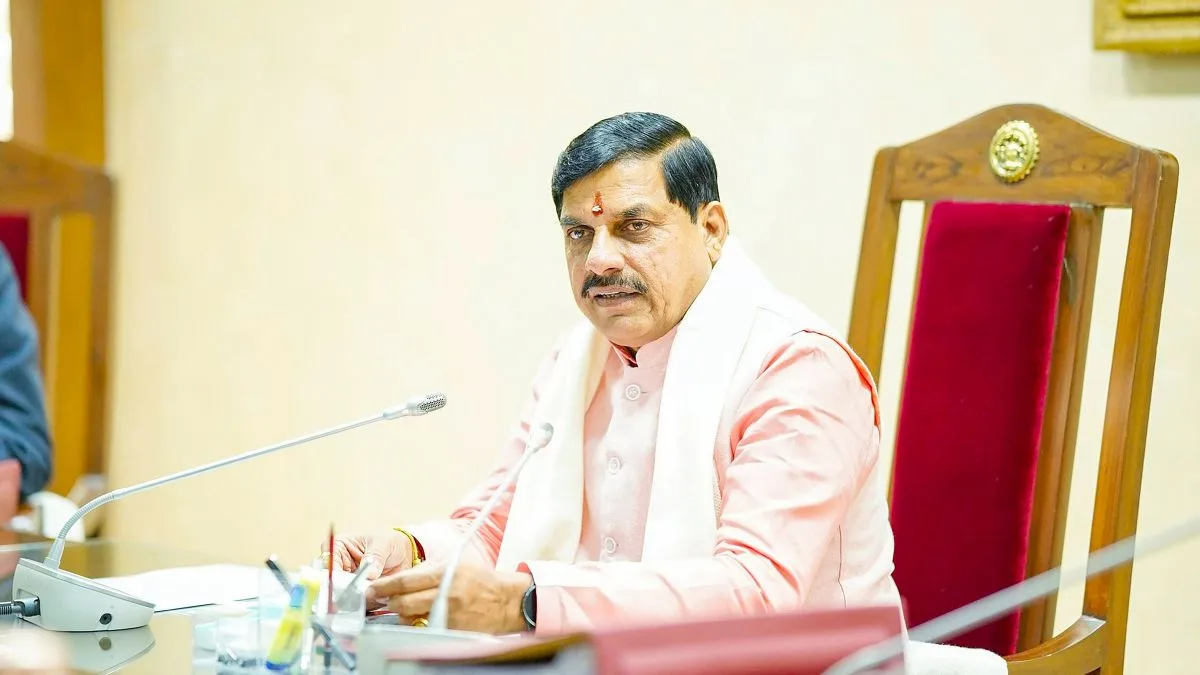
Madhya Pradesh Chief Minister Dr Mohan Yadav on Sunday lauded the Union Budget and asserted that the 2026–27 budget presented by Union Finance Minister Nirmala Sitharaman under the leadership of Prime Minister Narendra Modi is an effective step towards achieving the goal of Viksit Bharat@2047.

The MP CM noted that the budget has a special focus on the poor, youth, farmers, and women, and this budget will further accelerate development and play an important role in positioning the Indian economy at a higher level in the global economy.

“Boosting economic progress, fulfilling the expectations of the general public, and the spirit of Sabka Saath, Sabka Vikaas are the key features of the budget”, Dr Yadav said.

Speaking about Madhya Pradesh, Chief Minister Dr Yadav said that provisions for the development of cities with a population of more than five lakh, spending ₹5,000 crore over five years on all urban economic zones, developing pilgrimage sites in smaller cities, constructing a women’s hostel in every district, and upgrading district hospitals will greatly benefit the state.

Chief Minister Dr Yadav said that emphasis has been laid on reforms in the textile industry sector in the Union Budget, which will also benefit Madhya Pradesh. He pointed out that Prime Minister Modi has given Madhya Pradesh a major boost in the textile sector in the form of a PM MITRA Park. This will create employment opportunities for three lakh people and benefit six lakh farmers. With this park, the Malwa–Nimar region of the state is ready for a new take-off.

The CM said the far-reaching policies of the central government for the textile industry sector will provide special benefits to Madhya Pradesh, along with the entire nation.

Chief Minister Dr Yadav said that a grant of ₹1.40 lakh crore has been earmarked for the states, from which Madhya Pradesh will also benefit.

Chief Minister Dr Yadav said that the third budget of the Modi Government 3.0 is in line with the spirit of Sabka Saath, Sabka Vikaas.

On behalf of the people of the state, Chief Minister Dr Yadav expressed gratitude to Prime Minister Modi and the Union Finance Minister for the Union Budget 2026–27.

Union Budget to upgrade Ranchi mental health institute, set up NIMHANS-2

The decision to upgrade the National Mental Health Institute in Ranchi is expected to substantially strengthen mental healthcare infrastructure, research and professional training in eastern India.

Statesman News Service | Ranchi |

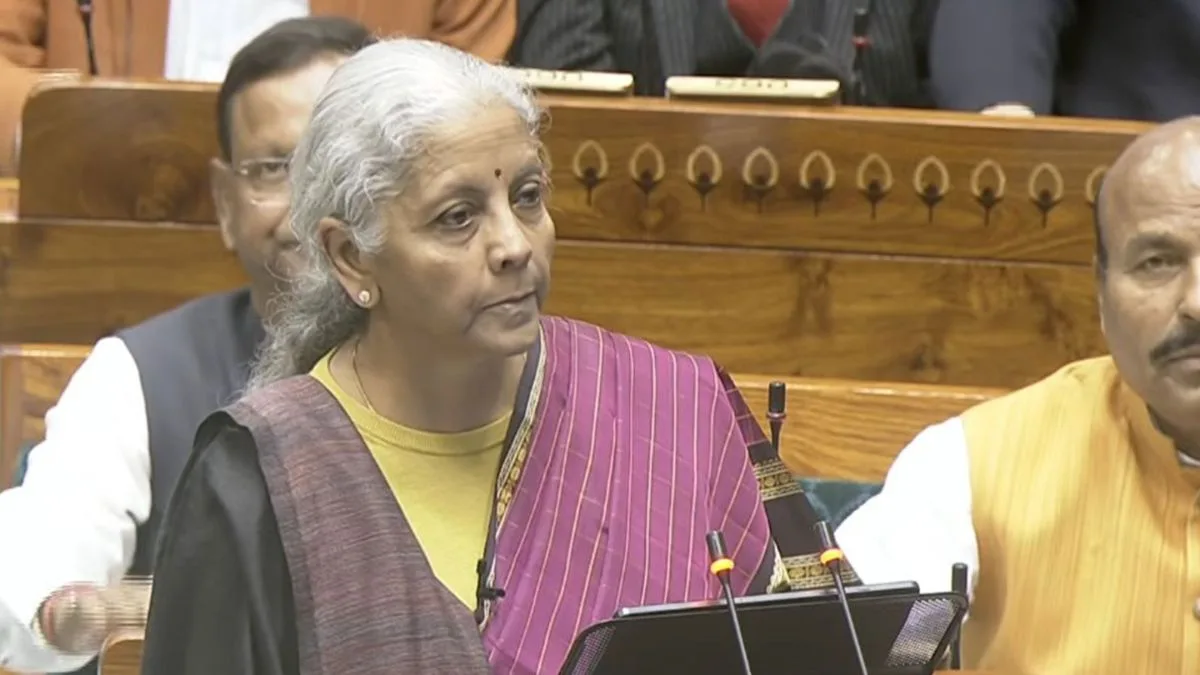
“There are no national institutes for mental healthcare in north India. We will therefore set up a NIMHANS-2 and also upgrade National Mental Health Institutes in Ranchi and Tezpur as Regional Apex Institutions,” Finance Minister Nirmala Sitharaman announced while presenting the Union Budget 2026–27, marking the most direct and significant allocation for Jharkhand in this year’s Budget.

The decision to upgrade the National Mental Health Institute in Ranchi is expected to substantially strengthen mental healthcare infrastructure, research and professional training in eastern India.

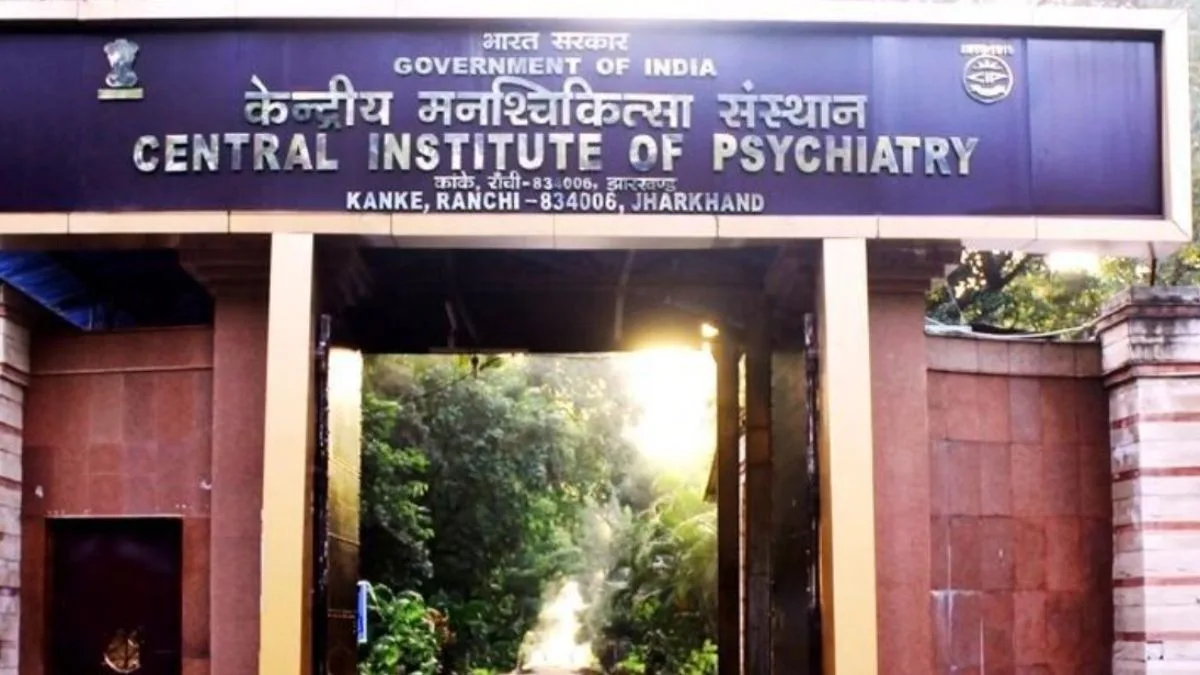
Ranchi already houses the Central Institute of Psychiatry (CIP), and the new apex status is likely to bring higher funding, expanded facilities and increased deployment of specialist doctors and medical professionals.

Beyond the healthcare sector, Jharkhand is expected to benefit from the Centre’s broader focus on the Purvodaya or eastern India region, which includes Bihar, Odisha, West Bengal and Jharkhand.

Under this framework, the Budget proposes development of tourism destinations, deployment of 4,000 electric buses and measures to strengthen industrial and logistics connectivity. These initiatives could support Jharkhand’s urban transport systems and boost tourism linked to tribal culture, eco-tourism and religious destinations.

The announcement of a new Dedicated Freight Corridor connecting eastern India with western industrial hubs is also seen as beneficial for Jharkhand’s coal, steel and cement industries. Improved freight movement is expected to reduce logistics costs and enhance supply chain efficiency for industrial centres such as Bokaro, Dhanbad and Jamshedpur.

Several schemes aimed at micro, small and medium enterprises and rural livelihoods align with Jharkhand’s socio-economic profile, particularly its large tribal population and dependence on forest-based and village industries.

Programmes such as the Mahatma Gandhi Gram Swaraj initiative for khadi and handicrafts, the National Handloom and Handicraft programme, the Champion MSME Growth Fund and SHE-Marts for rural women entrepreneurs are expected to provide new market access and income opportunities in regions such as Santhal Pargana, Kolhan and parts of Palamu and Gumla.

In the education and skill development sector, the proposal to establish a National Institute of Design in eastern India has opened the possibility for Jharkhand to compete as a host state.

If located in Jharkhand, the institute could promote creative industries and provide structured training linked to tribal art and design traditions. The announcement of girls’ hostels in every district for STEM education is also expected to improve access to higher education for young women in remote and tribal districts.

However, the Budget does not announce any Jharkhand-specific highway, irrigation project or large industrial park. The state features largely within a regional development cluster rather than as a standalone focus area.

Australian Open 2026 Final: Alcaraz beats Djokovic to lift first AO title, completes career Grand Slam

The Spaniard came back from a set down to beat the Serbian legend, completing a stunning coronation in the ultimate “Battle of Generations”, a rivalry separated by a 16-year age gap, yet too close to call until the final moments.

Neha Buswal | New Delhi |

Carlos Alcaraz has etched his name into tennis history, defeating Novak Djokovic in the Australian Open 2026 men’s singles final in Melbourne 2-6, 6-2, 6-3, 7-5 to lift the only Grand Slam title missing from his collection.

The Spaniard came back from a set down to beat the Serbian legend, completing a stunning coronation in the ultimate “Battle of Generations”, a rivalry separated by a 16-year age gap, yet too close to call until the final moments.


>
Djokovic was aiming to maintain his perfect record in Melbourne finals (10/10), while Alcaraz was playing his first Australian Open final. Alcaraz won the toss and chose to receive, but Djokovic dominated early, taking the first set 6-2 with aggressive returning and two stunning forehand winners to close it out. Alcaraz responded like a champion in the second set, flipping the momentum completely and winning it 6-2 to level the match at one set all.

Coming into the final, the numbers showed how tight this rivalry has become. Djokovic held a slight overall edge with a 5–4 lead in their head-to-head, while Alcaraz led in Grand Slam meetings 3–2. Their record in finals was also evenly balanced at 2–2, highlighting just how evenly matched these two are when the stakes are at their highest.


Their last three meetings only added to the hype; Alcaraz beat Djokovic in the 2025 US Open semi-final, marking his first-ever hard-court win over the Serbian, but Djokovic struck back in the 2025 Australian Open quarter-final, recovering from a first-set loss to win in four. Djokovic also triumphed in the 2024 Paris Olympics gold medal match, winning two tie-break sets in an emotional victory that sealed his first Olympic gold.

The stakes in the final could not have been bigger. A Djokovic victory would have sealed an 11th Australian Open title and a record 25th Grand Slam, making him the sole all-time leader in singles majors (men or women), moving past Margaret Court’s 24. But it was Alcaraz who delivered when it mattered most, the 22-year-old completed a career Grand Slam, becoming the youngest men’s player to win all four major singles titles, while also extending his perfect record in Grand Slam finals.

Where to watch Djokovic vs Alcaraz Australian Open 2026 final LIVE in India

Indian fans can watch the Australian Open 2026 men’s singles final LIVE on the Sony Sports Network. The match will also be available for LIVE streaming on SonyLIV in India.

Union Budget 2026-27 raises growth hopes for Odisha in eco-tourism, mining, and waterway cargo transport

Union Minister for Finance Nirmala Sitharaman, tabling the Union Budget 2026-27 in Parliament on Sunday, announced that ecologically sustainable turtle trails will be developed along key nesting sites in the coastal areas of Odisha, Karnataka and Kerala.

Statesman News Service | BHUBANESWAR |

The Union Budget 2026-27 has chalked out a fiscal strategy to give push to Odisha’s eco-tourism, mining, and research besides development of waterways for environmentally sustainable cargo movement.

Union Minister for Finance Nirmala Sitharaman, tabling the Union Budget 2026-27 in Parliament on Sunday, announced that ecologically sustainable turtle trails will be developed along key nesting sites in the coastal areas of Odisha, Karnataka and Kerala.

The development of nesting sites of Olive Ridley sea turtles, who turn in millions for mass nesting every year, is poised to give a major facelift to the eco-tourism sector at the picturesque nesting beaches.

The Gahirmatha rookery in the Kendrapara district is widely acclaimed as the world’s largest nesting beach of olive turtles. The Olive turtles turn up in millions for mass nesting along the Odisha coast every year anytime between February to March. Apart from Gahirmatha, these threatened aquatic animals turn up at Rushikulya river mouth and Devi river mouth for mass nesting. An Olive Ridley usually lays about 120 to 150 eggs from which hatchlings emerge after about 45 to 50 days.

The Centre’s move support the four mineral-rich States of Odisha including Odisha by proposing to establish dedicated Rare Earth Corridors will go a long way to promote mining, processing, research and manufacturing.

Finance Minister Sitharaman made an announcement in this regard in the budget speech. She said, “A Scheme for Rare Earth Permanent Magnets was launched in November 2025. We now propose to support the mineral-rich States of Odisha, Kerala, Andhra Pradesh, and Tamil Nadu to establish dedicated Rare Earth Corridors to promote mining, processing, research, and manufacturing.”

To enhance domestic chemical production and reduce import-dependency, the government will launch a scheme to support states in establishing three dedicated Chemical Parks, through a challenge route, on a cluster-based plug-and-play model.

To support this expansion, training institutes will be upgraded into Regional Centres of Excellence to build skilled manpower for inland water transport. The initiative is expected to generate new employment opportunities and skill development for youth along the corridor, aligning with the broader goal of promoting sustainable cargo movement. These steps will benefit the State in honing youths’ skill for employability and domestic chemical production.

To promote environmentally sustainable movement of cargo, the Finance Minister proposed to operationalise 20 new National Waterways (NW) over next 5 years, starting with NW-5 in Odisha to connect mineral rich areas of Talcher and Angul and industrial centres like Kalinga Nagar to the Ports of Paradeep and Dhamra.

Training Institutes will be set up as Regional Centres of Excellence for development of the required manpower. This will benefit youth in the entire stretch of the waterways to train and acquire skills.

“Not given single paisa to Bengal”: Mamata Banerjee slams Centre over Union Budget

Nirmala Sitharaman proposed seven high-speed rail corridors, including one between Varanasi and Siliguri, and said the government will establish new dedicated freight corridors connecting West Bengal’s Dangkuni in the east to Gujarat’s Surat in the west.

ANI | New Delhi |

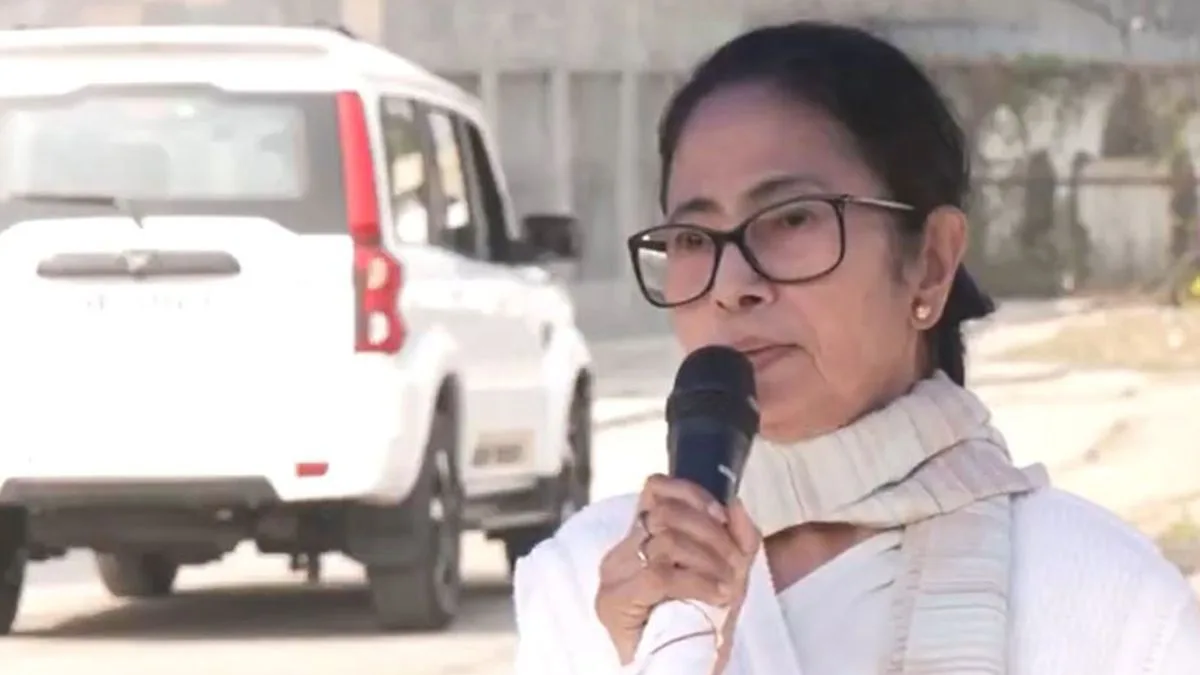
West Bengal Chief Minister Mamata Banerjee on Sunday accused the Centre of not releasing funds for the state after Union Finance Minister Nirmala Sitharaman announced the Union Budget 2026-27.

Nirmala Sitharaman proposed seven high-speed rail corridors, including one between Varanasi and Siliguri, and said the government will establish new dedicated freight corridors connecting West Bengal’s Dangkuni in the east to Gujarat’s Surat in the west.

Mamata Banerjee accused the central government of spreading “blatant lies.” She slammed the Centre over the Goods and Services Tax (GST).

She said, “They announced three corridors, we have already announced six. What they said about the three corridors is absolutely garbage (full) of lies. Blatant lies. It is already in process, and we have started working there. In the Jangalmahal Jangal Sundari project in Purulia, for this economic corridor, Rs 72,000 Crores are going to be invested. They have not given a single paisa to Bengal. Only one tax is there, GST.”

“They are taking away our money and saying big things that they are giving us money. It is our money. So, they don’t have any moral authority to run the government and finish the country like this. They want to destroy the economic structure of the country, the Constitutional structure of this country, and the independent agencies. They talk too much but do less work,” West Bengal CM added.
Speaking to reporters outside the Parliament, TMC MP Abhishek Banerjee slammed the government, accusing the Finance Minister of not mentioning the state in the Budget Speech and calling it a “visionless” budget.

He said, “In 5001 seconds, Bengal was not even named once. Be it a farmer or a youth… the government talks about AI and technology, but there is no discussion on employment. There is no financial security or way to stabilise the income. This is a faceless, baseless and visionless budget. To me, the budget is like a self-appraisal report written by its PR department. This budget does not have any concrete solutions to offer to any community. Centre looks at Bengal as Bangladesh.”

As West Bengal is set to hold the Legislative Assembly elections later this year, Nirmala Sitharaman today announced, “To promote environmentally sustainable movement of cargo, I propose to establish new Dedicated Freight Corridors connecting Dankuni in the East, to Surat in the West.”

“In order to promote environmentally sustainable passenger systems, we will develop seven high-speed rail corridors between cities as growth connectors, namely Mumbai to Pune, Pune to Hyderabad, Hyderabad to Bengaluru, Hyderabad to Chennai, and Chennai to Bengaluru. Delhi to Varanasi, Varanasi to Siliguri,” the FM said.

FM Sitharaman presented the Union Budget for the record ninth time consecutively.

Budget: Focus on rail, freight, and waterways to boost West Bengal connectivity

Presenting the union Budget in Parliament, Sitharaman highlighted the government’s broader push to improve infrastructure, attract investment, and accelerate regional development, with particular attention on eastern India.

UNI | Kolkata |

In the last budget ahead of the West Bengal Assembly elections, Finance Minister Nirmala Sitharaman placed a strong emphasis on transport connectivity and logistics, unveiling a series of large-scale rail, freight, and inland waterways projects aimed at strengthening the state’s links with key economic centres across India.

Presenting the union Budget in Parliament, Sitharaman highlighted the government’s broader push to improve infrastructure, attract investment, and accelerate regional development, with particular attention on eastern India.

One of the key announcements was a dedicated freight corridor connecting West Bengal and Gujarat, with a new logistics route planned from Dankuni in Hooghly district to Surat. The corridor is expected to streamline the movement of goods between eastern and western India, reduce transit times, and lower logistics costs. Industries dependent on bulk freight, including manufacturing, steel, cement, and agro-based sectors, are likely to benefit. Officials noted that faster cargo turnaround would enhance eastern India’s competitiveness as an industrial and trading hub.

The finance minister also unveiled the Varanasi–Siliguri high-speed rail corridor, one of seven high-speed rail projects across the country aimed at improving inter-city connectivity and reducing travel time. Other planned corridors include Mumbai–Pune, Pune–Hyderabad, Hyderabad–Bengaluru, Hyderabad–Chennai, Chennai–Bengaluru, and Delhi–Varanasi. According to Sitharaman, these corridors will link major economic hubs, IT centres, infrastructure clusters, and rapidly growing cities.

Alongside rail-based projects, the budget proposes the development of 20 new national waterways over the next five years. Integrated with road networks, these waterways are expected to create a seamless, multimodal logistics framework that reduces costs and enhances efficiency across the country.

The budget announcements build on recent initiatives in West Bengal led by Prime Minister Narendra Modi. In a major move to modernise long-distance rail travel, Modi inaugurated India’s first Vande Bharat Sleeper train from Malda Town, connecting Howrah to Guwahati (Kamakhya) and improving overnight connectivity between eastern and northeastern India.

During the same programme, Modi also flagged off several new trains, including multiple Amrit Bharat Express services to strengthen rail links between North Bengal and southern and western cities. Key new routes include the long-distance New Jalpaiguri–Nagercoil service, along with connections from New Jalpaiguri and Alipurduar to Tiruchirappalli, Bengaluru, and Mumbai. Additionally, three Amrit Bharat Express trains were inaugurated virtually, linking Santragachhi with Tambaram, Howrah with Anand Vihar, and Sealdah with Banaras.

Sitharaman further announced the development of cargo transport infrastructure in smaller cities and allocated Rs 20,000 crore for five industrial townships, underscoring the Centre’s focus on decentralised industrial growth and logistics-led development.

Tariff rate on all dutiable goods imported for personal use reduced

The Union Budget proposes to reduce the tariff rate on all dutiable goods imported for personal use from 20 per cent to 10 per cent to rationalise the customs duty structure

Statesman News Service | New Delhi |

Union Finance Minister Nirmala Sitharaman, while presenting the Union Budget 2026-27 in Parliament on Sunday, announced that the proposals for Customs and Central Excise aim to further simplify the tariff structure, support domestic manufacturing, promote export competitiveness, and correct inversion in duty.

The Union Budget proposes to reduce the tariff rate on all dutiable goods imported for personal use from 20 per cent to 10 per cent to rationalise the customs duty structure. To provide relief to patients, particularly those suffering from cancer, the Budget proposes to exempt basic customs duty on 17 drugs or medicines. The Budget also proposes to add 7 more rare diseases for the purposes of exempting import duties on personal imports of drugs, medicines, and Food for Special Medical Purposes (FSMP) used in their treatment.

The Union Budget further proposes to revise provisions governing baggage clearance during international travel to address the genuine concerns of passengers. The revised rules will enhance duty-free allowances and provide clarity in the temporary carriage of goods brought in or taken out. Furthermore, the honest taxpayers will now be able to settle their dues and close cases by paying an additional amount in lieu of penalty, the Budget added.
The Budget proposes many measures for customs processes to have minimal intervention for smoother and faster movement of goods and greater certainty to the trade.

The Budget proposes to enhance the duty deferral period for Tier 2 and Tier 3 Authorised Economic Operators, known as AEOs, from 15 days to 30 days. The Budget further proposes to provide eligible manufacturer-importers the same duty deferral facility, thereby encouraging them to get themselves accredited as a full-fledged Tier 3- AEO in due course.

The Union Budget also proposes to extend the validity period of advance ruling, binding on Customs, from the present 3 years to 5 years.

Sitharaman further announced that the Customs warehousing framework will be transformed into a warehouse operator-centric system with self-declarations, electronic tracking, and risk-based audits. These reforms will move away from the current system of officer-dependent approvals and reduce transaction delays and compliance costs, she added.
Budgetary emphasis on development of ecologically sustainable mountain trails in J&K will generate fresh employment: LG Sinha

Expressing his gratitude to Prime Minister Narendra Modi and Union Finance Minister Nirmala Sitharaman on the development of ecologically sustainable mountain trails in J&K UT, the Lieutenant Governor said that the initiative would generate fresh employment opportunities and invigorate our tourism industry with renewed vigor.

Statesman News Service | Jammu |

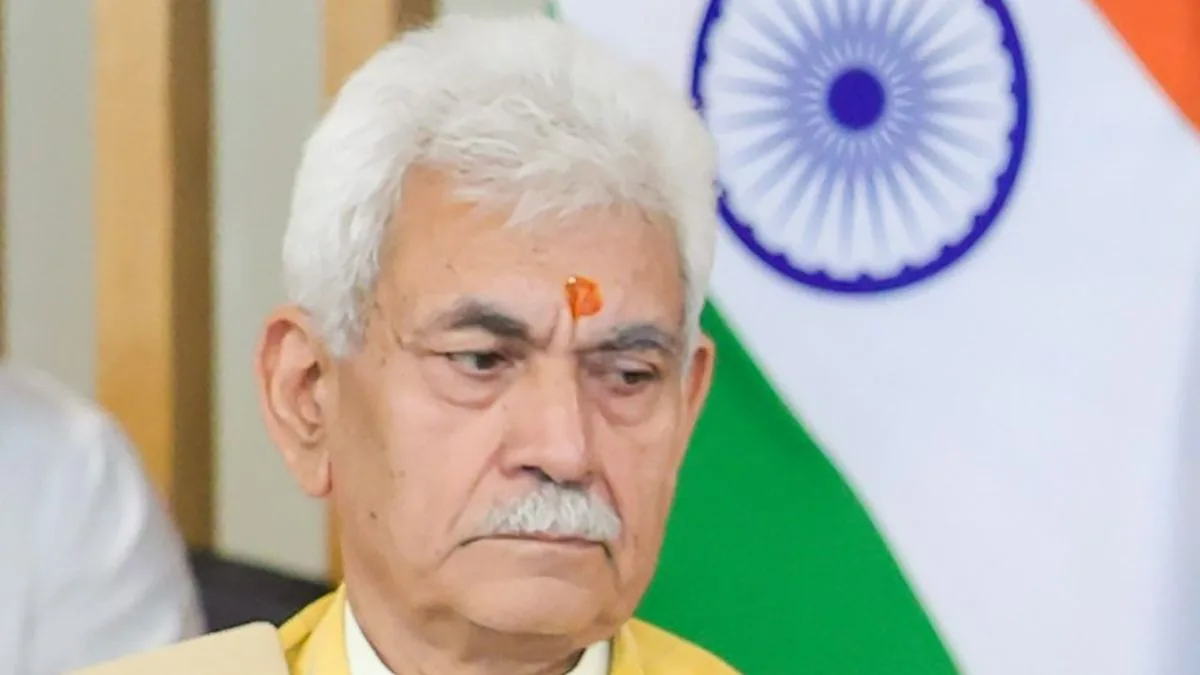
Lieutenant Governor Manoj Sinha on Sunday hailed the Budget 2026-27 for laying emphasis on the development of ecologically sustainable mountain trails in a bid to promote tourism in J&K.

Expressing his gratitude to Prime Minister Narendra Modi and Union Finance Minister Nirmala Sitharaman on the development of ecologically sustainable mountain trails in J&K UT, the Lieutenant Governor said that the initiative would generate fresh employment opportunities and invigorate our tourism industry with renewed vigor.

He described the budget as pragmatic which, he said, would prioritize economic acceleration, creation of future-ready infrastructure, sustenance of growth momentum, charting the path to $5-trillion economy as a milestone within a few years and comprehensive fiscal strategy will balance growth ambition with social welfare. “Budget for 2026-27 emphasizes accelerating economic expansion, strengthening infrastructure, advancing manufacturing capabilities across 7 strategic sectors, while maintaining a steadfast commitment to welfare. It will have a transformative impact in burgeoning industries, renewed momentum for semiconductor advancement through India Semiconductor Mission (ISM) 2.0, and a substantial stride toward diminishing India’s reliance on other countries for rare earth elements with specialized rare earth zones,” he said.

The Lieutenant Governor observed that with Artificial Intelligence, job creation and service sector enhancement taking center stage, India’s competitive edge will strengthen across every economic domain, while this progressive financial blueprint will establish the foundation for comprehensive sectoral expansion and global prominence. “Budget 2026-27 charts the path to a $5-trillion economy milestone within a few years and presents our ambitious vision to achieve developed economy status in less than 2 decades. The budget also promises unprecedented empowerment for youth, women, and farmers. With manufacturing, infrastructure, MSMEs, healthcare, urban advancement, electronics and supply networks forming the core of the future strategy to maintain the country’s economic momentum, I believe we will be able to expand domestic production and ensure substantial employment generation,” he said.

Meanwhile, the Central government has proposed an allocation of Rs 43,290.29 crore for Jammu and Kashmir in the Union Budget for 2026–27, marking an increase of nearly Rs 2,000 crore over the current financial year.

Budget documents show that the Centre has enhanced financial support to the Union Territory as part of its continued assistance to bridge resource gaps and fund key sectors.

For the ongoing financial year, Jammu and Kashmir’s total assistance has been revised to Rs 41,340 crore, up from the earlier estimate of Rs 41,000.07 crore, reflecting an upward revision of Rs 340 crore.

In the 2026–27 Budget, the Centre has proposed Rs 42,650 crore as central assistance to cover the Union Territory’s resource deficit.

An additional Rs 279 crore has been earmarked as grants towards the Union Territory Disaster Response Fund.

The allocation also includes Rs 259 crore as equity support for the Jhelum–Tawi Flood Recovery Project and Rs 101 crore to support capital expenditure in Jammu and Kashmir.The increased allocation comes as the Union Territory continues to depend heavily on central assistance for developmental spending and disaster mitigation efforts.

Govt to raise capex to Rs 12.2 lakh crore, focus on green mobility and high-speed rail

The Finance Minister announced a sharp increase in public capital expenditure, proposing an allocation of Rs 12.2 lakh crore for FY2026–27, up from Rs 11.2 lakh crore in Budget Estimates for 2025–26.

Statesman News Service | New Delhi |

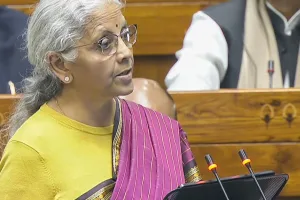
Presenting the Union Budget 2026–27 in Parliament on Sunday, Union Minister for Finance and Corporate Affairs Nirmala Sitharaman said that the government’s “first kartavya” is to accelerate and sustain economic growth by enhancing productivity and competitiveness while building resilience to volatile global dynamics.

The Finance Minister announced a sharp increase in public capital expenditure, proposing an allocation of Rs 12.2 lakh crore for FY2026–27, up from Rs 11.2 lakh crore in Budget Estimates for 2025–26. She noted that public capex has risen manifold over the past decade, from Rs 2 lakh crore in FY2014–15, and has played a critical role in strengthening India’s infrastructure backbone.

Highlighting the government’s focus on asset monetisation, Sitharaman said initiatives such as Infrastructure Investment Trusts (InvITs), Real Estate Investment Trusts (REITs), and institutions like the National Investment and Infrastructure Fund (NIIF) and National Bank for Financing Infrastructure and Development (NaBFID) have significantly enhanced infrastructure financing.

She added that REITs have emerged as a successful instrument for monetising assets, and the Budget proposes accelerating the recycling of large real estate assets of CPSEs through the setting up of dedicated REITs.

To improve private sector confidence during the infrastructure development and construction phase, the Finance Minister proposed the creation of an Infrastructure Risk Guarantee Fund.

The fund will provide prudently calibrated partial credit guarantees to lenders, aimed at mitigating risks and crowding in private investment.

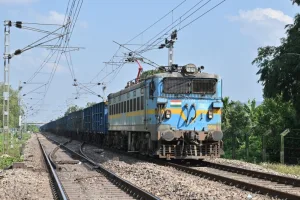
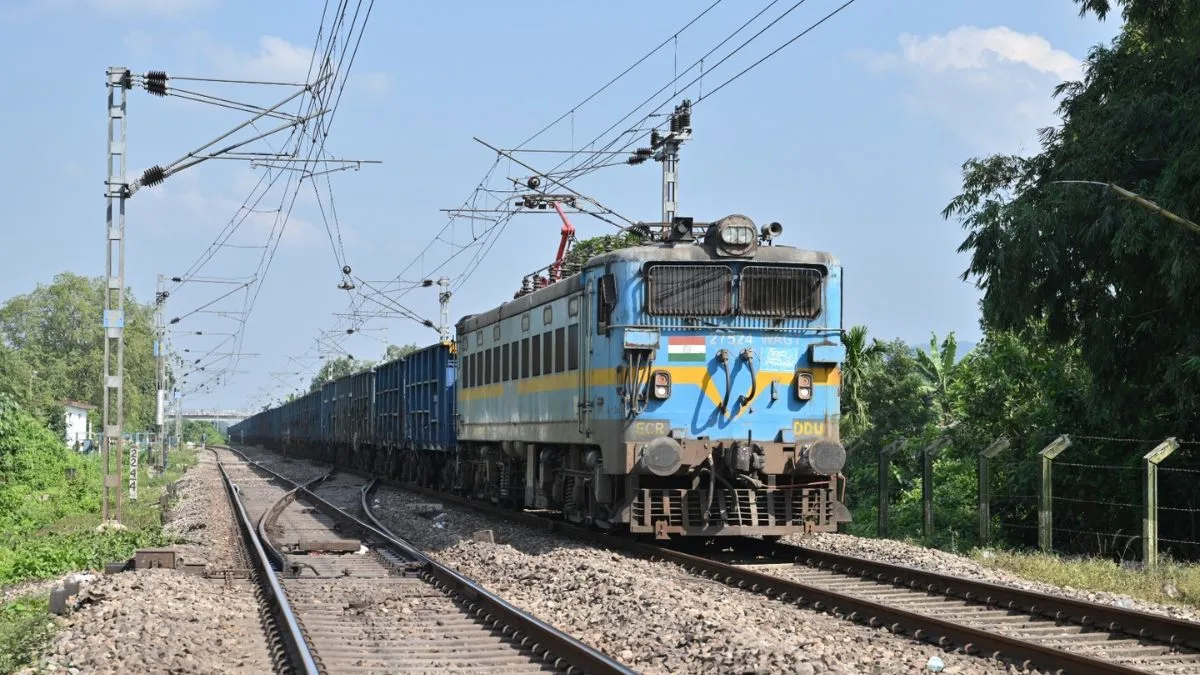
Emphasising environmentally sustainable movement of cargo, the Budget proposes new Dedicated Freight Corridors connecting Dankuni in the East to Surat in the West.

The government also plans to operationalise 20 new National Waterways over the next five years, beginning with National Waterway–5 in Odisha.

This will connect the mineral-rich regions of Talcher and Angul and industrial hubs like Kalinga Nagar to the ports of Paradeep and Dhamra.

To raise the share of inland waterways and coastal shipping from 6 per cent to 12 per cent by 2047, the Finance Minister announced the launch of a Coastal Cargo Promotion Scheme to incentivise a modal shift from road and rail.

Training institutes will be developed as Regional Centres of Excellence to build skilled manpower along the waterways, benefiting youth across these regions. In addition, a ship repair ecosystem catering to inland waterways will be established at Varanasi and Patna.

To promote sustainable passenger transport, the Budget proposes the development of seven high-speed rail corridors as “growth connectors.”

These include: Mumbai–Pune; Pune–Hyderabad; Hyderabad–Bengaluru; Hyderabad–Chennai; Chennai–Bengaluru; Delhi–Varanasi; Varanasi–Siliguri.

To enhance last-mile and remote connectivity and promote tourism, Sitharaman announced incentives for indigenising the manufacturing of seaplanes. A Seaplane Viability Gap Funding (VGF) Scheme will be introduced to support their operations.

Aligning with the Carbon Capture, Utilisation and Storage (CCUS) roadmap launched in December 2025, the Finance Minister said CCUS technologies will be scaled up across five key sectors power, steel, cement, refineries and chemicals.

The Budget proposes an outlay of Rs 20,000 crore over the next five years for this initiative.

Calling cities India’s engines of growth and innovation, Sitharaman said the government will now focus on Tier II and Tier III cities, including temple towns, to strengthen infrastructure and basic amenities.

City Economic Regions (CERs) will be mapped based on specific growth drivers to harness the power of agglomeration. The Budget proposes an allocation of Rs 5,000 crore per CER over five years for implementation.

Budget 2026-27 lays foundation for a Viksit Bharat by 2047, says PM Modi

PM Narendra Modi said this year’s Budget, presented by Finance Minister Nirmala Sitharaman in Parliament, will give India’s ‘Reform Express’ new energy and new momentum.

Deepak Nagpal |

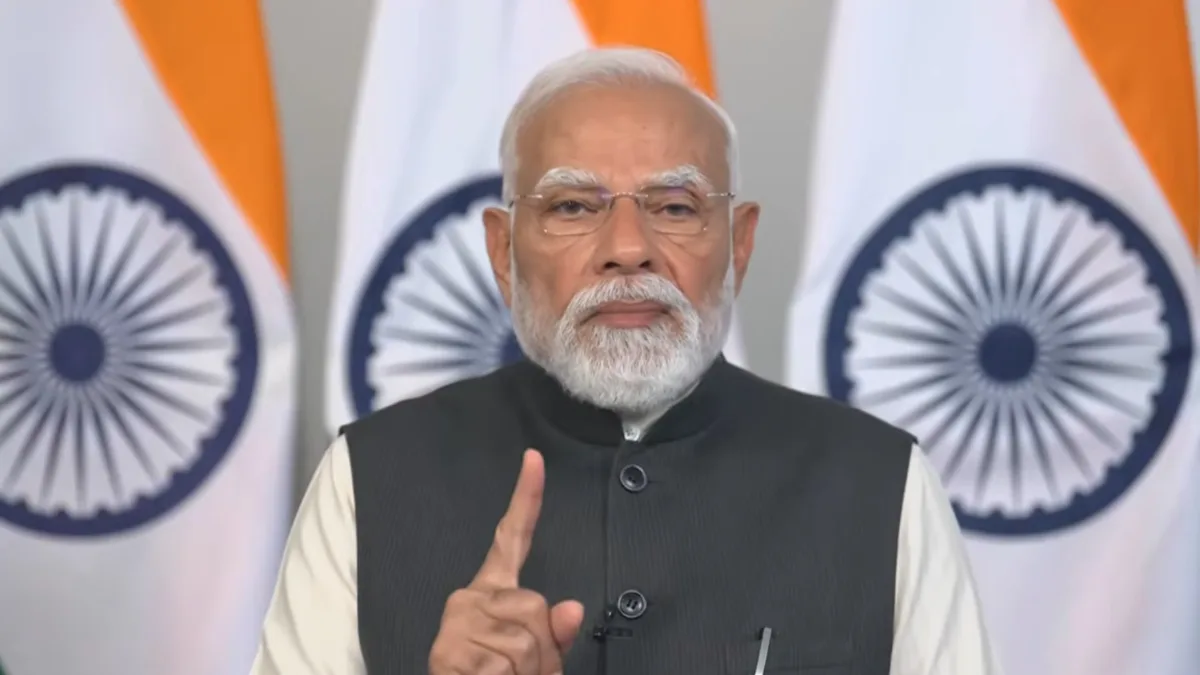
Prime Minister Narendra Modi on Sunday hailed the Union Budget 2026-27, calling it a strong push to India’s growth trajectory. The PM, in an address to the nation, said the Union Budget 2026-27 presents an ambitious roadmap for ‘Make in India’ and Aatmanirbhar Bharat (self-reliant India).

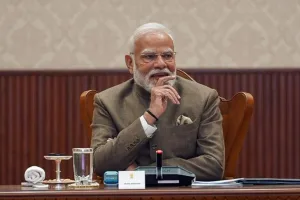
“This Budget is the foundation for our journey towards a Viksit Bharat by 2047. The Budget strengthens the reform journey and reflects the aspirations of 140 crore Indians,” said the PM.

Modi said this year’s Budget, presented by Finance Minister Nirmala Sitharaman in Parliament today, will give India’s ‘Reform Express’ new energy and new momentum.

“India is not content with simply being the fastest-growing economy. India wants to become the world’s third-largest economy. This year’s budget presents an ambitious roadmap to give new momentum to the Make in India and Aatmanirbhar Bharat initiatives. New and rising industries – sunrise sectors – have been given great support. It is unprecedented,” he said in his address.

Union Budget 2026 Highlights: High-speed rail corridors, tax reform, boost for India-based data centres

Budget for women, yuva shakti, MSMEs: PM

Noting that the Union Budget presented today in Parliament is ambitious and addresses the country’s aspirations, the PM said the aim is to ensure that prosperity reaches every household.

“This year’s Budget prioritises a modern ecosystem of Self-Help Groups created and run by women. This year’s budget is for Yuva Shakti. The provisions made in the Budget will nurture leaders, innovators and creators across various sectors,” the PM said.

He added that the support that MSMEs have received in this year’s Budget will give them new strength to grow from local to global.

The PM also stressed the focus on infrastructure in the Budget.

“Several measures have been taken to strengthen infrastructure. Dedicated freight corridor, expansion of waterways across the country, high-speed rail corridor, special focus on the development of tier-2 and tier-3 cities, and push to municipal bonds to provide a strong economic foundation to cities: all these measures will further increase the speed of Viksit Bharat,” said the PM in his address.

India and FTAs

The PM also highlighted his government’s push to forge trade deals with major economies of the world.

“This Budget further strengthens India’s global role. As a trusted, democratic partner of the world and as a trusted quality supplier, India’s role is expanding continuously. The maximum benefit of trade deals recently signed by India – Mother of All Deals, should go to the youth of India, to the small and medium scale industries of India. In this direction, major steps have been taken in the Budget,” noted Modi.

“This is one such unique budget which has focus on bringing down fiscal deficit, on bringing inflation under control and with this, Budget also has the combination of high CapEx and high growth,” he added.
UP positioned as major growth engine with rail, river, and heritage push in Union Budget 2026–27

Most of the sops announced for UP in the Union Budget 2026–27 are centred on Varanasi, which is also the parliamentary constituency of Prime Minister Narendra Modi.

Manoj Bhadra | Lucknow |

Uttar Pradesh has emerged as a central pillar in India’s development roadmap for 2026–27, with Union Finance Minister Nirmala Sitharaman outlining a series of infrastructure, tourism, social sector, and urban growth measures that closely align with the state’s geography and economic potential.

From high-speed rail corridors and inland waterway infrastructure in Varanasi to global-standard tourism development at Sarnath and Hastinapur, the new initiatives present a framework that could significantly accelerate UP’s rise as a connectivity and cultural powerhouse of North India.

Most of the sops announced for UP in the Union Budget 2026–27 are centred on Varanasi, which is also the parliamentary constituency of Prime Minister Narendra Modi.

Among the most notable developments is the creation of a ship repair ecosystem for inland waterways in Varanasi. Strategically located along the Ganga river system, this facility will support the expanding inland water transport network by enabling the maintenance and servicing of vessels operating on National Waterway-1.

The move is expected to generate skilled employment, improve logistics efficiency, and strengthen trade flows across eastern UP, reinforcing Varanasi’s growing identity as a multimodal transport hub.

Rail connectivity forms another key pillar of the state’s prominence. Two of the seven proposed High-Speed Rail growth connector corridors directly involve UP — Delhi–Varanasi and Varanasi–Siliguri. These corridors position Varanasi at the heart of a future-ready transport grid linking the national capital with eastern and northeastern India. Faster travel times and higher capacity are expected to enhance business mobility, stimulate tourism, and deepen regional economic integration.

Tourism and heritage conservation also receive a significant boost. Under a national plan to transform 15 archaeological sites into experiential cultural destinations, Sarnath and Hastinapur have been selected for development. The initiative includes curated public access, interpretation centres, conservation labs, and immersive storytelling infrastructure.

Sarnath, a major Buddhist pilgrimage site, and Hastinapur, associated with the Mahabharata era, are likely to witness upgraded visitor facilities and stronger global promotion, potentially increasing both international and domestic tourist footfall.

The measures also carry important social and healthcare interventions with wide relevance for Uttar Pradesh. District hospitals across the country will see a 50 per cent expansion in Emergency and Trauma Care Centre capacity, a step expected to strengthen critical care access in a populous state like UP, where road accidents and medical emergencies place heavy pressure on public hospitals. A new All India Institute of Medical Sciences (AIIMS) will be opened in western Uttar Pradesh, aimed at strengthening the tertiary healthcare infrastructure in the region.

Women-led rural enterprise has also been given a push. Building on the success of the Lakhpati Didi programme, the government will establish Self-Help Entrepreneur (SHE) Marts — community-owned retail outlets aimed at helping rural women transition from credit-based livelihoods to enterprise ownership. This initiative is expected to benefit women’s self-help groups across rural Uttar Pradesh by improving market access and income opportunities.

In the education sector, the government has proposed that one girls’ hostel be established in every district, particularly to support female students in higher education STEM institutions, where long study and laboratory hours pose challenges. This move could significantly improve access to and retention in higher education for girls across Uttar Pradesh. Further strengthening higher education access, Bundelkhand is set to receive an Indian Institute of Technology (IIT), a major boost for the region’s technical education landscape.

Urban development proposals further open new opportunities for the state’s expanding cities. The introduction of City Economic Regions (CERs) — supported by Rs 5,000 crore per region over five years through a challenge-based model — aims to unlock the economic potential of Tier-II and Tier-III cities, including temple towns and heritage centres. This framework aligns well with urban clusters such as Varanasi, Prayagraj, Kanpur, Gorakhpur, and emerging growth belts around Lucknow, where infrastructure expansion and economic clustering are gaining pace.

Financial innovation in city infrastructure is another area where the state stands to benefit. An incentive of Rs 100 crore for large cities issuing municipal bonds above Rs 1,000 crore encourages urban local bodies to access capital markets. Major cities such as Lucknow, Kanpur, Varanasi, Noida, and Ghaziabad could use this mechanism to fund transport systems, water supply networks, waste management, and smart city projects, reducing dependence on traditional grants while accelerating infrastructure development.

Additionally, the proposed Seaplane Viability Gap Funding Scheme and incentives for indigenous seaplane manufacturing could complement tourism circuits along the Ganga river, particularly around Varanasi and Prayagraj. Enhanced aerial connectivity to religious and heritage destinations may further strengthen Uttar Pradesh’s tourism ecosystem and create new aviation-linked service opportunities.

Urban mobility has also received a major push, with an allocation of Rs 32,075 crore for the next phases of the Lucknow, Kanpur, and Agra Metro projects, strengthening mass transit networks in key urban centres of the state and supporting cleaner, more efficient city transport systems.

A special fund has been allocated for a new industrial node in Prayagraj. Near Jewar Airport, the country’s first semiconductor design and manufacturing park has been given the green light. Budgetary support has been provided for the development of an AI city in Lucknow.

Taken together, these measures underline a strategic emphasis on Uttar Pradesh not only as a transport gateway and cultural tourism centre but also as a state where rural women’s enterprise, girls’ education infrastructure, and emergency healthcare capacity are being strengthened alongside connectivity.

Sitharaman says corporate promoters to pay 22 per cent buyback tax, emphasises tax simplification

Under the new rules, all buybacks will be taxed as capital gains, with corporate promoters required to pay an effective rate of 22 percent and non-corporate promoters facing 30 per cent, Sitharaman said in her union Budget 2026‑27 presented in Parliament.

UNI | New Delhi |

Finance Minister Nirmala Sitharaman on Sunday announced a significant overhaul in the taxation of share buybacks.

Under the new rules, all buybacks will be taxed as capital gains, with corporate promoters required to pay an effective rate of 22 percent and non-corporate promoters facing 30 per cent, Sitharaman said in her union Budget 2026‑27 presented in Parliament.

The step is aimed at curbing the misuse of buybacks by promoters as a tool for tax arbitrage, ensuring greater transparency in corporate capital management. Analysts said the change signals the government’s intent to make the equity market more compliant and fair, while continuing its focus on simplifying the tax regime.

Experts noted that corporate promoters who have frequently used buybacks to extract surplus funds from companies at minimal tax liability, may need to revisit their strategies. “This is a clear move to disincentivize tax planning around buybacks,” said a senior chartered accountant in Mumbai.

Market participants are expected to factor in the higher levy while planning buybacks in the current financial year, with some companies possibly adjusting dividend payouts or capital allocation plans.

Investors may see short-term shifts in stock movements as buyback decisions are reassessed in light of the revised taxation.
The Finance Minister’s announcement forms part of a wider set of direct tax reforms, including simplification of the Income Tax Act and rationalization of TCS and Securities Transaction Tax rates, reflecting the government’s broader effort to improve compliance and encourage a more transparent financial ecosystem.

Sitharaman announced that the Income Tax Act, 2025 will come into effect from April 1, 2026. Income tax rules and forms will be simplified and notified in due course, allowing taxpayers adequate time to familiarize themselves with the new requirements.

The redesigned forms aim to make filing easier for ordinary citizens.

To streamline accounting and compliance, a Joint Committee of the Ministry of Corporate Affairs and the Central Board of Direct Taxes will be constituted to align Income Computation and Disclosure Standards (ICDS) with Indian Accounting Standards (IndAS).

Separate accounting under ICDS will be discontinued from the 2027‑28 tax year.

In addition, the definition of ‘accountant’ under Safe Harbour Rules will be rationalized to support the government’s vision of developing homegrown accounting and advisory firms into global leaders.

The Budget also rationalized Tax Collection at Source (TCS) rates. Sellers of alcoholic liquor, scrap, and minerals will be taxed at 2 percent, while the TCS on tendu leaves has been reduced from 5 percent to 2 percent.

Under the Liberalised Remittance Scheme, remittances exceeding Rs10 lakh will attract TCS of 2 per cent for education or medical purposes and 20 per cent for other purposes.

Securities Transaction Tax (STT) has been revised upward: futures will be taxed at 0.05 per cent (from 0.02 per cent), while options premium and exercise will be taxed at 0.15 per cent (up from 0.1 per cent and 0.125 per cent respectively). Analysts said the increase may slightly affect derivatives trading activity.

To encourage corporates to adopt the simplified tax regime, set-off of brought forward Minimum Alternate Tax (MAT) credit will be allowed only in the new regime, limited to one-fourth of the tax liability.

From April 1, 2026, MAT will become a final tax at 14 per cent, down from 15 per cent. Accumulated MAT credits until March 31, 2026, will remain available for set-off in the new system.

Market watchers noted that these measures collectively aim to streamline tax compliance, improve transparency, and incentivise companies to migrate to the simplified corporate tax regime, while reducing opportunities for tax arbitrage.

FM proposes ‘Bharat-VISTAAR’ multilingual AI tool to boost farm productivity

The Budget identifies emerging technologies and AI as key enablers in fulfilling the government’s second Kartavya, meeting the aspirations of common citizens and strengthening their capacity to become active partners in India’s journey towards prosperity.

Pankaj Jain | New Delhi |

Union Finance and Corporate Affairs Minister Nirmala Sitharaman on Sunday presented the union Budget 2026–27 in Parliament, proposing ‘Bharat-VISTAAR’, a multilingual artificial intelligence (AI) platform aimed at enhancing agricultural productivity, improving farmer decision-making and reducing risks through customised advisory support.

The Budget identifies emerging technologies and AI as key enablers in fulfilling the government’s second Kartavya, meeting the aspirations of common citizens and strengthening their capacity to become active partners in India’s journey towards prosperity.

‘Bharat-VISTAAR’ (Virtually Integrated System to Access Agricultural Resources) will integrate AgriStack portals and the Indian Council of Agricultural Research (ICAR) package of agricultural practices with AI systems.

The initiative is expected to provide farmers with tailored advisories, leading to better crop management, higher productivity and informed decision-making.

Highlighting inclusive technology adoption, the Budget said the push towards digital and emerging technologies will benefit farmers, women in STEM, youth seeking upskilling opportunities and Divyangjan by enabling access to new avenues of growth and employment.

Key government initiatives in this direction include the AI Mission, National Quantum Mission, Anusandhan National Research Fund, and the Research, Development and Innovation Fund.
With emerging technologies playing a pivotal role in India’s Orange Economy, the Budget underscored the Animation, Visual Effects, Gaming and Comics (AVGC) sector as a fast-growing industry projected to require nearly two million professionals by 2030.
To strengthen this ecosystem, the Budget proposed support for the Indian Institute of Creative Technologies, Mumbai, to establish AVGC Content Creator Labs in 15,000 secondary schools and 500 colleges across the country.

Further, a new National Institute of Design has been proposed in eastern India to boost design education and development, recognising the rapid expansion of India’s design industry.