Logo

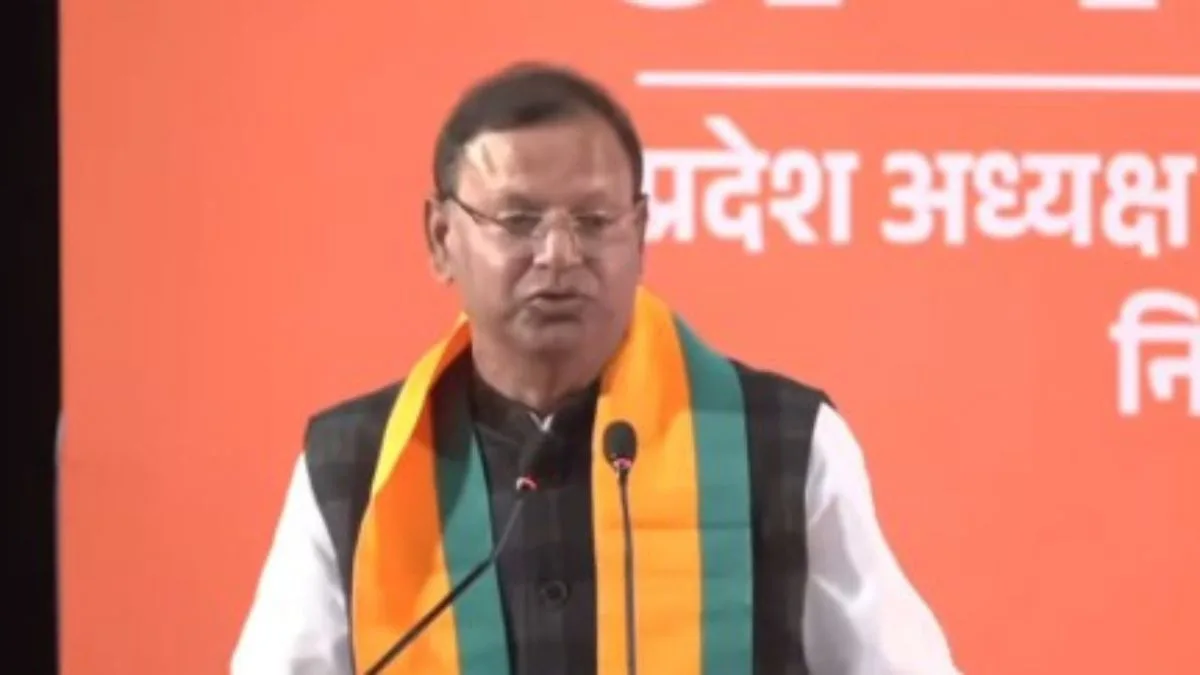
People-oriented budget realizing the vision of a developed India: Pankaj Chaudhary

In a statement issued by the BJP on Sunday, he called the budget a significant milestone towards the country’s economic strength, social balance, and long-term development.

Statesman News Service | Lucknow |

Uttar Pradesh BJP President and Union Minister of State for Finance Pankaj Chaudhary, in his reaction to Union Budget 2026-27, has congratulated Union Finance Minister Nirmala Sitharaman for presenting “a people-oriented budget” to realize the vision of a developed India under the guidance of Prime Minister Narendra Modi.

In a statement issued by the BJP on Sunday, he called the budget a significant milestone towards the country’s economic strength, social balance, and long-term development. As part of the budget-making process, he expressed confidence that this budget will prove decisive in fulfilling the aspirations of citizens, empowering the youth, and increasing farmers’ income.

Congratulating the Finance Minister on presenting the budget for the ninth consecutive time, he described it as a strong example of women’s leadership.

The state BJP chief further said that the budget is a strong link in realizing Pandit Deendayal Upadhyaya’s Antyodaya philosophy, focusing on the upliftment of the poor, middle class, women, youth, and underprivileged sections of society. He described the announcement of seven high-speed rail corridors, including Delhi-Varanasi and Varanasi-Siliguri in Union Budget 2026-27 as a symbol of modern infrastructure and reliable connectivity.

This, he said, will give a new impetus to tourism, create employment opportunities for the youth, and strengthen the ease of doing business. He also highlighted the proposal of ₹20,000 crore for ship repair facilities in Patna and Varanasi and carbon capture in five industrial areas as significant.

He said that the provisions to strengthen agriculture, fisheries, and animal husbandry will boost the rural economy. Three new All India Institutes of Ayurveda will be established in the Ayush sector, pharmacy and drug testing labs will be upgraded, and the WHO Global Centre for Traditional Medicine in Jamnagar will be strengthened. Additionally, increased outlay under the Biopharma Shakti Yojana, India Semiconductor Mission 2.0, and the Electronic Components Manufacturing Scheme will give new strength to Atmanirbhar Bharat (Self-Reliant India).

Pankaj Chaudhary said that this budget reflects a focus on investment, employment, and sustainable development, rather than mere expenditure, and will play a decisive role in making the country self-reliant, strong, and prosperous under the leadership of the Prime Minister.

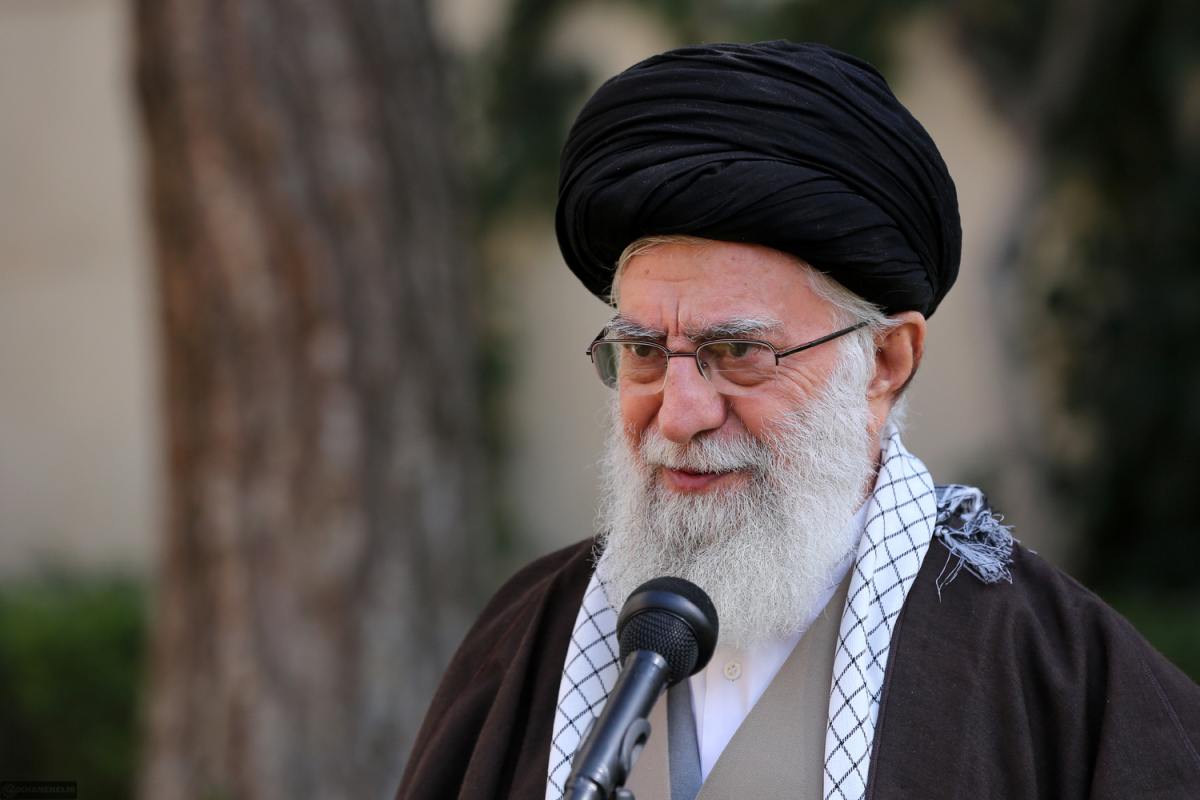
Supreme Leader Ayatollah Ali Khamenei warns of ‘regional war’ if US attacks Iran

The Iranian Supreme Leader asserted that Iran is not the initiator of war but will give a decisive response if anyone tries to cause harm to the country.

Statesman News Service | NEW DELHI |

Iranian Supreme Leader Ayatollah Ali Khamenei on Sunday warned of a “regional war” in the Middle East if the US attacks Iran. “The Americans should know if they start a war, this time it will be a regional war,” he wrote on X.

He said that Iran is not affected by US threats of war. “That Americans sometimes talk about war, saying we will come with warships and aircraft, is nothing new. The Iranian nation is not affected by such talk. They shouldn’t try to intimidate the Iranian nation with such things.”

The Iranian Supreme Leader asserted that Iran is not the initiator of war but will give a decisive response if anyone tries to cause harm to the country.

“We are not the initiators of war. We do not seek to oppress anyone. We do not seek to attack any country. However, anyone who seeks to attack or cause harm will face a decisive blow from the Iranian nation,” he said.

Khamenei’s remarks came amid rising tensions between the United States and Iran over the death of anti-government protesters. So far, 6,713 anti-government demonstrators have been killed in a violent crackdown by security forces in Iran.

US President Donald Trump had warned that the US would intervene militarily if Iran continued to kill the protesters. When the protests were at their peak, he even assured the protesters that “help is on the way”.

The US is believed to have positioned warships and aircraft carriers near Iran amid Trump’s warnings. “We’re watching Iran… you know we have a lot of ships going that direction just in case… we have a big flotilla going in that direction, and we’ll see what happens… we have a big force going towards Iran… I’d rather not see anything happening… we have an armada, a massive fleet heading in that direction,” Trump had said earlier this week.

Budget exempts all non-residents who pay tax on presumptive basis from MAT

The Union Budget also proposes to provide a safe harbour of 15 per cent on cost in case the company providing data centre services from India is a related entity.

Statesman News Service | New Delhi |

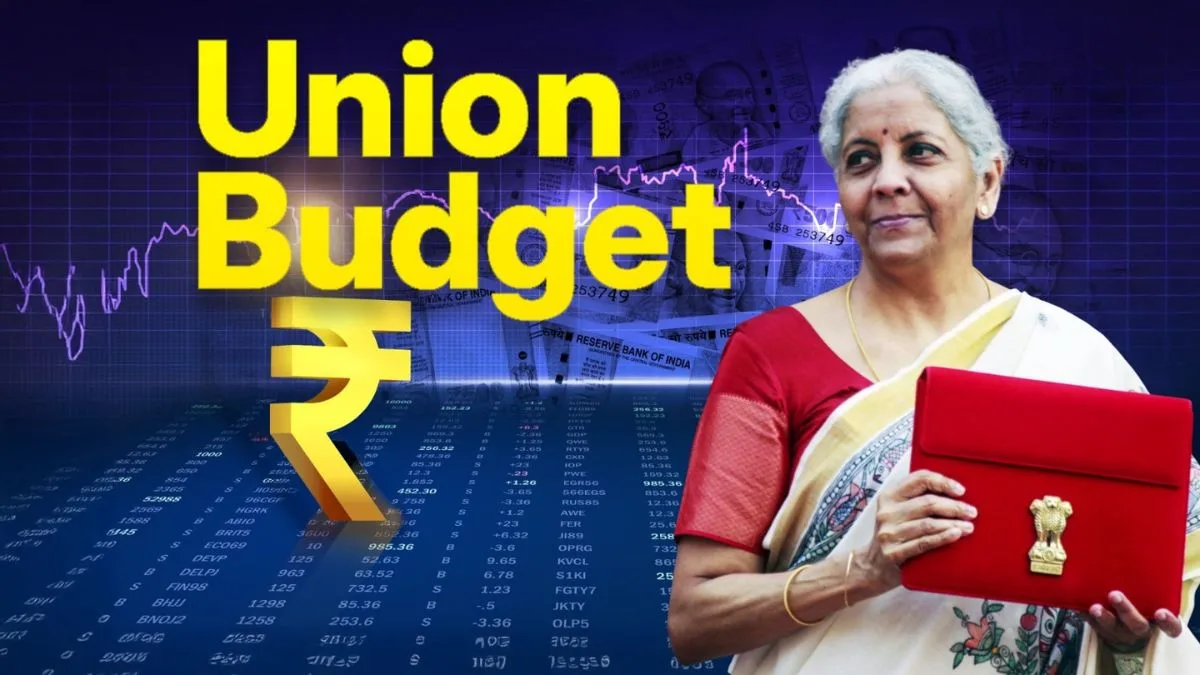
Presenting Union Budget 2026-27 in Parliament on Sunday, Union Minister for Finance and Corporate Affairs Nirmala Sitharaman proposed to provide exemption from Minimum Alternate Tax (MAT) to all non-residents who pay tax on presumptive basis.

Recognising the need to enable critical infrastructure and boost investment in data centres, Sitharaman proposed to provide tax holiday till 2047 to any foreign company that provides cloud services to customers globally by using data centre services from India. It will, however, need to provide services to Indian customers through an Indian reseller entity.

The Union Budget also proposes to provide a safe harbour of 15 per cent on cost in case the company providing data centre services from India is a related entity.

To harness the efficiency of just-in-time logistics for electronic manufacturing, the Union Finance Minister proposed in the budget to provide safe harbour to non-residents for component warehousing in a bonded warehouse at a profit margin of 2 percent of the invoice value. The resultant tax of about 0.7 percent will be much lower than in competing jurisdictions.

The Minister, in order to provide fillip to toll manufacturing in India, has proposed in Union Budget 2026-27 to provide exemption from income tax for 5 years to any non-resident who provides capital goods, equipment or tooling, to any toll manufacturer in a bonded zone.

The Budget proposals also provide exemption to global (non-India sourced) income of a non-resident expert, for a stay period of 5 years under notified schemes. This is intended to encourage a vast pool of global talent to work in India for a longer period of time.

“I propose to provide exemption from Minimum Alternate Tax (MAT) to all non-residents who pay tax on presumptive basis,” she said in her Budget speech.


Rare sighting: BRO shares clip of three snow leopards frolicking in deep Ladakh snow

The video of the endangered species frolicking in deep snow has sparked optimism about the growing population of the elusive big cat in the region.

SP Sharma | Jammu |

In a rare and uplifting moment from the high-altitude wilderness of Ladakh, the extraordinary sighting of three snow leopards joyfully playing in thick snow has captured attention and renewed optimism among wildlife lovers and conservationists alike.

The video was shared on Sunday on X by the Border Roads Organisation (BRO), whose Project Himank keeps the road connectivity operational in all seasons in the rugged high altitude terrain of the cold desert region of Ladakh. “Spotting of the elusive Snow Leopard in the High Himalayas by Project Himank@BROindia—a powerful reminder that infrastructure development and nature conservation go hand in hand,” the BRO wrote on X.


The video of the endangered species frolicking in deep snow has sparked optimism about the growing population of the elusive big cat in the region.

The video has not only gone viral on social media but also served as a reminder of Ladakh’s rich biodiversity and the success of the ongoing conservation efforts aimed at protecting one of the world’s most mysterious and endangered big cats.

The clip, shared by the BRO, captures the shy predators at ease in their natural habitat. Wildlife experts say such sightings point to a healthy habitat and a steadily improving snow leopard population in Ladakh, often regarded as one of the last strongholds of the species. They say such group sightings suggest improved prey availability, minimal human disturbance, and effective conservation measures in the region.

The mid-winter months from January to March are the best time to watch snow leopards.

Of the 718 snow leopards in the country, Ladakh has the highest number of 477 estimated population of the animal, followed by Uttarakhand (124), Himachal Pradesh (51), Arunachal (36), Sikkim (21), and Jammu & Kashmir (9).

With the region’s unique high-altitude ecosystem, snow leopard has been declared the state animal of Ladakh that was given the status of a Union Territory in 2019 after being detached from Jammu and Kashmir. Of the ten best spots in the country for snow leopard sighting, Ladakh hosts three — Hemis National Park, Rumbak Valley, and Ulley Valley.
T
he Kishtwar district of Jammu division has also shown signs of growing snow leopard population.

A camera-trapping study between 2022 and 2025 confirmed a breeding population of up to 20 snow leopards in Kishtwar’s Himalayas, particularly within Kishtwar High Altitude National Park and the Paddar area in the neighbourhood of Kargil (Ladakh) and also Himachal Pradesh.

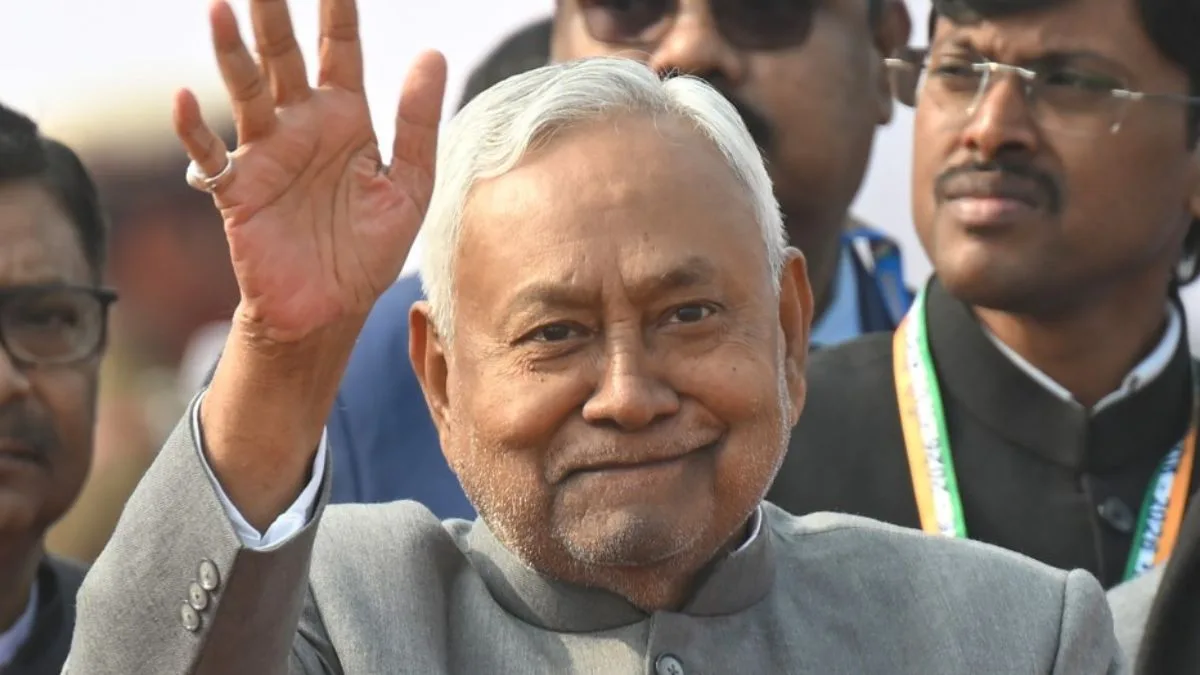
Nitish Kumar welcomes Budget, sees boost for Bihar’s connectivity, jobs; Opposition slams it

Bihar Chief Minister Nitish Kumar on Monday welcomed the Union Budget 2026, saying its provisions for high-speed rail corridors, new waterways, textile parks, and employment generation reflect a development-oriented vision for Bihar as well as the entire country.

Imran Mojib | Patna |

Bihar Chief Minister Nitish Kumar on Monday welcomed the Union Budget 2026, saying its provisions for high-speed rail corridors, new waterways, textile parks, and employment generation reflect a development-oriented vision for Bihar as well as the entire country.

In a post on X, the Chief Minister said, “The Union Budget has proposed the introduction of seven high-speed rail corridors across the country. The Varanasi-Siliguri high-speed rail corridor will greatly benefit Bihar as well. In addition, the budget has announced the creation of 20 new national waterways across the country. Under this initiative, ship repair facilities will be made available in Patna and Varanasi. The expansion of waterways will benefit several cities in Bihar, enhance export facilities for the state’s products, and boost trade and commercial activities.”

He further said, “The Union Budget has also announced large textile parks across the country and the Mahatma Gandhi Self-Employment Scheme. Additionally, support of Rs40,000 crore has been announced for the semiconductor sector. This will create new employment opportunities for young people across the country, including Bihar, and help accelerate the nation’s economic growth.”

Bihar’s Deputy Chief Minister and Home Minister Samrat Choudhary said the budget has cleared the way for a water metro route from Bihar to Varanasi, adding that the waterway would be systematically developed. He also said the Bihar government has already provided land for the proposed ship repair facility in Patna.

Bihar BJP President Sanjay Saraogi said all sectors have been given equal importance in the budget. He said it presents a clear vision for strengthening the employment and tourism sectors, including the development of Buddhist sites in the northeastern region and the creation of five new tourist destinations.

“This budget will prove to be a milestone for development, farmers’ prosperity, and relief for the middle class. It is not only a strong step toward a self-reliant India, but also a historic effort to make the country economically and socially stronger,” he said.

However, Bihar Congress President Rajesh Ram sharply criticised the NDA government, alleging that it has attempted to hide the country’s weakening economy by selling dreams and confusing people with impressive figures.

He said no announcement offering tangible benefits for Bihar was made in the budget, despite several populist promises announced ahead of last year’s elections that have yet to materialise. He added that Bihar has not even received its rightful share of funds.

RJD chief spokesperson Shakti Singh Yadav termed the Budget completely directionless and anti-people, which has ignored Bihar. He said the people of the state were shown grand dreams to secure votes but did not receive even a single factory in return.

“Bihar continues to rank at the bottom of the country in education and healthcare. The people were expecting a special package or special category status, but all they received was disappointment. Even the proposal to set up a ship repair facility in Patna is nothing more than a token gesture,” he said.

Union Budget disappoints Bihar industrialists, calls for ‘booster dose’ for state

It is expected that these projects will improve connectivity in the state, reduce freight transportation costs, and create new training and employment opportunities for youth in the inland waterways sector.

Imran Mojib | Patna |

Presenting the Union Budget 2026-27 in the Lok Sabha, Finance Minister Nirmala Sitharaman announced proposals to set up a shipyard in Patna and a Varanasi-Siliguri high-speed rail corridor, saying the projects will give a major boost to Bihar.

It is expected that these projects will improve connectivity in the state, reduce freight transportation costs, and create new training and employment opportunities for youth in the inland waterways sector.

However, many industrialists in Bihar appeared disappointed. They said that the budget is aimed at the country’s overall development. It does not offer anything particularly special for Bihar. Entrepreneurs stated that they had expected something distinctive for Bihar in this budget, but those expectations have been dashed.

Bihar Industries Association President Ramlal Khetan said that Bihar needs a separate booster dose. Per capita income in Bihar is quite low, and unless it increases, rapid development in the state will not be possible.

Bihar Chamber of Commerce and Industries President PK Agrawal said that people in Bihar were hoping for a special package in the budget, but its absence has led to disappointment.

Some other entrepreneurs said that they had high expectations from the budget. Since the Finance Minister has spoken about mega textile parks, at least one such park should be set up in Bihar.

In the previous budget, the Centre had paid special attention to Bihar. Considering that Bihar accounts for 80% of the country’s makhana (fox nut) production, a special “Makhana Board” was announced. On the lines of the Kashi Vishwanath Corridor, commitments were made to develop the Vishnupad Temple (Gaya) and Mahabodhi Temple (Bodh Gaya) corridors.

Approval was given for the expansion of IIT Patna and the establishment of a National Institute of Food Technology in Bihar. The development of new greenfield airports and the acceleration of construction work at Bihta Airport were announced. An initial allocation of approximately Rs 11,500 crore was also made for flood management.

Odisha’s Nandankanan Zoo loses five captive crocodiles in eight days

The estuarine (saltwater) crocodiles were reared in the zoo pens after eggs collected from the water bodies of Bhitarkanika National Park were artificially hatched. The species was kept in captivity for demonstration and research purposes.

Statesman News Service | BHUBANESWAR |

Nandankanan Zoological Park (NZP) near Bhubaneswar has lost five estuarine crocodiles kept in captivity over the last eight days, raising concerns among zookeepers and conservationists.

The estuarine (saltwater) crocodiles were reared in the zoo pens after eggs collected from the water bodies of Bhitarkanika National Park were artificially hatched. The species was kept in captivity for demonstration and research purposes.

The zoo has reported the deaths of five captive crocodiles between January 23 and 30, raising serious concerns. An investigation is underway to ascertain the exact cause of the reptiles’ deaths, an official of NZP said.

Post-mortems of the crocodiles have been conducted. Researchers and veterinarians from the Department of Animal Breeding and Genetics at the College of Veterinary Science and Animal Husbandry under Odisha University of Agriculture and Technology, Bhubaneswar, are conducting a thorough investigation into the deaths. The health condition of other saltwater crocodiles is being monitored round the clock, he added.

Bhitarkanika National Park, a designated Ramsar wetland site in Odisha’s Kendrapara district, is an ideal habitat for estuarine crocodiles, with their population showing an upward trend. According to the Saltwater Crocodile Estimation-2026 report, a total of 1,858 estuarine crocodiles were recorded.

Bhitarkanika National Park is home to 70% of India’s estuarine (saltwater) crocodiles, conservation of which began in 1975. The saltwater crocodile population in Bhitarkanika has increased manifold from 96 in 1975 to 1,858 today.

Incidentally, Odisha is the only state in the country where three species of crocodiles — saltwater, gharial, and mugger — inhabit the river systems.

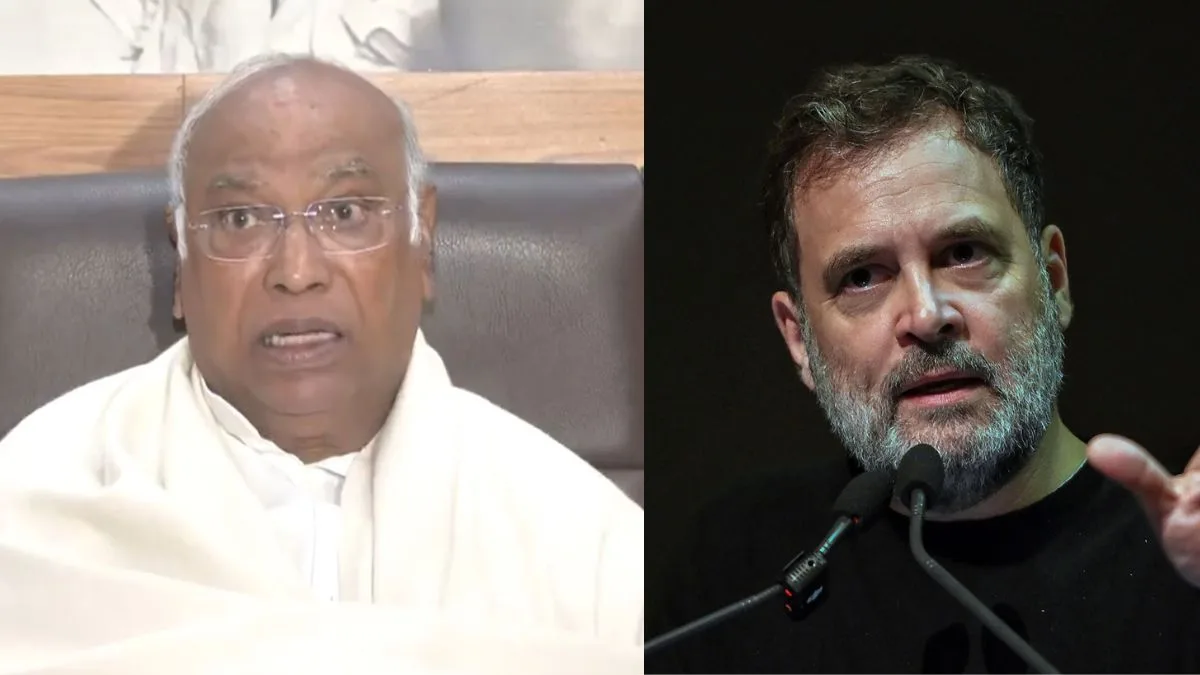
Kharge, Rahul Gandhi slam Union Budget 2026, call it ‘Blind to India’s real crises’

Congress president Mallikarjun Kharge also slammed the budget and said the Modi government has now run out of new ideas.

Anurag Kumar | New Delhi |

Leader of the Opposition in Lok Sabha Rahul Gandhi, while slamming the Union Budget 2026, said it not only “refuses course correction” but is also blind to the country’s real crises.

“Youth without jobs. Falling manufacturing. Investors pulling out capital. Household savings plummeting. Farmers in distress. Looming global shocks – all ignored. A Budget that refuses course correction, blind to India’s real crises,” he said in a post on social media platform X, on Sunday.

Congress president Mallikarjun Kharge also slammed the budget and said the Modi government has now run out of new ideas.

“The budget raises a question for India’s economic, social, and political challenges. This budget has nothing for the poor sections. The budget has not taken any steps to control inflation either. The Economic Survey shows that uncertainty in trade is a major challenge for India, but the budget barely acknowledges this problem,” Kharge said.

He further said that the Government of India has no plan to deal with the “rupee’s depreciation either” and added that “The root crisis of the Indian economy is stagnant wages, weak consumer demand, and sluggish private investment, but the budget shows no ideas to boost consumer demand.”

Echoing Rahul Gandhi’s “youth without jobs” criticism, Kharge said, “This budget has no discussion on solutions to the widespread unemployment crisis among educated youth. Inequality has surpassed the era of British rule, but the budget does not even mention it. The government did not even spend the full allocated budget last year in several essential areas like education, health, and social justice,” the Congress president said.

“The Modi government’s slogan is ‘Sabka Saath, Sabka Vikas’ (Together with all, Development for all), but the budget figures show that no money was spent on education, and the budget was even reduced compared to last year,” he said.

On Sunday, Finance Minister of India Nirmala Sitharaman presented the Union Budget 2026-27, marking her ninth consecutive budget.

Shockingly, Sensex closed 1,546.84 points down; Nifty 495.2 points after Sitharaman announced the 2026 budget.

Budget: Healthcare gets Rs 1.06 lakh crore, 10% rise

The Budget also proposes the establishment of Emergency and Trauma Care Centres in every district hospital, ensuring affordable and round-the-clock (24×7) access to critical emergency medical services for citizens across the country.

Statesman News Service | New Delhi |

To strengthen India’s healthcare system, Union Finance Minister Nirmala Sitharaman, while presenting the Union Budget 2026-27 in Parliament on Sunday, announced a substantial enhancement in the allocation for the Health & Family Welfare Ministry to Rs 1,06,530.42 crore, reflecting an increase of nearly 10 per cent over the Revised Estimates of FY 2025–26.
The government has approved 22 new AIIMS, upgradation of premier mental health institutions, setting up of Allied Health Professional Institutes, establishment of new medical colleges, a significant boost to medical research and innovation, and a phased plan for the expansion and strengthening of allied and healthcare professionals’ education.

To strengthen mental healthcare services, the Budget provides for the upgradation of premier mental health institutions at Ranchi and Tezpur, along with the establishment of a NIMHANS in North India, significantly expanding access to advanced mental health care, training, and research facilities.

The Budget also proposes the establishment of Emergency and Trauma Care Centres in every district hospital, ensuring affordable and round-the-clock (24×7) access to critical emergency medical services for citizens across the country. It also provides for a substantial increase in MBBS, postgraduate, super-specialty, and nursing seats, aimed at strengthening teaching, learning, and clinical training capacities, while promoting cutting-edge research and innovation in advanced biomedical fields, including artificial intelligence.

Recognising the growing healthcare demands arising from an ageing population, the rising burden of non-communicable diseases, and increasing global demand for skilled healthcare professionals, the government has proposed a phased plan outlay of Rs 980 crore over three years for the expansion and strengthening of allied and healthcare professionals’ education.

Under this initiative, Allied Health Professional Institutes in 10 key disciplines will be set up and upgraded to create nearly one lakh skilled professionals over the next five years, through public and private sector participation. Additionally, a focused programme will train 1.5 lakh geriatric caregivers, addressing the rapidly rising long-term care needs of India’s elderly population. These measures will enhance diagnostics, preventive, rehabilitative, and public health services while positioning India as a global hub for skilled allied healthcare professionals.

Further, the allocation for Human Resources for Health and Medical Education, including the establishment of new medical colleges, upgradation of undergraduate and postgraduate seats, and augmentation of nursing education, has been increased to Rs 1,725 crore to strengthen healthcare workforce capacity.

The Union Budget 2026–27 also provides a significant boost to medical research and innovation under the Department of Health Research. The allocation for the Indian Council of Medical Research (ICMR), New Delhi has been enhanced to Rs 4,000 crore, reflecting an increase of Rs 850 crore.

Under the Pradhan Mantri Swasthya Suraksha Yojana, 22 new AIIMS have been approved, of which 18 are fully functional with teaching, research, OPD/IPD, emergency, and diagnostic services, while the rest are under construction.

Significantly, 15 of these AIIMS were approved after 2014, and 12 have been operationalised during this period, dramatically expanding access to world-class tertiary care in underserved and remote regions. Since 2014, MBBS and nursing seats have more than doubled, and postgraduate and super-speciality seats have increased by 100 per cent.

In the last three years alone, over 3 crore OPD patients and 15 lakh IPD patients have received care, underscoring the transformative impact of these institutions in expanding world-class tertiary healthcare to underserved regions.

Recognising the growing healthcare demands arising from an ageing population, the rising burden of non-communicable diseases (NCDs), and increasing global demand for skilled healthcare professionals, the Government has proposed a phased plan outlay of Rs 980 crore over three years for the expansion and strengthening of allied and healthcare professionals’ education.

India as a global hub for Medical Value Tourism

To promote India as a preferred destination for medical tourism services, the government has proposed to support states in establishing five Regional Medical Hubs, in partnership with the private sector. These hubs will function as integrated healthcare complexes, combining medical services, education and research facilities under one umbrella.

The proposed Medical Hubs will house AYUSH Centres, Medical Value Tourism Facilitation Centres, and advanced infrastructure for diagnostics, post-treatment care and rehabilitation. Besides enhancing patient experience for international and domestic visitors, these hubs are expected to generate diverse employment opportunities for healthcare professionals, including doctors and Allied Health Professionals (AHPs).

To further strengthen the AYUSH sector and meet global demand, the Union Budget proposed setting up of three new All India Institutes of Ayurveda to expand quality education, clinical care and research, upgradation of AYUSH pharmacies and drug testing laboratories to ensure higher standards of quality, certification and availability of skilled manpower, and upgradation of the WHO Global Traditional Medicine Centre, Jamnagar, to bolster evidence-based research, training and global awareness in traditional medicine systems.

Divyangjan Kaushal Yojana

In alignment with the vision of Sabka Sath, Sabka Vikas, and to ensure that every family, community, region and sector has access to resources, amenities and opportunities for meaningful participation, the Finance Minister announced Divyangjan Kaushal Yojana in which IT, AVGC sectors, Hospitality and Food and Beverages sectors offer task-oriented and process-driven roles, which are suitable for Divyangjans. This will ensure dignified livelihood opportunities through industry-relevant and customized training specific to each divyang group.

She also announced Divyang Sahara Yojana, in which the budget proposes to support the Artificial Limbs Manufacturing Corporation of India (ALIMCO) to scale up production of assistive devices, invest in R&D and AI integration, (ii) strengthen PM Divyasha Kendras and support setting up of Assistive Technology Marts as modern retail-style centres where Divyangjans and senior citizens can see, try and purchase assistive products.


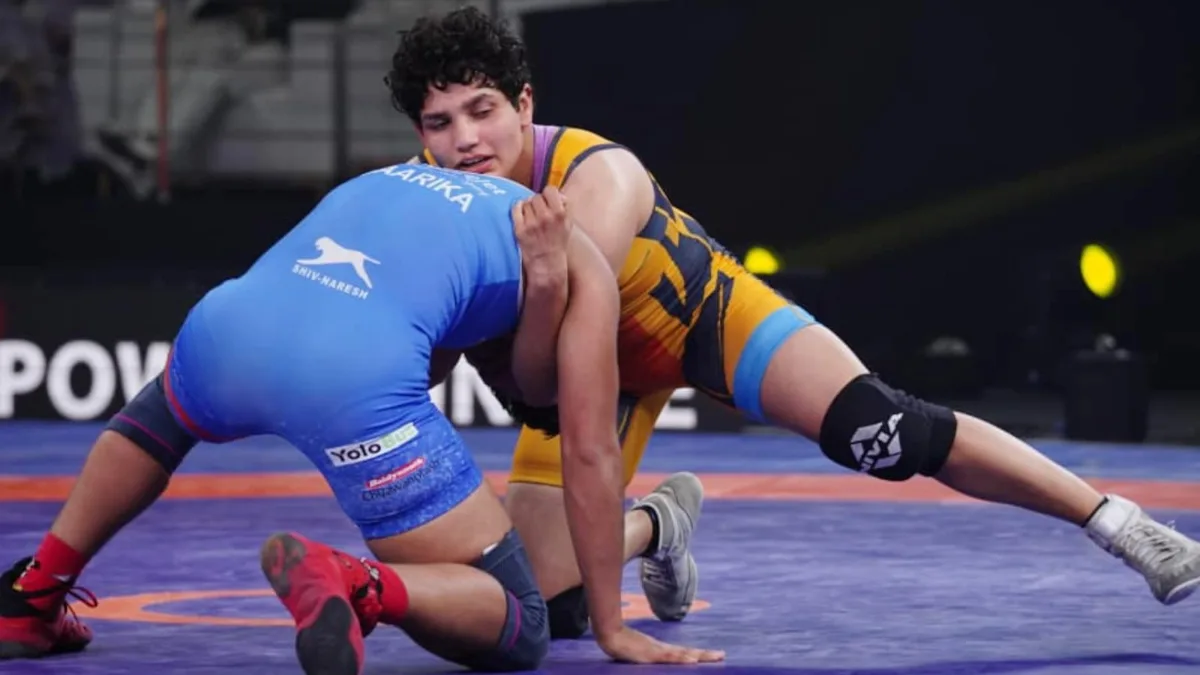
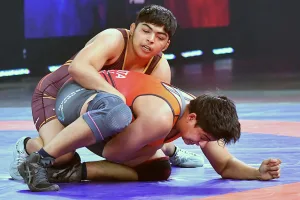
PWL 2026 Final: Delhi Dangal Warriors to face Haryana Thunders in Noida

Delhi Dangal Warriors booked their place in the summit clash after edging out Maharashtra Kesari 5-4 in a gripping second semi-final, showcasing composure under pressure in a contest that swung dramatically from bout to bout.

Statesman News Service | New Delhi |

The stage is set for a blockbuster finale as Delhi Dangal Warriors will lock horns with Haryana Thunders in the final of the Pro Wrestling League (PWL) 2026 at the Noida Indoor Stadium on Sunday.

Delhi booked their place in the summit clash after edging out Maharashtra Kesari 5-4 in a gripping second semi-final, showcasing composure under pressure in a contest that swung dramatically from bout to bout. Haryana, meanwhile, sealed their final berth earlier by defeating Punjab Royals 5-4 in the first semi-final on January 31, 2026.

Reacting to Delhi’s qualification, Nishant Pitti, owner of Delhi Dangal Warriors and founder of EaseMyTrip, hailed the team’s fighting spirit and said the franchise is committed to elevating wrestling in India.

“This is a proud moment for Delhi Dangal Warriors. The team has shown exceptional discipline, hunger, and fighting spirit throughout the league. Reaching the final is a reflection of the hard work put in by our wrestlers, coaches, and support staff. Wrestling represents the raw strength and spirit of India, and we are committed to taking this sport to greater heights. We are ready for an electrifying final against Haryana in Noida,” Pitti said.
Delhi Dangal Warriors edge Maharashtra Kesari in thriller

Delhi began strongly in the 62kg women’s bout as Anjli produced a composed display to beat Dudova Bilyana Zhivkova 12-4, but Maharashtra hit back in style with Manisha Bhanwala registering a 15-0 technical superiority win over Karla Godinez Gonzalez in the 57kg women’s category.

Maharashtra then took control with captain Robert Baran extending his unbeaten run in the heavyweight bout, defeating Ronak 11-1, before Nishu Bhanwala narrowly got past Saarika 7-6 in the 53kg women’s contest to push Maharashtra to a 3-1 lead.

With Delhi staring at elimination, Shubham Kaushik delivered one of the standout moments of the tournament in the 57kg men’s category, overcoming a deficit in the Power Minute to clinch an 11-10 comeback win, keeping Delhi alive.

The tie was levelled at 3-3 after European champion Anastasiya Alpyeeva beat Harshita Mor 7-5 in the 76kg women’s bout, before Delhi finally moved ahead as Vafaeipour Hadi Bakhtiar defeated Amit 11-9 in the 86kg contest, sealing a dramatic 5-4 win for the Warriors.
Kaushik was named Player of the Match for his extraordinary comeback, while Manisha Bhanwala earned the Fighter of the Match honour for her dominant victory, as per a PWL press release.
With both teams entering the final after nail-biting semi-final wins, the Delhi vs Haryana title clash promises a high-voltage finish to PWL 2026 in Noida.

There is enough (in the Budget) for both election and non-election states, says FM

This apart, there seemed no “state-specific bonanzas” for the poll-bound regions in Sitharaman’s ninth consecutive Budget, framed around “three kartavyas and seven strategic and frontier sectors.”

VIBHA SHARMA | New Delhi |

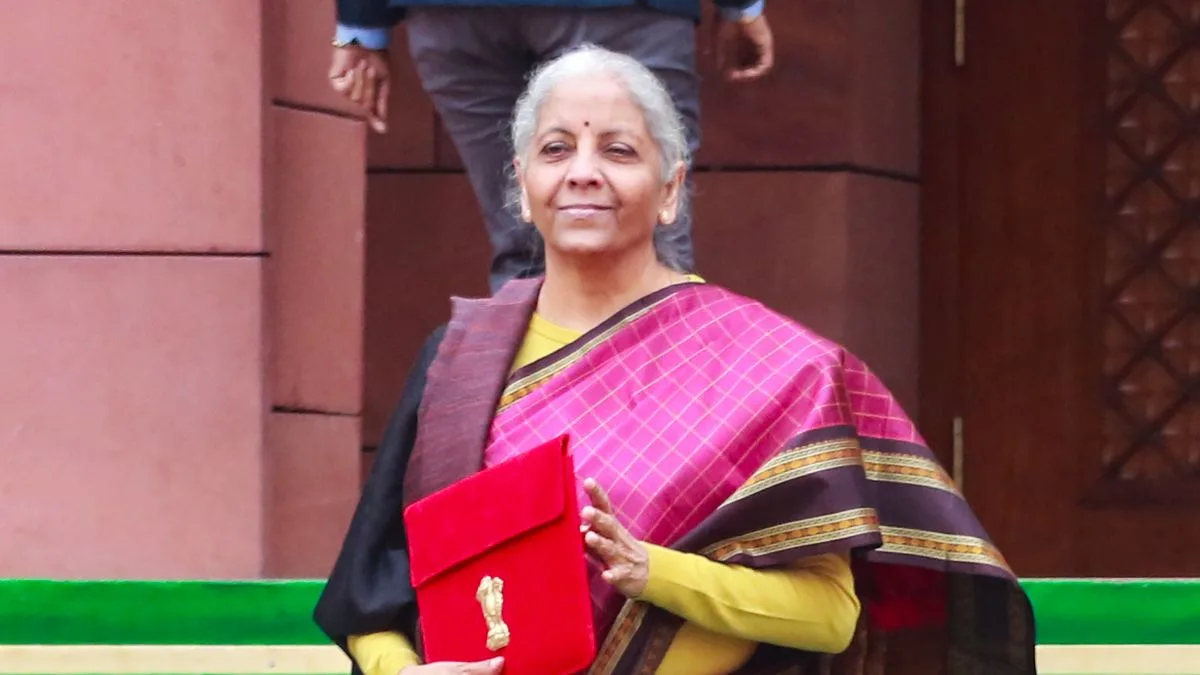
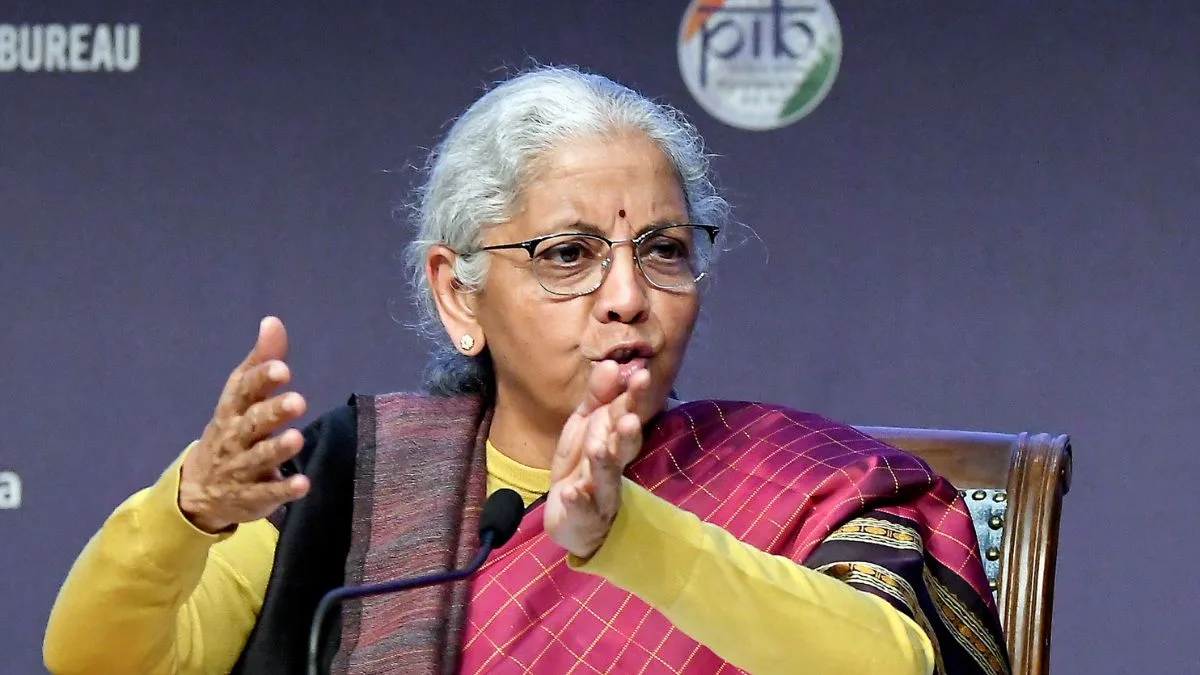
Finance Minister Nirmala Sitharaman presented the Union Budget on a Sunday morning this year, clad in a Kattam Kanjeevaram silk saree from Tamil Nadu. Kanjeevaram sarees are traditional handwoven silks known for their rich texture and craftsmanship. Tamil Nadu, along with Kerala, West Bengal, Puducherry, and Assam, is among the states heading to Assembly polls later this year.

This apart, there seemed no “state-specific bonanzas” for the poll-bound regions in Sitharaman’s ninth consecutive Budget, framed around “three kartavyas and seven strategic and frontier sectors.”

As the BJP prepares for five Assembly polls and battles upper-caste discontent,the Union Budget surprisingly had no clear political message.

The speech did not specifically address poll-bound states, allies, or the middle class. There was no income tax relief; the only measure for salaried citizens was a promise of simplified tax forms for easier compliance. The FM did not even mention West Bengal, as TMC MPs also pointed.

Maintaining a rather non-populist tone, the FM’s priority was infrastructure, manufacturing, technology, and energy security amid global headwinds such as supply chain disruptions and energy volatility. Stock markets reacted negatively, with benchmark indices Sensex and Nifty slipping after the government raised the Securities Transaction Tax (STT) on commodity futures.

Responding to questions on the absence of special sops for election-bound states, Sitharaman said: “I think there is enough to cover all the election states. If I do, you will ask me why have I done it only for the election states. Now I have it for election and non-election states as well. You want me to spell out what has been done only for the election states, I am quite happy to do it.”

Instead, she highlighted her Budget’s inclusive approach, pointing to major announcements that also benefit poll-bound states such as freight corridors for West Bengal, rare earth corridors for Tamil Nadu and Kerala, and infrastructure projects for Assam and Puducherry—underlining the Centre’s emphasis on equitable development across states, irrespective of political considerations.

Against the backdrop of geopolitical challenges, the Budget for 2026–27 focuses on scaling up manufacturing in seven strategic and frontier sectors, including biopharma, semiconductors, and electronic components. It proposed dedicated rare earth corridors in mineral-rich states such as Odisha, Kerala, Andhra Pradesh, and Tamil Nadu to promote mining, processing, research, and manufacturing, aiming to reduce reliance on China. There is also a scheme to support states in setting up three chemical parks and strengthening the Capital Goods Capability Integrated Programme for the textile sector.

For states, plans include new Dedicated Freight Corridors connecting Dankuni in the east to Surat in the west, 20 new National Waterways, a Coastal Cargo Promotion Scheme to ensure long-term energy security, and seven high-speed rail corridors—Mumbai–Pune; Pune–Hyderabad; Hyderabad–Bengaluru; Hyderabad–Chennai; Chennai–Bengaluru; Delhi–Varanasi; and Varanasi–Siliguri. Sitharaman cited these projects as evidence of the Budget’s inclusive framework, benefiting poll-bound states.

The Budget positioned the government as a steward of its “Viksit Bharat 2047” vision, while subtly reaching out to voters in West Bengal, Tamil Nadu, Kerala, Puducherry, and Assam ahead of the 2026 Assembly elections. There were no headline-grabbing dole announcements, but schemes like the Self-Help Entrepreneur (SHE) initiative for rural women aimed to bridge urban–rural divides, observers say.

West Bengal—ruled by the Trinamool Congress and Chief Minister Mamata Banerjee—was allocated enhanced freight corridors from Dankuni and improved rail connectivity, including links aligned with the Varanasi corridor. For Kerala and Tamil Nadu, rare earth projects were positioned as part of a national strategy to reduce dependence on China’s mineral dominance. Kerala also saw eco-tourism initiatives, including turtle beach conservation.

In all, there were subtle boosts for West Bengal (freight corridors, high-speed rail), Tamil Nadu and Kerala (rare earth corridors), and embedding regional projects in national corridors. Sectoral announcements, like those on coconut, cashew, and sandalwood, seemed targeted at Kerala and Tamil Nadu.

“We are laying the path and giving a push to the economy to maintain the growth momentum and for that growth momentum or sustained economic growth which we want to ensure. Primarily, we are looking at building the ecosystem with structural reforms, which will go on. Reforms have been carried out. We are continuing to do the reform activities,” said Sitharaman.

25-year-old participant dies during half-marathon in Indore

The deceased was identified as Aryan Todi from Faridabad, police said.

Statesman News Service | Bhopal |

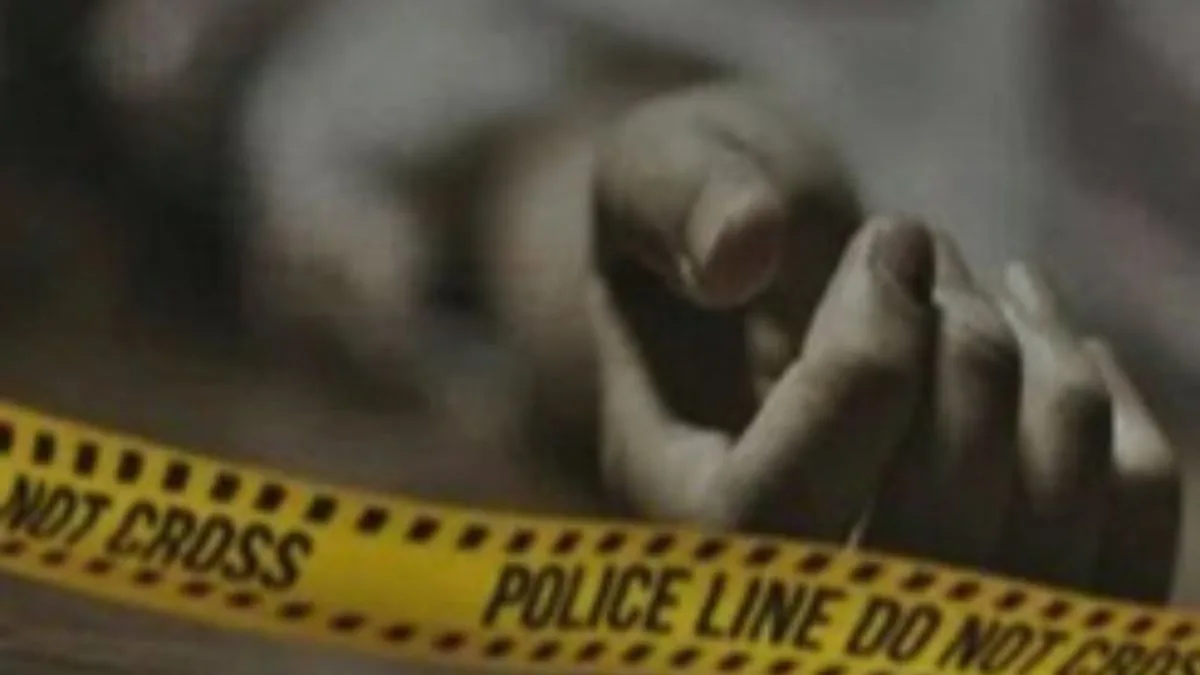
A 25-year-old participant in a 21-km half-marathon collapsed near the finish line and died during the event in Indore on Sunday.

The deceased was identified as Aryan Todi from Faridabad, police said.

Aryan was about 500 metres from the finish line at Nehru Stadium when he collapsed while running.

A doctor at the venue gave him CPR, following which Aryan was rushed to MYH hospital, where doctors declared him dead.

Police officials said Aryan is suspected to have died of cardiac arrest, though the exact cause will be known after the post-mortem.

Inclusive vision, forward-looking approach and resolve for a self-reliant India: UP Governor Anandiben Patel

Reacting to the Budget, the Governor said it reflects the aspirations of the people of India, with a clear commitment to integrating every section of society into the mainstream of development.

Statesman News Service | Lucknow |

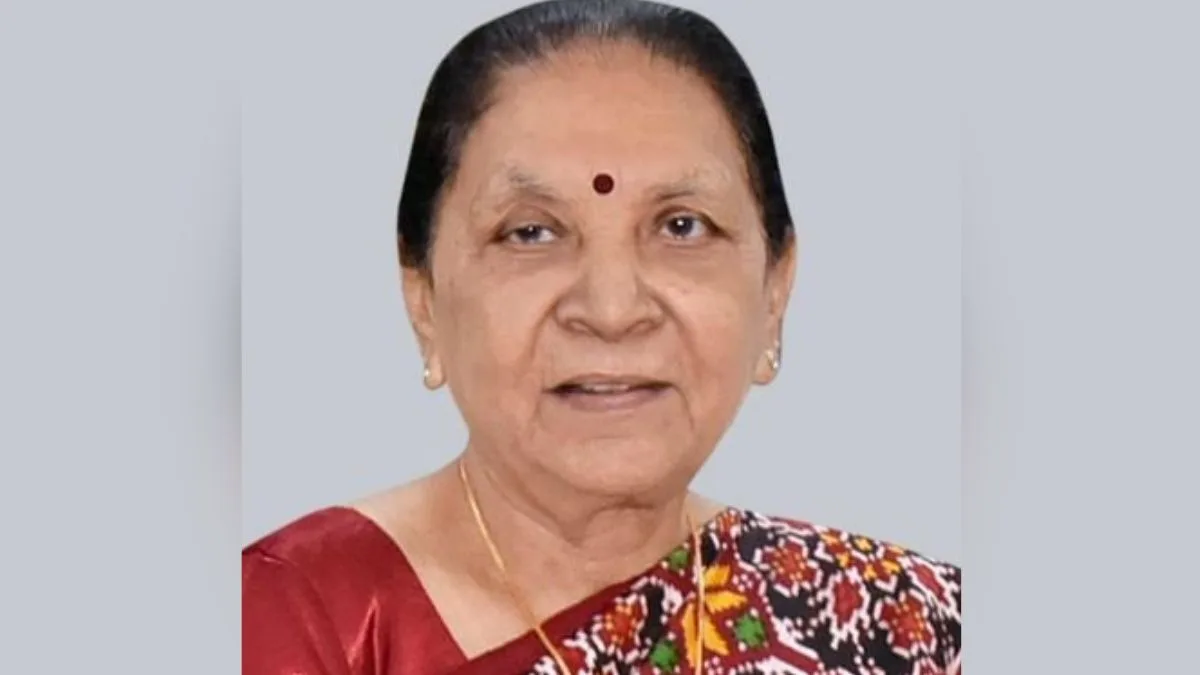
Uttar Pradesh Governor Anandiben Patel on Saturday welcomed the Union Budget 2026–27, describing it as a powerful articulation of an inclusive vision, a forward-looking approach and the firm resolve to build a self-reliant India.

Reacting to the Budget, the Governor said it reflects the aspirations of the people of India, with a clear commitment to integrating every section of society into the mainstream of development.

“The fact that nearly 25 crore people have been lifted out of poverty, along with fiscal discipline, a controlled deficit and a balanced debt-to-GDP ratio, demonstrates that India’s development journey is progressing on a strong and sustainable foundation,” she said.

Governor Patel added that the Budget empowers the dreams of farmers, youth, women, workers, students, entrepreneurs and industries alike, addressing their needs with equal sensitivity and foresight.

She noted that key provisions—such as AI-based initiatives like ‘Bharat Expansion’ in agriculture, construction of hostels for girl students, skill development and employment generation through Khelo India, expansion of the AYUSH and AVGC sectors, renewed momentum for MSMEs and manufacturing, carbon capture initiatives for green industries, and the promotion of eco-friendly tourism trails—represent concrete steps towards the vision of a developed India.

Expressing confidence in the Budget’s long-term impact, the Governor said record investment in infrastructure, expansion of railways and waterways, and initiatives to strengthen rural self-governance and promote local products would further reinforce India’s economic, social and environmental progress.

“The Union Budget 2026–27 will serve as a guiding light for accelerating reforms, strengthening self-reliance and shaping a bright future for a prosperous India,” she added

BJP plotting to remove Opposition voters’ names from the electoral rolls by sending out Form-7: Akhilesh Yadav

Posting on his social media account on Sunday, Akhilesh Yadav said in many cases, the complainant is untraceable, yet names are being removed, using forged signatures.

Statesman News Service | Lucknow |

Samajwadi Party (SP) National President Akhilesh Yadav has leveled a serious allegation against the distribution of pre-printed Form-7s in villages under the Special Intensive Revision (SIR) process. He said a conspiracy was being hatched to remove the names of Opposition voters from the electoral rolls by filing fraudulent objections through these forms.

Posting on his social media account on Sunday, Akhilesh Yadav said in many cases, the complainant is untraceable, yet names are being removed, using forged signatures. He alleged that the PDA community and minorities are being specifically targeted in this process. Many voters are unaware that objections have been raised against their names, even though all their documents are in order.

The SP president appealed to the Court, the Election Commission, and all journalists to take cognizance of this “massive scam.” He also urged national and local media, YouTubers, and local news personnel to expose this alleged conspiracy in the interest of democracy.

Akhilesh Yadav said that his party will bring such cases to the attention of the nation and the state and will support those who practice honest journalism.

Union Budget a roadmap for New India, Developed India: Yogi Adityanath

He expressed his gratitude to Prime Minister Narendra Modi for his decisive leadership and guidance and extended his heartfelt congratulations to Union Finance Minister Nirmala Sitharaman for presenting the budget.

Statesman News Service | Lucknow |

Reacting to the Union Budget on Sunday, Uttar Pradesh Chief Minister Yogi Adityanath described it as a visionary budget that will realize the concept of a New India and a Developed India.

He expressed his gratitude to Prime Minister Narendra Modi for his decisive leadership and guidance and extended his heartfelt congratulations to Union Finance Minister Nirmala Sitharaman for presenting the budget.

Chief Minister Yogi Adityanath said that this budget is a symbol of the hopes and aspirations of 145 crore countrymen, with concrete provisions for strengthening infrastructure, increasing capital expenditure, rail corridors, and the Ayush and health sectors.

He said that the special focus on working women, the construction of hostels in every district, and the initiative for hostels related to science, mathematics, data science, and emerging technologies will give new wings to the dreams of the youth.

The Chief Minister said that the provisions made in various sectors along with comprehensive reforms will simplify the lives of common citizens and accelerate the economy. This budget will create new opportunities for youth, women, farmers, entrepreneurs, and the middle class. He welcomed the steps taken to simplify the GST refund process and income tax returns, and the announcement of implementing the new Income Tax Act from April.

Chief Minister Yogi Adityanath said that this budget is a document that will take every section of society forward and will provide new strength to the rapidly growing Indian economy. Welcoming the provisions included in the budget, he expressed confidence that it will prove to be a milestone in the direction of a developed India.

Meanwhile, Uttar Pradesh Deputy Chief Minister Brajesh Pathak, in his reaction said that the budget presented in Parliament will fulfill the hopes, aspirations, and ambitions of millions of countrymen. He said that this budget will strengthen Prime Minister Narendra Modi’s dream of a developed India and give new momentum to the resolve of a self-reliant India.

Pathak stated that the budget presented by Union Finance Minister Nirmala Sitharaman is all-encompassing, inclusive, and development-oriented, taking into account every section of society. He said that special provisions have also been made for Uttar Pradesh in the budget, which will further accelerate the development of the state.

Pathak said that this budget, presented under the leadership of the Prime Minister, is proof that a developed and self-reliant India is not just a slogan, but a clear resolve of the government. This budget presents a vision for building an India that will play a leading role in every sector at the global level.

He expressed his gratitude to the Prime Minister and the Union Finance Minister for the welfare-oriented budget and expressed confidence that its provisions will provide long-term benefits to both the country and the state.

Union Budget 2026 announced: Here’s what gets cheaper and costlier

The Union Finance Minister today unveiled the Union Budget 2026, giving the country and all its citizens a roadmap to plan the financial year. For a common man, all the focus remains on the list of items that become cheaper or costlier.

Statesman News Service | New Delhi |

The Union Finance Minister today unveiled the Union Budget 2026, giving the country and all its citizens a roadmap to plan the financial year. For a common man, all the focus remains on the list of items that become cheaper or costlier.

During the Union Budget speech, Nirmala Sitharaman, too, highlighted that the Government aims to transform aspiration into achievement and potential into performance, which is probably possible when the Government ensures that people from different spheres, including the scheduled caste, the scheduled tribes, the nomads, the youth, the poor, and the women, are benefited while leading their everyday life.

Aligning with her statement, the Budget announced today makes several things cheaper for the common man.

What is going to get cheaper?

Here’s the list of items that will cost you less post the implementation of the Union Budget 2026. Have a look!

Foreign travel now more affordable:

Big relief for travellers as there is a proposed reduction in the TCS rates. The Overseas tour program package has been reduced from the current 5 per cent and 20 per cent to 2 per cent without any stipulation of amount. Further, TCS for pursuing education and for medical purposes under the Liberalised Remittance Scheme (LRS) has been reduced from 5 per cent to 2 per cent.

Major relief for cancer patients:

The Finance Minister has announced the exemption of basic customs duty on 17 cancer-related drugs and medicines. She also said that seven additional rare diseases would be added to the list of diseases eligible for exemption from import duty on personal imports of drugs, medicines, and Food for Special Medical Purposes (FSMP) used in their treatment.

Duty-free imports allowed:

In Marine, Leather, and Textile products, the limit for duty-free imports of specified inputs used for processing seafood products for export is to be increased from the current 1 per cent to 3 per cent of the FOB value. The duty-free imports of specified inputs, which are currently available for exports of leather or synthetic footwear, will be allowed.

Union Finance Minister Nirmala Sitharaman on Sunday proposed reducing the tariff rate on all dutiable goods imported for personal use from 20 per cent to 10 per cent.

Solar panels and microwave ovens will also get cheaper as the basic customs duty on import of sodium antimonate for use in manufacture of solar glass is to be exempted.

What is going to cost you more?

While there’s a cut in the prices of the above-mentioned categories, there are certain things that will get costlier with the implementation of the Budget 2026.

Liquor, cigarettes, fertilisers, nuclear power project components, stock options, and future trading are going to cost you more now. Several items under luxury goods, such as watches and high-end laptops, are also going to get more expensive.

Tobacco products

Rates for chewing tobacco and jarda scented tobacco have been raised to 60 per cent, compared to their existing 25 per cent levels.

Alcohol

TCS rate on Alcohol for human consumption has been increased to 2 per cent, compared to 1 per cent existing levels.

Nuclear components

Proposed to extend the customs duty exemption on imports of goods for Nuclear Power Projects till the year 2035.

Sale of minerals like coal/ lignite/ iron ore

Proposed to increase the TCS rate to 2 per cent, compared to the existing 1 per cent levels.

Taxation & penalties

Notably, the Budget has proposed to extend the provisions for immunity from penalty and prosecution in the cases of under-reporting and misreporting. The taxpayer will need to pay 100 per cent of the tax amount as an additional income tax over and above the tax and interest due.


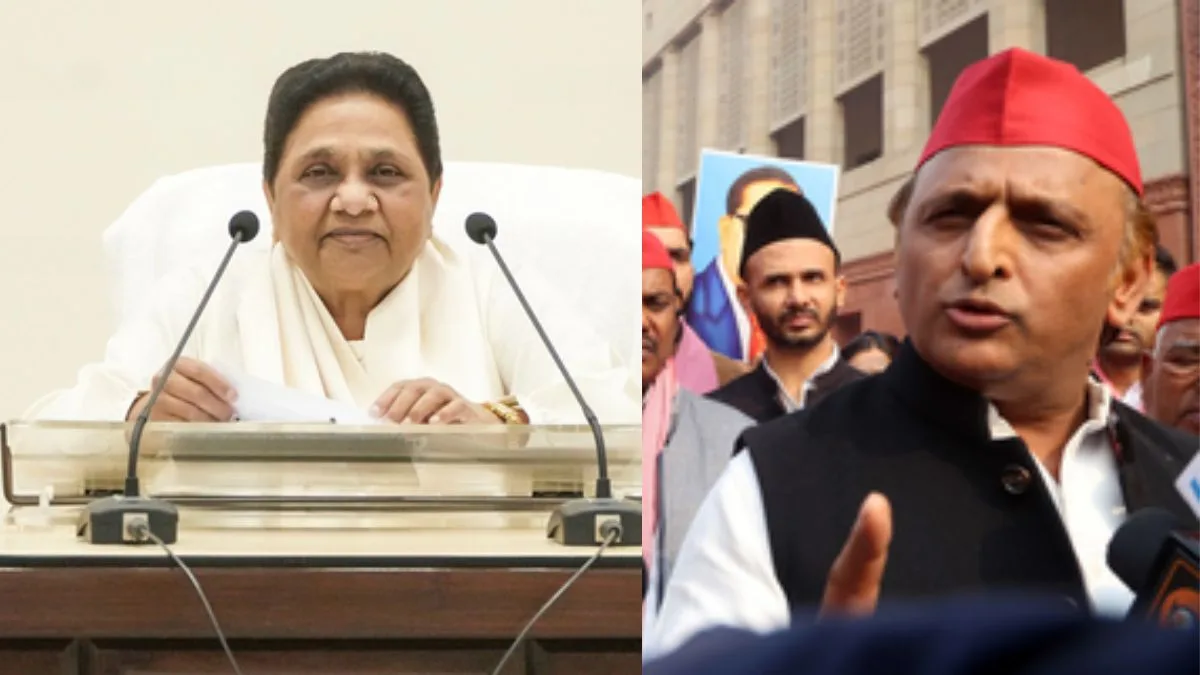
Akhilesh, Mayawati criticise Union Budget; UP ministers call it roadmap to Viksit Bharat

Opposition Samajwadi Party and Bahujan Samaj Party (BSP) have criticised the Union Budget while the Uttar Pradesh ministers have claimed that it was in the right direction to achieve Vikshit Bharat by 2047.

Statesman News Service | Lucknow |

Opposition Samajwadi Party and Bahujan Samaj Party (BSP) have criticised the Union Budget while the Uttar Pradesh ministers have claimed that it was in the right direction to achieve Vikshit Bharat by 2047.

SP president Akhilesh Yadav, in his tweet just after the budget was tabled in the Lok Sabha said, “We had already said, the question is not whether the stock market will open on Sunday, the question is how much more it will fall. When there is no hope from the BJP government, then what will happen to its budget? We consider every budget of the BJP as 1/20 (one divided by twenty) because it is for 5% people. BJP has a budget, a budget to set its commission and its people. BJP’s budget is an invisible account of BJP corruption. There is neither a mention of the general public nor any concern in this budget. Even if inflation increases wildly, it is ‘tax-exploitation’, not giving tax exemption to the public in this budget. Ten types of relaxation have been given on the work, business, and travel of the rich, but the plate of hope for people struggling with unemployment is empty. Disappointing, reprehensible budget!”

BSP president Mayawati, in her reaction said, “Regarding the various schemes, projects, promises, and assurances presented in the budget presented by the central government in Parliament today, it seems that while their names may be grand, it would be better if their realization on the ground was not small. Therefore, it is essential not only to talk about the welfare of all society, but also to implement it with true intentions”.

She further said, “Although the budget of the Central Government is a mirror of the policies and intentions, conduct, character and face of the ruling party, which gives a glimpse of whether the thinking of the government is actually in the interest of the wider country by being pro-poor and pro-Bahujan or it is a supporter of big capitalists and rich people who nurture capitalist thinking.”

Mayawati said, “Not only this, but especially in the context of our country India, it is also of special importance that if the government’s policy is of self-reliance in the long run, then how much importance has been given to the government sector for this and what work has been done as per the sacred intention of the welfare Constitution of the most revered Baba Saheb Dr. Bhimrao Ambedkar.”

She said, “And in this context, the budget presented in Parliament today should be examined to determine whether it, like the traditional budget, comes and goes, and is disappointing. It also raises the question of whether the government’s promises and hopes, made in last year’s budget, have been fulfilled or merely fulfilled. And whether there has been any comparative change in people’s lives. Indeed, more than GDP, there is much-needed development and much-needed qualitative change in people’s lives, directly linked to the broader public and national interest, and these must be assessed before applauding the current budget”.

“If the government also sheds some light on this, it will be good for the people. It is a good thing, otherwise who would fulfill this responsibility?” she added.

Congress MP Imran Masood, in his reaction said, “The budget has nothing for the people. It has not addressed anything for the farmers or for the exporters.”

Meanwhile, UP Finance Minister Suresh Kumar Khanna said that the increase in capital expenditure in the Union budget will accelerate the development of expressways, industrial corridors, logistics hubs, railway, and urban infrastructure, which will create new investment and employment opportunities.

Khanna said, “Small and medium industries will be strengthened with industrial incentives and MSME support. Decisions like the digital knowledge grid, development of 15 historical cities for tourism, 10 thousand tourist guides, big investments in the AI hub and electronics sector will benefit youth and entrepreneurs. Carbon emission reduction provisions, high-speed rail corridors, waterway projects and record capital expenditure will get new momentum for connectivity, trade and tourism.”

He appreciated the provisions focused on Ayurvedic hospitals, women’s hostels in districts, caregivers for the elderly, making medicines for serious diseases cheaper and agro-rural development. Education, skill development and employment schemes will strengthen the youth power of the state.

Khanna thanked Prime Minister Narendra Modi and Union Finance Minister Nirmala Sitharaman and said that this budget will further strengthen the goal of making Uttar Pradesh a trillion-dollar economy.

UP Excise Minister Nitin Agarwal said, “The Budget 2026-27 is a powerful declaration of the resolve for a developed India. With a clear focus on connectivity, manufacturing capabilities, and regional balance, the budget takes decisive steps towards building world-class and future-ready infrastructure, which will lead to the realization of the grand vision of a developed India.”

“Under the goal of Aatmanirbhar Bharat (Self-Reliant India) – Developed India, significant reforms have been undertaken, ranging from promoting domestic industries and strengthening energy security to reducing import dependence, creating employment, increasing agricultural productivity, and improving essential services like education and healthcare,” he said.

Heartfelt gratitude to the respected Prime Minister Narendra Modi and the Finance Minister Nirmala Sitharaman for this visionary and welfare-oriented budget, he added.