Logo

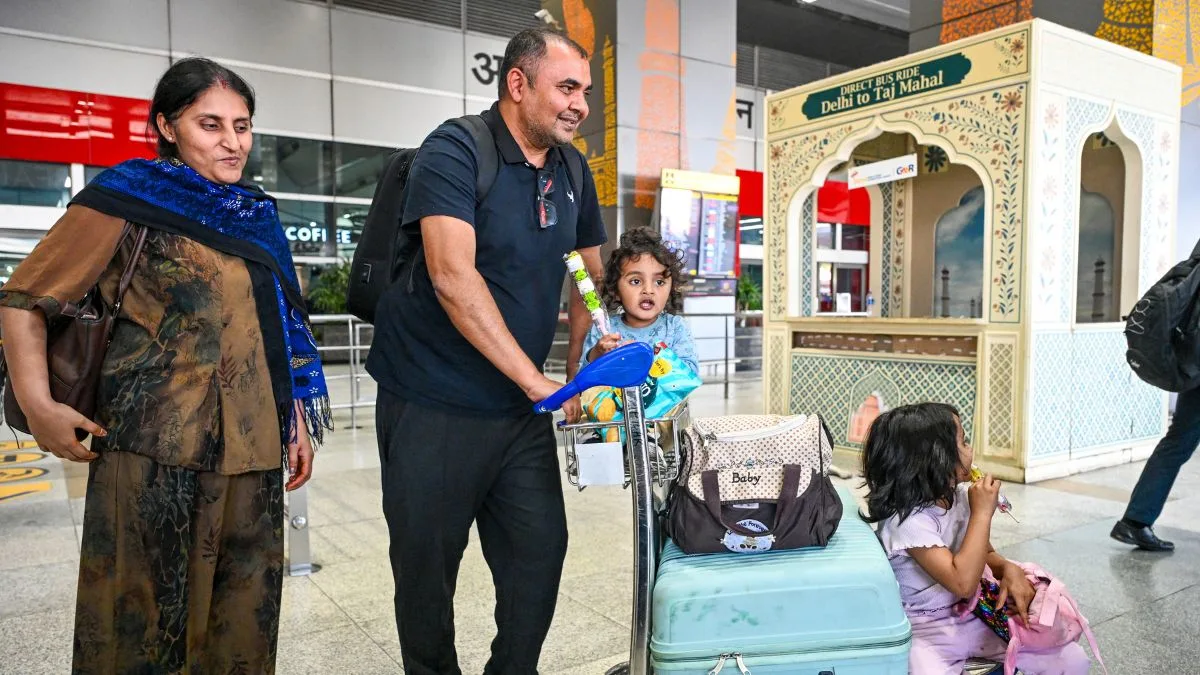
Govt targets paid seat practices, asks airlines to keep 60% seats free

New aviation norms ask airlines to improve transparency, display passenger rights widely and adopt uniform policies as India’s fast-growing air travel market sees rising passenger volumes.

Statesman News Service | New Delhi |

The Centre has asked airlines to make at least 60 per cent of seats on every flight available without extra charges as part of a wider push to make air travel simpler and fairer for passengers.

In fresh directions issued through the Directorate General of Civil Aviation (DGCA), the Ministry of Civil Aviation has also told airlines to seat passengers booked under the same PNR together – preferably next to each other – and to follow uniform, transparent practices across the sector.

The move comes as air travel in India continues to expand rapidly, with more first-time flyers entering the system and passenger volumes crossing five lakh a day. The government has been working to standardise services and reduce complaints as the aviation market grows.

Clear rules on seating, baggage and passenger entitlements

The ministry said airlines must handle items such as sports gear and musical instruments in a more transparent and passenger-friendly way, within safety norms. Carriers have also been asked to publish clear policies for travelling with pets.

“Carriage of sports equipment and musical instruments to be facilitated in a transparent and passenger-friendly manner, subject to applicable safety and operational regulations. Airlines shall also bring out clear, transparent policies for the carriage of pets,” said the ministry.

It has further directed airlines to strictly follow passenger rights guidelines, especially in cases of delays, cancellations, or denied boarding. Information about these rights must be displayed clearly on airline websites, apps, booking platforms, and airport counters.

Airlines have also been instructed to provide information about passenger rights in regional languages.

Focus on convenience as aviation sector expands

India is now the world’s third-largest domestic aviation market, with schemes like UDAN making flying more accessible. The ministry said passenger convenience remains a key priority.

It highlighted initiatives such as affordable food at UDAN Yatri Cafes, free book access through Flybrary, and free Wi-Fi at airports as part of efforts to improve the overall travel experience.

“Passenger facilitation remains the highest priority of the Ministry of Civil Aviation. In line with this commitment, the Ministry has undertaken several passenger-centric initiatives to enhance ease of travel, including UDAN Yatri Cafes for affordable food, Flybrary for free access to books, and provision of free Wi-Fi at airports,” said the official statement.

According to the ministry, these steps are aimed at making air travel more transparent, reducing grievances, and maintaining high safety standards across the aviation ecosystem.

Uttarakhand government carries out major reshuffle across various departments

The Uttarakhand government has carried out a major reshuffle in all three corporations of the energy sector.

ANI | New Delhi |

The Uttarakhand government has carried out a major reshuffle in all three corporations of the energy sector. The state government has relieved Vijay Prasad Thapliyal from his deputation as Chief Executive Officer of the Shri Badrinath-Kedarnath Temple Committee and has repatriated him to his parent department, the Agricultural Produce Market Committee.
Uttarakhand Power Corporation Limited (UPCL) Managing Director Anil Kumar has been removed from his position with immediate effect. Along with him, UJVNL Managing Director Sandeep Singhal has also been relieved of his duties. Additionally, Ajay Agarwal, Director (Projects) at UPCL, has been removed from his post.

The state government has assigned an additional charge of UPCL to Gajendra Singh Budiyal, while Ajay Kumar Singh has been given additional responsibility in UJVNL.
Meanwhile, Scientists from the Indian Institute of Remote Sensing (IIRS) presented a scientific study before Chief Secretary Anand Bardhan regarding maintaining ecological and ecosystem balance during the ongoing construction work under the Badrinath Corridor Development Project in Dehradun.

The Chief Secretary stated that such scientific studies are extremely important at the present time. In a mountainous state like Uttarakhand, maintaining environmental balance alongside development activities is essential. He clarified that wherever such scientific assessments are required, their use will be ensured and also directed that the survey findings be verified as needed.

Earlier, in Februray, Lieutenant General Anindya Sengupta, General Officer Commanding-in-Chief (GOC-in-C) of the Central Command, paid a courtesy call on Chief Minister Pushkar Singh Dhami at the Chief Minister’s residence.
Chief Minister Pushkar Singh Dhami also attended the inauguration and foundation-laying programme for several development projects along with the Bhoomi Pujan of the Primary Health Centre (PHC) upgradation in Tehri Garhwal on Thursday.

He laid the foundation stone for development projects worth Rs 41.21 crore in Ghansali, Tehri district, which includes three inaugurated projects worth Rs 13.43 crore and five new ones worth Rs 27.78 crore. During the ceremony, the Chief Minister also laid the foundation for upgrading the Primary Health Centre, Pilkhi, into a Community Health Centre. He honoured Krishna Gairola and his family for donating land for the hospital.

The Chief Minister said, “Projects whose foundation stones have been laid should not face delays, and their timely completion and inauguration will be ensured. The state government is prioritising basic facilities such as roads, healthcare, and education in the hill regions. With strong determination, even the lack of resources can be overcome.”
Chief Minister Pushkar Singh Dhami also paid a courtesy visit to Governor Lieutenant General Gurmit Singh (Retd.) at Lok Bhavan. During the meeting, the two leaders held discussions on various developmental projects in the state as well as other contemporary issues.

‘Lot of things we are going to do together’: Irish Ambassador says relationship with India ‘going from strength to strength’

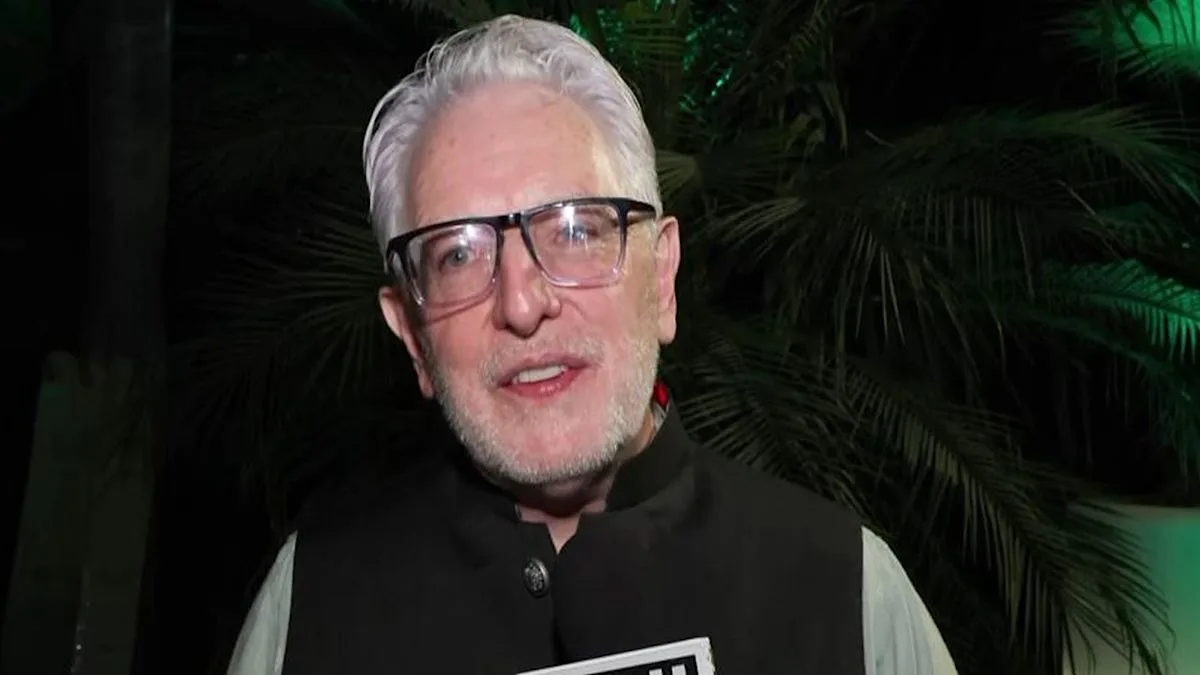
Irish Ambassador to India, Kevin Kelly, hailed the importance of ties between New Delhi and Dublin and expressed optimism for the potential of growth between the nations, cutting across sectors such as education, trade and investment.

ANI | New Delhi |

Irish Ambassador to India, Kevin Kelly, hailed the importance of ties between New Delhi and Dublin and expressed optimism for the potential of growth between the nations, cutting across sectors such as education, trade and investment.

He made the remarks on Tuesday while attending the St. Patrick’s Day celebrations.
Speaking to ANI, Ambassador Kelly said, “We are here to mark St. Patrick’s Day. We celebrate it every year all around the world on March 17. For us in India, it’s extra special because we have such a strong relationship historically with India and a great future ahead. Between trades and investment and education, there are a lot of things that we are going to do together.”

On the bilateral ties, he remarked, “The relationship is going from strength to strength. Our relationship with India is very important. It goes back to the early times when we were fighting for independence, to today, when there are Indian companies investing in Ireland and Irish companies investing here in India. So I see great potential for the future.”
India and Ireland share longstanding ties and have sustained interactions across several areas of collaboration.

In February, Union Communications Minister Jyotiraditya Scindia held a high-level meeting with Jack Chambers, Ireland’s Minister for Public Expenditure, Infrastructure, Public Service Reform, and Digitalisation.
The discussions centred on strengthening the bilateral relationship between the two nations by leveraging their shared status as innovation-driven democracies. The meeting served as a platform to showcase India’s rapid technological transformation and to identify new avenues for deeper cooperation in the digital economy.

The meeting also touched upon international cooperation within the framework of the International Telecommunication Union (ITU). India is actively seeking global support for its bid to host the ITU Plenipotentiary Conference in 2030 (PP-2030), a move that would solidify its position as a global leader in telecommunications policy. By seeking Ireland’s endorsement, India aims to build a consensus among democratic nations to lead the global digital discourse toward inclusive and ethical technological growth.

In an interview with ANI in February, Chambers hailed the Free Trade Agreement (FTA) between India and the European Union (EU), noting the “limitless level” of growth of business opportunities between the two “big trading blocs. The Irish minister said that both parties in the deal will have reciprocal trade benefits.
Highlighting strong India-Ireland trade ties, he mentioned that business between the two countries has grown by 90 per cent in the last 10 years.

Jack Chamber said, “There are huge opportunities in the future, before the free trade agreement between the European Union and India. Trade between Ireland and India grew by 90 per cent in the last 10 years. We expect trade between the European Union and India to double in the next seven years. So there’s a limitless level of opportunity for growth between businesses and amongst our two countries.”
“I’m really excited about the free trade agreement that’s been agreed, and it’s only positive for the future. We have strong people-to-people links, very much pro-enterprise policies across our two countries, and I really look forward to seeing what will come from this, and part of my visit over the next number of days is really trying to leverage that and show how both businesses in both countries can really drive opportunities to increase their market share,” he added.

Further, Chambers said that the FTA, amid an uncertain global trade climate, will increase opportunities for citizens in India and Europe.

Rain, thunderstorms likely across TN over next six days

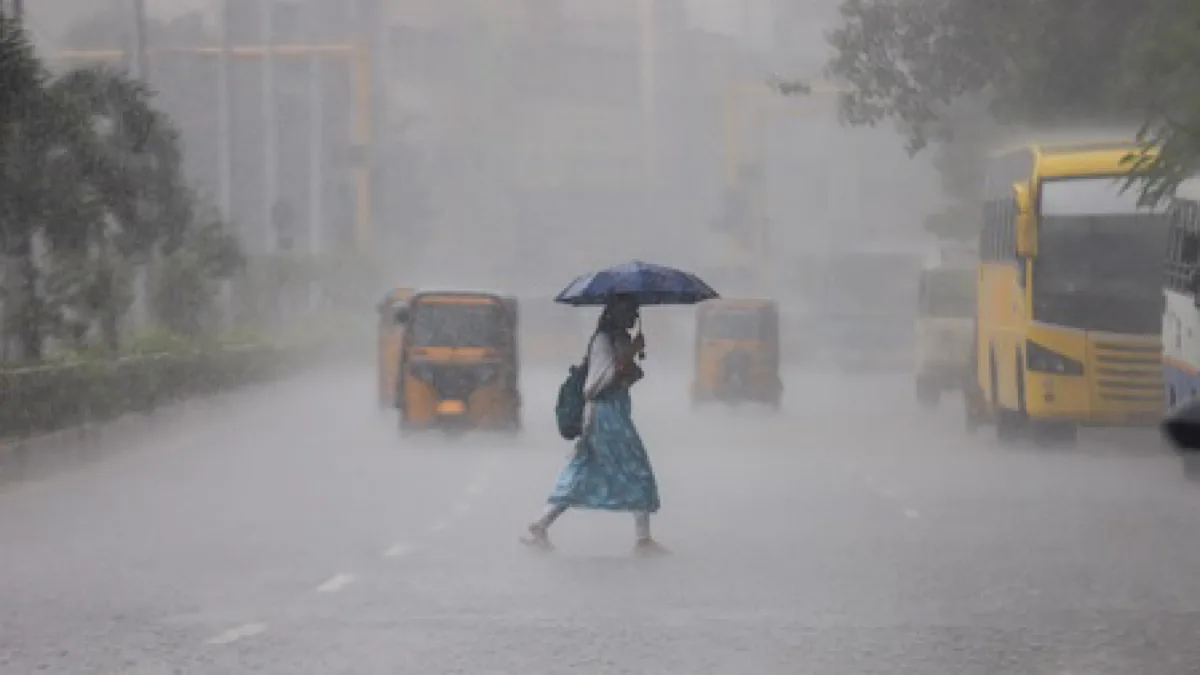
The India Meteorological Department (IMD) has forecast a spell of intermittent rainfall across parts of Tamil Nadu over the next six days, bringing much-needed relief from the intensifying summer heat.

IANS | New Delhi |

The India Meteorological Department (IMD) has forecast a spell of intermittent rainfall across parts of Tamil Nadu over the next six days, bringing much-needed relief from the intensifying summer heat.

According to the weather department, isolated places in Tamil Nadu and Puducherry are likely to experience light to moderate rainfall accompanied by thunderstorms on March 18. The prevailing low-pressure trough along the Tamil Nadu coast is expected to influence weather patterns, particularly over the delta and adjoining districts in the coming days.

On March 19, light rainfall with thunderstorms is likely at one or two places in the delta districts and Karaikal region, while most other parts of Tamil Nadu and Puducherry are expected to remain dry.

A similar trend is forecast for March 20, with scattered light showers anticipated over southern Tamil Nadu, the delta regions, and Karaikal. By March 21, rainfall activity is expected to shift towards the Western Ghats and parts of southern Tamil Nadu, where isolated light showers accompanied by thunderstorms may occur.

Coastal districts in the south may also receive brief spells of rain, while the rest of the state and Puducherry are likely to witness dry conditions. On March 23, light rain is forecast at isolated locations along the southern coastal districts, with dry weather prevailing elsewhere.

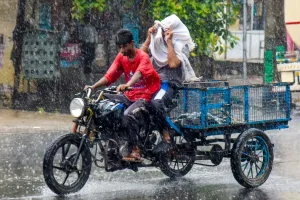
In recent days, sudden spells of rain across several districts have brought considerable respite from soaring temperatures. In Virudhunagar district, areas including Sivakasi, Thiruthangal, Sattur, Periyapatti, Chithurajapuram, and Meenampatti witnessed over an hour of intense thunderstorm activity.

Hailstorms were reported in parts of the Nilgiris, including Ooty and surrounding regions, drawing attention from residents and tourists alike.

Similar conditions were observed in Kalasapakkam and Pudukovil areas of Tirupattur district, as well as in Vaniyambadi, Ambur, and the Yelagiri hills, where widespread rainfall was recorded. In Kodaikanal, hailstones surprised visitors in Poolathur village, while dense fog following the showers caused visibility issues for motorists.

Madurai experienced heavy rainfall with thunder and lightning for more than an hour, significantly cooling the region. Coimbatore, which had been reeling under intense heat, also received widespread showers in areas such as Race Course, Gandhipuram, Ukkadam, Perur, Madampatti, and Kaalampalayam.

Rainfall was also reported across parts of Thoothukudi and Theni districts, including Kovilpatti, Ettayapuram, Periyakulam, and areas near the Sothuparai dam and Kumbakkarai Falls.

Meanwhile, neighbouring Karnataka’s Dharwad district witnessed sudden hailstorms, leaving roads blanketed in ice-like deposits, adding to the unusual weather pattern across southern India.

TN elections: Rs 800 crore allocated for poll works; focus on CCTV deployment, voter outreach

A key component of the expenditure is the remuneration of polling staff, particularly Booth Level Officers (BLOs), who form the backbone of grassroots election management.

IANS | New Delhi |

In a major push to ensure free, fair, and seamless Assembly elections, the Tamil Nadu government has earmarked a substantial Rs 800 crore for election-related activities across the state. The allocation covers a wide range of requirements, with a significant share directed towards personnel management, infrastructure, and voter awareness initiatives.

A key component of the expenditure is the remuneration of polling staff, particularly Booth Level Officers (BLOs), who form the backbone of grassroots election management.

Officials estimate that nearly Rs 100 crore will be spent solely on compensating BLOs deployed for polling day duties, reflecting the scale and logistical complexity of the electoral exercise.

To enhance transparency and security, the Election Department has initiated the process of installing one lakh IP-based CCTV cameras on a rental basis. These cameras will be deployed across 75,032 polling booths statewide, enabling real-time monitoring and strengthening vigilance mechanisms.

Chennai district alone accounts for 4,079 polling booths — the highest in Tamil Nadu — underscoring the need for intensified surveillance in urban centres.

In preparation for vote counting, authorities are setting up approximately 45 to 46 counting centres to cover all 234 Assembly constituencies. Each centre will be equipped with robust infrastructure, including secure strong rooms where Electronic Voting Machines (EVMs) and control units will be stored under strict supervision after polling concludes.

Multi-layered security arrangements are expected to be in place to prevent any tampering or unauthorised access. Alongside logistical preparations, the Election Department is also focusing on boosting voter participation through its Systematic Voters’ Education and Electoral Participation (SVEEP) programme.

To encourage wider engagement, financial support of up to Rs 50,000 will be provided to individuals and media organisations producing voter awareness content.

The initiative aims to improve voter turnout and promote informed participation, particularly among first-time voters.

With comprehensive planning, enhanced monitoring systems, and targeted outreach efforts, officials said Tamil Nadu is gearing up for a high-stakes electoral process with a strong emphasis on transparency, efficiency, and inclusivity.

Public Health Matters More Than Ever – A Career Worth Pursuing

The global health landscape is shifting. In addition to the recent pandemic, we face a rising tide of chronic diseases, climate-related health threats, and deep-seated social inequalities.

HANNAH JORDAN AND SARAH CREDE | New Delhi |

The global health landscape is shifting. In addition to the recent pandemic, we face a rising tide of chronic diseases, climate-related health threats, and deep-seated social inequalities. Today, specialists in public health are the architects of a healthier, more equitable future. At its core, public health is both a science and an art. It is the practice of “preventing disease, prolonging life, and promoting health through the organised efforts of society”.

Unlike clinical medicine, which focuses on treating the individual patient, public health directs its efforts towards the health of entire populations. It asks not just “How do we treat this disease?” but “How do we prevent it from reaching the community in the first place?” While the COVID-19 pandemic exposed global vulnerabilities to emerging pathogens, the modern reality of the field is far broader than crisis management alone. Today’s public health workforce operates at the intersection of scientific rigour, strategic policy making, and human connection. Guided by global initiatives like the United Nations’ Sustainable Development Goals, they tackle the world’s most pressing challenges.

These include the rising rates of non-communicable diseases (NCDs) such as diabetes – a particular concern in India, often dubbed the “diabetes capital of the world” – as well as cardiovascular conditions, the persistent threat of infectious outbreaks and deep-seated health inequalities. Many nations are also grappling with a “double burden” of malnutrition, where undernutrition coexists with rising levels of obesity due to unequal access to nutritious food. Furthermore, climate change is escalating threats to health by degrading air quality, compromising water safety, and threatening food security. The World Health Organisation (WHO) predicts that by the 2030s, climate change will cause an additional 250,000 deaths annually.

In India, this is evident in the daily realities reflected in urban smog and the increasing frequency of extreme heatwaves. As we navigate these global threats, the goal of public health is to promote health through systematic, population-level efforts. A Master’s in Public Health (MPH) is a multidisciplinary degree that equips graduates with the skills to address large-scale determinants of health. The degree attracts students from diverse backgrounds and typically covers key pillars. Epidemiology, often described as the “detective work” of health, epidemiology allows practitioners to identify the patterns and root causes of diseases.

By identifying where and why health outcomes are poorer for specific groups, graduates can develop targeted interventions. Another important area is health policy and management, which teaches students to navigate the complexities of healthcare policy, economics, and administration. It is about designing systems – like India’s ambitious Ayushman Bharat- that are effective, affordable and sustainable. MPH programmes also emphasise research methods, where students master quantitative and qualitative methods to generate evidence, analyse population health trends, and evaluate interventions. This ensures that public health policies and programmes are grounded in scientific proof.

Finally, health promotion focuses on enabling populations to increase control over their own health. Graduates apply behavioural theory and policy advocacy to encourage healthier lifestyle choices across entire communities. The versatility of the MPH degree opens doors to various professional pathways, ranging from grassroots community advocacy to high-level policy making or rigorous scientific research. Within governmental organisations, graduates serve as health officers and policy advisors, shaping national programmes like disease surveillance and immunisation. Others find their calling in the non-profit sector, leading frontline initiatives to improve maternal health or sanitation in underserved regions. For those drawn to the private sector, healthcare organisations and pharmaceutical companies seek MPH graduates to manage population health outcomes and clinical trials.

Furthermore, international agencies such as the WHO or UNICEF offer roles coordinating global responses to health crises and environmental threats. For Indian students, training in public health offers powerful credentials to bridge the gap between local health challenges and global solutions. By pursuing an MPH, students gain the analytical tools to address domestic issues- from rural health access to the complexities of a rapidly digitising landscape- while gaining a credential that is recognised and respected worldwide. Ultimately, a Master’s in Public Health is more than just a postgraduate degree; it is a forward-looking qualification for those who seek to be at the helm of societal change.

It offers a rare combination of intellectual challenge and profound societal impact, transforming passionate individuals into strategic leaders. As the world becomes increasingly interconnected, the need for professionals who can navigate the complexities of population health has never been greater. By pursuing an MPH, you aren’t just starting a career – you are positioning yourself as an architect of a healthier, more equitable future.

THE WRITERS ARE SENIOR UNIVERSITY TEACHERS IN PUBLIC HEALTH AT THE UNIVERSITY OF SHEFFIELD, U.K.

‘Revenge for the pure blood of this dear martyr’: Iran warns US, Israel after Ali Larijani killing

Iran’s top leadership closes ranks after the killing of Ali Larijani, signalling retaliation while highlighting his long political and security career across key institutions.

Statesman News Service | New Delhi |

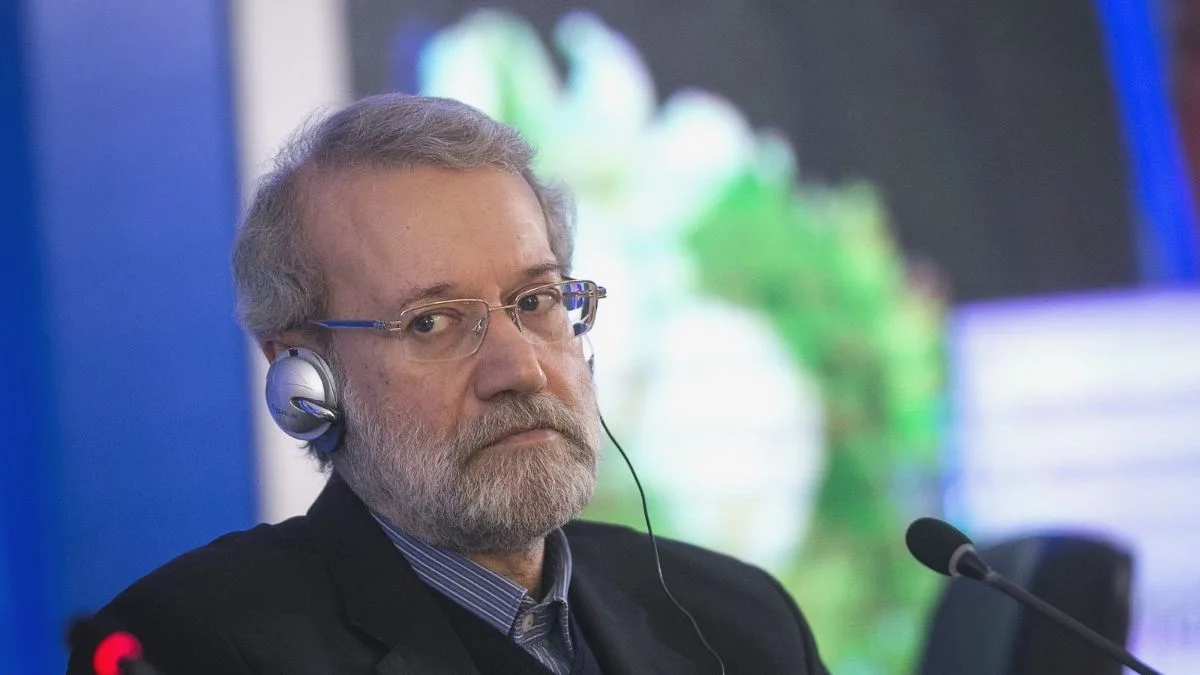
Iran’s senior leadership has reacted with grief after top security official Ali Larijani was killed in a military strike that Iranian state media has blamed on Israel and the United States.

The development marks a significant escalation in tensions, with Iran’s political and military establishment signalling a firm response while honouring one of its most influential security figures.

Larijani, who headed the Supreme National Security Council (SNSC), died late Monday in the attack. His son Morteza Larijani and deputy Alireza Bayat were also killed, along with several security personnel.

President Masoud Pezeshkian, in a condolence message, expressed deep sorrow and described Larijani as a “virtuous, precious, and dear brother”. He said the veteran leader had served the Islamic Republic in multiple key roles over the years, contributing significantly across institutions.

Recalling their time working together in Parliament and later in the Security Council, the Iranian President said Larijani displayed insight, foresight and a spirit of cooperation. He also suggested that such a loss would be difficult to replace.

According to Press TV, Pezeshkian said Larijani’s death reflected a lifetime of dedication, adding that he had always worked towards regional stability and unity among Islamic nations. He further claimed that the slain official had built a strong global presence in security matters, which made him a target.

Leaders hail Larijani’s legacy and service

Other senior leaders echoed similar sentiments. Parliament Speaker Mohammad Baqer Qalibaf said such an end was reserved for those who remained steadfast in their commitments. He described Larijani as a tireless figure devoted to the nation and highlighted his tenure as a three-time Speaker of Parliament.

Qalibaf added that the incident would not halt the broader movement, insisting that the path of the revolution would continue despite such attacks.

Judiciary chief Mohseni Ejei also paid tribute, saying Larijani’s years of service and struggle had been recognised in what he termed “martyrdom”. He praised the late official’s leadership abilities, courage and commitment to the country’s ideals.

Iran signals retaliation after strike

Alongside the tributes, Iran’s leadership issued strong warnings. Pezeshkian said those responsible for the attack would face consequences, asserting that a harsh response was inevitable.

He also emphasised that the country would remain on its course and ultimately prevail.

“Undoubtedly, a severe revenge awaits the terrorist criminals who have stained their foul hands with the blood of the innocent,” said Pezeshkian.

Ejei, too, said Iran’s armed forces, supported by the public, would “exact revenge for the pure blood of this dear martyr” from those he referred to as “the criminal America and the barbaric Zionist regime”.

The killing of Larijani comes at a time of heightened regional tensions, with fears that the latest strike could trigger further escalation in the conflict.

Climate Change Overrides La Niña, Driving Early Heatwaves and a Shrinking Indian Winter

Winters bid adieu to India in the first half of February, paving the way for unusually early summers.

Statesman News Service | New Delhi |

Winters bid adieu to India in the first half of February, paving the way for unusually early summers. With the spring season absent for yet another year, India has already begun its tryst with heatwaves quite early in the season. Despite last year’s La Niña conditions that typically cool global temperatures, global warming is reshaping long-standing weather patterns. In 2025, the all-India annual mean land surface air temperature was 0.28°C higher than the 1991–2020 long-term average. This made 2025, inspite of being a La Niña year, the eighth warmest year since 1901.

This is not the first time global warming has outmuscled La Niña. Since 2020, four years have carried La Niña conditions, including an exceptional triple-dip event that persisted from the summer of 2020 through early 2023 — one of the longest on record. Under normal circumstances, La Niña would have pulled global temperatures down. Instead, relentless greenhouse gas emissions kept pushing them up, and each of those years still found its place among the warmest in recorded history. The heat has arrived early and with little warning. Since the second half of February, temperatures across Northwest India have climbed well above seasonal norms, with isolated pockets already breaching heatwave thresholds and a growing number of stations placed on alert.

With this, the spring season has once again remained absent from the Indian subcontinent. The India Meteorological Department has left little room for optimism — above-normal heatwave days are forecast across most of the country for the entire March-to-May season. On March 10, Mumbai sizzled at 40°C, which was above the normal average by 7.6 degrees. With this, the city qualified for severe heatwave conditions. “Persistent anti-cyclonic circulation over Gujarat and adjoining areas has been pushing warm easterly winds towards the city and delaying the sea breeze, which brings down the temperatures across the city. While the system has now moved away, bringing respite but we have a bigger problem to deal with.

This is a natural phenomenon that will keep recurring at regular intervals. However, the point to be noted is that under the warming climatic conditions, the city would be subjected to an increased number of heatwave days in the future as average temperatures are already high, ”said Mahesh Palawat, Vice President – Meteorology and Climate Change, Skymet Weather. Maximum temperatures in Delhi-NCR have been hovering around 35°C, which is five to seven degrees above average. Night temperatures are also settling three to four degrees above average, around 17°C.

Heatwave to severe heatwave conditions have gripped isolated pockets of Himachal Pradesh, with day maximum temperatures recorded markedly above normal by 5.1°C-8°C. Another region reeling under heatwave conditions is Vidarbha in Maharashtra, where temperatures are above normal by 3.1°C-5°C. Palawat said the season will only get hotter in the coming days, “We do not see any respite in the coming days from the rising heat. Infact, the heatwave will now increase its ambit and cover more areas of Maharashtra, Rajasthan, and Gujarat. There will also be no respite for coastal areas along the East and West Coasts as they will struggle with hot and humid weather.

Temperatures may not cross the heatwave threshold, but the weather would be extremely sultry due to increased wet bulb temperature.” Coastal areas have been witnessing hot and humid weather conditions, which further indicate the gradual rise in the relative humidity. A rise in moisture results in a steep rise in the feel-like temperature, also known as Wet Bulb Temperatures. When the human body temperature exceeds 37°C (or 100°F), perspiration helps cool it down; however, high humidity slows this process, making it harder for the body to release heat. This can increase the occurrence of several heat-related illnesses and fatalities. WHAT IS HEATWAVE?

According to the IMD, a Heatwave is a period of elevated air temperatures that can be fatal when people are exposed. It is defined based on the temperature thresholds over a region in terms of actual temperature or its departure from normal.

WINTER IS GETTING SHORTER�AND HOTTER

Continuing a trend seen in recent years, both the Himalayan states and the Indo-Gangetic Plains saw little in the way of winter rains or snowfall from the start of the season in December. January offered no early relief either, remaining largely dry until two successive Western Disturbances brought back-to-back wet spells — first from January 21 to 24, and again from January 26 to 28 — finally breaking the prolonged dry stretch across north and central India. February stood out as the driest of the three winter months, recording an 81% rainfall deficiency — just 4.2 mm against a seasonal normal of 22.7 mm. Paradoxically, this occurred despite an above-average number of Western Disturbances passing through the Western Himalayas.

Nine such systems moved across North India, nearly double the usual five or six, yet most were too weak to deliver meaningful precipitation. Only three produced any rainfall or hailstorm activity, and even that was limited to lightsp ells across the plains of northwest and central India. Temporary cooling by La Niña does not reverse the long-term trend. The year 2025 began and ended with La Niña, but it was one of the three warmest years on record, continuing the streak of extraordinary global temperature. The past 11 years have been the 11 warmest on record , and ocean heating continues unabated. According to scientists, the La Niña led cooling impact was brief and that it was not able to reverse the long-term warming trend caused by record levels of heat-trapping greenhouse gases in our atmosphere.

“La Niña is a climate pattern marked by colder-than-normal sea surface temperatures in the equatorial Pacific Ocean that tend to suppress global temperatures. Global warming and changing climatic conditions tend to play a major role, which can be temporarily governed by these ENSO conditions but cannot completely outplay the effects of climate change. Apparently, all the naturally occurring climate events like El Nino, La Niña and the Indian Ocean Dipole are now severely affected by human induced climate change,” said G P Sharma , President– Meteorology and Climate Change, Skymet Weather. “There is no doubt that climate change has reformed some of the typical impacts of La Niña.

La Niña pulls down global temperatures, but a consistent rise in global temperatures in recent years has outgrown the cooling effect induced by the phenomenon. Even if the ocean temperatures were reducing due to La Nina , at the rate global warming is increasing, we hardly get to see the impact of the former,” added Palawat. L a Niña is defined as an oceanic-atmospheric phenomenon, El Niño-Southern Oscillation (ENSO), wherein water temperatures in the Equatorial Pacific Ocean become cooler than normal because of the upwelling of cold water from the bottom of the sea.

La Niña has the capacity to alter direction as well as the velocity of the tradewinds, which trigger the winter season in India. La Niña has an association with winter rains over North India. Unlike El Niño, it may not have a strong correlation with seasonal features but remains consequential for the seasonal performance. The Indian Ocean warming turns out to be the largest contributor in phase with the overall trend in the global mean Sea Surface Temperatures (SST). According to a study‘ Future projections for the tropical Indian Ocean’, post-1950, a few warm events over the Indian Ocean have attained the threshold value for El Niño (SST anomalies greater than 0.77°C). This places these warm events almost on par with the El Niños in magnitude.

Considering the long-term persistence of these events, the Indian Ocean warming scenario and related climate dynamics are factors to be vigilant of, while assessing long-term climate change and variability. While the Indian Ocean warmed at a rate of 1.2°C per century during 1950–2020, climate models predict accelerated warming, at a rate of 1.7 °C –3.8°C per century during 2000–2100. As climate change accelerates global warming, the reliability of natural climate cycles such as La Niña and El Niño is increasingly being disrupted, making seasonal weather patterns far more unpredictable. Rising temperatures are altering atmospheric circulation, weakening traditional cooling influences, and worsening meteorological conditions across the region.

For India, this means more frequent and intense heat waves, erratic rainfall, shorter winters, and growing climate extremes that affect health, agriculture, water resources, and economic productivity. The emerging pattern is clear: climate change is no longer a distant risk but a present and intensifying force reshaping India’s seasons and amplifying vulnerabilities across the country.

(A REPORT BY CLIMATE TRENDS. CLIMATE TRENDS IS A RESEARCH-BASED CONSULTING AND CAPACITY BUILDING INITIATIVE THAT AIMS TO BRING GREATER FOCUS ON ISSUES OF ENVIRONMENT, CLIMATE CHANGE AND SUSTAINABLE DEVELOPMENT.)

Why Trump is losing the war – at home

No US president in living memory has gone to war with less public support than Donald Trump has for the war in Iran.

DAVID SMITH | New Delhi |

No US president in living memory has gone to war with less public support than Donald Trump has for the war in Iran. Even Barack Obama’s much-maligned Libyan intervention began with 60 per cent of Americans in support in 2011. There is no poll that shows a majority of Americans supporting the Iran war, and multiple polls showing clear majorities against it. And wars usually lose public support as they go on. Trump did not make a public case for the war before it began, because he preferred quick, surprising strikes preceded by theatrical suspense. He presented the vast military buildup in the Persian Gulf as a high-pressure negotiating tactic in the short-lived bargaining sessions over Iran’s nuclear enrichment.

Trump was undoub te dly emboldened by the tactical success of his removal of Venezuelan President Nicolas Maduro, though that too was not very popular with Americans. Wars are not necessarily better when the US government invests a huge effort in justifying them. The justification for the disastrous Iraq War, after all, was base d on misperceptions, distortions and falsehoods. But by completely disregarding US public opinion before the war, Trump now finds himself in all kinds of trouble as he tries to fight it. Political scientist Bruce Jentleson argued that public support for war in the United States depends not just on how the war is going, but on the public’s understanding of the war’s aims. The US public is much more likely to support wars aimed at imposing restraints on aggressive powers than wars aimed at bringing political change to other countries.

That theory explains why the Bush administration made such an effort to claim Iraq had weapons of mass destruction and was linked to the September 11 terrorist attacks, even though “regime change” was the aim of the Iraq war. Regime change is also, quite clearly, the aim of the Iran war. Trump has been talking about it for months, and is still talking about it. It was only after the bombs started falling on Iran that Trump and his administration began to make the case that Iran was an “imminent threat” to the US. It wasn’t very convincing. After all, Trump had been boasting until recently that he had “completely obliterated” Iran’s nuclear program the year before.

In a video released shortly after the attacks, Trump complained about the 1979 Tehran hostage crisis, the 1983 Hezbollah attack on US marines in Beirut, and the 2000 bombing of the USS Cole, which he said Iran was “probably involved in”. It was left to Secretary of State Marco Rubio to make the convoluted argument that the US was acting in preemptive self-defence, because it knew Israel was going to strike Iran, and that Iran would retaliate against Americans in the Middle East. That did not play well in a country increasingly wary of Israel.

A Gallup poll released just before the war began showed that, for the first time this century, more Americans said their sympathies were with Palestinians than Israelis. Recently, the biggest drop in support for Israel has been among political Independents, whose views have shifted significantly during the Gaza War. Tucker Carlson, the loudest critic of the Iran war on the right , immediately labelled it “Israel’s war”. Joe Rogan, an influential figure among Trump’s 2024 support base of disillusioned young men, said they felt “betrayed” by the war.

Meanwhile, Secretary of Defense Pete Hegseth has tried to sell the war to Americans by gloating about the death, destruction and fear being inflicted on Iran. Even as investigations show the US military was responsible for the bombing of a school that killed more than a hundred children, he dismisses rules of military engagement as “stupid”. The most recent Quinnipiac Poll showed Hegseth’s approval rating at 37 per cent. Despite high-profile opponents like Carlson and Marjorie Taylor Greene, Trump still has most of the MAGA base with him for now. They were never really opposed to foreign wars. What they hated was losing foreign wars, and Trump is promising them swift victory in Iran.

But Trump has not prepared them or anyone else, including his own cabinet, for the costs this war will incur. Especially the disruption to global oil markets, which the International Energy Agency is calling the largest in history, and which will elevate the cost of everything from travel to food. Trump’s rhetoric about the price of war has hardly been Churchillian. One night he posted on social media that a short term increase in oil prices is “a very small price to pay for U.S.A., and World, Safety and Peace. ONLY FOOLS WOULD THINK DIFFERENTLY!” But the next day he was forced to calm markets by claiming the war was nearly over. The Iranian regime, whose main goal is survival, is well aware of the political and economic vulnerabilities of the US and its Middle Eastern allies, and these appear to be what it is targeting.

At the beginning of the war, Iran’s seemingly scattered attacks on infrastructure, embassies and hotels in Gulf states were a source of mirth for some American commentators. But these were eventually enough to shut down large swathes of energy production and shipping, and inflict far more pain than Trump or his supporters were expecting. Trump was already facing the same domestic problem that Joe Biden faced.

It doesn’t matter how much you tell Americans about positive GDP, stock market and employment numbers; if they are struggling with the cost of living, their view of both the economy and the President will be bleak. Trump’s glib dismissals of the price of oil are sounding a lot like his airy reassurances at the beginning of the pandemic. Few Republicans in Congress have been prepared to stand up to Trump over the war. But as midterm elections approach, many of them will be silently praying he finds an excuse to end it as soon as possible.

(The writer is Associate Professor in American Politics and Foreign Policy, US Studies Centre, University of Sydney. This article was published on www.theconversation.com)

India’s gateway to the West is under strain

For decades, Dubai has carefully cultivated the image of a city insulated from the turbulence of the Middle East.

TATHAGATA CHATTERJI | New Delhi |

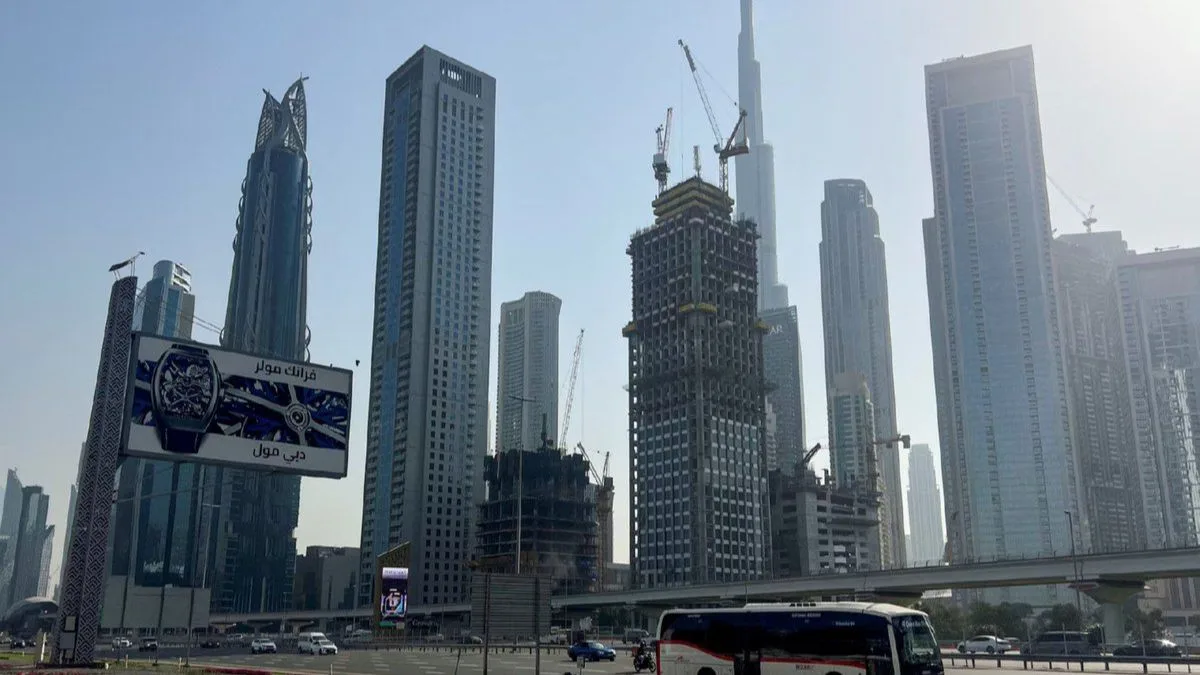
For decades, Dubai has carefully cultivated the image of a city insulated from the turbulence of the Middle East. Its glittering skyline, world-class infrastructure and cosmopolitan lifestyle projected a reassuring message to investors and expatriates alike: that amid a volatile region, Dubai offered stability, opportunity and global connectivity That carefully constructed narrative has recently come under strain, as Iranian missiles and drones began targeting Dubai’s iconic landmarks – including the Burj Al Arab, Palm Jumeirah and the international airport – from 1 March, in retaliation for joint Israeli-American air raids.

Although the UAE’s air defence systems intercepted most of the projectiles and physical damage, so far, appears limited, the deeper impact lies elsewhere. The incident challenges the psychological foundations of Dubai’s economic model – its reputation as a safe and predictable hub in an uncertain region. Even if the conflict subsides quickly, restoring that perception of stability may take longer. Dubai’s rise from a modest trading port to the urbs prima of the Middle East within four decades is one of the most remarkable urban transformations of our time. Unlike its neighbour Abu Dhabi, Dubai possesses relatively modest oil reserves. Recognising this constraint early, the ruling Al Maktoum royal family pursued an ambitious strategy of diversification focused on logistics, aviation, finance, tourism and real estate. Infrastructure investment was central to this transformation.

The development of Jebel Ali Port in 1979 – today one of the world’s largest free trade zones – helped establish Dubai as a global logistics hub. The rapid expansion of Emirates Airline further strengthened the city’s role as a major transit centre connecting Europe, Asia and Africa. The “Dubai model” combines aggressive market liberalisation with a highly proactive state capable of planning and executing projects at remarkable speed. Urban branding has also played a significant role. Iconic architecture and ambitious mega-projects – from the Burj Khalifa to the Palm Jumeirah – signal global ambition while reinforcing the city’s reputation as a centre of innovation and opportunity.

At the same time, the model depends heavily on a large expatriate workforce with limited citizenship rights. This flexible labour system has allowed Dubai to sustain rapid economic expansion while maintaining competitiveness. Dubai’s rise has also been shaped by regional instability. The emirate has repeatedly attracted capital and talent during crises elsewhere – from Lebanese businesses relocating during the civil war of the 1970s to investors unsettled by the Arab Spring, and more recently Russians moving assets after the Ukraine conflict. In many ways, Dubai filled the vacuum left by Beirut’s decline as the Arab world’s financial and cultural centre by offering political stability, open markets and modern infrastructure.

Institutional innovation further strengthened this strategy. The establishment of the Dubai International Financial Centre (DIFC) in 2004 introduced regulatory frameworks modelled on global financial hubs such as London and New York. By 2025, DIFC had grown into a major financial centre hosting more than 290 banks, 102 hedge funds, around 500 we althmanagement firms and nearly 1,300 family-related entities. Dubai has also invested heavily in cultivating a cosmopolitan cultural identity. Cultural districts such as Alserkal Avenue and Dubai Design District have become important spaces for artists, designers and creative entrepreneurs, helping position the emirate as a regional hub for the arts and creative industries. This openness contrasts with the more restrictive social environments found in several other countries in the neighbourhood and has contributed significantly to branding Dubai as the prime urban centre of the Arab world. For India, Dubai functions not merely as a trading partner but as a crucial western gateway to the global economy.

Few cities outside India are as deeply embedded in the country’s commercial and social networks. The UAE is India’s third-largest trading partner and the second-largest destination for Indian exports. Dubai plays a central role as a logistics and re-export hub through which Indian goods – from textiles and jewellery to machinery and food products – are routed to markets across the Middle East and Africa. Many Indian companies also use the city as a base for managing their regional operations, benefiting from its connectivity, financial services and global infrastructure. Equally important is the human bridge linking the two economies. By 2025, the Indian diaspora in the UAE was estimated at about 4.36 million people – nearly 38 per cent of the country’s population – with the largest concentration in Dubai itself.

Their remittances support millions of households across India. Cultural and sporting connections have also made Dubai a familiar and glamorous presence in India’s popular imagination. It is a favourite location for Bollywood films, concerts and promotional events, with its skyline and landmarks appearing in movies such as Pathaan, Happy New Year and Tiger Zinda Hai. The Dubai International Cricket Stadium frequently serves as a neutral venue for high-profile India–Pakistan fixtures and IPL tournaments. The city’s Gold Souk often sits at the top of tourists’ bucket lists. Together, they have turned the city into a glittering extension of India’s cultural and sporting world. Geopolitical instability in this prime gateway city would therefore have wide-ranging implications, impacting trade flows, capital movements and mobility patterns.

Dubai’s success has always depended on persuading investors, businesses, and professionals that it offers safety and stability in an otherwise volatile region. Over four decades, the emirate has leveraged its strategic location – within reach of nearly two-thirds of the world’s population – and built world-class infrastructure to support that. Yet geography also exposes it to geopolitical risks. The confrontation involving Iran, Israel and the United States underscores how closely Dubai’s fortunes are tied to the stability of the wider Gulf region. The UAE lies just a short distance away from Iran across the narrow Strait of Hormuz – one of the world’s most sensitive maritime chokepoints through which a significant share of global oil shipments passes.

Any prolonged disruption to shipping lanes or aviation routes could quickly affect investor sentiment and global trade flows. Demography adds another layer of vulnerability. Over 88 per cent of the UAE’s population of 11.57 million are expatriates – making it one of the most expatriate-dominated societies in the world. In times of regional instability, the confidence of this globally mobile population – and the capital and expertise they bring – can be fragile. The deeper vulnerability lies in Dubai’s economic model. With limited oil resources, the emirate depends on logistics, finance, tourism and real estate – sectors highly sensitive to investor confidence and geopolitical shocks.

Dubai has demonstrated remarkable resilience in the past. But the current conflict, is a reminder that the city’s most valuable asset is not its skyline, ports or financial centres. It is the belief – shared by millions of investors, entrepreneurs and expatriates – that Dubai offers stability in an unstable region. Once shaken, that confidence can take far longer to rebuild than any damaged building or disrupted flight route.

(The writer is Professor (Urban Management and Governance), XIM University, Bhubaneswar and Vice Chairman (International Relations), Centre for Multilevel Federalism, Delhi.)

Hormuz on edge: US unleashes 5,000-pound bunker-buster strikes on Iran missile sites along oil route

Thousands of targets, vessels and defence systems have been hit in the ongoing US campaign, while Gulf nations activate air defences amid growing fears of a wider regional spillover.

Statesman News Service | New Delhi |

US forces have conducted fresh strikes on Iranian missile sites along the Strait of Hormuz, using heavy bunker-buster bombs to hit what they said were immediate threats to ships passing through the route.

The move brings the conflict closer to one of the world’s busiest oil corridors, with the focus now shifting sharply to the sea.

US Central Command (CENTCOM) said the strikes involved “multiple 5,000-pound deep penetrator munitions” and targeted “hardened Iranian missile sites along Iran’s coastline near the Strait of Hormuz”. These locations, it said, housed anti-ship cruise missiles that could endanger commercial vessels moving through the strait.

The strikes are part of Operation Epic Fury, which has been underway since February 28. US officials say the campaign is aimed at dismantling key parts of Iran’s military network, especially those seen as posing urgent risks.

“US Navy aviators have flown hundreds of combat flights during Operation Epic Fury, demonstrating America’s unmatched ability to generate air dominance from the sea,” CENTCOM said.

Since the operation began, more than 7,000 targets have been hit, according to an official update released earlier. These include missile launch sites, air defence systems, and facilities linked to Iran’s Revolutionary Guard.

CENTCOM added that US Navy pilots have flown hundreds of combat missions so far, maintaining sustained pressure from sea-based platforms.

The campaign has involved a wide mix of military assets – long-range bombers such as B-1, B-2 and B-52 aircraft, advanced fighter jets including F-22 and F-35, along with drones and surveillance aircraft. Warships – from massive aircraft carriers to stealth submarines- have been pushed into the region. On land, air defence shields like Patriot and THAAD are now on standby, tracking and knocking down incoming missiles.

Regional tensions spill over

The impact is being felt beyond the immediate conflict zone.

In Israel, two people were killed after a ballistic missile struck Ramat Gan, emergency responders said. Another person was injured in nearby Beni Brak.

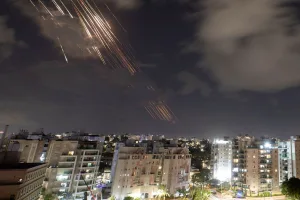
Across the Gulf, several countries reported incoming threats. The United Arab Emirates said its air defence systems were intercepting missiles and drones launched from Iran. Authorities asked residents to stay indoors and follow official advisories.

Similar alerts were issued in Bahrain and Kuwait, where sirens sounded and people were told to move to safe locations. In Dubai, officials said the loud blasts heard across parts of the city were from air defence systems knocking down incoming threats.

There were also reports of intense Israeli airstrikes on Beirut, raising fresh fears that the conflict could widen further.

Oil Lifeline

When wars expand, the most decisive targets are often not cities or armies but the economic arteries that sustain a nation’s power.

Statesman News Service | New Delhi |

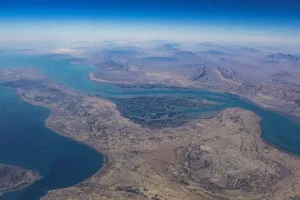
When wars expand, the most decisive targets are often not cities or armies but the economic arteries that sustain a nation’s power. For Iran, that artery lies in the Persian Gulf on a small, rocky outcrop called Kharg Island. Recent American air strikes on military installations there highlight how central this island has become to the strategic contest between Iran and the United States. Kharg Island is far more than a remote outpost. It is the hub through which an overwhelming majority of Iran’s crude oil reaches global markets.

Giant tankers load millions of barrels at its jetties before sailing south through the narrow maritime corridor of the Strait of Hormuz, one of the world’s most critical energy chokepoints. The decision to strike military infrastructure on the island while leaving its oil terminal untouched reflects a deliberate strategic calculation. Destroying missile depots, air defences and naval facilities sends a clear warning to Tehran. But attacking the export infrastructure itself would amount to crippling Iran’s economic lifeline overnight. That restraint, however, does not diminish the message. By demonstrating that Kharg Island can be reached and damaged at will, Washington is effectively signalling that Iran’s economic survival rests on vulnerable ground.

Oil exports remain the backbone of Iran’s finances and a crucial revenue stream for the powerful Islamic Revolutionary Guard Corps, which plays a central role in the country’s regional strategy. There is also a wider geopolitical dimension that extends well beyond the Gulf. A significant share of the crude shipped from Kharg Island ultimately ends up in refineries in China, which has become one of the principal buyers of Iranian oil despite sanctions. Any serious disruption to the island’s export infrastructure would therefore reverberate far beyond Iran, threatening not only Tehran’s finances but also China’s energy security and, by extension, a portion of the fuel supply feeding the world’s second-largest economy.

For the administration of President Donald Trump, the strike appears to follow a familiar doctrine: apply pressure while avoiding an immediate shock to global markets. Energy prices remain acutely sensitive to instability in the Gulf. A direct attack on Kharg’s oil terminals could send crude prices soaring and potentially provoke retaliatory strikes on oil infrastructure across the region, from Saudi Arabia to the United Arab Emirates. Yet the episode also reveals how fragile the modern energy system has become. Kharg Island now stands not only as Iran’s principal export hub but also as a symbol of the vulnerability of concentrated infrastructure in a volatile region.

A single island handling most of a country’s oil shipments inevitably becomes a strategic pressure point. If tensions continue to intensify, the struggle may increasingly revolve around such economic choke points rather than conventional battlefields. In that sense, the significance of Kharg Island lies not only in its oil tanks and loading jetties but in the geopolitical leverage they represent. Control over the flow of oil, after all, can shape the trajectory of conflicts just as decisively as control over territory

Equality’s Dilemma

When the Supreme Court declined to mandate menstrual leave nationwide, it stepped into a debate that has long hovered between the language of welfare and that of equality.

Statesman News Service | New Delhi |

When the Supreme Court declined to mandate menstrual leave nationwide, it stepped into a debate that has long hovered between the language of welfare and that of equality. The bench led by Chief Justice Surya Kant suggested that making menstrual leave compulsory could ultimately harm women’s employment prospects by making them less attractive hires in a competitive labour market. The concern deserves serious consideration. India’s formal workforce participation rate for women remains among the lowest in the world.

In sectors where hiring decisions are already shaped by implicit biases about maternity, caregiving responsibilities, and workplace flexibility, adding another mandatory leave category could reinforce the perception ~ however unfair ~ that women represent a higher “cost” to employers. But the question is not simply whether menstrual leave is desirable. The real question is how India understands equality in the workplace. Modern labour law has always balanced two impulses: treating everyone identically and recognising biological or social differences that require accommodation.

The Constitution of India itself embodies this tension. Article 14 promises equality before the law, while Article 15 explicitly allows the state to enact special provisions for women and children. India’s maternity benefit legislation already reflects this principle, acknowledging that identical treatment can sometimes produce unequal outcomes. Menstruation sits awkwardly within this framework. It is a biological reality affecting hundreds of millions of women, yet its impact varies widely. For some, it causes little disruption; for others, conditions such as Dysmenorrhea can produce severe pain and fatigue that significantly affects productivity.

A rigid, one-size-fits-all legal mandate may therefore fail to capture the complexity of the issue. There is also a cultural dimension. Despite decades of public health campaigns, menstruation remains surrounded by stigma in many parts of India. Women are still excluded from certain religious or household activities, and discussion of menstrual health is often avoided in schools and workplaces. In such a context, a compulsory leave policy could paradoxically deepen stereotypes that menstruation makes women inherently weaker or less capable. Yet dismissing the issue entirely would also be a mistake. Several jurisdictions ~ from Japan to Spain ~ have experimented with menstrual leave or related workplace accommodations. Some Indian states, including Bihar and Odisha, have long offered limited menstrual leave for government employees.

In the private sector, companies have adopted voluntary policies that allow employees to take time off without stigma. These experiments suggest a middle path. Instead of imposing a uniform legal mandate, policymakers could encourage flexible workplace policies, better health support, and a broader culture of openness about menstrual health. Equality in the workplace is not achieved simply by ignoring biological differences, nor by codifying them in ways that restrict opportunity. The challenge for India lies in finding policies that protect women’s health while ensuring that equality does not become another form of exclusion.

Focus on India

The US-Israel coalition is currently engaged in an intense, sustained, and escalatory military campaign against Iran, described by some observers as an “existential war” or a “war of choice”.

PRABHU DAYAL | New Delhi |

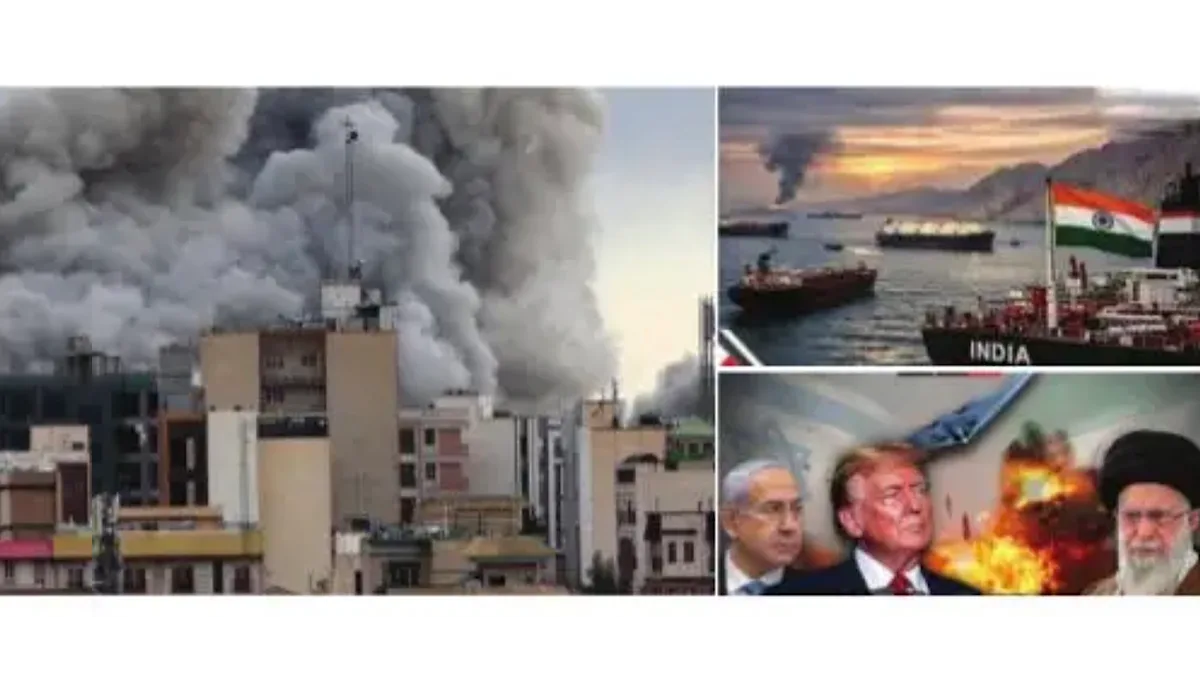
The US-Israel coalition is currently engaged in an intense, sustained, and escalatory military campaign against Iran, described by some observers as an “existential war” or a “war of choice”. The US and Israel have launched intense bombardments targeting thousands of Iranian military targets and infrastructure, including locations in Tehran and nuclear facilities. Attacks have targeted the Iranian leadership, military infrastructure, and naval bases, with reports of over 10,000 damaged homes.

The current war follows a 12-day conflict in June 2025 and is part of a broader, long-term effort by the US and Israel to dismantle Iran’s nuclear and missile programmes. Initiated on 28 February, the conflict is now in its third week, with no immediate signs of a ceasefire. Iran has responded with missile and drone strikes against Israel and US assets in the region, alongside accusations that Western forces are undermining regional security. President Donald Trump’s policy regarding Iran centres on a strategy of “maximum pressure” aiming for “strategic submission”.

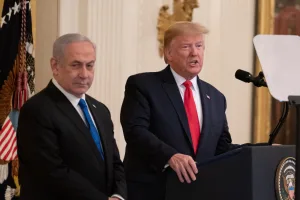
This approach involves using intensified economic sanctions, coordinated military strikes with Israel, and a “divide and conquer” strategy targeting the Islamic Revolutionary Guard Corps (IRGC) to force Iran to halt nuclear development and reduce regional activity. The strategy is built in close cooperation with Israeli Prime Minister Benjamin Netanyahu to coordinate military actions and intelligence gathering. The objective is to force the Iranian leadership to accept permanent constraints on its nuclear programme and regional influence through overwhelming pressure. While aiming for quick submission, the strategy carries the risk of a protracted, uncontrollable conflict if the regime remains resilient, and there is no guarantee of achieving long-term stability in the region.

Iran is utilizing a pre-planned “mosaic defence” structure, allowing provincial command centres to continue operating despite the loss of top-level leadership. It has warned that it will strike back against any attack on its energy infrastructure or ports, and has warned Gulf nations against aiding the U.S. and Israel. The conflict is threatening to disrupt global energy markets, particularly in the Strait of Hormuz, causing a spike in oil prices and has resulted in over 2,000 reported fatalities across the region. The current situation is defined by a “maximum pressure” campaign that has escalated into an active military conflict, making diplomatic solutions difficult to achieve.

The U.S. demand for “unconditional surrender” and total dismantling of Iran’s enrichment programme has led to a stalemate, with Iran showing defiance and capacity for sustained conflict. Trump has stated he is “not ready” to make a deal because current terms offered by Tehran are insufficient, while Iranian officials have dismissed the idea of a ceasefire. Analysts in the US are becoming increasingly critical of Trump, saying that the country is now trapped in a conflict with no clean exit. The war has pushed up global energy prices and caused significant economic disruption due to threats against shipping in the Strait of Hormuz.

Iran has largely blocked this vital waterway, leading Trump to call for a naval coalition of countries including China, the UK, and Japan to keep shipping lanes open. To pressurise Iran to keep the Strait of Hormuz open, the U.S. military has struck critical infrastructure like Kharg Island, which handles 90 per cent of Iran’s oil exports. In this background, the situation is a “nightmare strategic scenario” where multiple pathways hold significant risks of catastrophic outcomes. One scenario involves continuation of the US-Israel bombing of Iranian nuclear sites and infrastructure which risks global destabilization.

The scenario, marked by the 12-day War in June 2025 and subsequent escalations in February/March 2026, has seen the US under President Trump, moving to dismantle Iran’s nuclear capabilities entirely while Iran has continued its retaliatory measures. This option includes the potential for killing massive numbers of civilians and triggering a “long war” that disrupts global energy markets. A second scenario is Boots on the Ground. However, sending American soldiers into Iran, a country of over 90 million people with mountainous terrain and a “martyrdom” mindset, is seen as a potentially disastrous option, similar to or worse than the 20-year Afghanistan war, resulting in massive troop casualties.

Iran’s vast, mountainous geography ~ specifically the jagged Zagros Mountains ~ favours decentralized “mosaic defence” tactics, which could immediately stall heavy armour. A Boots on the Ground strategy would likely lead to sustained U.S. casualties in a hostile environment. While the U.S. possesses the military capability for such an invasion, it could require hundreds of thousands of troops to occupy the country, transforming a limited campaign into a “forever-siege”. A third option is easing military pressure or pulling back, which would lead to Iran expanding its regional influence, leaving Israel to fight alone against Tehran and its proxies such as Hezbollah and the Houthis and portraying American weakness.

This path could result in the loss of US influence in the Middle East, leaving Israel to face Iran and its proxies alone, and potentially causing the U.S. dollar to lose its oil backing. It may be mentioned that the “oil backing” of the U.S. dollar, known as the petrodollar system, is a 1970s arrangement where OPEC nations, primarily Saudi Arabia, agreed to price oil exclusively in USD, ensuring global demand for the dollar. This system replaced the gold standard, creating a massive, consistent need for dollars, strengthening its reserve currency status. In fact, far from pulling back, the U.S. is reportedly deploying an additional 2,500 Marines to West Asia, augmenting the 50,000 personnel already in the region.

Could Trump push the nuclear button? His administration maintains that “all options are on the table” to prevent Tehran from acquiring a nuclear weapon, a phrase historically used to include nuclear contingencies without explicitly naming them. However, while Trump has authorized major conventional military operations against Iran, he has not publicly signalled the use of nuclear weapons. The administration’s current doctrine emphasizes “decisive force” and “coercive diplomacy,” relying on its massive conventional air and naval buildup in the Middle East to achieve its objectives without crossing the nuclear threshold. Without doubt, ending the conflict faces severe challenges. President Trump has stated that Iran is “totally defeated and wants a deal”.

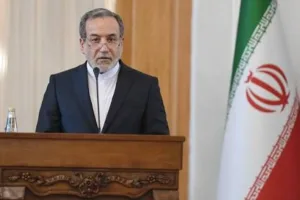
On the other hand, Iran has officially rejected ceasefire negotiations, with Foreign Minister Abbas Araghchi stating that Tehran is prepared to defend itself “as long as it takes,” thus denying that they are seeking a deal. Iran has also set specific demands for ending the war, which include official recognition of its political standing and rights, reparations for damage from airstrikes, and strong international security guarantees. Moreover, the Islamic Revolutionary Guard Corps (IRGC) is actively seeking retaliation for the killing of its commanders, making a rapid halt unlikely.

The IRGC has vowed to pursue and kill Israeli Prime Minister Benjamin Netanyahu, whom they have described as a “child-killing criminal.” Against this backdrop, the big question is: how to end the Iran war? A shift away from continued attacks by the Trump administration is essential to preventing a deeper, more protracted war and allowing for an exit. The restoration of shipping safety in the Strait of Hormuz is a key priority for the U.S., which may offer a focal point for ceasefire negotiations, despite Iran’s ability to maintain pressure through naval drones and mines. The conflict requires direct or indirect negotiations between Tehran and Washington to establish a ceasefire.

Third-party mediation involving international actors, particularly those with diplomatic influence, may be needed to facilitate a truce between the parties. India is increasingly viewed by regional actors as a potential mediator in the escalating conflict between Iran, Israel, and the United States, though it has not formally accepted a lead mediation role. India maintains robust, independent partnerships with all primary rivals ~ Israel, Iran, and the Gulf states. This unique positioning allows New Delhi to act as a neutral “back channel” for de-escalation. The United Nations Human Rights Office specifically identified India as a country with the global influence necessary to play a constructive role in de-escalating the conflict.

UN official Ravina Shamdasani noted that India, alongside other influential nations, could encourage a recommitment to the UN Charter to bring the regional crisis to an end. Several high-profile diplomatic figures and military experts have also called on Prime Minister Narendra Modi to intervene and mediate an end to the hostilities. Hussain Hassan Mirza, a former UAE Ambassador to India, made a widely reported statement that “one phone call from PM Modi” to his counterparts in Iran and Israel could resolve the conflict. He emphasized that Modi commands unique respect across the Gulf and holds credibility with both warring sides. In a widely shared interview, retired U.S. Army Colonel Douglas Macgregor suggested that President Trump should call PM Modi to help stop the war, noting India’s strong relations with both Israel and Iran.

Prime Minister Modi has engaged in active “telephone diplomacy” to push for a cessation of hostilities. On 1 March, PM Modi spoke with the Israeli Prime Minister, expressing deep concern over regional developments and stressing the priority of civilian safety and an early end to fighting. On 12 March, he held a conversation with the Iranian President, advocating for dialogue and diplomacy to defuse the “serious situation”. He has also held discussions with UAE President Sheikh Mohamed bin Zayed Al Nahyan and the President of France to coordinate peace efforts. India has a critical, multi-faceted stake in ending the ongoing conflict between Iran, Israel, and the United States, as the instability threatens its energy security, economic stability, and diaspora in the Gulf region.

The conflict has disrupted shipping routes through the Strait of Hormuz – through which 90 per cent of India’s LPG imports pass – creating shortages in cooking gas and pushing up energy prices. Over 10 million Indian citizens live in the region. The war puts roughly $50 billion in remittances at risk and presents a massive challenge for the protection and potential evacuation of Indian nationals.

Prolonged instability will negatively affect India’s growth and it will require complex, intense diplomacy to safeguard its interests. Given the high stakes, India should leverage its multi-aligned policy to facilitate de-escalation through quiet diplomacy and back channels. While a public, high-profile mediation attempt might be risky, a passive stance would be detrimental to India’s national interest. Therefore, a proactive, balanced, and behind-the-scenes role that advocates for dialogue (as shown by recent diplomatic engagements) is the most logical path forward.

(The writer, a retired IFS officer, served as India’s Ambassador to Kuwait and Morocco and as Consul-General in New York)


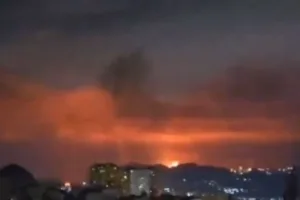
US-Israel-Iran war updates: Iran vows to retaliate after reports claim Israel attacked major gas field

Missile interceptions across the Gulf, fresh US strikes near Hormuz, and political rifts in Washington signal a widening conflict with global trade and security implications.

Statesman News Service | New Delhi | Updated :

The conflict that began on February 28, 2026, has now spread far beyond Iran and Israel, drawing in Gulf nations, global powers, and key shipping routes. Nearly two weeks in, strikes, counter-strikes, and political fallout are intensifying, with no clear path to de-escalation.

From missile interceptions across the Gulf to fresh US strikes near the Strait of Hormuz, the situation on March 18 remains fluid and volatile. Leaders across the world are reacting in sharply different tones, some doubling down on military action, others urging restraint and diplomacy.

Middle East tensions after US-Israel strikes on Iran: Top Updates

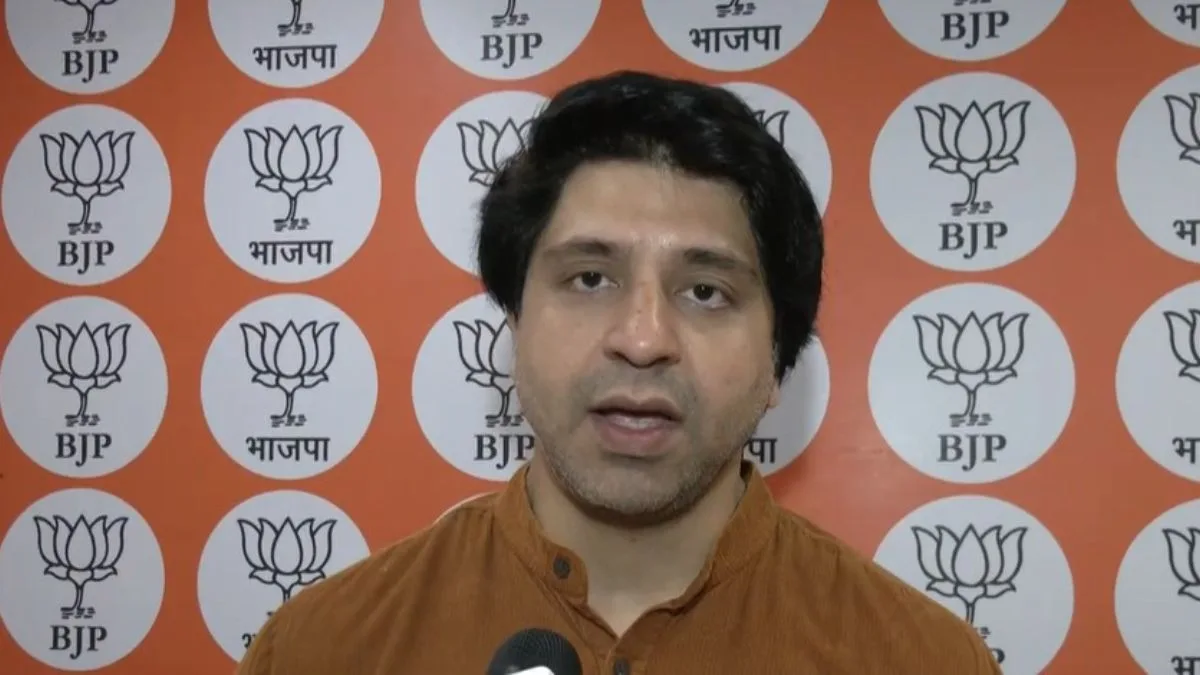
‘Satyamev Jayate’: BJP leader Shehzad Poonawalla hails Delhi HC crack down on posts linking Himayani Puri with Jeffrey Epstein

Poonawalla called the High Court’s order a victory of truth and big loss of face for those who levelled these allegations.

Statesman News Service | New Delhi |

BJP leader Shehzad Poonawalla on Tuesday welcomed the Delhi High Court’s order directing social media firms to remove posts linking Union Minister Hardeep Puri’s daughter Himayani Puri to convicted American sex offender Jeffrey Epstein.

Poonawalla called the High Court’s order a victory of truth and big loss of face for those who levelled these allegations.

He said that the Delhi High Court found that a prima facie case of defamation had been made out and, on that basis, directed all identified defendants (Defendant Nos. 1 to 14), as well as the unidentified John Doe/Ashok Kumar defendants, to immediately remove the impugned content from their respective handles, channels and other platforms, and restrained them from posting any further allegedly defamatory material linking the plaintiff to Jeffrey Epstein in any manner.

“Thus, the removal of the posts by the uploaders themselves would, in effect, have a global impact, as such content would no longer be available for viewing anywhere,” he said.

“The Court further ordered that, if Defendant Nos. 1 to 14 and the unidentified John Doe/Ashok Kumar defendants fail to take down the defamatory content within 24 hours, intermediary platforms such as X, Meta and Google (Defendant Nos. 15 to 18) must remove or block access to such material,” he said.
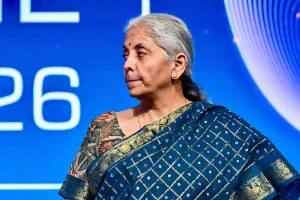
Hearing a petition filed by the Union Minister’s daughter, the court granted her interim relief, directing the removal of allegedly defamatory online content linking her to Jeffrey Epstein.

The court held that the material in question warranted immediate restraint and ordered its takedown.

Himayani Puri had filed a Rs 10 crore defamation suit seeking a global takedown of posts linking her to American financier and child sex offender Jeffrey Epstein.

She also requested a John Doe order (a legal order issued by a court against unknown or unidentified parties) to identify and act against unknown individuals responsible for circulating the content.

‘Sarke Chunar Teri Sarke’ song controversy: Haryana Women’s Commission issues notice to CBFC, seeks its response over use of ‘objectionable’ lyrics

The commission has asked for a detailed response from the CBFC while also urging the certification board to take necessary steps to ensure stricter scrutiny of such content in the future.

Statesman News Service | New Delhi |

Nora Fatehi and Sanjay Dutt’s latest song ‘Sarke Chunar Teri Sarke’ from the movie ‘KD: The Devil’ has triggered a massive controversy over its alleged use of “vulgar” and double-meaning lyrics, with the Haryana State Commission for Women seeking a detailed response from the Central Board of Film Certification (CBFC).

In a letter written to the CBFC on Tuesday, the Haryana Women’s Commission expressed concern over the approval of alleged objectionable content in recently released songs, particularly the song ‘Sarke Chunar Teri Sarke’ featuring Nora Fatehi and Sanjay Dutt.

The commission has asked for a detailed response from the CBFC while also urging the certification board to take necessary steps to ensure stricter scrutiny of such content in the future.

“We request your office to provide a detailed response at the earliest and to take necessary steps to ensure stricter scrutiny of such content in the future,” read the letter.

The National Human Rights Commission (NHRC) has also reportedly issued a notice regarding this. Advocate and social activist Vineet Jindal has also written to the CBFC seeking an immediate ban on the song.