Logo

PM Modi, Macron discuss ‘shared concerns’ over evolving West Asia situation

External Affairs Minister (EAM) S Jaishankar held a telephonic conversation with his Iranian counterpart Seyed Abbas Araghchi amid escalating conflict with Israel and the US.

Nikhil Vyas | New Delhi |

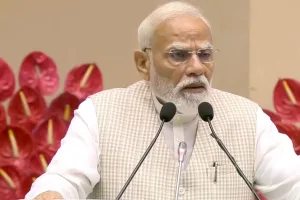
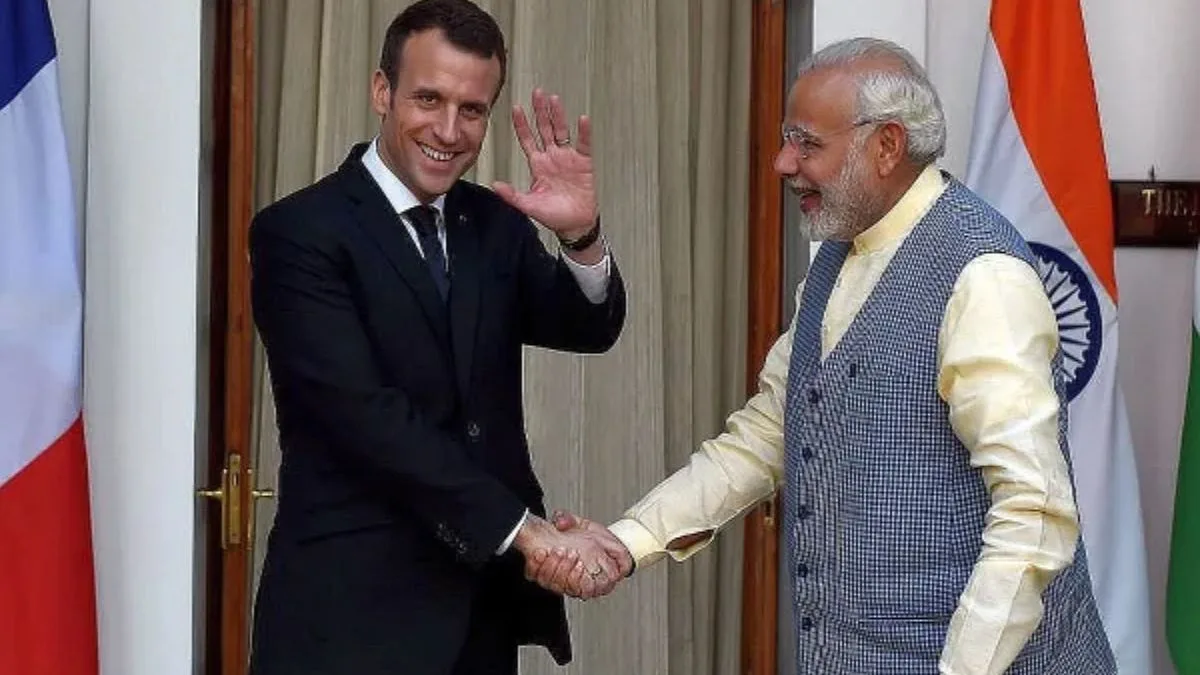
Prime Minister Narendra Modi on Thursday held a telephonic conversation with French President Emmanuel Macron during which both the leaders discussed their ”shared concerns” over the escalating conflict in Iran and the Gulf region.

Meanwhile, External Affairs Minister (EAM) S Jaishankar held a telephonic conversation with his Iranian counterpart Seyed Abbas Araghchi amid escalating conflict in West Asia.

In a post on X, after the telephonic conversation with French President Emmanuel Macron, PM Modi said, “Spoke with my friend President Emmanuel Macron today. We discussed our shared concerns over the evolving situation in West Asia and the need for a return to dialogue and diplomacy. We will continue to engage closely and coordinate efforts towards the early restoration of peace and stability in the region.”

After his interaction with the Iranian FM, EAM Jaishankar wrote on X, “Had a telecon with Iranian FM Seyed Abbas Araghchi this afternoon.”

Jaishankar also held a telephonic conversation with his Oman counterpart Sayyid Badr bin Hamad bin Hamood Albusaidi on Thursday, discussing the ongoing conflict in West Asia. Following the conversation, he wrote in a post on X, “Spoke with FM Sayyid Badr bin Hamad bin Hamood Albusaidi of Oman on the ongoing conflict in West Asia.”

Earlier in the day, Foreign Secretary Vikram Misri, on behalf of the Government of India, signed the condolence book at the Iranian Embassy in New Delhi and offered condolences on the death of Iran’s Supreme Leader Ayatollah Ali Khamenei.

Earlier on March 3, the Ministry of External Affairs (MEA) had issued a statement on ongoing conflict in the West Asia region.

India on Tuesday expressed deep concern over the escalating conflict in Iran and the Gulf region, urging all sides to exercise restraint and prioritise civilian safety. The situation has deteriorated significantly, with increased violence and disruptions to normal life. “There are almost one crore Indian citizens who live and work in the Gulf region. Their safety and well-being are of utmost priority. We cannot be impervious to any development that negatively affects them,” the MEA said in the statement.

“Our trade and energy supply chains also traverse this geography. Any major disruption has serious consequences for the Indian economy. As a country whose nationals are prominent in the global workforce, India is also firmly opposed to attacks on merchant shipping. Already, some Indian nationals have lost their lives or are missing as a result of such attacks in the last few days,” said the statement.

“India strongly reiterates its call for dialogue and diplomacy. We raise our voice clearly in favour of an early end to the conflict. Already, many lives have been regrettably lost and we express our grief in that regard,” the statement further stated.

The conflict in West Asia was triggered by the joint US-Israel strikes against Iran on February 28, aimed at degrading Tehran’s missile capabilities and defence infrastructure. The opening operation killed senior figures in the Iranian leadership, including Supreme Leader Ayatollah Ali Khamenei, triggering a response from Tehran in the form of drone and missile attacks targetting US assets, regional capitals and allied forces across the region

Iran’s retaliatory strikes have spanned several countries, with missiles and drones intercepted over Kuwait, Bahrain and the United Arab Emirates, prompting temporary airspace closures.
PM Modi likely to address BJP’s Brigade rally in Kolkata on March 14

Senior state BJP leaders said the revised schedule has been confirmed internally within the party.

UNI | Kolkata |

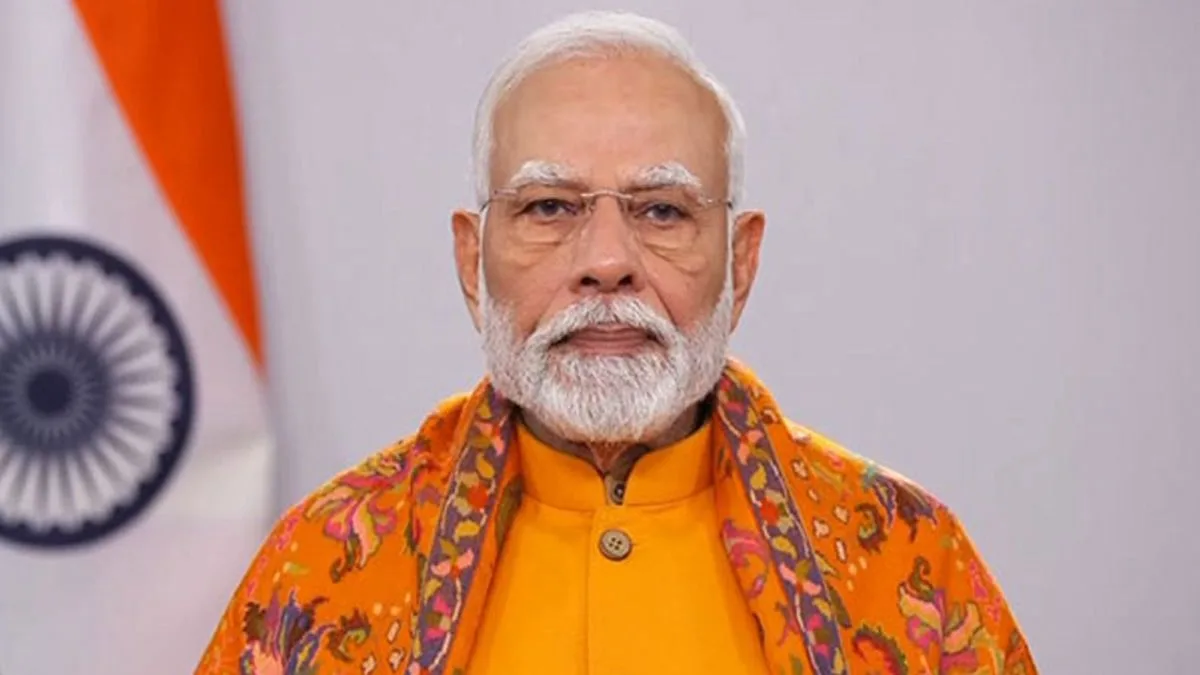
Prime Minister Narendra Modi is now likely to address a public rally at Kolkata’s Brigade Parade Ground on March 14, a day earlier than the previously scheduled date, Bharatiya Janata Party (BJP) sources said on Thursday.

Senior state BJP leaders said the revised schedule has been confirmed internally within the party.

As per the tentative programme, the Prime Minister is expected to arrive in Kolkata on the night of March 13, address the rally the following day, and return to New Delhi later the same evening.

The proposed rally at the Brigade Parade Ground is expected to formally kick off the BJP’s high-intensity campaign for the upcoming West Bengal Assembly elections.

The development comes amid indications that the Election Commission may announce the poll schedule for the state as early as next week, triggering heightened political activity across West Bengal.

Major political parties have already intensified organisational outreach and campaign preparations ahead of the elections.

The BJP leadership is hopeful that the Prime Minister’s address at the iconic Kolkata venue will energise party workers and consolidate support ahead of the crucial electoral battle.

Brigade Parade Ground has traditionally been regarded as one of West Bengal’s most politically significant venues, hosting several landmark rallies by major political parties over the decades.

Ahead of the 2021 Assembly elections, Prime Minister Modi had addressed a massive gathering at the same ground on March 7 as part of the party’s state-wide campaign.

In the run-up to the forthcoming polls, the BJP has been conducting a series of “Parivartan Yatras” across different regions of the state to build grassroots momentum.

Party sources indicated that these yatras are expected to culminate in the Brigade rally to be addressed by the Prime Minister.

Political observers are expected to closely watch the address from the Brigade stage, particularly for signals on the BJP’s electoral strategy and campaign direction in the lead-up to the Assembly elections.

With advanced digital platforms, govt services becoming simpler, more accessible: Delhi CM

CM Gupta stated that the process of grievance redressal has become faster, while the system has also become more transparent now.

Statesman News Service | New Delhi |

As part of various reforms currently underway, related to governance in the national capital, adaptation of advanced technology platforms across the departments aimed at realising better work efficiency is expected to boost the city’s development across different sectors.

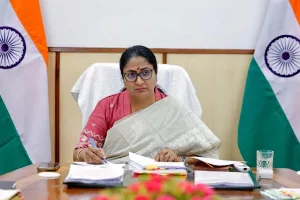
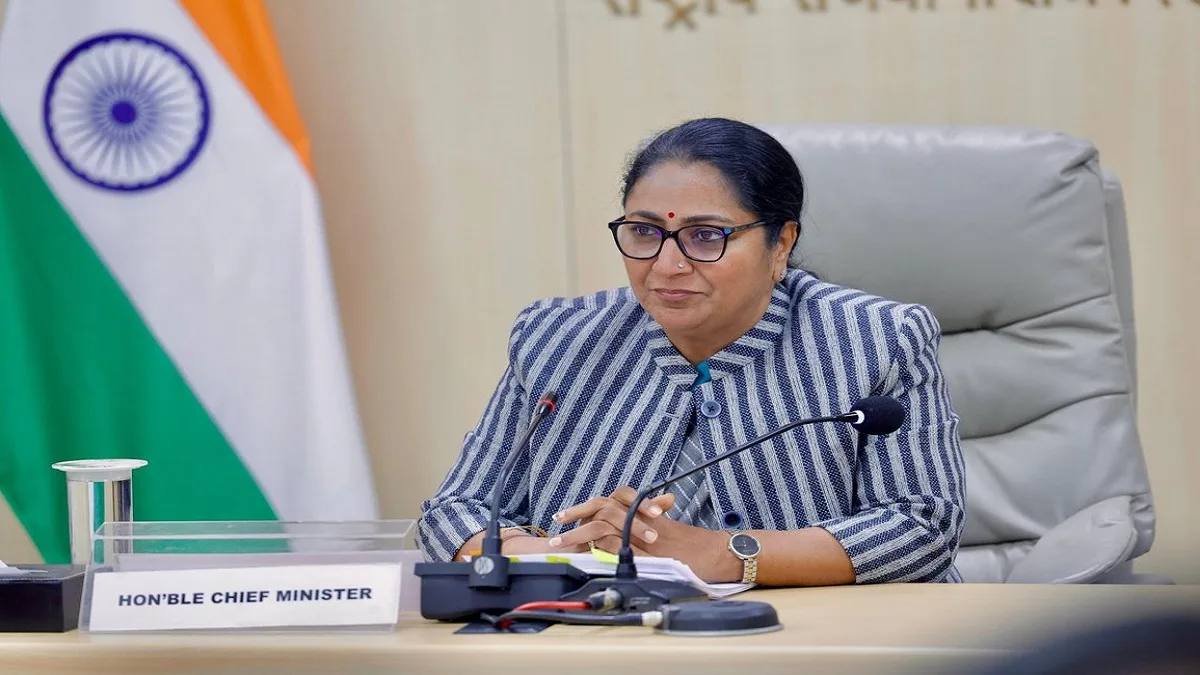
Taking to social media platform X, Chief Minister Rekha Gupta on Thursday said her government is ensuring transparency, accountability, and promptness in services by transforming technology into a powerful medium in the system of governance. According to her, with the advanced digital platforms, services offered by the government are not only becoming simpler but also more accessible and time-bound.

CM Gupta stated that the process of grievance redressal has become faster, while the system has also become more transparent now.

She had earlier said that her government was establishing an administrative culture where processes are simple, the system is responsive, and solutions are delivered to the citizens within a time frame by making effective use of advanced technology.

Earlier, in her remark on the administrative work culture, she said previously it was confrontation which used to dominate governance. The present government has prioritized effective dialogue and coordination, rather than any kind of confrontation. The government has also strengthened systems through bringing in place digital mechanisms, financial discipline and institutional reforms.

The Information and Technology Department is working on an integrated digital ecosystem for establishing inter-departmental connections, enhancing transparency, and empowering citizens through the use of technology.

Some time ago, Delhi’s IT minister had informed that after observing and learning from successful models in other states like Haryana, Maharashtra, and Rajasthan and by adopting the best practices, work is being done with an aim to have a seamless governance framework.

The core of the government’s digital transformation agenda lies in the development of an umbrella IT framework that integrates data, schemes, and services across departments.

To bridge the digital divide and promote last-mile delivery of services, the Common Service Centres (CSC) is made to enable citizens to conveniently access e-District services across Delhi. The initiative is going to benefit those individuals who do not have personal digital access, allowing them to obtain essential government certificates and services.

Similarly, another reform, which is the Digital Asset Management Information System (DAMIS), aims to create a digital inventory of all immovable government assets across departments and agencies, which is for enhancing transparency, support optimal utilization, and enable inter-departmental coordination through a single repository.

Shinde nominates Jyoti Waghmare as Rajya Sabha candidate

Earlier on Thursday, Shinde initially decided to spring a surprise by announcing two candidates for the Rajya Sabha election, namely Professor Jyoti Waghmare and Rohit Tilak, who happens to be the great-grandson of Lokmanya Tilak, in a bid to pit Tilak against the opposition Maha Vikas Aghadi’s (MVA) only Rajya Sabha candidate, NCP founder Sharad Pawar.

Statesman News Service | Mumbai |

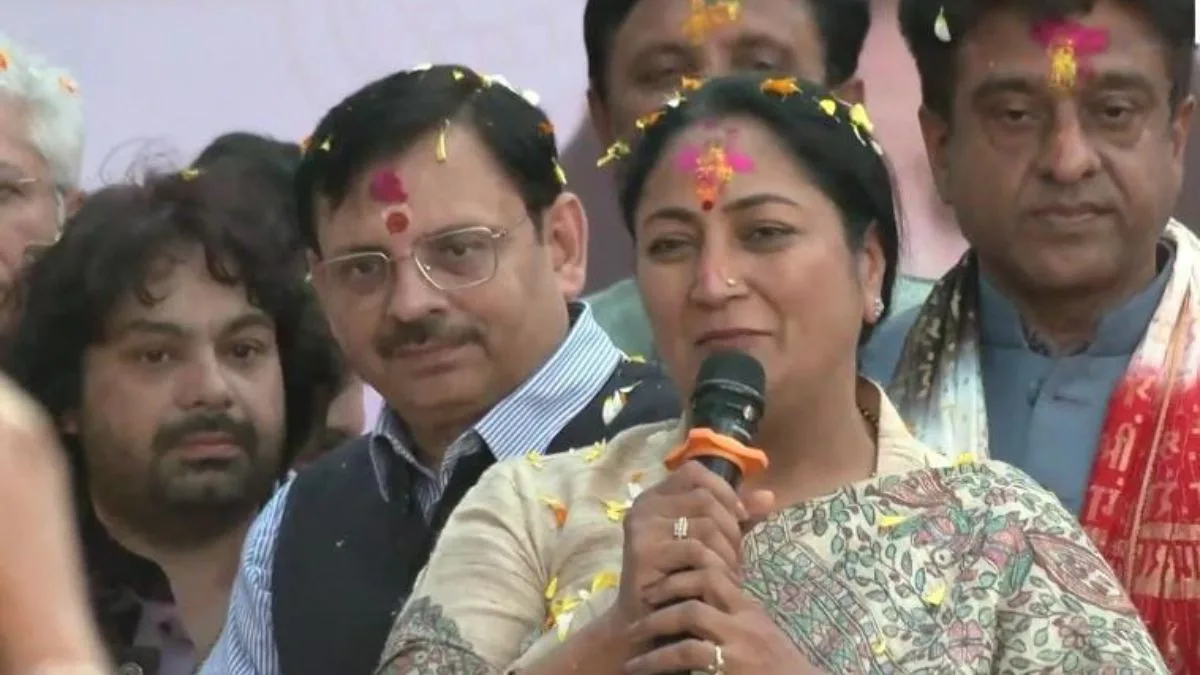
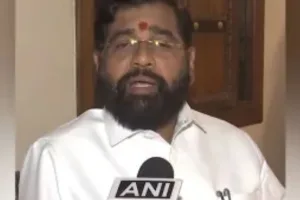
Deputy Chief Minister Eknath Shinde on Thursday nominated Prof Jyoti Waghmare as the Shiv Sena candidate for the forthcoming Rajya Sabha election in Maharashtra under the BJP-led Mahayuti ruling alliance. March 5 was the last day for filing nominations in Maharashtra.

Earlier on Thursday, Shinde initially decided to spring a surprise by announcing two candidates for the Rajya Sabha election, namely Professor Jyoti Waghmare and Rohit Tilak, who happens to be the great-grandson of Lokmanya Tilak, in a bid to pit Tilak against the opposition Maha Vikas Aghadi’s (MVA) only Rajya Sabha candidate, NCP founder Sharad Pawar.

Yet, in a last-minute twist, while actually filing nominations at the Vidhan Bhavan here on Thursday, Shinde ensured that only one candidate, namely Professor Jyoti Waghmare, filed the nomination papers for the Rajya Sabha election at the Vidhan Bhavan.

Consequently, it is now clear that the only opposition Maha Vikas Aghadi (MVA) candidate for the Rajya Sabha elections, NCP founder Sharad Pawar, will win unopposed.

As things stand, the ruling BJP-led Mahayuti has filed six nominations for the Rajya Sabha elections. The BJP has filed four nominations, while the Ajit Pawar-led NCP has filed one nomination for Deputy CM Sunetra Pawar’s elder son, Parth Pawar, and one nomination has been filed by the Eknath Shinde-led Shiv Sena, whose candidate is Professor Jyoti Waghmare.

The development came a day after the BJP-led Mahayuti announced its candidates for Rajya Sabha elections, namely Vinod Tawde, Maya Chintaman Ivnate and Ramrao Wadkute, besides Republican Party of India President and Union Minister of State Ramdas Athawale, even as the Ajit Pawar-led NCP nominated Deputy CM Sunetra Pawar’s elder son Parth Pawar, on Wednesday.

Scrutiny of applications will be completed on March 6 (Friday), while the last date for withdrawal of candidature is March 9 (Monday). The Rajya Sabha election is scheduled for March 16, and voting will be held from 9 am to 4 pm. Election results will be declared after 5 pm the same day.

According to sources, Shinde had been toying with a plan to defeat the only opposition Maha Vikas Aghadi (MVA) candidate, Sharad Pawar. Shinde’s calculation was that his Shiv Sena has an additional 20 votes from his party’s MLAs for the Rajya Sabha elections, while the Ajit Pawar-led NCP, which is another constituent of the ruling BJP-led Mahayuti alliance, has an additional three votes. Shinde believed that this gave him enough political leeway to pit a second Rajya Sabha candidate like Rohit Pawar against MVA’s Sharad Pawar, sources said.

Yet, at the last moment, Deputy CM Eknath Shinde chose not to field Rohit Pawar against MVA’s Sharad Pawar, sources said.

Therefore, only the Shinde Sena candidate Professor Jyoti Waghmare ended up filing her nomination at the Vidhan Bhavan on Thursday.

Shinde’s nominee Prof Jyoti Waghmare, who comes from the Ambedkarite movement, holds a PhD in English literature and speaks fluent Marathi as well as Telugu, which is her mother tongue. Her father used to be a corporator. She resigned her professorship in Solapur to enter active politics.

Professor Waghmare was the president of the Solapur City Mahila Congress in 2014. After joining the Eknath Shinde-led Shiv Sena in 2022, she was appointed as the Eknath Shinde-led Shiv Sena’s Maharashtra state spokesperson due to her aggressive style of oratory.

Meanwhile, NCP founder Sharad Pawar filed his nomination for the Rajya Sabha election as the opposition Maha Vikas Aghadi’s (MVA) candidate here on Thursday, though he was unable to file his nomination in person due to health reasons. Due to this, election officials went to Sharad Pawar’s ‘Silver Oak’ residence in South Mumbai and completed all the procedures. This is the first instance of its kind, where election officials went to the residence of a sick person who could not physically go to file his nomination for the Rajya Sabha election.
This method of filing nomination for the Rajya Sabha election was facilitated by a Supreme Court verdict in the Pashupatinath versus Harihar Prasad Singh case in 1968, according to which, if the candidate is unable to be physically present due to any valid reason, including health, it is mandatory to submit an affidavit in the prescribed form as per Article 84A of the Constitution.

Accordingly, JJ Hospital’s Superintendent Sanjay Suravase went to Sharad Pawar’s residence on Thursday, after which Sharad Pawar’s proposer Jayant Patil went to the Maharashtra Legislative Assembly and submitted Sharad Pawar’s application to the Election Officer.

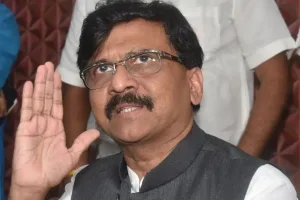
All top leaders of the opposition Maha Vikas Aghadi (MVA) were present as Sharad Pawar filed his nomination here on Thursday, including Sharad Pawar-led NCP working president as well as Lok Sabha MP Supriya Sule, Uddhav Thackeray-led Rajya Sabha MP Sanjay Raut, senior Sharad Pawar-led NCP Jayant Patil, Sharad Pawar-led NCP MLA Rohit Pawar, Maharashtra Congress state unit president Harshvardhan Sapkal and senior leader Congress Vijay Wadettiwar.

However, Aditya Thackeray was absent at the event, leading to speculation in political circles.

The last of Atal era chief ministers bids adieu to state politics

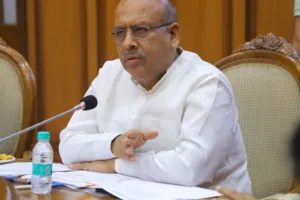
A veteran of both state and national politics, Nitish Kumar first entered electoral politics in 1985, when he was elected as a Member of the Legislative Assembly (MLA) for the first time.

Statesman News Service | NEW DELHI |

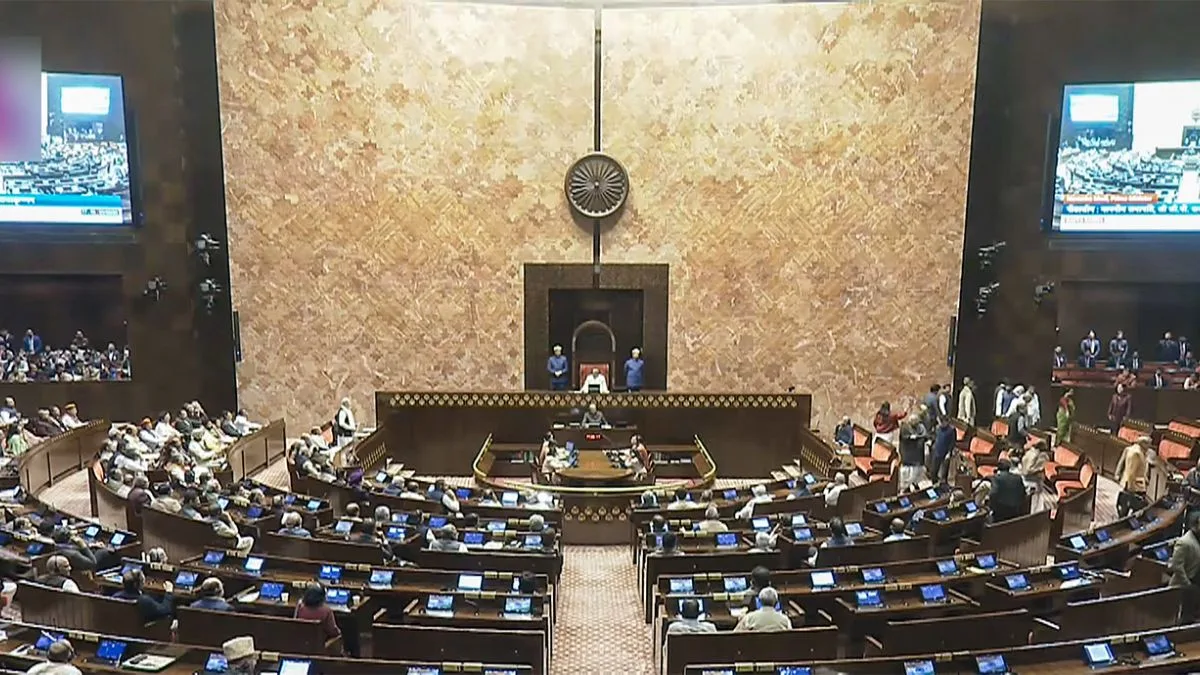
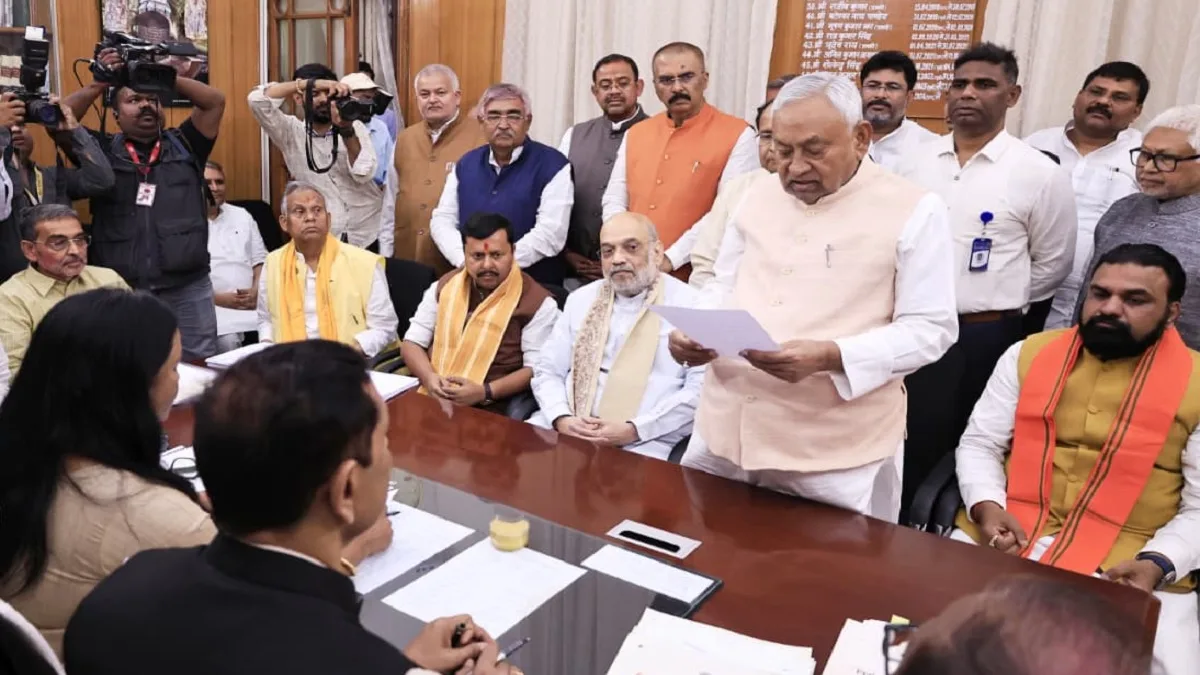
Marking the end of an era in Indian state politics, Bihar Chief Minister Nitish Kumar, the last of the political generation shaped during former Prime Minister Atal Bihari Vajpayee’s time, on Thursday announced a new innings in national politics and filed his nomination as the NDA candidate for the Rajya Sabha elections.

In a detailed social media post on X, Nitish Kumar, who has served as the Chief Minister of Bihar for a record 10 times, said that he is going to fulfil his long-held desire to represent both Houses of Parliament.

“From the very beginning of my parliamentary journey, there has been a desire in my heart to become a member of both Houses of the Bihar Legislature as well as both Houses of Parliament. In keeping with this aspiration, I seek to become a member of the Rajya Sabha in the elections being held this time,” he said, bidding adieu to state politics.

Kumar said that his relationship with the people of Bihar will continue in the future as well. He also extended his full cooperation and guidance to the new government.

6 times MP, 10 times Chief Minister, and now Rajya Sabha

Nitish Kumar has been a Member of Parliament six times. He has served as Bihar’s Chief Minister a record 10 times. He has also been a member of the Legislative Council and an MLA. For nearly two decades, he has been handling the responsibility of the Chief Minister’s post in Bihar.

He has been the face of the government in alliances with BJP-JD(U) and also in the Mahagathbandhan with RJD. His frequent change of allies also earned him the moniker “Palturam” from his critics. His admirers, however, called it his unique ability to assess which way the political winds were blowing.

A veteran of both state and national politics, Nitish Kumar first entered electoral politics in 1985, when he was elected as a Member of the Legislative Assembly (MLA) for the first time.

In 1989, he became a Member of Parliament for the first time and went on to serve six terms in the Lok Sabha. He became minister for the first time in 1990.

Kumar first assumed office as the Chief Minister of Bihar in 2000, and later, in 2006, he became a Member of the Bihar Legislative Council (MLC) for the first time. He returned to power on November 24, 2005, serving until November 25, 2010, followed by another term from November 26, 2010, to May 19, 2014.

He again became Chief Minister on February 22, 2015, serving until November 19, 2015, and continued in office from November 20, 2015, to July 26, 2017. Kumar then held the top post from July 27, 2017, to November 12, 2020, followed by another term from November 16, 2020, to August 9, 2022.

He returned to the position again on August 10, 2022, serving until January 28, 2024, and subsequently from January 28, 2024, to November 19, 2025. His current term began on November 20, 2025.

Buzz around Nishant Kumar’s entry into Bihar Cabinet

Nitish Kumar has largely kept his family away from politics until last year when his son Nishant played an active role in Bihar Assembly elections.

Kumar was married to Manju Kumari Sinha. She was a teacher by profession and passed away on May 14, 2007, in a hospital in New Delhi. Nishant is likely to enter active politics soon by becoming an MLC (Member of Legislative Council). Reports also suggest that Nitish wants his son to be made the deputy chief minister of Bihar after his Rajya Sabha move. However, the BJP is said to be reluctant about his demand for it will make its “dynastic politics” charge on Lalu Yadav-led RJD weaker.

Ask Congress why it never discovered gallows in Old Secretariat: Sachdeva to AAP

Sachdeva alleged that the demand for live streaming of the meeting of the Privileges Committee of the Delhi Assembly by AAP leaders is merely aimed at creating political propaganda without constitutional justification.

Statesman News Service | New Delhi |

Delhi BJP president Virendra Sachdeva on Thursday said that now that the lies of the Aam Aadmi Party (AAP) and its supremo Arvind Kejriwal on a purported “gallows room” in the Old Secretariat are exposed they (the AAP) are ready to spread more falsehoods to cover up that one lie.

Sachdeva alleged that the demand for live streaming of the meeting of the Privileges Committee of the Delhi Assembly by AAP leaders is merely aimed at creating political propaganda without constitutional justification.

Lashing out at the AAP, the state unit chief of the saffron party said all its leaders, who are accusing the BJP of insulting the sacrifices of freedom fighters, should first question Congress before blaming the BJP why, despite being in power from 1947 to 2013, they never found any “gallows room” in the Old Secretariat building complex.

Delhi Assembly Speaker Vijender Gupta has officially cautioned Leader of the Opposition Atishi against making public comments on the ongoing ‘Faansi Ghar’ inquiry. In a formal letter issued on Thursday, he criticized the LoP’s move to make unsubstantiated statements during a press briefing and asserted that such actions undermine the independent and non-partisan functioning of the Assembly’s Committee of Privileges.

The Delhi BJP chief’s response and Assembly Speaker’s intervention came in the wake of Atishi’s public assertion that a ‘Faansi Ghar’ did exist within the Assembly premises.

The speaker has also demanded that the evidence of existence regarding the gallows, if any, should be presented to the Committee of Privileges, rather than through the media.

Atishi had alleged that the BJP was standing with the British by hiding their brutality and calling the martyrdom site of freedom fighters, ‘Faansi Ghar’, a tiffin room.

Responding to AAP leader Saurabh Bharadwaj’s remarks, accusing the BJP of deceiving the people close to the party, the Delhi unit spokesperson of the saffron party Praveen Shankar Kapoor questioned the AAP leader as to who betrayed his party’s internal ombudsman Admiral Ramdas, and who betrayed people like Kiran Bedi, Shazia Ilmi, Madhu Bhaduri, Richa Pandey, Captain Gopinath, Yogendra Yadav, Shashi Bhushan, Prashant Bhushan, Anand Kumar, Mayank Gandhi along with Rajkumar Anand, Kapil Mishra, Kartar Singh, and Kailash Gahlot, who were earlier part of the AAP.

PM Modi to inaugurate, lay foundation stone for new Metro lines in Delhi on March 8: Delhi CM Rekha Gupta

The total cost of these metro projects exceeds ₹18,300 crore and they are expected to further strengthen public transport in Delhi.

Statesman News Service | New Delhi |

The Chief Minister of Delhi, Rekha Gupta, on Thursday said that Prime Minister Narendra Modi will inaugurate and lay the foundation stone for several important projects in Delhi on Sunday, 8 March.

As part of the programme, two new corridors of the Delhi Metro: Majlis Park to Maujpur-Babarpur (Pink Line) and Deepali Chowk to Majlis Park (Magenta Line) will be inaugurated. In addition, the foundation stone for three new corridors under Delhi Metro Phase-V (A) will also be laid.

The total cost of these metro projects exceeds ₹18,300 crore and they are expected to further strengthen public transport in Delhi.

CM Gupta, while providing detailed information about the projects, said that these initiatives will play an important role in transforming the national capital into a truly Viksit Delhi.

The expansion of the metro network will improve public transport, make daily travel easier for citizens, reduce the number of vehicles on the roads and help control pollution. She informed that the programme will be held at DDA Utsav Sthal-3 (in front of Nirankari Mandal).

Two New Corridors to Accelerate Metro Connectivity

The Chief Minister said that the Majlis Park to Maujpur-Babarpur section is 12.3 kilometres long and includes eight elevated stations. This corridor forms part of the already operational Majlis Park–Shiv Vihar Pink Line. With the addition of this section, the total length of the Pink Line will increase to approximately 71.56 kilometres, making Delhi home to the country’s first fully operational Ring Metro.

Stations on this corridor will include Majlis Park, Burari, Jharoda Majra, Jagatpur-Wazirabad, Soorghat, Nanaksar-Sonia Vihar, Khajuri Khas, Bhajanpura, Yamuna Vihar and Maujpur-Babarpur.

The Chief Minister further stated that the Deepali Chowk to Majlis Park corridor forms part of the Magenta Line, with a length of 9.92 kilometres and seven elevated stations. This corridor is an extension of the already operational Botanical Garden–Krishna Park Extension Magenta Line. With its addition, the total length of the Magenta Line will increase to around 49 kilometres.
Stations on this section will include Deepali Chowk, Madhuban Chowk, Uttar Pitampura-Prashant Vihar, Haiderpur Village, Haiderpur Badli Mor, Bhalswa and Majlis Park.

The Chief Minister added that these metro corridors are also significant achievements from an engineering perspective. A portion of the Deepali Chowk–Majlis Park corridor reaches a height of approximately 28.36 metres, making it one of the highest elevated sections in the Delhi Metro network.

Construction of the Majlis Park–Maujpur-Babarpur corridor required the building of a new bridge over the Yamuna River and a double-decker viaduct, integrating both a metro track and a road flyover. This bridge will be the fifth Delhi Metro bridge across the Yamuna River.

Foundation Stone for Three Corridors Under Phase-V (A)

Chief Minister Rekha Gupta stated that the Prime Minister will also lay the foundation stone for three new corridors under Delhi Metro Phase-V (A), which will further ease travel for residents of the capital. These include the Central Vista Corridor from Ramakrishna Ashram Marg to Indraprastha, the Golden Line extension from Aerocity to Indira Gandhi Airport Terminal-1, and the Golden Line extension from Tughlakabad to Kalindi Kunj.

The Central Vista Corridor, from Ramakrishna Ashram Marg to Indraprastha, will be 9.913 kilometres long and constructed underground. It will include nine new stations: R.K. Ashram Marg (under construction), Shivaji Stadium, Yuge-Yugeen Bharat, Central Secretariat, Kartavya Bhavan, India Gate, War Memorial-High Court, Baroda House, Bharat Mandapam and Indraprastha.

This corridor will provide metro connectivity to important locations such as Kartavya Bhavans, Bharat Mandapam and the Yuge-Yugeen Bharat Museum.

The Golden Line extension from Aerocity to IGD Airport Terminal-1 will be 2.263 kilometres long and constructed underground. It will include one new station and connect two already operational stations.

The Golden Line extension from Tughlakabad to Kalindi Kunj will be 3.9 kilometres long and will be an elevated corridor. Stations on this route will include Sarita Vihar Depot, Madanpur Khadar and Kalindi Kunj.

The Chief Minister added that these projects will also benefit cities across the National Capital Region (NCR). Residents of Faridabad and Ballabhgarh will be able to reach Tughlakabad via the Violet Line and then travel directly to IGD Airport Terminal-1 through the Golden Line.

Similarly, passengers from Noida will be able to reach Kalindi Kunj through the Magenta Line and then travel conveniently to the airport and various parts of South Delhi through the Golden Line.

After Asian Championship glory, Indian shooters eye national trials in Delhi

Almost all of India’s top guns will be competing in 10 events, which include all eight Olympic events plus the rifle prone competitions for men and women.

Statesman News Service | New Delhi |

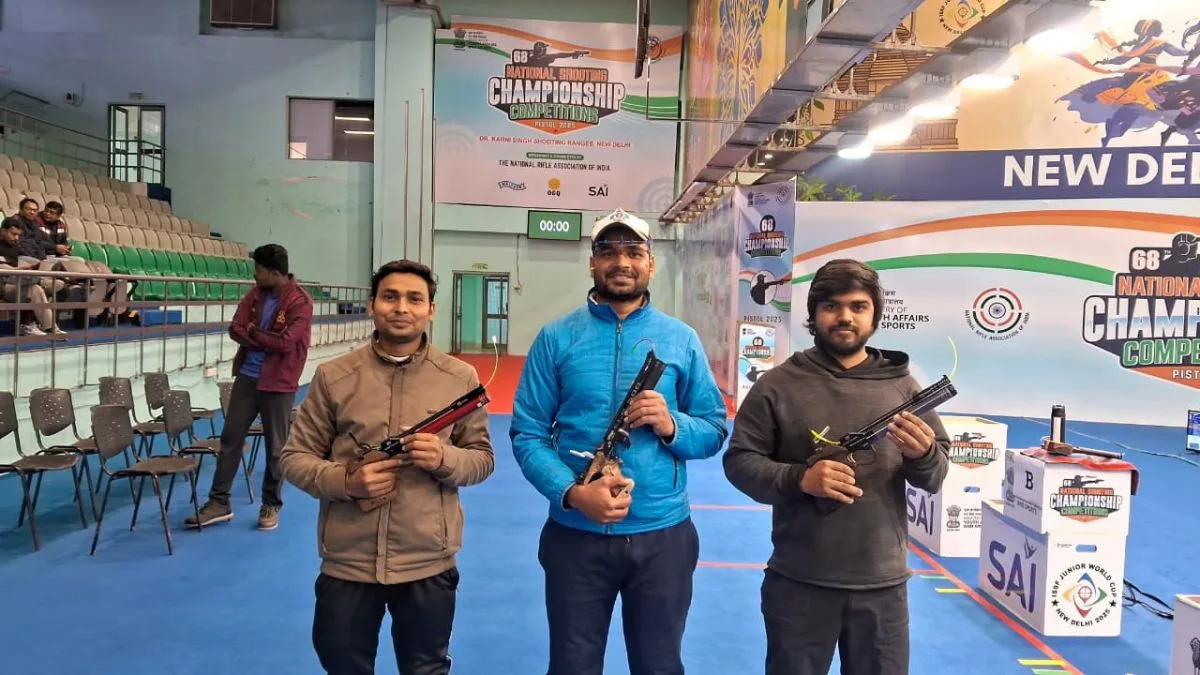
Following a dominant performance at the Asian Rifle/Pistol Championship 2026 on home soil, where India topped the medal tally with an impressive 76 medals, including 39 gold, 18 silver and 19 bronze, top Indian rifle and pistol shooters will now turn their attention to the National Selection Trials 3 (Group A), scheduled at the Dr. Karni Singh Shooting Range in Delhi from March 6 to 10, 2026, ahead of a packed international and domestic calendar beginning next month.

Almost all of India’s top guns will be competing in 10 events, which include all eight Olympic events plus the rifle prone competitions for men and women. Athletes will be aiming to secure scores to make their case for selection in the national squad for international competitions in the second half of the year.

Rifle/Pistol Selection Trials 3 and 4 for Group B athletes will also commence tomorrow, which will be conducted at the M.P. State Shooting Academy in Bhopal from March 6 to 22. After the completion of the selection trials, the national squad athletes will start their coaching camp in New Delhi from March 10 to 21.

The National squad camp for shotgun athletes also commenced today in New Delhi, with the skeet shooters reporting first. The Trap shooters will report for the national camp on March 8.

The national squad camp will be followed by the pre-event camp prior to the ISSF World Cup Shotgun, the first World Cup of the calendar year, which will be held in Tangier, Morocco, from March 21 to April 3.

Indian teams for the first two Rifle/Pistol (Granada and Munich) and Shotgun (Tangier and Almaty) ISSF World Cup stages of the year have already been announced earlier.

The new Olympic cycle leading up to the Los Angeles 2028 Olympics begins this year, with the first quota places set to be decided at the ISSF World Championship Doha 2026 in October–November. The season will also feature the Asian Games Aichi-Nagoya 2026, where Indian shooters will aim to deliver another strong performance. With these marquee events on the horizon, both domestic and international competitions will play a crucial role in team selections across rifle, pistol and shotgun disciplines.
Chhattisgarh CM Sai flags key role for Rajya NITI Aayog as Mishra takes charge as Vice-Chairman

Congratulating Mishra on taking charge, the Chief Minister expressed confidence that the institution would provide strategic direction to the state’s development agenda through research driven policymaking and stronger inter departmental coordination.

Statesman News Service | Raipur |

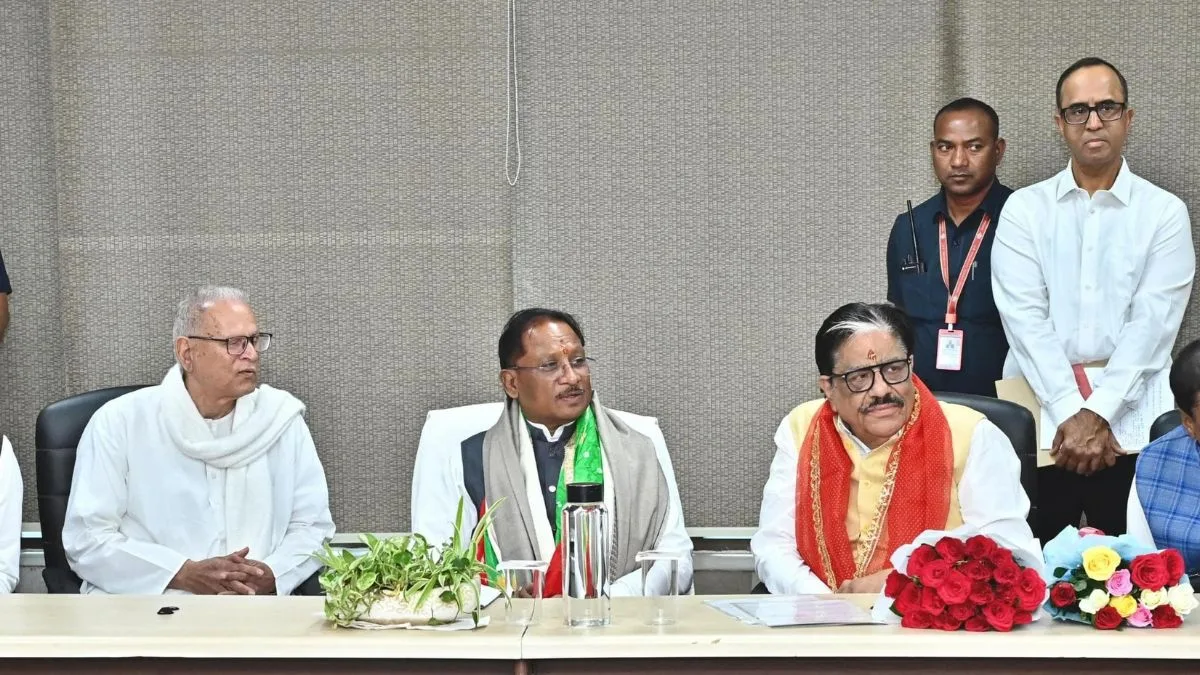
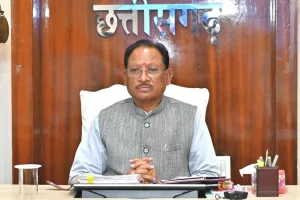
Chhattisgarh Chief Minister Vishnu Deo Sai on Thursday said the newly-constituted Rajya NITI Aayog will play a crucial role in guiding the state’s long-term development trajectory. He made the remarks while attending the programme marking the assumption of charge by former IAS officer Ganesh Shankar Mishra as Vice Chairman of the Chhattisgarh Rajya NITI Aayog at NITI Bhavan in Nava Raipur.

Congratulating Mishra on taking charge, the Chief Minister expressed confidence that the institution would provide strategic direction to the state’s development agenda through research driven policymaking and stronger inter departmental coordination.

Addressing the gathering, Sai described the Rajya NITI Aayog as an important policy institution that will help shape Chhattisgarh’s development through long term vision, evidence based planning and effective policy coordination across departments. He said the body would assist the government in designing strategies capable of addressing emerging challenges while preparing the state for future economic and social needs.
The Chief Minister also linked the initiative with the broader national vision of transforming India into a developed nation by 2047 under the leadership of Prime Minister Narendra Modi. In this context, he noted that the Chhattisgarh government has prepared its own Vision Document 2047, outlining a comprehensive roadmap for the state’s long term development and economic expansion.

Sai further observed that the decision to replace the Planning Commission with NITI Aayog represented a significant shift towards more dynamic and cooperative governance. Programmes such as the Aspirational Districts initiative, he said, have brought tangible improvements in backward regions across the country, including several districts of Chhattisgarh that have witnessed measurable progress in development indicators.

Highlighting the importance of region specific planning, the Chief Minister said one of the key strengths of the NITI framework lies in its focus on policies grounded in the real needs of local communities. Following this approach, several states have constituted Rajya NITI Aayogs to strengthen policy formulation and long term planning at the state level.

He added that the Chhattisgarh government remains committed to accelerating development through good governance, transparency and public participation. Constructive recommendations emerging from the Rajya NITI Aayog, he said, would receive careful consideration and effective implementation.

Speaking on the occasion, newly-appointed Vice Chairman Ganesh Shankar Mishra said Chhattisgarh is steadily progressing on the path of development under the leadership of Chief Minister Sai. He expressed confidence that through collaborative efforts, the Aayog would help frame forward looking policies aimed at making the state more prosperous, inclusive and economically vibrant. Deputy Chief Minister Vijay Sharma, Forest Minister Kedar Kashyap, MLAs Lata Usendi and Amar Agrawal, Dhamtari Mayor Ramu Rohra, State Policy Commission member Dr K. Subrahmanyam, Member Secretary Ashish Bhatt, Secretary Bhuvnesh Yadav and several senior officials were present on the occasion.

Weather changes increase diarrhoea and pneumonia risk among children: UP govt

The Uttar Pradesh Health Department has appealed to parents to immediately seek medical attention and treatment at the nearest government health centre if their children show symptoms of these diseases.

Statesman News Service | Lucknow |

Carelessness during weather shifts can take a toll on children’s health, while inappropriate eating habits and poor hygiene are contributing to an increase in cases of diarrhoea and pneumonia among children.

The Uttar Pradesh Health Department has appealed to parents to immediately seek medical attention and treatment at the nearest government health centre if their children show symptoms of these diseases.

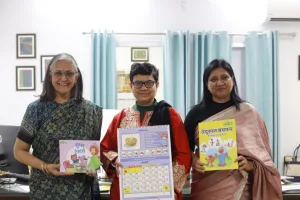
Dr Milind Vardhan, General Manager of the National Health Mission, stated here on Thursday that changing weather compromises the immunity of young children, increasing the risk of diarrhoea and pneumonia.

He stated that ORS and zinc supplements are available free of charge at all government hospitals and health centres in the state. Adequate arrangements have also been made for children’s medical tests and treatment.

He explained that if parents identify early symptoms and immediately contact an ASHA, ANM, or the nearest health unit, their child can be prevented from developing a serious condition. With the timely administration of ORS solution, zinc tablets, and necessary medications, most children recover quickly.

According to health experts, approximately 15 to 20 per cent of deaths in children under five years of age are related to diarrhoea and pneumonia. Successful treatment of more than 90 per cent of diarrhoea cases is possible with ORS and zinc, while early detection of pneumonia can significantly prevent serious complications.

Dr Milind Vardhan advised that if a child develops diarrhoea, immediately start giving ORS solution and contact a health worker to ensure zinc tablets are given for 14 days. Breastfeed the child frequently and provide adequate fluids. If symptoms of pneumonia appear, it is important to seek medical attention without delay.

Water, water everywhere, not any drop to drink: If Iran strikes at Gulf’s desalination plants, Arab world will crumble to pieces

It’s Ukraine-Russia consequences redux, only 10 times expanded.

Siddhartha Rai | New Delhi |

The world is furious and anxious at the impending fuel crisis in the aftermath of the forced closure of the Strait of Hormuz by Iran. Energy security of almost all nations is at risk and threatened is the world economic order which could be thrown in chaotic disarray, the dominoes hurting the markets and the political stability of the world.

It’s Ukraine-Russia consequences redux, only 10 times expanded.

But, more than oil, the question is way more existential in nature for the Gulf countries. You can’t drink oil! And, your water is not natural, but mostly manufactured in some 400 desalination plants. What if Iran hits water, after oil?

The question is scary indeed. And, how.

A leaked 2008 US diplomatic cable on the water vulnerabilities of Riyadh extrapolated that if the Jubail desalination plant that provides over 90 per cent of Riyadh’s drinking water supply be debilitated by any means—physical or cyber—would force evacuation of the Saudi capital within a week.

No less, the consequent scarcity of drinking water would destroy the “current structure of the Saudi government”.

The overall figure of desalinated drinking water dependency for Saudi Arabia is 70 per cent; 90 per cent for Kuwait; 42 per cent for UAE; and 86 per cent for Oman.

The Pacific Institute’s ‘Water Conflict Chronology’— it is the world’s most comprehensive open-source database on water-related violence—gives an insight into what could happen to the Gulf countries if their water is struck, instead or in addition their oil capacities. The index has mapped instances where “water and water systems have been a trigger , or casualty , or weapon of violence.” Their societies will crumble, simply put, followed by political upheaval and eruption of large-scale violence.

“The latest update, released November 11, 2025, brings the database current through the end of 2024, with some additional events occurring in the first few months of 2025. In this update, the Pacific Institute added 844 new instances of violent conflicts associated with water resources and water systems. The update demonstrates a disturbing trend, with violence over water continuing to rise rapidly in 2024. 420 events were reported in 2024, an increase of nearly 20% over the number reported in 2023,” the latest report said.

“2010, only 21 events were documented. From 2011 through 2018, annual totals climbed steadily, surpassing 150 events by 2018. A brief decline occurred in 2019 and 2020, when events dropped to 137 and 95, respectively —likely reflecting a temporary easing of violence in parts of the Middle East and the global slowdown caused by the COVID – 19 pandemic. The trend reversed in 2021 with 139 recorded events, followed by dramatic surges of 70% and 50% in 2022 and 2023. Growth continued in 2024, with an additional 18% increase over the previous year. These recent spikes correspond with the intensification of conflicts in Israel – Palestine and Russia – Ukraine, as w ell as escalating disputes over inadequate water access in Africa, Latin America, and South Asia, and mounting tensions over drought – driven scarcity in India, Iran, and other regions.”

The thing to observe is that the report has documented the rise since 2018, almost the same year as the diplomatic cable on Riyadh got leaked.

T20 World Cup Highlights: India edge England by 7 runs in thriller to book T20 World Cup 2026 final spot

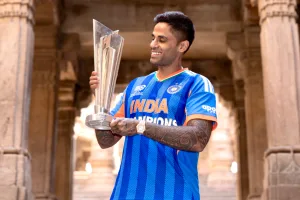
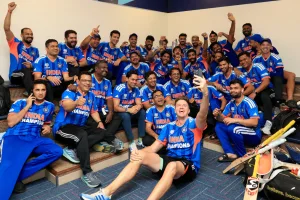
India sealed a thrilling win over England to reach the final of the ICC Men’s T20 World Cup 2026 after posting a record 253/7, powered by Sanju Samson’s explosive 89.

Neha Buswal | New Delhi |

India booked their place in the ICC T20 World Cup 2026 final for the fourth time, defeating England in a thrilling contest.

India posted a massive 253/7, the highest-ever total in a T20 World Cup knockout match, powered by a brilliant 89 off 42 balls from Sanju Samson, who was later named Player of the Match. Valuable contributions from Ishan Kishan, Shivam Dube, Hardik Pandya, and Tilak Varma ensured India crossed the 250 mark.


England’s 246/7 chase began shakily, with Hardik Pandya dismissing Phil Salt, followed by a spectacular diving catch by Axar Patel off Jasprit Bumrah to remove Harry Brook. Varun Chakaravarthy struck back to dismiss Jos Buttler after conceding a flurry of sixes, while Axar Patel claimed Tom Banton’s wicket, leaving England reeling at 95/4.

England’s chase had bright moments, with Jacob Bethell smashing a maiden T20I century (105 off 48) and Will Jacks (35 off 22) showcasing aggressive strokeplay. India’s bowlers held firm, with Bumrah keeping things tight in the later overs and Hardik Pandya effecting a crucial run-out of Bethell.

Brilliant fielding, including two stunning catches from Axar Patel and a key wicket from Arshdeep Singh, ensured England were restricted to 246/7, handing India a hard-fought but well-deserved victory and a place in the final.

India vs England T20 World Cup Semifinal: Squad

India Squad:

Suryakumar Yadav (c), Abhishek Sharma, Tilak Varma, Sanju Samson, Shivam Dube, Ishan Kishan, Hardik Pandya, Arshdeep Singh, Jasprit Bumrah, Harshit Rana, Varun Chakaravarthy, Kuldeep Yadav, Axar Patel, Washington Sundar, Rinku Singh.

England Squad:

Harry Brook (c), Rehan Ahmed, Jofra Archer, Tom Banton, Jacob Bethell, Jos Buttler, Sam Curran, Liam Dawson, Ben Duckett, Will Jacks, Jamie Overton, Adil Rashid, Philip Salt, Josh Tongue, Luke Wood.

Allen shifts focus to T20 WC final after record-breaking semi-final blitz

Allen was in sensational touch, smashing the fastest century in the history of the T20 World Cup. The right-hander reached his hundred in just 33 balls, eclipsing the previous record of 47 deliveries set by Chris Gayle of the West Indies.

Statesman News Service | Kolkata |

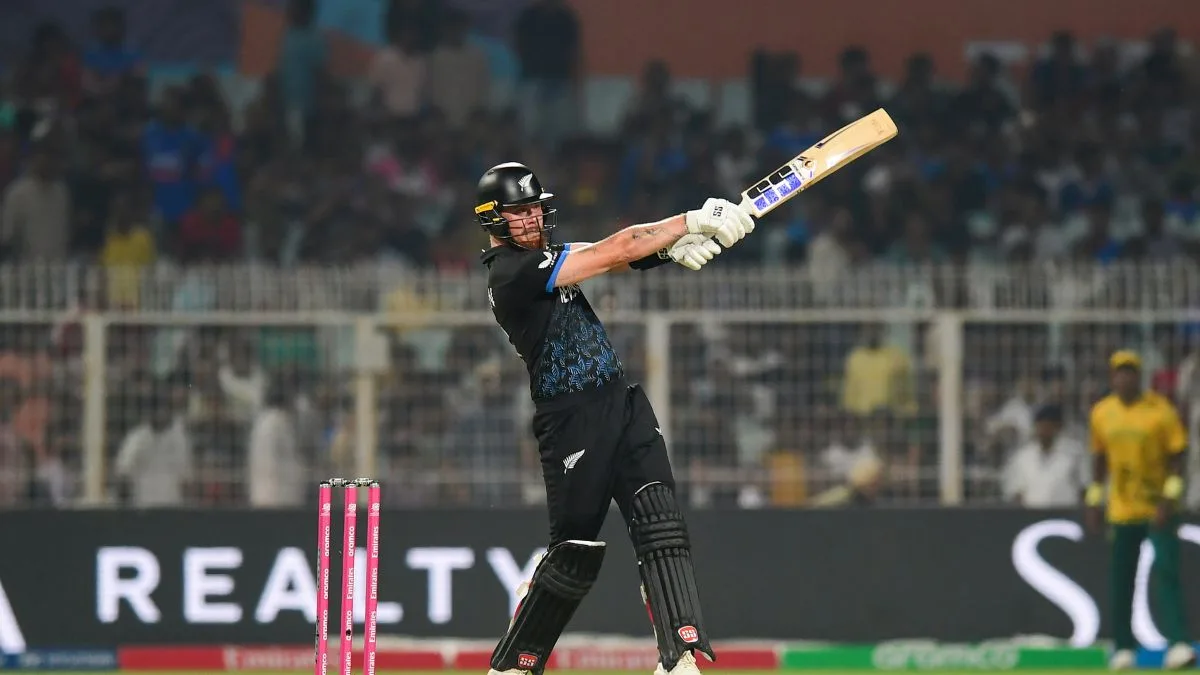
Centurion Finn Allen wasted little time shifting his focus to Sunday’s final of the ICC Men’s T20 World Cup after powering New Zealand to a commanding semi-final victory over South Africa with a record-breaking knock.

Allen was in sensational touch, smashing the fastest century in the history of the T20 World Cup. The right-hander reached his hundred in just 33 balls, eclipsing the previous record of 47 deliveries set by Chris Gayle of the West Indies.

The emphatic win propelled New Zealand into their first T20 World Cup final since 2021 and has left them well placed to challenge for a maiden title, according to Allen.

“To get one over them (South Africa) is a huge confidence booster for us going into Sunday,” Allen said after the nine-wicket triumph.

“They’ve been the in-form team the whole tournament. So I think as a group, to take that win going into Sunday is huge for us, but you got to start again on Sunday. It’s a new opposition, different conditions, and all that.

“For us, we just look to take the positives out of this game and get a flight to Ahmedabad tomorrow and start again,” he added.

While Allen and Tim Seifert will draw much of the attention for their explosive opening stand, New Zealand’s bowlers also played a decisive role. Matt Henry, Rachin Ravindra and Cole McConchie claimed two wickets apiece to ensure South Africa’s highly rated batting line-up never found sustained momentum.

Allen credited the bowlers for setting up the victory, noting that their early breakthroughs made the chase far more manageable. “Well, we just hoped (Mitch) Santner would win a toss to start and he did that. So that was the first part done. And then from then onwards it was just, take the bull by the horns. Take the game on, not shy away from any challenge,” Allen continued.

“Like I said earlier, the bowlers certainly did that to start off with. They set the tone for us, and taking early wickets on what we thought was going to be a really good batting wicket was extremely important.

“They’ve got an incredibly powerful batting line-up and yeah, look, hats off to the boys. They set it up for us with the bat and yeah, as I said, we didn’t really have a plan, me, and Timmy, just try and be positive and hope for the best,” the explosive opener added.

New Zealand will take on the winner of the second semi-final between defending champions India and England in Mumbai in Sunday’s final. Allen was asked whether he would prefer facing the hosts or England in the title clash.

England had beaten New Zealand by four wickets during the Super Eights stage of the tournament, while the Black Caps are yet to meet India in the competition. “I think we’re happy with anyone I think – as a team I back us,” Allen noted.

“We’ve got a lot of momentum going into the weekend. I think if we play our best cricket, we can beat anybody. I think either way, I think hopefully we get up for Sunday, as it will be a spectacle,” he added.

Two Indian sailors missing after ‘Skylight’ oil tanker attack in Gulf of Oman killed: Reports

According to the reports, the bodies of Ashish Kumar and Dalip Singh were burnt in the attack and the rescuers have recovered their bones.

Statesman News Service | NEW DELHI |

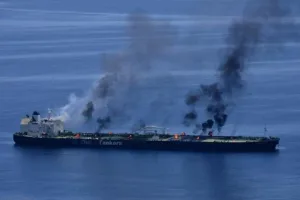
Two Indian sailors, who went missing after an attack on an oil tanker ‘Skylight’ in the Gulf of Oman, have been killed, according to reports. While the official confirmation was still awaited, the reports identified the deceased sailors as Captain Ashish Kumar from Bihar and crew member Dalip Singh from Rajasthan.

According to the reports, the bodies of Kumar and Singh were burnt in the attack and the rescuers have recovered their bones. The bones of Ashish were recovered from the captain’s cabin, and his family has also been informed about his death.

Upon receiving the information, family members of Ashish said that they considered him missing until yesterday, but the confirmation of his death has left them devastated.

The Palau-flagged oil tanker, with 15 Indian nationals and 5 Iranians on board, was attacked on March 1 in the Gulf of Oman. The oil tanker was sanctioned by the United States.

LIVE Updates US-Israel-Iran War: Another Iranian warship heading towards Sri Lankan territory makes ‘urgent port call’

“The Maritime Security Centre announces that the oil tanker (SKYLIGHT), flying the flag of the Republic of (Palau), was targeted 5 nautical miles north of Khasab Port in the Musandam Governorate, and all crew members of the tanker, consisting of 20 individuals — including 15 holding Indian nationality and 5 of Iranian nationality–have been evacuated,” Oman’s Maritime Security Centre (MSC) had said.

The US and Israeli strikes on Iran, killing the country’s Supreme Leader Ayatollah Ali Khamenei, sparked a wider Middle East conflict after Tehran struck US assets in several Gulf nations.

The attacks came days after the US and Iran held another round of nuclear deal talks. While the US claimed that Tehran stalled the talks, Iran alleged that Washington launched an attack while the deal was close to be finalised.

The US and Israel have asserted that the aim of their strikes on Iran is to cripple the country’s nuclear and ballistic missile programs, calling it an “existential threat” to Israel.

Stock market ends higher amid strong buying

On Nifty, the Adani Ports emerged as the top gainer rising 4.52%, Larsen & Toubro gained 4.02%, Hindalco Industries climbed 3.60 %, NTPC rose 3.35% and Reliance Industries by 3.30%.

Statesman News Service | New Delhi |

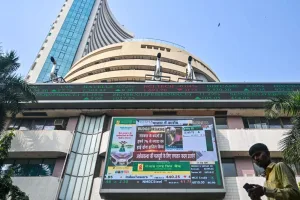
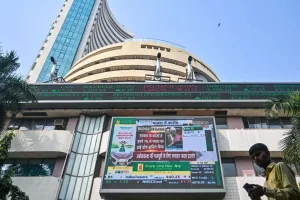
The stock market, supported by strong buying in key sectors like metals, infrastructure, energy and auto stocks, ended higher on Thursday. At close, Sensex rose 900 points, or 1.14 per cent, at 80,015, while the Nifty gained 285 points, or 1.17 per cent, to settle at 24,765.

On Nifty, the Adani Ports emerged as the top gainer rising 4.52%, Larsen & Toubro gained 4.02%, Hindalco Industries climbed 3.60 %, NTPC rose 3.35% and Reliance Industries by 3.30%.

Further, Coal India also gained 3.27%, and Bharat Electronics, Shriram Finance, JSW Steel and InterGlobe Aviation advanced between about 2.7% and 2.9%.

On the losing side were Tech Mahindra as the biggest loser falling 1.32%. HCL Tech declined 0.73%, ICICI Bank by 0.57% and SBI fell by 0.43%. TCS, Hindustan Unilever, Eternal, ONGC, Axis Bank and ITC also closed marginally lower.

Among the sectors, Nifty Metal gained 2.21%, Consumer Durables surged 2%. Nifty Auto, Nifty Realty, Nifty Oil and Gas, Nifty Pharma, Nifty Chemicals, and Nifty Media, all closing with gains of over 1%.

Indian rupee strengthened ending at 91.60 per dollar, compared with 92.15 per dollar.

The market capitalisation of all listed companies on the BSE spiked to Rs 453 lakh crore during the trade from Rs 447 lakh crore in the previous session.

Stocks of major shipbuilding companies also posted healthy gains. Mazagon Dock Shipbuilders, Cochin Shipyard, and Garden Reach Shipbuilders closed with gains of 8.9%, 3.6%, and 4.4%, respectively.

Among the global markets, US stock futures signalled a weaker start, with Dow Jones Industrial Average futures falling 0.2% and S&P 500 futures slipping 0.1%.

Amid the escalating tensions in the middle east, the Brent crude rose 1.8% to USD 82.87 per barrel.

CM Omar remembers Khamenei as a friend of India, sympathiser of Kashmiris

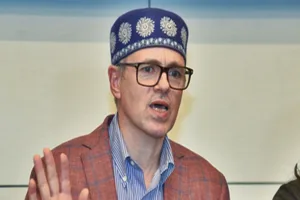
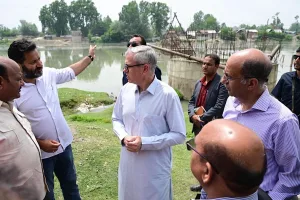
In the wake of the situation prevailing in West Asia following the killing of Iran’s supreme leader Ayatollah Ali Khamenei, Chief Minister Omar Abdullah held an interaction with religious scholars, civil society members, and representatives of trade and business bodies in Srinagar.

Statesman News Service | Jammu |

In the wake of the situation prevailing in West Asia following the killing of Iran’s supreme leader Ayatollah Ali Khamenei, Chief Minister Omar Abdullah held an interaction with religious scholars, civil society members, and representatives of trade and business bodies in Srinagar.

Prominent members of civil society, including religious leaders, social activists, retired bureaucrats, academics, educationists, and representatives of trade bodies, participated in the interaction convened yesterday in the backdrop of the escalating war in West Asia and its possible aftermath in Jammu and Kashmir, particularly in the Valley.

Participants expressed deep concern over the developments in the West Asia region, which have engulfed several countries, and conveyed their sympathies to those who lost their loved ones, particularly the targeted assassination of Supreme Leader Ayatollah Ali Khamenei and several of his family members.

They called for the release of detainees held in recent days and to quash FIRs against youth who were out on the streets only to grieve the death of their spiritual leader.

Speaking on the occasion, the Chief Minister expressed his grief and condolences over the loss of lives in Iran. He stated that the killing of the Iranian supreme leader, Ayatollah Ali Khamenei, “cannot be described in words.”

He said the late leader was a true sympathiser of the people of Kashmir and had always maintained cordial relations with India.

Recalling his visits to Iran twice, as Minister of State for External Affairs Government of India and as Special Envoy of PM Atal Behari Vajpayee, CM Omar Abdullah said that the ties of India with Iran have always been cordial. CM said that the late Iranian supreme leader was a friend of India and a true sympathiser of the people of Kashmir.

The Chief Minister emphasized the importance of maintaining peace and harmony in Jammu and Kashmir while respecting the sentiments of the people and urged people to ensure that expressions of grief remain peaceful and responsible.

He underscored the role of the administration and religious organisations in ensuring a peaceful atmosphere and stressed that no one should be harmed during condolence gatherings.

Regarding recent detentions and the filing of cases, the Chief Minister assured the participants that he would take up the matter at the highest level to adopt a soft and lenient approach.

Responding to the issue of evacuation of Kashmiri students stranded in Iran, he said he has been in constant touch with the Ministry of External Affairs regarding their safety and safe return. He informed that the students are being shifted to safe locations for their onward journey through land route as flights stand cancelled in the region.

Earlier, the meeting began with condolences over the demise of Ayatollah Sayyid Ali Khamenei, followed by ‘Fateha’ prayers for the supreme leader of Iran, school girls and others who lost their lives in the strikes on Iran.

West Asia tensions raise risks to global energy supply via Strait of Hormuz: Goldman Sachs

The waterway remains one of the most critical chokepoints in global energy trade, with roughly one-fifth of the world’s oil supply and a significant share of liquefied natural gas (LNG) shipments passing through the strait, the report noted.

Statesman News Service | New Delhi |

A spike in risks to global energy supply chains is anticipated amid escalating tensions in West Asia linked to the conflict involving Iran, particularly around the strategic Strait of Hormuz, according to a Goldman Sachs report.

The waterway remains one of the most critical chokepoints in global energy trade, with roughly one-fifth of the world’s oil supply and a significant share of liquefied natural gas (LNG) shipments passing through the strait, the report noted.

The Goldman Sachs report highlighted that nearly 20 million barrels per day of oil supply and about 19 per cent of global LNG trade typically transit the route, making it vital for energy-importing nations, especially in Asia. Countries such as China, India, Japan and South Korea depend heavily on shipments that pass through the strait.

Goldman Sachs said tanker traffic in the region has already shown early signs of disruption, with shipping companies, oil producers and insurers adopting a cautious stance following reports of damaged vessels. Some ships are also avoiding the route amid rising security concerns.

Markets have already begun factoring in geopolitical risks. According to the report, oil prices currently include an estimated risk premium of around USD 18 per barrel, reflecting the potential impact if flows through the Strait of Hormuz were halted for about a month. This estimate accounts for limited alternative pipeline capacity that could bypass the strait.

Even without direct damage to oil infrastructure, disruptions to maritime shipping alone could significantly affect supply chains. Goldman Sachs estimates that around 16 million barrels per day of oil flows could be disrupted in the event of a full closure of the strait.

The risks also extend to natural gas markets. Approximately 80 million tonnes per year of LNG exports, largely from Qatar, pass through the strait. A sustained disruption could tighten global gas supplies and potentially push European benchmark gas prices back to levels seen during the 2022 energy crisis.

Recent developments in the region have already slowed tanker movements and led to sharp increases in shipping insurance premiums and freight rates. Some vessels have reportedly begun avoiding the region, raising concerns about broader supply disruptions.

While global oil inventories and spare production capacity may provide a short-term buffer, the report warned that prolonged disruptions in the Gulf could trigger significant volatility in global energy markets and push up prices of oil, gas and refined products.

Market participants and policymakers are now closely monitoring tanker traffic through the Strait of Hormuz as well as diplomatic and military signals from the United States, Iran and Gulf nations to assess whether the situation remains temporary or evolves into a broader energy supply shock.