Logo

‘Why does India need America’s permission?’: Opposition slams US waiver on Russian oil, calls move ‘neo-imperial arrogance’

Opposition parties question India’s foreign policy and energy independence after Washington announced a temporary waiver allowing Indian refiners to purchase Russian oil during the ongoing West Asia crisis.

Statesman News Service | New Delhi |

The Opposition on Friday sharply criticised the Centre after the United States announced a temporary waiver allowing Indian refiners to purchase Russian oil, with several leaders questioning why New Delhi needed Washington’s approval for its energy choices.

The criticism comes amid rising tensions in West Asia and disruption of shipping routes through the Strait of Hormuz, which is a key passage for global oil supplies. The US Treasury said the waiver would allow Indian refiners to buy Russian crude for 30 days so that oil continues to flow into global markets during the crisis.

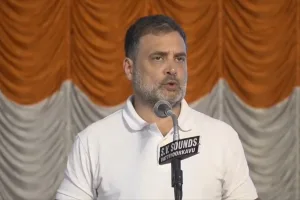
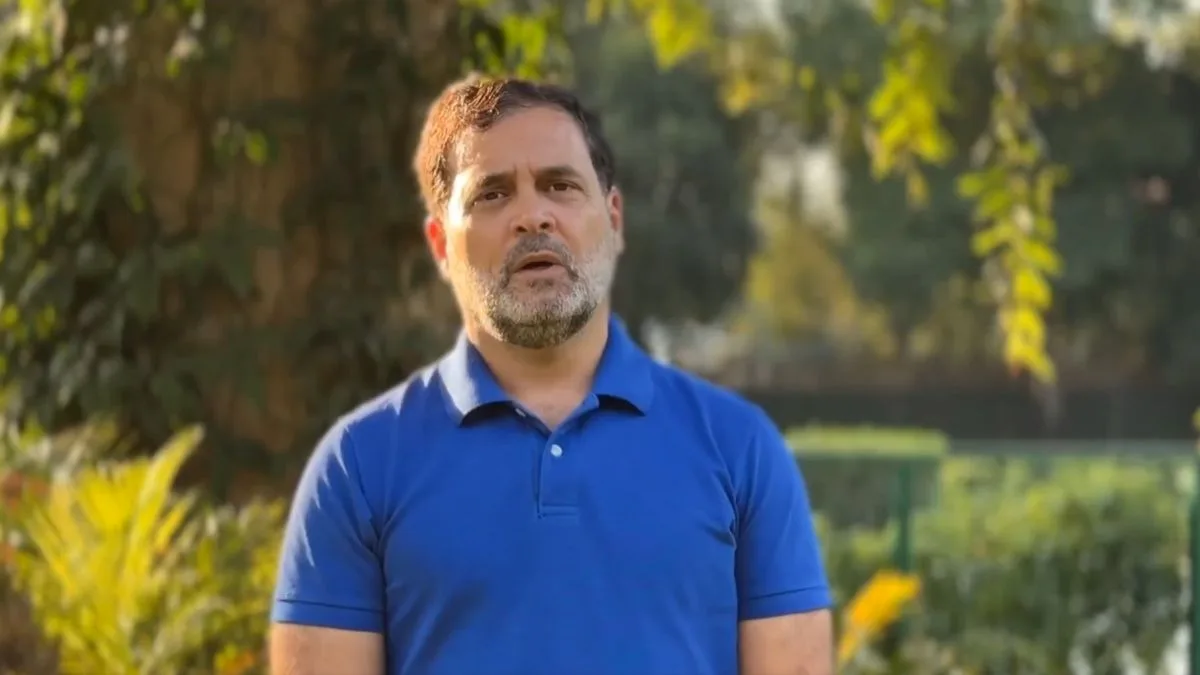
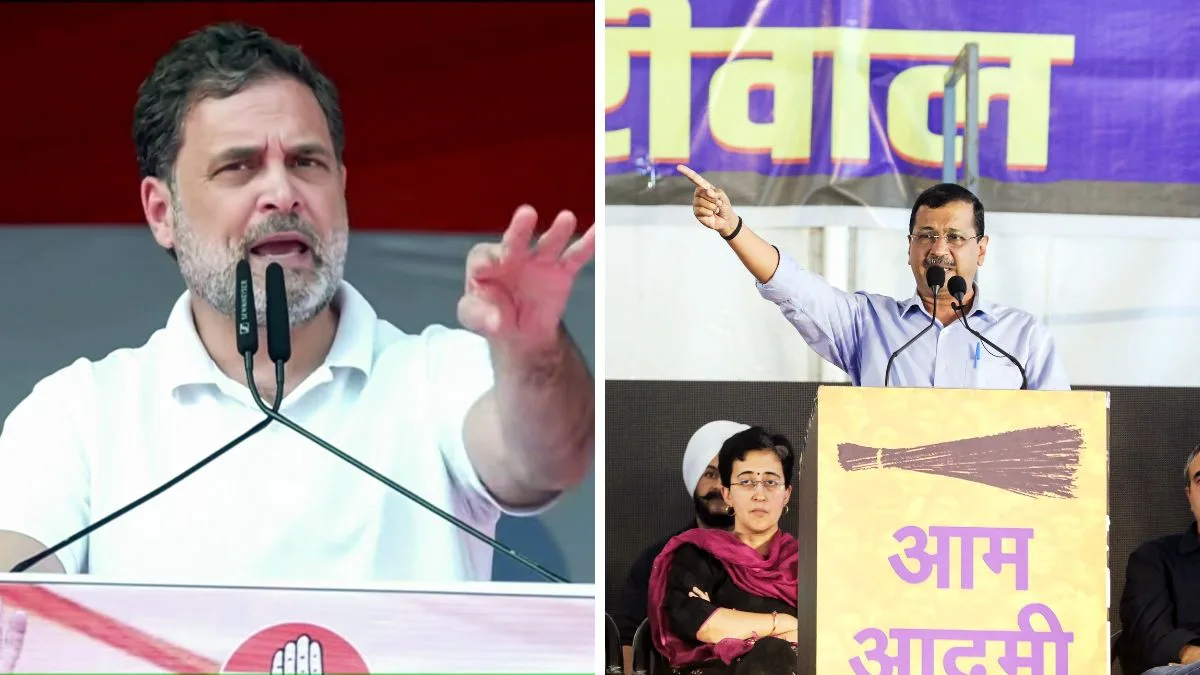
Leader of Opposition in the Lok Sabha Rahul Gandhi said India’s foreign policy must reflect the will and traditions of its people rather than what he described as the “exploitation of a compromised individual”.

“India’s foreign policy emerges from the collective will of our people. It should be rooted in our history, our geography, and our spiritual ethos based on Satya and Ahimsa. What we are witnessing today is not policy. It is the result of the exploitation of a compromised individual,” Gandhi wrote on X.

Former Delhi chief minister and Aam Aadmi Party convenor Arvind Kejriwal also questioned why India would require permission from the United States to buy oil from Russia.

“Who is America to grant India permission to buy oil from Russia? Why does India even need permission from America?” he said in a post on X, alleging that India’s leadership appeared weak in its dealings with Washington. Kejriwal further demanded Prime Minister Narendra Modi’s resignation, saying India should not appear to bow before another country.

Several Congress leaders echoed similar concerns.

Congress MP Manish Tewari asked whether India needed approval from Washington to determine its energy sources, criticising what he described as the United States’ “neo-imperial arrogance”.

“Are we a banana republic that we need the permission of the US to secure our energy security imperatives?” he said on X, also questioning the Centre’s silence over the announcement.

Congress MP KC Venugopal called the development humiliating for India’s sovereignty and global standing, arguing that the country should independently decide what best serves its national interest.

Congress leader Jairam Ramesh described the situation as “American blackmail” in a short post on X while referring to the US announcement.

Congress MP Randeep Singh Surjewala also alleged that the government had compromised India’s sovereignty and questioned why India should seek US approval to buy Russian oil.

CPI leader and Rajya Sabha MP Sandosh Kumar P also wrote to Prime Minister Narendra Modi, calling the US remark “humiliating for a sovereign nation.” In his letter, he questioned how Washington could claim to “allow” India to buy oil and said the statement created the impression that India’s energy choices were subject to American approval.

He urged the Prime Minister to raise the matter diplomatically and make it clear that India’s energy security and foreign policy decisions would be guided only by national interest.

Political commentator Tehseen Poonawalla also criticised the US’s move. In a post on X, he said it was “an utter disgrace to our sacred sovereignty” that Washington appeared to decide whether India could buy Russian oil.


Also Read: Oil shock buffer: US gives India 30-day waiver to buy Russian crude as Gulf crisis rattles Hormuz

What the US waiver says

The controversy followed a statement by US Treasury Secretary Scott Bessent, who announced the measure on X.

“President Trump’s energy agenda has resulted in oil and gas production reaching the highest levels ever recorded. To enable oil to keep flowing into the global market, the Treasury Department is issuing a temporary 30-day waiver to allow Indian refiners to purchase Russian oil,” Bessent wrote.

He said the short-term waiver would only allow transactions involving Russian oil already stranded at sea and would not significantly benefit Moscow financially. He also added that the United States expects India to increase imports of American oil.

According to Bessent, the measure aims to ease pressure caused by Iran’s actions in the global energy market.

Energy security concerns amid West Asia crisis

The US move has come against the backdrop of escalating tensions in West Asia. The situation worsened after joint US-Israeli strikes on Iran on 28 February that killed Iran’s Supreme Leader Ayatollah Ali Khamenei along with several senior figures.

Iran soon hit back, launching strikes aimed at American military bases and Israeli-linked targets across the region. The back-and-forth has deepened fears that the conflict could spiral further, unsettling a part of the world that sits at the heart of the global energy trade.

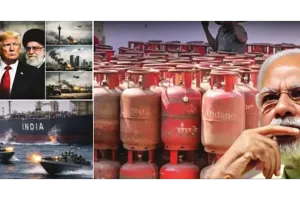
Much of the concern centres on the Strait of Hormuz, a narrow stretch of water but one of the most important oil routes on the planet. A huge volume of global crude passes through this corridor every day. For India, the route is especially vital because close to 40 per cent of the country’s oil imports come from this region and travel through these waters.

Any disruption there can ripple through the Indian economy. Industries such as ceramics and fertilisers, which rely heavily on liquefied natural gas (LNG) imported from Gulf Cooperation Council countries, could feel the impact if energy supplies tighten.

However, government sources said India remains in a comfortable position regarding energy security, with adequate stock levels and diversified sources of supply. They said the country continues to review the situation closely and is in touch with multiple suppliers to ensure the uninterrupted availability of crude oil and gas.
Baloch armed group attacks security forces in Balochistan, three Pakistani soldiers killed

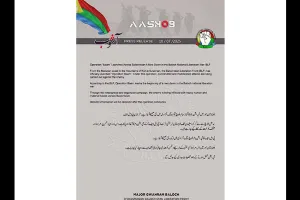
In a statement issued to the media, BLF spokesperson Major Gwahram Baloch said that the operation occurred on March 4 involving a coordinated assault by the group’s fighters.

IANS | New Delhi |

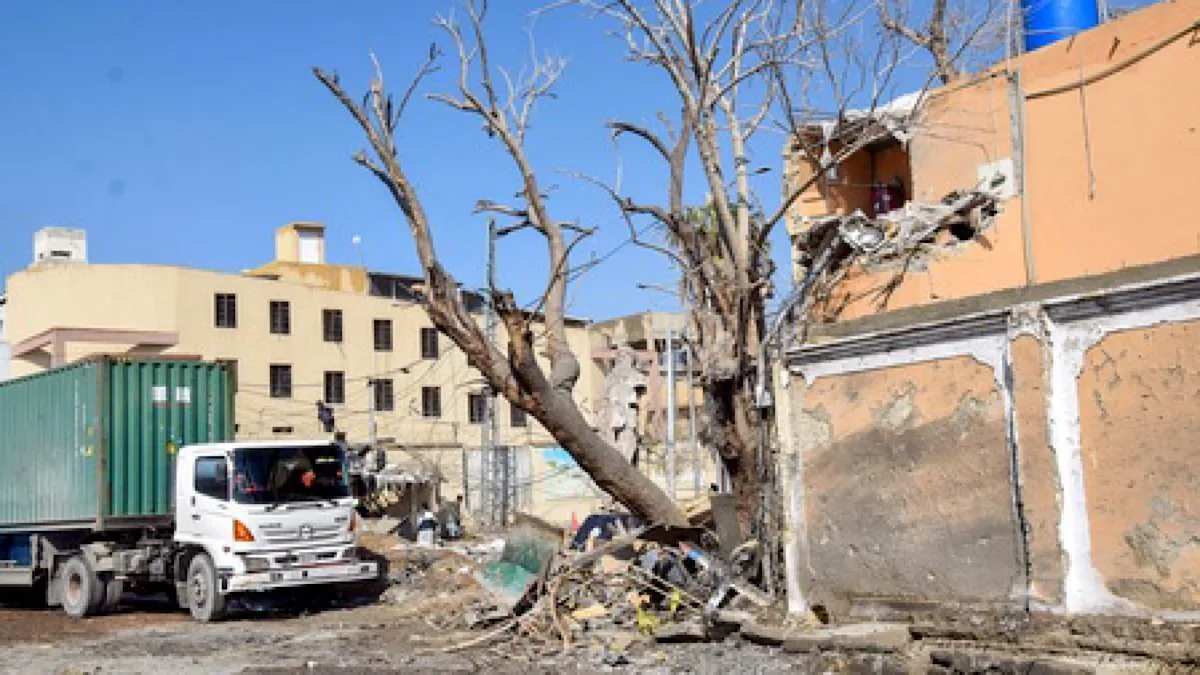
The Balochistan Liberation Front (BLF) has claimed responsibility for an armed attack in Balochistan’s Khuzdar district that killed three Pakistani soldiers and injured several others, briefly seizing control of Karkh town while targeting multiple government installations during the operation, local media reported on Friday.

In a statement issued to the media, BLF spokesperson Major Gwahram Baloch said that the operation occurred on March 4 involving a coordinated assault by the group’s fighters.

According to the statement, the armed group encircled Karkh from several directions and blocked the town’s entry and exit routes.

The spokesperson stated that BLF fighters launched an attack on a police checkpoint at Moola Cross on the Khuzdar–Ratto Dero section of the China–Pakistan Economic Corridor (CPEC) route, seizing weapons and equipment from the checkpoint before setting the facility ablaze, The Balochistan Post reported.

He further claimed that the BLF fighters later entered Karkh, taking control of several government buildings, including a police station, a National Database and Registration Authority (NADRA) office, a bank and the office of the Deputy Commissioner—destroying records and state symbols inside these offices and confiscating weapons.

The BLF said that its fighters conducted inspections during roadblocks in the area, detaining several individuals, including a police sub-inspector, Anwar Ali, from Brahmanabad region in Pakistan’s Sindh province. The group added that the detainees were later released following questioning, while an injured police officer was reportedly transported to a hospital.

During the operation, the spokesperson stated that two vehicles transporting marble were damaged, describing it as the exploitation of local resources.

The BLF alleged that Pakistani security forces later attempted to move towards the area, firing mortar shells from a distance, leading to clashes that occurred near Moola Cross, resulting in the deaths of three Pakistani soldiers and injuries to several others.

The group said that its fighters left the town later in the evening after concluding the operation.

This latest incident comes against the backdrop of escalating attacks by Baloch militant groups targeting Pakistani military and police forces across Balochistan in recent days, resulting in heavy casualties and damage to the infrastructure.

Ranju Darshana becomes the first candidate to win in Nepal parliamentary elections

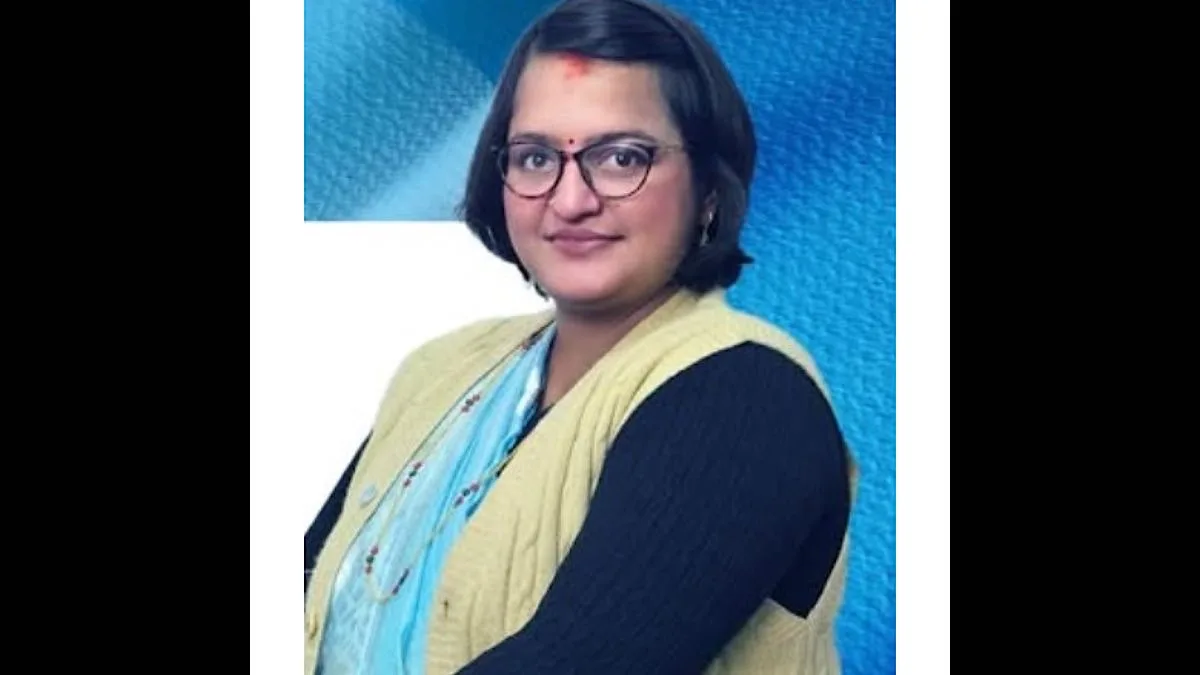
Ranju Darshana Neupane, the Rastriya Swatantra Party (RSP) candidate from Kathmandu-1, has been elected to the House of Representatives, becoming the first candidate to secure victory in Nepal’s parliamentary elections held on Thursday.

IANS | New Delhi |

Ranju Darshana Neupane, the Rastriya Swatantra Party (RSP) candidate from Kathmandu-1, has been elected to the House of Representatives, becoming the first candidate to secure victory in Nepal’s parliamentary elections held on Thursday.

Neupane, 30, secured 15,455 votes to win the parliamentary seat, defeating Prabal Thapa of the Nepali Congress, who garnered 6,364 votes. Rabindra Mishra, the candidate of the Rastriya Prajatantra Party, secured 3,972 votes.

Darshana won the seat on her second attempt. Her first bid to enter Parliament as an Independent candidate in the 2022 elections had failed.

She first came into the public spotlight during the 2017 local elections, when she contested for the mayoral post of Kathmandu Metropolitan City and secured 23,439 votes, a respectable number, emerging as a prominent face of alternative politics.

Her political journey began in 2013 with the erstwhile Bibeksheel Nepali Party, which led the “Nepal Khulla Chha (Nepal is Open)” campaign protesting against frequent nationwide shutdowns and bandhs imposed by traditional political parties.

After remaining relatively inactive in politics for some time as she focused on motherhood, Darshana made a comeback following the merger of her former party, the Bibeksheel Sajha Party, with the RSP a few months before the latest elections. She had previously served as the general secretary of Bibeksheel Sajha and is now a member of the RSP’s central committee.

The Bibeksheel movement is widely credited with laying the foundation of alternative politics in Nepal.

Initially, the RSP had placed Darshana on its proportional representation closed list. However, after she expressed dissatisfaction with her low position on the list, the party withdrew her name and fielded her as a direct candidate from Kathmandu-1 under the First-Past-the-Post (FPTP) system.

Born in March 1996 and raised in Kathmandu by a single mother, Darshana says her upbringing shaped her resilience and commitment to social justice. Her mother supported the family through tailoring and childcare work to ensure her education despite financial hardship.

Darshana holds a Bachelor’s degree in Development Studies from Kathmandu University and a Master’s degree in Political Science from Tribhuvan University. She has also completed a postgraduate diploma in counselling psychology.

Alongside politics, she conducts mental health awareness programmes, provides basic psychosocial counselling, and teaches undergraduate students at Thames International College in Kathmandu.

World Uyghur Congress raises alarm over arrests, Ramadan restrictions in China

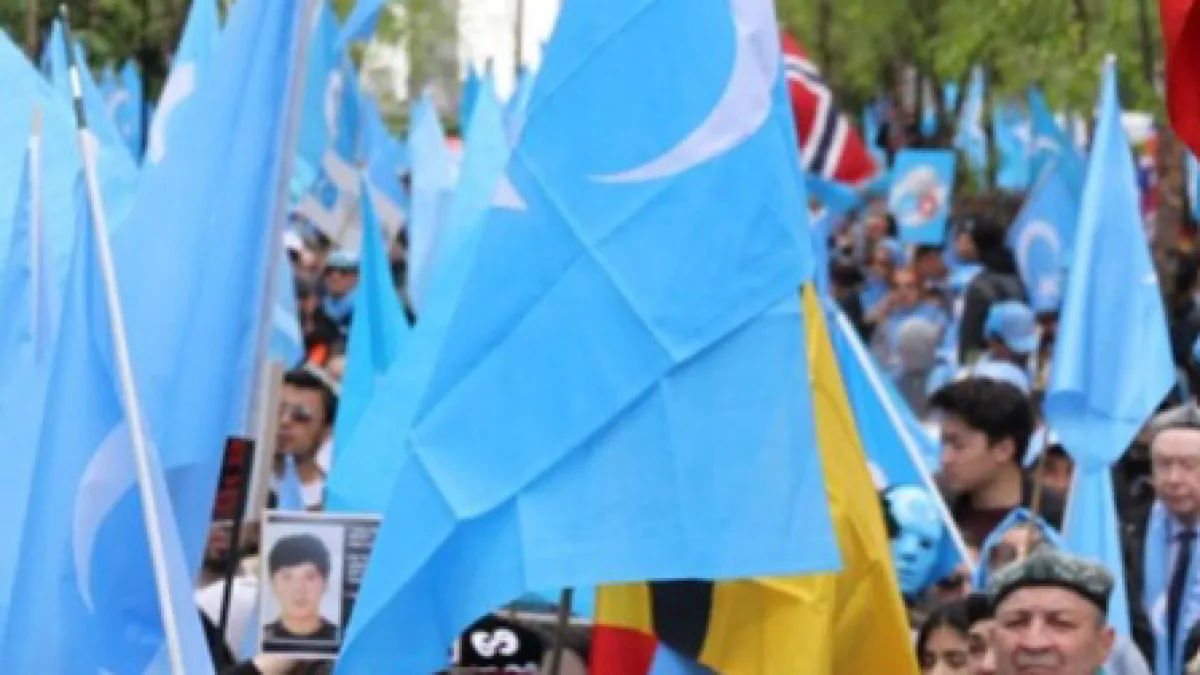
The World Uyghur Congress (WUC) has expressed serious concern over reports that Uyghurs in China’s Xinjiang region are facing restrictions during the holy month of Ramadan, with several individuals allegedly arrested for observing religious practices.

IANS | New Delhi |

The World Uyghur Congress (WUC) has expressed serious concern over reports that Uyghurs in China’s Xinjiang region are facing restrictions during the holy month of Ramadan, with several individuals allegedly arrested for observing religious practices.

The organisation stated that these actions reflected the absence of freedom of religion or belief in East Turkistan, also known as the Xinjiang Uyghur Autonomous Region of China.

Citing Uyghur Service of Radio Free Asia (RFA), the WUC stated that on February 27, the police authorities arrested six Uyghurs across several villages in China’s Hotan Prefecture—including Bulaq Chorgey, Bash Chapal, Dul Tugman, and Korgan—for allegedly “secretly fasting” during the holy month of Ramadan.

“Ramadan restrictions continue to be tightened, year after year. The recent detention of six Uyghurs proves that people don’t even have the freedom to do it in the privacy of their homes. Surveillance, coerced labour, these practices violate not only international law, but Chinese domestic laws,” said WUC President, Turgunjan Alawdun.

According to the WUC, these developments come amid ongoing discussions on the situation of Uyghurs at the 61st session of the UN Human Rights Council in Geneva.

In her thematic report to the Council, “How Freedom of Religion or Belief Relates to Death and Honouring the Deceased’’, the UN Special Rapporteur on Freedom of Religion or Belief, Nazila Ghanea highlighted that the Chinese authorities were destroying and replacing cemeteries of Uyghur muslims, under the auspices of “standardisation’’ and “civilisation’’, without the knowledge of the relatives of the deceased.

The WUC stated that such actions align with the Chinese government’s broader policy of “Sinicisation” of religion, designed to reshape religious practice to conform to Communist Party ideology and state control.

“In East Turkistan, this policy has translated into systematic restrictions on the expression of Islamic faith, including bans on fasting during Ramadan for many segments of the population, the removal or alteration of mosques and religious sites, the prohibition of religious education, and the criminalisation of everyday religious behaviour. Practices that are normal expressions of faith—such as fasting, prayer, wearing religious clothing, or teaching religion to children—are increasingly treated as signs of ‘extremism’,” the WUC stated.

“ The surveillance and punishment of Uyghurs for observing Ramadan therefore reflect a broader strategy aimed at eroding independent religious life and forcing the assimilation of Uyghurs into a state-defined cultural and ideological framework, in clear violation of the right to freedom of religion or belief under international law,” it added.

IND-W vs AUS-W Pink-Ball Test: Perry, Sutherland guide Australia to 96/3 after India post 198 on day 1

After bowling India out for 198, Australia faced a tricky evening session under lights but ended the day trailing by 102 runs with seven wickets in hand.

Statesman News Service | New Delhi |

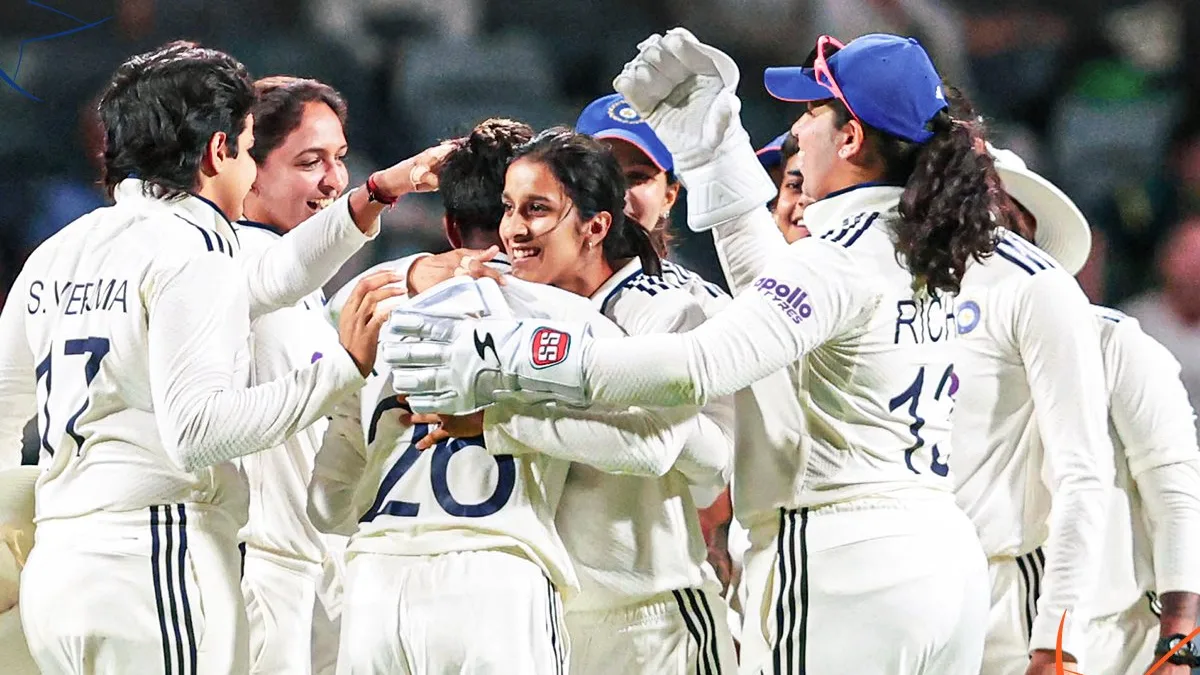
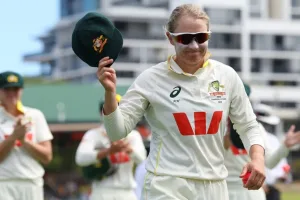
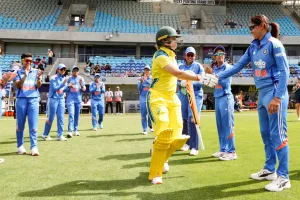
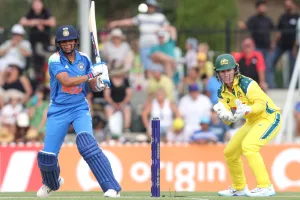
Ellyse Perry and Annabel Sutherland shared an unbroken 38-run stand to guide Australia women to 96/3 at stumps on Day 1 of the one-off pink-ball Test against the India women’s national cricket team at the WACA Ground in Perth on Friday.

After bowling India out for 198, Australia faced a tricky evening session under lights but ended the day trailing by 102 runs with seven wickets in hand.

Perry remained unbeaten on 43 from 62 balls, striking seven boundaries, while Sutherland was 20 not out off 29 deliveries as the pair steadied the innings following early Indian breakthroughs.


Earlier, India’s pace attack struck quickly. Debutant seamer Sayali Satghare removed Georgia Voll with a sharp inswinger that breached her defence, while fellow debutant Kranti Gaud dismissed Phoebe Litchfield for nine after Jemimah Rodrigues took a superb low catch at backward point.

Australia captain Alyssa Healy, playing what could be her final international match, received a standing ovation from the Perth crowd but managed just 13 before edging Satghare to Rodrigues at backward point, leaving Australia at 58/3.

With the ball moving under lights, Satghare and Gaud kept India in the contest, but Perry gradually took control, driving and cutting with authority. Sutherland also looked fluent, with a crisp extra-cover drive and a controlled pull shot among the highlights of her innings.

India had earlier been bowled out for 198 in 62.4 overs despite a fighting half-century from Rodrigues. Sutherland starred with the ball for Australia, claiming 4/46, while Lucy Hamilton picked up 3/31.

The Test began with Australia opting to bowl after winning the toss. Healy said the decision was influenced by the opportunity to give their young pace attack an early chance despite the good batting conditions.

India captain Harmanpreet Kaur said her side had also considered bowling first but emphasised adapting to the conditions at the WACA.

The match marks the final leg of India’s tour of Australia and the conclusion of the multi-format series. India won the three-match T20I series 2–1, their first T20 series victory over Australia in a decade, but Australia responded with a 3-0 sweep in the ODIs.

With Australia well placed at the end of Day 1, India will need early breakthroughs on Saturday to prevent the hosts from taking a significant first-innings lead.

Brief Scores:
India 198 all out (62.4 overs) – Jemimah Rodrigues 52, Shafali Verma 35; Annabel Sutherland 4/46, Lucy Hamilton 3/31.
Australia 96/3 (27 overs) – Ellyse Perry 43*, Annabel Sutherland 20*; Sayali Satghare 2/24, Kranti Gaud 1/28.

India Women vs Australia Women one-off Test: Playing XI

India Women:

Smriti Mandhana, Shafali Verma, Pratika Rawal, Harmanpreet Kaur(c), Jemimah Rodrigues, Richa Ghosh(w), Deepti Sharma, Kashvee Gautam, Sneh Rana, Sayali Satghare, Kranti Gaud.


Australia Women:

Phoebe Litchfield, Georgia Voll, Ellyse Perry, Alyssa Healy(c), Annabel Sutherland, Beth Mooney(w), Ashleigh Gardner, Tahlia McGrath, Alana King, Lucy Hamilton, Darcie Brown.

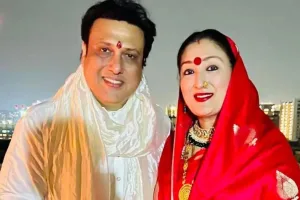
‘Stop calling them small shows’: Govinda reacts to social media mockery after performing at school annual day functions

Viral videos of Govinda dancing and delivering dialogues at school events in Pratapgarh sparked a wave of online criticism. The actor has now responded, saying social media narratives often distort the reality behind such appearances.

Statesman News Service | New Delhi |

When a superstar from the 90s suddenly appears on a small school stage, the internet does what it does best: talk, judge, and turn everything into a viral debate. That’s exactly what happened when Govinda recently performed at a couple of school events in Uttar Pradesh. Some fans loved seeing the old magic again. Others quickly declared that the once-unstoppable Bollywood star had “fallen too far.”

Now, the actor has finally responded and he’s not amused by the commentary.

When a school function became viral gossip

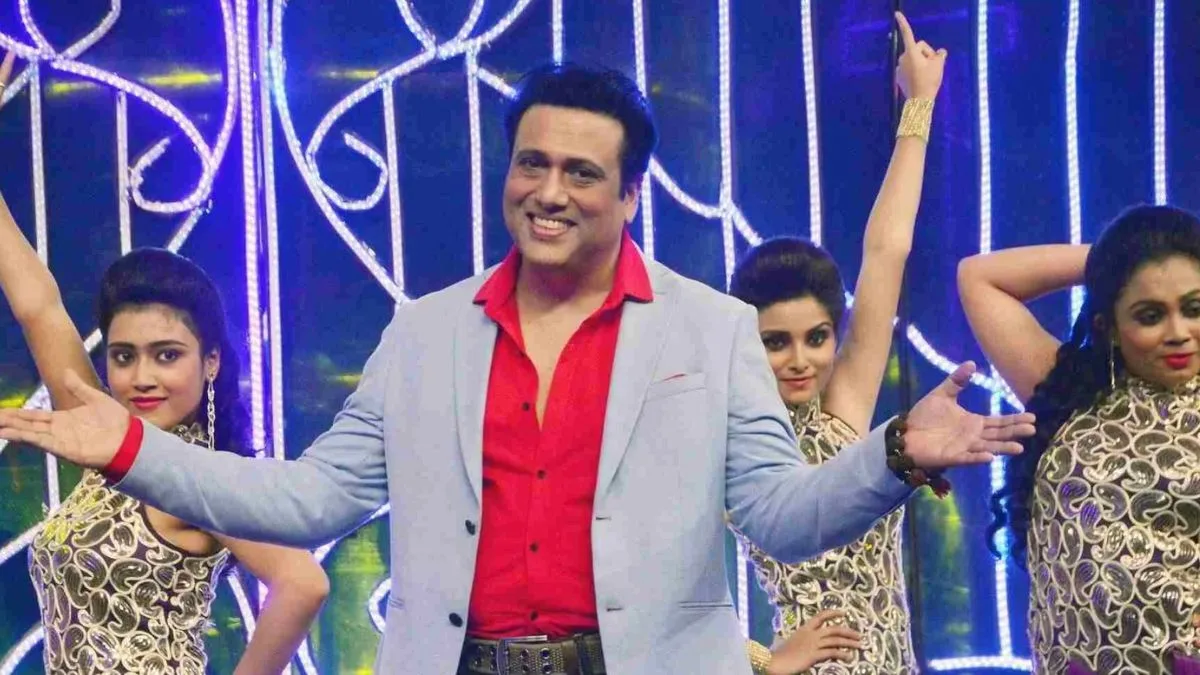
Earlier this year, videos began circulating online showing Govinda performing at school events in Pratapgarh, Uttar Pradesh. The clips showed the actor dancing, interacting with students, delivering some of his iconic film dialogues.

The performances happened during annual day celebrations at two schools. Students and their families were thrilled to see him in person. Atmosphere looked festive.

Also Read: Throwback: When Shah Rukh Khan broke silence on being called ‘arrogant’ and why he ‘troubled’ filmmakers

Govinda also performed to one of his popular songs “Main Toh Raste Se Jaa Raha Tha”. At another moment during the event, he even sang “Angna Mein Baba”.

For many people at the event, it was a fun surprise appearance by a beloved star.

But on social media, the conversation quickly took a different turn.

The “small show” debate online

As the videos spread online, some viewers praised Govinda’s energy and his willingness to interact with fans in a casual setting. They said it was refreshing to see a major actor performing so closely with ordinary audiences.

However, others were less kind.

Some critics questioned why a major Bollywood name would perform at school annual day events. A section of social media users even suggested that the actor’s career was declining and that performing at such shows was “not befitting” of his past stardom.

Govinda’s straightforward reply

Speaking on Siddharth Kannan’s podcast, Govinda addressed the controversy directly.

He pushed back against the idea that the events were “small.”

“Wo jinhen chhota keh rahe hain wo ek CM ka hai. Aur second jo hai, Member of Parliament hain. Unhein keh rahe hain,” he said.

In simple terms, Govinda explained that the events people were calling “small” were actually connected to influential figures, one linked to a Chief Minister and another associated with a Member of Parliament.

According to him, the criticism was exaggerated.

Govinda also said that social media tends to create narratives that are not always accurate.

“Social media kisike control mein thodi na hai. Waha jisse chahe sheershak bana dete hain,” he said.

CBSE cancels Class 10 exams in West Asia amid rising Iran-Israel tensions

The Central Board of Secondary Education (CBSE) has cancelled Class 10 Board examinations in several West Asian countries amid escalating tensions in the region following the ongoing conflict involving Iran, Israel, and the United States, the Embassy of India in Muscat confirmed on Friday.

IANS | New Delhi |

The Central Board of Secondary Education (CBSE) has cancelled Class 10 Board examinations in several West Asian countries amid escalating tensions in the region following the ongoing conflict involving Iran, Israel, and the United States, the Embassy of India in Muscat confirmed on Friday.

The Embassy of India in Muscat shared the CBSE circular on its official social media platform X, informing students and parents about the changes in the examination schedule across Gulf countries.

According to the circular dated March 5, 2026, the decision affects CBSE-affiliated schools in Bahrain, Iran, Kuwait, Oman, Qatar, Saudi Arabia, and the United Arab Emirates (UAE).

For Class 10 students, all examinations scheduled between March 7 and March 11 have been cancelled. Additionally, the exams that were earlier postponed and scheduled for March 2, March 5, and March 6, have also been cancelled. The CBSE stated that the mode of declaration of results for Class 10 students in West Asia will be notified separately at a later stage.

Meanwhile, the Class 12 Board examination scheduled for Saturday, March 7 has been postponed. The revised dates for the postponed exam will be announced later. The Board further stated that it will review the prevailing situation on March 7 and issue further instructions regarding examinations scheduled from March 9 onwards.

CBSE has advised all Class 12 students to remain in close contact with their respective schools and closely follow official announcements regarding further updates.

Students have also been urged to stay in regular contact with their schools, rely only on official CBSE notifications, and avoid depending on unofficial sources or rumours for information regarding the examinations.

The cancellation comes against the backdrop of dramatic developments in the region.

On February 28, the United States and Israel launched a series of missile and drone strikes on multiple targets in Tehran, including the compound of Iran’s Supreme Leader, Ayatollah Ali Khamenei, located in the city centre.

Hours later, Iran confirmed that Khamenei had been killed in the attack.

Iran subsequently carried out retaliatory strikes targeting Tel Aviv and other locations in Israel, along with American military bases and diplomatic missions across West Asia.

Iranian attacks also hit civilian and energy infrastructure in neighbouring countries, including an oil refinery in Saudi Arabia and a luxury hotel in Dubai.

The exchange of strikes has heightened fears of a wider regional conflict that could draw in additional West Asian nations and severely disrupt global energy markets.

‘Congress treating Karnataka as ATM,’ says BJP’s Poonawalla as contractors halt work over unpaid dues

BJP spokesperson Shehzad Poonawalla alleges corruption in Karnataka after contractors halt work over pending dues, claiming ministers demanded kickbacks to clear payments.

Statesman News Service | New Delhi |

The Bharatiya Janata Party (BJP) on Friday accused the Congress-led Karnataka government of turning the state into an “ATM”, alleging that contractors are being forced to pay commissions to clear long-pending bills.

The remarks came after the Karnataka State Contractors Association announced a strike on 6 March, halting work over what it claims are unpaid dues worth about Rs 37,370 crore. Contractors have also alleged that large kickbacks and bribes are being demanded to process these payments.

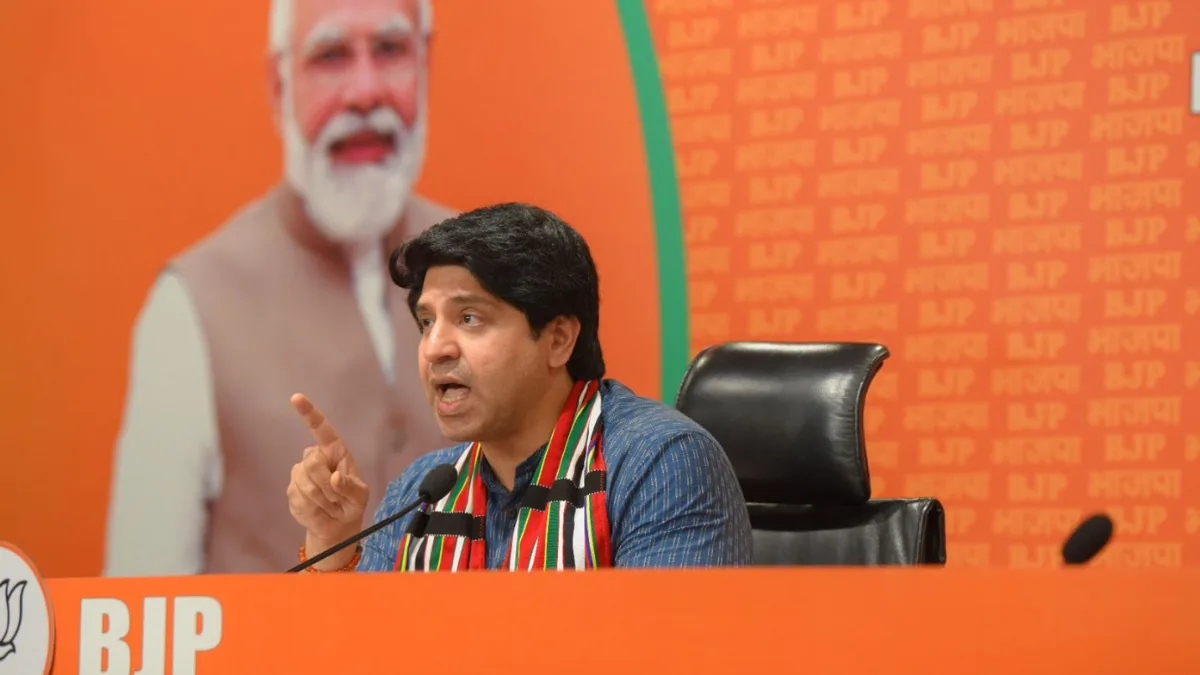
BJP national spokesperson Shehzad Poonawalla alleged that the Congress government in Karnataka was involved in widespread corruption and accused it of failing to pay contractors despite the massive outstanding amount.

“The Congress is treating Karnataka as its ATM and looting it with both hands,” Poonawalla said. He claimed that contractors are waiting for payments ranging from Rs 35,000 crore to Rs 40,000 crore and alleged that ministers are demanding hefty commissions to clear the dues.

The BJP leader also referred to recent remarks attributed to Karnataka Public Works Department Minister Satish Jarkiholi. According to Poonawalla, the minister had said that commissions in government contracts existed earlier, exist now, and would continue in the future.

Poonawalla criticised the statement, saying it amounted to justifying corruption rather than addressing the allegations raised by contractors.

He further claimed that several scams had surfaced in the state, including those linked to land, liquor, contractors, and other sectors. According to him, the alleged corruption persists because the party’s central leadership is benefiting from the money flowing from the state.

“All of these scams are taking place because the High Command is getting direct payment, and therefore they are not taking any action on Siddaramaiah and his ministers,” Poonawalla alleged.

Hina Khan shares Ramadan secret: Why starting and ending the fast with ajwa dates helps avoid acid reflux

Hina Khan shared a simple Ramadan wellness tip, saying that starting and ending the fast with Ajwa dates can help prevent acid reflux and digestive discomfort.

Statesman News Service | New Delhi |

Early Friday morning, actress Hina Khan quietly dropped a small but interesting Ramadan tip on Instagram and fans instantly noticed. Instead of a long lecture on diet or health, Hina shared a picture of just two Ajwa dates.

According to the actress, starting and ending the fast with Ajwa dates can help avoid acid reflux and digestive discomfort during Ramadan.

Along with the picture, she wrote in a simple caption: “Tip Ajwa se shuru, Ajwa se hi khatam… No acid reflux, no discomfort in Ramadan.”

Also Read: Investment Trap: Marathi actress Varsha Usgaonkar and four others cheated of ₹47 lakh by man claiming to be producer

Ajwa dates are often considered a heart-healthy superfood. They contain natural sugars and fiber that provide a steady energy boost, which can be helpful after long hours of fasting. For many Muslims observing Ramadan, dates are already a traditional way to break the fast.

Her advice: Don’t overeat during Iftar

Hina has also been openly discussing healthy habits during Ramadan.

Earlier, the actress urged people to maintain a balanced diet during the holy month and avoid overeating at iftar.

She explained that after fasting for long hours, the body naturally craves quick energy. Because of that, many people end up eating heavy, fried, and sugary foods immediately after breaking the fast.

According to Hina, this common habit can cause several problems, including weight gain, digestive issues, fatigue.

She shared her thoughts on Instagram Stories, writing that overeating during iftar is extremely common but not always good for the body.

Instead, she advised people to eat slowly and gradually.

Explained: Who are Nepal’s RSP? Rabi Lamichhane’s scandal-shadowed Rashtriya Swatantra Party with Balen Shah hovering nearby

Rastriya Swatantra Party has surged into Nepal’s election conversation, riding anger against traditional political parties. This explainer breaks down the party’s origins, controversies around Rabi Lamichhane, and the complicated Balen Shah factor behind its growing momentum.

Statesman News Service | New Delhi |

At the time of writing this, a small bell symbol is quietly echoing across Nepal’s election map.

In Kathmandu, one seat has already fallen to the Rastriya Swatantra Party (RSP). In several other constituencies, the party is leading. For a political force that did not even exist a few years ago, the moment feels dramatic.

Supporters are excited. Critics are cautious. Political veterans are watching nervously.

Because the RSP, officially called Rastriya Swatantra Party, has become one of the most unusual experiments in Nepal’s modern politics. The party, often abbreviated as RaSwaPa, positions itself in the political center. It claims to represent a new generation frustrated with corruption, unemployment and slow governance.

But its story is not simple.

Also Read: Nepal Election: Political titan or ageing nomad? Prachanda’s high-stakes bid to salvage Maoist legacy in Eastern Rukum

The party rose quickly. It entered government quickly. It faced scandal quickly. And now, in the middle of another election season, it is again testing whether its promise of “new politics” can survive controversy and internal turmoil.

To understand why the RSP still attracts attention, one must look closely at its short but dramatic history.

A party born out of anger

Nepal’s traditional political system had been facing deep frustration for years.

Large parties dominated parliament. Governments changed frequently. Corruption allegations were common. Many young Nepalis felt the political class had become disconnected from ordinary people.

Into this environment stepped Rabi Lamichhane.

On 16 June 2022, Lamichhane shocked many observers by resigning as managing director of Galaxy 4K Television, where he had built a strong reputation as a television personality.

Five days later, on 21 June 2022, he announced something bigger: the formation of a new political party.

That party was the Rastriya Swatantra Party.

The announcement included a 21-member central committee and a bold promise: politics would be different.

The party was formally registered with the Election Commission of Nepal on 1 July 2022, just months before the national elections.

Its election symbol was simple but memorable: a bell inside a circle.

For many supporters, the symbol carried a message: a wake-up call for Nepal’s political establishment.

The television star who jumped into politics

Lamichhane himself was not a typical politician.

Born in Kathmandu in 1975, he spent much of his early career in journalism and television.

He gained international attention in 2013, when he hosted a 60-hour talk show marathon, setting a Guinness World Record. The event brought him global publicity.

His programs often had sensational content. For instance, in one episode shot in Lalitpur’s Tikathali, he tried to drive away a ‘ghost’ in front of the camera. People laughed.

He did political content. For many viewers, he sounded like someone who was finally saying what ordinary citizens had been thinking for years.

After spending several years in the United States, Lamichhane returned to Nepal during the mid-2010s and eventually became the managing director of Galaxy 4K Television.

But journalism, it turned out, was not enough.

By 2022, he was ready to enter politics directly.

The shock of the 2022 election

Few political observers expected the RSP to make a big impact in the 2022 general election.

The party was new. It had little organisational structure. It lacked the long networks that traditional parties had built over decades.

Yet the result surprised almost everyone.

The RSP fielded candidates in 131 constituencies for the House of Representatives election. It did not contest provincial elections, choosing to focus on the federal level.

When the votes were counted, the party had secured 7 direct and 13 proportional representation seats.

In the party list vote, the RSP received 10.70 percent of the total ballots; roughly 1.1 million votes.

This result made the party the fourth-largest national party in Nepal.

Entering government

After the election, the RSP joined the coalition government led by Pushpa Kamal Dahal, widely known as Prachanda.

The party did not join as a minor observer. Lamichhane himself became Deputy Prime Minister. He also served as Home Minister, one of the most powerful positions in the cabinet.

Another RSP figure also gained a significant post. Indira Rana Magar, a member of the party, was elected Deputy Speaker of the House of Representatives.

For supporters, it seemed the party’s promise of generational change was finally taking shape.

But the celebration did not last long.

The citizenship crisis

In January 2023, Nepal’s Supreme Court delivered a major blow.

The court ruled that Lamichhane had not properly regained his Nepali citizenship after renouncing his United States passport.

Because of this technical but serious legal issue, both his parliamentary seat and ministerial position were declared invalid.

The decision forced him to step down.

For a leader who had just entered government with enormous momentum, the moment was deeply embarrassing.

The RSP quickly withdrew from the cabinet in response to the ruling, although it continued to support the government from outside.

Inside the party, Dol Prasad Aryal became acting president.

Lamichhane later reacquired Nepali citizenship and returned to politics. But the controversy left a shadow that would follow him for years.

Internal discipline and early scandals

The party also faced its first internal scandal.

One of its proportional representation lawmakers, Dhaka Kumar Shrestha, was accused of corruption. The RSP responded strongly.

Shrestha was replaced as a list MP and expelled from the party.

The decision was meant to demonstrate the party’s claim that it would not tolerate corruption within its ranks.

By-election comeback

Despite controversy, Lamichhane remained popular with many voters.

In 2023 by-elections, he contested from Chitwan-2 and won again, this time with an even stronger mandate.

At the same time, the RSP also captured Tanahun-1, expanding its presence in parliament.

Despite legal disputes and criticism, the party’s support base remained strong.

Back to government, briefly

The RSP rejoined the Prachanda-led coalition government again in March 2024.

This time the party received four cabinet ministries.

But the alliance proved fragile.

By 12 July 2024, political disagreements caused the coalition arrangement to collapse, and the cabinet was dissolved.

For the RSP, the second entry into government ended almost as quickly as the first.

Leadership turbulence

The party also experienced internal leadership tensions.

In one notable incident, general secretary Mukul Dhakal was expelled from the party for violating party rules.

Leadership reshuffling continued.

In June 2025, Kabindra Burlakoti was appointed general secretary. Manish Jha became party spokesperson.

The changes suggested that the party was still trying to stabilise its internal structure.

The cooperative fraud case

The biggest challenge came in October 2024.

Lamichhane was arrested over allegations related to cooperative fraud. The accusations triggered a major political storm.

He was later placed in judicial custody in Bhairahawa as investigations continued.

Once again, Dol Prasad Aryal stepped in as acting president.

For critics, the arrest raised serious questions about Lamichhane’s image. For supporters, it looked like a politically motivated attempt to destroy a rising outsider.

The legal case remains one of the biggest factors shaping the party’s future.

The famous ‘12 bhai’ controversy

Lamichhane’s relationship with Nepal’s media also became controversial.

After losing his ministerial post in early 2023, he held a press conference where he harshly criticised journalists.

During the event, he accused a group of editors of plotting against him and referred to them as the ‘12 bhai’, a supposed group conspiring to damage his reputation.

His comments included personal attacks and warnings that he might reveal journalists’ private lives.

The remarks triggered strong backlash.

Journalists’ organisations accused him of threatening press freedom. Civil society groups warned that such rhetoric could encourage harassment of reporters.

Lamichhane later apologised and admitted he had spoken emotionally.

But the phrase ‘12 bhai’ quickly became political shorthand for his confrontational relationship with the media.

The clash between populist politics and institutional oversight has now become part of the RSP’s identity.

The paradox of ‘new politics’

The RSP was built on frustration with traditional parties.

Its core promise was simple: politics would be transparent, youthful and accountable.

Yet some observers see a contradiction.

Lamichhane’s aggressive criticism of journalists reminded critics of the same intolerance often displayed by older political leaders.

At the same time, the cooperative fraud allegations created tension with his anti-corruption message.

This contradiction raises an uncomfortable question. Can a movement built on anger against old politics succeed if its leaders start behaving like the politicians they once criticised? The answer is still unclear.

Is RSP the new alternative? That’s unclear, too.

The Gen Z protest

Nepal’s Gen Z protest movement in 2025 also affected the RSP.

The demonstrations, driven largely by younger citizens frustrated with the political system, reshaped political discussions across the country.

Within the RSP, the protests triggered some departures.

Former MP Sumana Shrestha resigned from the party. Chief whip Santosh Pariyar left and later joined the Pragatisheel Loktantrik Party.

The exits raised questions about internal unity.

However, the party also experienced expansion at the same time.

A major merger attempt

In December 2025, the Bibeksheel Sajha Party merged into the RSP.

Bibeksheel Sajha had long promoted urban reform agendas. Its merger with RSP suggested a possible consolidation of Nepal’s reform-oriented political forces.
Another ambitious plan was also discussed.
The RSP signed an agreement to merge with the Ujyaalo Nepal Party and to bring Kathmandu Mayor Balen Shah into the party.

The idea attracted national attention. But the plan did not survive.

The agreement with Ujyaalo Nepal eventually collapsed, and the merger never happened.

An unusual party structure

From the beginning, the RSP tried to present itself differently from traditional political parties.

One of its most unusual decisions was organisational. The party declared that it would not create sister organisations, such as student unions or youth wings.

Instead, it said the party would have members rather than cadres.

This language was meant to distance the RSP from the hierarchical structures that dominate many South Asian political parties.

The party also promised something rarely seen in Nepali politics: primary elections.

Candidates for the 2022 general election were selected through internal primaries, allowing members to vote on who would represent the party.

Election moment again

And now, another election has taken place.

At the moment of writing, the RSP has already won one seat in Kathmandu and is leading in several other constituencies. Balen Shah, the party’s pick for PM, is fighting against former PM KP Sharma Oli in Jhapa. Lamichhane and Shah joined hands for this election.

Now there are questions. Is the RSP becoming a stable political force? Or is it still dependent on the personality of one controversial leader (now two)?

Nepal’s democracy is still relatively young. Since the country became a republic in 2008, politics has remained fluid, with alliances shifting and new parties emerging.

The RSP represents one of the most dramatic attempts to reshape that landscape.

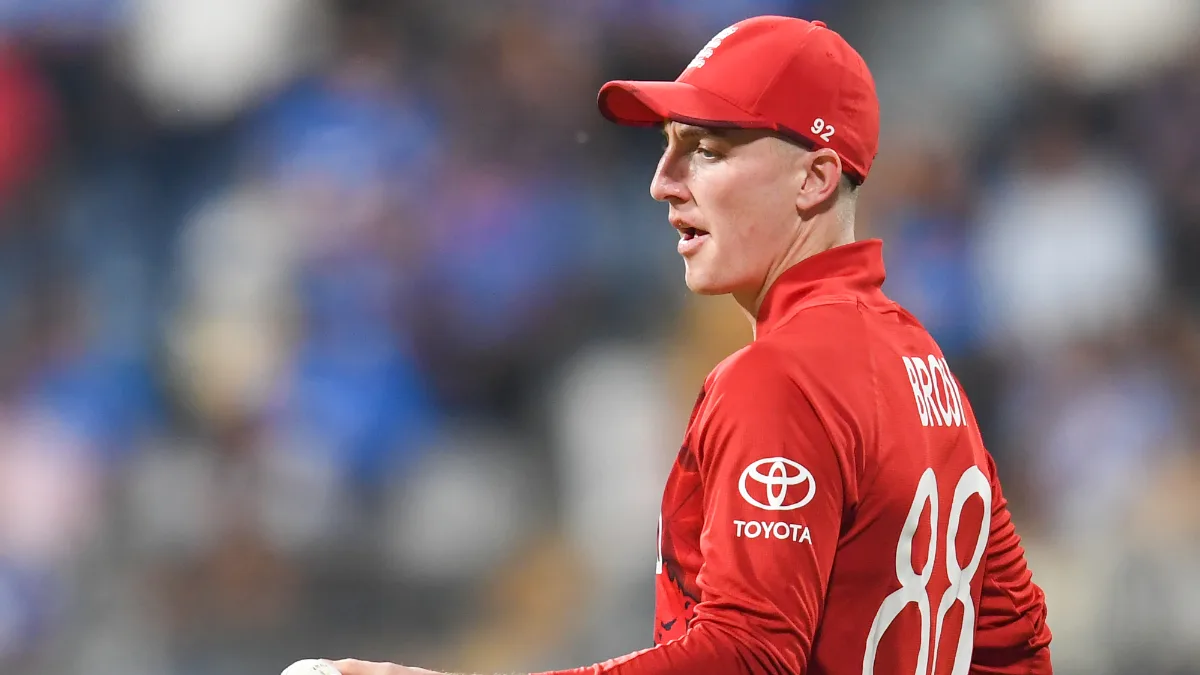
‘I made a big mistake’: Harry Brook admits costly error as India reach T20 World Cup final

Chasing a challenging target, England suffered an early setback as Phil Salt, Jos Buttler and Brook himself were back in the dugout inside the first six overs.

Statesman News Service | New Delhi |

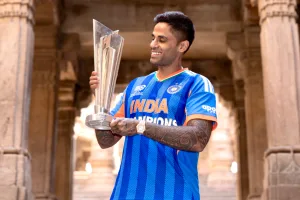
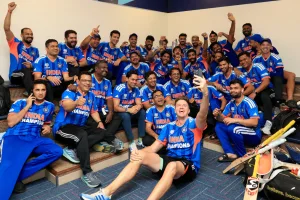
India booked their place in the T20 World Cup Final after edging past England by seven runs in a thrilling contest at the Wankhede Stadium on Thursday.

The innings was powered by Player of the Match, Sanju Samson, who played a brilliant knock of 89 runs. The wicketkeeper-batter made England pay dearly after their captain Harry Brook dropped a crucial catch early in the innings.

Samson was given a lifeline on 15 in the third over when Brook spilled a straightforward chance at mid-on off Jofra Archer’s bowling. Samson had lofted the ball straight to mid-on, but Brook misjudged it, and the ball popped out of his right hand before falling to the ground.

The missed opportunity proved costly as Samson added 74 more runs, finishing with a stunning 89 off 42 balls, including eight fours and seven sixes, to propel India to a formidable total.

After the match, Brook admitted the dropped catch played a major role in England’s defeat.

“I’ll hold my hands up and say that I made a big mistake there dropping Samson,” Brook said. “Catches win matches, don’t they? Unfortunately, it just didn’t stay in my hands.

“Obviously, it’s in the back of your mind. I kept on looking at the scoreboard, and he was piling the runs on. I was like, ‘I’m going to have to get 89 tonight,’” Brook added in the post-match press conference.

Chasing a challenging target, England suffered an early setback as Phil Salt, Jos Buttler and Brook himself were back in the dugout inside the first six overs. Despite the early blows, England managed to keep pace with the required rate.

However, India tightened their grip in the death overs, with Jasprit Bumrah once again proving decisive with the ball.

Brook acknowledged the challenge of facing Bumrah, calling him arguably the best bowler in the world at the moment.

“He’s a very good bowler, arguably the best of all time at the minute. And yeah, he’s been a very good bowler for a long time,” Brook said.

India also produced a moment of brilliance in the field to break the 77-run partnership between Jacob Bethell and Will Jacks. Jacks sliced Arshdeep Singh over cover, but Axar Patel sprinted from deep cover to intercept the ball just before the boundary and flicked it to Shivam Dube, who completed a sensational relay catch.

“The Indians fielded extremely well. That catch is arguably one of the best catches I’ve seen as well. So yeah, hats off to them,” Brook added.

Harry Brook praises Jacob Bethell’s phenomenal century

Despite the defeat, Brook was full of praise for Jacob Bethell, who kept England in the hunt with a blistering century.

The left-hander smashed 105 off just 48 balls, launching his innings with three consecutive sixes off Varun Chakravarthy. Bethell maintained the momentum throughout, striking eight fours and seven sixes while taking the game deep into the final over.

However, England’s hopes ended when Bethell was run out on 105.

Brook highlighted Bethell’s composure and ability to perform under pressure against a strong Indian attack on their home turf.

“He’s a phenomenal player, as we’ve seen tonight in a high-pressure situation against India on their home turf as well,” Brook said.

“The way that he played that innings there was just phenomenal. He should be extremely proud of what he’s done tonight and this whole winter. Even into the back end of our summer, he’s been unbelievable.

“He’s going to have a hell of a career with England, and I’m looking forward to hopefully spending a lot of time with him in the future.”

Indian airlines partially resume flights from some Middle East destinations

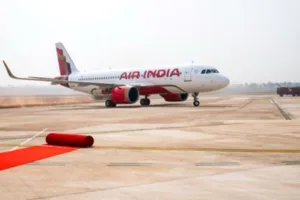
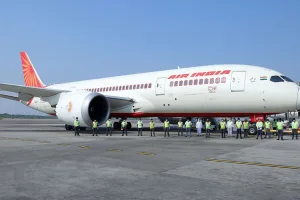
Domestic airlines including IndiGo, Air India and SpiceJet on Friday began gradually restoring limited flight operations to and from the Middle East, while thousands of services remain cancelled amid continuing airspace restrictions tied to the US-Israel and Iran war.

IANS | New Delhi |

Domestic airlines including IndiGo, Air India and SpiceJet on Friday began gradually restoring limited flight operations to and from the Middle East, while thousands of services remain cancelled amid continuing airspace restrictions tied to the US-Israel and Iran war.

IndiGo said it will operate 17 departures (34 sectors) on Friday to eight Middle East destinations and is working with government authorities to resume services safely.

Air India and Air India Express announced resuming flights to and from Jeddah and Muscat after authorities confirmed that Saudi’s and Oman’s airspaces were open, according to multiple reports.

SpiceJet said it will operate special flights from the United Arab Emirates to India on March 6 and 7, with additional services on March 8 to ease passenger movement amid the conflict.

IndiGo said passengers booked on its flights will be contacted directly, only after which they should go to airports.

Air India also announced ad‑hoc repatriation flights from hubs including Dubai, Ras Al Khaimah and Fujairah on March 6 subject to regulatory approvals.

It said scheduled services to other West Asia destinations remain suspended until March 10, and passengers with tickets issued until March 4 for travel between February 28 and March 8 can rebook within one month without extra charges or fare differences.

According to industry data, traffic at Dubai International Airport nearly doubled on Thursday compared with the previous day to 25 per cent of normal levels.

Data also showed that from February 28 to March 5, over 44,000 flights were scheduled to operate in and out of the Middle East, with over 25,000 flights cancelled so far.

The Directorate General of Civil Aviation had earlier informed it was coordinating with airlines and related agencies and had activated a Passenger Assistance Control Room to assist stranded travellers.

The Ministry is in continuous touch with airlines and is closely monitoring airfares to ensure that there is no undue surge in ticket prices during this period, a statement had said.

LoP Gandhi expresses grief over death of two IAF pilots in Sukhoi Su-30MKI fighter aircraft crash

Leader of the Opposition (LoP) in the Lok Sabha, Rahul Gandhi, on Friday expressed deep sadness over the death of Indian Air Force (IAF) officers Squadron Leader Anuj and Flight Lieutenant Purvesh Duragkar in the crash of a Sukhoi Su-30MKI fighter aircraft.

IANS | New Delhi |

Leader of the Opposition (LoP) in the Lok Sabha, Rahul Gandhi, on Friday expressed deep sadness over the death of Indian Air Force (IAF) officers Squadron Leader Anuj and Flight Lieutenant Purvesh Duragkar in the crash of a Sukhoi Su-30MKI fighter aircraft.

Taking to his social media platform Facebook, LoP Rahul Gandhi said, “The news of the martyrdom of Indian Air Force soldiers Squadron Leader Anuj and Flight Lieutenant Purvesh Duragkar in a plane crash is deeply saddening and painful.”

He also paid tribute to the deceased officers and extended condolences to their families.

“I pay my heartfelt tribute to these brave sons of India and express my deepest condolences to the bereaved families. The entire nation stands with them in this hour of grief,” he said.

Earlier in the day, the IAF confirmed the loss of Squadron Leader Anuj and Flight Lieutenant Purvesh Duragkar, who sustained fatal injuries in the crash of a Sukhoi Su-30MKI fighter aircraft. The IAF also expressed its sincere condolences to the families of the deceased officers.

Taking to its social media platform X, the IAF said, “IAF acknowledges the loss of Sqn Ldr Anuj and Flt Lt Purvesh Duragkar, who sustained fatal injuries in the Su-30 crash. All personnel of the IAF express sincere condolences, and stand firmly with the bereaved family in this time of grief.”

The Su-30MKI fighter jet, which was on a routine training mission, crashed in the Karbi Anglong area of Assam, approximately 60 km from Jorhat. Search operations are currently underway in the region.

On Thursday, the Sukhoi Su-30MKI fighter aircraft had lost radar contact during a sortie over Assam’s Karbi Anglong district, defence officials said.

According to the Defence Public Relations Officer (PRO), the fighter aircraft went missing from radar contact during what was described as a routine mission, prompting an immediate response from the Air Force and other security agencies.

“An IAF Sukhoi-30 aircraft has lost radar contact. Air Force teams have been launched to ascertain the facts and verify the situation,” the PRO said.

Search and rescue teams from the IAF, along with personnel from the local administration and other security agencies, had been mobilised to locate the aircraft and verify the exact circumstances surrounding the incident.

Officials had said more details regarding the aircraft’s last known position and the number of personnel on board were being ascertained.

The Sukhoi-30MKI is among the IAF’s frontline multi-role fighter aircraft and forms a crucial component of India’s overall air defence capability.

Incidents involving Sukhoi-30MKI aircraft have occurred in the past as well.

In August 2019, an IAF Sukhoi-30MKI crashed in a paddy field near Tezpur in Assam during a routine training mission. Both pilots managed to eject safely and were later rescued.

Earlier in May 2015, another Sukhoi-30MKI aircraft crashed around 36 km south of Tezpur Air Force base shortly after take-off, with both pilots ejecting safely before the crash occurred.

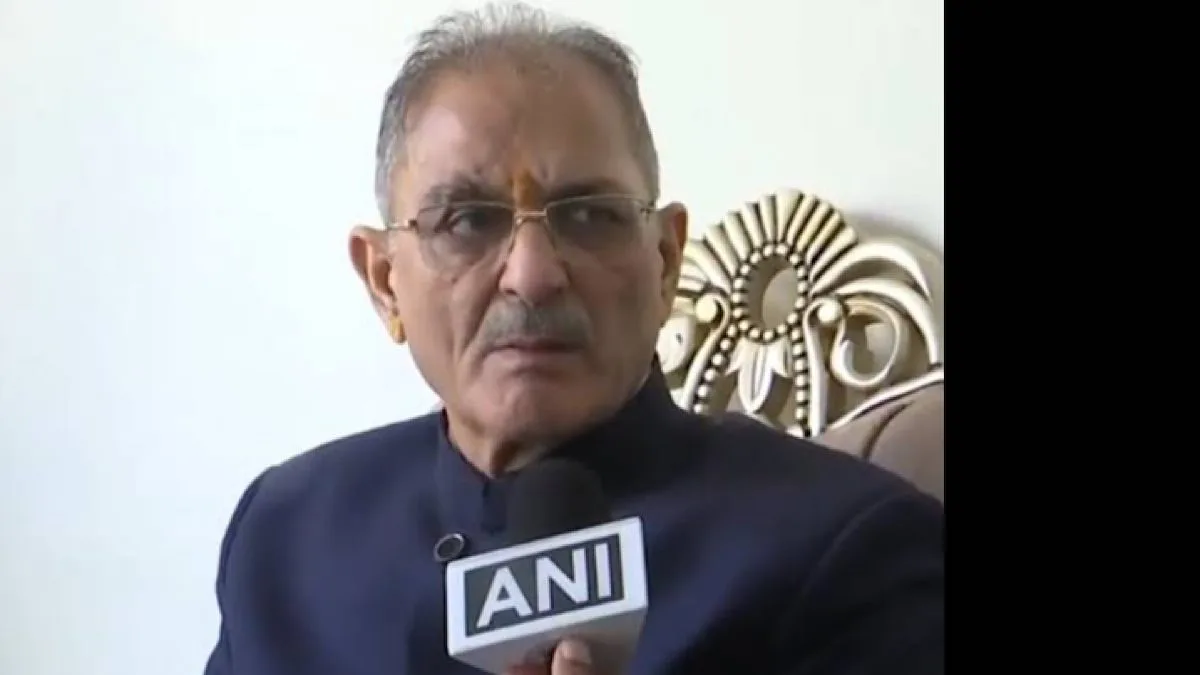
Kavinder Gupta to take over as Himachal Pradesh Governor

Kavinder Gupta has been appointed the new Governor of Himachal Pradesh, following a gubernatorial reshuffle announced by the President of India.

UNI | New Delhi |

Kavinder Gupta has been appointed the new Governor of Himachal Pradesh, following a gubernatorial reshuffle announced by the President of India.
The appointment was made by President Droupadi Murmu and notified through an official communiqué issued by Rashtrapati Bhavan.

Gupta will succeed Shiv Pratap Shukla, who had been serving as the Governor of Himachal Pradesh after taking oath on February 18, 2023.
The change will take effect from the date Gupta assumes charge of office.
Before this appointment, Gupta was serving as the Lieutenant Governor of Ladakh from 2025 untill his resignation on Thursday.

His transfer to Himachal Pradesh comes less than a year after he took over the constitutional post in the union Territory.
A senior political leader associated with the Bharatiya Janata Party, Gupta has had a long career in public life, particularly in the former state of Jammu and Kashmir.
He served as Deputy Chief Minister of the state in 2018 during the coalition government led by Mehbooba Mufti.

Earlier, Gupta had also served as the Speaker of the Jammu and Kashmir Assembly from 2015 to 2018. Over the years, he has held several organisational and legislative positions and has been associated with the party’s political activities for decades.
His appointment to the constitutional post in Himachal Pradesh is being seen as part of the Centre’s broader administrative reshuffle of governors in several states and union Territories.

Himachal Pradesh, which attained full statehood in 1971, has had a succession of Governors appointed by the Centre over the decades. With the appointment of Kavinder Gupta, he will become the 23rd Governor of the state.

200 judges from Odisha, Jharkhand to join Bengal voter revision from March 9

Sources in the Election Commission of India said that 100 judges each from Odisha and Jharkhand are expected to reach West Bengal on March 7.

UNI | New Delhi |

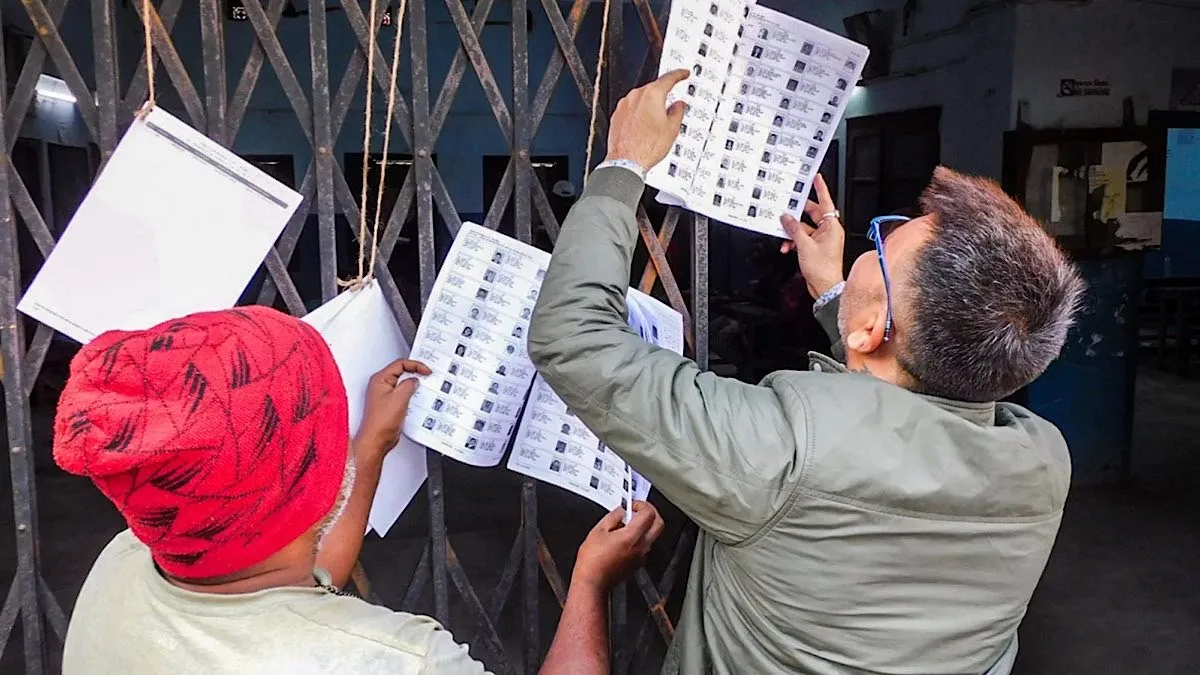
Following directions from the Supreme Court of India, around 200 judges from neighbouring states will arrive this week in West Bengal to assist in resolving discrepancies in the ongoing Special Intensive Revision (SIR) of the state’s electoral rolls.
Sources in the Election Commission of India said that 100 judges each from Odisha and Jharkhand are expected to reach West Bengal on March 7.

These judicial officers will examine and adjudicate cases related to factual inconsistencies in the voter lists prepared under the SIR exercise.
After arriving in the state, the judges will undergo a two-day training programme before starting their assignments from March 9.

Once they begin work, a total of 732 judges will be engaged in handling cases linked to electoral roll discrepancies across West Bengal.
According to Commission sources, accommodation arrangements have been made for the visiting judges in areas close to major transit points including the Netaji Subhas Chandra Bose International Airport, Sealdah Railway Station and Howrah Railway Station in Kolkata.
In addition, some judges will be stationed in key districts such as Bardhaman, Asansol, Kharagpur and Siliguri to facilitate the disposal of cases across different regions of the state.

The decision to involve judicial officers in the process came after the Supreme Court expressed dissatisfaction over the conflict between the state administration and the Election Commission on the resolution of discrepancies in the voter lists.
The apex court subsequently directed that the matter be handled through judicial intervention.

As per the court’s directive, the task of adjudicating discrepancies will be undertaken by judges and judicial officers appointed by the Calcutta High Court.
The court also allowed the appointment of retired judges for the purpose.
Acting on this, Chief Justice Sujoy Paul held several rounds of meetings with officials from the state administration and the Election Commission before appointing judicial officers to handle the work.
The Supreme Court also indicated that additional judges could be brought in from other states if required.

Following this, requests were made to Odisha and Jharkhand for judicial officers. Sources said that more judges may be sought from these states if the workload increases.
The first phase of the revised electoral roll under the SIR exercise was published on February 28.

However, the list remains incomplete, with around 60 lakh voter entries still marked as “under adjudication”.
With the West Bengal Assembly elections approaching, uncertainty remains over whether these cases will be resolved in time and whether those voters will be able to exercise their franchise if the issue remains pending.

Meanwhile, Central armed forces have already started arriving in the state and are conducting route marches in several districts as part of the election preparedness.
Adding to the political momentum, the full bench of the Election Commission is scheduled to arrive in West Bengal on March 8 to review the progress of poll preparations and the status of the ongoing voter roll revision exercise.

Two accused in Howrah promoter’s murder arrested from Delhi’s Jama Masjid area, says Howrah police

The two main accused in the murder of a promoter in West Bengal’s Howrah district were arrested from Delhi on Thursday by a state police team, an official said.

IANS | Kolkata |

The two main accused in the murder of a promoter in West Bengal’s Howrah district were arrested from Delhi on Thursday by a state police team, an official said.

Harun Khan and Rohit Hossain were arrested in the national capital’s Jama Masjid area and are being brought back to Kolkata on transit remand, Howrah city police’s ACP, North-I Division, Shaik Habeebulla, said.

The arrested will be handed over to the West Bengal CID, which is conducting the investigation in the case.

Howrah Police said that after the murder of promoter Shafiq Khan in Peelkhana under Golabari police station area in Howrah on February 25, the two had fled from Kolkata to Bihar and then to Delhi.

The Howrah city police were searching for the two after collecting information from various sources. Advanced technology was also being used to track them. The two were finally arrested from Delhi after watching the CCTV footage installed at the station and receiving information through sources.

On February 28, the police had recovered the firearms used to kill the 27-year-old promoter.

According to the police, officers of Golabari police station recovered two firearms and two rounds of bullets from the water tank of the house of arrested Mohammad Wakil alias Munna in Boubazar in central Kolkata.

According to police, after shooting Shafiq Khan dead, Khan and Hossain took shelter in the house of their accomplice Wakil in Boubazar. The firearm was hidden in the water tank of that house.

Joint efforts of Howrah City Police and Golabari police station had led to the arrests of Wakil, as well as Mohammad Bilal, and Dildar Hossain for indirectly being involved in the murder case.

However, the main accused remained missing. Meanwhile, the state government ordered a CID investigation into the incident.

Bengal: One manual scavenger dies, two fall sick while cleaning manhole

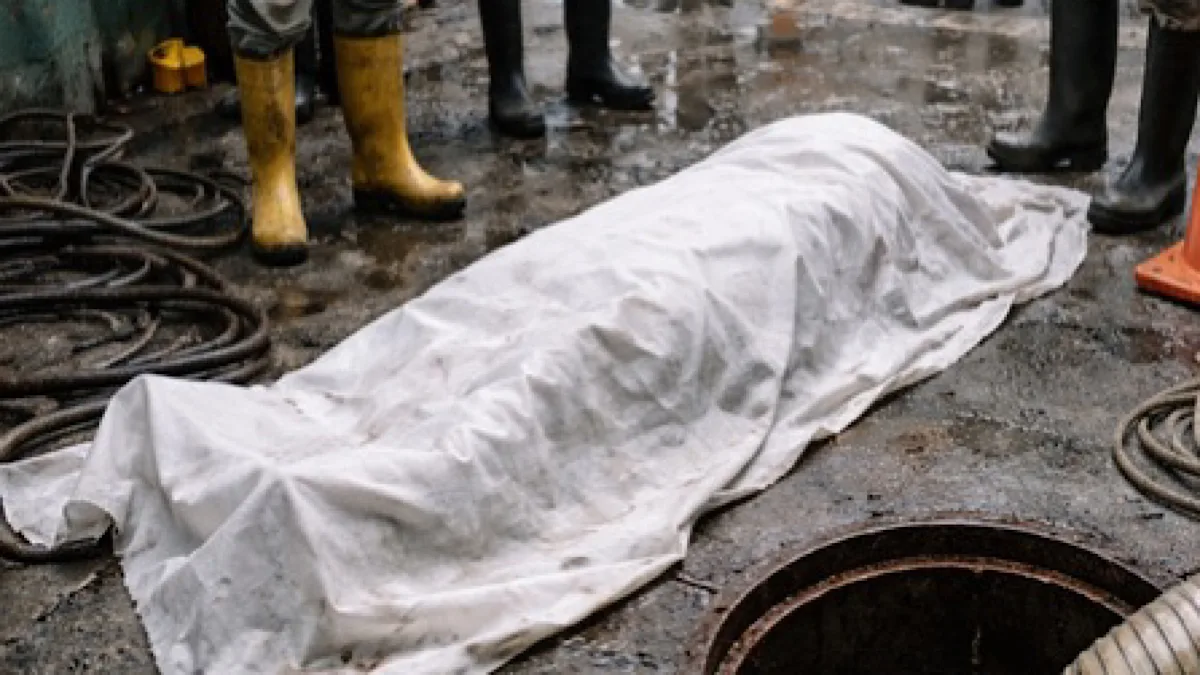
A manual scavenger died on Thursday while cleaning a manhole in Ward No. 12 of Serampore Municipality in West Bengal’s Hooghly district.

IANS | Kolkata |

A manual scavenger died on Thursday while cleaning a manhole in Ward No. 12 of Serampore Municipality in West Bengal’s Hooghly district. Two other workers also fell sick while working inside the same manhole.

After receiving information that three workers had fallen sick while working in the manhole, firefighters and local residents rushed to the spot, rescued them and took them to Serampore Walsh Hospital.

One of them was declared dead by doctors at the hospital. The deceased has been identified as Sheikh Mustafa, aged 34. The other two workers are currently undergoing treatment at the hospital.

Local residents said that work under the Kolkata Metropolitan Development Authority (KMDA) water project was underway in the underground sewer at Ram-Sita Lane in Serampore.

Several workers employed by a contractor were engaged in cleaning the manhole there as part of the project work.

According to the police, one worker first fell ill while working inside the manhole on Thursday. Two other workers also fell ill while trying to rescue him.

“All three workers were rescued and taken to Serampore Walsh Hospital. However, one of them was declared brought dead. The other two are undergoing treatment there,” said a senior officer of the Chandannagar Police Commissionerate.

Serampore Municipality Chairman Giridhari Saha said that work related to a KMDA project was being carried out in the municipal area.

“Three contract workers fell ill during the work. The death of one person is extremely tragic. The deceased’s house is in the Maheshtala police station area in South 24 Parganas district,” Saha said.

According to him, following Thursday’s incident, special precautions will be taken to prevent such accidents in the future.

He said steps will be taken to ensure that workers do not get trapped inside manholes and that they can be quickly rescued if they fall sick during the work.

“It is our responsibility to ensure proper safety for these workers during work that requires them to go down into manholes. Therefore, a decision has been taken to use strong ropes and other safety equipment so that they can come out quickly if they feel unwell,” a Serampore Municipality official said.