Logo

‘If you can’t do any good, then at least don’t destroy’: RSS leader Indresh Kumar amid CJP’s NEET protests

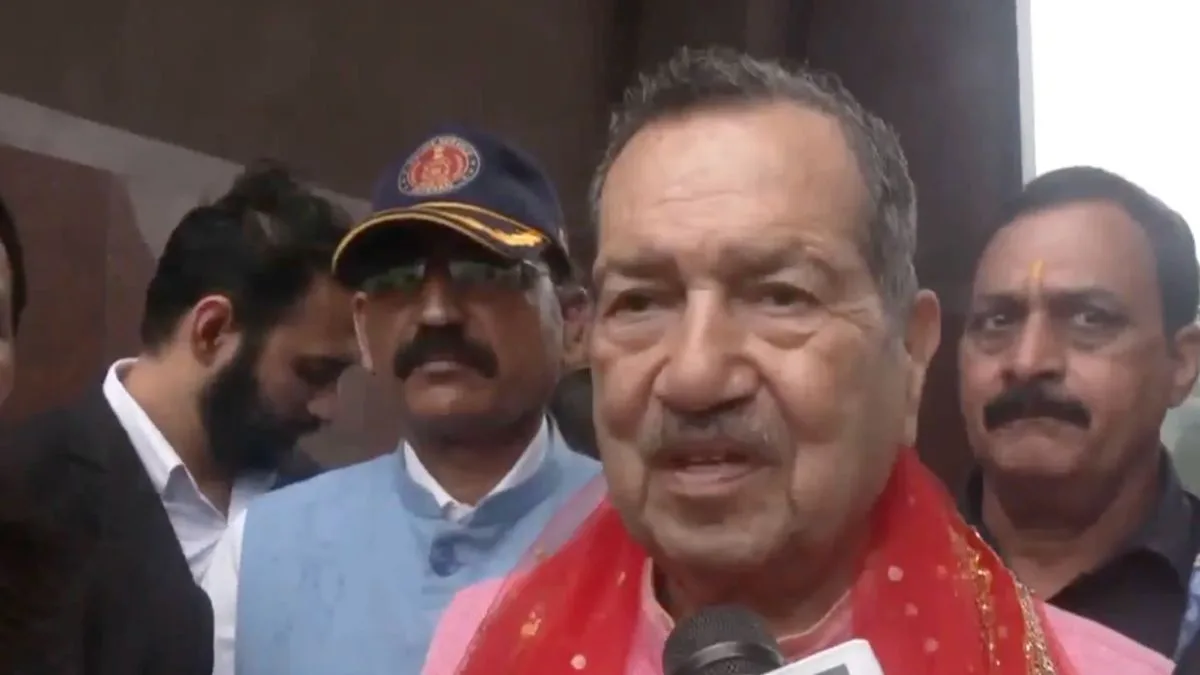
Indresh Kumar accused domestic and foreign elements of fuelling protests over the NEET issue, while urging young people to support India’s development instead of participating in what he described as politically motivated agitation.

Statesman News Service | New Delhi |

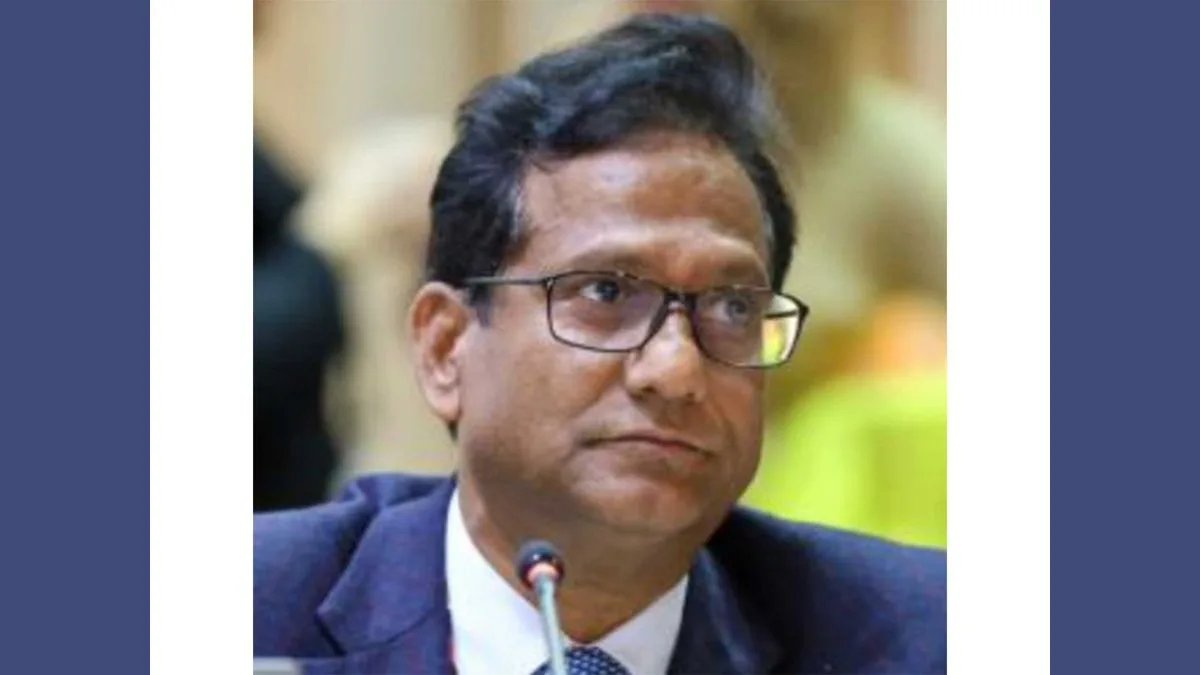
Senior RSS functionary Indresh Kumar on Friday accused “forces within the country and abroad” of backing the Cockroach Janta Party’s (CJP) protests over the NEET issue, alleging that they were attempting to obstruct India’s progress as a developed and educated nation.

Addressing reporters in Jammu, Kumar claimed the Opposition had initially taken up concerns surrounding the medical entrance examination but had later shifted focus towards political objectives.

“The Opposition raised the issue of NEET, but later strayed from it and began pursuing its own politics,” he told ANI.

Kumar alleged that domestic and international elements were working together to weaken India’s development.

“I want to tell the youth participating in these protests that it should now be clear that forces operating both within the country and globally do not want India to become a developed, strong and educated nation. Instead, they want to destroy the country,” he said.

Calling on young people to contribute constructively, Kumar said India was gaining global recognition through its economic growth and expanding startup ecosystem.

“India is emerging as a role model for the world through thousands and lakhs of startups. Everyone should cooperate in strengthening this progress and play a positive role so that future generations remember how the country’s youth stood by its development despite attempts to derail it,” he said.

He also appealed to protesters to avoid harming the country’s interests.

“If you cannot contribute positively, then at least do not cause damage. If you cannot appreciate others doing well, do not try to bring them down. That is unfortunate,” Kumar added.

The RSS leader further urged young people to draw inspiration from freedom fighters and national leaders, including Bhagat Singh, Subhash Chandra Bose, VD Savarkar, Banerjee and Syama Prasad Mukherjee, while working towards nation-building.

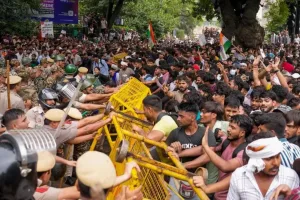
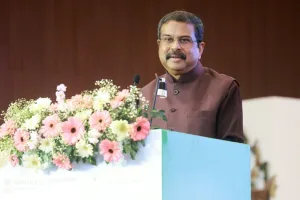
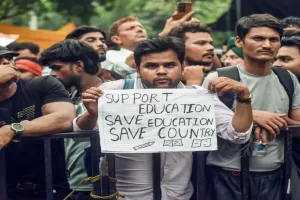
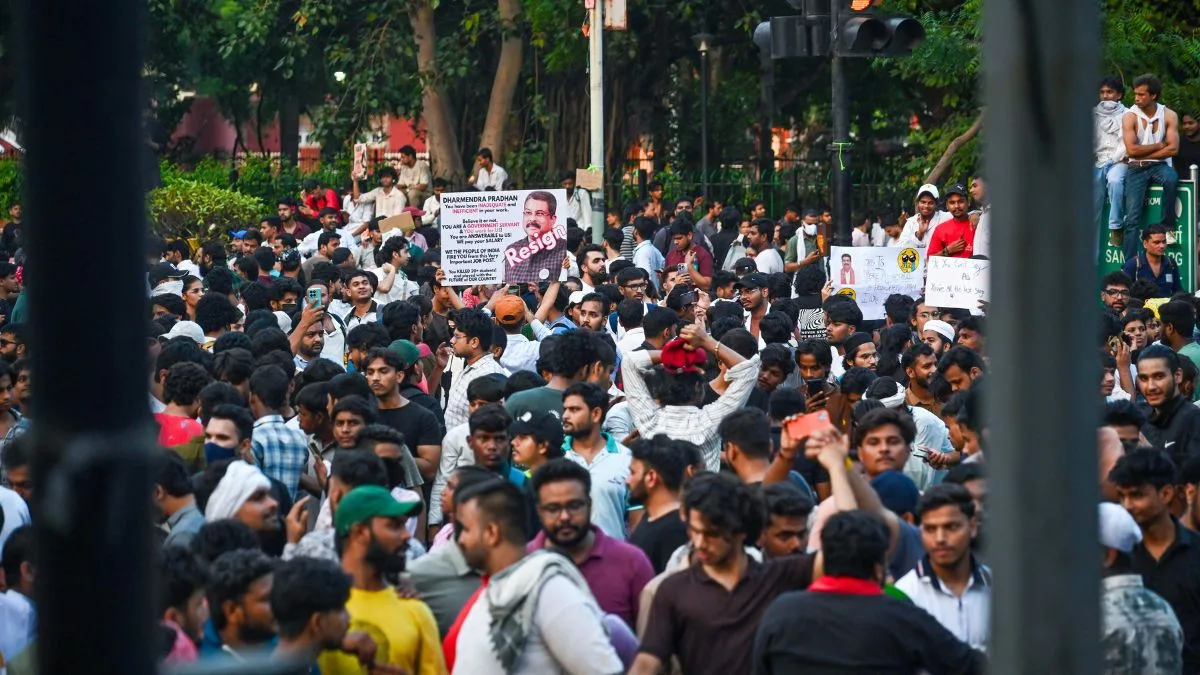
His remarks came as Opposition parties and the CJP continued demonstrations in Parliament and at Jantar Mantar over the NEET issue, demanding the resignation of Union Education Minister Dharmendra Pradhan.

The CJP has maintained that its protest at Jantar Mantar will continue until Pradhan steps down. Party representative Ashutosh Ranka said on Friday that climate activist Sonam Wangchuk had ended his hunger strike after receiving assurances from the government, but the demand for the Education Minister’s resignation remained unchanged.

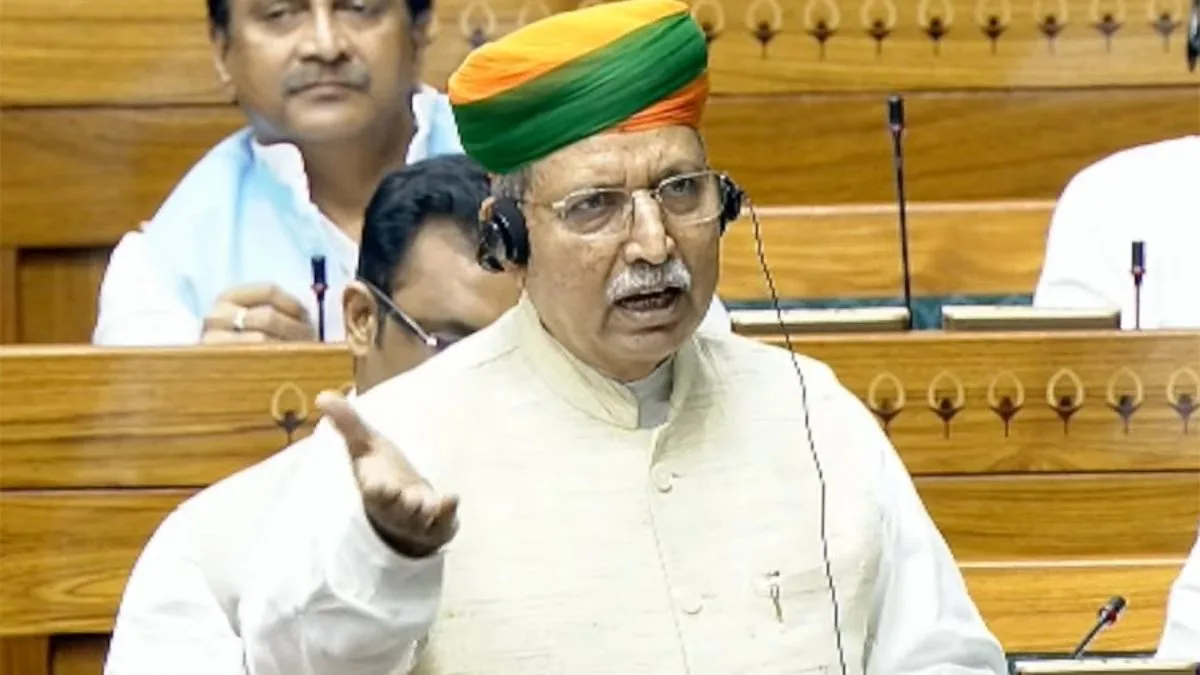
Meanwhile, Union Law Minister Arjun Ram Meghwal said the government’s decision to conduct day-to-day hearings in paper leak cases through specially designated fast-track courts would help ensure quicker trials and timely justice.

Earlier, Union Minister Bhupender Yadav criticised the Opposition’s handling of the NEET issue, urging it to debate the matter in Parliament instead of engaging in what he described as “unnecessary politics.”

King Charles III declares Commonwealth Games 2026 open in Glasgow; Mirabai and Lovlina lead India

King Charles III officially opens the Commonwealth Games 2026 in Glasgow as Mirabai Chanu and Lovlina Borgohain lead India’s contingent. Neeraj Chopra headlines India’s medal hopes.

Statesman News Service | New Delhi |

The Commonwealth Games 2026 officially got underway in Glasgow on Thursday, with King Charles III declaring the 23rd edition of the Games open during a vibrant opening ceremony at the OVO Hydro.

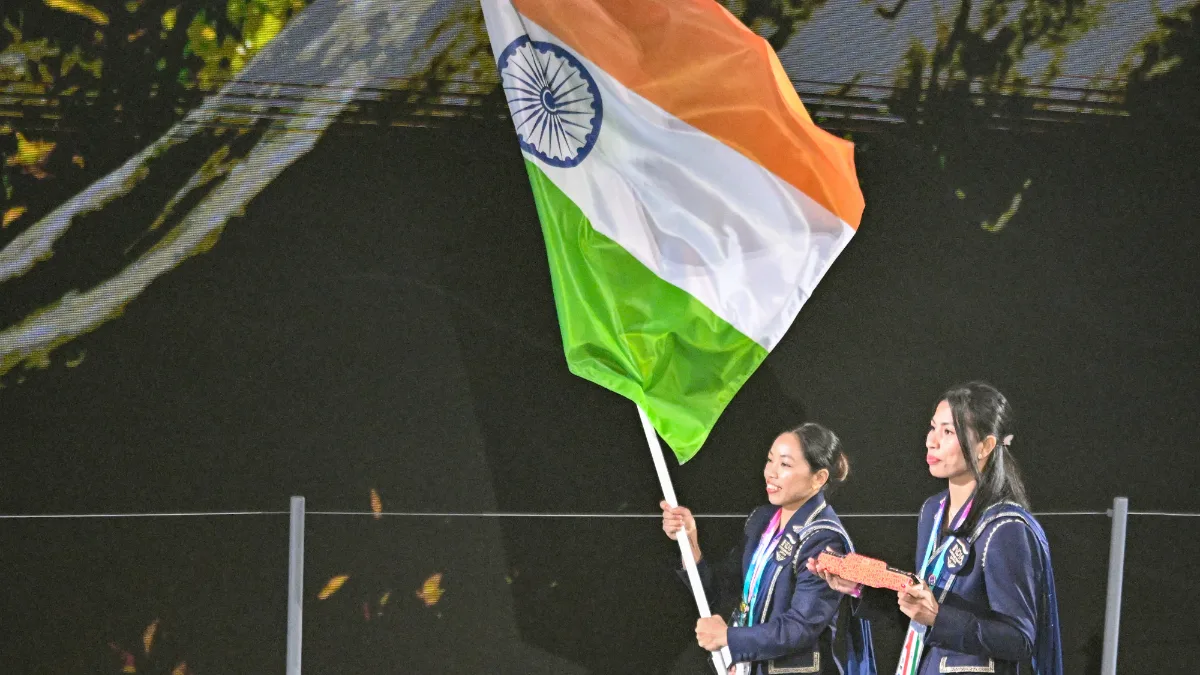
Olympic medallists Mirabai Chanu and Lovlina Borgohain led India’s 126-member contingent during the Parade of Nations. While Tokyo Olympics silver medallist Mirabai carried the Indian flag, Olympic bronze-winning boxer Lovlina Borgohain carried the ceremonial Commonwealth baton, symbolising India’s ambitions for another successful Games.

Returning to Glasgow for the first time since the memorable 2014 edition, the opening ceremony celebrated Scotland’s culture through music, dance and storytelling. Scottish artistes KT Tunstall, Nathan Evans and Saint PHNX headlined the performances before King Charles III officially declared the Games open.

India has sent a 126-member contingent to compete across 13 disciplines, including para sports, despite the Games featuring a reduced programme compared to previous editions.

Interestingly, India’s campaign had already begun before the opening ceremony, with the lawn bowls team becoming the country’s first athletes in action earlier on Thursday. The team will be hoping to emulate its historic success from Birmingham 2022.

The 2026 Commonwealth Games feature athletes from 74 Commonwealth nations and territories competing across 10 sports at venues including the Scottish Event Campus, Scotstoun Stadium, Tollcross International Swimming Centre and Glasgow Arena.

India will once again rely on several Olympic medallists to spearhead its medal challenge. Olympic champion Neeraj Chopra headlines the athletics squad, while Mirabai Chanu is among the favourites in weightlifting and Lovlina Borgohain will lead India’s boxing campaign. A strong boxing contingent is also expected to boost India’s chances of another impressive medal haul.

With the opening ceremony complete and the Games officially underway, attention now shifts to 11 days of competition as athletes battle for medals in Glasgow.

Assam floods: Death toll rises to 47; over 7.2 lakh affected across 11 districts

Sivasagar remains the worst-hit district, while more than 24,000 people have taken shelter in relief camps as multiple rivers continue to flow above the danger mark.

Statesman News Service | New Delhi |

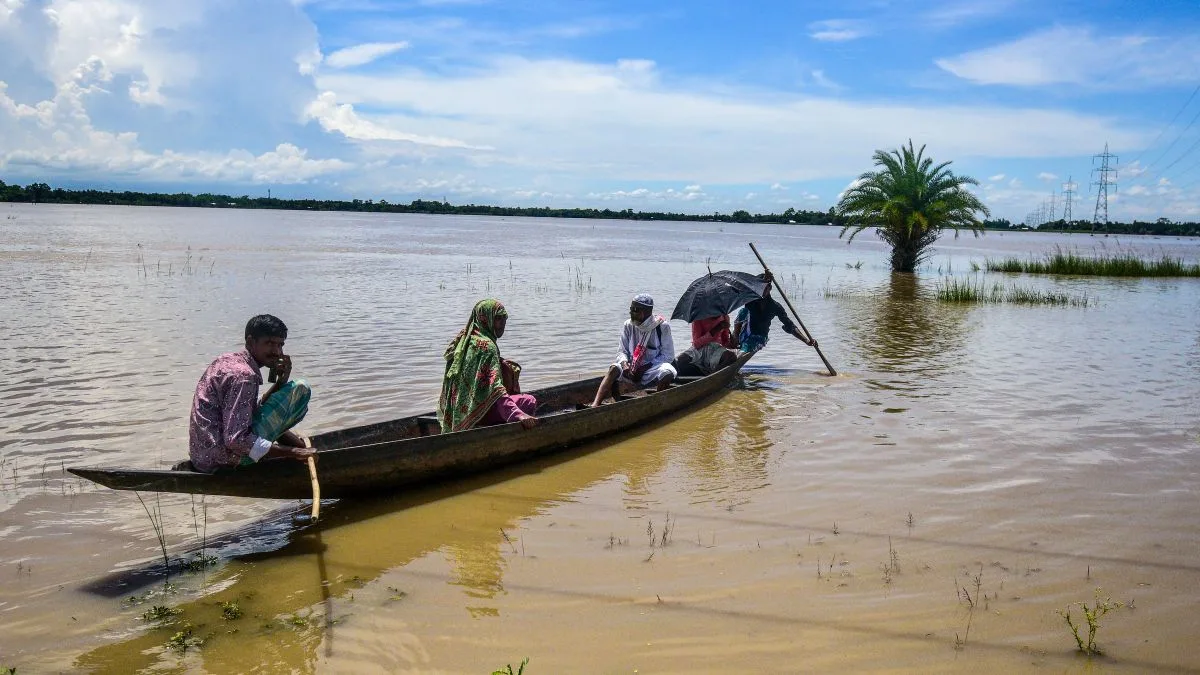
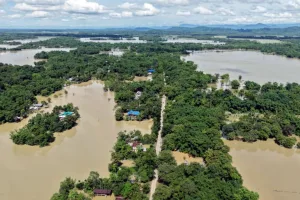
Floods continued to batter large parts of Assam on Friday, affecting more than 7.21 lakh people across 11 districts, while the death toll in the current wave of flooding rose to 47.

The affected districts are Charaideo, Jorhat, Dibrugarh, Sivasagar, Kamrup, Golaghat, Hojai, Karbi Anglong, Nagaon, Kamrup (Metro), and Tinsukia.

According to the Assam State Disaster Management Authority (ASDMA), flooding has impacted 37 revenue circles and 883 villages. Around 25,375 hectares of cropland remain submerged, resulting in widespread agricultural losses.

Sivasagar is the worst-affected district, with 3,75,682 people impacted. Charaideo follows with 1,86,351 affected people, while Jorhat has reported 1,15,764 people affected.

Apart from rural areas, urban flooding has also affected Kamrup, Kamrup Metropolitan and Dibrugarh districts.

Five revenue circles and 17 localities or wards have been inundated, affecting 592 people. Authorities said waterlogging has disrupted normal life in several low-lying areas.

Relief and rescue operations remain underway across the affected districts.

Officials said 103 relief camps and 255 relief distribution centres are operational. More than 24,000 people are currently staying in relief camps, while over 2.39 lakh people have received relief assistance.

Teams from the National Disaster Response Force (NDRF), State Disaster Response Force (SDRF), the Army, Fire and Emergency Services, district administrations and local volunteers are continuing rescue operations in the worst-hit districts.

A total of 4,455 people have been evacuated by boats during the ongoing operations.

Meanwhile, the Central Water Commission said several rivers, including the Burhidihing, Disang, Dikhow, Dhansiri (South) and Kushiyara, are flowing above the danger level, prompting authorities to remain on high alert.

‘Fast-track courts, day-to-day hearings, time-bound probes’: Meghwal outlines Centre’s paper leak crackdown

The Union Law Minister said the Centre is ready for a full parliamentary discussion on paper leaks, while urging the Opposition to allow the House to function.

Statesman News Service | New Delhi |

Union Law Minister Arjun Ram Meghwal on Friday said the Centre’s decision to have paper leak cases heard in specially designated fast-track courts would ensure quicker investigations, speedy trials and timely justice for students.

The minister said the move, announced by Prime Minister Narendra Modi, would enable day-to-day hearings in pending paper leak cases, helping deliver faster judicial outcomes.

“The decision taken by the Prime Minister yesterday that cases related to paper leaks pending in courts will be heard in specially designated fast-track courts is a significant one. This will involve day-to-day hearings, speedy trials, and time-bound investigations, which will provide justice to the youth,” Meghwal said.

He said discussions on tackling paper leaks continued through Thursday and described the decision as a major step towards addressing concerns over examination integrity.

Meghwal also referred to climate activist Sonam Wangchuk ending his hunger strike, saying the government remained engaged in dialogue and further discussions were expected.

“The government is consistently sensitive and engaging in dialogue; there are signs of further dialogue today as well,” he said.

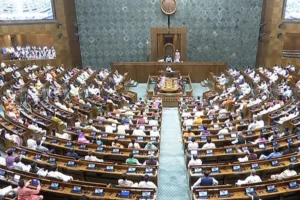
Appealing to the Opposition to ensure Parliament functions smoothly, Meghwal said several important Bills were lined up for discussion during the ongoing session.

On the Opposition’s demand for a debate on paper leaks, he said Parliamentary Affairs Minister Kiren Rijiju had already conveyed the government’s willingness to take up the issue first.

“We would again request the Opposition to allow parliamentary proceedings to continue so that important Bills can be discussed. If you want a discussion on paper leaks first, our Parliamentary Affairs Minister Kiren Rijiju has already said that we can discuss paper leaks first,” Meghwal said.

He questioned why procedural conditions were being attached to the debate, saying Parliament should discuss paper leak incidents across states, the action taken in each case and those responsible so that the facts are placed before the country.

Earlier in the day, Union Minister Bhupender Yadav accused the Opposition of adopting an aggressive approach over the NEET issue despite the government’s offer for a discussion.

Yadav said concerns related to the examination could have been addressed through the Business Advisory Committee and debated on the floor of Parliament.

“I believe the Opposition should not resort to unnecessary politics… Parliament is a major forum where a full discussion should take place,” he said.

Centre appoints Naresh Pal Gangwar as Higher Education Secretary amid NEET paper leak row; fast-track court set up

A newly designated fast-track court at Delhi’s Rouse Avenue Court will exclusively hear cases under the Public Examinations (Prevention of Unfair Means) Act, 2024, with all pending matters to be transferred to it.

Statesman News Service | New Delhi |

The Centre has appointed senior IAS officer Naresh Pal Gangwar as Secretary of the Department of Higher Education under the Ministry of Education in a late-night bureaucratic reshuffle approved by the Appointments Committee of the Cabinet (ACC).

According to an official notification issued on Thursday night, Gangwar replaces Vineet Joshi, who has been transferred as Secretary in the Department of Panchayati Raj.

The change comes as the government faces sustained criticism over the alleged NEET-UG paper leak, with student groups continuing to demand accountability, education reforms and the resignation of Union Education Minister Dharmendra Pradhan.

Image

Separately, a special fast-track court has been established at Delhi’s Rouse Avenue Court to hear cases registered under the Public Examinations (Prevention of Unfair Means) Act, 2024, along with related offences.

The Delhi High Court has transferred judicial officer Anu Grover Baliga, who was serving as Judge-in-Charge of the Mediation Centre at Tis Hazari Court, to Rouse Avenue Court as the Special Judge for the newly designated fast-track court.

In an order issued by Registrar General Arun Bhardwaj, the High Court said the judicial officer would function under the administrative control of the Principal District and Sessions Judge-cum-Special Judge (PC Act) (CBI), Rouse Avenue Courts Complex.

The court also directed that all pending cases under the Public Examinations (Prevention of Unfair Means) Act, 2024, and connected offences be transferred to the newly created fast-track court.

Earlier on Thursday, Prime Minister Narendra Modi said the government had decided to establish fast-track courts to ensure swift and stringent punishment for those involved in paper leak cases.

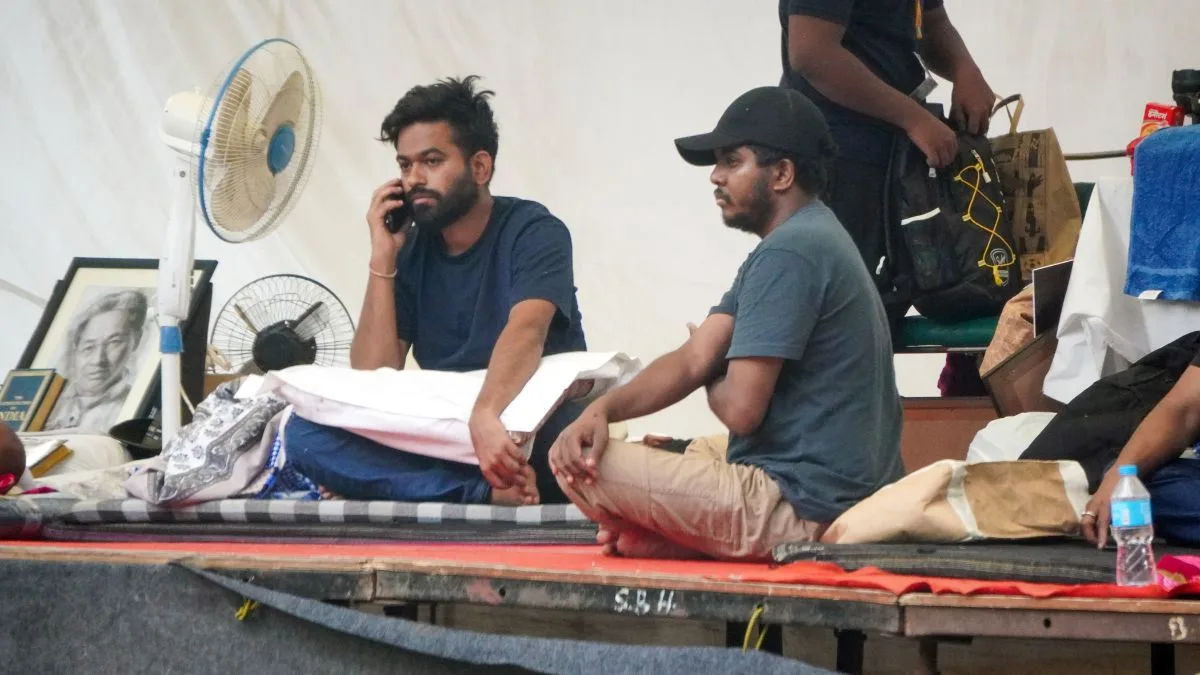
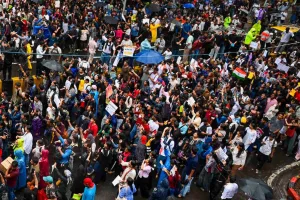
Meanwhile, protests over the alleged NEET-UG paper leak have continued at Delhi’s Jantar Mantar for nearly a month, with students pressing for action against those responsible and broader reforms in the examination system.

Let’s work together to make ‘Made in India Green Hydrogen’ the world’s trusted symbol of clean energy: Shripad Yesso Naik

The Union minister said the National Green Hydrogen Mission has moved beyond policy intent, with production incentives, pilot projects and indigenous manufacturing driving commercial-scale growth.

Statesman News Service | New Delhi |

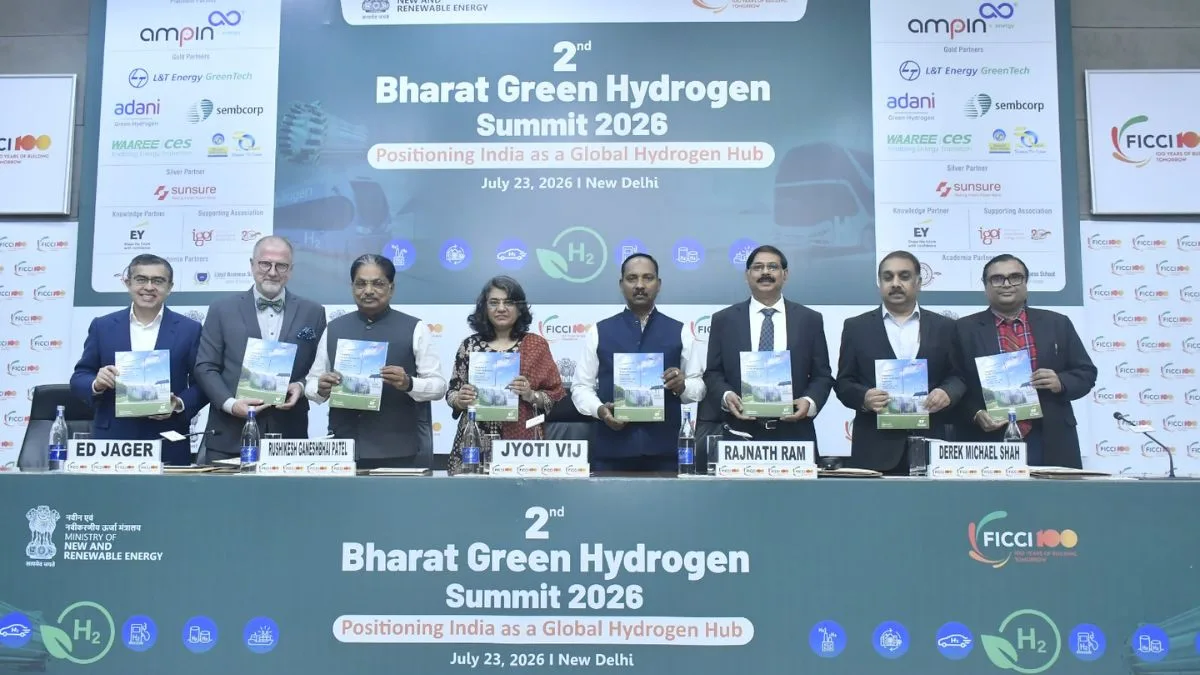
Union Minister of State for Power and New and Renewable Energy Shripad Yesso Naik on Thursday said India is well positioned to emerge as a global leader in the green hydrogen economy, calling on governments, industry and research institutions to work together to make “Made in India Green Hydrogen” a globally recognised symbol of clean energy.

Addressing the second edition of the Bharat Green Hydrogen Summit 2026, organised by FICCI, Naik said the global energy transition had entered a new phase where the focus was shifting from whether green hydrogen would become central to industrial decarbonisation to which countries would lead the transformation.

“The question today is no longer whether Green Hydrogen will become a cornerstone of industrial decarbonisation, but which nations will lead this transformation. India is uniquely positioned to emerge as a global leader in the hydrogen economy. Let us work together to make ‘Made in India Green Hydrogen’ the world’s trusted symbol of clean energy, technological excellence and sustainable industrial growth,” he said.

The minister said the National Green Hydrogen Mission had created a strong ecosystem through production-linked incentives, indigenous electrolyser manufacturing, demand creation in refineries and fertilisers, pilot projects in mobility, shipping and steel, and an enabling regulatory framework.

“Green Hydrogen in India is no longer an idea of the future; it is becoming a fast-growing economic opportunity. From commercial-scale production to recently inaugurated India’s first indigenously developed hydrogen-powered train, our progress reflects the breadth of capabilities needed to position India as a global hydrogen hub,” Naik said.

He added that achieving global leadership would require innovation, cost competitiveness, resilient supply chains, internationally accepted standards, skilled manpower and long-term international partnerships.

Gujarat pitches itself as green hydrogen hub

Gujarat Minister of State for Energy Rushikesh Ganeshbhai Patel said the state was committed to becoming India’s green hydrogen growth engine by leveraging its renewable energy capacity, industrial infrastructure, ports and dedicated policy support.

“Gujarat is committed to becoming India’s green hydrogen growth engine. With abundant renewable energy resources, world-class ports, robust industrial infrastructure and a progressive Green Hydrogen Policy, the state offers an integrated ecosystem for production, innovation and exports. We invite industry to partner with Gujarat in building a globally competitive green hydrogen economy,” Patel said.

He said the state was moving from policy formulation to implementation to attract investments, generate employment and strengthen India’s position in green hydrogen and green ammonia.

International collaboration key, say experts

Ed Jager, Minister (Commercial) at the High Commission of Canada in India, said India’s ambition to become a global green hydrogen hub was “credible and achievable”, adding that Canada was ready to collaborate through research, technology, standards, certification and financing.

NITI Aayog Adviser (Energy) Rajnath Ram said India’s Green Hydrogen Mission had entered its implementation phase with policy support, demand aggregation and electrolyser manufacturing incentives laying the foundation for a competitive hydrogen ecosystem.

He said the next phase should focus on accelerating projects, strengthening domestic demand, enabling bankable offtake agreements and building resilient supply chains.

Industry leaders also stressed the need for integrated development across renewable energy generation, hydrogen production, logistics, storage and manufacturing to help India scale up clean hydrogen production and exports.

FICCI-EY report released

During the summit, FICCI released a joint report with EY titled ‘Towards a Green Hydrogen Economy: India’s Export Competitiveness and Strategic Outlook’, outlining a roadmap for India to emerge as a globally competitive exporter of green hydrogen and its derivatives.

FICCI Director General Jyoti Vij said India aims to capture around 10 per cent of the global green hydrogen market by 2030 by developing export infrastructure, strengthening supply chains and positioning itself as a long-term partner for countries pursuing decarbonisation.

Adani Enterprises refutes airline launch reports, says no proposal being evaluated

The company said it is not evaluating any proposal to enter the aviation carrier business, dismissing reports that linked it to plans for launching an airline.

Kamna Arora |

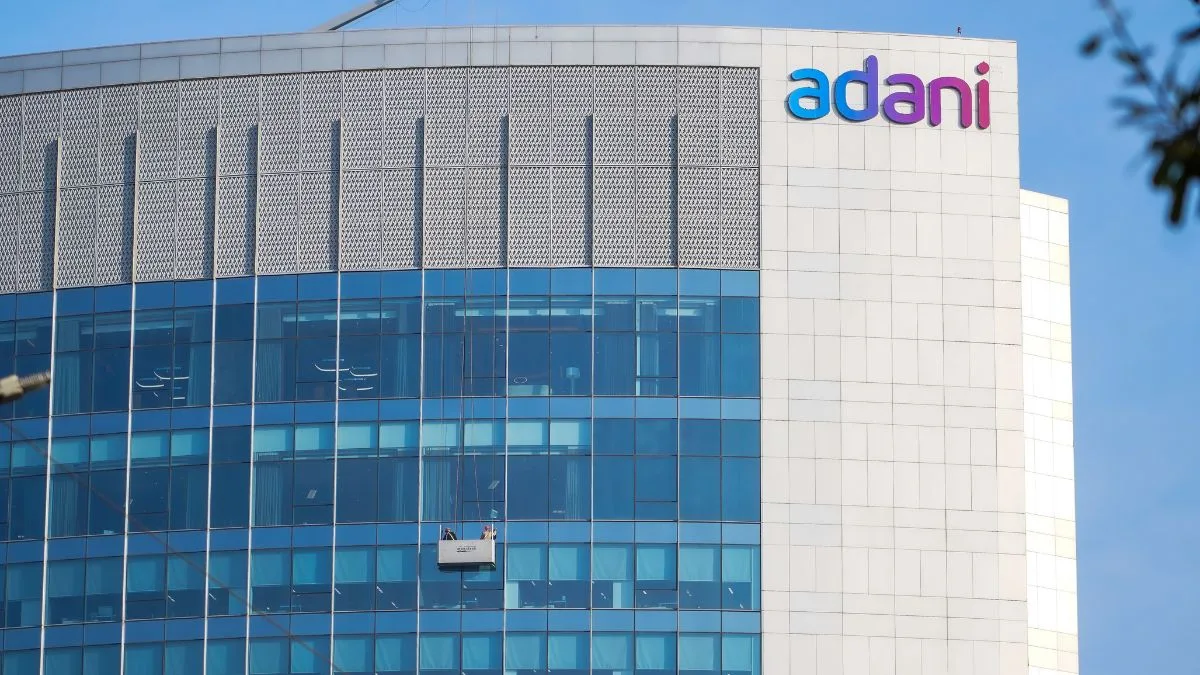
Adani Enterprises on Friday rejected media reports claiming it was planning to launch an airline, stating that it is neither considering nor evaluating any proposal to enter the airline business.

The company issued a clarification after reports suggested that the Adani Group was exploring an entry into commercial aviation.

“We would like to categorically deny the recent media reports and market speculation suggesting that Adani Enterprises is planning to launch an airline. These reports are entirely baseless and factually incorrect,” a company spokesperson said.

The spokesperson added that Adani Enterprises “is not evaluating any proposal to enter the airline business.”

The clarification follows media reports claiming that airport operators, including the Adani Group and GMR Group, were seeking changes to regulations that restrict operators of Delhi and Mumbai airports from owning more than a 10 per cent stake in a scheduled airline.

According to those reports, the government was examining whether the existing rules could be amended, with any change requiring Cabinet approval. However, neither the government nor the airport operators have officially announced any proposal to modify the regulations.

The denial comes days after Adani Airports announced plans to invest more than Rs 20,000 crore in the first phase of developing integrated airport cities across six airports in Mumbai, Navi Mumbai, Ahmedabad, Lucknow, Jaipur and Guwahati.

The project, to be developed by Adani Airport City Limited, will cover more than 22 million square feet of hospitality, retail, commercial, entertainment and convention infrastructure integrated with airport and urban transport networks. Nearly 70 per cent of the planned investment will be concentrated in Mumbai and Navi Mumbai.

Separately, Adani Defence & Aerospace recently signed an agreement with the Defence Research and Development Organisation (DRDO) to jointly develop the Airborne Early Warning & Control (AEW&C-MKII) system for the Indian Air Force. The programme includes mission systems integration, logistics and long-term maintenance support, with induction planned for 2032-33.

‘Your life is too precious’: Dipke thanks Sonam Wangchuk, says CJP protest will continue until Dharmendra Pradhan resigns

The activist said he ended his fast after prolonged negotiations and to prevent possible violence, while the CJP maintained that its campaign seeking the education minister’s resignation would continue.

Statesman News Service | New Delhi |

Sonam Wangchuk ended his 26-day hunger strike on Friday after talks with the Centre, but the Cockroach Janta Party (CJP) said its agitation over the NEET-UG 2026 paper leak would continue until Union Education Minister Dharmendra Pradhan resigns.

CJP activist Abhijeet Dipke thanked Wangchuk for his “extraordinary courage and sacrifice”, saying his fast had awakened the conscience of the country.

“We are relieved and grateful that Sonam sir has ended his hunger strike after 26 days. Thank you, sir, for your extraordinary courage and sacrifice. By putting your own life on the line, you awakened the conscience of an entire nation. Your life is far too precious to this country,” Dipke wrote in a post on X.

He added that the party’s peaceful protest at Jantar Mantar would continue until Pradhan steps down.

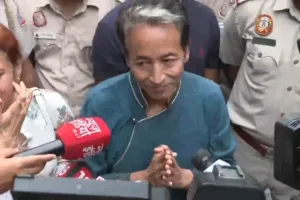
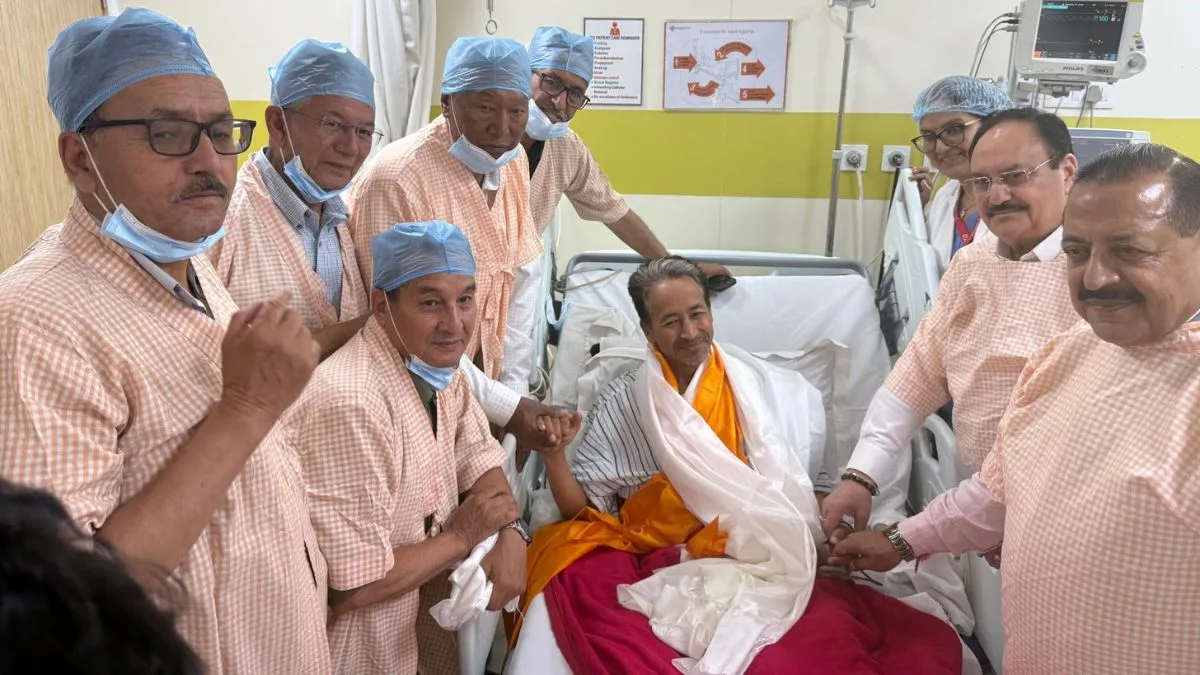
Wangchuk ended his fast at Medanta Hospital in the presence of Union Ministers JP Nadda and Jitendra Singh, along with senior leaders of the Apex Body of Leh Ladakh.

In a post on X, Wangchuk said he decided to end the fast after prolonged negotiations and keeping in mind the possibility of violence.

“I finally broke my fast after 26 days… This was done after a long negotiation on various conditions and in view of possible violence in the country. I will explain the conditions in detail in a separate video very soon. Meanwhile, I urge you all to stay very vigilant about not allowing violence of any kind anywhere,” he said.

‘Beginning of accountability’: Sonam Wangchuk reveals 3 written assurances from Centre before ending fast [VIDEO]

Meanwhile, Aam Aadmi Party MP Sanjay Singh welcomed Wangchuk’s decision to end the fast and described his life as “invaluable” to the country.

Singh also criticised the BJP-led government, alleging that a delegation of MPs was not allowed to meet Wangchuk a day earlier despite securing the support of 55 parliamentarians.

“His life is invaluable to this country. But what about the issue of this movement? CJP leader Abhijeet Dipke has said that the fast has ended but the movement will continue. For those students who committed suicide, what will the government do about compensation, not filing cases against the protesters, and the education minister’s resignation? As long as this movement continues, we are with the movement,” Singh told ANI.

Responding to the Opposition’s criticism, BJP MP Sudhanshu Trivedi said the government had consistently prioritised students’ interests.

He said Prime Minister Narendra Modi had made it clear that nothing was above students’ interests and had announced fast-track action to ensure strict punishment for those responsible for tampering with examinations.

Trivedi accused the Congress of playing “opportunistic”, “power-hungry” and “anarchic” politics over the issue.

The CJP has called for nationwide peaceful protests on Friday, demanding the resignation of Union Education Minister Dharmendra Pradhan over the alleged NEET-UG 2026 paper leak.

Striving for the Gandhian ideal

Generally, it is taken for granted that the journey on the path of development is accompanied by increasing urbanization.

BHARAT DOGRA | New Delhi |

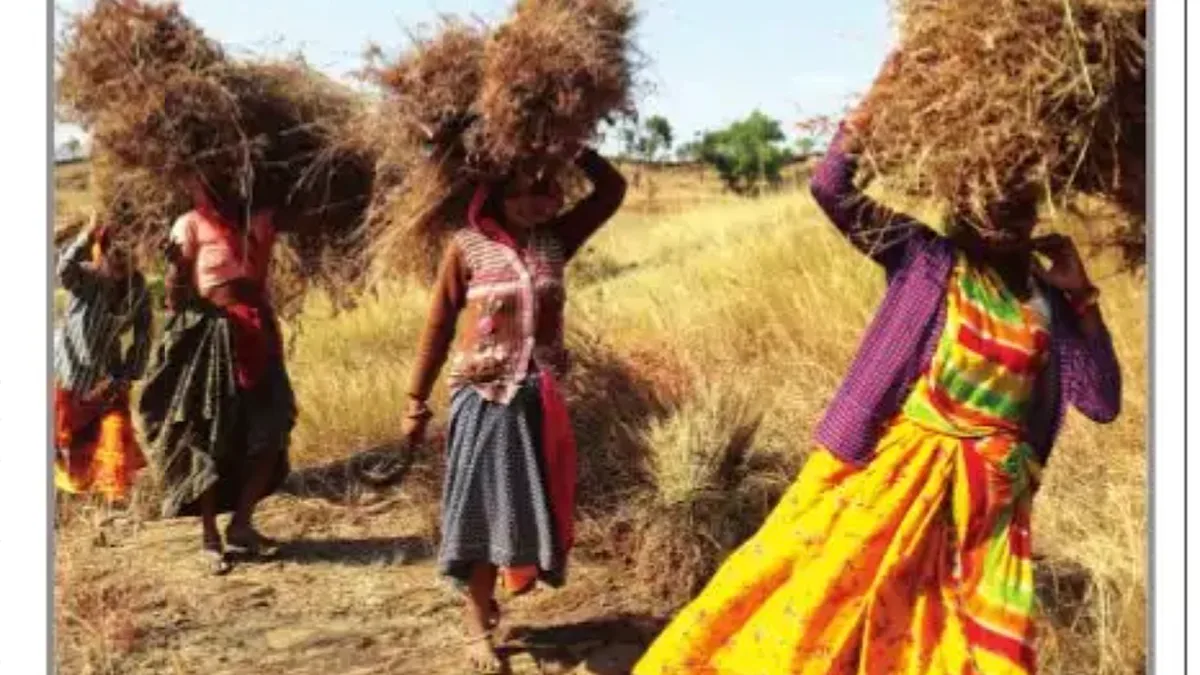
Generally, it is taken for granted that the journey on the path of development is accompanied by increasing urbanization. Mahatma Gandhi instead emphasized a path based on rural communities as he felt that despite all the problems in villages (including social discrimination that was completely unacceptable to him), the values he cherished the most – of peace and harmony – could be better realized in villages.

Although he did not use words such as protection of the environment, the way of life based on voluntary simplicity he sought was better achieved in rural communities that can be self-reliant to a significant extent. Nearly 78 years after the Mahatma breathed his last, today in times of climate change and forever wars we need to give more consideration both to his prioritization of villages (without of course neglecting balanced urban development) and to a pattern of rural development that places high value on peace and social harmony based on a just socio – economic order and on protection of the environment.

If the essence of the model of rural development India needs today is to be captured briefly, we can say that this should be based on justice and equality, peace and harmony, protection of environment and of all forms of life. These important objectives need to be integrated in mutually consistent ways. In this context the work of voluntary organizations striving sincerely to walk on this path is important. They may not always succeed, they may make some mistakes, but their sincerity is taking them closer to achieving a balance of these important objectives in some of their work areas.

Seva Mandir is a voluntary organization in south Rajasthan which was started by visionary leader Dr. Mohan Singh Mehta who despite having served as India’s ambassador to several countries and as Vice-Chancellor of Rajasthan University was keen to serve people in more direct ways. This yearning led him, along with several other public-spirited friends, to start Seva Mandir. Today with many-sided interventions, Seva Mandir has been able to evolve a model that links promotion and strengthening of rural livelihoods with climate mitigation and adaptation.

Its work relating to regeneration of pastures, increasing tree cover, protecting and re-generating community forests, water conservation, waste management, renewable energy, spreading natural farming, self-reliant, low-cost and diverse farming is particularly important in the context of integrating these objectives. In addition, its sister organizations are helping to spread less carbon-emitting stoves with much reduced smoke and wood use. Secondly, Seva Mandir is promoting a model of significantly increasing social equality, harmony and peace, using efforts and processes that strive for justice based on ‘common good’ solutions in peaceful ways and patient consensus-building. Village entry and early efforts for this organization often starts with a jajam approach. Jajam in local communities means carpet – not a fancy carpet but the common dhuree which even a humble community building is likely to possess.

Essentially this means that the organization starts its village organization with meetings where members of all communities, the rich and the poor, are supposed to share the same jajam, and when the occasion demands share food, in an equality-based setting without any discrimination or hierarchy. This is aimed at creating a consensus on programmes which, to correct existing inequalities, are likely to give higher emphasis to the needs of poorer sections. In the context of gender, the equality of women is emphasized. Education, child care, health and livelihood interventions succeed in giving considerable relief to villagers with special emphasis on poorer households. Special efforts are made to ensure equality and dignity to those sections of rural society (like sanitation workers) who have traditionally faced the most discrimination in the past.

The path to a relatively just and equal society should be a peaceful one, and to achieve this Seva Mandir emphasizes the need for continuing dialogue involving those with differing views. With the involvement of community members, this dialogue is taken forward and facilitated. If an encroacher is to vacate his unjust occupation of pasture land, Seva Mandir’s approach is to make best efforts to remove the encroachment without the encroacher retaining his hostility for too long. Once he agrees to go with public interest, others come forward to help him so that the burden of his loss can be minimized.

By placing emphasis on otherwise neglected issues like pastures, community forests and the ‘common good’ and by initiating community involvement processes for this, Seva Mandir has strengthened the base for people to work regularly for common causes and for the welfare of entire village communities, thereby also reviving some good traditions of communities, particularly tribal communities. These and several related activities and processes have helped Seva Mandir to come close to evolving a model of rural development based on equality, peace, non-violence, protection of the environment, sustainability, climate resilience and community strengths. Future progress will be helped by the emphasis already placed on nurturing and encouraging leadership at grassroots level.

There are still gaps and a need for continuing assessments and corrections in some contexts, but if Seva Mandir carefully nurtures its achievements and takes them forward in thoughtful ways in keeping with emerging needs, it will be able to get increasingly closer to the model of rural development that Gandhi dreamt of and the world yearns for.

(The writer is Honorary Convener, Campaign to Save Earth Now. His recent books include Man over Machine, Protecting Earth for Children and Planet in Peril.)

Two men stabbed in Manhattan; suspect shouted ‘Allahu Akbar’, NYPD probes hate crime

Police said there was no known connection between the suspect and either victim, while investigators are examining witness accounts that the attacker shouted “Allahu Akbar” during both assaults.

Statesman News Service | New Delhi |

Two men were injured in separate stabbing attacks on Manhattan’s Upper West Side on Thursday, prompting New York police to arrest a 51-year-old suspect and investigate whether the assaults were motivated by hate.

The New York Police Department (NYPD) identified the suspect as Raul Morales and said no other suspects are being sought. Both victims — an Asian man and a Jewish man — were taken to Mt. Sinai-St. Luke’s Hospital and are expected to recover.

New York City Police Commissioner Jessica S Tisch said detectives were examining the motive behind the attacks, including whether they qualify as hate crimes.

According to Tisch, victim and witness statements indicate that Morales shouted “Allahu Akbar” during both assaults.

“The NYPD is currently evaluating whether this is a potential hate crime,” she said in a post on X.

Police said investigators have not found any known connection between Morales and either victim, or between the two victims themselves.

Tisch said the suspect had no known mental health history with the NYPD, although the preliminary investigation suggests mental health may have played a role in the attacks.

She also praised a bystander who helped officers locate the suspect.

“I want to commend the bravery of a good Samaritan who led our officers to the location where the perpetrator was hiding, as well as our NYPD cops who brought an end to the incident without further injuries,” she said.

New York City Mayor Zohran Mamdani said he had been briefed on the incident and expressed relief that both victims were in stable condition.

He thanked the NYPD for making a swift arrest and said investigators were examining the attacks as potential hate crimes while also looking into whether mental health was a contributing factor.

“These hateful and despicable attacks have no place in our city,” Mamdani said.

The investigation is ongoing.

Protecting doctors ensures the nation’s health

A doctor and nursing staff at a Maharashtra hospital were allegedly assaulted by a local corporator, exposing a disturbing irony.

SRINIVAS MADHAV | New Delhi |

A doctor and nursing staff at a Maharashtra hospital were allegedly assaulted by a local corporator, exposing a disturbing irony. Reportedly, when confronted with arrest, the corporator complained of ill-health and was admitted to a hospital. He nevertheless expected timely medical care from the very healthcare system whose professionals he had allegedly assaulted. By contrast, had the assaulted doctor been practising in Singapore, the alleged assailant could have been denied non-emergency treatment under its Tripartite Framework for the Prevention of Abuse and Harassment in Healthcare, besides being permanently flagged in electronic medical records as an abusive individual.

Singapore treats violence against healthcare professionals as unacceptable conduct carrying life-long consequences. Violence against healthcare professionals has become alarmingly common across India. Doctors and nurses, already burdened by long hours, emotional strain and resource constraints, now work under the constant fear of intimidation, and physical assault. Recent studies highlight a severe crisis of workplace violence against Indian doctors. A multi-center study by Dr. S.N. Medical College in Jodhpur found a 60.9 per cent annual violence rate; half of these doctors choose not to report incidents . An Uttarakhand study published in ‘Frontiers in Public Health’ found that 75 per cent of physicians experienced hostility, with 68 per cent of attacks coming from patient relatives or mobs, and only 18 per cent of cases ever reached the police.

Audits at Delhi government hospital networks like Safdarjung show a 63.6 per cent violence rate during high-pressure shifts. The consequences extend far beyond individual incidents. Medicine is among the world’s most demanding professions, requiring years of rigorous education, financial investment and enormous personal sacrifice by students and their families. Increasing numbers of young Indian doctors are exploring careers in developed countries, not merely for better remuneration but also for greater professional dignity and personal security. If this trend continues, India risks declining interest among talented students in pursuing medicine, and shortages of specialists.

Protecting doctors is about safeguarding every citizen’s constitutional right to quality healthcare. There is a clear distinction between an adverse medical outcome, professional negligence and outright violence. Medicine is an inherently complex science, and tragic complications may occur despite the highest standards of care. Where there is a genuine suspicion of negligence, the law already provides established remedies through State Medical Councils, consumer courts and the civil and criminal justice system. However, grief or dissatisfaction can never justify intimidation or physical assault. Conflating an unfortunate clinical outcome with a licence for mob justice erodes public trust and drives doctors towards defensive, fear-driven medicine. Violence neither delivers justice to patients nor improves accountability; it only weakens the healthcare system and ultimately harms society.

India’s legal response has remained fragmented. Many States have enacted laws prohibiting violence against healthcare personnel and damage to hospitals. Yet implementation has been inconsistent, conviction rates remain negligible and protection varies widely across States. Recognising the need for uniform protection, the Ministry of Health and Family Welfare prepared the draft Healthcare Services Personnel and Clinical Establishments (Prohibition of Violence and Damage to Property) Bill, 2019. However, it was never enacted. Instead, during the Covid-19 pandemic, Parliament amended the Epidemic Diseases Act in 2020, making violence against healthcare personnel during an epidemic a cognizable and non-bailable offence punishable with imprisonment of up to seven years.

Apart from Singapore, the U.K. strengthened legal deterrence through the Assaults on Emergency Workers (Offences) Act, 2018, recognising attacks on healthcare workers as aggravated offences. China has adopted an even more proactive approach by requiring hospitals to establish “three-dimensional defence systems” integrating trained security personnel, secure infrastructure and advanced surveillance technologies to prevent violence before it reaches healthcare workers. Australia complements legal enforcement with nationwide “It’s Never OK” p ublic awareness campaigns highlighting the legal consequences of abusing healthcare workers. At the global level, the joint Framework Guidelines for Addressing Workplace Violence in the Health Sector, developed by the World Health Organization and the International Labour Organization, introduce employer accountability. Hospital administrations are expected to conduct regular security audits, and respond promptly to every incident of violence. India needs a comprehensive national law that protects every healthcare worker.

The continuing introduction of Private Members’ Bills, including the Central Protection of Healthcare Workers and Medical Establishments from Violence Bill, 2025 in the Rajya Sabha and the Healthcare Professionals and Clinical Establishments (Prevention of Violence) Bill, 2025 in the Lok Sabha, demonstrates that the need for comprehensive national legislation remains compelling. Singapore has shown that strong and lasting consequences can deter violence against healthcare professionals. India should consider adopting a similar approach, under which those who assault healthcare workers face criminal prosecution, restrictions on access to non-emergency medical treatment, and permanent identification as abusive patients, subject to due legal process. Every potential aggressor should know that attacking those who save lives to day could affect access to non-emergency healthcare tomorrow. The safety of doctors cannot be viewed as an occupational concern alone; it is a matter of national health security.

(The writer is a transparency and equality advocate and co-founder 51ABI Foundation)

‘Beginning of accountability’: Sonam Wangchuk reveals 3 written assurances from Centre before ending fast [VIDEO]

Sonam Wangchuk said safeguarding young protesters from criminal cases and securing relief for bereaved families were more urgent than prolonging his fast over the Education Minister’s resignation.

Statesman News Service | New Delhi |

Climate activist Sonam Wangchuk has said he ended his 26-day hunger strike after securing three written assurances from the Centre, including protection for peaceful protesters from criminal cases, compensation for families of students who died and a Parliament debate on accountability in the examination system.

In a detailed video released after calling off his fast, Wangchuk said protecting the future of protesting students was more important to him than continuing the agitation solely over the demand for Union Education Minister Dharmendra Pradhan’s resignation.

“End of hunger, beginning of accountability,” Wangchuk mentioned on X.

In a YouTube video, he said the written commitment came after two days of tough negotiations with the government. Union Ministers JP Nadda and Jitendra Singh met him late at night, along with senior leaders of the Apex Body of Leh Ladakh.

No cases against peaceful protesters

Wangchuk said the first assurance related to students and youth who protested peacefully at Jantar Mantar or participated in the July 20 “Sansad Chalo” march.

According to him, the government agreed that no cases or FIRs would be registered against those who took part peacefully.

He described this as a significant achievement, arguing that criminal cases arising from protests can damage a young person’s future for years.

Wangchuk cited his experience in Ladakh, where, he said, young people had been forced to spend years dealing with FIRs and court proceedings following agitations.

“For me, it was more important that no such cases are imposed on our children,” he said in Hindi.

Compensation for families of victims

The second assurance, Wangchuk said, concerned families of students who allegedly died by suicide following the recent NEET examination paper leak controversy.

He claimed that more than 20 students had died and said the government had agreed to positively consider suitable compensation for their families.

Wangchuk said relief for the bereaved families was among the central demands he wanted addressed before ending the fast.

Parliament debate on exam accountability

The third commitment involved a discussion in Parliament on paper leaks, reforms in the examination system and accountability for failures.

Wangchuk said members of Parliament from different political parties had assured him that the matter would be raised on the floor of the House.

Around 65 MPs had either met him or signed letters asking him to end his fast, he said.

According to Wangchuk, the proposed discussion would focus not only on the recent controversy but also on measures needed to prevent similar incidents and ensure that responsibility is fixed when failures occur.

Why Pradhan’s resignation was not made a condition

Addressing questions over the demand for Dharmendra Pradhan’s resignation, Wangchuk said the government had not given him any assurance about when or whether it would happen.

He said he was therefore left with two choices: continue fasting for several more weeks and put his life at risk, or accept the commitments obtained on issues directly affecting students’ and victims’ families.

Wangchuk said thousands of supporters had been urging him for weeks to protect his health so that he could continue the larger struggle.

He also argued that failure to take ministerial responsibility would politically harm the government rather than the protesting students.

“If they do not resign, the loss will not be ours or the children’s. The government itself will suffer,” he said.

The resignation issue, he added, could take its own course through political and parliamentary processes.

Appeal against violence

Wangchuk also appealed to students and supporters to maintain complete peace during protests.

He said expressing anger and raising legitimate demands were democratic rights, but violence or attempts by anti-social elements to exploit the movement were unacceptable.

The activist said he had also considered the possibility of unrest while deciding whether to continue the hunger strike.

He thanked the doctors and hospital staff who treated him during the agitation, as well as supporters, political representatives and leaders from Ladakh who stood by him.

Prime Minister Narendra Modi, meanwhile, wished Wangchuk a speedy recovery and urged him to follow medical advice and regain his health.

Barricaded Dissent

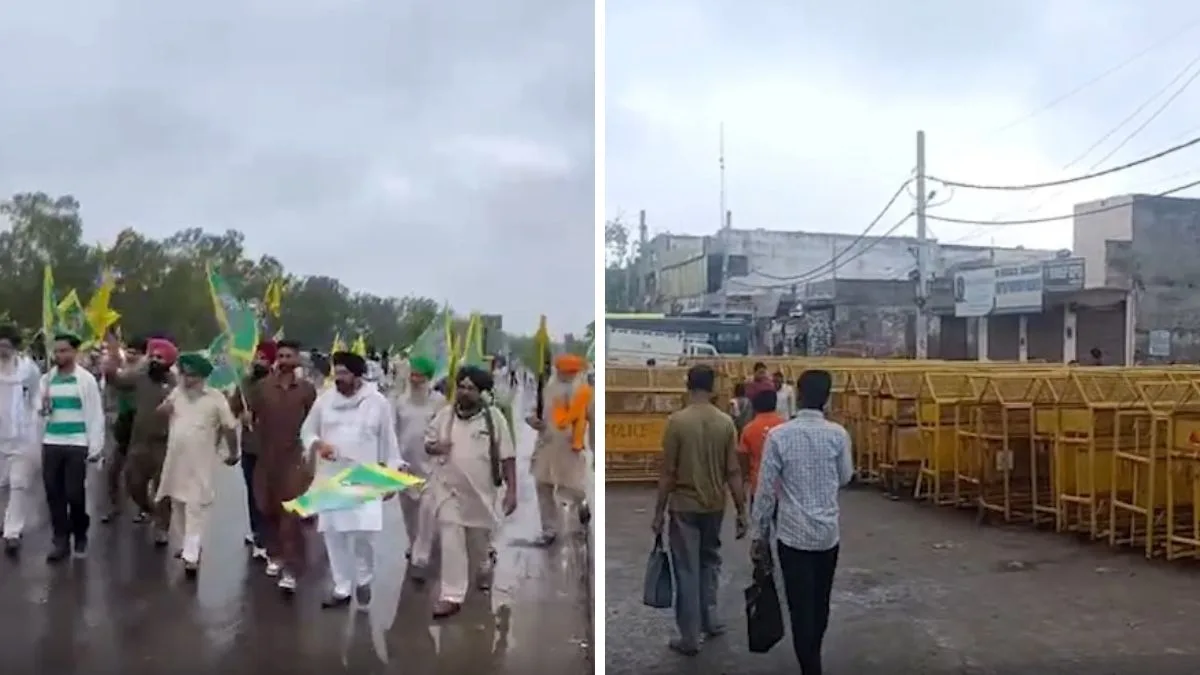
The barricading of the Shambhu border in Haryana to prevent farmers from travelling to Delhi raises a question larger than the protest itself.

Statesman News Service | New Delhi |

The barricading of the Shambhu border in Haryana to prevent farmers from travelling to Delhi raises a question larger than the protest itself. A government is entitled to regulate demonstrations and protect public order. But when citizens seeking to oppose an important economic policy are prevented from reaching the national capital even before a peaceful gathering can take place, regulation begins to resemble pre-emption of dissent.

Farm organisations from Punjab and Haryana are protesting against the proposed India-US trade arrangement because they fear greater access for American agricultural products could expose Indian cultivators to competition that they are poorly equipped to withstand. Their apprehension cannot simply be dismissed as resistance to reform. American agriculture operates with enormous scale, sophisticated supply chains and substantial government support. Indian farming, by contrast, sustains millions of small and marginal cultivators whose ability to absorb prolonged price shocks is limited. That does not establish that a trade agreement with Washington will necessarily damage Indian agriculture.

Much depends on precisely which products receive greater market access, how tariffs are reduced, what safeguards remain available and whether politically sensitive sectors are protected. Trade agreements inevitably involve concessions in return for gains elsewhere. India may secure valuable opportunities for exports, investment and technology even while opening parts of its domestic market. The problem is that such economic arguments require transparency. Farmers cannot reasonably be expected to accept assurances when they do not know enough about commitments that may affect their livelihoods.

Nor should consultation begin after negotiations have effectively determined the choices available. Those who bear concentrated costs from economic policy deserve a voice before decisions become difficult to reverse. This is where the attempt to restrict the Delhi mobilisation becomes politically counterproductive. India has already experienced the consequences of introducing major agricultural reforms without first building sufficient consent. The three farm laws enacted in 2020 triggered a year-long agitation before being repealed in 2021. Whatever one’s view of those laws, the episode demonstrated that technically defensible reform can become politically unsustainable when consultation is perceived as inadequate.

There is also an important distinction between managing a protest and preventing one. Authorities may legitimately impose conditions concerning routes, numbers, security and public inconvenience. But detentions, highway barricades and restrictions on movement should remain exceptional measures justified by credible threats, not routine instruments for keeping organised dissent away from Delhi. The government has a stronger argument available than barricades. It can disclose what agricultural concessions are actually contemplated, explain the safeguards negotiated for vulnerable sectors and engage farmer organisations on specific concerns.

If claims that Indian agriculture faces unacceptable exposure are exaggerated, transparency will make that evident. A durable trade agreement needs more than diplomatic signatures. It needs domestic legitimacy. India cannot negotiate effectively with the United States by allowing every pressure group a veto, but neither can it treat those who fear bearing the costs as obstacles to be contained. Economic openness and democratic openness must advance together.

Strategic Distance

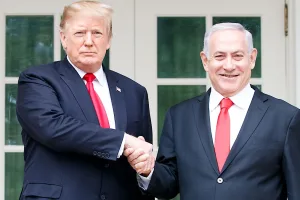
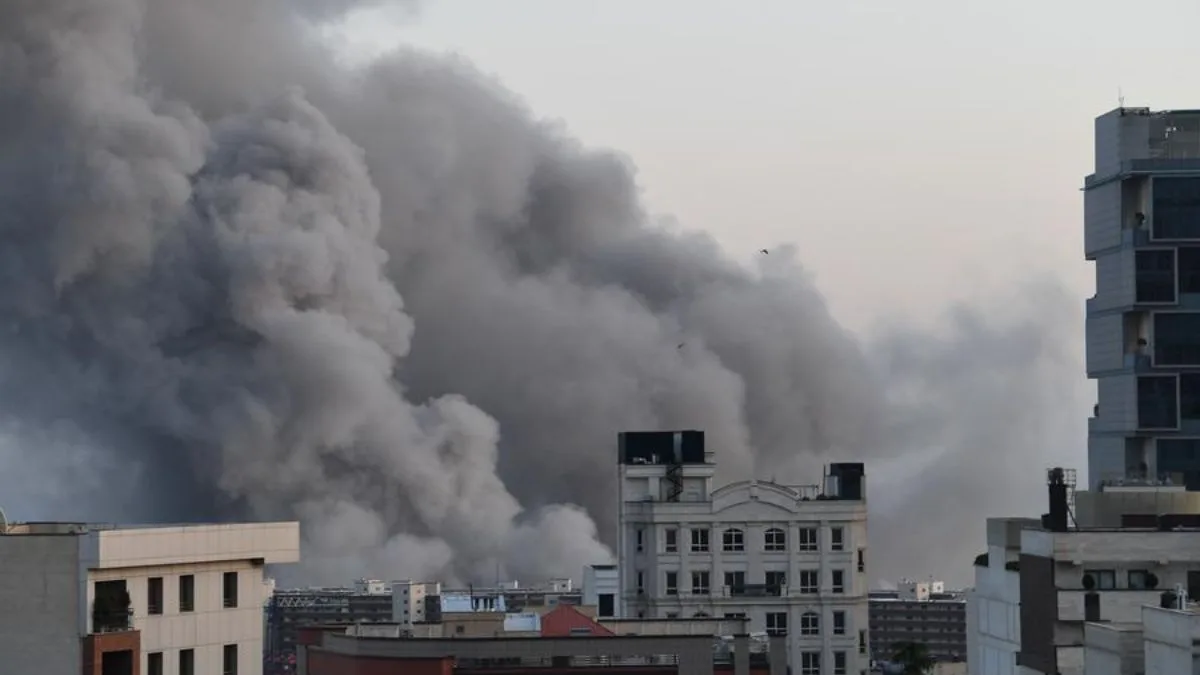
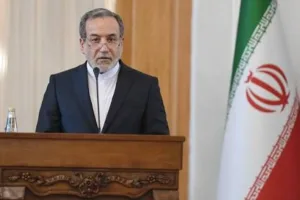
The renewed war between the United States and Iran has again placed American and Israeli military interests on apparently common ground.

Statesman News Service | New Delhi |

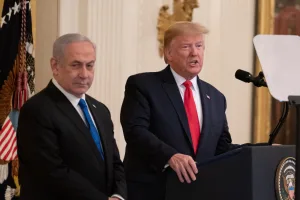
The renewed war between the United States and Iran has again placed American and Israeli military interests on apparently common ground. Yet beneath the battlefield alignment lies a widening strategic divergence. Israel remains Washington’s closest regional ally, but alliance no longer guarantees agreement over what constitutes victory, when fighting should stop or what risks America should bear on Israel’s behalf.

Prime Minister Benjamin Netanyahu spent decades persuading Washington that Iran’s nuclear ambitions represented not merely an Israeli danger but an international one. His greatest success came when American power was committed directly against Tehran. But that achievement contained a paradox. Once the United States became a combatant rather than Israel’s indispensable backer, Washington acquired interests and liabilities of its own. American troops, Gulf bases, shipping lanes and the global economy became part of the calculation. The failed ceasefire exposed this difference.

Washington sought an arrangement that could halt hostilities and restore navigation through the Strait of Hormuz. Israel remained concerned about Iran’s nuclear infrastructure, missile arsenal and capacity to rebuild its regional network. The resumption of fighting does not erase that disagreement. America is now responding to attacks on its forces and threats to a waterway vital to the world economy. Fighting the same enemy does not necessarily mean fighting for the same end-state. This matters because Israel’s predicament is often described too simply as international isolation. Its conduct in Gaza, settlement expansion in the West Bank and use of overwhelming military force have inflicted enormous reputational damage.

European governments have considered punitive measures, while Saudi Arabia and other Arab states have retreated from the prospect of normalisation. Turkey has become increasingly hostile. Yet Israel is hardly a conventional pariah. America remains committed to its security; Europe retains extensive economic ties; and Arab governments that condemn Israeli actions must still reckon with its military and technological power. Strategic utility can survive moral disapproval. The greater danger is therefore not abandonment but a subtler form of isolation: allies may continue arming, trading and sharing intelligence with Israel while refusing to endorse the purposes for which its government wants that power used. Such a gap between military partnership and political objectives can become more consequential than diplomatic condemnation.

A change of government after Israel’s elections ~ should that happen ~ could repair some relationships. Netanyahu’s confrontational diplomacy and settlement policies have undoubtedly aggravated Israel’s predicament. But no successor can easily reverse the harder security doctrines produced by the October 7 attacks or escape the unresolved Palestinian question. Israel consequently confronts an uncomfortable contradiction. It has demonstrated an extraordinary capacity to project force across West Asia, yet regional war has also revealed the limits of military autonomy. Missile defence, munitions, diplomatic cover and management of escalation depend heavily on Washington. The more America becomes directly involved, the more its own priorities inevitably prevail. By drawing its indispensable ally deeper into regional war, Israel may have gained greater military protection while surrendering some control over the peace that must eventually follow.

Data exclusivity

India’s agrochemical industry, a major global hub for crop protection product manufacturing, is at the heart of a significant policy discussion that could shape the future of agricultural innovation, domestic production, exports, and farmer welfare.

DR. R G AGARWAL | New Delhi |

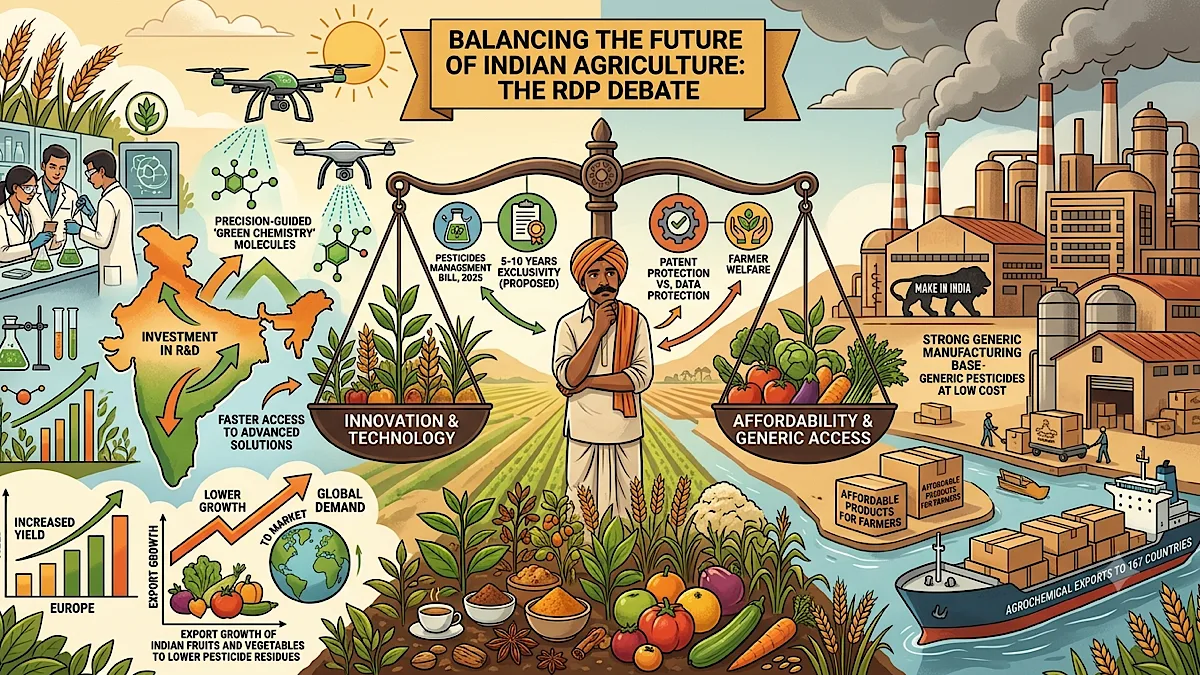
India’s agrochemical industry, a major global hub for crop protection product manufacturing, is at the heart of a significant policy discussion that could shape the future of agricultural innovation, domestic production, exports, and farmer welfare. The focus of this debate is the proposed introduction of Regulatory Data Protection (RDP), also known as data exclusivity, into India’s pesticide regulatory framework.

The discussion has gained momentum in the context of the proposed Pesticides Management Bill, 2025, with stakeholders expressing divergent views on whether India should adopt a regulatory data protection regime for agrochemicals, on the lines of several developed and developing countries where such protection is granted for a period of 5-10 years, including China, which provides it for six years. Proponents, including research-based companies and industry associations, contend that RDP is critical for fostering innovation, attracting investment, and facilitating access to advanced crop protection technologies.

In contrast, a few domestic agrochemical manufacturers argue that data exclusivity could restrict competition, weaken India’s strong generic manufacturing base, and potentially increase costs for farmers. At its core, the debate centers on a key policy challenge: Can India manage the right balance between promoting innovation and preserving the affordability and accessibility of crop protection solutions for millions of farmers? The registration of an agrochemical product requires companies to generate extensive scientific data related to toxicology, environmental impact, efficacy, residue behaviour, and safety. These studies often take several years to complete and require significant financial investments.

Regulatory Data Protection (RDP) grants temporary protection over the data submitted by innovators to regulatory authorities. During this period, competing companies cannot rely on the original data package to obtain approvals for equivalent products. Unlike patents, which protect inventions, data protection safeguards the scientific studies submitted for registration purposes, generated as per guidelines of the country where the product is to be registered, with huge investment. Proponents argue that this protection is necessary because developing a new agrochemical molecule involves enormous research costs and regulatory expenditure.

Without data protection, competitors may benefit from these investments without contributing to the research process. However, critics argue that such provisions effectively create an additional layer of market exclusivity beyond patent protection and may delay generic competition. Research-driven companies have consistently advocated for introducing a limited and time-bound data protection framework in India. According to industry estimates, bringing a new crop protection molecule to the market can take more than a decade and involve investments running into hundreds of millions of dollars. Innovators argue that protecting the resulting regulatory data is essential for recovering these investments.

Supporters claim that India is increasingly becoming a secondary market for innovative agrochemical technologies because global companies are reluctant to introduce new products in jurisdictions that do not provide data safeguards. Innovators have proposed a five-year period of regulatory data protection from the date of first registration for a new molecule or a new use. Advocates argue that such a framework would:

* Encourage greater research investments.

* Accelerate the introduction of innovative crop protection technologies.

* Support sustainable agriculture.

* Improve pest resistance management.

* Enhance food security. As climate change continues to alter pest behaviour and disease patterns, access to advanced crop protection technologies is becoming increasingly important. Newer chemistries are often more targeted, environmentally safer, and effective at lower application rates than older products and are of green chemistry. Supporters believe that a modern regulatory framework is necessary if India wants to remain competitive in agricultural innovation.

One of the strongest arguments in favour of data protection is the international precedent. Several major agricultural economies provide regulatory data protection for agrochemical products, as listed in the chart published alongside: (see chart above) India currently has no dedicated statutory framework providing agrochemical data exclusivity. Innovators argue that this regulatory gap discourages technology transfer and delays the launch of innovative products in India.

They contend that harmonizing Indian regulations with international regulations could encourage greater investment and strengthen the country’s innovation ecosystem. As India seeks to modernize agriculture and improve productivity, proponents believe access to advanced crop protection technologies should become a policy priority. Another important dimension of the debate relates to agricultural exports. India is among the world’s largest exporters of tea, spices, fruits, vegetables, rice, and several other agricultural commodities. However, export markets are becoming increasingly demanding regarding pesticide residues, environmental sustainability, and food safety standards.

Supporters of newer crop protection technologies argue that advanced molecules often used in very small quantities leave lower residues and require fewer applications. These characteristics can help farmers comply with increasingly stringent international regulations for increasing exports of Agri commodities as our share today is just ~ 2.4-2.5 per cent. As residue limits continue to tighten in major export destinations such as the European Union, modern crop protection solutions may become essential for maintaining India’s competitiveness in global agricultural trade.

Industry representatives suggest that delayed access to innovative technologies could potentially place Indian farmers at a disadvantage compared to producers in countries where such products are available earlier. Despite these arguments, India’s domestic agrochemical industry has mounted strong opposition to data protection proposals. Recent reports published by AgriBusiness Global highlight concerns raised by industry associations including CCFI and PMFAI, which believe that introducing data exclusivity could undermine India’s highly successful generic manufacturing model.

India has emerged as one of the world’s leading agrochemical producers and exporters by focusing on cost-efficient manufacturing and affordable generic products. Indian companies currently export crop protection products to more than 167 countries, making the country a critical supplier in global agricultural value chains. Challengers argue that introducing additional exclusivity beyond the existing 20-year patent regime could create monopolistic conditions and restrict competition. According to industry representatives, the proposal could delay the entry of generic products even after patents expire, reducing market competition and potentially increasing prices.

They warn that such a policy could conflict with the government’s broader objectives of promoting Make in India, strengthening domestic manufacturing, and enhancing self-reliance. Ultimately, the most important stakeholder in this debate is the Indian farmer. Proponents of RDP argue that farmers stand to benefit significantly from a policy environment that encourages innovation and facilitates the introduction of advanced crop protection technologies.

Access to newer, safer, and more effective products can help farmers address evolving challenges such as pest resistance, climate variability, productivity constraints, and sustainability requirements. Supporters further contend that RDP provides a necessary incentive for companies to invest in costly research, development, and regulatory studies required to bring innovative solutions to the market. By protecting these investments for a limited period, RDP can foster greater innovation, attract global investment, and accelerate the availability of modern agricultural technologies in India. While concerns regarding affordability remain important, advocates of data protection emphasize that innovation and affordability need not be mutually exclusive.

A well-designed regulatory framework can provide appropriate protection for proprietary regulatory data while ensuring that competition emerges after a reasonable period, thereby balancing incentives for innovation with long-term market access. The real policy challenge, therefore, is not choosing between innovation and affordability, but creating a regulatory system that effectively delivers both. An appropriately calibrated RDP framework can help strengthen India’s position as a global leader in agricultural innovation while continuing to support the productivity, competitiveness, and prosperity of Indian farmers. The debate surrounding RDP marks a critical juncture in India’s agricultural and regulatory evolution.

As the country seeks to strengthen its innovation ecosystem and modernize its pesticide regulatory framework, policymakers must establish a balanced approach that supports technological advancement while safeguarding farmer interests and promoting long-term sectoral growth. Supporters of RDP argue that protecting proprietary regulatory data is essential to encourage investment in research and development, facilitate technology transfer, and attract the introduction of cutting-edge crop protection solutions. Given the significant time, cost, and scientific effort required to generate regulatory data, they contend that a reasonable period of protection is necessary to reward innovation and sustain future investments.

While concerns regarding competition and market access deserve careful consideration, many countries have demonstrated that well-designed data protection frameworks can coexist with robust generic industries. A balanced RDP regime can provide innovators with confidence to invest while ensuring that competition emerges after an appropriate period, ultimately benefiting the broader agricultural ecosystem. The implications of this policy debate extend far beyond the agrochemical industry. The outcome will influence agricultural productivity, food security, export competitiveness, research investments, industrial development, and India’s ability to access the latest crop protection technologies.

As India shapes the future of its crop protection sector, the objective should be to create a regulatory environment that rewards innovation, encourages investment, and accelerates the availability of advanced agricultural solutions, while maintaining affordability and accessibility over the long term. A thoughtfully designed Regulatory Data Protection framework can help India achieve these goals, strengthening both farmer prosperity and the nation’s position as a global leader in agriculture and agrochemical production.

(The writer is Chairman Emeritus, Dhanuka Agritech Limited)

Centre moves on two fronts: Tougher anti-paper leak measures, talks with CJP today

The meeting comes a day after Prime Minister Narendra Modi announced that the Centre is preparing a stricter law against examination paper leaks, while the protesting party continues to demand the Education Minister’s resignation.

Statesman News Service | New Delhi |

A delegation of the Cockroach Janta Party (CJP) will meet Union government ministers on Friday after the Centre agreed to hold discussions at a neutral venue over the party’s protest against the alleged NEET paper leak.

The meeting will be held at the Constitution Club of India after the government accepted the party’s request to avoid government offices for the talks.

Confirming the development, CJP member Sourav Das said the party welcomed the government’s decision to shift the venue.

“Tomorrow, a discussion has been called for, we are very happy that the government has agreed to our request that it be at a neutral venue. The Constitution Club of India has been chosen,” he said.

The CJP has been staging a sit-in at Jantar Mantar, demanding accountability for the alleged examination irregularities. It has sought the resignation of Union Education Minister Dharmendra Pradhan, holding him responsible for the handling of the controversy.

Apart from seeking the minister’s removal, the party has also demanded wide-ranging reforms to the country’s examination and education system to prevent future paper leaks.

The talks come a day after Prime Minister Narendra Modi announced that the Centre is preparing legislation with stricter provisions and tougher punishments for examination paper leaks.

In a video message posted on X, the Prime Minister said, “More strict actions against paper leaks to come in tomorrow’s Cabinet!”

The proposed legislation is expected to be taken up at Friday’s Union Cabinet meeting before being introduced in Parliament during the ongoing Monsoon Session next week.

Addressing students and parents, the Prime Minister acknowledged the anxiety caused by paper leaks and said the government had acted against those responsible.

“I am aware that paper leaks cause immense distress to students and their parents,” he said, adding that several people involved in the irregularities had been arrested and jailed over the past two-and-a-half months.

PM Modi also said the government ensured examinations for nearly 22 lakh students were conducted without further delay by deploying all available resources.

“The results were declared just five days ago on July 19, and we are receiving news of the joy felt by successful students across the country,” he said.

He reiterated that the government remained committed to protecting students’ futures and safeguarding the integrity of public examinations.

‘We are not done yet’: Modi promises more stringent action against paper leaks in late night video message

Despite the Centre’s proposed legal changes, the CJP has maintained that tougher laws alone will not address the issue. The party has said it will continue to press for Dharmendra Pradhan’s resignation during Friday’s meeting with Union Ministers.

Rahul Gandhi dismisses PM Modi’s NEET video, demands Education Minister’s resignation

The Congress leader said students were seeking accountability over the alleged NEET paper leak and urged the government to remove the Education Minister and act against those responsible.

Statesman News Service | New Delhi |

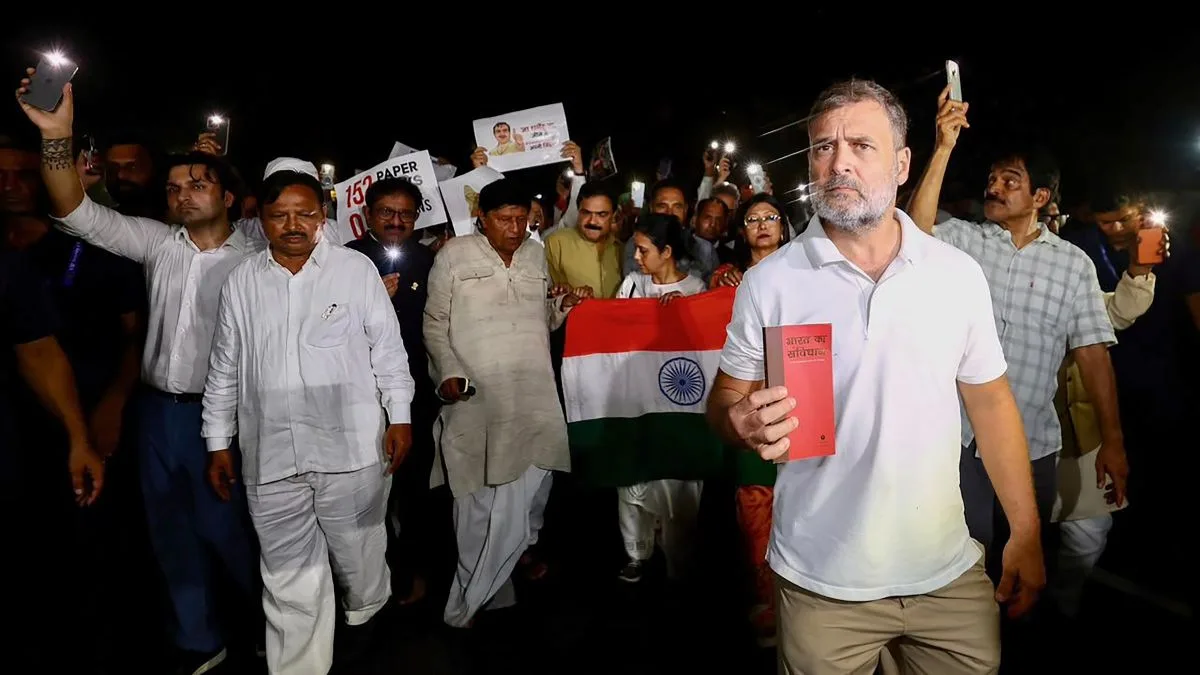
Leader of the Opposition Rahul Gandhi on Friday criticised Prime Minister Narendra Modi’s response to the NEET controversy, accusing him of ignoring students’ demands for accountability and again calling for Union Education Minister Dharmendra Pradhan’s resignation.

In a post on X, Gandhi took aim at a video released by the Prime Minister, saying students wanted the Education Minister to step down rather than hear assurances from the government.

“Mr. Modi, our students are demanding Dharmendra Pradhan’s resignation. Don’t insult their intelligence with this pathetic midnight video. Sack Pradhan. Punish those who beat students. Apologise,” Gandhi wrote.

His remarks came after the Prime Minister said stricter measures against paper leaks would be taken up during Friday’s Cabinet meeting.

The NEET controversy has sparked protests in several parts of the country, with Opposition parties accusing the Centre of failing to ensure the integrity of the examination process. They have repeatedly demanded accountability and sought Dharmendra Pradhan’s resignation.

Separately, Cockroach Janta Party (CJP) founder Abhijeet Dipke welcomed Ladakh activist Sonam Wangchuk’s decision to end his 26-day hunger strike.

“We are relieved and grateful that Sonam sir has ended his hunger strike after 26 days. Thank you, sir, for your extraordinary courage and sacrifice. By putting your own life on the line, you awakened the conscience of an entire nation. Your life is far too precious to this country,” Dipke said in a post.

Dipke said the CJP would continue its peaceful protest at Jantar Mantar until the Education Minister resigns.

Earlier on Friday, Wangchuk ended his fast at Safdarjung Hospital in the presence of Union Ministers JP Nadda and Jitendra Singh, senior leaders of the Apex Body of Leh Ladakh, doctors and members of his family.

His hunger strike had drawn support from across the political spectrum, with 65 Members of Parliament urging him to end the protest.