Logo

Photo

  • img
  • img
  • img
  • img
  • img

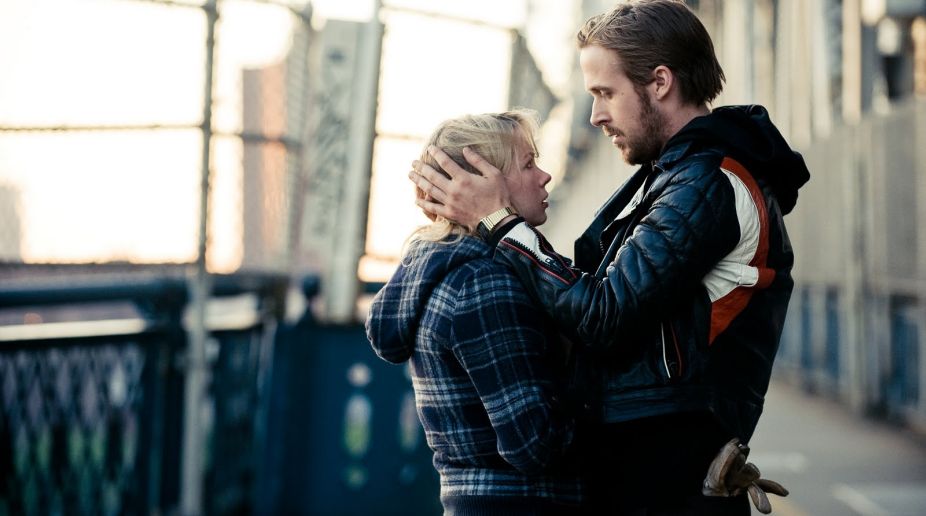
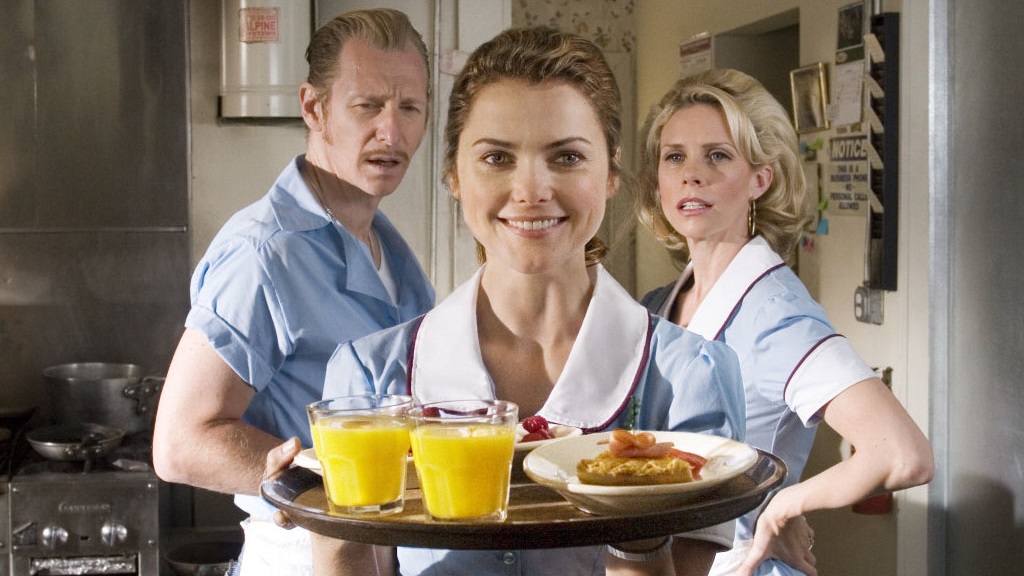
5 Hollywood movies for the single souls

5 Hollywood movies for the single souls

MORE Photo STORIES

Indian PSLV rocket lifts off with 104 satellites

IANS | Sriharikota |

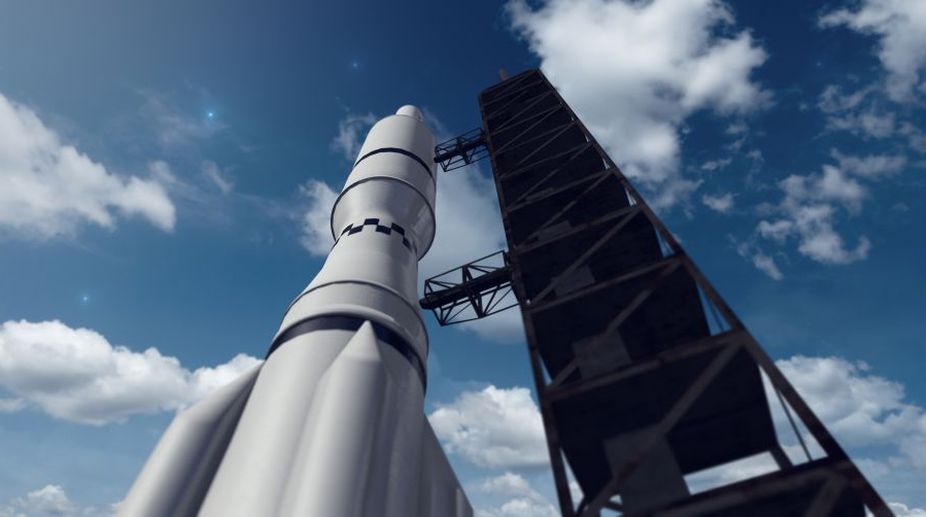
Indian rocket Polar Satellite Launch Vehicle (PSLV) on Wednesday morning lifted off successfully with a record 104 satellites, including the country's earth observation satellite Cartosat-2 series.

The PSLV-XL variant rocket standing 44.4 metre tall and weighing 320 ton tore into the morning skies at 9.28 a.m. with a deep throated growl breaking free of the earth's gravitational pull.

The earth observation satellite Cartosat-2 series weighs 714 kg.

The co-passenger satellites comprise 101 nano satellites, one each from Israel, Kazakhstan, The Netherlands, Switzerland, the UAE and 96 from the US, as well as two nano satellites from India.

The total weight of all the satellites carried on-board is about 1,378 kg.

By the 28th minute of the rocket's mission all the 104 satellites would be put into orbit.

The PSLV rocket is a four stage/engine rocket powered by solid and liquid fuel alternatively.

"The Cartosat satellite is the fourth one in the Cartosat-2 series of earth observation satellites. Already three are in the orbit and two more will be launched. Once all the six Cartosat-2 series satellites are launched the Cartosat-3 series would begin," an ISRO official said preferring anonymity.

Sensex, Nifty trade flat; Tata Motors plunges 8%

SNS | New Delhi |

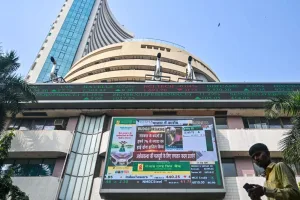
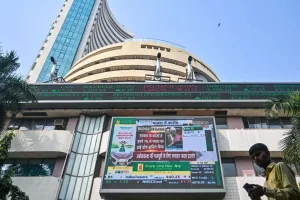
Indian equity markets started Wednesday’s trading session on a flat note amid mixed Asian cues. At 9.50 am, the Sensex at the BSE was trading 31 points down at 28,308 and the Nifty at the NSE was trading five points lower at 8,787.

In the broader markets, BSE Midcap and Smallcap indices slipped around 0.1 per cent each.

Among the BSE sectoral indices, Metal index was trading with the biggest gain, up 0.6 per cent, while Auto index became the top loser, down 1.7 per cent.

On Tuesday, the Sensex had closed 12 points down at 28,339 and the Nifty had closed 13 points lower at 8,792.

Top gainers in the Sensex-30 pack: Adani Ports (up 1.8 per cent), Axis Bank (up 0.9 per cent), ONGC (up 0.8 per cent), Power Grid (up 0.7 per cent) and Infosys (up 0.7 per cent).

Top losers in the Sensex-30 pack: Tata Motors (down 7.8 per cent), Sun Pharma (down 3 per cent), Hero Motocorp (down 0.8 per cent), Dr Reddy’s Labs (down 0.7 per cent), and Bharti Airtel (down 0.7 per cent)

Meanwhile, the Rupee was trading one paisa higher at 66.92 against the US Dollar.

9,000 soldiers deployed in Rio ahead of potential police strike

IANS | Rio de Janeiro |

Around 9,000 soldiers from the Brazilian Army were deployed here ahead of a potential police strike, the Ministry of Defence announced, a media report said on Wednesday.

Minister of Defence Raul Jungmann told a press conference on Tuesday that the soldiers would patrol here and the nearby cities of Niteroi and Sao Goncalo until February 22, although their deployment could be extended until after Carnival.

On Tuesday afternoon, the army presence was seen in the tour areas of Copacabana and Ipanema, as well as along the main highways here in the second-largest Brazilian city.

The army deployment came after Rio Governor Luiz Fernando Pezao appealed to President Michel Temer to reinforce security, as military police battalions stayed in barracks in protest against the freezing of their salaries and labour conditions.

In a statement, Temer said the armed forces were "ready to re-establish public order" in case of more strikes and described the situation in Espirito Santo as an "insurgency" by military police. 

Steve Waugh compares Ashwin to Don Bradman

The four-Test India-Australia series starts on February 23 in Pune.

PTI | Monaco |

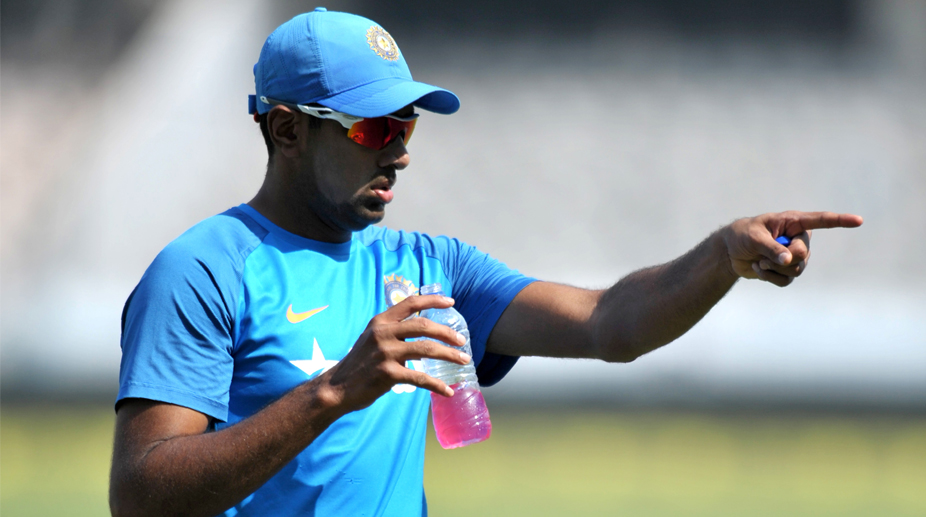
Former Australia skipper Steve Waugh has described off-spinner Ravichandran Ashwin as the 'Don Bradman of bowling' and said that he is the player the Australian team would need to overcome during its upcoming tour of India.

Set to play a four-Test series against India starting on February 23 in Pune, Waugh felt the Australian team would have to keep calm under pressure and find ways to deal with Ashwin's bowling.

"Ashwin is basically the Bradman of bowling. What he is doing is quite incredible. I think he is the player we have to overcome. The Australians would have to look at ways to overcome Ashwin's bowling. If Aussies can do that then we will have a chance. The guys need to stay calm under pressure," said Waugh.

Heaping praise on the Indian off-spinner, Waugh said: "The way he is playing at the moment, he is going to break a number of records. Ashwin's statistics are just mind-boggling."

The 51-year-old legendary batsman said that it would be a difficult series for Australia as India are a very settled side and Virat Kohli's captaincy is contagious.

"India are playing very well at the moment and are a very settled side. Everyone is very comfortable in their roles.

They are also playing a lot at home. It is very hard to beat them at home and that has been proved in the last couple of years," said Waugh during an interaction before the start of the Laureus Worlds Sports Awards.

"Virat Kohli's leadership is also very contagious. The Indian players feel positive and they feel they can do anything. It seems that the new Team India can achieve anything," he added.

Waugh, however, felt that writing off the Australian team, as Sourav Ganguly had recently said, would be completely "foolish".

"Australia will provide a pretty good test to the formidable Indian side. There are players that India do not know much about and that would work to Aussies' advantage. The first Test will be very important. If the Aussies can get off to a good start and do well in the opening Test match, you never know. Anything can happen.

"We have the potential to change our side after the first two Tests. If we do well in the first Test, we may spring a surprise. We might also be able to provide an upset," insisted Waugh.

"The senior players need to do well and that is going to be a challenge in the opening Test. We have some match winners in our team. Sourav's been a bit optimistic there."

Waugh said he could not understand why Australia's recent performances in overseas series had been so dismal.

"I don't know the reason. It is a global game. You have neutral umpires. There are no excuses not to play well away from home anymore. May be it is a mind thing. The very thought that you are playing away from home may be playing in their minds. Don't know the reason why they have not been doing well overseas.

"We always used to enjoy playing overseas earlier as there is less pressure as you are away from the home crowd, family, friends and the media. And you can relax.

Home win crucial as Real Madrid host red-hot Napoli

Madrid are aiming to become the first side to successfully defend the Champions League title.

IANS | Madrid |

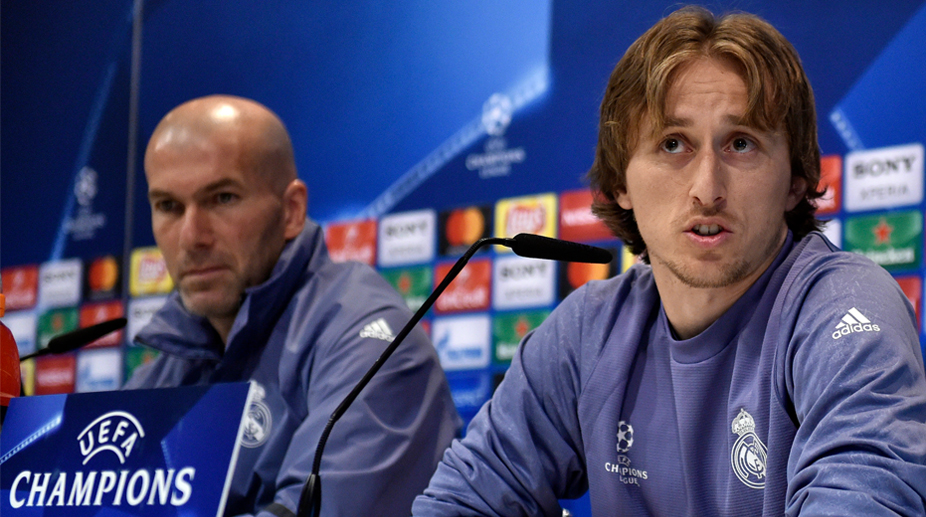
Real Madrid need goals and a clean sheet when they entertain Italian football club Napoli in the first leg of their Champions League last-16 tie in the Santiago Bernabeu Stadium here on Wednesday.

Madrid are aiming to become the first side to successfully defend the title. But the fact that they finished behind Borussia Dortmund in their qualifying group has complicated their task, reports Xinhua.

If last season saw Madrid book their place in the final on the back of home displays in the return legs against Wolfsburg and Manchester City, which helped overturn poor first leg displays, this time Madrid will have to do it the hard way with the first leg in front of their fans and the second leg away from home.

Maurizio Sarri-coached Napoli travel to Madrid on the back of an 18-match unbeaten run. And players such as Dries Mertens, who has 16 goals in Serie A, Lorenzo Insigne with seven and former Real Madrid winger Jose Callejon, who has scored eight, will present a potent and mobile threat to the Madrid defence. Napoli's fortunes will also depend on Slovakian playmaker and captain Marek Hamsik.

Real head coach Zinedine Zidane will be hoping that Dani Carvajal is fit to start at right back after a month out with a muscle injury, otherwise Nacho Fernandez will once again have to show his adaptability after Danilo picked up an injury away to Osasuna at the weekend.

The Madrid coach has a slight fitness doubt over Cristiano Ronaldo, who didn't train on Monday, but the Portuguese striker should be fit for Wednesday's game with the only other doubt being whether Zidane once again favours Karim Benzema over Alvaro Morata in attack, ahead of a midfield made up of Luka Modric, Tony Kroos and Casemiro.

Madrid currently have a comfortable lead in the Spanish Liga, but at times have been less than impressive, it will be fascinating to see how they and an in-form Napoli perform in a game which offers no second chances.

Napoli are likely to be without centre back Lorenzo Tonelli, who has been out of action since the end of January.

India joins UN network to halve maternal, newborn deaths

PTI | United Nations |

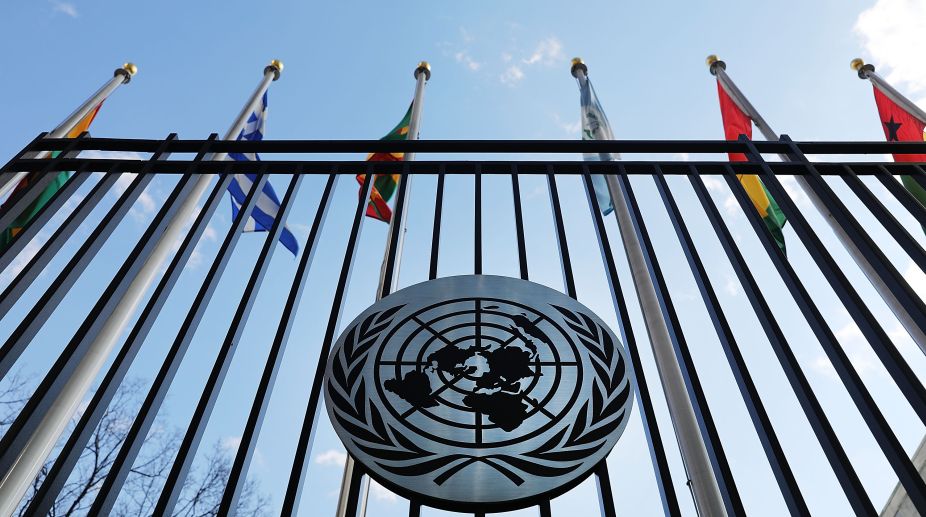
India is among nine countries that will be part of a global health network focused on improving the quality of care for new mothers and babies and strengthen national efforts to end preventable deaths of pregnant women and newborns by 2030.

The nine countries are India, Bangladesh, A Cote d'Ivoire, Ethiopia, Ghana, Malawi, Nigeria, Tanzania and Uganda.

Through the new 'Network for Improving Quality of Care for Maternal, Newborn and Child Health', supported by World Health Organisation (WHO), UN International Children's Fund (UNICEF) and other partners, the countries will work to improve the quality of care mothers and babies receive in their health facilities, a statement from WHO said.

The Network aims to strengthen national efforts to end preventable deaths by 2030, as envisioned by the Every Woman Every Child Global Strategy for Women's, Children's and Adolescents' Health.

Countries will do that by strengthening capacity and motivation of health professional to plan and manage quality improvement, improving data collection and increasing access to medicines, supplies, equipment and clean water.

"Every mother and infant deserves to receive the highest quality of care when they access health facilities in their communities," WHO Department of Maternal, Newborn, Child and Adolescent Health director Anthony Costello said.

The first nine countries in the Network have committed to identifying the actions they will take to improve quality of care and will work with partners to deliver the vision of quality that encompasses values of equity and dignity.

In order to achieve this, governments will build and strengthen their national institutions, identify quality of care focal points at all levels of the health system, accelerate and sustain the implementation of quality-of-care improvement packages for mothers, newborns and children.

Through a global learning platform, the Network will build a community of health practitioners from the facility level and develop evidence-based strategies to improve quality of care, harvest implementation ideas, and collect information and experiences about what is working.

WHO said the period around childbirth is the most critical for saving mothers and newborns, and preventing stillbirths.

Every year, worldwide, 303 000 women die during pregnancy and childbirth, 2.7 million babies die during the first 28 days of life and 2.6 million babies are stillborn. Most of these deaths could be prevented with quality care during pregnancy and childbirth.

"Births in health facilities have increased in the past decade," Costello said.

"Attention is now shifting from access to care to improving the quality of care so that countries can achieve the Sustainable Development Goals targets to end preventable maternal, newborn and child deaths by 2030."

Utilising WHO's Standards for improving quality of maternal and newborn care in health facilities, published in 2016, countries within the Network will work to improve both the provision of, and patients' experience of health care.

The eight new standards provide a quality of care framework which will help countries ensure their services are safe, effective, timely, efficient, equitable and people-centred.


Photo

  • A Palestinian boy rides his bicycle through a wet street after the rain at the Al-Shatee refugee camp (Photo: Mohammed Abed/AFP)

    " alt="img" />
  • img
  • img
  • A boy runs under heavy rain in Panama City (Photo: Rodrigo Arangua/AFP)

    " alt="img" />
  • Birds seen next to a rainbow in Panama City (Photo: Rodrigo Arangua/AFP)

    " alt="img" />
  • img
  • img
  • img

Rainy Day Snapshots

Rainy Day Snapshots

MORE Photo STORIES

Champions League: 4-star PSG stun Barcelona in first leg

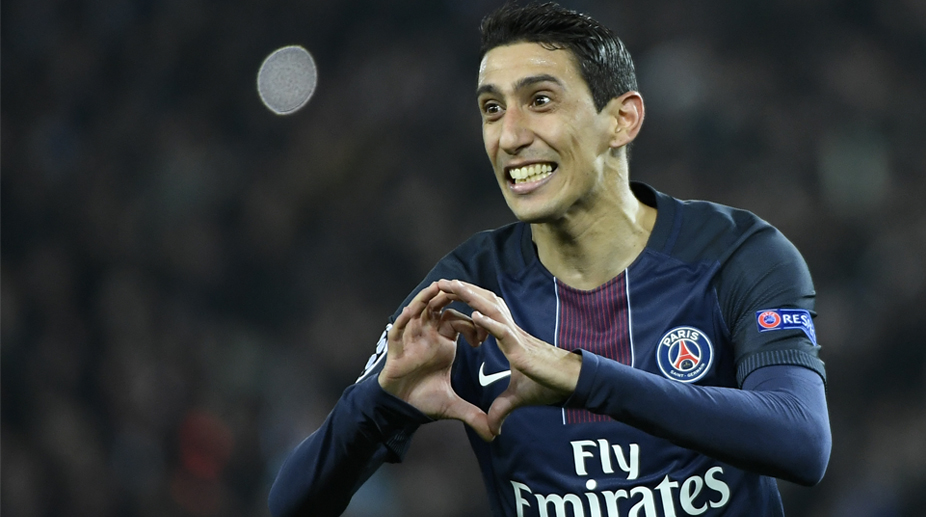
Di Maria was uplayable on the night, leaving Barca with a lot of work to do in the second leg!

SNS | New Delhi |

Paris Saint-Germain have one foot in the Champions League quarterfinals after they thrashed an insipid Barcelona 4-0 in their round-of-16 clash on Tuesday at the Parc des Princes, finally making a statement on the biggest stage in world football.

Qatar Sports Investments bought the club in 2011 and despite steamrolling domestic opponents ever since, Les Parisiens have struggled in Europe despite hiring some of the best managers and signing some of the biggest players.

And for nights such as these, Unai Emery was signed in the summer. Despite struggling in the group-stages, the French side put Barcelona to the sword, a remarkable feat even in a friendly these days and credit must be given to the Spanish tactician for this result.

PSG were impressive from the very first minute in their standard 4-3-3 formation, with Emery boldly picking young blood such as Julian Draxler and Adrien Rabiot in his starting XI against such sterling opposition.

Luis Enrique opted for Andre Gomes in midfield over Ivan Rakitic and went for the Samuel Umtiti-Gerard Pique tandem in defence as Javier Mascherano continued his recovery from an ankle injury.

Edinson Cavani and Blaise Matuidi went close to scoring for the hosts as they hit a rather languid Barcelona on the counter, but thanks to a combination of some last-ditch defending and some alertness from keeper Marc Andre-ter Stegen, were unable to break the deadlock.

But when Umtiti tripped Draxler on the edge of the box, one sensed a definitive moment in the game had come. Angel Di Maria stepped up and curled the resulting free kick into the back of the net, helped by a poorly-manned defensive wall to give the hosts the lead in the 18th minute.

The Catalans tried to hit PSG back with what could have been a priceless away goal but Gomes was unable to find a way past Kevin Trapp after a rapid counter had left Les Parisiens exposed.

And five minutes before half-time, PSG doubled their lead. Rabiot dispossessed Lionel Messi near the halfway mark and immediately passed to Marco Verratti. The combative Italian took a few touches before releasing Draxler inside the box and the German finished well past Stegen to put the home side in command of the tie.
If the first half had been good from the home side's perspective, the second was even better. For not only did they not concede an away goal, they added two more to go into the second leg with a massive four-goal cushion.

Di Maria scored his second and PSG’s third early in the second half, bringing the Parc des Princes to its feet as they celebrated a spectacular goal or golazo as they call it in South America. There seemed to be no danger when the Argentine received the ball around 10 yards from Barca’s penalty box with three defenders in front of him. He dropped his right shoulder and weaved past one before unleashing an unstoppable curler which flew into the top corner, leaving Stegen with no chance whatsoever.

Often criticised for not being consistent enough, Di Maria was unplayable on the night and put the famed ‘MSN’ trio to shame and how.

PSG weren't done yet and they fired a final nail in the coffin when striker Edinson Cavani showed exactly how a striker should make a diagonal run in the box, finishing Thomas Meunier’s through ball with aplomb in the 72nd minute.

While the tie isn't exactly done and dusted, Barca will have to mount one of the most, if not the most, impressive comebacks in the history of the competition in the second leg at the Camp Nou on the 8th of March.

In the other game on the night, Portuguese side Benfica edged Borussia Dortmund 1-0 at the Estadio da Luz thanks to a Konstantinos Mitroglou strike. The Germans had a perfect opportunity to equalise but Pierre-Emerick Aubameyang missed a spot-kick just before the hour mark to leave the tie evenly poised.

Polling for second phase of UP polls begins

IANS | Lucknow |

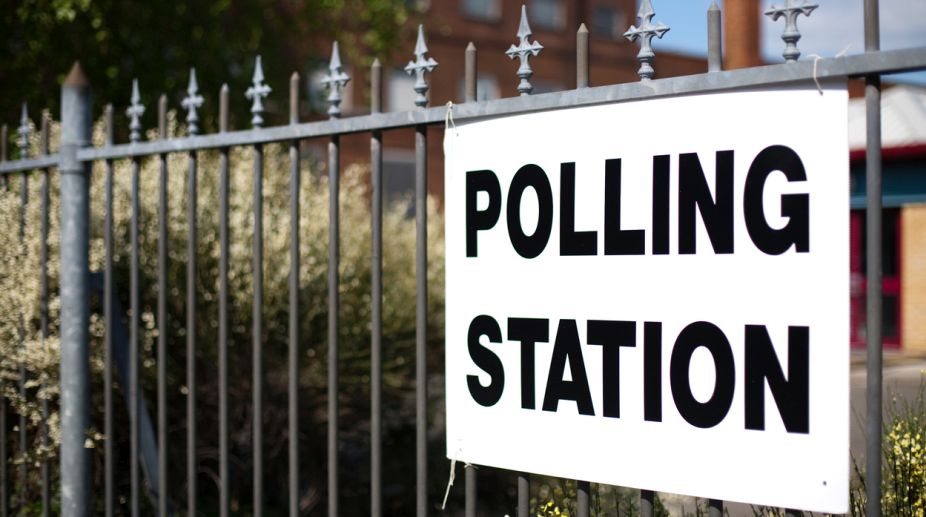
Polling for the second phase of Uttar Pradesh assembly polls, spanning 67 constituencies in 11 districts, began on Wednesday morning amid tight security.

The fate of 721 candidates is to be sealed by balloting of 2.28 crore voters of which a sizable number (47.72 lakh) is of young voters, aged 18-19 years. Polling agents have been deployed in adequate numbers, an Election Commission official said.

Chief Electoral Officer T. said that 2,983 of the total 23,695 polling booths have been identified as sensitive and security scaled up there.

Polling for second phase of UP polls begins

IANS | Lucknow |

Polling for the second phase of Uttar Pradesh assembly polls, spanning 67 constituencies in 11 districts, began on Wednesday morning amid tight security.

The fate of 721 candidates is to be sealed by balloting of 2.28 crore voters of which a sizable number (47.72 lakh) is of young voters, aged 18-19 years. Polling agents have been deployed in adequate numbers, an Election Commission official said.

Chief Electoral Officer T. said that 2,983 of the total 23,695 polling booths have been identified as sensitive and security scaled up there.

Polling begins in Uttarakhand

IANS | Dehradun |

Voting for the 69 seats of the Uttarakhand state assembly began at 8 am on Wednesday amid tight security, a poll official said.

This is the fourth assembly poll in the hill state where 75,13,547 voters will decide the fate of 628 candidates.

Polling in Karnprayag has been suspended for now due to the death of Bahujan Samaj Party (BSP) candidate. Voting will now be held on this seat on March 9, said the Election Commission official.

Postal ballots will be received till March 11 morning, the day of vote counting.

Chief Electoral Officer Radha Raturi informed that there are 10,685 polling stations in the state of which 460 are in the hilly snowy regions while 287 are in shadow areas.

The state capital here has the maximum number of polling stations (1,725) while Rudraprayag the least with 312.

A total of 1,409 polling stations have been put in the very sensitive list while 1,424 have been marked as sensitive.  

Videography is being done at 221 places while photography of the poll process is being done at 2,012 polling centres along with webcasting at 197 places.

The highest polling station is in Yamunotri at 9,800 feet above sea level. Heavy security deployment has been made at all the polling stations with CRPF being deployed at 1,285 polling stations.

Polling begins in Uttarakhand

IANS | Dehradun |

Voting for the 69 seats of the Uttarakhand state assembly began at 8 am on Wednesday amid tight security, a poll official said.

This is the fourth assembly poll in the hill state where 75,13,547 voters will decide the fate of 628 candidates.

Polling in Karnprayag has been suspended for now due to the death of Bahujan Samaj Party (BSP) candidate. Voting will now be held on this seat on March 9, said the Election Commission official.

Postal ballots will be received till March 11 morning, the day of vote counting.

Chief Electoral Officer Radha Raturi informed that there are 10,685 polling stations in the state of which 460 are in the hilly snowy regions while 287 are in shadow areas.

The state capital here has the maximum number of polling stations (1,725) while Rudraprayag the least with 312.

A total of 1,409 polling stations have been put in the very sensitive list while 1,424 have been marked as sensitive.  

Videography is being done at 221 places while photography of the poll process is being done at 2,012 polling centres along with webcasting at 197 places.

The highest polling station is in Yamunotri at 9,800 feet above sea level. Heavy security deployment has been made at all the polling stations with CRPF being deployed at 1,285 polling stations.

It’s not all about IQ

Anisha Dutta |

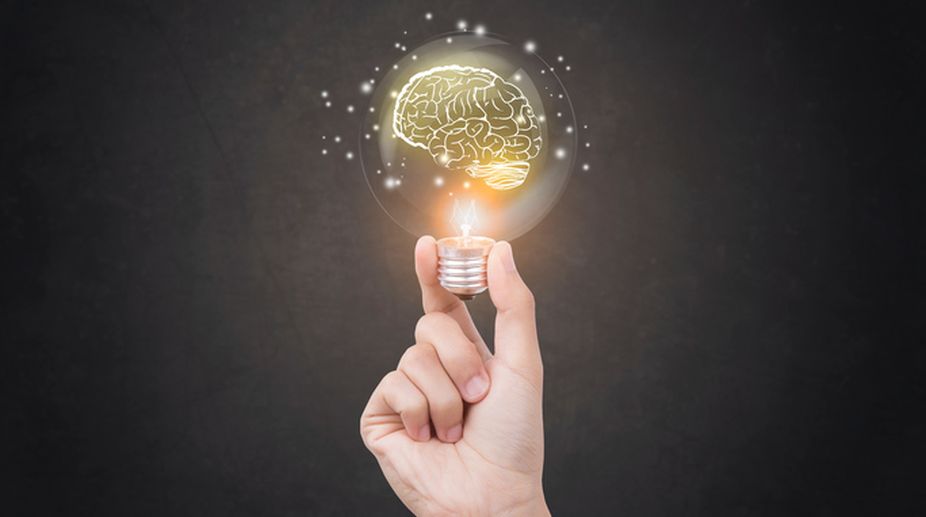
Humans have hundreds of mental abilities and the broad term used to describe them is intelligence. Common intelligence is the power to acquire knowledge using memory and performing actions, but it lacks in ability to explain overall outcomes. There are other sorts of Intelligence to act emotionally and socially. Emotional intelligence is the richness of our qualitative life to perceive, analyse and regulate emotions — they truly make us what we are. On the other hand, social intelligence relates to compatibility on social interactions. 

Therefore, whether the so-called intelligent quotient defines one’s intensity of intelligence is debatable. IQ is considered as the mental ability of one in comparison with the mental abilities of others in the same age group. But mere IQ cannot define a person completely in all respects. A person needs EI to realise, analyse and manage one’s emotions. In fact, a combination of EI and SI account for the intelligence of a human.

To calculate the IQ of a person, a simple unitary method based on ratio is not applicable but a statistical procedure is followed with a chosen standard deviation and the mean being 100. An IQ of 100 means that 50 per cent of the population has a lower IQ while 50 per cent have a higher IQ with respect to that person.

A normal, average child has an IQ of 100 with 99.5 per cent of world population having an IQ between 60 and 140. Only one per cent people in the world can boast an IQ of more than 135 — Albert Einstein’s IQ is said to have been 160! That said malnutrition lowers IQ levels, especially the deficiency of iodine in children. Therefore, IQ levels in third world countries could be raised with proper nutrition and eradication of diseases. Data also shows that people with a higher IQ generally have lower adult morbidity and mortality — researchers calculated that a 15 per cent lower IQ accounts for a one-fifth less chance live 76 years.

But let’s turn our gaze to emotional intelligence. It has four distinct categories, 

  • perception of emotions involving non- verbal signals like facial expressions and body language.
  • reasoning using emotion like to promote thinking and cognitive activity
  • ability to understand emotions — to identify the exact root of emotions following attitude, temperament and delivery of language.
  • managing emotions is the key to controlling oneself to deal with conflicts and adverse or favourable situations.

Tests on EQ reveal the intensity of mental disorder and are used to diagnose autism spectrum, schizophrenia, and other mental blockages and complications. Autistic children show evidences of very high IQ levels with precise perception and keen observation but they are devoid of EI and totally incapable to exhibit normal human behaviour. 

EQ can be raised by practicing meditation and SQ can be increased with more study on social interactions. But there is no way to increase one’s IQ level — high IQ is only responsible for academic success. 

Though IQ helps a person only for four per cent time during one’s life, EQ and SQ are more helpful to shine in a particular career. Yet a minimum IQ level of 100 is mandatory for success. In fact, perfect combination of IQ, EQ and SQ can make a person reach the peak of excellence. 

The writer is a former lecturer in applied Mathematics, Maharajadhiraj Uday Chand Women’s College, Burdwan 

It’s not all about IQ

Anisha Dutta |

Humans have hundreds of mental abilities and the broad term used to describe them is intelligence. Common intelligence is the power to acquire knowledge using memory and performing actions, but it lacks in ability to explain overall outcomes. There are other sorts of Intelligence to act emotionally and socially. Emotional intelligence is the richness of our qualitative life to perceive, analyse and regulate emotions — they truly make us what we are. On the other hand, social intelligence relates to compatibility on social interactions. 

Therefore, whether the so-called intelligent quotient defines one’s intensity of intelligence is debatable. IQ is considered as the mental ability of one in comparison with the mental abilities of others in the same age group. But mere IQ cannot define a person completely in all respects. A person needs EI to realise, analyse and manage one’s emotions. In fact, a combination of EI and SI account for the intelligence of a human.

To calculate the IQ of a person, a simple unitary method based on ratio is not applicable but a statistical procedure is followed with a chosen standard deviation and the mean being 100. An IQ of 100 means that 50 per cent of the population has a lower IQ while 50 per cent have a higher IQ with respect to that person.

A normal, average child has an IQ of 100 with 99.5 per cent of world population having an IQ between 60 and 140. Only one per cent people in the world can boast an IQ of more than 135 — Albert Einstein’s IQ is said to have been 160! That said malnutrition lowers IQ levels, especially the deficiency of iodine in children. Therefore, IQ levels in third world countries could be raised with proper nutrition and eradication of diseases. Data also shows that people with a higher IQ generally have lower adult morbidity and mortality — researchers calculated that a 15 per cent lower IQ accounts for a one-fifth less chance live 76 years.

But let’s turn our gaze to emotional intelligence. It has four distinct categories, 

  • perception of emotions involving non- verbal signals like facial expressions and body language.
  • reasoning using emotion like to promote thinking and cognitive activity
  • ability to understand emotions — to identify the exact root of emotions following attitude, temperament and delivery of language.
  • managing emotions is the key to controlling oneself to deal with conflicts and adverse or favourable situations.

Tests on EQ reveal the intensity of mental disorder and are used to diagnose autism spectrum, schizophrenia, and other mental blockages and complications. Autistic children show evidences of very high IQ levels with precise perception and keen observation but they are devoid of EI and totally incapable to exhibit normal human behaviour. 

EQ can be raised by practicing meditation and SQ can be increased with more study on social interactions. But there is no way to increase one’s IQ level — high IQ is only responsible for academic success. 

Though IQ helps a person only for four per cent time during one’s life, EQ and SQ are more helpful to shine in a particular career. Yet a minimum IQ level of 100 is mandatory for success. In fact, perfect combination of IQ, EQ and SQ can make a person reach the peak of excellence. 

The writer is a former lecturer in applied Mathematics, Maharajadhiraj Uday Chand Women’s College, Burdwan 

Diverse functions

Tapan Kumar Maitra |

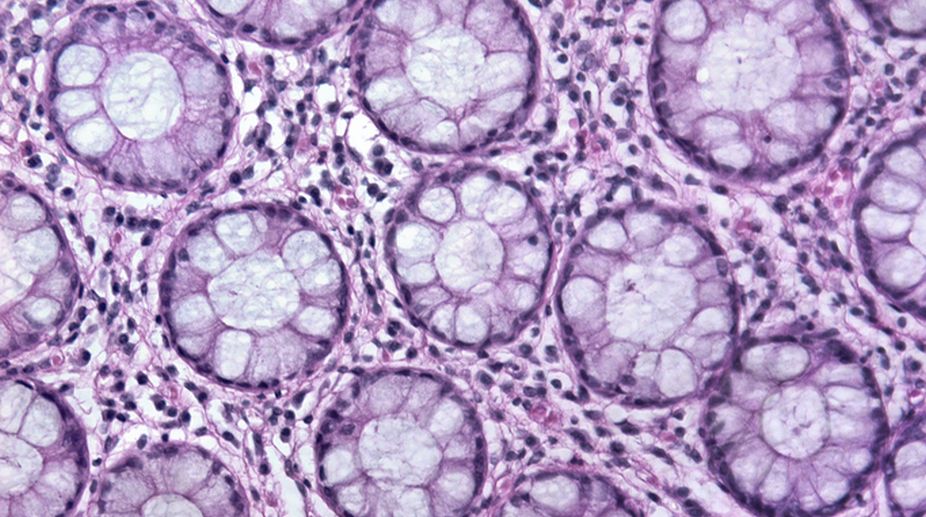
Many kinds of cells — including most of those in our own body — spend all their lives linked to neighbouring cells. In addition, almost all cells have some sort of structure that is external to the plasma membrane but is nonetheless an integral part of the cell, both structurally and functionally. These extracellular structures consist mainly of macromolecules that are secreted by the cell. The chemical nature of the macromolecules differs among organisms but the extracellular structures of most eukaryotes have a common theme — they contain long, flexible fibres embedded in an amorphous, hydrated matrix of branched molecules that are usually glycoproteins or polysaccharides.

Animal cells have an extracellular matrix that takes on a variety of forms and plays important roles in cellular processes as diverse as division, motility, differentiation, and adhesion. In plants, fungi, algae, and prokaryotes, the extracellular structure is called a cell wall — although its chemical composition differs considerably among these organisms. Cell walls confer rigidity on the cells they encase, serve as permeability barriers, and protect cells from physical damage and from attack by viruses and infectious organisms.

Let’s first take a look at the adhesion of cells to each other and to the extracellular matrix, and the several kinds of junctions that link cells together into multi-cellular tissues. Then we will turn to the walls that surround plant cells and the specialised structures that allow direct cell-to-cell communication despite the presence of a wall between neighbouring cells. In each case, we will focus on the molecules involved and the contributions they make to the structural and functional properties of cells.

The extracellular matrix of animal cells takes on a remarkable variety of forms in different tissues. Bone consists largely of a rigid extracellular matrix that contains a tiny number of interspersed cells. Cartilage is another tissue constructed almost entirely of matrix materials, although the matrix is much more flexible than in bone. In contrast to bone and cartilage, the connective tissue surrounding glands and blood vessels has a relatively gelatinous extracellular matrix containing numerous interspersed fibroblast cells.
The ECM plays a role in determining the shape and mechanical properties of organs and tissues. The matrix does more than just provide structural support, however; it also influences properties such as tissue extensibility, cell shape and movement, and development of specialised cellular characteristics.

Despite this diversity of function, the ECM of animal cells almost always consists of the same three classes of molecules — structural proteins such as collagens and elastins, which give the ECM its strength and flexibility; protein-polysaccharide complexes called proteoglycans that provide the matrix in which the structural molecules are embedded; and adhesive glycoproteins such as fibronectins and laminins, which attach cells to the matrix. 

The considerable variety in the properties of the ECM in different tissues results not only from differences in the types of structural proteins and the kinds of proteoglycans present but also from variations in the ratio of structural proteins —collagen, most commonly — to proteoglycans and in the kinds and amounts of adhesive glycoproteins present. We will consider each of these classes of ECM constituents in turn. 

The writer is Associate Professor, Head, Department Of Botany, Ananda Mohan College, Kolkata, and also Fellow, Botanical Society of Bengal, and can be contacted at tapanmaitra59@yahoo.co.in

Diverse functions

Tapan Kumar Maitra |

Many kinds of cells — including most of those in our own body — spend all their lives linked to neighbouring cells. In addition, almost all cells have some sort of structure that is external to the plasma membrane but is nonetheless an integral part of the cell, both structurally and functionally. These extracellular structures consist mainly of macromolecules that are secreted by the cell. The chemical nature of the macromolecules differs among organisms but the extracellular structures of most eukaryotes have a common theme — they contain long, flexible fibres embedded in an amorphous, hydrated matrix of branched molecules that are usually glycoproteins or polysaccharides.

Animal cells have an extracellular matrix that takes on a variety of forms and plays important roles in cellular processes as diverse as division, motility, differentiation, and adhesion. In plants, fungi, algae, and prokaryotes, the extracellular structure is called a cell wall — although its chemical composition differs considerably among these organisms. Cell walls confer rigidity on the cells they encase, serve as permeability barriers, and protect cells from physical damage and from attack by viruses and infectious organisms.

Let’s first take a look at the adhesion of cells to each other and to the extracellular matrix, and the several kinds of junctions that link cells together into multi-cellular tissues. Then we will turn to the walls that surround plant cells and the specialised structures that allow direct cell-to-cell communication despite the presence of a wall between neighbouring cells. In each case, we will focus on the molecules involved and the contributions they make to the structural and functional properties of cells.

The extracellular matrix of animal cells takes on a remarkable variety of forms in different tissues. Bone consists largely of a rigid extracellular matrix that contains a tiny number of interspersed cells. Cartilage is another tissue constructed almost entirely of matrix materials, although the matrix is much more flexible than in bone. In contrast to bone and cartilage, the connective tissue surrounding glands and blood vessels has a relatively gelatinous extracellular matrix containing numerous interspersed fibroblast cells.
The ECM plays a role in determining the shape and mechanical properties of organs and tissues. The matrix does more than just provide structural support, however; it also influences properties such as tissue extensibility, cell shape and movement, and development of specialised cellular characteristics.

Despite this diversity of function, the ECM of animal cells almost always consists of the same three classes of molecules — structural proteins such as collagens and elastins, which give the ECM its strength and flexibility; protein-polysaccharide complexes called proteoglycans that provide the matrix in which the structural molecules are embedded; and adhesive glycoproteins such as fibronectins and laminins, which attach cells to the matrix. 

The considerable variety in the properties of the ECM in different tissues results not only from differences in the types of structural proteins and the kinds of proteoglycans present but also from variations in the ratio of structural proteins —collagen, most commonly — to proteoglycans and in the kinds and amounts of adhesive glycoproteins present. We will consider each of these classes of ECM constituents in turn. 

The writer is Associate Professor, Head, Department Of Botany, Ananda Mohan College, Kolkata, and also Fellow, Botanical Society of Bengal, and can be contacted at tapanmaitra59@yahoo.co.in