Logo

Maha civic polls: People accepted our agenda of transparency, says Fadnavis

SNS |

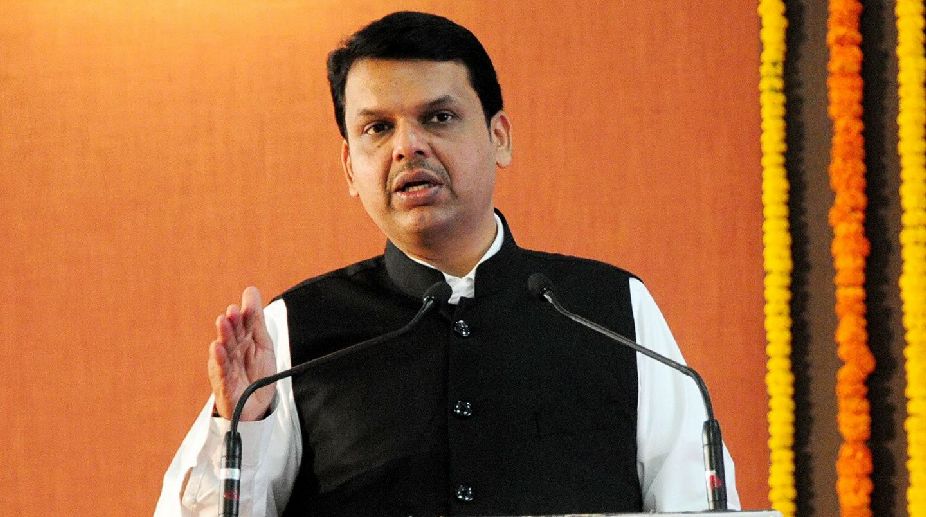
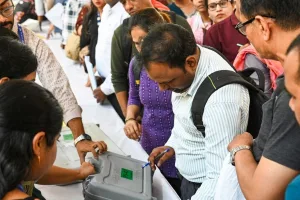
Elated by the Bharatiya Janata Party’s (BJP) stellar showing in the Maharashtra civic polls, Chief Minister Devendra Fadnavis on Thursday said the people of the state had accepted the party’s “agenda of transparency”.

“BJP's win in Maharashtra civic polls is a result of people's acceptance of our agenda of transparency,” Fadnavis said following BJP’s massive gains especially in BrihanMumbai Municipal Corporation (BMC) where it finished second, just three seats short of Shiv Sena's tally of 84.

The Shiv Sena finished on top of a hung BMC even as the BJP said it could take control of India's richest civic body with the backing of independents.

Shiv Sena activists celebrated earlier in the day as it appeared it was set to take control of the BMC but it finished with 84 of the 227 seats. The BJP came close with 81 seats.

Any party or combine will need 114 corporators for a simple majority.

Across Maharashtra, however, the BJP made major gains in elections held for municipal bodies.

An aggressive Shiv Sena had snapped ties with the BJP ahead of the municipal elections and its leader Uddhav Thackeray had expected the Sena to win at least 100 seats, if not an outright majority.

Pul’s wife withdraws letter from SC

PTI | New Delhi |

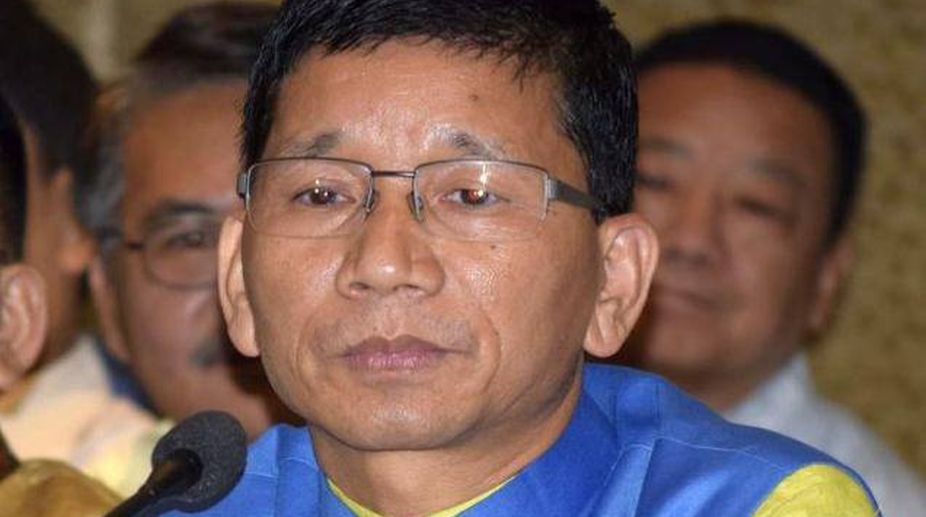
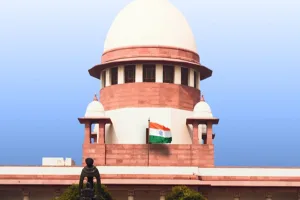
The Supreme Court on Thursday allowed former Arunachal Pradesh Chief Minister Kalikho Pul's widow to withdraw her letter for CBI or NIA probe into the allegations levelled in his purported suicide note against some former and serving persons holding constitutional posts and politicians.

The apex court's order came after the advocate appearing for the former chief minister's wife, Dangwimsai Pul, said Chief Justice of India J S Khehar should not have ordered this issue to be taken up in the judicial side as there are serious allegations.

An assertive senior counsel Dushyant Dave, appearing for Pul, said the matter should be dealt with in administrative side as the dismissal of the case in the judicial side would render the former Chief Minister's widow remediless.

He also expressed reservations over the CJI setting up a two-judge bench to dispose of this "sensitive" matter, saying that in the matter of Calcutta High Court Judge, Justice C S Karnan, the CJI had constituted a seven-judge bench.

However, in the case in hand "which has far more serious implications", the CJI went ahead with the two-judge bench which he should not have done himself as there were serious allegations and setting up of a bench should have been left to the third senior-most judge of the apex court, Dave said.

The senior advocate said he was refraining himself from saying many things in the open court and added that fresh developments have taken place and a former judge of the apex court has met him.

"We would like to know how this matter has been listed before this court. It has to be dealt with in administrative side," Dave told a two-judge bench of Justices Adarsh Kumar Goel and U U Lalit while seeking recusal of the former from hearing the matter on the ground that he was a member in the bench at the Punjab and Haryana High Court when CJI Khehar was also a judge there.

Darwin’s theory of ‘living fossils’ gets support

PTI | London |

Scientists studying the 'living fossil' Sphenodon have identified a new way to measure the evolutionary rate of these enigmatic creatures, giving credence to Darwin's theory of 'living fossils'.

The Sphenodon or tuatara is a relatively large lizard-like animal that once lived on the main islands of New Zealand but has been pushed to smaller, offshore islands by human activity.

Tuataras are not lizards, although they share a common ancestor from about 240 million years ago, and have survived as an independent evolutionary line for all that time.

Researchers at University of Bristol in the UK measured jaw bones from all fossil relatives of the living tuatara, and compared these as evidence of dietary adaptation.

They also examined rates of morphological evolution in the living tuatara and its extinct fossil relatives.

The study confirms two key points: the tuatara has shown very slow evolution, as expected, and importantly, its anatomy is very conservative, researchers said.

"The fossil relatives of the tuatara included plant eaters and even aquatic forms, and were much more diverse than today. We found the living tuatara shares most in common with its oldest relatives from the Triassic," said Jorge Herrera-Flores, PhD student at Bristol.

When Charles Darwin invented the term 'living fossils' in 1859, he was thinking of living species that look just like their ancestors of millions of years ago.

His explanation was they occupied small parts of the world, escaping competition, and therefore did not change.

"Darwin's was not a testable definition. By using modern numerical methods we have now shown that living fossils should show unusually slow rates of evolution compared to relatives," said researcher Tom Stubbs from Bristol.

"Many biologists do not like the term 'living fossil' because they say it is too vague. However, we have presented a clear, computational way to measure evolutionary rate. More importantly, we discovered a second fact about the living tuatara: its adaptations are central among all its fossil relatives," said Mike Benton, Professor at Bristol.

"We can truly say that, numerically, the tuatara is conservative and just like its relatives from over 200 million years ago," said Benton.

"We are with Darwin – we now have a numerical test of what is, and what is not, a living fossil. Importantly, these tests can be applied to other classic examples," Benton added.

Navy frigate Betwa now upright, to be operational by April 2018

Sri Krishna/SNS | New Delhi |

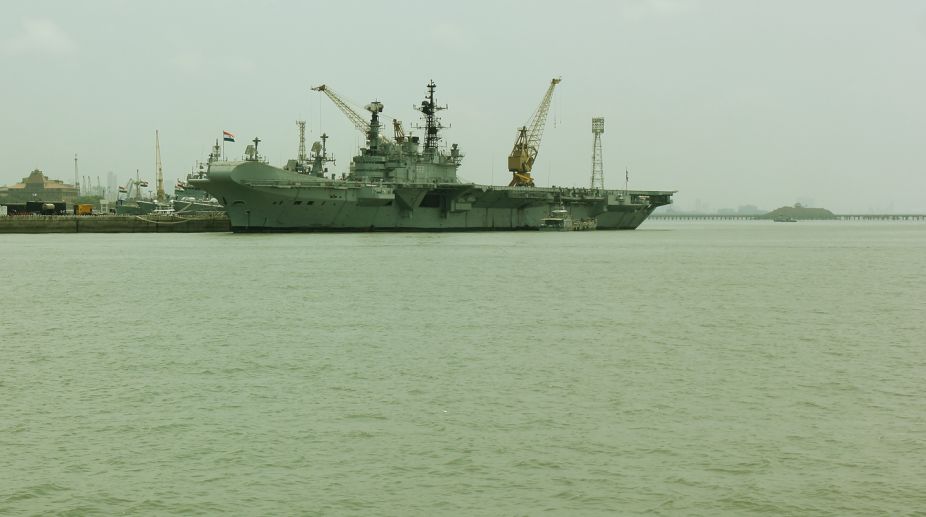
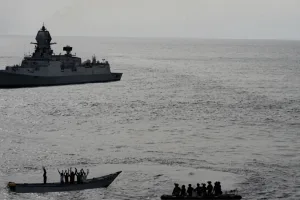
The Indian Navy's frigate, INS Betwa (F39), which had keeled over on her side during undocking on December 5 last year while undergoing major repairs at the Mumbai dockyard was set right on Thursday morning.

The initial stabilisation of the frigate was done within three weeks of its keeling over by 29 December last year.

In a one-of-its-kind accident, the INS Betwa had tipped over and crashed while it was being undocked. Navigators and naval personnel had expressed shock over the incident with the captain describing it as the "rarest of rare" incidents.

Two sailors had died as a result and 14 were injured. According to the Navy, the ship will be ready to sail by April 2018. The frigate was commissioned in July 2004. The 3850-tonne ship has been designed and developed indigenously.

The accident had cracked the sonar system of the frigate, leading to faulty readings and an ingress of saltwater into sensitive equipment.

Betwa, a P-16A Class frigate has been made upright by the efforts of the Naval Dockyard in Mumbai and the American salvage firm Resolve Marine, specially contracted for the operation. The salvage operations were conducted on a war footing. The complete salvage operation involving complex hydrodynamic calculations and rigging up of intricate measuring and monitoring systems was completed in less than two months.

As the ship was undergoing major refit and mid-life upgradation since April 2016, majority of the equipment and machinery had already been removed for routine servicing and replacement with upgraded equipment.

‘Umesh was held back for his ability with old ball’

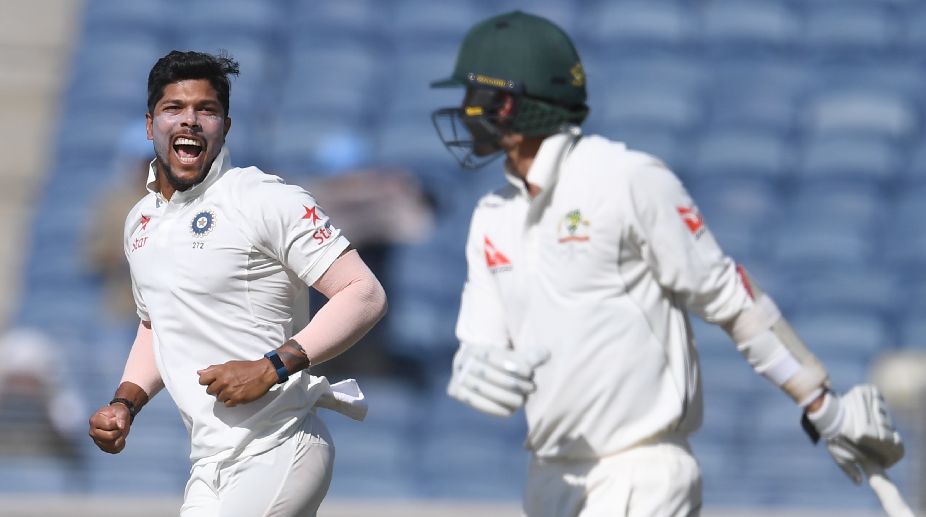
Umesh had the best figures of 4/32 and all his wickets came with the old ball.

PTI | Pune |

A few eyebrows may have been raised finding Umesh Yadav introduced into the attack in the 28th over but Indian team's assistant coach Sanjay Bangar termed it as a part of the plan knowing the Vidarbha speedster's ability to get reverse swing.

Umesh had the best figures of 4/32 and all his wickets came with the old ball.

"Umesh has been to known to bowl well with the old ball. Even in the series against England, you could see he got a lot of reverse swing. We had held him back, expecting that the ball would reverse-swing pretty early in the innings. It was the precise plan to hold him back as there were two left-handers at the top of the order," Bangar said at the media conference.

"It's all part of the plan, wherein you know the instinct or strength that each individual possesses. We know that Ishant (Sharma) has troubled a number of left-handers from the Australian team over the years with his pace and bounce. We wanted to exploit him and give him the first go against left-handers," Bangar explained.

Umesh's ability to pitch the ball a bit fuller helped their cause said the former Railways captain.

"We always knew about the capabilities of Umesh, who can pitch the ball slightly fuller with reverse swing coming very early into the game which we were expecting to happen. That was why he was held back. It was smart thinking by Virat. It helped him remain fresh throughout the day, which made him very incisive in his second and third spells as well, Bangar added.

Bangar said that even Umesh was kept in the loop about the plan that they had for him.

"Definitely. It's part of the communication and that is probably one of the stronger points of this current Indian team," said the former India opener.

Bangar also credited the Indian thinktank for the change in the fast bowlers' attitude.

A lot of credit needs to go to captain and coach for the way they think. It all started with Ravi (Shastri) thinking in that fashion when he was in-charge, and after that Anil (Kumble) continuing in the same vein along with Virat who has been consistent factor in the making of the composition of the team. So, credit to them for having stuck to this combination of five bowlers," said Bangar.

Ticket denial forced Amarinder’s exit from Akali Dal

Pankaj Dhiman/SNS | Chandigarh |

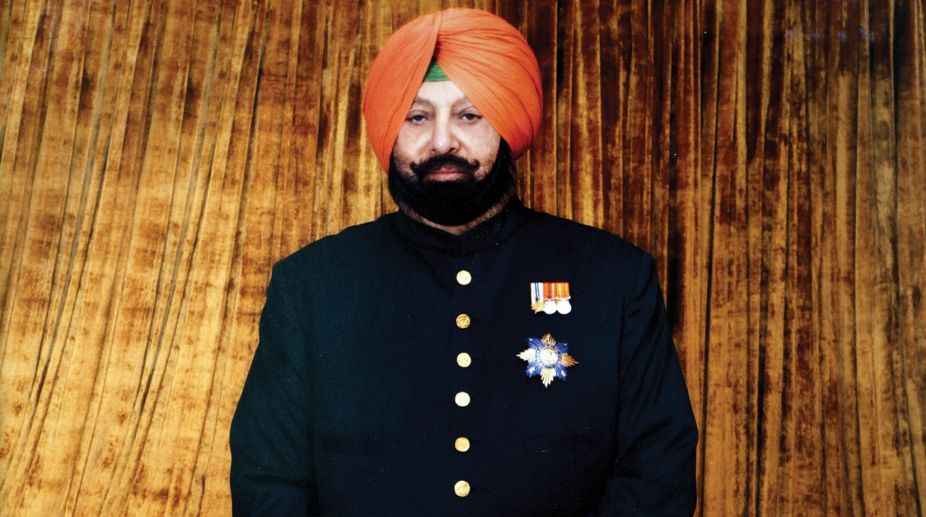
Captain Amarinder Singh apparently quit the Shiromani Akali Dal (SAD) for the Congress following denial of SAD ticket from Bathinda and party's alliance with the  Bhartiya Janta Party (BJP).

The Punjab Congress president's biography  'Captain Amarinder Singh- The People’s Maharaja’, penned by Chandigarh-based author, Khushwant Singh, has revealed that the difference between Captain Amarinder Singh and SAD leader Parkash Singh Badal resulted in the former's exit from the party.

“The seeds of disharmony were sown after the Akali Dal’s decision to join hands with the BJP, and the final exit came during the distribution ofassembly seats. Amarinder Singh, who wanted  to contest from the Bathinda constituency, was denied the ticket as Badal preferred tonominate Chiranji Lal Garg (who later became a minister in the Punjab government)  as the party nominee,” an excerpt from the book reads.

The book reveals that a police officer who was ‘privy’ to the above episode said Capt  Amarinder was not keen to contest from his homeconstituency  Patiala and preferred Bathinda for contesting the Assembly election.

According to the officer, he had conveyed Capt Amarinder's preference to Badal and the latter had agreed (in the morning) for this.

“Since (we did not have) mobile phones during those days, I could not (immediately) convey Badal’s message to Amarinder after which I spoketo Ravi Inder Singh (former Punjab  assembly speaker), who rejected the idea that Amarinder could have agreed to Bathinda. I conveyed the same to Badal. Ravi Inder Singh got in touch with Amarinder in the evening to confirm Amarinder’s plan, but it was too late then. Badal by then had promised Chiranji Lal Garg, the ticket, and he not wanted to change the candidate”, the book says.

“This is just an excuse Badal is making because he had made up his mind not to give me a ticket. He considered me to be a threat to hisleadership in the coming days," claims Capt Amarinder in the book.

Following this, Capt Amarinder quit Akali Dal along with his supporters on 18 January 1997 alleging ‘dictatorship’ on the part of Badal. The book captures the 74-year-old erstwhile Patiala royal's roller-coaster ride, from his childhood days when he battled against mathematics, to his present-day political battles. Interestingly, Capt Amarinder's 75th birthday falls on March 11, the day results of the latest assembly elections will be announced.

Ticket denial forced Amarinder’s exit from Akali Dal

Pankaj Dhiman/SNS | Chandigarh |

Captain Amarinder Singh apparently quit the Shiromani Akali Dal (SAD) for the Congress following denial of SAD ticket from Bathinda and party's alliance with the  Bhartiya Janta Party (BJP).

The Punjab Congress president's biography  'Captain Amarinder Singh- The People’s Maharaja’, penned by Chandigarh-based author, Khushwant Singh, has revealed that the difference between Captain Amarinder Singh and SAD leader Parkash Singh Badal resulted in the former's exit from the party.

“The seeds of disharmony were sown after the Akali Dal’s decision to join hands with the BJP, and the final exit came during the distribution ofassembly seats. Amarinder Singh, who wanted  to contest from the Bathinda constituency, was denied the ticket as Badal preferred tonominate Chiranji Lal Garg (who later became a minister in the Punjab government)  as the party nominee,” an excerpt from the book reads.

The book reveals that a police officer who was ‘privy’ to the above episode said Capt  Amarinder was not keen to contest from his homeconstituency  Patiala and preferred Bathinda for contesting the Assembly election.

According to the officer, he had conveyed Capt Amarinder's preference to Badal and the latter had agreed (in the morning) for this.

“Since (we did not have) mobile phones during those days, I could not (immediately) convey Badal’s message to Amarinder after which I spoketo Ravi Inder Singh (former Punjab  assembly speaker), who rejected the idea that Amarinder could have agreed to Bathinda. I conveyed the same to Badal. Ravi Inder Singh got in touch with Amarinder in the evening to confirm Amarinder’s plan, but it was too late then. Badal by then had promised Chiranji Lal Garg, the ticket, and he not wanted to change the candidate”, the book says.

“This is just an excuse Badal is making because he had made up his mind not to give me a ticket. He considered me to be a threat to hisleadership in the coming days," claims Capt Amarinder in the book.

Following this, Capt Amarinder quit Akali Dal along with his supporters on 18 January 1997 alleging ‘dictatorship’ on the part of Badal. The book captures the 74-year-old erstwhile Patiala royal's roller-coaster ride, from his childhood days when he battled against mathematics, to his present-day political battles. Interestingly, Capt Amarinder's 75th birthday falls on March 11, the day results of the latest assembly elections will be announced.

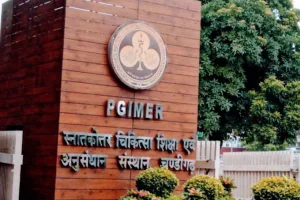
Increasing air pollution, a threat to children: PGIMER doctor

Shalini Sharma | Chandigarh |

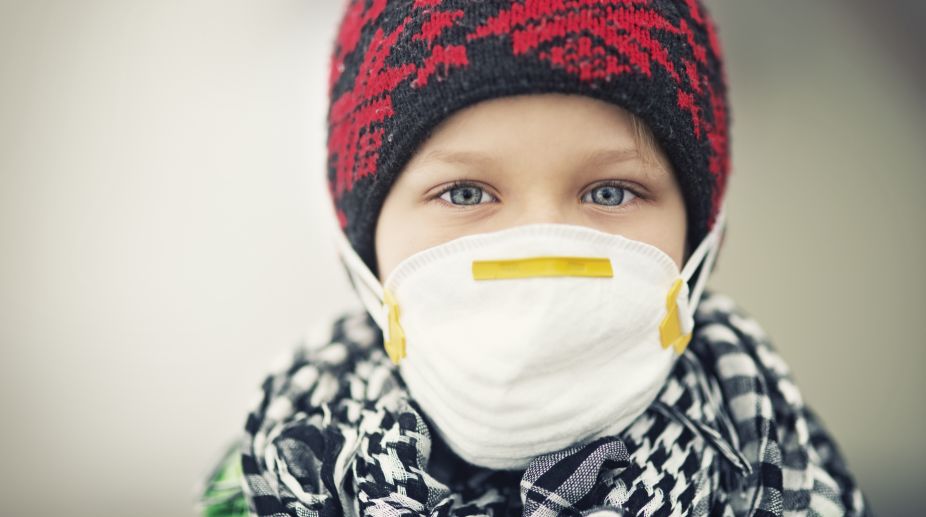
The increasing level of air pollution and climate changes are weakening the respiratory systems of the young generation.

Therefore the problem has spread its cobweb from the laboratories of the scientist and the research work of environmentalist. This was revealed by a known pulmonary expert Dr S K Jindal, former professor who retired as the Head of the Department of Pulmonary
Medicines at the Post Graduate Institute of Medical and Research (PGIMER).

He was speaking on the sidelines of global warming, climate change and disaster management training programme held in PGIMER recently.

Speaking to The Statesman he discussed about the common health problems suffered by the children in these times.

He said, "Childhood pneumonia has increased, the upper respiratory track infections have become a common finding these days."

He further added, "The problem is not limited to a weak respiratory system but it has an effect on the overall growth of the children. They do not grow with a normal weight."

He pointed out the density of pollutants that petrol and diesel add to the environment is damaging to the health. Hoping to see more Compressed Natural Gas (CNG) vehicles on the road, he said, "It will help."

Dr Jindal suggested that keeping the children immunised helps in fighting the allergies. These days when the traditional methods of playing the raw games have become a talk from the past, it is further suggested that with the increased temperature levels and high
pollution it is advisable to keep the children indoors.

He pointed out that during the stubble burning time the asthma attacks in the children rise up to two to three times. The indirect effect of disposing waste in the open and the vehicular pollution are all adding to a weak respiratory system of the younger generation. He said, "More than raising the internal standards, a strict enforcement will help to
tackle the problem."

Increasing air pollution, a threat to children: PGIMER doctor

Shalini Sharma | Chandigarh |

The increasing level of air pollution and climate changes are weakening the respiratory systems of the young generation.

Therefore the problem has spread its cobweb from the laboratories of the scientist and the research work of environmentalist. This was revealed by a known pulmonary expert Dr S K Jindal, former professor who retired as the Head of the Department of Pulmonary
Medicines at the Post Graduate Institute of Medical and Research (PGIMER).

He was speaking on the sidelines of global warming, climate change and disaster management training programme held in PGIMER recently.

Speaking to The Statesman he discussed about the common health problems suffered by the children in these times.

He said, "Childhood pneumonia has increased, the upper respiratory track infections have become a common finding these days."

He further added, "The problem is not limited to a weak respiratory system but it has an effect on the overall growth of the children. They do not grow with a normal weight."

He pointed out the density of pollutants that petrol and diesel add to the environment is damaging to the health. Hoping to see more Compressed Natural Gas (CNG) vehicles on the road, he said, "It will help."

Dr Jindal suggested that keeping the children immunised helps in fighting the allergies. These days when the traditional methods of playing the raw games have become a talk from the past, it is further suggested that with the increased temperature levels and high
pollution it is advisable to keep the children indoors.

He pointed out that during the stubble burning time the asthma attacks in the children rise up to two to three times. The indirect effect of disposing waste in the open and the vehicular pollution are all adding to a weak respiratory system of the younger generation. He said, "More than raising the internal standards, a strict enforcement will help to
tackle the problem."

Islamic State beheads two Iraqi officers

IANS | Baghdad |

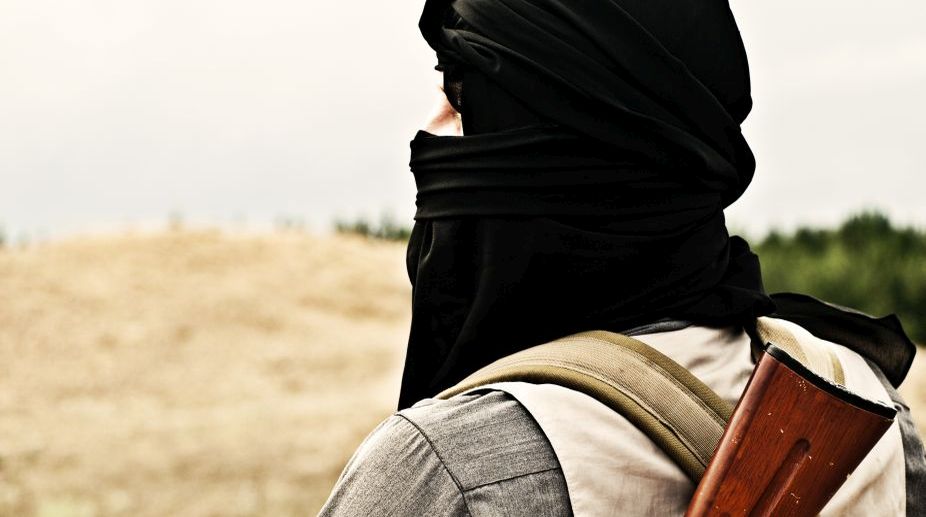
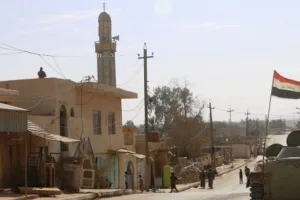
Islamic State jihadists beheaded two Iraqi Army officers in the Shia-majority city of Karbala and posted video footage of the killings online, news site Ara News reported.

The officers, Abbas Yassin Hussein and Ali Al-Daraji, were publicly executed on Tuesday on charges of what IS called "the infidel and apostate government of Iraq", according to Ara News.

The Sunni extremist group also released a statement vowing to continue its fight against all US-backed forces throughout Iraq, Ara News said.

Hussein and Daraji were captured near Karbala in southern Iraq during clashes earlier this week, Ara News said.

Islamic State beheads two Iraqi officers

IANS | Baghdad |

Islamic State jihadists beheaded two Iraqi Army officers in the Shia-majority city of Karbala and posted video footage of the killings online, news site Ara News reported.

The officers, Abbas Yassin Hussein and Ali Al-Daraji, were publicly executed on Tuesday on charges of what IS called "the infidel and apostate government of Iraq", according to Ara News.

The Sunni extremist group also released a statement vowing to continue its fight against all US-backed forces throughout Iraq, Ara News said.

Hussein and Daraji were captured near Karbala in southern Iraq during clashes earlier this week, Ara News said.

Japan’s crown prince hints at readiness to take throne

AFP | Tokyo |

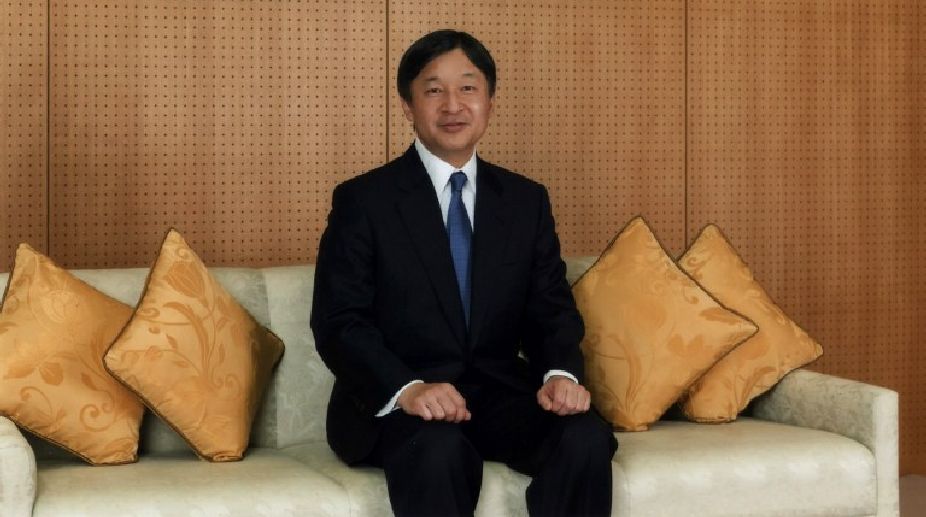
Japan's Crown Prince Naruhito has suggested he is ready to take on the duties of emperor from his father as the country prepares for its expected first imperial abdication in two centuries.

Emperor Akihito, now 83, said in August that his advancing age and weakening health mean he may no longer be able to carry out his duties.

While abdications are far from unknown in Japanese history, the last one was in 1817 and there is no mechanism under current law for an emperor to give up the ancient Chrysanthemum Throne.

The subject is also highly sensitive issue in light of Japan's modern history of war waged in the name of Akihito's father Emperor Hirohito, who died in 1989.

Naruhito, who turned 57 today, held an annual press conference two days before, telling reporters that while he had been "shaken" by his father's announcement, he was prepared to rise to the occasion.

In carefully crafted language, he hinted he is increasingly aware of the responsibility that awaits him.

"I would like to take it into my heart seriously and work on my duties, bearing it constantly in mind," he said.

Akihito's eldest son added that he wants to "pursue a role for the imperial house that matches the needs of each era".

He added that such a role "changes from one era to another as a fresh wind blows in each".

Some scholars and politicians worry the issue could open a can of worms and risk Japan's monarchs becoming subject to political manipulation.

Under the constitution they have only a symbolic role.

Last month, a government panel said Japan could pass a one-off bill allowing Akihito to step down.

The option was one of several presented by the group of experts charged with sorting out the thorny issue.

They are reportedly expected to make a final recommendation in March.

Japan’s crown prince hints at readiness to take throne

AFP | Tokyo |

Japan's Crown Prince Naruhito has suggested he is ready to take on the duties of emperor from his father as the country prepares for its expected first imperial abdication in two centuries.

Emperor Akihito, now 83, said in August that his advancing age and weakening health mean he may no longer be able to carry out his duties.

While abdications are far from unknown in Japanese history, the last one was in 1817 and there is no mechanism under current law for an emperor to give up the ancient Chrysanthemum Throne.

The subject is also highly sensitive issue in light of Japan's modern history of war waged in the name of Akihito's father Emperor Hirohito, who died in 1989.

Naruhito, who turned 57 today, held an annual press conference two days before, telling reporters that while he had been "shaken" by his father's announcement, he was prepared to rise to the occasion.

In carefully crafted language, he hinted he is increasingly aware of the responsibility that awaits him.

"I would like to take it into my heart seriously and work on my duties, bearing it constantly in mind," he said.

Akihito's eldest son added that he wants to "pursue a role for the imperial house that matches the needs of each era".

He added that such a role "changes from one era to another as a fresh wind blows in each".

Some scholars and politicians worry the issue could open a can of worms and risk Japan's monarchs becoming subject to political manipulation.

Under the constitution they have only a symbolic role.

Last month, a government panel said Japan could pass a one-off bill allowing Akihito to step down.

The option was one of several presented by the group of experts charged with sorting out the thorny issue.

They are reportedly expected to make a final recommendation in March.

Demonetisation hits deities at Maha Shivratri in Himachal

Sanjeev Kumar | Shimla |

Even as the officials in Mandi in Himachal Pradesh are upbeat over the inclusion of Devdhwani, the largest folk music ensemble on Maha Shivratri in Limca Book of Records and are aiming at the bigger ensemble this year, they are in a fix over the 'nazrana' to deities owing to cash crunch after demonetisation.

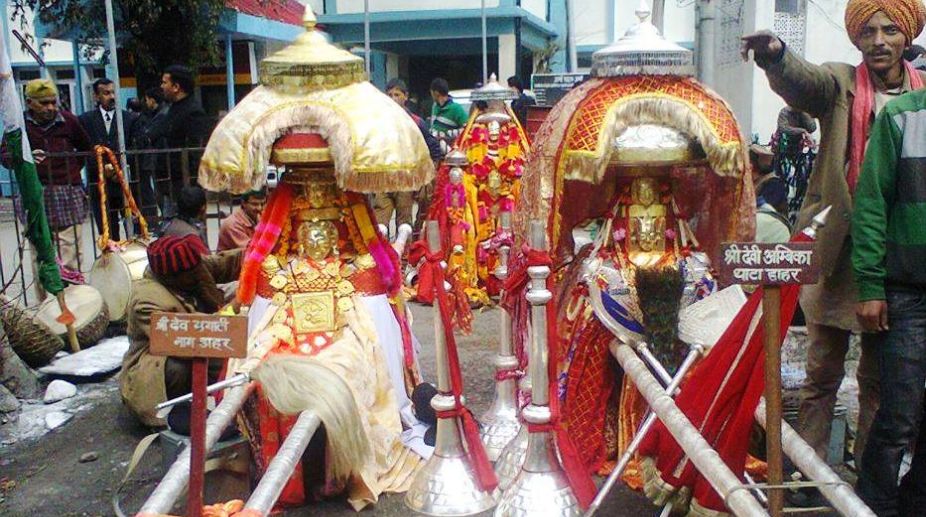
Around 200 deities, who come from far off remote places of the Mandi district, which is also considered as the cultural capital of Himachal, attend the International Maha Shivratri every year at Paddal Ground, around 150 kms from here.

These deities are paid a maximum of Rs.20,000 (termed as Najrana) for visiting the Shivratri Fair which was started by erstwhile King of Mandi, Ishwari Sen in 1792 after he was released from captivity by Gurkhas.

The Shivratri festival will be celebrated from 24 February (Shivaratri day) for seven days till 2 March this year.

The ‘Najrana’ to deities is paid every year by the district administration as per the distance covered by its ‘Kardars’ (priest & servants of a deity).

Mandi based social activist, Hem Singh Thakur said the district administration had sent invitation to registered deities but without any official information for the ‘Kardars’ to open their bank accounts.

“It is impossible for them to open bank accounts due to lack of banking facilities in many remote areas near the abode of these deities. And by the time the information on opening of bank accounts reached the deities, they had already started off from their places,” he said.

Some of the deities take more than 20 days to reach the festival ground in Mandi as they come all the way walking up and down the hills.

Thakur said the cashless system is not feasible as most of the people, who carry deities to Paddal Ground in Mandi are not the same year.

“The deities are carried on palanquins or rathas (chariots by people) to Mandi by members of different castes (mostly Brahmins & Kshatriyas) every year, in rotation wise,” he added.

Talking to The Statesman, Deputy Commissioner, Mandi, Sandeep Kadam said earlier the district administration was planning to transfer the ‘Najarana’ or honourarium by cashless system. “But considering the banking facilities in the villages from where these deities arrive, we have now scrapped the plan,” he said.

Kadam added we are now making alternate arrangements for paying honourarium to the deities.

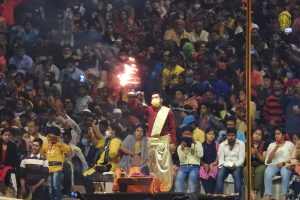
The Mandi festival or International Maha Shivratri Fair is particularly famous as it transforms Mandi town into a venue of grand celebration when all gods and goddesses assemble on the banks of Beas River, starting on Shivaratri.

On the occasion, every deity is decorated and the deity visits Madho Rai temple first to pay obeisance to Lord Vishnu and then proceed to the palace in a colourful procession called the Shoba Yatra or 'Zareb’.

Thereafter, all the deities pay obeisance to Lord Shiva at the Bhootnath temple where the main festival of Shivaratri is held for seven days.


Demonetisation hits deities at Maha Shivratri in Himachal

Sanjeev Kumar | Shimla |

Even as the officials in Mandi in Himachal Pradesh are upbeat over the inclusion of Devdhwani, the largest folk music ensemble on Maha Shivratri in Limca Book of Records and are aiming at the bigger ensemble this year, they are in a fix over the 'nazrana' to deities owing to cash crunch after demonetisation.

Around 200 deities, who come from far off remote places of the Mandi district, which is also considered as the cultural capital of Himachal, attend the International Maha Shivratri every year at Paddal Ground, around 150 kms from here.

These deities are paid a maximum of Rs.20,000 (termed as Najrana) for visiting the Shivratri Fair which was started by erstwhile King of Mandi, Ishwari Sen in 1792 after he was released from captivity by Gurkhas.

The Shivratri festival will be celebrated from 24 February (Shivaratri day) for seven days till 2 March this year.

The ‘Najrana’ to deities is paid every year by the district administration as per the distance covered by its ‘Kardars’ (priest & servants of a deity).

Mandi based social activist, Hem Singh Thakur said the district administration had sent invitation to registered deities but without any official information for the ‘Kardars’ to open their bank accounts.

“It is impossible for them to open bank accounts due to lack of banking facilities in many remote areas near the abode of these deities. And by the time the information on opening of bank accounts reached the deities, they had already started off from their places,” he said.

Some of the deities take more than 20 days to reach the festival ground in Mandi as they come all the way walking up and down the hills.

Thakur said the cashless system is not feasible as most of the people, who carry deities to Paddal Ground in Mandi are not the same year.

“The deities are carried on palanquins or rathas (chariots by people) to Mandi by members of different castes (mostly Brahmins & Kshatriyas) every year, in rotation wise,” he added.

Talking to The Statesman, Deputy Commissioner, Mandi, Sandeep Kadam said earlier the district administration was planning to transfer the ‘Najarana’ or honourarium by cashless system. “But considering the banking facilities in the villages from where these deities arrive, we have now scrapped the plan,” he said.

Kadam added we are now making alternate arrangements for paying honourarium to the deities.

The Mandi festival or International Maha Shivratri Fair is particularly famous as it transforms Mandi town into a venue of grand celebration when all gods and goddesses assemble on the banks of Beas River, starting on Shivaratri.

On the occasion, every deity is decorated and the deity visits Madho Rai temple first to pay obeisance to Lord Vishnu and then proceed to the palace in a colourful procession called the Shoba Yatra or 'Zareb’.

Thereafter, all the deities pay obeisance to Lord Shiva at the Bhootnath temple where the main festival of Shivaratri is held for seven days.

Centre won’t intervene in Ramjas college issue: Javadekar

PTI | New Delhi |

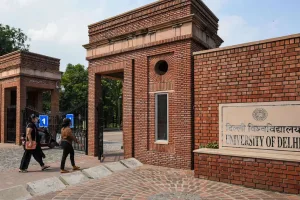
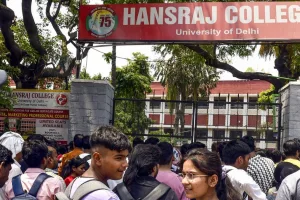
The government on Thursday ruled out any intervention in connection with the violence at Ramjas College, saying Delhi University is an autonomous institution and police will take required action.

"How can we intervene? They are an autonomous university."

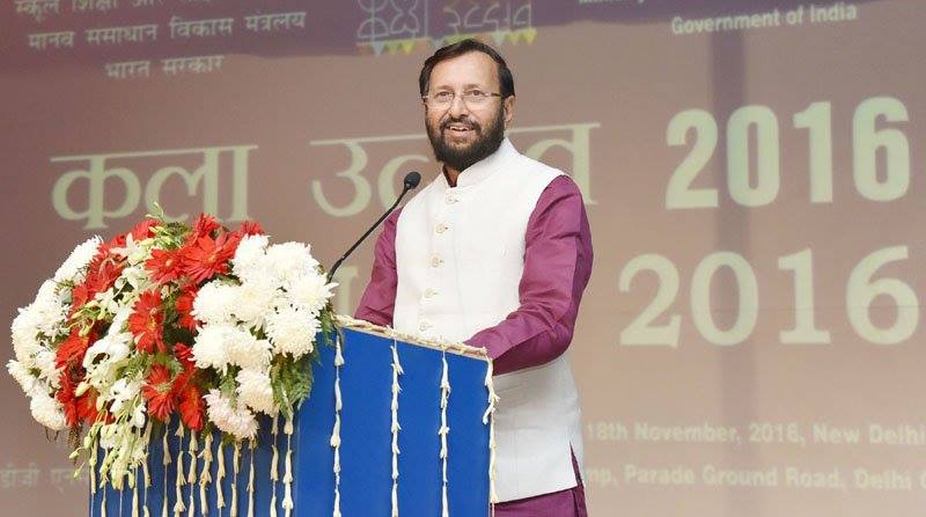
"Police will investigate and take required action," Union HRD Minister Prakash Javadekar said on the sidelines of an event here.

"Nobody… neither the university, college administration nor the students have approached us for help so far," he replied to a query about law and order situation on the campus."

Ramjas College had turned into a battleground yesterday as students of Left-affiliated AISA and the RSS-backed ABVP armed with hockey sticks rained blows on each other, causing injuries to many.

The genesis of the clash was an invite to JNU students Umar Khalid, facing sedition charge, and Shehla Rashid to address a seminar on 'Culture of Protests' which was withdrawn by the college authorities following opposition by the ABVP.

A few policemen and journalists were also roughed up yesterday during the violence after students from DU and JNU gathered outside the college to hold a protest march against ABVP's threat to call off the seminar.

They were demanding action against the ABVP members, who had allegedly heckled and thrown stones at students gathered for a seminar at a conference hall where Umar Khalid was invited to speak.

Before the march could take off, ABVP members reached the spot and clashed with the demonstrators despite heavy police deployment.

While a senior Delhi Police official on Thursday acknowledged the personnel handled the clashes in an "unprofessional" manner, the agitating students have demanded that multiple FIRs be registered on the basis of complaints filed by injured students and teachers.
Centre won’t intervene in Ramjas college issue: Javadekar

PTI | New Delhi |

The government on Thursday ruled out any intervention in connection with the violence at Ramjas College, saying Delhi University is an autonomous institution and police will take required action.

"How can we intervene? They are an autonomous university."

"Police will investigate and take required action," Union HRD Minister Prakash Javadekar said on the sidelines of an event here.

"Nobody… neither the university, college administration nor the students have approached us for help so far," he replied to a query about law and order situation on the campus."

Ramjas College had turned into a battleground yesterday as students of Left-affiliated AISA and the RSS-backed ABVP armed with hockey sticks rained blows on each other, causing injuries to many.

The genesis of the clash was an invite to JNU students Umar Khalid, facing sedition charge, and Shehla Rashid to address a seminar on 'Culture of Protests' which was withdrawn by the college authorities following opposition by the ABVP.

A few policemen and journalists were also roughed up yesterday during the violence after students from DU and JNU gathered outside the college to hold a protest march against ABVP's threat to call off the seminar.

They were demanding action against the ABVP members, who had allegedly heckled and thrown stones at students gathered for a seminar at a conference hall where Umar Khalid was invited to speak.

Before the march could take off, ABVP members reached the spot and clashed with the demonstrators despite heavy police deployment.

While a senior Delhi Police official on Thursday acknowledged the personnel handled the clashes in an "unprofessional" manner, the agitating students have demanded that multiple FIRs be registered on the basis of complaints filed by injured students and teachers.