Logo

Won Cannes award without using my Dalit identity: Ghaywan

IANS | Mumbai |

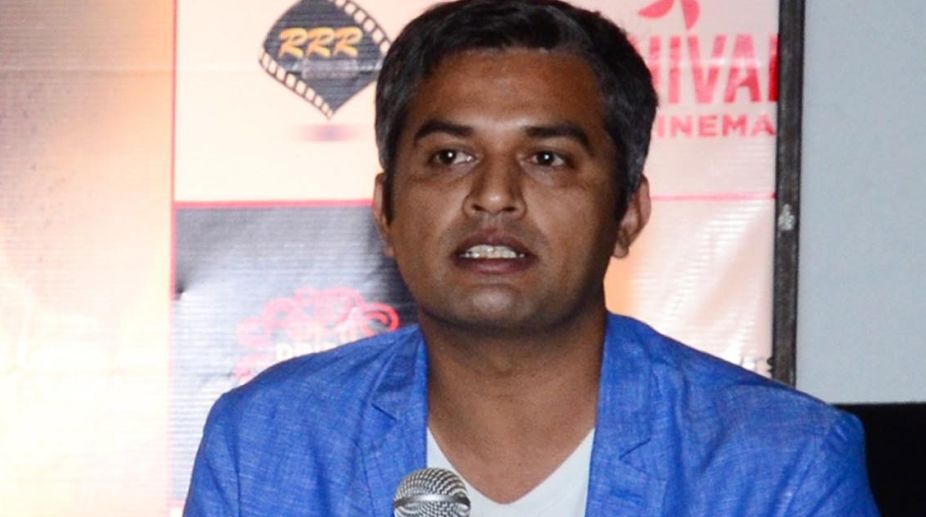
Acclaimed filmmaker Neeraj Ghaywan responded to a casteist tweet by fellow filmmaker Vivek Agnihotri by saying he won the award at the prestigious Cannes Film Festival without using his Dalit identity.

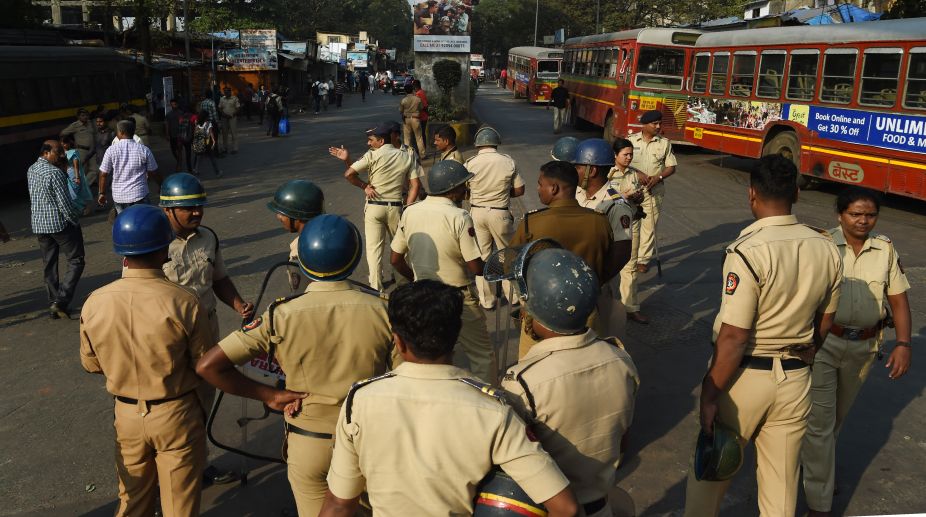
Amidst the unrest in Maharashtra over clashes between Dalits and Maratha groups, Agnihotri spoke about how he once saw a grandson of a Dalit leader in a Business Class seat in a plane while he himself, a Brahmin, was seated in the Economy Class and remarked that the “pyramid is inverted”.

Ghaywan on Wednesday replied to Agnighotri: “I am a Dalit. I won the Cannes Film Award for our country. Also the Cannes advertising award. I won the National award and the Filmfare award. All without using my Dalit identity. And yes, I fly Business Class now and I will offer you my seat next time you are on the same plane.”

A shutdown called by Dalit parties hit Maharashtra on Wednesday following Monday’s riots in Pune district.

Government pocketing profits as crude oil prices fall: Kharge

IANS | New Delhi |

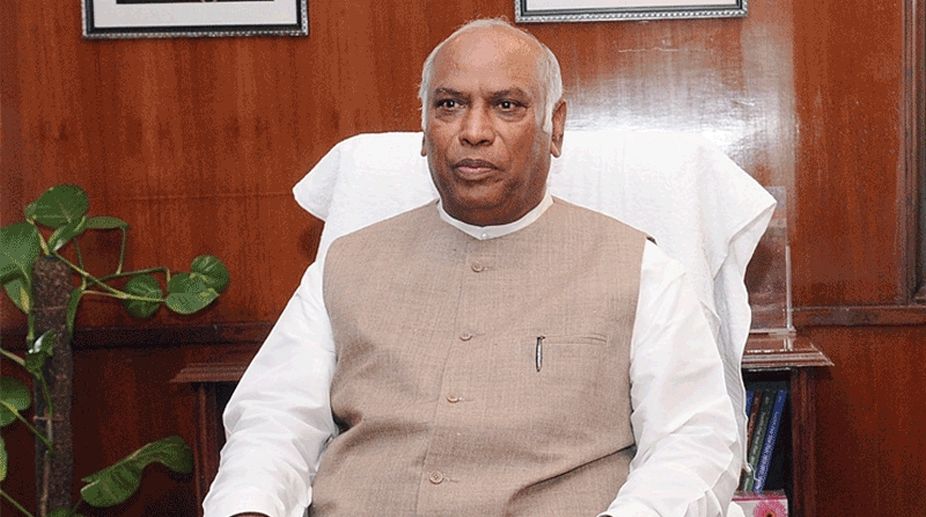
Congress leader Mallikarjun Kharge on Thursday questioned the government on why the benefit of lower crude oil prices was not being passed on to the consumers.

He said the government has also slashed funds for all welfare schemes.

Raising the issue in the Lok Sabha during zero hour, Kharge said: “Consumers are not getting any benefit of the low crude oil price, the entire money is going into the government’s coffers.”

He said the government has earned a profit of Rs 550,000 crore due to low crude oil prices.

“They have cut the finance for all welfare schemes… The government should tell which social welfare scheme they have invested the money in,” he added.

IPL Auction 2018: Here is everything you need to know about Players’ Retention policy

In Pre auction retention, every single franchise taking part in the tournament can retain a maximum of three players.

SNS | Mumbai |

The 11th edition of the most talked about cricket tournament, Indian Premier League (IPL) 2018, is still far away, yet all the franchises taking part in the event have started preparing to dominate the event.

The IPL started in 2007 and with the end of its 10th season, every team has a chance to prepare from start as the players’ contract has expired.

The mega IPL auction is going to take place on Jan 27 and 28 in Bengaluru. And ahead of the auction, the player retention is going to commence in Mumbai on January 4.

Well, ahead of the auction, here is everything that you need to about the IPL 2018 Players’ Retention Policy:


What is Pre auction Retention?

In Pre auction retention, every single franchise taking part in the tournament can retain a maximum of three players.

For a sum of Rs 33 Crore, 3 players can be retained.

For a sum of Rs 21 Crore, 2 players can be retained.

For a sum of Rs 12.5 Crore, 1 player can be retained.


Right-to-Match card

The Right-to-match card is like a trump card for every franchise. It gives a chance to franchise to retain a player at the same auction price.


Squad size of every franchise

Every single franchise taking part in the 11th edition of IPL can have maximum 25 and minimum 18players in their side. In the 25-member squad, a franchise can have a maximum of eight foreign players in their squad.


List of players who are likely to be retained by their teams:

MI – Pandya Brothers, Rohit Sharma

KKR – Chris Lynn, Andre Russell, Manish Pandey

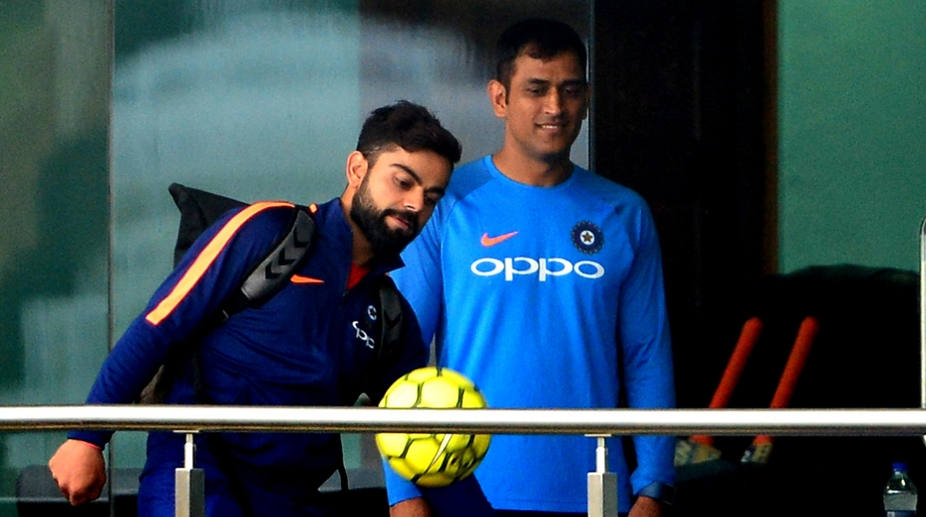
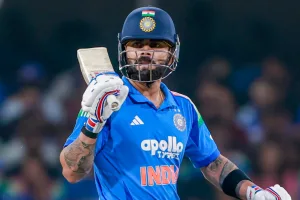
RCB – AB De Villiers, Virat Kohli

SRH – Bhuvneshwar Kumar, David Warner, Shikhar Dhawan

RR – Ajinkya Rahane, Steve Smith

CSK – MS dhoni, Suresh Raina, DJ Bravo

KXIP – David Miller, Glenn Maxwell

DD – Shreyas Iyer, Rishabh Pant

Kim, Kanye ban jewellery from new home

IANS | Los Angeles |

Reality TV star Kim Kardashian and husband Kanye West, who moved into their new mansion here a few weeks ago, have banned jewellery at the property.

“Kim decided to put the policy in place at the Hidden Hills home because she doesn’t want it to be a target for thieves,” a source told tmz.com.

Kim’s collection of jewellery, which is worth millions, is being stored elsewhere and in “under constant supervision, with very elaborate security measures to get to it”, the source shared.

While there won’t be any expensive ornament at Kim’s new home, she will still live under tight security every time.

According to the site, the couple decided to do so as “the trauma of the Paris robbery is still on Kim and Kanye’s minds”.

After ‘DJ’ Pooja Hegde signs another film for Dil Raju

SNS | New Delhi |

After actress Pooja Hedge wowed audiences with her role in ‘DJ'(Duvvada Jagannadham), she has signed another big Telugu film officially for the same producer and seems to be in a contract with Dil Raju.


The actress will be paired up with hero Nithiin in Dil Raju’s next production called ‘Srinivasa Kalyanam’.


Srinivasa Kalyanam will be directed by Sateeh Vegesna who was responsible for the fame of ‘Shatamanam Bhavati’.


The actress is also being considered as the main heroine in many other films such as the one directed by director Vamshi Paidipally and produced by Dil Raju in a role opposite Mahesh Babu.


She will also be seen playing opposite Belllamkonda Sai Srinivas in his movie titled ‘Sakshayam’ and has agreed to do an item song for Ram Charan’s movie ‘Rangasthalam’.

Delhi Metro card to be valid in 250 city buses from 8 Jan

SNS | New Delhi |

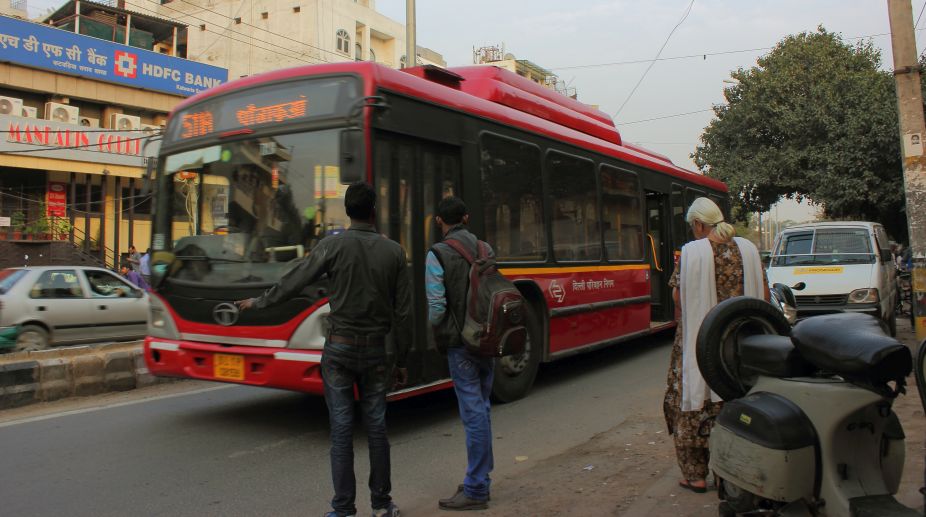
From 8 January, Delhi Metro cards will be valid in 250 select city buses for a month-long trial period under the ‘Common Mobility Card’ project that will eventually seek to merge Metro and bus travel. The 250 buses include 200 DTC buses and 50 cluster buses.

The move is part of a month-long trial to shift to a ‘Common Mobility Card’ which could be used to travel in Metro, Delhi Transport Corp (DTC) buses and cluster buses in the capital.

On Wednesday, Delhi Transport Minister Kailash Gahlot said the project would be rolled out in all city buses by 1 April.

During the one-month trial, by tapping the Metro card on an Electronic Ticketing Machine– currently used by conductors to issue tickets– in a bus, a ticket would be generated, which would also reveal the balance in the passenger’s Metro card.

The idea was first floated in 2010. Gehlot said it was delayed due to technical issues and lack of political will.

The money deducted from commuters’ Metro cards will go to Delhi Metro Rail Corp (DMRC), which currently issues the Metro cards. The money will be later transferred to the Delhi government, which has the Reserve Bank of India’s permission.

Also read: Dip in metro smart card sales, DMRC says fluctuation ‘normal’

The minister said a MoU would be signed with DMRC on Thursday.

Gahlot said that after the trial period, a new card would be designed which would have both DMRC and Delhi government etched on it.

Commuters would be able to purchase and recharge these cards at all Metro stations, railway stations, airports, Inter State Bus Terminals (ISBTs) and DTC bus pass counters.

The Minister said the government had been carrying out unofficial trial runs for the past two months to resolve different issues.

Intel confirms reports of hacking vulnerability in its chips, promises to fix asap

SNS |

The world’s top chip maker Intel Corp on Wednesday confirmed a report about a potential security flaw in its Chips that is vulnerable to hacking and promised to fix the bug as soon as possible.

Security researchers at Google said they discovered serious security flaws in Intel chips and other chipmakers. The security bug, if used for malicious purposes, has the potential to improperly gather sensitive data from computing devices. “Recent reports that these exploits are caused by a ‘bug’ or a ‘flaw’ and are unique to Intel products are incorrect,” Intel was quoted as saying.

Intel also said that the vulnerability is not unique to their products. It argued that “many types of computing devices – with many different vendors’ processors and operating systems – are susceptible to these exploits.”

However, Intel said it is working with its tech partners such as AMD, ARM Holdings and several operating system vendors, to develop an industry-wide approach to resolve this issue “promptly and constructively.”

AMD said in a statement that it believes its chips are safe because they use different designs, reported Los Angeles Times.

“Intel has begun providing software and firmware updates to mitigate these exploits,” and average computer user won’t experience significant slowdowns as it’s fixed, noted press statement from Intel.

(Written with agency inputs)

Bodies of two police jawans found in roadside pit

PTI | Munger (Bihar) |

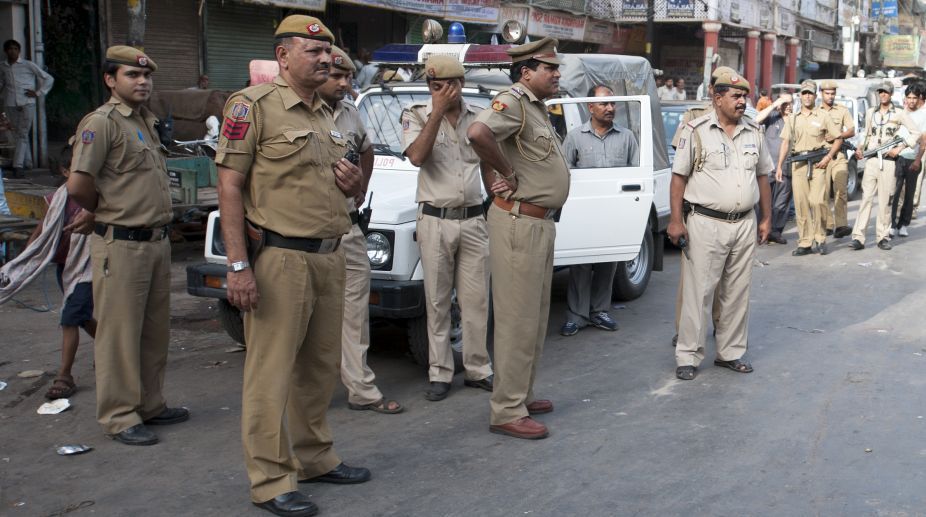
Two Bihar police jawans were found dead inside a pit on the roadside here in the early hours of this Thursday, in what appears to be a road mishap, police said.

The bodies of Dhananjay and Pankaj, both jawans of the Special Task Force posted in the district, were found inside a pit close to the road near Shyampur outpost, Superintendent of Police, Munger, Ashish Bharti, said.

He said the motorcycle which they were riding was also lying in the pit in a mangled condition and it appeared that their two-wheeler was hit by some vehicle in the early hours when the dense fog had enveloped the area.

The bodies were spotted by local villagers who informed the police, the SP said adding that a detailed investigation was being carried out to ascertain the cause of the deaths.

First lookout ‘Kammara Samabhavam’: Dileep in a never before seen avatar

SNS | New Delhi |

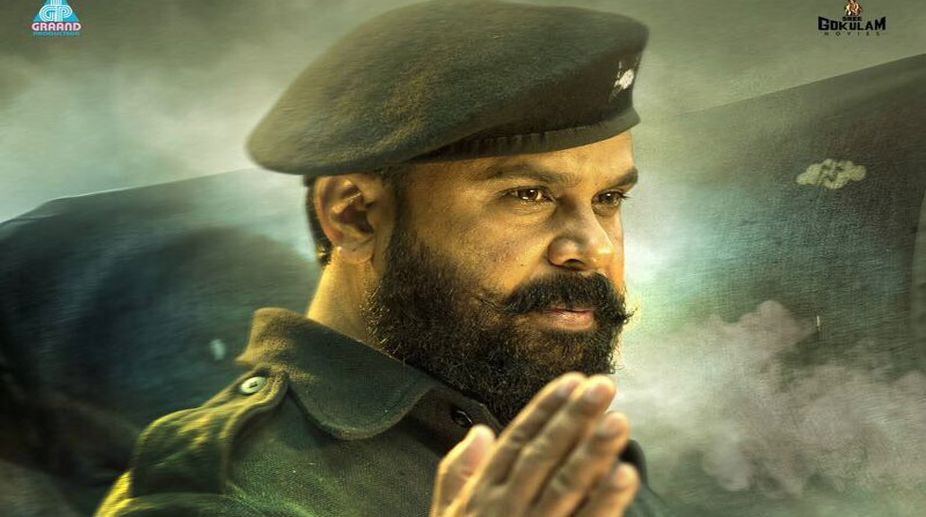
Actor Dileep, who is known for his slapstick comedy in the south, will be seen in a never before seen avatar in his upcoming film, Kammara Samabhavam.

The film was reportedly delayed for months due to its lead actor being jailed in the actress assault case.

The film Kammara Samabhavam has Namitha Pramod as the female lead and Murali Gopy and Tamil actor Sidharth can also be seen in prominent roles throughout the film

The film is expected to hit theatres within a few months.

A story of a house on a beach

IANS |

Book: A House for Mr Misra

Author: Jaishree Misra

Publisher: Westland Publications

Price: Rs 399

Pages: 199

“My Home! I would spare a thousand houses on you and prefer never leave your door.”

Throughout our lives, we try hard to build a house of our choice so that we can find the essence of living in a family. We invest time, money and resources — a process that consumes everybody, yet there is a strange satisfaction one finds in sharing that personal space with the family.

However, when one is away, the longing to be there is so intense that words can hardly express it. Perhaps the homeless can better explain. But is it the limitations you face — or your situation, where life takes you — that define whether you’ll accomplish your dreams? And how does the entire process work, from dreaming of a house to attempts at converting it into a reality — and where does it eventually take you?

For author Jaishree Misra, who spent most of her time watching films as an examiner at the British Board of Film Classification, it was the recession that blew in from America and hit British shores that set the stage for her new book, “A House for Mr Misra”. The attempt at non-fiction is the author’s first; she is otherwise known for her eight fiction novels and an anthology she edited for Save the Children India.

The theme around which she writes is why Malayalis (Misra is the great-niece of the late Thakazhi Sivasankara Pillai — famous Malayalam writer and Jnanpith awardee) generally foresee the consequences of an action before doing something, which also applies to her.

“It is my belief that the typical Malayali brain has an overdeveloped fear/anxiety centre in the amygdala, which is why, when presented with a decision as innocent as say, whether to buy an ice-cream cone, it’s the worst case scenario that I always consider first, e.g., Hepatitis B, typhoid, gastroenteritis and sore throat, roughly that order — until I finally succumb to temptation,” she writes in the first chapter.

This amygdala, for the author, is also the reason why the sea in Kerala is respected and feared the most, unlike in Western countries where beaches are the places for “relaxation and pleasure”.

Her husband, who appears as Mr M in this book, was 18 when he moved to London from India for a “decent education and job”. Following the recession, the prospects of Mr M’s freelance job as a consultant to Deloitte also faded away.

That’s when they decided it was time to take a break, and travel to India. The idea of taking such a step, Misra writes, was also that Mr M would begin work on his longheld dream of a house on a beach, while she wrote a book or two.

This is how the story goes, with Misra noting the experience of homecoming after years amidst post-demonetisation India. She details how they decided to buy a plot of land at Veli, in the vicinity of Kerala’s capital Thiruvananthapuram, and then contracted a builder to construct the house near the shore — and the issues that cropped up.

Along the way, the couple faced trouble from different quarters. There were issues such as mistreatment by, and social reluctance of, the locals, including government officials, largely due to the notion: “Those who left India are second-generation foreigners for whom the Malayali culture and language are distant.”

Misra repeatedly faced situations which made her realise that for most Malayalis, she and her husband were outsiders — ones who “spoke funny, wore funny and had a weird attitude”.

Despite the shortcomings, the couple remains determined — even when it is discovered that the builder has swindled them. This eventually led to their parting ways with him midway through the project.

Later, another builder was located but issues like environmental clearance came up. Official intervention, however, came in handy. There was also a stay on the project but this hurdle too was overcome.

The house is eventually completed — but they end up living in it for only one year before they vacate it for a prolonged period. The reason? “Due to the ever-changing circumstances of our lives.”

Throughout the book’s 22 chapters, the author touches on — with humour and sarcasm — the major problems people in India face due to corruption, nepotism, pollution, gender bias, mad traffic jams and alcoholism.

Thus, her take at the bottom line: “When a clever Malayali tells me he is thinking, I know enough to retire silently.”


‘Bright’ sequel with Will Smith in works

IANS | Los Angeles |

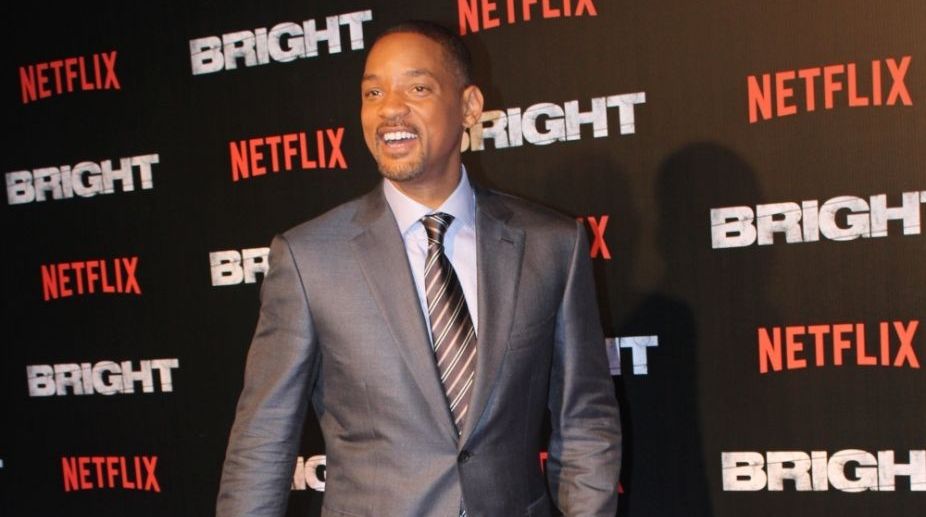
American internet entertainment company Netflix will move forward with a sequel to “Bright” a fantasy film starring Will Smith and Joel Edgerton.

According to Netflix, David Ayer, who helmed “Bright”, will write and direct the sequel. Smith and Edgerton are expected to return as an LAPD officer and his orc partner respectively. Original screenwriter Max Landis will not return.

“Bright” got mixed reviews when it opened on December 22. Ayer picked up a story with modern-day sensibilities but added mythological characters to give it a fantastical touch — while addressing real issues.

The action-thriller, which takes place in an alternate, present-day Los Angeles, tells the story of two police officers, one human, the other an orc, who get thrown in together but bond and get to know each other during a rough night. There are racial undertones, a focus on diversity as well as the class divide.

Smith along with Edgerton, Noomi Rapace and Ayer came to India to promote the film.

When IANS asked about plans to helm a sequel, Ayer said he was willing to come back to the universe of “Bright”.

“It is a big world and it was the best experience in my career making this and if the audience want more after they see it, I definitely see myself coming back,” said the director.

‘Baahubali 2’ scores 100 per cent on Rotten Tomatoes

SNS | New Delhi |

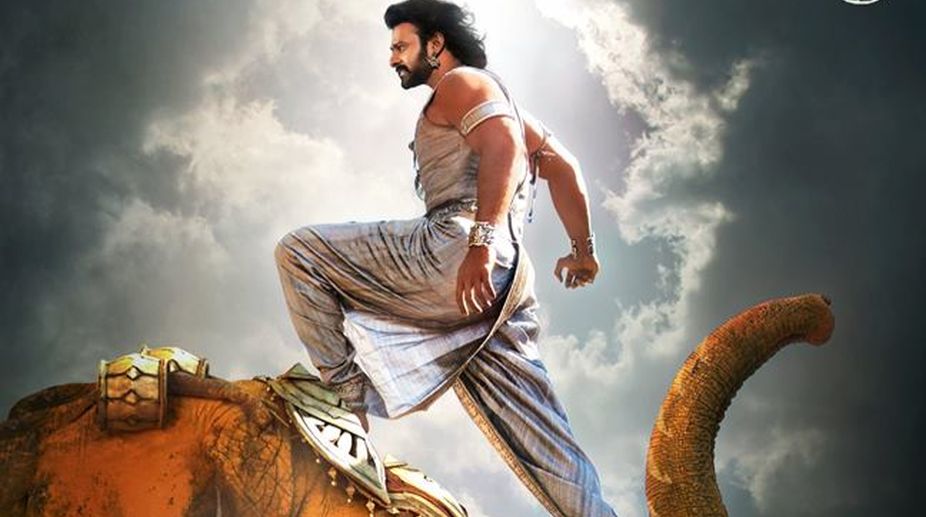
Prabhas starrer Baahubali 2 recently added one more feather to its cap as popular global rating website Rotten Tomatoes ranked the film as one of the best films of 2017 by scoring a perfect 100 on the Tomatometer.

The magnum opus has become one of the highest grossing films of all time and after getting a mention on IMDb’s best films of 2017, Baahubali 2 got another achievement to be proud of when the film was ranked the second best film of 2017 on Rotten Tomatoes.

S S Rajamouli’s epic action film broke all records in 2017 and grossed more than Rs.1000 crore worldwide in the opening week, which has not been achieved by any film so far.

But what makes the film’s achievements even more memorable is the fact that it was the only Indian film to get featured in the annual list of Rotten Tomatoes best films of 2017.

Baahubali 2 also scored 87 per cent audience score, which was an analysis of the people who rated the film more than 3.5 stars.

Along with the mention, the website wrote: “‘Baahubali 2: The Conclusion’ plays like a shotgun wedding between ‘Ben Hur’ and ‘Kung Fu Hustle’, seasoned with bits of Shakespeare, Kurosawa, and Buster Keaton. In other words, it’s a blockbuster that’s both gigantic and lighter than air,

The story of The Beginning was as simple as a fairy tale and as resonant as a myth, but with The Conclusion, director S S Rajamouli has cranked everything to 11; rarely have action sequences this gravity- (and logic-) defying been captured on film.

What separates this epic (which was a massive hit in India and within the South Asian diaspora) from its American brethren is its sincerity and optimism: its righteous titular hero (played by Prabhas) and his band of honorable men and women clash with scheming, corrupt bad guys, and it feels alternately old-fashioned and refreshingly bold. It’s the kind of film that reminds us why we love going to the movies,”

Well, that’s indeed a proud moment for both the film and the country.

Directed by S S Rajamouli. Baahubali 2 featured Prabhas, Rana Daggubati and Anushka Shetty in the lead roles.

Vigilance to register case against ex-Kerala Minister

IANS | Kottayam (Kerala) |

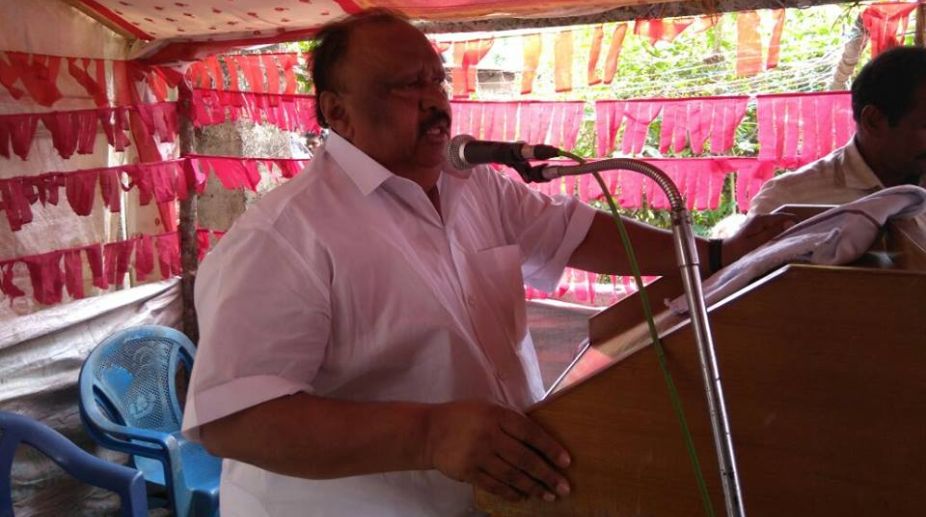
A vigilance court in Kerala on Thursday directed that a case is registered against former state Transport Minister Thomas Chandy in a land grabbing case.

Fresh trouble surfaced for Chandy as the Kottayam Vigilance Court directed the Vigilance Department to register the case in the usurping of government land near the former Minister’s plush resort in Alappuzha.

Chandy had to quit as Minister in November 2017 for the very same reason. He had then claimed that he has “done no wrong”.

The court order came after the Vigilance Department submitted a quick verification report on the allegation of land usurping, which said that “there was merit in the allegation as pointed out by a petitioner”.

The court also asked the Vigilance Department to submit its initial report on January 18.

This has dashed Chandy’s hope of returning to the cabinet anytime soon.

Chandy is a three-time legislator belonging to the Nationalist Congress Party.

Indian Railways to install GPS on 2,700 electric train engines in partnership with ISRO

IANS |

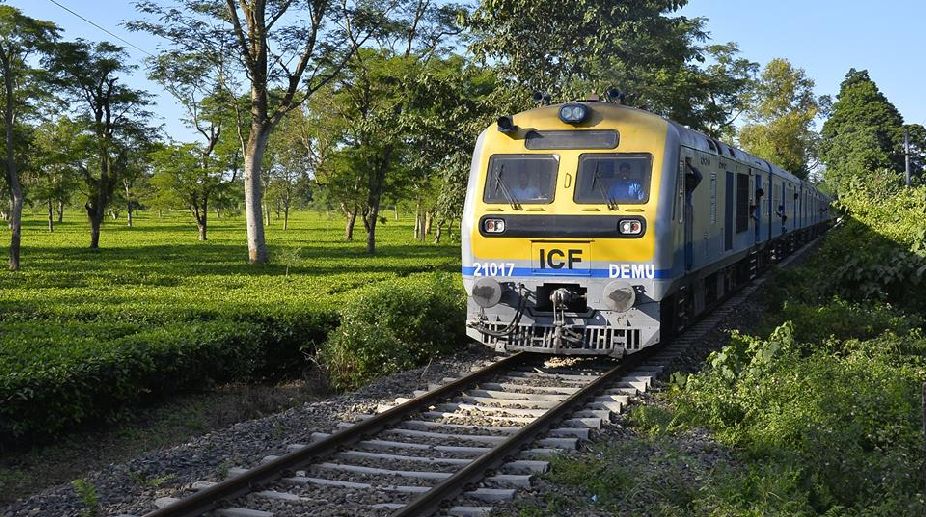
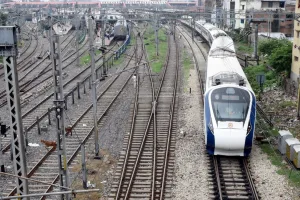
In a bid to provide real time train information, the government plans to install GPS devices on over 2,700 electric locomotives by December 2018, Parliament was told on Wednesday.

“Railway Ministry in collaboration with Indian Space Research Organisation (ISRO) is implementing Real-Time Train Information System (RTIS) which involves tracking of train by placing GPS/GAGAN (GPS Aided Geo Augmented Navigation System) based devices on locomotives,” Minister of State for Railways Rajen Gohain told the Lok Sabha in a written reply.

“In Phase one, the RTIS project will cover about 2,700 electric locomotives in which the GPS device will be installed. This phase is planned to be completed by December 2018,” he said.

He also said that in remaining locomotives GPS will be installed in subsequent phases.

According to railways, the trials for this system have been done on the New Delhi-Guwahati and New Delhi-Mumbai Rajdhani trains on six electric locomotives.

“A reliable and high level, of about 99.3 percent of real time reporting of arrival departure timing updates has been observed, which is considered adequate to meet the RTIS requirements,” the minister added.

Infosys to pay CEO Parekh 16.25cr annual salary

IANS | Bengaluru |

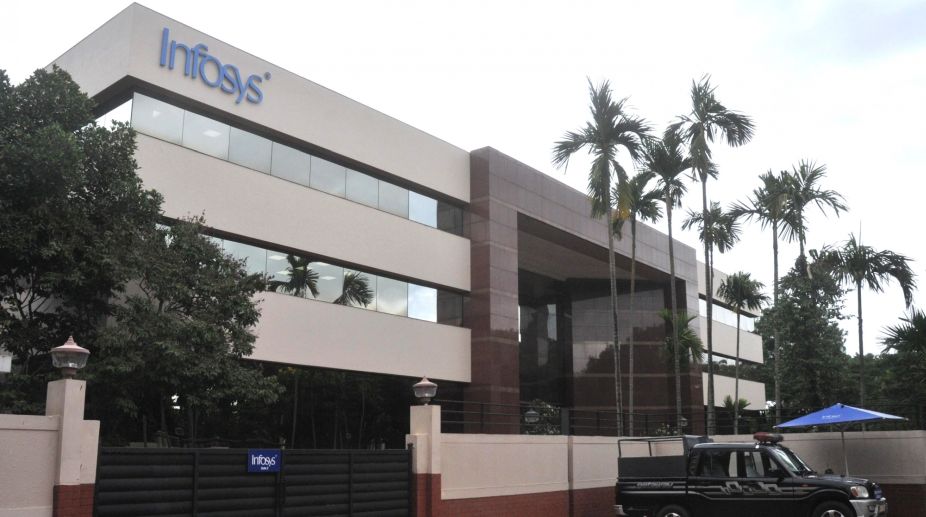
Global software major Infosys would pay its new Chief Executive Officer and Managing Director (CEO&MD) Salil S. Parekh a whopping Rs 16.25 crore salary per annum, the IT major said on Thursday.

In a regulatory filing on the BSE, the company said in addition to Rs 6.5 crore fixed pay and Rs 9.75 crore variable pay, Parekh would get restricted stock units (RSUs) or shares (Rs 5 face value) equivalent to Rs 3.25 crore as annual equity grant and annual performance equity grant worth Rs 13 crore, taking the package to Rs 32.5 crore per annum for five years.

“The compensation for Parekh is subject to approval of shareholders through postal ballot and electronic voting by February 20, 2018,” said the filing.

The company’s Board has appointed its Company Secretary Parameshwar G. Hegde as the scrutiniser for conducting the postal ballot and e-voting.

The company’s blue-chip scrip of Rs 5 face value was quoting Rs 1,016.75 per share on the BSE in the pre-noon trading on Thursday after opening at Rs 1,022 and as against Rs 1,019.10 closing rate on Wednesday.

The resolution also sought the investors’ approval for Parekh’s appointment as the CEO and MD and Additional Director on the Board from January 2, 2018 to January 1, 2023.

In addition to salary and stock options, Parekh will get health and life insurance as applicable to his executive post.

“Compensation benefits will include paid vacation, travel and entertainment expenses as applicable to the company’s executive,” added the filing.

As the variable pay (Rs 9.75 crore) will be applicable from April 1, the company will pay Parekh Rs 2.4 crore from January 2 to March 31 of this fiscal (2017-18).

“The variable pay (Rs 9.75 crore) will be payable subject to the company’s achievement of certain milestones determined by the Board or its committee from time to time,a noted the filing.

Parekh will also be given a one-time equity grant of RSUs having a value equal to Rs 9.75 crore in two instalments of 50 per cent each on the first anniversary of the grant date and its second anniversary.

According to other terms of the appointment resolution, Parekh’s five-year term has an option of renewed it further for another three years subject to the shareholders’ approval.

“Parekh, 53, will retire upon attaining the age of 60 years,” added the filing.

In the event of leaving the company during the tenure, Parekh or the company has to give a three-month notice.

Parekh joined the city-based outsourcing firm on Tuesday after the Board appointed him on December 2.

A veteran in the software industry, Parekh is the second non-founder executive of the $10-billion firm after the exit of the first non-promoter CEO Vishal Sikka in August following a spat with its co-founders over governance issues last year.

Prior to joining Infosys, Parekh was an executive board member of the Paris-headquartered global consulting, technology and IT firm Capgemini.

Parekh has Masters degrees in computer science and mechanical engineering from Cornell University in the US and a B.Tech degree in aeronautical engineering from IIT-Bombay.

Bhima Koregaon: In touch with Maharashtra over riots, says Centre

IANS | New Delhi |

The Union Home Ministry on Thursday said it was keeping a close eye on violent incidents in Maharashtra and was in constant touch with the state government.

A Home Ministry official said the Centre “has received a factual report from the Maharashtra government regarding the clashes in the state”.

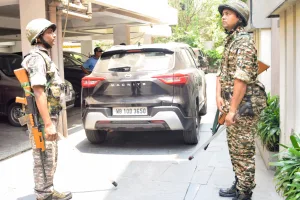
At least two persons, including a 16-year-old boy, were killed in the violence since caste riots erupted in villages around Bhim’s Korean near Pune on the 200th anniversary of a battle between British forces, including Mahar troops, and the Peshwa Army.

Caffeine level in blood may predict Parkinson’s disease

Findings showed that people with Parkinson’s disease had lower levels of caffeine in their blood.

IANS | Tokyo |

The way your body metabolises your cup of coffee each morning may determine your chances of developing Parkinson’s disease, according to a study.

The findings showed that people with Parkinson’s disease had significantly lower levels of caffeine in their blood than people without the disease, even if they consumed the same amount of caffeine.

Thus, testing the level of caffeine in the blood may provide a simple way to aid the diagnosis of Parkinson’s disease, the researchers said.

“Previous studies have shown a link between caffeine and a lower risk of developing Parkinson’s disease, but we haven’t known much about how caffeine metabolises within the people with the disease,” said Shinji Saiki, MD at the Juntendo University School of Medicine in Tokyo.


testing the level of caffeine in the blood may provide a simple way to aid the diagnosis of Parkinson's disease
Photo: Getty Image

“If these results can be confirmed, they would point to an easy test for early diagnosis of Parkinson’s, possibly even before symptoms are appearing,” added David G. Munoz, MD, at the University of Toronto.

“This is important because Parkinson’s disease is difficult to diagnose, especially at the early stages,” Munoz noted.

For the study, published in the journal Neurology, the team involved 108 people who had Parkinson’s disease for an average of about six years and 31 people of the same age who did not have the disease and consumed about two cups of coffee per day.


testing the level of caffeine in the blood may provide a simple way to aid the diagnosis of Parkinson's disease
Photo: Facebook

Their blood was tested for caffeine and for 11 byproducts the body makes as it metabolises caffeine. They were also tested for mutations in genes that can affect caffeine metabolism.

The caffeine level was an average of 79 picomoles per 10 microliters for people without Parkinson’s disease, compared to 24 picomoles per 10 microliters for people with the disease.

However, there were no differences found in the caffeine-related genes between the two groups.