Elusive Obsessions: Vladimir Echoes Lolita, But Without Its Haunting Power
Cinema has long been drawn to relationships shaped by imbalance—of age, authority, or emotional control.
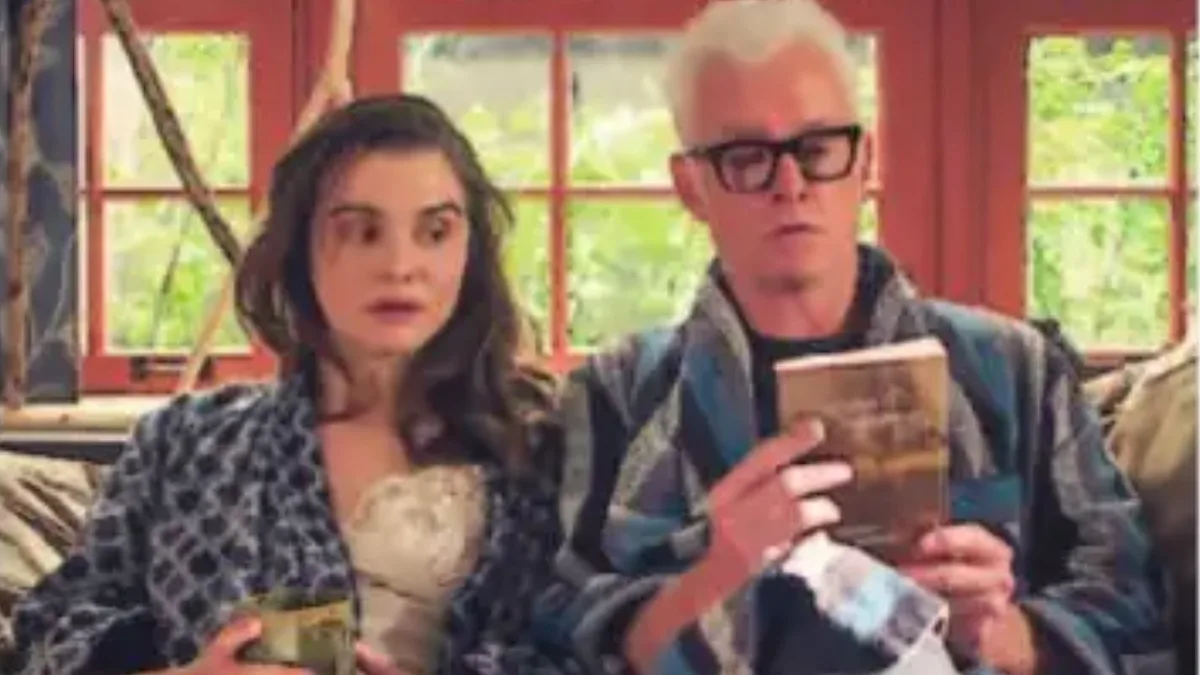
Cinema has long been drawn to relationships shaped by imbalance—of age, authority, or emotional control.

The 1975 blockbuster film Sholay by Ramesh Sippy, which created a milestone in Indian cinema, is special in many ways.
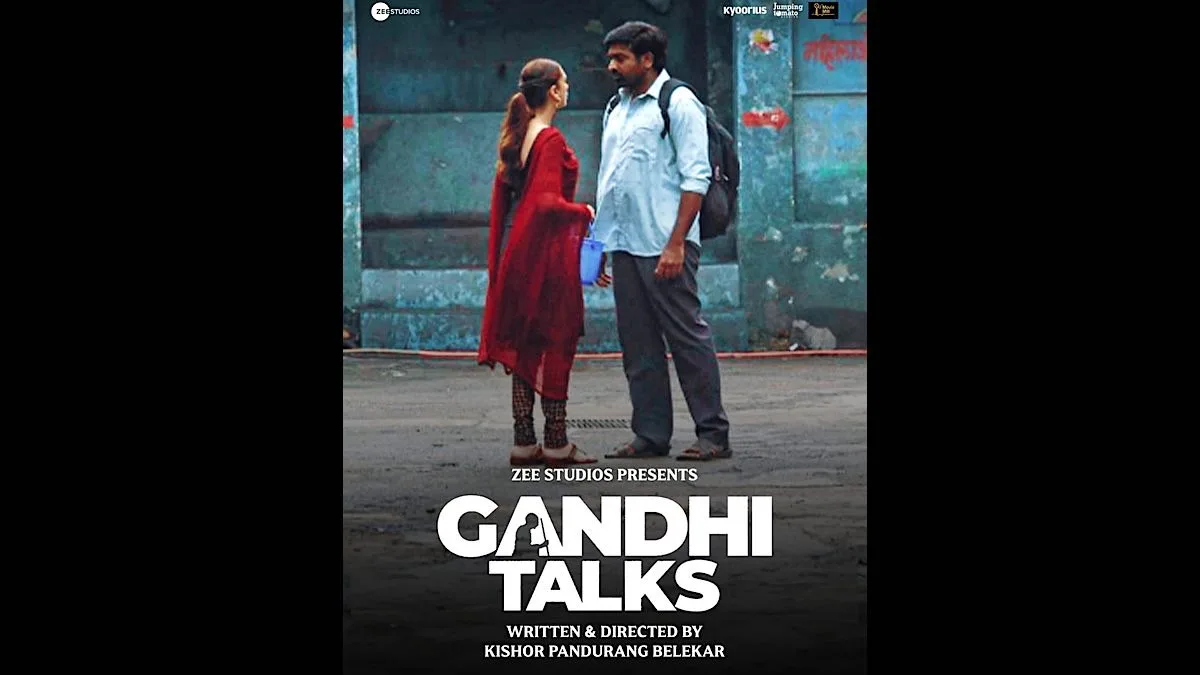
Our cinema is so verbose and over-saturated with dialogues that just the idea of a film that does away with words completely is a treat to our agitated senses.
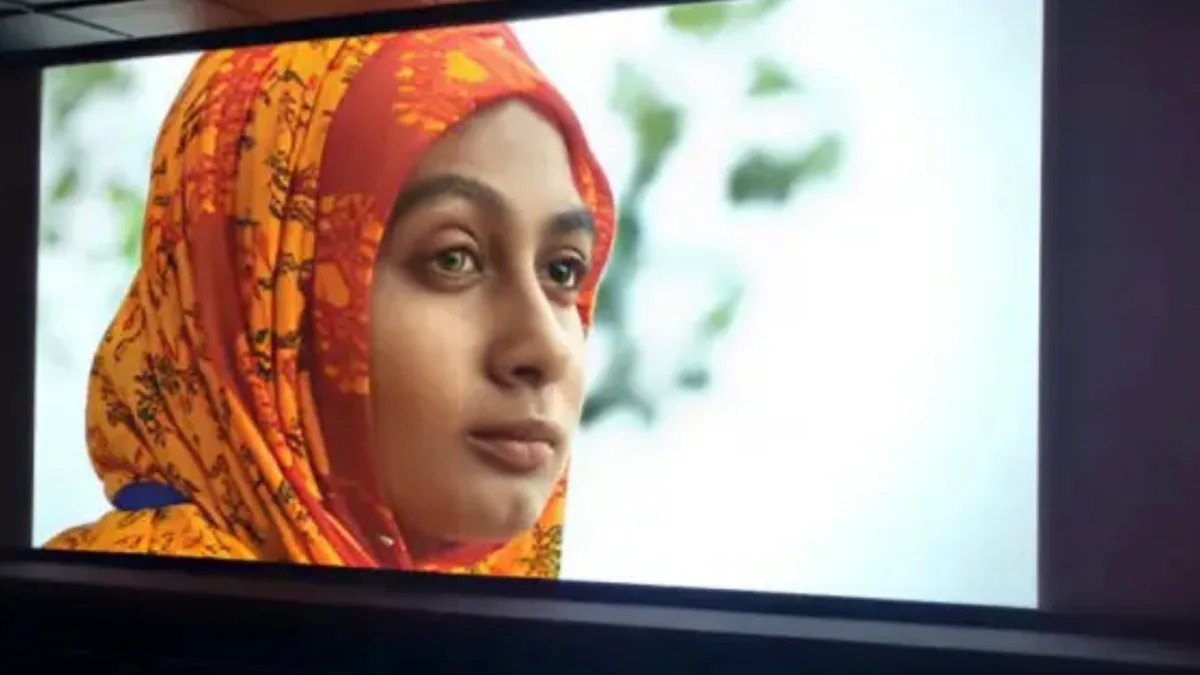
Sourya Dipta Ghosh is a young, bright-eyed filmmaker, quite literally travelling with his first feature film Before I Forget You. Nervous and very polite, Sourya Dipta talked to The Statesman about his journey as a filmmaker, a student of cinema, and his prized creation.
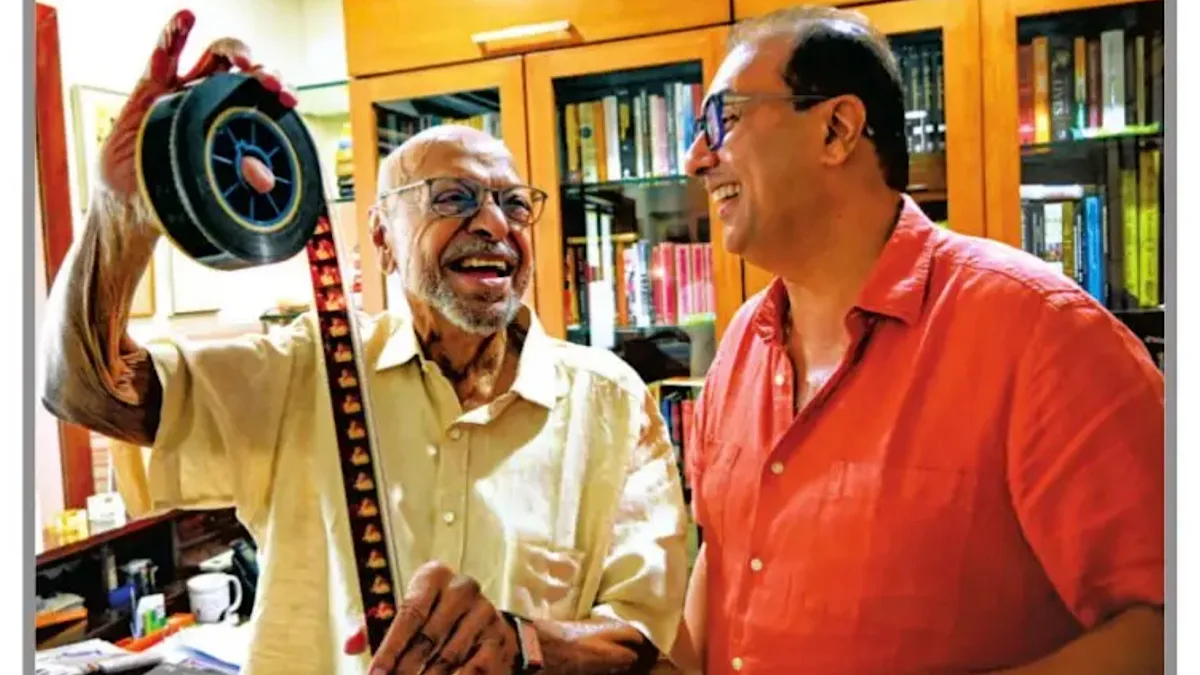
Cinema is more than moving images on a screen. It is memory, imagination, and history intertwined. Each film captures a moment in time, a reflection of who we were, what we dreamt of, and how we saw the world.
India’s movie theatres are caught in an uncomfortable paradox. The country produces more films than any other, yet fewer people are turning up to watch them on the big screen.

W B Yeats’ iconic opening line of the poem ‘ Sailing to Byzantium’, 1926, declares on a sad note ‘that is no country for old men’. In a systematically developed series of images the poet unravels the contexts of growing old and highlights how aging often evolves into irrelevance rather than a value for wisdom.

MAYA, a fictional universe created by celebrated cinema auteur-philosopher Anand Gandhi and trailblazing game designer-tech specialist Zain Memon, may hold the answers to the perplexing questions.

The state government has made screening of Bengal films mandatory in cinema halls and multiplexes across Bengal.

Manoj Kumar may have exited the stage, but his voice lingers in every line, every pause, every frame where he spoke not just to the audience, but to the heart of the country and beyond.