Logo

Uttarakhand cuts VAT on CNG, PNG; doubles pension for elderly destitute artists

The cabinet also finalised procurement rates for apples from disaster-hit Dharali and surrounding areas of Uttarkashi district and approved the doubling of the monthly pension for elderly and destitute folk artists and writers in the state.

Statesman News Service | Dehradun |

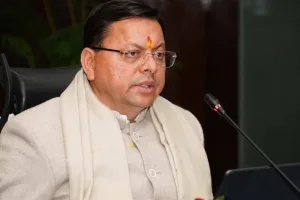
Compressed Natural Gas (CNG) and Piped Natural Gas (PNG) will now be cheaper in Uttarakhand after Chief Minister Pushkar Singh Dhami-led cabinet on Wednesday reduced the Value Added Tax (VAT) on both fuels from 20 per cent to five per cent.

The cabinet also finalised procurement rates for apples from disaster-hit Dharali and surrounding areas of Uttarkashi district and approved the doubling of the monthly pension for elderly and destitute folk artists and writers in the state.

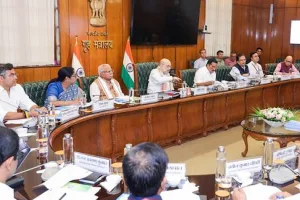
Taking an important decision, the Uttarakhand cabinet approved the reduction in VAT on CNG and PNG from the existing 20 per cent to five per cent. Briefing the media after the cabinet meeting, Director General, Information and Public Relations (DIPR), Bansidhar Tiwari said the move was aimed at environmental conservation and promoting the concept of “Green and Clean Energy” in the state.

“The cabinet has decided to reduce VAT on PNG and CNG from 20 per cent to five per cent. This will not only reduce the cost of natural gas for domestic consumers but will also encourage the installation of pollution-free units under industrial development schemes. It is also expected to enhance revenue growth in the state,” Tiwari said.

The cabinet also approved the Chief Minister’s announcement regarding the procurement of apples from the disaster-affected Dharali area and nearby regions in Uttarkashi, where orchards and produce suffered extensive damage.

The procurement will be carried out by the Department of Horticulture and Food Processing. Procurement rates have been fixed at ₹51 per kilogram for Royal Delicious apples and ₹45 per kilogram for Red Delicious and other varieties, excluding Grade-C apples, Tiwari informed.

Another significant decision taken by the cabinet was to increase the monthly pension for elderly and destitute artists and writers of Uttarakhand, with the aim of preserving and promoting the state’s cultural traditions, folk arts, music, dance, musical instruments and literature.

Tiwari said the cabinet approved the Uttarakhand Elderly and Destitute Artists and Writers Monthly Pension (Amendment) Rules, 2025, proposed by the Department of Culture. The pension has been doubled from ₹3,000 to ₹6,000 per month, keeping in view the sharp rise in the cost of living and inflation since the original rules were promulgated in 2010.

Apart from these major decisions, the cabinet also approved a proposal to simplify the process of map approvals for residential construction under the Centre-sponsored Ease of Doing Business initiative.

It also gave its nod to promulgate the Uttarakhand General Industrial Development Control (Amendment) Regulations, 2025, aimed at streamlining industrial governance and updating the regulatory framework in line with the state’s evolving industrial landscape.
Days after IndiGo crisis, Centre gives nod to two new domestic airlines

While the Uttar Pradesh-based Shankh Air has already received the no-objection certificate, Al Hind Air and FlyExpress were given the nod this week.

Statesman News Service | New Delhi |

Days after the IndiGo crisis, the Narendra Modi-led NDA government has given initial clearance to two new domestic airlines to begin operations. Over the past week, Civil Aviation Minister Ram Mohan Naidu met teams from three upcoming domestic airlines — Shankh Air, Al Hind Air, and FlyExpress.

While the Uttar Pradesh-based Shankh Air has already received the no-objection certificate, Al Hind Air and FlyExpress were given the nod this week.

Naidu said that the Civil Aviation Ministry has been encouraging more airlines in the Indian Aviation market, which is currently dominated by IndiGo with over 60 per cent market share.
“It has been the endeavour of the ministry to encourage more airlines in the Indian Aviation sector, which is amongst the fastest-growing aviation markets in the world owing to the policies of the government of Hon’ble PM Narendra Modi,” Naidu said in a post on Tuesday night.
He emphasised that government schemes like UDAN have enabled smaller carriers—Star Air, India One Air, Fly91, etc.—to play an important role in the regional connectivity within the country. He also added that there is more scope for further growth.

The development comes just a few weeks after India’s largest domestic carrier IndiGo suffered unprecedented disruptions in its services.

The airline cancelled thousands of flights, leaving tens of thousands of passengers stranded at airports across the country.

The crisis, one of the worst in India’s aviation sector, stemmed from IndiGo’s failure to comply with the DGCA’s new duty rules.

IndiGo said that Flight Duty Time Limitation (FTDL) rules led to crew shortage and several other issues, such as bad weather conditions, which led to the disruptions in its services.

The crisis also prompted allegations of monopoly and duopoly in the aviation market. Congress MP Rahul Gandhi said that the IndiGo fiasco was the cost of the government’s monopoly model that ordinary people had to pay.

Kerala govt decides to introduce nativity card to address citizenship concerns

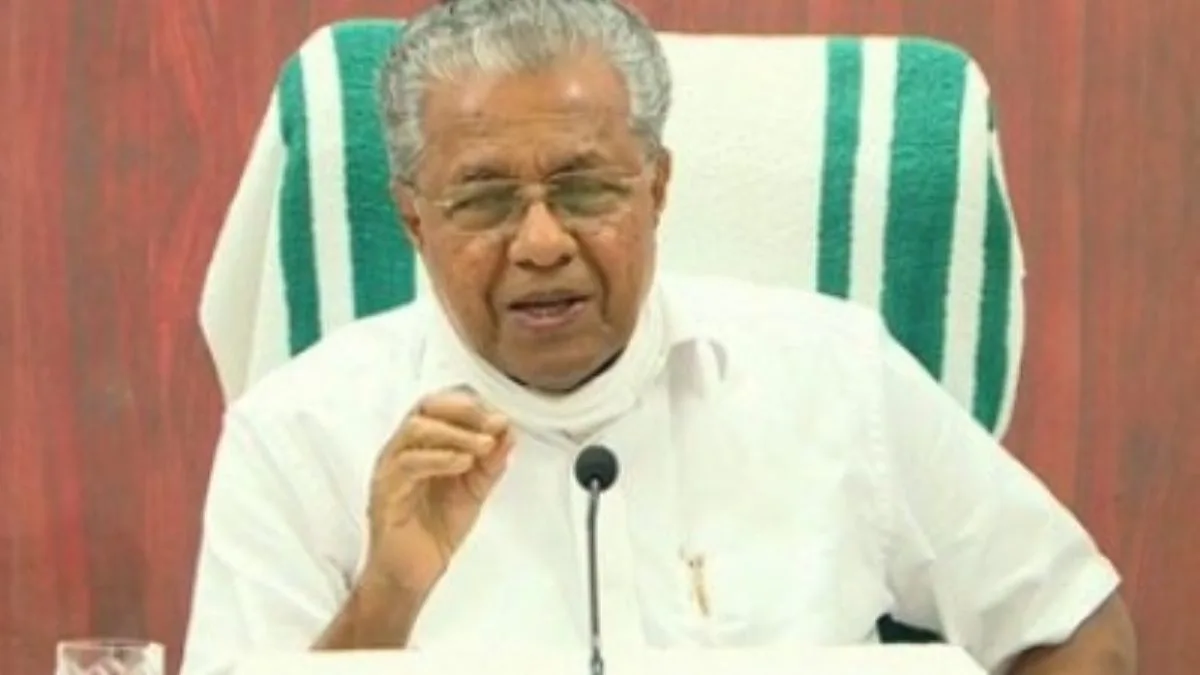
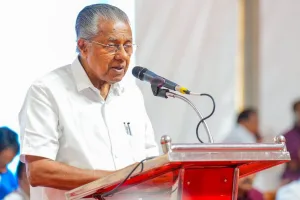
Announcing the decision at a press conference in Thiruvananthapuram on Wednesday, Chief Minister Pinarayi Vijayan said that the Cabinet had decided to introduce the nativity card as a new identification document to prove that a person is a resident of the state.

Statesman News Service | Thiruvananthapuram |

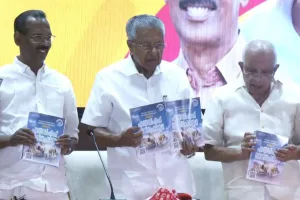
The Kerala government on Wednesday decided to introduce a nativity card with a photograph as a new identification document to prove residency as part of measures to address contemporary concerns related to citizenship checks.

Announcing the decision at a press conference in Thiruvananthapuram on Wednesday, Chief Minister Pinarayi Vijayan said that the Cabinet had decided to introduce the nativity card as a new identification document to prove that a person is a resident of the state.

He said the Revenue Department has been tasked with preparing a draft law to give legal effect to this card. The Tahsildar will be responsible for issuing this card.

“The plight of people who find it difficult to prove their existence is worrying. A person should be able to prove to anyone that he was born and lives in this country or is a permanent resident. For this, the person should have an authentic and legally backed document.For this, the person should have an authentic and legally backed document. The cabinet meeting approved in principle the issuance of a permanent nativity card with a photo in place of the nativity certificate currently issued in the state. The card will be issued as an authentic document with legal backing that can be used at all times and can be used for services related to the state government and other needs. The tahsildars will be responsible for distributing the card,” the CM said.

Thank Rahul Gandhi for acknowledging success of PM Modi’s ‘Make in India’ programme: Vaishnaw

Reacting to Rahul Gandhi’s recent social media post, Vaishnaw said, “Thanks @RahulGandhi for acknowledging the success of PM Shri @narendramodi Ji’s ‘Make in India’ programme. As you have noted, we are becoming a producer economy as we implement our PM’s vision.”

Statesman News Service | New Delhi |

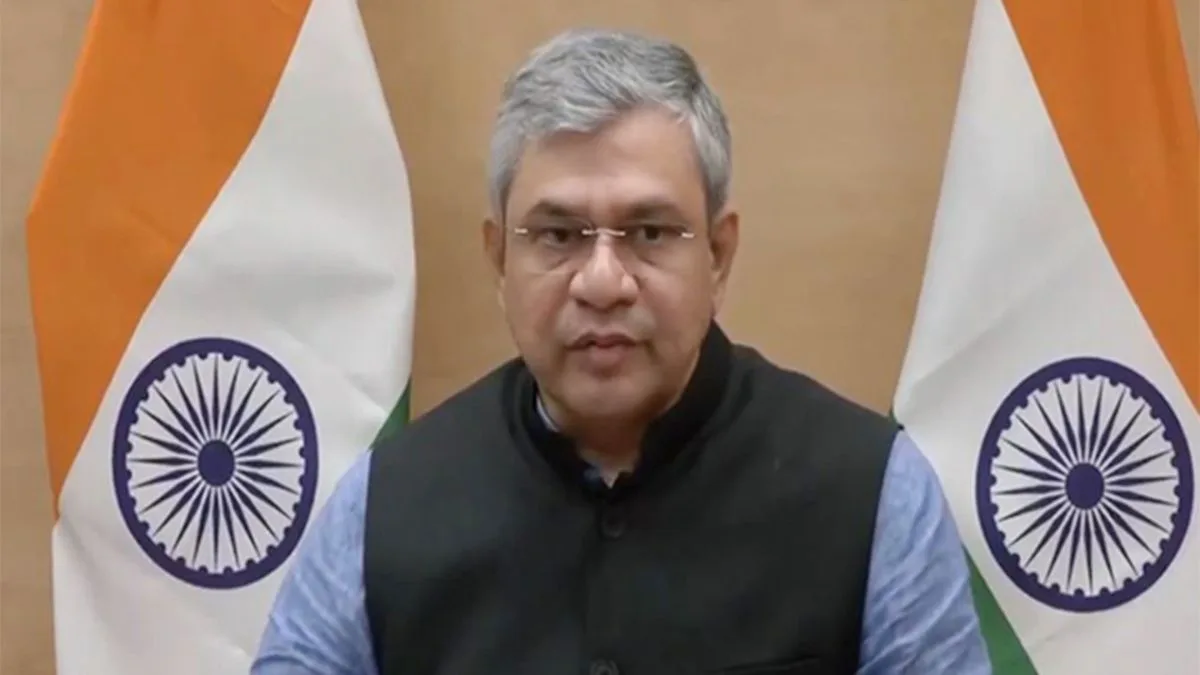
Minister of Railways Ashwini Vaishnaw on Wednesday thanked Congress leader Rahul Gandhi for acknowledging the success of Prime Minister Narendra Modi’s ‘Make in India’ programme through the Leader of Opposition in Lok Sabha’s recent social media post about jobs in Karnataka.

Reacting to Rahul Gandhi’s recent social media post, Vaishnaw said, “Thanks @RahulGandhi for acknowledging the success of PM Shri @narendramodi Ji’s ‘Make in India’ programme. As you have noted, we are becoming a producer economy as we implement our PM’s vision.”

Earlier in his Facebook post, two days ago, the Congress leader shared a news report related to the new Foxconn iPhone manufacturing unit in Karnataka, saying that “30,000 staff hired in just eight–nine months – the fastest factory ramp-up seen in India so far.”

“This is not just a statistic. It is transformative job creation,” Rahul Gandhi further said in his post.

“What makes it even more powerful is that the unit is largely women-led, with around 80 per cent women, most aged 19–24, and for many, this is their first job,” the Congress leader said.

“Karnataka is setting an example by creating an ecosystem where manufacturing can grow at this scale and speed. This is the India we must build: jobs with dignity, and opportunities for all,” the Leader of Opposition in Lok Sabha further wrote.

Rajasthan unveils Film Tourism Promotion Policy with lucrative sops of subsidies and incentives

Releasing the policy, Chief Minister Sharma said: “Our rich cultural heritage, vast desert landscapes, historic forts, palaces, and diverse natural locations meet international standards.”

Statesman News Service | Jaipur |

Aspiring to establish Rajasthan as a preferred film-shooting destination, Chief Minister Bhajan Lal Sharma on Wednesday unveiled the Rajasthan Film Tourism Promotion Policy – 2025.

The policy unveiled at a function in the Shekhawati town of Mandawa offers subsidies, incentives, and relaxations in financial support to filmmakers for maximum possible projection of the state, its prospective shooting locations, history, culture, and the legacy thereof.

Releasing the policy, Chief Minister Sharma said: “Our rich cultural heritage, vast desert landscapes, historic forts, palaces, and diverse natural locations meet international standards.”

The new policy will help position the state as a major filming hub that would generate jobs and offer skill development opportunities to the youth.

Deputy Chief Minister Diya Kumari, who holds the Finance and Tourism Portfolio, said that under the policy, film shooting will be encouraged in Rajasthan not only through financial subsidies or incentives but also by simplifying the procedures.

To ensure a smooth process for obtaining shooting permissions and mandatory approvals, the ‘single-window clearance system’ will be strengthened.

Regarding subsidies, she said they would be provided on a pro-rata basis, depending on the category, class, and nature of the film, such as feature films, web series, TV serials, or documentaries.

Likewise, the quantum of expenditure on shooting and the duration of screen time for projecting Rajasthan and its features will be considered. Films shot entirely in the state will receive additional subsidies and incentives.

The quality, theme, and story of the film will also be considered while granting incentives.

Films shot in Rajasthan that win the National Film Awards from the Government of India will receive a special incentive of Rs 50 lakh.

For encouraging formal education and training, Rajasthan domicile students studying in premier film and drama Institutions would also be eligible to get scholarships, Deputy CM Diya Kumari said.

Centre, Jharkhand hold talks on coal mining, land return, and rehabilitation

The meeting, held at the Chief Minister’s residential office here, was attended by senior officials of the state government, the Union coal ministry and subsidiaries of Coal India Limited.

Statesman News Service | Ranchi |

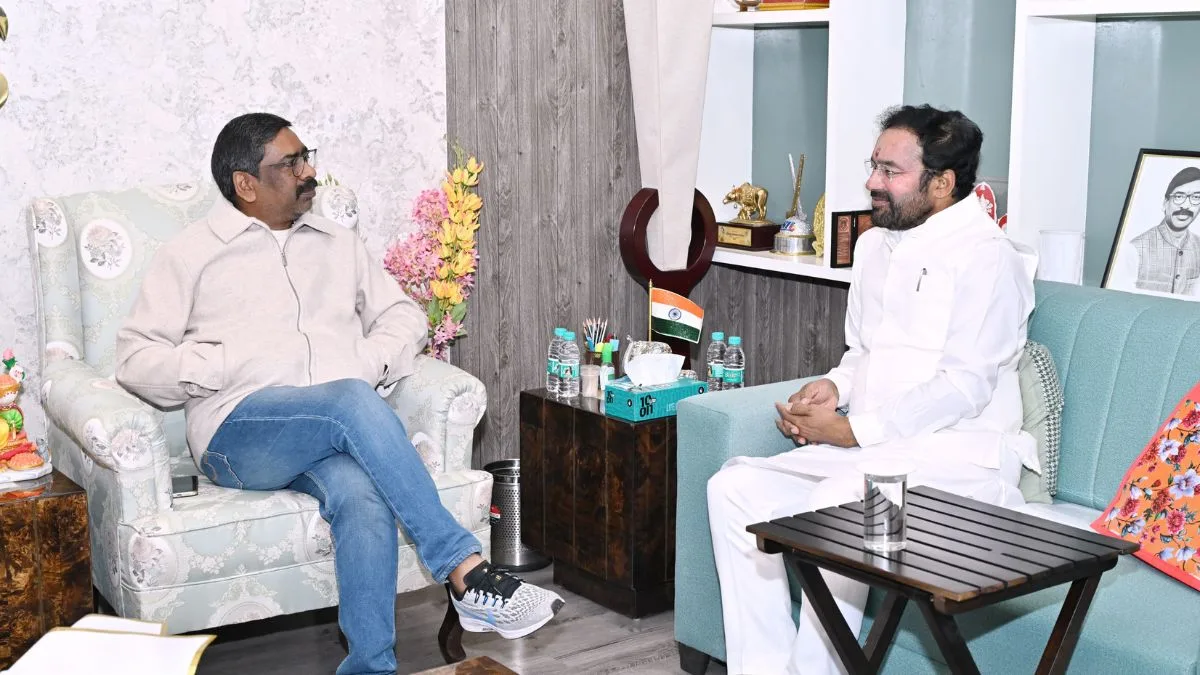
Chief Minister Hemant Soren on Wednesday held discussions with Union Coal and Mines Minister G Kishan Reddy on a range of long-pending issues linked to coal mining, land acquisition, rehabilitation of displaced families and operational bottlenecks affecting coal projects in the state.

The meeting, held at the Chief Minister’s residential office here, was attended by senior officials of the state government, the Union coal ministry and subsidiaries of Coal India Limited. The talks focused on improving coordination between the Centre and the state to address structural and administrative challenges in Jharkhand’s coal sector.

A key issue discussed during the meeing was the return of land where mining activities have been completed. The state reiterated its demand for handing back such land after proper reconciliation of records, enabling its use for alternative development purposes. Officials also reviewed pending cases related to mined-out land and agreed on closer coordination to expedite resolution.

The rehabilitation of displaced families figured prominently in the discussions. Issues relating to compensation for raiyats, employment opportunities for locals affected by mining, and resettlement of displaced households were taken up. The Chief Minister underlined the need for ensuring that rehabilitation measures translate into secure and dignified living conditions for affected communities.

The meeting also revisited the Jharia coalfield Master Plan and the Belgadia Township project, which are aimed at addressing displacement and safety concerns in fire-affected coal belt areas. The state described both initiatives as critical interventions and discussions were held on strengthening their implementation, including the proposed appointment of a full-time chief executive officer for the Jharia Master Plan.

Government land compensation and issues related to jamabandi and land records for coal projects were another area of focus. The two sides discussed the need for policy-level clarity to resolve disputes and streamline acquisition processes without delay.

Use of corporate social responsibility funds for local development in mining-affected areas also came up for discussion. Officials spoke of directing CSR resources towards infrastructure, livelihood generation and welfare measures for communities living in and around coal mining zones.

Concerns over illegal mining and accidents in coalfields were raised, with emphasis on stronger monitoring and coordinated action to curb unauthorised operations and improve safety standards. The talks also covered operational hurdles affecting coal projects, with both sides agreeing on the need to remove administrative and land-related impediments to ensure smooth functioning.

Royalty-related issues and the state’s revenue interests from coal mining were discussed, including reconciliation of dues with assistance from the state administration.

Senior officials present at the meeting included the Chief Secretary, senior officers of the coal ministry, and heads of Coal India subsidiaries operating in Jharkhand. Both sides described the discussions as constructive and stressed that sustained Centre–state cooperation was essential for resolving coal sector challenges in the state.

Stalin down the memory lane: ‘From gully cricket to an off-spinner, took three wickets in film world tournament’

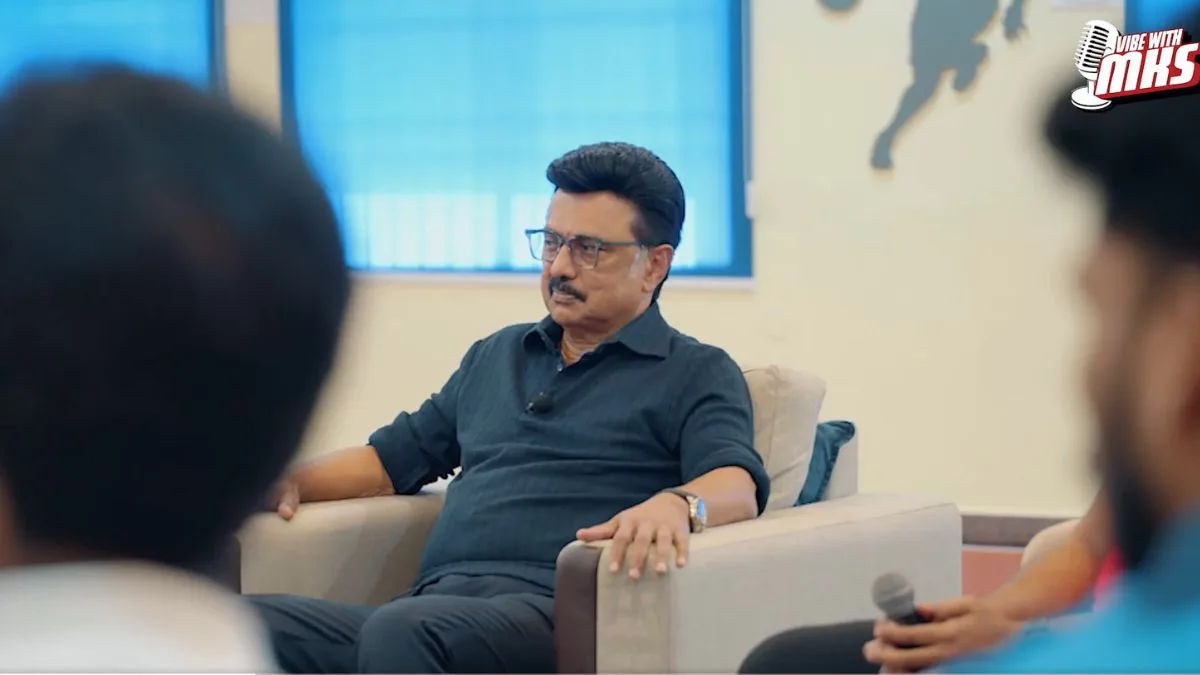
Sharing his passion for sports, Tamil Nadu Chief Minister and DMK president MK Stalin on Wednesday walked down the memory lane and told a group of sportspersons that his love for cricket is an enduring one and that he was an off-spinner, having taken three crucial wickets in a tournament for the film world in Chennai years back.

Statesman News Service | Chennai |

Sharing his passion for sports, Tamil Nadu Chief Minister and DMK president MK Stalin on Wednesday walked down the memory lane and told a group of sportspersons that his love for cricket is an enduring one and that he was an off-spinner, having taken three crucial wickets in a tournament for the film world in Chennai years back.

“I had played gully cricket and even bowled for my father (late Dravidian patriarch and former Chief Minister M Karunanidhi). I represented the Madras Christian College (MCC) School and the matches were played at the St Bede’s School in the city,” he reminisced during an interaction with a gathering of medal winners at the national and international level, titled ‘Vibe with Champions’. The chief minister shared the video on his ‘X’ handle, which had gone viral on the internet.


Expressing great admiration for the iconic Kapil Dev, to a question on his favourite cricketer, he said “He was the captain who first one a World Cup to India. From a humble background, Kapil had risen as a star of the cricketing world, bringing laurels to the country. He had led by example,” adding, “Gavaskar, Tendulkar and Dhoni are also my favourites.”

On his special liking for Dhoni, the chief minister, responding to another questioner, described the former India captain as a role model. “His coolness and calmness on the field and the smart way he carries his captaincy with a smile without tension is a rarity. Even though he is past his prime, fans yearn for him to play which is unthinkable,” he said. “It is difficult to be like him, though I do try to overcome tension. We can try but there can’t be a comparison,” he quipped in response to a question.

“At school, I played both cricket and hockey. I was initially in the school hockey team and I love the game. Later, I turned to cricket and was so addicted that my classmates during class hours used to play Book Cricket which you might be aware of… on opening a page if you get 6 or numbers ending with six, it is a sixer and if it is 4, then it is a four. If it is a zero, you are out,” Stalin recalled, adding, “Even now, when I come across children playing cricket on the roads, I used to play for a few deliveries.”

“I am an off-spinner and had taken three crucial wickets at the cricket tournament for the film world held in Chennai. Actor Silambarasan (who acted as Kamal Hassan’s son in Thug Life) was in the opposite team. I had taken the wickets including that of Nepolean (former Union Minister from the DMK),” he recounted.

To a question, he said he was committed to take Tamil Nadu to greater heights in the field of sports and appreciated the performance of his son and Deputy CM, holding the sports portfolio.

Group of youths, students begins 1000-km padyatra from Mt Abu for saving Aravalli

The march for social awareness over the “threat” looming over the existence of the oldest mountain range of India began on Wednesday from the Guru Shikhar (peak) of the Aravalli in Mount Abu after performing worship at the mythological shrine of Goddess Arbuda Maa.

Statesman News Service | Jaipur |

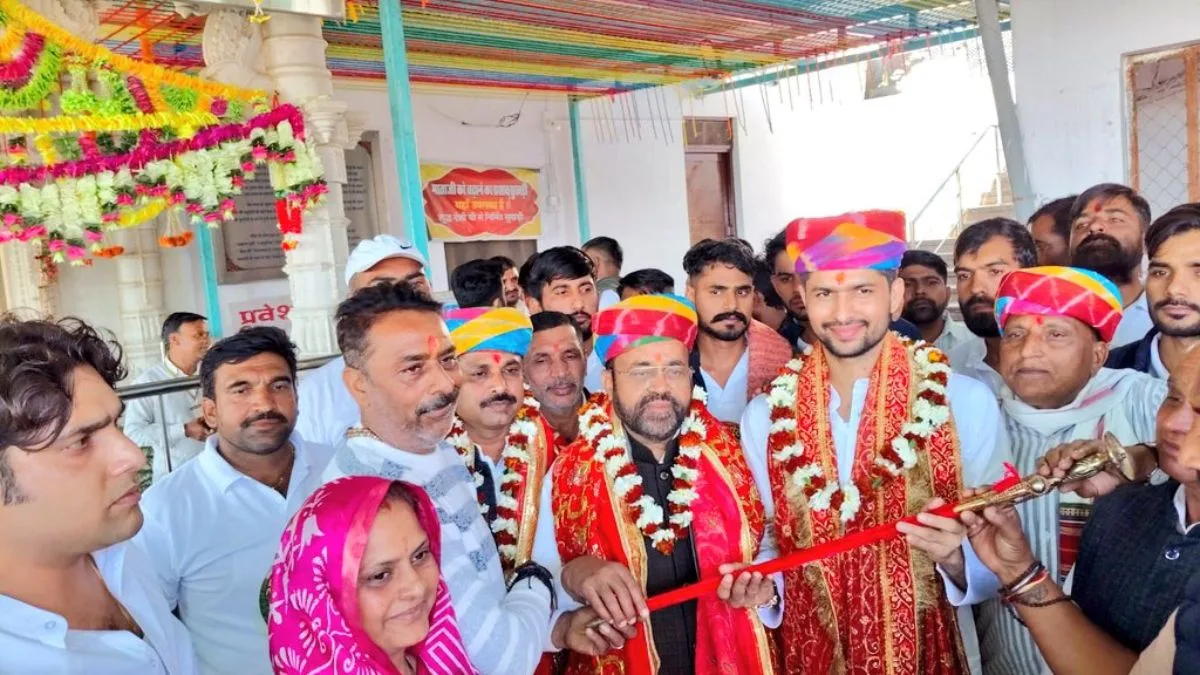
A group of students and youths, led by former Independent MLA Sanyam Lodha and Rajasthan University Students Union ex-president Nirmal Chaudhary, on Wednesday embarked on a padyatra to save the Aravallis.

The march for social awareness over the “threat” looming over the existence of the oldest mountain range of India began on Wednesday from the Guru Shikhar (peak) of the Aravalli in Mount Abu after performing worship at the mythological shrine of Goddess Arbuda Maa.

“During this 1000-km padyatra, we would go up to village and hamlet level and hold all forms of awareness programmes to educate masses on fall out of the Supreme Court verdict of November 20, 2025 and appeal them to join in our campaign for creating ‘No harm situation’ for ‘Maa Aravalli’,” Chaudhary said.

“We would continue this crusade until a desired and credible solution is given by the government with guarantee for taking no move or action to put in peril the existence of the mountain range,” he added.

The yatra held interaction with people at 8 places on the first day today before calling it the day to take night halt at Mukadi Mata Temple in the Sirohi district itself.

Nation looks up to Atal Ji as a guiding guardian: UP CM

Chief Minister Yogi Adityanath said, “Atal Ji elevated Indian politics for six decades, blending it with values and ideals.” He emphasised that, irrespective of political affiliation, leaders can leave their mark while upholding integrity.

Statesman News Service | Lucknow |

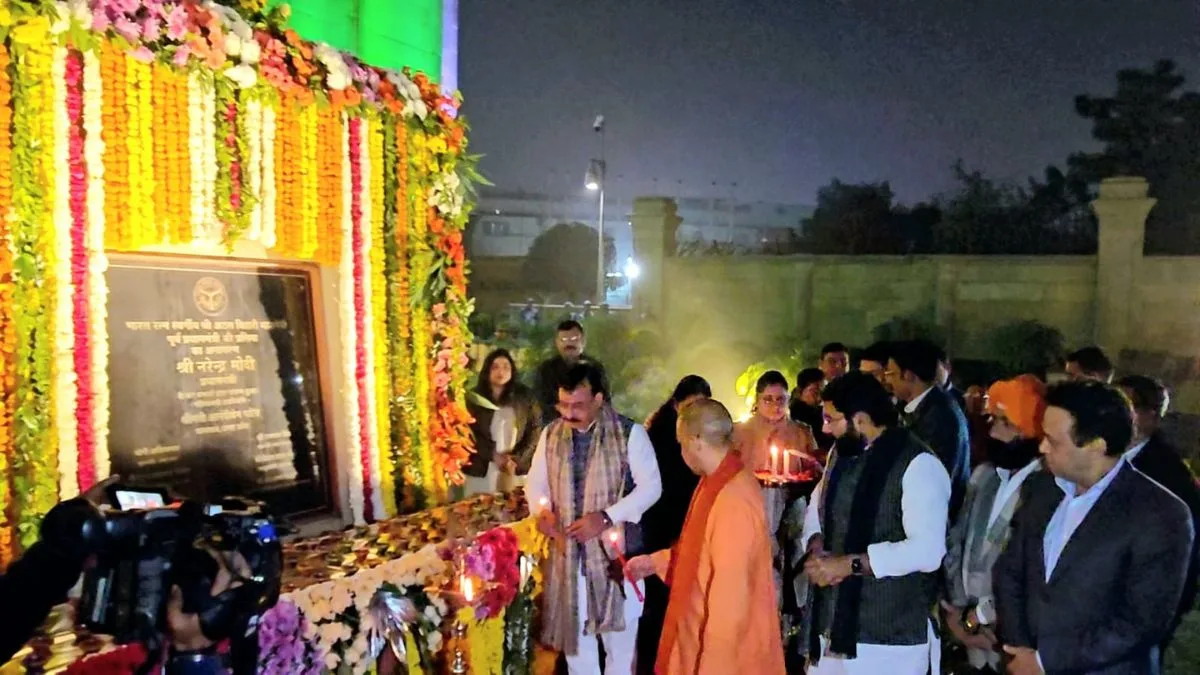
Addressing the ‘Atal Geet Ganga Programme’ on Wednesday, along with Defence Minister and Lucknow MP Rajnath Singh, CM Yogi noted the release of the booklet ‘Atal Mahanayak’ and the first e-book on the occasion of Atal Ji’s birth anniversary.

Chief Minister Yogi Adityanath said, “Atal Ji elevated Indian politics for six decades, blending it with values and ideals.” He emphasised that, irrespective of political affiliation, leaders can leave their mark while upholding integrity.

He added, “Atal Ji’s inspiration, determination, and vision were reflected not only in his political work but also in his poetry. A poet, writer, journalist, and visionary statesman, he was respected across India and admired worldwide. Atal Ji remains an unparalleled figure in Indian politics.”

Highlighting Atal Ji’s poem “I will not give up, I will not back down,” the Chief Minister said, “It continues to inspire citizens facing challenges. While Atal Ji had a poet’s heart, he worked with relentless determination for the nation. His visionary leadership transformed rural development, urban connectivity, and public welfare systems. He advanced the goal of ‘Antyodaya’, Pandit Deendayal Upadhyaya’s dream, through pro-poor schemes, giving a new identity to governance and development.”

CM Yogi recalled that when Atal Ji became BJP president, the party faced challenging times. With steadfast resolve, he famously said, “The darkness will lift, the sun will rise.” He advised opposition parties: “Fight the BJP, not India.” Atal Ji’s poem, ‘Mere Prabhu Mujhko Kabhi Itni Unchai Na Dena’ continues to inspire party workers, citizens, and the nation alike.

To honour his birth centenary, the Uttar Pradesh government organised competitions in schools and colleges across the state.

The Chief Minister also highlighted the Rashtra Prerna Sthal, which PM Narendra Modi will inaugurate in Lucknow on Thursday. He added, “The site features 65-foot bronze statues of Dr. Syama Prasad Mukherjee, Pandit Deendayal Upadhyaya, and Atal Bihari Vajpayee, along with a digital museum showcasing their philosophy and vision. Visitors are expected to be deeply inspired by this tribute to national ideology, which continues to guide India towards a new future.”

CM Yogi further noted that the Prerna Sthal’s open-air theater can accommodate 3,000 people, with a stage designed for large-scale events. The grounds can host up to 2 lakh visitors, making it Lucknow’s largest public venue, with parking for 4,000 buses and cars, ensuring ample space for all events.

The programme was convened by Deputy Chief Minister Brajesh Pathak. Poet Kumar Vishwas performed a solo recital during the ‘Atal Geet Ganga’ event.

Other dignitaries present included former BJP State President Dr. Ramapati Ram Tripathi, outgoing State President Bhupendra Chaudhary, MP Brijlal, Mayor Sushma Kharkwal, MLC Mukesh Sharma, State Women’s Commission Chairperson Babita Singh Chauhan, and several other leaders.

Jharkhand celebrates Cabinet nod to PESA rules

Addressing the gathering, Chief Minister Hemant Soren said the approval of the PESA rules reflected the state’s commitment to fulfilling the aspirations of Jharkhand’s founders, movement leaders and tribal communities

Statesman News Service | Ranchi |

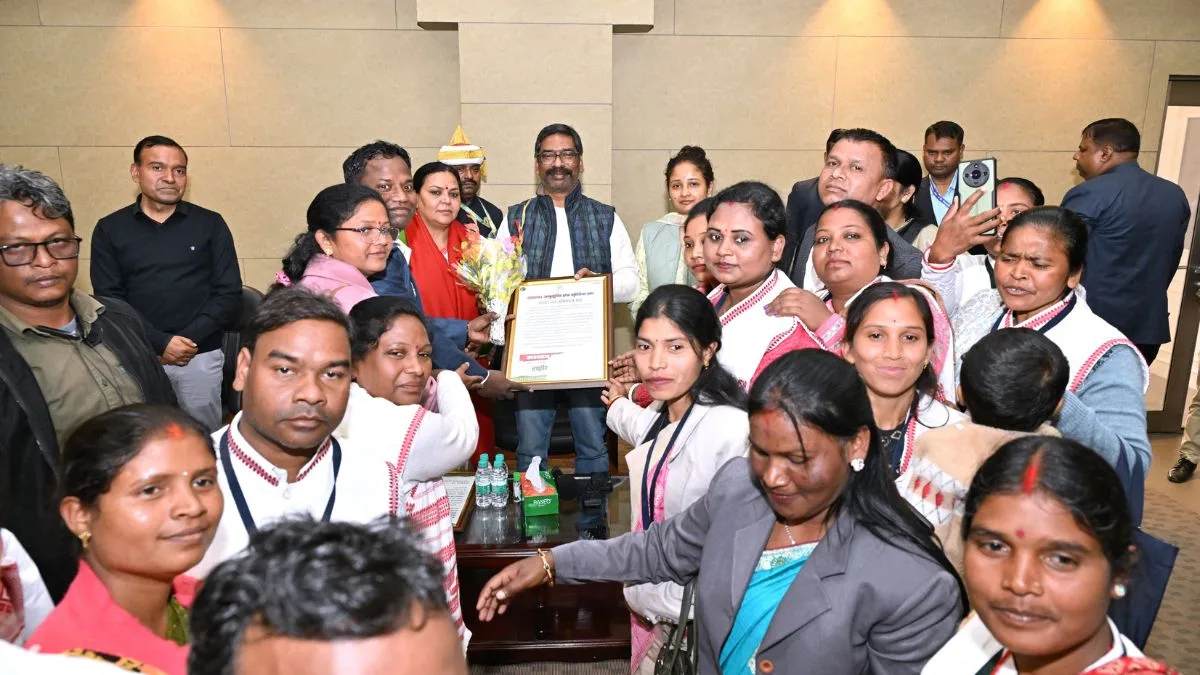
Traditional tribal heads and representatives of civil society from Scheduled Areas on Wednesday gathered at the Chief Minister’s residential office here to mark the State Cabinet’s approval of the Panchayat (Extension to Scheduled Areas) Rules, describing the decision as a landmark step towards strengthening grassroots self-governance in tribal regions.

Addressing the gathering, Chief Minister Hemant Soren said the approval of the PESA rules reflected the state’s commitment to fulfilling the aspirations of Jharkhand’s founders, movement leaders and tribal communities. He said the rules would reinforce traditional systems of self-governance and secure community rights over land, forests and natural resources in the Scheduled Areas of Jharkhand.

The Chief Minister said PESA was not merely a statutory provision but was closely linked to the identity, culture and collective memory of tribal society. With the Cabinet clearing the rules, he said, the law was now ready for implementation at the village level. He underlined that the success of PESA would depend on sincere and transparent execution, particularly in empowering Gram Sabhas as decision-making bodies.

Noting that policy intent often weakened at the implementation stage, the Chief Minister stressed the need for strict adherence to the spirit of the rules. He said the devolution of powers to Panchayats and Gram Sabhas must translate into real authority on the ground for the legislation to deliver meaningful outcomes.

Referring to the state’s development trajectory, he said Jharkhand, which has completed 25 years of formation, was moving towards a phase of structural change. Strengthening the rural economy, safeguarding natural resources and ensuring social justice were identified as core priorities. He said initiatives aimed at employment generation, education and skill development for youth, including free coaching facilities for economically weaker tribal students preparing for medical and engineering examinations, were part of this broader approach.

The Chief Minister also referred to welfare schemes focused on women’s economic security and said the government was working on strategies to achieve sustainable growth despite limited resources. He said criticism was part of public life, but the government remained focused on ensuring that its programmes achieved their intended objectives.

Leaders of traditional tribal institutions from Gumla, Seraikela-Kharsawan and East Singhbhum districts welcomed the Cabinet decision, saying the PESA rules would give statutory backing to customary self-governance practices and restore long-pending rights of Gram Sabhas in Scheduled Areas. They said the move would strengthen local decision-making and ensure greater participation of tribal communities in governance.

Rural Development Minister Deepika Pandey Singh, legislator Kalpana Soren, senior officials of the Panchayati Raj Department and PESA mobilisers were present at the programme.

Centre to roll out ‘Bharat Taxi’ soon with profit-sharing model for drivers: Amit Shah

New cooperative-led cab initiative aims to boost driver earnings and curb dominance of private aggregators. Benefits of the service will flow directly to drivers.

Statesman News Service | Panchkula |

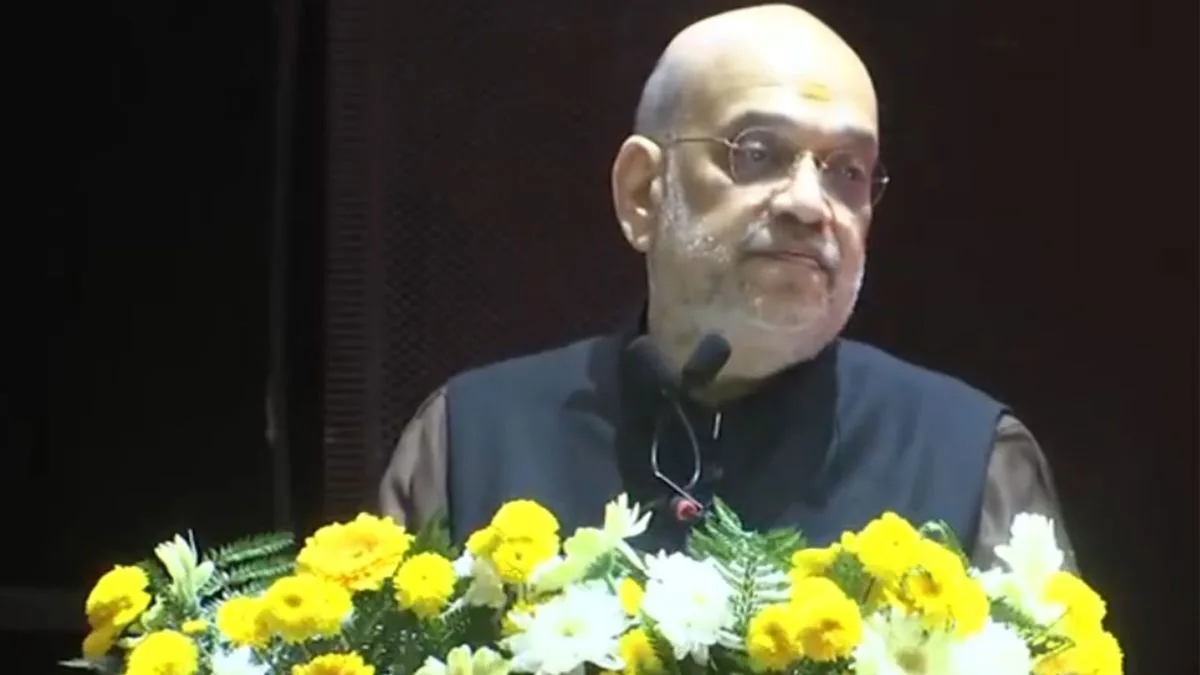
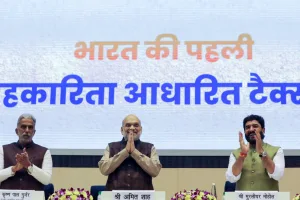
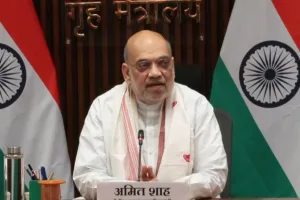
Union Home and Cooperation Minister Amit Shah on Wednesday said that the Central government would soon launch a new ride-hailing service called “Bharat Taxi,” structured on a cooperative model that will share profits directly with drivers.

Addressing a cooperative conference in Panchkula, Haryana, Shah said the initiative of the Ministry of Cooperation is intended to improve customer convenience while significantly increasing driver incomes. “Every bit of its profit will go to the driver brothers,” he said, highlighting that the platform will be driver-centric rather than investor-led.

The digital mobility app is expected to launch in the coming months, potentially within one or two months, and will be operated by Sahakar Taxi Cooperative Ltd, a multi-state cooperative society formed earlier this year.

The cooperative-based approach aims to reduce dependence on private taxi aggregators and ensure that commercial vehicle operators retain full or major portions of earnings, breaking the commission-based model common in the industry.

Government officials have indicated that “Bharat Taxi” will operate via a mobile application with features such as transparent fares, vehicle tracking, multilingual support and customer service, along with safety measures for passengers.

During his address, Shah praised Haryana for its contribution to food security, dairy production, sports and national security, emphasizing the need to integrate agriculture, livestock and cooperative structures for broader economic growth.

The planned service is widely seen as an alternative to existing ride-hailing platforms and could reshape India’s mobility landscape by improving drivers’ financial independence and affordability for riders.

Indian travel vlogger detained in China over online comments regarding Arunachal Pradesh

Anant Mittal, popularly known as On Road India, has narrated his ordeal in an Instagram post.

Statesman News Service | New Delhi |

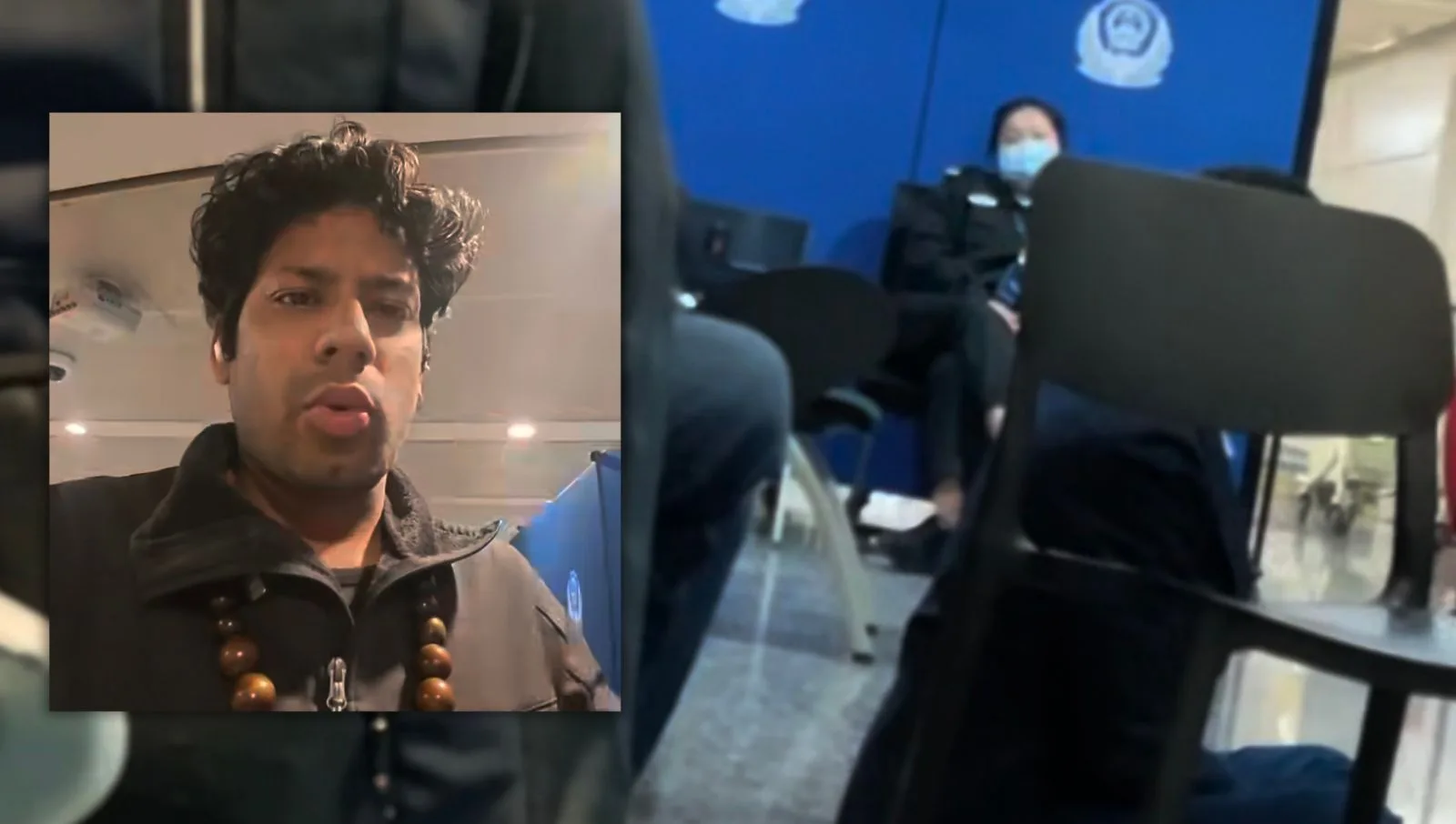
Days after an Arunachal Pradesh woman was harassed at a Chinese airport, an Indian travel vlogger has alleged that he was detained by Chinese authorities for around 15 hours over online comments about the northeastern state.

Anant Mittal, popularly known as On Road India, has narrated his ordeal in an Instagram post.

“I can’t stop crying. All I did was take a stand on Arunachal Pradesh..,” he said while sharing his disturbing experience.

Mittal said that when he landed in China and reached the immigration officer, something popped up on the computer screen and the immigration officer called someone and took me to the detention area.

He said that he was given water after repeated requests for six hours. He also shared a video he secretly captured while in detention. When he asked for food and offered to pay, an officer refused.

Mittal said that he was targeted for making a video after an Arunachal Pradesh resident was detained in China.

Despite the ordeal, the travel vlogger clarified that he has no hate for anyone and even expressed regret for making the video on Arunachal Pradesh. “I am very small in front of this big power,” he added.

The incident came days after an Indian woman from the northeastern state of Arunachal Pradesh was allegedly harassed by Chinese immigration officials at Shanghai Pudong Airport for 18 hours.

Prema Wangjom Thongdok, who resides in the UK, alleged that immigration officials claimed she was “not Indian” because “Arunachal is part of China” and asked her to apply for a Chinese passport instead.

Following the incident, India issued a strong demarche to the Chinese side, both in Beijing and in New Delhi, over the alleged harassment of the Indian national from Arunachal Pradesh.

New Delhi also demanded assurance from Beijing that its citizens travelling to the country or transiting through its airports will not be harassed.

Later, Ministry of External Affairs spokesperson Randhir Jaiswal advised Indian nationals to exercise due caution while traveling to China.

Haryana charts new path of farmers’ prosperity through cooperation: Amit Shah

Haryana Chief Minister Nayab Singh Saini, Union Minister of State for Cooperation Krishan Pal Gurjar, Secretary, Ministry of Cooperation Dr Ashish Kumar Bhutani, and several other dignitaries were present on the occasion.

Statesman News Service | Chandigarh |

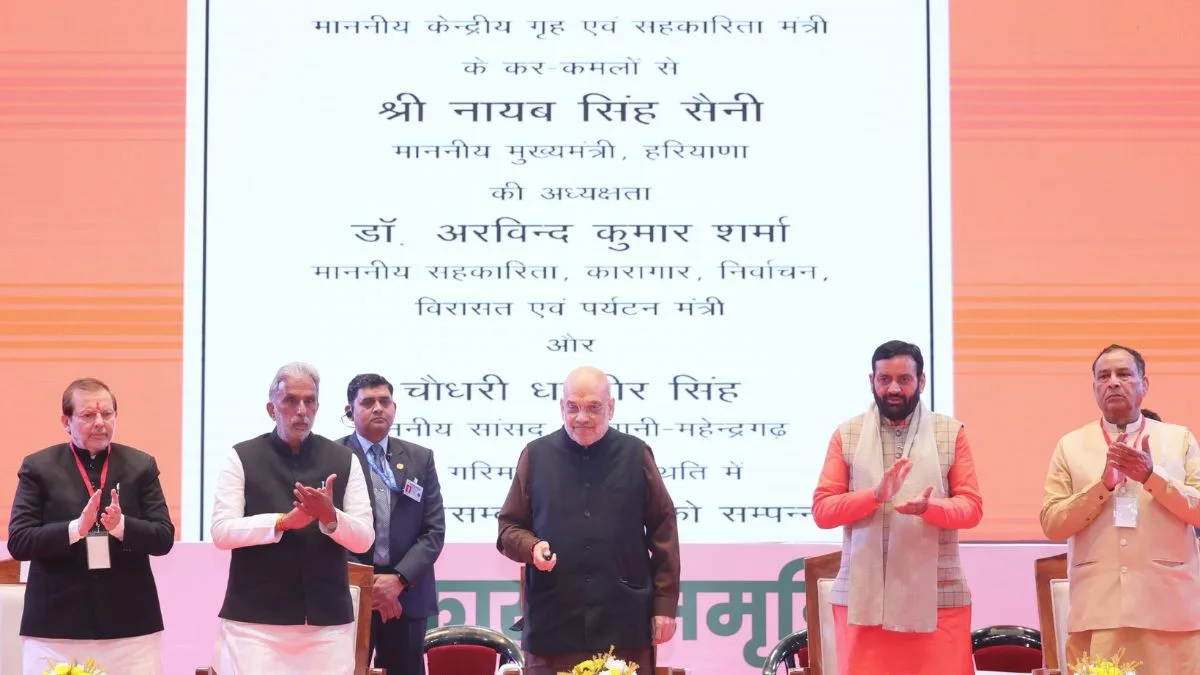
Union Home and Cooperation Minister Amit Shah on Wednesday said that Haryana is gradually writing new chapters of farmers’ prosperity by linking agriculture, animal husbandry and cooperatives, as he addressed a Cooperative Conference organized by Krishak Bharati Cooperative Limited (KRIBHCO) on the theme ‘Role of Cooperation in Sustainable Agriculture’ in Panchkula.

Haryana Chief Minister Nayab Singh Saini, Union Minister of State for Cooperation Krishan Pal Gurjar, Secretary, Ministry of Cooperation Dr Ashish Kumar Bhutani, and several other dignitaries were present on the occasion.

Addressing the gathering, Shah said that Haryana, deeply connected with history, religion, spirituality and rich traditions, is today moving forward by creating new dimensions of agricultural prosperity through cooperation.

Marking the International Year of Cooperatives, he inaugurated a milk chilling centre, a HAFED flour mill, distribution of RuPay Platinum Cards, registration certificates of model Primary Agricultural Credit Societies (PACS), and a dedicated portal for the International Year of Cooperatives.

Shah said that nearly 70 per cent of India’s population lives in rural areas and a large section depends directly or indirectly on agriculture, farming and animal husbandry for livelihood.

When seen as independent sectors, agriculture and animal husbandry generate maximum employment in the country. However, when these sectors are linked with cooperation, they not only provide employment but also ensure prosperity for nearly 125 crore people, he said.

Citing the example of Gujarat’s Amul, the Union Cooperation Minister said that the cooperative currently distributes around ₹90,000 crore annually to 36 lakh women milk producers. If the same quantity of milk were sold at market prices, it would fetch only ₹12,000 crore.

The vast difference, he said, reflects the true strength of cooperation and underlines the principle of “Prosperity through Cooperation”. He noted that while agriculture and animal husbandry were earlier viewed only from an employment perspective, Prime Minister Narendra Modi institutionalised a new approach by establishing the Ministry of Cooperation and linking these sectors with prosperity.

Shah said that after becoming Prime Minister, Modi strengthened the foundation of agriculture and aligned it with cooperative systems to enhance farmers’ incomes. He outlined the pillars of the new agriculture policy, including low water usage, reduced chemical inputs and minimal risk.

These are being achieved through scientific irrigation, natural farming, soil testing and crop selection. He stressed the need to increase farmers’ income through soil health, water security, institutional credit, market access, and processing, packaging and marketing, while gradually transitioning from subsidy-dependent farming to sustainable and profitable agriculture.

Highlighting budgetary support, Shah said that the agriculture budget has increased from ₹22,000 crore in 2014 to ₹1,27,000 crore, while the rural development budget has risen from ₹80,000 crore to ₹1,87,000 crore. He said that over the past decade, village-level development has seen unprecedented funding, reflecting a major shift in the government’s development approach.

Initiatives such as crop insurance reforms, PM-Kisan Samman Nidhi providing ₹6,000 annually to farmers, the ₹1 lakh crore Agriculture Infrastructure Fund, e-NAM, Shri Anna Mission, Pulses and Oilseeds Mission, and expansion of irrigation have strengthened the rural economy.

The Union Cooperation Minister said that model by-laws have been prepared for PACS and multipurpose PACS certificates issued, linking them with nearly 30 activities such as fertilizer and pesticide distribution, cleaning, grading, marketing, medicine shops, petrol pumps, gas agencies and water distribution.

He also highlighted the establishment of three national-level multi-state cooperative societies—National Cooperative Exports Limited, National Cooperative Organics Limited and Bharatiya Beej Sahkari Samiti Limited—to boost farmers’ income.

Shah said Amul’s journey from collecting 2,000 litres of milk per day to nearly three crore litres daily, with a turnover of about ₹1.23 lakh crore, demonstrates cooperative strength. He expressed confidence that at least 20 such institutions would emerge in the next 15 years. He praised the Haryana government for providing the highest prices to sugarcane farmers and making farmers prosperous.

He also announced the upcoming launch of ‘Bharat Taxi’ under the Ministry of Cooperation, where profits will go directly to drivers, offering insurance and new employment opportunities. Shah also lauded Haryana’s contribution to food security, defence and sports, saying the state’s farmers, soldiers and sportspersons have consistently upheld the pride of the tricolour.

Five killed after being hit by train at railway crossing in UP’s Shahjahanpur

The incident occurred around 6:30 pm near a railway crossing at Atsaliya in the Roza police station area.

Statesman News Service | SHAHJAHANPUR |

Five people were killed after being hit by a speeding train while they were crossing a railway track in Shahjahanpur on Wednesday, police said.

The incident occurred around 6:30 pm near a railway crossing at Atsaliya in the Roza police station area. According to officials, all five victims were riding on a single motorcycle and were attempting to cross the tracks when the accident took place.

A Garib Rath Express travelling from Bareilly to Lucknow struck the motorcycle, killing all five occupants on the spot. Railway and civil police teams rushed to the scene after receiving information about the incident.

The deceased have been identified as Hariom, his relative Sethpal, Sethpal’s wife Pooja, and their two children—a son and a daughter. The family was returning home after shopping at the weekly Wednesday market in the city.

Police said that the bodies were sent for post-mortem examination, and further investigation into the incident is underway. Railway officials are also looking into the circumstances under which the accident occurred.

India has become self-reliant under Modi’s leadership: Dr. Jitendra Singh

In crucial areas like defence and health also, India has now become a major exporter living up to the spirit of “Swadeshi” and “Atmanirbhar Bharat”, the Minister added.

Statesman News Service | Jammu |

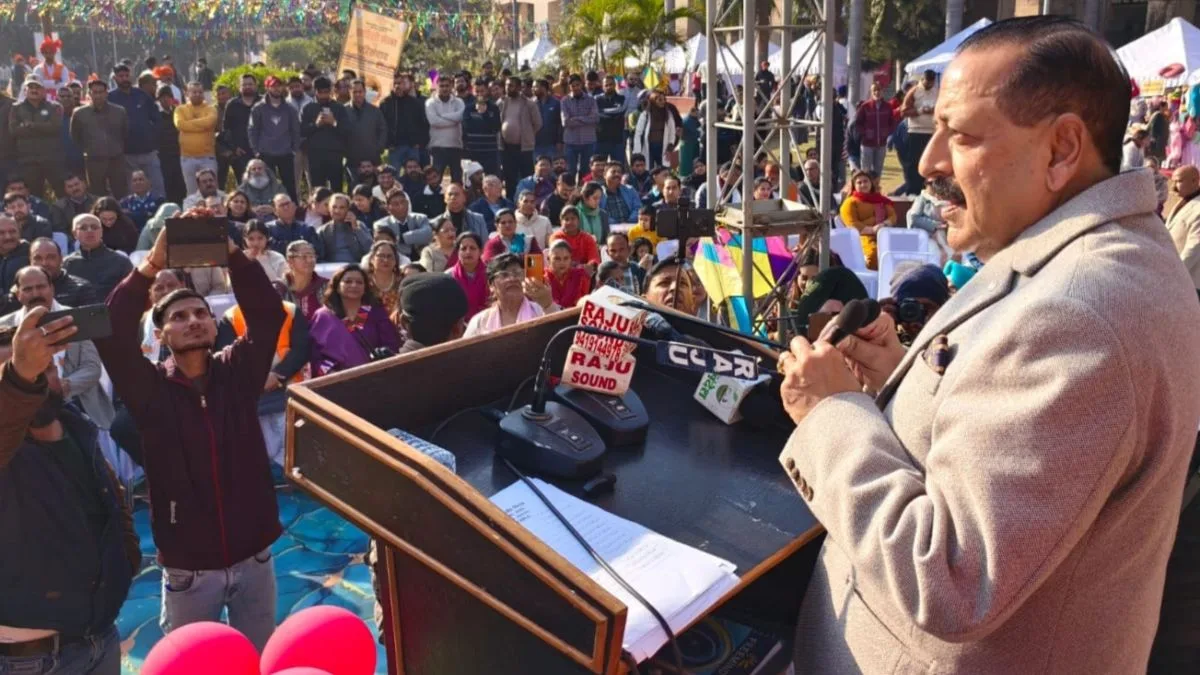
Union Minister Dr Jitendra Singh on Wednesday said from relying on foreign imports, India today has, under the Modi regime, moved on to become a self-reliant nation and exporter in major sectors.

In crucial areas like defence and health also, India has now become a major exporter living up to the spirit of “Swadeshi” and “Atmanirbhar Bharat”, the Minister added.

Dr Jitendra Singh said this while inaugurating an exhibition titled ‘Swadeshi Mela’ aimed at promoting self reliance (atmanirbhar) and sustainability.
Addressing the audience, he said today ‘Atmanirbhar Bharat’ has become a festival with various exhibitions displaying the spirit of self sufficiently and Swadeshi by artisans and entrepreneurs.

Noting that such festivities were inconceivable a decade ago, he recalled that prior to 2014 people were unenthusiastic and wanted to settle abroad for better career and life prospects and India was counted amongst the ‘Fragile five’s economies of the world. He remarked that there has been a remarkable change in the last 12 years where India has transformed its position on the global stage from ‘fragile five’ to the first four economies of the world. Today, nations look up to India for leadership and collaboration in a range sectors from medicine and startups to defence and space.

The Minister added this was due to the hardwork, vision and persistent efforts of PM Narendra Modi who initiated schemes like Startup India and Standup India.

While referring to Operation Sindoor, Dr Jitendra Singh said that the operation was a testimony to the strength and self sufficiency of India in the defence sector that has been attained in the last decade. He added that the defence exports of India have grown rapidly in the last decade and have reached more than Rs 23,000 cr displaying the efficiency and supremacy of Indian weaponry to the world.

Similarly, the Minister said that earlier Indians used to go to other countries for medical procedures. However, this scenario has completely altered now with India exporting medical equipment and devices along with medicines and healthcare services to the world. Exports of medical devices today stand at 3.8 billion and India is rapidly becoming the preferred medical tourism destination for patients from abroad due to their comparatively low costs.

Dr Jitendra Singh also said that India was increasingly becoming a leader in preventive care and was not limited to curative care with strengthening of the medical and research infrastructure of the country making other nations dependent on us for better health care facilities.

Referring to the booming startup ecosystem in the country, Dr Jitendra Singh said presently, there are 1.75 lakh startups in the country, out of which around 50 per cent are in tier II and tier III cities. These startups constitute the soul of Viksit Bharat and will give a filip to the economy in the years to come.

Dr Jitendra Singh said despite having potential, India could not compete with other countries earlier, due to lack of leadership. With strong and visionary leadership this is changing fast as India is becoming a global leader in various fields.

In the conclusion, Dr Singh said that the golden era for India has now started and it is upto the current generation to make India future-ready and build ecosystems that help future generations realise their potential and live the dream of Viksit Bharat.

Vijay Hazare Trophy: Karnataka script history with record-breaking 413-run chase in Ahmedabad

This chase now stands as the second-highest successful chase in List-A history, trailing just behind South Africa’s record-setting chase of 435 runs against Australia at Johannesburg in 2006.

IANS | New Delhi |

Karnataka accomplished the second-highest run chase in the history of List-A cricket after chasing down an almost impossible target of 413 runs with fifteen balls remaining against Jharkhand in the Vijay Hazare Trophy at the Narendra Modi Stadium in Ahmedabad on Wednesday.

This chase now stands as the second-highest successful chase in List-A history, trailing just behind South Africa’s record-setting chase of 435 runs against Australia at Johannesburg in 2006.

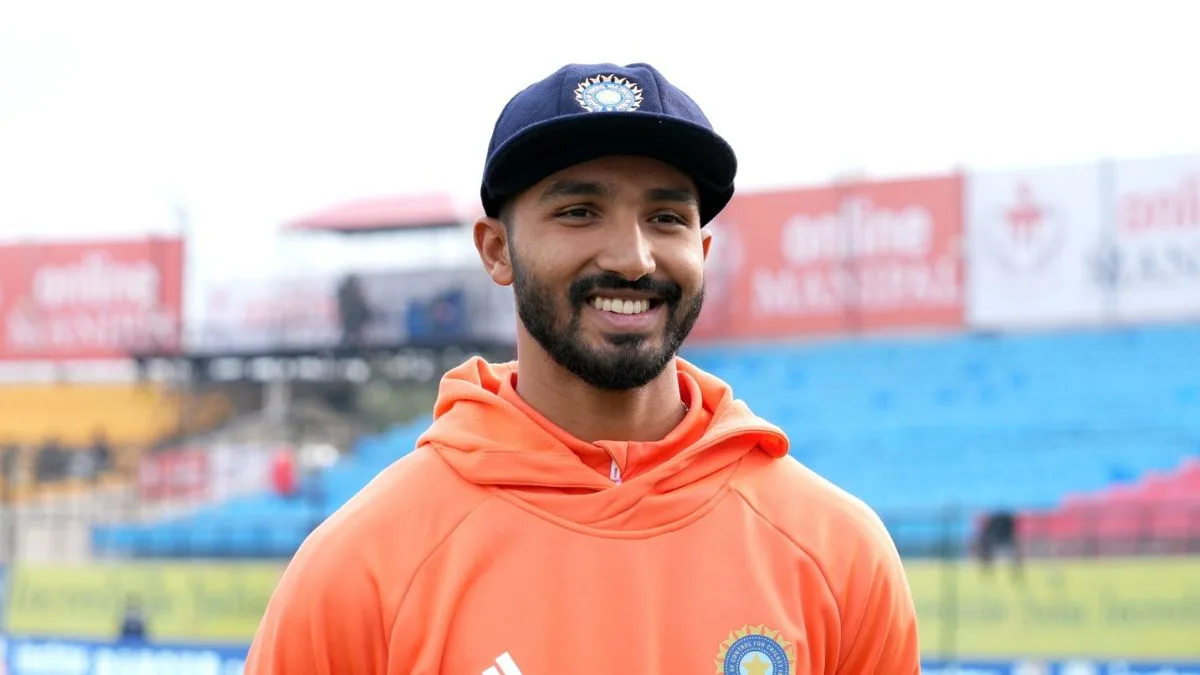
Karnataka’s historic chase was led by Devdutt Padikkal, who scored a majestic hundred. The left-handed batter scored 147 runs off 118 balls with 10 fours and seven sixes. He controlled the innings and struck the ball exceptionally cleanly, even with the required run rate throughout the majority of the innings hovering above 8 runs per over.

Earlier, Jharkhand captain Ishan Kishan scored a century in just 33 balls–the second fastest in Indian List-A history, propelling his team past 400 runs and making it appear that the run chase could not be done in the List-A format.

Karnataka’s batting order responded to the challenge of the chase with as much intent and aggression as the bowling side did. It was Mayank Agarwal (54) who provided early momentum to the innings with a fluent half-century. In contrast, Abhinav Manohar (56), who is known for his powerful batting style, also contributed a quick strike rate through the middle of the innings with a further quick half-century.

Thanks to these two players, Karnataka was able to keep the run rate within reasonable limits for the innings.

Dhruv Prabhakar finished the innings off with an impressive performance on his List-A debut with an unbeaten 40, showing great maturity and poise for someone so young.

His ability to find and exploit gaps, as well as efficiently rotate the strike, enabled Karnataka to complete the chase and achieve victory in a commanding style.

With this successful chase, Karnataka has entered the List-A record books, with only South Africa’s 435 against Australia currently ranked higher. Karnataka’s successful chase is now listed ahead of several well-known teams, including Queensland, Karachi, and Middlesex.

Will coming together of Thackeray cousins be enough to take on BJP in Maharashtra?

The fact is—BJP’s advantage among non-Marathi Hindutva voters, combined with Prime Minister Narendra Modi’s electoral appeal, added with some generous sprinkling of freebies and add-ons, is a big challenge for any political party, more so for those relegated to the sidelines.

VIBHA SHARMA | New Delhi |

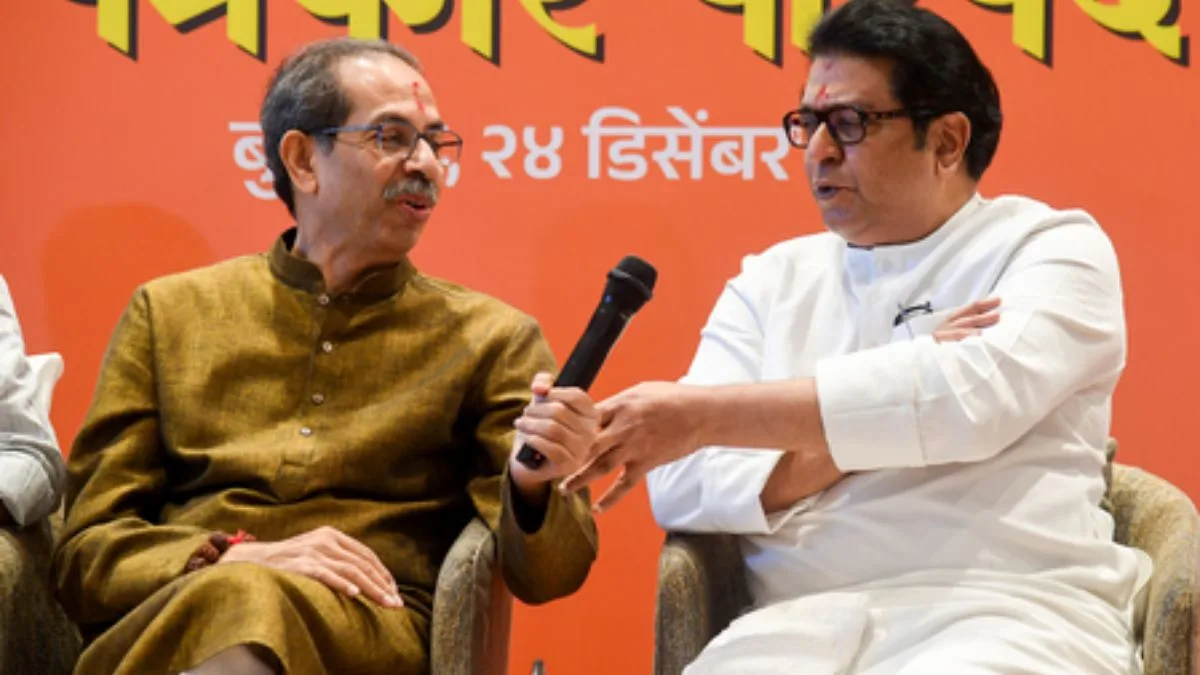
Maharashtra Chief Minister Devendra Fadnavis on Wednesday dismissed the alliance between the parties led by Shiv Sena (UBT) chief Uddhav Thackeray and Maharashtra Navnirman Sena (MNS)’s Raj Thackeray ahead of the Brihanmumbai Municipal Corporation (BMC) elections as an attempt at their own “political survival”.

Observers, too, see the tie-up as a last-ditch attempt for relevance, though some also point to a degree of “unease” within the saffron camp, particularly in the Eknath Shinde-led breakaway Shiv Sena, over its potential for Marathi polarisation.

Overall, the development presents an interesting—if somewhat opportunistic—political scenario. Politics, as they say, makes strange bedfellows, and such alliances are hardly unusual in a fight for survival.

The Shiv Sena (UBT) has been significantly weakened since the 2022 split led by Eknath Shinde, which eroded its traditional Marathi vote base. Raj Thackeray’s MNS, meanwhile, has been struggling electorally as a standalone force.

Announced ahead of the 2025–26 civic poll cycle, including the high-stakes BMC elections, the reunion aims to consolidate the “Marathi Manus” constituency. However, its first electoral test—the BEST Employees’ Co-operative Credit Society elections—resulted in a no-go.

The alliance’s combined performance in the Assembly elections is also nothing to write home about, though both parties continue to retain pockets of strength in municipal politics.

The fact is—BJP’s advantage among non-Marathi Hindutva voters, combined with Prime Minister Narendra Modi’s electoral appeal, added with some generous sprinkling of freebies and add-ons, is a big challenge for any political party, more so for those relegated to the sidelines. Historically, the Thackeray cousins have achieved limited success, both independently and in their early attempts at collaboration.

In the 2024 Maharashtra Assembly elections, Uddhav Thackeray’s Shiv Sena (UBT) secured 20 seats—a sharp decline from the undivided Sena’s earlier dominance—while Raj Thackeray’s MNS failed to win any seat. Municipal-level data suggests consolidation in some wards, but the real picture will only become clear once elections are held with the fractured Maha Vikas Aghadi.

With the Shiv Sena (UBT) on its own, the Nationalist Congress Party (NCP) Sharad Pawar (SP) faction, and the Congress will also all be contesting against each other in the Mumbai civic body elections on January 15.