Logo

From ‘bimaru’ to growth engine: How Uttar Pradesh recast its economic and governance story in 2025

In 2025, that long-standing perception began to shift in ways that were both visible and measurable, marking a turning point in the state’s economic and governance journey.

Manoj Bhadra | Lucknow |

For decades, Uttar Pradesh was regarded as a laggard — vast in size, rich in human capital, yet unable to convert scale into sustained performance.

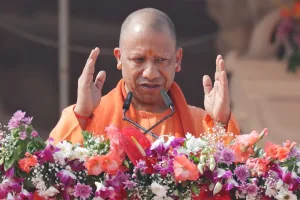
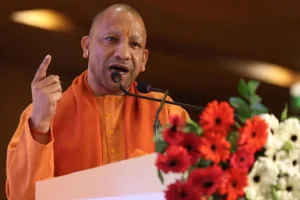
In 2025, that long-standing perception began to shift in ways that were both visible and measurable, marking a turning point in the state’s economic and governance journey. Throughout the year, the Yogi Adityanath government projected Uttar Pradesh as a centre of fiscal discipline, investor confidence and technology-led growth.

The narrative found its clearest and most comprehensive expression during the winter session of the Assembly, where the chief minister’s address on the Supplementary Budget effectively served as a year-end report card on the state’s transformation. At the core of the government’s pitch was the assertion that good governance and strict vittiya anushasan have enabled the state to shed its long-standing “Bimaru” tag and emerge as India’s second-largest economy.

Citing sharp increases in Gross State Domestic Product and per capita income, the government argued that 2025 validated its model of fiscal self-reliance, administrative discipline and targeted welfare delivery.

A recurring theme during the year was the link between law and order and economic revival. The chief minister repeatedly emphasised that security is the foundation of development. The crackdown on organised crime and the dismantling of the pre-2017 “mafia raj” were presented as critical enablers of investment. Consequently, Uttar Pradesh, once viewed with caution by investors, is now projected as a state where businesses operate without fear, contracts are honoured and governance is predictable.

This shift in perception, the government maintains, has played a decisive role in driving industrial and infrastructure growth.

Infrastructure expansion continued to define the state’s physical transformation in 2025. Uttar Pradesh consolidated its lead in expressway construction, expanded metro rail networks and strengthened rail connectivity across regions.

Air connectivity also witnessed rapid growth, with 16 operational airports, including four international ones, significantly improving access for trade, tourism and investment. Roads, railways and airports together emerged as the backbone of the state’s development push.

Employment generation remained a major political and administrative focus. Over the past nine years, the government claims to have provided more than nine lakh government jobs through transparent recruitment processes, helping restore confidence among the youth. Alongside this, private-sector employment gained momentum through large investment proposals finalised at investor summits, many of which translated into operational projects on the ground during the year.

The MSME sector continued to be positioned as the backbone of the state’s economy. Traditional industries were integrated with technology, branding and modern marketing under the One District One Product (ODOP) scheme. Handicrafts, textiles and local manufacturing units expanded their reach to national and international markets, strengthening district-level economies and employment.

Agriculture saw a marked shift towards technology-driven and balanced growth. Timely payments to sugarcane farmers, expanded irrigation coverage, solar pump installations, and the adoption of agri-tech solutions such as drones and precision farming contributed to rising rural incomes. As a result, Uttar Pradesh retained its leadership in food grain, sugarcane and ethanol production, with the agriculture growth rate reportedly rising from 8 per cent to 18 per cent— one of the most striking indicators highlighted by the government in 2025.

Welfare delivery remained a parallel pillar of governance. Housing, food rations, Ayushman health cards and pension schemes continued to be implemented through Direct Benefit Transfer, reducing leakages and strengthening trust in state systems. Healthcare infrastructure also expanded, with the number of medical colleges reaching 81, significantly improving access to medical education and services.

Perhaps the most forward-looking development of the year was Uttar Pradesh’s push to advanced technology sectors. The government projected the state as an emerging hub for Artificial Intelligence (AI), Big Data, Deeptech, Fintech and Cyber Security.

The manufacturing of BrahMos missiles at the Lucknow node of the Defence Corridor symbolised the shift towards high-end and strategic manufacturing. At the same time, a growing start-up ecosystem indicated a gradual transition from job-seeking to job-creation among the youth.

By the end of 2025, a range of indicators was repeatedly cited to underline the scale of change: a GSDP of around Rs 35–36 lakh crore, per capita income rising from Rs 45,000 to approximately Rs 1.2 lakh, a credit-deposit ratio approaching 65 per cent, declining unemployment levels, and industrial investments worth over Rs 15 lakh crore implemented on the ground.

Uttar Pradesh also emerged as a major manufacturing base for electronics and mobile phones, while continuing to dominate national agricultural output.

As the year draws to a close, the state appears markedly different from its past image. Whether assessed through governance reforms, infrastructure growth, welfare delivery or technological ambition, 2025 reinforced the state’s effort to position itself not as a follower, but as a driver of India’s growth story.

The political message is equally clear: Development, discipline, and delivery are being framed as the defining pillars as the state moves towards the next electoral phase.
India’s rare earth permanent magnet demand to double by 2030: Govt

“Developing integrated REPM manufacturing capacity is therefore essential to support rising domestic requirements and strengthen supply-chain resilience,” the government said on Saturday.

Statesman News Service | New Delhi |

India’s consumption of Rare Earth Permanent Magnets (REPMs) is expected to double by 2030, driven by rapid growth in electric mobility, renewable energy deployment, electronics manufacturing and strategic applications.

“Developing integrated REPM manufacturing capacity is therefore essential to support rising domestic requirements and strengthen supply-chain resilience,” the government said on Saturday.

REPMs are among the strongest types of permanent magnets and are widely used in technologies requiring compact, high-performance magnetic components.

Their high magnetic strength and stability make them integral to electric vehicle motors, wind turbine generators, consumer and industrial electronics, aerospace and defence systems, and precision sensors and actuators.

The ability of REPMs to deliver strong magnetic performance in compact sizes makes them indispensable for advanced engineering applications.

As India expands manufacturing across priority sectors such as clean energy, advanced mobility and defence, establishing a reliable domestic supply of high-performance magnets has become increasingly important for long-term competitiveness and supply-chain resilience.

The government has approved the Scheme to Promote Manufacturing of Sintered Rare Earth Permanent Magnets, with a financial outlay of ₹7,280 crore.

The scheme aims to establish 6,000 metric tonnes per annum (MTPA) of integrated REPM manufacturing capacity in the country, covering the full value chain from rare-earth oxides to finished magnets.

By building a domestic integrated ecosystem, the initiative seeks to enhance self-reliance in a critical input for electric vehicles, renewable energy systems, electronics, aerospace and defence, while positioning India as a key player in the global REPM market.

The programme also supports broader national objectives, including Atmanirbhar Bharat, the creation of resilient supply chains for strategic sectors, and the country’s long-term Net Zero 2070 vision.

India possesses a substantial base of rare-earth mineral resources, particularly monazite deposits found across several coastal and inland regions.

These deposits contain an estimated 13.15 million tonnes of monazite, holding around 7.23 million tonnes of rare-earth oxides (REOs), and are located in coastal beach sands, teri/red sands, and inland alluvial areas of Andhra Pradesh, Odisha, Tamil Nadu, Kerala, West Bengal, Jharkhand, Gujarat and Maharashtra.

These oxides form the primary raw material for downstream rare-earth industries, including permanent magnet manufacturing.

In addition, around 1.29 million tonnes of in-situ REO resources have been identified in hard-rock areas of Gujarat and Rajasthan. The Geological Survey of India has further augmented the resource base by identifying 482.6 million tonnes of rare-earth ore through extensive exploration activities.

Together, these assessments underline the availability of substantial raw material resources to support downstream rare-earth-based industries, including REPM manufacturing.

However, despite India’s strong resource base, domestic production of permanent magnets remains limited, and imports continue to meet a significant share of current demand.

Official trade data indicates that India sourced a major portion of its permanent magnet imports from China during 2022–23 to 2024–25, with import dependence ranging between 59.6 per cent and 81.3 per cent in value terms, and between 84.8 per cent and 90.4 per cent in volume terms.

Kashmir’s culture incomplete without Kashmiri Pandits: Jitendra Singh

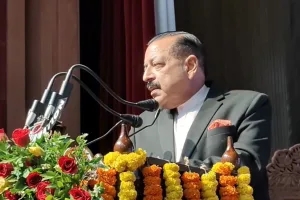
The minister said that the Modi government has taken decisive and sustained action against terrorism in Jammu and Kashmir over the past eleven years, resulting in a significant decline in terror incidents, stone-pelting and targeted killings.

Statesman News Service | Jammu |

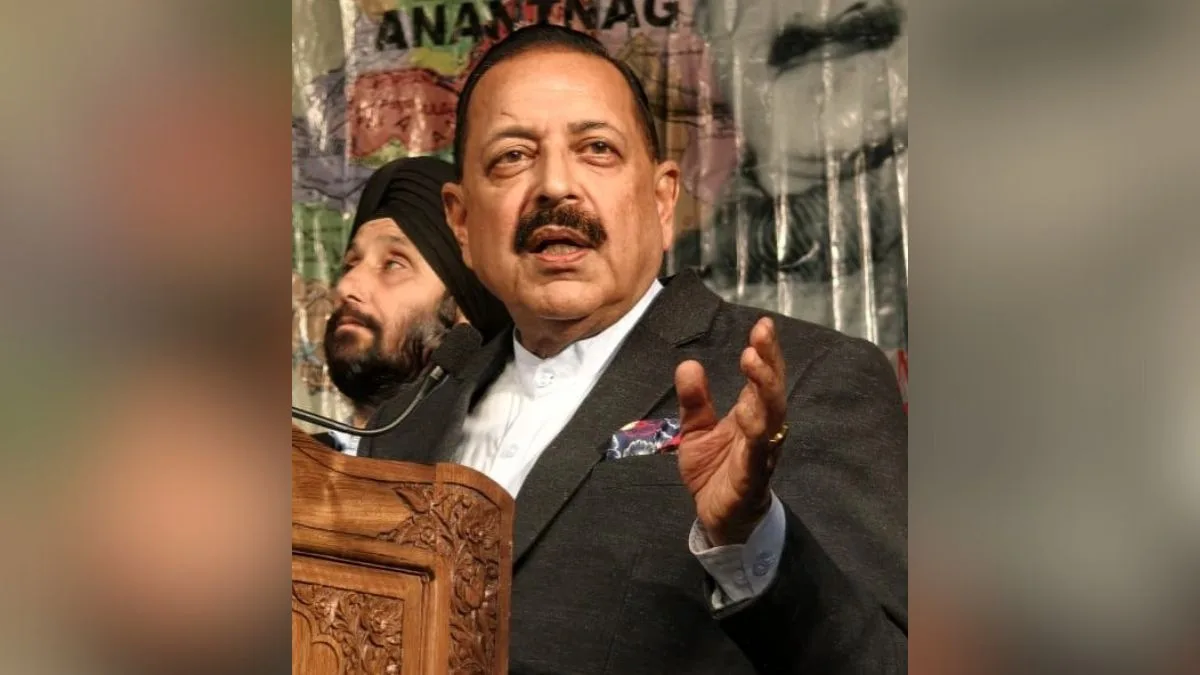
Expressing concern over the continuing dilution of the community’s cultural and linguistic ethos, Union Minister Dr Jitendra Singh on Saturday stressed the need for sustained efforts to preserve the Kashmiri Pandit legacy and emphasised that preserving the community’s cultural, linguistic and civilisational ethos is essential for sustaining Kashmir’s composite culture, which remains incomplete without the Kashmiri Pandits.

The minister said that the Modi government has taken decisive and sustained action against terrorism in Jammu and Kashmir over the past eleven years, resulting in a significant decline in terror incidents, stone-pelting and targeted killings.

He said this reflects strong political will, and marks a clear departure from earlier approaches that lacked firmness in dealing with terrorism.

Dr Jitendra Singh was speaking at a programme organised here to mark the death anniversary of Pandit Prem Nath Bhat, a noted lawyer and journalist who was killed by terrorists on 27 December, 1989.

Paying tributes to Pandit Bhat, the minister said his sacrifice symbolises the suffering endured by the Kashmiri Pandit community due to terrorism and targeted violence.

Dr Jitendra Singh said terrorism inflicted grave human suffering and severely disrupted the social harmony of Kashmir.

He noted that for several years, the human rights of victims of terrorism, particularly Kashmiri Pandits, were overlooked due to a selective and inconsistent definition of terrorism. This, he said, aggravated the injustice faced by those who were forced to leave their homes and abandon their ancestral roots.

He said the Kashmiri Pandit community has demonstrated extraordinary resilience and an inherent capacity to survive and thrive despite decades of displacement and adversity.

Highlighting Kashmir’s centuries-old composite and pluralistic culture, Dr Jitendra Singh said Kashmiri Pandits have been an inseparable part of the Valley’s civilisational fabric. Their contributions to education, literature, administration and social values provided a stabilising and rational influence that benefitted the entire society, he added.

The minister assured that the government is sincere, trustworthy and fully committed to addressing the long-pending demands of the Kashmiri Pandit community.

Dr Jitendra Singh further noted that the government’s approach aims not only at rehabilitation but also at preserving the cultural and social fabric of the Valley, ensuring that the Kashmiri Pandit community’s contributions are recognised and sustained for future generations.

Gram Chaupals in UP to spread awareness about “Viksit Bharat G RAM G”

The state government aims to ensure that every family receives the guarantee of work and that information about employment opportunities reaches people at the grassroots level through Gram Chaupals.

Statesman News Service | Lucknow |

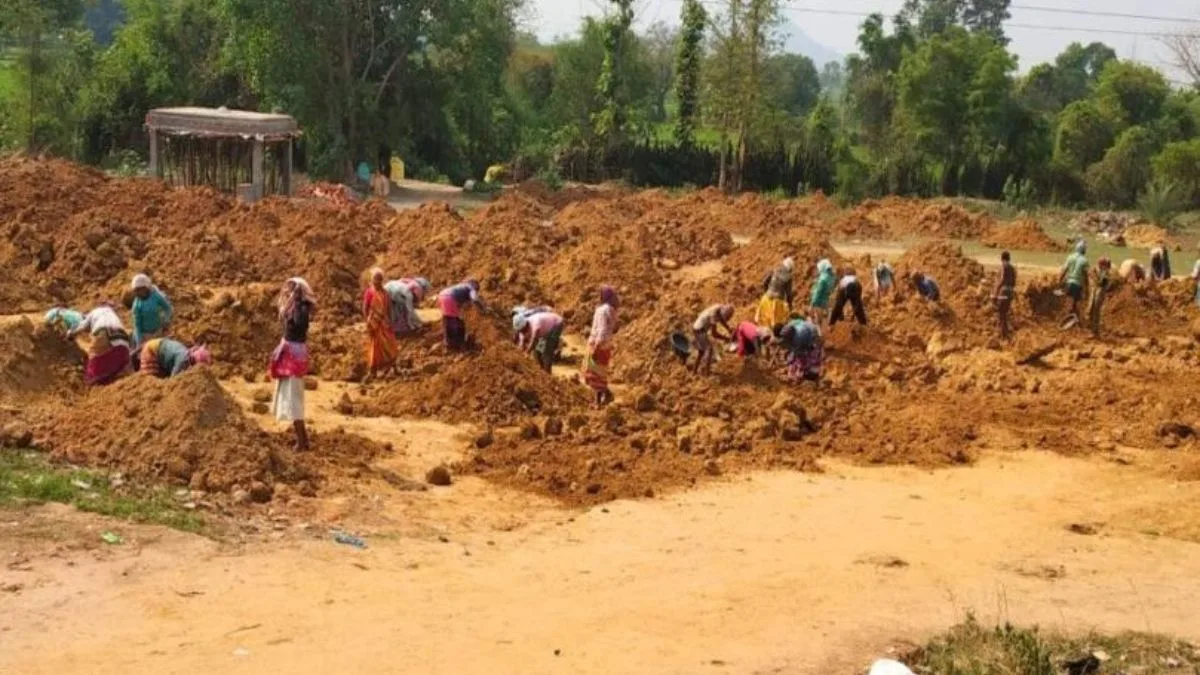
A concrete initiative has begun to take employment, training, and livelihood opportunities directly to villages through the “Viksit Bharat G RAM G” Yojana in Uttar Pradesh.

The state government aims to ensure that every family receives the guarantee of work and that information about employment opportunities reaches people at the grassroots level through Gram Chaupals. Chief Minister Yogi Adityanath has instructed officials to complete all preparations to translate the vision of Viksit Bharat into reality.

In this direction, a large-scale public awareness campaign will be conducted across the state. As part of this campaign, posters, banners, and wall paintings will be displayed in government offices, community halls, gram panchayat buildings, and Gram Sabha venues to connect people with government schemes, officials disclosed on Saturday. Besides, direct dialogue through Gram Chaupals will be used to inform common citizens about employment-related schemes, ensuring transparent communication and wider outreach.

Through this campaign, the employment and livelihood guarantee framework under the ‘VB-G RAM G Act’ is being implemented effectively. The objective is not merely to design policies, but to ensure that their benefits reach every eligible individual.

Along with discussions at Chaupals, information about the scheme will be shared door to door. In these Gram Chaupal, people will be informed about employment schemes, available work opportunities, and their rights, so that no eligible person is left unaware or excluded.

The scheme will be promoted extensively through posters, banners, and wall paintings. Promotional materials will be installed at government offices, panchayat buildings, schools, community halls, and other public places so that no citizen remains untouched by this information.

Logos and messages related to the scheme will also be displayed at railway stations and bus terminals. The decision to promote the scheme at major public places reflects the Yogi government’s commitment to ensuring maximum outreach and awareness.

The UP government is also making a focused effort to ensure public participation in employment-related decision-making. Through the medium of Chaupals, people will be able to convey their needs, concerns, and suggestions directly to the administration. This participatory approach is intended to strengthen trust between the government and citizens and to make policies more responsive to ground realities.

Chief Minister Yogi Adityanath has clearly conveyed to officials that the dream of Viksit Bharat can only be realized when villages are strong and every hand has work. With this vision, the administration has been directed to ensure that schemes do not remain confined to paper, but reach every needy person in a timely and effective manner.

This campaign will not only expand employment opportunities, but will also strengthen the rural economy and prove to be a significant step towards building an Aatmanirbhar Bharat.

India-Pakistan monsoon floods ranked fifth among the world’s top 10 costliest global climate disasters in 2025

Linking the extremity of monsoon seasons to human-driven climate change, scientists estimate that for every degree of warming, monsoon rainfall is likely to increase by around 5%, according to the report ‘Counting the Cost 2025’

VIBHA SHARMA | New Delhi |

Heatwaves, wildfires, droughts, floods, and storms cost the world over $120 billion in 2025, according to a new Christian Aid report, “Counting the Cost 2025”. As the year draws to a close, the report identifies the 10 most expensive and impactful climate disasters, with Asia accounting for four of the six costliest ones.

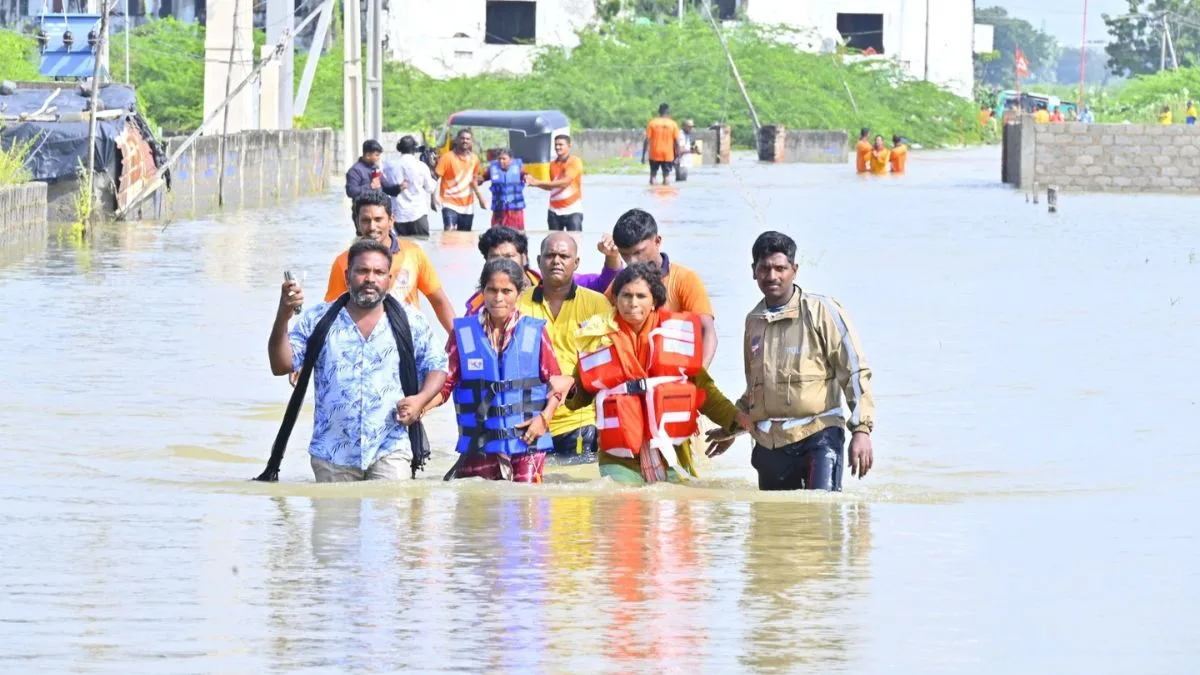
The June–September flooding in India and Pakistan is ranked fifth among the costliest climate-related disasters in 2025, killing more than 1,860 people, affecting over seven million people in Pakistan alone, and underscoring the high cost of extreme weather events and escalating risks to both human lives and national economies.

The exceptionally heavy monsoon season across large parts of India and Pakistan from June to September triggered landslides, cloudbursts, and deadly flash floods. Entire communities were displaced, and the heavy rainfall caused widespread damage to agriculture and infrastructure in both countries.

The combined economic cost of the monsoon season was estimated at around $5.6 billion by the report.

“Torrential rains began early, triggering deadly floods, landslides, cloudbursts, and flash floods, particularly in mountainous regions.

“India’s monsoon season started with the wettest May since records began. By September, the country had received 8% more rainfall than the average, with 2,277 flood and heavy rain events recorded. The heavy rain had a significant impact on agriculture and infrastructure. By the end of the season, India’s agricultural sector – responsible for about 18% of the economy and 1.4 billion people’s incomes – saw a reduction in yields,” the report says.

The bottom line is that warmer oceans and a warmer atmosphere are supercharging evaporation, increasing atmospheric moisture, and fuelling heavier downpours. These conditions favour the melting of glaciers and permafrost and amplify the risk of floods and landslides. Linking the extremity of monsoon seasons with human-driven climate change, scientists estimate that for every degree of warming, monsoon rains will likely increase by around 5%.

Meanwhile, among the extreme weather events influenced by the climate crisis are the Palisades and Eaton wildfires in California, which alone resulted in losses exceeding $60 billion. The year also saw devastating wildfires in the UK following record-breaking heatwaves in Scotland. Other major events highlighted include prolonged droughts in Canada, a series of powerful typhoons in the Philippines, and record-breaking fires across the Iberian Peninsula.

The rising cost of climate change is being driven largely by continued fossil fuel use, the report warns. The cost of climate inaction is becoming increasingly clear, as communities bear the consequences of a crisis that could have been reduced through early and decisive action, it says, calling for urgent cuts in greenhouse gas emissions and increased support for vulnerable communities, stressing that the impacts of such disasters can still be mitigated.

“These disasters are not ‘natural’, they are the predictable result of continued fossil fuel expansion and political delay,” according to Emeritus Professor Joanna Haigh of Imperial College London.

Incidentally, most estimates are based only on insured losses, meaning the true financial cost may be much higher, while the human suffering often remains uncounted, the report suggests.

Tilottama claims women’s 50m Rifle 3P gold at shooting Nationals

Kerala’s Vidarsa K. Vinod put up a spirited challenge to claim the silver medal with 462.9, while Railways’ Ayonika Paul secured the bronze after finishing with 451.8.

Statesman News Service | New Delhi |

Tilottama Sen delivered a calm and assured performance to clinch the gold medal in the women’s 50m rifle 3 Positions final at the 68th National Shooting Championship Competitions at the MP State Shooting Academy in Bhopal. The Karnataka shooter finished on top with a score of 466.9, converting her strong showing in qualification into a dominant final.

Kerala’s Vidarsa K. Vinod put up a spirited challenge to claim the silver medal with 462.9, while Railways’ Ayonika Paul secured the bronze after finishing with 451.8.

Earlier in the day, Tilottama had stamped her authority in qualification, topping the field with an impressive 591-29x. Vidarsa followed closely with 589-29x, while fellow Karnataka shooter Anushka H. Thokur placed third with 588-33x. Anushka narrowly missed the podium in the final, finishing fourth with 441.2. Ayushi Podder was fifth with 430.6 after qualifying on 585-30x, while Ashi Chouksey also scored 430.6 in the final, having qualified with 585-29x. Shriyanka Sadangi (403.9, 585-29x) and Ramita (403.8, 586-29x) completed the eight-shooter final lineup.

In the junior women’s 50m rifle 3P event, Army shooter Rituparna Satish Deshmukh produced a well-timed surge to win the gold medal with a score of 458.6. Having finished fourth in qualification with 584-31x, Rituparna peaked in the final to overhaul the field. Haryana’s Nischal pushed her all the way, settling for silver just half a point behind on 458.1, while Karnataka’s Anushka H. Thokur added a bronze medal to her tally with 447.6.

Shrivalli finished fourth in the junior final with 437.2, followed by Ramita on 424.9 and Tilottama Sen on 414.3. Arya Chourasia (401.0) and Prachi Shashikant Gaikwad (388.9) rounded off the standings.

In the senior women’s 50m rifle 3P team event, Rajasthan emerged champions with an aggregate score of 1751, thanks to the combined efforts of Manini Kaushik, Sweety Choudhary and Monika Jakhar. Madhya Pradesh finished just one point behind to claim silver with 1750, represented by Ashi Chouksey, Shrivalli Shrivastava and Nupur Kumrawat. Haryana also totalled 1750 to secure the bronze medal, with Swati, Aakriti Dahiya and Nischal forming the team.

Karnataka dominated the junior women’s team competition, clinching gold with a total score of 1749 through Tilottama Sen, Anushka H. Thokur and Vanshika Lahoria. Madhya Pradesh took silver with 1737, led by Shrivalli Shrivastava, Archana Damahe and Pratha Rathod, while Maharashtra finished third on 1729, courtesy of Prachi Shashikant Gaikwad, Vedanti Naresh Bhatt and Saniya Sudesh Sapale.

You never expect Australia to make it easy: Root after England’s historic MCG win

The world’s top-ranked Test batter had endured three previous Ashes tours Down Under without tasting success, but that personal drought finally ended as England chased down a target of 175 in a dramatic two-day contest.

Statesman News Service | New Delhi |

England batting great Joe Root praised his team’s resilience and character after the visitors ended a 14-year wait for a Test victory in Australia, securing a four-wicket win over the hosts in the Boxing Day Test at the Melbourne Cricket Ground.

The world’s top-ranked Test batter had endured three previous Ashes tours Down Under without tasting success, but that personal drought finally ended as England chased down a target of 175 in a dramatic two-day contest. The moment brought visible relief for Root as the winning runs were struck, even though the Ashes urn was already out of England’s reach.

Reflecting on the achievement, Root highlighted the importance of how the team responded after losing the series.

“Obviously, to lose the series is very disappointing, but I think it was really important that we showed a lot of character for the rest of the series. A lot has been thrown at this team, and the way we responded over these two days has been excellent,” Root told host broadcaster Fox Sports after the victory.

The match was played at a frenetic pace on a surface that heavily favoured the fast bowlers, with all four innings completed inside two days. Root felt England adapted well to the conditions and made the most of the opportunities that came their way.

“Clearly it was a very fast-forward Test match with the surface we were presented with, but I think we adapted to it as well as we could and exploited it when we had the opportunities,” he said.

“We showed a bit of bravery today in the way we approached things with the bat, and that’s why we won the Test match.”

Despite the team’s success, Root endured a difficult outing personally. He was dismissed for a 15-ball duck in the first innings and added only 15 during the chase, as England briefly wobbled with the finish line in sight. When Ben Stokes was also dismissed soon after, Australia sensed a late opening.

However, Harry Brook and wicketkeeper-batter Jamie Smith held their nerve to guide England home and secure a rare away victory against their oldest rivals.

Root admitted that nothing comes easily against Australia on their home turf and said past disappointments made the win even sweeter. “You never expect them to make it easy,” Root said.

“I’ve been on the wrong side of the result a lot here, so you know what to expect. You know how good Australia are in their own conditions, but the fact that we managed to get across the line today is excellent, and hopefully we can improve again next week.”

The series now moves to Sydney for the fifth and final Test, with England hoping to build on the momentum gained from their morale-boosting victory in Melbourne.

Bihar Deputy CM warns revenue officials: No tolerance for land mafia or disorder

Sinha, who also holds charge of the Revenue and Land Reforms Department, has directed officers to ensure the timely resolution of land-related cases. He has also warned officials against entertaining land mafias.

Imran Mojib | Patna |

Amid a rising number of land-related disputes in Bihar, Deputy Chief Minister Vijay Kumar Sinha has sent a strong message to officials of the Revenue and Land Reforms Department, stating that disorder of any kind will not be tolerated.

Sinha, who also holds charge of the Revenue and Land Reforms Department, has directed officers to ensure the timely resolution of land-related cases. He has also warned officials against entertaining land mafias.

His actions have created a stir within the department.

Amid fears of disciplinary action, the association of Circle Officers has written to Chief Minister Nitish Kumar, seeking his intervention. However, Vijay Sinha responded firmly, stating that he will not give in to any pressure.

During interactions with the media, Sinha has repeatedly said that warnings to land mafias and land brokers have failed to produce results, and that the time has now come for strict action. Circle Officers have been instructed to take direct legal action against land mafias, brokers, and middlemen involved in land-related matters.

He said, “All Circle Officers and other officials have been instructed to take serious note of those who use fake documents to commit fraud and deliberately turn legitimate land into disputed property. Once proper information is obtained, cases must be registered against such individuals.”

“If Circle Officers fail to act against such mafias, the department will take action against those officers,” he added.

To ensure the timely disposal of land-related cases, the Revenue and Land Reforms Department has been organising camps in various districts, some of which have been attended by Deputy Chief Minister Vijay Kumar Sinha.

During a recent camp in Purnia, several victims presented their land-related grievances before the minister. After hearing the complaints, Sinha issued necessary instructions to the concerned officials on the spot.

Young women recruited to protect Forests and Wildlife in Odisha

For the first time, five women units have been inducted into the Enforcement Squad. The members of these teams mostly belong to tribal communities.

Statesman News Service | BHUBANESWAR |

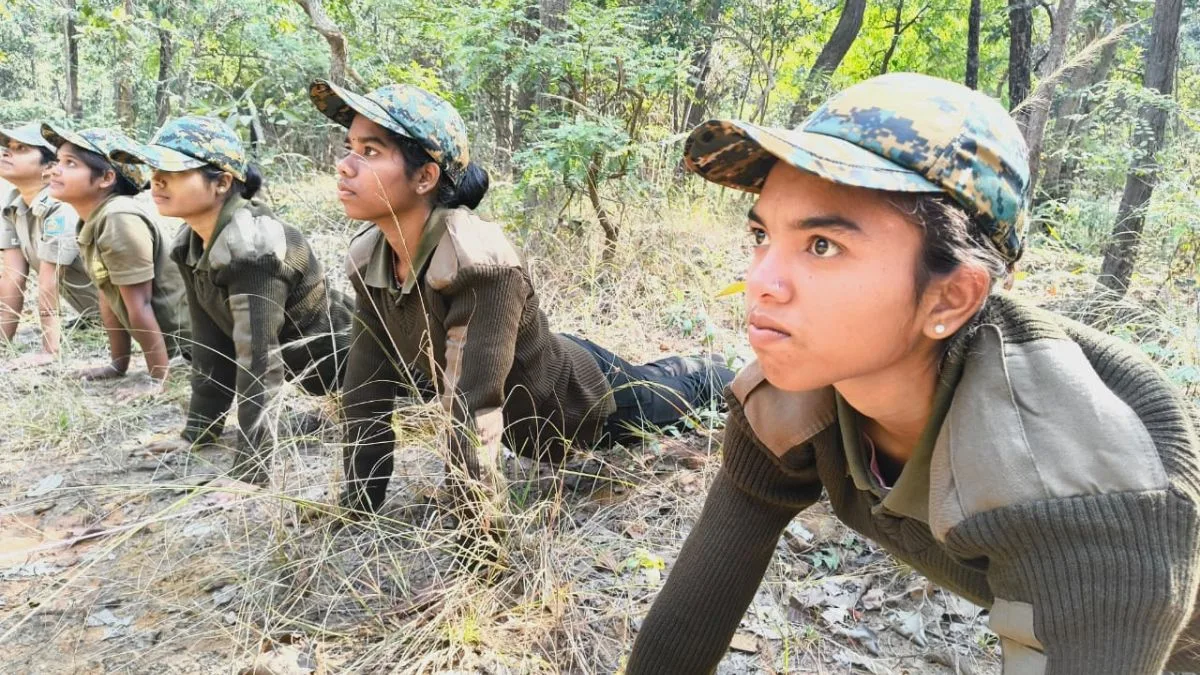
The Odisha Forest Department has inducted all-women patrol squads to safeguard wildlife and forest areas in and around the Debrigarh Wildlife Sanctuary under the Hirakud Wildlife Division, an official said on Saturday.

For the first time, five women units have been inducted into the Enforcement Squad. The members of these teams mostly belong to tribal communities. They were selected for the enforcement unit due to their strong commitment to wildlife and forest protection, fearless attitude, and aspiration to lead a meaningful life in service of nature, said Ms. Anshu Pragyan Das, Divisional Forest Officer, Hirakud Wildlife Division (Debrigarh Sanctuary).

Since childhood, these young women have spent much of their lives in and around the forests and have witnessed increasing human pressure on the sanctuary, rising cases of wildlife electrocution by villagers attempting to protect crops, and growing cross-border wildlife trafficking between Odisha and Chhattisgarh.

The recruits underwent three months of rigorous physical training starting in October, conducted by women frontline staff of Debrigarh along with former Army personnel deployed in the sanctuary.

Their training included daily 5 to 7 kilometre runs, daytime patrolling inside forest areas, night patrolling along the sanctuary boundaries, and hands-on sessions in using camera traps, mobile patrolling applications, live wire detectors, and pressure impression pads. They were also trained in the importance of foot patrolling and effective monitoring techniques, she added.

The women have also been trained in wildlife safety measures, including how to respond during animal encounters, operate VHF and walkie-talkie communication systems, and navigate dense forest areas. They were sensitized to the importance of core zones and inviolate spaces within protected areas.

Two of the recruits, Nabanita Rout and Aliva Kalo, are expert swimmers and have also received training in cruise driving. They are scheduled to undergo advanced cruise navigation training at Chandabali in Bhadrak district, as recommended by the Hirakud authorities.

From 1 January 2026, the women will complete their training and begin independent duties as Protection Squad members within the sanctuary.

“It is a matter of pride to be part of the Debrigarh Enforcement Unit. I feel confident in discharging my responsibilities. This opportunity has made me financially independent and given me the chance to support my family,” said Anjali Topno, one of the inductees.

“Initially, the physical training and patrolling in the tough terrain of Debrigarh were challenging, but after three months of training, protecting the sanctuary has become my mission. I now want to inspire others in rural areas to come forward and safeguard our forests for future generations.”

Ashes 2025-26: Smith credits England after MCG defeat ends Australia’s home run

Steve Smith was generous in defeat after England produced a stirring four-wicket win over Australia in the fourth Ashes Test at the Melbourne Cricket Ground, ending the hosts’ long unbeaten run at home against their traditional rivals.

Statesman News Service | New Delhi |

Steve Smith was generous in defeat after England produced a stirring four-wicket win over Australia in the fourth Ashes Test at the Melbourne Cricket Ground, ending the hosts’ long unbeaten run at home against their traditional rivals.

Speaking after the match, Smith admitted England wrested control of the contest on the second day with disciplined bowling followed by fearless batting. “I thought England came out today and played some really good cricket. They got the ball in the right areas and dismissed us,” Smith said.

“And then I thought the way they started with the bat was good. Obviously, they were really aggressive, and tried to break the back of a reasonably small chase on a tricky wicket.

“They got off to a bit of a flier. And a couple of their heavy blows sort of softened our seam quite a bit. Probably didn’t offer as much as it had for the rest of the game after that. So credit to them,” he added.

England’s victory was built on a dominant display with the ball, as they dismissed Australia twice inside two days, skittling the hosts for 152 and 132 on a pitch that offered consistent assistance to the quicks. Set a target of 175 on the second day, Ben Stokes’ side completed the chase in just 32.2 overs to seal a famous win.

Smith felt England’s attacking intent with the bat proved decisive, particularly after they had lost the first three Tests of the series. “The guy with the most success on that wicket was probably Harry Brook. Running down the wicket, playing some rogue shots, and trying to get the bowlers off their lengths,” he said.

Brook had been England’s standout performer with the bat in the first innings, top-scoring with a rapid 41 from 34 balls, before remaining unbeaten during the successful chase as England closed out the match.

Reflecting on whether Australia could have adopted a similar approach, Smith acknowledged it would be a point of discussion. “Whether we could have been a bit more proactive and played a few more of those (attacking shots), that’s something we’ll talk about but in the end, it’s also a tricky one to do that.

“You want to try and dig in for your team, you want to extend a couple of those partnerships and maybe the ball would have got a bit softer and played a little easier. We never really got to that point in the game,” he added.

The defeat brought to an end Australia’s unbeaten home run against England stretching back to 2011, a sequence that included 18 Tests. It also marked the first loss for the two-time World Test Championship finalists in the ongoing 2025–27 cycle, after arriving at the Boxing Day Test with six wins from six matches.

“We would love to win every game and keep every streak going but like I said, England played really well today,” Smith said.

“We probably controlled the first half of the game yesterday and then they came back into the game today and took the game away from us. Particularly the way (Zak) Crawley and (Ben) Duckett started, they got them off to a flier and softened the ball, which made a big difference,” he analysed.

The focus now shifts to Sydney, where Australia and England will meet for the fifth and final Test of the Ashes starting January 4.

‘How can we trust CBI,’ ask Unnao rape case survivor, her mother as agency moves SC against Sengar bail

Sengar, who was convicted in the rape case and sentenced to life imprisonment, was allowed to walk out of jail after Delhi High Court suspended his sentence and granted him bail.

Statesman News Service | New Delhi |

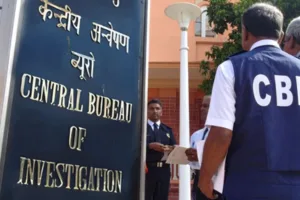
Even as the Central Bureau of Investigation (CBI) moved the Supreme Court challenging former BJP MLA Kuldeep Singh Sengar’s bail in Unnao rape case following massive public outrage, the victim and her mother has questioned the probe agency’s handling of the case, alleging that the Investigation Officer (IO) was in touch with the daughter of the accused.

Sengar, who was convicted in the rape case and sentenced to life imprisonment, was allowed to walk out of jail after Delhi High Court suspended his sentence and granted him bail.

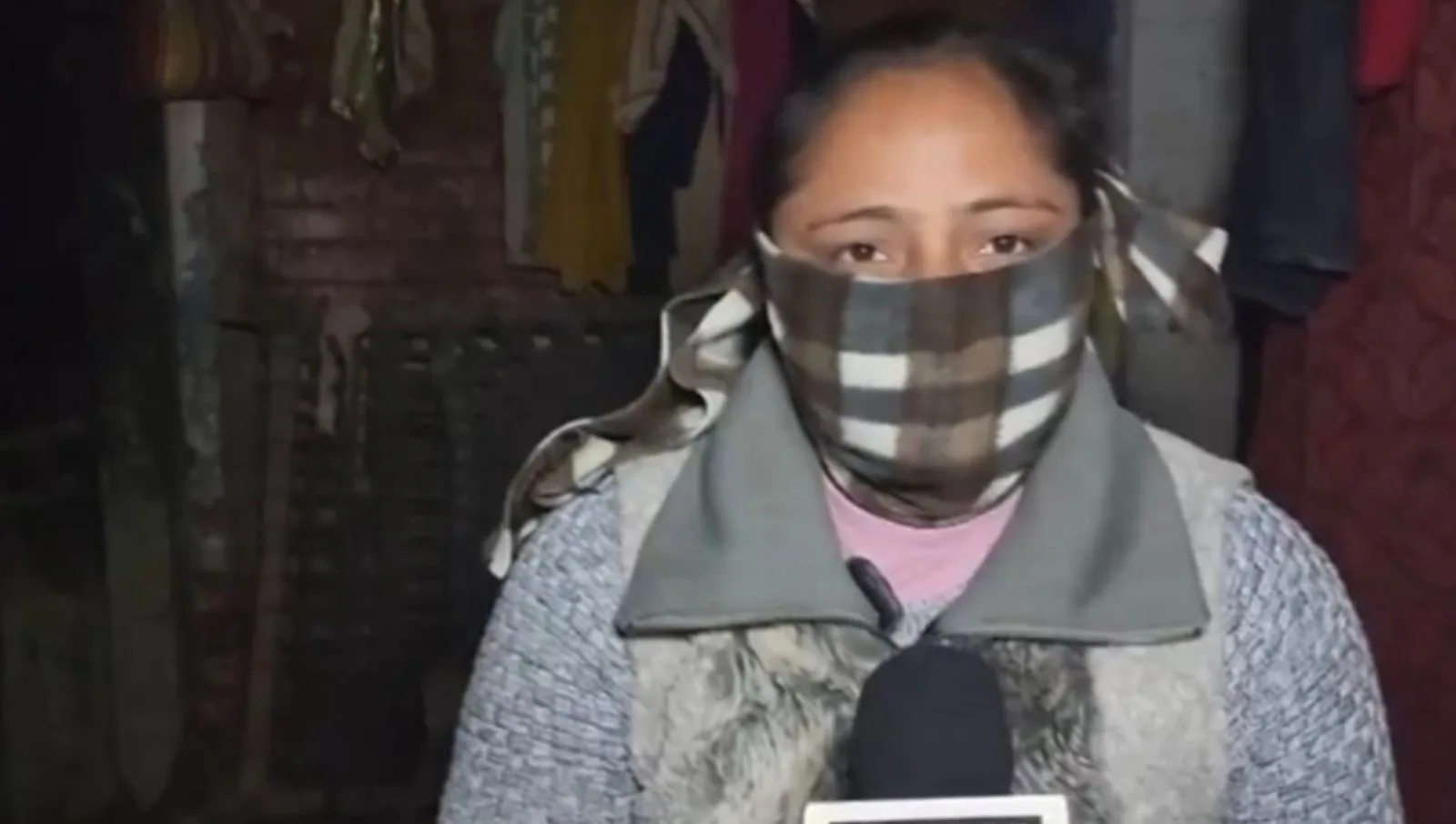
“Had the CBI stood with my lawyer, we wouldn’t have had to see this day. We would have won, and they would have lost,” the survivor, who reached the CBI office, along with her mother and lawyer Mehmood Pracha, said.

She also levelled serious allegations of bribery against the high court judge who passed the order granting relief to Sengar. “This is an injustice that one family was intimidated while the other person was given a free pass… This means that the judge has taken so much money that there is no limit. Call the judge, I will confront him. This is my right.”

Her mother also raised serious questions over the CBI’s handling of the case. She said that they will only trust the CBI when the agency will meet them.
“If CBI meets us, only then will we trust them. How can we trust them otherwise… We have not discussed CBI… We have only said that IO met them. He was talking to Kuldeep Sengar’s daughter. When we asked him whether he knew the victim, he said, why would I know her. He said this in a crowded court…,” she claimed.

On Tuesday, the Delhi High Court had ordered to suspend the life sentence awarded to Sengar in the rape case and granted him bail.

Sengar was convicted by a trial court in 2019 and sentenced to life imprisonment for the rape of a minor in Unnao, Uttar Pradesh. He filed an appeal against the conviction before the Delhi HC in Janyuar 2020 and a petition for suspension of sentence in March 2022 before the Delhi HC.

Over two lakh devotees visit Kashi Vishwanath Temple in Varanasi

On Saturday, Shambhu Sharan, the Sub-Divisional Magistrate (SDM) of the Shri Kashi Vishwanath Temple Special Pilgrimage Area, said that the number of devotees visiting Baba Vishwanath is continuously increasing.

Statesman News Service | Varanasi |

A massive crowd of devotees has started gathering at the Shri Kashi Vishwanath Temple in the holy city of Varanasi even before the start of the New Year.

On Saturday, Shambhu Sharan, the Sub-Divisional Magistrate (SDM) of the Shri Kashi Vishwanath Temple Special Pilgrimage Area, said that the number of devotees visiting Baba Vishwanath is continuously increasing.

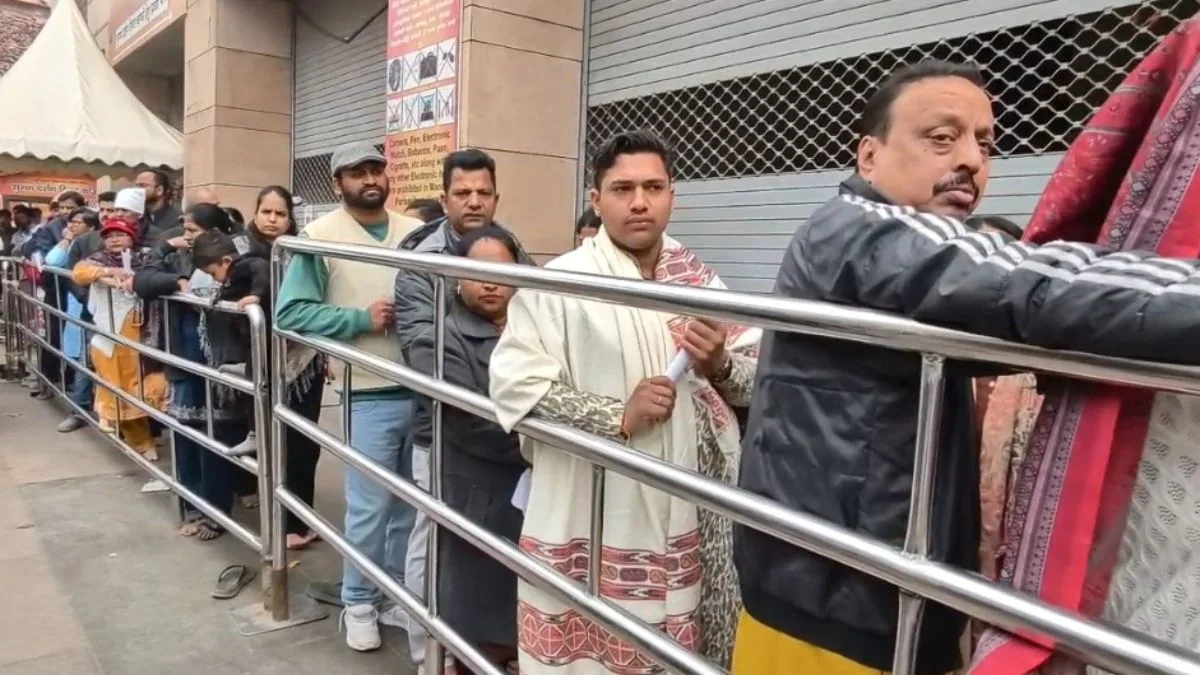
More than two lakh devotees have already had darshan of Baba Vishwanath since morning. Considering the huge crowd, special arrangements have been made in and around the temple premises.

He said that keeping in mind the convenience and safety of the devotees, a complete barricading system has been implemented at the Kashi Vishwanath Temple. All devotees entering the temple have a darshan of Baba Vishwanath from within the barricaded area.

He said that all the arrangements currently in place are similar to those made during the Mahakumbh and the month of Sawan. The temple administration’s objective is to ensure safe and smooth darshan for the devotees without any inconvenience.

Long queues of devotees are visible from the Ganga Ghats to the Shri Kashi Vishwanath Dham. For the temple administration, all devotees are considered VIPs. However, a separate gate has been arranged for devotees coming under protocol, through which they will be given darshan of Baba Vishwanath.

The temple administration is continuously giving necessary instructions to the devotees through loudspeakers. Devotees are being informed about which gate to enter and to follow the barricading system for a smooth darshan, so that everyone can benefit from a convenient, safe, and easy darshan.

Decoding BJP’s Brahmin ‘discontent’ — reduced influence, representation in top posts

The BJP, which earned the “Brahmin-Bania party” tag in its early years due to roots dominated by upper-caste Brahmins and trading Bania communities, transformed under Narendra Modi (an OBC) and Amit Shah from 2014, shattering the upper-caste image and securing massive electoral wins. While Upper castes still dominate, Brahmin discontent highlights tensions in the saffron balancing act.

VIBHA SHARMA | New Delhi |

On Thursday, Prime Minister Narendra Modi inaugurated the Rashtra Prerna Sthal in Lucknow to honour the life and ideals of former Prime Minister Atal Bihari Vajpayee and BJP ideologues Deen Dayal Upadhyay and Shyama Prasad Mookerjee. Sources said the aim was also to assuage a particular community, which has largely supported the saffron party. Significantly, the three late leaders all belonged to the Brahmin community

Of late, there have been reports of discontent in the community in Hindi heartland states, particularly in Uttar Pradesh where Chief Minister Yogi Adityanath is a Thakur. Their unhappiness seems to have increased following the appointment of new BJP state chief Pankaj Chaudhary — a Kurmi leader and the fourth from the caste to head UP BJP in an outreach to OBCs to counter rival Samajwadi Party’s PDA alliances.

What sparked a major political controversy was a meeting of Brahmin MLAs, prompting Chaudhary to issue a warning against such gatherings. The move drew sharp reactions from Samajwadi chief Akhilesh Yadav and the Congress, highlighting growing unease among Brahmin leaders within the ruling party. Adding fuel to the fire was an August meeting of Thakur MLAs in Lucknow, which did not attract any such warning from the BJP leadership. Fishing in troubled waters, Uttar Pradesh Congress president Ajay Rai accused the BJP leadership of “insulting” Brahmin MLAs. He said meetings of other caste groups were held without objection, but Brahmin leaders were singled out. Rai urged the MLAs to take a strong stand, assuring them of Congress support against any injustice.

The meeting in question took place on December 23 at the Lucknow residence of Kushinagar BJP MLA P N Pathak. It saw the attendance of around 45 to 50 Brahmin MLAs, said to have also included some from other parties. According to sources, the MLAs discussed concerns that Brahmins are losing influence in caste-based politics and being ignored within the BJP and the government. They felt that despite the presence of Deputy Chief Minister Brajesh Pathak from the community, real authority had not been given.

Concerns were also raised about the reduced representation of Brahmins in party positions, influential representatives in the RSS, BJP, and government who can effectively raise community issues. They are said to have decided to hold another meeting in January which is expected to be attended by former MLAs, MPs, and retired IAS, IPS, and judicial officers, according to reports,

The BJP, which earned the “Brahmin-Bania party” label in its early years due to roots dominated by upper-caste Brahmins and trading Bania communities, transformed under Narendra Modi (an OBC) and Amit Shah from 2014, shattering the upper-caste image and securing massive electoral wins. Upper castes still dominate, but Brahmin discontent highlights tensions in the saffron balancing act. Notably RSS Sarsanghchalak Mohan Bhagwat belongs to the Karhade Brahmin community.

In UP, which sends as many as 80 MPs to the Lok Sabha, BJP appoints OBC and Kurmi leaders to top posts to consolidate non-Yadav backward caste votes and counter opposition caste mobilisation. Brahmins have traditionally been a core support base for the BJP, especially in UP and Hindi heartland states, and continue to be so. In the 2022 UP Assembly elections, the BJP reportedly received around 89% of Brahmin votes, underlining their continued political importance.

The Blockbuster Blueprint: Most anticipated films of 2026

From SRK to Jailer 2, Explore the biggest upcoming films of 2026!

Hiya | New Delhi |

As we are moving towards the start of 2026, the Indian film industry is getting ready for its historic chapter for Indian cinema, marked by the return of iconic superstars and the collaboration of massive cinematic universes. Blending experimental storytelling, crime, gritty dramas, spy thrillers to quirky comedies, fans can expect a surprise in every genre.
With advanced VFX and the universe collaborations to the debut of highly anticipated new faces, here is a look at the films set to dominate the box office.

The Return of the Icons

Perhaps the most awaiting film of the year is going to be King, of our king, Shah Rukh Khan, directed by Siddharth Anand. The film marks the big-screen debut of Suhana Khan, starring alongside her father, Shah Rukh Khan. Described as an intense action-drama, it promises a stylish, emotionally charged narrative that has already started the immense global buzz that we all can feel.

The legendary Rajinikanth returns in Jailer 2, slated for a June 2026 release. In a crisp and enticing announcement teaser, with the iconic Hukum playing the background, Director Nelson Dilipkumar gave us a glimpse of the beloved actor in action. Following the global success of the first installment, it is expected with the sequel that blends dark humor with explosive action, to raise the stakes.

Gritty Dramas and High Stakes

Rani Mukerji is set to return to her role as the fearless Shivani Shivaji Roy in Mardaani 3 (February 2026). This franchise has itself become one of the most awaited film. By focusing on gritty, realistic portrayals of crime, the third chapter is expected to tackle another pressing yet sensitive social issue with the same intensity.

On the other side we have, Toxic: A Fairytale for Grown-ups, scheduled for March 19, 2026. Starring Yash and Kiara Advani, this project is directed by Geetu Mohandas is one of the most intriguing titles of the year. Its unique “fairytale” branding for an adult audience suggests a visionary approach to the action-thriller genre.

Fresh Concepts and Franchise Power

The YRF Spy Universe expands with Alpha (April 2026), featuring its first female-led duo, Alia Bhatt and Sharvari. This action-packed thriller, focuses on high-speed choreography and elite espionage.

For those looking for a perfect blend of spy and comedy, Aamir Khan Productions brings Happy Patel: Khatarnaak Jasoos in January 2026. Directed by Vir Das, it is said that it is expected to be a quirky, fun-filled ride that subverts traditional Bollywood tropes. And with Vir Das himself, fans are eagerly waiting for his directorial debut.

Rounding out the list is award winning Omlo, a unique social drama, promises a grounded and culturally rich narrative set in the rustic town of Bikaner, Rajasthan, releasing in February. A touching social drama centered on a seven-year-old boy’s bond with a camel, exploring themes of generational trauma and hope.

2026 is shaping up to be a year where genre meets surprise. Which of these blockbusters are you most excited to see?

National Consumer Helpline facilitates Rs 45 crore refunds across 31 sectors in 8 months

Operating at the pre-litigation stage under the Consumer Protection Act, 2019, the NCH enables speedy, inexpensive and amicable resolution of disputes, thereby reducing the burden on Consumer Commissions.

Statesman News Service | New Delhi |

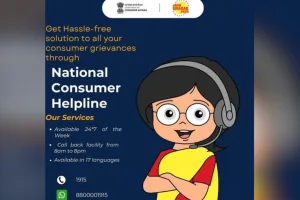
The National Consumer Helpline (NCH) has facilitated Rs 45 crore refunds across 31 sectors in 8 months. According to The Ministry of Consumer Affairs, Food & Public Distribution, during the eight-month period from 25 April to 26 December, the helpline successfully facilitated refunds amounting to Rs 45 crore, addressing 67,265 consumer grievances related to refund claims across 31 sectors.

Operating at the pre-litigation stage under the Consumer Protection Act, 2019, the NCH enables speedy, inexpensive and amicable resolution of disputes, thereby reducing the burden on Consumer Commissions. The flagship initiative of the Department of Consumer Affairs, Government of India, continues to play a crucial role in effective, timely and pre-litigation redressal of consumer grievances across the country.

The e-commerce sector recorded the highest number of grievances and refunds, with 39,965 grievances resulting in refunds of Rs 32 crore. It was followed by the Travel and Tourism sector, which registered 4,050 grievances and refunds amounting to Rs 3.5 crore. Grievances related to e-commerce refunds were received from all parts of the country, ranging from major metropolitan cities to remote and less populated regions, highlighting the nationwide reach, accessibility and effectiveness of the National Consumer Helpline. A key driver behind this outcome has been the expansion in the number of convergence partners, which has enhanced the collective capacity to address and resolve consumer grievances effectively.

This development underscores the robust engagement of relevant stakeholders, reaffirming their commitment to consumer welfare and accountability to resolve grievances of the consumers.

The expeditious facilitation of Rs 45 crore in refunds in the month of 25th April to 26th December 2025 not only demonstrates the efficacy and responsiveness of the helpline but also highlights its critical role in ensuring hassle-free and time-bound grievance redressal. It further reinforces the importance of NCH as an essential instrument at the pre-litigation stage, promoting trust and transparency in the marketplace.

A consumer from Jodhpur, Rajasthan lodged a grievance after receiving defective chairs through an e-commerce platform. Seeking resolution, the consumer approached the company, but the pickup was cancelled five consecutive times, leaving the issue unresolved. With the intervention of the National Consumer Helpline, the matter was promptly addressed, resulting in a full refund to the consumer. Expressing heartfelt gratitude, the consumer shared: “Thank you so much Consumer Helpline for helping cheated consumers like me… thank you so much.”

Another consumer, from Bangalore, Karnataka purchased an annual internet plan, and the amount was duly deducted from his account. However, the connection was never installed. When he contacted customer care, he was assured that a refund would be processed within 10 working days. Despite making several calls and complaints, the consumer did not receive the refund even after four months. With the effective intervention of the National Consumer Helpline, the company promptly facilitated the refund. Expressing satisfaction over the resolution, the consumer stated: “It was a good experience. Otherwise, it was difficult to get the amount back.”

A consumer from Chennai, Tamil Nadu cancelled a flight ticket more than 96 hours before departure. Despite this, the company failed to process the refund, even after repeated requests from the consumer. With the prompt intervention of the National Consumer Helpline (NCH), the refund was successfully facilitated. Gratefully acknowledging the support, the consumer shared: “Thanks to NCH for the quick action. Am delighted by your efforts.”

These cases underscore the role of NCH as an effective pre-litigation mechanism, providing consumers with accessible and timely grievance redressal without the need for prolonged legal proceedings.

The National Consumer Helpline has emerged as a single point of access for consumers across the country to seek grievance redressal at the pre-litigation stage. Consumers can register their grievances in 17 languages through a toll-free number 1915.

Protesters burn LG Manoj Sinha’s effigy over SMVD medical college admission row

Although the admissions were done through the NEET merit list, the protestors demanded that the medical institute should be reserved for Hindu students, as it was being funded with donations of Hindu devotees by the Vaishnodevi Shrine Board.

Statesman News Service | Jammu |

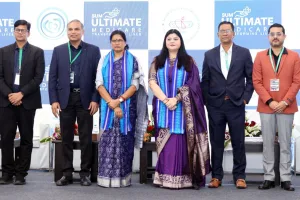
Protestors on Saturday burnt an effigy of Lt. Governor Manoj Sinha here and raised slogans against him, demanding revocation of the MBBS admission list of Shri Mata Vaishno Devi (SMVD) Institute of Medical Excellence in Katra, in which, among the first batch of 50 students, 42 were Muslims from Kashmir and seven were Hindus and one Sikh.

Although the admissions were done through the NEET merit list, the protestors demanded that the medical institute should be reserved for Hindu students, as it was being funded with donations of Hindu devotees by the Vaishnodevi Shrine Board.

Protestors, including women, gathered outside the Lok Bhavan and vainly tried to break the police cordon. However, a strong deployment of police force pushed them back. They raised slogans such as “LG go back”.

The protest was organised by Shri Mata Vaishno Devi Sangharsh Samiti, a recently-formed conglomeration of various right-wing organizations. J&K BJP’s women activists and several trade leaders, including the president of Jammu Chamber of Commerce and Industries, Arun Gupta, also joined the protest.

The protest led to the blocking of the main road outside Lok Bhavan, resulting in traffic snarls on adjoining roads and causing hardship to commuters for more than one-and-a-half hours.

Samiti convener Sukhvir Singh Mankotia told reporters that they have staged the protest outside the Lok Bhavan because the Lt Governor is the chairman of the Vaishnodevi Shrine Board and it is his responsibility to ensure that the religious sentiments of any community should not be hurt.

“We will continue our protest till the resolution of our genuine demands, which are related to our faith. We are not against students of any particular religion, we just want the seats in the medical college to be reserved for Hindu students alone,” he added.

Meanwhile, the issue has snowballed into a major controversy and protests are being held almost daily at different places. Senior BJP leaders have apprised the central leadership, including party president and health minister JP Nadda, about the controversy.

Akhilesh Yadav claims infighting in UP BJP over deletion of voters’ name

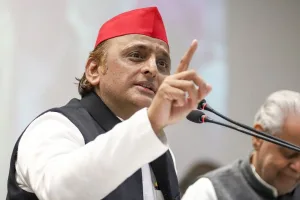
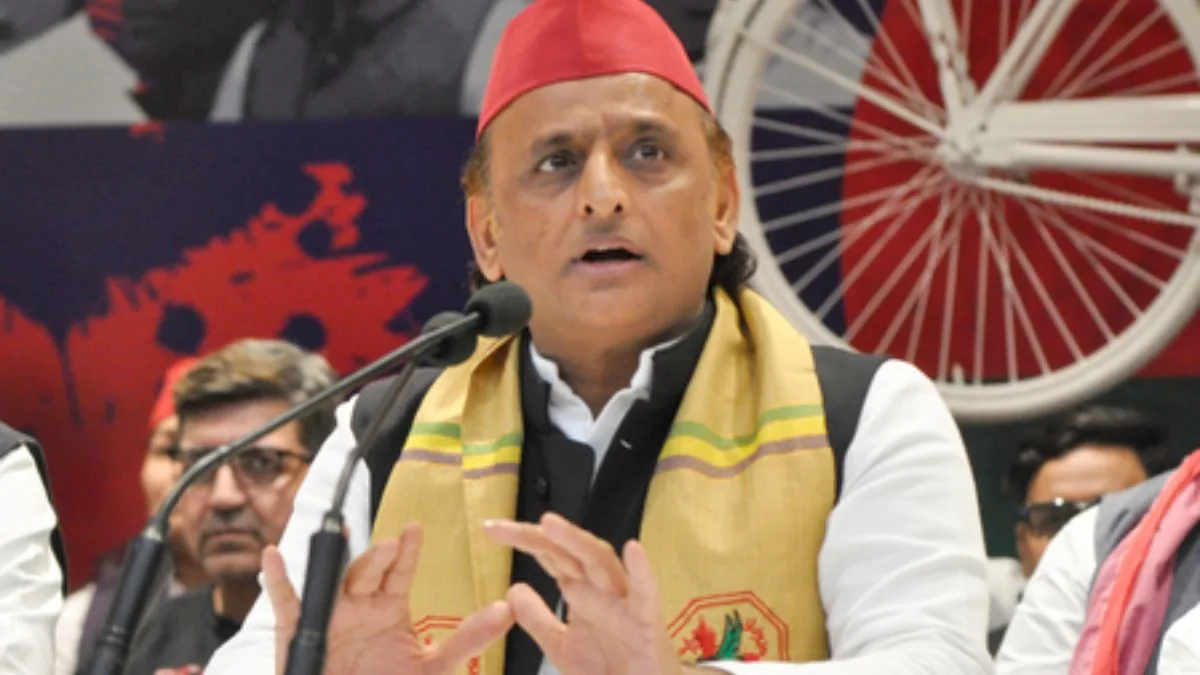
Samajwadi Party President Akhilesh Yadav has claimed that infighting in the Uttar Pradesh BJP is rooted in the fact that BJP MLAs have already received news that 2.89 crore voters’ names have been removed from the electoral rolls while it is being made out to be a confrontation stemming from a “rebel meeting”.

Statesman News Service | Lucknow |

Samajwadi Party President Akhilesh Yadav has claimed that infighting in the Uttar Pradesh BJP is rooted in the fact that BJP MLAs have already received news that 2.89 crore voters’ names have been removed from the electoral rolls while it is being made out to be a confrontation stemming from a “rebel meeting”.

In a social media post on Saturday, Akhilesh pointed out that Chief Minister Adityanath Yogi himself had admitted that 85-90 per cent of those removed from the voter list were his own supporters. Presenting the political arithmetic, he said, “Even if we consider only 85% of 28,900,000 voters were of BJP, the figure comes to approximately 24,565,000. Now, if we divide this figure by the total 403 seats in Uttar Pradesh, the number comes to approximately 61,000 votes per seat. This leads to the conclusion that the BJP will proportionally receive 61,000 fewer votes in each seat in Uttar Pradesh. In such a scenario, they won’t even be able to form a government; they won’t even reach double digits in terms of seats.”

Yadav further said, “This is why the internal conflict is now manifesting in mutual accusations, bickering, and open notices. BJP MLAs are holding separate meetings to demonstrate that neither the BJP government, the BJP organization, nor their allies are listening to them, and therefore their work is not getting done. Consequently, when a survey is conducted to evaluate their performance before the elections, they will fail. This is the fundamental reason why they have all come together to defend themselves”.

“These “disgruntled” elements, which have reached the point of rebellion, have received nothing but infamy from the massive corruption of a select few in the BJP. The BJP’s own actions have led to its downfall,” he added.