Logo

KIBG has created new pathways for talent development: PM Modi

Diu has taken on a festive atmosphere for the occasion, with the Khelo India Beach Games mascot ‘Pearl’, a cheerful and energetic dolphin, greeting athletes, officials, volunteers and other stakeholders associated with KIBG 2026.

Statesman News Service | New Delhi |

The second edition of the Khelo India Beach Games (KIBG) began on a vibrant note at Ghoghla Beach in Diu on Monday, with a special message from Prime Minister Narendra Modi. Featuring over 2,100 participants from across the country, the Games will run until January 10.

Diu has taken on a festive atmosphere for the occasion, with the Khelo India Beach Games mascot ‘Pearl’, a cheerful and energetic dolphin, greeting athletes, officials, volunteers and other stakeholders associated with KIBG 2026.

Organised by the Union Territory of Dadra and Nagar Haveli and Daman & Diu, the Khelo India Beach Games are being conducted under the technical supervision of the Sports Authority of India and the respective national sports federations.

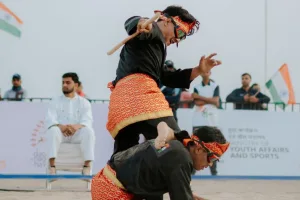
More than 1,100 athletes will compete across eight disciplines, namely volleyball, soccer, sepak takraw, kabaddi, pencak silat, open water swimming, mallakhamb and tug-of-war. The first six disciplines will be medal events, with a total of 32 gold medals on offer.

Extending his best wishes to the athletes and congratulating the Union Territory for hosting the Games, Prime Minister Modi highlighted the importance of the event.

“The Khelo India Beach Games occupy a special place in India’s sporting landscape. Beach and coastal sports demand physical endurance, mental strength and the ability to perform under constantly changing conditions. By bringing emerging disciplines to the forefront, these Games expand the horizons of Indian sport and create new pathways for talent to be discovered, recognised and nurtured.”

The Prime Minister also praised the organisers for selecting Ghoghla Beach as the venue. “The choice of Ghoghla Beach, a Blue Flag certified beach, as the venue is particularly noteworthy. Sport, when hosted in harmony with nature, becomes a powerful medium for both athletic achievements and environmental awareness. This setting reminds us that excellence and sustainability progress together.”

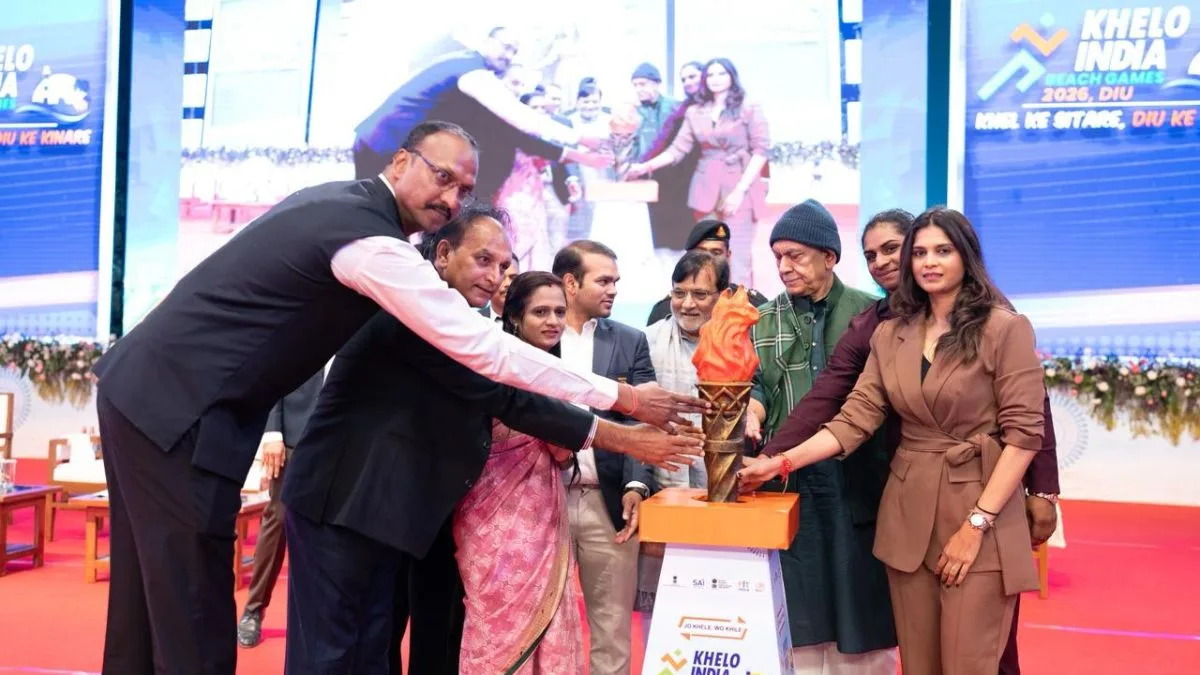
The Games were officially declared open by the Lieutenant Governor of the Union Territory of Jammu & Kashmir, Manoj Sinha, following the parade of athletes and a ceremonial torch relay. The relay featured four athletes who have excelled in beach sports – Don Remedios (beach football), Payal Parmar (beach volleyball), Ajish Patel and Jalpa Solanki (both tug-of-war). The torch was formally placed by Sinha along with the Administrator of Dadra and Nagar Haveli & Daman and Diu and Lakshadweep, Praful Patel.

Highlighting Jammu and Kashmir’s success at the previous edition, Sinha said, “It gives me immense pleasure to inform you that the first Khelo India Beach Games 2025, held at this very beach, witnessed an exceptional performance by the players from Jammu and Kashmir. Competing in pencak silat, our athletes brought great pride by securing a total of nine medals.”

Sinha also spoke about development initiatives in Diu, noting: “Since 2014, the Union Territory Administration has undertaken remarkable development initiatives in Diu. These include the redevelopment of the INS Khukri Memorial, the achievement of Blue Flag certification for Ghoghla Beach, and significant progress in strengthening both urban and rural infrastructure. These efforts reflect the administration’s strong commitment to sustainable development and tourism promotion.”

In his message, Prime Minister Modi reiterated the broader role of sport in nation-building. “Today, India is witnessing a deep transformation of its sporting culture. Across the country a renewed emphasis on institutional outreach, grassroots participation and cultural change is reshaping how sporting talent is identified and supported. Modern infrastructure, scientific training methods and transparent competition platforms are increasingly accessible to young athletes, irrespective of background or geography.”

Linking sport to the nation’s long-term vision, the Prime Minister added: “As the nation moves steadily towards the vision of Viksit Bharat by 2047, our youth stand at the forefront of this journey. Opportunities now span every sphere, whether sports or science, academics or administration, space or start-ups. This is creating an ecosystem where aspiration is matched by access.”

He further noted that initiatives such as Khelo India, the Sansad Khel Mahotsav and the Target Olympics Podium Scheme are redefining India’s approach to preparing athletes for global competition and sustained success.

Earlier in the day, competitive action got underway in beach soccer and beach kabaddi, with several teams making strong starts. In women’s beach soccer, defending champions Odisha produced a dominant performance to defeat Maharashtra 11-3 in Group A, while debutants Himachal Pradesh came from behind in the third quarter to register a 7-5 win over hosts Dadra and Nagar Haveli and Daman and Diu in Group B.

In beach kabaddi, Maharashtra’s men’s and women’s teams opened their campaigns with comfortable victories. The women’s side beat Dadra and Nagar Haveli and Daman and Diu 64-22, while the men’s team defeated Delhi 47-20 in their respective group matches.
Never praised Modi, never deviated from party line: Shashi Tharoor

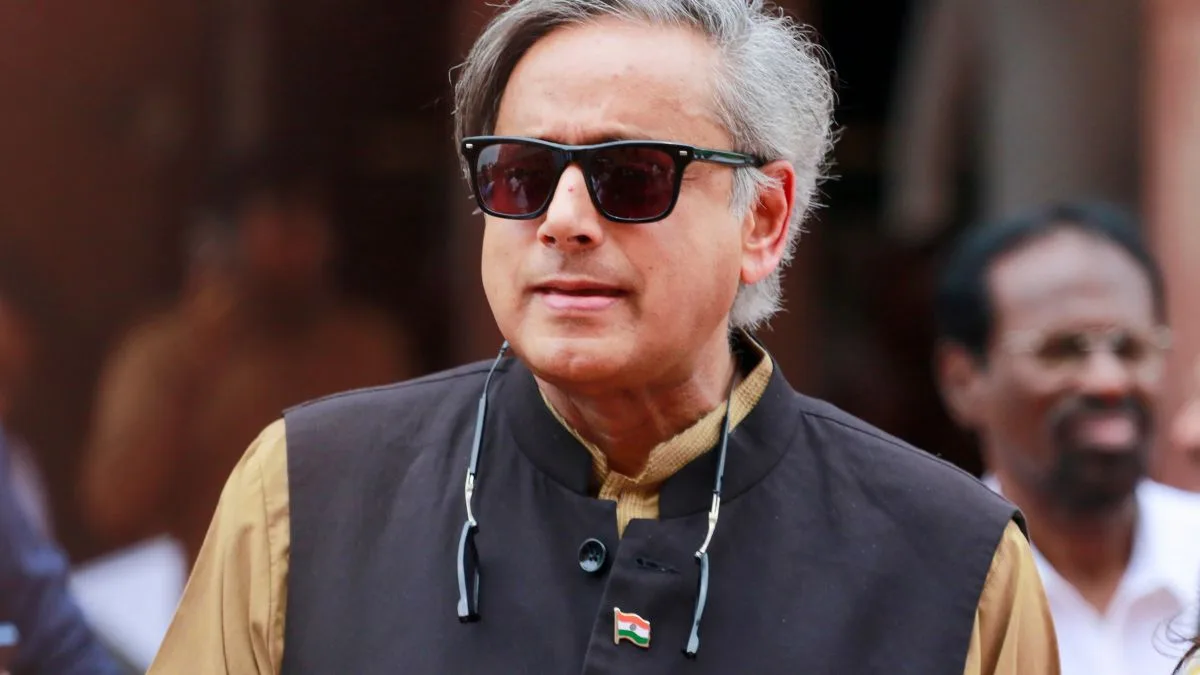
Speaking to the media at the Congress leadership camp in Sulthan Bathery, Tharoor said he had never deviated from the party line and had never praised Prime Minister Narendra Modi.

Statesman News Service | Thiruvananthapuram |

Senior Congress leader and MP Shashi Tharoor said in Sulthan Bathery on Monday that the Congress-led United Democratic Front (UDF) would come to power in Kerala this time, adding that there are many leaders in the party who are eligible to become Chief Minister.

Speaking to the media at the Congress leadership camp in Sulthan Bathery, Tharoor said he had never deviated from the party line and had never praised Prime Minister Narendra Modi.

“I have never praised Modi anywhere. People make news by looking only at headlines. That is what happens when you take just one word out of a thousand,” he said.
Stating that he had always followed the party line, Tharoor said that although he had expressed his opinions on various issues, there had been no deviation from the party’s fundamental position.

“I have never deviated from the party line. While I have expressed my views on different issues, there has been no change in the fundamental line of the party. My speeches and questions in Parliament do not cause any disagreement with the Congress party. When the media makes some of the things I say in public controversial, some people comment only after reading the headlines. If you ask them whether they have read the full report, they will say no. Once they read it fully, they begin to understand. Now there is no such problem. Everything is done with love. After working together for 17 years, there should be no misunderstandings,” Tharoor said.
On the Congress nominee for the Chief Minister’s post, Tharoor said the party’s MLAs would decide who would become the Chief Minister. He reiterated that there are several leaders in the party who are eligible for the post.

Tharoor further said that the so-called Kerala model has now turned into a “model of debt,” with more money being spent on interest payments than on development.

Iran protests enter 9th day, spread to more cities amid US intervention warning; India issues advisory

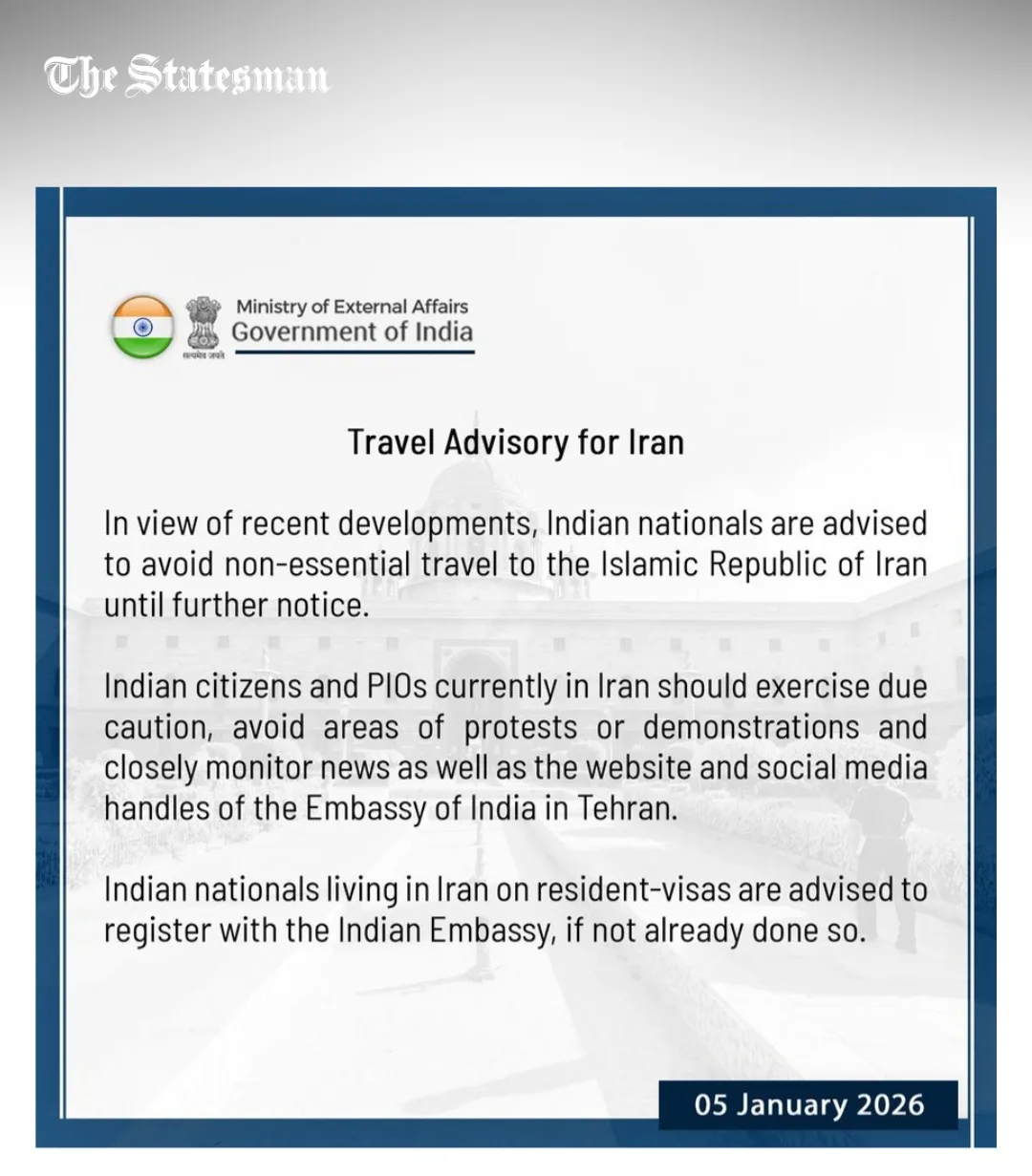
In view of the protests, India has issued an advisory asking its nationals to avoid non-essential travel to Iran.

Statesman News Service | New Delhi |

The protests against the Ayatollah Ali Khamenei regime in Iran entered their ninth day on Monday, spreading to more than 100 locations across 22 of the country’s 31 provinces.

According to the Human Rights Activists News Agency (HRANA), the nationwide protests were sparked by rising inflation and a sharp decline in the Iranian currency. They began on December 28, when traders took to the streets against the Khamenei regime.

University students soon joined the agitation as the protests spread rapidly across the country.

So far, at least 20 people, including three children, have been killed and nearly 1,000 protesters arrested, according to human rights groups, which allege “indiscriminate targeting of civilians” by the Khamenei regime. Security forces are also alleged to have raided hospitals where injured protesters were undergoing treatment.

‘Foreign agents’ exploiting protests: Iranian regime

Meanwhile, the Iranian regime has warned that the protests have been infiltrated by foreign agents and said such elements would be dealt with firmly.

Mohammad Baqer Qalibaf, Speaker of Iran’s Parliament, said on Monday that the protesters’ “legitimate demands” would be heard. He added that “the government is determined to respond to rightful public demands through planned measures, and public protest should serve as a basis for reforms in favour of the people.”

However, he warned that “individuals linked directly or indirectly to foreign intelligence services who seek to hijack protests and turn them into unrest” would be met with a firm response.

Earlier, Iran’s Supreme Leader Ayatollah Ali Khamenei had also warned that “rioters” would be “put in their place”.

Erstwhile Iranian royal family calls on “security forces to join people movement”, say Iranians want end to regime

India issues advisory for its citizens

In view of the protests, India has issued an advisory asking its nationals to avoid non-essential travel to Iran.

“In view of recent developments, Indian nationals are advised to avoid non-essential travel to the Islamic Republic of Iran until further notice,” the advisory said.

Indians already in the country have been asked to exercise due caution, avoid areas witnessing protests, and closely monitor news updates as well as the website and social media handles of the Indian Embassy.

Trump’s intervention warning

Meanwhile, US President Donald Trump has again warned the Iranian regime, saying it would “get hit very hard” if more protesters are killed.

“We’re watching it very closely. If they start killing people like they have in the past, I think they’re going to get hit very hard by the United States,” he told reporters aboard Air Force One on Sunday.

Earlier, the US President had said that the United States would intervene if peaceful protesters were killed by Iranian security forces.

Women’s groups in Uttarakhand hills ban liquor sale and consumption, impose penalties up to ₹1 lakh

Women’s groups and panchayat bodies in several villages of the Garhwal region have also announced social boycott of families involved in the sale of liquor.

Statesman News Service | Dehradun |

Women in hill villages of Uttarakhand have taken the lead in fighting the menace of alcohol by banning its sale and consumption and imposing heavy penalties of up to ₹1 lakh.

Women’s groups and panchayat bodies in several villages of the Garhwal region have also announced social boycott of families involved in the sale of liquor.

The Mahila Mangal Dal (MMD), considered one of the strongest women’s groups in Uttarakhand, in Himni village of the remote Chamoli district, has pledged to make the village an ideal, alcohol-free community.

After a prolonged campaign against liquor consumption in the region, the group passed a resolution a few days ago imposing a complete ban on the sale and consumption of alcohol in the village.

The MMD, with the support of the local panchayat, has announced that anyone caught selling liquor will be fined up to ₹1,00,000, while those found serving alcohol at public functions will be penalised ₹50,000.

Women of Himni village, led by MMD president Seema Devi, have also decided to socially boycott the families of individuals found involved in the liquor trade.

Speaking about the decision, Seema Devi said, “Women in the village have united to curb the menace of alcohol consumption. Apart from penalties for the sale and consumption of liquor, a fine of ₹25,000 will be imposed for creating a ruckus or using abusive language under the influence of alcohol. A reward of ₹10,000 will be given to anyone who provides information about people selling liquor in the area. Repeated violators of the village’s alcohol-free policy will face social boycott.”

Significantly, Himni has followed in the footsteps of several other villages in the Dewal block of Chamoli district. Panchayats and women’s groups in Balan, Sawad, Talaur, Ghes and Manmati villages have already banned the sale and consumption of liquor.

Similarly, Kheti village in the Adibadri tehsil has also imposed strict restrictions on alcohol. A decision to enforce complete prohibition was taken at a meeting chaired by village pradhan Rekha Devi, in association with the Mahila Mangal Dal, Yuvak Mangal Dal and local residents, two days ago.

Rekha Devi said anyone caught consuming alcohol in the village will be fined ₹25,000, while those selling liquor will face a penalty of ₹50,000. She clarified that outsiders entering the village in an intoxicated state will also be penalised, and strict action will be taken against those found drinking or gambling at local shops.

Apart from Chamoli, women’s groups in Jakhni village of Rudraprayag district have also unanimously decided to ban alcohol in their area. At a meeting chaired by village pradhan Saroj Devi two days ago, it was decided to impose a blanket ban on the sale and consumption of liquor, with fines and social boycott for violators. Villagers Jitpal Singh Negi and Yogambar Rawat said the move was aimed at “making Jakhni an ideal village by eradicating the menace of alcohol.”

Saroj Devi said the decision was the outcome of a long-standing campaign against liquor sale and consumption in the area, led by the Mahila Mangal Dal and Nav Yuvak Mangal Dal over the past several months.

Retired DGP Sreelekha voices displeasure over being overlooked for Thiruvananthapuram Mayoral post, later says remarks were distorted

She said the party had fielded her as a candidate after promising her the mayoral post. However, later in the day, she backtracked from her statement, alleging that the media had distorted her remarks.

Statesman News Service | Thiruvananthapuram |

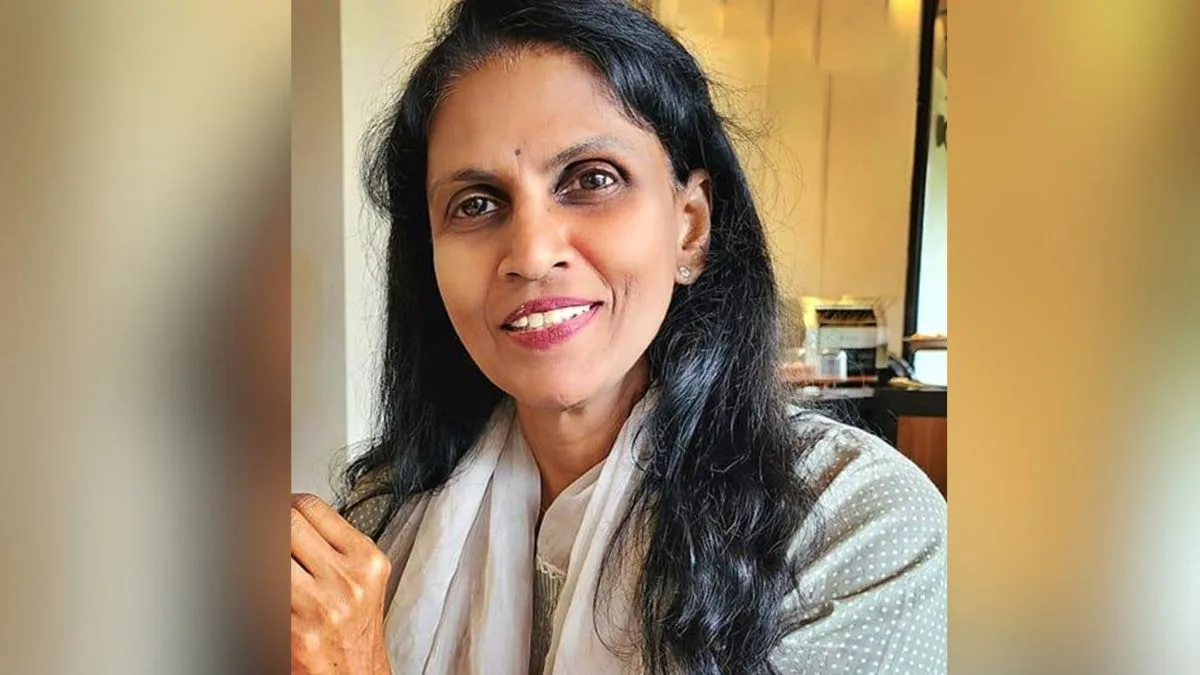
BJP councillor and former Director General of Police (DGP) R Sreelekha on Monday publicly expressed her displeasure at being overlooked for the post of Mayor of the Thiruvananthapuram Corporation.

She said the party had fielded her as a candidate after promising her the mayoral post. However, later in the day, she backtracked from her statement, alleging that the media had distorted her remarks.

In an interview with a YouTube channel, Sreelekha said she had contested the local body elections with the assurance that she would be made mayor. She added that the campaign was built around projecting her as the mayoral candidate. She further said she would continue in her role as a councillor for the next five years.

“I was fielded in the local body elections not just to make me a councillor. The mayor’s post was promised to me. I was reluctant to contest the elections. Until the last minute, my name was being mentioned as a mayoral candidate. However, the central leadership probably felt that V. V. Rajesh might be a better bet for the mayor’s post,” Sreelekha said.

“When the central leadership takes a decision, you can’t just walk away saying ‘no’. There are people who made me win. I have sincerity and loyalty towards them. That is why I decided to continue as a councillor for five years. Maybe it will turn out to be for the better,” she added.

Later on Monday, Sreelekha said in a Facebook post that she was not unhappy at all about not being appointed Mayor of the Thiruvananthapuram Corporation. She alleged that the media had distorted her remarks and claimed that “dirty journalism” was taking place in Kerala.

“I am proud to work for the great Bharatiya Janata Party. I am a proud party worker, a happy ward councillor, and a dedicated public servant,” she said in the post.

Anahat storms into British junior U-19 Open Squash semis

The top-seeded Delhi player produced a composed performance in the quarter-finals to overcome Egypt’s Barb Sameh 11-4, 10-12, 11-9, 11-3. She will now face another Egyptian, third seed Malika El Karasky, for a place in the final.

Statesman News Service | New Delhi |

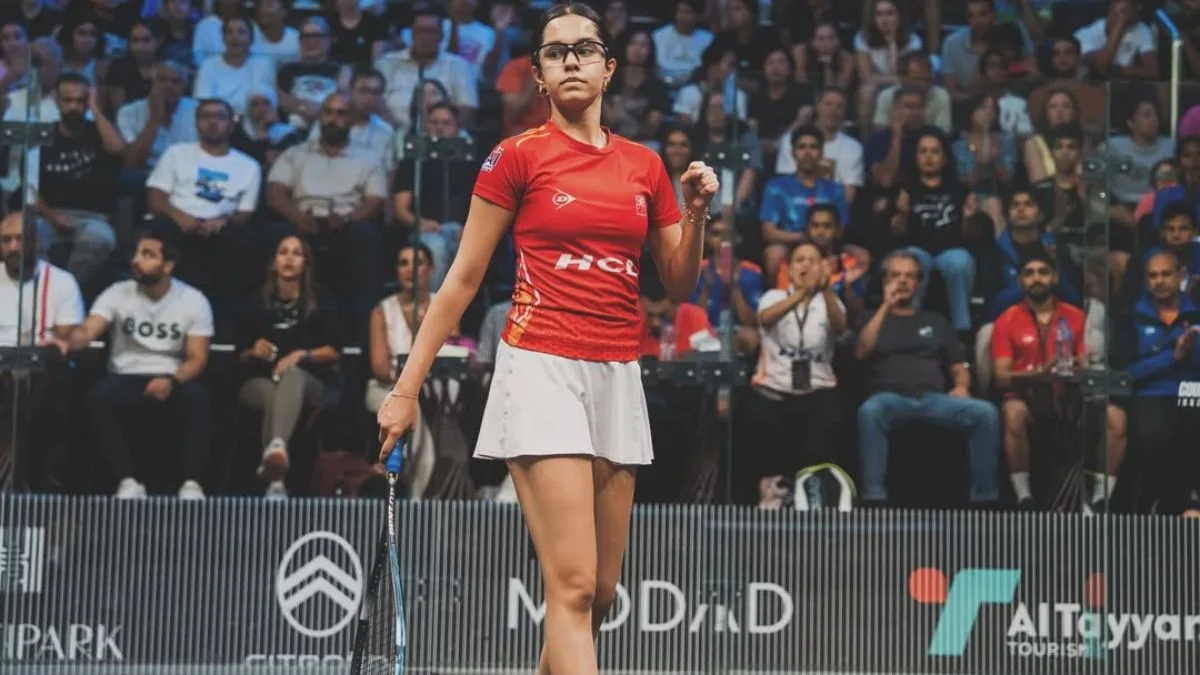
Teen sensation Anahat Singh continued her impressive run on the international junior circuit, advancing to the women’s semifinals of the British Junior Under-19 Open Squash Championship at the University of Birmingham.

The top-seeded Delhi player produced a composed performance in the quarter-finals to overcome Egypt’s Barb Sameh 11-4, 10-12, 11-9, 11-3. She will now face another Egyptian, third seed Malika El Karasky, for a place in the final.

India also had reason to celebrate in the boys’ section, with second seed Aryaveer Dewan reaching the Under-17 semi finals after surviving a tense five-game battle against Egypt’s Yassin Kouritam. Dewan prevailed 9-11, 11-3, 10-12, 11-9, 12-10 in a closely contested quarter-final.

Anahat’s march to the last four saw her dominate Egypt’s Malak El Maraghy 11-3, 11-3, 11-6 in the pre-quarter-finals, following an equally commanding second-round win over Hong Kong’s Wing Kai Gladys Ho, 11-1, 11-3, 11-3, after receiving a first-round bye.

The Birmingham showing adds another highlight to what has been a breakthrough phase for the teenager. In 2025, Anahat climbed to a career-best world ranking of 28 in just her second season on the PSA Tour, highlighted by wins over multiple top-20 opponents.

Earlier this month, she claimed the HCL Squash Indian Tour 4 title in Chennai, edging former world No. 10 Joshna Chinappa in a gripping five-game final. The victory followed a similar triumph over Chinappa at the Daly College SRFI Indian Open in Indore in November, where Anahat secured her 13th PSA title after a 55-minute battle.

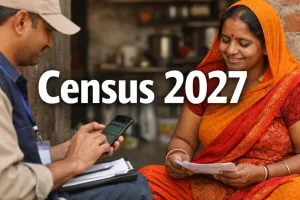
Census 2027-Phase 1, HLO to be taken up in UP in May-June

In the meeting, extensive discussions were held for the successful and efficient operation of Census-2027 and important decisions were taken.

Statesman News Service | Lucknow |

Uttar Pradesh Chief Secretary S P Goyal, during the State Level Census Coordination Committee (SLCCC) meeting here on Monday, laid special emphasis on time-bound performance of Census-2027 preparation works, effective inter-departmental coordination and proper use of digital resources.

In the meeting, extensive discussions were held for the successful and efficient operation of Census-2027 and important decisions were taken.

The Chief Secretary, underlining the importance of training, directed to ensure effective training system be ensured and pay special attention to the selection of suitable trainers. Along with this, instructions were also given to provide full cooperation to all the concerned departments for the smooth conduct of the census.

The committee decided that the first phase of Census-2027, i.e. House Listing and Housing Census (HLO) would be done in UP during May-June 2026. In this work, about six lakh personnel will be deployed, and data collection, entry, verification and monitoring will be done completely through a digital platform, which will ensure transparency and efficiency. It was also decided that all the administrative units of the state would remain stable as on December 31, 2025 and did not make any jurisdictional changes in any administrative unit from January 1, 2026 to March 21, 2027, as directed by the Ministry of Home Affairs, Government of India.

The General Administration Department has been nominated as the State Nodal Department, which will ensure effective coordination with all the concerned departments, including Revenue, Home, Education, Urban Development and Panchayati Raj. In the meeting, decisions related to the appointment of census officers, formation of District Level Census Coordination Committees (DLCCs) in all the districts, technical assistance, financial norms and honorarium of census personnel were also taken.

Compliance with the instructions given by the Committee in the last meeting held on October 28, 2025, was reviewed. The successful completion of Pre-Test-2027 (House Listing Operations – HLO) in selected rural and urban areas of Bulandshahr, Bahraich and Prayagraj expressed satisfaction and decided to include the feedback received for further strengthening of the action plan.

In the meeting, Sheetal Verma, Director (Census Work), Uttar Pradesh, gave a detailed presentation on the process of census, time limit and action plan of Census-2027. She informed that in the second phase of the upcoming census, the caste census will be done, and citizens will be provided self-enumeration facility for the first time. The entire operation of Census-2027 will be done through the digital medium.

Delhi govt signs MoU with RBI; CM says will end years of financial mismanagement

The MoU was signed at a meeting held at the Delhi Secretariat, chaired by the Chief Minister, between Reserve Bank of India and Bipul Pathak, Additional Chief Secretary (Finance) of the Delhi Government.

UNI | New Delhi |

The Delhi government on Monday signed an MoU with the Reserve Bank of India.

The MoU enables the central bank to function as the banker, debt manager, and financial agent of the Delhi government, facilitating market borrowings through state development loans, automatic investment of surplus cash, professional cash management, and access to low-cost liquidity facilities, strictly within the framework prescribed by the Government of India and the RBI Act.

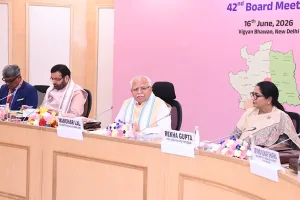
The MoU was signed at a meeting held at the Delhi Secretariat, chaired by the Chief Minister, between Reserve Bank of India and Bipul Pathak, Additional Chief Secretary (Finance) of the Delhi Government.

Senior officials from the Delhi Government and the Reserve Bank of India, including Delhi Chief Secretary Rajiv Verma.

Chief Minister Rekha Gupta, who also holds the Finance portfolio in the Delhi Government, described the MoU as a transformational milestone and a long-overdue reform that previous governments failed to initiate.

“This agreement marks a historic correction in Delhi’s financial governance. Despite being the nation’s capital, Delhi was denied the benefits of structured RBI banking and market borrowings for years. Earlier governments never showed the intent or vision to adopt globally accepted norms of fiscal prudence. Today, that decisively changes,” the Chief Minister stated.

CM underlined that successive AAP governments neither invested surplus public funds nor adopted cost-efficient borrowing mechanisms. Excess cash remained idle, resulting in loss of interest income, while borrowings were undertaken at high interest rates from other sources, placing an unnecessary burden on public finances and, ultimately, on citizens.

”In contrast, this government has placed fiscal discipline, transparency, and long-term sustainability at the core of governance. Every rupee of public money must now work for the people of Delhi” she said.

Any excess cash balance with the Delhi Government will now be automatically invested on a daily basis through RBI mechanisms, generating interest income and eliminating losses caused by idle funds.

Delhi will have access to Ways and Means Advances and Special Drawing Facilities from RBI, ensuring efficient management of temporary cash flow mismatches without resorting to expensive or emergency borrowing.

For the first time, Delhi will raise funds from the open market at competitive interest rates of approximately 7 percent through State Development Loans, replacing earlier high-cost borrowing at interest rates of 12 to 13 percent from alternative sources.
With this MoU, Delhi now stands at par with other States and union Territories with legislatures, benefiting from RBI’s professional banking, cash management, and debt management systems.

CM stated that this major reform is the outcome of sustained engagement with the union Government and follows her recent meeting with union Finance Minister Nirmala Sitharaman in December 2025, where key issues concerning fiscal autonomy and modernisation of Delhi’s financial architecture were discussed.

Pursuant to a Government of India notification dated 2 January 2026, effective from 9 January 2026, the Public Accounts of the Government of NCT of Delhi have been separated from the Public Accounts of the Government of India, providing Delhi an independent banking and borrowing structure for the first time.

Delhi CM reiterated that all funds raised through market borrowings will be utilised exclusively for capital expenditure, ensuring durable asset creation without transferring short-term liabilities to future generations.

Capital investment has a high multiplier effect and is critical for long-term economic growth. Reflecting this commitment, the Budget for 2025–26 provides for capital expenditure nearly 135 percent higher than the actual expenditure of the previous year.

CM emphasised that strict fiscal discipline, RBI-guided processes, and institutional investor participation will enhance Delhi’s economic competitiveness, generate employment, and significantly improve the quality of life for citizens.

She added that this MoU is not merely an administrative arrangement. It is a historic financial reform that Delhi will benefit from for decades. With this step, Delhi embarks on a new journey of responsible governance, strong institutions, and sustainable growth, fully aligned with the vision of a developed India.

UDF will win by winning over 100 seats: VD Satheesan

Senior Congress leader and the Opposition leader in the Kerala Assembly, V D Satheesan, on Monday claimed that the UDF will come to power by winning more than 100 seats in the assembly elections.

Statesman News Service | Thiruvananthapuram |

Senior Congress leader and the Opposition leader in the Kerala Assembly, V D Satheesan, on Monday claimed that the UDF will come to power by winning more than 100 seats in the assembly elections.

Presenting the election policy document at the brainstorming summit of the top leadership of the Congress in Kerala –”Lakshya Leadership Summit,” in Sulthan Bathery, Wayanad—Satheesan said that the campaign that there is a dispute in the Congress over the Chief Minister’s post is propaganda of the CPM.

The Congress has a galaxy of leaders. The Congress national leadership will follow the correct procedures in choosing the Chief Minister after the election results are declared, he said.

“Not a single person will be disgruntled. We will stand as a team and as a family. We have the confidence, determination, and hard work. We will come to power with more than 100 seats,” said Satheesan.

Satheesan also said that there will be some surprises before the elections.

“There will be some surprises before the elections. Our goal is not to just keep blaming the Left Front. The finances of the state have been destroyed and ruined by the LDF government. Kerala is in the grip of the biggest debt. We do not have Moses’ rod or Alauddin’s magic lamp to save Kerala’s economy from there. But we will bring Kerala back by implementing proper financial management,” he said.

He said that Kerala’s revenue will be increased through proper tax collection. “When we said that the UDF would increase Kerala’s tax revenue, the CPM leaders said that we would impose more taxes on the people. What we meant is that we will bring back the money that the LDF government has looted from Kerala’s treasury,” he said.

The opposition leader further said that the people who are looting taxes will be brought before the law, and the UDF will fill the coffers with that money.

Meanwhile, election strategist Sunil Kanagolu presented a report on the winning chances of the party in each constituency in order to determine the Congress candidates for the assembly elections. The report was presented at the KPCC Political Affairs Committee meeting held on Sunday night as part of the Congress’s Lakshya 2026 camp.

Kanagolu has presented a detailed study report, including who the Congress candidates should be and how to win the LDF’s sitting seats.

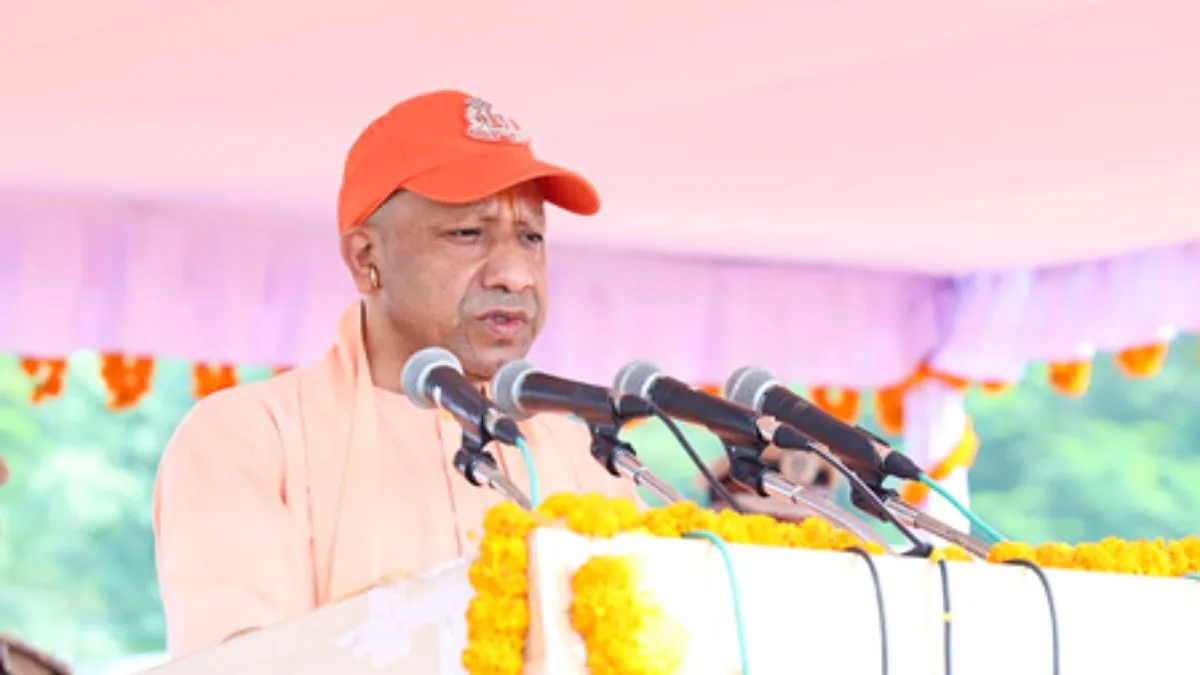
UP govt’s big decision: Three-year age relaxation in police recruitment

The Yogi Adityanath government in Uttar Pradesh has given a major relief to lakhs of young people preparing for police recruitment in Uttar Pradesh.

Statesman News Service | Lucknow |

The Yogi Adityanath government in Uttar Pradesh has given a major relief to lakhs of young people preparing for police recruitment in Uttar Pradesh.

Prioritizing the interests of the candidates, and on the instructions of the state chief minister, a decision has been taken to provide a one-time relaxation of three years in the maximum age limit for the proposed direct recruitment-2025 for Constable Civil Police and equivalent posts in the police force.

A government order has been issued to this effect here on Monday.

According to officials, this crucial decision has been taken for filling a total of 32,679 posts under direct recruitment-2025. According to the government order, this age relaxation will be provided once to candidates of all categories participating in the recruitment process for the posts of Constable Civil Police (Male/Female), Constable PAC/Armed Police (Male), Constable Special Security Force (Male), Women Constable for Women Battalion, Constable Mounted Police (Male), and Jail Warder (Male and Female).

The decision has been taken by the government in the light of Rule 3 of the Uttar Pradesh Public Service (Relaxation of Age Limit for Recruitment) Rules-1992. It has been implemented through a government order issued on January 5, 2026, following the recruitment notification issued on December 31, 2025, which will provide opportunities to a large number of candidates who were previously excluded from the recruitment process due to age limits.

This state government move sends a clear message that the state government understands the problems of the youth and does not hesitate to take concrete steps for their solution. Providing fair opportunities to candidates preparing for competitive examinations, making more and more employment options available, and maintaining sensitivity in administrative decisions has become a part of the Yogi government’s working style.

The decision will not only give new hope to millions of young people but also demonstrates that the future of the youth is at the heart of policy-making in the Yogi Adityanath government.

Earlier, several people, including BJP MLA from Deoria Salabh Mani Tripathi, had appealed to the CM to relax the age limit in police recruitment.

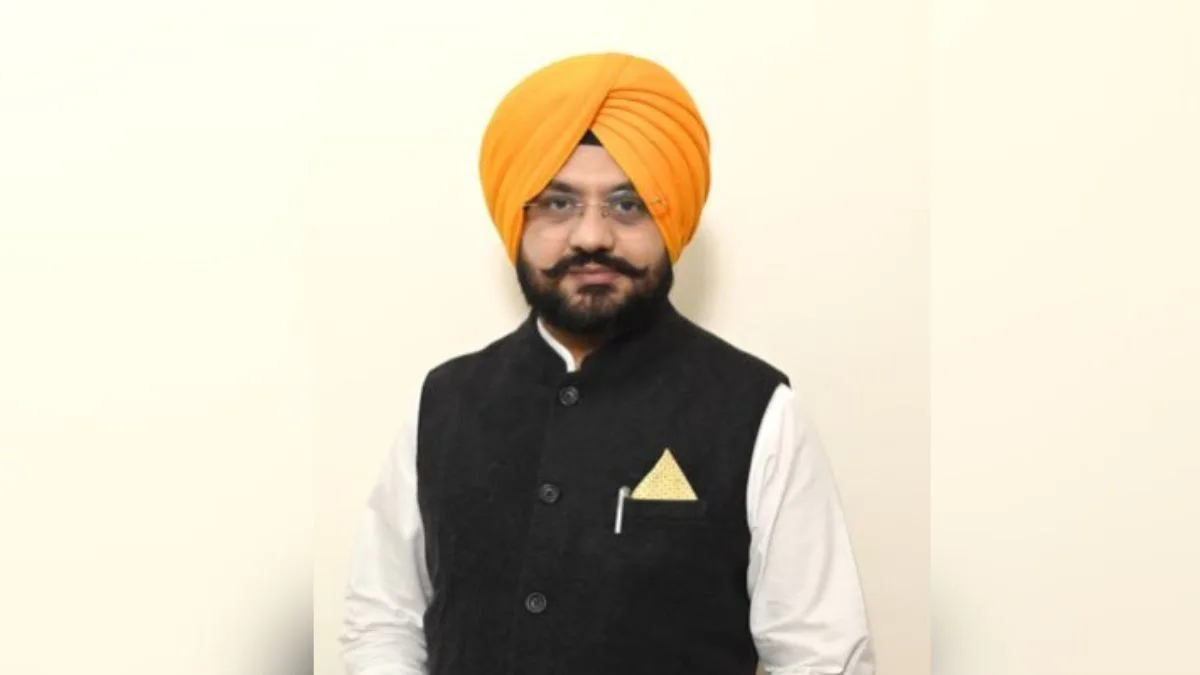
Punjab Tourism and Cultural Affairs Minister Tarunpreet Singh Sond appears before Sri Akal Takht Sahib

He explained that on the occasion of the 350th martyrdom anniversary of Sri Guru Tegh Bahadur Sahib Ji, the Punjab Government had constructed the Bhai Jaita Ji Memorial at Sri Anandpur Sahib.

Statesman News Service | Chandigarh |

Punjab’s Tourism and Cultural Affairs Minister, Tarunpreet Singh Sond, on Monday appeared before Sri Akal Takht Sahib to submit a clarification on behalf of his department, in compliance with the directions issued by the Jathedar Sahib of Sri Akal Takht Sahib. As a mark of humility and reverence, the minister walked barefoot to Sri Darbar Sahib, offered deg, and thereafter paid obeisance at Sri Akal Takht Sahib.
Sond submitted his clarification before the Singh Sahiban at the Secretariat of Sri Akal Takht Sahib. Speaking to the media after the proceedings, he stated that Sri Akal Takht Sahib is the supreme institution of the Sikhs, and that every direction issued by the Singh Sahiban is akin to a divine command and is binding on all.

He explained that on the occasion of the 350th martyrdom anniversary of Sri Guru Tegh Bahadur Sahib Ji, the Punjab Government had constructed the Bhai Jaita Ji Memorial at Sri Anandpur Sahib. An objection was raised by the Jathedar Sahib regarding a picture displayed at the memorial, following which he was summoned.

Sond clarified that the picture concerned was corrected on the same day in accordance with the objection raised. However, as the head of the department, he personally appeared before Sri Akal Takht Sahib to submit a formal clarification.

The minister informed that after hearing his explanation, the Singh Sahiban directed that strict adherence to the Sikh religious code of conduct (Maryada) must be ensured in all works undertaken by the department and that the dignity and respect of the Gurus and martyrs should never be compromised. The Singh Sahiban also advised that a scholar well-versed in Gurmat ideology be appointed in the department.

Sond said that the matter would be brought to the notice of Chief Minister Bhagwant Singh Mann, and it would be ensured that no such lapse occurs in the future, whether knowingly or unknowingly.

He added that strict instructions have already been issued to the department that for any programme or work related to religion, proper guidance must be obtained in advance from the Shiromani Gurdwara Parbandhak Committee (SGPC) and Sri Akal Takht Sahib so that Sikh traditions and sentiments are fully respected.

Congress launches nationwide ‘Save MGNREGA Struggle’, slams BJP for undermining rural employment law

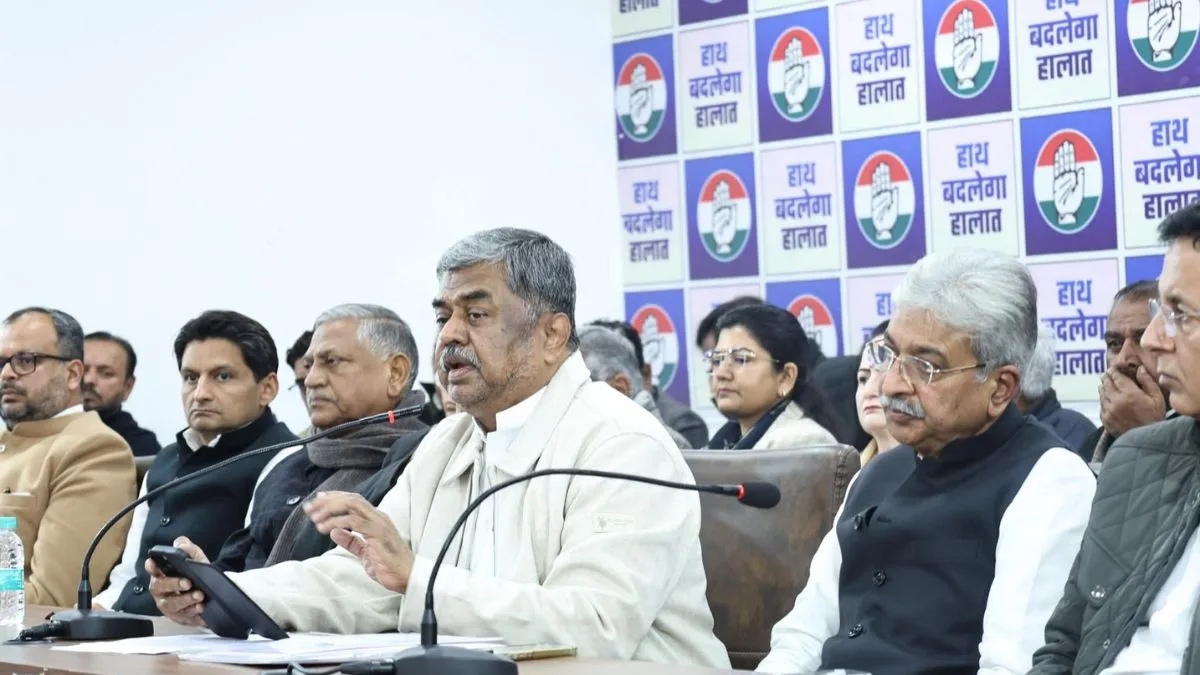
Addressing a press conference on the occasion, Haryana in-charge BK Hariprasad said that the Mahatma Gandhi National Rural Employment Guarantee Act (MGNREGA), implemented in 2005 by the UPA government, is a historic legislation that guarantees every rural household a legal right to at least 100 days of employment per year.

Statesman News Service | Chandigarh |

Strongly opposing the BJP government’s move to alter the original framework of MGNREGA, the Congress party registered strong objections and adopted an aggressive stance in protest. In this context, the Congress launched the nationwide “Save MGNREGA Struggle” campaign from the Chandigarh-based headquarters of the Haryana Pradesh Congress Committee.

Addressing a press conference on the occasion, Haryana in-charge BK Hariprasad said that the Mahatma Gandhi National Rural Employment Guarantee Act (MGNREGA), implemented in 2005 by the UPA government, is a historic legislation that guarantees every rural household a legal right to at least 100 days of employment per year.

He said that the Act is not merely a means to provide employment, but a lifeline for the poor and a strong pillar of the rural economy. He added that, as part of the protest and in accordance with the directions of the party high command, agitations would be carried out at every level.

Haryana Pradesh Congress Committee President Rao Narendra Singh, in his address, said that unfortunately the present government has been making continuous attempts over the past five to six years to weaken MGNREGA. To ensure rural employment and protect the core objective of the scheme, the Congress party has launched the “Save MGNREGA Campaign” at the national level. Through this campaign, the public will be made aware of their rights.

He further stated that MGNREGA is not just a source of employment, but also a powerful tool to strengthen the rural economy and improve the living standards of the poor and deprived sections. He informed that under the “Save MGNREGA Struggle,” preparatory meetings would be held at the PCC level; district-level press conferences would be organised; one-day fasts and symbolic protests would be conducted; people would be mobilised at the Panchayat level; and peaceful sit-ins would be held at the ward level.

This would be followed by district-level MGNREGA protection protests, a state-level Gherao of the Vidhan Sabha, and regional rallies to raise awareness. He said that through this campaign, the Congress would strive to reach every person affected by attempts to change the structure of MGNREGA.

Former Chief Minister and Leader of the Opposition Bhupinder Singh Hooda said that due to cuts in funding, delays in wage payments, a reduction in the number of workdays, and arbitrary restrictions, the poor, Dalits, tribals, women, and other marginalised sections have been the worst affected. Citing various government reports, he said that more than 60 percent of MGNREGA wage payments are delayed, warning that severe consequences could emerge in the coming times.

Senior Congress leader Randeep Surjewala said that the BJP government is constantly harassing the common people under one pretext or another. By changing the original structure of MGNREGA, he alleged, corrupt elements are attempting to snatch livelihoods from rural people, the poor, the deprived, women, and the needy.

He said that the Congress had carefully designed the MGNREGA scheme to strengthen the rural economy and provide employment to women close to their homes so that they would not have to migrate in search of work. He asserted that the Congress would never allow the BJP government’s intentions to succeed and is prepared to launch even the largest movements to protect MGNREGA.

On this occasion, MP Deepender Singh Hooda said that dismantling the MGNREGA scheme is a living example of the BJP’s authoritarianism. He said the issue is not merely about changing the name, but about altering the structure of the scheme to deprive the needy of their rights and entitlements—an attempt that will fail. The Congress party, he said, will never allow the BJP’s efforts to succeed.

Through the media, leaders appealed to the public to actively participate in the campaign in their respective areas and carry forward the struggle to secure the rightful entitlements of the poor under MGNREGA. During the programme, a detailed discussion was also held on the upcoming municipal corporation elections in three districts of Haryana.

Speaking on this issue, the Pradesh Congress President said that the Congress has geared up for the municipal elections and will approach the people with its constructive policies, expressing full confidence that the party will emerge victorious in these local body polls.


ECI holds meeting on assembly elections amid demand for increased Central forces for Bengal

Although the schedule has not yet been announced for the polls, the ECI has repeatedly consulting with the officials on the security measures and other related matters to be taken for the upcoming assembly elections.

Statesman News Service | New Delhi |

The Election Commission of India (ECI), on Monday, held a crucial meeting with the West Bengal chief electoral officer, along with top election officials of the states where assembly elections are to be held later this year.

Although the schedule has not yet been announced for the polls, the ECI has repeatedly consulting with the officials on the security measures and other related matters to be taken for the upcoming assembly elections.

According to sources, during the meeting, discussions were held on whether the number of phases for the voting in West Bengal could be reduced. Chief Electoral Officer of West Bengal Manoj Aggarwal is said to have requested for an increase in the number of Central forces from that deployed for the last assembly elections.

A West Bengal BJP leader stated, “The Election Commission will determine the number of Central forces to be deployed during the assembly elections. However, we demand sufficient Central forces for Bengal during the voting period.”

Earlier, former state BJP president Dilip Ghosh said that it is not advisable to keep the Central forces outside the booths as it would amount to compromising on the security. Hence, they must be stationed inside the polling booths.

Election officials from Tamil Nadu, Kerala, Assam, and Puducherry, in addition to Bengal, were present at the meeting.

According to ECI sources, the commission will finalise the number of Central forces to be deployed for the elections based on number of sensitive polling booths. Discussions were also held regarding the reduction of polling phases in Bengal.

It is noteworthy that the number of assembly seats in West Bengal is 294. In the elections of 2021, voting took place in eight phases, with a distinct number of Central forces deployed in each phase. According to sources from the commission, the total number of sensitive booths will determine the final count of Central forces to be deployed by the ECI.

Meanwhile, responding to the request for an increase in the Central forces, state Trinamool Congress leaders said, “In 2021, Central forces were also deployed. No matter how many Central forces are deployed, the people of Bengal stand with and will continue to stand with Mamata Banerjee.”

Pradhan releases Urdu book compiling PM Modi’s Red Fort speeches

Addressing the gathering, Pradhan expressed his happiness at the publication of “Khutbat-e-Modi” in Urdu, describing it as a meaningful step towards linguistic inclusion.

Statesman News Service | New Delhi |

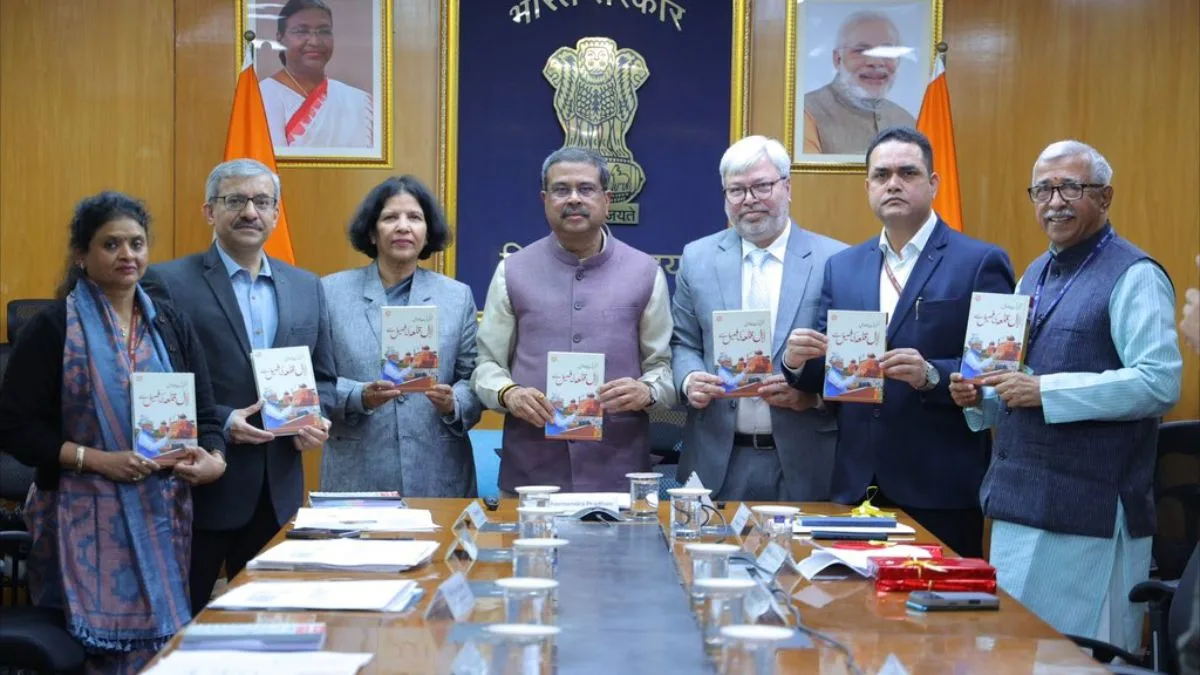
Union Education Minister Dharmendra Pradhan on Monday released the book “Khutbat-e-Modi: Lal Qila Ki Faseel Se” in New Delhi. The book is a compilation of the Independence Day addresses delivered by Prime Minister Narendra Modi from the Red Fort between 2014 and 2025.

Published in Urdu, the book has been brought out by the National Council for Promotion of Urdu Language (NCPUL), New Delhi, a national institution under the Ministry of Education mandated to promote, preserve, and propagate the Urdu language across the country.

Addressing the gathering, Pradhan expressed his happiness at the publication of “Khutbat-e-Modi” in Urdu, describing it as a meaningful step towards linguistic inclusion.

The Minister said that in the Prime Minister’s addresses, initiatives such as Antyodaya (uplifting the last person), welfare of the poor, Swachh Bharat, national unity, and the aspirations of 140 crore Indians are emphasised, reflecting the vision of New India.

The minister noted that such publications serve as a powerful medium to directly connect citizens with the Prime Minister’s ideas, developmental priorities, and vision, enabling wider public engagement and informed discourse. He expressed the hope that the book would find a place in libraries across the country, encouraging students, scholars, and readers to engage in a broader dialogue on the vision of Viksit Bharat.

The minister further noted that the NCPUL should proactively undertake the responsibility of publishing works related to India’s heritage, culture, lifestyle, and knowledge traditions in Urdu. Pradhan congratulated NCPUL for this commendable initiative and conveyed his best wishes for future endeavours.

The event was attended by Dr Vineet Joshi, Secretary (Higher Education), Ministry of Education; Padma Shri Chamu Krishna Shastry, Chairman, Bharatiya Bhasha Samiti; Dr Shams Iqbal, Director, NCPUL; Prof Naima Khatoon, Vice-Chancellor, Aligarh Muslim University; Dr Shahid Akhtar, Chairman, NCMEI; Manmohan Kaur, Adviser (Cost), Ministry of Education; Rina Sonowal Kauli, Joint Secretary, Ministry of Education; P K Banerjee, Joint Secretary, Ministry of Education; and the senior officials of the Ministry of Education.

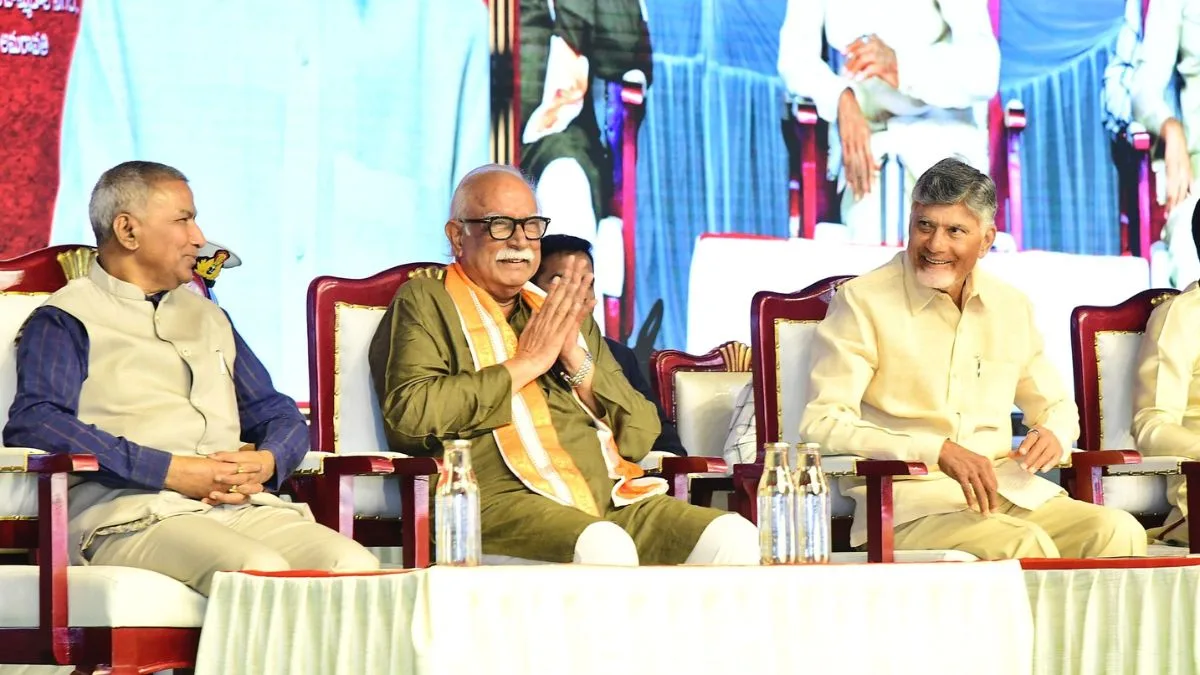
There should be no hostility between Telugu states: Naidu

Speaking at the Third World Telugu conference in Guntur, the Chief Minister emphasised the urgent need for water conservation among Telugu people. He pointed out that last year, 6000 tmc of water from the Krishna and Godavari flowed into the sea.

Statesman News Service | Hyderabad |

Harping on unity between the two Telugu states on issues like water sharing and river interlinking, Andhra Pradesh Chief Minister N Chandrababu Naidu Monday said that political differences should not lead to hostility. He claimed that he has never opposed any of the irrigation projects in Telangana, including the Kaleshwaram.

Naidu took a statesman-like stand after Opposition leader in the neighbouring state, K Chandrasekhar Rao, recently accused him of manipulating the Centre to block Telangana’s development, including its irrigation projects, like Palnadu-RangaReddy Lift Irrigation project, after the central government returned the detailed project report.

Speaking at the Third World Telugu conference in Guntur, the Chief Minister emphasised the urgent need for water conservation among Telugu people. He pointed out that last year, 6000 tmc of water from the Krishna and Godavari flowed into the sea. He further said that in the past 40 years, an average of 3000 TMC has been lost annually.

According to Naidu, interlinking of rivers through projects like Polavaram would address the country’s water woes, particularly the Godavari and Krishna river linkage. He went on to claim that he never opposed the construction of projects like Kaleshwaram in Telangana since all projects on the Godavari were beneficial as long as the water was utilised. He reaffirmed that he will complete the Polavaram project and interlink the Krishna and Godavari rivers while seeking cooperation from the neighbouring state.

The Chief Minister also said that their language was the global identity of the Telugu community, and to become number one in the world, the two states must move forward with mutual understanding. Naidu said there is no need for any hostility between the two Telugu states. Meanwhile, AP’s water resources minister, Nimmala Ramanaidu, made it clear that the state only wanted its share of water and not political fights.

‘Bihar gets its due under Modi govt’: Deputy CM cites Rs 6.58-lakh crore infra push

He said that the state government has played a critical facilitative role by supporting land acquisition, statutory clearances, law and order management, and coordination with multiple central ministries and project authorities to ensure timely project execution.

Imran Mojib | Patna |

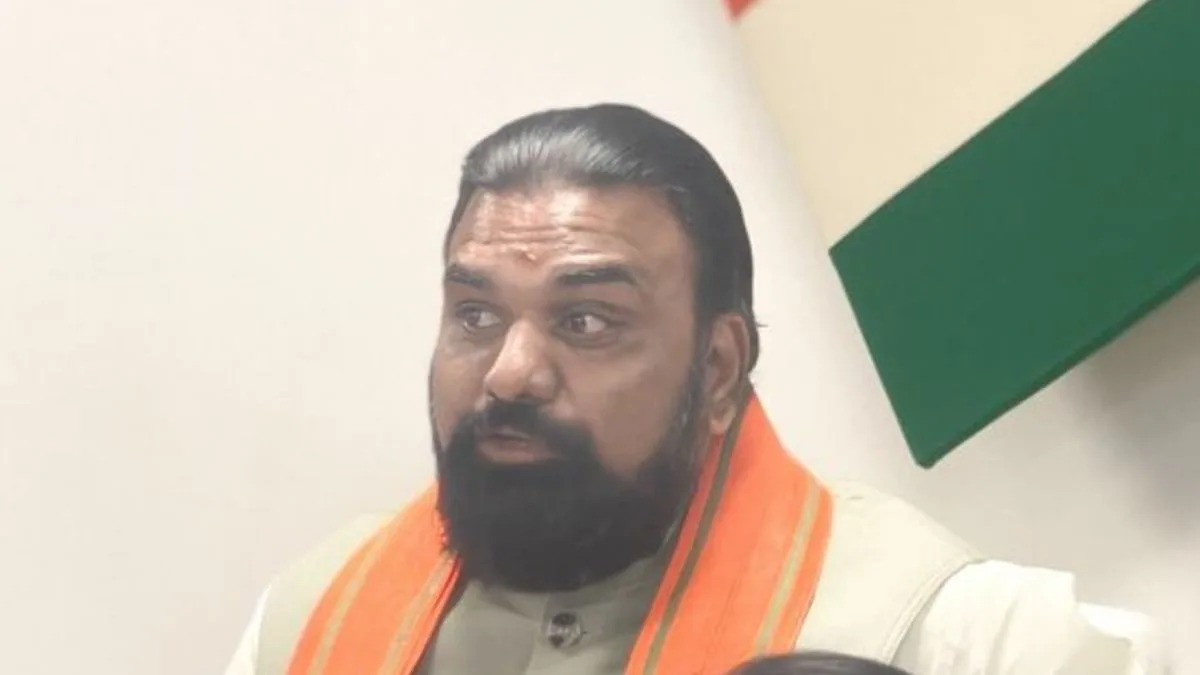
Deputy Chief Minister of Bihar Samrat Chaudhary claimed on Monday that the Congress-led governments at the Centre have always neglected Bihar. But the state has got its due share under the Central government led by Prime Minister Narendra Modi and currently 170 national infrastructure projects worth over Rs6.58 lakh crore are underway.

Praising the Prime Minister’s PRAGATI (Pro-Active Governance and Timely Implementation) meetings to fast-track projects across the state, he said Bihar is currently hosting a significant portfolio of national infrastructure projects, with 170 projects spanning key sectors such as roads & highways, railways, power, oil & gas, telecommunications, urban infrastructure, healthcare, and inland waterways, underscoring the state’s growing role in regional connectivity and socio-economic development.

He said that the state government has played a critical facilitative role by supporting land acquisition, statutory clearances, law and order management, and coordination with multiple central ministries and project authorities to ensure timely project execution.

Out of a total of 170 projects in the state, 60 projects with an investment of Rs1,28,095 crore have already been commissioned, while 110 projects, involving Rs 5,30,094 crore, are currently under implementation. “This indicates that nearly 65% of the project portfolio is in the execution phase, reflecting sustained infrastructure expansion in the state,” he added.

Sector-wise, the portfolio is dominated by roads & highways (72 projects) and railways (38 projects), followed by power, oil & gas, and telecommunications projects. The diversity of sectors highlights Bihar’s increasing integration with national transport corridors, energy networks, and digital infrastructure initiatives.

A total of 41 projects in Bihar, involving a cumulative investment of Rs. 2,13,794 crore, have been reviewed under the PRAGATI mechanism. Of these, 12 projects worth Rs. 51,833 crore have already been commissioned, while 29 projects involving Rs. 1,61,961 crore are under implementation.

The BJP leader said PRAGATI reviews have played a crucial role in resolving inter-ministerial and inter-departmental issues, particularly for large railway, highway, power, and urban infrastructure projects. High-level monitoring has enabled faster decision-making, removal of long-pending bottlenecks, and improved coordination between Central ministries and the state government.

“A total of 266 issues have been raised across projects in Bihar, reflecting the scale and complexity of infrastructure implementation in the State. Out of these, 255 issues (approximately 96%) have already been resolved, demonstrating strong administrative responsiveness and effective facilitation by the state government. Of the total issues, 156 issues pertain to PRAGATI-reviewed projects, of which 149 issues have been resolved, indicating a resolution rate of nearly 96% for PRAGATI-linked issues,” he added.

SC dismisses plea against PM offering ‘Chadar’ at Ajmer Sharif Dargah

A Bench comprising Chief Justice Surya Kant and Justice Joymalya Bagchi observed that the relief sought had become redundant as the chadar offering had already taken place.

Parmod Kumar | New Delhi |

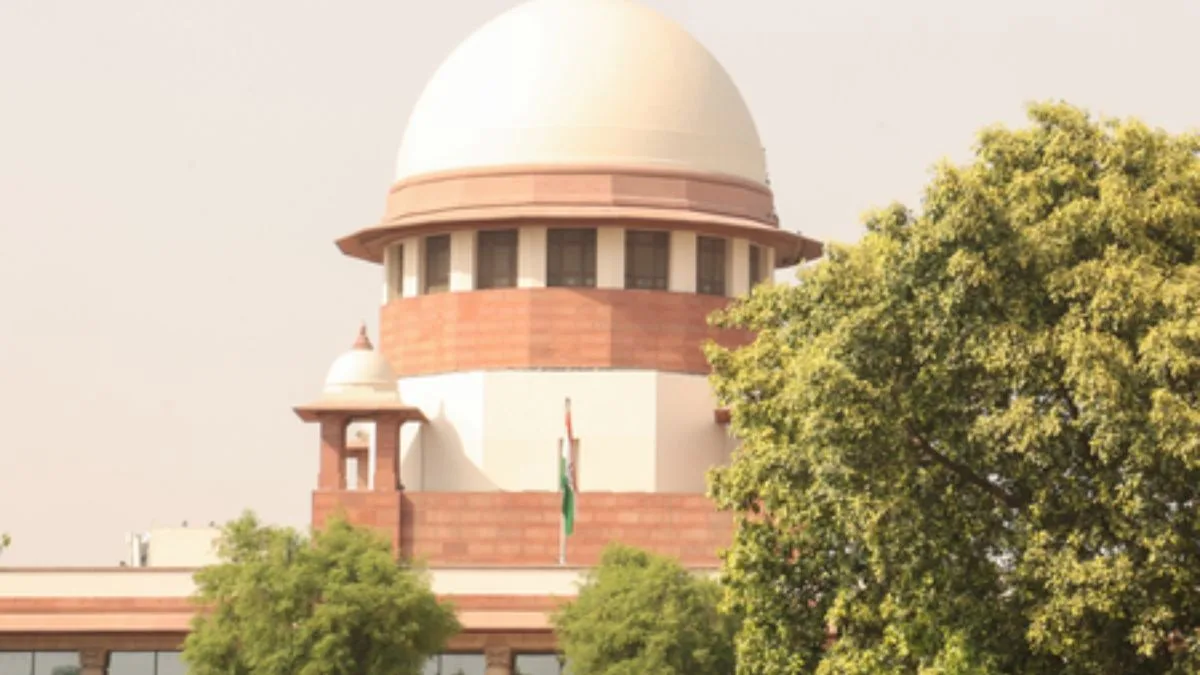
The Supreme Court on Monday dismissed a petition seeking to restrain Prime Minister Narendra Modi from offering a ceremonial chadar at the Ajmer Sharif Dargah during the 814th Urs of Sufi saint Khwaja Moinuddin Hasan Chishti, holding that the issue was no longer live and did not raise any justiciable question.

A Bench comprising Chief Justice Surya Kant and Justice Joymalya Bagchi observed that the relief sought had become redundant as the chadar offering had already taken place. The Court further held that the subject matter did not warrant judicial adjudication.

“This is infructuous now. The issues raised are not justiciable. The writ petition is dismissed,” the Bench said.

At the same time, the Court clarified that its dismissal of the petition would not affect a civil suit presently pending before a court in Ajmer concerning the Dargah. “A suit is pending. You may pursue it. This order shall have no bearing on the pending civil suit,” the Bench added.

The plea had challenged the practice of state-sponsored ceremonial offerings at the Ajmer Sharif Dargah, specifically objecting to the Prime Minister’s participation in the tradition as part of the annual Urs celebrations.

Offering a chadar at the Ajmer Sharif Dargah is a long-established custom that has been followed by successive Prime Ministers over the decades.

Earlier this year, a similar objection was raised before an Ajmer court by Hindu Sena leader Vishnu Gupta as part of a pending civil suit. That suit alleges that the Ajmer Sharif Dargah stands on the site of a demolished Shiva temple.

In those proceedings, Gupta argued that the Union government’s act of sending a chadar to what he described as a “disputed structure” undermined judicial independence and the right to a fair trial, as the dispute over the site is sub judice.