Logo

Indus now a sacred word for Pakistan

Pakistan has, throughout its history, been desperate to create an identity for itself. Its history books have been modified every time a dictator has assumed power.

HARSHA KAKAR | New Delhi |

Pakistan has, throughout its history, been desperate to create an identity for itself. Its history books have been modified every time a dictator has assumed power. Its current history does not commence from ancient civilizations, including the Indus Valley civilization, which existed in what is now Pakistan, but from the invasion of Sindh by Muhammad Bin Qasim, an Arab military commander in the service of the Umayyad Caliphate in 711 AD. ‘Fifty Years of Pakistan’, published by the Federal Bureau of Pakistan in 1998 de clares Muhammad Qasim as the ‘first Pakistani.’

There has b e en a conscious attempt to avoid linking Pakistan’s history to that of India. Its other history too has been equally distorted. Some examples listed by Pakistan’s newspaper, Dawn, in an article of 15 August 2014, highlight this fact. The fifth-grade history textbook of Khyber Pakhtunkhwa states on the 1965 war, “The Pakistan Army conquered several areas of India, and when India was at the verge of being defeated, she ran to the United Nations to beg for a cease-fire.

Magnanimously, thereafter, Pakistan returned all conquered territories to India.” On the 1971 war, its history books mention, “after 1965 war India conspired with the Hindus of Bengal and succeeded in spreading hate amongst the Bengalis about West Pakistan and finally attacked East Pakistan in December 71, thus causing the breakup of East and West Pakistan.” Written when Pakistan was ruled by a military dictator, the intent was to cover its defeat and surrender of 93,000 prisoners to India. A class five social studies book states, “India is our traditional enemy and we should always keep ourselves ready to defend our b elove d countr y from Indian aggression.”

The Pakistani army is considered as the saviour of the state. For the Pakistani public, India seeks the break-up of Pakistan and is responsible for all its ills, including freedom movements in its western provinces and protests in POJK. On Kashmir, its history books mention that “Maharaja Hari Singh started a brutal campaign to drive out Muslims from Kashmir. Over 200,000 people in the princely State, supported by the tribesmen of the Northwest Frontier Province, were successful in liberating a large area of Kashmir from the Maharaja’s control. Hari Singh was forced to turn to India for help and in return acceded to India.”

The intent was to claim victory in the 1947-48 conflict. The reality of Kashmir is vastly different. Pakistan has neither considered Kashmiris as brothers nor claimed it because of its majority Muslim population. No wonder Pakistan is crushing protests in POJK with brute military power. An op-ed in Pakistan’s Herald Magazine titled, ‘The pursuit of Kashmir’ of 2 February 2019, highlights its true intent, “these two factors (bordering Afghanistan and China as also rivers flowing from the region) make Kashmir a strategically crucial region. In other words, it is a prized territory.” There is some mention of ancient Indus and Harappan civilizations in Pakistan’s history books but these are never linked to its history.

Though Pakistan has exploited these sites for tourism, it has never attempted to connect them to its culture and history. For Pakistan, any historical link to India is considered taboo. Since India placed the IWT (Indus Water Treaty) in abeyance in April last year, Pakistan woke up to the realization that the Indus Valley Civilization exists on its soil and it can claim sole ownership of the Indus basin. The Mohenjo-daro sites, which had been left untouched since evacuations were done in 1965, witnessed a revival after Op eration Sindoor.

Pakistan rediscovered its love for Hindu culture, solely for selfish interest, aiming to project itself as the primary guardian of the Indus Water Basin. Post Sindoor, Pakistan moved in multiple directions, hoping global pressure would reverse India’s decision. The Permanent Court of Arbitration in The Hague decision on dams under construction on the Western Rivers issued on 15 May was rejected by India on the ground that the treaty is in abeyance. India stated that a treaty ‘built on good faith’ cannot oblige ‘one party to perform in full while the other sponsors violence against it.’

Since holding the treaty in abeyance, India refused to participate in any arbitration or meeting of neutral experts on any subject under the IWT. Pakistan, desperate to keep the issue alive, is paying the cost of both nations. Media reports mention it has already spent USD 600,000 (300,000 per nation) to keep processes ongoing. Pakistan is desperate. Pakistan also approached the UN Security Council, of which it is a rotating member, hoping it would criticize India. Nothing moved.

It recently conducted a one-day global conference on the IWT attempting to garner some level of international support. It was here that its political and military representatives threatened India by militar y action, claiming ‘strangulation of water is an existential threat.’ Their failed marshal, busy running around the globe attempting to negotiate conflicts, in one of his rare meetings with his generals, stated that the Pakistan military would ‘undertake all measures necessary to ensure availability of Pakistan’s rightful share of water as per the directives of the government and aspirations of the people of Pakistan.’

However, he is aware of limitations of his armed forces, and the fact that India’s retaliation would be brutal. Now that everything is failing, Pakistan is playing its final card, claiming the Indus Valley civilization is a major component of its identity. Pakistan’s leaders have now begun singing that they are the true custodians of the Indus heritage, including its water. Despite all its drama of invoking everything possible, all its claims fall flat. Only the Harappa and Mohenjo-daro archaeological sites were located in Pakistan; most others of the same period were discovered along the Ghaggar-Hakra river basin in India.

When these civilizations existed, there was no India or Pakistan nor a LoC. After eight decades, Pakistan, which considered Muhammad Bin Qasim as its first citizen, suddenly realizes the importance of the Indus Valley civilization. Its attempt to copy Russian claims of ancient linkages with Ukraine or the Chinese of links with Tibet and other regions it claims, does not hold water. For a nation which for eight decades systematically erased cultural rights of its minorities, suddenly rediscovering them, is a joke. It would be better for Pakistan to improve its water management systems and stop supporting terrorism rather than attempt fake claims.

(The writer is a retired Major-General of the Indian Army.)
Delhi Police file multiple FIRs over CJP ‘Chalo Sansad’ violence, probe conspiracy angle and Pakistan-linked misinformation

Investigators are analysing CCTV footage, digital evidence and social media activity after clashes near Parliament left more than 100 police personnel injured and led to multiple FIRs.

Statesman News Service | New Delhi |

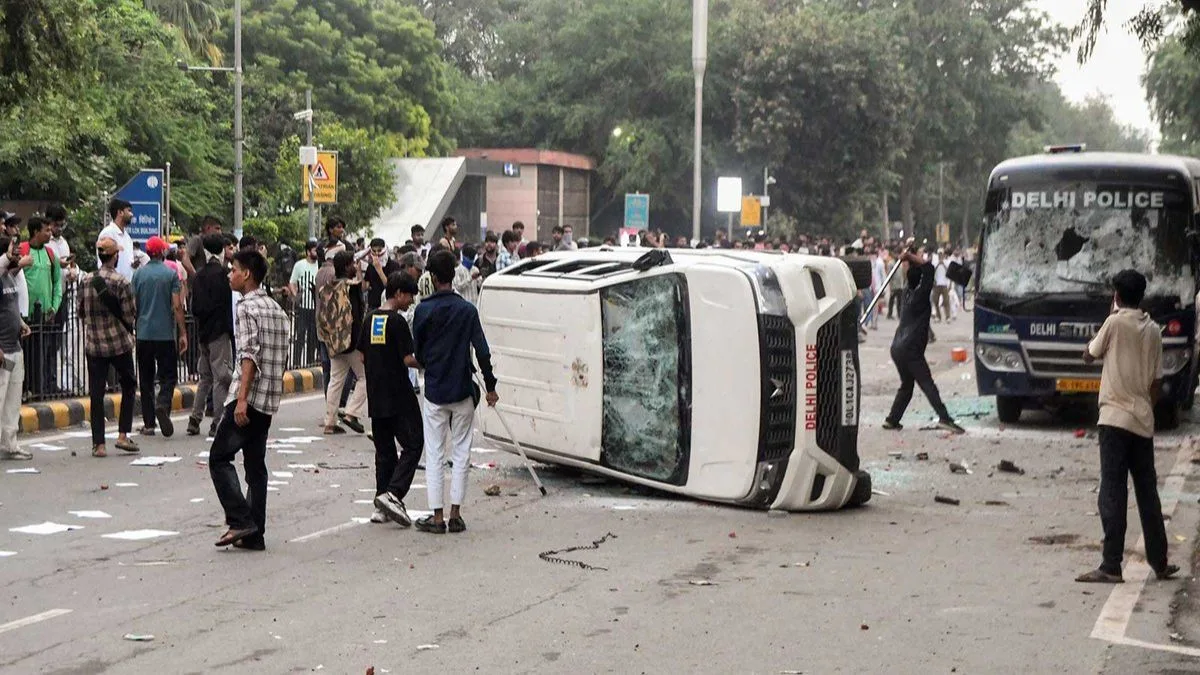
The Delhi Police have launched a wider investigation into the violence that erupted during the Cockroach Janta Party’s (CJP) ‘Chalo Sansad’ protest, registering five FIRs while examining whether the clashes were part of a larger planned conspiracy.

Police sources said more cases could be registered as investigators work to identify those involved in stone-pelting, vandalism, attacks on security personnel and damage to public property during Monday’s protest.

The investigation is primarily based on more than 250 videos, including CCTV footage, mobile phone clips, drone visuals and recordings from police body-worn cameras.

Separate FIRs have been registered at Parliament Street and Connaught Place police stations against unidentified persons under various provisions of the Bharatiya Nyaya Sanhita (BNS), police sources said. The cases relate to rioting, vandalism, destruction of public property, obstructing government officials from performing their duties and snatching police gear, including helmets and jackets.

More than 70 detained, identities under verification

Police sources said over 70 people have been detained in connection with the violence. Their identities, affiliations and alleged roles in the clashes are being verified.

Investigators are also checking whether those allegedly involved have previous criminal records.

According to sources, the probe is examining whether the violence was pre-planned or orchestrated by organised groups. Officials said many of those detained were not students, although the protest had been projected around alleged irregularities in the NEET examination.

Police are also investigating whether WhatsApp or Telegram groups were created to mobilise people ahead of the violence.

Sources added that legal action would be taken if the probe establishes the involvement of any political organisation or individual in planning, instigating or financing the violence.

Probe focuses on misinformation campaign

The investigation is also looking into the role of social media in escalating tensions.

Police sources said several accounts circulated misleading and inflammatory content before and during the protest. Cyber experts are tracing the origin of such posts to determine whether there was a coordinated online campaign to spread misinformation.

According to police sources, some social media handles allegedly operating from Pakistan amplified the violence by sharing unverified claims. Officials cited one widely circulated post that falsely claimed seven protesters had been killed, 391 people injured and 250 arrested, calling the figures baseless and intended to create panic.

Police vehicles vandalised, stones hurled

According to police, protesters vandalised police vehicles and pelted stones at security personnel near Regal Cinema in Connaught Place’s Outer Circle.

On Monday, Delhi Police released video footage showing people allegedly throwing stones from behind barricades or after moving close to them in the Connaught Place area.

In a post on X, Delhi Police appealed to protesters to remain peaceful, exercise restraint, comply with lawful directions and cooperate in maintaining public order.

The force also urged citizens not to believe or circulate rumours or unverified information, asking people to rely only on official sources.

Over 100 police personnel injured

Police said the violence erupted after CJP supporters attempted to march from Jantar Mantar towards Parliament despite permission for the procession being denied.

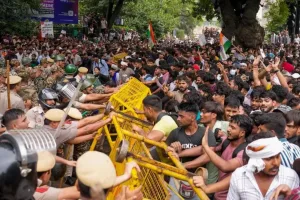
According to officials, protesters allegedly broke through barricades, attacked police personnel with stones and other objects, damaged government vehicles and public property, and disrupted security arrangements in the high-security zone.

Police said more than 118 personnel, including senior officers and women police personnel, sustained injuries during the clashes. Around 60 protesters were also reported injured.

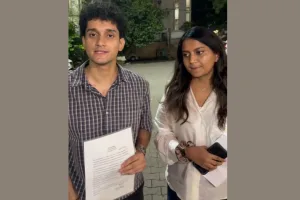
The CJP protest over the alleged NEET-UG 2026 paper leak intensified on Monday, with a party delegation meeting Union Health Minister JP Nadda to press its demands even as the march towards Parliament turned violent.

Should Be a Core Subject in India’s Classrooms

Every generation prepares its children for the world they are likely to inherit.

BIR SINGH | New Delhi |

Every generation prepares its children for the world they are likely to inherit. Mathematical thinking was needed during the Industrial Revolution, as machines changed the way things were produced. With the advent of the digital revolution, computer literacy was required as software changed the face of all industries. None of these became foundational because education systems chose them. They became foundational because the world changed. Another change takes place today.

For the past decade, AI has been a silent force behind the screen. It responded to questions, produced content and analysed information. The notion of AI as software became one of our initial ideas. That definition is already becoming incomplete. Intelligence is now moving into the physical world. It performs tasks in warehouses, checks infrastructure, supports surgeons, crops and collaborates with humans in factories. Physical AI represents a paradigm shift in the ways intelligence is developed, deployed and experienced. According to the International Federation of Robotics, 542,000 industrial robots were installed globally in 2024 alone, taking the worldwide operational stock to more than 4.6 million machines. Almost 75% of new installations were in Asia.

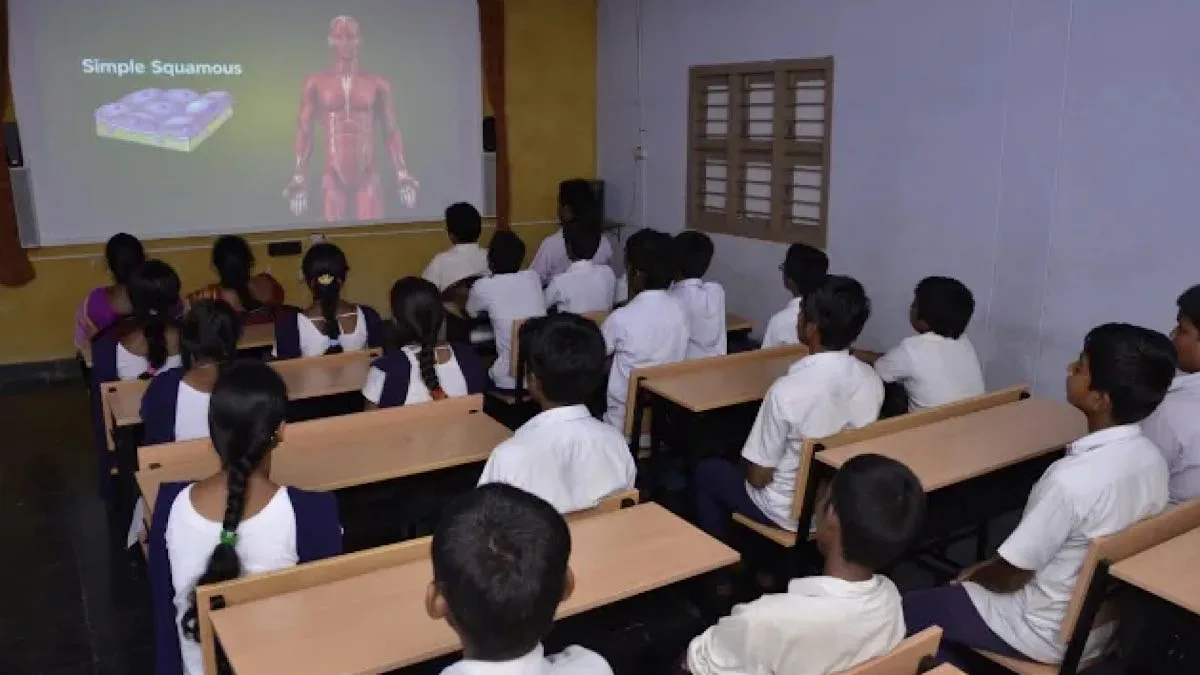
Physical AI is no longer an emerging concept. It is becoming a part of the productive infrastructure of the world. That shift extends beyond technology. It alters the curriculum for future generations. Each technological revolution has broadened the definition of literacy. There is a possibility that robotics becomes the next foundational literacy as intelligence is not limited to software. It is beginning to interact with the physical world. This is why robotics deserves a different conversation. It is still widely viewed as a specialised engineering discipline or an extracurricular STEM activity. That perspective misses its educational value.

Robotics integrates artificial intelligence, engineering, mechanics, electronics, and design and systems thinking into one learning experience. Students are taught how intelligent systems perceive their environment, make decisions, and interact with humans and operate safely in dynamic environments. AI literacy enables students to grasp the learning process, reasoning, and knowledge generation of intelligent systems. In the real world, with robotics, all actions rely on sensing, movement, mechanics, and the interplay of data and design. Students have hands-on experience in these connections. Mathematics becomes movement. Physics becomes behaviour.

Programming becomes action. Knowledge stops existing as isolated subjects and begins to function as an integrated system. The discussion on AI literacy is both timely and necessary. All students should be aware of the impact of intelligent systems on decisions and society. But, in a growing number of cases, those systems are embedded in moving, adapting and interacting with humans. Consider a modern warehouse. What appears to be a robot transporting a pallet is actually an ecosystem of technologies working together.

Computer vision is the process of understanding the environment from a computer. AI makes decisions in real time. Sensors generate continuous streams of data. Autonomous systems coordinate movement, humans supervise, intervene and optimise when necessary. Realizing that ecosystem goes beyond software skills. It demands knowledge of the intelligent physical systems. This is being increasingly backed by educational research. Several meta analyses indicate that robotics based learning promotes computational thinking, problem solving, collaboration and creativity due to the student’s learning by experimentation rather than memorisation.

One recent study found that children participating in robotics programmes developed communication, teamwork, critical thinking and creativity more holistically than those in conventional classrooms. Each prototype is turned into a hypothesis. All failures result in feedback. Every iteration deepens understanding. India can play a leading role in this transition. The National Education Policy 2020 has already brought a change in education towards multidisciplinary learning, experiential problem solving and creativity.

Over 11 million students have been introduced to hands on innovation through robotics, AI and maker education via more than 10,000 Atal Tinkering Labs. Meanwhile, India’s robotics ecosystem is growing at a fast pace. Industrial robot installations grew by 59 percent in 2023, one of the fastest growth rates globally. There is a start of alignment between education and industry. The curriculum should follow them. The workforce is evolving just as quickly.

People will be working with intelligent machines more and more in manufacturing, healthcare, logistics, agriculture and infrastructure. Future readiness is dependent on systems thinking, technological fluency and responsible engagement with AI, say global organisations such as UNESCO, OECD and the World Economic Forum. With intelligence becoming embodied in machines, the capabilities are naturally extended to robotics as well.

The real question is no longer whether robotics belongs in classrooms. It is whether classrooms can prepare students for a world where intelligence increasingly exists beyond the screen. As reading and mathematics were once the languages of the past, robotics is now the language of the Physical AI age. The sooner the education system adapts to that reality, the more empowered the next generation will be to change it.

(THE WRITER IS THE CO-FOUNDER & CHIEF BUSINESS OFFICER, ADDVERB)

Riteish-Genelia Deshmukh react to Delhi student protests, say youth are the ‘true architects’ of the country’s future

Tear gas hung over Jantar Mantar, but somewhere between the smoke and the slogans, two familiar voices from Bollywood chose a side. Riteish Deshmukh and Genelia didn’t just watch the chaos unfold.

Statesman News Service | New Delhi |

Actor Riteish Deshmukh took to X on Monday evening to support the students protesting in Delhi. He wrote that the youth of the country deserve to be heard “loud, clear, and without fear.” He called them the heartbeat of the nation’s democracy. Deshmukh also asked the administration to sit down and talk with the protesters instead of cracking down on them.

His wife, actor Genelia Deshmukh, backed the same message. She also pushed for dialogue between the government and the students, rather than a confrontation on the streets.

The couple’s statements came just hours after violent clashes broke out between police and protesters in central Delhi.

What triggered the clashes

Delhi Police fired tear gas and used batons on Monday to stop thousands of students from marching toward Parliament. The protesters want Union Education Minister Dharmendra Pradhan to resign. Their anger stems from repeated question paper leaks in major exams, including NEET-UG, which have derailed the plans of lakhs of students.

Police blocked the march near Jantar Mantar after refusing permission for it. Some protesters broke through barricades, and stone-pelting was reported in a few spots. A number of protesters were also hurt, and several were detained.

Wangchuk’s hunger strike adds fuel

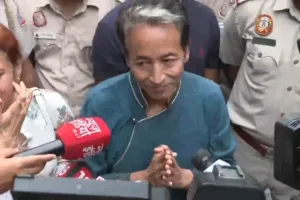
Climate activist Sonam Wangchuk had been on a hunger strike for 21 days in support of the students. On July 18, police moved him to a hospital, reportedly without his consent. His supporters showed up at Jantar Mantar in large numbers on Monday, angry over how he was treated.

The protest movement, led by the youth group Cockroach Janta Party, has been going on for close to a month. Their core demand is scrapping the National Testing Agency altogether.

Parliament adjourned, rights groups concerned

Monday’s clashes came right as Parliament’s Monsoon Session opened. Both houses were adjourned for the day because of the unrest outside. Metro services and mobile internet were reportedly cut in parts of the city during the protest.

Amnesty International raised concerns over the police response, calling it excessive force against a largely peaceful crowd.

Political fallout

Opposition leader Rahul Gandhi slammed the government over the crackdown and repeated his call for Pradhan to step down. He pointed to the scale of the alleged exam leaks and the number of students affected. Union Health Minister JP Nadda met protest representatives and said this was the first time the government had received a proposal for talks.

‘Masters of the Universe’ gets OTT release date after big-screen run

The battle for Eternia is moving from the big screen to living rooms as ‘Masters of the Universe’ makes its streaming debut. Fans can now relive He-Man’s fight against Skeletor with an all-star cast.

Statesman News Service | New Delhi |

After its theatrical release, ‘Masters of the Universe’ is now ready to reach a wider audience through streaming. The fantasy action film will begin its OTT journey on Prime Video from July 22, giving fans another chance to experience the adventure from home.

The movie brings back one of the most famous toy-based fantasy worlds and introduces a fresh live-action version of the classic story.

A new live-action take on the classic franchise

‘Masters of the Universe’ is based on the fictional universe created by Mattel in 1982. The latest film is the second live-action adaptation of the franchise. The first live-action movie was released in 1987 and featured Dolph Lundgren in the lead role.

The new film gives the popular characters a modern look while staying connected to the original universe that has entertained fans for decades.

Nicholas Galitzine leads the cast as He-Man

The story follows Adam Glenn, also known as He-Man, played by Nicholas Galitzine. He must defend his home planet, Eternia, from the dangerous villain Skeletor, played by Jared Leto.

The film also features Camila Mendes as Teela and Idris Elba as Man-at-Arms. The supporting cast includes Alison Brie, James Purefoy, Charlotte Riley, Morena Baccarin, Artie Wilkinson-Hunt, Eire Farrell, and several other actors.

Directed by Travis Knight with a strong creative team

The film is directed by Travis Knight. It is produced by Todd Black, Jason Blumenthal, Robbie Brenner, and DeVon Franklin.

The screenplay was written by Chris Butler, who joined the project after earlier script drafts had been prepared by David Callaham and filmmaking duo Aaron and Adam Nee.

Strong opening but long road to the big screen

‘Masters of the Universe’ was released in theatres on June 5. During its opening weekend in North America, the film earned USD 29.3 million, finishing second at the box office behind ‘Scary Movie’.

According to reports, the movie was made on a budget of around USD 200 million. Its journey to the screen took several years, with the project moving between Netflix, Warner Bros., and Sony Pictures before Amazon MGM acquired the rights in 2024.

Changing Guard

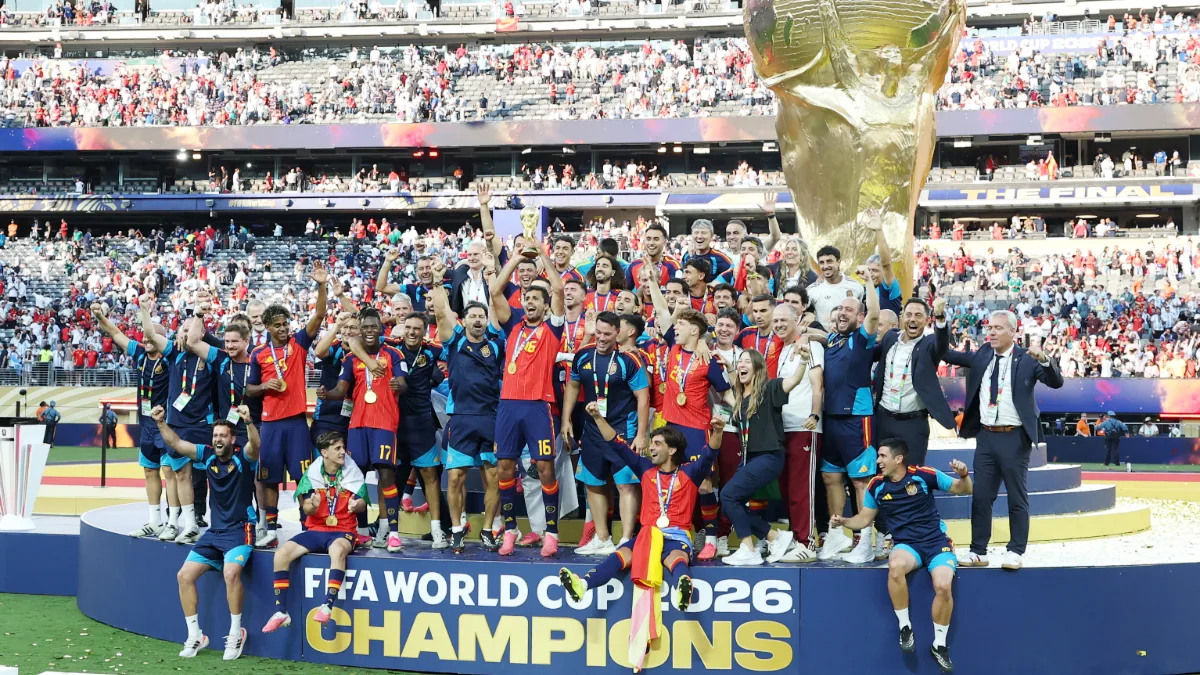
Spain’s triumph at the 2026 World Cup was more than the recovery of a crown last won in 2010.

Statesman News Service | New Delhi |

Spain’s triumph at the 2026 World Cup was more than the recovery of a crown last won in 2010. It may have marked a changing of the guard in international football. The embrace between 19-year-old Lamine Yamal and 39-year-old Lionel Messi after Spain’s 1-0 extra-time victory over Argentina captured that transition with an eloquence that the match itself rarely achieved. Messi may have made his final World Cup appearance. Yamal, already a European champion, has now won football’s greatest prize before his 20th birthday. Yet Spain’s achievement is larger than the emergence of another prodigy.

The country simultaneously holds the men’s World Cup, European Championship and Olympic titles, alongside the women’s World Cup. Its senior men have gone 38 matches unbeaten. Such dominance suggests not a fortunate generation but a footballing system capable of continually renewing itself. The final demonstrated that strength. Spain had 65 per cent possession and subjected Argentina to sustained pressure, while the defending champions failed remarkably to register a shot during regulation time. Spain conceded only once throughout the tournament. Ferran Torres’s winner in the 106th minute therefore settled a contest whose narrow scoreline concealed a considerable disparity. Argentina’s response made defeat more damaging.

A team talented enough to reach consecutive finals too often substituted disruption for invention. Enzo Fernandez’s dismissal after a reckless challenge and the confrontations following the final whistle left an unworthy final impression of the outgoing champions. Physicality and tactical obstruction are legitimate instruments of competitive football; indiscipline is not. Argentina’s approach also marginalised their greatest asset, leaving Messi peripheral when his creativity was most needed. The contrast points towards divergent futures. Spain’s established core, led by Rodri, is already complemented by Yamal and Pau Cubarsi, both 19. Argentina must contemplate life after Messi, while coach Lionel Scaloni’s own future is uncertain.

Spain have achieved the difficult feat of combining supremacy with succession. Spain’s success also vindicates sustained investment in youth development, proving that international dominance is built long before players reach tournaments. There was another transition unfolding beyond the pitch. The 27-minute half-time entertainment, celebrity performances, elaborate ceremonies and President Donald Trump’s conspicuous presence alongside FIFA president Gianni Infantino gave the final the character of an American mega-event. FIFA appears increasingly attracted to the Super Bowl model, in which sport becomes one component of a much larger entertainment product.

That evolution promises greater audiences and commercial returns, but carries risks. Football’s global appeal has never depended on celebrity spectacle, and political prominence around trophy ceremonies can blur boundaries that sporting institutions should guard carefully. The enduring image of this final should therefore remain the simplest one: an ageing master embracing the teenager who may inherit his stage. Messi’s World Cup generation appears to be receding. Spain’s young champions are only beginning theirs. Amid all the fireworks surrounding modern football, the game itself supplied the more compelling spectacle.

Sea Change

India’s maritime ambitions cannot be measured by a ceremonial warship commissioning or ambitious infrastructure announcements alone.

Statesman News Service | New Delhi |

India’s maritime ambitions cannot be measured by a ceremonial warship commissioning or ambitious infrastructure announcements alone. Naval power is built over decades through consistent political commitment, industrial capacity and financial planning. The real question is not how many ships are entering service today, but whether enough decisions are being taken now to ensure that the fleet remains credible a decade from now. The strategic environment has become far more demanding.

China’s naval expansion continues at an unprecedented pace, extending Beijing’s reach across the Indo-Pacific through a combination of aircraft carriers, submarines, destroyers and overseas logistics facilities. Pakistan, with sustained Chinese assistance, is steadily modernising its own fleet. Meanwhile, recent disruptions to commercial shipping in West Asia have once again demonstrated how vulnerable maritime trade can become during regional conflicts. For a country that depends overwhelmingly on sea routes for its trade and energy supplies, these are not distant developments but immediate strategic realities.

Maritime security is no longer solely a military concern; it underpins economic resilience, energy security, supply-chain stability and India’s broader geopolitical influence. India has responded with greater attention to the Indian Ocean, to stronger naval diplomacy and an emphasis on indigenous defence production. These are important advances. Yet they cannot obscure a more fundamental concern. Major combat platforms require years ~ often well over a decade ~ from approval to operational deployment.

Delays in political clearances, procurement decisions or budgetary commitments today inevitably become capability gaps tomorrow. This is particularly significant because naval capability cannot be generated overnight in response to a crisis. Aircraft carriers, submarines, destroyers and advanced frigates are not emergency purchases; they are products of long-term national planning. If procurement cycles become irregular, shipyards lose momentum, supply chains weaken and operational readiness suffers over time.

Even the most capable sailors cannot compensate indefinitely for an ageing or numerically inadequate fleet. The debate should therefore move beyond individual projects and towards institutional reform. India has repeatedly demonstrated that it can execute complex defence programmes when political priorities, funding and administrative processes are aligned. The challenge lies in ensuring that such alignment becomes routine rather than episodic. Defence planning should be guided by clearly defined national objectives, predictable financial commitments and procurement mechanisms that minimise avoidable delays without compromising accountability.

Equally important is recognising that emerging technologies, from autonomous underwater vehicles to long-range precision weapons and maritime surveillance networks, should complement rather than substitute traditional naval power. Modern warfare demands both innovation and conventional capability. One cannot replace the other. India does not need to mirror China’s fleet ship for ship. Geography, alliances and strategic objectives differ. But it cannot afford prolonged uncertainty over the composition and pace of its own naval modernisation. Maritime influence rests not only on the ships already at sea but also on the confidence that future capability is steadily being built. Strategic credibility ultimately depends less on announcements than on sustained execution.

From Imax records to A-list buzz: Why ‘The Odyssey’ defied every box office expectation

A three-thousand-year-old poem just broke box office records. Matt Damon, an all-star cast, and cameras built for one director’s obsession turned Homer’s epic into the summer’s biggest surprise.

Statesman News Service | New Delhi |

Christopher Nolan’s ‘The Odyssey’ just delivered one of the biggest surprises of summer. The film opened to $124.5 million domestically and $264.1 million worldwide. That makes it Nolan’s biggest global debut ever, ahead of ‘The Dark Knight Rises’ and ‘Oppenheimer.’

Early projections had the film pulling in somewhere between $80 million and $100 million domestically. Instead, it blew past that range by a wide margin. Here are five reasons why.

1. Nolan’s name still sells tickets

Christopher Nolan has built a reputation few directors can match. His track record includes ‘The Dark Knight’ trilogy, ‘Inception,’ ‘Dunkirk’ and ‘Interstellar.’ Each film added to his standing as one of the few filmmakers who can open a movie purely on his name.

That reputation grew even stronger after ‘Oppenheimer’ in 2023. The three-hour, R-rated biopic became a cultural phenomenon during the ‘Barbenheimer’ summer, then went on to win the Oscar for best picture. It opened at $82 million domestically and finished with $330 million in North America and $975 million worldwide.

Box office analyst David A. Gross, who publishes the newsletter FranchiseRe, called ‘The Odyssey’ a true showcase of Nolan’s pull with audiences. Having directed 13 films, Nolan now draws a loyal following that shows up no matter the subject matter.

2. Imax turned into a box office weapon

Imax played a central role in this opening. The format brought in $51.8 million, or 23 percent, of the film’s global ticket sales. That stands as Imax’s biggest opening ever in comparable markets, ahead of even ‘Avengers: Endgame.’

The reason comes down to the cameras themselves. Imax equipment is heavy and expensive to operate, so most films only use it for select action scenes. ‘The Odyssey’ broke that pattern. It became the first feature ever shot entirely on Imax cameras, something Nolan has described as a long-standing goal of his career.

Imax CEO Richard Gelfond made the pitch directly to audiences after opening weekend, saying anyone who skips the Imax version isn’t seeing the film the way Nolan intended. Moviegoers responded. The film is currently outpacing even ‘Oppenheimer,’ which brought in $35 million from Imax screens during its own opening weekend.

3. The cast pulled in every age group

‘The Odyssey’ features one of the largest ensembles of any recent release. Matt Damon leads the film as Odysseus, the king of Ithaca making his way home after the Trojan War. He is joined by Tom Holland, Anne Hathaway, Zendaya, Robert Pattinson, Lupita Nyong’o, Charlize Theron, John Leguizamo, Jon Bernthal and Elliot Page.

That range of stars helped the film reach a wide mix of moviegoers. Men made up 56 percent of the general audience, and more than three-quarters of ticket buyers over age 25 were male. At the same time, half of the total audience fell between ages 18 and 34, showing the film pulled in younger viewers as well as older ones.

The press tour leaned heavily on the size of the cast in the weeks leading up to release. The London premiere turned into its own media event, with outlets covering the red carpet arrivals almost as closely as the film itself.

4. Reviews and word of mouth were excellent

Strong reviews gave the film another push. ‘The Odyssey’ holds a 95 percent score from critics on Rotten Tomatoes, placing it among the best-reviewed films of the year. Audiences responded just as well, handing it an ‘A’ grade in CinemaScore exit polls.

That kind of reception matters for a film this long and this violent. At nearly three hours and rated R, ‘The Odyssey’ carried real risk heading into release. R-rated films limit who can buy tickets, and long runtimes cut down on the number of showtimes theaters can schedule in a single day. Strong word of mouth helped offset both of those challenges.

The timing also worked in the film’s favor. Two major franchise releases this summer, ‘Supergirl’ and ‘The Mandalorian & Grogu,’ underperformed and received mixed reviews. That left an opening for a film with genuine buzz behind it, and ‘The Odyssey’ filled it.

5. Advance hype built for over a year

The marketing rollout for ‘The Odyssey’ started unusually early. Imax 70mm tickets went on sale a full year before the release date, an approach theater chains linked directly to the success Nolan saw with ‘Oppenheimer,’ which earned more than $190 million of its total gross from Imax screens alone.

That early ticket window paid off. Advance screenings sold out overnight in cities including Melbourne and London. One Imax general manager described the demand as almost overwhelming given how far out the tickets went on sale.

By the time the film reached theaters, anticipation had been building for months. The combination of early ticket sales, festival buzz and a heavy publicity push gave ‘The Odyssey’ strong momentum before a single review even ran.

Day after clashes, thinner crowds gather at Jantar Mantar as students question CJP’s outreach to Nadda

Around 250-300 protesters remained at Jantar Mantar, where student groups voiced concern that talks with the Centre could weaken the agitation’s original demands.

Statesman News Service | New Delhi |

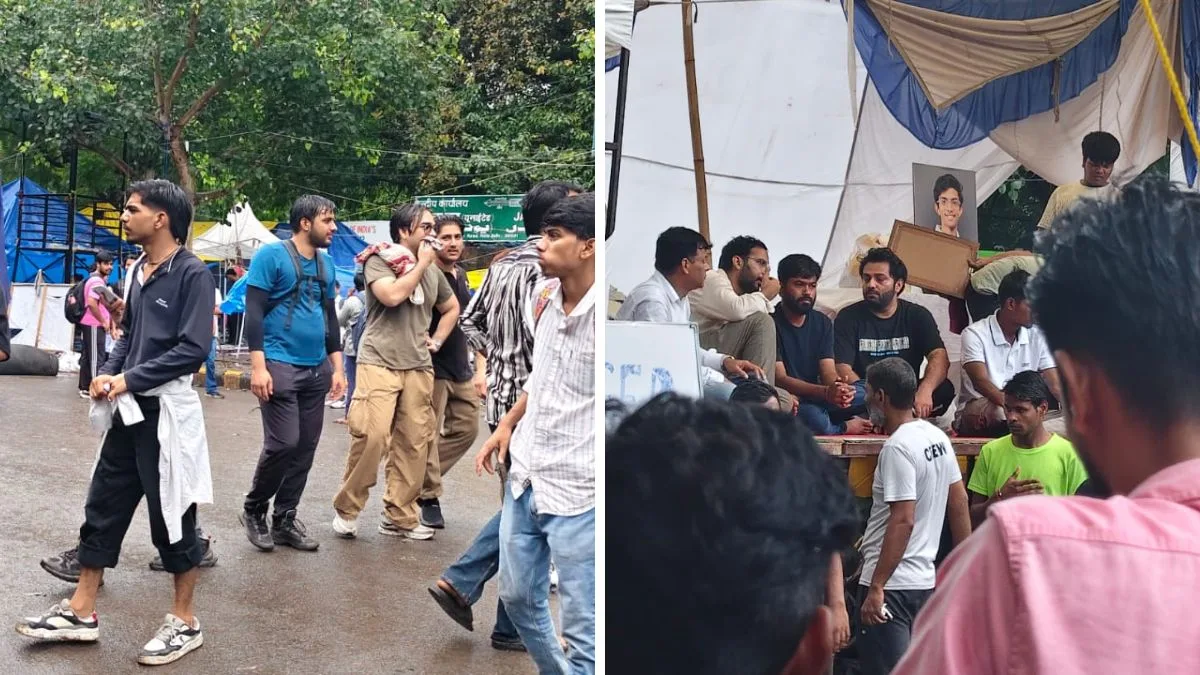
A day after the march to Parliament erupted into violence, Jantar Mantar wore a quieter look on Tuesday as the protest over the alleged NEET-UG paper leak drew only a few hundred demonstrators.

People at the site estimated the crowd at around 250-300, far smaller than Monday’s mobilisation.

The crowd largely comprised students from Delhi University and Jawaharlal Nehru University, along with supporters of the Bhim Army.

While slogans continued intermittently, the atmosphere remained subdued compared with Monday’s protest march towards Parliament.

Bhim Army supporters repeatedly raised “Jai Bhim” slogans, while organisers from the Cockroach Janata Party (CJP) encouraged participants to raise “Bharat Mata Ki Jai” instead in an apparent attempt to project a broader, united front.

The protest site also reflected signs of disagreement within the movement after a CJP delegation met Union Health Minister JP Nadda on Monday.

According to people present at Jantar Mantar, several student participants expressed dissatisfaction over the meeting, viewing it as a dilution of the protest’s stand against the government.

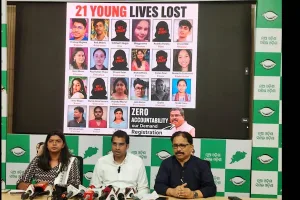
The development comes a day after Union Health Minister JP Nadda said the protesters had, for the first time, initiated a proposal for talks with the government. Following the meeting, CJP leaders said they had reiterated their demands, including the resignation of Union Education Minister Dharmendra Pradhan, compensation for families of students who allegedly died by suicide, and the immediate release of climate activist Sonam Wangchuk.

Monday’s protest had turned violent after demonstrators attempted to march towards Parliament despite prohibitory orders. Delhi Police said more than 118 police personnel were injured during the clashes and several government vehicles were damaged. Police also detained dozens of protesters and initiated legal action under relevant provisions of the Bharatiya Nyaya Sanhita.

Climate activist Sonam Wangchuk, who has been on a hunger strike over the issue, continues to receive treatment at Safdarjung Hospital, where doctors have said his condition remains stable.

Disarming the farmer

Every farmer’s grievance/ crop failure is a wound the nation must feel. The ongoing review of Paraquat Dichloride and Glyphosate, prompted by the reports of severe poisoning in Telangana, deserves both compassion and clear and rational scientific reasoning.

DR. C D MAYEE | New Delhi |

Every farmer’s grievance/ crop failure is a wound the nation must feel. The ongoing review of Paraquat Dichloride and Glyphosate, prompted by the reports of severe poisoning in Telangana, deserves both compassion and clear and rational scientific reasoning. While poisoning and death due to lapses needs investigation and solution, the policy response must strike at the real cause of harm and not on the mishap without studying the issue. Removing a molecule that had undergone rigorous scrutiny from the shelf may be an act of administration.

However, within itself, it could neither protect the gullible farmer from poisoning nor the crops from losses due to devastating weeds. The challenges are many, but farmers’ livelihood is their fundamental right, and we, the responsible citizens, must stand steadfast for this cause. The evidence on what drives farmer suicides is well established. Indebtedness, crop failure due to counterfeit and substandard agricultural inputs, lack of timely institutional credit, and poor price realization arising from inefficient marketing systems are among the principal factors that push distressed farmers to the brink, and not the chemistry printed on a pesticide label.

Withdrawing a registered crop protection product does not eliminate debt, restore a failed crop or ensure remunerative prices. Where pesticides are misused for self-harm, the focus must be on identifying and supporting individuals experiencing severe emotional or financial distress. In this regard, the Government’s initiative of introducing a toll-free helpline for counselling and mental health support is a welcome and commendable step.

However, if a person is determined to take an extreme step, there are many means available. Therefore, policy interventions should focus on addressing the underlying socio-economic causes rather than restricting essential agricultural tools that millions of farmers depend upon. Herbicides and other crop protection products are indispensable to modern agriculture, particularly for small and marginal farmers, as they provide an affordable and effective means of protecting crops, managing labour shortages and improving productivity.

Stakeholders of crop protection have consistently promoted the right product, at the right dose, at the right time and in the right manner, strictly in accordance with the recommendations provided on product labels and leaflets. However, their capacity to reach every farmer is limited. Farmer education and awareness are ultimately a public responsibility and require sustained governmental support.

It is pertinent to recall the observation of a former Union Finance Minister that several extension experiments have been undertaken over the years, but none has been sufficiently effective in reaching farmers at scale. Today, government is investing thousands of crores of rupees in nationwide campaigns to create awareness about cybercrime. Unfortunately, despite its critical importance, agricultural extension has not received the priority it deserves, given that nearly half of India’s population is directly or indirectly dependent on agriculture.

Should there not be an equally intensive national campaign to educate farmers on scientific crop management, balanced use of fertilizers, safe and judicious use of crop protection products, and the identification of counterfeit agricultural inputs? The Government deserves appreciation for promoting crop insurance through substantial premium support. At the same time, scientifically evaluated crop protection chemicals themselves act as the first line of defence against pests, diseases and weeds, helping farmers avoid crop losses before insurance becomes necessary.

When used strictly according to label recommendations, these products have repeatedly been demonstrated to be safe and effective through thousands of scientific studies conducted worldwide. It is important to remember that no crop protection product is approved for use in India unless it undergoes rigorous scientific evaluation, extensive toxicological and environmental studies, and scrutiny by the Ministry of Agriculture & Farmers Welfare through the Central Insecticides Board & Registration Committee (CIBRC). Only after satisfying these stringent regulatory requirements is a product registered, following which State Governments issue manufacturing and sale licences.

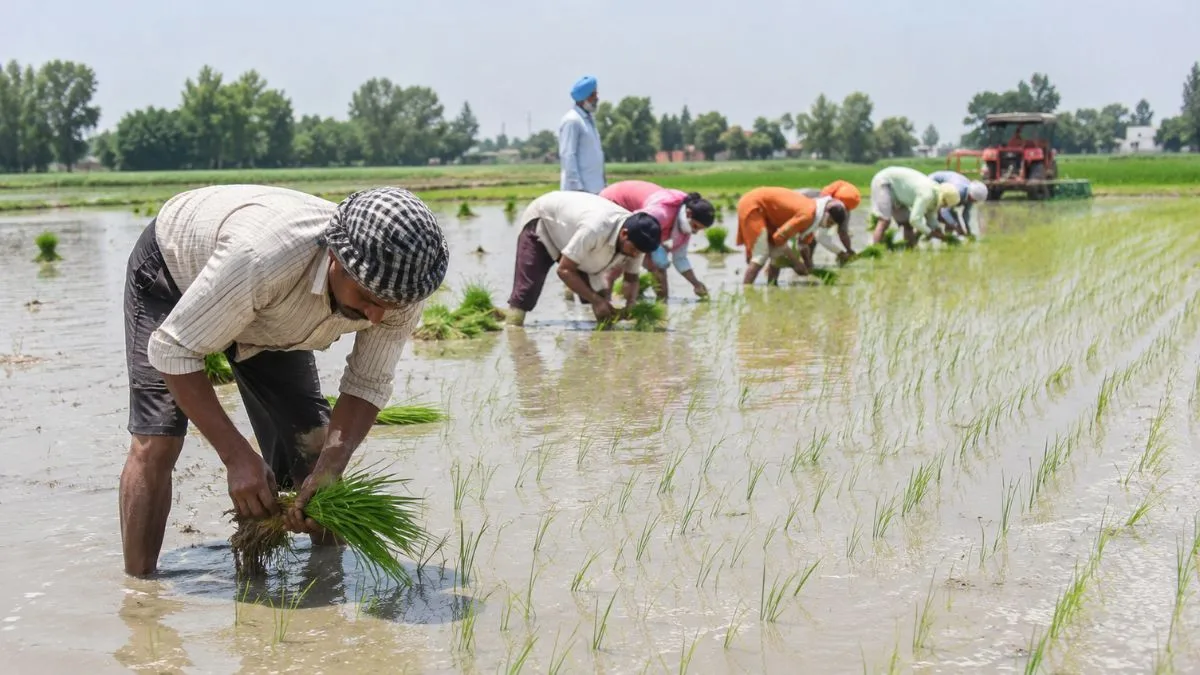
The real challenge, therefore, is not the availability of registered products, but ensuring their responsible use while simultaneously eliminating counterfeit and illegally smuggled pesticides from the market. Biotic stresses, particularly weeds and pests, inflict an estimated annual economic loss of approximately Rs 92,000 crore on Indian agriculture. A comprehensive assessment by ICAR’s Directorate of Weed Research and the Federation of Seed Industry of India, encompassing thousands of farmers across eleven states, estimated potential yield losses due to weeds at 25-26 per cent in kharif crops and 18-25 per cent in rabi crops. These findings emphasize that timely and effective weed management is fundamental to sustaining crop yields, farm profitability and national food security.

The withdrawal of any scientifically evaluated crop protection molecule without a proven, affordable and equally effective alternative inevitably increases production losses, with the greatest burden falling on smallholder farmers, followed by consumers through higher food prices and ultimately the national economy. At a time when India is strengthening food security and advancing the vision of Atmanirbhar Bharat, ensuring continued access to effective crop protection tools under a robust regulatory framework is imperative.

Paraquat is not a product of convenience; it is a tool of necessity in the circumstances. It has been used in India even before the inception of the Insecticides Act, 1968 without any undue concerns arising because of its use in agriculture and non-cropped areas. As a fast-acting, non-selective contact herbicide, it gets deactivated the instant it touches the soil, leaving no residue in the field or in the harvest. By virtue of this property, paraquat dichloride has become the basis of the zero-tillage and conservation agriculture that the Government itself is promoting to conserve water and protect soil health.

It is heavily relied upon for cultivation across the agro-ecological niches including horticultural, field and plantation crops. It is enigmatic why suddenly news highlighting the hazardous nature of paraquat dichloride has surfaced disproportionately in the country to coincide with the arrival of kharif sowing. With the onset of monsoon, the demand for discontinuation of this herbicide becomes all the more important.

For more than three decades, successive expert committees constituted by the Government of India have consistently recognized that Paraquat Dichloride is an effective non-selective contact herbicide with an important role in weed management, while simultaneously acknowledging its acute toxicity if misused or ingested. Importantly, none of the major Government- appointed expert committees ~ the Banerjee Committee (1991), the R.B. Singh Committee (1998), the C.D. Mayee Committee (2006) and the Dr. Anupam Verma Committee (2015) ~ recommended an outright ban on Paraquat Dichloride.

Instead, each committee concluded that the risks associated with the herbicide could be managed through a robust regulatory framework comprising restricted and label-compliant use, strengthened packaging and labelling, controlled sale and distribution, mandatory use of personal protective equipment, user education and stewardship, and enhanced preparedness of the medical community for prompt diagnosis and management of poisoning cases. The Anupam Verma Committee’s recommendations were subsequently considered and accepted, with observations, by the Registration Committee in its 361st Special Meeting (22 December 2015), which supported the continued registration of Paraquat with additional safeguards rather than prohibition.

This regulatory approach is consistent with the internationally accepted principle that pesticide regulation should be based on scientific risk assessment rather than hazard alone, recognizing that hazard is an intrinsic property whereas risk depends on the magnitude and route of exposure under approved conditions of use. Deliberate self-poisoning and accidental ingestion are serious public health concerns that warrant strengthened stewardship, packaging innovations, poison information services, farmer training and medical preparedness; however, these concerns do not, by themselves, demonstrate unacceptable risk from registered agricultural use when products are handled in accordance with approved label directions.

Consequently, the cumulative scientific and regulatory opinion of successive Government expert committees has consistently favoured risk mitigation and responsible stewardship over prohibition, supporting the continued availability of Paraquat Dichloride within a stringent regulatory and safety framework while ensuring its agronomic benefits for effective weed management. Glyphosate is another effective and non-selective herbicide that periodically faces opposition from some quarters for unknown reasons. The herbicide, with 0.7-0.9 million ton usage, remains one of the most extensively evaluated and widely used broad-spectrum herbicides in the world.

In India it plays a critical role in effective weed management, conservation agriculture and sustainable crop production. Any call for its prohibition should be guided by robust scientific risk assessment rather than hazard perception alone. Technical glyphosate exhibits low acute toxicity, with an oral LD50 exceeding 5,000 mg/kg body weight, which is higher than that of even common salt, indicating comparatively lower acute toxicity. While the International Agency for Research on Cancer (IARC) classified glyphosate as a potential hazard, major regulatory authorities, including the Joint FAO/WHO Meeting on Pesticide Residues (JMPR), the European Food Safety Authority (EFSA), the European Chemicals Agency (ECHA), the United States Environmental Protection Agency (US EPA) and other bodies have concluded that glyphosate is unlikely to pose a carcinogenic risk to humans when used according to approved label directions.

Consistent with this scientific evidence, the European Union renewed glyphosate approval until 2033. In India, withdrawing glyphosate would eliminate a highly effective non-selective herbicide, reduce options for resistance management, increase dependence on less efficient or costlier alternatives and adversely affect conservation agriculture. Continued use under strict regulatory oversight, stewardship, label compliance and user training represents a scientifically justified and proportionate approach that balances agricultural productivity with human and environmental safety.

A regulatory regime that bends to the headline will, in time, forfeit the trust of the farmers it is meant to serve. The timing is equally critical. With the kharif season underway, farmers have already planned their crops, secured credit and procured inputs based on the expectation that registered products will remain available. Abrupt withdrawal of herbicides or insecticides at this stage would disrupt weed and pest management, increase cultivation costs, create uncertainty and jeopardize productivity. Regulatory decisions should therefore be guided by sound scientific evidence and accompanied by a phased transition supported by effective alternatives, rather than sudden prohibition.

This is a humble appeal to the Government ~ not for regulatory relaxation, but for a science-based and balanced approach that harmonizes agricultural productivity with environmental sustainability. The current regulatory status of Paraquat Dichloride and Glyphosate should be maintained until the ongoing scientific review is completed through the established statutory process.

Simultaneously, greater emphasis should be placed on responsible stewardship through farmer training, Good Agricultural Practices (GAP), improved packaging and labelling, closed-transfer systems where appropriate, and strengthened regulations governing sale, storage and safe handling. This is the approach adopted by most agricultural economies to balance crop productivity with human and environmental safety. Indian farmers deserve both effective crop protection technologies and the highest standards of safety, and sound public policy should strive to secure both rather than compromise either.

(The writer is former Agriculture Commissioner, Government of India)

Paramount-Warner Bros. Merger on hold: All about the antitrust lawsuit that stopped the $111 billion deal

Two Hollywood giants were days away from becoming one. Then a judge in California said not yet. Now the clock is ticking toward a September deadline that might not hold.

Statesman News Service | New Delhi |

A federal judge has hit pause on Paramount’s $111 billion takeover of Warner Bros. Discovery. The order came on Monday, just days before the deal was set to close.

US District Judge Araceli Martínez-Olguín, of the Northern District of California, granted a temporary restraining order in favor of a coalition of 12 state attorneys general. They had sued to block the merger, arguing it would break federal antitrust law.

What the order says

The TRO stops Paramount and Warner Bros. from closing the deal. It also bars both companies from taking any steps to combine their operations while the case moves forward.

The order lasts 14 days. Martínez-Olguín left room to extend it to 28 days if both sides agree. She also set a hearing for August 3. That hearing will decide whether a preliminary injunction should freeze the deal for longer, while the underlying lawsuit plays out in court.

In her written order, the judge said the public has a strong interest in antitrust enforcement. She noted that Paramount would not suffer real harm from a short delay, since both companies can keep operating as separate businesses in the meantime.

Why the states sued

California Attorney General Rob Bonta led the coalition. The states filed suit on July 13. They argued the merger would wipe out competition between two of Hollywood’s biggest studios, and hurt movie theaters, cable providers, and everyday viewers.

Their complaint pointed to three specific markets. These include wide release theatrical films, big-budget tentpole movies, and basic cable channel licensing. The states also warned that the combined company could control close to a third of the cable market. That kind of control, they said, could push prices higher across the industry.

Paramount’s response

Paramount pushed back hard against these claims. The company argued that joining forces with Warner Bros. would not weaken competition. Instead, it said the merger would help it compete against streaming giants like Netflix and Amazon, which now dominate much of the entertainment business.

In a statement, Paramount said it welcomed the court’s quick ruling on the restraining order. The company framed the pause as similar to a timing agreement it had already offered to accept voluntarily.

A deal already under pressure

Paramount and Warner Bros. Discovery struck their acquisition agreement back in February. Paramount won the company after a competitive bidding process that included Netflix.

Since then, the deal has faced growing scrutiny. The Writers Guild of America filed its own lawsuit a day after the states did. The union argued the merger would cut down on the number of buyers for scripts, weakening pay and terms for writers.

Paramount also faces a separate lawsuit from shareholders. That suit alleges CEO David Ellison and his father, technology billionaire Larry Ellison, struck a side deal with President Trump involving changes at CNN. Paramount has firmly denied any such arrangement.

Not every legal challenge has gone against Paramount. The same judge already turned down a request for injunctive relief in a separate lawsuit filed by Paramount+ subscribers.

What happens next

Paramount is racing against the clock. The company has a September 30 deadline to close the deal, or it could face a financial penalty. That leaves a narrow window between the August 3 hearing and the end of September for the legal fight to play out.

The merger also faces hurdles outside the United States. European Union antitrust regulators are still reviewing the transaction. In Britain, the culture secretary has said she is considering stepping in, citing worries about too much media ownership concentrated in one company.

If completed, the merger would bring together two of the oldest studios in Hollywood. Paramount’s film business dates back 114 years. Warner Bros. is a year older. The combined company would also merge two streaming platforms, two major news organizations, and franchises like Batman and Superman under one roof, controlled by David Ellison.

‘Protests won’t solve anything’: Hema Malini urges CJP to stop ‘misleading’ students

As the debate over competitive exam irregularities continues, fresh political reactions are adding to the national conversation. The latest remarks come as the protest movement remains in focus.

Statesman News Service | New Delhi |

BJP MP and veteran actor Hema Malini has responded to the ongoing Cockroach Janta Party (CJP) protests in the national capital, urging the organisers to resolve concerns through discussions instead of demonstrations. Speaking to reporters, she said protests would not solve the issue and appealed to those leading the movement not to mislead students.

According to Hema Malini, any concern related to education should be addressed through proper dialogue. She said the central government has consistently worked for the welfare of students and the country’s education system.

‘Protests will not solve the problem’

While speaking to the media, Hema Malini said that if there is a problem, it should be discussed in the right manner. She stated that holding protests in this way would not produce any meaningful outcome.

She also praised the Narendra Modi-led government, saying it has always supported young people and introduced several initiatives for education. According to her, constructive conversations are more effective than demonstrations when dealing with important public issues.

Appeals to protest organisers over student participation

Hema Malini also questioned the purpose of the ongoing agitation. She said the present protests do not serve any useful purpose and insisted that differences should be settled through talks.

And, she further urged the organisers to clearly explain the issues to students instead of creating confusion. She said students should not be misled and should instead be encouraged to focus on positive and meaningful activities. Also, she added that involving students responsibly in discussions is important whenever education-related concerns are raised.

Protest movement gained momentum after Sonam Wangchuk’s removal

The protests gathered fresh momentum after climate activist Sonam Wangchuk was removed from the protest site at Jantar Mantar by Delhi Police during the early hours of July 18. Wangchuk had completed 21 days of an indefinite hunger strike before authorities shifted him to a hospital.

Delhi Police said the decision was taken because his health had deteriorated. Officials also cited medical advice and compliance with a Delhi High Court order while transferring him for treatment.

Hunger strike linked to exam irregularity demands

Sonam Wangchuk has been observing an indefinite hunger strike demanding the resignation of Union Education Minister Dharmendra Pradhan.

The issue gained nationwide attention after controversy surrounding the NEET examination where allegations of paper leaks and other irregularities triggered widespread concern among students and parents.

New York mayor calls Netanyahu a war criminal. Trump fires back, vows Israeli PM won’t be arrested in US

The row escalated after New York City Mayor Zohran Mamdani said his administration was exploring the legal powers available if the Israeli Prime Minister visited the city, drawing a sharp response from both Washington and Jerusalem.

Statesman News Service | New Delhi |

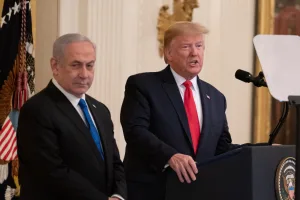
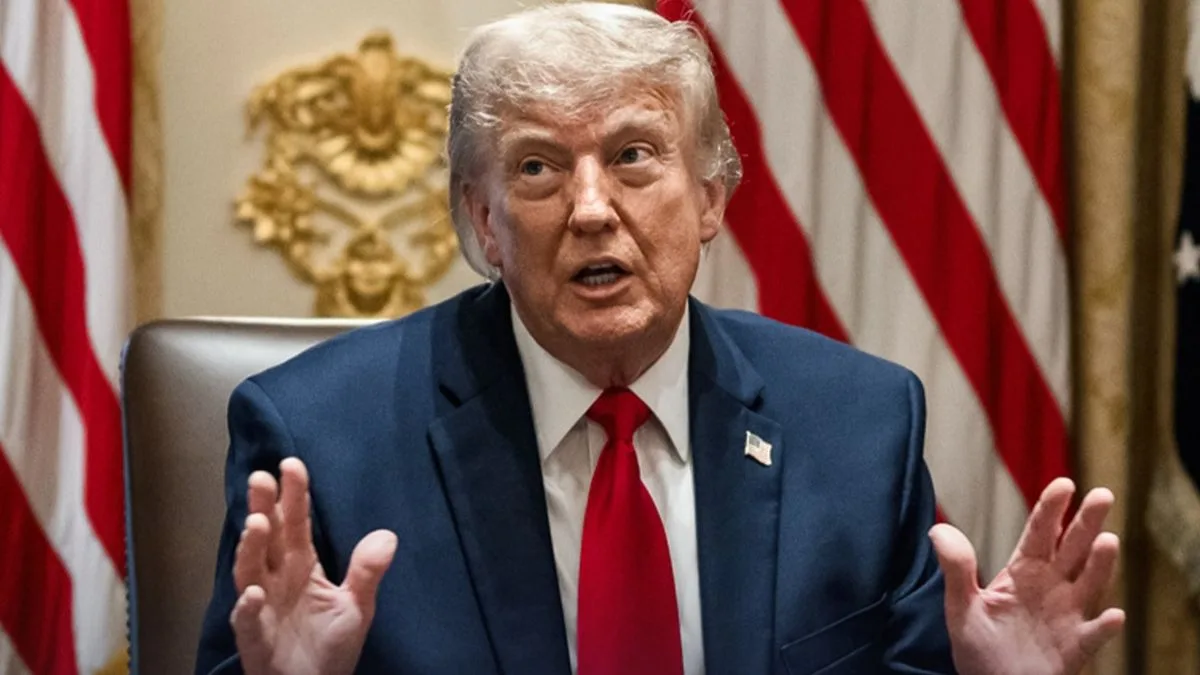
US President Donald Trump on Monday said Israeli Prime Minister Benjamin Netanyahu would not be arrested while visiting the United States after New York City Mayor Zohran Mamdani said his administration was examining what legal authority it could exercise if the Israeli leader travelled to the city.

In a post on Truth Social, Trump defended Netanyahu and criticised those who had backed action against Iran instead.

“Benjamin Netanyahu will not be arrested, in any way, shape, or form, while in the United States of America,” Trump wrote.

He also praised Netanyahu’s actions against Iran and argued that those responsible for Iran’s policies should face arrest instead.

Mamdani says officials examining legal options

The remarks came after Mamdani told The New York Times that Netanyahu was a “war criminal” who “belongs in The Hague.”

He said New York City officials were holding an “active conversation” with the city’s Law Department to determine what powers, if any, were available under existing law if Netanyahu visited the city.

“Whatever the law allows me to do in New York City, that’s what we will do,” Mamdani said, adding that his administration was not seeking to introduce new local laws.

Israel rejects ICC warrant

Netanyahu’s office strongly criticised Mamdani’s comments, calling the International Criminal Court’s arrest warrant “bogus” and describing the court as a “kangaroo court” with no jurisdiction over Israel or the United States.

The Prime Minister’s Office also alleged that former ICC prosecutor Karim Khan pursued the warrant to divert attention from later allegations of sexual misconduct against him.

In a statement posted on X, the office accused Mamdani of targeting Israel instead of addressing issues facing New York City.

It also defended Israel’s military campaign in Gaza, saying the armed forces had adopted “unprecedented wartime measures” to minimise civilian casualties while fighting Hamas, which it accused of using civilians as human shields.

ICC warrants

The dispute stems from arrest warrants issued by the International Criminal Court in November 2024 against Netanyahu and former Israeli Defence Minister Yoav Gallant over alleged war crimes and crimes against humanity linked to the Gaza conflict.

Israel has rejected the allegations and disputes the court’s jurisdiction. The United States is not a party to the Rome Statute, the treaty that established the ICC, and is therefore not under an international legal obligation to arrest or extradite people sought by the court.

Sikkim tunnel collapse death toll rises to 10; PM Modi, Amit Shah speak to CM

Ten bodies have been recovered from the NHPC Teesta Stage VI hydropower project tunnel in Sikkim’s Namchi district, while rescue teams continue searching for workers who may still be trapped.

Statesman News Service | New Delhi |

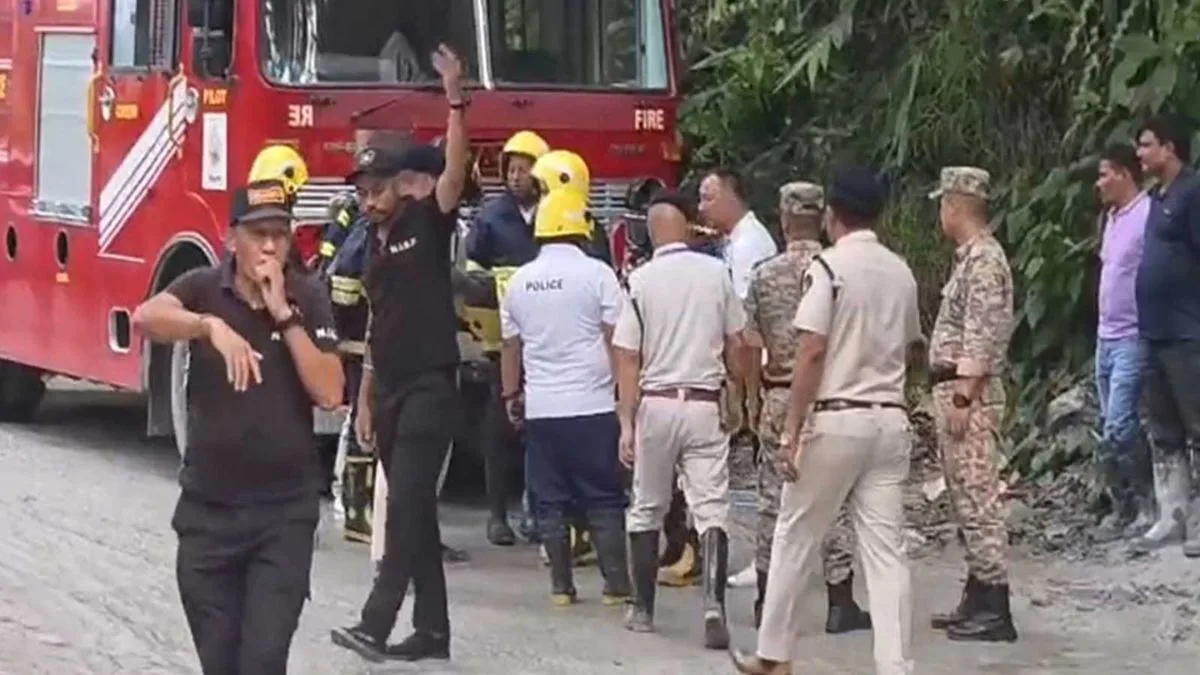
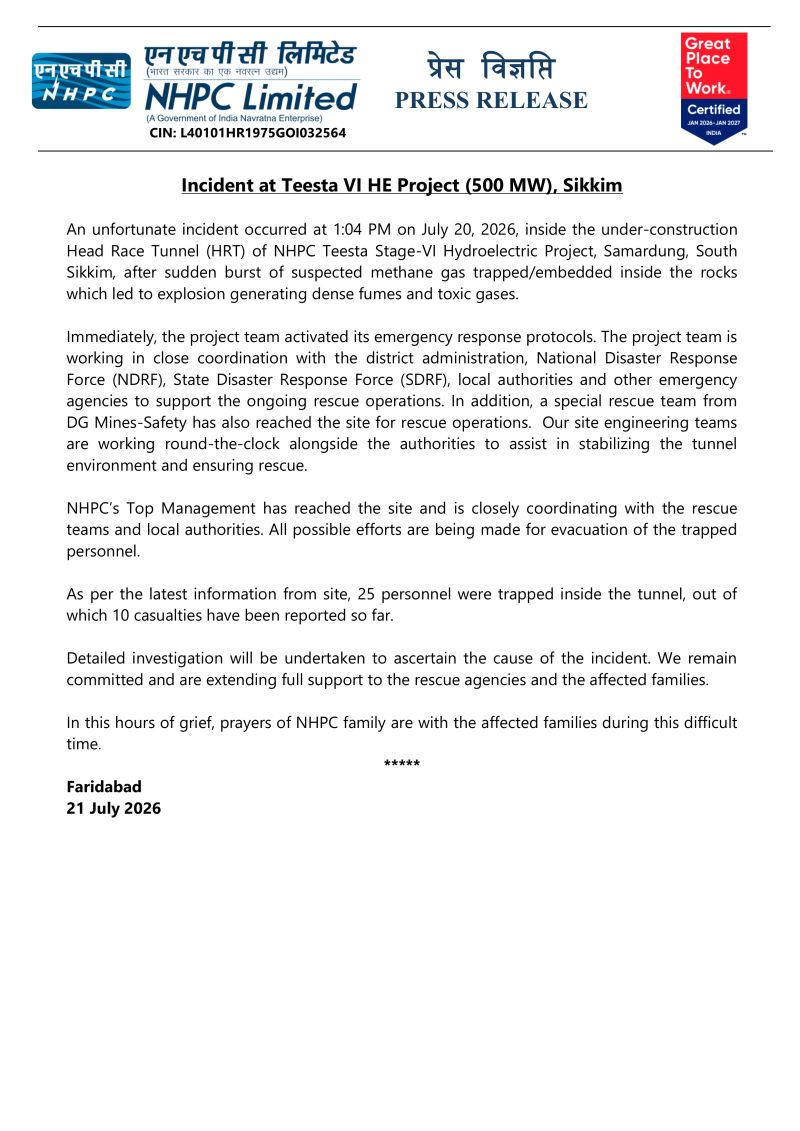
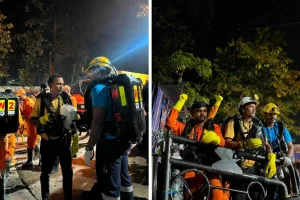
Ten people have died after an incident inside an under-construction tunnel at the NHPC Teesta Stage VI hydropower project in Sikkim’s Namchi district, where rescue teams are continuing efforts to reach workers believed to be trapped.

The Namchi district administration said the fatalities were reported as search and rescue operations continued at the tunnel in Samardung, Jholungey. The bodies have been shifted to Singtam District Hospital, STNM Hospital in Gangtok and Namchi District Hospital.

Authorities said the rescue operation is being carried out jointly by the district administration, the State Disaster Response Force (SDRF), National Disaster Response Force (NDRF), Sikkim Police, Fire and Emergency Services, the Health Department and other departments. The situation is being monitored by the Sikkim State Disaster Management Authority (SSDMA). Specialised rescue teams from Pakyong and Siliguri have also joined the operation.

text, letter

NDRF Deputy Commander Vivek Kumar said 10 bodies had been recovered and that there was still a possibility of more people being trapped inside the tunnel.

Prime Minister Narendra Modi on Tuesday spoke to Sikkim Chief Minister Prem Singh Tamang to review the situation and assured the state of all possible assistance from the Centre for the rescue operation and relief measures.

Union Home Minister Amit Shah also spoke to the Chief Minister to enquire about the situation and ongoing rescue operations, assuring all possible assistance in the rescue efforts and support for those affected.

The Chief Minister thanked the Prime Minister for the assurance and said he was closely monitoring the rescue mission. He said all departments had been directed to expedite operations, assist the affected families and maintain the highest safety standards during the rescue effort.

He also appealed to the public to refrain from spreading unverified information and assured that the state government would make every effort to carry out the rescue operation safely while extending all necessary support to the affected families.

The incident came to light on Monday after a landslide at the under-construction tunnel in Samardung. Rescue agencies were rushed to the site, and operations are continuing to locate any remaining workers inside.

With inputs from ANI and IANS

Trump escalates Canada trade row with new 50% tariffs on selected imports

The new duties, announced under Section 338 of the Tariff Act of 1930, will apply to hundreds of Canadian products in 30 days, with exemptions for energy, potash, critical minerals and several other categories.

Statesman News Service | New Delhi |

US President Donald Trump has announced an additional 50 per cent tariff on hundreds of Canadian products, accusing Ottawa of discriminating against American exports of automobiles, dairy products and alcoholic beverages. The new duties, signed under Section 338 of the Tariff Act of 1930, are set to take effect 30 days after the proclamations.

The White House said the measures are intended to offset what it described as Canada’s “discriminatory treatment” of US commerce and create a level playing field for American exporters. The tariffs will apply even if goods qualify for preferential treatment under the United States-Mexico-Canada Agreement (USMCA).

What the new tariffs cover

According to the White House, the additional duties apply to hundreds of Canadian imports, including products ranging from wine and hockey sticks to cement and consumer goods.

The administration said the tariffs will not apply to energy, potash, products already covered under Section 232 tariffs, fish, critical minerals and certain other specified goods.

Why the US imposed the tariffs

The Trump administration argued that Canada continues to maintain policies that disadvantage American exporters while offering more favourable treatment to products from other trading partners.

According to the White House, Canada imposes tariffs and quota restrictions on US-made vehicles that are not applied to imports from several other countries. It also alleged that Canada’s quota system encourages American automakers to invest in production facilities north of the border instead of expanding manufacturing in the United States.

The administration further claimed that Canada’s dairy quota system under the USMCA is more restrictive than the arrangements it offers to European Union exporters under the Canada-European Union Comprehensive Economic and Trade Agreement.

The White House also criticised restrictions on American alcoholic beverages, saying all but two Canadian provinces and territories had halted the purchase, distribution or retail sale of US alcohol while continuing to allow products from other countries.

White House cites fall in US exports

The administration said Canadian imports of US motor vehicles fell by around 22 per cent, or $5.6 billion, between April 2025 and March 2026 compared with the previous year.

It also said imports of US alcoholic beverages into Canada dropped by about 81 per cent, or $582 million, during the March 2025-February 2026 period.

Administration says Canada chose retaliation

The White House said China and Canada were the only countries to retaliate against Trump’s tariff measures over the past year and a half instead of negotiating trade agreements with Washington.

It said the administration had secured 18 trade deals that opened new markets for US exports, while accusing Canada of maintaining trade barriers instead of addressing American concerns.

The latest tariffs mark a significant escalation in trade tensions between the United States and Canada as the Trump administration continues to use tariffs as part of its America First trade policy.

US launches fresh strikes on Iran as conflict escalates; explosions reported across multiple cities

Explosions were reported across southern and central Iran after the US announced a new military offensive, while Kuwait activated air defences and regional tensions continued to spread.

Statesman News Service | New Delhi |

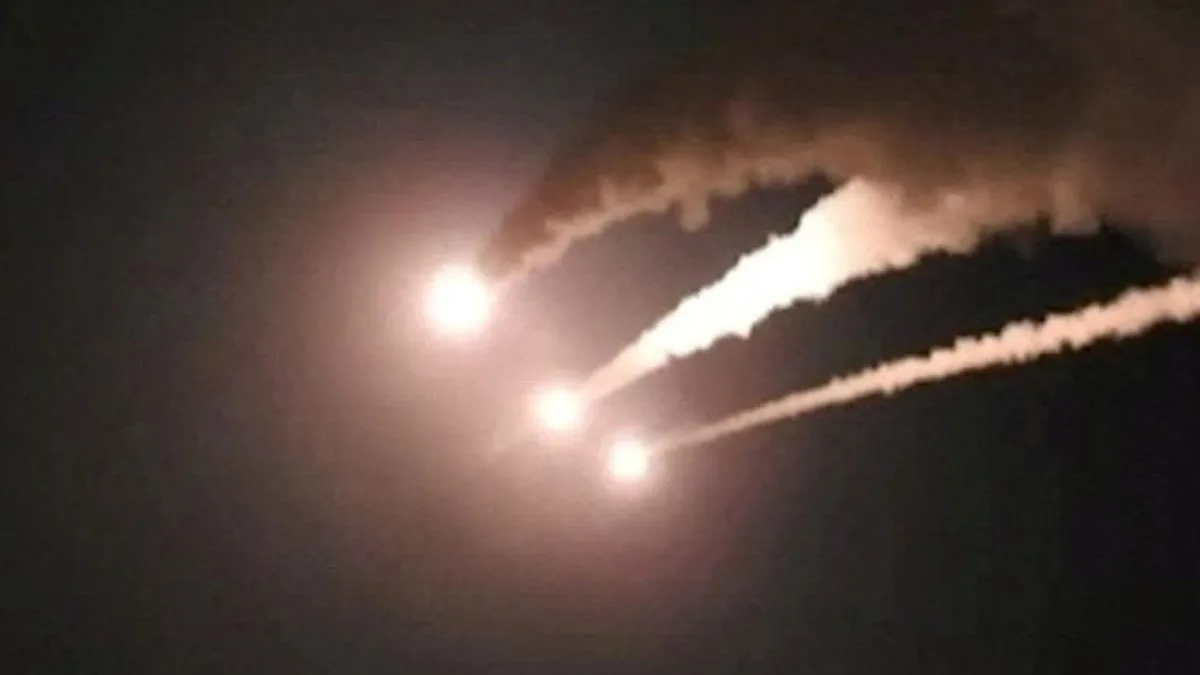
The United States launched a fresh round of military strikes against Iran on Monday, with the US Central Command (CENTCOM) saying the operation targeted Iranian military capabilities allegedly used to threaten commercial shipping in the Strait of Hormuz. The strikes came as explosions were reported across southern and central Iran and neighbouring countries activated air defence measures amid fears of a wider regional conflict.

CENTCOM said US forces began the operation at 4 pm Eastern Time “at the Commander in Chief’s direction”, describing the strikes as an effort to further weaken Iran’s ability to attack maritime traffic in one of the world’s busiest shipping lanes.

In a post on X, the command said the targets were military assets linked to attacks on commercial vessels transiting the Strait of Hormuz.

Explosions reported across Iran

Hours after the US announcement, Iranian media reported explosions in several parts of the country.

Blasts were heard in Bandar Abbas, Sirik, Bandar Lengeh and Qeshm in Hormozgan province, as well as Chabahar and Konarak in Sistan and Baluchestan province.

Iran’s official IRNA news agency also reported that air defence systems were activated in the southern port city of Bushehr to engage what it described as “hostile aircraft”.

Early Tuesday, explosions were reported in Shiraz and Isfahan, according to IRNA and Mehr News Agency.

Iranian state broadcaster Press TV additionally claimed that a US cruise missile had been intercepted and destroyed over Rudbar-e Jonub in southeastern Iran. The claim has not been independently verified.

Kuwait activates air defences

The General Staff of the Kuwaiti Army said its air defence systems were responding to “hostile missile and drone threats”.

Regional tensions also spread beyond Kuwait.

According to international media reports, warning sirens sounded in Bahrain, while Jordan said it intercepted Iranian missiles.

US says campaign targets Iranian military infrastructure

CENTCOM said the latest strikes were part of its continuing campaign against Iranian military infrastructure.

Earlier, the command said US naval and air assets operating from the Arabian Sea had been enforcing what it described as a naval blockade against Iran.

It claimed US forces had redirected seven commercial vessels and disabled one vessel to prevent maritime movement to and from Iranian ports.

CENTCOM also said it had completed a ninth consecutive night of operations targeting Iranian command centres, air defence sites, coastal surveillance systems, missile and drone launch locations, maritime capabilities and communications networks.

Iran claims retaliation against US assets

Earlier on Monday, Iran’s Islamic Revolutionary Guard Corps (IRGC) said it had carried out retaliatory missile and drone strikes on US military assets in Jordan and Kuwait.

According to statements published by the IRGC’s official outlet Sepah News, ballistic missiles targeted US Boeing C-17 Globemaster III and Boeing P-8 Poseidon aircraft at Jordan’s Aqaba airport.

The IRGC also claimed drone strikes destroyed an American early warning radar system in Kuwait and targeted facilities, equipment warehouses and MQ-9 Reaper drone infrastructure at Ali Al Salem Air Base.

The IRGC said the attacks were retaliation for what it described as repeated US “aggressions” against Iranian territory.

Trump warns of stronger military response

US President Donald Trump reiterated his administration’s hardline position, warning Iran against targeting American troops.

In a post on Truth Social, Trump said every attack resulting in the death of a US soldier would be met with a far stronger military response.

His remarks came as Iranian President Masoud Pezeshkian declared the country was engaged in a “full-scale war” with the United States, although Iran’s Foreign Ministry also said diplomatic channels remained open and mediation proposals had been received.

4 Indians killed, 1 critically injured in attack on commercial vessel near Ukraine’s port of Odesa

The vessel came under attack on the evening of July 19 when it was departing the Ukrainian port with 17 crew members, including five Indians.

Statesman News Service | New Delhi |

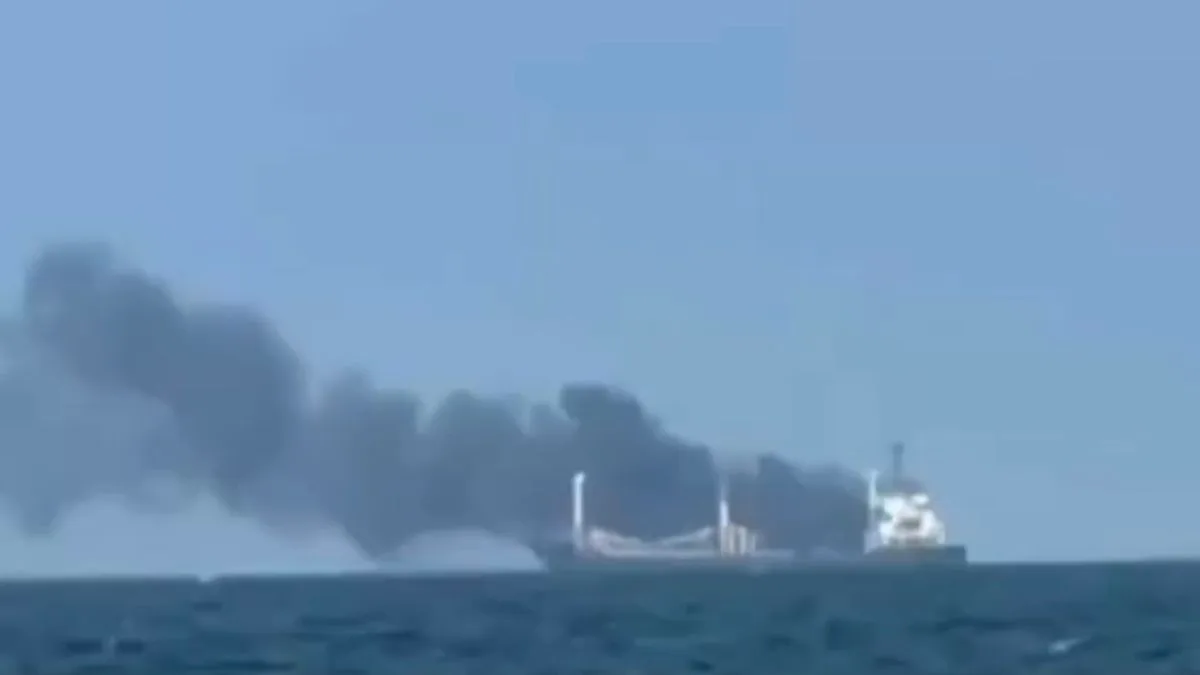
Four Indians were killed and one was critically injured after the vessel – MV Golden Leo – was attacked near the port of Odesa in Ukraine, the Ministry of External Affairs (MEA) said on Sunday.

The vessel came under attack on the evening of July 19 when it was departing the Ukrainian port with 17 crew members, including five Indians.

“On the evening of July 19, 2026, the vessel MV Golden Leo was attacked while departing the port of Odesa. At the time of the incident, there were 17 crew members on board, including five Indian nationals. As per information available, four Indian nationals have tragically lost their lives, while one is hospitalized in a critical condition,” the MEA said.

According to the Ministry, the Indian Mission in Ukraine is closely monitoring the situation and making every effort to extend all possible assistance to those affected.

“We extend our deepest condolences to the families of the deceased Indian nationals and wish the injured Indian national a speedy and full recovery,” the MEA said.

India condemned the attack, reiterating that targeting commercial vessels and endangering civilian lives is deplorable.

https://twitter.com/MEAIndia/status/2079224637880508866

“India condemns such attacks and reiterates that targeting commercial shipping and endangering innocent civilian crew members, or otherwise impeding freedom of navigation and commerce, is deplorable and should be avoided,” the MEA added.

According to the Ukrainian Air Force, the Guinea-Bissau-flagged ship was allegedly hit by Russian cruise missiles, triggering a fire on deck.

Meanwhile, the death toll in the attack has risen to 10.