Logo

3rd Test: Australia on top as South Africa tumbles late on Day 3

At the close, South Africa were just 70 runs ahead of Australia, heading into Sunday’s fourth day.

AFP | Adelaide |

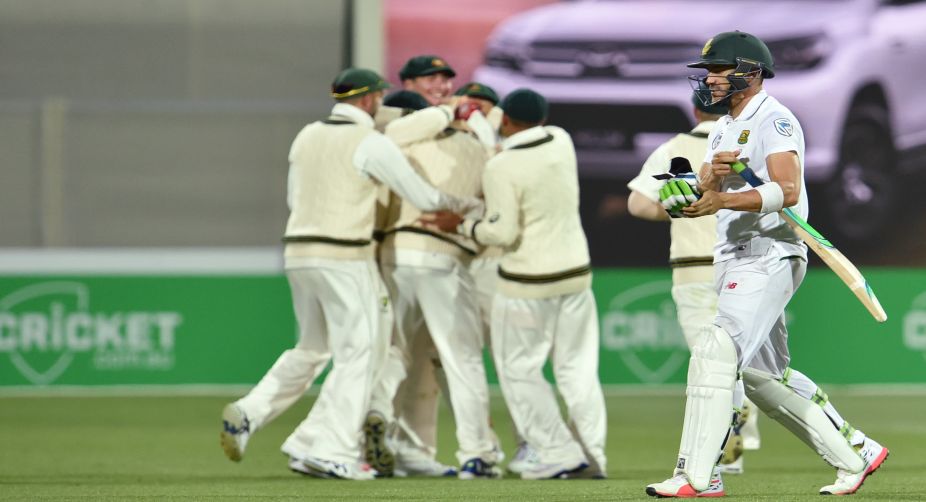
South Africa lost skipper Faf du Plessis amid a clatter of late wickets as the match pendulum swung decisively towards Australia in the third day-night Test in Adelaide on Saturday.
The Australians, who led by 124 runs on the first innings, reduced the Proteas to 194 for six with the prized wicket of Du Plessis for 12 runs late on Day 3.
At the close, South Africa were just 70 runs ahead of Australia, heading into Sunday’s fourth day.
Opener Stephen Cook was in sight of his second Test century and was unbeaten on 81 off 199 balls with wicketkeeper-batsman Quinton de Kock yet to score.
Australia, bidding to prevent South Africa from carrying off a series clean sweep after huge defeats in the opening two Tests, took major strides on Saturday with Usman Khawaja leading the way with his near eight-hour epic.
Mitchell Starc captured the big wicket of Du Plessis who, motivated by the events of his controversial pre-Test ball-tampering case, scored a career pinnacle unbeaten 118 in the first innings of the match.
Du Plessis attempted to drive Starc only to get an outside edge to newcomer Peter Handscomb, who took a brilliant diving two-handed catch in the gully.
It was a major moment in the course of the Test given the ability of Du Plessis to play out long match-saving innings, memorably his defiant 376-ball unbeaten knock of 110 to deny Australia victory in Adelaide four years ago.
Starc started the ball rolling, removing Dean Elgar with the fourth ball of his opening over for a duck and fellow paceman Josh Hazlewood had Hashim Amla caught behind for 45.
It was the fifth time Hazlewood had captured Amla’s wicket in five innings in the series.

UK Parliament clears new spy law dubbed ‘snoopers’ charter’

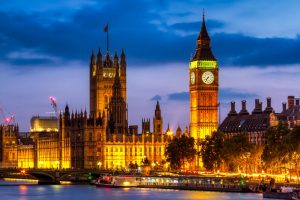
British Parliament has passed a new snooping law which, if gets royal assent, will give authorities power to access the internet browsing history of everyone in the UK.

PTI | London |

British Parliament has passed a new snooping law which, if
gets royal assent, will give authorities power to access the internet browsing
history of everyone in the UK.

The new Investigatory Powers Bill has been dubbed the snooper’s charter for its
sweeping nature of access to the British public’s internet history.

The law forces UK internet providers to store browsing histories, including
domains visited for one year, in case of police investigations.

The bill, which will come into force after receiving royal assent from Queen
Elizabeth II next week, was introduced by then UK home secretary Theresa May in
2012, and took two attempts to get passed following breakdowns in the previous
Conservative and Liberal Democrat coalition government.

“It won’t happen in a big bang next week. It will be a phased programme of
the introduction of the measures over a year or so,” UK Home Office
official Chris Mills told a meeting of internet service providers on Thursday.

The law requires telecom companies to keep records of all users’ web activity
for a year, creating databases of personal information that the firms worry
could be vulnerable to leaks and hackers.

“The task of law enforcement and security and intelligence agencies has
become vastly more demanding in this digital age.

It is right that those protecting us have the powers they need to do so but it
is the role of government and Parliament to ensure there are limits to those
powers,” said Prime Minister May in the House of Commons recently.

Welcoming the bill as a decisive moment in updating Britain’s surveillance
laws, she said “There should be no area of cyberspace which is a haven for
those who seek to harm us to plot, poison minds and peddle hatred under the
radar”.

“I am also clear that the exercise and scope of investigatory powers
should be clearly set out and subject to stringent safeguards and robust
oversight, including ‘double- lock’ authorisation for the most intrusive
capabilities. This bill will establish world-leading oversight to govern an investigatory
powers regime which is more open and transparent than anywhere else in the
world,” she said.

However, civil liberty groups have long criticised the bill, with some arguing
that the law will let the UK government document everything online.

Organisations including the UK Food Standards Agency and the Department for
Work and Pensions will be able to see UK citizens’ entire internet browsing
history within weeks.

Those internet connection records ICRs in effect serve as a full list of every
website that people have visited, rather than collecting which specific pages
are visited or what’s done on them.

ICRs will be made available to a wide range of government bodies including law
enforcement agencies such as the police, the military and the secret service.
It also includes the Food Standards Agency, the Gambling Commission, councils
and the Welsh Ambulance Services National Health Service Trust.

International Gita Mahotsav celebration in Kurukshetra

Statesman News Service | Chandigarh |

The first-ever International Gita Mahotsav will be held in Kurukshetra from December 6 to 10.
The mega event would set a world record with the recitation of ‘Ashtadash Shaloki Gita’ by as many as 18,000 students at one go.
It will also be simultaneously chanted by hundreds of people in many countries of the world, Haryana Chief Minister Manohar Lal Khattar said at a press conference in New Delhi on Saturday.
President Pranab Mukherjee will inaugurate the Mahotsav on December 6.
Youths from 574 districts of the country would reach Kurukshetra, showcasing one Shloka each scripted on their traditional dresses.
They would also bring along sand from their respective districts which would be used to make an idol of Lord Krishna to symbolise unity and integrity of the country.

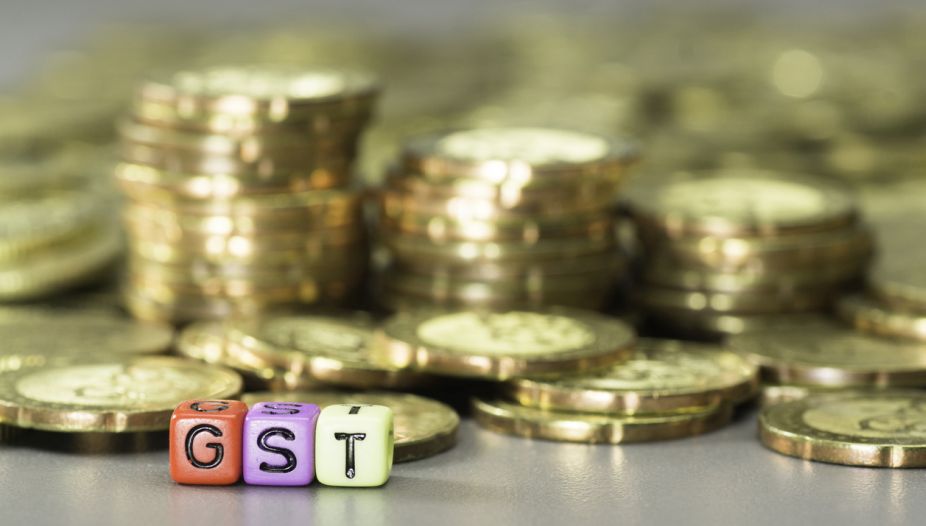
Revised drafts of GST laws issued, to be placed before Council

IANS | New Delhi |

The revised drafts of three GST laws have been released after incorporating suggestions from stakeholders, the government said on Saturday. These will now be placed before the Goods and Services Tax Council in its next meeting on December 2-3.
“The revised drafts of the Model GST Law, iGST Law, GST Compensation Law have been uploaded on our website (Central Board of Excise and Customs). These laws will be considered by the GST Council on December 2-3 and finalised,” Revenue Secretary Hasmukh Adhia said on Saturday in a tweet. 
The states will now internally deliberate on the revised drafts, which were finalised in a meeting of the Council's Law Sub-Committee, comprising central and state officials, on Friday in Delhi.
The Central GST (cGST) will be framed based on the Model GST Law. The states will draft their State GST (sGST) based on the cGST with minor variations.
Four draft bills — Central GST, State GST, Integrated GST and State Compensation Law for revenue losses — will have to be passed by Parliament and state assemblies after the Council's approval.
The government is targeting April 1, 2017, as the implementation date for the new indirect tax system.

Photo

  • img
  • img
  • img
  • img
  • img
  • img
  • img
  • img

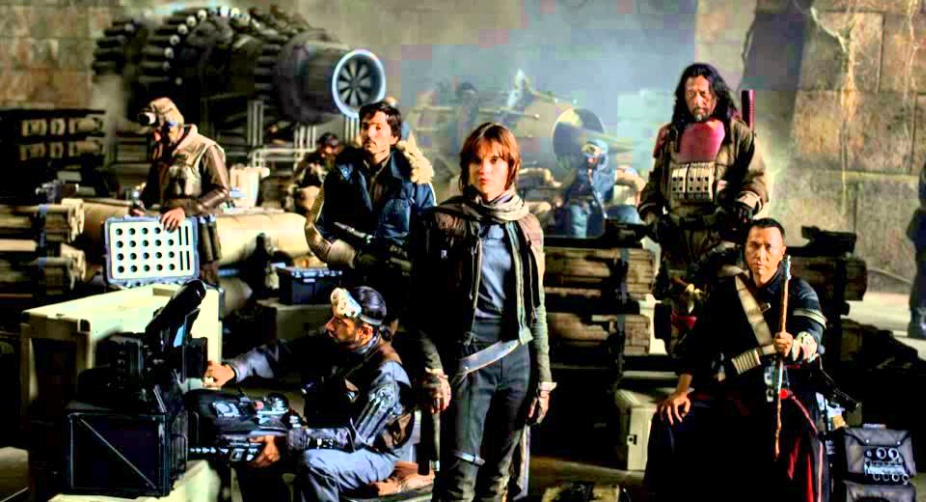
Rogue One: Star Wars Characters to Look Out For!

Rogue One: Star Wars Characters to Look Out For!

MORE Photo STORIES

Indian pilgrims cancel visit to Pakistan over ‘rising tension’

IANS | Islamabad |

Amid rising tensions between Pakistan and India, Indian Hindu pilgrims have cancelled their visit to the revered Katas Raj temple in Pakistan, officials said.
As many as 200 Hindu pilgrims from different parts of India were scheduled to visit the Katas Raj temple complex – one of the holiest Hindu sites in Pakistan – on November 28. Pilgrims were supposed to perform religious rituals during the three-day visit.
“Their scheduled visit has been cancelled,” Siddiqueul Farooq, chairman of Evacuee Trust Property Board (ETPB) and District Administration of Chakwal, confirmed to Dawn. The ETPB had made comprehensive security arrangements for the Indian pilgrims, he added.
Farooq cited the border tension as the reason behind the postponement of the visit. “We had issued visas to the pilgrims but their government did not allow them to visit Pakistan,” Dawn quoted him as saying.
To a question regarding Sikh pilgrims from India, Khalid Ali, additional secretary (Shrines) of the ETPB, told Dawn that Pakistan had issued 3,319 visas to Sikh pilgrims but only 2,008 visited Panja Sahib recently. He said the Hindu pilgrims would visit Katas Raj in February for the Shivratri festival.
Hindu pilgrims visit Katas Raj twice a year. The first visit is made in February while the second in November.

Demonetisation deals a blow to FICN: BSF

PTI | Shillong |

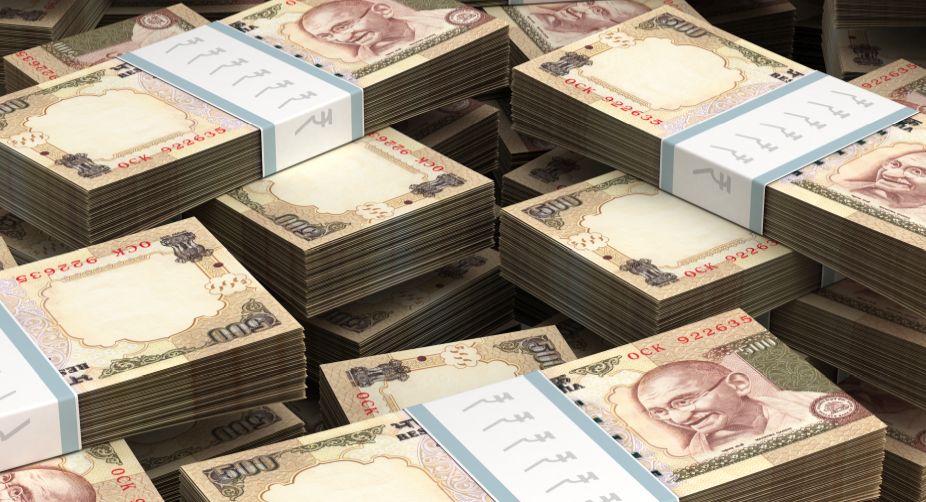
Demonetisation has dealt a blow to fake Indian currency notes (FICN) racketeers in Meghalaya who operate along the porous international border with Bangladesh, a BSF official has said.
Since the demonetisation move earlier this month, there has been no report of seizure of fake Indian currency notes by BSF in the state, which shares a 443 km-long border with Bangladesh, a senior BSF officer said.
The force had seized Rs.63,500 fake currency this year but none since the demonetisation due to the high vigil maintained at the vulnerable spots at the border and the major economic decisions made by the Centre, he said.
Intelligence inputs gathered indicated that demonetisation has rendered helpless the FICN racketeers who had big plans to push these notes into the markets and destabilise the nation, the officer said.
BSF is maintaining high vigil in areas identified as vulnerable to racketeers taking advantage of the government’s relaxation to transact using old Rs.500 notes, he said.
The border has some of the most treacherous terrain pockets which rendered it porous and hence accessible to FICN racketeers who include militants and cross border criminal gangs.
He said during the last five years BSF have seized FICN of face value of about Rs.10 lakh from the porous stretches in Meghalaya and the racketeers apprehended included 14 Indian and 37 Bangladesh nationals.
BSF has identified the bordering districts of South Garo Hills, South West Khasi Hills, East Khasi Hills, West and East Jaintia Hills districts as vulnerable.
Last year, there was least detection and apprehension of fake notes and the BSF seized only Rs.12,500 in South Garo Hills district.
The highest seizure made in the last five years was in 2012 and 2013 when the BSF seized Rs.5,55,000 and Rs.2,51,000 fake notes and arrested 31 Bangladesh nationals and 12 Indian racketeers, the official said.

Manipur refuses to yield under Naga pressure

IANS | Imphal |

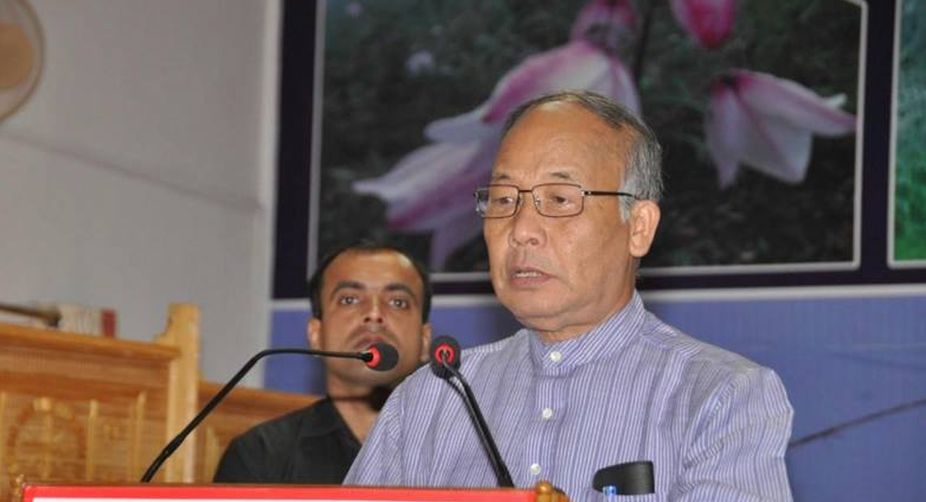
Manipur Chief Minister Okram Ibobi Singh said on Saturday that law will take its own course while dealing with United Naga Council President Gaidon Kamei and Information Secretary S. Stephen, who were arrested by police on Friday.
“Legal process has already started regarding these two UNC leaders and there is no question of releasing them unconditionally,” Ibobi said.
The UNC on November 1 imposed an indefinite economic blockade to protest against the government’s move to create two new districts.
Ibobi said efforts were on to arrest the other absconding members of the UNC who have been charged with imposing the blockade.
The UNC and other Naga groups have called for a 24 hour “total shutdown” from Friday evening demanding the unconditional release of the two leaders.
Naga leaders said the protest against the proposed new districts of the Sadar Hills was a “political issue” and there was no justification regarding the arrest of the two UNC members.
On the other hand, Manipur has been reeling with the shortage of all items, including fuel, since November 1.
Petrol brought by a few tankers is rationed and a liter is sold at Rs.300 in the black market.
According to officials, charges are being framed against the two UNC leaders in the light of the Supreme Court’s directives regarding the blockades.
The Manipur High Court on Friday took a view of the blockade and directed the government to ensure the movement of vehicles along the two highways.
Ibobi said the condition of the NH 37 which skirts Nagaland, will be improved before the onset of the rainy season.
In the past, some Naga groups had also imposed blockades against Manipur making it impossible to transport anything along the NH 2 which passes through Nagaland.
Ibobi said: “On Friday nearly 400 trucks and oil tankers brought various items from Assam to Manipur, and the situation will soon be normalised.”
In accordance with the high court order, Chief Secretary Oinam Nabakishore and Director General of Police (DGP) L. M. Khoute have been making arrangements to ensure the movement of the vehicles.
Officials fear the UNC and the All Naga Students’ Association Manipur may intensify their agitation.
The police are making arrangements to escort the stranded trucks.

Modi, Mukherjee condole Fidel Castro’s death

SNS | New Delhi |

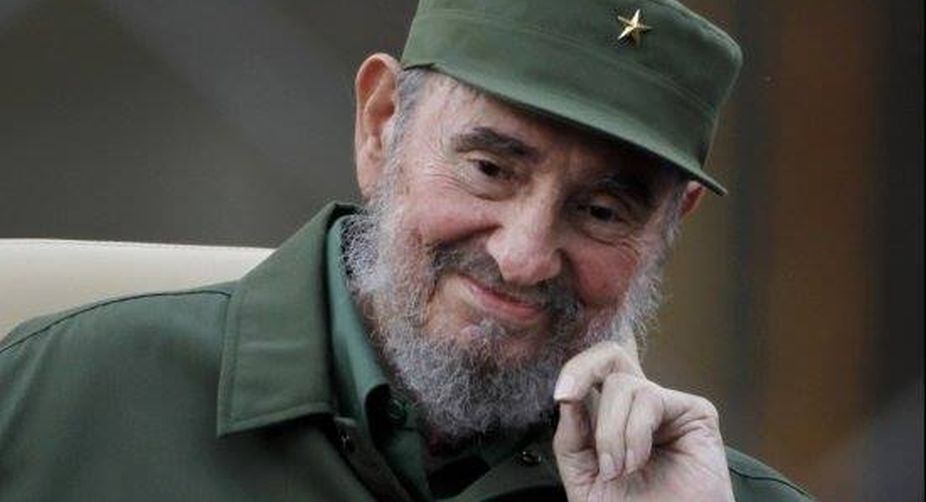
Prime Minister Narendra Modi and President Pranab Mukherjee on Saturday condoled the death of Cuban revolutionary leader and former President Fidel Castro, who died on Saturday at the age of 90.
“India mourns the loss of a great friend. I extend my deepest condolences to the government and the people of Cuba on the sad demise of Fidel Castro. May his soul rest in peace,” Modi said in a tweet.
“We stand in support with the Cuban government and the people in this tragic hour. Fidel Castro was one of the most iconic personalities of the 20th century. India mourns the loss of a great friend,” he said.
The President also condoled Castro's demise, calling him a friend of India.
“Heartfelt condolences on sad demise of Cuba's revolutionary leader, former President and friend of India, Fidel Castro,” Mukherjee said.
Castro, who ruled Cuba as a one-party state for almost half-a-century before handing over power to his brother Raul in 2008, and his small army of guerrillas overthrew the military leader Fulgencio Batista in 1959 to widespread popular support and declare the revolution to be Marxist-Leninist in nature.

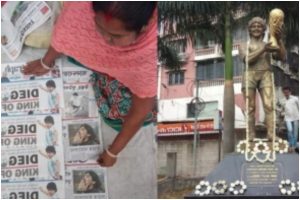
Maradona sees Argentina level Davis Cup final

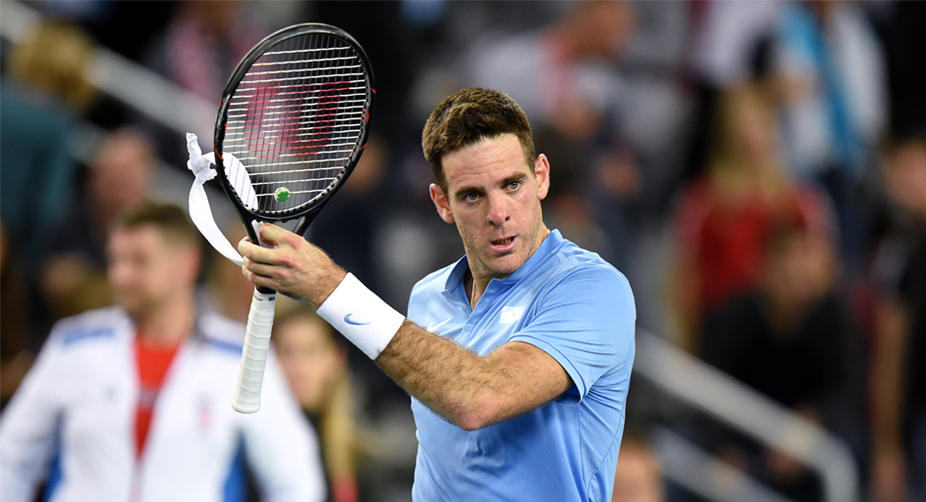
Del Potro squared the final when he despatched big-serving 37-year-old giant Karlovic 6-4, 6-7 (6/8), 6-3, 7-5.

AFP | Zagreb |

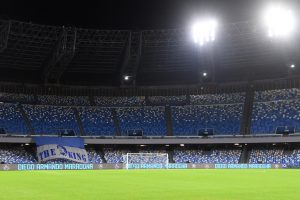
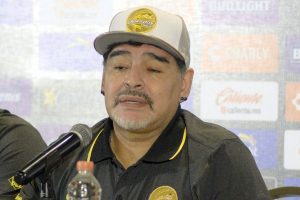
Argentina football legend Diego Maradona was courtside as Juan Martin del Potro beat veteran Ivo Karlovic to draw his country back level at 1-1 against Croatia in the Davis Cup final on Friday.
Maradona, 56, who inspired Argentina to glory at the 1986 World Cup, watched on with his girlfriend as Croatia went 1-0 up when Marin Cilic battled back from a mid-match collapse to beat Federico Delbonis 6-3, 7-5, 3-6, 1-6, 6-2 at the Zagreb Arena.
But in the second rubber del Potro left the final all square when he despatched big-serving 37-year-old giant Karlovic 6-4, 6-7 (6/8), 6-3, 7-5.
It was a fine performance from the Olympic silver medallist, who had secured Argentina's appearance in their fifth final when seeing off Andy Murray — his Rio conqueror — in an epic five-setter against the defending champions Great Britain in the semi-final in Glasgow.
Del Potro, 28, is a veteran of two losing finals — both against Spain in 2008 and 2011 — while Karlovic is the oldest player to feature in a Davis Cup singles match since 43-year-old Australian Norman Brookes in 1920.
Del Potro was rock solid, allowing the Croat not one break point in the entire match which kept the 15,000-capacity crowd enthalled for three hours and 19 minutes.
He clinched the rubber on his second match point.
“I was nervous after I lost the second set but in the end I had to take the longer road to victory,” said Del Potro.
Earlier, former US Open champion Cilic appeared to be cruising towards a routine victory only to lose his way after storming into a two-set lead over the world number 41.
Sixth-ranked Cilic, who made his second appearance at the ATP Tour Finals last week, secured the first two sets with a single break in each, but Delbonis claimed the third before racing through the fourth to force a decider.
Backed by an impassioned crowd, Cilic regained his nerve in the final set, breaking his opponent in the first game and building on that momentum to eventually close out victory in three hours and 30 minutes.
“The crowd helped me to stay in there, it was not easy,” said Cilic.
“Federico played a great tennis from the middle of the third set to the end of the fourth. Just at the beginning of the fifth, I tried mentally to stay in there and get that break, and it was a huge difference.”
Four-time runners-up Argentina are chasing a first title, while Croatia are looking to emulate their 2005 triumph over Slovakia.
Doubles are slated to pit Croatian duo Ivan Dodig and Franko Skugor against Leonardo Mayer and Guido Pella, although the line-ups could change. (AFP) AT

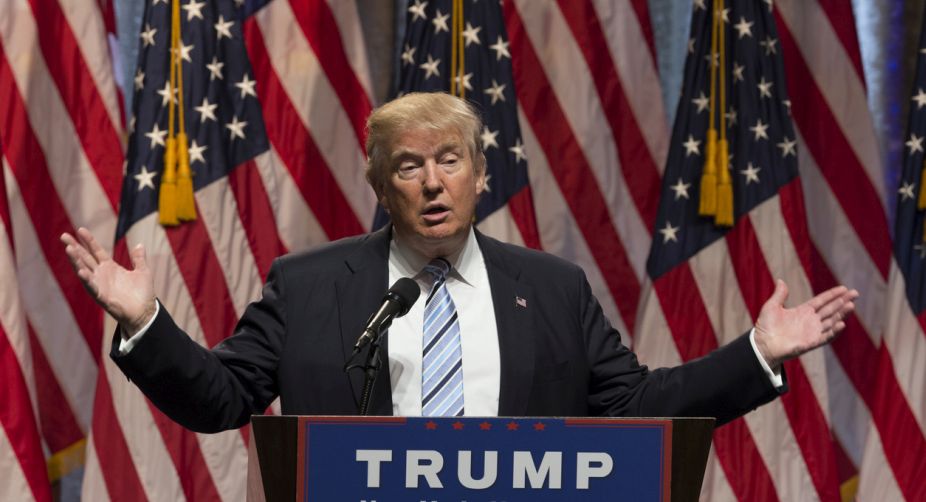
Trump transition: Tweaks, tricks and tweets

IANS | Washington |

The Washington Post warned them about “Trump tornadoes,” the Daily Beast alerted the liberals to “Trump tricks.”
Yet the media fell again and again for their would-be Tormenter-in-Chief’s preferred instrument of torture: the tweet.
As the New York Times looked askance at Donald Trump perched atop his Manhattan Trump Tower turning “the staid process” of cabinet formation into what it called “a spectacle”, the mogul fired a tweet.
“The failing @nytimes story is so totally wrong on transition. It is going so smoothly”
And as the TV pundits trained their guns on his strategic advisor pick Steve Bannon, his allegedly alternative right, or alt-right campaign chief, and a $25 million settlement in Trump University fraud cases, he fired two more.
“The ONLY bad thing about winning the Presidency is that I did not have the time to go through a long but winning trial on Trump U. Too bad!” Trump tweeted.
He also demanded an apology from the cast of the “highly overrated” play “Hamilton” “for their terrible behaviour” towards Vice President-elect Mike Pence even as his deputy himself heard in the boos from the audience the “sound of freedom.”
And dismissing the Saturday Night Live show as “a totally one-sided, biased show – nothing funny at all,” the PEOTUS – shorthand for president-elect of the United States-demanded “Equal time for us?”
And lo and behold, the pundits were talking about how thin-skinned the would-be Commander-in-Chief was. The master manipulator had once again changed the topic and yet kept the limelight on himself.
While the pundits were still criticising the allegedly “racist” and “misogynist” Trump for choosing only five white men for top jobs, Trump named not one but three women to his inner circle.
Among them Nimrata “Nikki” Haley, daughter of Sikh immigrant parents from Punjab, as US ambassador to the United Nations, giving the Desis their first ever cabinet level position.
In yet another nod to diversity, he was also “seriously considering” former rival Dr. Ben Carson, a “greatly talented” black neurosurgeon for a top job.
Then he called all the TV pundits and their bosses for a “media summit” for what the eager beavers thought was an off-the-record discussion. Instead they got an earful.
“It was like a f-ing firing squad,” one source told the New York Post with a “Trump-style dressing down” for their “unfair” coverage that is estimated to have given the mogul $2 billion worth of free publicity.
And then all hell broke loose again as three Indian businessmen found their way among the parade of visitors to Trump Tower from iconic Henry Kissinger to Democratic lawmaker Tulsi Gabbard, the lone Hindu member of US Congress.
Meetings with his Indian partners building a Trump-branded luxury apartment complex south of Mumbai amid cabinet formation raised new ethical questions, said the Times crying “conflict of interest.”
“The law is on my side,” retorted the mogul in an on, off and on again interview with the Times that “continue(s) to cover me inaccurately and with a nasty tone!”
“The president can’t have a conflict of interest,” he told them bluntly. “In theory I could run my business perfectly and then run the country perfectly.”
And as President Barack Obama gave his last presidential pardon to two turkeys in a Thanksgiving holiday tradition, the president-elect got a head start on the ritual by forgiving his rival Hillary Clinton.
“I want to move forward,” Trump said. “I don’t want to hurt the Clintons… ,” he told the Times tweaking yet another campaign promise to “lock her up” over her email scandal.
And after turning his “big beautiful wall” on the Mexican border into part wall and part fence, he found waterboarding, as a torture instrument, “not useful” after a talk with his leading candidate for defence secretary, General James “Mad Dog” Mattis.
Meanwhile, as Clinton’s lead in the popular vote crossed two million, Trump’s final score in the Electoral College that actually chooses the president reached 306-232 with victories in 29 of the 50 states.
Trump, who had once called the Electoral College “a disaster,” now looked at it as “actually genius in that it brings all states, including the smaller ones, into play.”
But “If the election were based on total popular vote” he would have campaigned differently “and won even bigger and more easily!” the billionaire tweeted again having the last word.


Photo

  • img
  • img
  • img
  • img
  • img

Weekend Thriller for Football Fans

Weekend Thriller for Football Fans

MORE Photo STORIES

Photo

  • img
  • img
  • img
  • img
  • img

Weekend Thriller for Football Fans

Weekend Thriller for Football Fans

MORE Photo STORIES

Nitrogen a key driver for gut health

IANS | Sydney |

The number of nitrogen microbes found in an individual’s gut play an important role in determining the type of diet strategy that can yield results, a new research has found.

Though there are different ways by which a person can have a good diet, but the same diet does not work in a same way for every individual, according to the study.
“There are many different diet strategies that claim to promote gut health, and until now it has been very difficult to establish clear causality between various types of diet and their effect on the host’s microbiome,” said lead author Andrew Holmes, Associate Professor from the University of Sydney in Australia.
“This is because there are many complex factors at play, including food composition, eating pattern and genetic background,” added Holmes.
For the study, researchers put 858 mice on 25 different diets composed of different amounts of protein, carbohydrates and fat. The results showed that there was a “tipping point” across all diets that related to how nutrients from the diet became available to nitrogen in the gut.
Despite the huge diversity of gut bacteria, two main response patterns emerged. Microbe species either increased or decreased in their abundance depending on the animal’s protein and carbohydrate intake.
“The largest nutrient requirements for our gut bacteria are carbon and nitrogen in the foods we eat. As carbohydrates contain no nitrogen but protein does, the bacterial community response to the host animal’s diet is strongly affected by this diets’ protein-carbohydrate ratio,” Holmes said.
The findings showed that the availability of intestinal nitrogen to microbes in the gut plays a key role in regulating interactions between gut microbes and their host animal. 
The same pattern was seen across almost all groups of gut bacteria which indicated that the makeup of the microbial ecosystem is fundamentally shaped by a need to access nitrogen in the intestinal environment, according to the study.
The study aims to promote better dietary combinations to achieve maximum gut health and was published in the journal Cell Metabolism.

Nitrogen a key driver for gut health

IANS | Sydney |

The number of nitrogen microbes found in an individual’s gut play an important role in determining the type of diet strategy that can yield results, a new research has found.
Though there are different ways by which a person can have a good diet, but the same diet does not work in a same way for every individual, according to the study.
“There are many different diet strategies that claim to promote gut health, and until now it has been very difficult to establish clear causality between various types of diet and their effect on the host’s microbiome,” said lead author Andrew Holmes, Associate Professor from the University of Sydney in Australia.
“This is because there are many complex factors at play, including food composition, eating pattern and genetic background,” added Holmes.
For the study, researchers put 858 mice on 25 different diets composed of different amounts of protein, carbohydrates and fat. The results showed that there was a “tipping point” across all diets that related to how nutrients from the diet became available to nitrogen in the gut.
Despite the huge diversity of gut bacteria, two main response patterns emerged. Microbe species either increased or decreased in their abundance depending on the animal’s protein and carbohydrate intake.
“The largest nutrient requirements for our gut bacteria are carbon and nitrogen in the foods we eat. As carbohydrates contain no nitrogen but protein does, the bacterial community response to the host animal’s diet is strongly affected by this diets’ protein-carbohydrate ratio,” Holmes said.
The findings showed that the availability of intestinal nitrogen to microbes in the gut plays a key role in regulating interactions between gut microbes and their host animal. 
The same pattern was seen across almost all groups of gut bacteria which indicated that the makeup of the microbial ecosystem is fundamentally shaped by a need to access nitrogen in the intestinal environment, according to the study.
The study aims to promote better dietary combinations to achieve maximum gut health and was published in the journal Cell Metabolism.

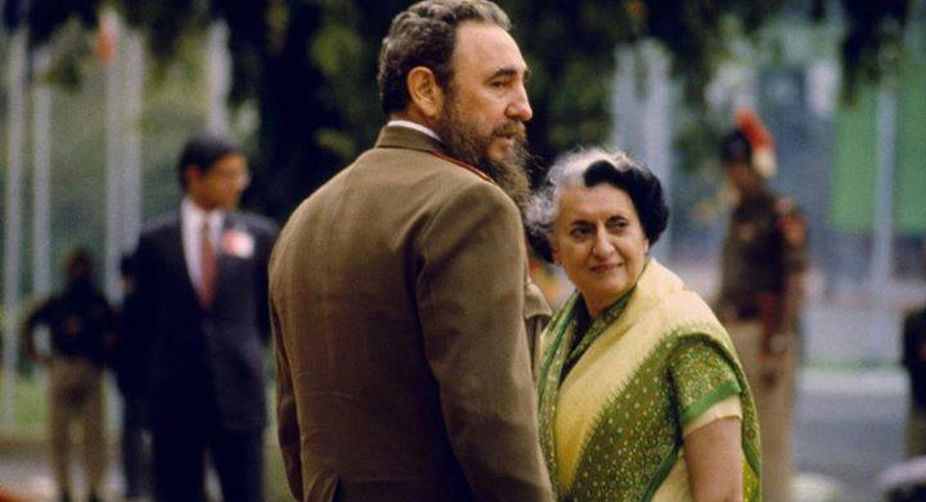
When Castro gave a bear hug to a surprised Indira Gandhi

IANS | New Delhi |

Fidel Castro, the iconic Cuban revolutionary leader who died on Saturday, will be remembered in India for his close association with the Nehru-Gandhi family and especially his “sisterly” ties with former Indian Prime Minister Indira Gandhi – which he sealed with a bear hug during the Non-Aligned Summit in New Delhi in 1983.
At the inauguration of the Seventh Non-Aligned Summit in March 1983 at Vigyan Bhavan, that was attended by a record number of over 100 heads of state and government, Castro, who headed the Cuban delegation, announced that, as host of the previous summit in Havana in 1979, he was happy and proud to pass the conference gavel to his “sister” Indira Gandhi.
Both then rose from behind the podium, watched by several hundred delegates, that included observers of leading countries who were not members of the Non-Aligned Movement (NAM), and a huge assembly of mediapersons.
As both came to face each other, Gandhi expectantly extended her arm to receive the big wooden gavel. 
But Castro did not reciprocate.
Gandhi, a trifle taken aback, extended her arm a second time, but Castro again failed to respond but kept smiling mysteriously.
As a slightly embarrassed Gandhi proferred her hand a trifle hesitatingly a third time, the giant Castro pulled a surprised Gandhi to him and gave her a giant bear hug in full view of the hall, before parting with the gavel. 
The whole hall broke into huge applause, Gandhi was momentarily left flushed in the face, but the bear hug moment was recorded by all for posterity.
That was Castro's last visit to India. 

When Castro gave a bear hug to a surprised Indira Gandhi

IANS | New Delhi |

Fidel Castro, the iconic Cuban revolutionary leader who died on Saturday, will be remembered in India for his close association with the Nehru-Gandhi family and especially his “sisterly” ties with former Indian Prime Minister Indira Gandhi – which he sealed with a bear hug during the Non-Aligned Summit in New Delhi in 1983.
At the inauguration of the Seventh Non-Aligned Summit in March 1983 at Vigyan Bhavan, that was attended by a record number of over 100 heads of state and government, Castro, who headed the Cuban delegation, announced that, as host of the previous summit in Havana in 1979, he was happy and proud to pass the conference gavel to his “sister” Indira Gandhi.
Both then rose from behind the podium, watched by several hundred delegates, that included observers of leading countries who were not members of the Non-Aligned Movement (NAM), and a huge assembly of mediapersons.
As both came to face each other, Gandhi expectantly extended her arm to receive the big wooden gavel. 
But Castro did not reciprocate.
Gandhi, a trifle taken aback, extended her arm a second time, but Castro again failed to respond but kept smiling mysteriously.
As a slightly embarrassed Gandhi proferred her hand a trifle hesitatingly a third time, the giant Castro pulled a surprised Gandhi to him and gave her a giant bear hug in full view of the hall, before parting with the gavel. 
The whole hall broke into huge applause, Gandhi was momentarily left flushed in the face, but the bear hug moment was recorded by all for posterity.
That was Castro's last visit to India.