Logo

Things to keep in mind

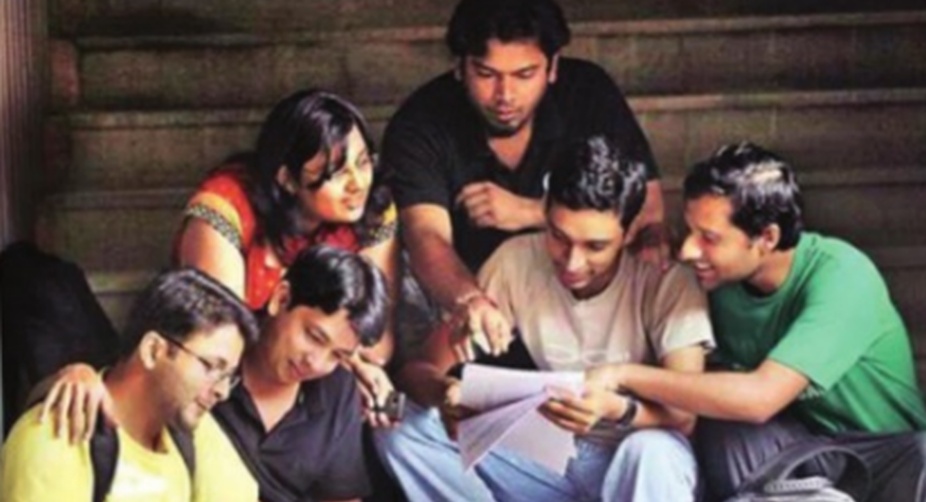
Aspirants writing the Civil Services Main Examination must be at the last stage of their preparation. 

Ramesh Singh |

Aspirants writing the Civil Services Main Examination must
be at the last stage of their preparation. Just few weeks are left when they
write the exam and has such a huge prescribed syllabus that candidates do never
feel they are done with all. Yet, there is a strategy to go for and the
approach should also change. Last moments are crucial and should be careful
about the following important things. 

 Approaching the subject matter: Preparation should follow “area approach” as
this way it is easier to answer. 

Being a bit broad: By now aspirants get selective in their preparation narrowed
down to selective questions, areas or topics. However, it should be done
wisely. Looking into some unusual areas and questions may save the day. 

The method of revision: Till
now revision should be done more by writing and less by reading. Practically,
by now aspirants must have done writing practice for all selected questions at
least twice. As the exam gets closer writing should be cut down and more time
should be allotted on reading the notes. If the aspirant has notes made in
snippets nothing could be better. 

Sustainable writing practice: Writing practice should be cut down by now but
still around three hours writing should be done every day. This helps to
sustain harmony in pace and quality of handwriting. Aspirants should use the
paper of similar quality and type for writing practice. 

Handling pressure of delivering: Candidates
are supposed to write around 4,000 words each paper which is not an easy task.
This is why it is suggested to follow an objective style of answer writing.
Wherever it is possible it is advised to keep creating points. By doing so, one
can save time and be more informative. If the answer looks complete before
reaching the 200 words mark, there is no need to extend the size. If one is
running out of time, in that case, there is nothing wrong concluding the answer
by 150 to 160 words. Contents matter more than the size. 

Sleep, food, water and
breathe: It is never advisable to keep toiling whole night. It is always
encouraged to use the day time for study being in sync with the natural clock
of your body. Light and nutritious food, ample intake of water and deep
breathing keep the pressure under control and infuses positive energy.

In the examination hall: It
is quite essential to regulate oneself in the examination hall. Few tips have
been quite helpful like no question is easy so never start answering without
getting clarity about the central idea of the questions. Deep breathing
throughout the paper will always energise you.

By Ramesh Singh 

Carving your way

KJS Anand |

Individuals mainly look out for B-school which stands up to their expectations so that they can make a profession that is rewarding in all aspects. When selecting such schools or a business administration programme, one needs to have clarity of vision about financial aspects as well as time constraints. Keeping in mind this case scenario, no stone should be left unturned when it comes to making a clear-cut decision. An excellent college not only opens up the gate to a great opportunity, but also enables to perceive everything in a more appropriate fashion.

Thereby, one must always select a college that is approved by the All India Council for Technical Education. Points such as affiliations, placements, global footprint, return of investment, and global faculty must be fully aware of. The Common Admission Test is one of the most difficult exams to get into the prestigious B-Schools. It’s always advisable that if one is serious about cracking this exam, at least six months should be in hand in order to prepare for it. Even the last minute research is equally important as it can make a lot of difference. Other than preparing there are other things needed to be taken care of. The guidelines to the gateway of success are listed below. 

Always understand the syllabus: This methodology will be useful for every exam. So it is necessary to understand the syllabus by going through official guidelines and past year’s papers. This can be broadly divided into parts like quantitative ability, logical reasoning, data interpretation and verbal ability. Though the concepts which are used to derive answers are of class X level, but the questions are built in such a manner, that one might get confused. In order to solve, a good amount of logical thinking can only be developed through a lot of practice. 

Take a mock test in an online environment: In the last few days before the exam, one must take some computer based mock test with the actual test pattern. This will certainly improve students’ understanding and would in turn, save their valuable time. This is one of the most important methods through which one can achieve great heights. 

 Analysis is must: After every mock test one must analyse their performance and evaluate their scoring areas based on the question pattern. This will help to understand their strengths and weaknesses and learn something from each test before proceeding to the next. 

Practice a lot: It is suggested that one must always practice a lot in the last few days. This would help to connect instantly with the questions while actually giving the exams. Regular practice with a scheduled stretch will help in increasing the question solving speed and also prepare to sit for three hours at a stretch while they actually give the exam. Also, one must regularly revise and practice the formula, grammar rules and vocabulary. 

Time management: As one begins with the paper on the day always start with soft target. With an hour allotted to every section, one should first attempt the questions which could be solved quickly. And, if doubtful about any question in the first glance, one should leave it in the first round of attempt and then come back again in the sequences. 

Reverse action: If someone finds the question a little difficult during their second round of the attempt, they must go reverse while solving the questions and must scan the answer options first. At times answer options hold essential clues towards solving the questions. One can also go by eliminating wrong answer options, as it makes it a little easier to find the right answer. This is the most sought after MBA entrance exam and its popularity can be understood by the fact that the number of aspirants has been increasing year after year. Candidates having an ambition to pursue their management with the IIM’s are supposed to score above 85 to 90 percentiles in each section along with high overall score.

Carving your way

KJS Anand |

Individuals mainly look out for B-school which stands up to their expectations so that they can make a profession that is rewarding in all aspects. When selecting such schools or a business administration programme, one needs to have clarity of vision about financial aspects as well as time constraints. Keeping in mind this case scenario, no stone should be left unturned when it comes to making a clear-cut decision. An excellent college not only opens up the gate to a great opportunity, but also enables to perceive everything in a more appropriate fashion.

Thereby, one must always select a college that is approved by the All India Council for Technical Education. Points such as affiliations, placements, global footprint, return of investment, and global faculty must be fully aware of. The Common Admission Test is one of the most difficult exams to get into the prestigious B-Schools. It’s always advisable that if one is serious about cracking this exam, at least six months should be in hand in order to prepare for it. Even the last minute research is equally important as it can make a lot of difference. Other than preparing there are other things needed to be taken care of. The guidelines to the gateway of success are listed below. 

Always understand the syllabus: This methodology will be useful for every exam. So it is necessary to understand the syllabus by going through official guidelines and past year’s papers. This can be broadly divided into parts like quantitative ability, logical reasoning, data interpretation and verbal ability. Though the concepts which are used to derive answers are of class X level, but the questions are built in such a manner, that one might get confused. In order to solve, a good amount of logical thinking can only be developed through a lot of practice. 

Take a mock test in an online environment: In the last few days before the exam, one must take some computer based mock test with the actual test pattern. This will certainly improve students’ understanding and would in turn, save their valuable time. This is one of the most important methods through which one can achieve great heights. 

 Analysis is must: After every mock test one must analyse their performance and evaluate their scoring areas based on the question pattern. This will help to understand their strengths and weaknesses and learn something from each test before proceeding to the next. 

Practice a lot: It is suggested that one must always practice a lot in the last few days. This would help to connect instantly with the questions while actually giving the exams. Regular practice with a scheduled stretch will help in increasing the question solving speed and also prepare to sit for three hours at a stretch while they actually give the exam. Also, one must regularly revise and practice the formula, grammar rules and vocabulary. 

Time management: As one begins with the paper on the day always start with soft target. With an hour allotted to every section, one should first attempt the questions which could be solved quickly. And, if doubtful about any question in the first glance, one should leave it in the first round of attempt and then come back again in the sequences. 

Reverse action: If someone finds the question a little difficult during their second round of the attempt, they must go reverse while solving the questions and must scan the answer options first. At times answer options hold essential clues towards solving the questions. One can also go by eliminating wrong answer options, as it makes it a little easier to find the right answer. This is the most sought after MBA entrance exam and its popularity can be understood by the fact that the number of aspirants has been increasing year after year. Candidates having an ambition to pursue their management with the IIM’s are supposed to score above 85 to 90 percentiles in each section along with high overall score.

Carving your way

KJS Anand |

Individuals mainly look out for B-school which stands up to their expectations so that they can make a profession that is rewarding in all aspects. When selecting such schools or a business administration programme, one needs to have clarity of vision about financial aspects as well as time constraints. Keeping in mind this case scenario, no stone should be left unturned when it comes to making a clear-cut decision. An excellent college not only opens up the gate to a great opportunity, but also enables to perceive everything in a more appropriate fashion.

Thereby, one must always select a college that is approved by the All India Council for Technical Education. Points such as affiliations, placements, global footprint, return of investment, and global faculty must be fully aware of. The Common Admission Test is one of the most difficult exams to get into the prestigious B-Schools. It’s always advisable that if one is serious about cracking this exam, at least six months should be in hand in order to prepare for it. Even the last minute research is equally important as it can make a lot of difference. Other than preparing there are other things needed to be taken care of. The guidelines to the gateway of success are listed below. 

Always understand the syllabus: This methodology will be useful for every exam. So it is necessary to understand the syllabus by going through official guidelines and past year’s papers. This can be broadly divided into parts like quantitative ability, logical reasoning, data interpretation and verbal ability. Though the concepts which are used to derive answers are of class X level, but the questions are built in such a manner, that one might get confused. In order to solve, a good amount of logical thinking can only be developed through a lot of practice. 

Take a mock test in an online environment: In the last few days before the exam, one must take some computer based mock test with the actual test pattern. This will certainly improve students’ understanding and would in turn, save their valuable time. This is one of the most important methods through which one can achieve great heights. 

 Analysis is must: After every mock test one must analyse their performance and evaluate their scoring areas based on the question pattern. This will help to understand their strengths and weaknesses and learn something from each test before proceeding to the next. 

Practice a lot: It is suggested that one must always practice a lot in the last few days. This would help to connect instantly with the questions while actually giving the exams. Regular practice with a scheduled stretch will help in increasing the question solving speed and also prepare to sit for three hours at a stretch while they actually give the exam. Also, one must regularly revise and practice the formula, grammar rules and vocabulary. 

Time management: As one begins with the paper on the day always start with soft target. With an hour allotted to every section, one should first attempt the questions which could be solved quickly. And, if doubtful about any question in the first glance, one should leave it in the first round of attempt and then come back again in the sequences. 

Reverse action: If someone finds the question a little difficult during their second round of the attempt, they must go reverse while solving the questions and must scan the answer options first. At times answer options hold essential clues towards solving the questions. One can also go by eliminating wrong answer options, as it makes it a little easier to find the right answer. This is the most sought after MBA entrance exam and its popularity can be understood by the fact that the number of aspirants has been increasing year after year. Candidates having an ambition to pursue their management with the IIM’s are supposed to score above 85 to 90 percentiles in each section along with high overall score.

Carving your way

KJS Anand |

Individuals mainly look out for B-school which stands up to their expectations so that they can make a profession that is rewarding in all aspects. When selecting such schools or a business administration programme, one needs to have clarity of vision about financial aspects as well as time constraints. Keeping in mind this case scenario, no stone should be left unturned when it comes to making a clear-cut decision. An excellent college not only opens up the gate to a great opportunity, but also enables to perceive everything in a more appropriate fashion.

Thereby, one must always select a college that is approved by the All India Council for Technical Education. Points such as affiliations, placements, global footprint, return of investment, and global faculty must be fully aware of. The Common Admission Test is one of the most difficult exams to get into the prestigious B-Schools. It’s always advisable that if one is serious about cracking this exam, at least six months should be in hand in order to prepare for it. Even the last minute research is equally important as it can make a lot of difference. Other than preparing there are other things needed to be taken care of. The guidelines to the gateway of success are listed below. 

Always understand the syllabus: This methodology will be useful for every exam. So it is necessary to understand the syllabus by going through official guidelines and past year’s papers. This can be broadly divided into parts like quantitative ability, logical reasoning, data interpretation and verbal ability. Though the concepts which are used to derive answers are of class X level, but the questions are built in such a manner, that one might get confused. In order to solve, a good amount of logical thinking can only be developed through a lot of practice. 

Take a mock test in an online environment: In the last few days before the exam, one must take some computer based mock test with the actual test pattern. This will certainly improve students’ understanding and would in turn, save their valuable time. This is one of the most important methods through which one can achieve great heights. 

 Analysis is must: After every mock test one must analyse their performance and evaluate their scoring areas based on the question pattern. This will help to understand their strengths and weaknesses and learn something from each test before proceeding to the next. 

Practice a lot: It is suggested that one must always practice a lot in the last few days. This would help to connect instantly with the questions while actually giving the exams. Regular practice with a scheduled stretch will help in increasing the question solving speed and also prepare to sit for three hours at a stretch while they actually give the exam. Also, one must regularly revise and practice the formula, grammar rules and vocabulary. 

Time management: As one begins with the paper on the day always start with soft target. With an hour allotted to every section, one should first attempt the questions which could be solved quickly. And, if doubtful about any question in the first glance, one should leave it in the first round of attempt and then come back again in the sequences. 

Reverse action: If someone finds the question a little difficult during their second round of the attempt, they must go reverse while solving the questions and must scan the answer options first. At times answer options hold essential clues towards solving the questions. One can also go by eliminating wrong answer options, as it makes it a little easier to find the right answer. This is the most sought after MBA entrance exam and its popularity can be understood by the fact that the number of aspirants has been increasing year after year. Candidates having an ambition to pursue their management with the IIM’s are supposed to score above 85 to 90 percentiles in each section along with high overall score.

Youngsters taking the lead

Every year World Heritage Week is celebrated across the world from 19- 25 November with the objective of increasing awareness about the importance of cultural heritage.

Kavita Suri |

Every year World Heritage Week is celebrated across the world from 19- 25 November with the objective of increasing awareness about the importance of cultural heritage, both tangible and intangible, and its preservation. 

The aim is also to encourage people about the preservation and safe upkeep of monuments across the country. With the expansion of cities and shrinking of village areas, the rural heritage of our Indian landscape is under tremendous threat and thus it is very necessary to protect and preserve the variety of priceless cultural heritage and historical monuments. 

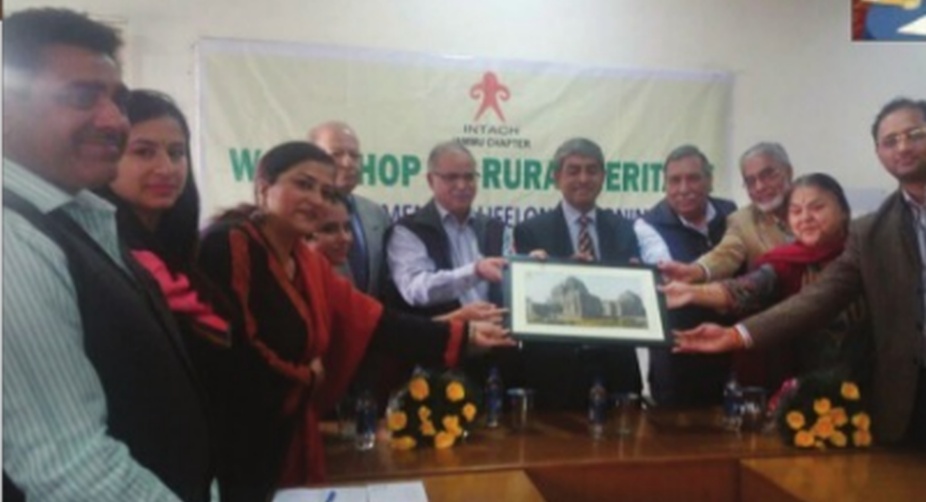
The youth of the country, especially students of schools and colleges, need to be included in this process so that people become aware about our culture and heritage. In this vein, the department of lifelong learning, University of Jammu, organised a one-day workshop on “Rural Heritage” for students of the Master’s in rural development course, in collaboration with Indian National Trust for Art and Cultural Heritage in the university campus last week. Hemant Sharma, IAS, secretary of co-operatives, Jammu and Kashmir government was the chief guest for the function while Desh Bandhu Gupta, dean of academic affairs, Jammu University was the guest of honour. Sharma, who elaborated on the importance of rural heritage, underlined the need for its conservation as that promotes the psychological well-being of rural communities. He also underlined the need to create and stimulate awareness among the general public of the richness, variety and importance of India’s rural heritage. 

Gupta, in his address, said that conservation of tangible or intangible heritage is very important and there is a dire need to assist rural communities in the conservation, sustainability and management of their cultural assets. He said that the students of rural development need to undertake programmes of revival and enhancement of heritage assets in such a way as to foster local economic development; provide improvement in civic and other infrastructure, encourage improvements in education, healthcare and gender equality, and in general, promote the betterment of the concerned communities. Professor Poonam Dhawan, former dean of academic affairs, also focused on the need to take steps for the preservation and conservation of assets in rural areas, and of those in non-rural areas that represent linkage with rural origins, in full cooperation with local communities and stakeholders.

 During the course of the workshop, CM Seth, former chairman of the State Pollution Control Board, presented a lecture on “Rural natural heritage and rural development”. Mahesh Koul, author and columnist, spoke on the India’s rich heritage while Kirpal Singh, curator, Dogra Art Museum, Mubarak Mandi, deliberated on the importance of Jammu’s rural heritage. On the other hand, Suresh Abrol, owner and curator, Shashwat Art Gallery spoke about the role of individuals in the promotion and conservation of cultural heritage. Altaf Hussain, convenor of Intach Kashmir, spoke about the state’s rich heritage and the conservation efforts being undertaken to preserve it.

 The students interacted with the resource persons and asked many questions. “In this one-day workshop, students realised that even though the preservation of important natural, cultural and historic sites seems challenging, there are plenty of things that they can do including partner with some organisation and get involved in conservation activities, world heritage promotion, mobilisation of resources and financial support,” said SM Sahni, convenor of Intach, Jammu Chapter. He added that they could also work as volunteers and practice sustainable tourism by respecting local culture and customs and not damaging sites or littering when visiting. “Students can also help in spreading awareness of the importance of preserving these invaluable sites by sharing news and links through social networking sites”, said Shikha, a student. She went on to add that they have to work together to conserve cultural and natural heritage and in turn, preserve our world for ourselves and future generations. Pallavi Sachdeva conducted the programme and Kuldeep Wahi, Intach life member, presented a formal vote of thanks.

Youngsters taking the lead

Every year World Heritage Week is celebrated across the world from 19- 25 November with the objective of increasing awareness about the importance of cultural heritage.

Kavita Suri |

Every year World Heritage Week is celebrated across the world from 19- 25 November with the objective of increasing awareness about the importance of cultural heritage, both tangible and intangible, and its preservation. 

The aim is also to encourage people about the preservation and safe upkeep of monuments across the country. With the expansion of cities and shrinking of village areas, the rural heritage of our Indian landscape is under tremendous threat and thus it is very necessary to protect and preserve the variety of priceless cultural heritage and historical monuments. 

The youth of the country, especially students of schools and colleges, need to be included in this process so that people become aware about our culture and heritage. In this vein, the department of lifelong learning, University of Jammu, organised a one-day workshop on “Rural Heritage” for students of the Master’s in rural development course, in collaboration with Indian National Trust for Art and Cultural Heritage in the university campus last week. Hemant Sharma, IAS, secretary of co-operatives, Jammu and Kashmir government was the chief guest for the function while Desh Bandhu Gupta, dean of academic affairs, Jammu University was the guest of honour. Sharma, who elaborated on the importance of rural heritage, underlined the need for its conservation as that promotes the psychological well-being of rural communities. He also underlined the need to create and stimulate awareness among the general public of the richness, variety and importance of India’s rural heritage. 

Gupta, in his address, said that conservation of tangible or intangible heritage is very important and there is a dire need to assist rural communities in the conservation, sustainability and management of their cultural assets. He said that the students of rural development need to undertake programmes of revival and enhancement of heritage assets in such a way as to foster local economic development; provide improvement in civic and other infrastructure, encourage improvements in education, healthcare and gender equality, and in general, promote the betterment of the concerned communities. Professor Poonam Dhawan, former dean of academic affairs, also focused on the need to take steps for the preservation and conservation of assets in rural areas, and of those in non-rural areas that represent linkage with rural origins, in full cooperation with local communities and stakeholders.

 During the course of the workshop, CM Seth, former chairman of the State Pollution Control Board, presented a lecture on “Rural natural heritage and rural development”. Mahesh Koul, author and columnist, spoke on the India’s rich heritage while Kirpal Singh, curator, Dogra Art Museum, Mubarak Mandi, deliberated on the importance of Jammu’s rural heritage. On the other hand, Suresh Abrol, owner and curator, Shashwat Art Gallery spoke about the role of individuals in the promotion and conservation of cultural heritage. Altaf Hussain, convenor of Intach Kashmir, spoke about the state’s rich heritage and the conservation efforts being undertaken to preserve it.

 The students interacted with the resource persons and asked many questions. “In this one-day workshop, students realised that even though the preservation of important natural, cultural and historic sites seems challenging, there are plenty of things that they can do including partner with some organisation and get involved in conservation activities, world heritage promotion, mobilisation of resources and financial support,” said SM Sahni, convenor of Intach, Jammu Chapter. He added that they could also work as volunteers and practice sustainable tourism by respecting local culture and customs and not damaging sites or littering when visiting. “Students can also help in spreading awareness of the importance of preserving these invaluable sites by sharing news and links through social networking sites”, said Shikha, a student. She went on to add that they have to work together to conserve cultural and natural heritage and in turn, preserve our world for ourselves and future generations. Pallavi Sachdeva conducted the programme and Kuldeep Wahi, Intach life member, presented a formal vote of thanks.

Youngsters taking the lead

Every year World Heritage Week is celebrated across the world from 19- 25 November with the objective of increasing awareness about the importance of cultural heritage.

Kavita Suri |

Every year World Heritage Week is celebrated across the world from 19- 25 November with the objective of increasing awareness about the importance of cultural heritage, both tangible and intangible, and its preservation. 

The aim is also to encourage people about the preservation and safe upkeep of monuments across the country. With the expansion of cities and shrinking of village areas, the rural heritage of our Indian landscape is under tremendous threat and thus it is very necessary to protect and preserve the variety of priceless cultural heritage and historical monuments. 

The youth of the country, especially students of schools and colleges, need to be included in this process so that people become aware about our culture and heritage. In this vein, the department of lifelong learning, University of Jammu, organised a one-day workshop on “Rural Heritage” for students of the Master’s in rural development course, in collaboration with Indian National Trust for Art and Cultural Heritage in the university campus last week. Hemant Sharma, IAS, secretary of co-operatives, Jammu and Kashmir government was the chief guest for the function while Desh Bandhu Gupta, dean of academic affairs, Jammu University was the guest of honour. Sharma, who elaborated on the importance of rural heritage, underlined the need for its conservation as that promotes the psychological well-being of rural communities. He also underlined the need to create and stimulate awareness among the general public of the richness, variety and importance of India’s rural heritage. 

Gupta, in his address, said that conservation of tangible or intangible heritage is very important and there is a dire need to assist rural communities in the conservation, sustainability and management of their cultural assets. He said that the students of rural development need to undertake programmes of revival and enhancement of heritage assets in such a way as to foster local economic development; provide improvement in civic and other infrastructure, encourage improvements in education, healthcare and gender equality, and in general, promote the betterment of the concerned communities. Professor Poonam Dhawan, former dean of academic affairs, also focused on the need to take steps for the preservation and conservation of assets in rural areas, and of those in non-rural areas that represent linkage with rural origins, in full cooperation with local communities and stakeholders.

 During the course of the workshop, CM Seth, former chairman of the State Pollution Control Board, presented a lecture on “Rural natural heritage and rural development”. Mahesh Koul, author and columnist, spoke on the India’s rich heritage while Kirpal Singh, curator, Dogra Art Museum, Mubarak Mandi, deliberated on the importance of Jammu’s rural heritage. On the other hand, Suresh Abrol, owner and curator, Shashwat Art Gallery spoke about the role of individuals in the promotion and conservation of cultural heritage. Altaf Hussain, convenor of Intach Kashmir, spoke about the state’s rich heritage and the conservation efforts being undertaken to preserve it.

 The students interacted with the resource persons and asked many questions. “In this one-day workshop, students realised that even though the preservation of important natural, cultural and historic sites seems challenging, there are plenty of things that they can do including partner with some organisation and get involved in conservation activities, world heritage promotion, mobilisation of resources and financial support,” said SM Sahni, convenor of Intach, Jammu Chapter. He added that they could also work as volunteers and practice sustainable tourism by respecting local culture and customs and not damaging sites or littering when visiting. “Students can also help in spreading awareness of the importance of preserving these invaluable sites by sharing news and links through social networking sites”, said Shikha, a student. She went on to add that they have to work together to conserve cultural and natural heritage and in turn, preserve our world for ourselves and future generations. Pallavi Sachdeva conducted the programme and Kuldeep Wahi, Intach life member, presented a formal vote of thanks.

Youngsters taking the lead

Every year World Heritage Week is celebrated across the world from 19- 25 November with the objective of increasing awareness about the importance of cultural heritage.

Kavita Suri |

Every year World Heritage Week is celebrated across the world from 19- 25 November with the objective of increasing awareness about the importance of cultural heritage, both tangible and intangible, and its preservation. 

The aim is also to encourage people about the preservation and safe upkeep of monuments across the country. With the expansion of cities and shrinking of village areas, the rural heritage of our Indian landscape is under tremendous threat and thus it is very necessary to protect and preserve the variety of priceless cultural heritage and historical monuments. 

The youth of the country, especially students of schools and colleges, need to be included in this process so that people become aware about our culture and heritage. In this vein, the department of lifelong learning, University of Jammu, organised a one-day workshop on “Rural Heritage” for students of the Master’s in rural development course, in collaboration with Indian National Trust for Art and Cultural Heritage in the university campus last week. Hemant Sharma, IAS, secretary of co-operatives, Jammu and Kashmir government was the chief guest for the function while Desh Bandhu Gupta, dean of academic affairs, Jammu University was the guest of honour. Sharma, who elaborated on the importance of rural heritage, underlined the need for its conservation as that promotes the psychological well-being of rural communities. He also underlined the need to create and stimulate awareness among the general public of the richness, variety and importance of India’s rural heritage. 

Gupta, in his address, said that conservation of tangible or intangible heritage is very important and there is a dire need to assist rural communities in the conservation, sustainability and management of their cultural assets. He said that the students of rural development need to undertake programmes of revival and enhancement of heritage assets in such a way as to foster local economic development; provide improvement in civic and other infrastructure, encourage improvements in education, healthcare and gender equality, and in general, promote the betterment of the concerned communities. Professor Poonam Dhawan, former dean of academic affairs, also focused on the need to take steps for the preservation and conservation of assets in rural areas, and of those in non-rural areas that represent linkage with rural origins, in full cooperation with local communities and stakeholders.

 During the course of the workshop, CM Seth, former chairman of the State Pollution Control Board, presented a lecture on “Rural natural heritage and rural development”. Mahesh Koul, author and columnist, spoke on the India’s rich heritage while Kirpal Singh, curator, Dogra Art Museum, Mubarak Mandi, deliberated on the importance of Jammu’s rural heritage. On the other hand, Suresh Abrol, owner and curator, Shashwat Art Gallery spoke about the role of individuals in the promotion and conservation of cultural heritage. Altaf Hussain, convenor of Intach Kashmir, spoke about the state’s rich heritage and the conservation efforts being undertaken to preserve it.

 The students interacted with the resource persons and asked many questions. “In this one-day workshop, students realised that even though the preservation of important natural, cultural and historic sites seems challenging, there are plenty of things that they can do including partner with some organisation and get involved in conservation activities, world heritage promotion, mobilisation of resources and financial support,” said SM Sahni, convenor of Intach, Jammu Chapter. He added that they could also work as volunteers and practice sustainable tourism by respecting local culture and customs and not damaging sites or littering when visiting. “Students can also help in spreading awareness of the importance of preserving these invaluable sites by sharing news and links through social networking sites”, said Shikha, a student. She went on to add that they have to work together to conserve cultural and natural heritage and in turn, preserve our world for ourselves and future generations. Pallavi Sachdeva conducted the programme and Kuldeep Wahi, Intach life member, presented a formal vote of thanks.

Why Pakistan might want to cool things down

Harsha Kakar |

For almost thirteen years there was peace along the Line of Control (LOC), the de-facto border between India and Pakistan in Kashmir. While sanctity of the LOC was never compromised, occasional skirmishes due to infiltration attempts supported by Pakistani army firing, were changes from the normal. Firing was generally limited to small arms. 

Antiinfiltration patrols and ambushes in layers seeking to eliminate militants as they attempted to infiltrate was an additional responsibility for Indian soldiers. Villagers living in the vicinity had rebuilt their lives and homes, since the ceasefire of 2003, and gained financially from their fields. Life had returned to almost normal as compared to the volatility of artillery and mortar duels which was the norm prior to the ceasefire. Uri and the subsequent surgical strike brought the LOC back to its original status. It witnessed daily violations, sniper fire, mortar duels, targeting of civilians specifically from the Pakistani side and Border Action Team (BAT) attacks, which implies a combination of special forces and militants tasked with mutilating Indian soldiers martyred in an ambush. BAT actions were aimed at lowering Indian morale; however they did the reverse and hardened resolve for retaliation. Indian retaliation was swift, fierce and spread across wide areas employing dominance of firepower to degrade Pakistani defences. 

Casualties mounted on both sides, with Pakistan bearing the brunt. Firing spread from the LOC to the International Border (IB) in the Jammu Sector, which is also called the working boundary by Pakistan. Villagers were compelled to leave their homes and move to safer places. Fields across the fence which were once tilled were now barren. Schools in border villages were closed and there was fear in the local populace. For Pakistan, activating the LOC is another means of keeping the Kashmir issue alive in international eyes. Pakistan has always claimed that India is responsible for activating the LOC, mainly to distract world attention from the Kashmir agitation. An active LOC also enables it to hide its internal turmoil from its populace. With the valley returning to normal, there was no other alternative to escalate the Kashmir problem. Induction of militants was low since demonetisation, as fake currency to support militant operations had been rendered useless. Militarily, Pakistan can never succeed in its desires on Kashmir. 

China may only provide diplomatic support upto a level. It would never permit any worsening of the situation bringing it close to a conflict scenario as it would adversely affect its investments in the China Pakistan Economic Corridor. Having taken the bold decision to launch the surgical strike and retaliate to violations in full measure, India conveyed its intentions to Pakistan and the international community. It was prepared for the long haul. Pakistan’s new army chief, General Qamar Javed Bajwa, has now taken charge. He would need to settle in, after all he was fourth in seniority. Their other two service chiefs (navy and air force) have also joined the bandwagon of threatening India, only to provide support to the beleaguered retiring army chief. For both countries, the armies cannot be seen to avoid retaliating. Moral domination over the enemy is essential. Loss of even one soldier must be avenged. Retaliation is generally done from posts which dominate and employing direct firing weapons of heavier calibre. 

India employs its field and air defence artillery guns in direct firing role, which results in maximum damage. India possesses a greater quantum of troops and firepower along the LOC, hence retaliates with force. Pakistan has reduced deployment, as since the implementation of the ceasefire, it had moved troops from the sector to battle militancy on its western borders. Further, since India does not infiltrate militants, Pakistan does not require an anti-infiltration grid. There are reports that Pakistan is contemplating moving additional forces to the LOC. Earlier Pakistan could compel the US to apply pressure on India by threatening to withdraw troops battling the Taliban. That bluff is no longer valid, as the world is aware of the truth. In recent days, the volume of Indian retaliation has been excessive and has caused serious damage to Pakistan, compelling it to seek peace. Thus the Pakistani DGMO spoke to his Indian counterpart last week to reduce tensions along the LOC. There are few possible reasons for this sudden request. 

Firstly, it could be to enable the present chief to retire without any last-minute surge in firing, leading to increased casualties, which could blot his performance and mar a smooth transition. This suits India as it would be glad to see the last of him. Secondly with winters approaching, Pakistan would need to carry out repairs to its damaged defences, which India would also need to partially undertake. Thirdly, in case tensions persist, Pakistan may be compelled to move its reserves battling terrorists on its western borders to the LOC. Such an action has its own ramifications. Reducing troops from counter insurgency to deal with increased Indian threat, would permit antiPak terrorists from regaining ground, while continuing with lesser forces on the Indian border creates vulnerabilities which India could exploit. Peace along the LOC is always fragile. Infiltration attempts supported by the Pakistan army or a BAT action could result in its collapse and reactivate intense firing. The appointment of General Bajwa as the new army chief is unlikely to bring about any change in the prevailing environment. He cannot be seen to be different from his predecessor at the commencement of his tenure. Changes to policy, if any, would only be visible with passage of time. For India, it is wait and watch. Meanwhile any violation from Pakistan should be resorted to in full measure, which is the only way, they can be pressurized to change as also realize that India means business.

(The writer is a retired Major General of the Indian Army)

Why Pakistan might want to cool things down

Harsha Kakar |

For almost thirteen years there was peace along the Line of Control (LOC), the de-facto border between India and Pakistan in Kashmir. While sanctity of the LOC was never compromised, occasional skirmishes due to infiltration attempts supported by Pakistani army firing, were changes from the normal. Firing was generally limited to small arms. 

Antiinfiltration patrols and ambushes in layers seeking to eliminate militants as they attempted to infiltrate was an additional responsibility for Indian soldiers. Villagers living in the vicinity had rebuilt their lives and homes, since the ceasefire of 2003, and gained financially from their fields. Life had returned to almost normal as compared to the volatility of artillery and mortar duels which was the norm prior to the ceasefire. Uri and the subsequent surgical strike brought the LOC back to its original status. It witnessed daily violations, sniper fire, mortar duels, targeting of civilians specifically from the Pakistani side and Border Action Team (BAT) attacks, which implies a combination of special forces and militants tasked with mutilating Indian soldiers martyred in an ambush. BAT actions were aimed at lowering Indian morale; however they did the reverse and hardened resolve for retaliation. Indian retaliation was swift, fierce and spread across wide areas employing dominance of firepower to degrade Pakistani defences. 

Casualties mounted on both sides, with Pakistan bearing the brunt. Firing spread from the LOC to the International Border (IB) in the Jammu Sector, which is also called the working boundary by Pakistan. Villagers were compelled to leave their homes and move to safer places. Fields across the fence which were once tilled were now barren. Schools in border villages were closed and there was fear in the local populace. For Pakistan, activating the LOC is another means of keeping the Kashmir issue alive in international eyes. Pakistan has always claimed that India is responsible for activating the LOC, mainly to distract world attention from the Kashmir agitation. An active LOC also enables it to hide its internal turmoil from its populace. With the valley returning to normal, there was no other alternative to escalate the Kashmir problem. Induction of militants was low since demonetisation, as fake currency to support militant operations had been rendered useless. Militarily, Pakistan can never succeed in its desires on Kashmir. 

China may only provide diplomatic support upto a level. It would never permit any worsening of the situation bringing it close to a conflict scenario as it would adversely affect its investments in the China Pakistan Economic Corridor. Having taken the bold decision to launch the surgical strike and retaliate to violations in full measure, India conveyed its intentions to Pakistan and the international community. It was prepared for the long haul. Pakistan’s new army chief, General Qamar Javed Bajwa, has now taken charge. He would need to settle in, after all he was fourth in seniority. Their other two service chiefs (navy and air force) have also joined the bandwagon of threatening India, only to provide support to the beleaguered retiring army chief. For both countries, the armies cannot be seen to avoid retaliating. Moral domination over the enemy is essential. Loss of even one soldier must be avenged. Retaliation is generally done from posts which dominate and employing direct firing weapons of heavier calibre. 

India employs its field and air defence artillery guns in direct firing role, which results in maximum damage. India possesses a greater quantum of troops and firepower along the LOC, hence retaliates with force. Pakistan has reduced deployment, as since the implementation of the ceasefire, it had moved troops from the sector to battle militancy on its western borders. Further, since India does not infiltrate militants, Pakistan does not require an anti-infiltration grid. There are reports that Pakistan is contemplating moving additional forces to the LOC. Earlier Pakistan could compel the US to apply pressure on India by threatening to withdraw troops battling the Taliban. That bluff is no longer valid, as the world is aware of the truth. In recent days, the volume of Indian retaliation has been excessive and has caused serious damage to Pakistan, compelling it to seek peace. Thus the Pakistani DGMO spoke to his Indian counterpart last week to reduce tensions along the LOC. There are few possible reasons for this sudden request. 

Firstly, it could be to enable the present chief to retire without any last-minute surge in firing, leading to increased casualties, which could blot his performance and mar a smooth transition. This suits India as it would be glad to see the last of him. Secondly with winters approaching, Pakistan would need to carry out repairs to its damaged defences, which India would also need to partially undertake. Thirdly, in case tensions persist, Pakistan may be compelled to move its reserves battling terrorists on its western borders to the LOC. Such an action has its own ramifications. Reducing troops from counter insurgency to deal with increased Indian threat, would permit antiPak terrorists from regaining ground, while continuing with lesser forces on the Indian border creates vulnerabilities which India could exploit. Peace along the LOC is always fragile. Infiltration attempts supported by the Pakistan army or a BAT action could result in its collapse and reactivate intense firing. The appointment of General Bajwa as the new army chief is unlikely to bring about any change in the prevailing environment. He cannot be seen to be different from his predecessor at the commencement of his tenure. Changes to policy, if any, would only be visible with passage of time. For India, it is wait and watch. Meanwhile any violation from Pakistan should be resorted to in full measure, which is the only way, they can be pressurized to change as also realize that India means business.

(The writer is a retired Major General of the Indian Army)

Why Pakistan might want to cool things down

Harsha Kakar |

For almost thirteen years there was peace along the Line of Control (LOC), the de-facto border between India and Pakistan in Kashmir. While sanctity of the LOC was never compromised, occasional skirmishes due to infiltration attempts supported by Pakistani army firing, were changes from the normal. Firing was generally limited to small arms. 

Antiinfiltration patrols and ambushes in layers seeking to eliminate militants as they attempted to infiltrate was an additional responsibility for Indian soldiers. Villagers living in the vicinity had rebuilt their lives and homes, since the ceasefire of 2003, and gained financially from their fields. Life had returned to almost normal as compared to the volatility of artillery and mortar duels which was the norm prior to the ceasefire. Uri and the subsequent surgical strike brought the LOC back to its original status. It witnessed daily violations, sniper fire, mortar duels, targeting of civilians specifically from the Pakistani side and Border Action Team (BAT) attacks, which implies a combination of special forces and militants tasked with mutilating Indian soldiers martyred in an ambush. BAT actions were aimed at lowering Indian morale; however they did the reverse and hardened resolve for retaliation. Indian retaliation was swift, fierce and spread across wide areas employing dominance of firepower to degrade Pakistani defences. 

Casualties mounted on both sides, with Pakistan bearing the brunt. Firing spread from the LOC to the International Border (IB) in the Jammu Sector, which is also called the working boundary by Pakistan. Villagers were compelled to leave their homes and move to safer places. Fields across the fence which were once tilled were now barren. Schools in border villages were closed and there was fear in the local populace. For Pakistan, activating the LOC is another means of keeping the Kashmir issue alive in international eyes. Pakistan has always claimed that India is responsible for activating the LOC, mainly to distract world attention from the Kashmir agitation. An active LOC also enables it to hide its internal turmoil from its populace. With the valley returning to normal, there was no other alternative to escalate the Kashmir problem. Induction of militants was low since demonetisation, as fake currency to support militant operations had been rendered useless. Militarily, Pakistan can never succeed in its desires on Kashmir. 

China may only provide diplomatic support upto a level. It would never permit any worsening of the situation bringing it close to a conflict scenario as it would adversely affect its investments in the China Pakistan Economic Corridor. Having taken the bold decision to launch the surgical strike and retaliate to violations in full measure, India conveyed its intentions to Pakistan and the international community. It was prepared for the long haul. Pakistan’s new army chief, General Qamar Javed Bajwa, has now taken charge. He would need to settle in, after all he was fourth in seniority. Their other two service chiefs (navy and air force) have also joined the bandwagon of threatening India, only to provide support to the beleaguered retiring army chief. For both countries, the armies cannot be seen to avoid retaliating. Moral domination over the enemy is essential. Loss of even one soldier must be avenged. Retaliation is generally done from posts which dominate and employing direct firing weapons of heavier calibre. 

India employs its field and air defence artillery guns in direct firing role, which results in maximum damage. India possesses a greater quantum of troops and firepower along the LOC, hence retaliates with force. Pakistan has reduced deployment, as since the implementation of the ceasefire, it had moved troops from the sector to battle militancy on its western borders. Further, since India does not infiltrate militants, Pakistan does not require an anti-infiltration grid. There are reports that Pakistan is contemplating moving additional forces to the LOC. Earlier Pakistan could compel the US to apply pressure on India by threatening to withdraw troops battling the Taliban. That bluff is no longer valid, as the world is aware of the truth. In recent days, the volume of Indian retaliation has been excessive and has caused serious damage to Pakistan, compelling it to seek peace. Thus the Pakistani DGMO spoke to his Indian counterpart last week to reduce tensions along the LOC. There are few possible reasons for this sudden request. 

Firstly, it could be to enable the present chief to retire without any last-minute surge in firing, leading to increased casualties, which could blot his performance and mar a smooth transition. This suits India as it would be glad to see the last of him. Secondly with winters approaching, Pakistan would need to carry out repairs to its damaged defences, which India would also need to partially undertake. Thirdly, in case tensions persist, Pakistan may be compelled to move its reserves battling terrorists on its western borders to the LOC. Such an action has its own ramifications. Reducing troops from counter insurgency to deal with increased Indian threat, would permit antiPak terrorists from regaining ground, while continuing with lesser forces on the Indian border creates vulnerabilities which India could exploit. Peace along the LOC is always fragile. Infiltration attempts supported by the Pakistan army or a BAT action could result in its collapse and reactivate intense firing. The appointment of General Bajwa as the new army chief is unlikely to bring about any change in the prevailing environment. He cannot be seen to be different from his predecessor at the commencement of his tenure. Changes to policy, if any, would only be visible with passage of time. For India, it is wait and watch. Meanwhile any violation from Pakistan should be resorted to in full measure, which is the only way, they can be pressurized to change as also realize that India means business.

(The writer is a retired Major General of the Indian Army)

Why Pakistan might want to cool things down

Harsha Kakar |

For almost thirteen years there was peace along the Line of Control (LOC), the de-facto border between India and Pakistan in Kashmir. While sanctity of the LOC was never compromised, occasional skirmishes due to infiltration attempts supported by Pakistani army firing, were changes from the normal. Firing was generally limited to small arms. 

Antiinfiltration patrols and ambushes in layers seeking to eliminate militants as they attempted to infiltrate was an additional responsibility for Indian soldiers. Villagers living in the vicinity had rebuilt their lives and homes, since the ceasefire of 2003, and gained financially from their fields. Life had returned to almost normal as compared to the volatility of artillery and mortar duels which was the norm prior to the ceasefire. Uri and the subsequent surgical strike brought the LOC back to its original status. It witnessed daily violations, sniper fire, mortar duels, targeting of civilians specifically from the Pakistani side and Border Action Team (BAT) attacks, which implies a combination of special forces and militants tasked with mutilating Indian soldiers martyred in an ambush. BAT actions were aimed at lowering Indian morale; however they did the reverse and hardened resolve for retaliation. Indian retaliation was swift, fierce and spread across wide areas employing dominance of firepower to degrade Pakistani defences. 

Casualties mounted on both sides, with Pakistan bearing the brunt. Firing spread from the LOC to the International Border (IB) in the Jammu Sector, which is also called the working boundary by Pakistan. Villagers were compelled to leave their homes and move to safer places. Fields across the fence which were once tilled were now barren. Schools in border villages were closed and there was fear in the local populace. For Pakistan, activating the LOC is another means of keeping the Kashmir issue alive in international eyes. Pakistan has always claimed that India is responsible for activating the LOC, mainly to distract world attention from the Kashmir agitation. An active LOC also enables it to hide its internal turmoil from its populace. With the valley returning to normal, there was no other alternative to escalate the Kashmir problem. Induction of militants was low since demonetisation, as fake currency to support militant operations had been rendered useless. Militarily, Pakistan can never succeed in its desires on Kashmir. 

China may only provide diplomatic support upto a level. It would never permit any worsening of the situation bringing it close to a conflict scenario as it would adversely affect its investments in the China Pakistan Economic Corridor. Having taken the bold decision to launch the surgical strike and retaliate to violations in full measure, India conveyed its intentions to Pakistan and the international community. It was prepared for the long haul. Pakistan’s new army chief, General Qamar Javed Bajwa, has now taken charge. He would need to settle in, after all he was fourth in seniority. Their other two service chiefs (navy and air force) have also joined the bandwagon of threatening India, only to provide support to the beleaguered retiring army chief. For both countries, the armies cannot be seen to avoid retaliating. Moral domination over the enemy is essential. Loss of even one soldier must be avenged. Retaliation is generally done from posts which dominate and employing direct firing weapons of heavier calibre. 

India employs its field and air defence artillery guns in direct firing role, which results in maximum damage. India possesses a greater quantum of troops and firepower along the LOC, hence retaliates with force. Pakistan has reduced deployment, as since the implementation of the ceasefire, it had moved troops from the sector to battle militancy on its western borders. Further, since India does not infiltrate militants, Pakistan does not require an anti-infiltration grid. There are reports that Pakistan is contemplating moving additional forces to the LOC. Earlier Pakistan could compel the US to apply pressure on India by threatening to withdraw troops battling the Taliban. That bluff is no longer valid, as the world is aware of the truth. In recent days, the volume of Indian retaliation has been excessive and has caused serious damage to Pakistan, compelling it to seek peace. Thus the Pakistani DGMO spoke to his Indian counterpart last week to reduce tensions along the LOC. There are few possible reasons for this sudden request. 

Firstly, it could be to enable the present chief to retire without any last-minute surge in firing, leading to increased casualties, which could blot his performance and mar a smooth transition. This suits India as it would be glad to see the last of him. Secondly with winters approaching, Pakistan would need to carry out repairs to its damaged defences, which India would also need to partially undertake. Thirdly, in case tensions persist, Pakistan may be compelled to move its reserves battling terrorists on its western borders to the LOC. Such an action has its own ramifications. Reducing troops from counter insurgency to deal with increased Indian threat, would permit antiPak terrorists from regaining ground, while continuing with lesser forces on the Indian border creates vulnerabilities which India could exploit. Peace along the LOC is always fragile. Infiltration attempts supported by the Pakistan army or a BAT action could result in its collapse and reactivate intense firing. The appointment of General Bajwa as the new army chief is unlikely to bring about any change in the prevailing environment. He cannot be seen to be different from his predecessor at the commencement of his tenure. Changes to policy, if any, would only be visible with passage of time. For India, it is wait and watch. Meanwhile any violation from Pakistan should be resorted to in full measure, which is the only way, they can be pressurized to change as also realize that India means business.

(The writer is a retired Major General of the Indian Army)

When reality bites in a ‘post-truth’ world

Warren Fernandez |

It used to be that black was black, and white was white. Then came fifty shades of grey. Next, someone insisted that it was actually a deep blue, or perhaps a murky green. Beyond a point, it began to seem that the colour was whatever you said it was, provided you shouted loud enough or repeated it over and again. Eventually, people might believe you.

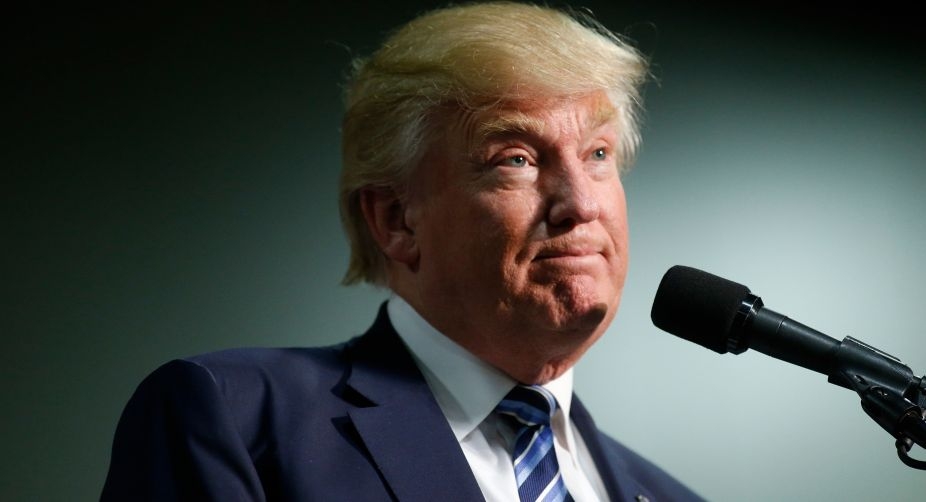
This, we are told, is the new “post-truth” world, where things are not always what they seem, and you neither have to mean what you say nor say what you mean. In this new world, politicians have been busy reassuring the President-elect of the United States Donald Trump that no one really thought he would do as he pledged on the stump, and fewer still would mind if he simply forgot what he had said during the campaign. The reason for this is simple: The alternative of him doing as he promised is just too scary to contemplate, so isn’t it better if we let it slide, and all just get along? That way, we might conclude that climate change is not a “hoax invented by China”, as Trump once claimed, and instead “keep an open mind, to study the issue very hard”, as he now purports. In this post-truth world, “fake news” reports do not need to be checked or corroborated; all that matters is that audiences like, engage with and share content.

 The game is to get the story out and hope that it might just stick if enough people read it, spread and begin to think that it is must be so. This process is aided by the fact, as US President Barack Obama said in a recent interview, that on social media platforms such as Facebook, an explanation of global warming by a Nobel Prize winner looks no different from one by a paid climate change denier. Today’s communication tools, he noted, make it far easier to spread misinformation and wild conspiracy theories, and hit out at opponents wildly. The result: a sharply polarised society, in which it is “very difficult to have a common conversation”. He added: “If we are not serious about facts and what’s true and what’s not and if we can’t discriminate between serious arguments and propaganda, then we have problems.” Indeed we do, which explains the hand-wringing going on in thoughtful circles in the West, with social media sites such as Facebook and Google being blamed for purveying fabricated stories, which ended up swaying American voters. An analysis by the Buzzfeed website found that of the 20 fake news stories that generated the most audience engagement on Facebook in the final months before the US elections, all but three leaned towards Trump.

Furthermore, these stories held the attention of Facebook users longer than the top 20 stories from more traditional media organisations. This has led to calls for Facebook to face up to its responsibilities for the content shared on its platform. But, lamentably, it was only after its initial assertion that it was not a publisher but a “technology company” was widely derided that it finally came out to say that it would work on curbing the spread of fabricated content. The best riposte to this I have come across was from News Corp’s chief executive, Robert Thomson, who told the Financial Times that the likes of Facebook and Google “are in digital denial”. “Of course they are publishers, and being a publisher comes with the responsibility to protect and project the provenance of news. The great papers have grappled with that sacred burden over the decades and centuries, and you can’t absolve yourself from the burden or the costs of compliance by saying, ‘We are a technology company.’” Indeed, more established media organisations have long accepted this responsibility as part of the job, and hire editors to make judgment calls on the veracity, significance and sensitivity of content. By doing so, they show they are invested in the communities they seek to serve. And, as the world becomes ever more complex, the need for journalists and editors to seek out information and answers to help readers make sense of it all will grow, not diminish. Yet, the prevailing wisdom in the Internet age runs the other way: disintermediation has enabled everyone to freely generate content, which social media platforms aggregate or circulate for free, leaving the marketplace of ideas to sift out the spurious from the sensible and sound.

Or so the theory goes. But while social media has been a boon in many ways, allowing for more direct communication among people around the world, it comes with a downside in a form of Gresham’s law, with dubious content competing for space, prominence, time and attention, crowding out much that is good. Worse, as social media platforms milk content from publishers, aggregating and monetising their efforts, with little in the way of payback or investment in news gathering or original content of their own, the assumption that this parasitic relationship could continue ad infinitum, even as newsrooms are leached of resources and talent, is proving to be false. So, societies are now having to ponder the impact on their democracies when media organisations which are supposed to gather, interpret and analyse the news are decimated and depleted. What would aggregators aggregate then? How then would voters be kept informed and be able to figure out “what’s true and what’s not”? How would they tell the difference between what’s news and what’s made up, and shared, for a lark? Singapore faces these challenges too. Thankfully, the Government did not shrink from taking to task the Real Singapore website, which put out misleading reports aimed at stirring up latent antipathies towards immigrants in order to draw readership, and with it, hundreds of thousands of dollars in advertising revenues.

Clearly, steps need to be taken to ferret out those who hide behind the cloak of anonymity to put out such content for commercial gain, and shut them down. The flow of advertising dollars should be stopped, not just by the authorities, but also by organisations making a stand that they will not have their sponsorship funds going towards such outlets, which poison the collective well. But, beyond that, responsibility must ultimately rest with you and me, as content consumers, voters, citizens and parents. Social media is here to stay, and if society is to thrive in this digital age, we will have to do much more to educate our young to be savvy and discerning about the content they choose to consume. This begins with encouraging them to read widely and deeply, as well as to stay connected and engaged with the goings-on around them and elsewhere in the world. Unless they have the desire – and the discipline – to do so, they will remain vulnerable to being misled by those who would exploit their ignorance. Recently though, I met a group of parents at a forum who lamented that their children simply did not read – neither a newspaper nor anything else for that matter.

 A combination of examination stress, the proliferation of gadgets and games, and shortened attention span led their children to retreat into their own virtual worlds, where their ideas and instincts were reinforced and shaped by a narrowing circle of “friends”. One concerned mother likened these youngsters to the modern- day equivalent of children who refuse to eat their vegetables, do any exercise, go to school, make friends, or take mother tongue lessons seriously. Every parent knows where these tendencies might lead, and strives to find creative ways to put them right, she said, adding that the same effort was needed to promote reading and critical thinking, both in and out of our schools. I shared her view, but pointed out that the situation was not nearly as dire as some seemed to think. But for good measure, I added that those parents who are at their wits’ end trying to get their children engaged with the world might try recounting the story of the advertisement that once ran in the British magazine, the Economist. “I never read the Economist!” it quoted someone saying, in big, bold print. In finer font below, this daft declaration was attributed to “Management trainee, aged 42”. To my mind, the best way to protect our young from this sorry fate is to engage and empower them to read, discover, and figure out the world for themselves. For ultimately, like people everywhere, they will find that, in truth, there is no such thing as a “posttruth” world. In the end, reality will bite, the truth will out, and the price for blissful ignorance or outright folly will have to be paid.


When reality bites in a ‘post-truth’ world

Warren Fernandez |

It used to be that black was black, and white was white. Then came fifty shades of grey. Next, someone insisted that it was actually a deep blue, or perhaps a murky green. Beyond a point, it began to seem that the colour was whatever you said it was, provided you shouted loud enough or repeated it over and again. Eventually, people might believe you.

This, we are told, is the new “post-truth” world, where things are not always what they seem, and you neither have to mean what you say nor say what you mean. In this new world, politicians have been busy reassuring the President-elect of the United States Donald Trump that no one really thought he would do as he pledged on the stump, and fewer still would mind if he simply forgot what he had said during the campaign. The reason for this is simple: The alternative of him doing as he promised is just too scary to contemplate, so isn’t it better if we let it slide, and all just get along? That way, we might conclude that climate change is not a “hoax invented by China”, as Trump once claimed, and instead “keep an open mind, to study the issue very hard”, as he now purports. In this post-truth world, “fake news” reports do not need to be checked or corroborated; all that matters is that audiences like, engage with and share content.

 The game is to get the story out and hope that it might just stick if enough people read it, spread and begin to think that it is must be so. This process is aided by the fact, as US President Barack Obama said in a recent interview, that on social media platforms such as Facebook, an explanation of global warming by a Nobel Prize winner looks no different from one by a paid climate change denier. Today’s communication tools, he noted, make it far easier to spread misinformation and wild conspiracy theories, and hit out at opponents wildly. The result: a sharply polarised society, in which it is “very difficult to have a common conversation”. He added: “If we are not serious about facts and what’s true and what’s not and if we can’t discriminate between serious arguments and propaganda, then we have problems.” Indeed we do, which explains the hand-wringing going on in thoughtful circles in the West, with social media sites such as Facebook and Google being blamed for purveying fabricated stories, which ended up swaying American voters. An analysis by the Buzzfeed website found that of the 20 fake news stories that generated the most audience engagement on Facebook in the final months before the US elections, all but three leaned towards Trump.

Furthermore, these stories held the attention of Facebook users longer than the top 20 stories from more traditional media organisations. This has led to calls for Facebook to face up to its responsibilities for the content shared on its platform. But, lamentably, it was only after its initial assertion that it was not a publisher but a “technology company” was widely derided that it finally came out to say that it would work on curbing the spread of fabricated content. The best riposte to this I have come across was from News Corp’s chief executive, Robert Thomson, who told the Financial Times that the likes of Facebook and Google “are in digital denial”. “Of course they are publishers, and being a publisher comes with the responsibility to protect and project the provenance of news. The great papers have grappled with that sacred burden over the decades and centuries, and you can’t absolve yourself from the burden or the costs of compliance by saying, ‘We are a technology company.’” Indeed, more established media organisations have long accepted this responsibility as part of the job, and hire editors to make judgment calls on the veracity, significance and sensitivity of content. By doing so, they show they are invested in the communities they seek to serve. And, as the world becomes ever more complex, the need for journalists and editors to seek out information and answers to help readers make sense of it all will grow, not diminish. Yet, the prevailing wisdom in the Internet age runs the other way: disintermediation has enabled everyone to freely generate content, which social media platforms aggregate or circulate for free, leaving the marketplace of ideas to sift out the spurious from the sensible and sound.

Or so the theory goes. But while social media has been a boon in many ways, allowing for more direct communication among people around the world, it comes with a downside in a form of Gresham’s law, with dubious content competing for space, prominence, time and attention, crowding out much that is good. Worse, as social media platforms milk content from publishers, aggregating and monetising their efforts, with little in the way of payback or investment in news gathering or original content of their own, the assumption that this parasitic relationship could continue ad infinitum, even as newsrooms are leached of resources and talent, is proving to be false. So, societies are now having to ponder the impact on their democracies when media organisations which are supposed to gather, interpret and analyse the news are decimated and depleted. What would aggregators aggregate then? How then would voters be kept informed and be able to figure out “what’s true and what’s not”? How would they tell the difference between what’s news and what’s made up, and shared, for a lark? Singapore faces these challenges too. Thankfully, the Government did not shrink from taking to task the Real Singapore website, which put out misleading reports aimed at stirring up latent antipathies towards immigrants in order to draw readership, and with it, hundreds of thousands of dollars in advertising revenues.

Clearly, steps need to be taken to ferret out those who hide behind the cloak of anonymity to put out such content for commercial gain, and shut them down. The flow of advertising dollars should be stopped, not just by the authorities, but also by organisations making a stand that they will not have their sponsorship funds going towards such outlets, which poison the collective well. But, beyond that, responsibility must ultimately rest with you and me, as content consumers, voters, citizens and parents. Social media is here to stay, and if society is to thrive in this digital age, we will have to do much more to educate our young to be savvy and discerning about the content they choose to consume. This begins with encouraging them to read widely and deeply, as well as to stay connected and engaged with the goings-on around them and elsewhere in the world. Unless they have the desire – and the discipline – to do so, they will remain vulnerable to being misled by those who would exploit their ignorance. Recently though, I met a group of parents at a forum who lamented that their children simply did not read – neither a newspaper nor anything else for that matter.

 A combination of examination stress, the proliferation of gadgets and games, and shortened attention span led their children to retreat into their own virtual worlds, where their ideas and instincts were reinforced and shaped by a narrowing circle of “friends”. One concerned mother likened these youngsters to the modern- day equivalent of children who refuse to eat their vegetables, do any exercise, go to school, make friends, or take mother tongue lessons seriously. Every parent knows where these tendencies might lead, and strives to find creative ways to put them right, she said, adding that the same effort was needed to promote reading and critical thinking, both in and out of our schools. I shared her view, but pointed out that the situation was not nearly as dire as some seemed to think. But for good measure, I added that those parents who are at their wits’ end trying to get their children engaged with the world might try recounting the story of the advertisement that once ran in the British magazine, the Economist. “I never read the Economist!” it quoted someone saying, in big, bold print. In finer font below, this daft declaration was attributed to “Management trainee, aged 42”. To my mind, the best way to protect our young from this sorry fate is to engage and empower them to read, discover, and figure out the world for themselves. For ultimately, like people everywhere, they will find that, in truth, there is no such thing as a “posttruth” world. In the end, reality will bite, the truth will out, and the price for blissful ignorance or outright folly will have to be paid.

When reality bites in a ‘post-truth’ world

Warren Fernandez |

It used to be that black was black, and white was white. Then came fifty shades of grey. Next, someone insisted that it was actually a deep blue, or perhaps a murky green. Beyond a point, it began to seem that the colour was whatever you said it was, provided you shouted loud enough or repeated it over and again. Eventually, people might believe you.

This, we are told, is the new “post-truth” world, where things are not always what they seem, and you neither have to mean what you say nor say what you mean. In this new world, politicians have been busy reassuring the President-elect of the United States Donald Trump that no one really thought he would do as he pledged on the stump, and fewer still would mind if he simply forgot what he had said during the campaign. The reason for this is simple: The alternative of him doing as he promised is just too scary to contemplate, so isn’t it better if we let it slide, and all just get along? That way, we might conclude that climate change is not a “hoax invented by China”, as Trump once claimed, and instead “keep an open mind, to study the issue very hard”, as he now purports. In this post-truth world, “fake news” reports do not need to be checked or corroborated; all that matters is that audiences like, engage with and share content.

 The game is to get the story out and hope that it might just stick if enough people read it, spread and begin to think that it is must be so. This process is aided by the fact, as US President Barack Obama said in a recent interview, that on social media platforms such as Facebook, an explanation of global warming by a Nobel Prize winner looks no different from one by a paid climate change denier. Today’s communication tools, he noted, make it far easier to spread misinformation and wild conspiracy theories, and hit out at opponents wildly. The result: a sharply polarised society, in which it is “very difficult to have a common conversation”. He added: “If we are not serious about facts and what’s true and what’s not and if we can’t discriminate between serious arguments and propaganda, then we have problems.” Indeed we do, which explains the hand-wringing going on in thoughtful circles in the West, with social media sites such as Facebook and Google being blamed for purveying fabricated stories, which ended up swaying American voters. An analysis by the Buzzfeed website found that of the 20 fake news stories that generated the most audience engagement on Facebook in the final months before the US elections, all but three leaned towards Trump.

Furthermore, these stories held the attention of Facebook users longer than the top 20 stories from more traditional media organisations. This has led to calls for Facebook to face up to its responsibilities for the content shared on its platform. But, lamentably, it was only after its initial assertion that it was not a publisher but a “technology company” was widely derided that it finally came out to say that it would work on curbing the spread of fabricated content. The best riposte to this I have come across was from News Corp’s chief executive, Robert Thomson, who told the Financial Times that the likes of Facebook and Google “are in digital denial”. “Of course they are publishers, and being a publisher comes with the responsibility to protect and project the provenance of news. The great papers have grappled with that sacred burden over the decades and centuries, and you can’t absolve yourself from the burden or the costs of compliance by saying, ‘We are a technology company.’” Indeed, more established media organisations have long accepted this responsibility as part of the job, and hire editors to make judgment calls on the veracity, significance and sensitivity of content. By doing so, they show they are invested in the communities they seek to serve. And, as the world becomes ever more complex, the need for journalists and editors to seek out information and answers to help readers make sense of it all will grow, not diminish. Yet, the prevailing wisdom in the Internet age runs the other way: disintermediation has enabled everyone to freely generate content, which social media platforms aggregate or circulate for free, leaving the marketplace of ideas to sift out the spurious from the sensible and sound.

Or so the theory goes. But while social media has been a boon in many ways, allowing for more direct communication among people around the world, it comes with a downside in a form of Gresham’s law, with dubious content competing for space, prominence, time and attention, crowding out much that is good. Worse, as social media platforms milk content from publishers, aggregating and monetising their efforts, with little in the way of payback or investment in news gathering or original content of their own, the assumption that this parasitic relationship could continue ad infinitum, even as newsrooms are leached of resources and talent, is proving to be false. So, societies are now having to ponder the impact on their democracies when media organisations which are supposed to gather, interpret and analyse the news are decimated and depleted. What would aggregators aggregate then? How then would voters be kept informed and be able to figure out “what’s true and what’s not”? How would they tell the difference between what’s news and what’s made up, and shared, for a lark? Singapore faces these challenges too. Thankfully, the Government did not shrink from taking to task the Real Singapore website, which put out misleading reports aimed at stirring up latent antipathies towards immigrants in order to draw readership, and with it, hundreds of thousands of dollars in advertising revenues.

Clearly, steps need to be taken to ferret out those who hide behind the cloak of anonymity to put out such content for commercial gain, and shut them down. The flow of advertising dollars should be stopped, not just by the authorities, but also by organisations making a stand that they will not have their sponsorship funds going towards such outlets, which poison the collective well. But, beyond that, responsibility must ultimately rest with you and me, as content consumers, voters, citizens and parents. Social media is here to stay, and if society is to thrive in this digital age, we will have to do much more to educate our young to be savvy and discerning about the content they choose to consume. This begins with encouraging them to read widely and deeply, as well as to stay connected and engaged with the goings-on around them and elsewhere in the world. Unless they have the desire – and the discipline – to do so, they will remain vulnerable to being misled by those who would exploit their ignorance. Recently though, I met a group of parents at a forum who lamented that their children simply did not read – neither a newspaper nor anything else for that matter.

 A combination of examination stress, the proliferation of gadgets and games, and shortened attention span led their children to retreat into their own virtual worlds, where their ideas and instincts were reinforced and shaped by a narrowing circle of “friends”. One concerned mother likened these youngsters to the modern- day equivalent of children who refuse to eat their vegetables, do any exercise, go to school, make friends, or take mother tongue lessons seriously. Every parent knows where these tendencies might lead, and strives to find creative ways to put them right, she said, adding that the same effort was needed to promote reading and critical thinking, both in and out of our schools. I shared her view, but pointed out that the situation was not nearly as dire as some seemed to think. But for good measure, I added that those parents who are at their wits’ end trying to get their children engaged with the world might try recounting the story of the advertisement that once ran in the British magazine, the Economist. “I never read the Economist!” it quoted someone saying, in big, bold print. In finer font below, this daft declaration was attributed to “Management trainee, aged 42”. To my mind, the best way to protect our young from this sorry fate is to engage and empower them to read, discover, and figure out the world for themselves. For ultimately, like people everywhere, they will find that, in truth, there is no such thing as a “posttruth” world. In the end, reality will bite, the truth will out, and the price for blissful ignorance or outright folly will have to be paid.

Trump wins Michigan’s 16 electoral votes, state board says

AP | Lansing |

President-elect Donald Trump has won Michigan’s 16 electoral votes.
The Board of State Canvassers certified Trump’s 10,704-vote victory on Monday, nearly three weeks after the election.
The two-tenths of a percentage point margin out of nearly 4.8 million votes is the closest presidential race in Michigan in more than 75 years.
Trump’s win in Michigan gives the Republican 306 electoral votes to Democrat Hillary Clinton’s 232.
Trump is the first Republican presidential nominee to win Michigan since 1988.
Green Party candidate Jill Stein is expected to ask for a recount. She has until Wednesday. Trump would have seven days to file objections to her request