New documents show Netaji died in air crash
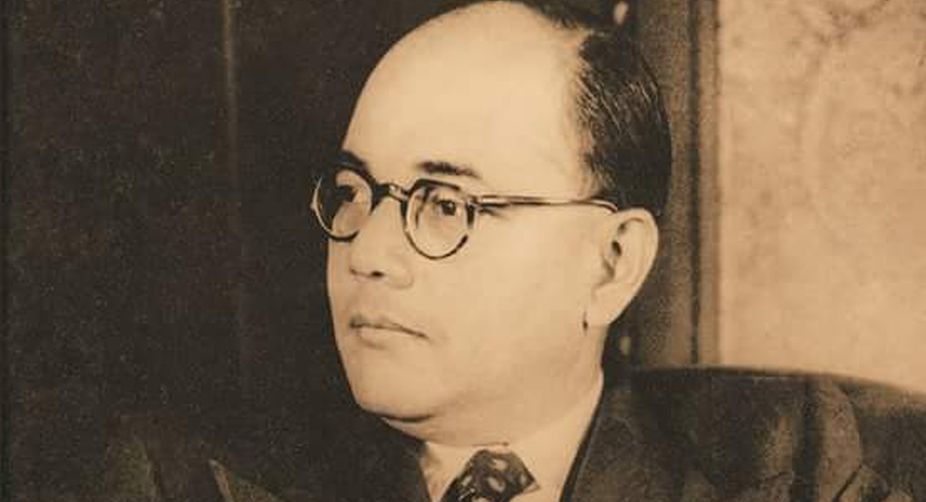
Netaji Subhas Chandra Bose (Photo: Facebook)
Netaji Subhas Chandra Bose’s grandnephew and researcher Ashish Ray on Sunday claimed he has “irrefutable evidence” to prove that Bose died in an air crash in Taipei (Taiwan) on August 18, 1945.
Demanding that the ashes in the Renkoji temple should be brought back to India, Ray said, “There are three reports which clearly state that Bose had died in the air crash in 1945 and did not have the opportunity to enter Soviet Union.”
Two reports by the Japanese government have clearly stated that he died in the air crash and another report which is lying with the Russian state archives unambiguously says that Netaji didn’t have the opportunity to enter the erstwhile Soviet Union on 1945 or afterwards, Ray said.
“He was never held as prisoner in USSR,” he said.
Ray said Netaji, however, might have plans to move to Russia as he had always believed that Russia, a Communist state, would support his cause to liberate India from the British rule.
“He felt Japan would not be able to protect him because it had surrendered. He felt although he might be detained in Soviet Union, he stood a better chance of convincing the Soviet authorities about his mission to liberate India,” Ray added.
Coming to contrary views on the issue, Ray said though he understands the emotional attachment with Netaji but there is a need to confront the truth.
“For how long can we be in denial, irrespective of so much evidence which points towards his death in plane crash.
We have accounts of six or seven persons, including Habibur Rehman. I think if possible a DNA test of the ashes in Renkiji temple should be done and the ashes should be brought back to India,” Ray said.
Modi, Ghani hold bilateral meeting
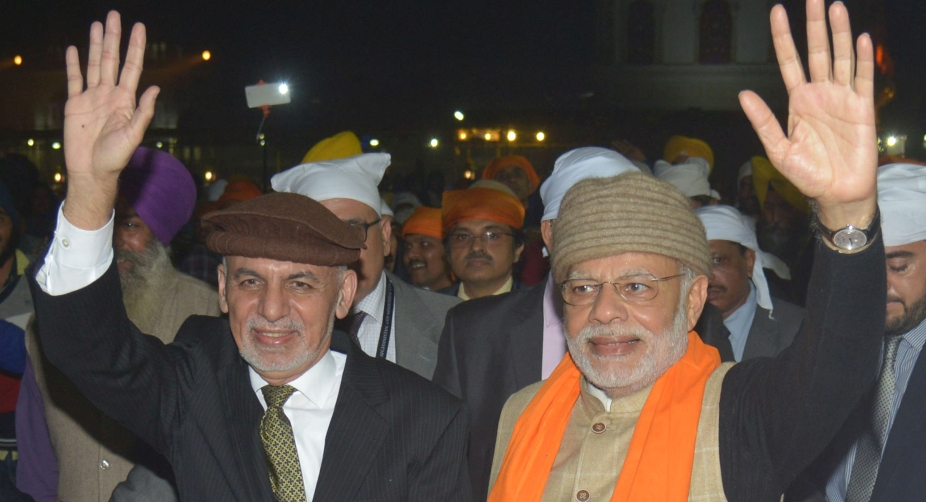
Afghan President Ashraf Ghani (L), Narendra Modi (R) (Photo: AFP)
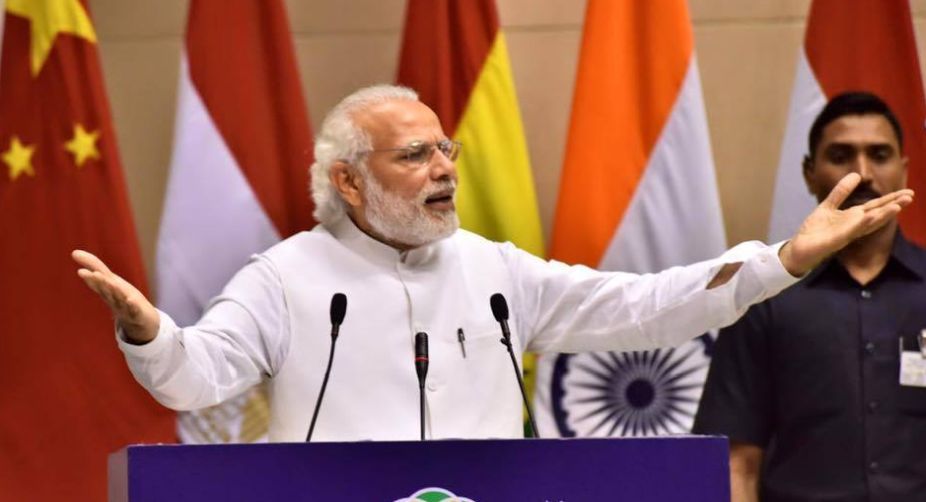
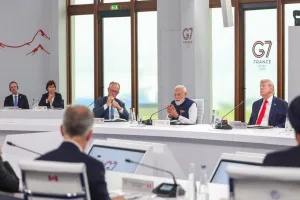
Prime Minister Narendra Modi and Afghan President Ashraf Ghani on Sunday held a bilateral meeting here before the commencement of the Heart of Asia ministerial conference.
“Beginning together before the Heart of Asia Ministerial. PM Narendra Modi and President Ashraf Ghani hold an important bilateral meeting,” External Affairs Ministry Spokesperson Vikas Swarup tweeted.
Modi and Ghani would jointly inaugurate the ministerial deliberations at the Heart of Asia-Istanbul Process conference, which would see participation of over eight foreign ministers and other dignitaries of 14 participating countries.
Fire breaks out at Kolkata shopping mall
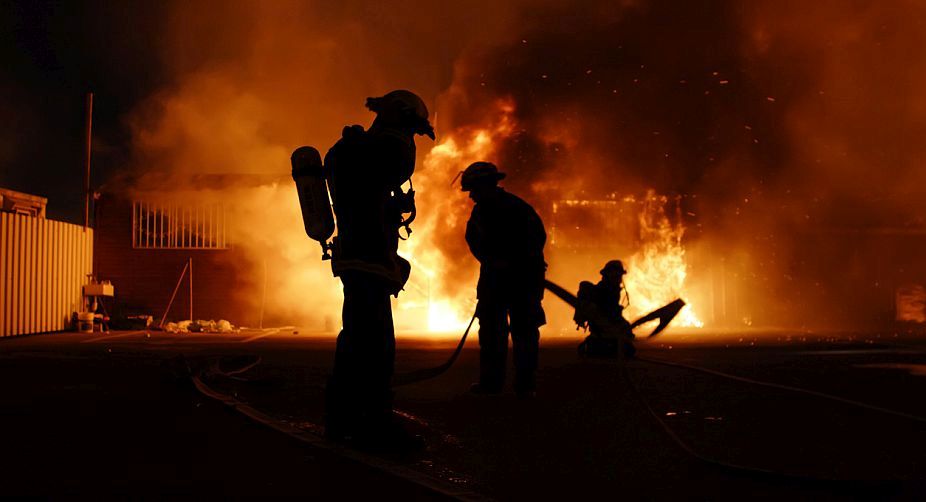
Representational image (Photo: Getty Images)
A fire broke out at the plush South City Mall here on Sunday.
There were, however, no reports of casualties or injuries, an official said.
At least five fire tenders have been rushed.
“The shops were yet to open when the fire broke out. Only the morning film shows were on. Everybody has been evacuated,” said West Bengal Fire and Emergency Services Minister Sovan Chatterjee.
The fire started from the false ceiling of the food court on mall’s third floor.
“The fire has been confined. I hope it will be controlled within a short time,” said Chatterjee.
Disaster management teams also reached the spot.
AI toolkit can help police trace child sexual abuse online
(Photo: Getty Images)
A new artificial intelligence (AI) toolkit ‘iCOP’ has been designed to identify child sexual abuse content online that can lead police to catch the abusers, researchers report.
According to the study published in the journal Digital Investigation, the ‘iCOP’ toolkit automatically identifies new or previously unknown child sexual abuse media using AI.
“With iCOP, we hope we are giving police the tools they need to catch child sexual abusers early based on what they are sharing online,” said Claudia Peersman from Lancaster University.
“Because originators of such media can be hands-on abusers, their early detection and apprehension can safeguard their victims from further abuse,” Peersman added.
When ‘iCOP’ was tested on real-life cases, it was highly accurate with a false positive rate of only 7.9 per cent for images and 4.3 per cent for videos.
The research showed that there were hundreds of searches for child abuse images every second worldwide, resulting in hundreds of thousands of child sexual abuse images and videos being shared every year.
“People who produce child sexual abuse media are often abusers themselves — the US National Center for Missing and Exploited Children found that 16 per cent of the people who possess such media had directly and physically abused children,” the study noted.
Mixed reviews by legal experts on SC’s national anthem order
(Photo: AFP)
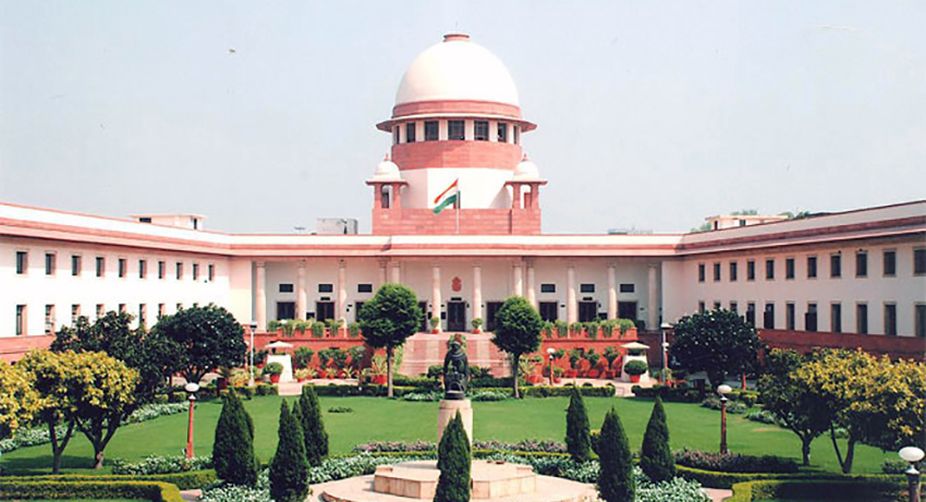
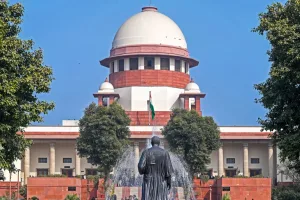
The Supreme Court order directing cinema halls to play the national anthem before screening to “instill committed patriotism and nationalism” has received mixed reactions from legal experts with a few terming it as “judiciary’s over-enthusiasm” and others saying playing it and respecting it won’t cause any harm.
While former Attorney General and noted lawyer Soli Sorabjee said courts cannot direct the public to stand up and do anything, senior advocate K T S Tulsi said judiciary should not go into the areas which does not belong to it.
However, Meenakshi Lekhi, a lawyer and BJP MP from New Delhi constituency, has no reservation on the Supreme Court order saying respecting the anthem “causes no harm”.
“National anthem is sung at various places like schools, public functions, events etc. What’s the harm in playing it at another venue? It causes no harm and it is natural to stand up when the anthem is played,” she said.
Tulsi and senior advocate K K Venugopal were of the view that this order could lead to law-and-order problem as it would be difficult for theatre owners to make people stand especially children and elderly viewers or those who are physically challenged.
Sorabjee, who termed the order as judiciary’s over enthusiasm, said, “They can give directions to the executive government to amend the acts. But they can’t give directions by themselves to stand up, to do this, do that.”
Lekhi said the law is clear about the national anthem as it was already mentioned in the Prevention of Insults to National Honour Act.
“The court had just read the law,” she said, adding that people living in the country must abide by the law of the land.
Meanwhile, Tulsi reminded the judiciary that its primary responsibility is “adjudication”.
“Courts must think through on what is their jurisdiction.
Their primary responsibility is adjudication. Adjudication is getting delaying for decades and we are going into areas which don’t belong to us,” he said.
“I don’t agree with the judgement at all. Firstly it’s not the function of the courts to decide what public behaviour is ought to be. It will create a huge problem to ensure that the national anthem is not disrespected,” Tulsi said, adding some persons may even overreact and may result in a fist fight when a disabled-man or somebody chose not to stand up.
Preview: Everton host buoyant Manchester United
Can either side establish their top-fours credentials with a statement on Super Sunday?
Everton host Manchester United in what is a must-win game for the sides on Sunday’s showpiece match in the English Premier League.
Having signed sought-after managers, the clubs were expected to be in the top four without breaking a sweat this season.
Yet, as is the norm in the Premier League, things haven’t gone as planned for both Ronald Koeman and Jose Mourinho.
So when the 7th placed side travels to the 8th ranked team, what can be expected? United are the stronger side and should they win here, it will be a turning point in their season.
Everton
The Toffees are in a slump right now and should they lose against United, a free fall down the league table beckons.
Having won only one game in their last 9, suggest Koeman needs to mix things up and perhaps give youth a chance
Romelu Lukaku hasn’t scored since since September, when Everton beat West Ham 2-0. That game was also the last game they emerged victorious, losing twice and drawing once in the three subsequent game since then. The Belgian along with Ross Barkley and and Yannick Bolasie form a talented but inconsistent attacking trident for Everton.
They have an almost complete squad to welcome the Red Devils, as Mo Besic the only injured player.
Manchester United
United have been quite inconsistent in the league, drawing too many games for their fans liking.
Dominating most teams in terms of posession and chances created, their finishing has been poor in recent games, much to the disappointment of Jose Mourinho.
Their mid-week demolition of West Ham has raised hopes that perhaps a return to the glory days is on the cards but one good game does not a season make does it?
In Zlatan Ibrahimovic they have a striker who is looking rejuvenated after undergoing a slight slump and with the likes of Juan Mata and Anthony Martial also impressing, United should score a few on Sunday.
Luke Shaw is doubtful to make it and the central defensive duo Eric Bailly and Chris Smalling both remain injured. Good news is there, however, as midfielders Paul Pogba and Marouane Fellaini are available after having served a one-match suspension.
Super Stat: Manchester United have won at Goodison Park on 15 occasions in the Premier League; at no other away venue have they won more often in competition history.
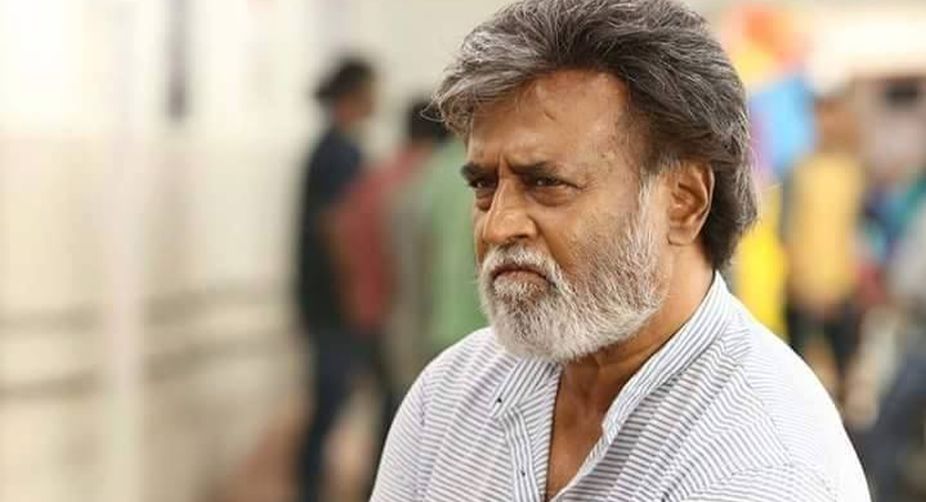
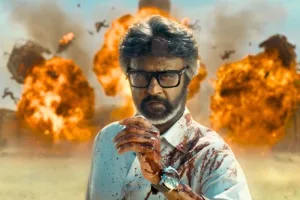
Rajinikanth injured while shooting for ‘2.0’
Rajinikanth (Photo: Facebook)
Superstar Rajinikanth suffered a minor injury on the sets of his upcoming Tamil science-fiction action-thriller “2.0” here.
According to a source, he fell and hurt one of his knees. The incident occurred on late Saturday evening.
“Rajinikanth fell while filming a crucial scene and hurt one of his knees. He was taken to Chettinad hospital where the superstar underwent treatment for about half an hour. Later, he returned home,” a source from the film’s unit said.
Multiple sources have confirmed the superstar is absolutely fine.
In a video released by Rajinikanth’s manager Riaz K. Ahmed on his Twitter page, he is seen exiting his caravan, waving at fans and then entering his car.
Directed by Shankar, the film is being made on a lavish budget of Rs.400 crore.
It also stars Akshay Kumar, Amy Jackson, Sudhanshu Pandey and Adil Hussain in important roles.
Cuba will ban naming of monuments after Fidel
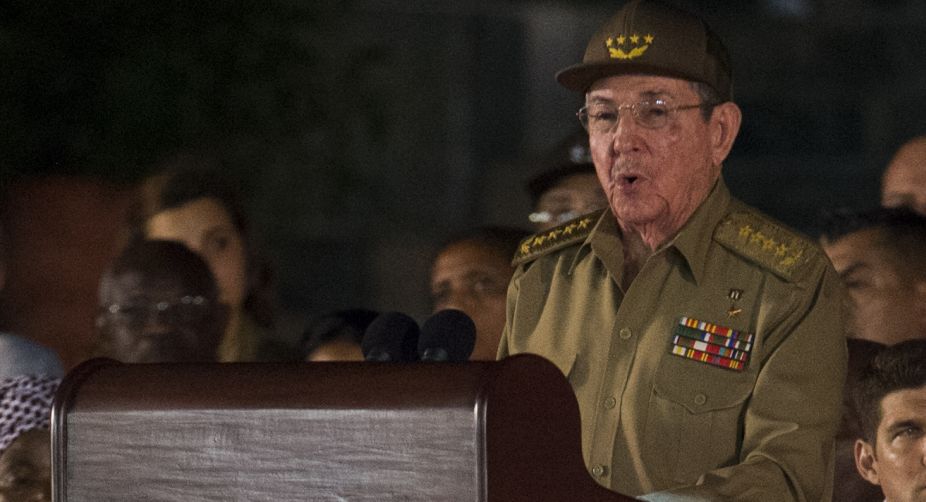
Raul Castro
Cuban President Raul Castro has said that his government will prohibit the naming of streets or public monuments after his brother Fidel in keeping with the former leader’s desire to avoid the development of a personality cult.
The younger Castro told a crowd gathered to pay homage to Fidel Castro in the eastern city of Santiago that the country’s National Assembly would pass in its next session a law fulfilling his brother’s desire that, “once dead, his name and likeness would never be used on institutions, streets, parks or other public sites, and that busts statutes or other forms of tribute would never be erected.”
Fidel Castro, who died Nov 25 at 90, kept his name off public sites during his time in office because he said he wanted to avoid the development of a cult of personality.
In contrast, the images of his fellow revolutionary fighters Camilo Cienfuegos and Ernesto “Che” Guevara have become common across Cuba in the decades since their deaths.
Raul Castro spoke at the end of a second massive rally in honour of Fidel as Cuba neared the end of its nine-day public mourning. Castro’s ashes arrived last afternoon in Santiago, ending a four-day journey across Cuba that began after a massive rally in Havana’s Plaza of the Revolution.
Thousands of people welcomed the leader’s remains to shouts of “Fidel! I am Fidel!”
Then hundreds of thousands gathered in Santiago’s Revolution Plaza last night, cheering speeches by the heads of state-run groups of small farmers, women, revolutionary veterans and neighbourhood watch committee members.
The event was attended by Bolivian President Evo Morales, Nicaraguan leader Daniel Ortega and Nicolas Maduro of Venezuela, along with former Brazilian presidents Dilma Rousseff and Lula da Silva.
Castro’s ashes will be interred this morning in Santiago’s Santa Ifigenia cemetery, ending the official mourning period.
Mourning for Castro has reached near-religious peaks of public adulation across Cuba since his death, particularly in rural eastern Cuba.
Huge crowds have been shouting his name and lining the roads to salute the funeral procession carrying his ashes from Havana to Santiago.
Memories from India’s heart
A large majority of Nagpur’s population was Hindu and spoke Marathi.
I have fond childhood memories of our time spent in Nagpur, whose location in central India or Central Provinces (now Madhya Pradesh) marked it as the heart of India. Mahatma Gandhi had made it his home – he lived in Wardha, less than 50 miles from Nagpur.
A large majority of Nagpur’s population was Hindu and spoke Marathi. Hindu women wore saris wrapped in the Marathi style, which was similar to the dhotis that men wore, except that one end of the sari went over the shoulder.
The first memories I have of the Hindu-Muslim divide are being welcomed at my Hindu friends’ homes as one of their own – except in the kitchen. Somehow it was conveyed to me that the kitchen was out of bounds for me, as it was for all non-Hindus, and for Hindus of lower castes.
At our home, a Hindu friend would sit with us at the table for a meal and look fleetingly at my mother who would imperceptibly shake her head. This had become the sign to confirm to my Hindu friends that there was no beef.
Nagpur was a medium-sized city, well laid-out and maintained as cities generally were during the British period. Security was not an issue nor was traffic: as a pre-teen I would cycle to school and back on my boys-sized bicycle. We lived in a largely Hindu neighbourhood which had become a close-knit community, where the children would wander in and out of each other’s homes and were treated as family.
Our favourite sport was playing Sikander named after, and inspired by, the eponymous Indian movie about Alexander the Great. The film had scenes of Alexander’s army on horses riding and singing. And so we, too, tried to be like the soldiers, “riding” on bamboos (in lieu of horses) singing “Hum hain Islam ke bachche…” (We are children of Islam…).
I am not sure how this became our theme song but I suspect it was because Muslims were considered to be soldiers and Hindus businessmen. We – mainly Hindus, some Muslims, a few Sikhs and others – would gallop around singing on the top of our voices. Invariably, a door would open in one of the houses and a Hindu mother, with concern in her voice, would yell at us O Islam ke bacho garmi hogayi hai. Ander aao, mene sharbat banaya hai (O children of Islam it is hot outside. Come in, I have chilled juice for you).
We would troop in, have our fill of cold sharbat and would soon be back to galloping and singing the theme song.
Nagpur has a special meaning for us as my sisters and I started our schooling there at the St Joseph’s Convent. Later, I was moved to St Francis De’Sales School for boys.
My school friends and I would play cricket every Sunday in the golf course near our house, where groups of Englishmen would play golf. One Sunday a golfing group, unable to locate its golf ball, walked up to us and asked if we had it. When we said no, the English golfers, being sure that we had it, walked off with our cricket ball.
A few days later, we went to a reception for families at the Governor House with our parents. We stood in a line as the governor, with his aides, greeted us. When he came to me and said “Hello”, I blurted out “You took our cricket ball.”
The governor stopped and said, “Oh, and when did I take your cricket ball?” I told him and he seemed hugely amused. A few days later, six brand new cricket balls were delivered at our house on behalf of the governor.
Then it was time for the “Quit India Movement” to start. Gandhi’s presence in Wardha, near Nagpur, had turned the city into a pressure centre for the British. My father and his colleagues, who were then assistant commissioners in the civil service, were hard-pressed to manage and control the people rallying. The passive nature of the protests precluded the use of force by the authorities. In fact, the only time they did resort to forceful actions was to remove people blocking roads.
The Gandhian demonstrators, however, beat the system by having hordes of women lie on the road, from where the male policemen could not dare to remove them physically. This situation stumped the assistant commissioners until one day a large number of women in a nearby sector suddenly rose from their places and ran screaming, clearing the road.
The cause of the women stampeding was a British assistant commissioner’s instructions to a dozen policemen to lie down on the road next to the women – at an adequate distance from them. This mode of Satyagraha was probably abandoned after the episode.
The Gandhian objective was for the British to “Quit India”. Gandhi’s followers’ ahimsa, satyagraha and their non-cooperation in Britain’s war effort, along with Gandhi’s famous fasts, his salt marches and going in and out of jails, had their beginning in Nagpur. They were timed to exploit the wartime vulnerability of the British rulers.
When the Japanese had occupied Burma and there was a distinct possibility of them advancing towards India, the British turned Nagpur into a “war city”. Blackouts were enforced, street lights were covered, vehicle headlights were painted half-black, and light in homes had to have a special black shade. Patrolling by police and troops was enhanced. All this was as close a taste of the war as the Nagpurites got. It also marked the surfacing of secret Hindu-Muslim differences.
The Muslims were concerned with their status in a country that was dominated and ruled by Hindus. The painful experience of discrimination in several Hindu Congress-ruled provinces from 1937 to 1939 was still remembered by many Muslims. Thus, they did not join Congress’s Quit India Movement without assured equality – which remained illusory, or was flattened by Nehru’s impulsive words. As a result of this, in 1940, the Pakistan Resolution was passed by the Muslim League.
dawn/ann
Parlour and the prince
For a country that has been tormented by political strife for the past few years, Thursday’s change of guard at the Grand Palace in Bangkok is deeply significant. The Crown Prince, who received the title, “His Majesty King Maha Vajiralongkorn Bodindradebayavarangkun”, has succeeded to the throne two months after the passing of his father, King Bhumibol Adulyadej, who had reigned for 70 years, and was an icon in the overall construct.
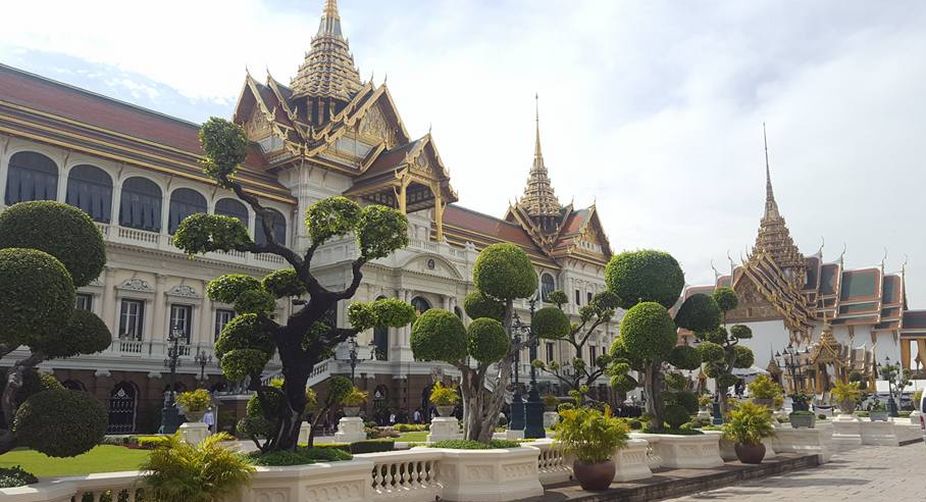
The Thai Parliament’s invitation to the Crown Prince to succeed his father as king has ended the uncertainty in the context of an overbearing military, a restive people backed by the political class, and the continuing influence of the Shinawatra family, however tainted, in the northern areas bordering Myanmar.
It is an ambitious cocktail of power-play that the palace will nonetheless have to countenance. When Buddhist temples across the country were asked to beat drums and gongs following his enthronement, the grandstanding signified the groundswell of support for royalty in a constitutional monarchy.
“I agree to accept the wishes of the late king for the benefit of the entire Thai people,” was the reassuring message of the Crown Prince. It is open to question though whether the accession will redefine the role of the palace, which has maintained a low profile… according a free hand to the bumbling political class, and more recently the military. As it turns out, both have failed the people. The country cries out for stability and the role of the palace will be pivotal in the days to come.
Vajiralongkorn, or as now incarnated as Rama X, was originally expected to assume the throne the day his father died (October 13), but the Prime Minister, Prayuth Chan-ocha, said the prince had asked for the accession to be delayed so he would have time to mourn.
As a fallout of the political unrest, Thailand is a constitutional monarchy though now under military rule and the new King will be expected to address the inherent dichotomy in the structure of governance. It bears recall that Bhumibol had played an important role in stabilising his country through a period of enormous change when neighbouring monarchies were collapsing under the pressures of the Vietnam war. He was known for his energy in development activities, conducting hands-on inspections in remote rural areas. He had calmed the country through several political crises.
The new king faces the challenge of a country that has been fractured over the past decade; contending political forces have engaged in bitter confrontation, shaking the people’s faith in the democratic system. The response of the palace to that challenge will shape the history of Thailand.
Important to end terror for stability in Afghanistan: Modi tells Aziz, 4 FMs
Pakistan Premier’s foreign affairs advisor Sartaj Aziz along with foreign ministers of four countries on Saturday called on Prime Minister Narendra Modi who told them that it was important to end terrorism and violence for fostering stability in Afghanistan and the region.
The foreign ministers of Kyrgyzstan, Iran, Afghanistan, and Slovakia, which holds the European Union Presidency this month, along with Pakistan Prime Minister’s Foreign Affairs Advisor Aziz called on Modi ahead of the 6th Ministerial Conference of the Heart of Asia Istanbul Process on Afghanistan here.
Prime minister Modi welcomed the foreign ministers and stressed it was the collective responsibility of all those in the region to work together to help Afghanistan out of its current difficulties, External Affairs Ministry Spokesperson Vikas Swarup said.
The prime minister stated that his several interactions with both the common people of Afghanistan and the country’s leadership had convinced him that the Afghan people were tired of the continuing violence and terrorism.
Prime Minister Modi stressed on “the need to end terrorism and violence for fostering stability, security and development in Afghanistan and our region,” Swarup said.
In this context, the prime minister hoped that discussions in the Ministerial Conference on Sunday will produce good results.
Agreeing with the Premier on the need to end violence in Afghanistan, the foreign ministers shared Prime Minister Modi’s view that Afghanistan’s stability, security and prosperity are integral to the region’s, Swarup said.
“They greatly appreciated the continued commitment and engagement of India and its leadership for these ends. The foreign ministers warmly thanked India for hosting the conference and expressed confidence that all friends of Afghanistan will work together for realising the aspirations for peace and development,” he said.
England set to give dominant India tough hand: Coach Paul Gannon
India are scheduled to face Canada on December 8, while England will play the hosts on December 10.
England junior men's hockey team
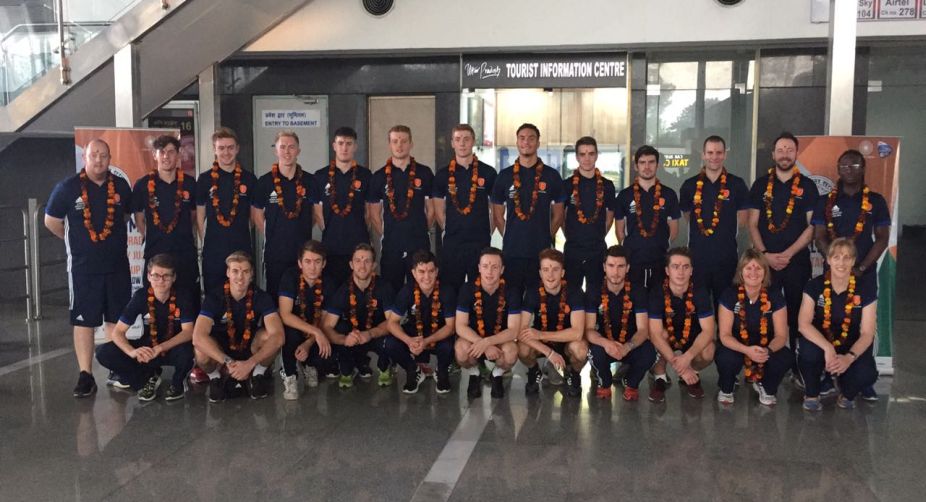
Paul Gannon,England junior men’s hockey coach, on Saturday said that his boys are eagerly waiting to start well at the FIH Hockey Junior World Cup, starting December 8.
“Our preparations have been good and we recently played the Johor Bahru Cup in Malaysia. We are a strong unit and we will be looking at starting the tournament with a win against South Africa so we can carry that momentum to our second game against India,” Gannon said in a statement released by Hockey India.
England are placed alongside India, Canada and South Africa in the same group. In the recent tour of England, India concluded with a 2-2 draw.
The English coach revealed his boys are ready to give India a tough hand at the tournament.
“India are a good side and we look forward to a good game against them on December 10. India are a very dominant country when it comes to world hockey and the boys are excited to play here,” he said.
Earlier in the day, India’s another pool-rival Canada also landed Lucknow and coincidentally, the team contains 12 players of Indian origin.
“It’s great to have these young boys who want to carry forward their legacy and family heritage of playing hockey. The team Captain’s grandfather has played for Uganda in the Olympics while his father has played junior hockey for Canada. And while they are of Indian origin, they take great pride in playing for Canada,” Canada junior hockey team mentor Inderpal Sehmbi said.
India are scheduled to face Canada on December 8, while England will play the hosts on December 10. Both the encounters promise to deliver the best of hockey action.
Opp seeks CM statement on MIO Conclave, encephalitis
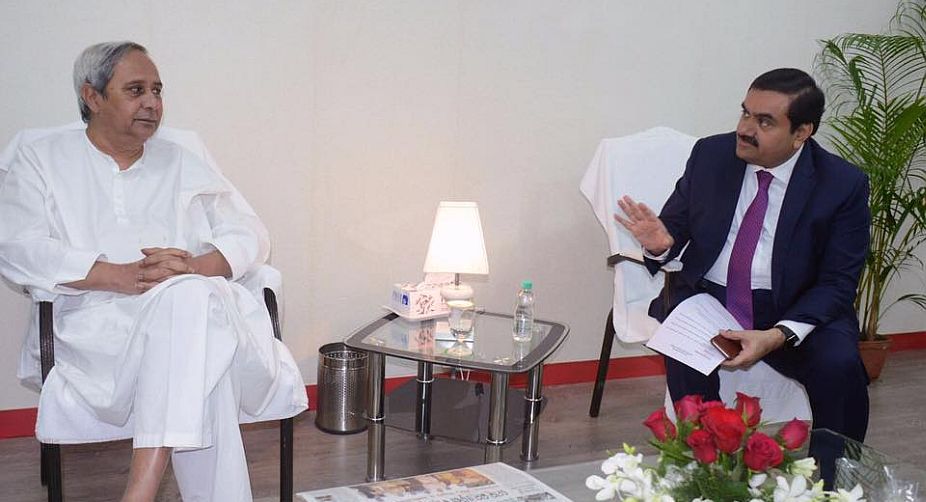
Naveen Patnaik (L) and Gautam Adani (Photo: Facebook)
Opposition Congress and BJP today sought a statement from Odisha Chief Minister Naveen Patnaik on the ‘lavish’ spending on Make In Odisha (MIO) Conclave and death of above 100 children in Malkangiri district in Japanese Encephalitis (JE).
The issues were raised by members of both the parties in the Assembly during Zero hour.
Clarifying that Congress was not against industrialisation in the state, party Chief Whip Tara Prasad Bahinipati wanted to know how much the state has spent on organising the MIO Conclave.
“You (govt) spent lavishly for industrialists in the conclave while poor people who lost their children to Japanese Encephalitis are denied any assistance,” Bahinipati alleged adding that his party demanded a statement from the Chief Minister.
Besides Bahinipati, Congress members Prafulla Majhi, Naba Das, Chandrasekhar Majhi, Krushna Chandra Sagaria and Bhujabal Maji also criticised the state government for holding the MIO conclave when children are dying in Malkangiri.
“The state government is answerable for lavish spending on Make In Odisha. While Jeypore paper mill is defunct and cottage industries in Koraput remained dead for years, BJD government is showing false hopes of industrial growth,” said Prafulla Majhi.
Some members also criticised the government for announcing ex gratia of Rs 5 lakh for SUM hospital fire victims while only Rs 12,000 is being given to families of victims in Malkangiri.
BJP member Pradip Purohit dubbed the MIO as a publicity stunt of the BJD government.
Ruling BJD members Prafulla Samal, defended the government and claimed that MOI was the state’s first mega business meet and this would help Odisha to grow industrially.
Modi killing institutions, alleges Kejriwal
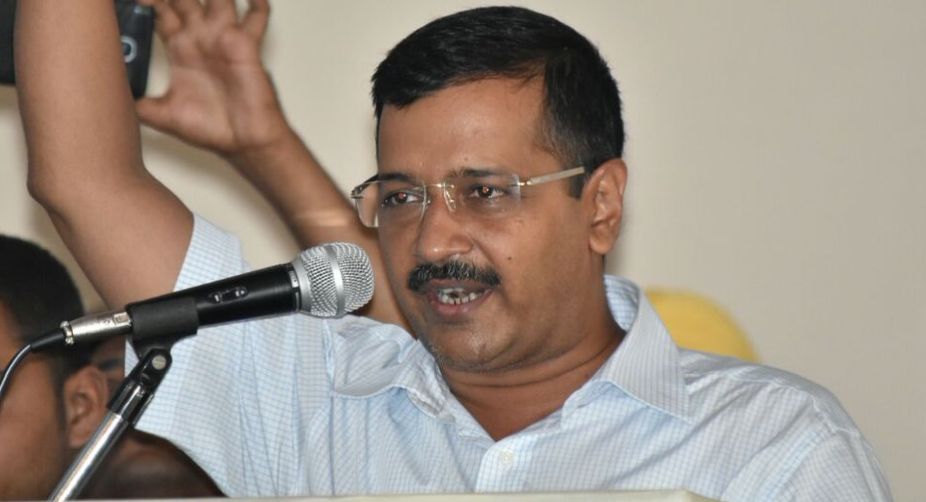
Arvind Kejriwal (Photo: Twitter)
Delhi Chief Minister Arvind Kejriwal on Saturday alleged that Prime Minister Narendra Modi was killing constitutional institutions one by one.
“This PM (Prime Minister) is killing institutions one by one – RBI (Reserve Bank of India), CBI (Central Bureau of Investigation), universities and now judiciary. What India achieved in 65 years will be undone by him in five years,” Kejriwal tweeted.
His comments came in response to an article published in a news portal which said that India had only 58 per cent of the High Court judges than it should.
Whatsapp might become extinct in 2017
(Photo: Getty Images)
It is time to look at your smartphone, not to check any message or email but how old it is. According to media reports, popular messaging app WhatsApp will stop working on millions of smartphones by the end of 2016 unless they are upgraded.
WhatsApp, with more than one billion monthly users, was phasing out compatibility with older phones in a technology upgrade, The Mirror reported on Saturday.
“While these mobile devices have been an important part of our story, they do not offer the kind of capabilities we need to expand our app's features in the future,” the report said, quoting a spokesperson from WhatsApp.
“As we look ahead to our next seven years, we want to focus our efforts on the mobile platforms the vast majority of people use,” the spokesperson said.
The company has said that several older services would be discontinued in 2017.
“For iPhone users, WhatsApp will stop working on any iPhone 3GS and will also stop being supported on any device running iOS 6,” Manchester Evening News reported.
The service will also stop on any first, second, third or fourth generation iPad that has not been updated. Users need to update to iOS 9.3 to use the service.
Phones or tablets running on Android 2.1 or 2.2 operating system will not be supported after year end.
WhatsApp will stop working on Windows 7 running devices and if you are still using Windows 7, you need to update the device as soon as possible in order to use the service.
However, WhatsApp is extending support for BlackBerry OS, BlackBerry 10, Nokia S40 and Nokia Symbian S60 until June 30, 2017.
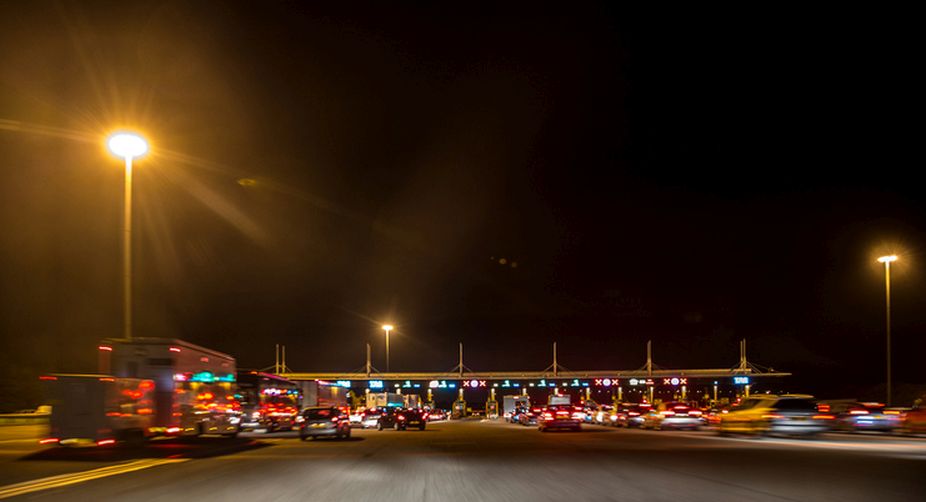
Mumbai commuters hassle at toll plazas
Representational image (Photo: Getty Images)
Long queues of vehicles at toll plazas, some several km long, returned to haunt hassled commuters on Saturday as the collection of toll tax was resumed from December 2 midnight.
Caught in the traffic snarl, office-goers, students and passengers rushing to catch long-distance trains or flights were delayed.
The serpentine queues of both big and small passenger and commercial vehicles were witnessed at all the five toll plazas at the entry and exit points to Mumbai, in the absence of smaller denomination notes and inadequate arrangements for cashless toll collection.
Most toll plazas refused to accept new Rs.2,000 notes, the maximum in circulation after demonetisation of old Rs.500 and Rs.1,000 on November 8, as no notes of smaller denomination notes were not available. Many commuters refused to accept coupons in lieu.
The problem was compounded as toll plazas have been barred from accepting old Rs.500 and Rs.1,000 notes and the government said coupons would be issued to tide over the change crisis.
This led to bitter arguments between toll collection staff and vehicle owners, leading to further delays, longer queues and frayed tempers.
The worst situation was seen at Vashi and Dahisar toll plazas, besides other toll collection points on the Mumbai-Pune Expressway, the Mumbai-Ahmedabad, Mumbai-Agra, Mumbai-Nagpur and other toll roads.
Mumbai alone has five entry points at Dahisar, Mulund, Thane, Airoli and Vashi, managed by MEP Infrastructure Developers Ltd. from where several thousands of vehicles enter or exit the metropolis.
Many local commuters complained that they were delayed by several hours in reaching their places of work. Some passengers griped they missed their flights or long-distance trains while students said they were delayed for classes as well as internal exams.
“I had an important meeting lined up at 11am, but am waiting at the toll plaza for over two hours. Now, the meeting will have to be rescheduled,” said MNC executive M Risha from Kandivali, who was driving to work in Thane.
Toll collection was waived for various periods extended from time to time since demonetisation, that is, from November 9-11, 11-14, 14-18, 18-24 and finally between November 24 and December 2 in view of shortage of new currency and change.
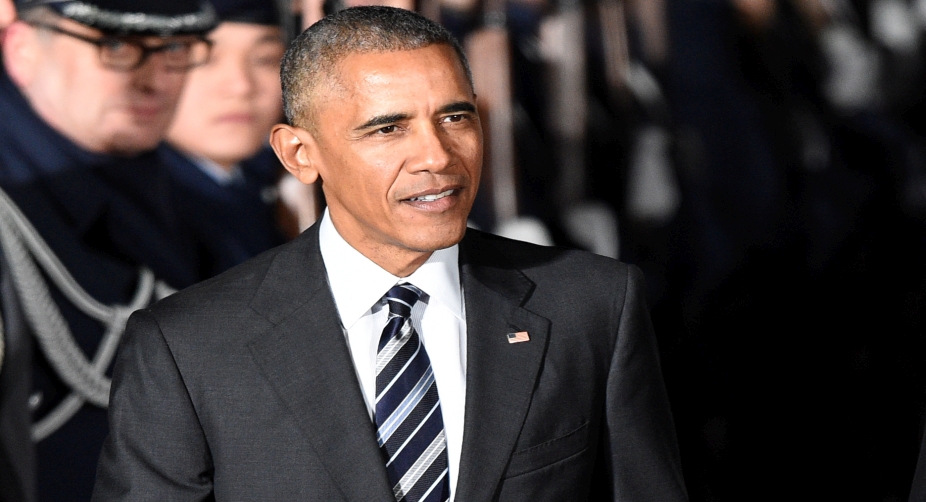
Obama blocks Chinese firms’ takeover of Aixtron’s US business
(Photo: AFP)
In a move which could spark tension between President-elect Donald Trump and the Chinese government in the near future, US President Barack Obama on Friday blocked a Chinese company's purchase of the US business of German chip equipment maker Aixtron.
Despite objections from China, Obama issued an order directing China's Fujian Grand Chip Investment Fund (FGC) to “fully and permanently abandon” the proposed acquisition of Aixtron's US business, the US Department of Treasury said in a statement.
The Committee on Foreign Investment in the US (CFIUS), which reviews foreign purchases of US companies, and Obama assess that “the transaction poses a risk to the national security of the United States that cannot be resolved through mitigation, ” the statement added.
The US president and the CFIUS have the power to block any deal if they consider national security is threatened. The traditionally opaque review process has become one of the top concerns for Chinese investments in the US, Xinhua news agency reported.
China had urged the Obama administration not to politicise the proposed takeover ahead of Washington announcing that decision.
“The case…is a normal business acquisition and thus should be dealt with according to business principle and market rules,” Chinese Foreign Ministry spokesperson Geng Shuang said at a regular briefing.
“We hope there will not be too much political interpretation of this normal business activity, still less political disruption,” he said.
This is not the first time that Obama has intervened to block a takeover involving a Chinese company.
In 2012, Obama blocked Chinese-owned Ralls Corp. from owning four wind farms in Oregon, citing national security risks as their locations were too close to a military facility.
Ralls sued Obama and the CFIUS for exceeding constitutional rights and failing to provide detailed evidence. In 2014, a US court ruled that Obama and the CFIUS failed to give a constitutional due process to Ralls.